Article

Influencing Factors of Sulfuric Acid Resistance of Ca-Rich Alkali-Activated Materials

Graduate School of Science and Technology for Innovation, Yamaguchi University, Tokiwadai, Ube 755-8611, Yamaguchi, Japan
*
Author to whom correspondence should be addressed.
Materials 2023, 16(6), 2473; https://doi.org/10.3390/ma16062473
Submission received: 15 February 2023 / Revised: 13 March 2023 / Accepted: 15 March 2023 / Published: 20 March 2023

Abstract

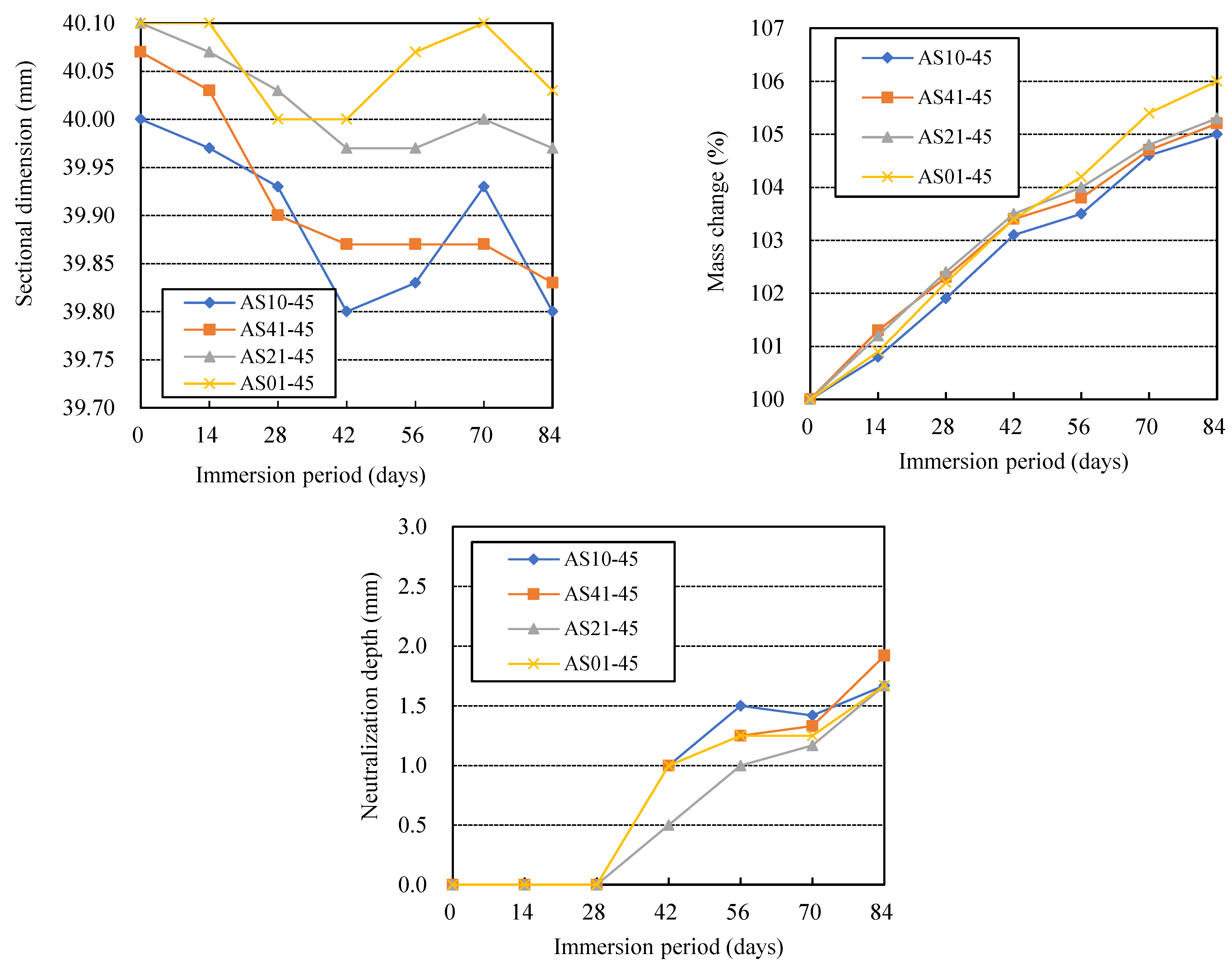
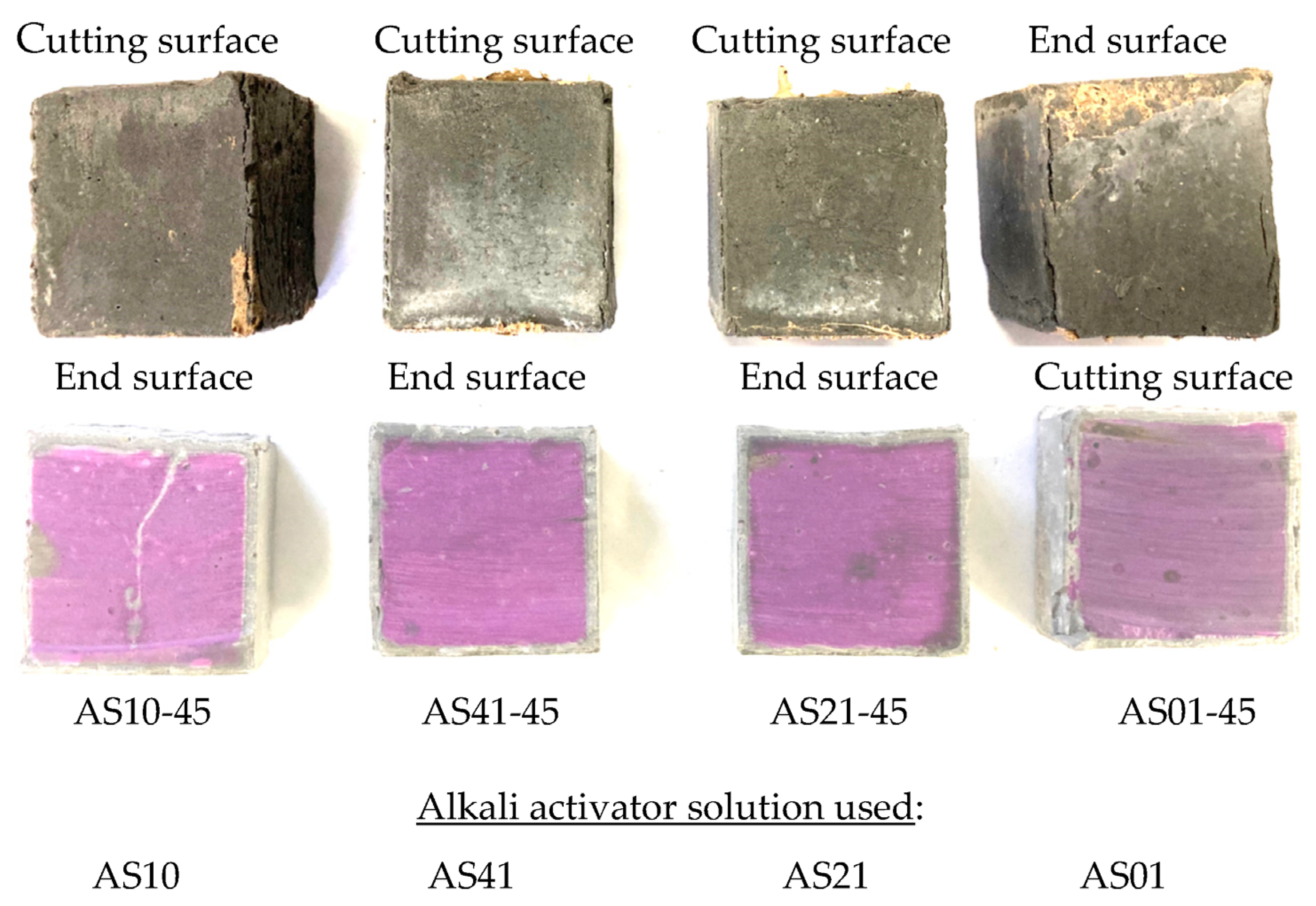
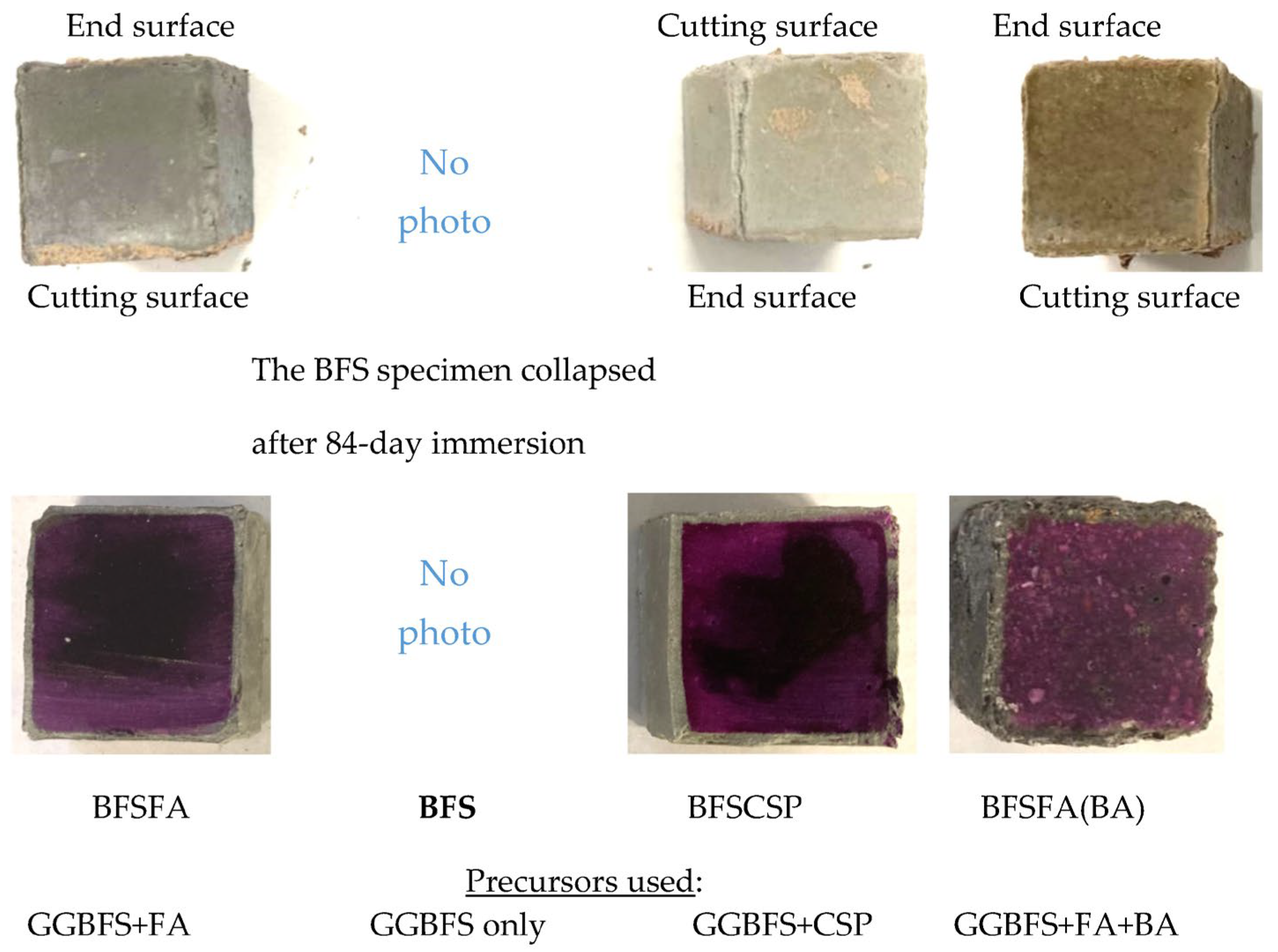
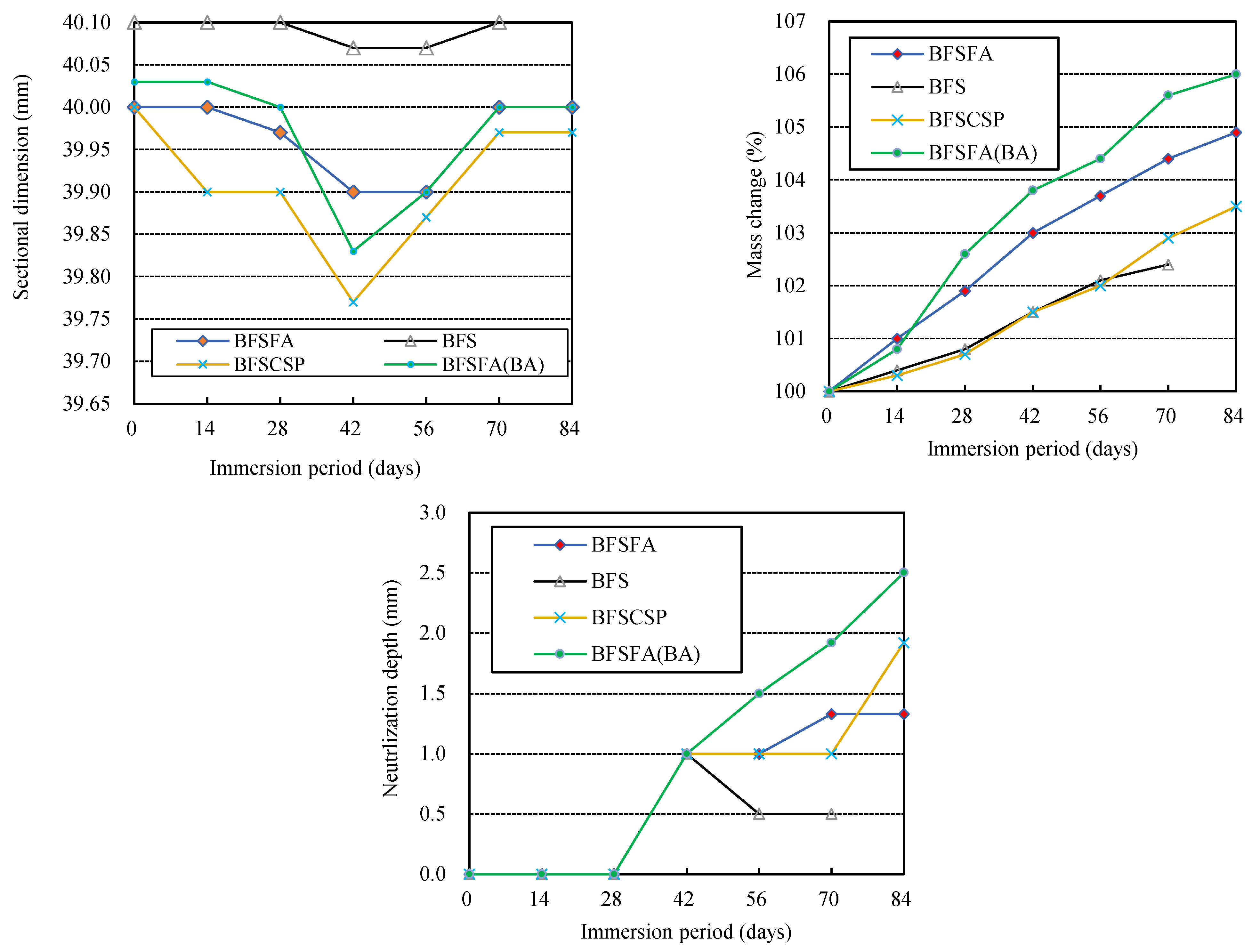
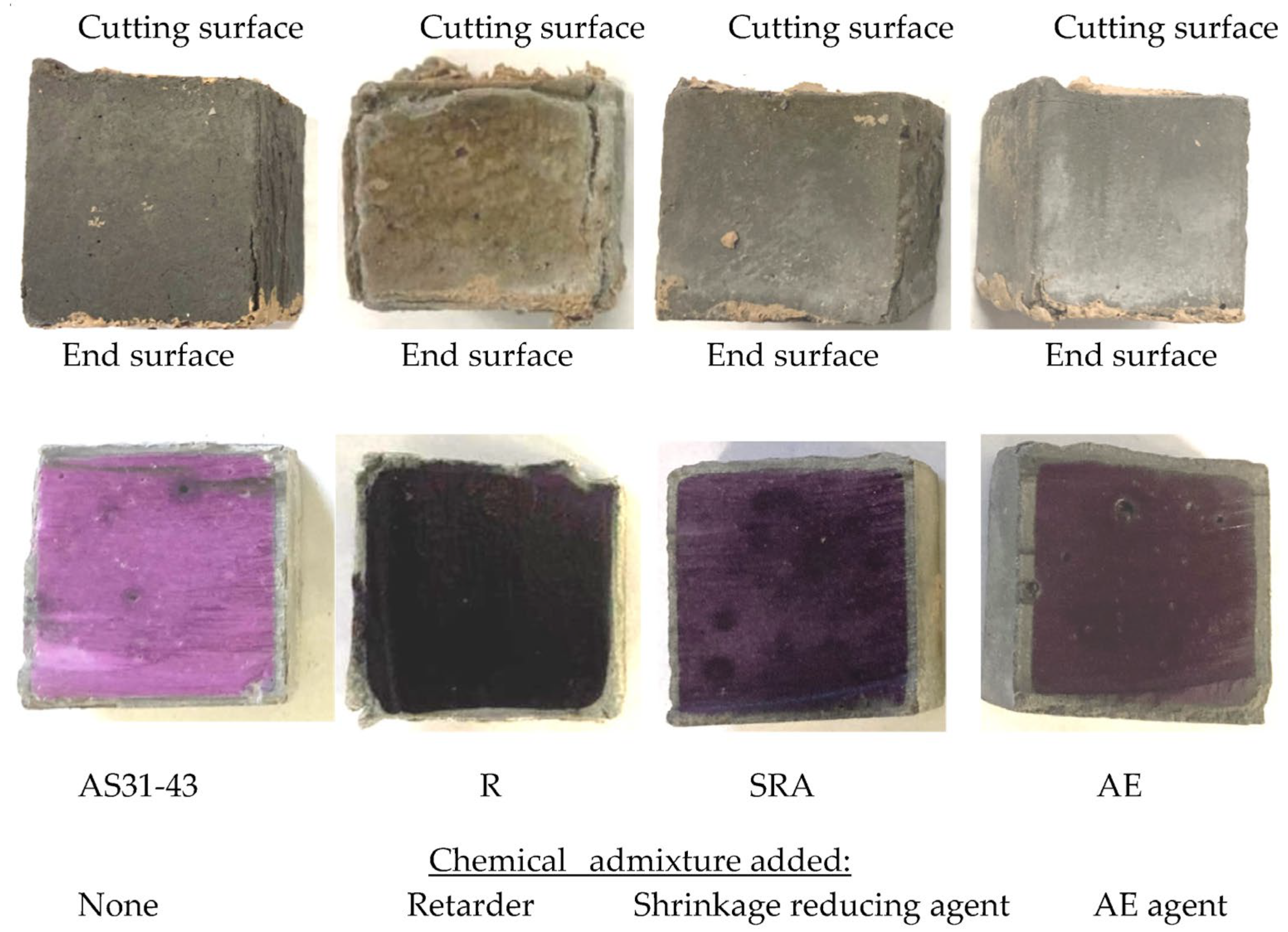
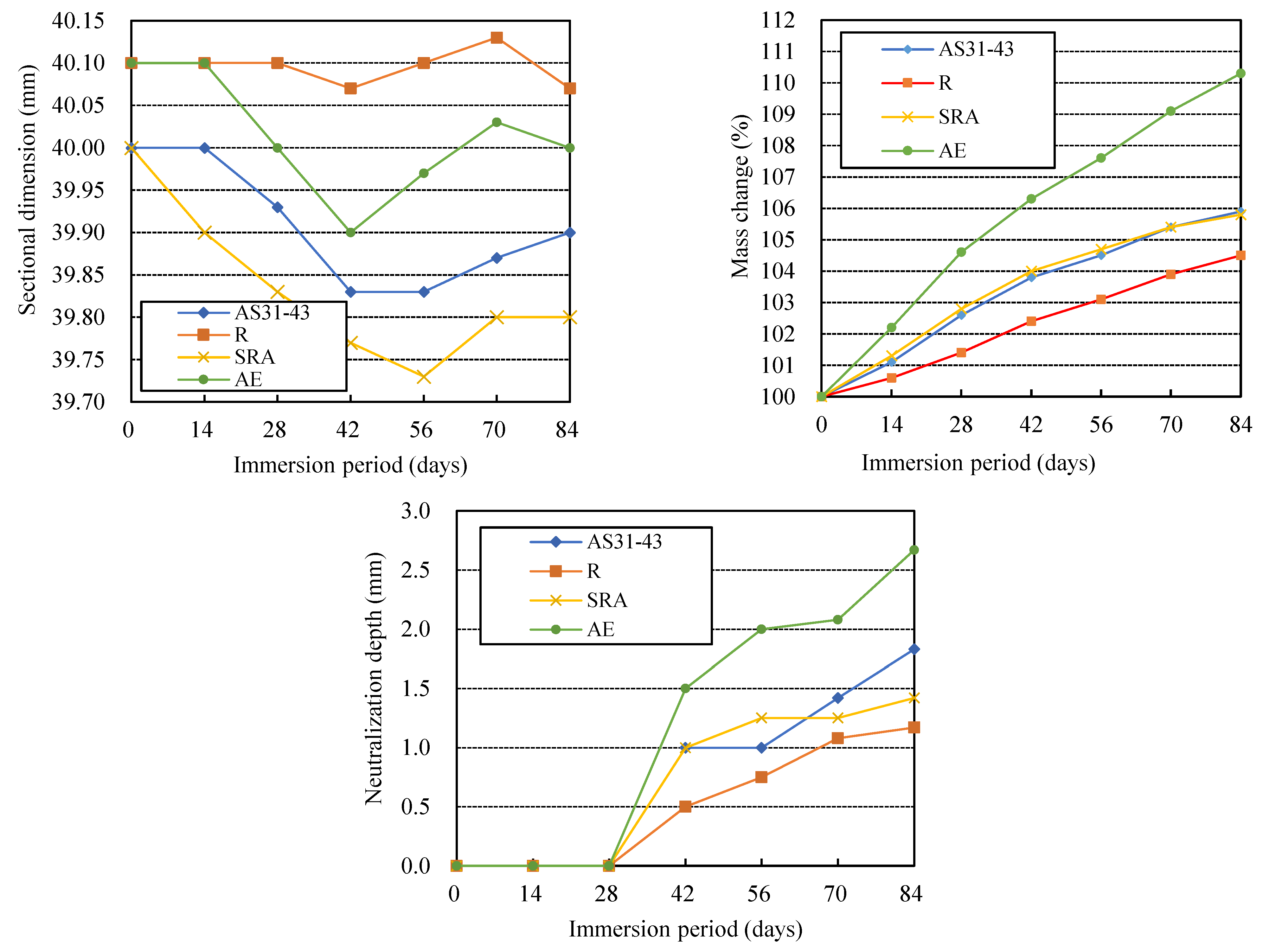
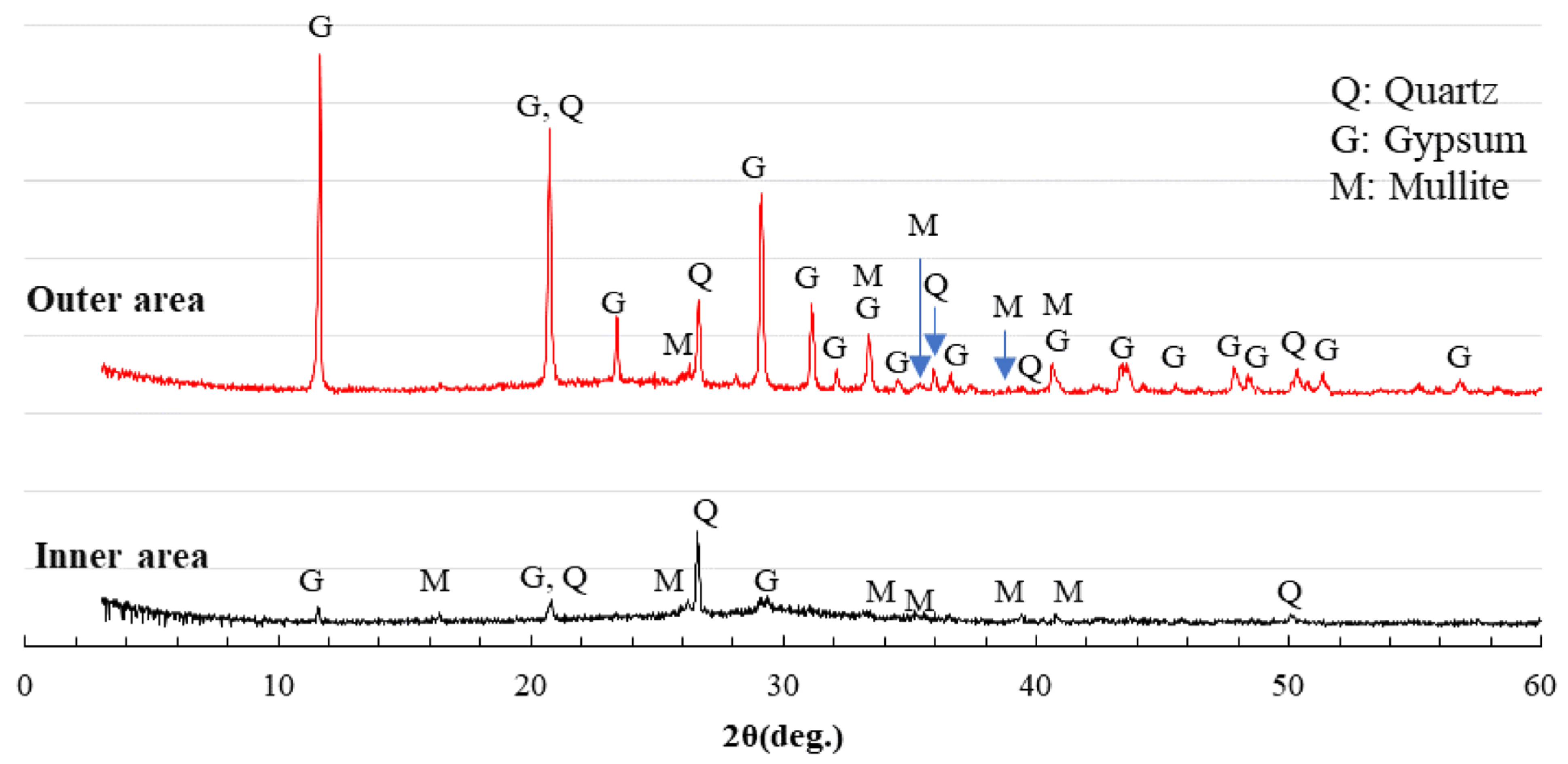
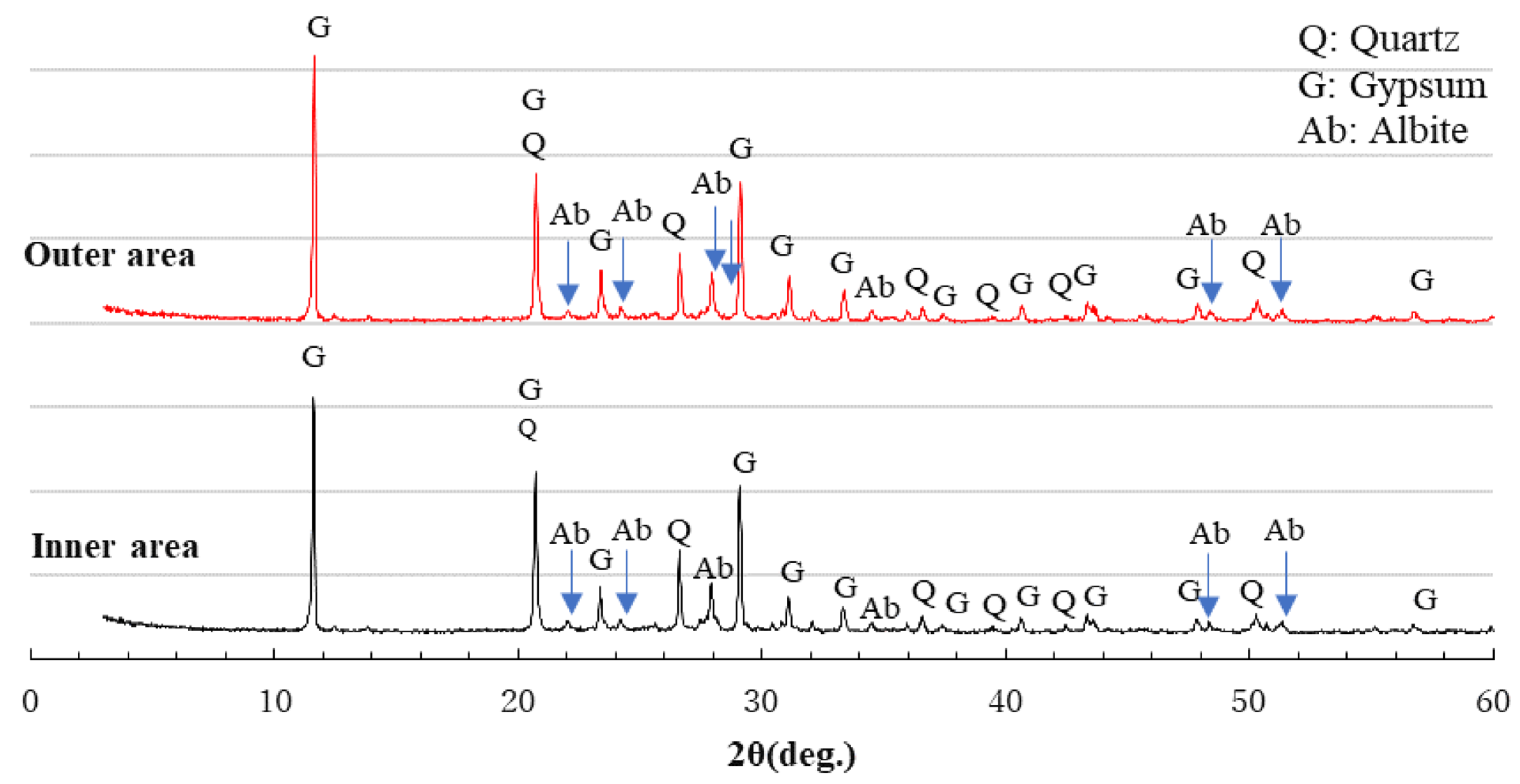
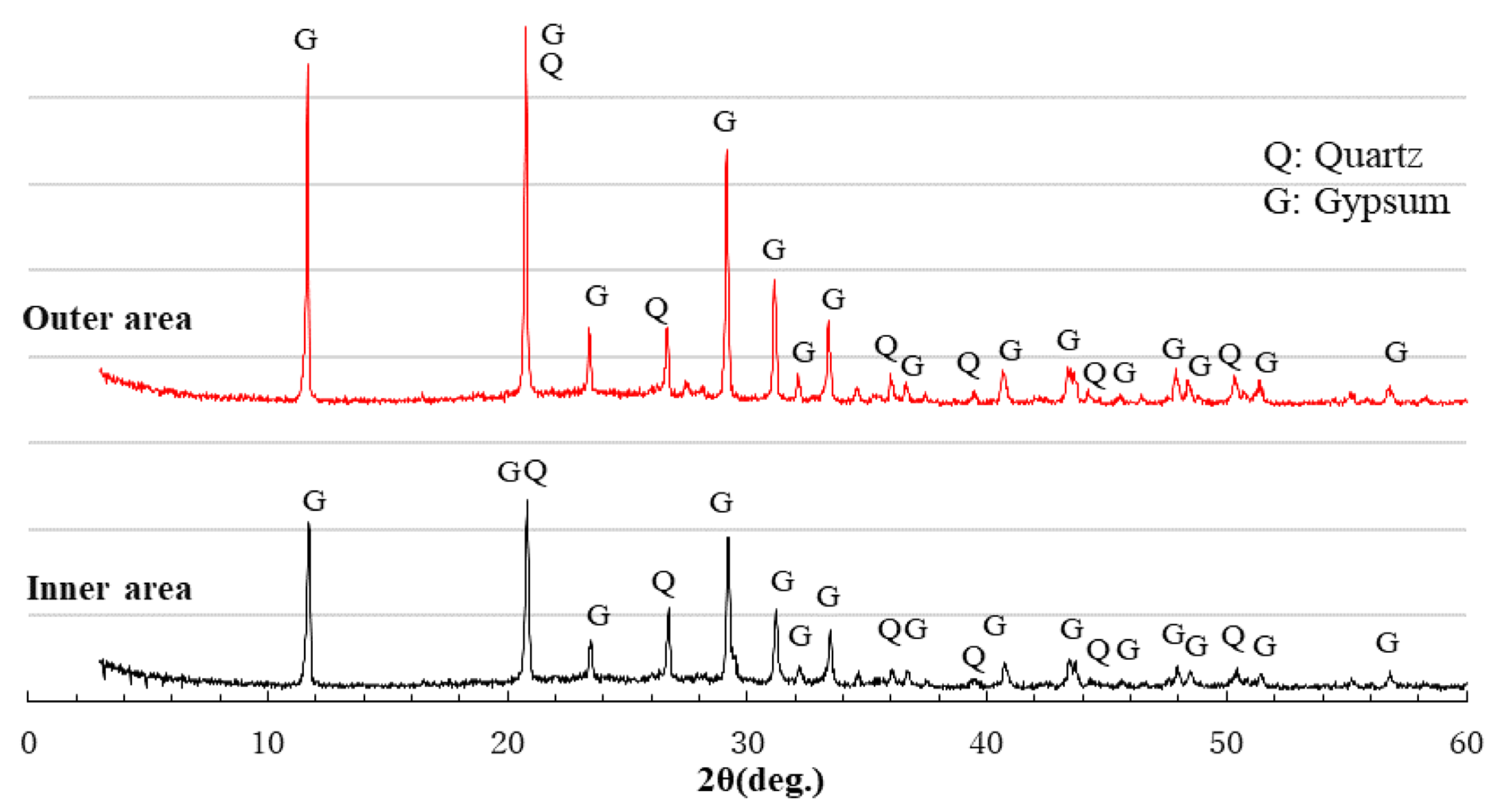
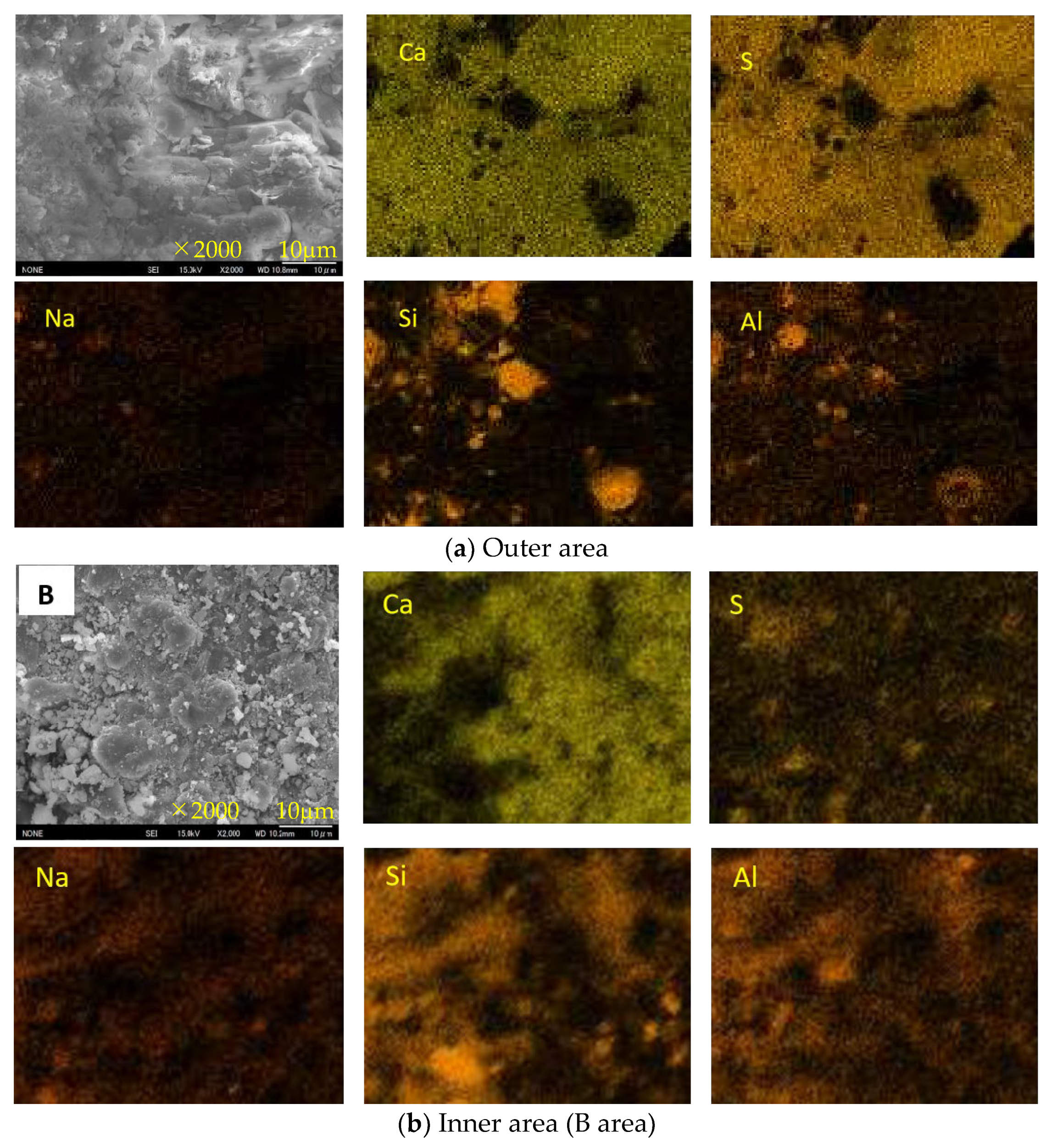
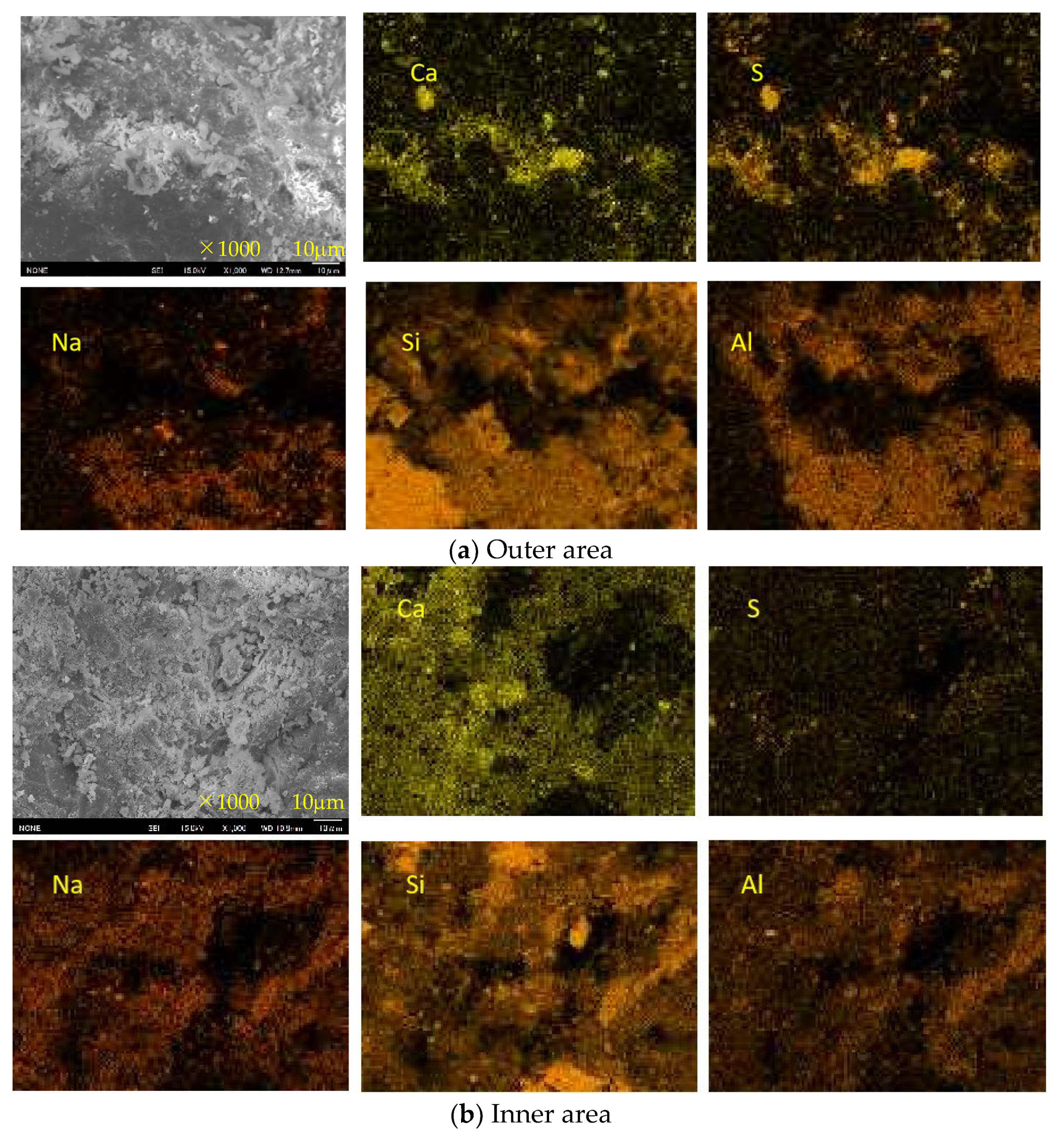
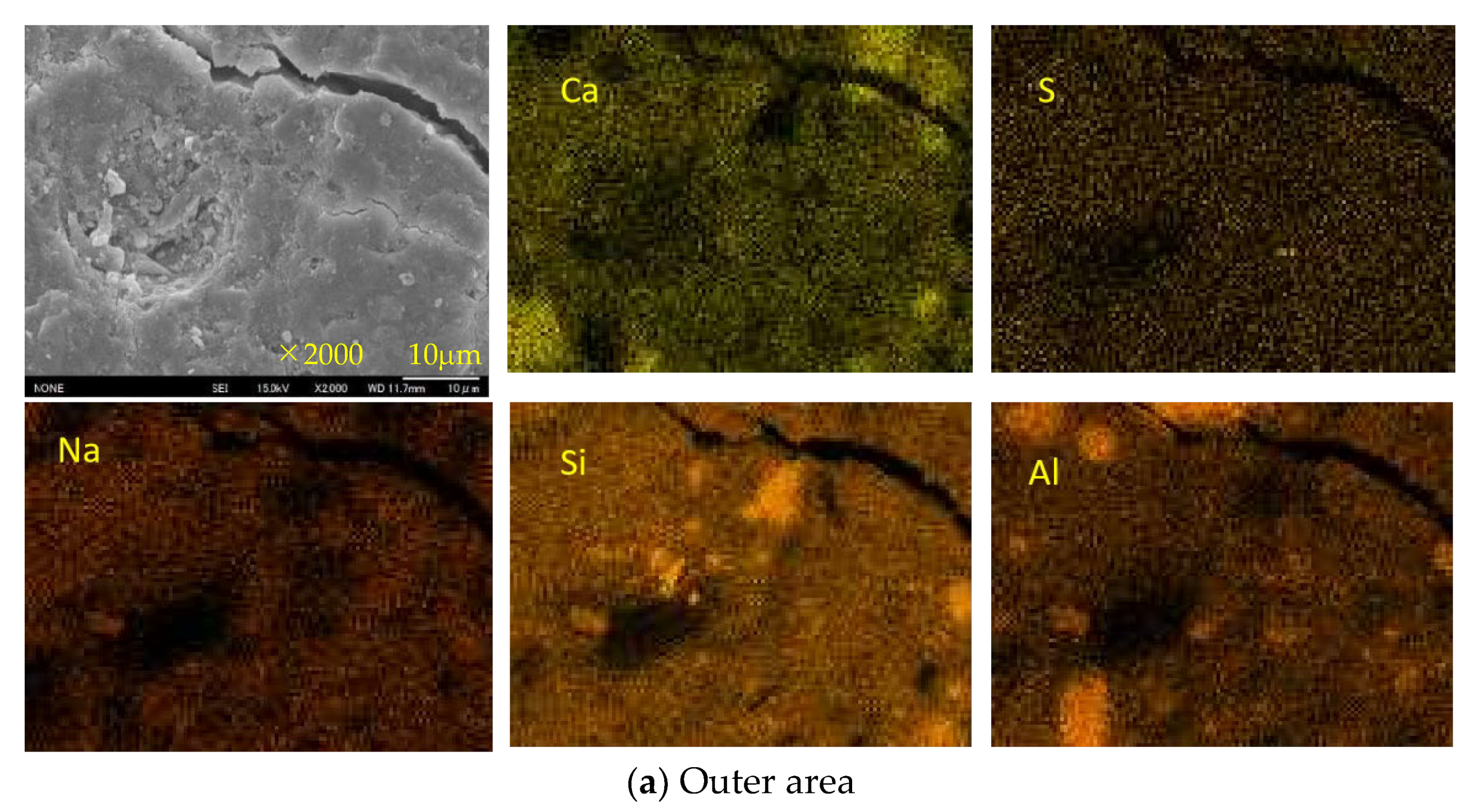
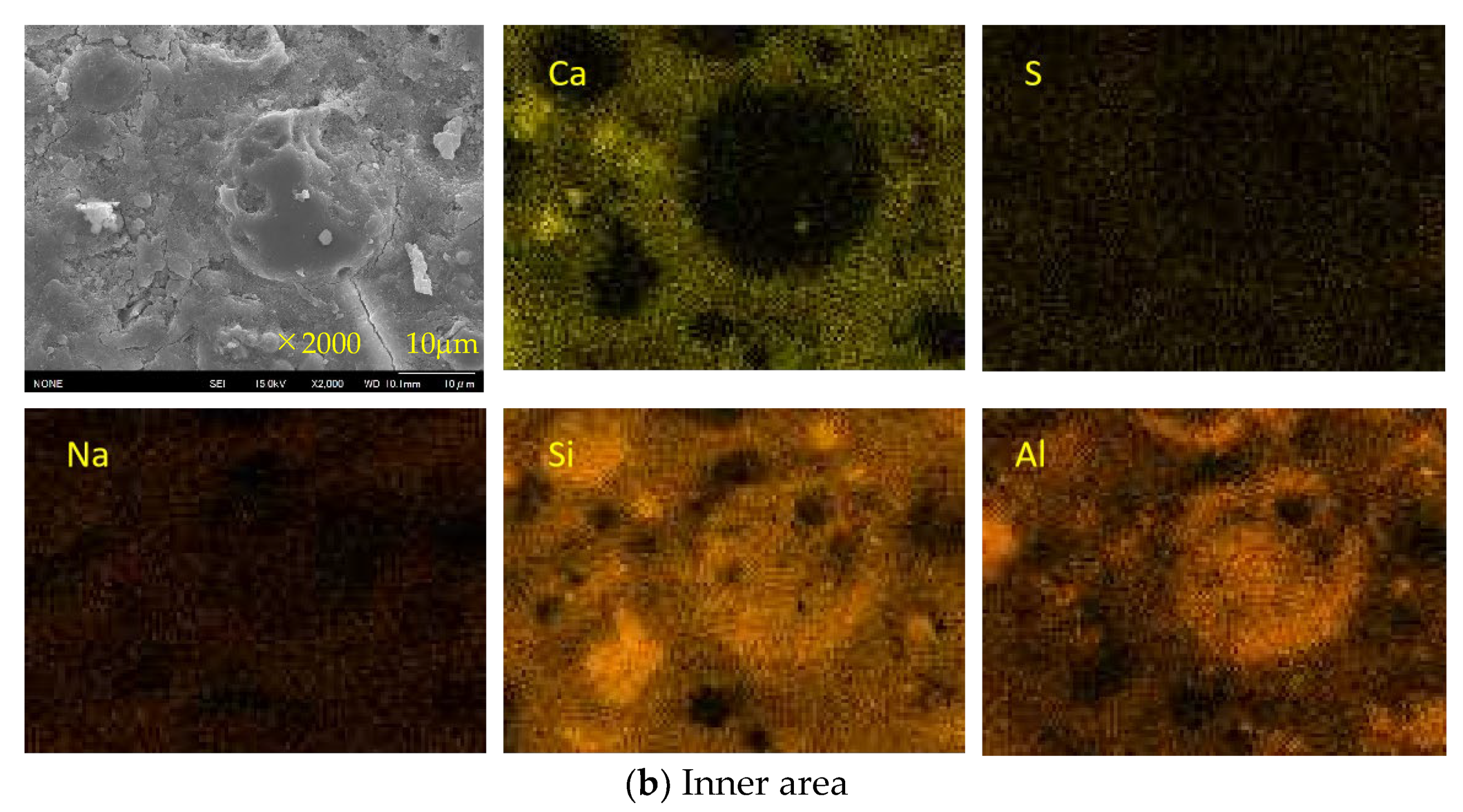
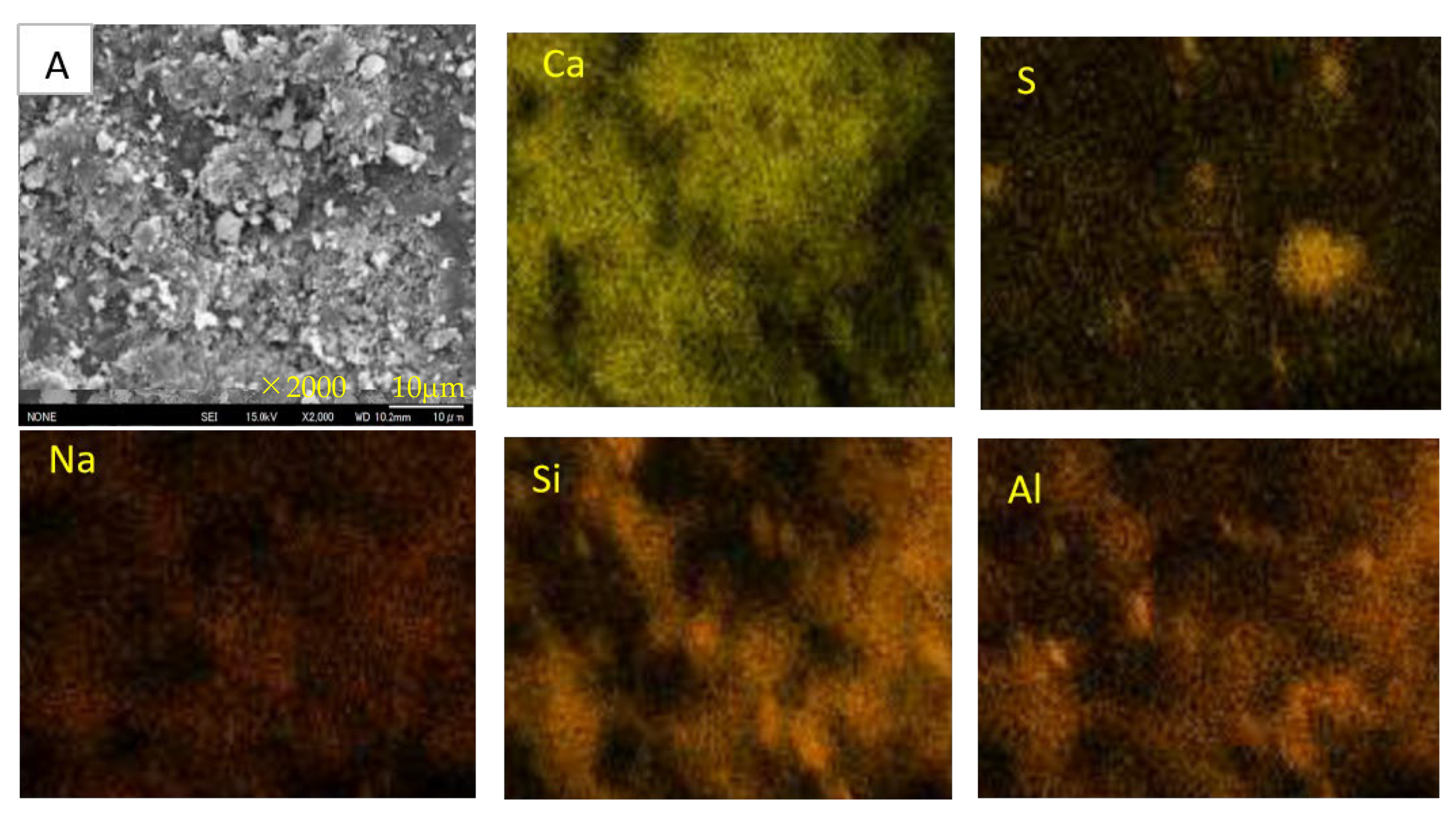
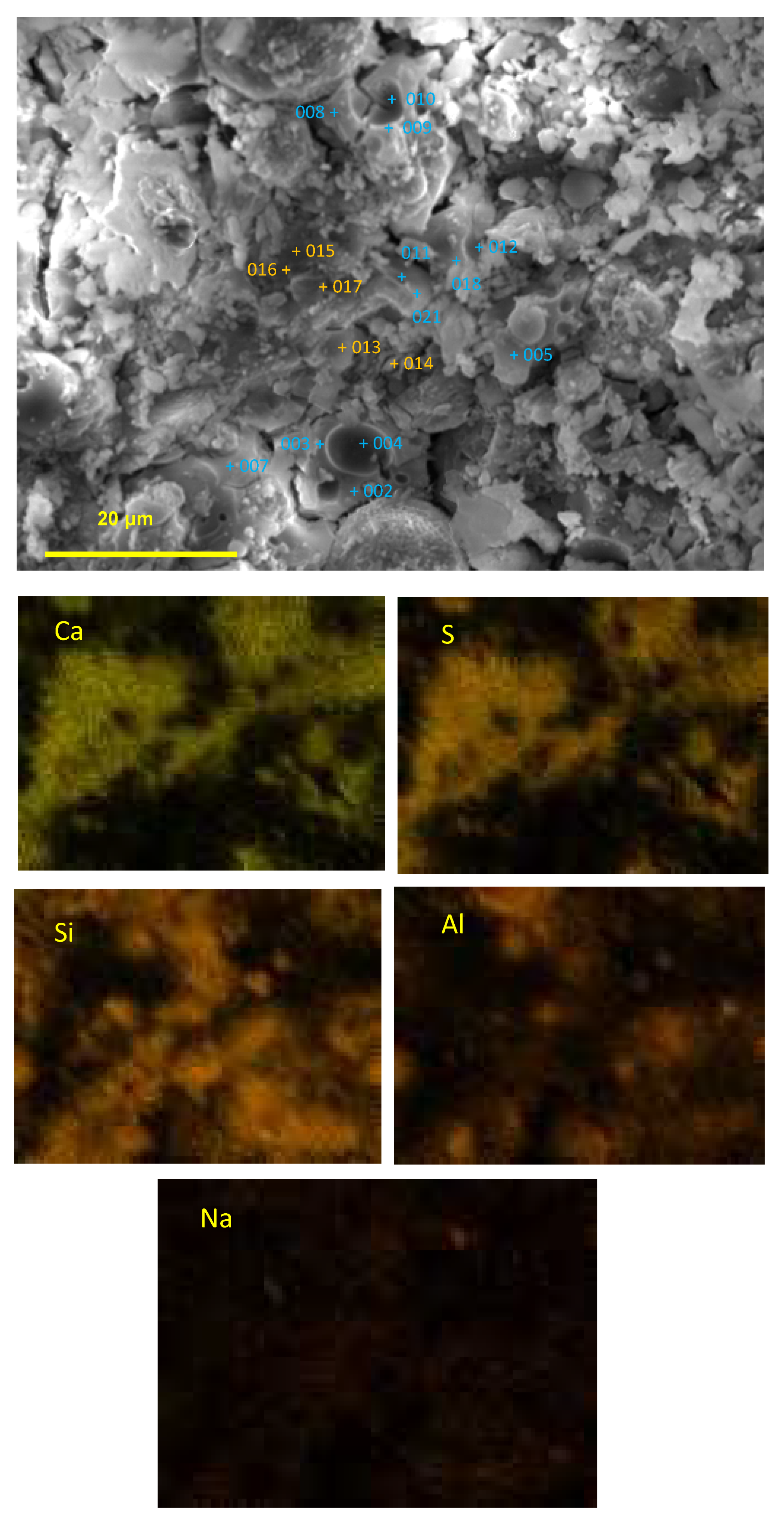
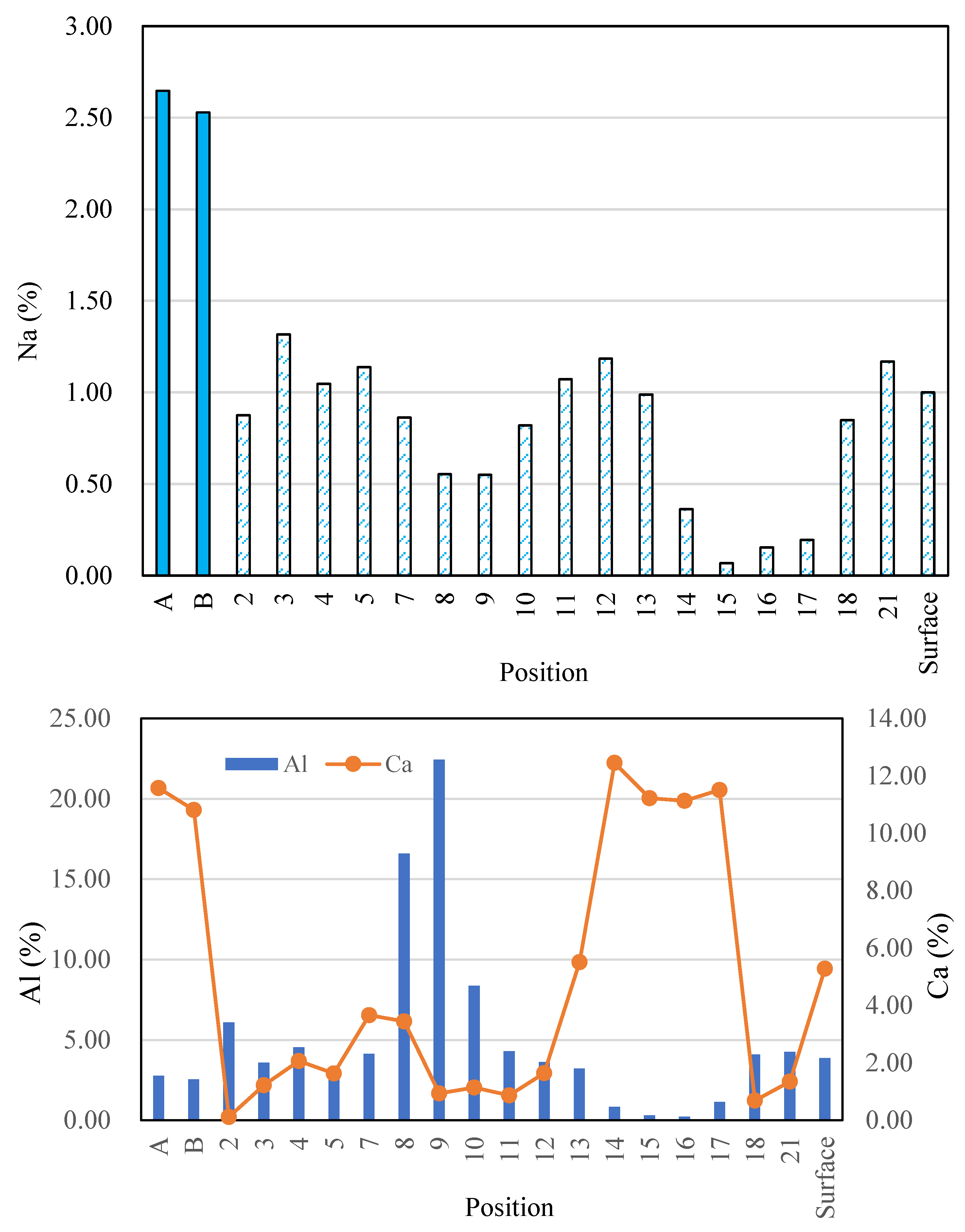
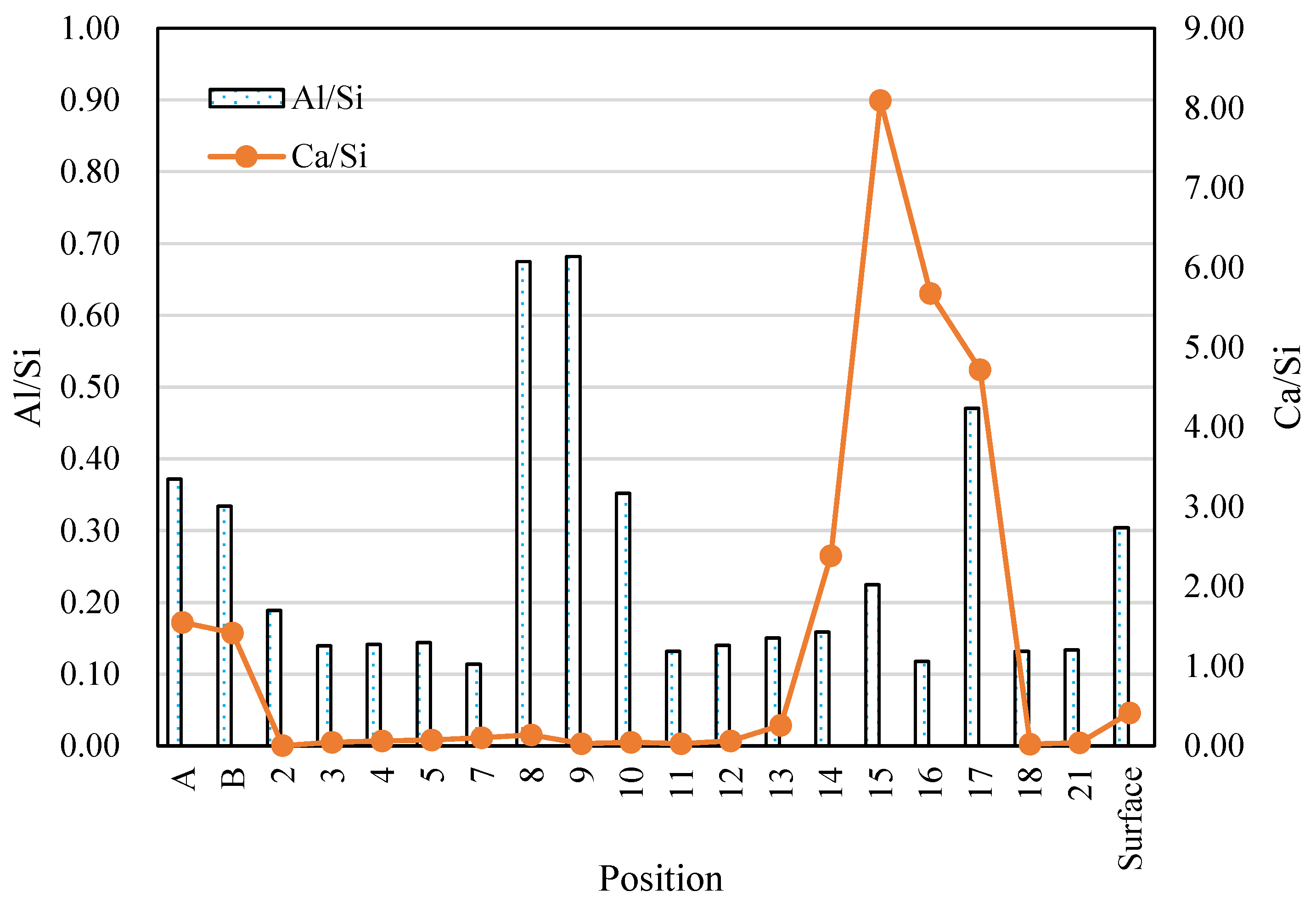
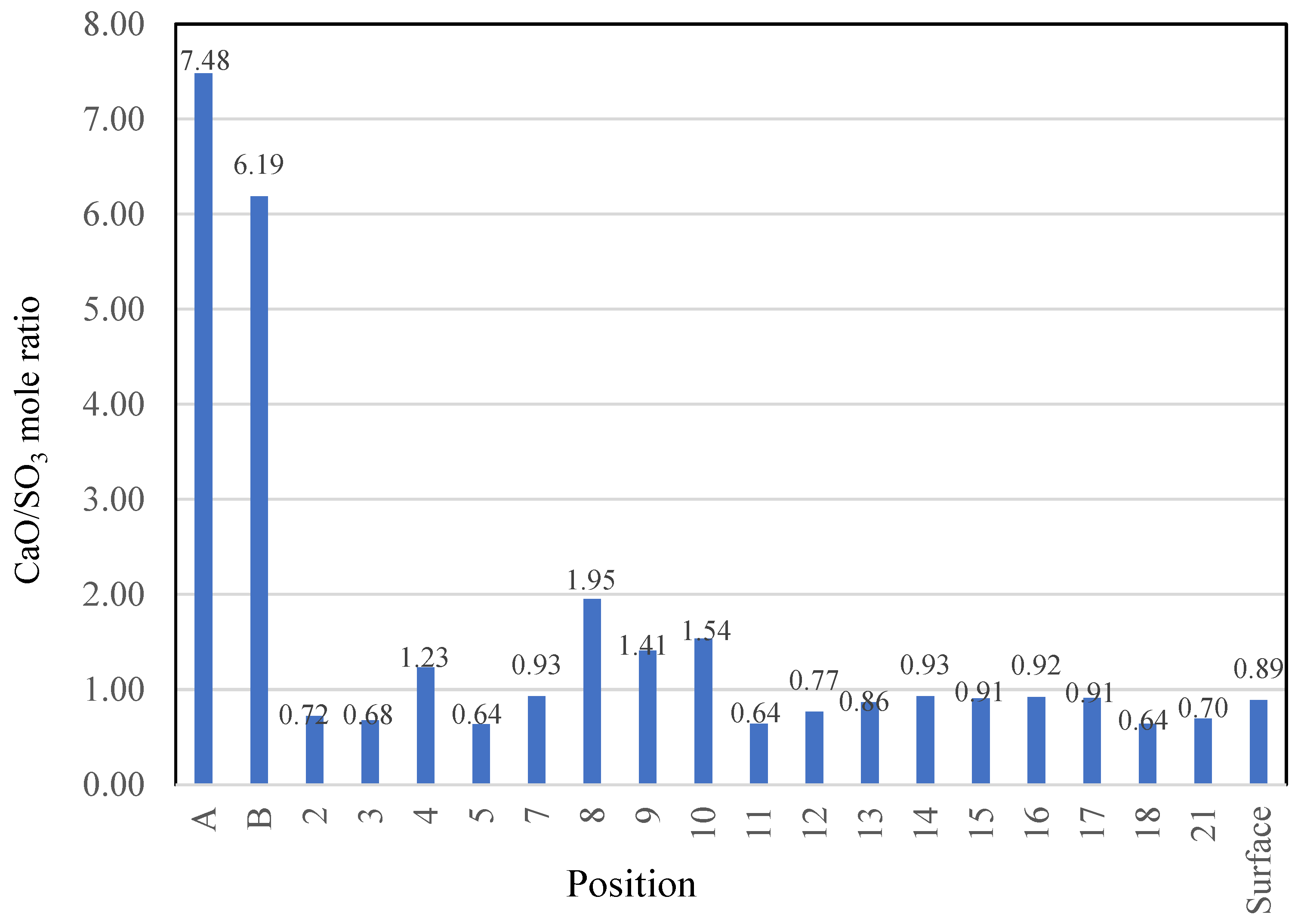
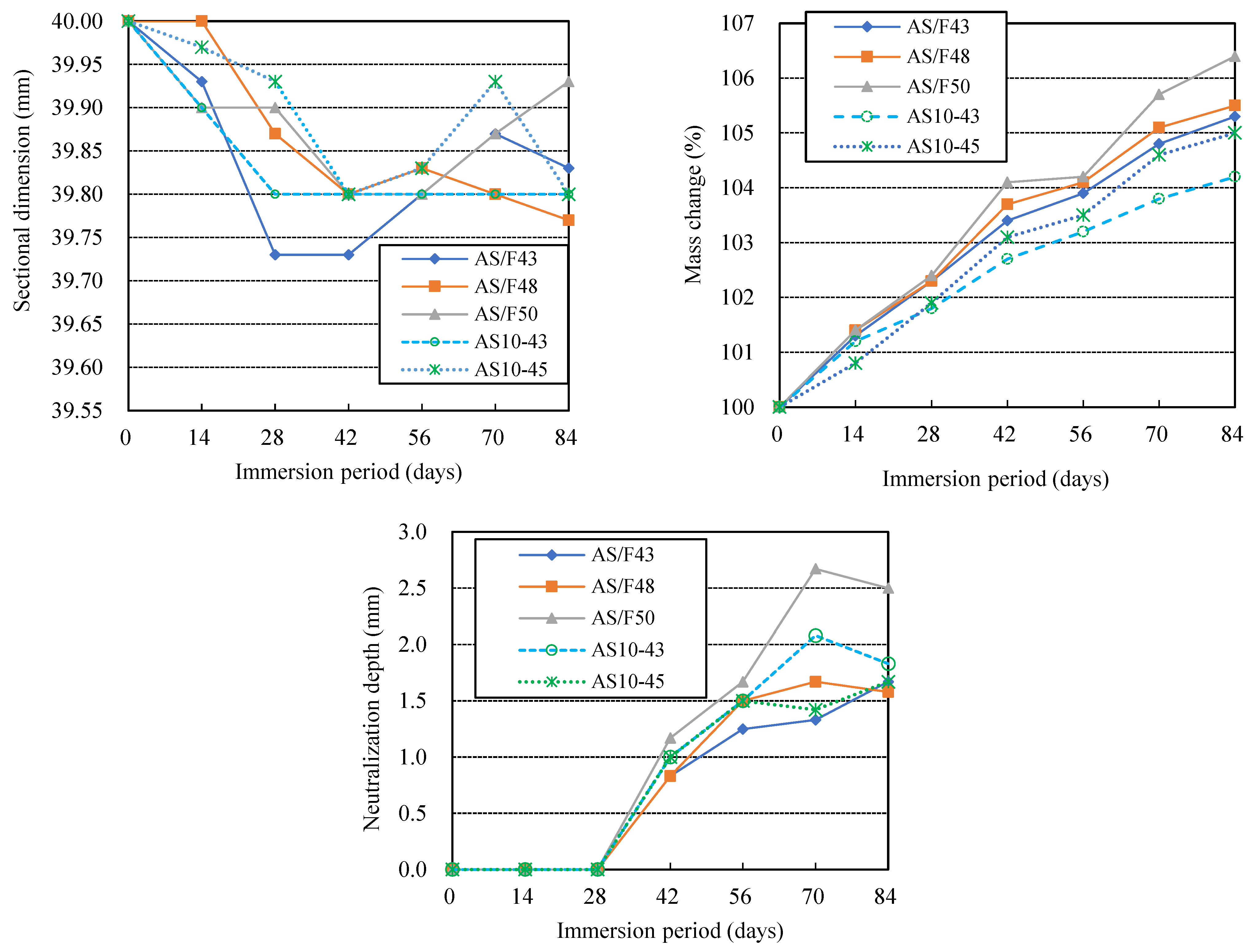
In this paper, we distinguished the degradation of alkali-activated material (AAM) exposed to sulfuric acid as physical (scaling, spalling, cracking, breaking, etc.) and chemical degradation (neutralization), because the mechanisms of these two types of degradation are different. Then, the effects of curing method, raw materials, and their mixing proportions on the two kinds of degradation of AAMs containing GGBFS were investigated in detail, including liquid-filler ratio, component of alkali activator, chemical admixture, inactive filler alternative to fly ash (FA), addition of municipal waste incineration bottom ash (BA), etc. The experimental results show that (a) small liquid-filler ratio, heat-curing, and the use of blended alkali activator solution of sodium silicate and NaOH can reduce both physical and chemical degradation of AAMs; (b) large GGBFS content or AE agent addition decreases the physical degradation, but increases the chemical degradation; (c) using crushed stone powder to replace FA and adding BA or a retarder would increase the physical and chemical degradation; but (d) the use of drying shrinkage reducer composed of polyether derivatives does not affect acid resistance. We also discussed the applicability and limitation of XRD and SEM-EDS in analyzing the chemical compositions of Ca-rich AAMs exposed to sulfuric acid, and found that (e) XRD analysis can identify the gypsum formation, and the gypsum peak intensity is related to the physical degradation of the Ca-rich AAMs; (f) by SEM-EDS analysis, the decalcification and dealkalization of C-A-S-H gels can be judged from the decrease in the average Ca/Si atomic ratio and the average Na atomic percentage in the acid corrosion area, but dealumination can be only determined from the dissimilarity of Al and Si elemental maps; and (g) if the CaO/SO3 molar ratio ranges from 0.8 to 1.0, gypsum formation can be estimated.
Keywords: alkali-activated material; acid resistance; chemical admixture; inactive precursor; waste incineration ash alkali-activated material; acid resistance; chemical admixture; inactive precursor; waste incineration ash