Article

Influence of Pressing Schedule and Adhesive Content on the Rheological Behavior of Wood Fiber-Furnish Mats

1
Department of Wood and Paper Science and Technology, Faculty of Natural Resources and Marine Sciences, Tarbiat Modares University, Noor P.O. Box 46414-356, Iran
2
Institute of Materials and Wood Technology, School of Architecture, Wood and Civil Engineering, Bern University of Applied Sciences, CH-2500 Biel, Switzerland
*
Authors to whom correspondence should be addressed.
Materials 2022, 15(4), 1413; https://doi.org/10.3390/ma15041413
Submission received: 31 January 2022 / Revised: 9 February 2022 / Accepted: 11 February 2022 / Published: 14 February 2022
(This article belongs to the Special Issue Rheology and Mechanical Properties of Wood and Wood-Based Materials)

Abstract

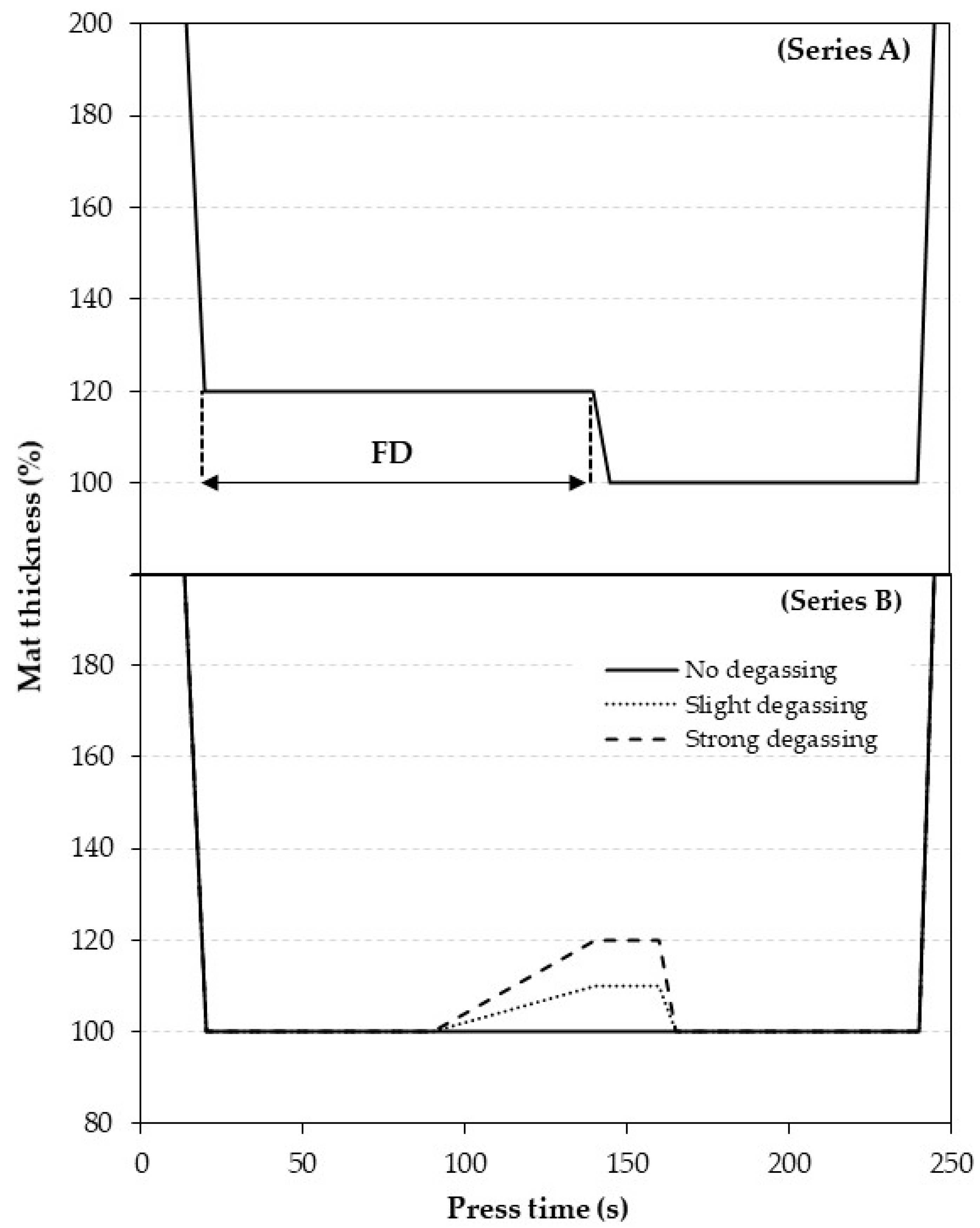
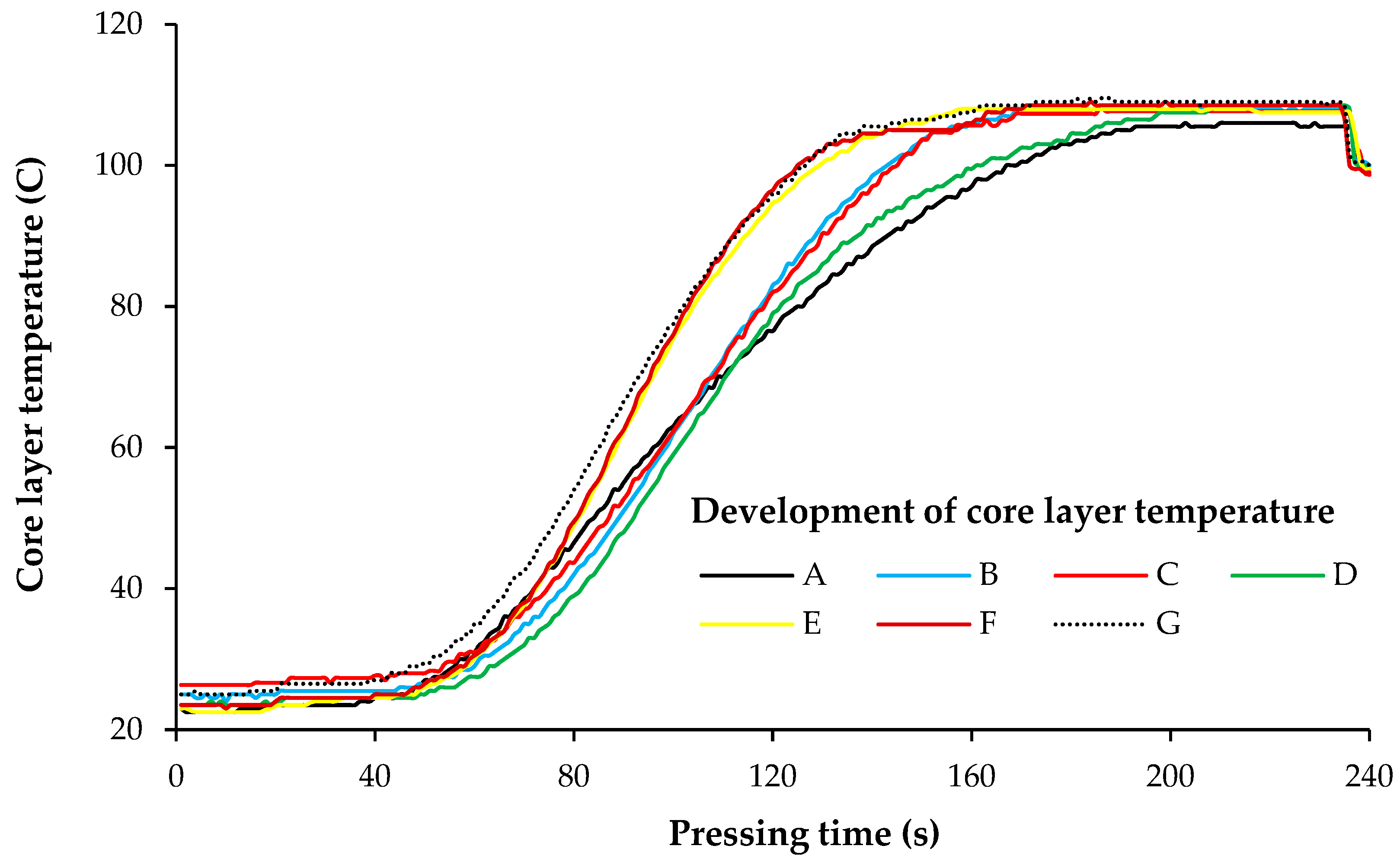
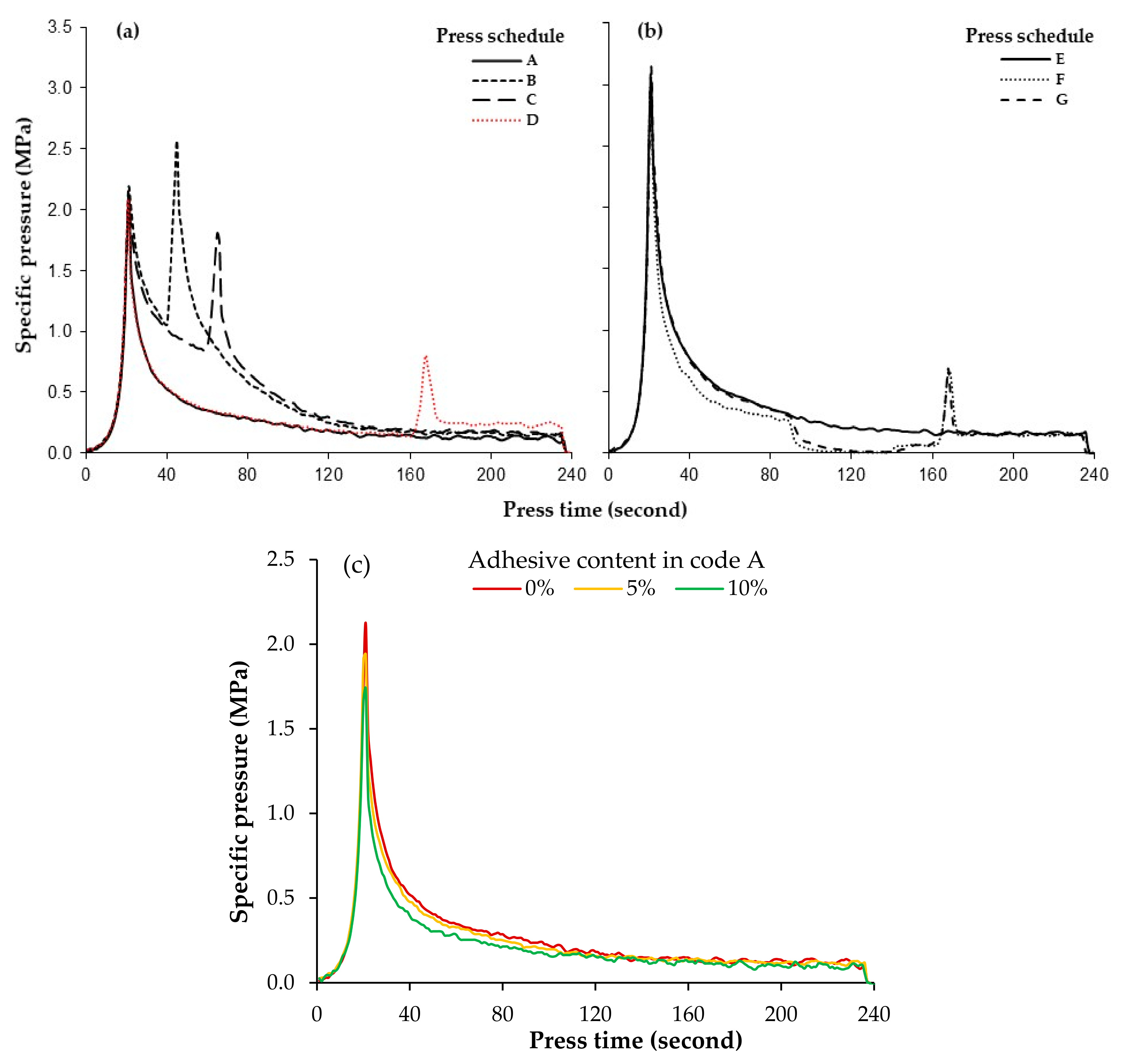
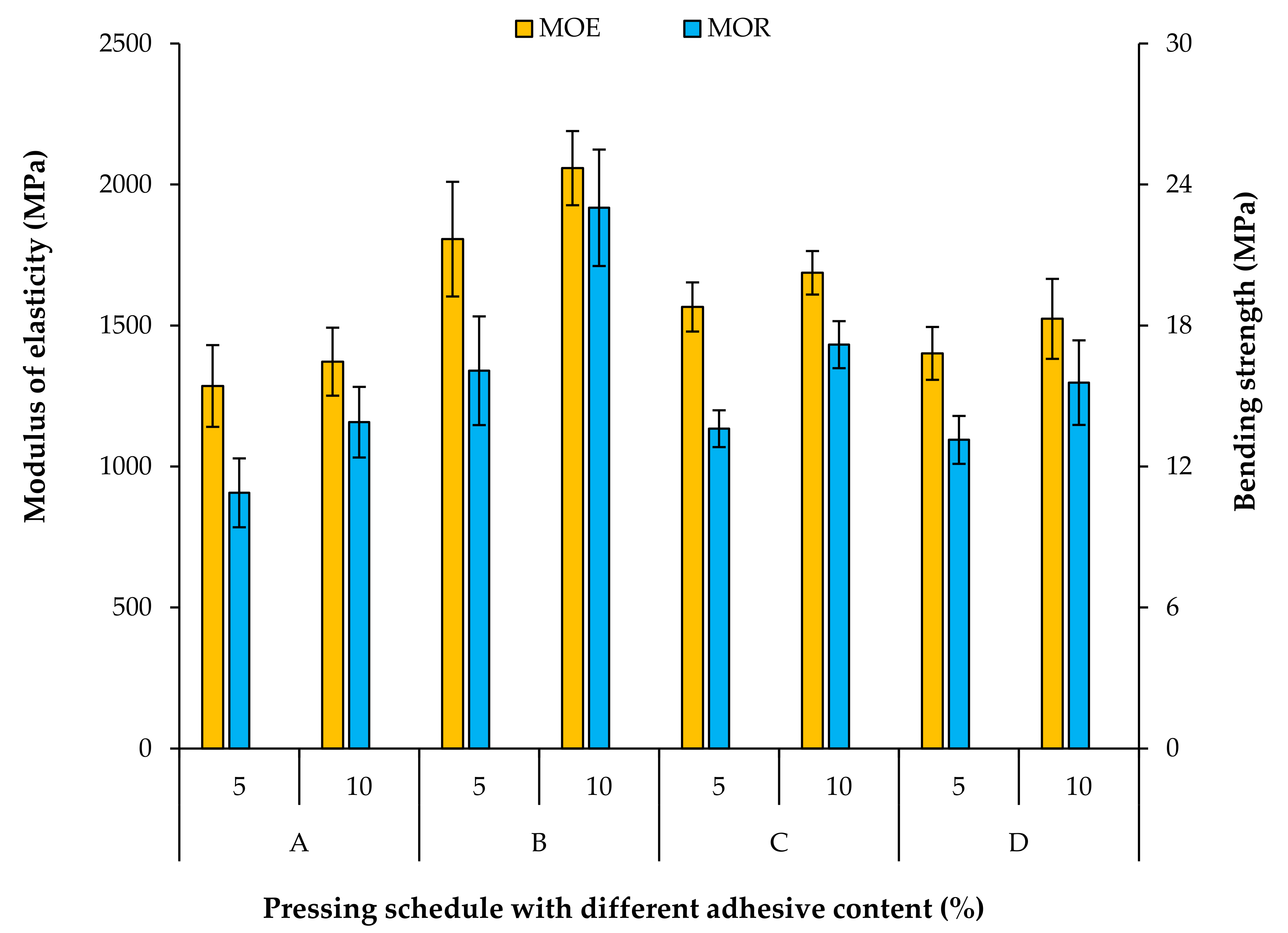
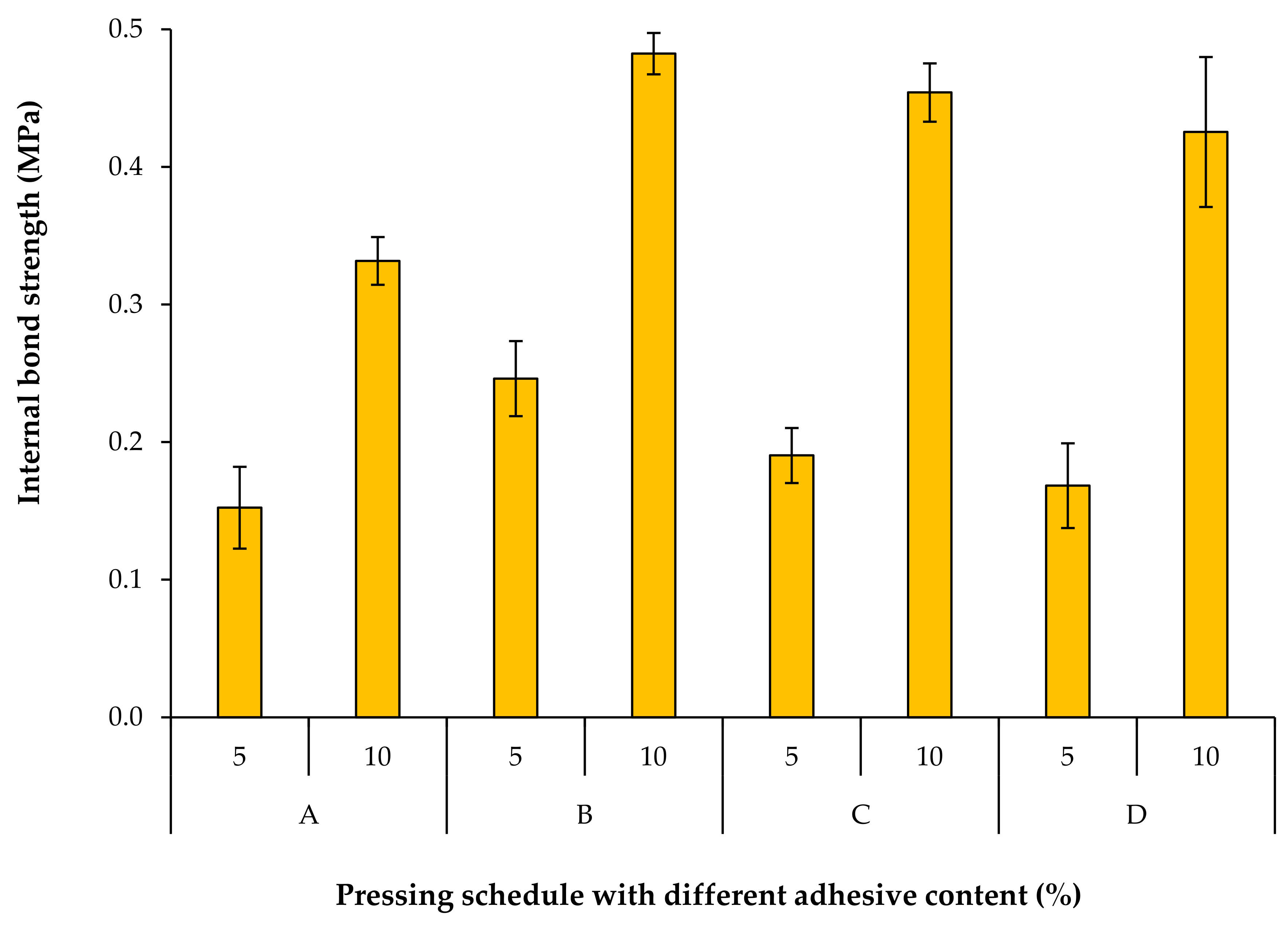
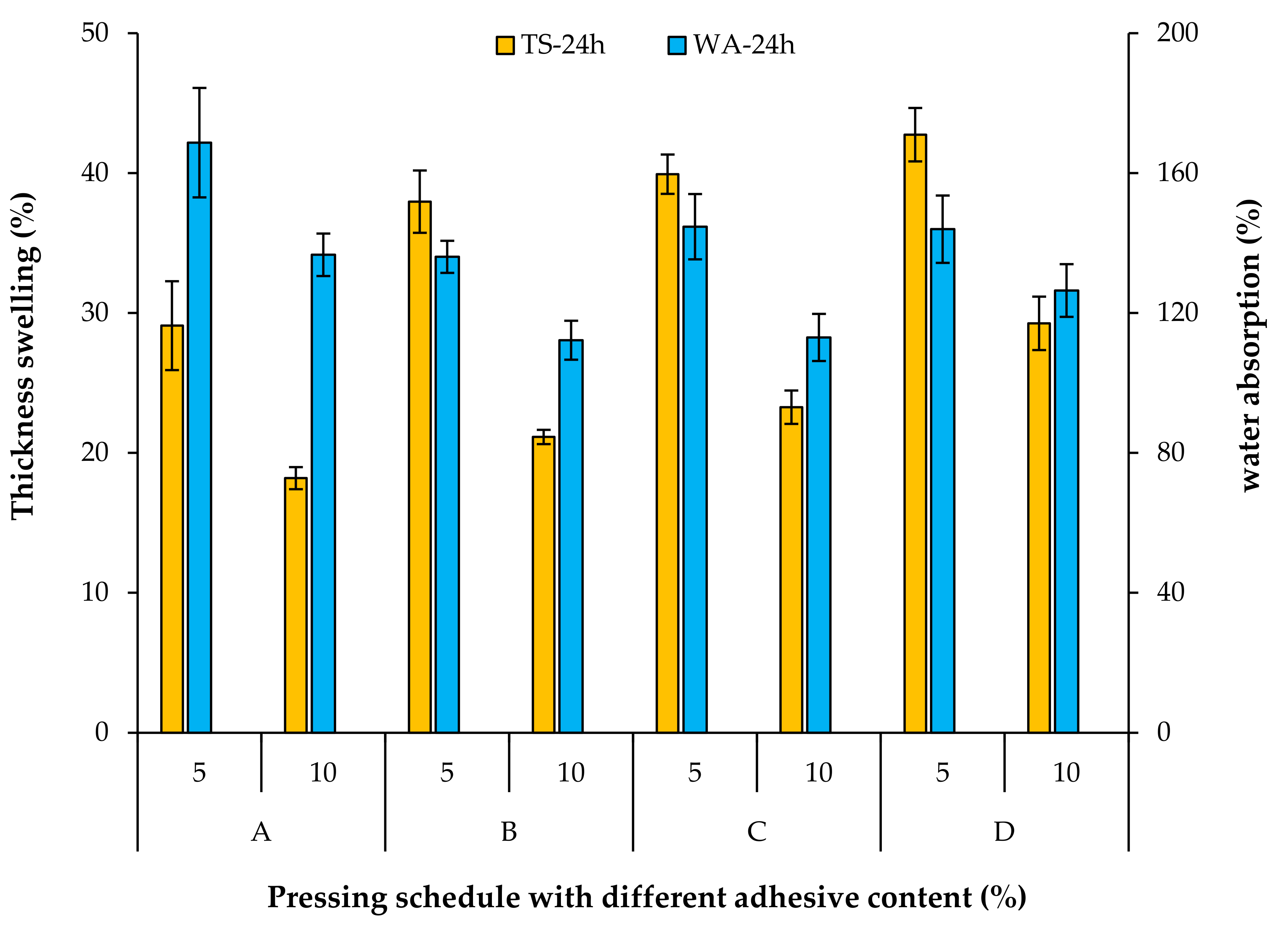
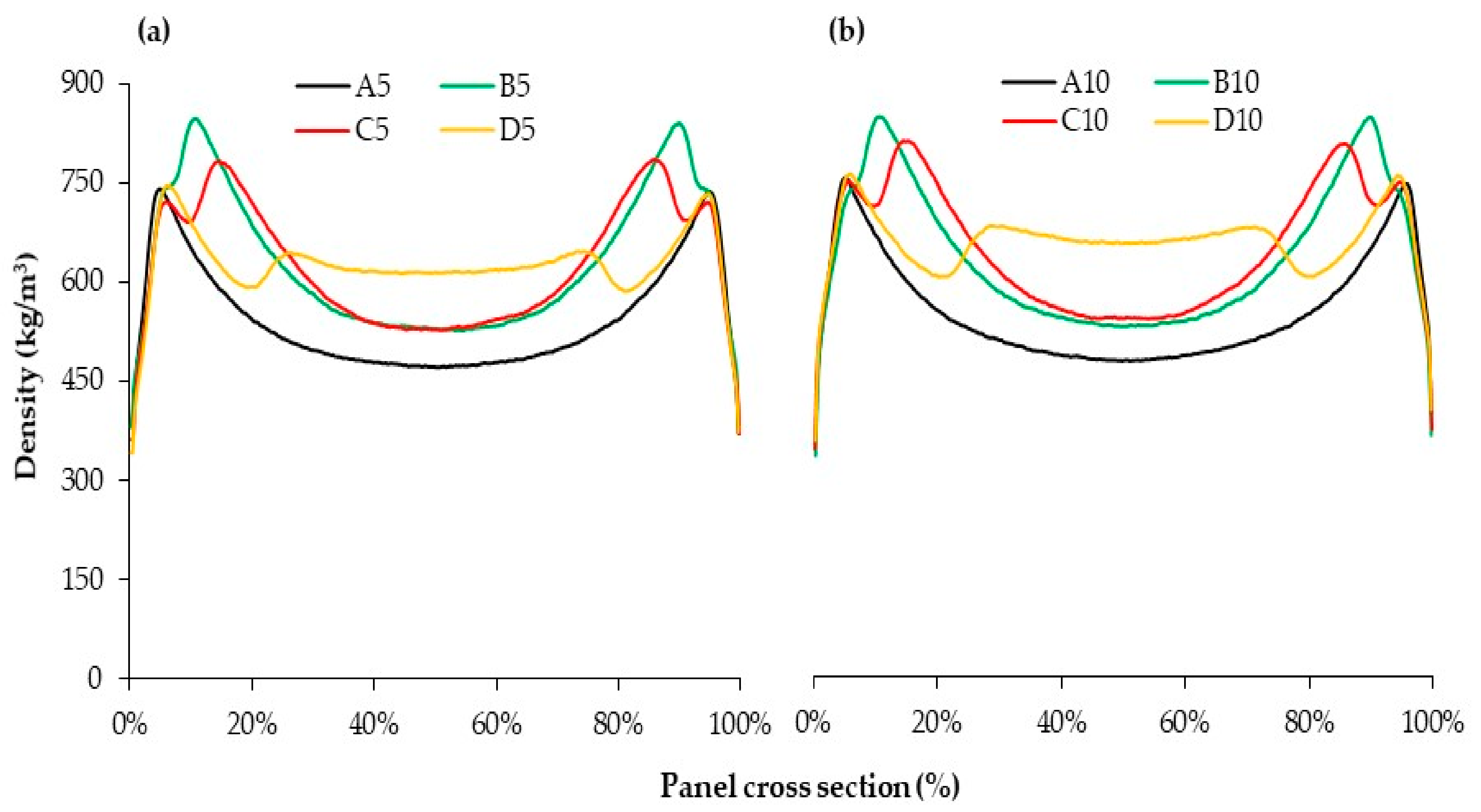
In this study, for a better understanding of the hot-pressing process, the influence of adhesive content (AC) on various features of a typical pressing schedule for medium-density fiberboard (MDF) production, including fiber mat compressibility, heat transfer during hot-pressing, density profile and board properties, were evaluated. It was found that increasing the AC (urea formaldehyde) leads to faster heat transfer towards the mat’s central plane, mainly due to higher heat release from the adhesive polycondensation reaction. Moreover, the results indicate that the time needed to reach the critical mark of 100 °C in the central plane of the mat depends on the duration of the first densification level (FD). Importantly, the pressure peaks (pmax and p2nd) needed for mat densification are significantly reduced when increasing the AC, which might be attributed to the slippery effect created by the adhesive on the fiber surfaces. The duration of the FD also showed obvious effects on the intermediate density maxima (ρinter) and the core layer density (ρcore). In general, the physical and mechanical properties of MDF panels are significantly impacted by the pressing schedule and AC. All in all, the results of this study are valuable information for refining existing rheological models to improve their accuracy and their ability to simulate the vertical density profile during industrial production.
Keywords: medium-density fiberboard; density profile; adhesive content; mat-furnish; modelling; rheology; pressing schedule medium-density fiberboard; density profile; adhesive content; mat-furnish; modelling; rheology; pressing schedule