Article

The Analysis of Materials Strength Used in the Construction of the Flexible Underwater Bell—Batychron

by
Grzegorz Rutkowski
1,
Paweł Kołakowski
1,* and
Katarzyna Panasiuk
2
1
Faculty of Navigation, Gdynia Maritime University, 81-225 Gdynia, Poland
2
Faculty of Engineering, Gdynia Maritime University, 81-225 Gdynia, Poland
*
Author to whom correspondence should be addressed.
Materials 2022, 15(21), 7768; https://doi.org/10.3390/ma15217768
Submission received: 21 September 2022 / Revised: 17 October 2022 / Accepted: 22 October 2022 / Published: 3 November 2022
(This article belongs to the Topic Innovative Construction and Building Materials)

Abstract

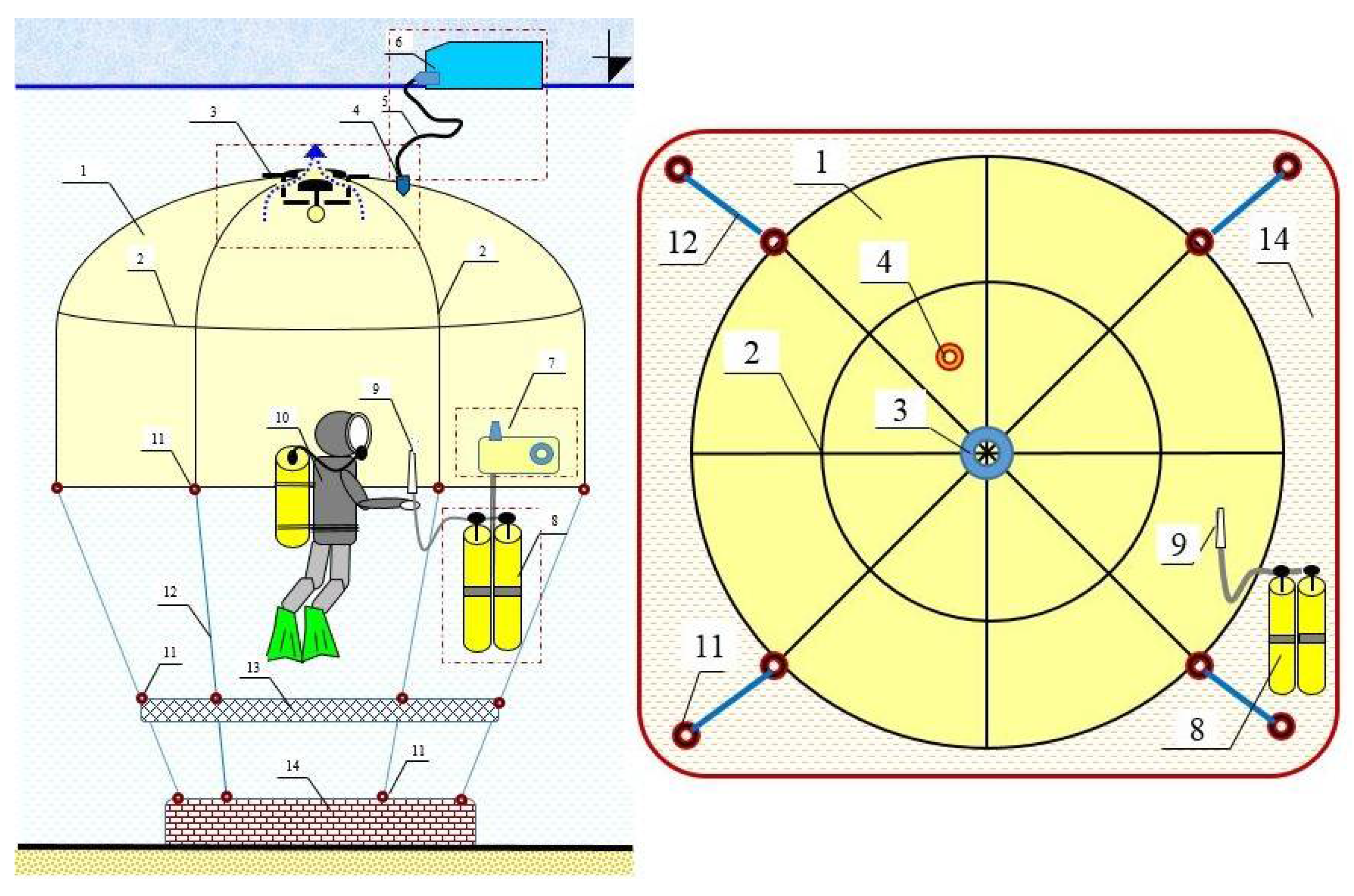
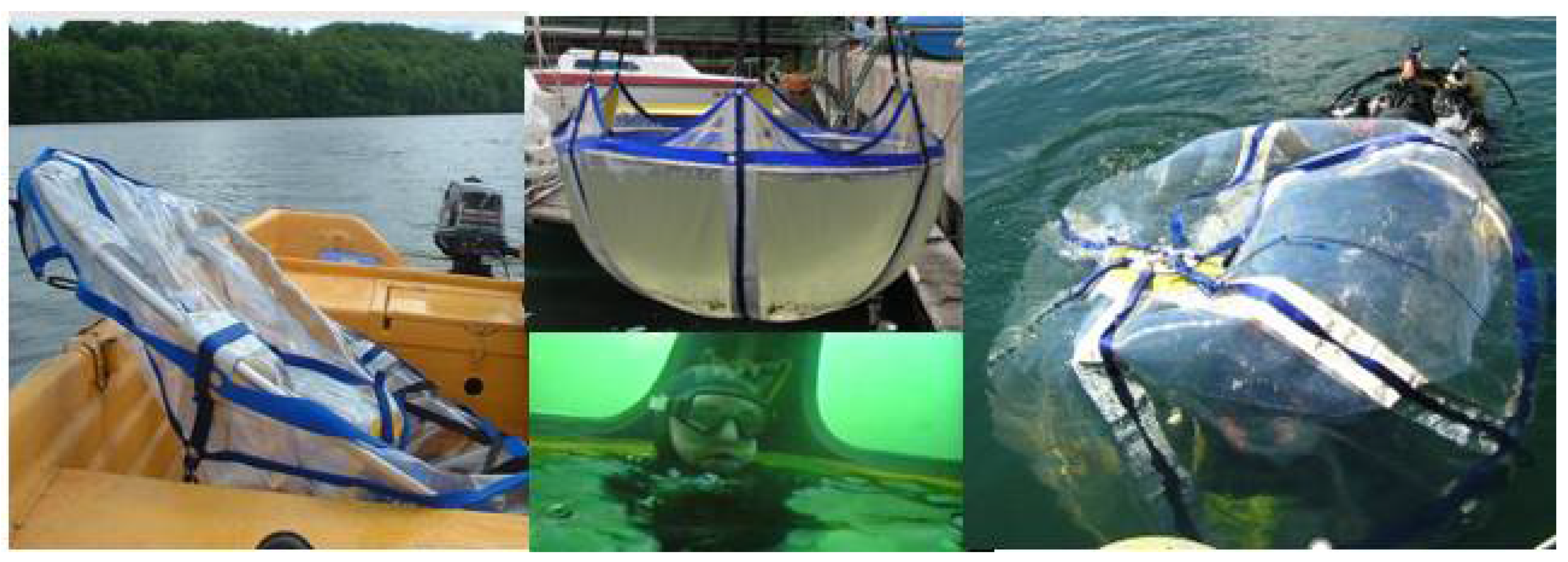
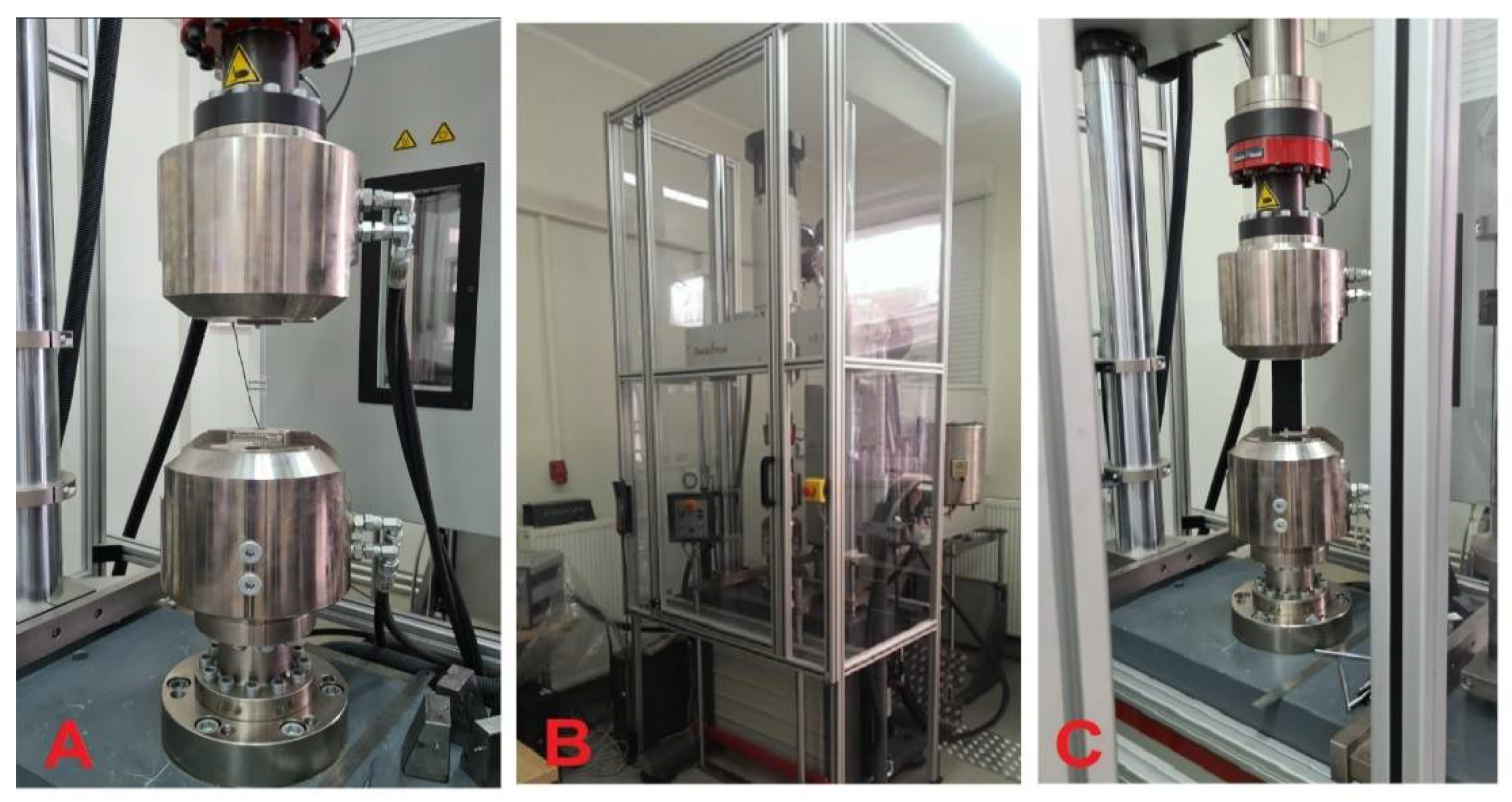
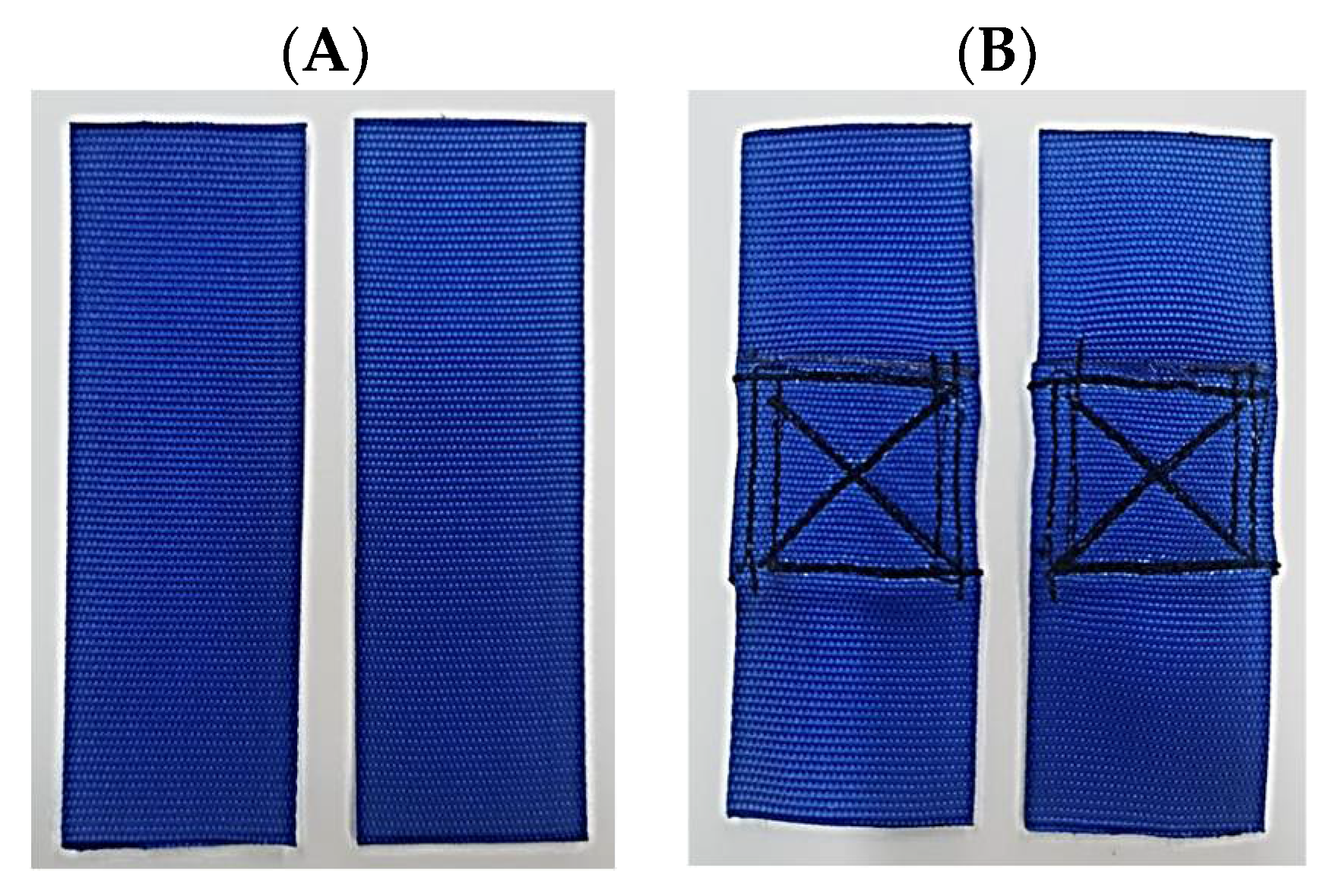
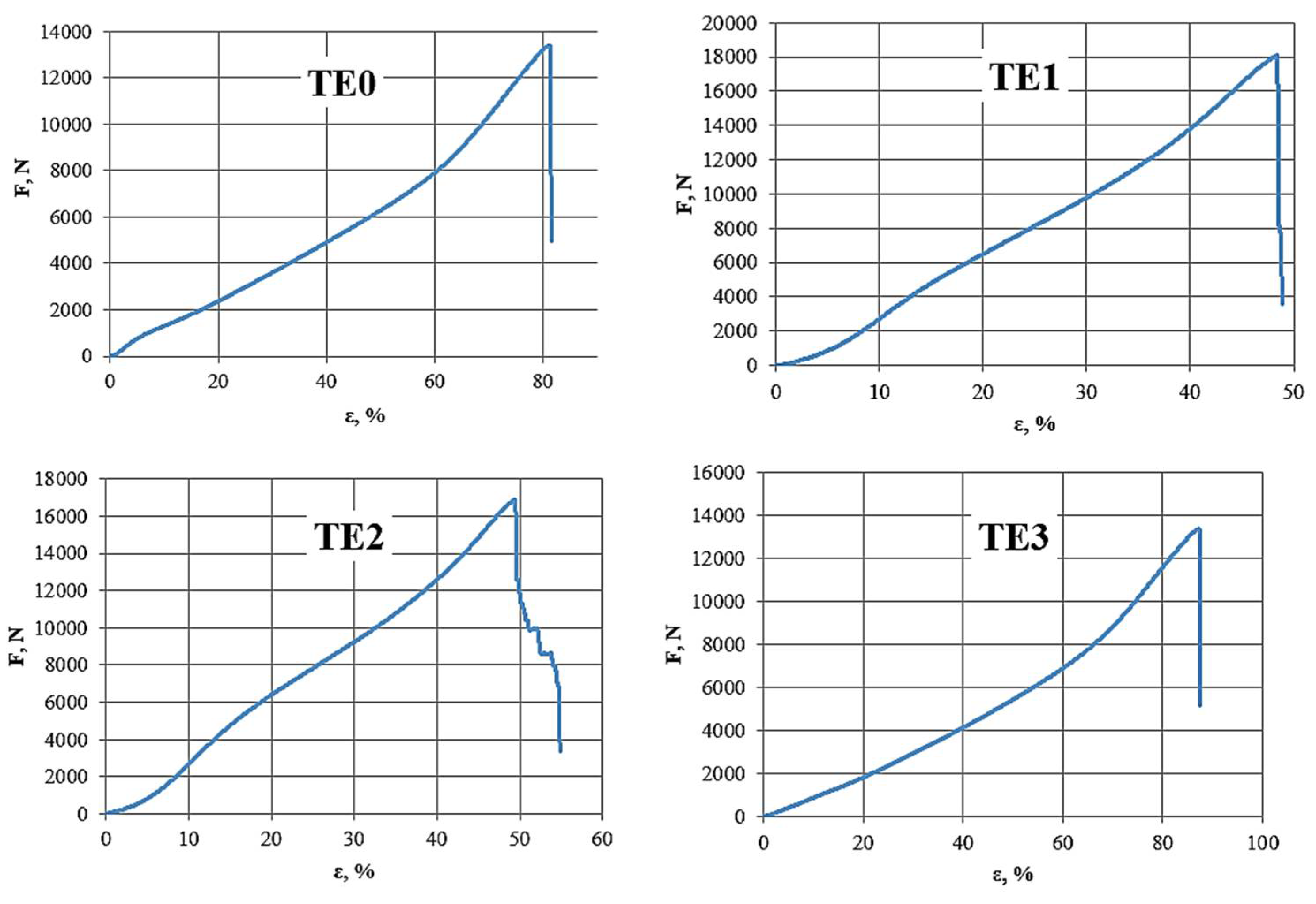
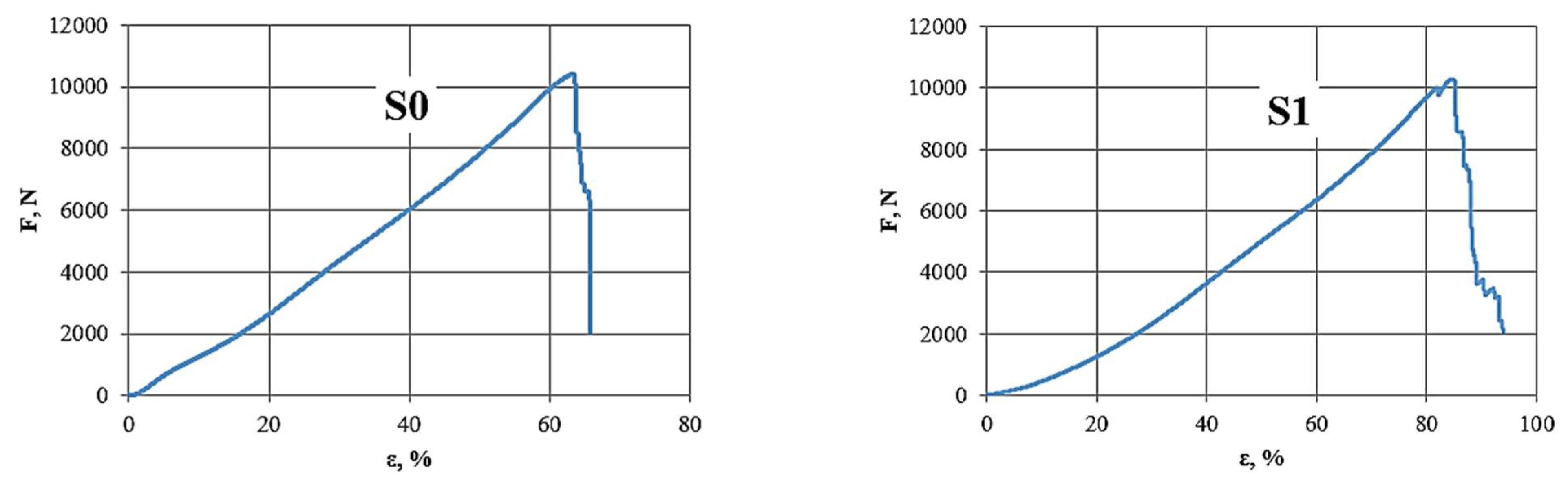
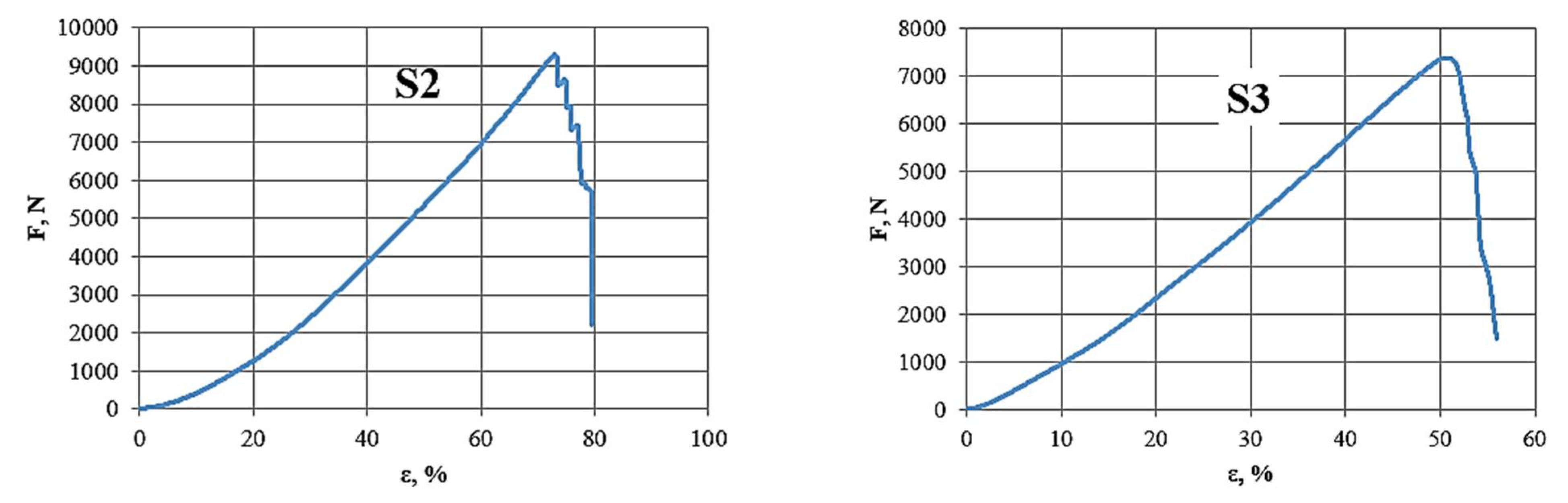
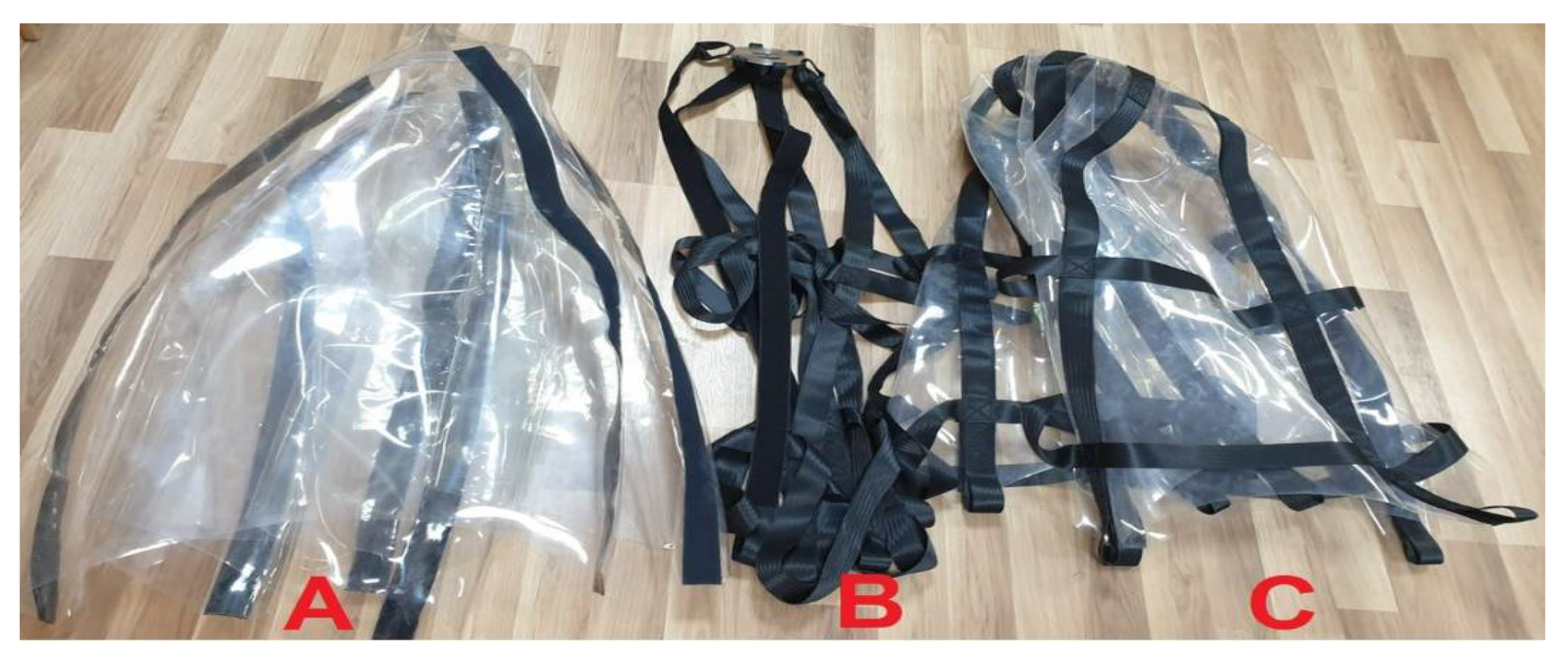
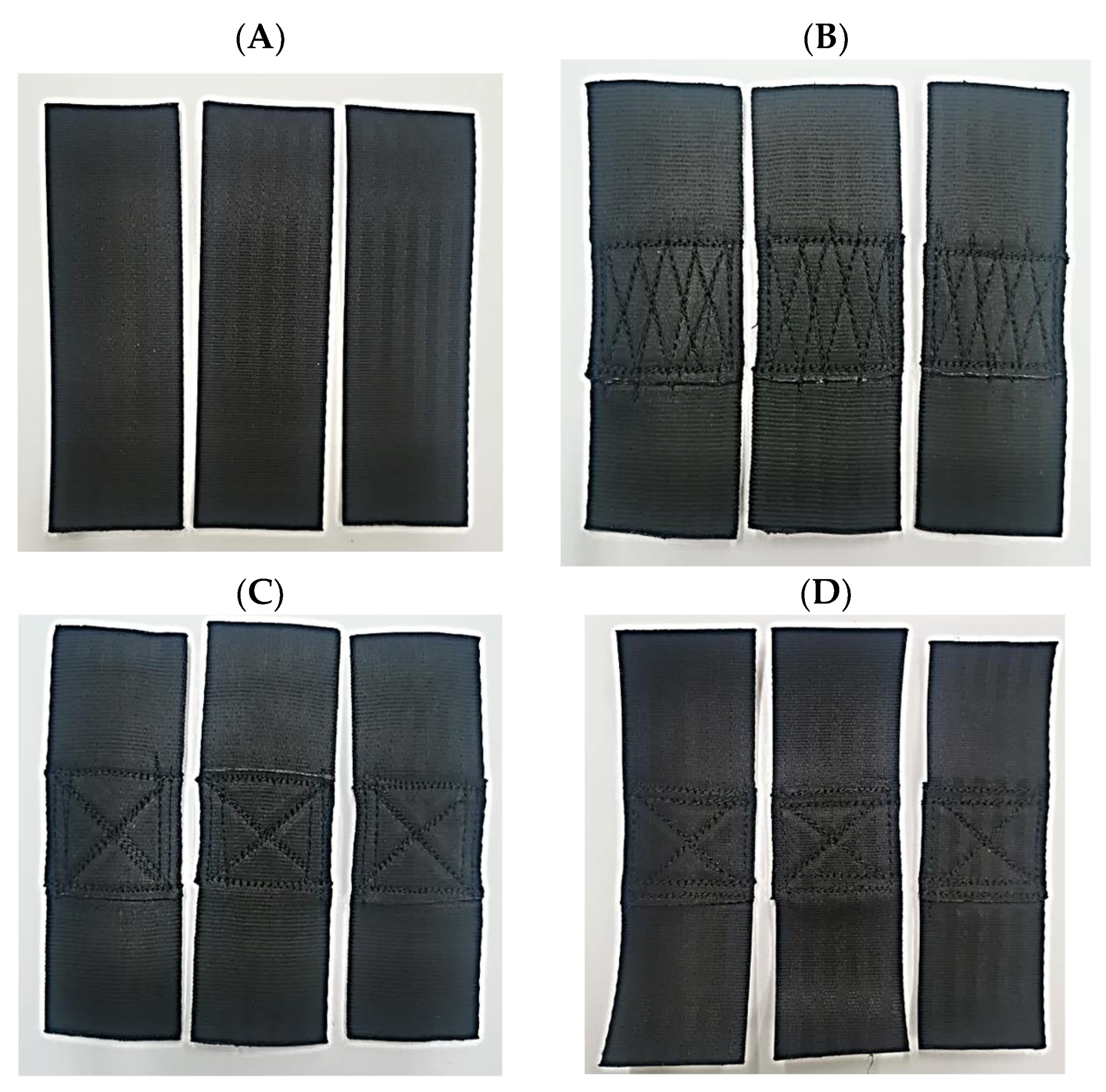
Batychron is a flexible underwater bell patented by the Gdynia Maritime University as a device used in hydro-technics engineering for underwater transport and diving while maintaining the safety of human life. This study aims to present the methods and results of strength tests and the conducted analysis of the selection of the most appropriate method of joining thermoplastic polyurethane film (TPU) and polypropylene belts for underwater use to obtain a device with a specific buoyancy force. A universal testing machine with a hydraulic drive was used for the tests. Various methods of joining polypropylene belts were tested to select the most favourable in terms of strength properties. For this purpose, two types of materials were selected: the TE324 polyester belt and the TS501_50 style belt. Various connection methods have been used: without seams; zig-zag stitch, straight cross; cross stitch, straight longitudinal; cross stitch, straight transverse, in order to select a joint with the highest strength parameters. In addition, the tensile strength of individual types of belts was tested. The methods of joining the TPU film were verified. The obtained results allowed us to determine that the strongest bond of TE324 material is a straight, longitudinal cross stitch. This is related to the load distribution in the belts tested in laboratory conditions, but also reflected in their practical application. Thanks to the results obtained, it was possible to select the optimal methods of joining (connection) and the construction of Batychron.
Keywords: Batychron; flexible diving bell; thermoplastic polyurethane; underwater transport; hydro-technical device; tensile test; joining materials method Batychron; flexible diving bell; thermoplastic polyurethane; underwater transport; hydro-technical device; tensile test; joining materials method