Article

Effect of Cu Substitution and Heat Treatment on Phase Formation and Magnetic Properties of Sm12Co88−xCux Melt-Spun Ribbons
1
Guangxi Key Laboratory of Information Materials, School of Materials Science and Engineering, Guilin University of Electronic Technology, Guilin 541004, China
2
Engineering Research Center of Electronic Information Materials and Devices, Ministry of Education, Guilin University of Electronic Technology, Guilin 541004, China
*
Author to whom correspondence should be addressed.
Materials 2022, 15(13), 4494; https://doi.org/10.3390/ma15134494
Submission received: 13 May 2022 / Revised: 18 June 2022 / Accepted: 23 June 2022 / Published: 25 June 2022
(This article belongs to the Special Issue Nanocomposite Magnetic Materials for Energy Conversion)

Abstract

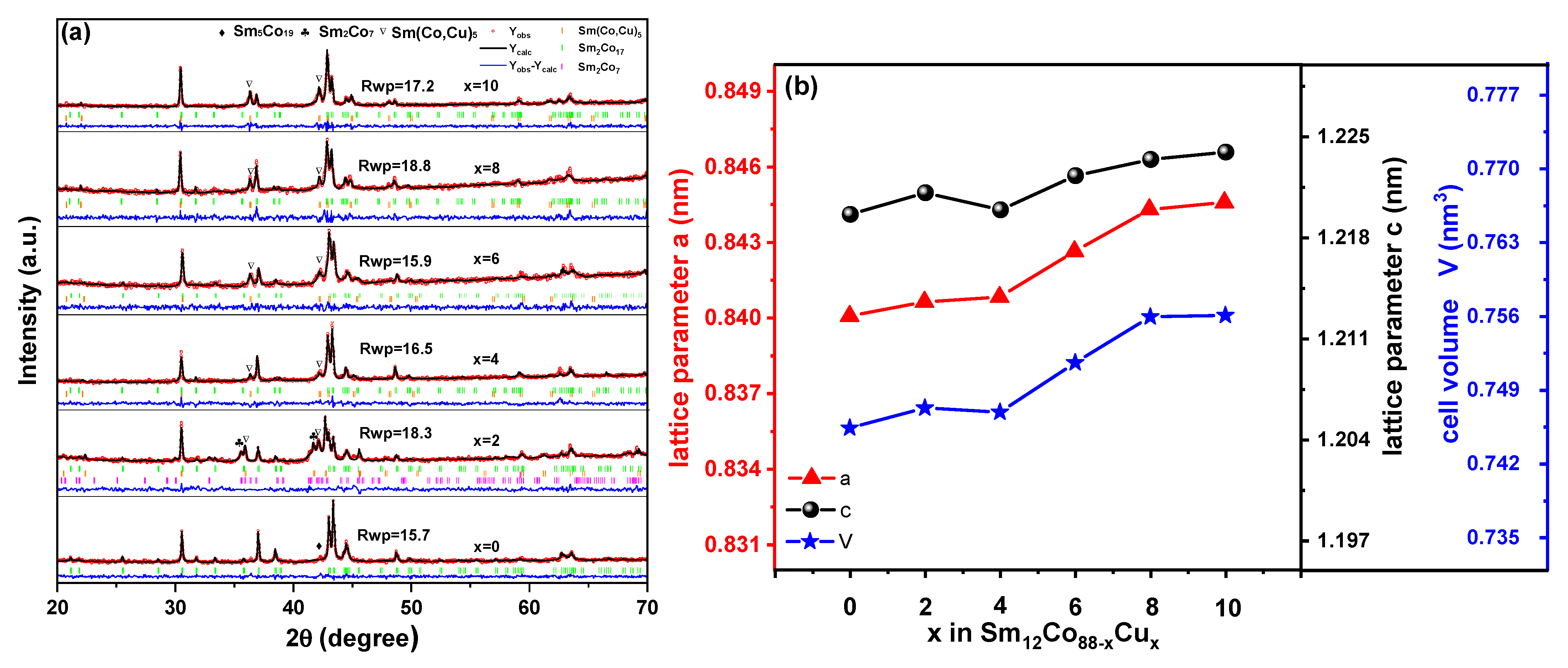
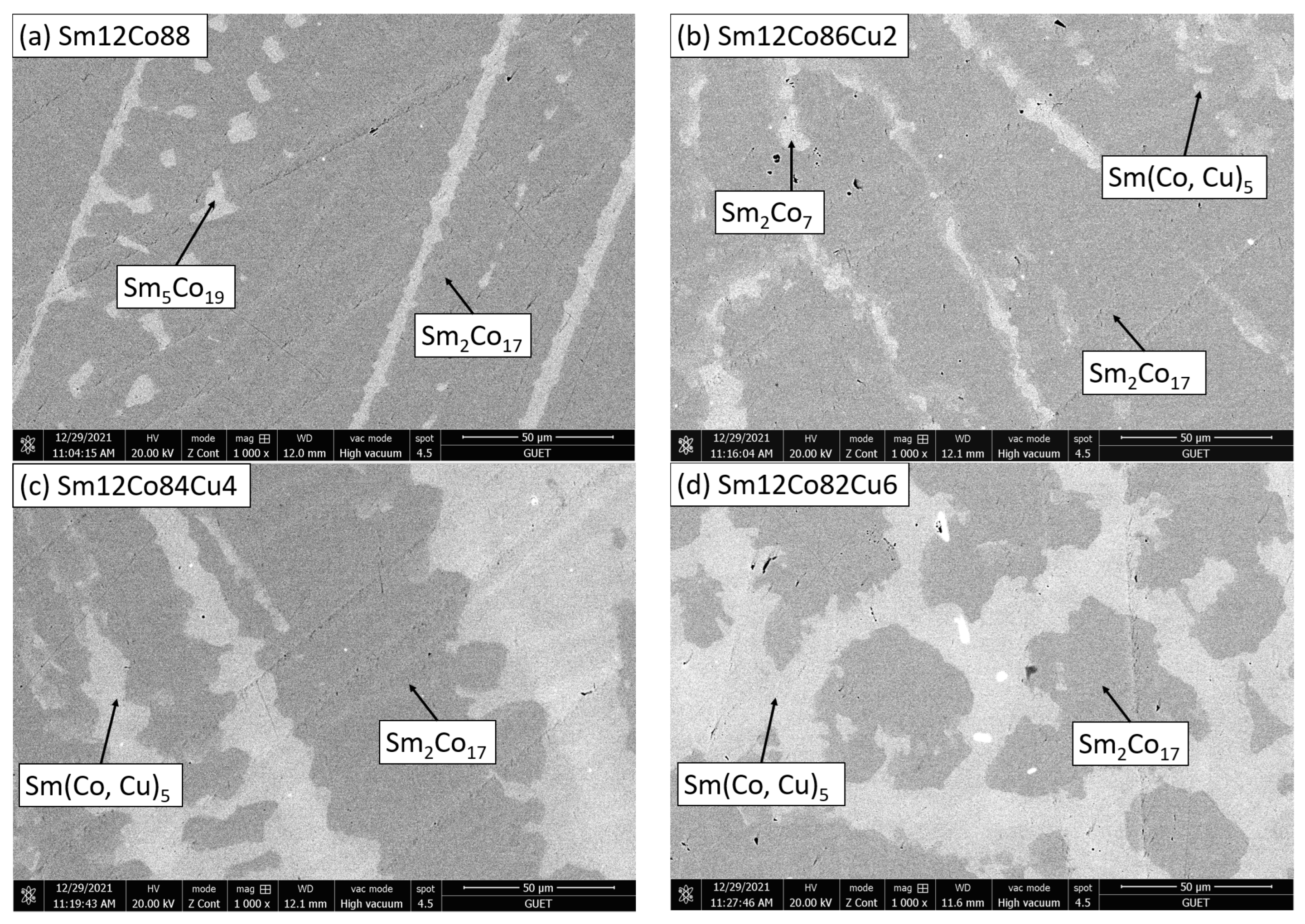
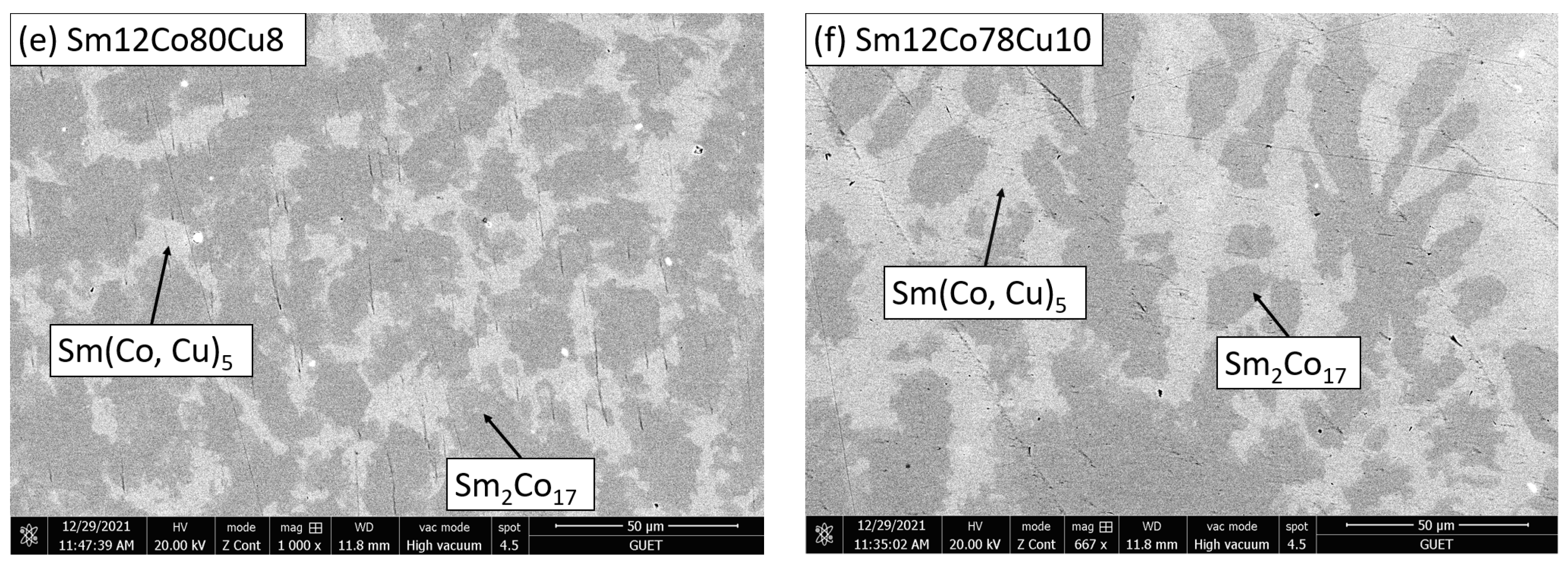
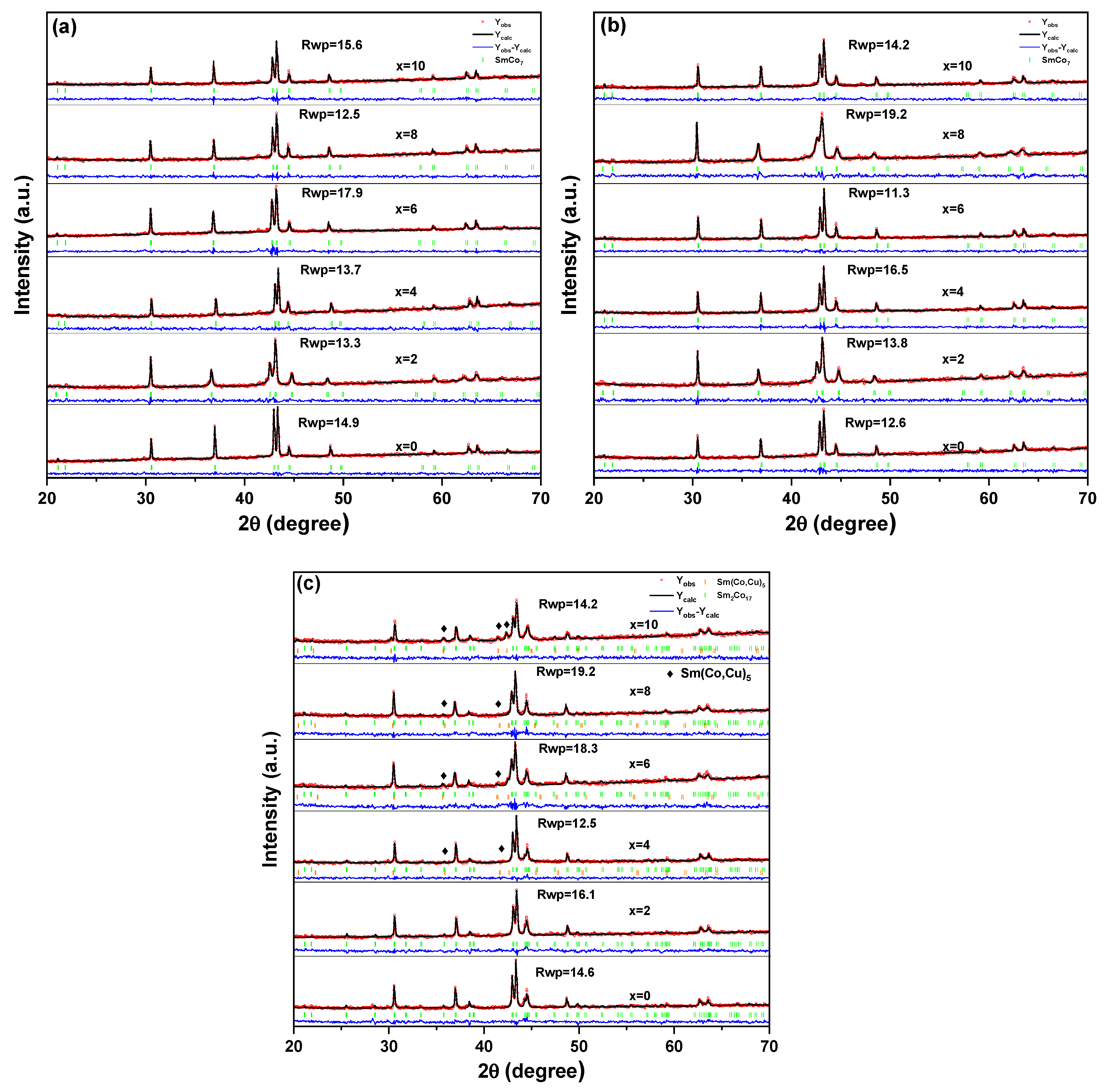
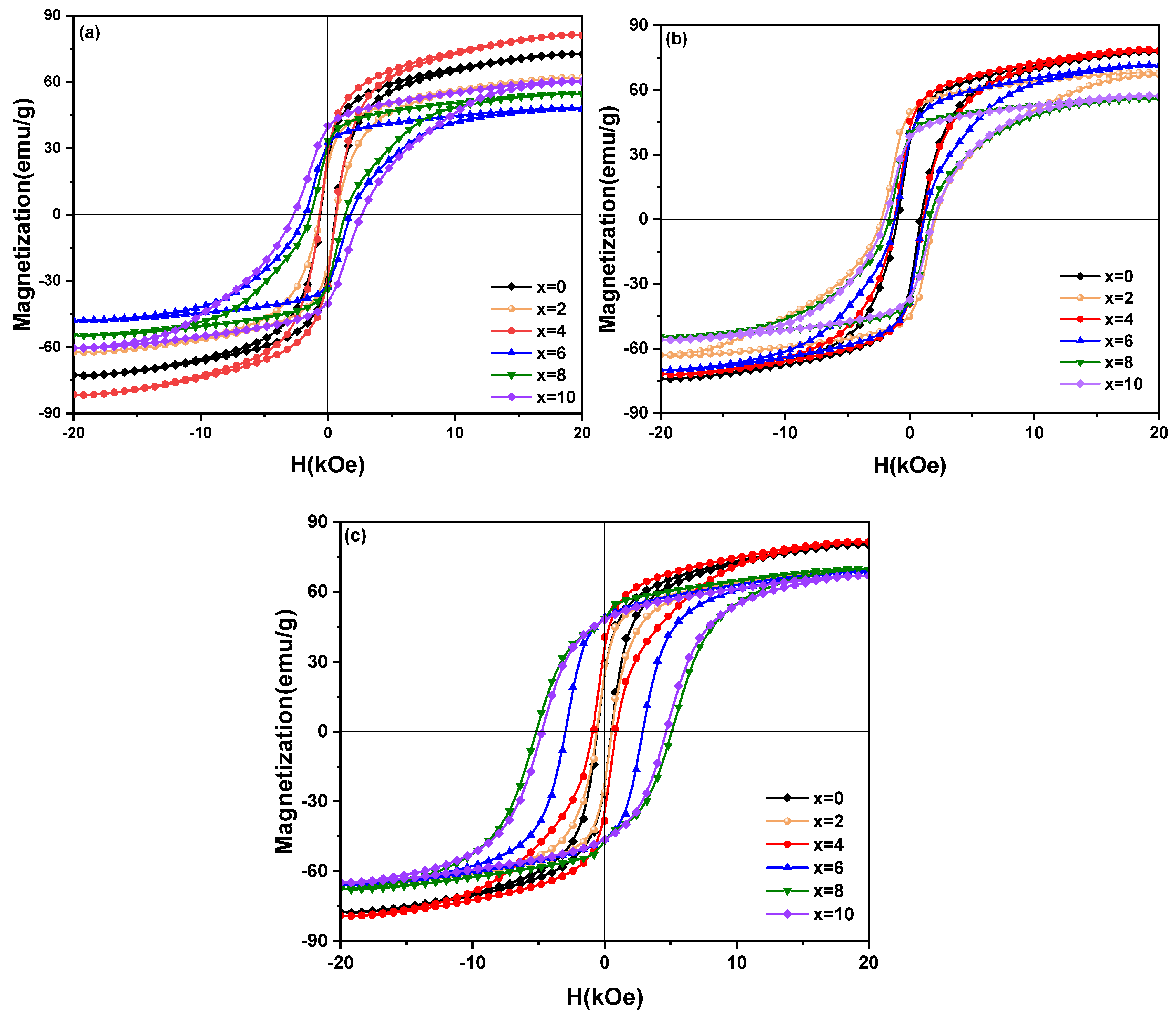
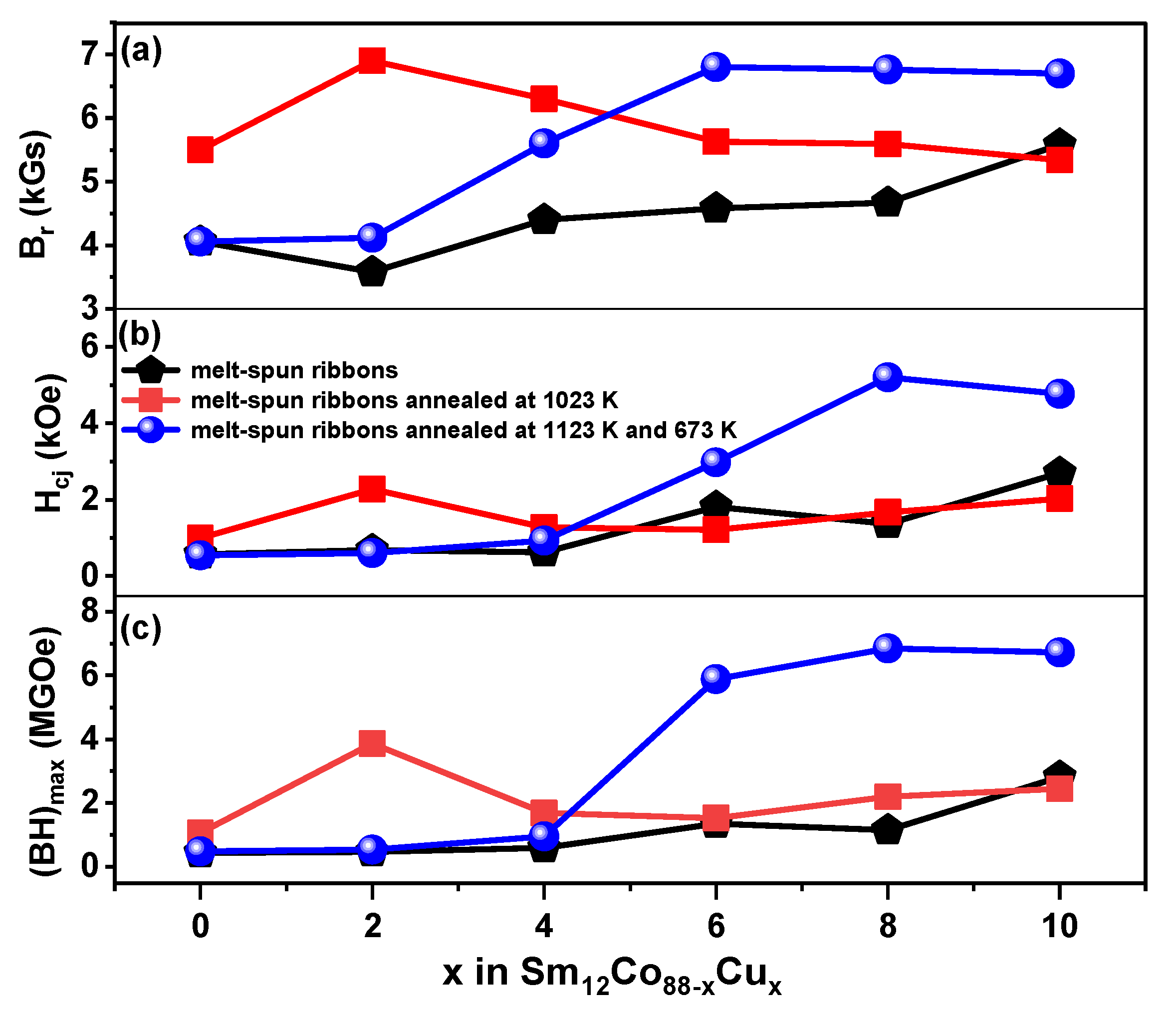
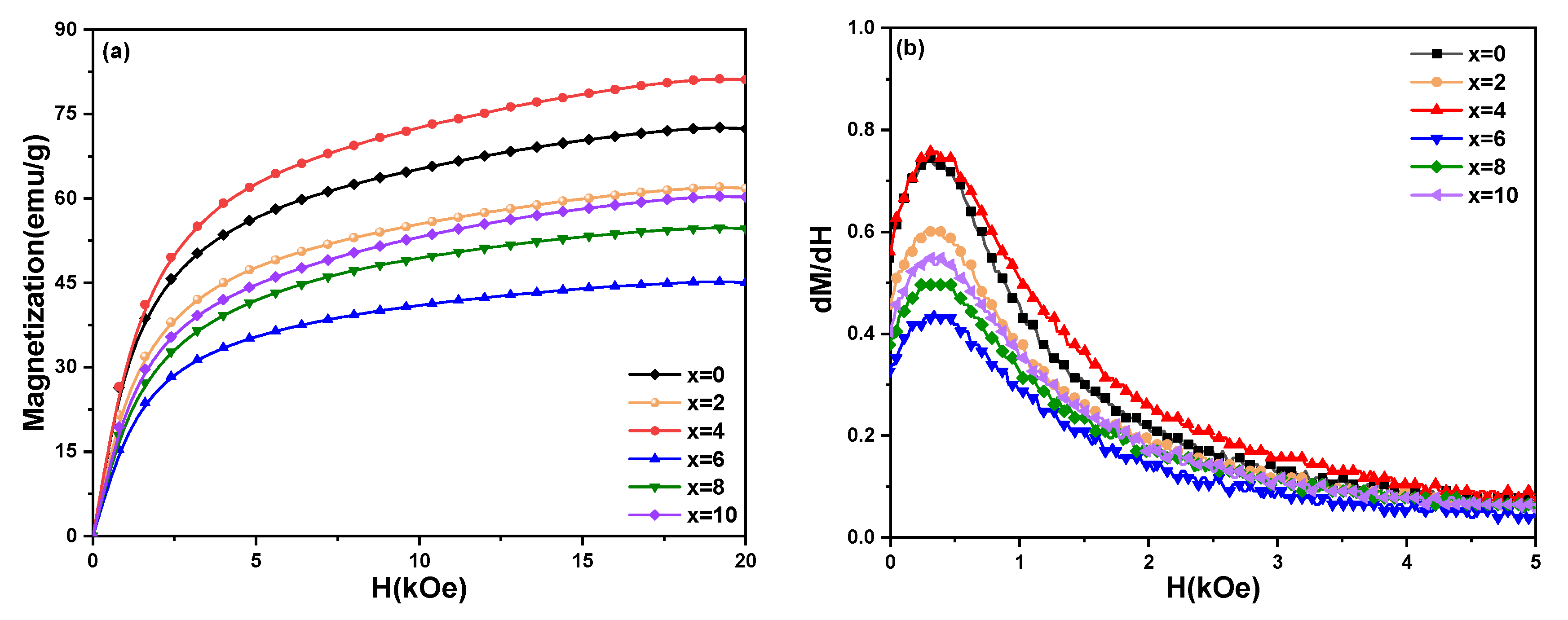
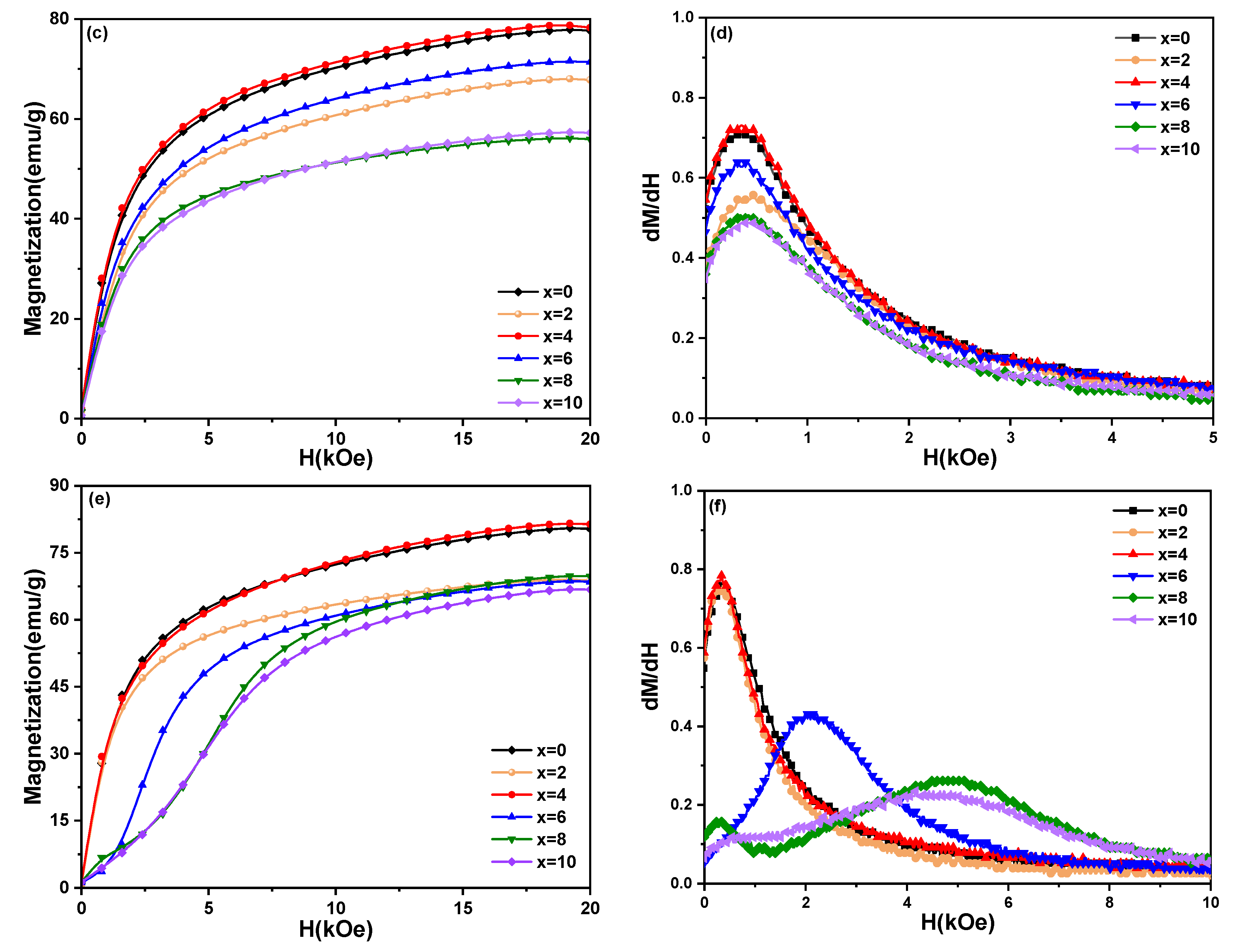
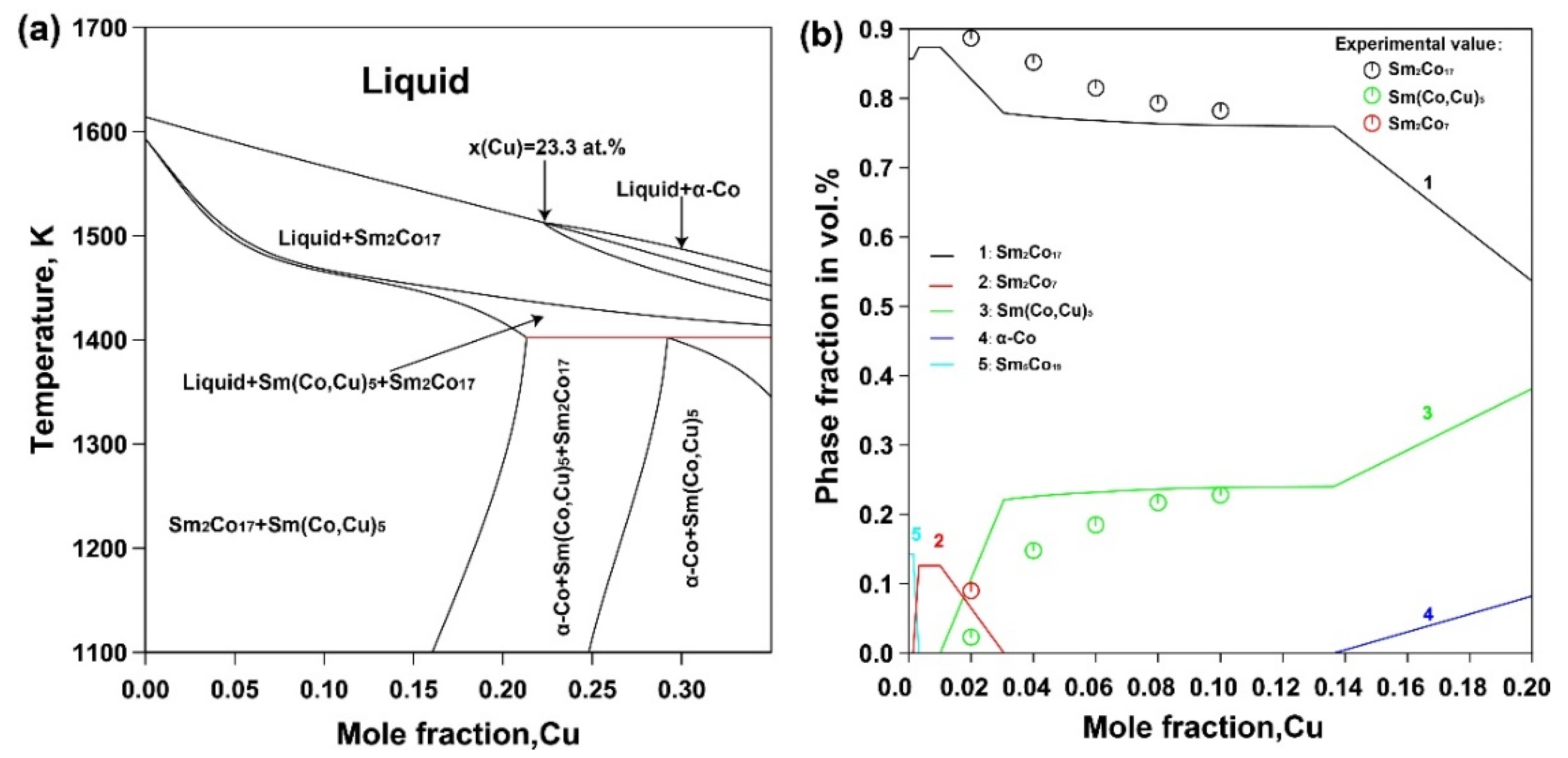
The phase structure and microstructure of Sm12Co88−xCux (x = 0, 2, 4, 6, 8, 10; at.%) as-cast alloys and melt-spun ribbons prepared via the arc-melting method and melt-spun technology were studied experimentally by X-ray diffraction (XRD) and scanning electron microscope (SEM) with energy dispersive spectroscopy (EDS). The results reveal that the Sm12Co88−xCux (x = 0) as-cast alloy contains Sm2Co17 and Sm5Co19 phases, while the Sm12Co88−xCux (x = 2) as-cast alloy is composed of Sm2Co17, Sm2Co7 and Sm(Co, Cu)5 phases. Sm2Co17 and Sm(Co, Cu)5 phases are detected in Sm12Co88−xCux (x = 4, 6, 8, 10) as-cast alloys. Meanwhile, Sm12Co88−xCux ribbons show a single SmCo7 phase, which is still formed in the ribbons annealed at 1023 K for one hour. After annealed at 1123 K for two hours, cooled slowly down to 673 K at 0.5 K/min and then kept for four hours, the ribbons are composed of Sm2Co17 and Sm(Co, Cu)5 phases. The magnetic measurements of Sm12Co88−xCux ribbons were performed by vibrating sample magnetometer (VSM). The results exhibit that the maximum magnetic energy product ((BH)max), the coercivity (Hcj) and the remanence (Br) of the Sm12Co88−xCux ribbons increase generally with the increase in Cu substitution. In particular, the magnetic properties of the ribbons annealed at 1123 K and 673 K increase significantly with the increase in Cu substitution, resulting from the increase in the volume fraction of the formed Sm(Co, Cu)5 phase after heat treatment.
Keywords: Sm-Co-Cu; melt-spun ribbons; phase structure; magnetic properties Sm-Co-Cu; melt-spun ribbons; phase structure; magnetic properties