Article

Study on the Compressive Strength of Alkali Activated Fly Ash and Slag under the Different Silicate Structure

Faculty of Engineering, China University of Petroleum-Beijing, Karamay 834000, China
*
Author to whom correspondence should be addressed.
Materials 2021, 14(9), 2227; https://doi.org/10.3390/ma14092227
Submission received: 3 April 2021 / Revised: 22 April 2021 / Accepted: 22 April 2021 / Published: 26 April 2021

Abstract

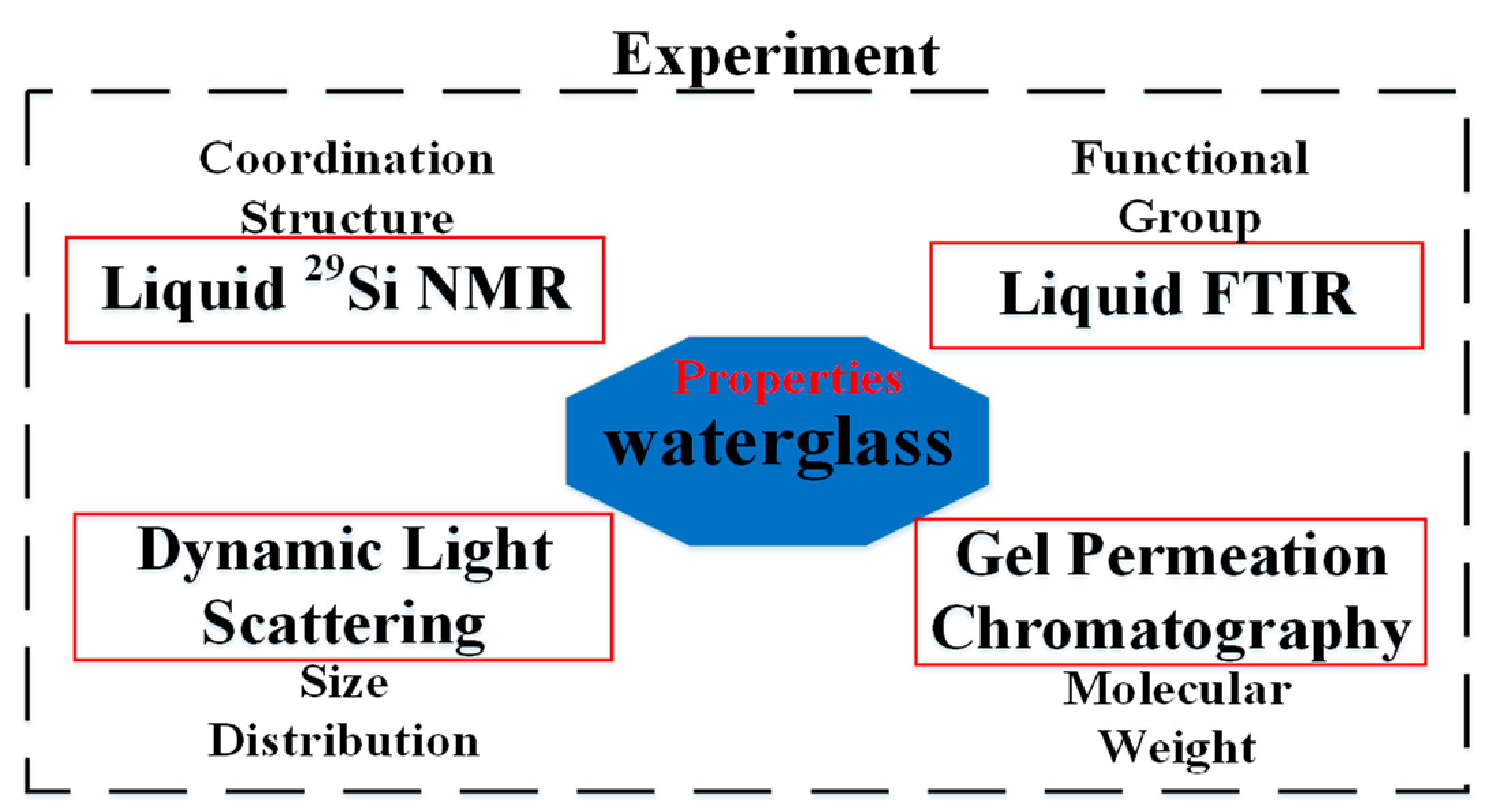
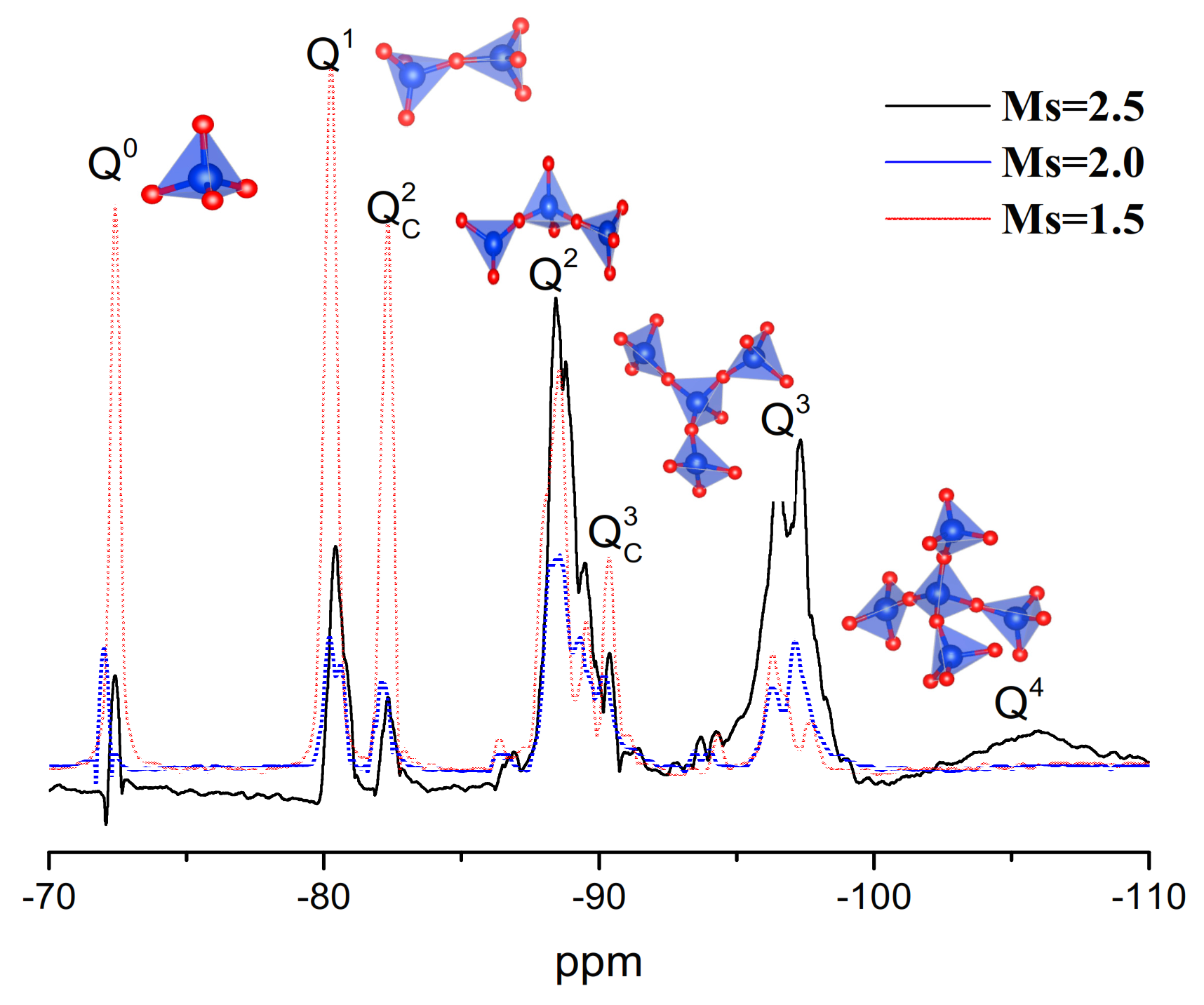
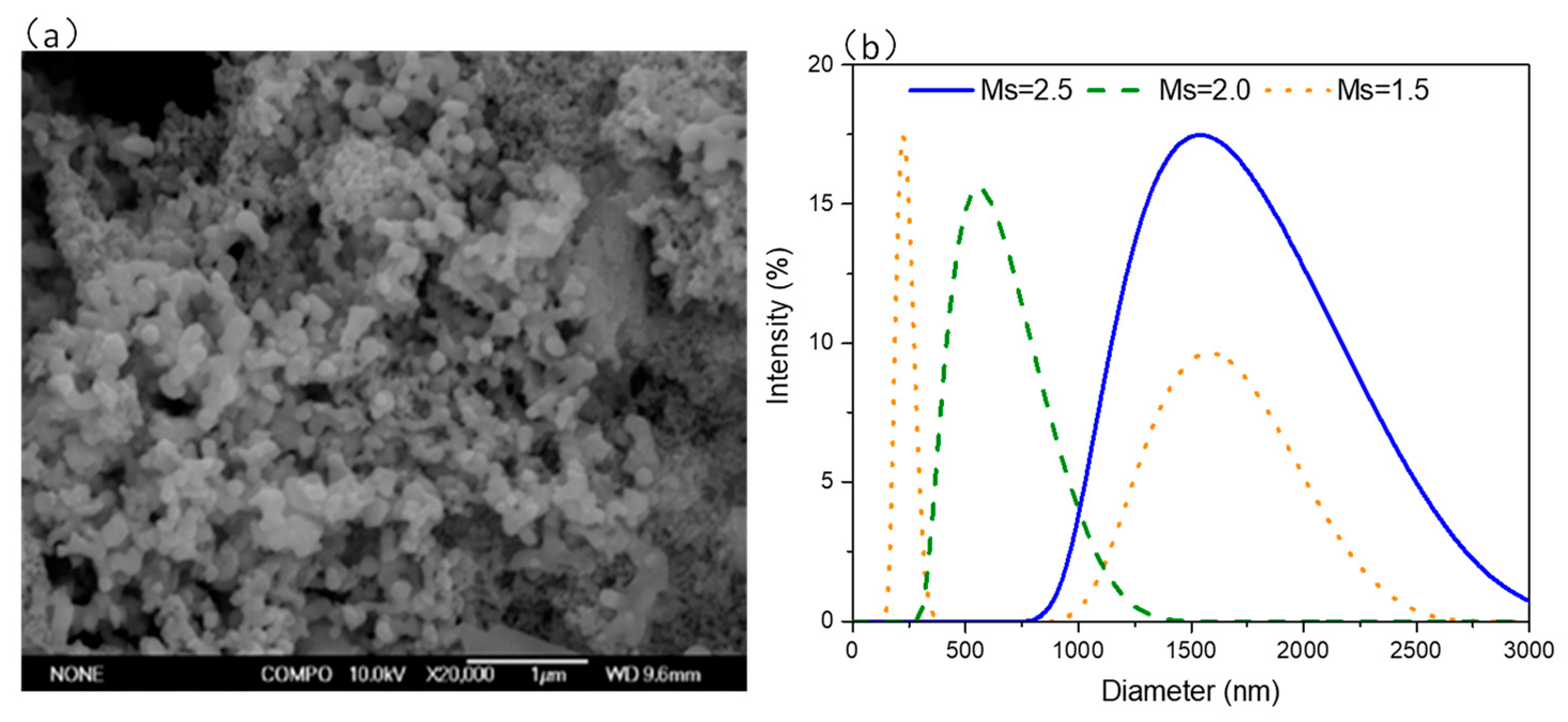
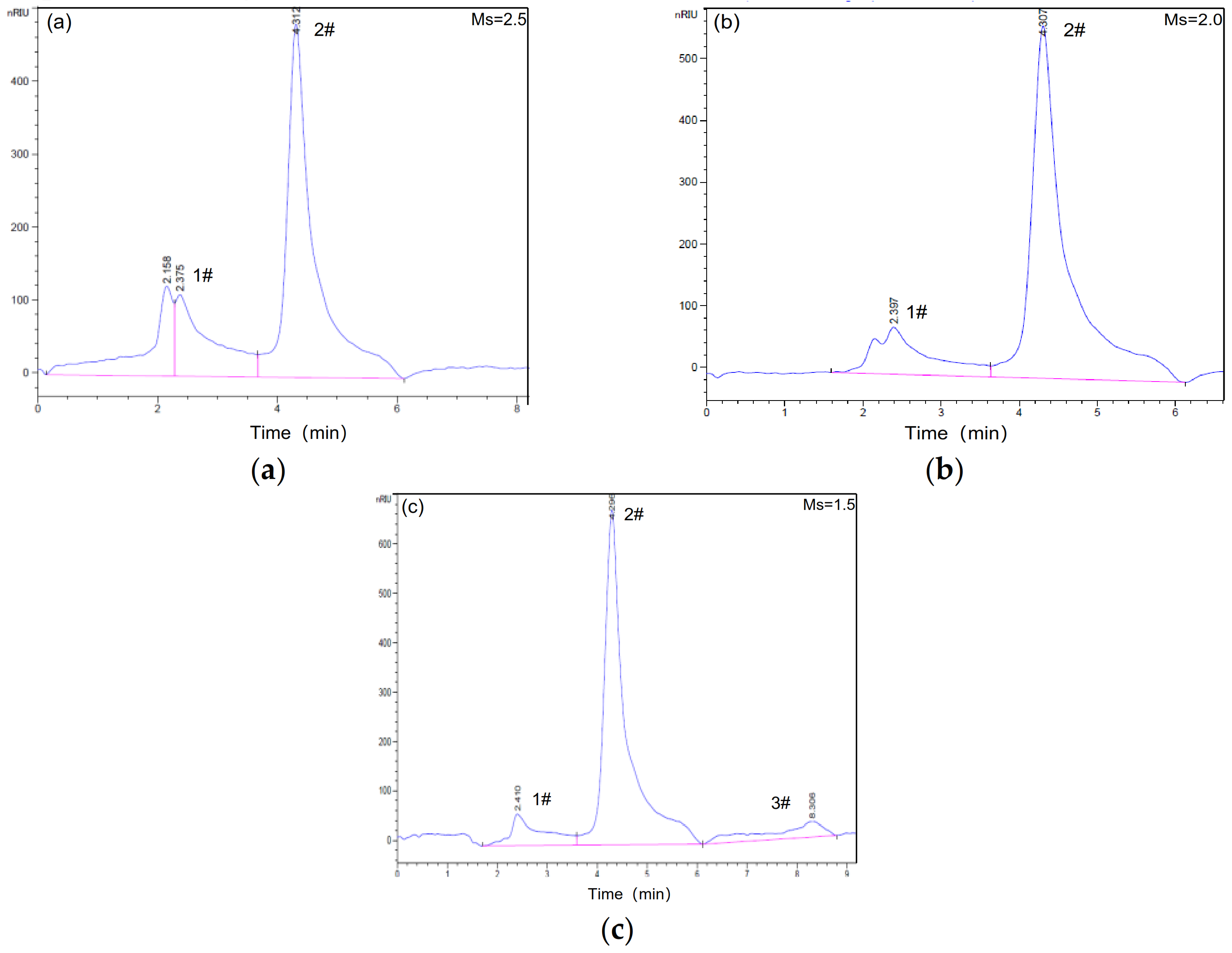
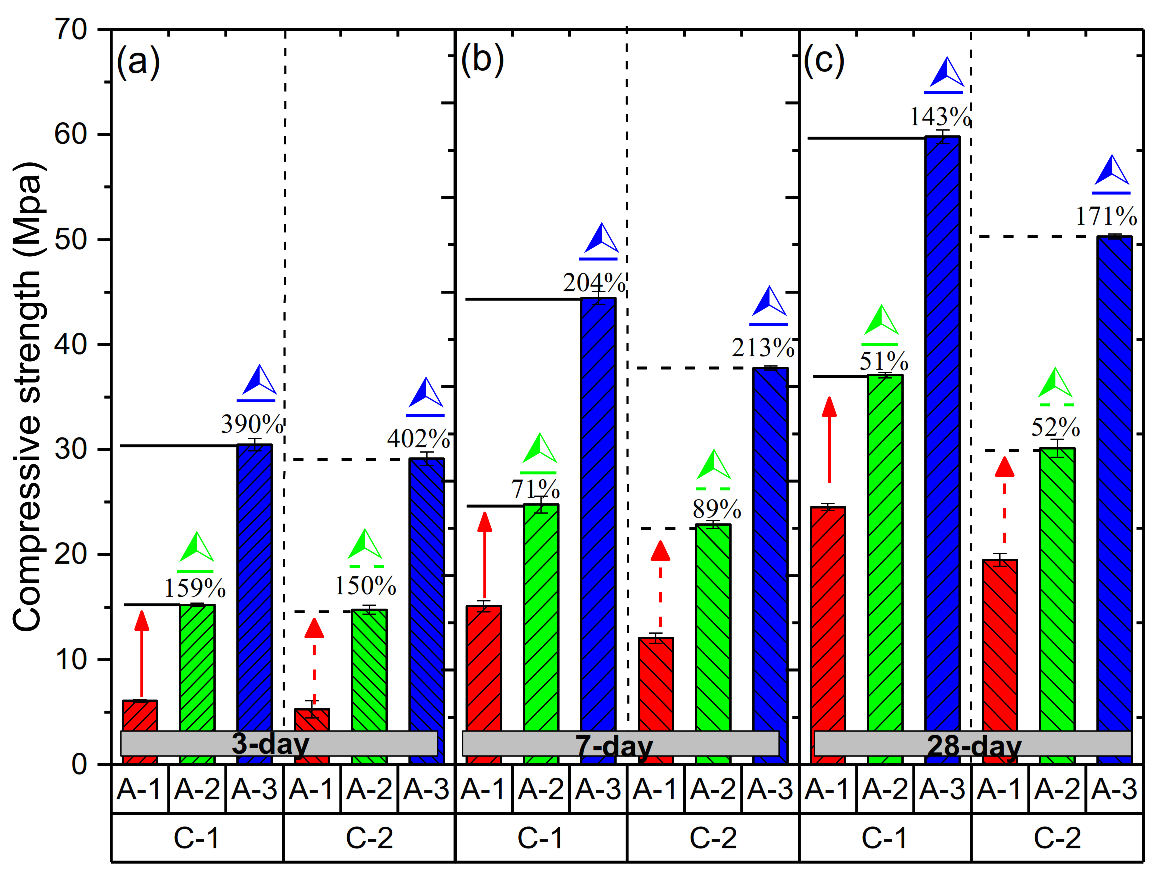
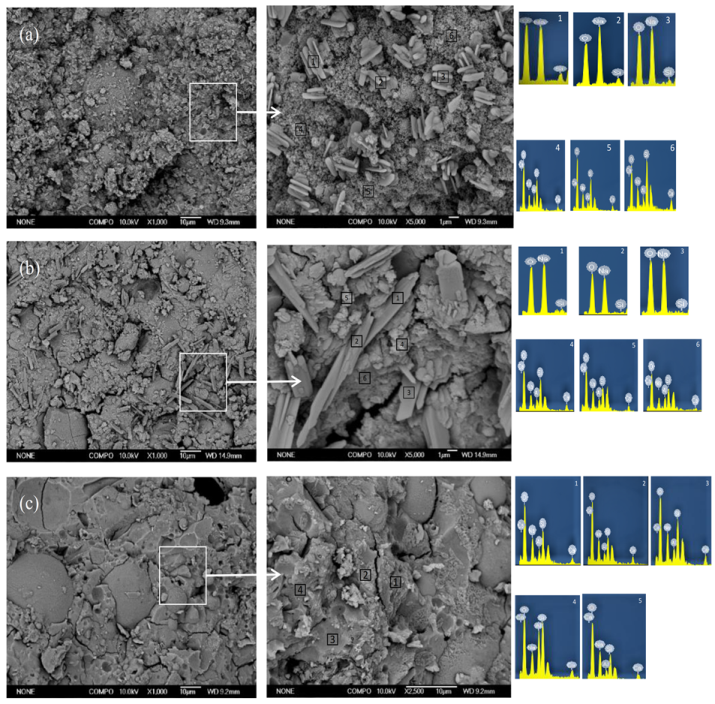
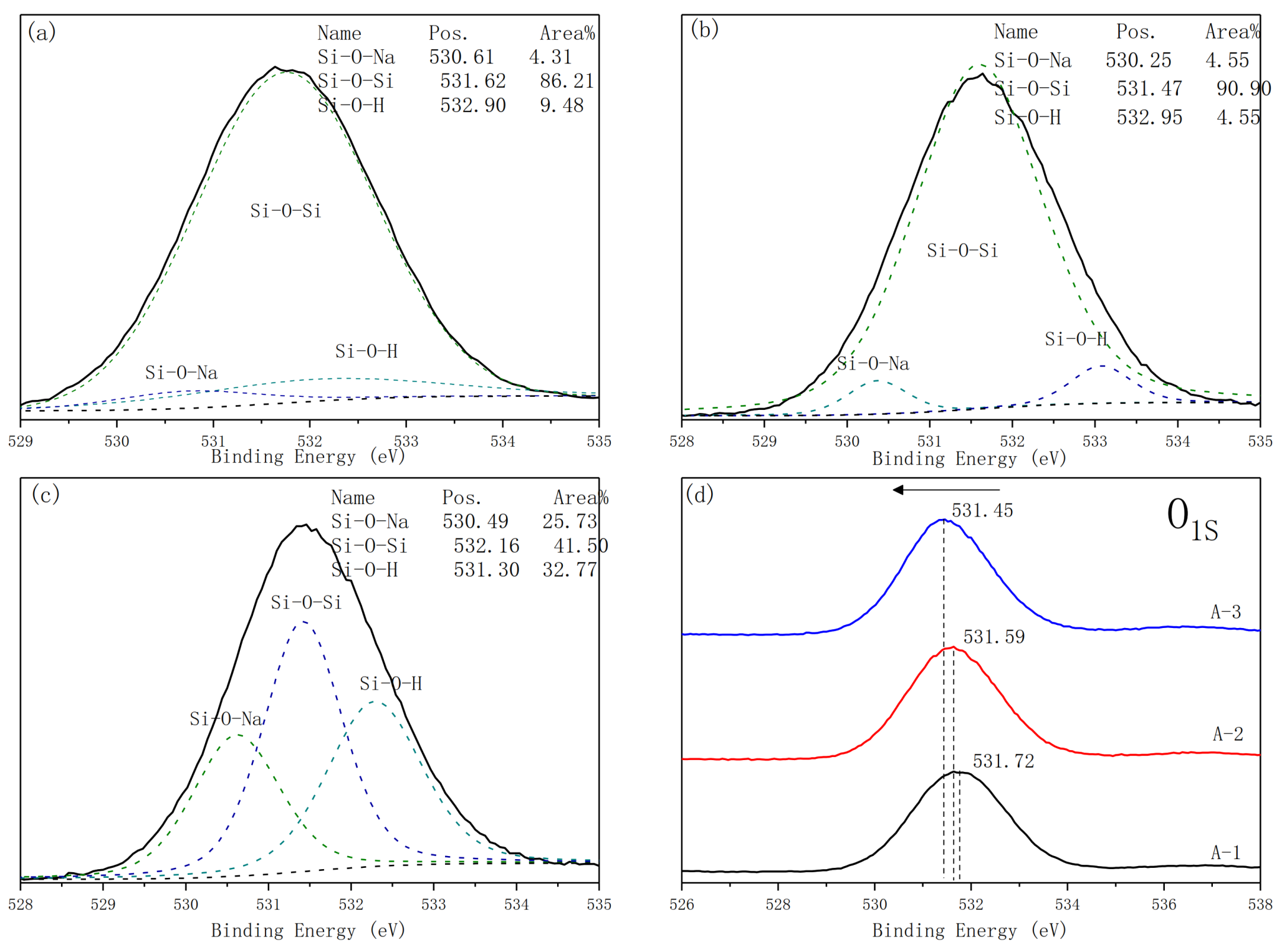
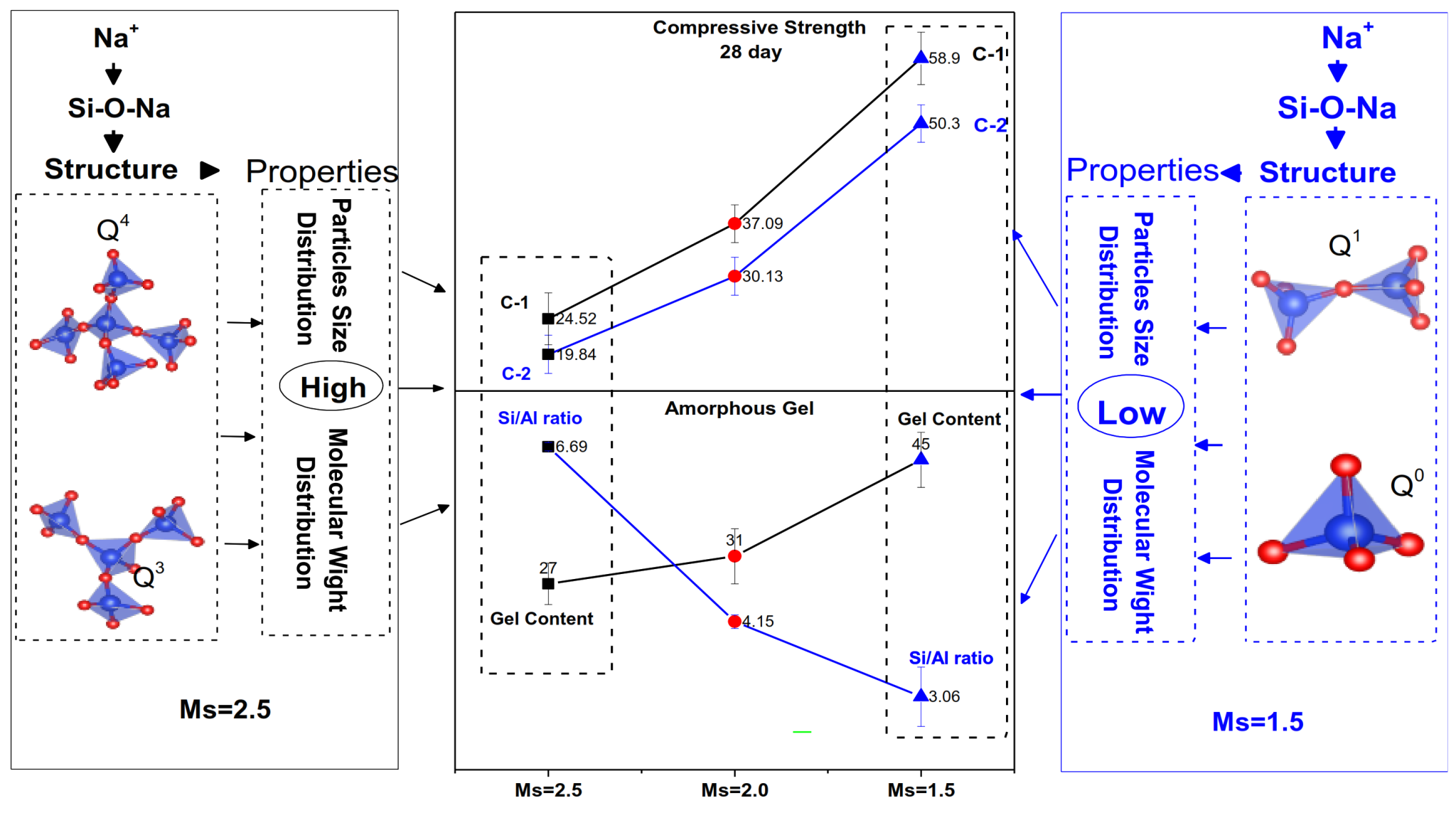
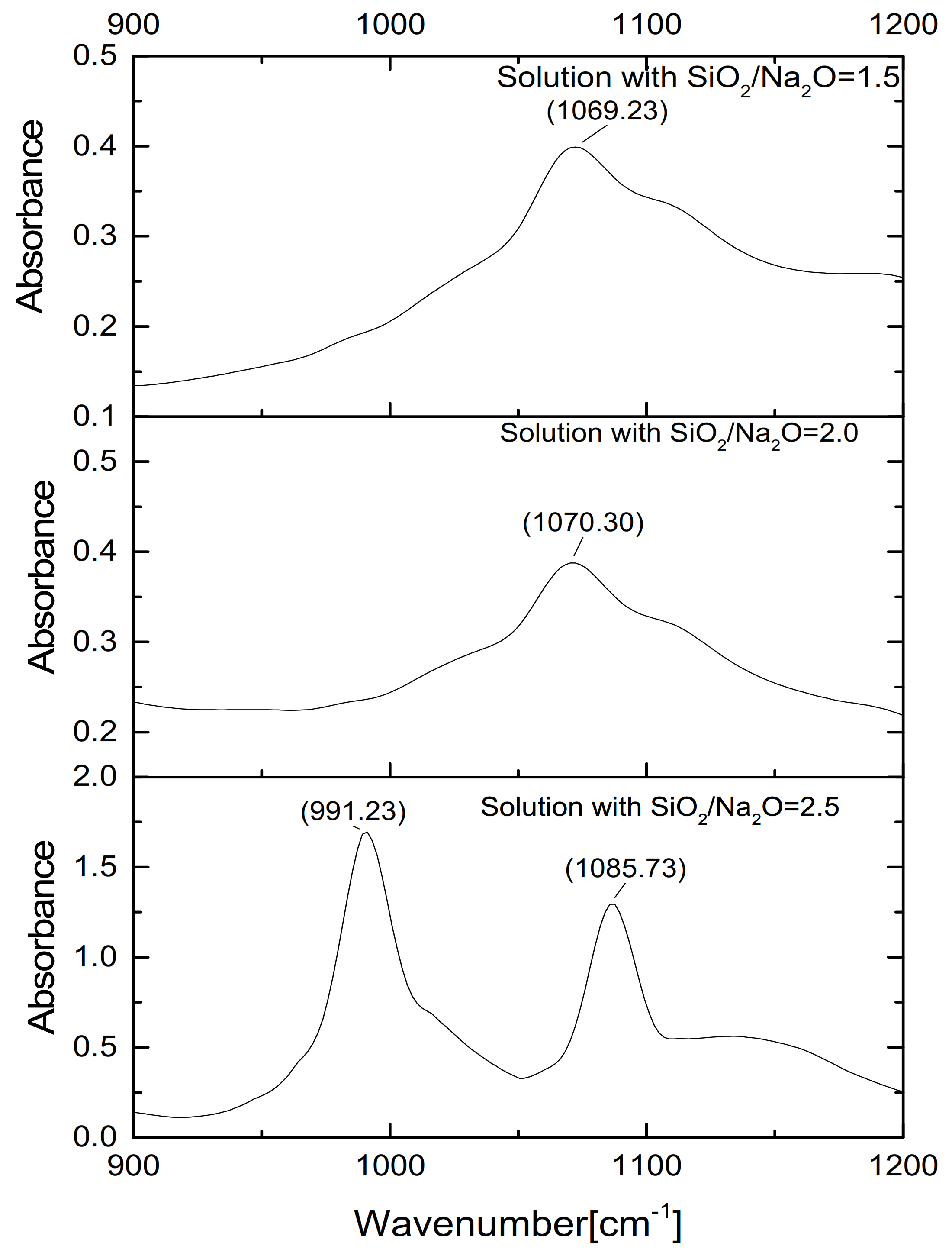
Due to its high activation efficiency, waterglass has been widely used for alkali activations in geopolymer. In this study, the n(SiO2)/n(Na2O) (Ms) of waterglass was selected as the variable to investigate the role of the silicate structure on the mechanical properties of harden pastes. Ms was changed by the addition of NaOH to obtain the different silicate group, structure and experiments were performed by employing the liquid-sate 29Si nuclear magnetic resonance (NMR), Fourier transform infrared spectroscopy (FTIR), dynamic light scattering (DLS) and gel permeation chromatography (GPC) techniques. Furthermore, selected dissolution, scanning electron microscope (SEM-EDX), X-ray photoelectron spectroscopy (XPS) and FTIR experiments were used to measure the development of the amorphous gel and other materials with different curing condition. Results show that silicate structure of the waterglass was changed via the Si-ONa+ formation and the electric charge effect of Na+. Under the lower Ms waterglass, the Q0, Q1 and QC2 structure reverted to the main structure of the silicate group, which was kind of lower seize, molecule weight, linear or circular chain lower geopolymerization degree silicon structure. It would accelerate the geopolymerization speed of prepolymer formation. In addition, higher activity degree of Q0 and Q1 were useful to increase the formation amount of the gel structure with a low Si/Al ratio and size. Thus, silicate structure of waterglass controls the amorphous gel properties to adjust the compressive strength of alkali-activated materials.
Keywords: alkali-activated materials; silicate structure of waterglass; amorphous gel content; compressive strength alkali-activated materials; silicate structure of waterglass; amorphous gel content; compressive strength