Article

Production of Nanocellulose by Enzymatic Treatment for Application in Polymer Composites
by
Daria Zielińska
1,
Kinga Szentner
2,
Agnieszka Waśkiewicz
2 and
Sławomir Borysiak
1,*
1
Institute of Chemical Technology and Engineering, Poznan University of Technology, Berdychowo 4, 60965 Poznan, Poland
2
Department of Chemistry, Faculty of Forestry and Wood Technology, Poznan University of Life Sciences, Wojska Polskiego 75, 60625 Poznan, Poland
*
Author to whom correspondence should be addressed.
Materials 2021, 14(9), 2124; https://doi.org/10.3390/ma14092124
Submission received: 25 March 2021 / Revised: 18 April 2021 / Accepted: 20 April 2021 / Published: 22 April 2021

Abstract

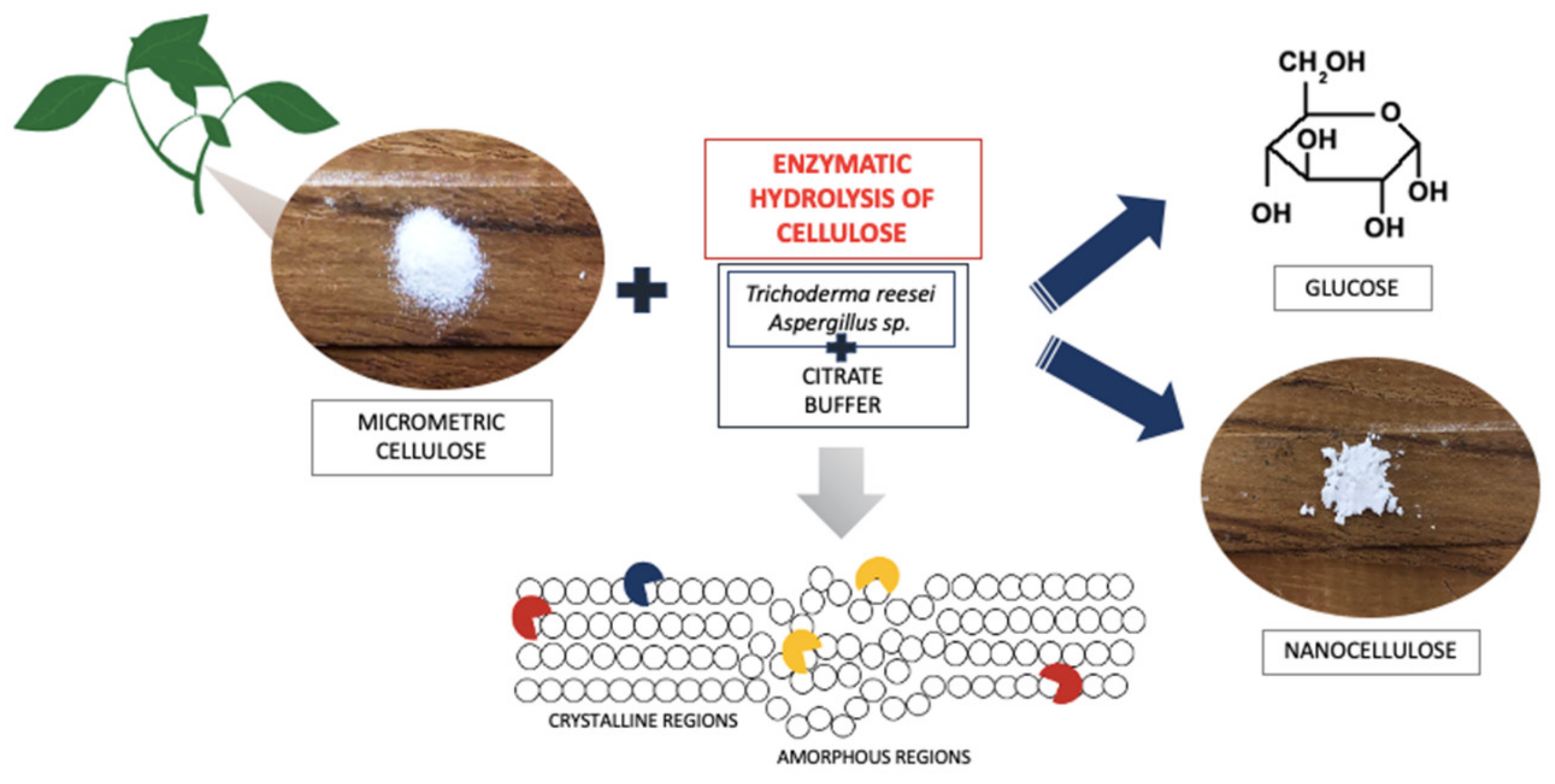
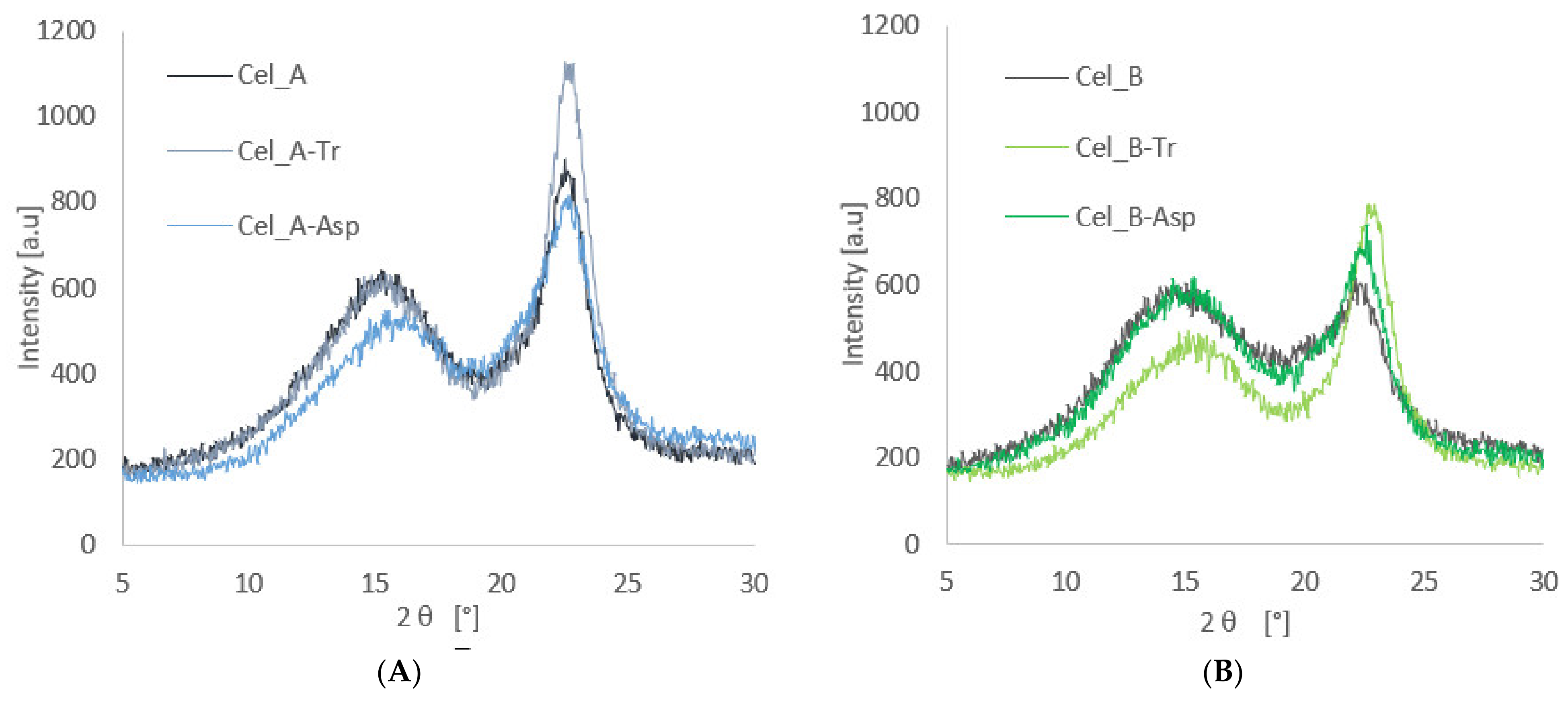
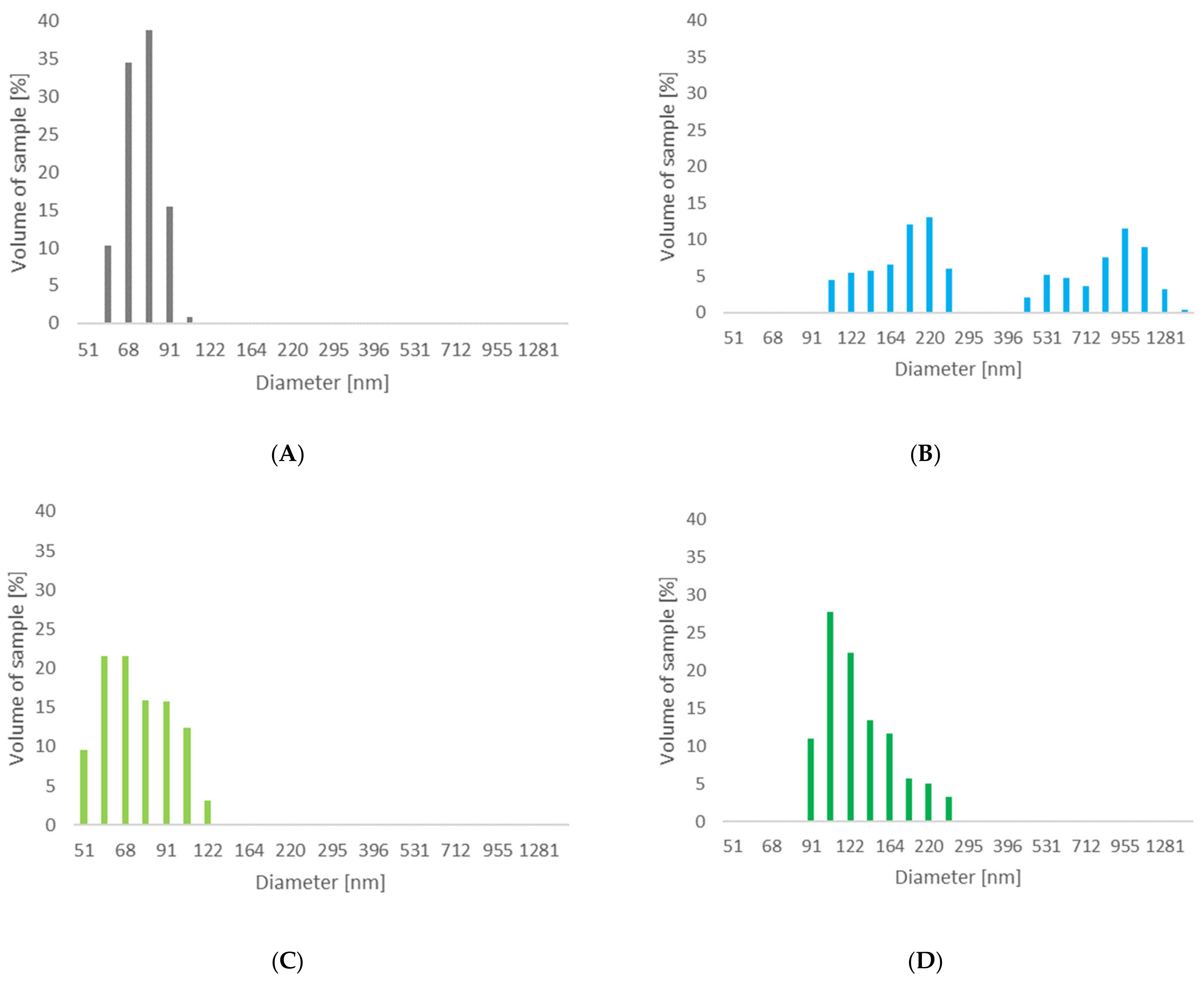
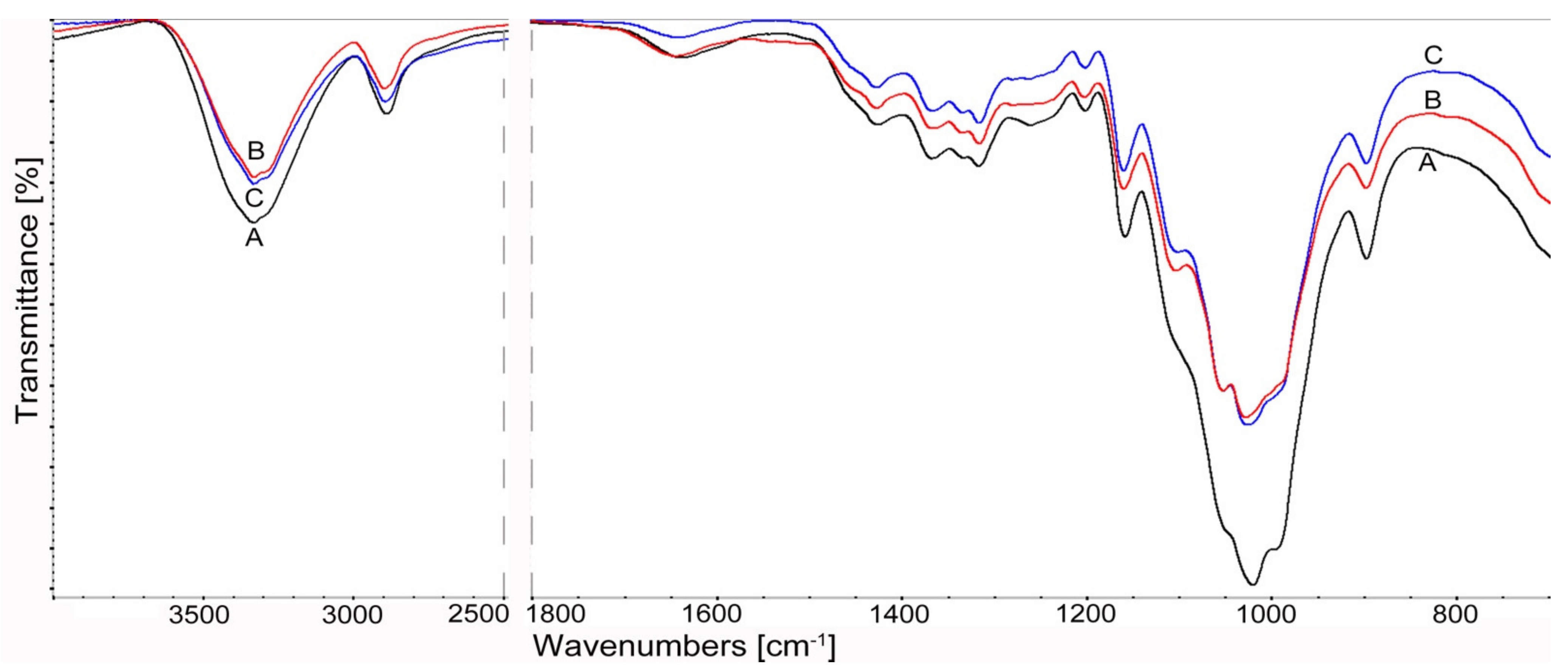
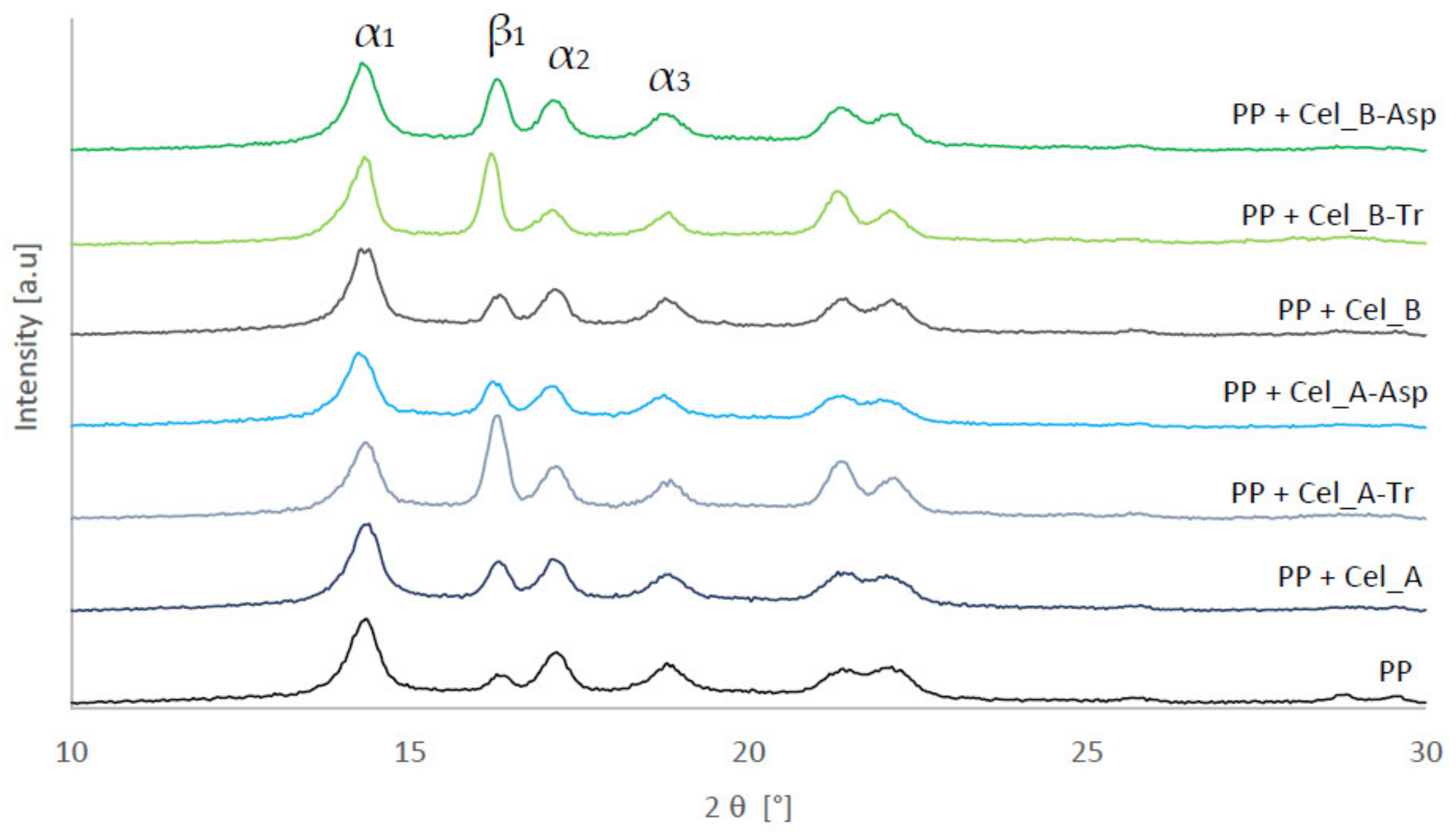
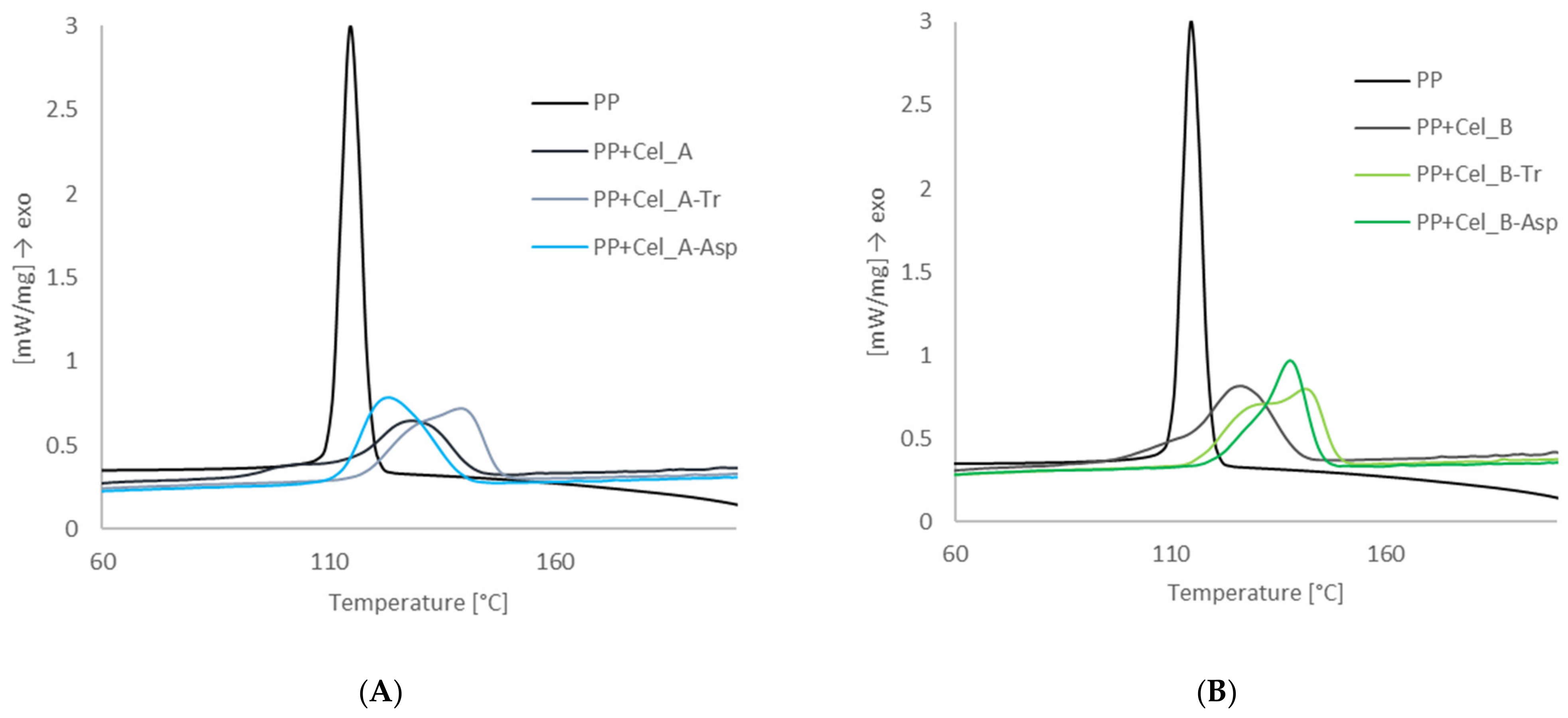
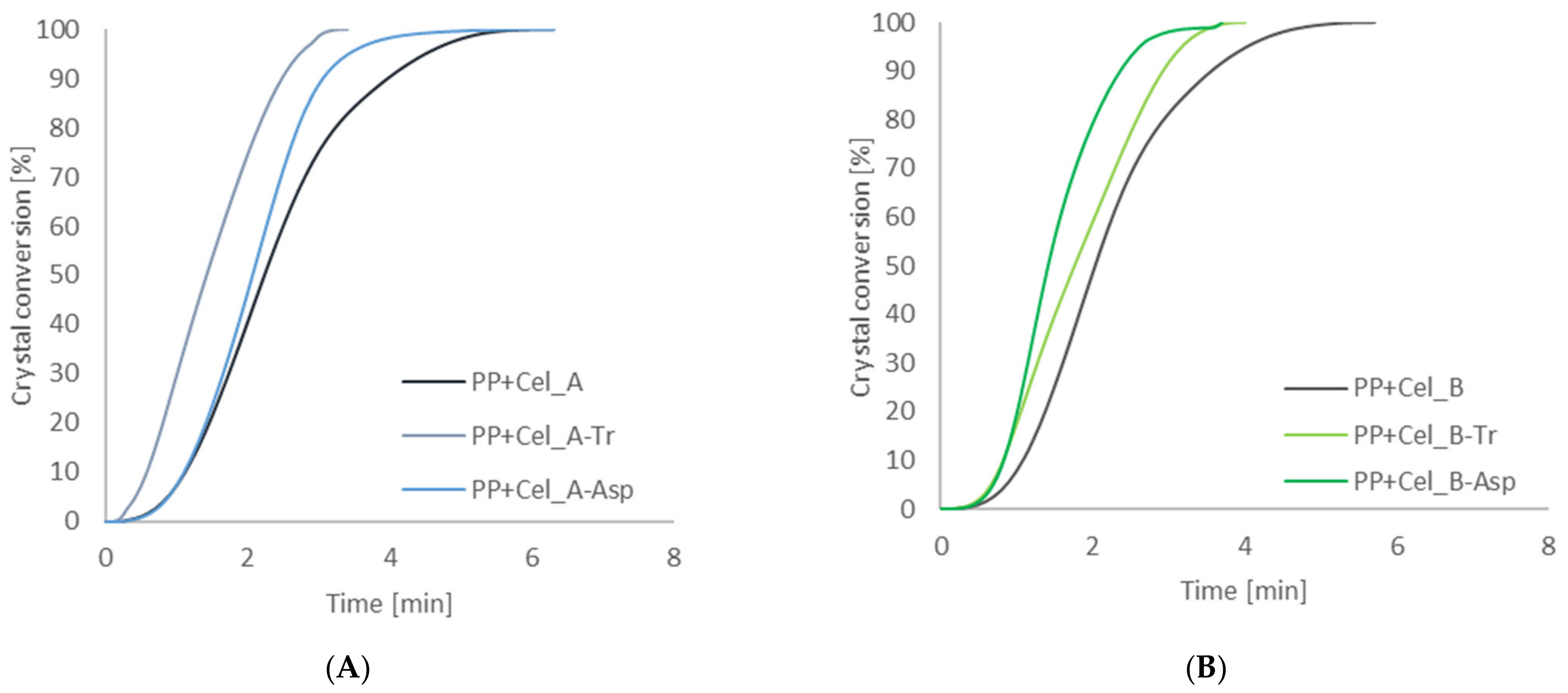
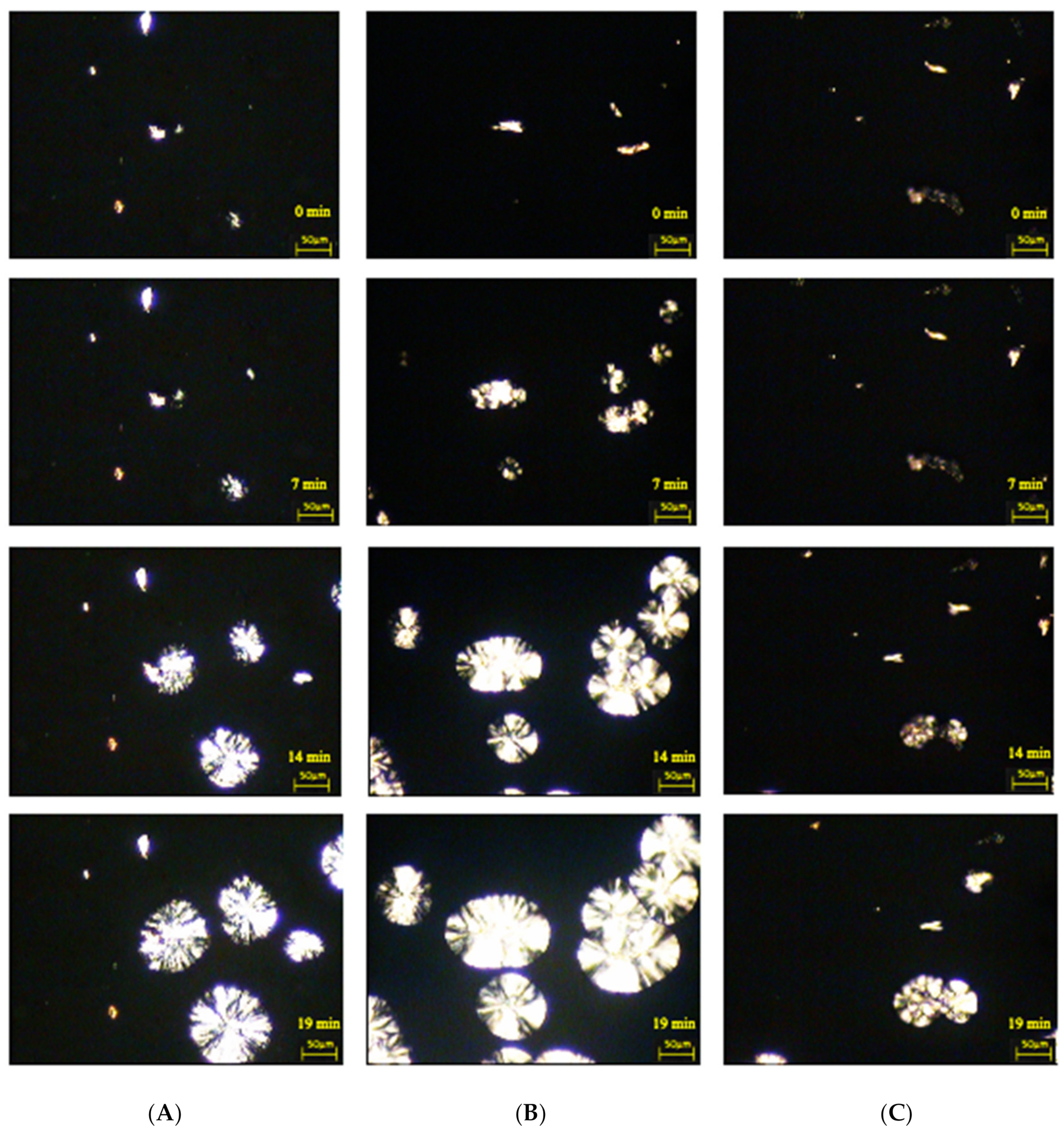
In the last few years, the scientific community around the world has devoted a lot of attention to the search for the best methods of obtaining nanocellulose. In this work, nanocellulose was obtained in enzymatic reactions with strictly defined dispersion and structural parameters in order to use it as a filler for polymers. The controlled enzymatic hydrolysis of the polysaccharide was carried out in the presence of cellulolytic enzymes from microscopic fungi—Trichoderma reesei and Aspergillus sp. It has been shown that the efficiency of bioconversion of cellulose material depends on the type of enzymes used. The use of a complex of cellulases obtained from a fungus of the genus Trichoderma turned out to be an effective method of obtaining cellulose of nanometric dimensions with a very low polydispersity. The effect of cellulose enzymatic reactions was assessed using the technique of high-performance liquid chromatography coupled with a refractometric detector, X-ray diffraction, dynamic light scattering and Fourier transform infrared spectroscopy. In the second stage, polypropylene composites with nanometric cellulose were obtained by extrusion and injection. It was found by means of X-ray diffraction, hot stage optical microscopy and differential scanning calorimetry that nanocellulose had a significant effect on the supermolecular structure, nucleation activity and the course of phase transitions of the obtained polymer nanocomposites. Moreover, the obtained nanocomposites are characterized by very good strength properties. This paper describes for the first time that the obtained cellulose nanofillers with defined parameters can be used for the production of polymer composites with a strictly defined polymorphic structure, which in turn may influence future decision making about obtaining materials with controllable properties, e.g., high flexibility, enabling the thermoforming process of packaging.
Keywords: nanocellulose; polypropylene composites; enzymatic modification; structure; nucleation activity; mechanical properties nanocellulose; polypropylene composites; enzymatic modification; structure; nucleation activity; mechanical properties