Article

Comparative Analysis of Static and Viscoelastic Mechanical Behavior of Different Luting Material Categories after Aging


Department of Conservative Dentistry and Periodontology, University Hospital, Ludwig Maximilians University, Munich Goethestr. 70, D-80336 Munich, Germany
Materials 2021, 14(6), 1452; https://doi.org/10.3390/ma14061452
Submission received: 29 January 2021 / Revised: 25 February 2021 / Accepted: 3 March 2021 / Published: 16 March 2021
(This article belongs to the Special Issue Novel Dental Restorative Materials)

Abstract

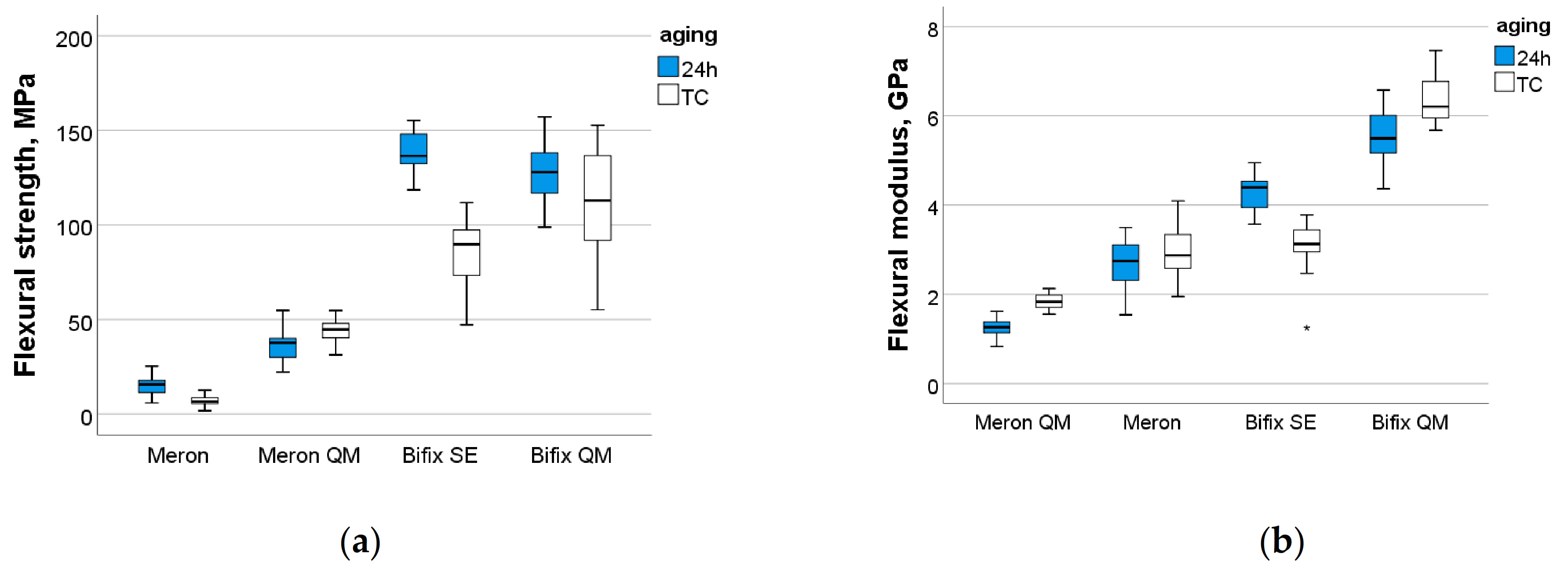
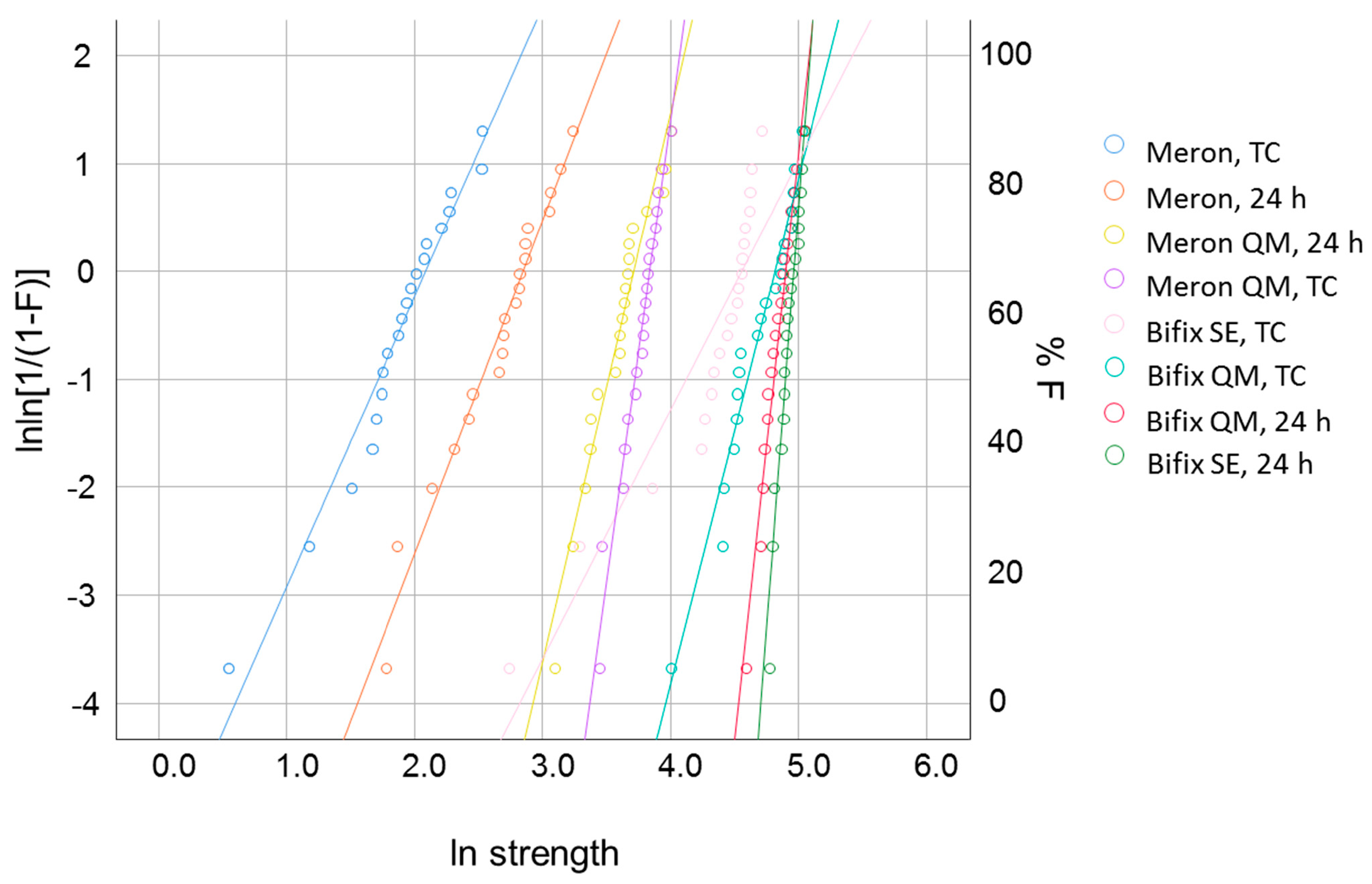
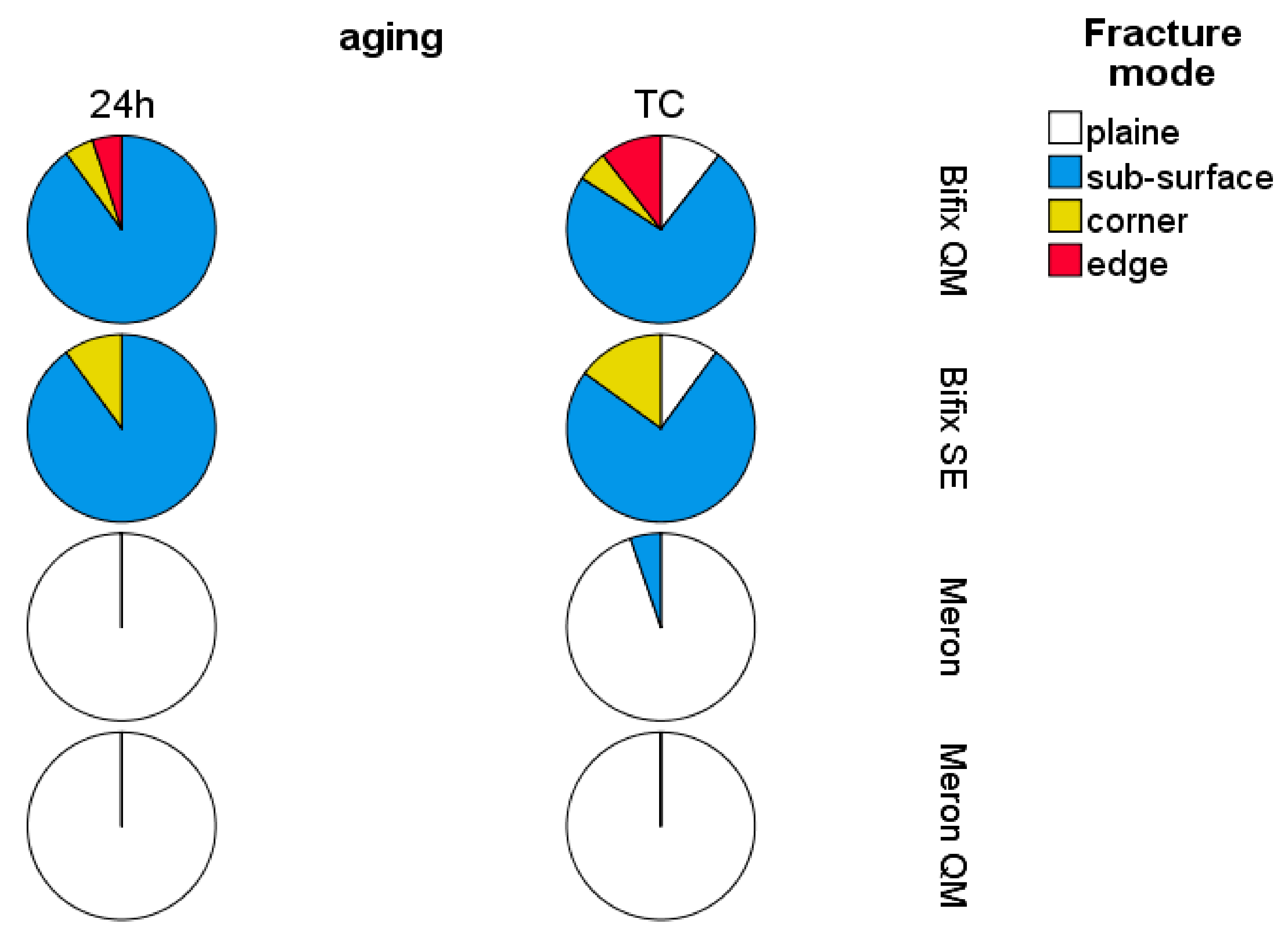
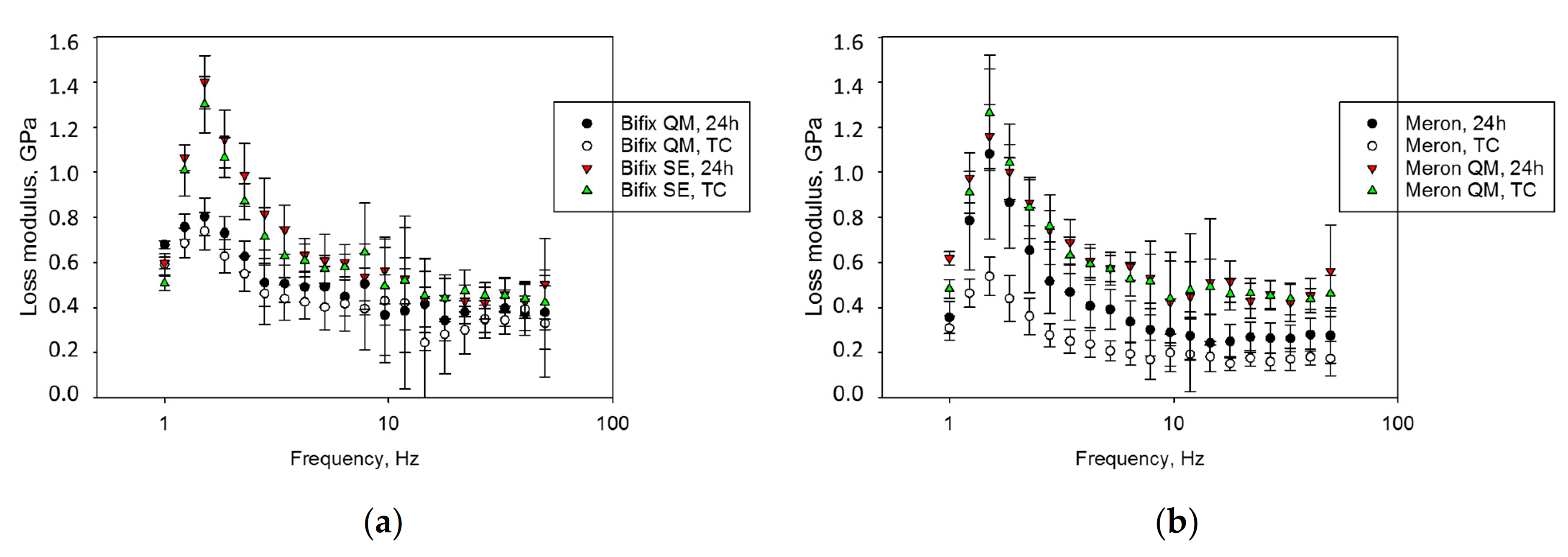
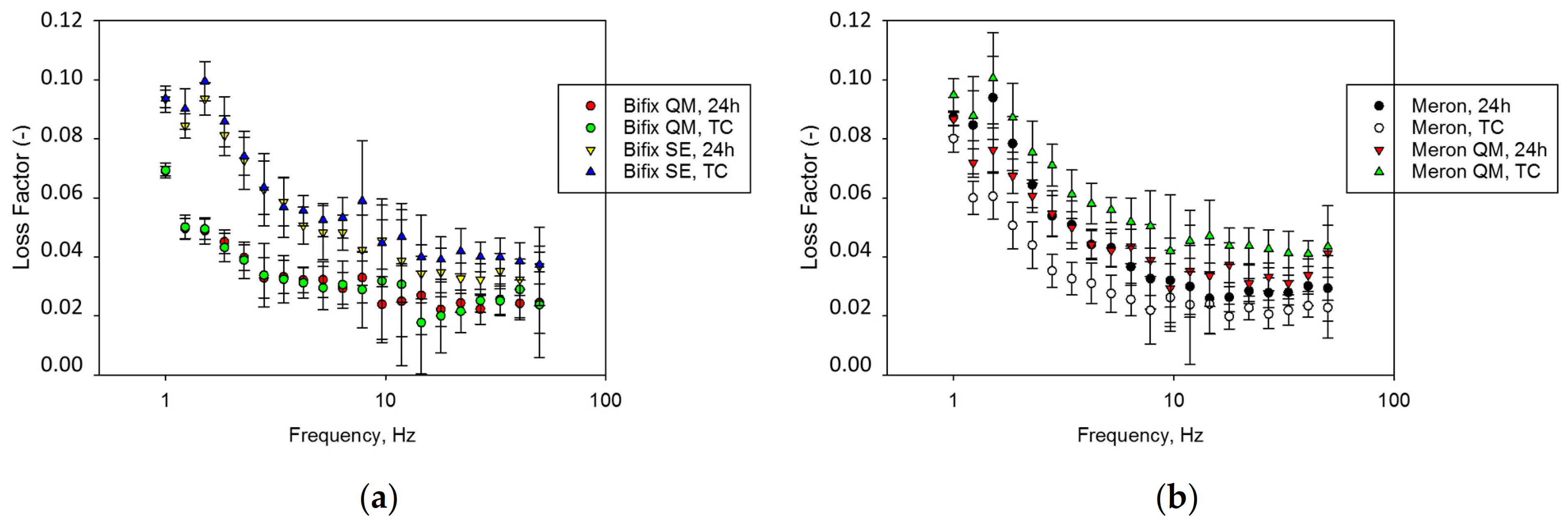
The longevity of indirect restorations is primarily determined by the appropriate selection of the luting material. The function of a luting material is to seal the restoration and hold it in place for the time required for service. The mechanical behavior of luting materials and in particular their aging behavior, therefore, play a decisive role. The study provides a comparative analysis of the static and dynamic mechanical behavior of the most commonly used luting material categories—zinc phosphate cement, glass–ionomer cement, resin-modified glass–ionomer cement, resin-based composites, and self-adhesive resin-based composites—and their aging behavior. It also takes into account that luting materials are viscoelastic materials, i.e., materials that respond to external loading in a way that lies between an elastic solid and a viscous liquid. Flexural strength and modulus were determined in a three-point bending test followed by fractography analysis. The quasi-static and viscoelastic behavior was analyzed by a depth-sensing indentation test provided with a dynamic mechanical analysis (DMA) module at 20 different frequencies (1–50 Hz). The fracture toughness was evaluated in a notchless triangular prism (NTP) test. Material type exhibits the strongest influence on all measured properties, while the effect of aging becomes more evident in the material reliability. The variation of the viscoelastic parameters with aging reflects cement maturation or polymer plasticization.
Keywords: luting materials; flexural strength; modulus; interfacial fracture toughness; dynamic mechanical analysis; viscoelasticity luting materials; flexural strength; modulus; interfacial fracture toughness; dynamic mechanical analysis; viscoelasticity