Next Article in Journal
Improved Breakdown Strength of Polypropylene Film by Polycyclic Compounds Addition for Power Capacitors
Next Article in Special Issue
Viscoelastic Polyurethane Foams for Use in Seals of Respiratory Protective Devices
Previous Article in Journal
Tribological Performance of Graphite Nanoplatelets Reinforced Al and Al/Al2O3 Self-Lubricating Composites
 
 
Correction published on 28 January 2022, see Materials 2022, 15(3), 1011.
Article

Burning Behaviour of Rigid Polyurethane Foams with Histidine and Modified Graphene Oxide

by
Kamila Sałasińska
1,*,
Milena Leszczyńska
2,
Maciej Celiński
1,
Paweł Kozikowski
1,
Krystian Kowiorski
3 and
Ludwika Lipińska
3
1
Department of Chemical, Biological and Aerosol Hazards, Central Institute for Labour Protection—National Research Institute, 00-701 Warsaw, Poland
2
Faculty of Materials Science and Engineering, Warsaw University of Technology, 02-507 Warsaw, Poland
3
Department of Chemical Synthesis and Flake Graphene, Łukasiewicz Research Network—Institute of Microelectronics and Photonics, 01-919 Warsaw, Poland
*
Author to whom correspondence should be addressed.
Materials 2021, 14(5), 1184; https://doi.org/10.3390/ma14051184
Submission received: 2 February 2021 / Revised: 23 February 2021 / Accepted: 26 February 2021 / Published: 3 March 2021 / Corrected: 28 January 2022

Abstract

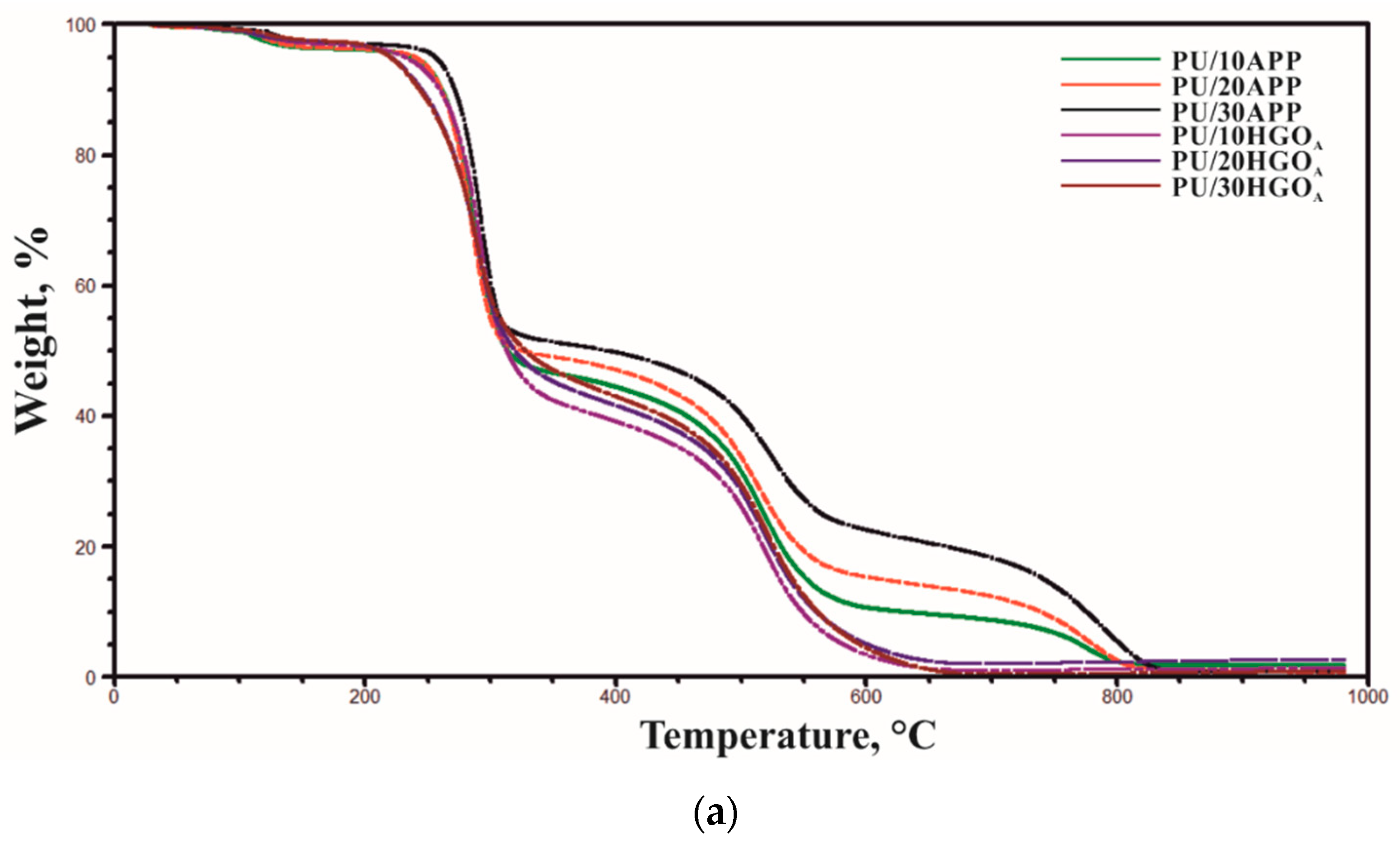
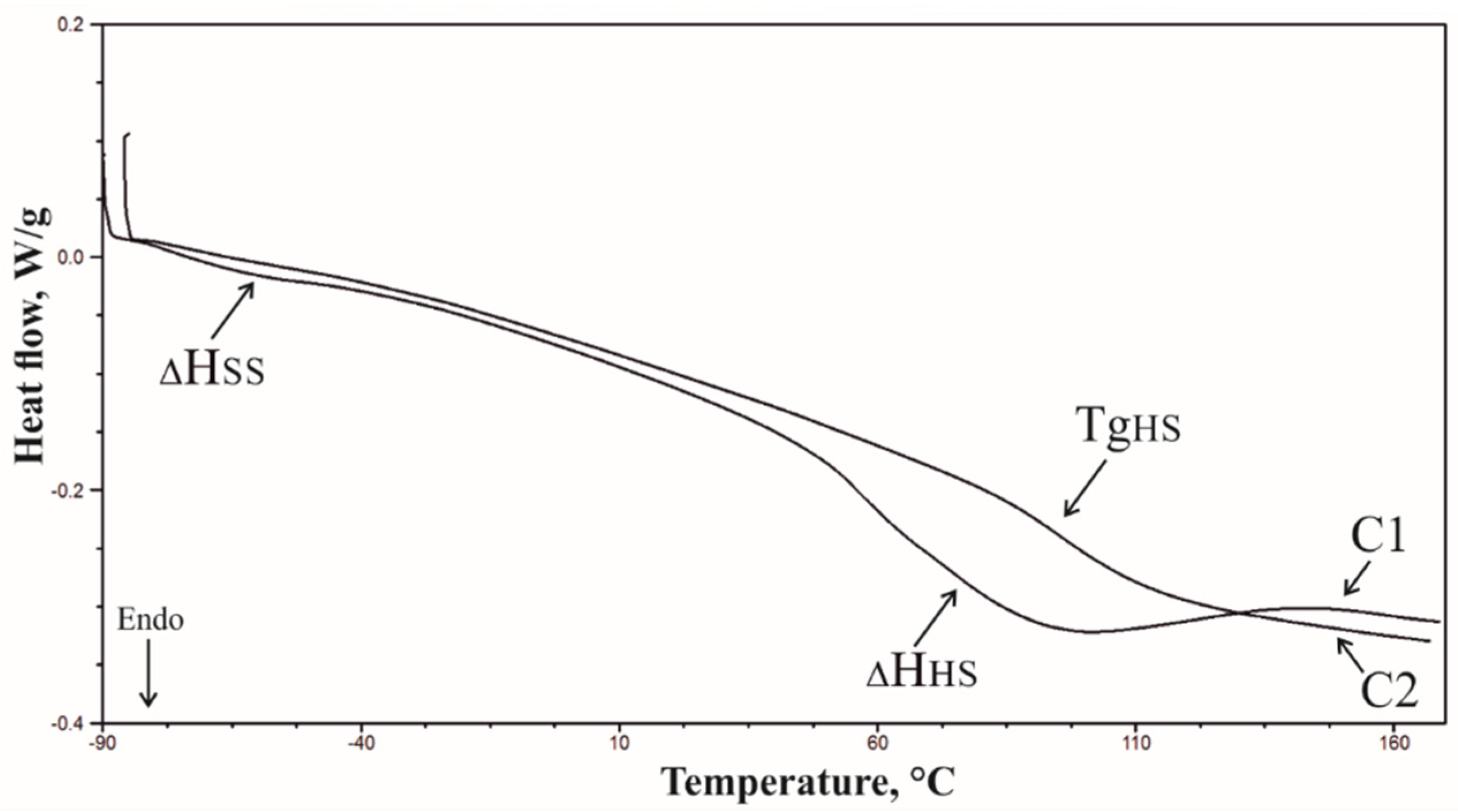
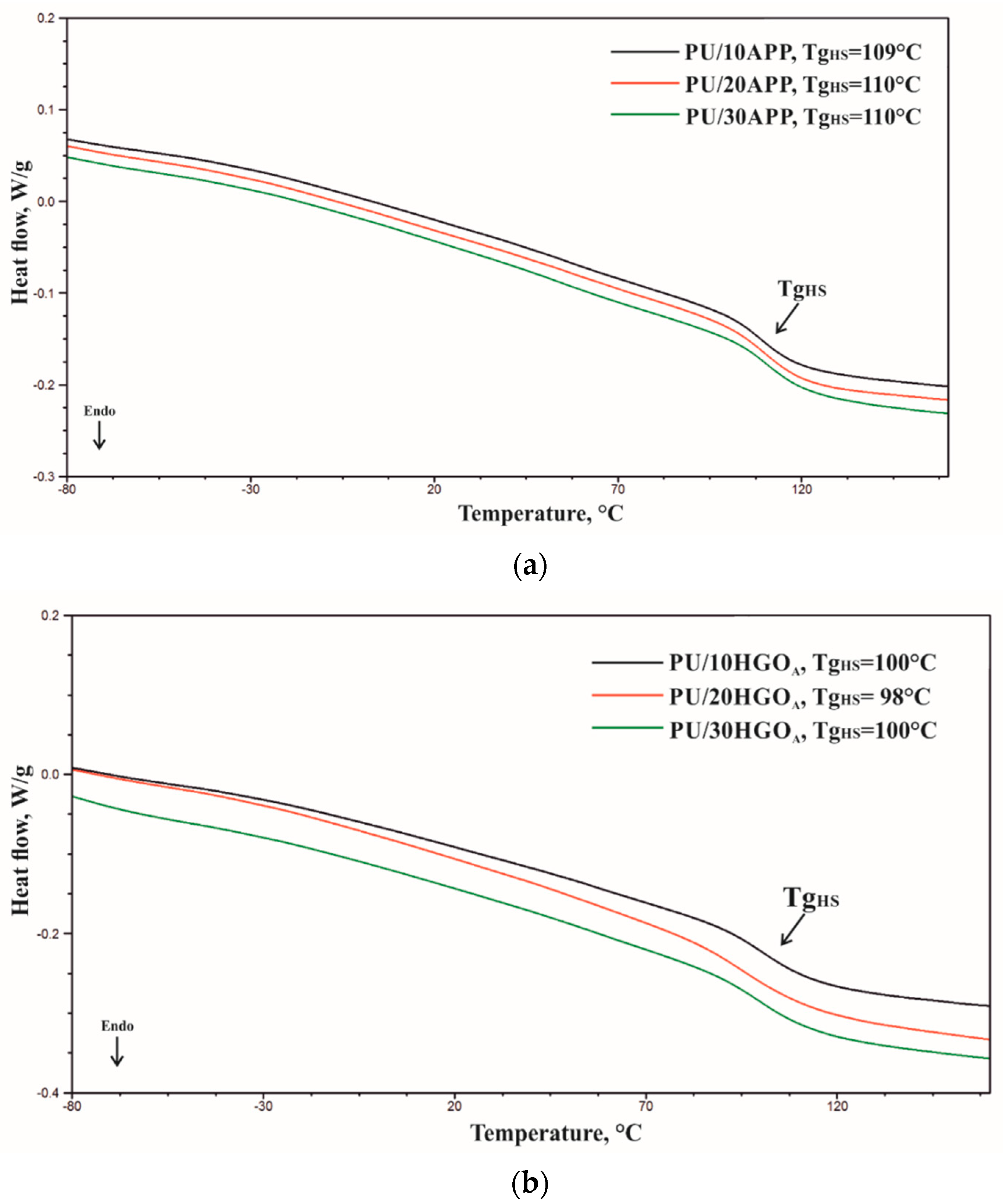
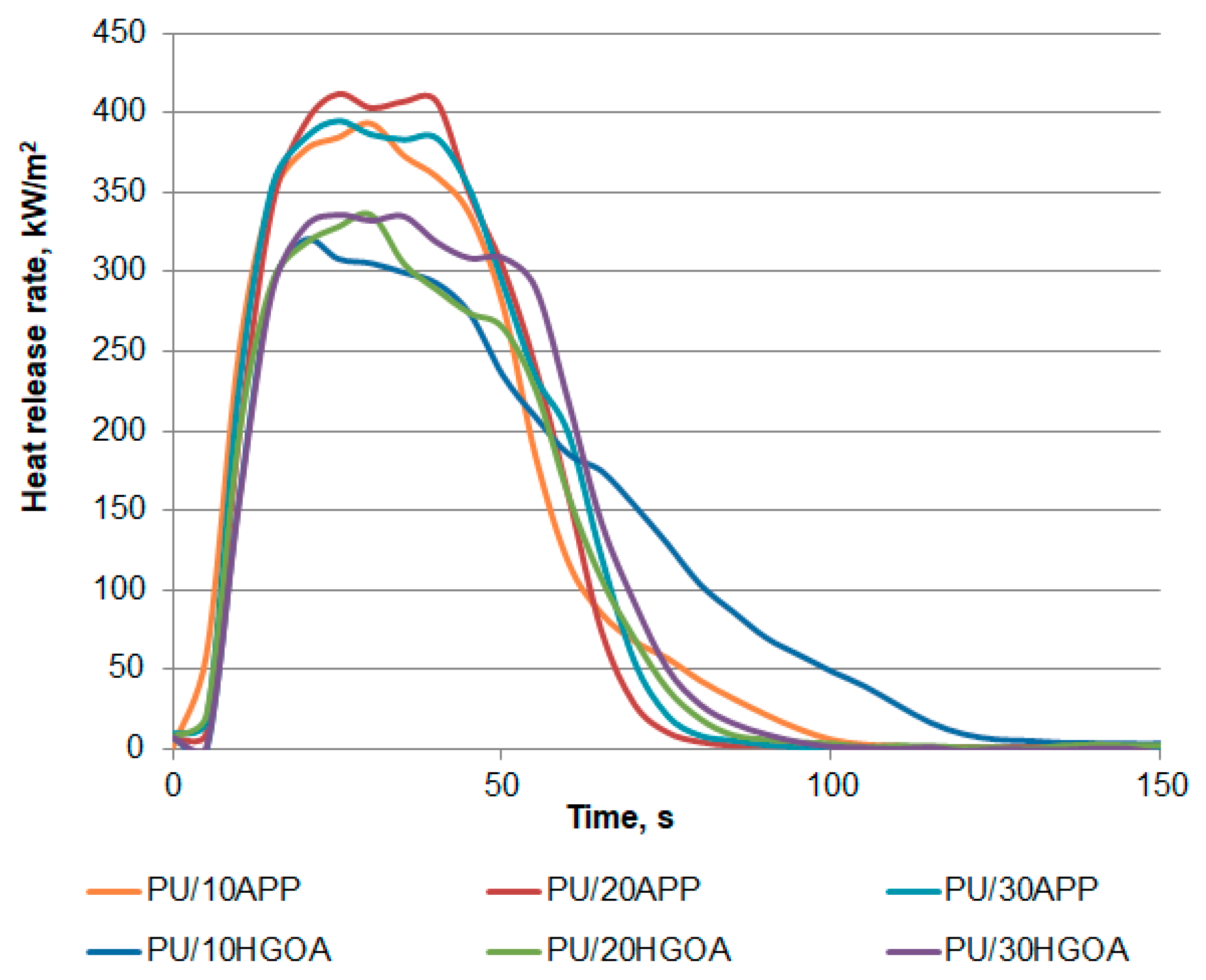
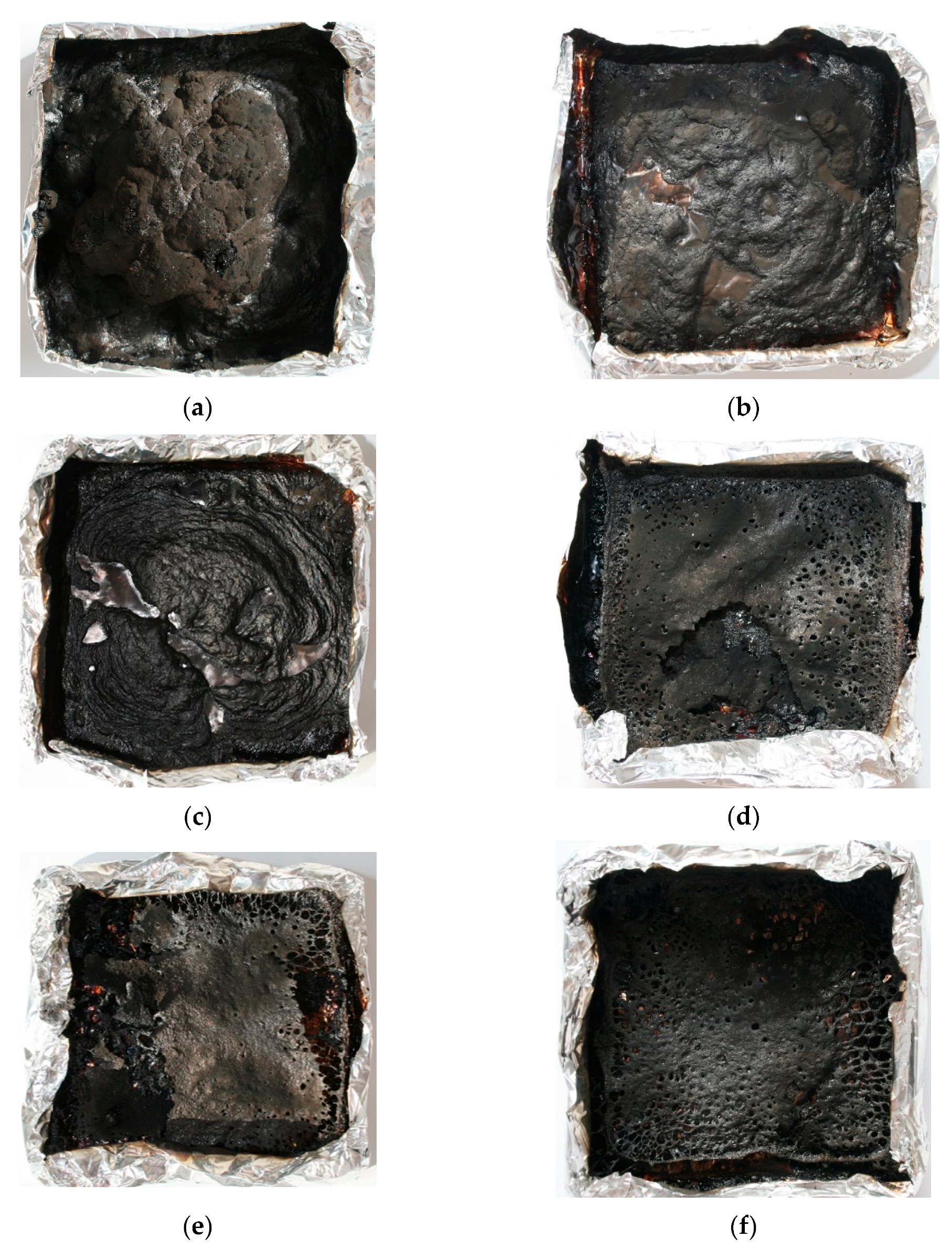
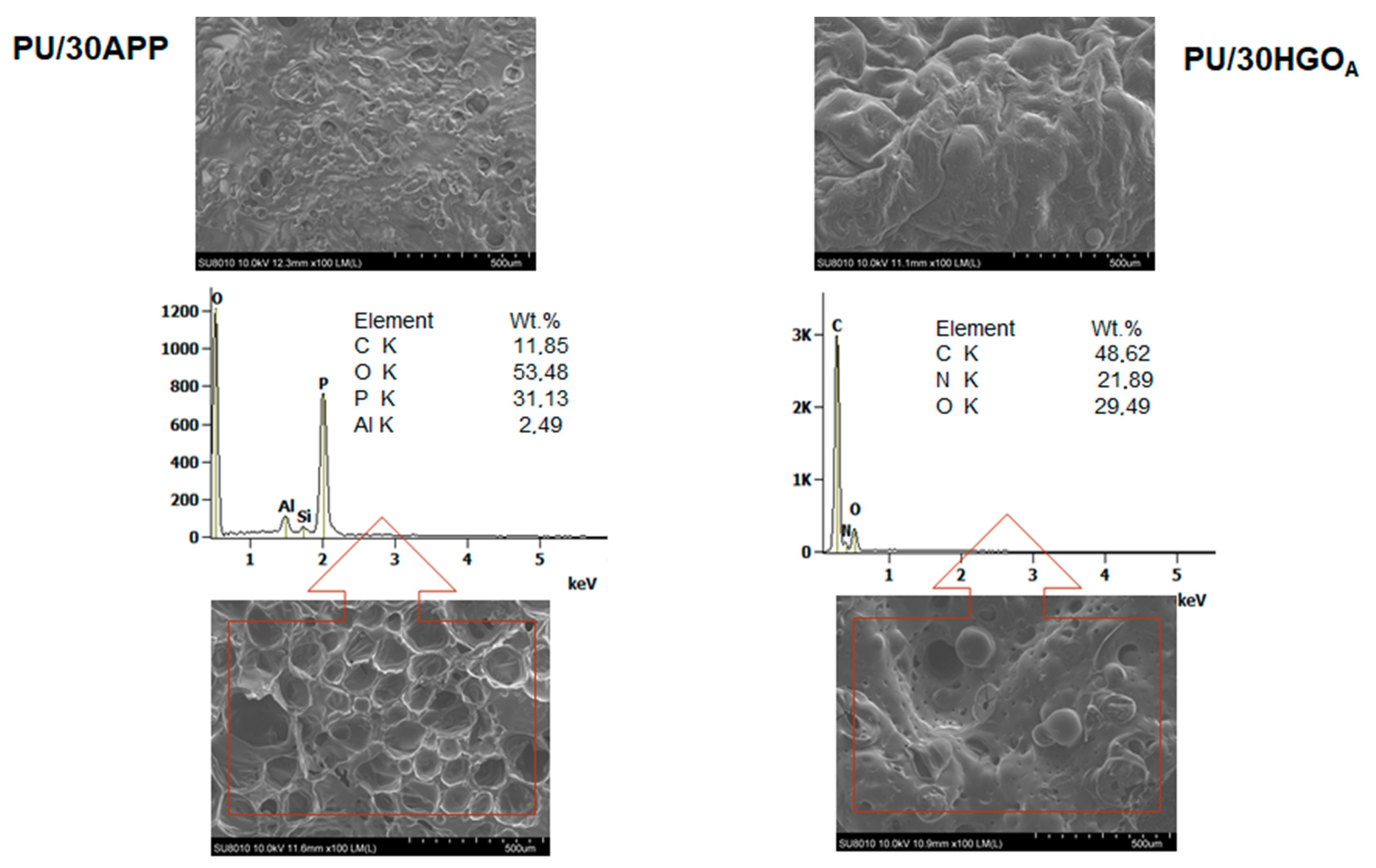
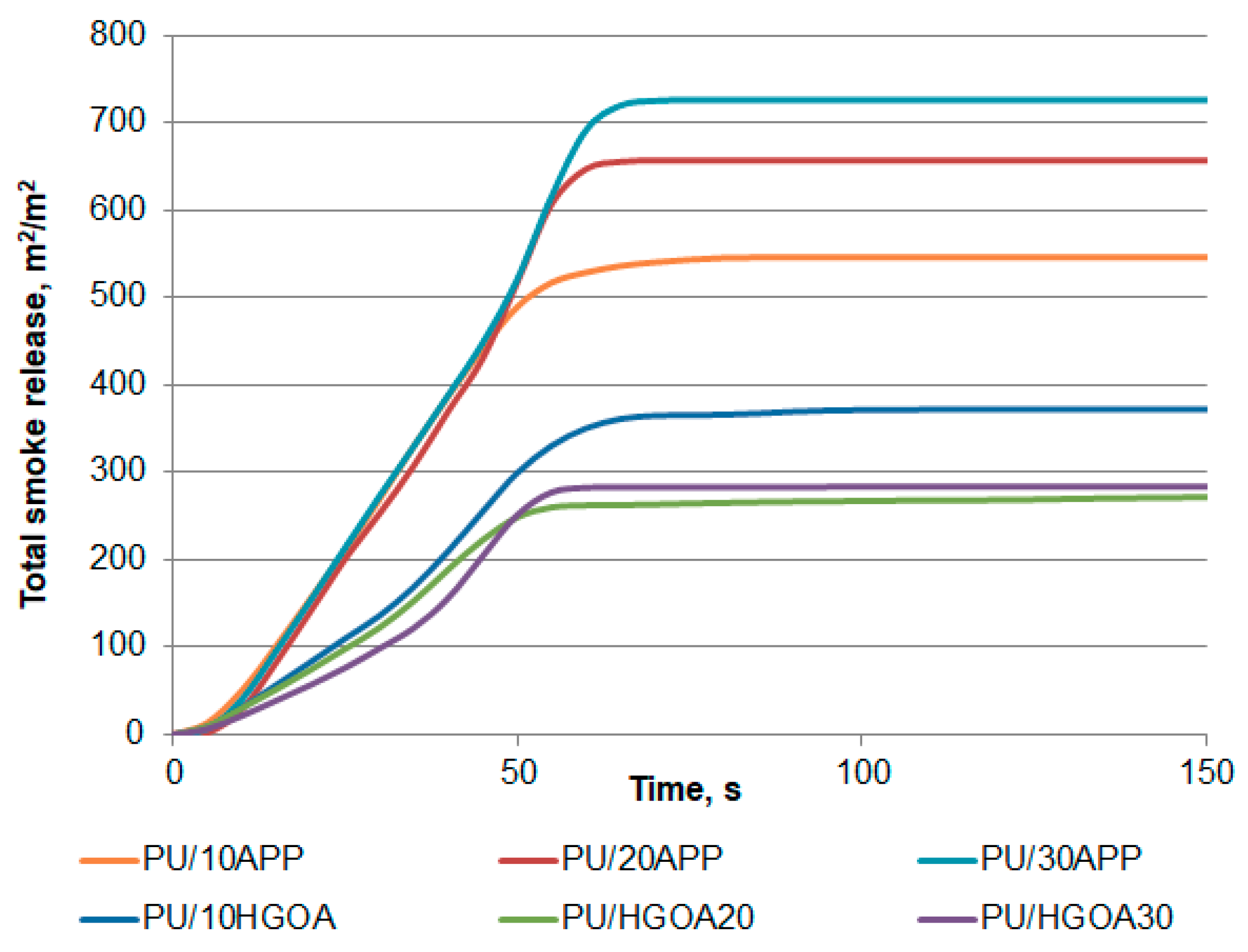
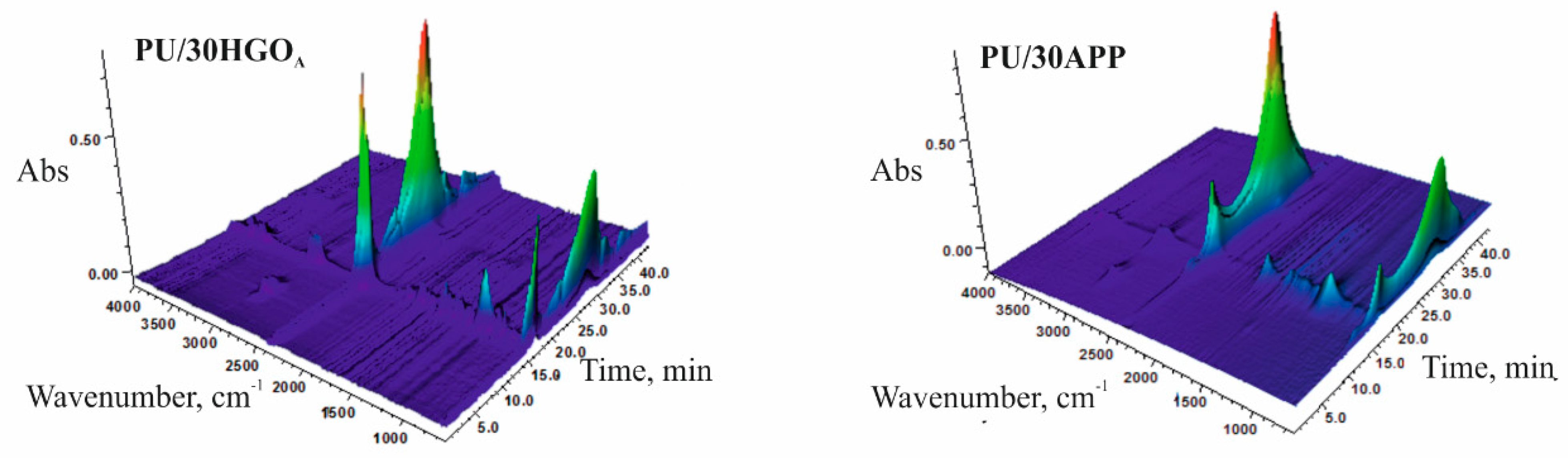
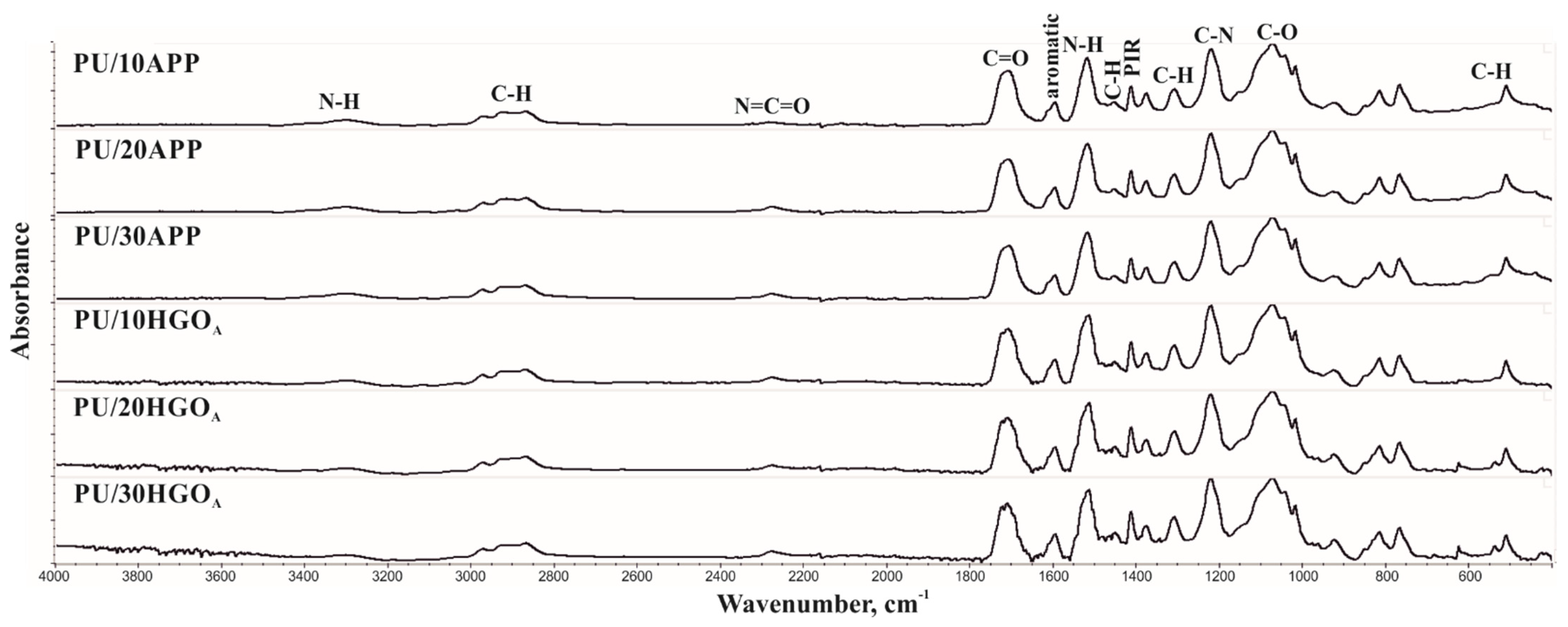
Since rigid polyurethane (PU) foams are one of the most effective thermal insulation materials with widespread application, it is an urgent requirement to improve its fire retardancy and reduce the smoke emission. The current work assessed the fire behavior of PU foam with non-halogen fire retardants system, containing histidine (H) and modified graphene oxide (GOA). For investigated system, three loadings (10, 20, and 30 wt.%) were used. The Fourier transform infrared spectroscopy (FT-IR), differential scanning calorimetry (DSC), thermogravimetric analysis, cone calorimetry (CC) and smoke density chamber tests as well as pre- and post-burning morphological evaluation using scanning electron microscope (SEM) were performed. Moreover, TGA combined with FT-IR was conducted to determine the substances, which could be evolved during the thermal decomposition of the PU with fire retardant system. The results indicated a reduction in heat release rate (HRR), maximum average rate of heat emission (MAHRE), the total heat release (THR) as well as the total smoke release (TSR), and maximum specific optical density (Dsmax) compared to the polyurethane with commercial fire retardant, namely ammonium polyphosphate (APP). A significantly improvement, especially in smoke suppression, suggested that HGOA system may be a candidate as a fire retardant to reduce the flammability of PU foams.
Keywords: polyurethane foam; graphene oxide; burning behavior; fire retardant polyurethane foam; graphene oxide; burning behavior; fire retardant