Article

Geopolymer Recycled Aggregate Concrete: From Experiments to Empirical Models
1
Sustainable Developments in Civil Engineering Research Group, Faculty of Civil Engineering, Ton Duc Thang University, Ho Chi Minh City 700000, Vietnam
2
Civil Engineering Faculty, Mien Tay Construction University, Vinh Long 85100, Vietnam
3
Department of Architecture and Civil Engineering, Division of Building Technology, Chalmers University of Technology, 41296 Gothenburg, Sweden
*
Author to whom correspondence should be addressed.
Materials 2021, 14(5), 1180; https://doi.org/10.3390/ma14051180
Submission received: 22 January 2021 / Revised: 16 February 2021 / Accepted: 18 February 2021 / Published: 3 March 2021

Abstract

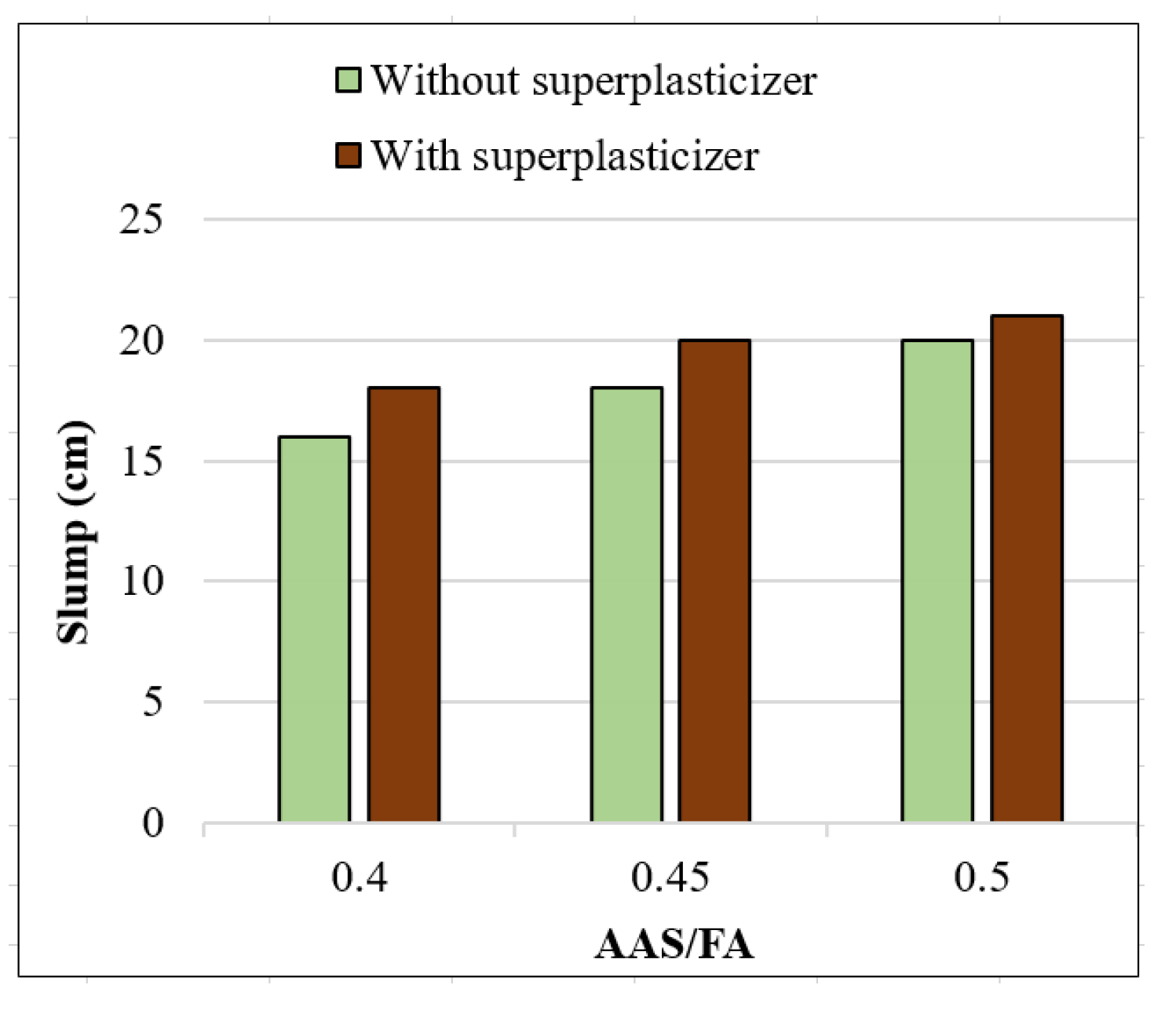
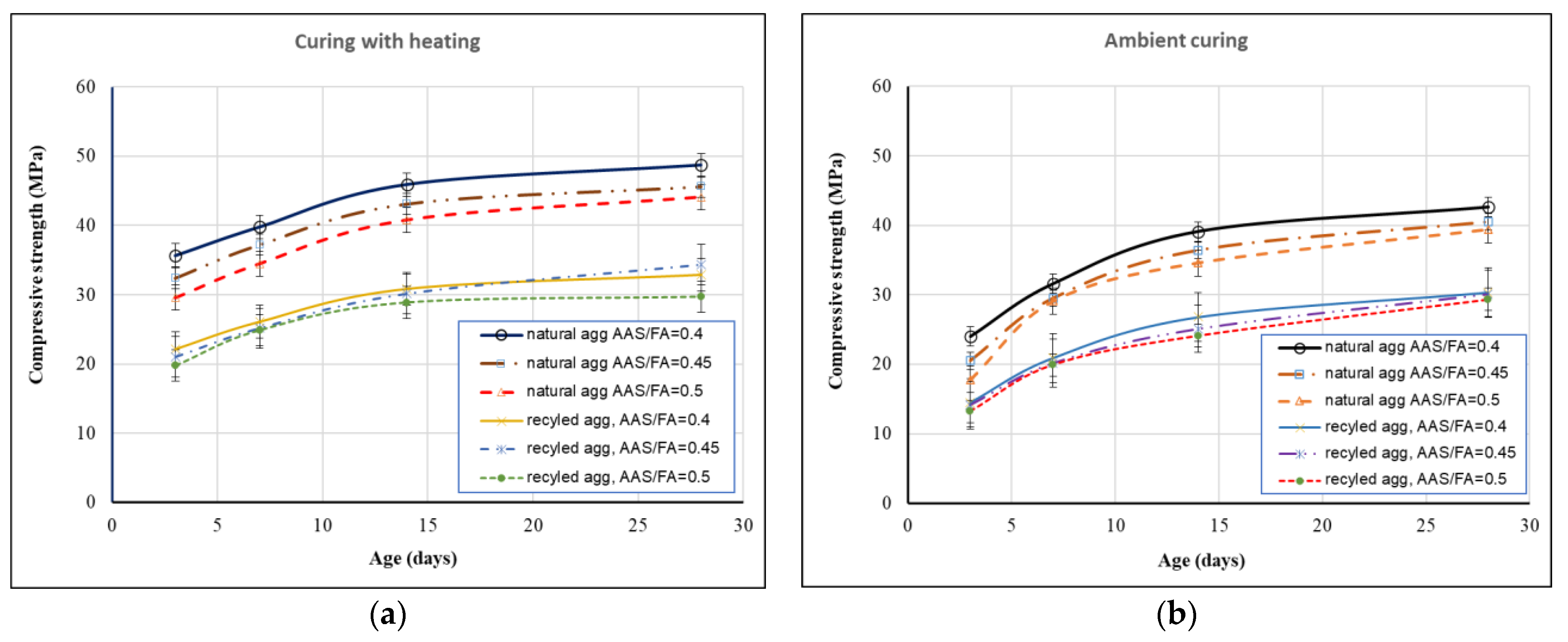
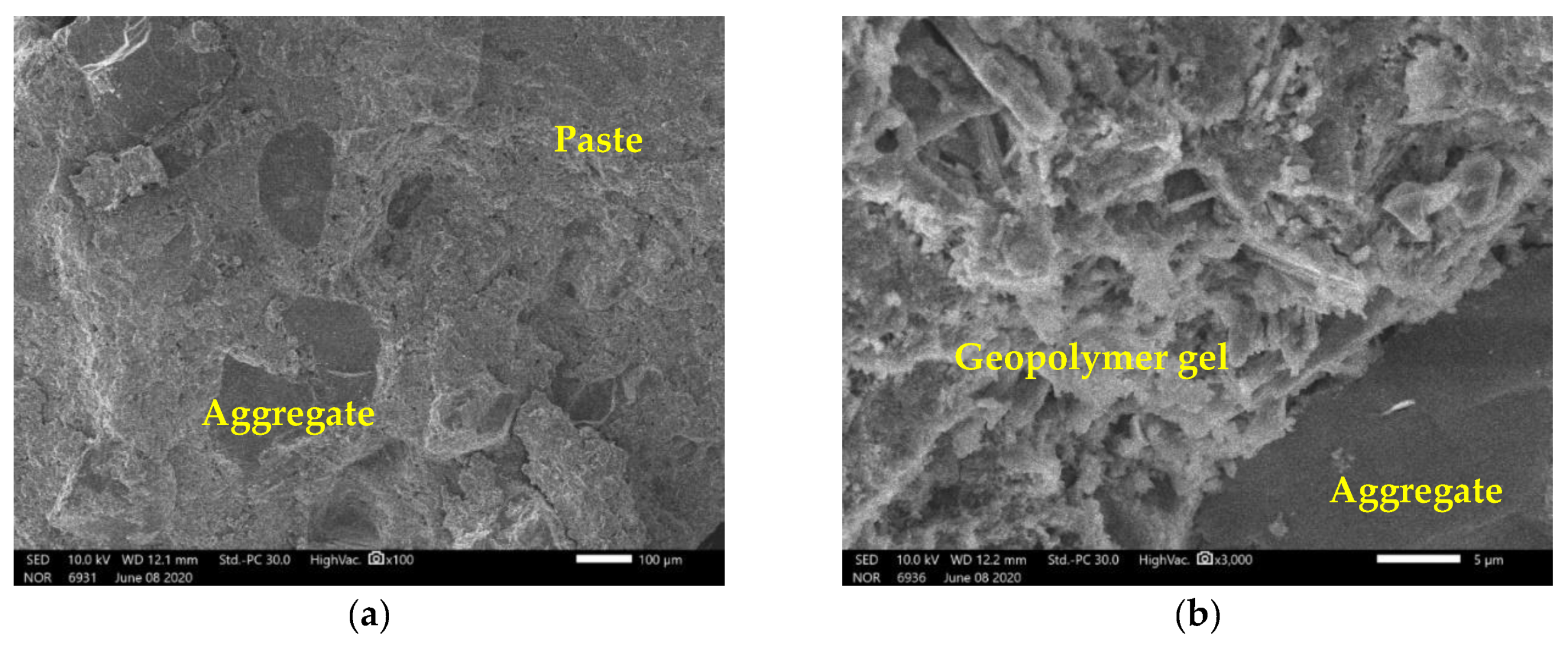
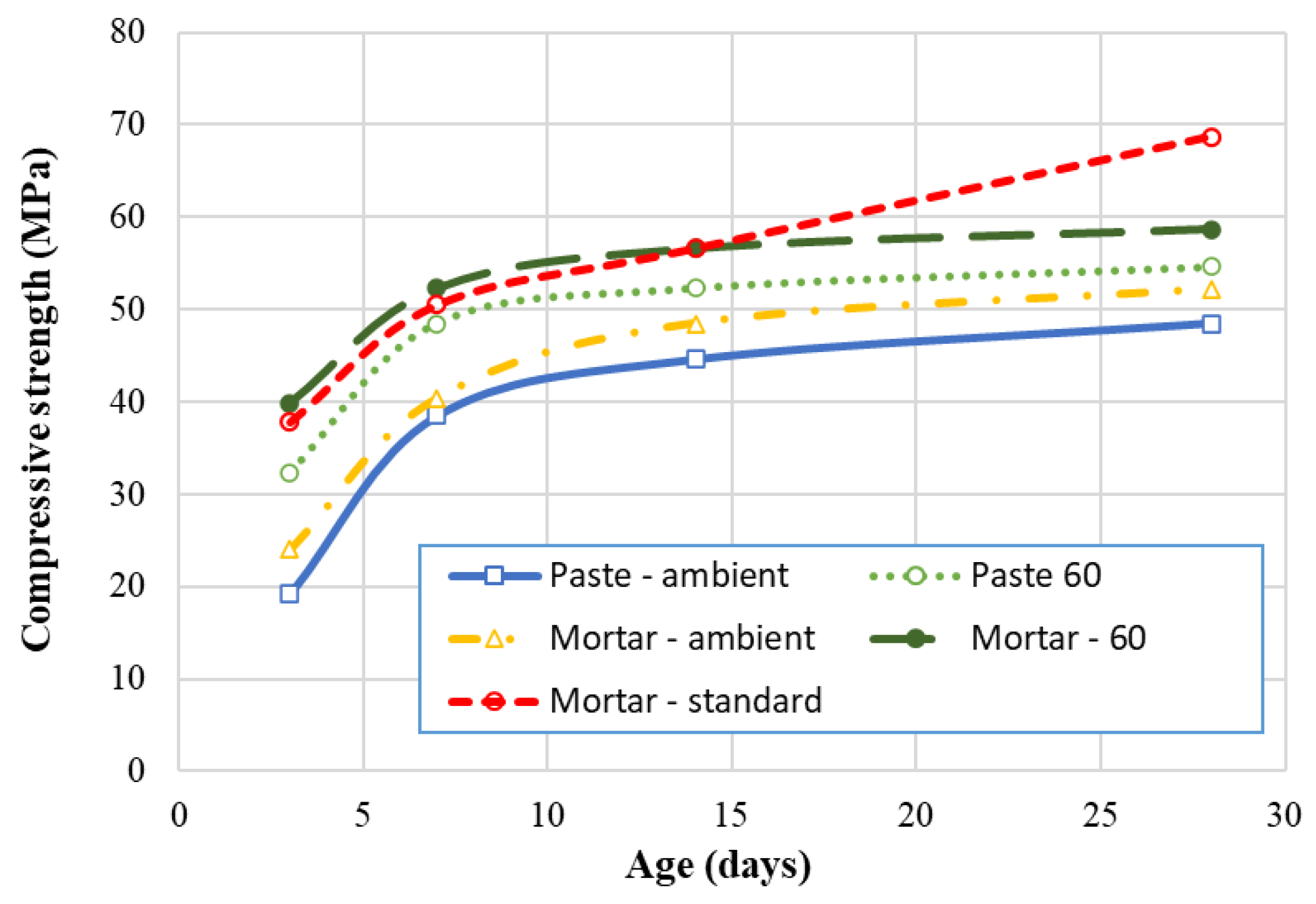
Ordinary cement concrete is a popular material with numerous advantages when compared to other construction materials; however, ordinary concrete is also criticized from the public point of view due to the CO2 emission (during the cement manufacture) and the consumption of natural resources (for the aggregates). In the context of sustainable development and circular economy, the recycling of materials and the use of alternative binders which have less environmental impacts than cement are challenges for the construction sector. This paper presents a study on non-conventional concrete using recycled aggregates and alkali-activated binder. The specimens were prepared from low calcium fly ash (FA, an industrial by-product), sodium silicate solution, sodium hydroxide solution, fine aggregate from river sand, and recycled coarse aggregate. First, influences of different factors were investigated: the ratio between alkaline activated solution (AAS) and FA, and the curing temperature and the lignosulfonate superplasticizer. The interfacial transition zone of geopolymer recycled aggregate concrete (GRAC) was evaluated by microscopic analyses. Then, two empirical models, which are the modified versions of Feret’s and De Larrard’s models, respectively, for cement concretes, were investigated for the prediction of GRAC compressive strength; the parameters of these models were identified. The results showed the positive behaviour of GRAC investigated and the relevancy of the models proposed.
Keywords: recycled aggregate concrete (RAC); geopolymer; fly ash; modified Feret’s model; De Larrard’s model recycled aggregate concrete (RAC); geopolymer; fly ash; modified Feret’s model; De Larrard’s model