Article

Surface Modification of Attapulgite by Grafting Cationic Polymers for Treating Dye Wastewaters

1
College of Chemistry and Chemical Engineering, Qingdao University, Qingdao 266071, China
2
Technological Research and Development Department, Shandong Tiexiong Xinsha Energy Co., Ltd., Heze 274916, China
*
Author to whom correspondence should be addressed.
These authors contributed equally to this paper.
Materials 2021, 14(4), 792; https://doi.org/10.3390/ma14040792
Submission received: 10 January 2021 / Revised: 29 January 2021 / Accepted: 4 February 2021 / Published: 7 February 2021

Abstract

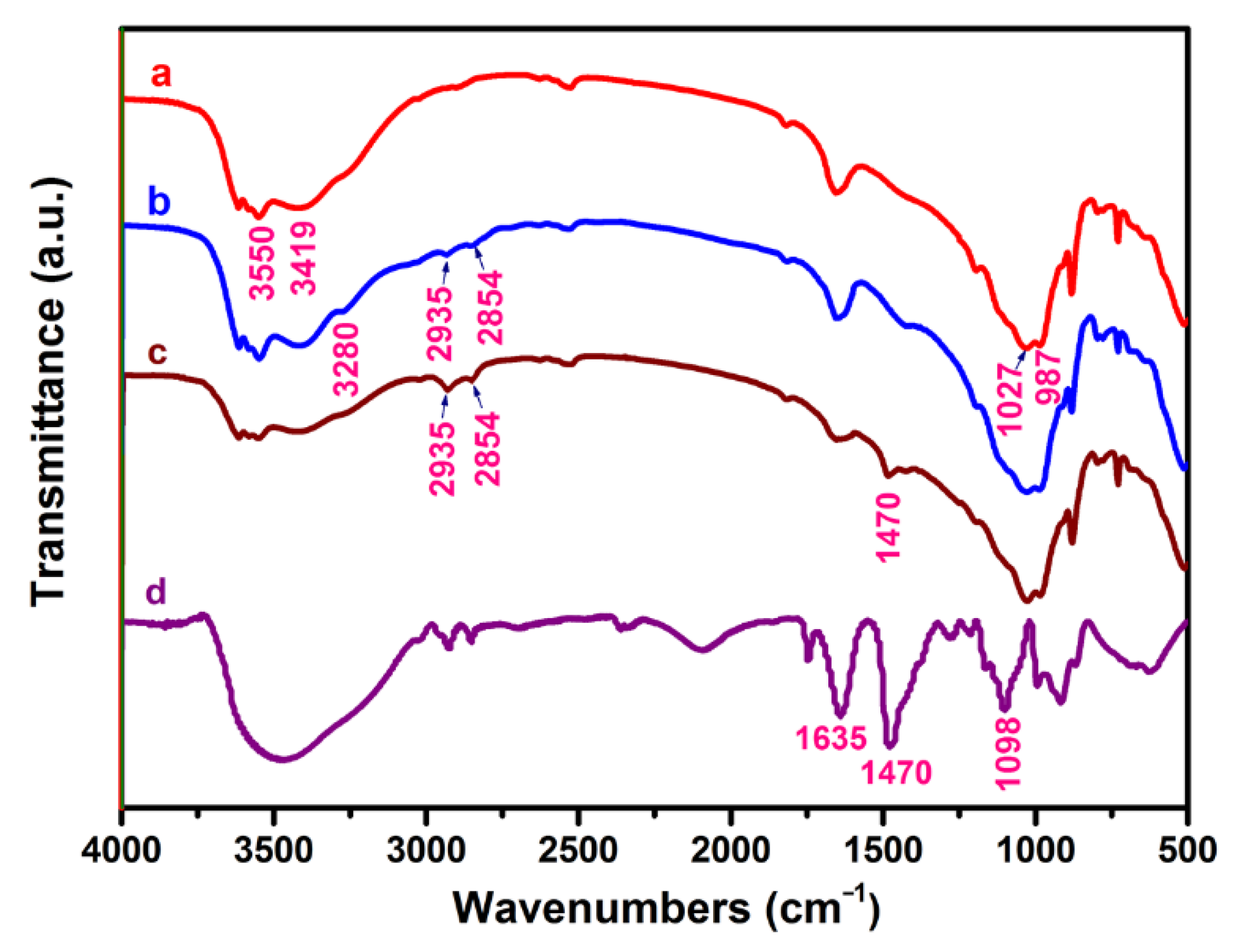
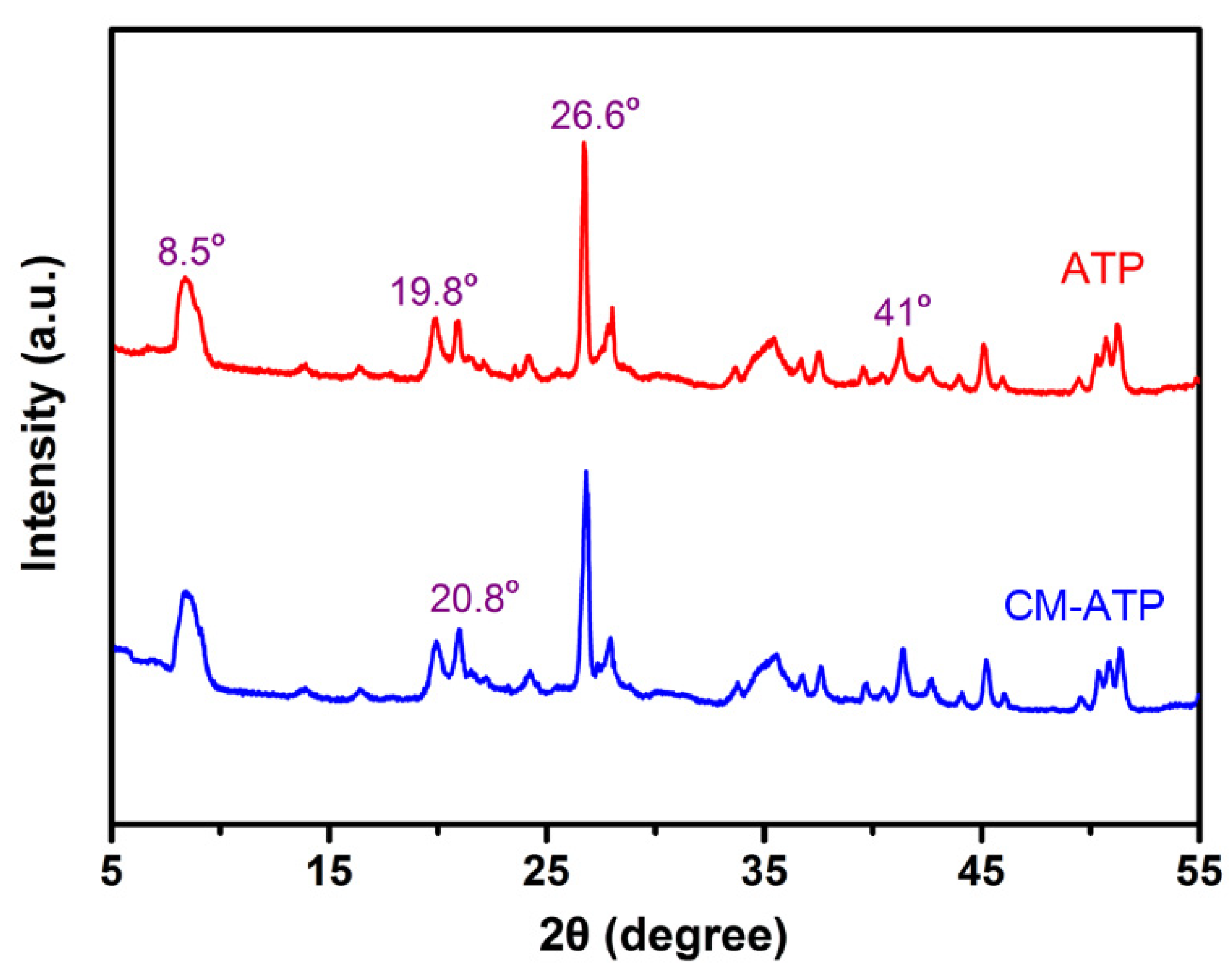
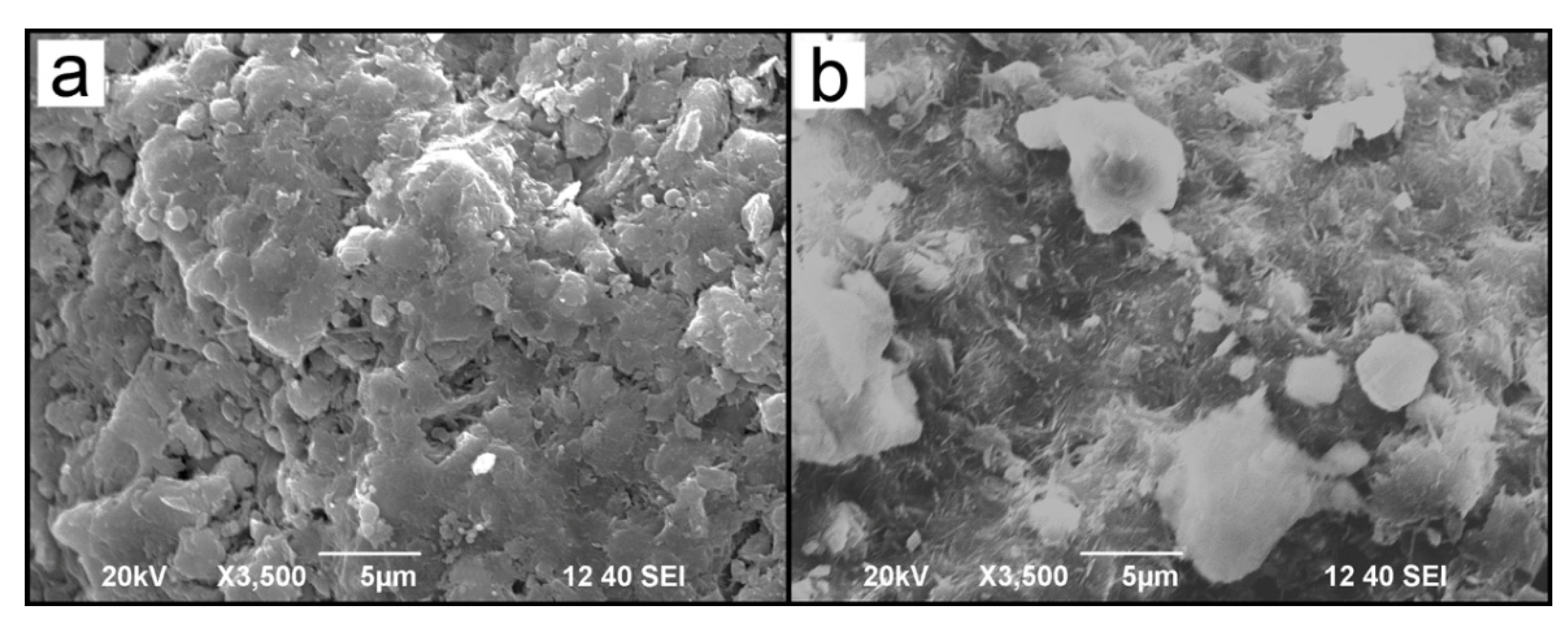
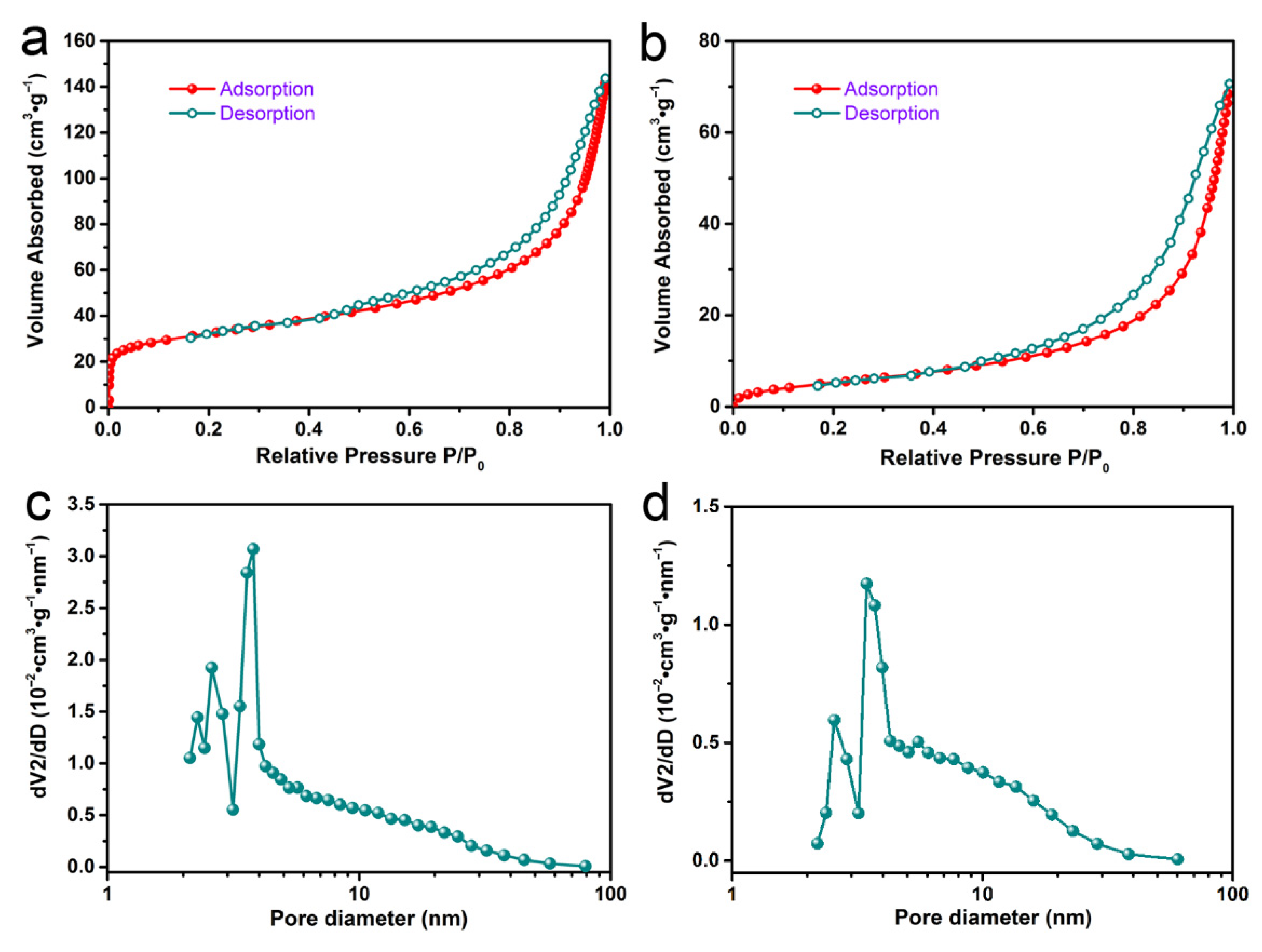
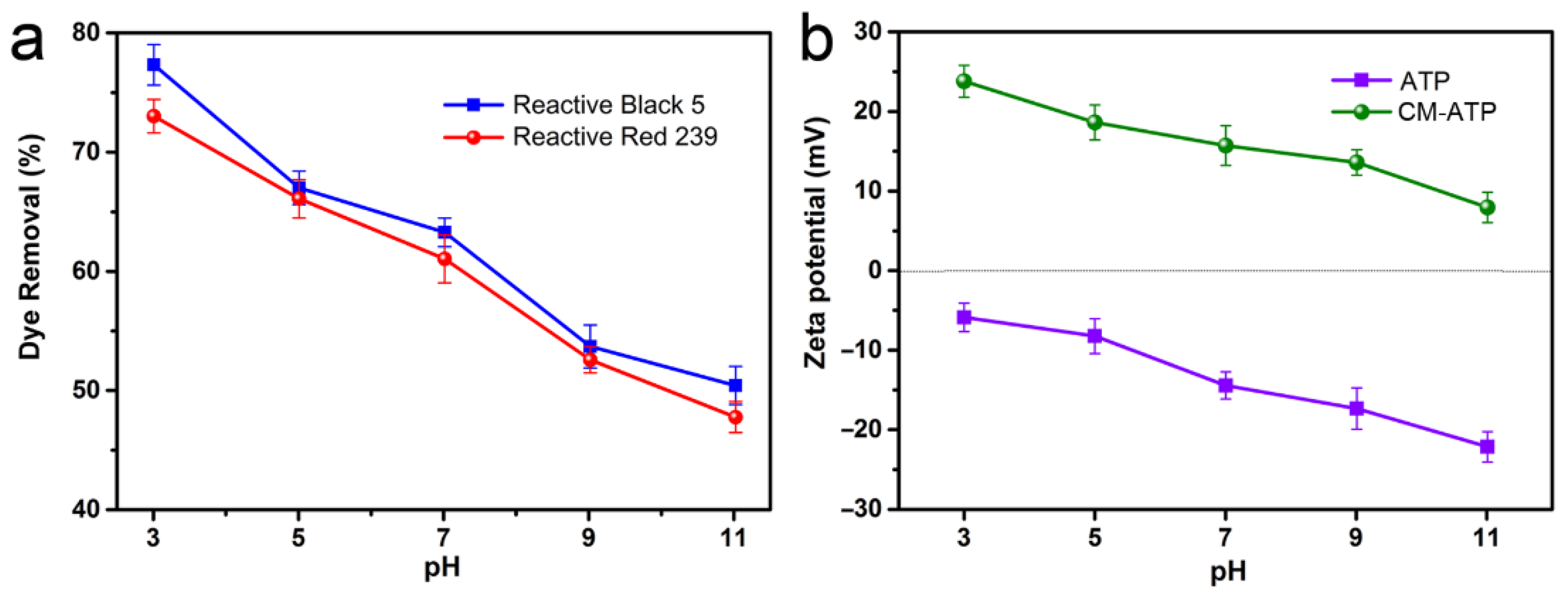
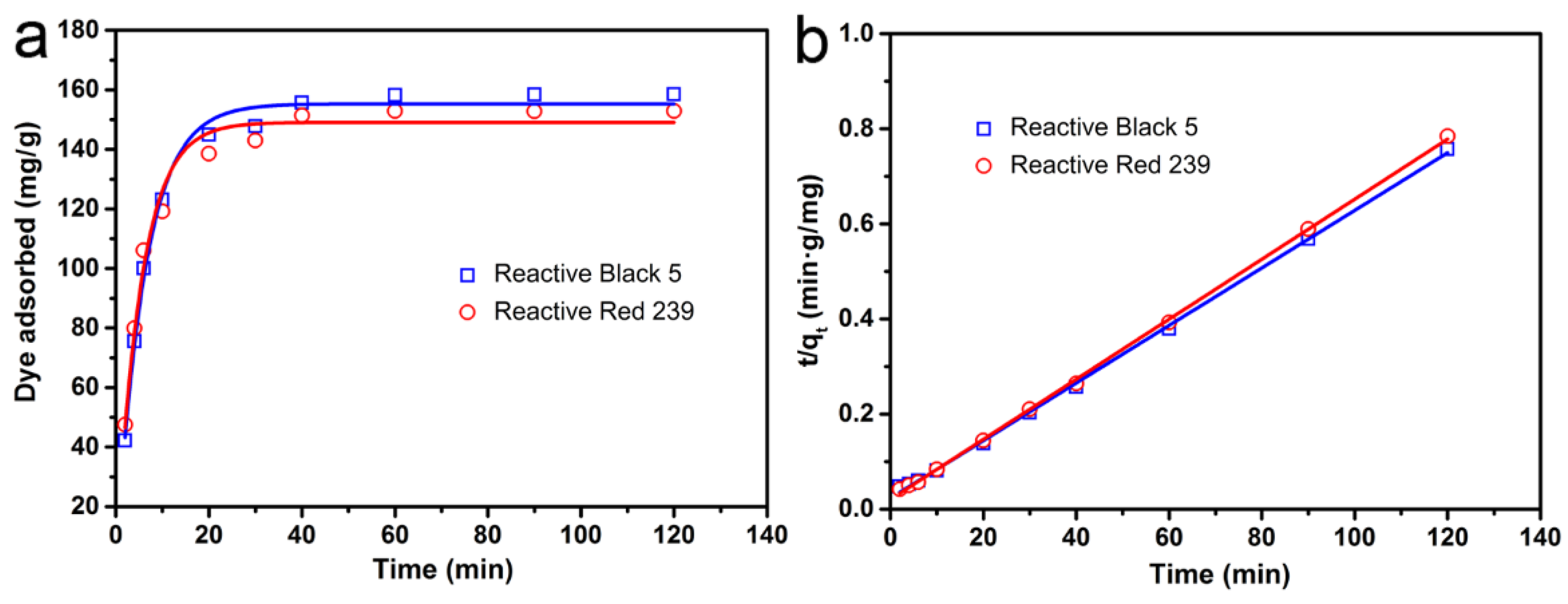
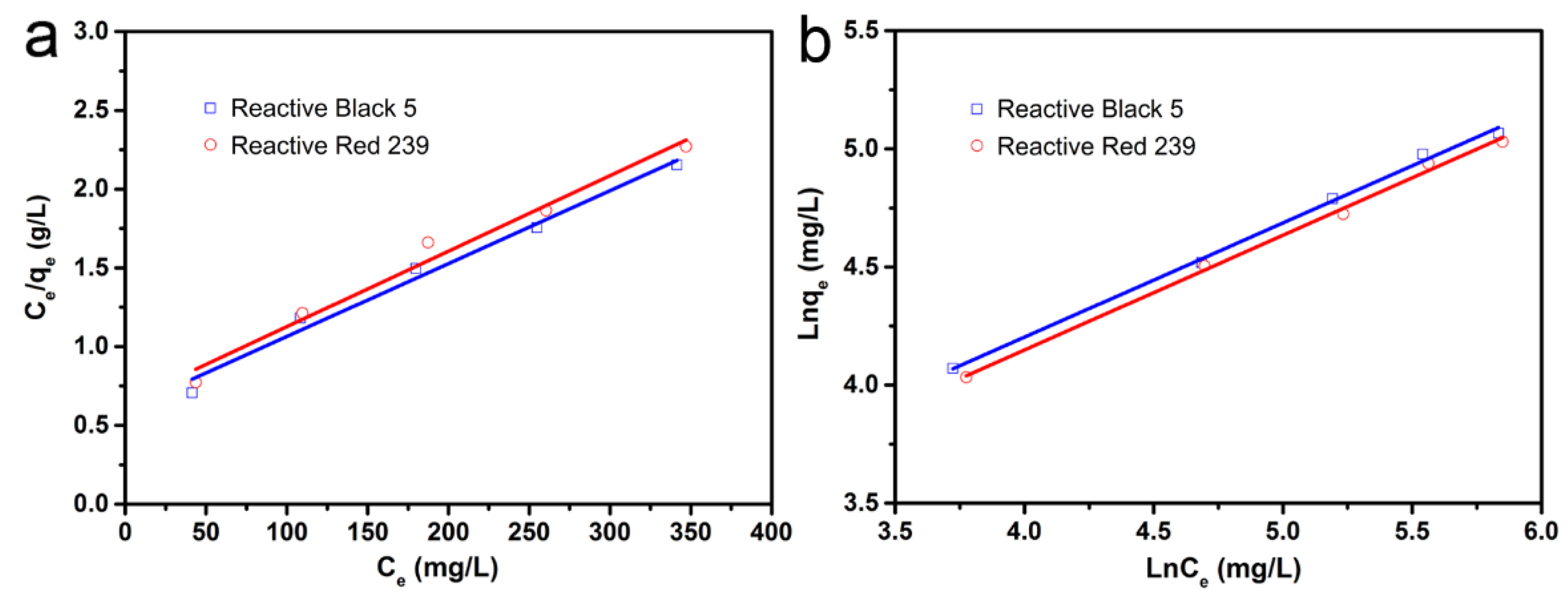
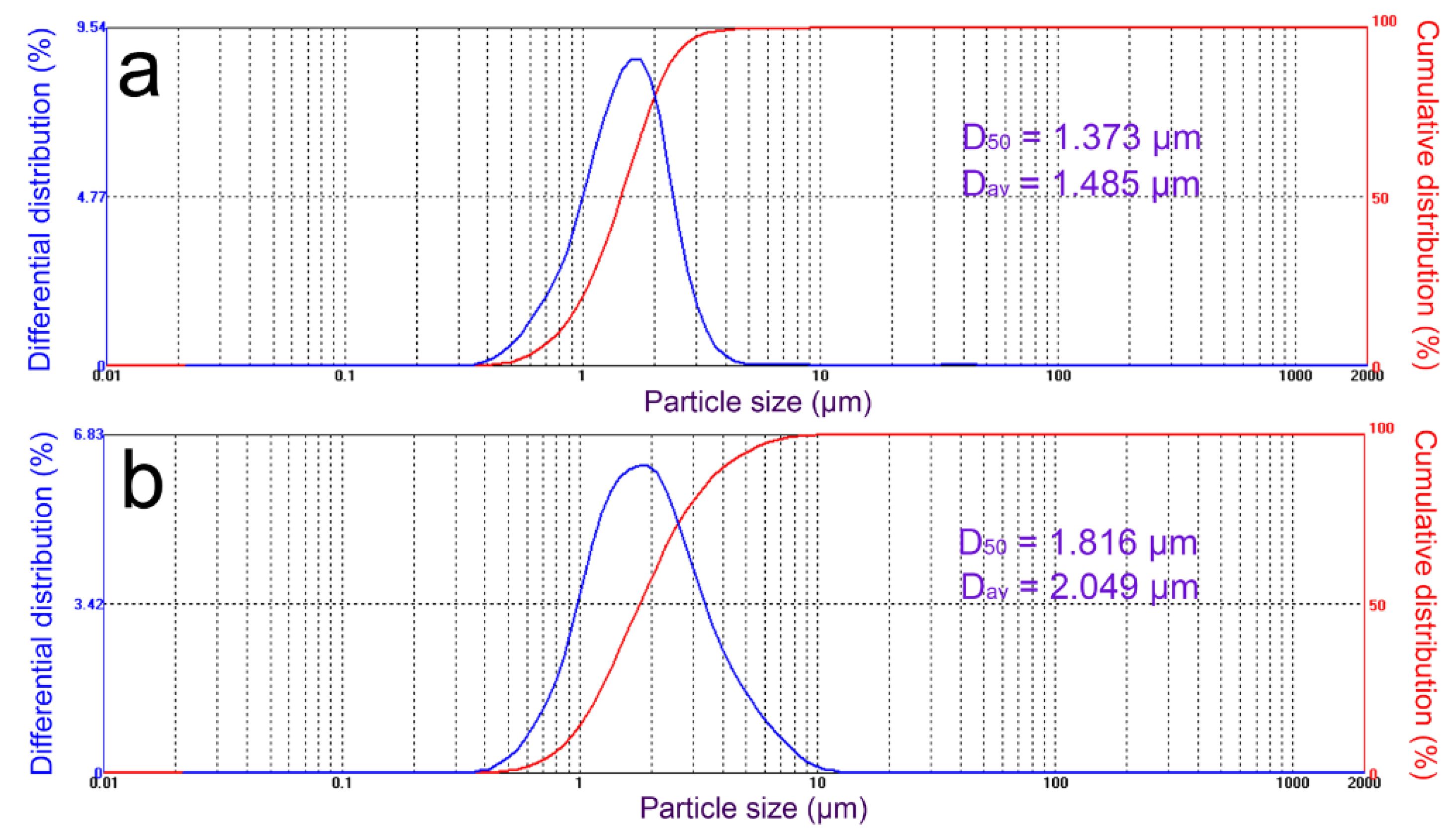
In this study, the cationic polymer poly-epichlorohydrin-dimethylamine was immobilized on natural attapulgite to improve the dye adsorption capacities. Fourier transform infrared spectroscopy (FTIR), X-ray diffraction, nitrogen adsorption-desorption isotherms, scanning electron microscope (SEM) analysis, zeta potential analysis, and particle size analysis were used to determine the characteristics of modified attapulgite. Results showed that the poly-epichlorohydrin-dimethylamine had been successfully grafted onto the surface of attapulgite without altering its crystal structure. After cationic modification, the specific surface area of attapulgite obviously decreased, and its surface zeta potentials possessed positive values in the pH range from 3 to 11. The cation-modified attapulgite displayed high adsorption capacities for anionic dyes, and its maximum adsorption capacities were 237.4 mg/g for Reactive Black 5 and 228.3 mg/g for Reactive Red 239; this is corroborated by Langmuir’s isotherm studies. It was demonstrated that the two reactive dyes could be 100% removed from effluents when cation-modified attapulgite was used in column operation modes. Its treatment capacities were more than three times larger than that of activated carbon. The regeneration study verified better utilization and stability of the fabricated adsorbent in column operation. This work has conclusively confirmed the potential of the new modified attapulgite for effectively treating dye wastewaters.
Keywords: modified attapulgite; dye adsorption; attapulgite clay; cationic polymer modified attapulgite; dye adsorption; attapulgite clay; cationic polymer