Article

The Effectiveness of Liquid PUD-TiO2 Photocatalyst on Asphalt Pavement
1
Department of Civil Engineering, Jeonbuk National University, Jeonju-si 54896, Jeollabuk-do, Korea
2
95, BnD Networks, Co., Ltd., Sandanoryong-gil, Samgi-myeon, Iksan-si 54524, Jeollabuk-do, Korea
3
Department of Highway & Transportation Research, Korea Institute of Civil Engineering and Building Technology, 283, Goyang-daero, Ilsanseo-gu, Goyang-si 10223, Gyeonggi-do, Korea
*
Author to whom correspondence should be addressed.
Materials 2021, 14(24), 7805; https://doi.org/10.3390/ma14247805
Submission received: 22 October 2021 / Revised: 10 December 2021 / Accepted: 13 December 2021 / Published: 16 December 2021

Abstract

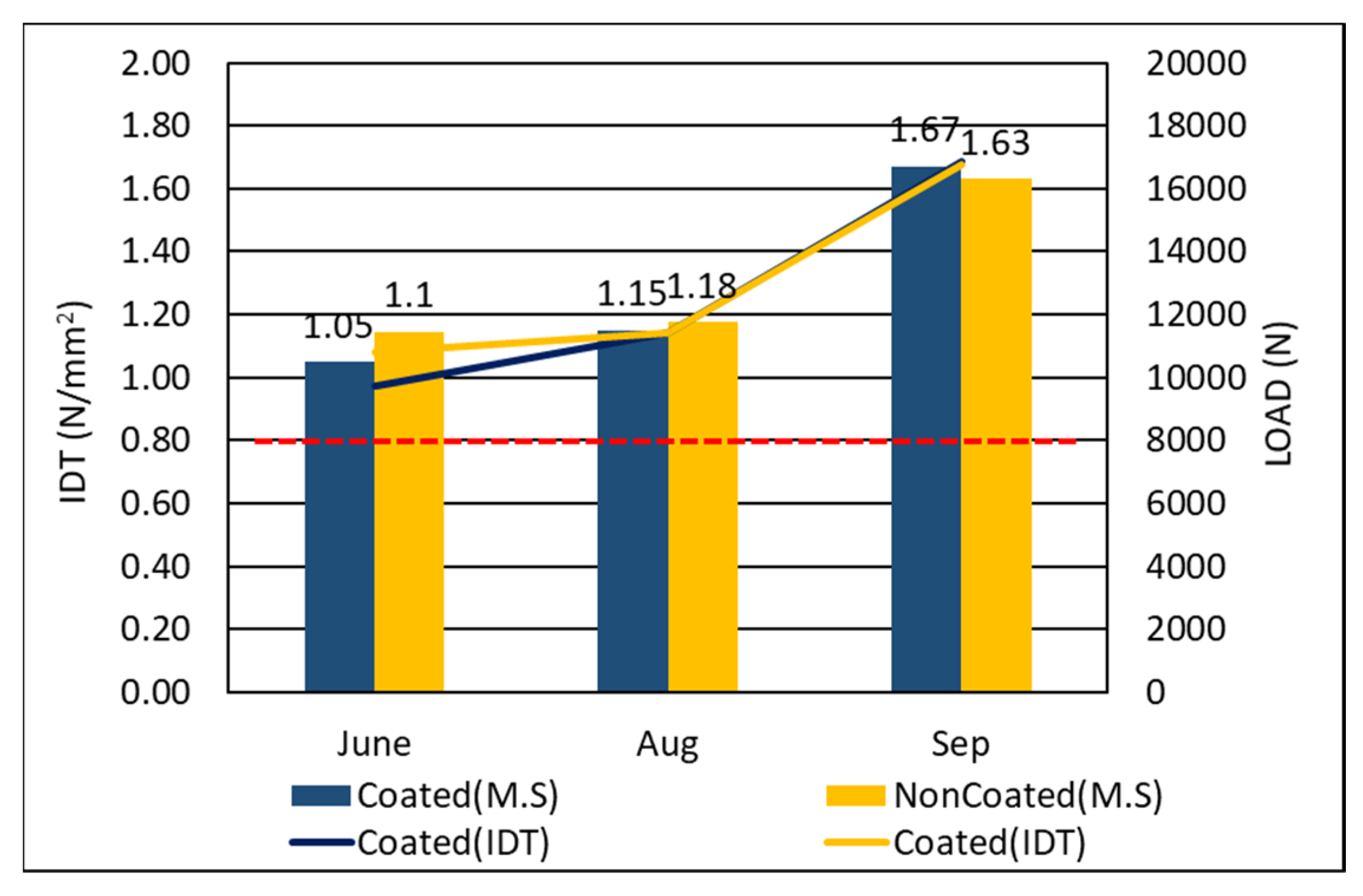
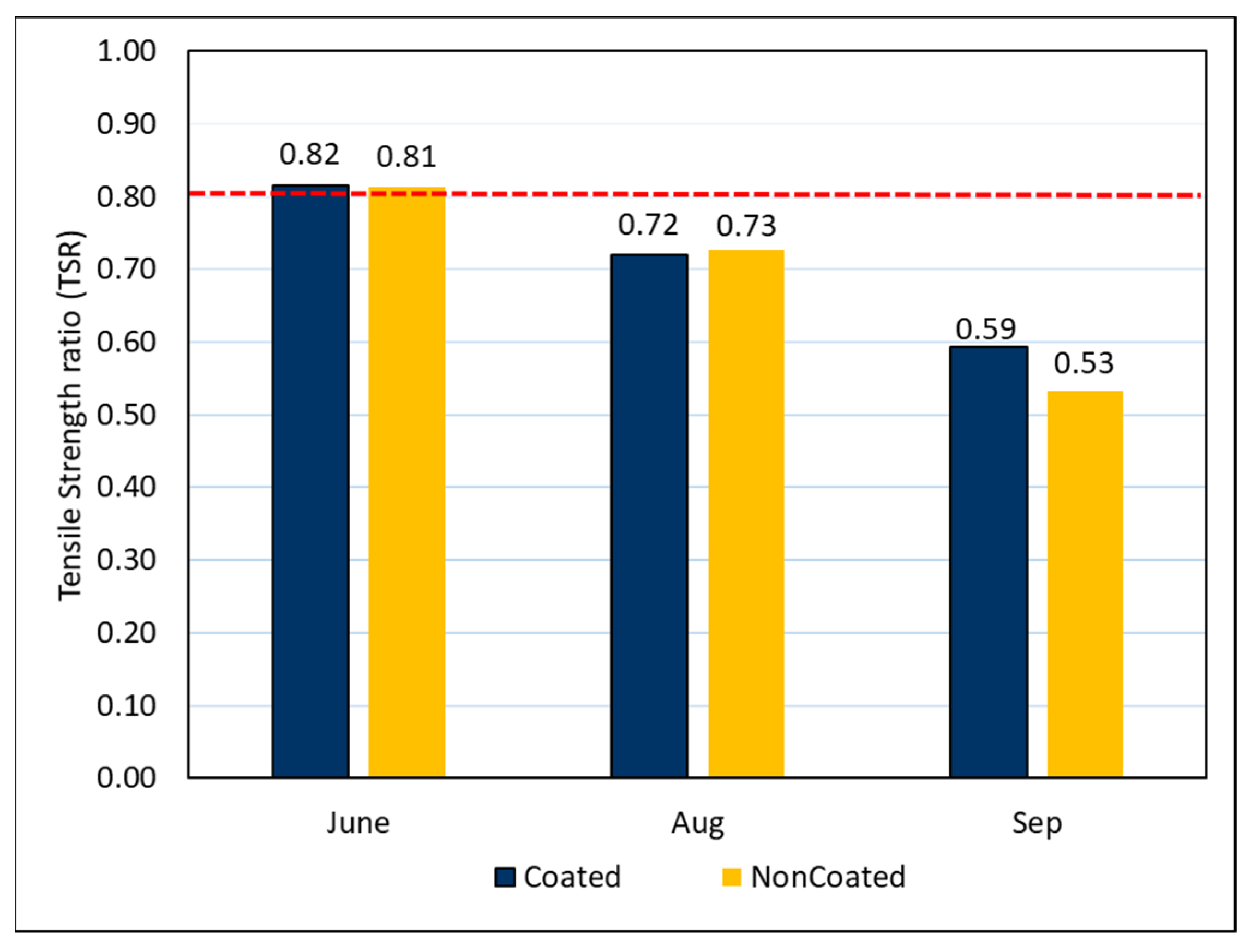
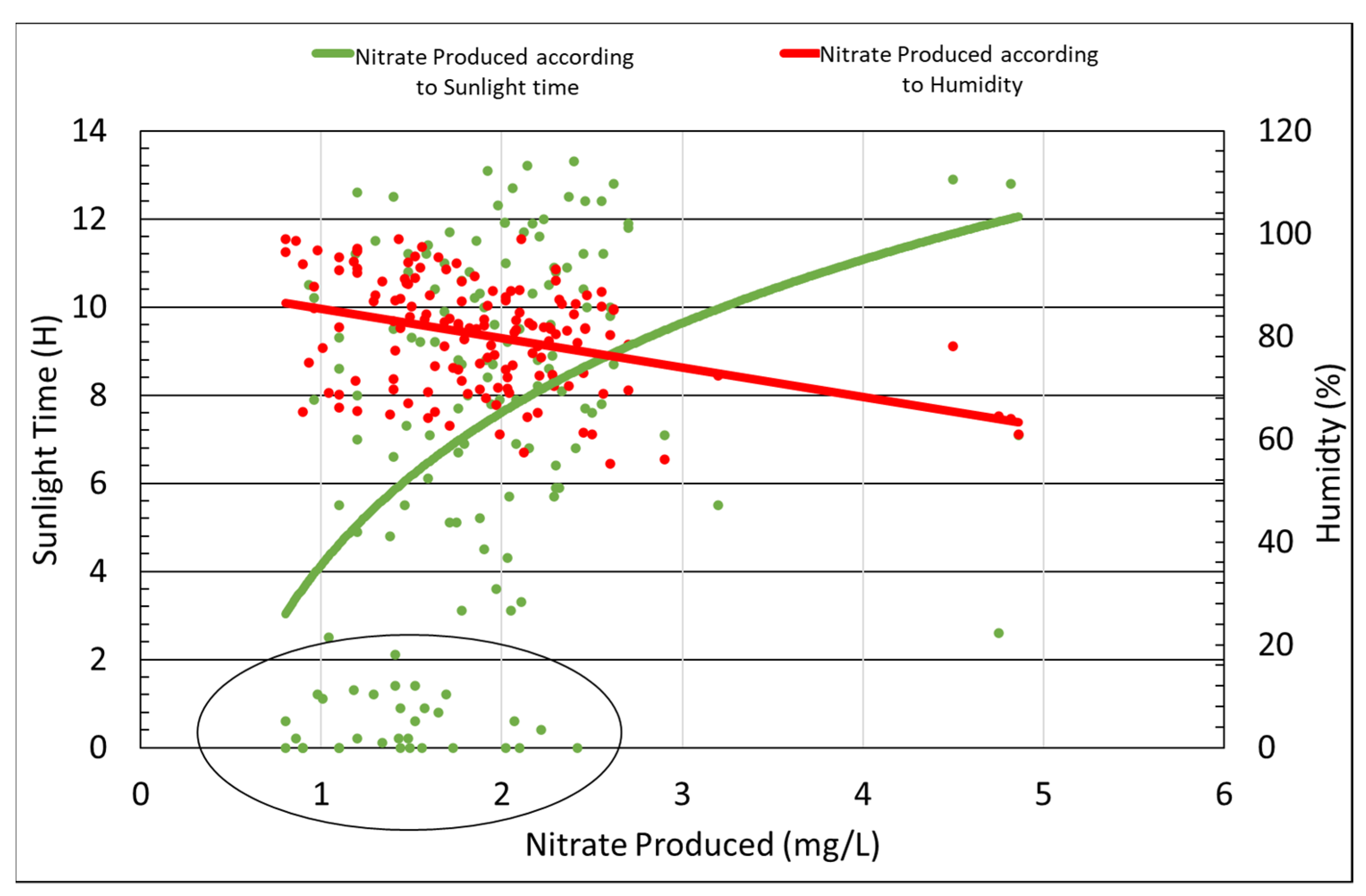
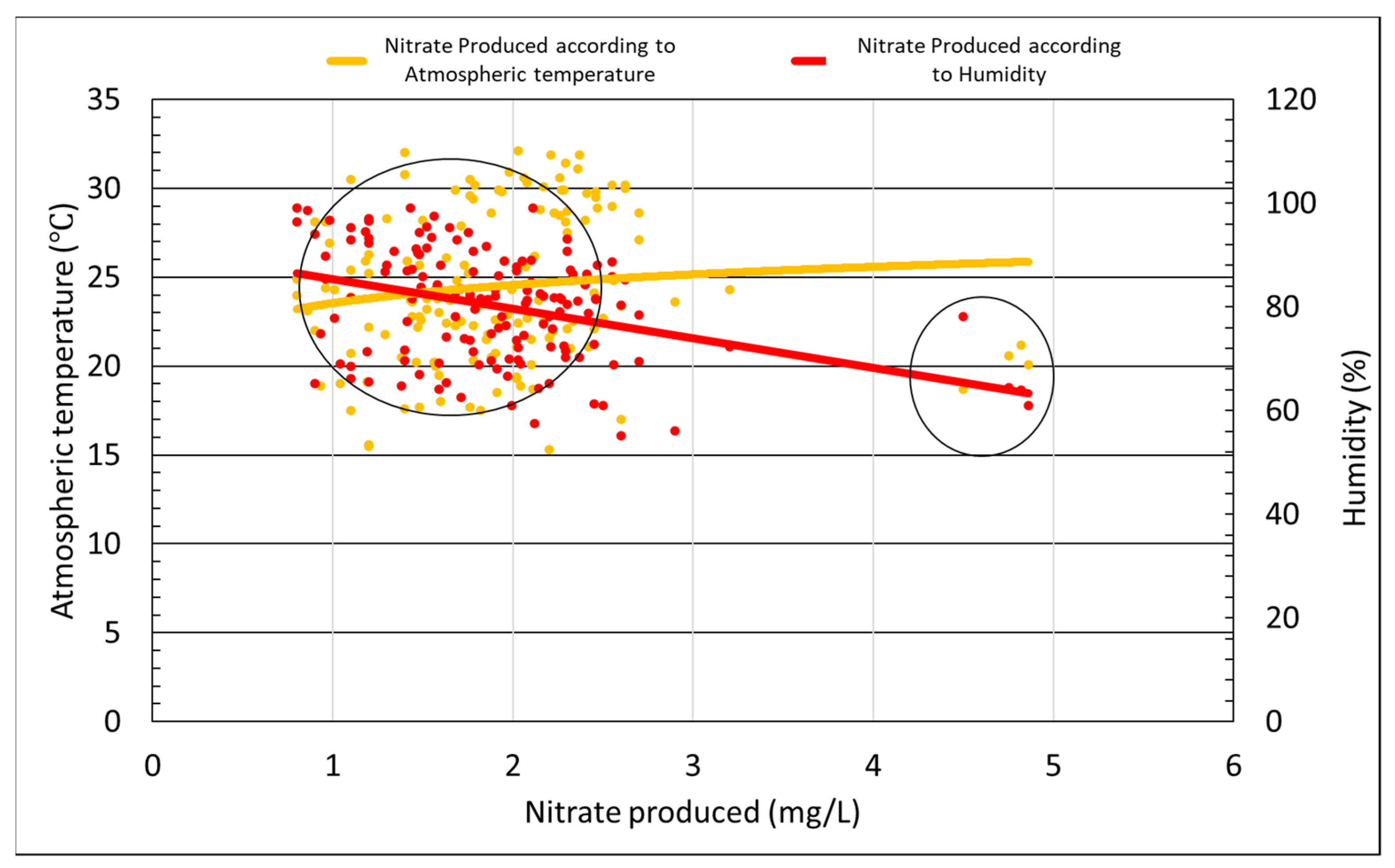
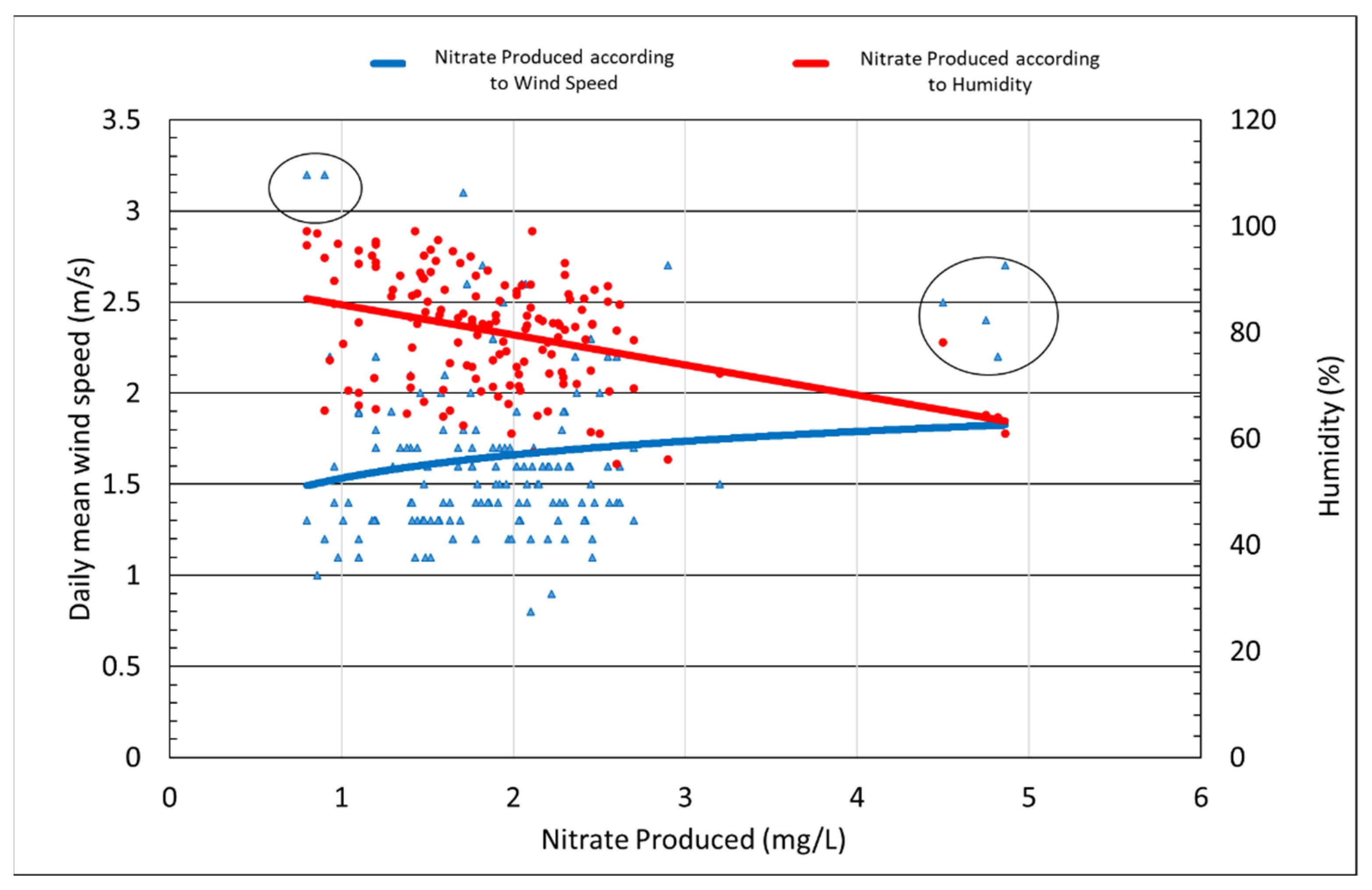
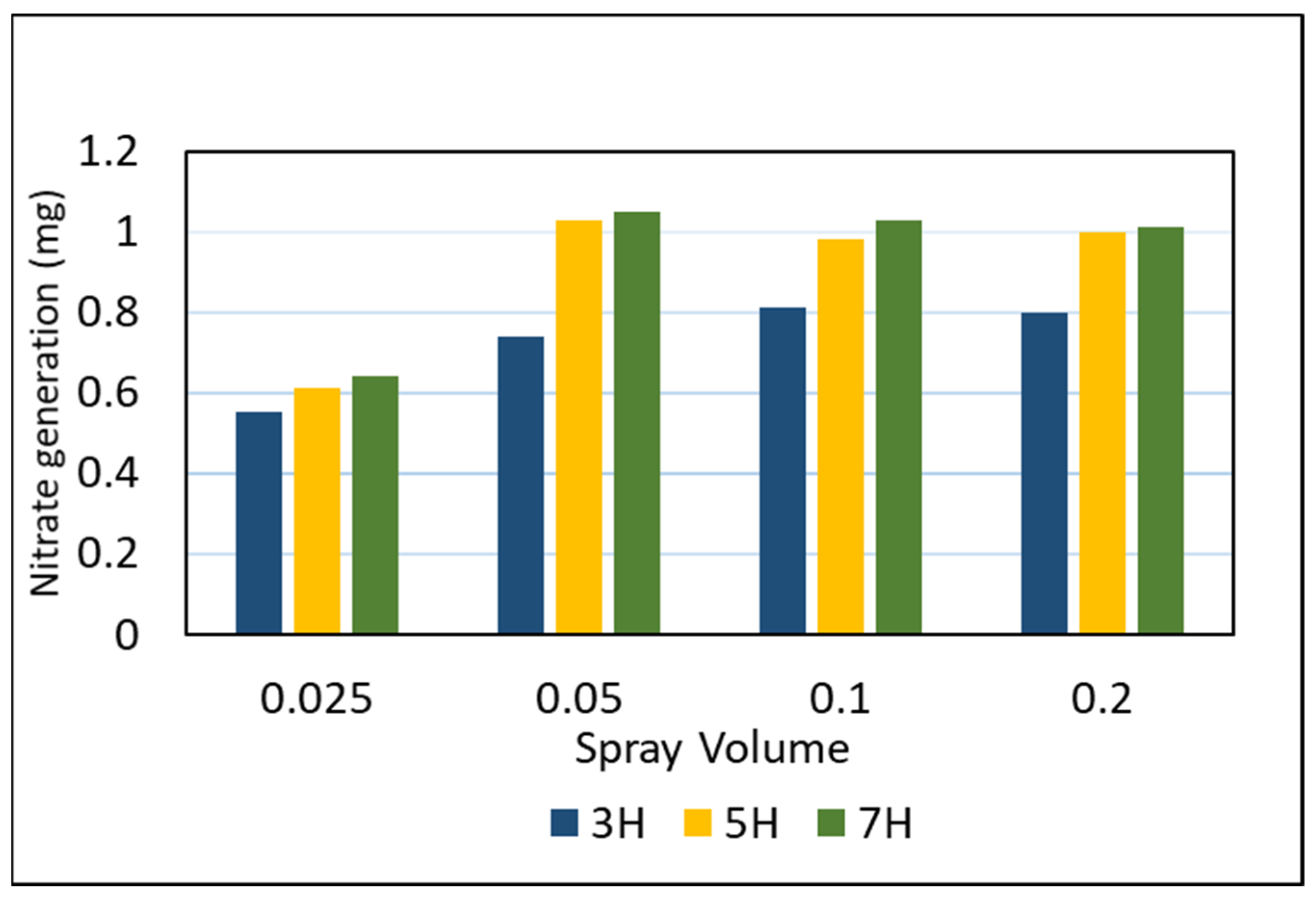
Harmful nitrogen oxides (NOX) are produced by vehicles, factories, mines, and power plants. In fact, over one million tons of NOX are emitted into the atmosphere every year, making it the most prevalent air pollutant. Approximately 45% of the emitted NOX in Korea is associated with the transportation sector. In this paper, the application of a new TiO2 photocatalyst on the asphalt roads to remove combustion-produced NOX was studied. In an effort to overcome the known constructability, adhesion, cost, and dispersion problems associated with TiO2 photocatalysts, the liquid polyurethane (PUD) was added with TiO2 to form a mixture later known as liquid PUD-TiO2. Laboratory and field tests were conducted to determine the optimum amount of photocatalyst to be used and the performance of asphalt pavement coated with PUD-TiO2 in terms of indirect tensile strength, water susceptibility, and rutting resistance. Additionally, the performance of PUD-TiO2 under different humidity, wind speed, and temperature conditions was also evaluated. The results showed that the application of PUD-TiO2 photocatalyst on the asphalt pavements road reduces the NOX available on the surface of the road. The PUD-TiO2 also was found to have no effects on the performance of asphalt pavement. Meanwhile, under different weather conditions, the reaction between the photocatalyst and NOX is mainly affected by the humidity.
Keywords: asphalt mixture; nitrogen oxides; photocatalyst; photocatalytic reaction; PUD-TiO2 asphalt mixture; nitrogen oxides; photocatalyst; photocatalytic reaction; PUD-TiO2