Article

Microstructure, Mechanical Properties, and Corrosion Behavior of Ultra-Low Carbon Bainite Steel with Different Niobium Content

1
Key Laboratory for Anisotropy and Texture of Materials, Ministry of Education, Northeastern University, Shenyang 110819, China
2
School of Mechanical and Automobile Engineering, Qilu University of Technology (Shandong Academy of Sciences), Jinan 250353, China
3
School of Materials Science and Engineering, Northeastern University, Shenyang 110819, China
*
Authors to whom correspondence should be addressed.
Materials 2021, 14(2), 311; https://doi.org/10.3390/ma14020311
Submission received: 19 November 2020 / Revised: 14 December 2020 / Accepted: 4 January 2021 / Published: 9 January 2021

Abstract

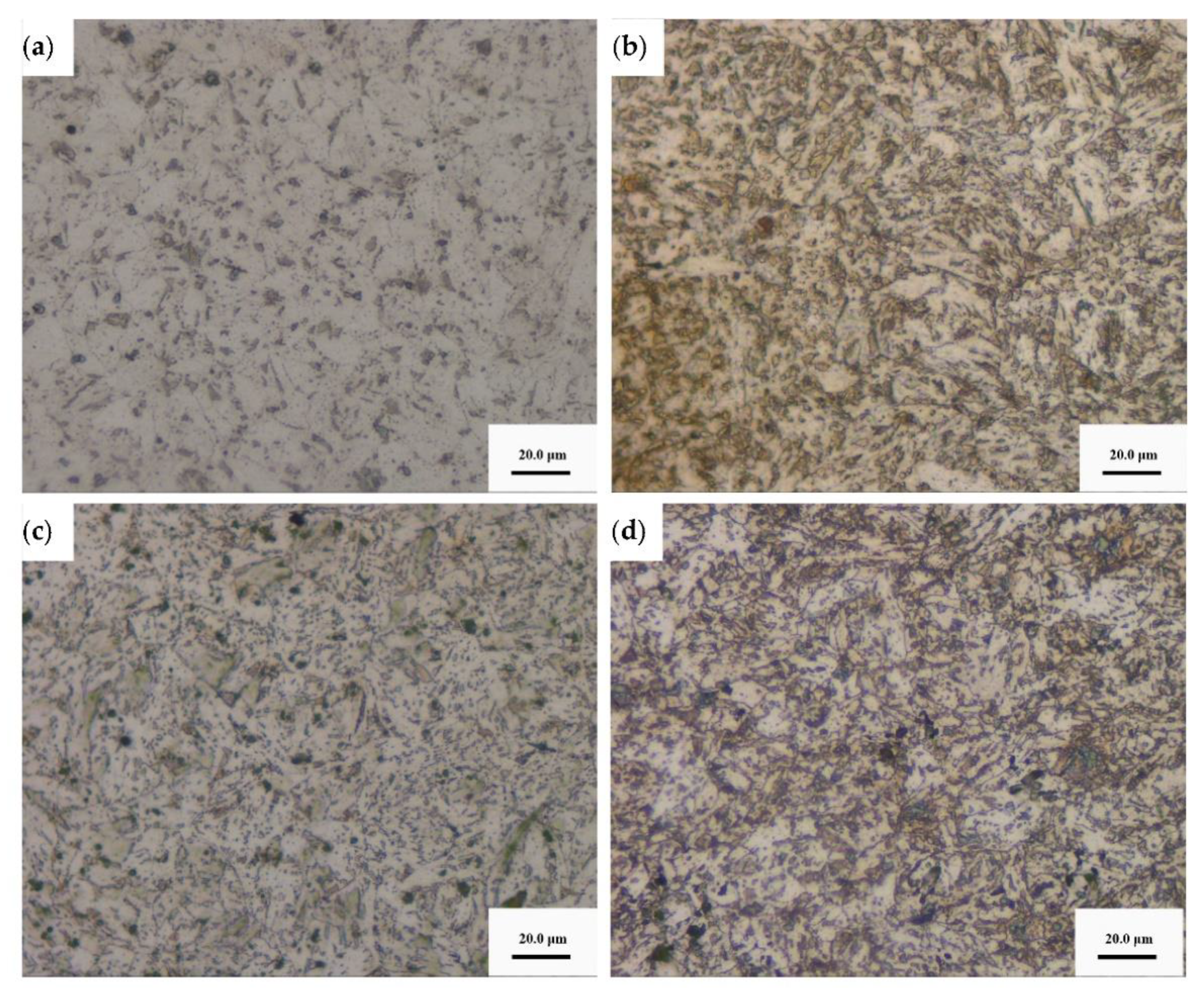
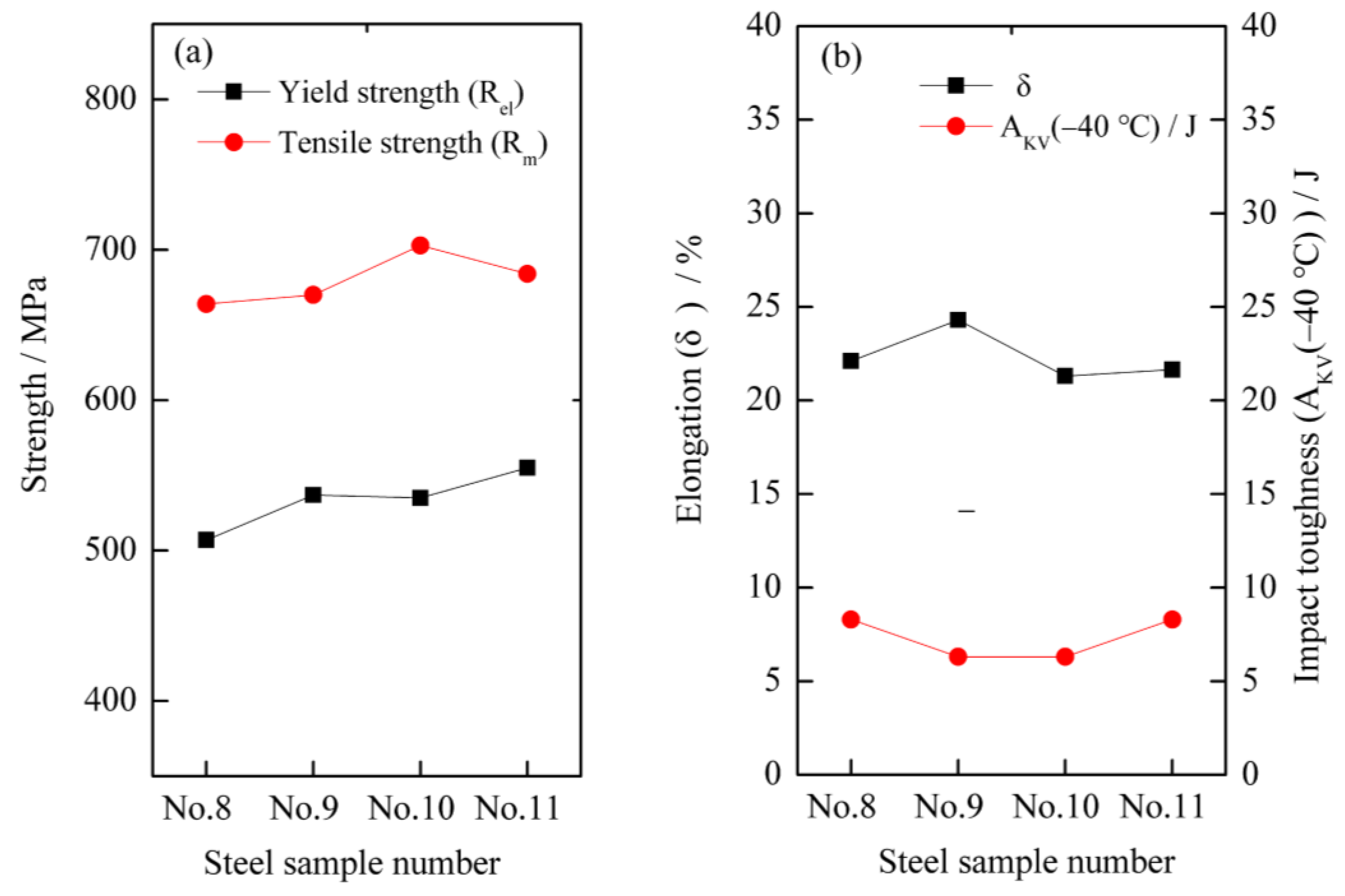
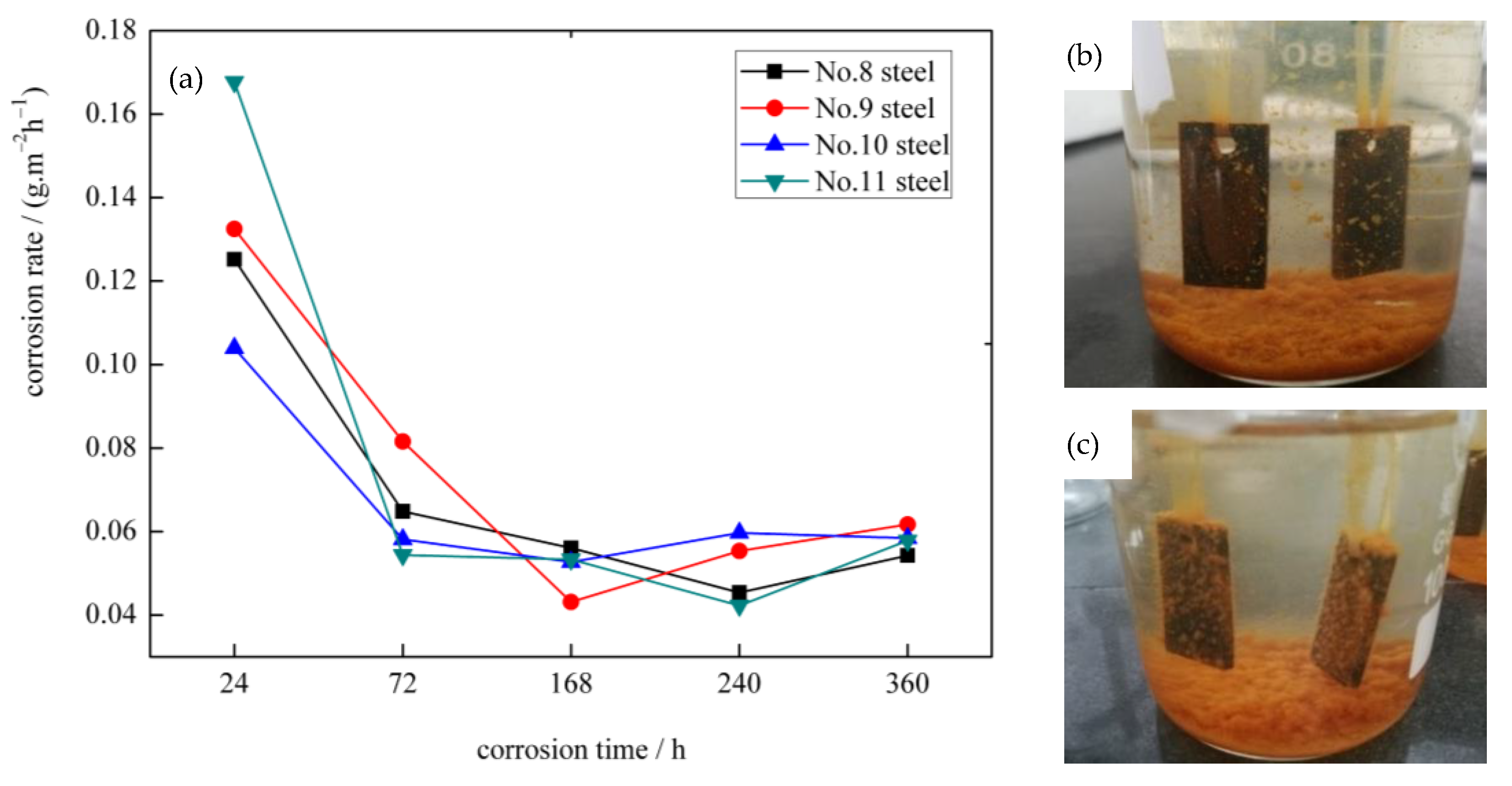
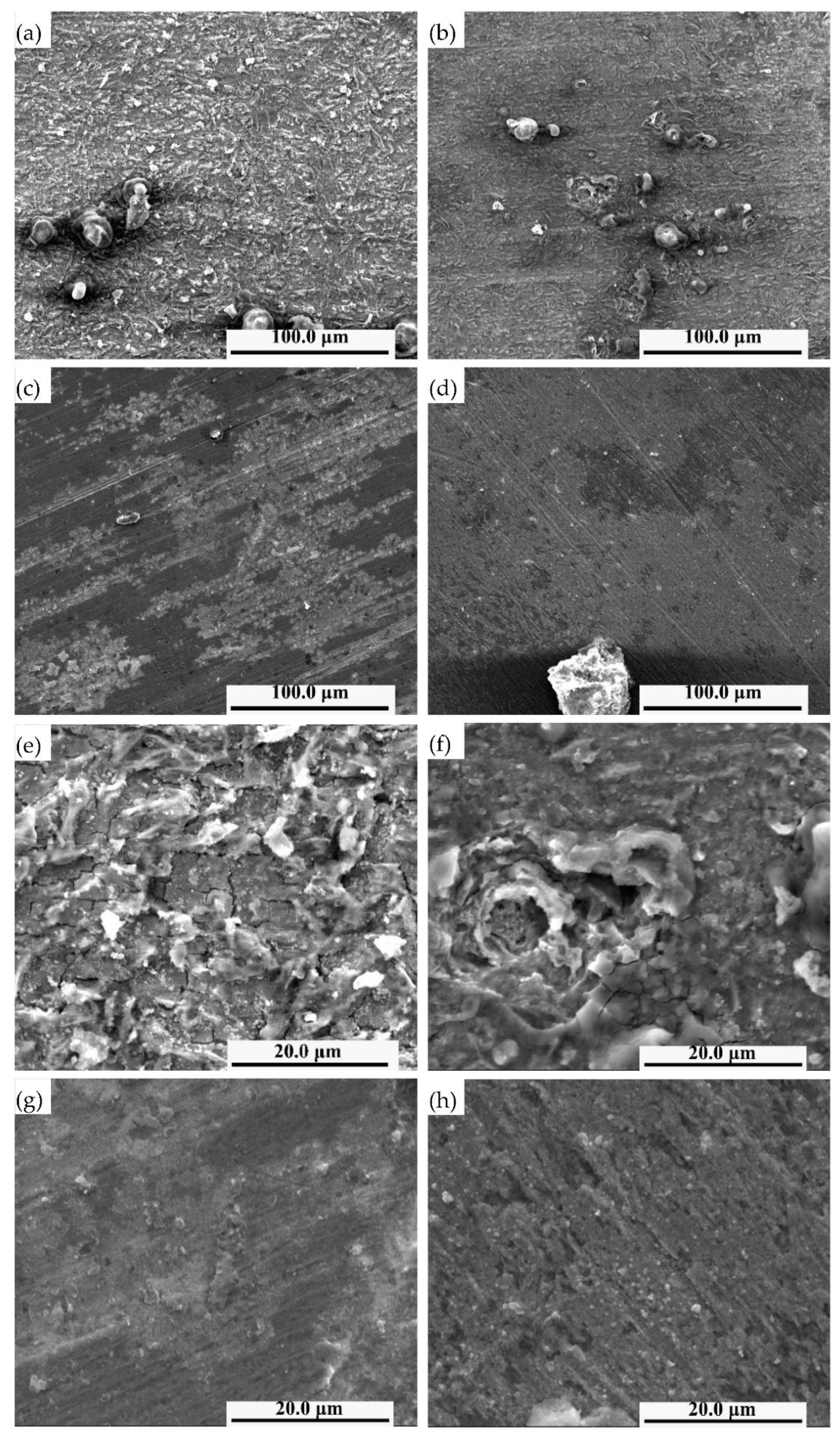
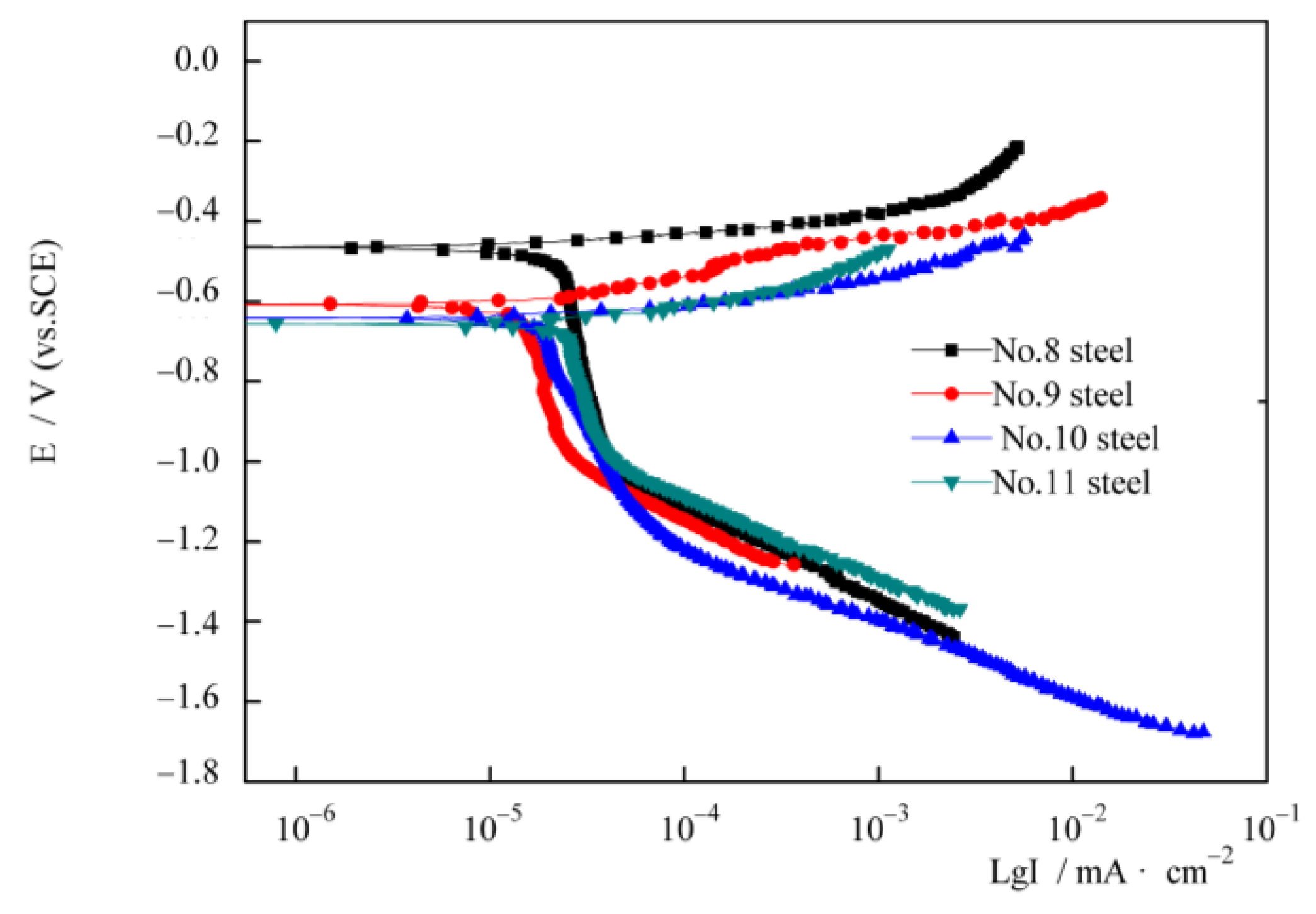
Four types of ultra-low carbon bainite (ULCB) steels were obtained using unified production methods to investigate solely the effect of niobium content on the performance of ULCB steels. Tensile testing, low-temperature impact toughness testing, corrosion weight-loss method, polarization curves, electrochemical impedance spectroscopy (EIS), and the corresponding organizational observations were realized. The results indicate that the microstructure of the four steels comprise granular bainite and quite a few martensite/austenite (M/A) elements. The niobium content affects bainite morphology and the size, quantity, and distribution of M/A elements. The elongation, yield strength, and tensile strength of the four types of ULCB steels are above 20%, 500 MPa, and 650 MPa, respectively. The impact toughness of the four types of ULCB steels at −40 °C is lower than 10 J. Steel with Nb content of 0.0692% has better comprehensive property, and maximum charge transfer resistance in 3.5 wt.% NaCl solution at the initial corrosion stage. The corrosion products on the surface of steel with higher niobium content are much smoother and denser than those steel with lower niobium content after 240 h of corrosion. The degree of corrosion decreases gradually with the increase of niobium content at the later stage of corrosion.
Keywords: ultra-low carbon bainite steel; niobium microalloying; mechanical property; corrosion resistance; corrosion behavior ultra-low carbon bainite steel; niobium microalloying; mechanical property; corrosion resistance; corrosion behavior