Article

Reasons for the Formation of Non-Fibrous Inclusions When Preparing Basalt Fibers by the Duplex Method

1
Department of Mechatronic Systems, Faculty of Quality Management, Kalashnikov Izhevsk State Technical University, Studencheskaya Street 7, 426069 Izhevsk, Russia
2
Department of Applied Mechanics, Faculty of Mechanical Engineering, University of Žilina, 010 26 Žilina, Slovakia
3
Department of Automation and Production Systems, Faculty of Mechanical Engineering, University of Žilina, 010 26 Žilina, Slovakia
*
Author to whom correspondence should be addressed.
Materials 2020, 13(21), 5033; https://doi.org/10.3390/ma13215033
Submission received: 28 October 2020 / Revised: 5 November 2020 / Accepted: 6 November 2020 / Published: 8 November 2020

Abstract

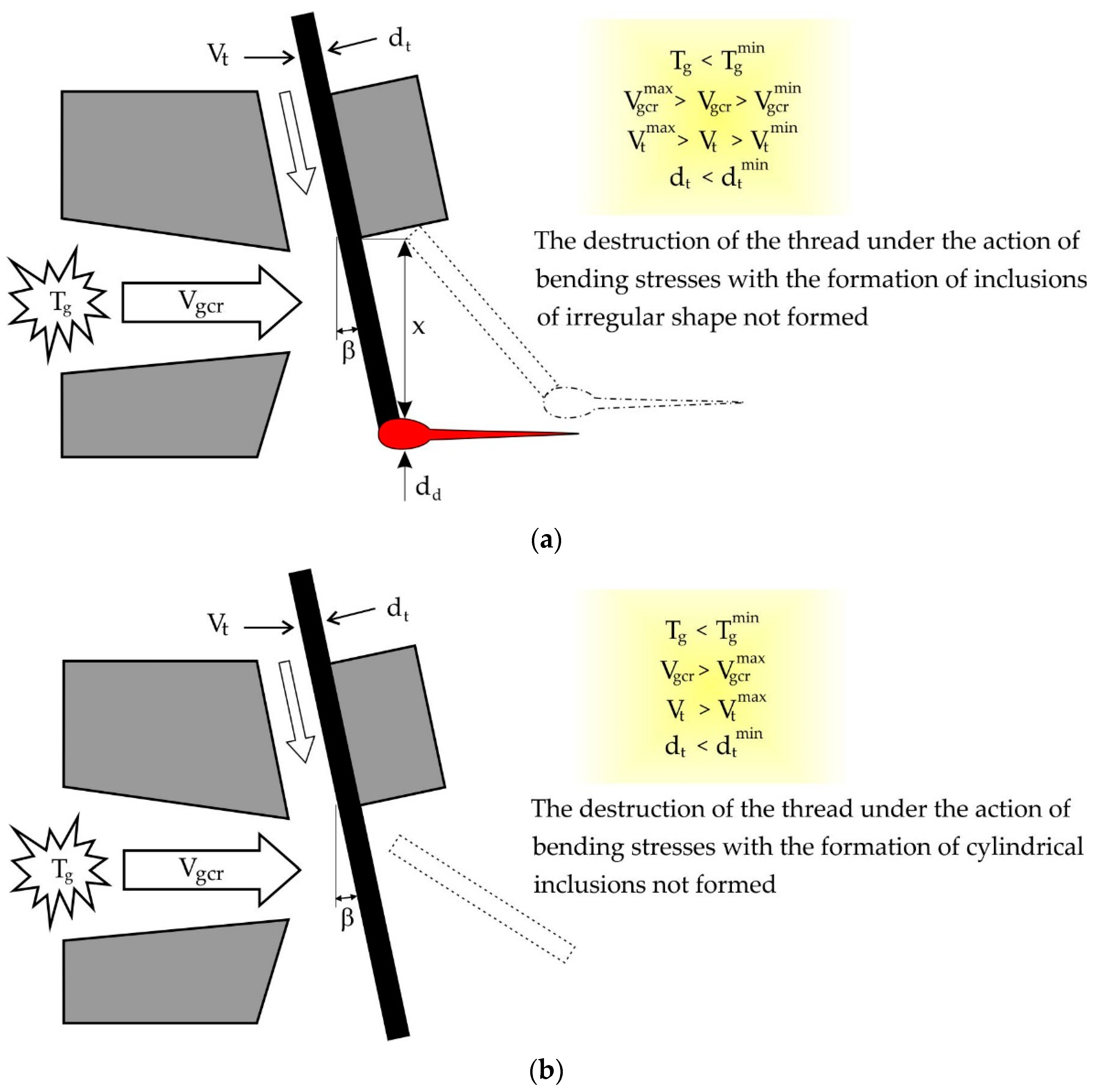
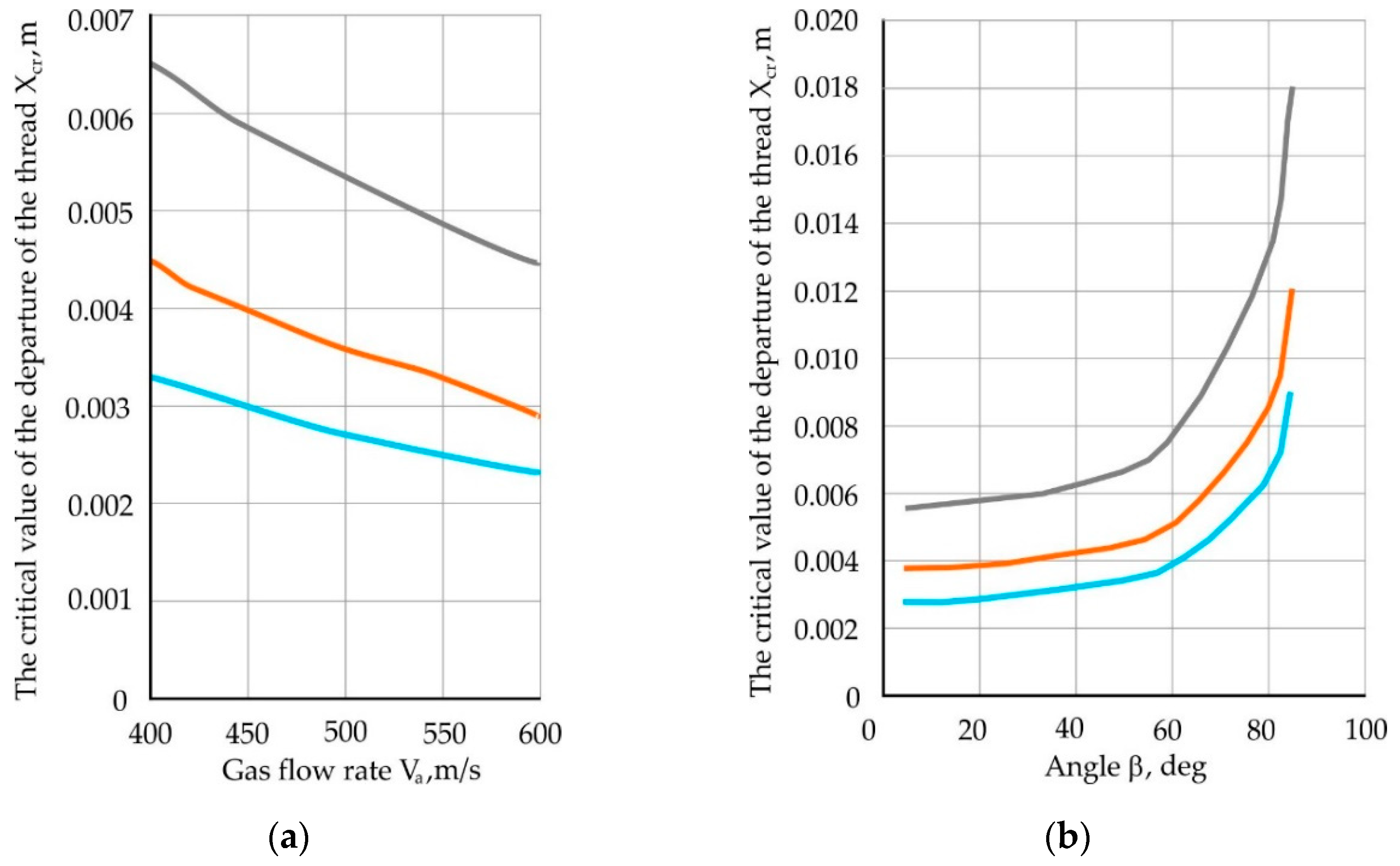
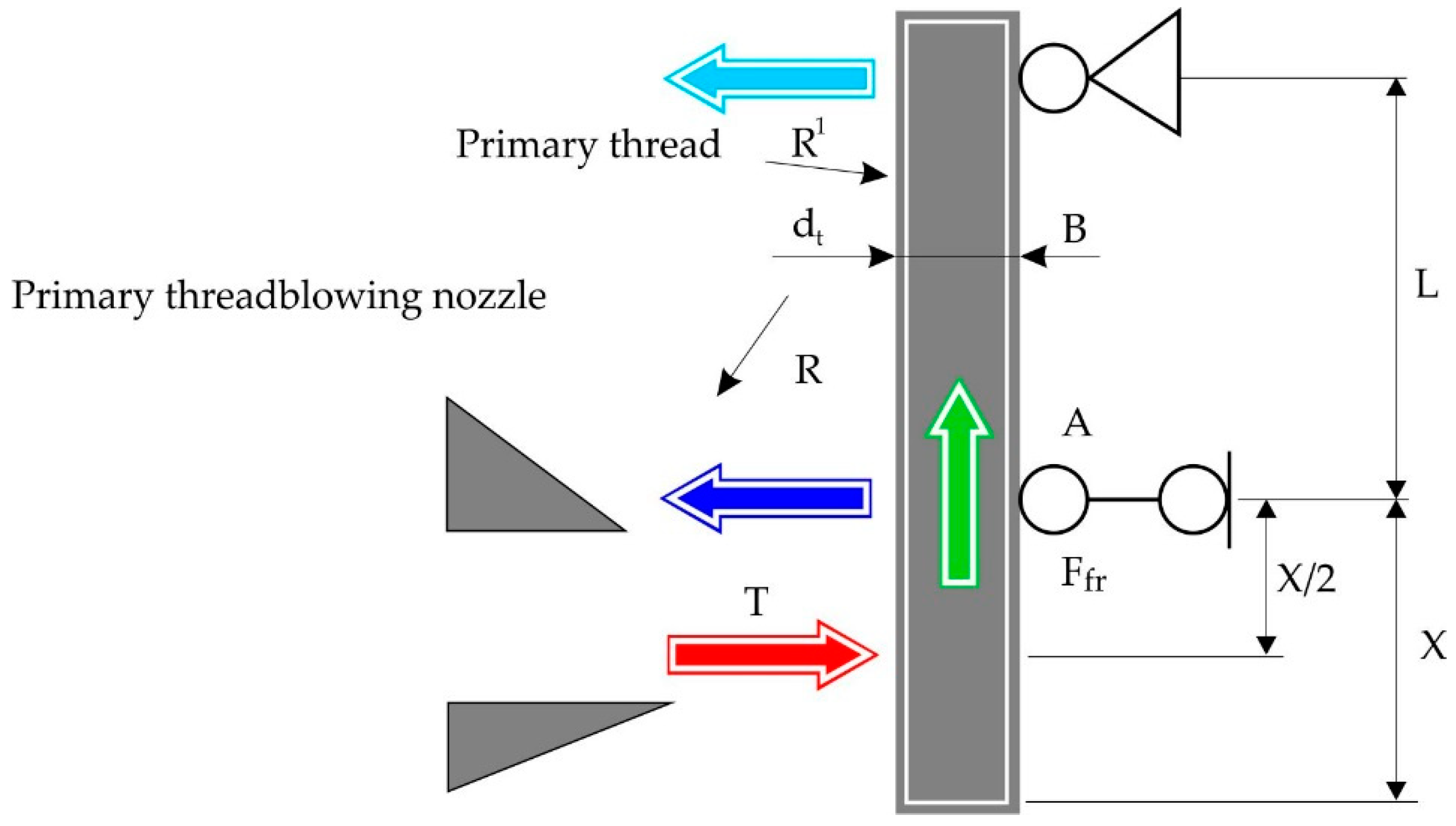
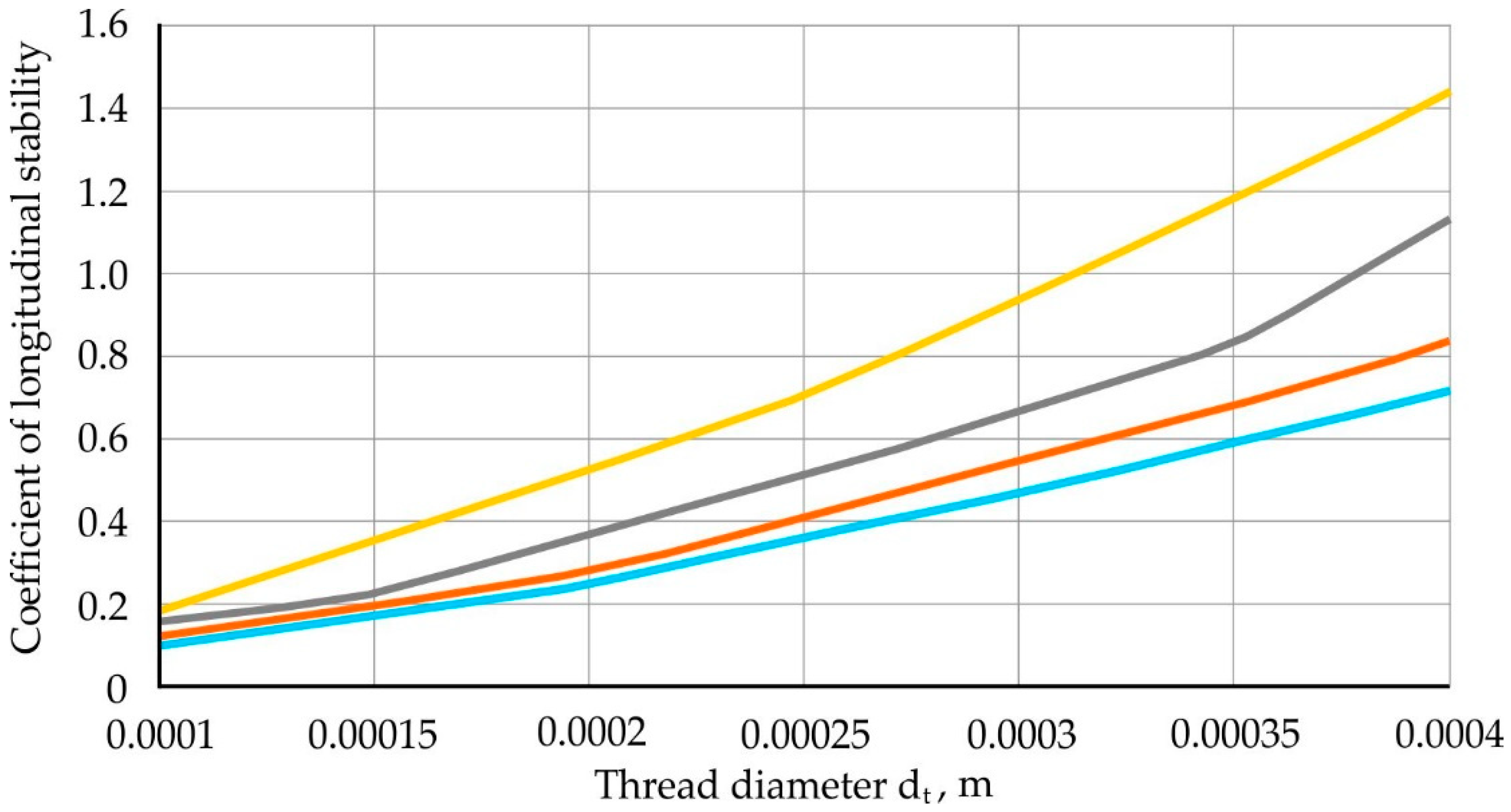
Materials based on basalt fiber are widely used as thermal insulating material. These materials have a number of advantages, including their low thermal conductivity and fire resistance due to their natural composition. However, there is a significant drawback in that the material contain non-fibrous inclusions. The solution to this problem would significantly improve the working conditions of workers engaged in the production of materials from basalt fiber, as well as workers engaged in construction and installation works. In addition, the research will help to make completely new products, such as special fireproof paper and sterile medical materials. This article focuses on the reasons for the formation of non-fibrous inclusions in the production of this kind of material. The technology of producing canvases from superthin fiber in the duplex way is studied. The analysis of the production process is made. Certain technological and structural parameters of the influence on the formation of such inclusions are identified. Experiments are carried out and conclusions are drawn given formation of non-fibrous inclusions of various geometric shapes for various factors. A mathematical model of the process under consideration is built. The article draws conclusion on the application of these developments in the production cycle of creating materials based on basalt fiber.
Keywords: fibrous materials; non-fibrous inclusions; basalt fiber; thermal insulation material; materials based on basalt fiber fibrous materials; non-fibrous inclusions; basalt fiber; thermal insulation material; materials based on basalt fiber