Article

Improving the Buffer Energy Absorption Characteristics of Movable Lander-Numerical and Experimental Studies

1
College of Astronautics, Nanjing University of Aeronautics and Astronautics, Nanjing 210016, China
2
In-orbit Control and Landing Laboratory, Nanjing University of Aeronautics and Astronautics, Nanjing 210016, China
*
Author to whom correspondence should be addressed.
Materials 2020, 13(15), 3340; https://doi.org/10.3390/ma13153340
Submission received: 16 June 2020 / Revised: 18 July 2020 / Accepted: 23 July 2020 / Published: 27 July 2020

Abstract

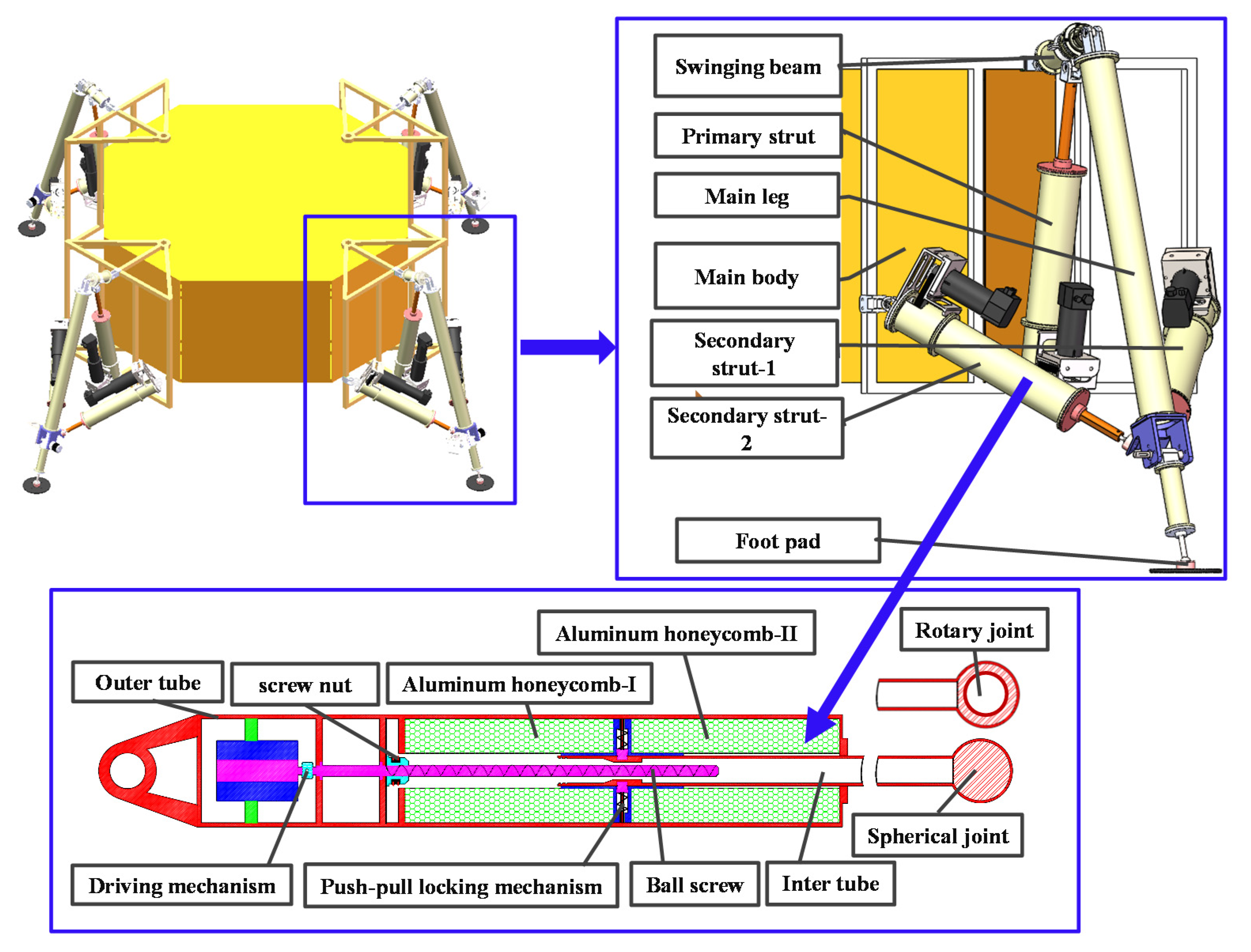
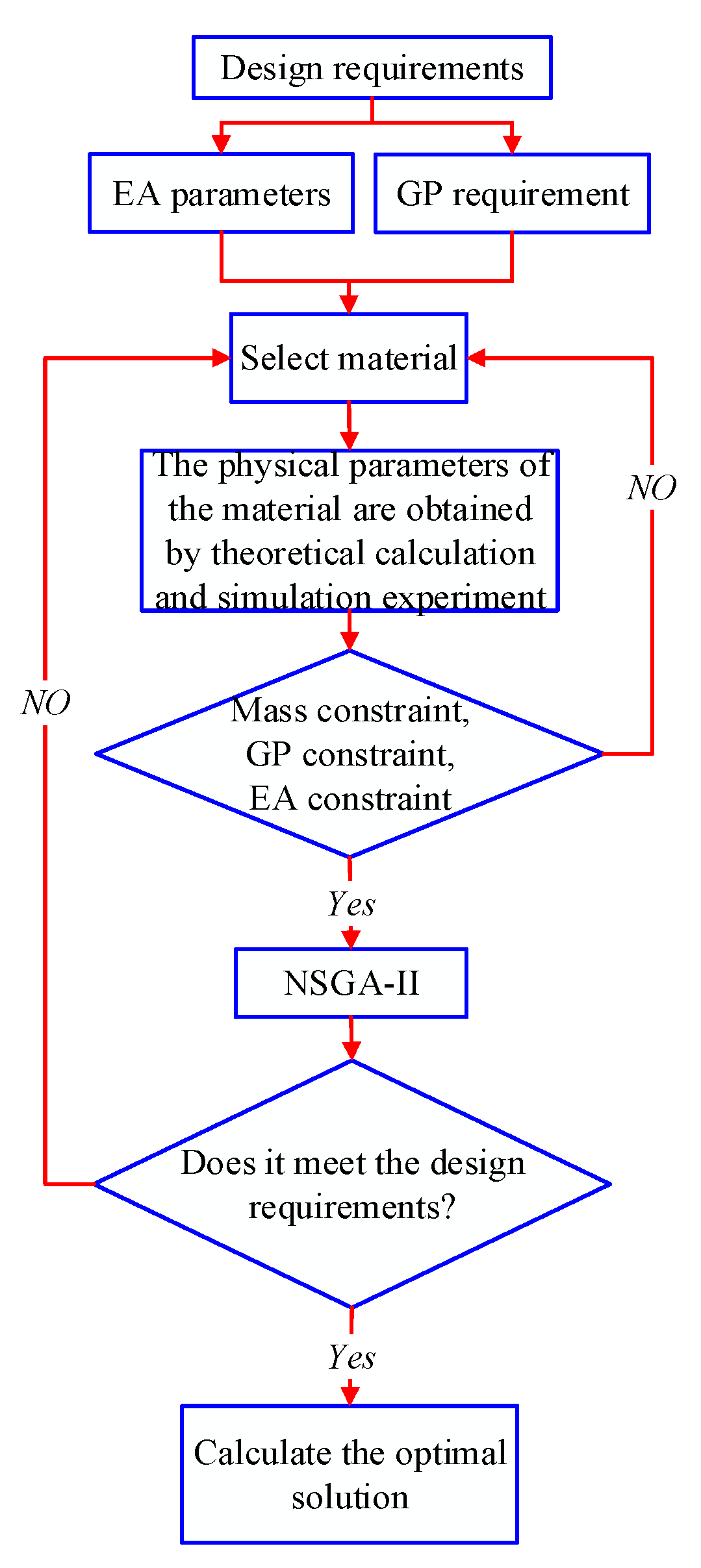
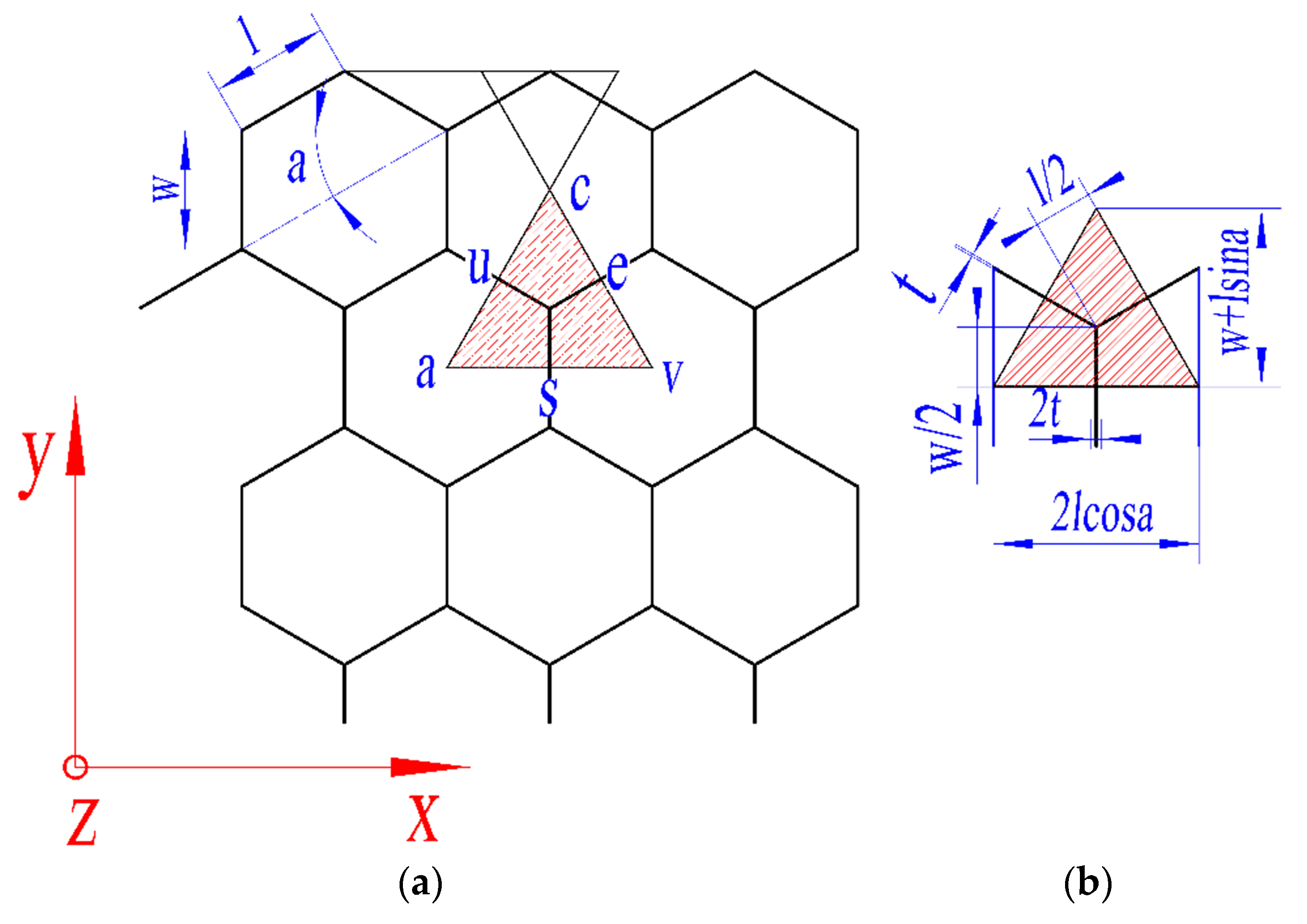
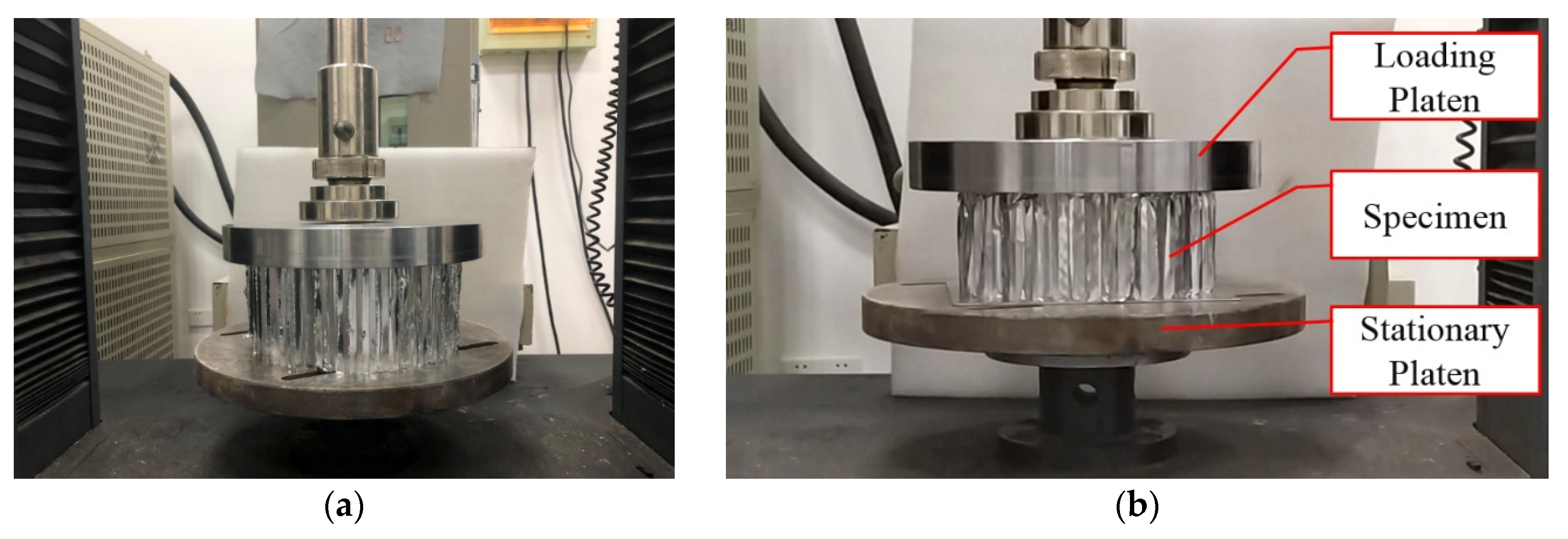
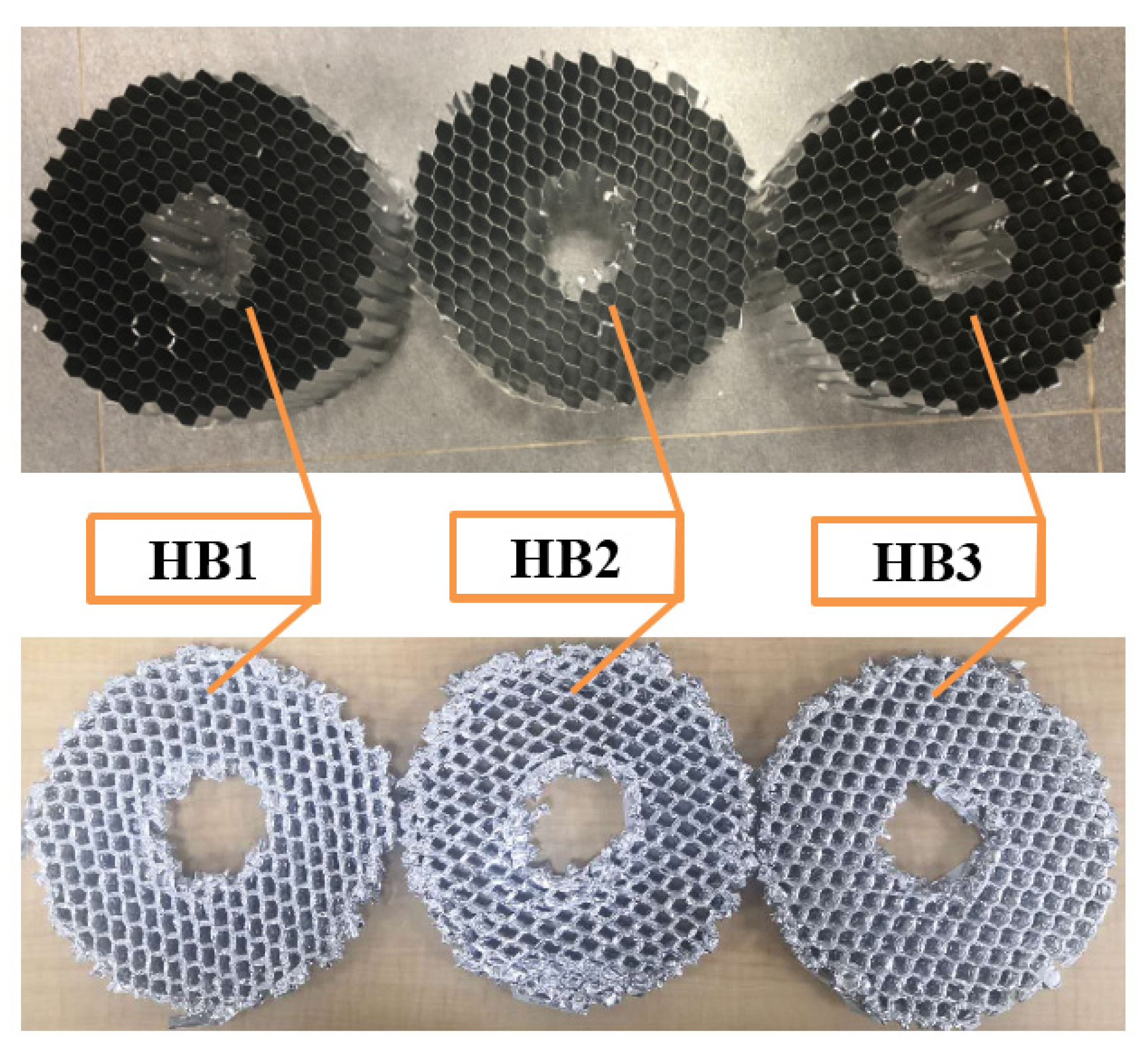
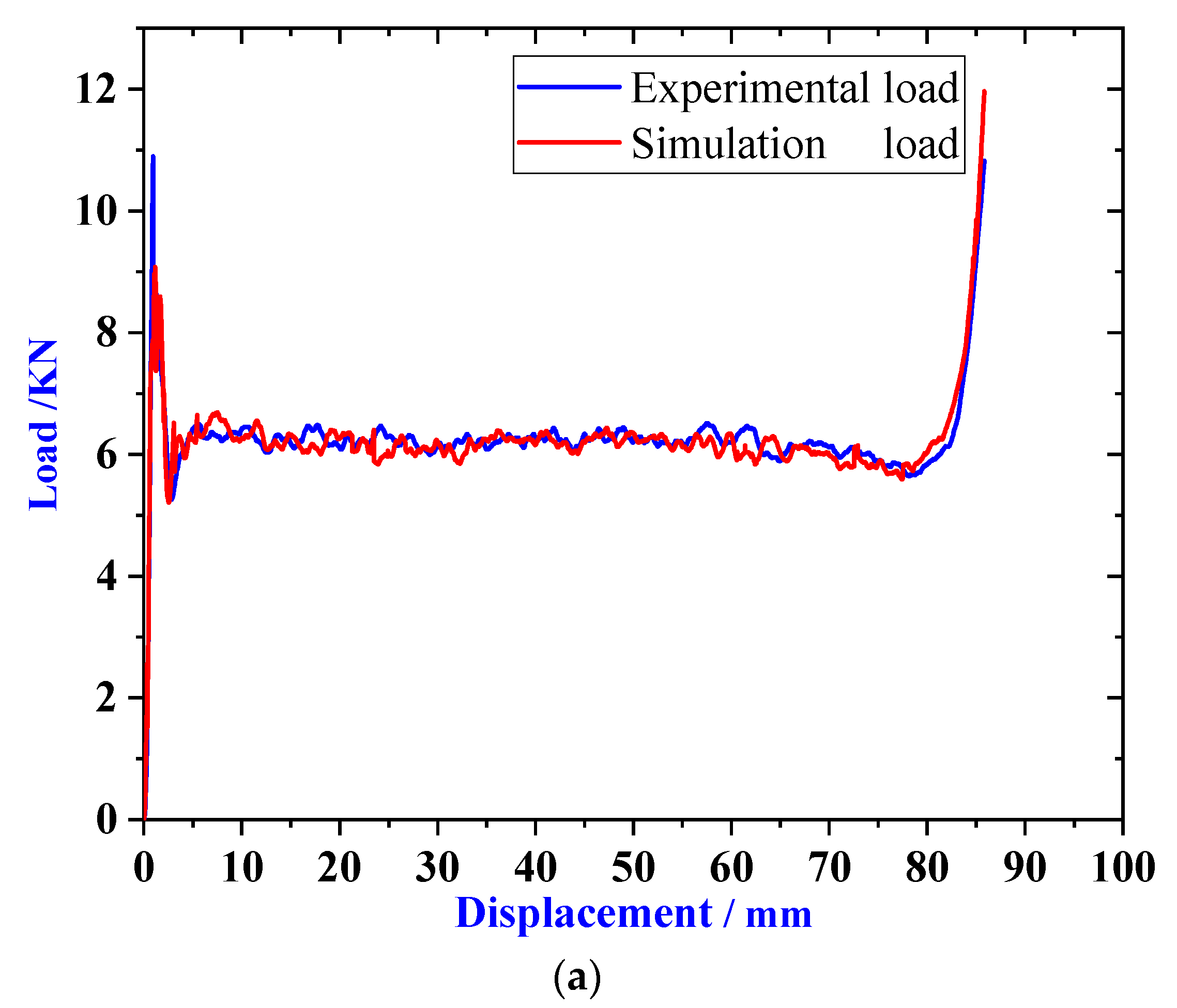
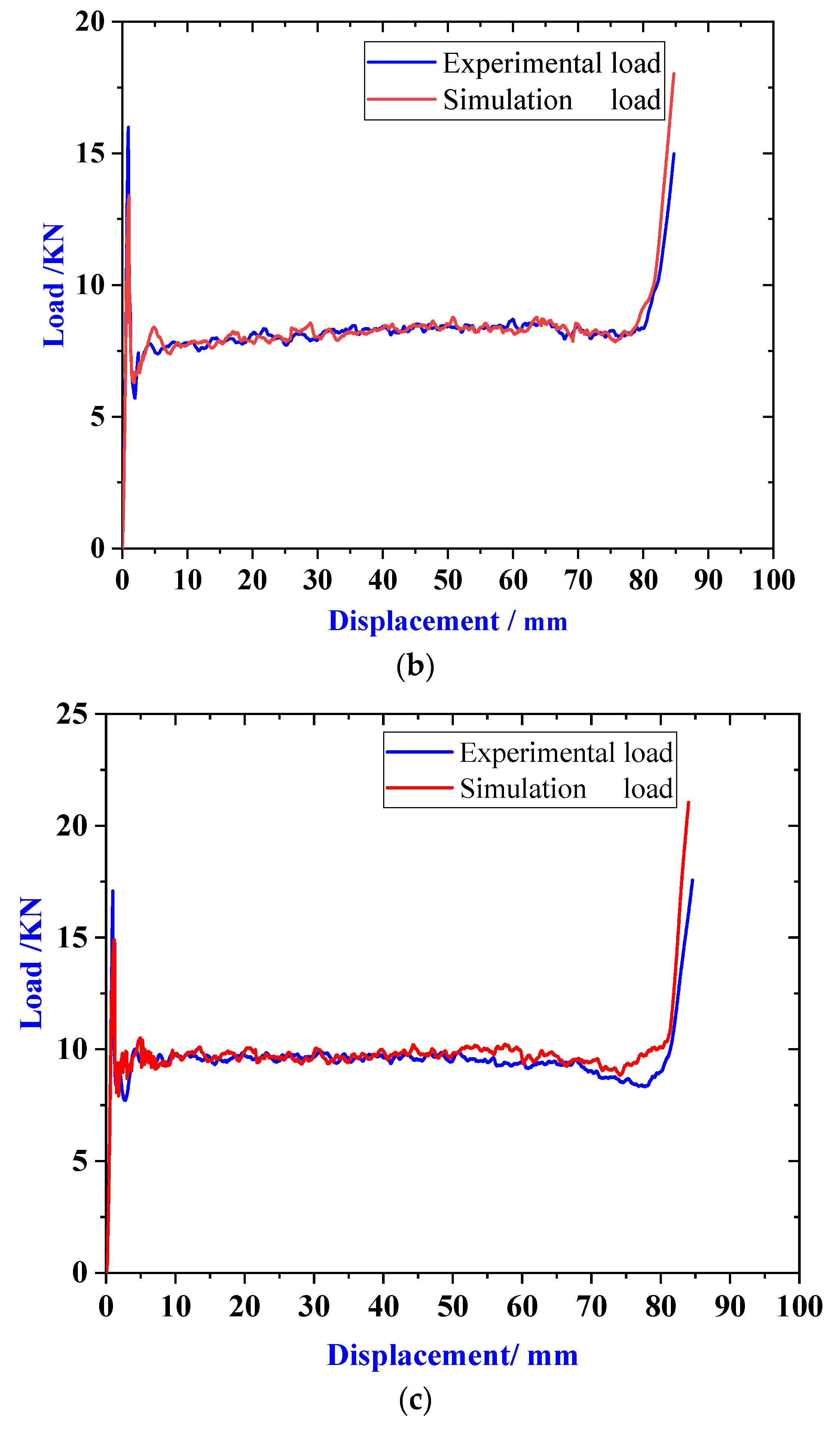
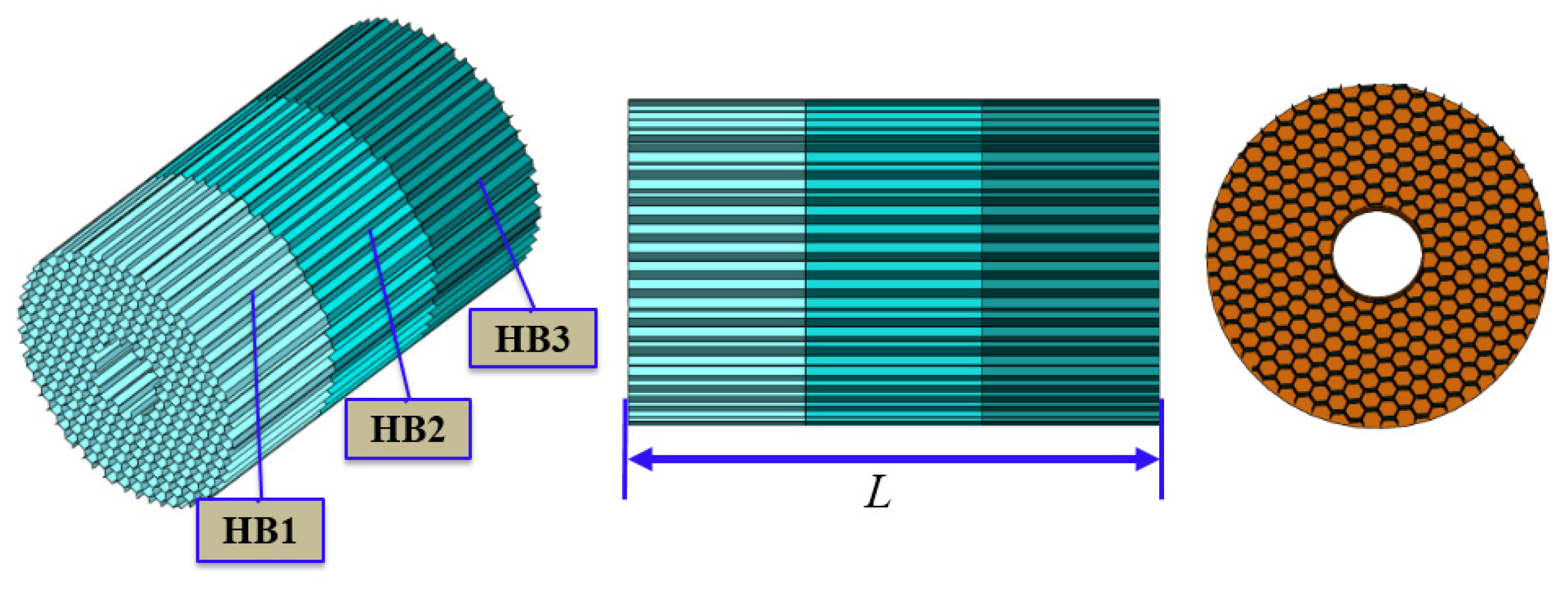
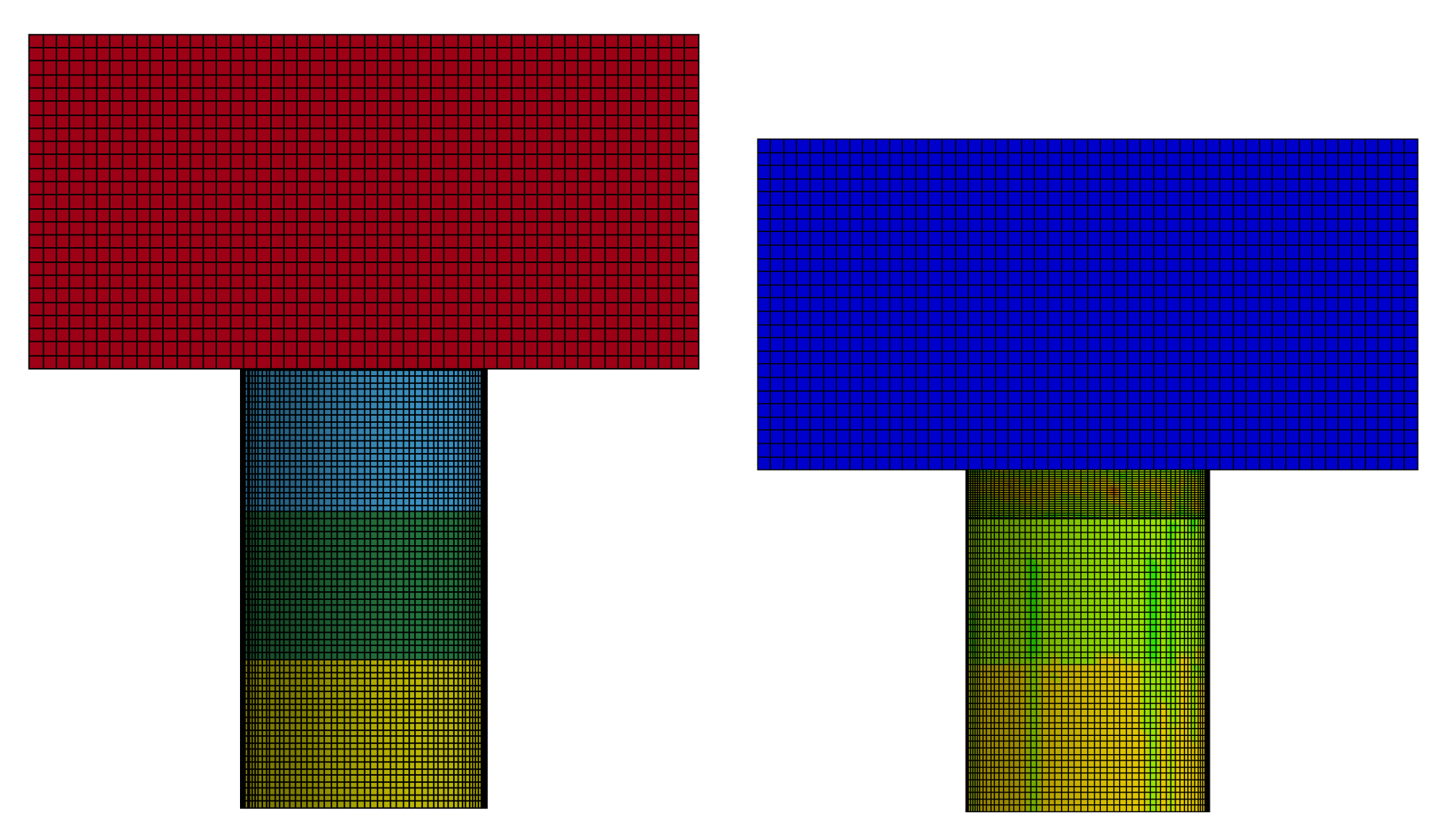
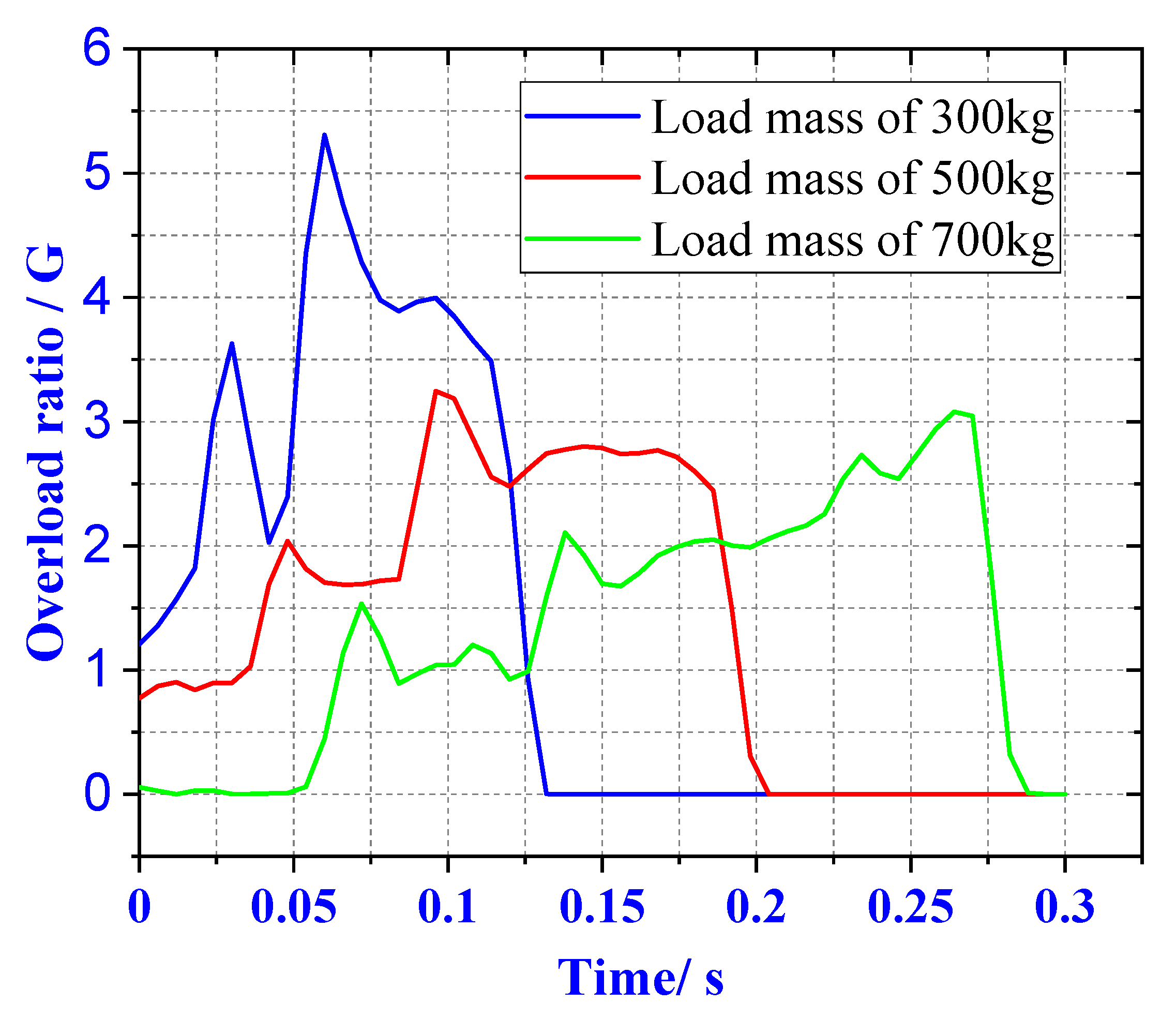
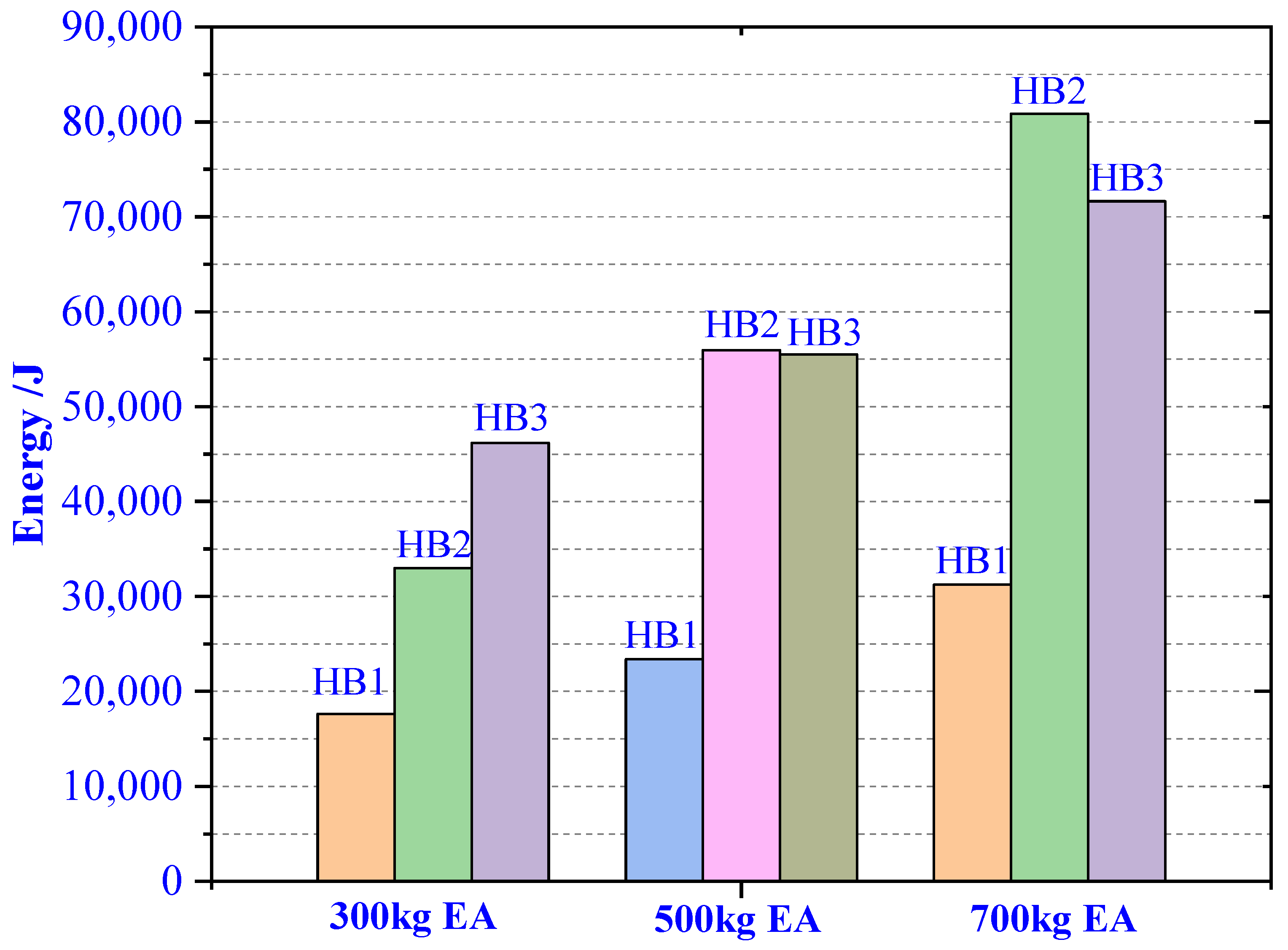
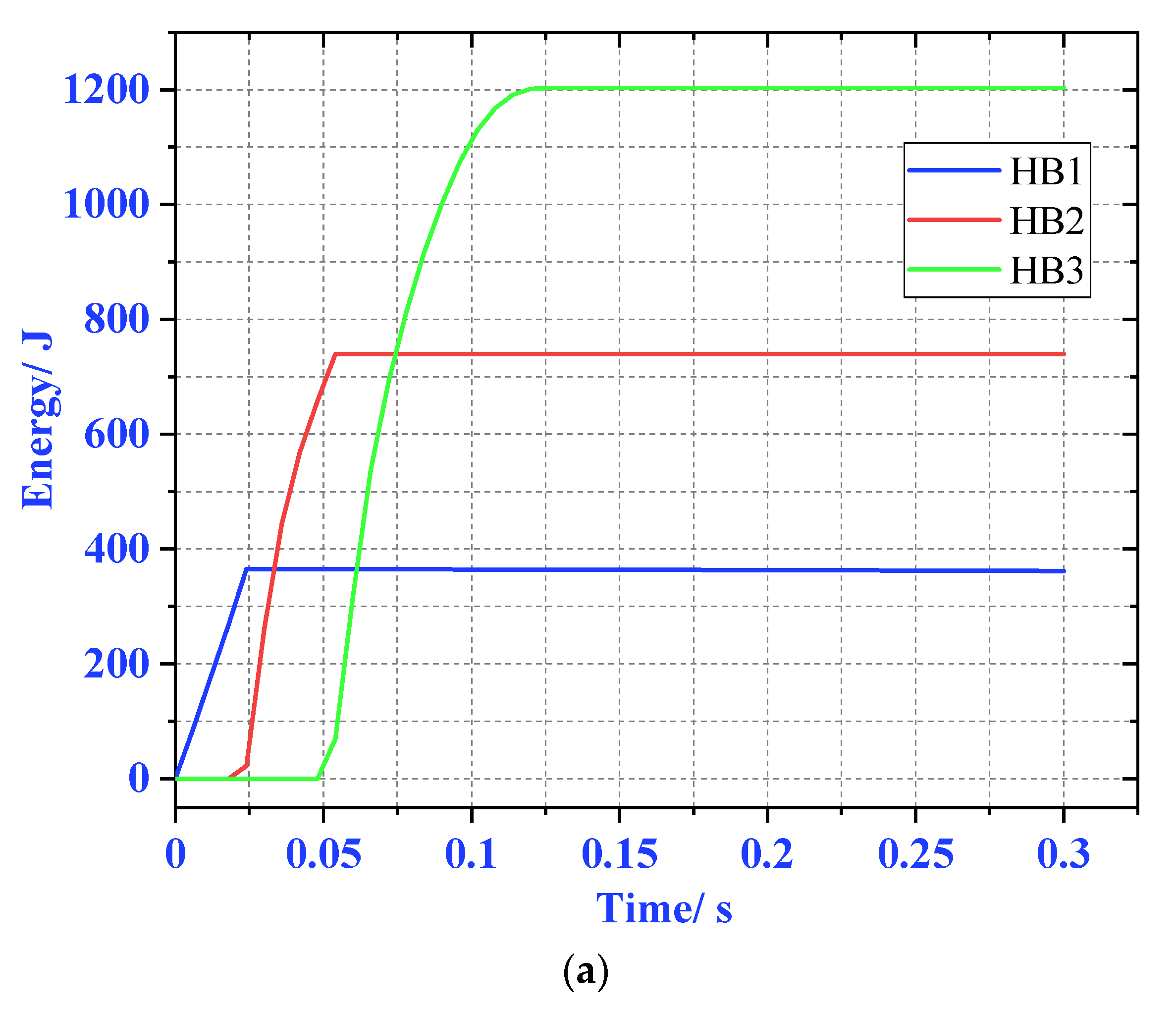
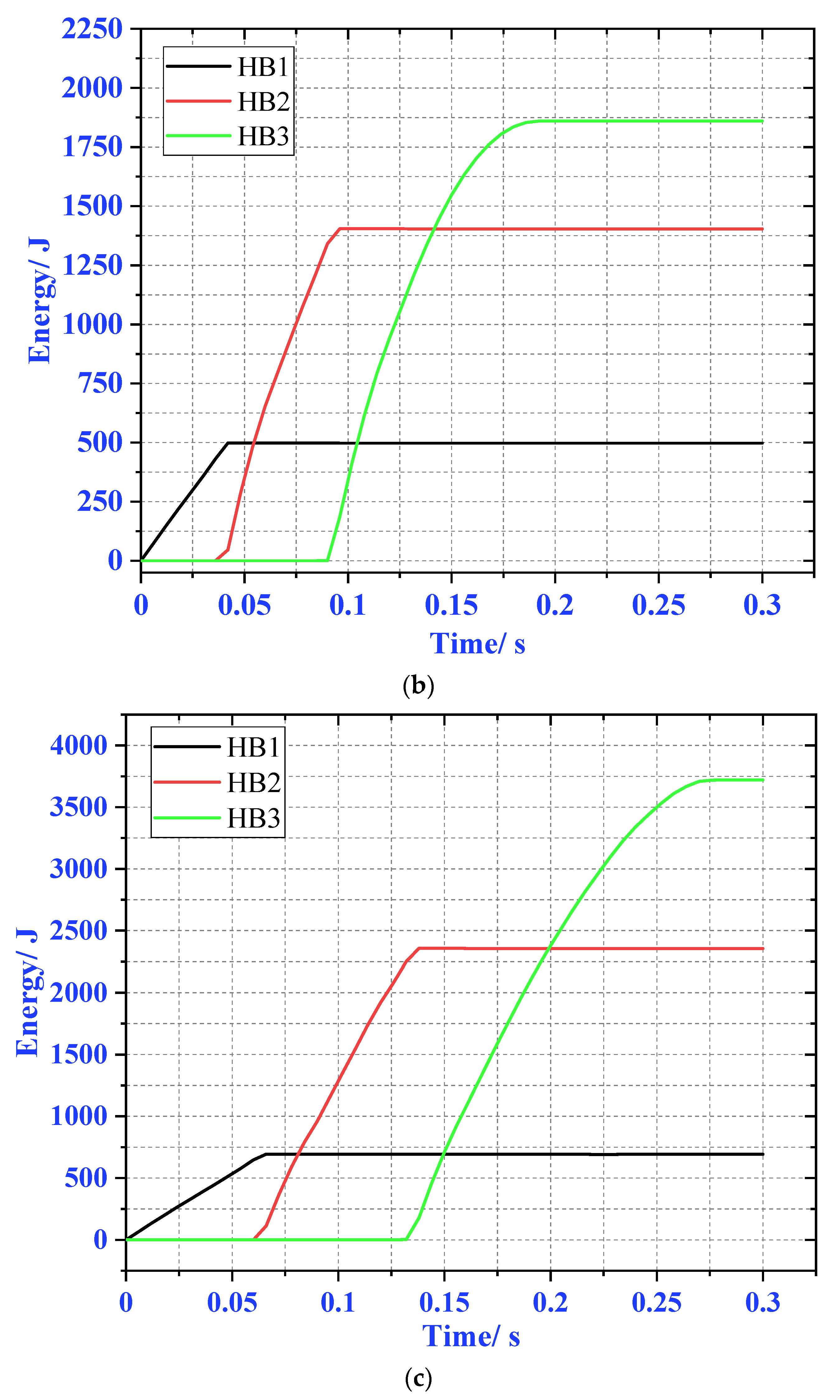
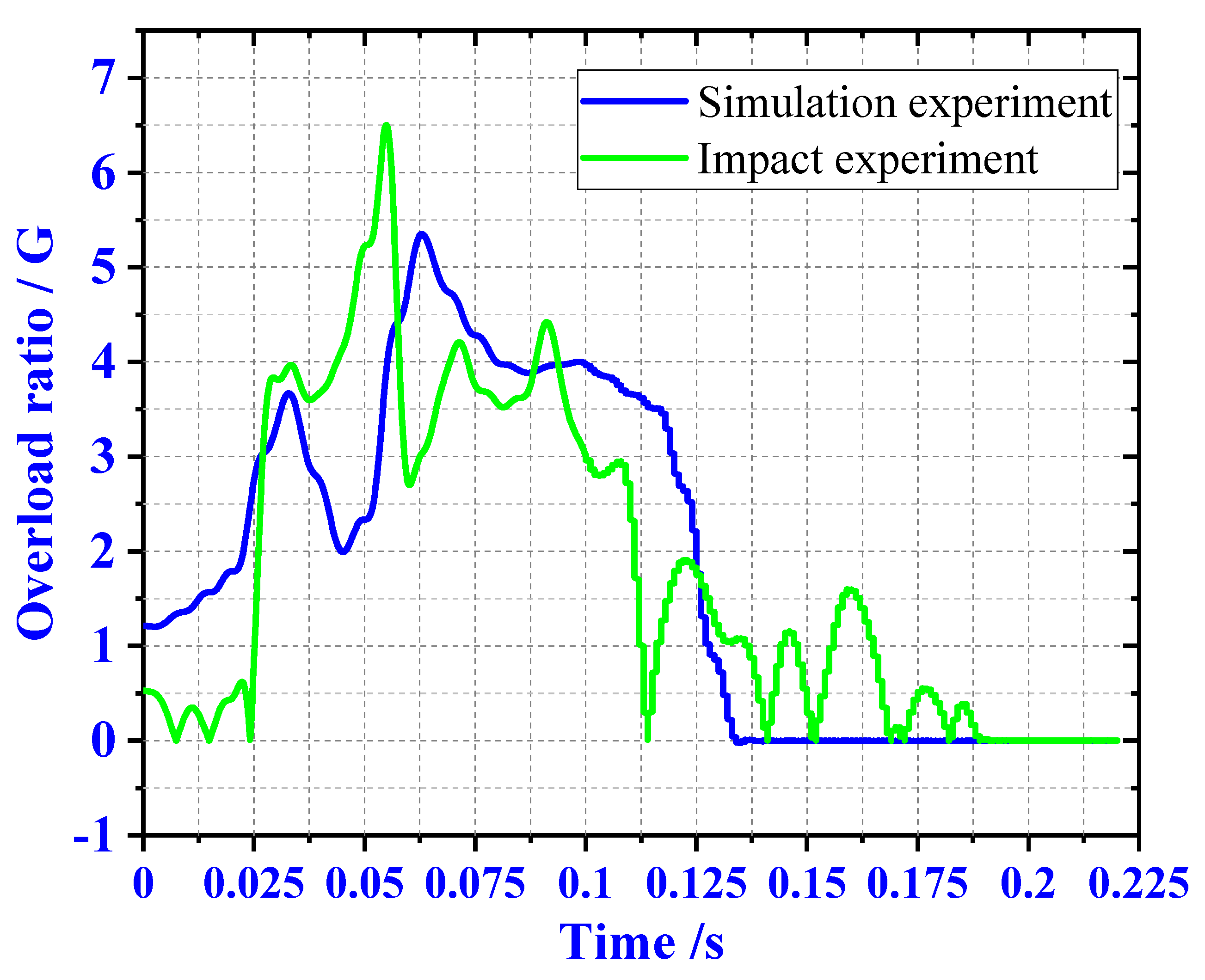
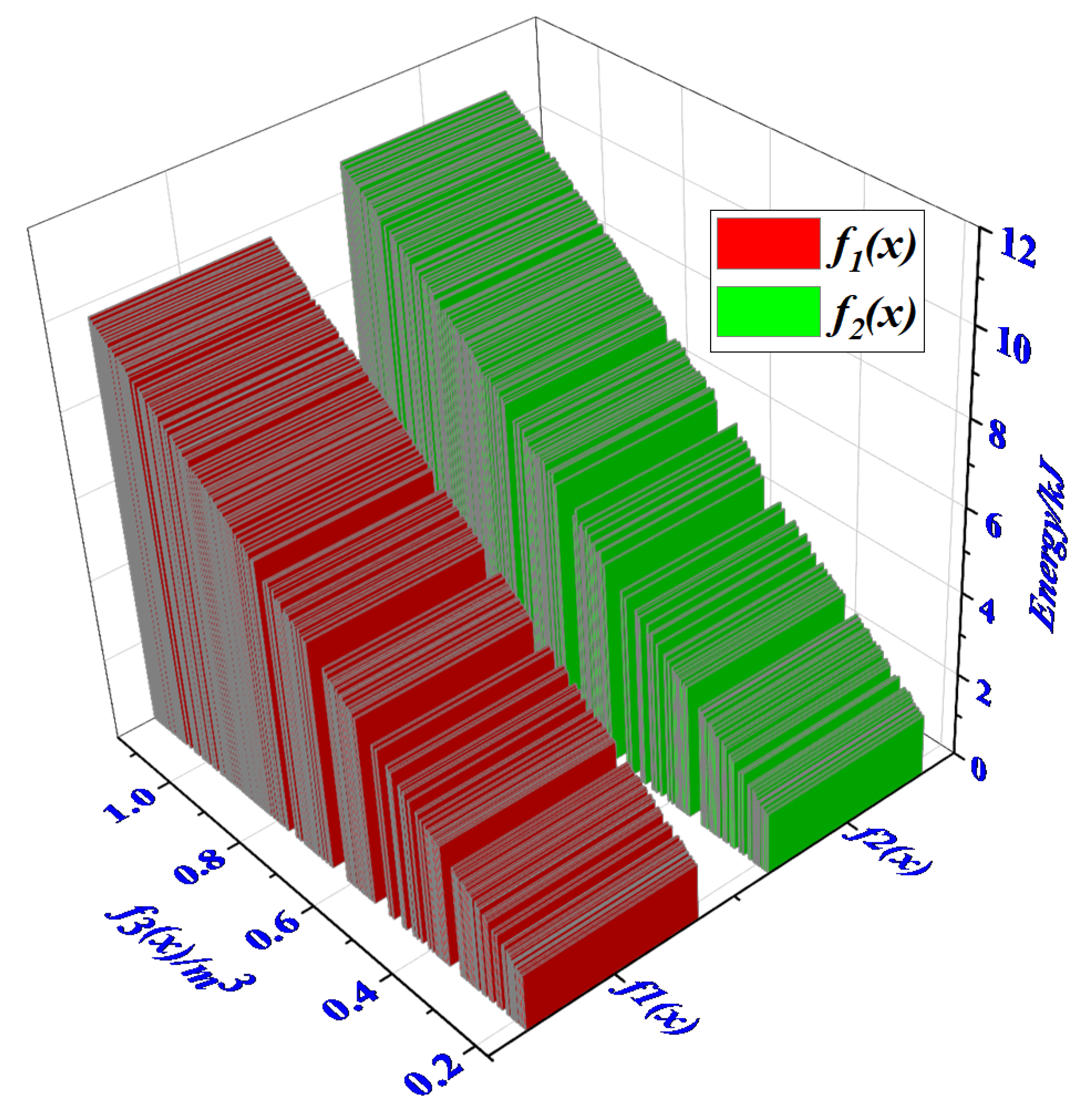
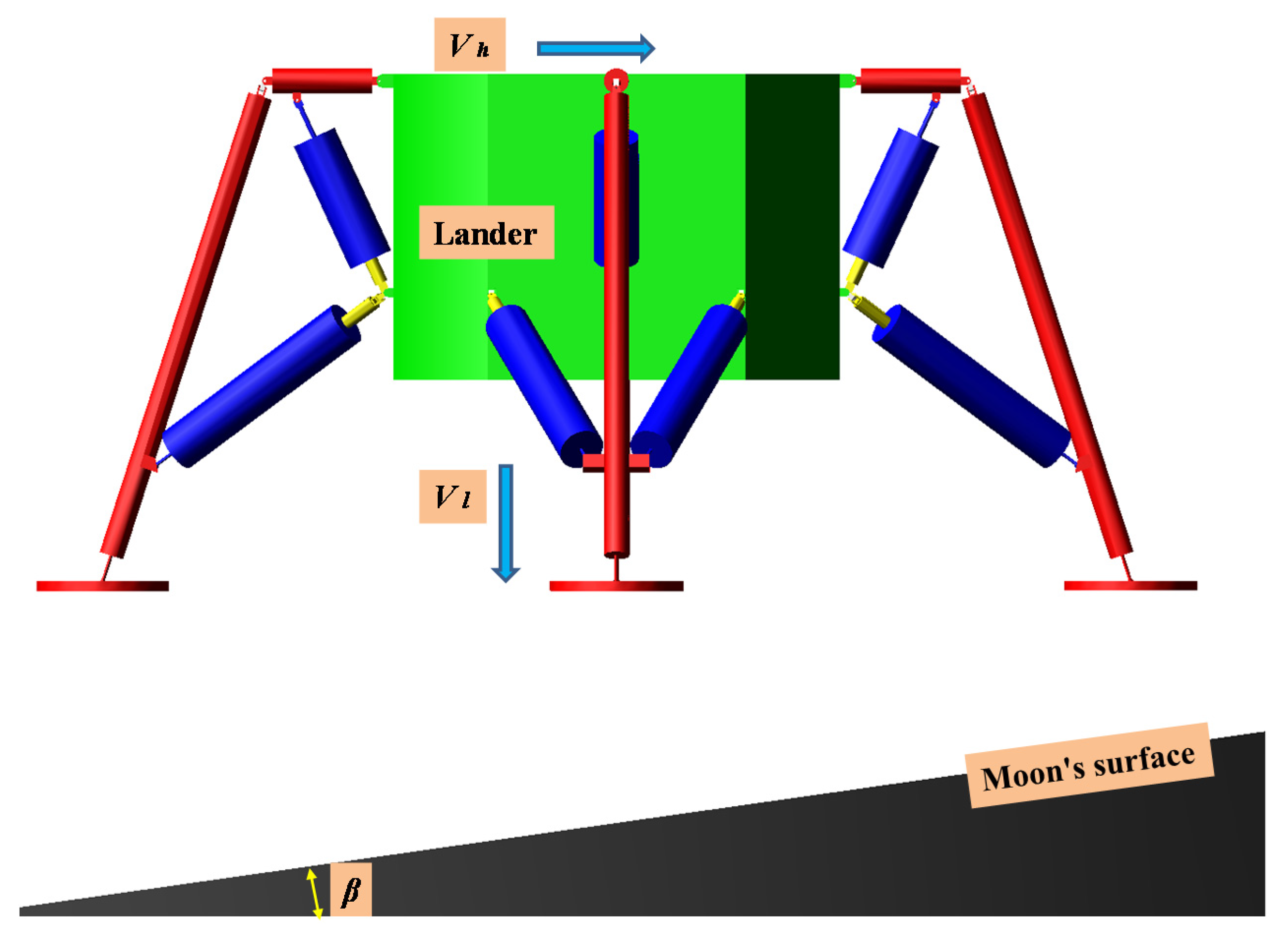
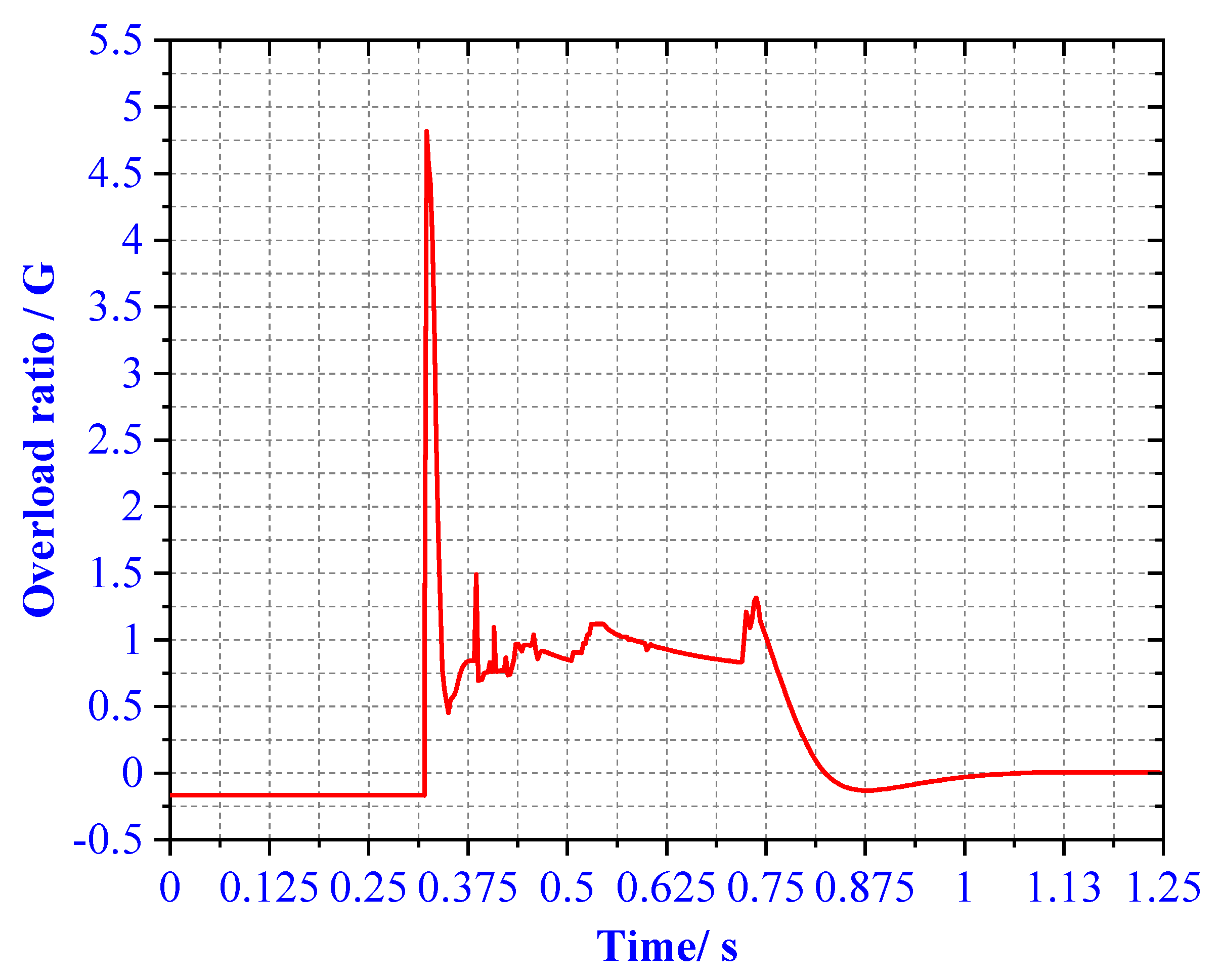
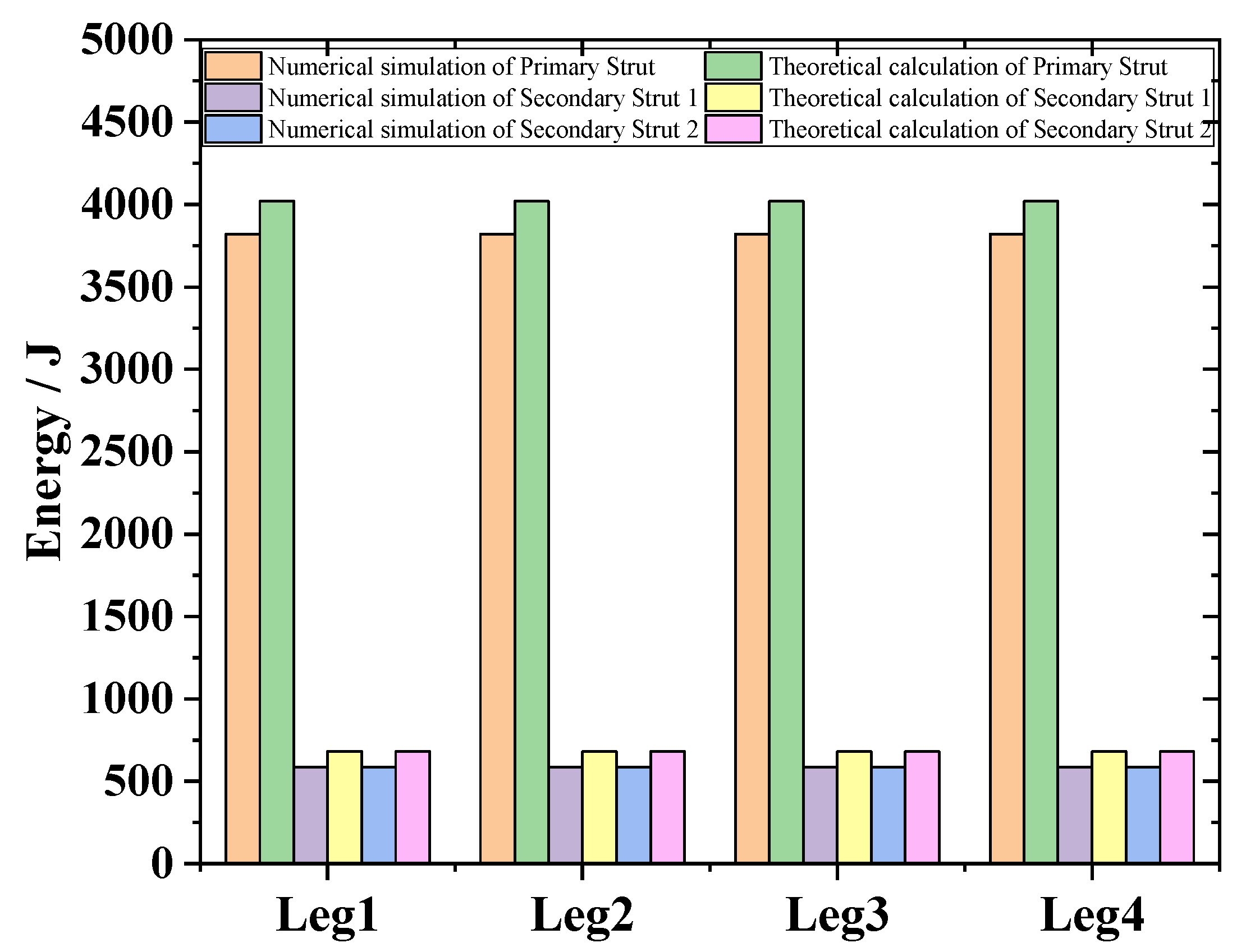
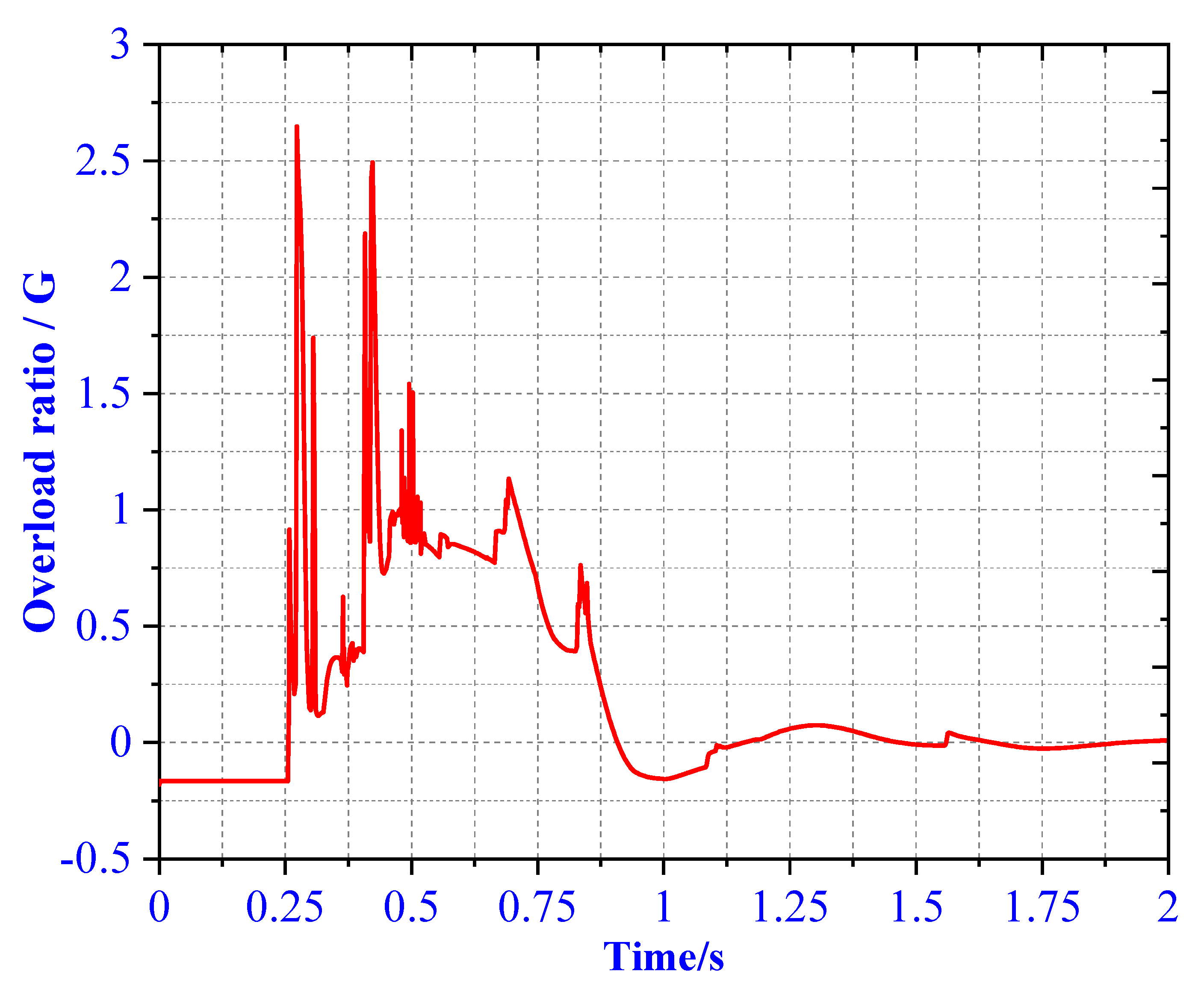
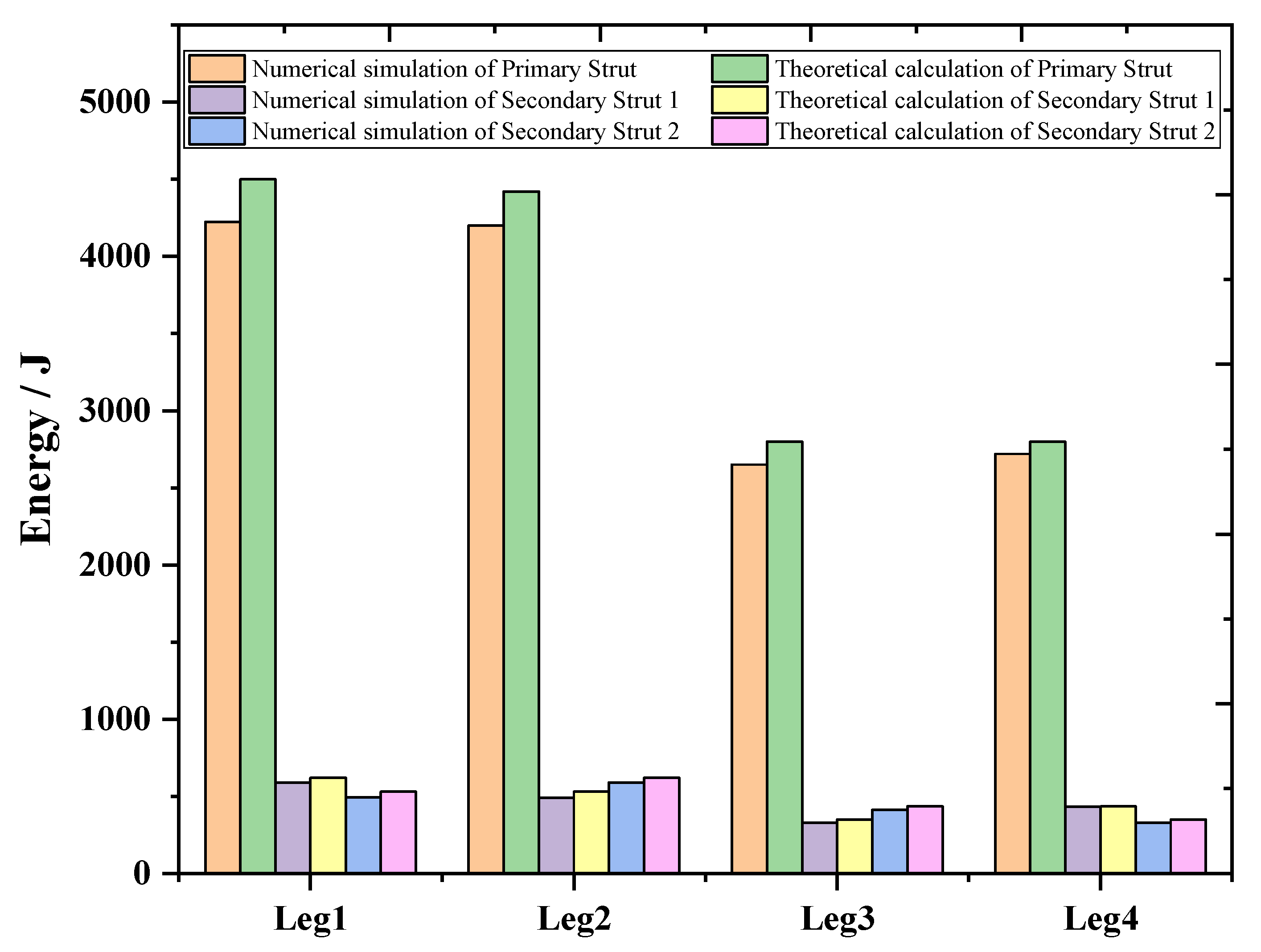
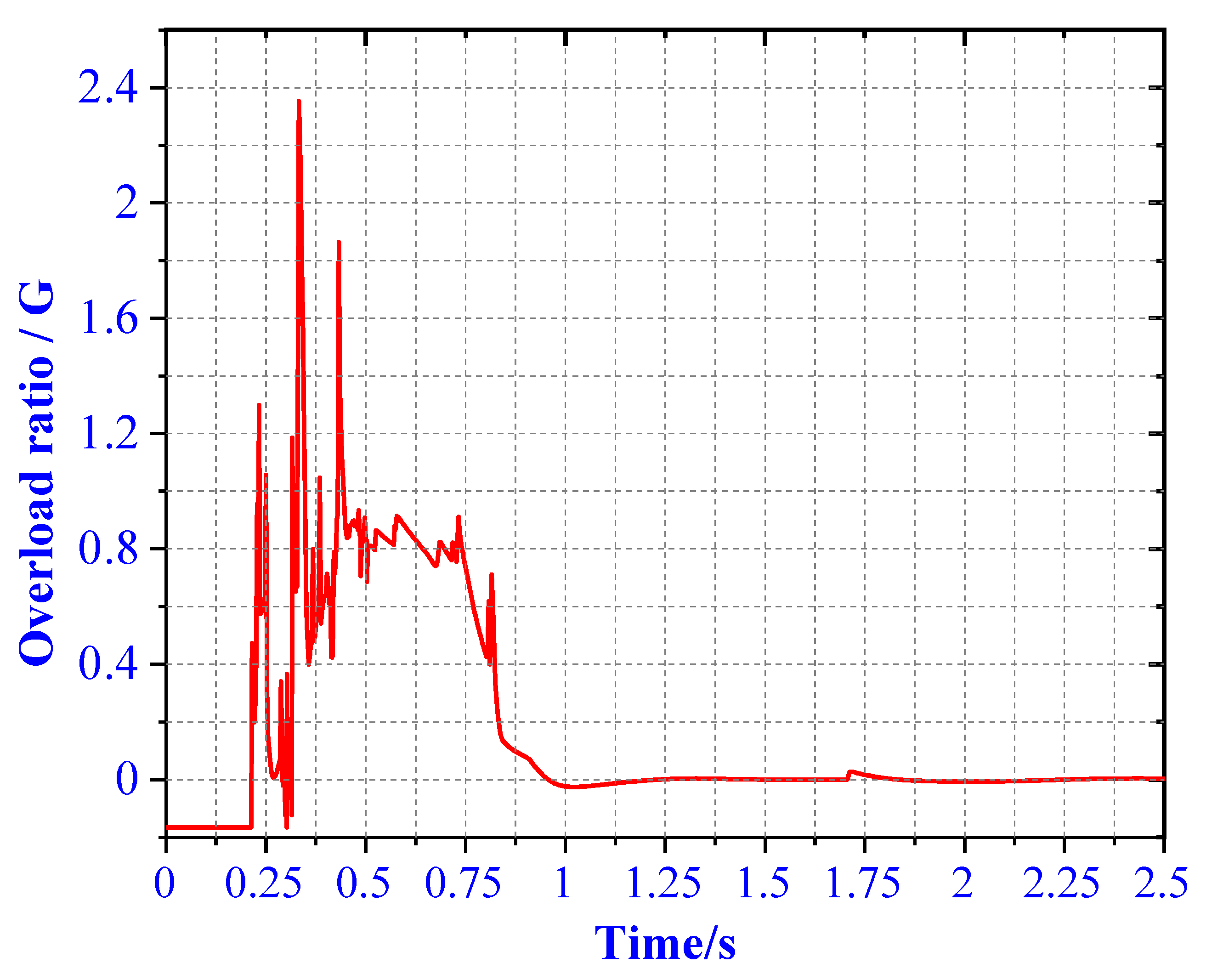
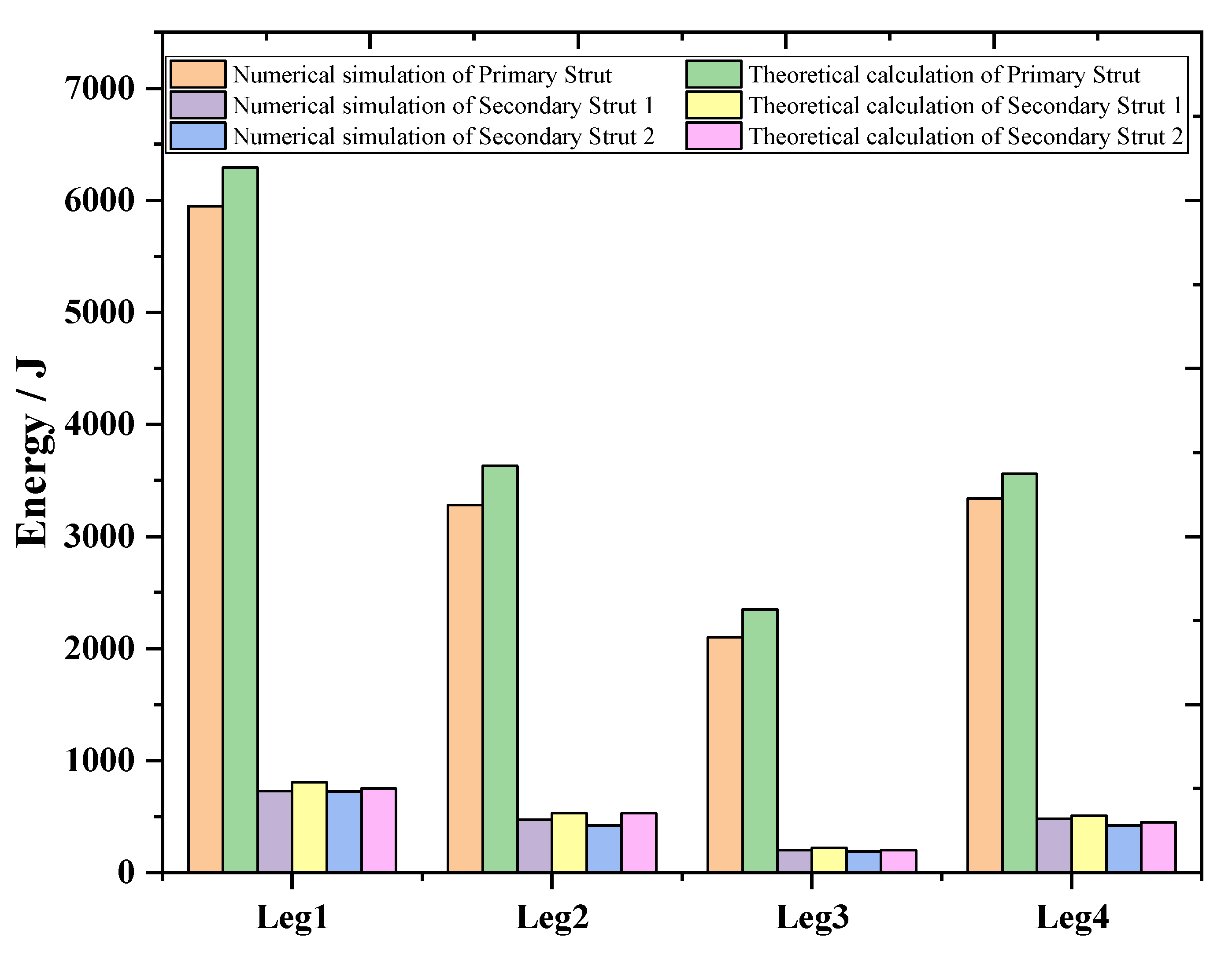
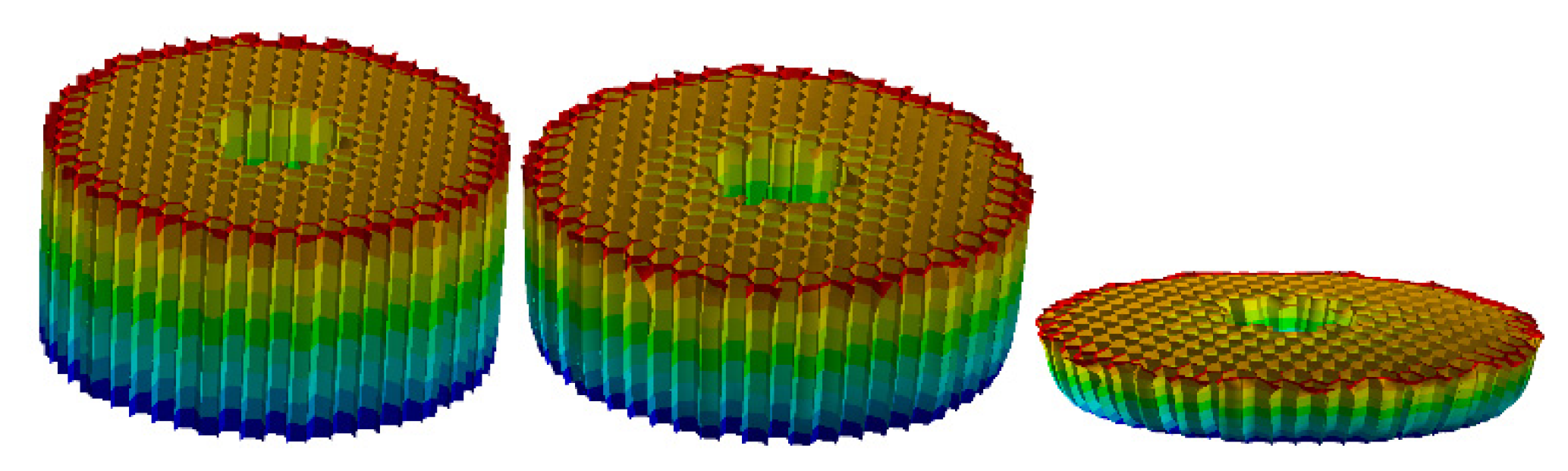
To improve the soft-landing crash performance of the movable lander (ML), this study presents an investigation of a newly designed gradual energy-absorbing structure subjected to impact loads using an ML for theoretical calculation and numerical simulations. In this work, we present a novel computational approach to optimizing the energy absorption (EA) of the ML. Our framework takes as inputting the geometrical parameter (GP) as well as EA. The finite element model of the HB1, HB2, and HB3 was established and effectively verified using numerical simulation and experimental data. The relationship between the GP of the buffer material and the EA was obtained through static experiment and impact experiment, and the cushioning performance of the lander was optimized according to the ML load mass, contact speed, and EA function. According to the optimization results, we chose an outer diameter of 240 mm, an inner diameter of 50 mm, heights of HB1 = 140 mm, HB2 = 110 mm, and HB3 = 225 as the collocation, and completed the numerical simulation of three different cases. By comparing the results of theoretical calculation and numerical simulation experiments, it can be found that the overload response rates of the main body in 4 type landing, 2-2 type landing, and 1-2-1 type landing are 4.72 G, 2.61 G, and 2.33 G, respectively. It also laid the foundation for the theoretical and methodological research of the ML and manned lander in the future.
Keywords: movable lander (ML); buffering performance; geometric parameters (GP); energy absorption (EA) movable lander (ML); buffering performance; geometric parameters (GP); energy absorption (EA)