3.1.1. Pore Size Distribution
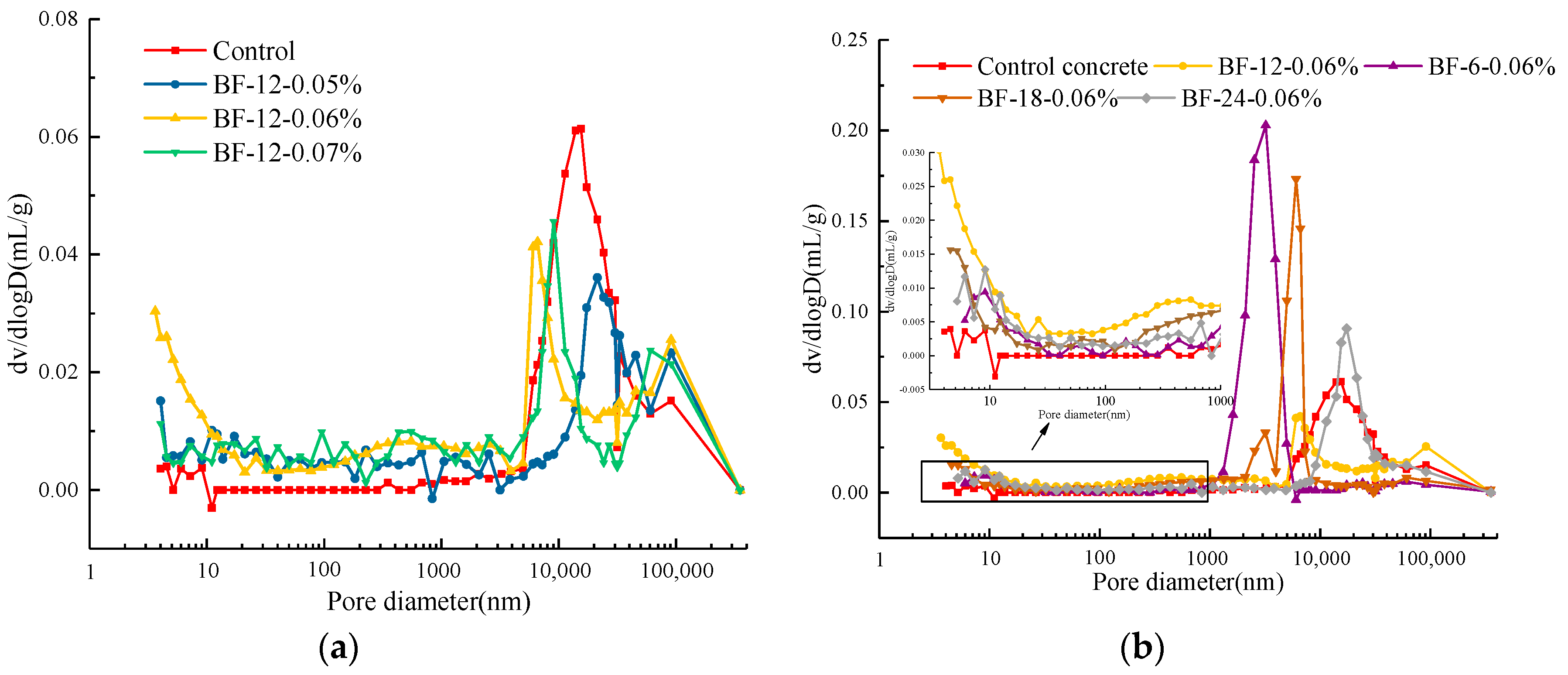
An MIP test was carried out to investigate the pore structure of concrete with various contents and lengths of BF. The pore size distribution curves of each BFRC sample and the control concrete are shown in
Figure 5. The highest value of the curve represents the highest proportion of pore volume in the concrete, which is also called the most likely aperture. In
Figure 5a, it can be seen that the addition BF-12-0.06% and BF-12-0.07% moves the peak value to the left, meaning that it lowers the most likely aperture value. Comparing the cumulative pore volume of control concrete and BFRCs at pore sizes ranging from 10 to 1000 nm, it can be observed that the addition of BF increases these micropore contents. As the BF content increases from 0.05% to 0.06%, the peak value in the range of 5000 to 500,000 nm gradually moves to the left. These attained results clearly suggest that the addition of BF decreased the coarseness of the pore size and refined the pore structures. A similar trend was also reported by Zhang et al. [
18], who also found that concrete with BF presented higher microporosity than base concrete. However, there existed a peak value where the pore size was nearly 100,000 nm, and the porosity of the BFRCs was higher than that of the control sample. The reason could be ascribed into two parts. Firstly, the addition of fiber may introduce a large number of bleeding channels or internal cracks during the hardening process of concrete [
31]. Secondly, the samples which are prepared for the MIP test are obtained by cutting, which may change the pore structure [
18]. Moreover, we can see that the peak appears in 100,000 nm is much smaller than that which appears around at 10,000 nm, indicating small amounts of pores with a size of 100,000 nm, therefore, the refined effect of fibers on the pore structure of concrete could also be concluded.
The behavior trend of pore size distribution of the control and BFRCs with different BF lengths are depicted in
Figure 5b, from the curve, the most probable aperture of concrete can be obtained. It is interesting to note that BF length imposes a more obvious impact on the concrete pore size distribution curve in this study. At the same BF content, concrete with 6 mm BF reveals the smallest most likely aperture value, followed by BF-18-0.06%, BF-12-0.06% and BF-24-0.06%. The most likely aperture value of BF-24-0.06% is slightly higher than that of the control concrete. This can be attributed to two main reasons: a decrease in the workability of the BFRCs, which inevitably draw into voids in the concrete matrix, and the bridge effect of fibers, which facilitates the interconnection of pores along the length of the fibers [
32,
33].
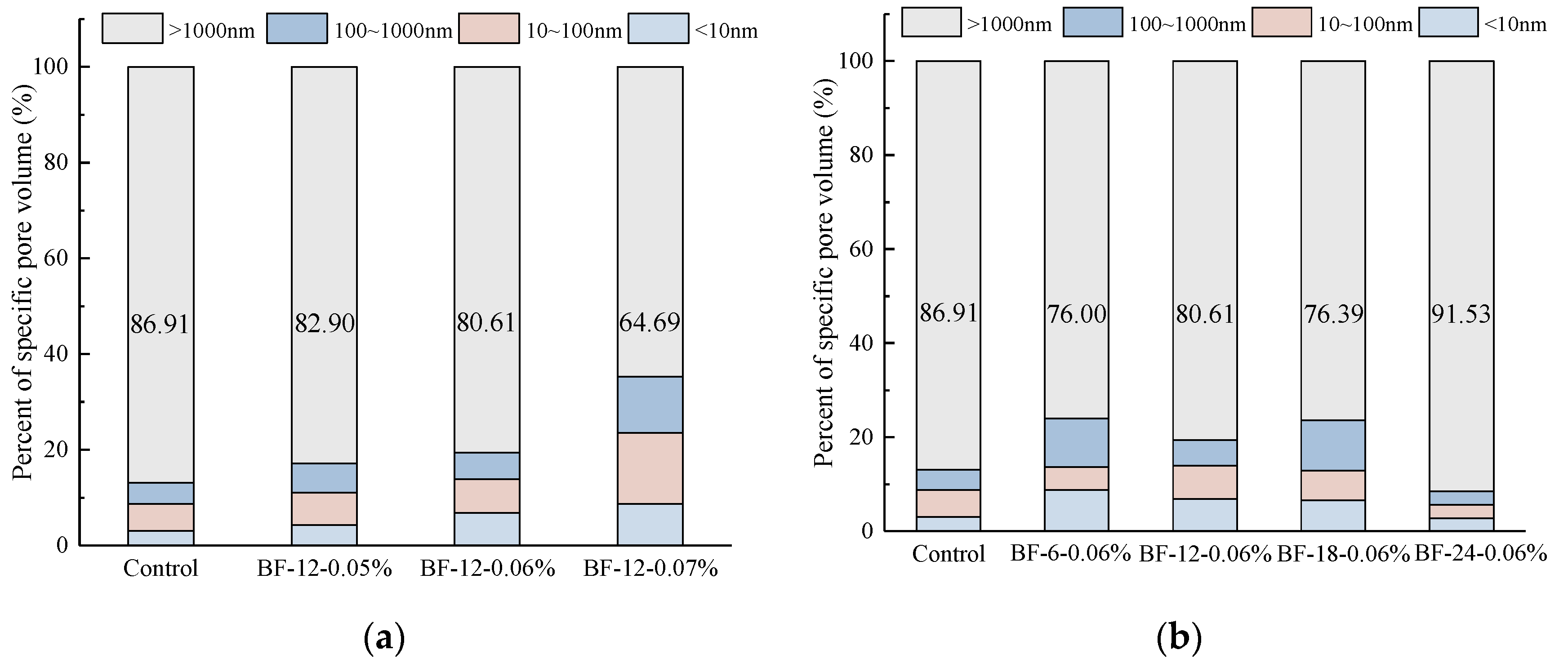
The percentage of specific BFRC pore volume is given in
Figure 6. In
Figure 6a, the addition of BF increases the volume of pores with diameters less than 1000 nm, especially in BF-12-0.07%, and the volume of gel pores, transition pores and capillary pores increased significantly when compared with the control concrete. The reason may be that BFs connect large pores and increase the interface area, which results in an increase in the small pore volume.
Figure 6b presents the pore volume of BFRCs with various fiber lengths. It can be seen that with increasing fiber length, the volume of gel pores decreases obviously. For BF-24-0.06%, the volume of pores with diameters less than 1000 nm is lower than that in the control concrete.
3.1.2. Porosity
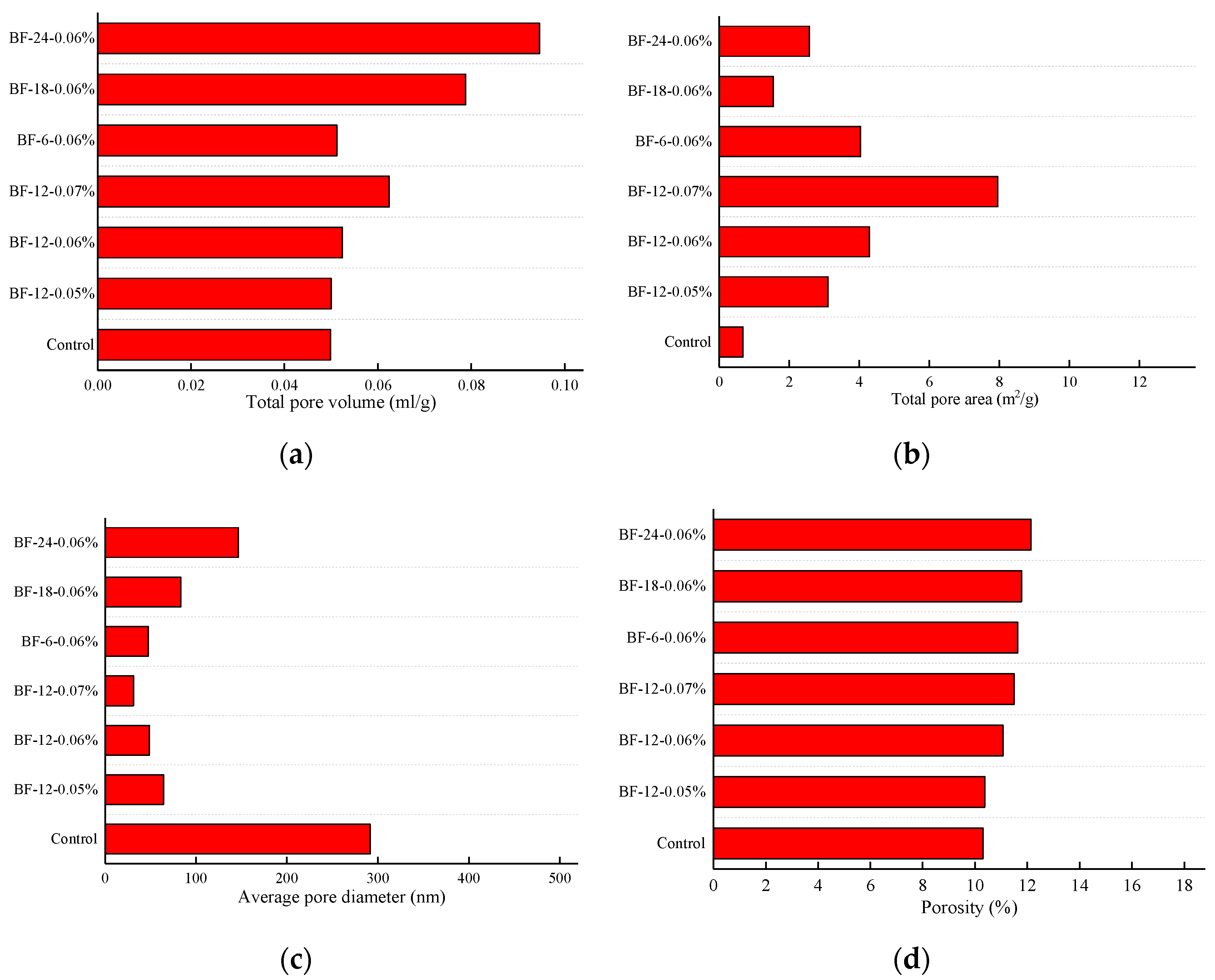
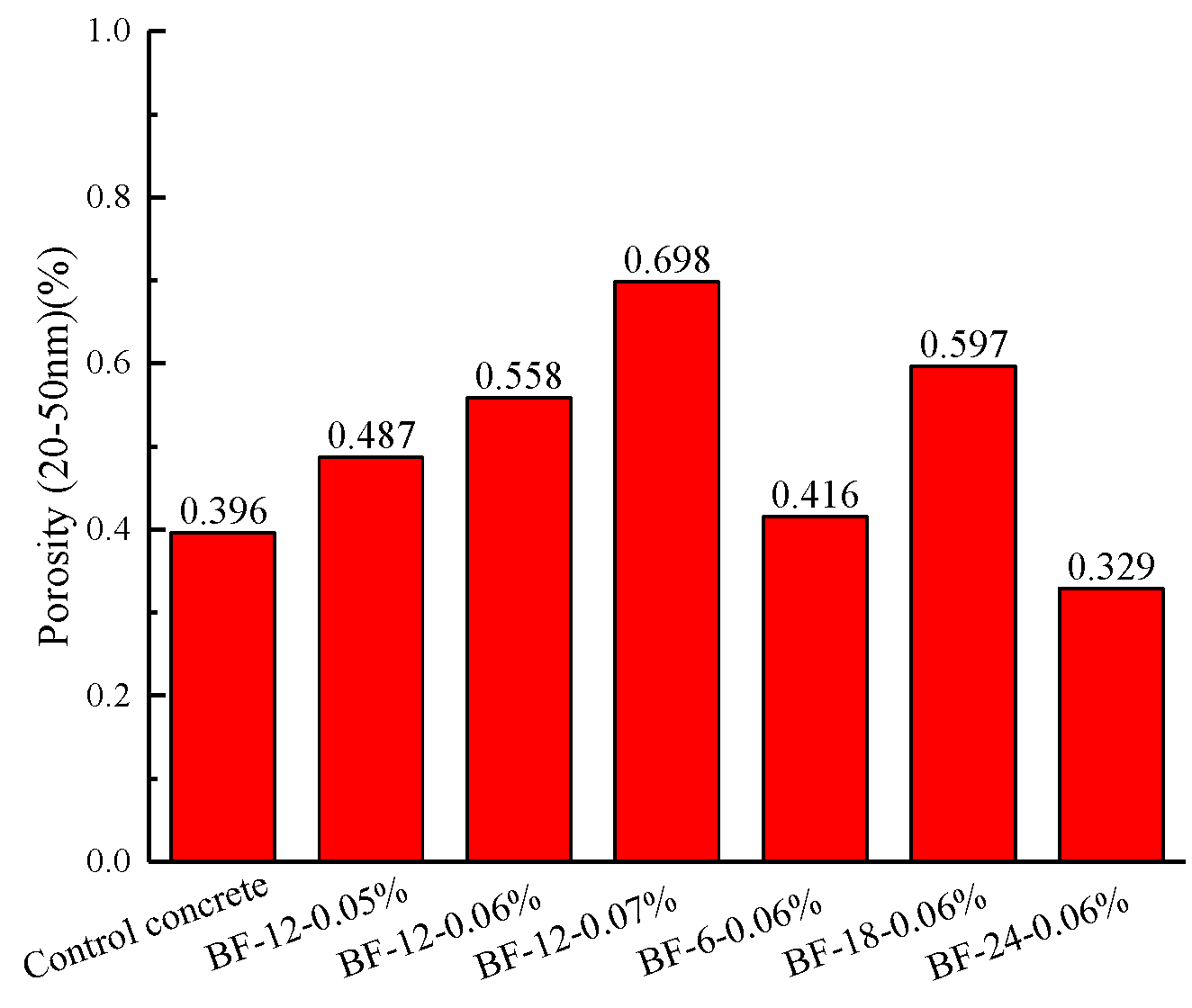
Figure 7 presents the pore structure parameters of the control concrete and BFRCs. From the
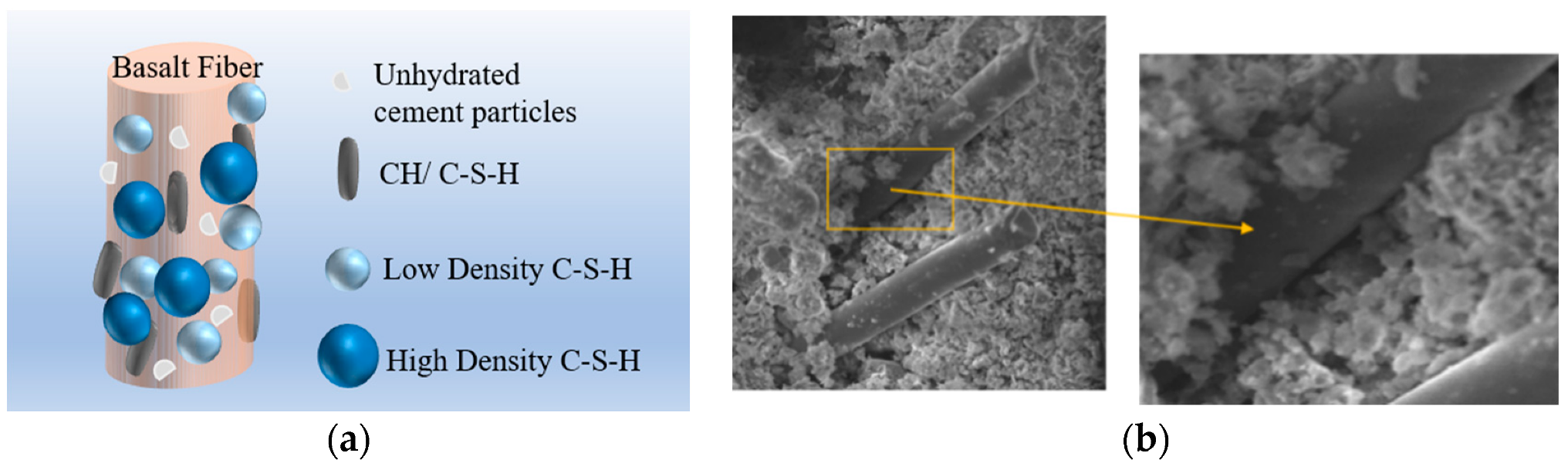
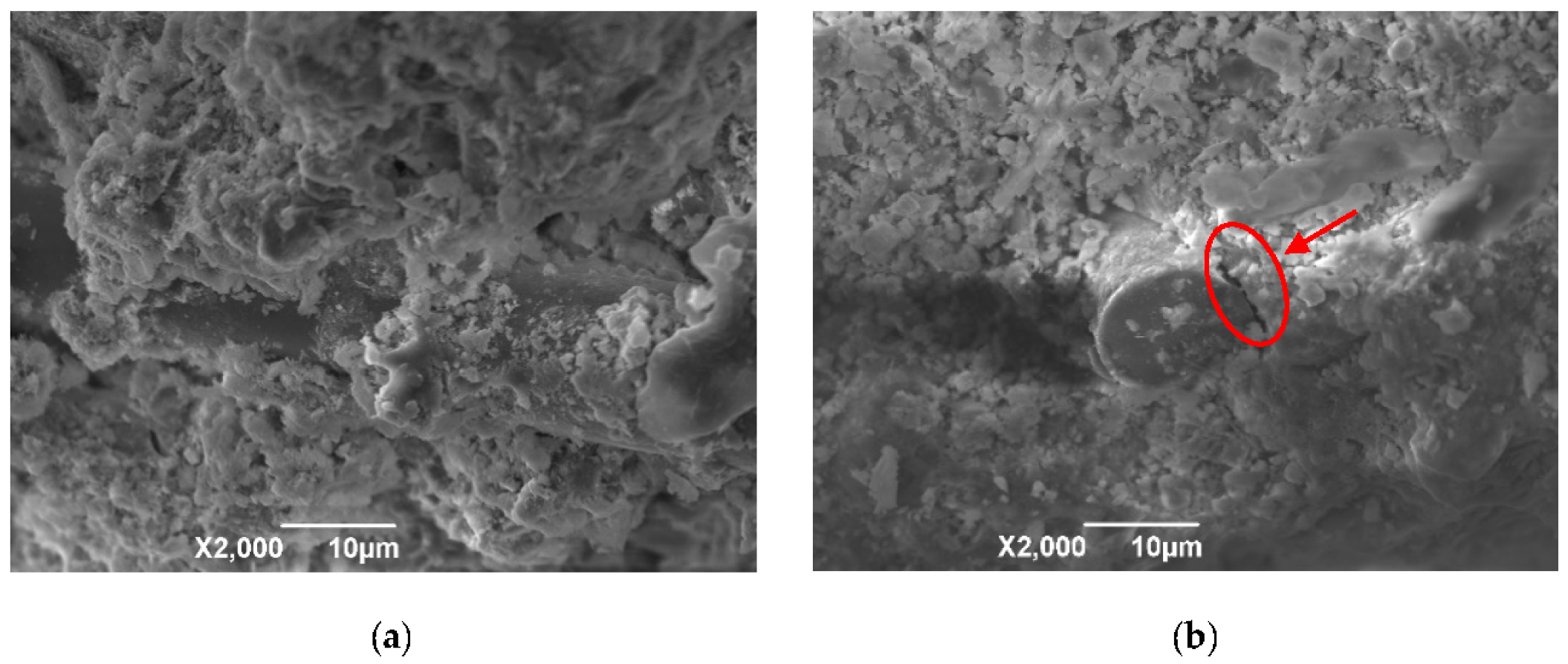
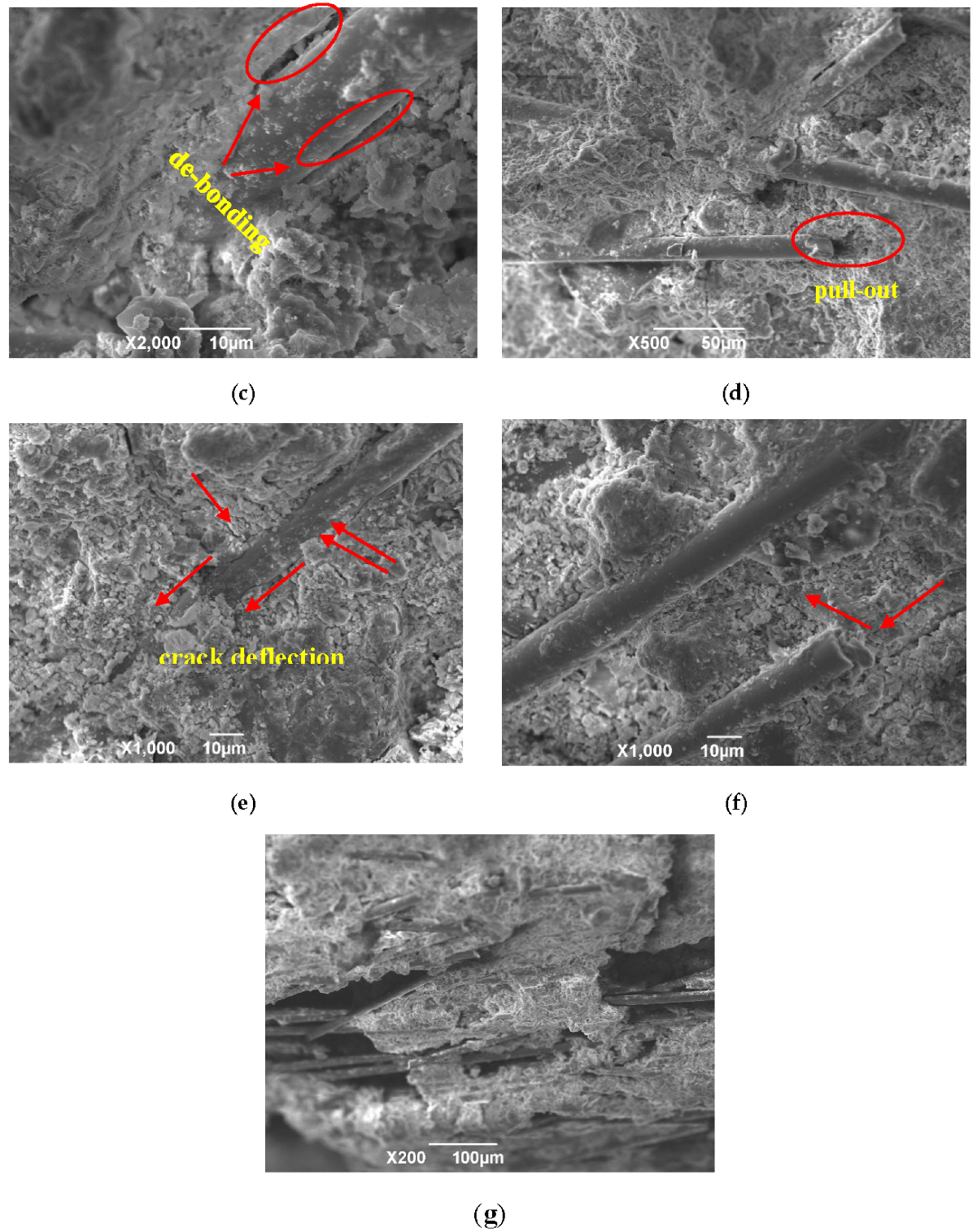
Figure 7, the addition of BF has an evident impact on the pore structure of concrete. As the BF content increases, the total pore volume, total pore area and porosity all show increasing trends, whereas the average pore diameter decreases. This indicates that the pore structure is refined by BF, and the effectiveness of BF in refining the pore structure of concrete increases with increasing BF content. The increase in porosity may be attributed to the fact that adding BF increases the concrete interface. The diagram of the interface between the BF and concrete is given in
Figure 8. As presented in
Figure 8a, BF is hydrophilic and results in more hydration products adhering to its surface [
34]. However, this attachment is not completely tight, and there are small pores in the interface between the fibers and the concrete, which can be clearly seen in
Figure 8b. Therefore, the higher the fiber content is, the higher the porosity level.
The trends of variations in the pore structure with the BF length are not similar to those in concrete with different BF contents. With increasing BF length, the porosity of the BFRCs first decreases and then increases. As expected, the porosity of BF-24-0.06% is higher than that of other BFRCs with the same fiber content. Notably, BF-24-0.06% also shows a larger average pore size, which is approximately 3 times higher than that of BF-12-0.06%. Combined with the pore size distribution, it can be deduced that refinement of concrete pore structure is weakened when BF with a length of 24 mm is added.
3.1.3. Fractal Dimension of Pore Surface
To quantitatively assess the parameter for the pore size distribution of concrete matrices by BF, the fractal dimensions of the pore surfaces were calculated based on the thermodynamic method proposed by Zhang et al. [
35,
36]. The expression is given as follows.
where
Wn is the cumulative intrusion work, W
n =
, and
Pi (psia) and
Vi (mL/g) are the mercury intrusion pressure and the intrusion volume at the ith intrusion of mercury;
,
Vn (mL/g) is the accumulative intrusion volume,
rn (nm) is the pore diameter, and
C is the model constant. According to Equation (4), after calculating
and
,
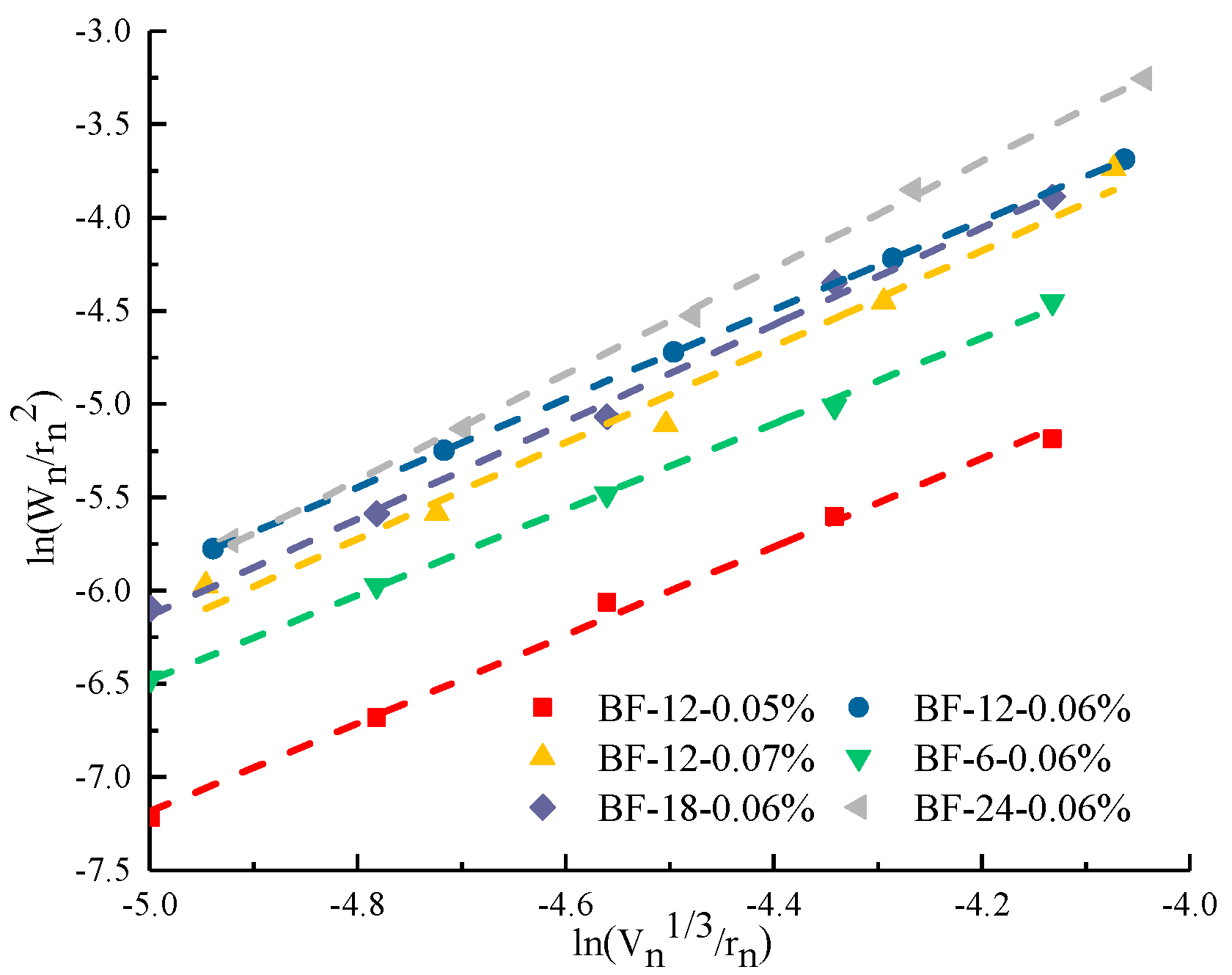
is plotted versus
in log-log coordinates.
Ds is determined as the slope value of the fitting line.
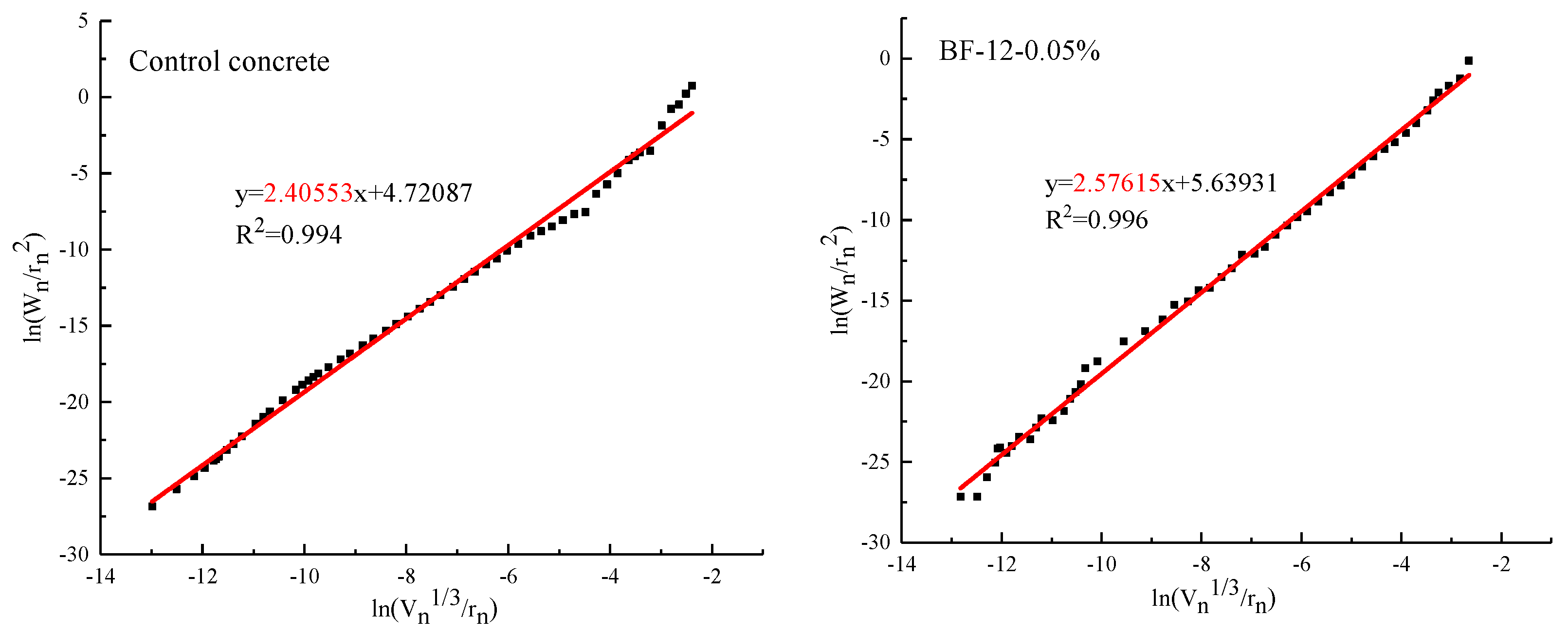
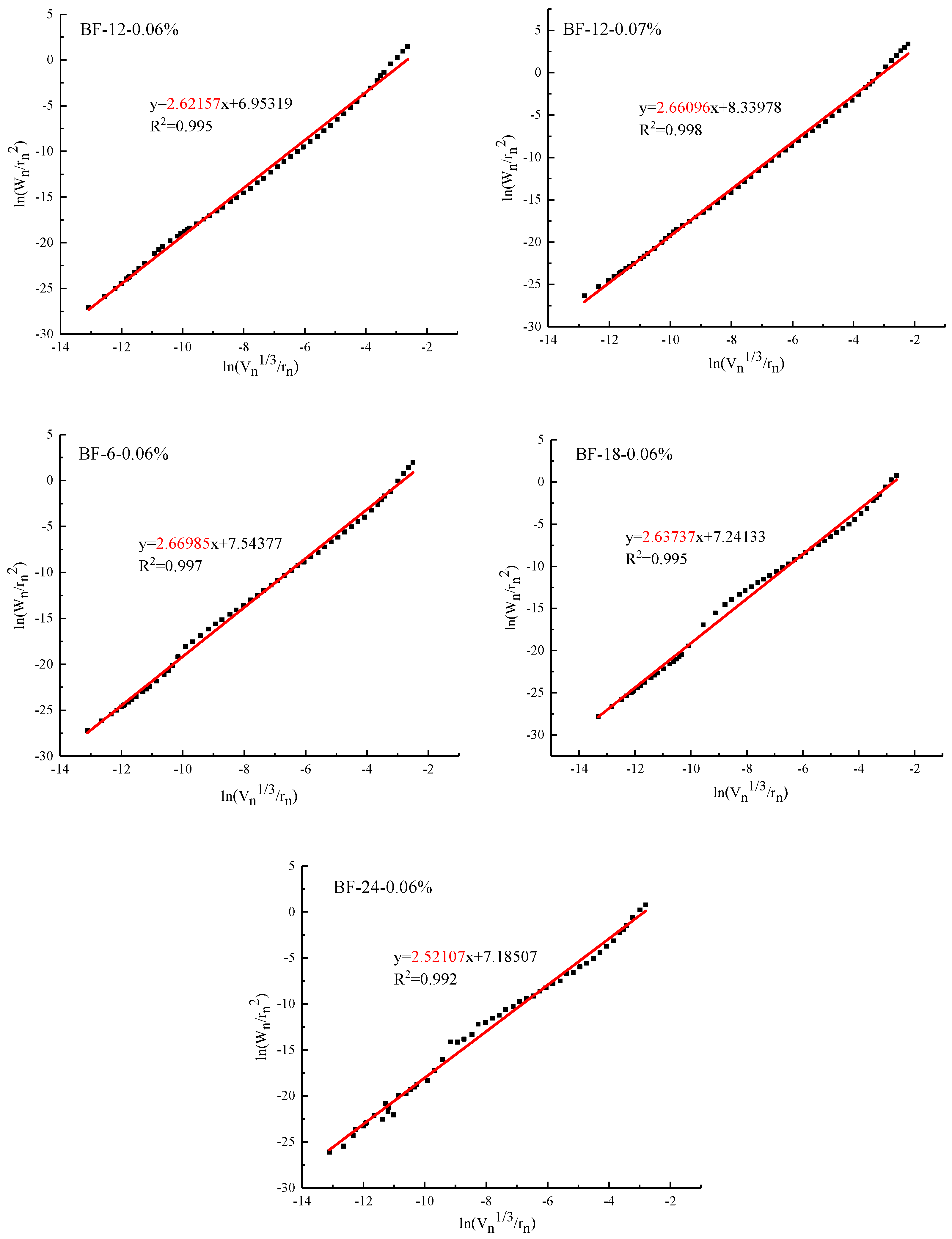
The results of the surface fractal dimension (FD) of different BFRCs are presented in
Figure 9. The FD of BFRCs ranges from 2.52 to 2.66, which is higher than that of the control concrete (2.40), indicating that BF increases the irregularity of the pore fractured surfaces. Based on the analytical outcome of the pore size distribution and the pore parameters in
Figure 5 and
Figure 7, BF refines the pore structure of concrete and transforms large pores to small pores. An increased number of smaller pores leads to the pore structure of concrete becoming more dispersed, which affects the increase in fractal dimension [
37]. A primary observation is that FD increases with increased BF content, while it generally decreases as BF length increases. From the pore size distribution, gel pores and capillary pores increase significantly as the fiber content increases, which results in an increase in FD. However, with increasing fiber length, the gel pores decrease, and the average pore diameter increases, causing a decrease in FD. The reduction in FD in BF-24-0.06% is considered to be due to the increment in large pores, which reduces the complexity of surface topography.
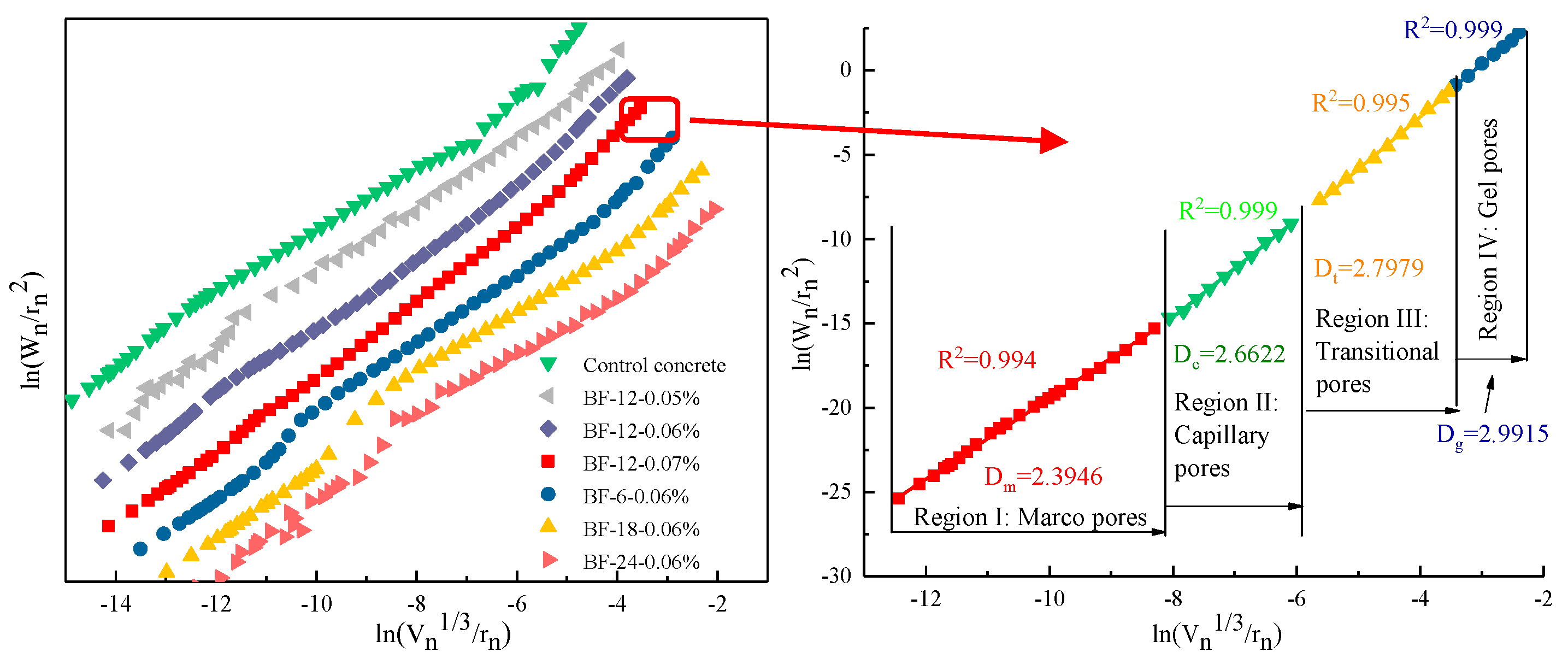
Moreover, by using Zhang’s model, Kim et al. [
36], Zhu et al. [
38] and Li et al. [
26] also determined the fractal characteristics of cementitious-based materials with various pore diameters. Similarly, the fractal dimension of the pore surface was evaluated in different regions, as shown in
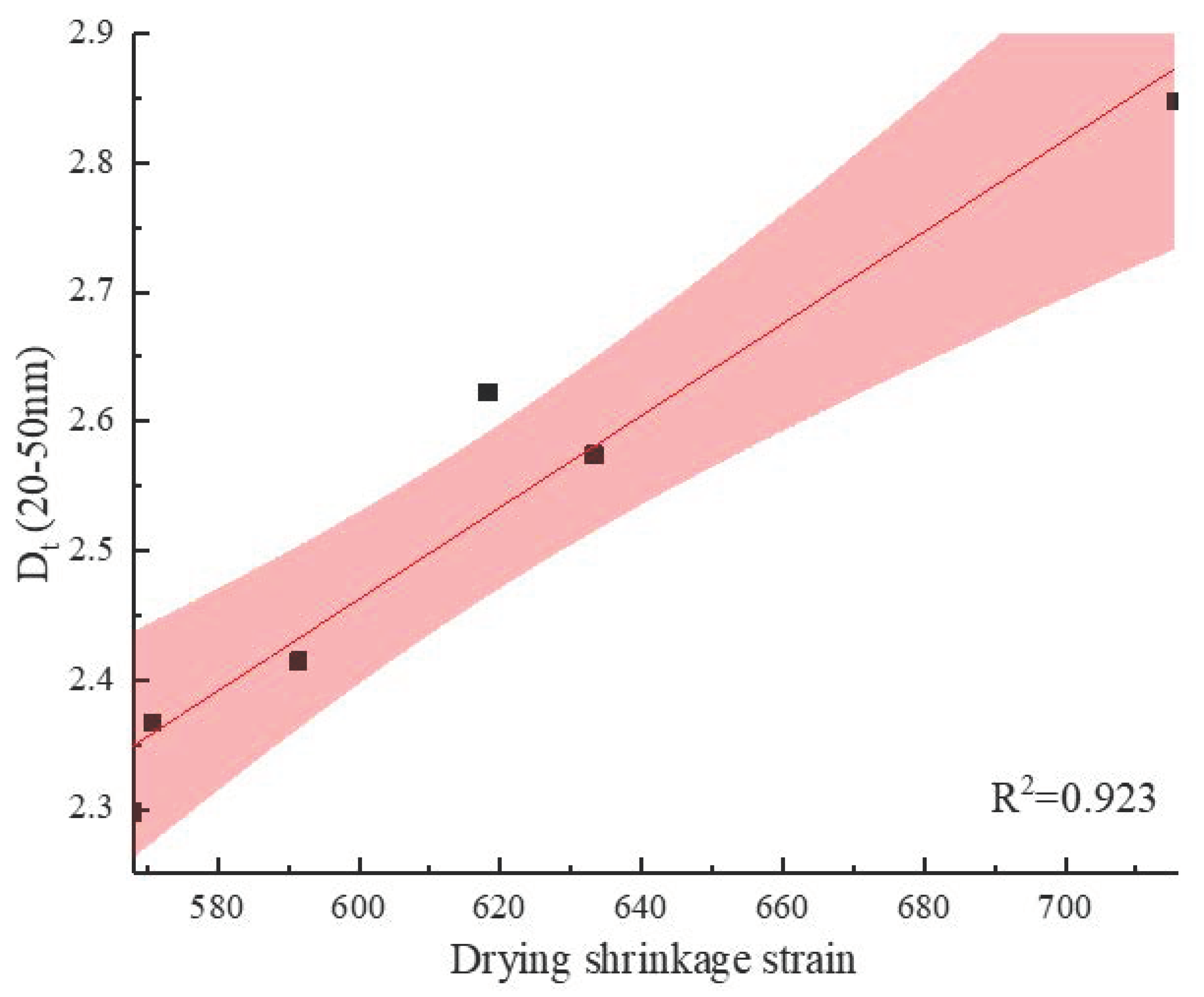
Figure 10. Pores are divided into four specific regions. Thus, the FD of each region is calculated, and the results are given in
Table 5. In general, the pore structure of BFRCs presents significant fractal characteristics in four regions, and the fractal dimension follows D
m < D
c < D
t <D
g, indicating that the smaller the pore size is, the more complex the pores are. In Regions I and II, D
m and D
c of the control concrete are smaller than those of the BFRCs. However, in Regions III and IV, the D
t and D
g of the control concrete are higher than 3.0, which is not in conformity with the basic assumption of Zhang’s model. Some researchers attributed this phenomenon to the existence of ink-bottle pores. In the investigation of Yu et al. [
39], the results indicated that many ink-bottle pores were present in pore sizes ranging from 20 to 100 nm. Xiao et al. [
40] also reported that the ink-bottle effect exists in both capillary pores and gel pores. BF shifts the peak of the pore size distribution curve from right to left, decreasing the most likely aperture of concrete, and the increment of the interface area between the fiber and concrete leads to an increase in capillary pores and transition pores, which finally results in an increase in FD in Regions I, II, and III. The difference in D
g between BFRCs is not as obvious as D
m and D
c. This can be ascribed to the fact that the properties of gel pores are closely related to the hydration products [
36]. BF is an organic fiber and is not involved in the hydration process; thus, the D
g values of BFRCs are close to each other.
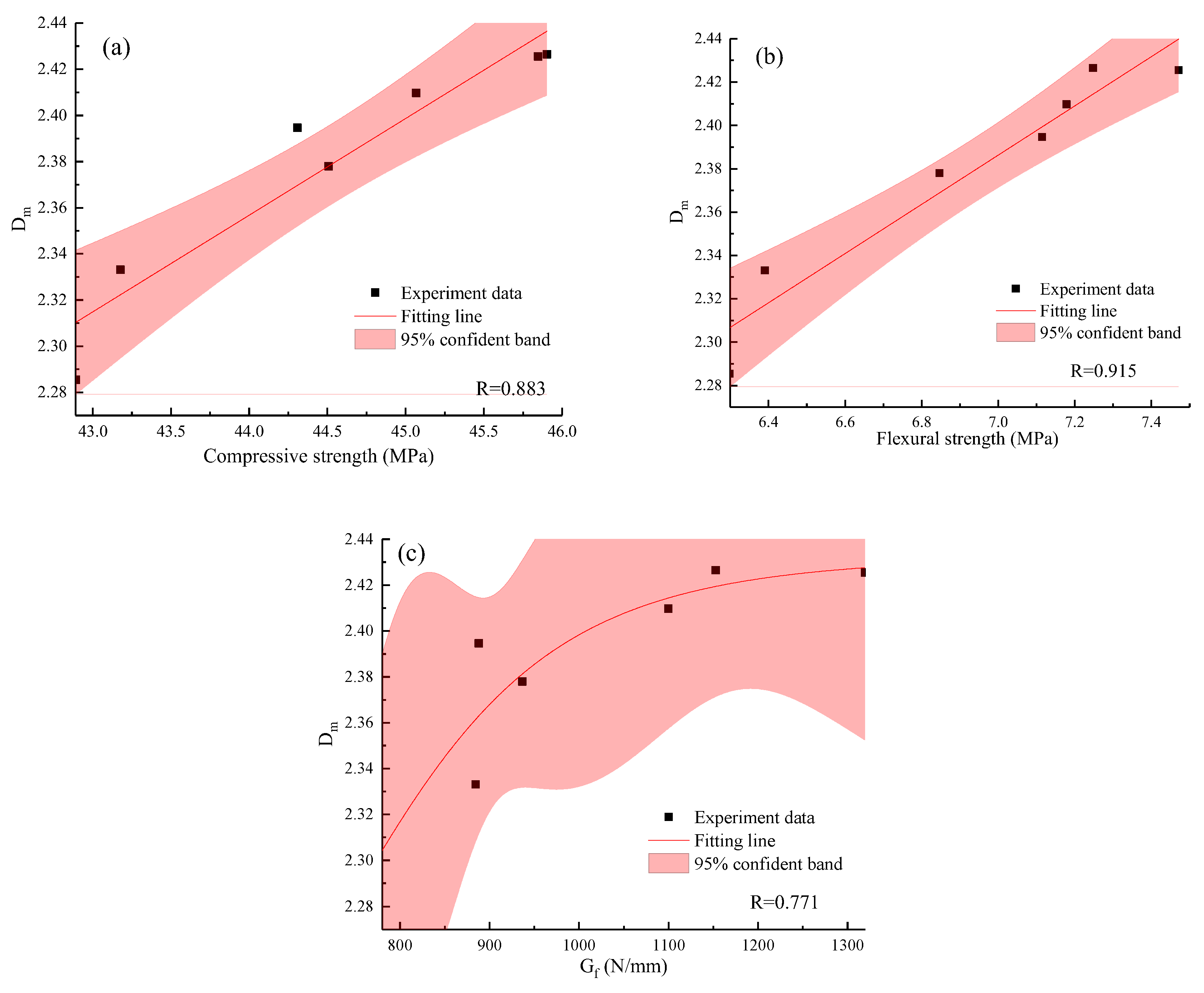
In order to obtain the interrelationship among pore parameters, correlation analysis was performed among FD, porosity with different pore size, D
m, D
c, average pore diameter (APD), total pore volume (TPV) and total pore area (TPA). The results are presented in
Table 6.
The relationship between FD and total porosity is not significant, implying that porosity cannot represent the complexity of pore structure. FD presents a close relationship with APD and Dm, and the correlation coefficient between FD and Dm is the highest. With an increase in FD, the average pore diameter decreases, indicating that the smaller the pore size is, the higher the degree of complexity for the pore structure. In this study, the most likely apertures of the control concrete and BFRCs are all macropores, suggesting that macropores are widely dispersed in the whole pore structure. This could be ascribed to the strong correlation between FD and Dm. Moreover, it can be seen that the gel pores and capillary pores have a good correlation. The reason might be related to the fact that a similar behavior can be observed in gel pores and capillary pores with increasing fiber length and content. Another observation is that macroporosity displays an evident relationship with TPV. This makes sense, as more macropores indicate more TPV.