Article

Inverse Contrast in Non-Destructive Materials Research by Using Active Thermography


Department of Building Physics and Computer Design Methods, Faculty of Civil Engineering, Wroclaw University of Science and Technology, 50-370 Wrocław, Poland
*
Author to whom correspondence should be addressed.
Materials 2019, 12(5), 835; https://doi.org/10.3390/ma12050835
Submission received: 11 January 2019 / Revised: 19 February 2019 / Accepted: 1 March 2019 / Published: 12 March 2019
(This article belongs to the Special Issue Non-destructive Testing of Materials in Civil Engineering)

Abstract

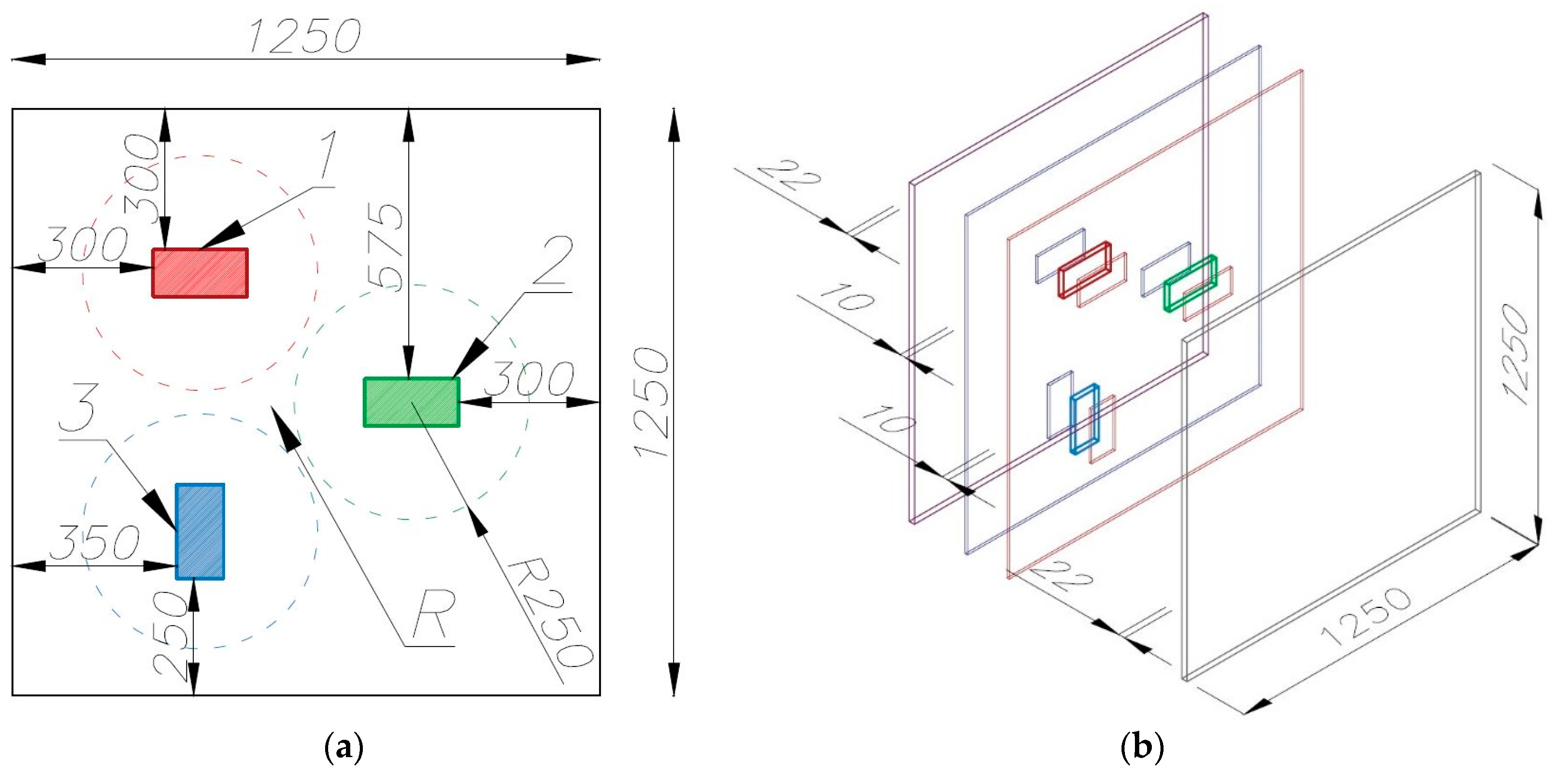
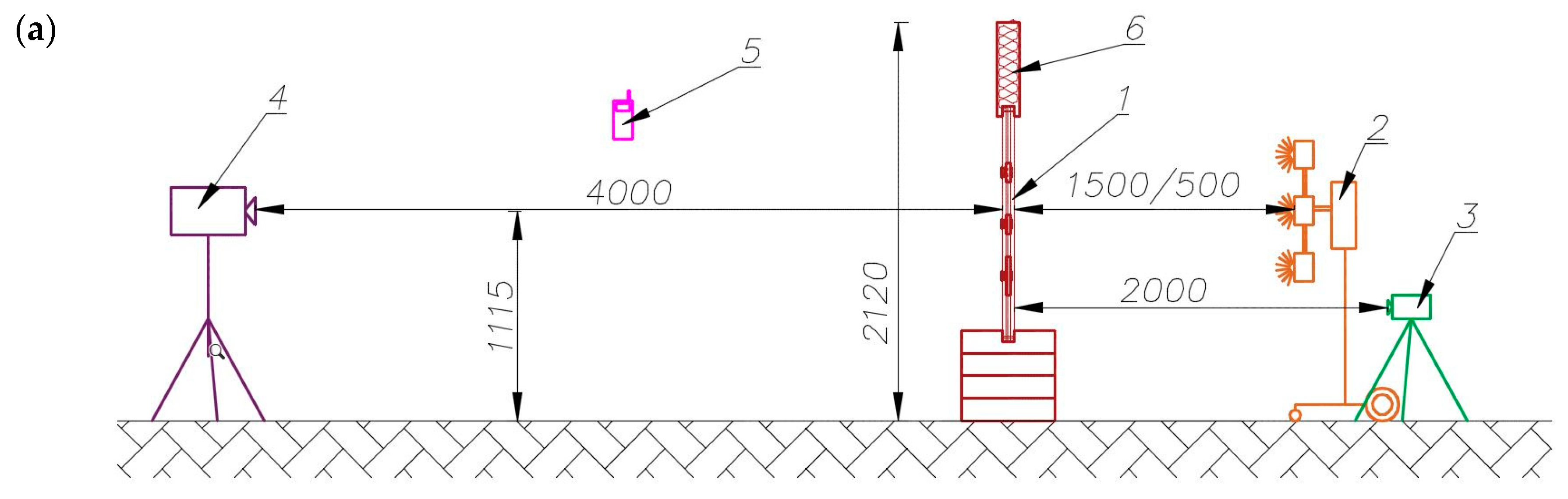
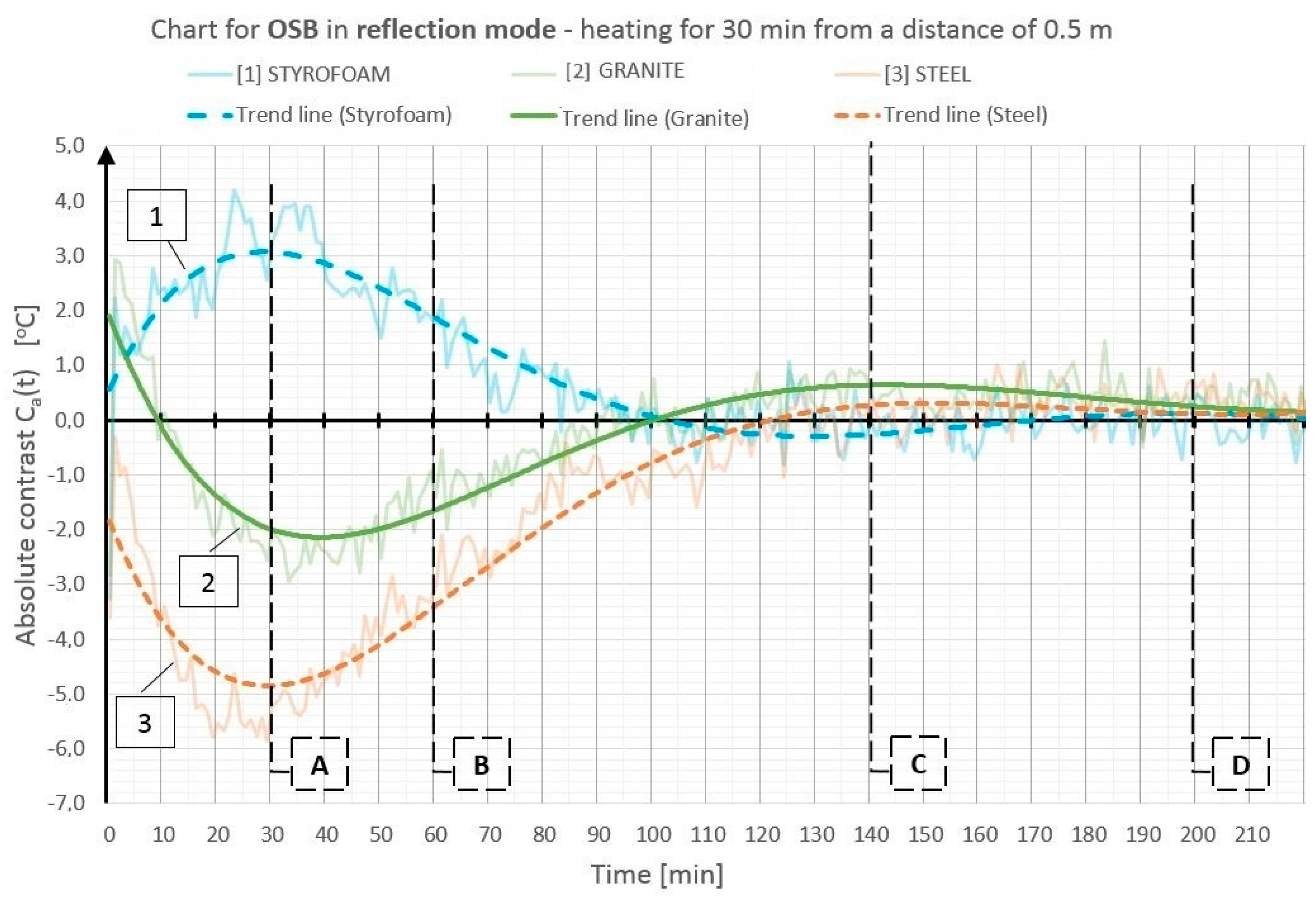
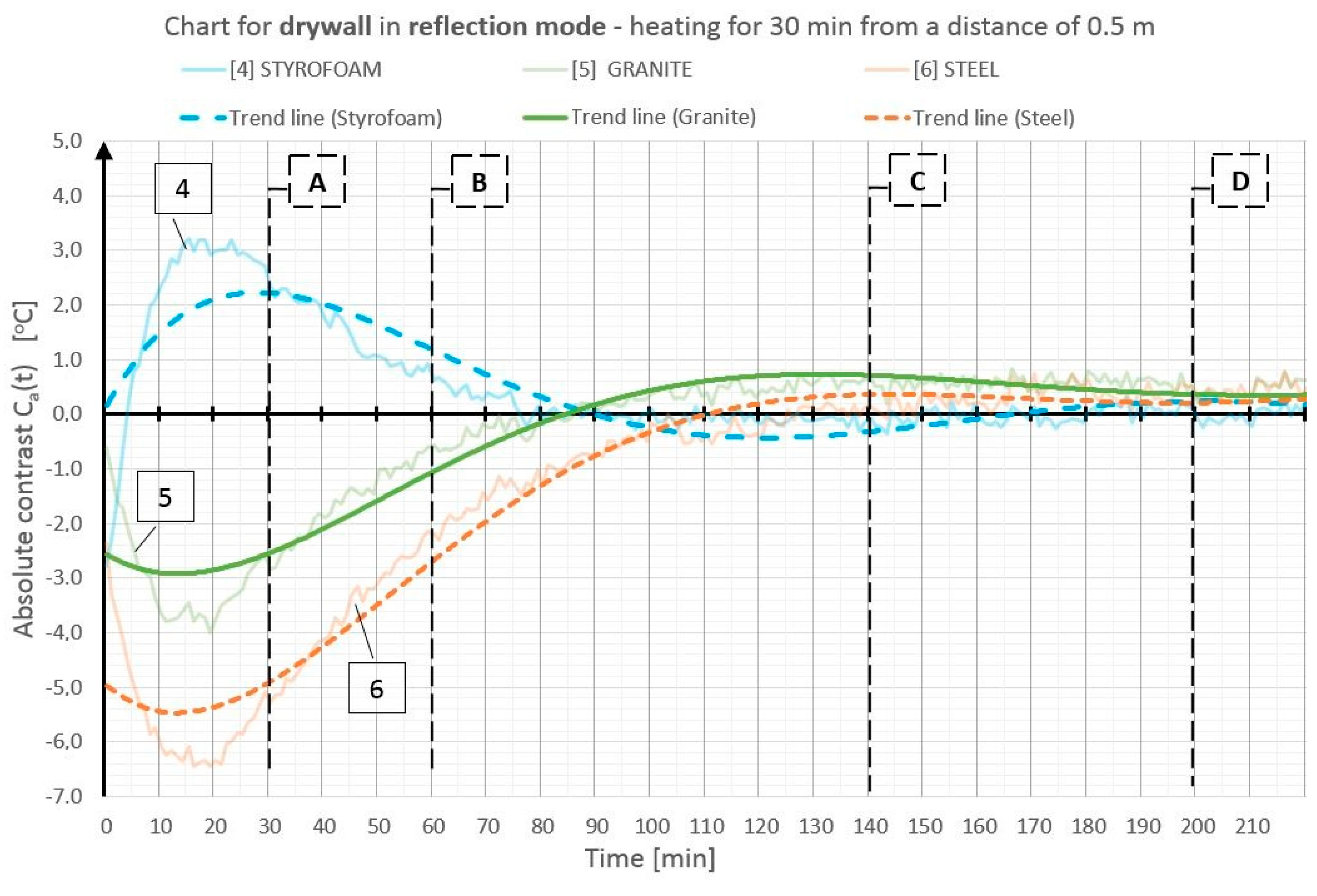
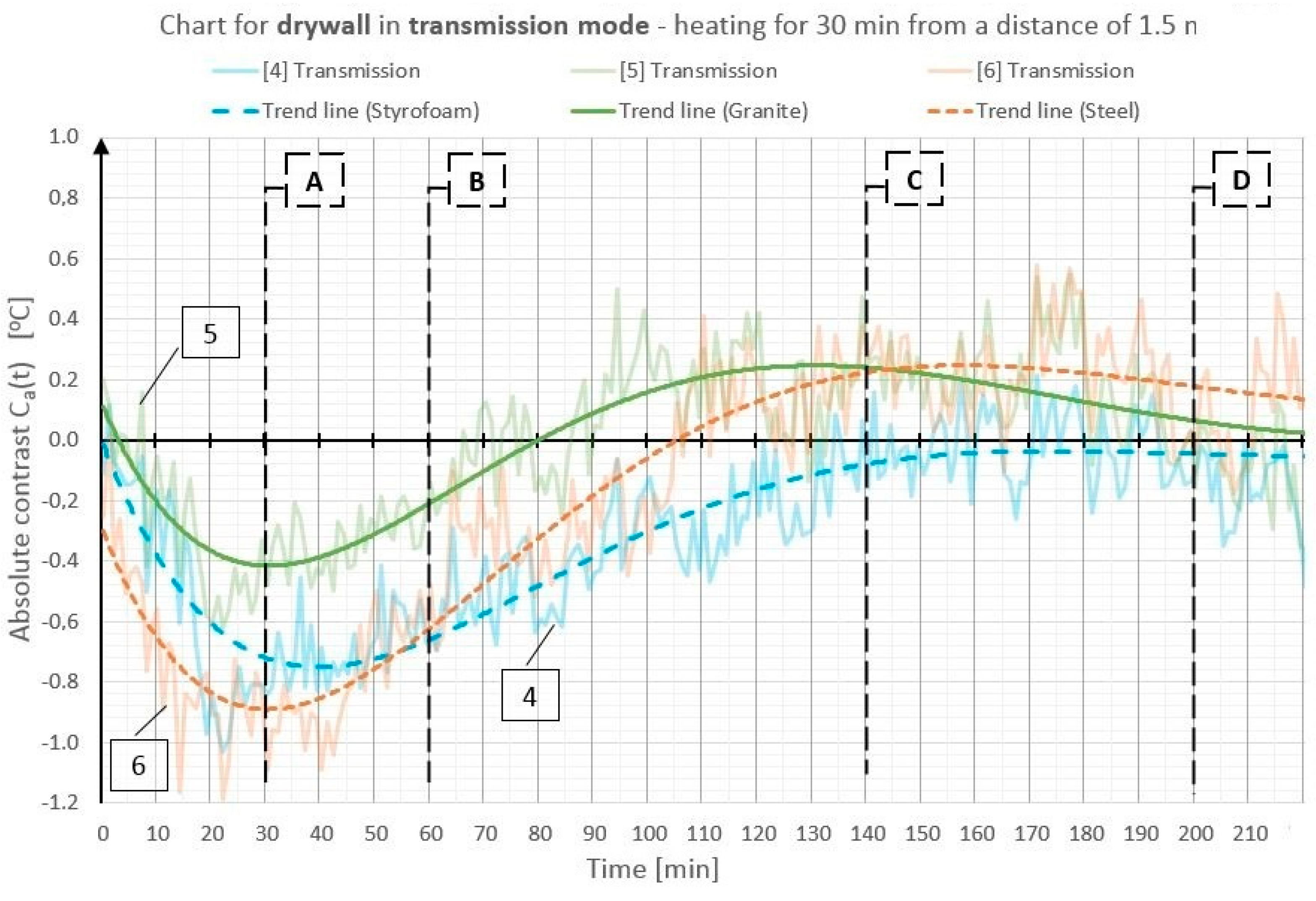
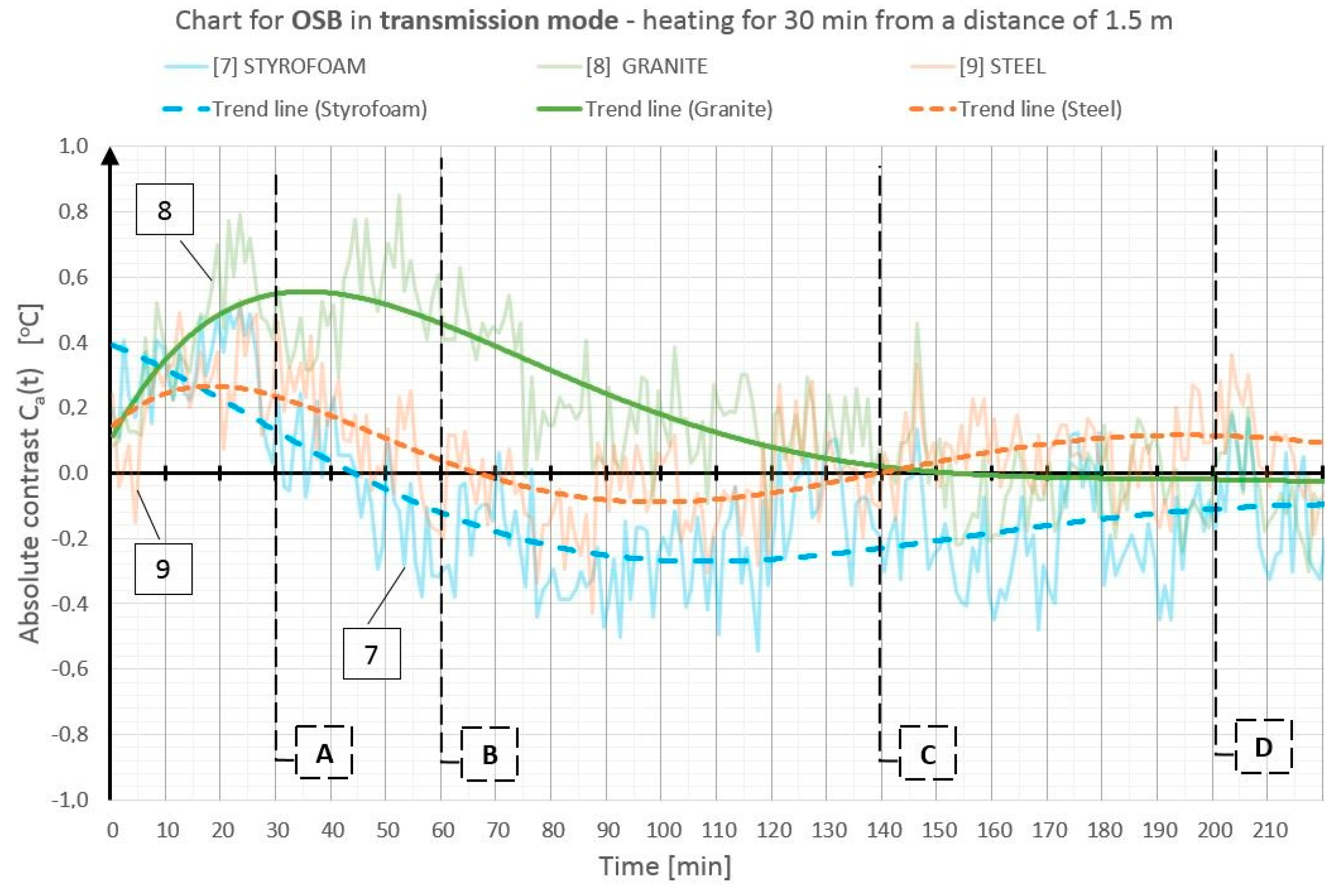
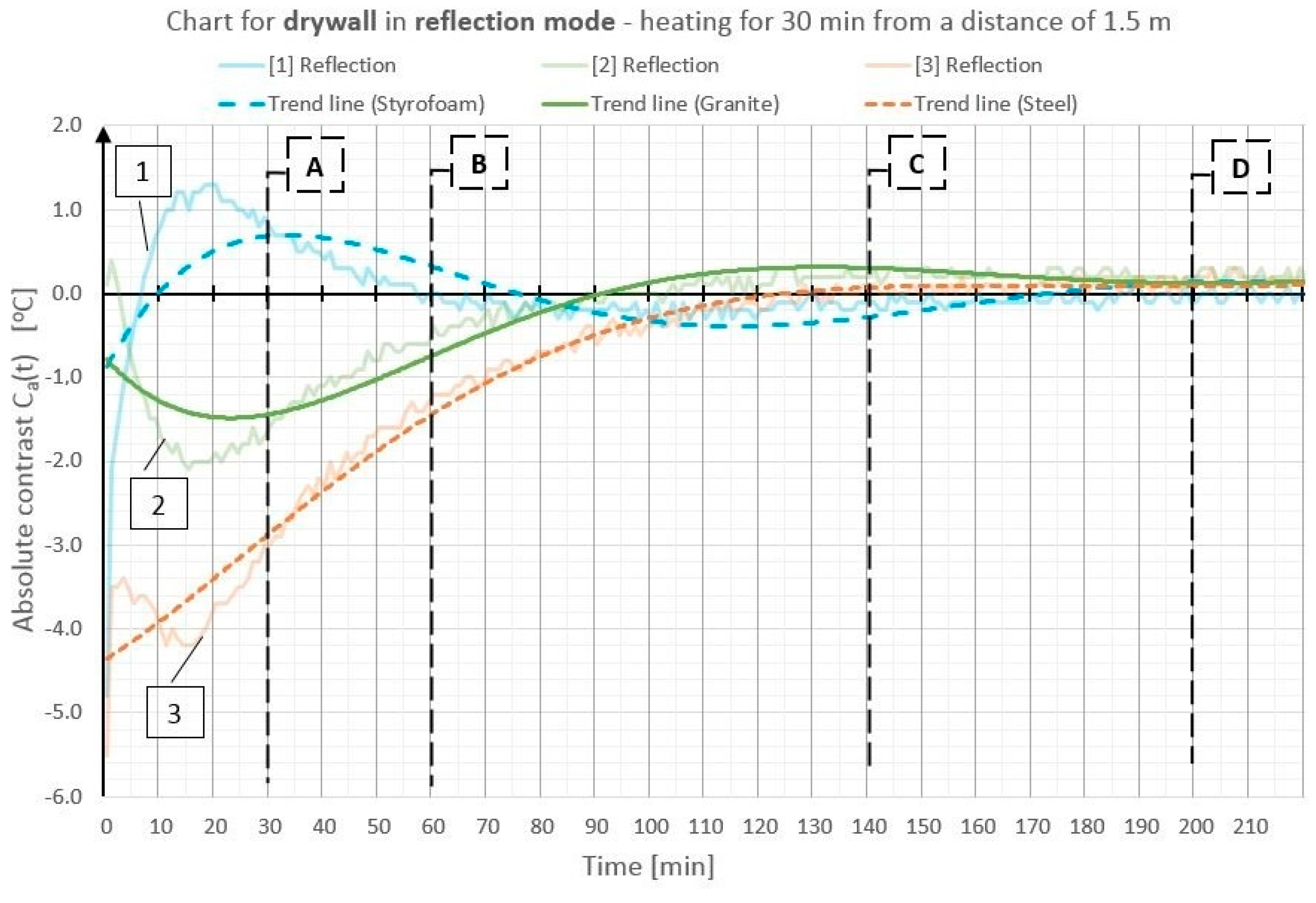
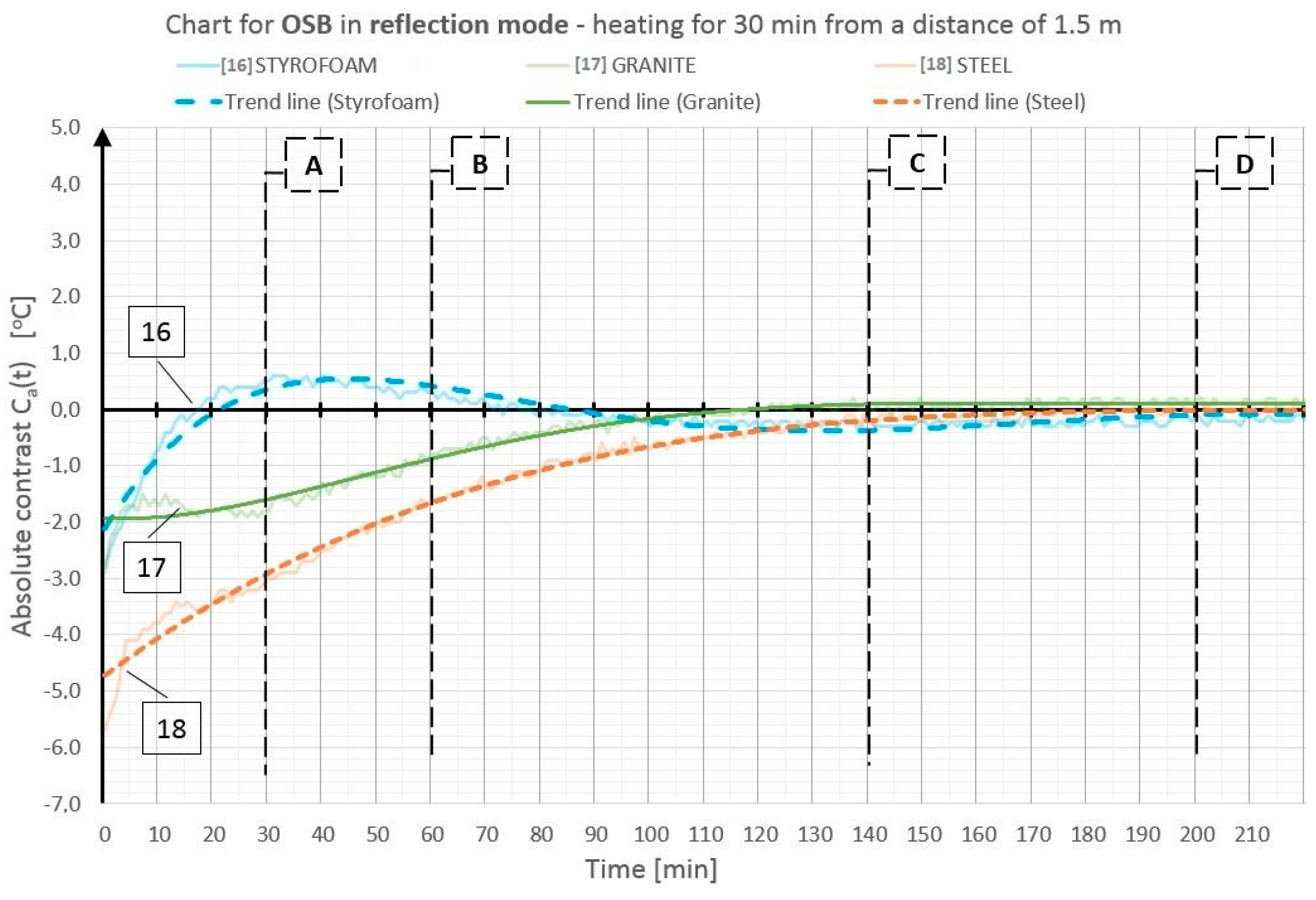
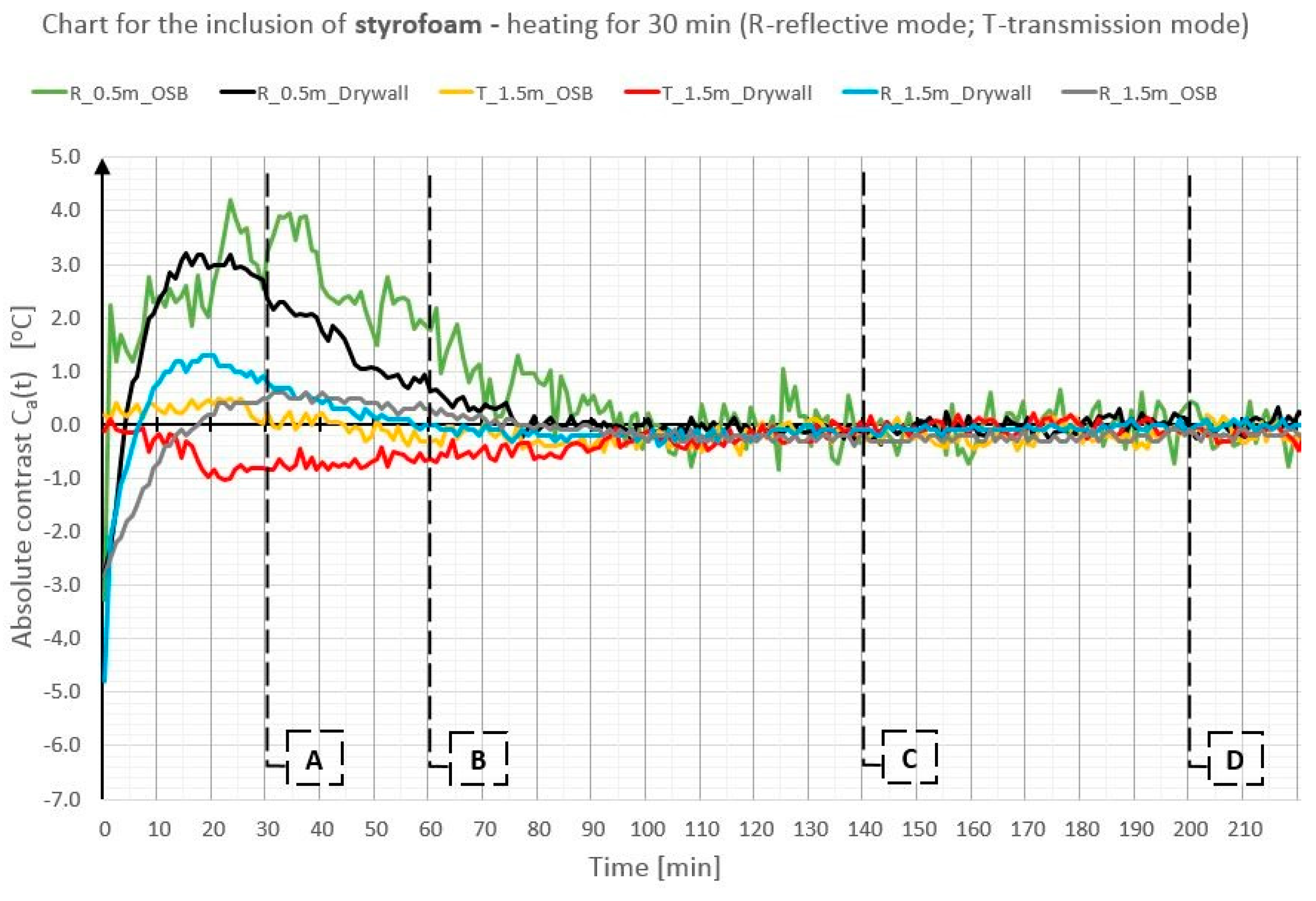
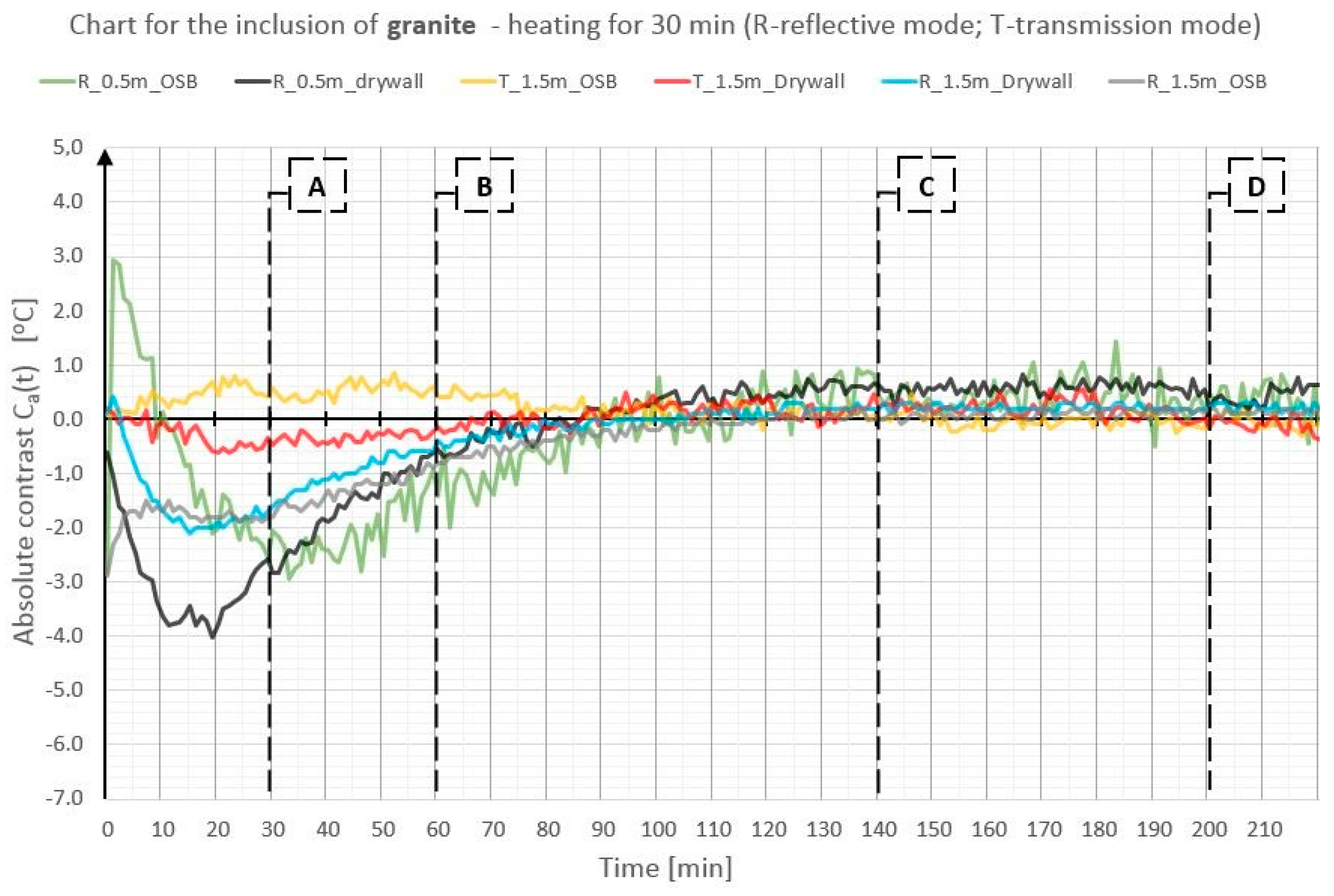
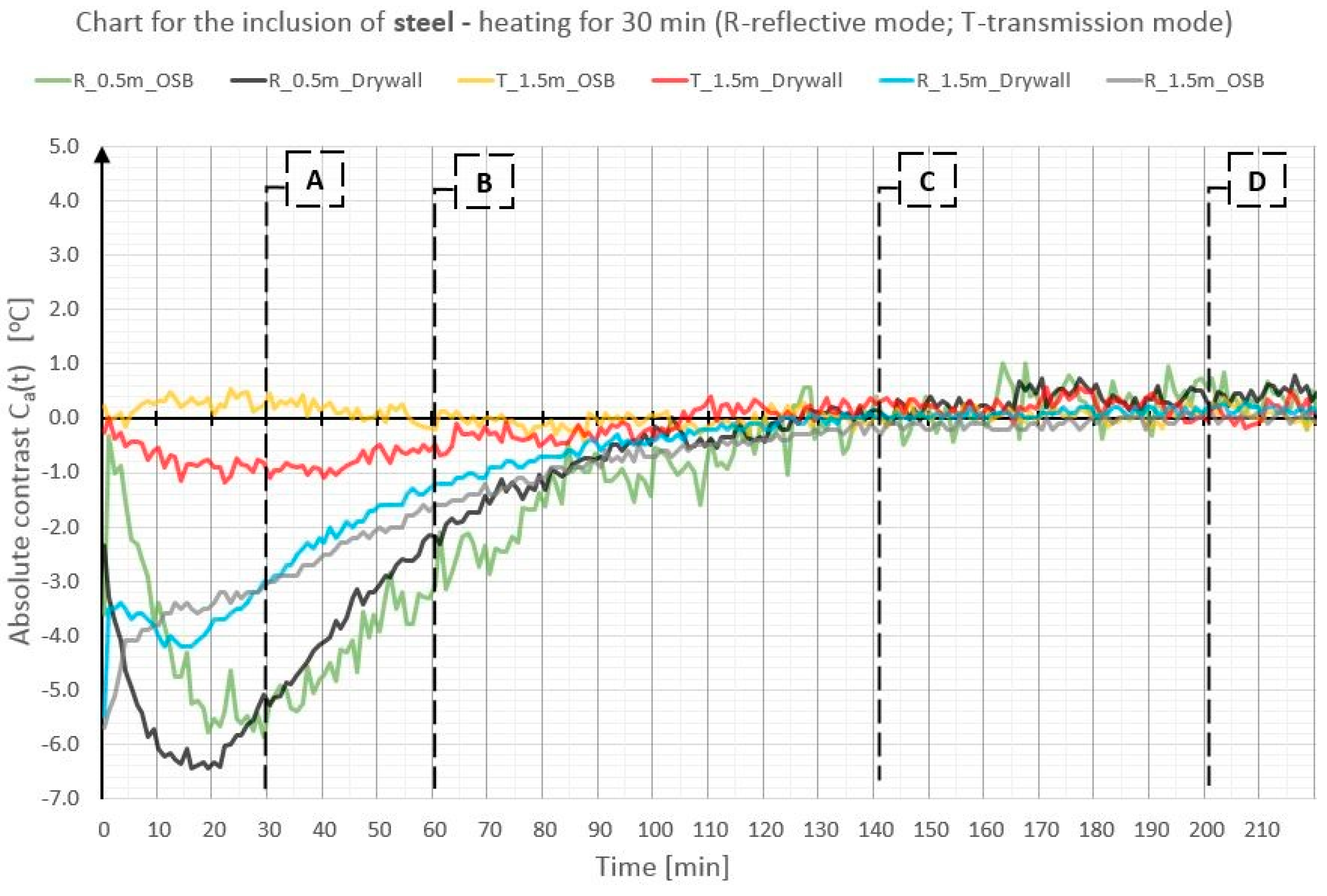
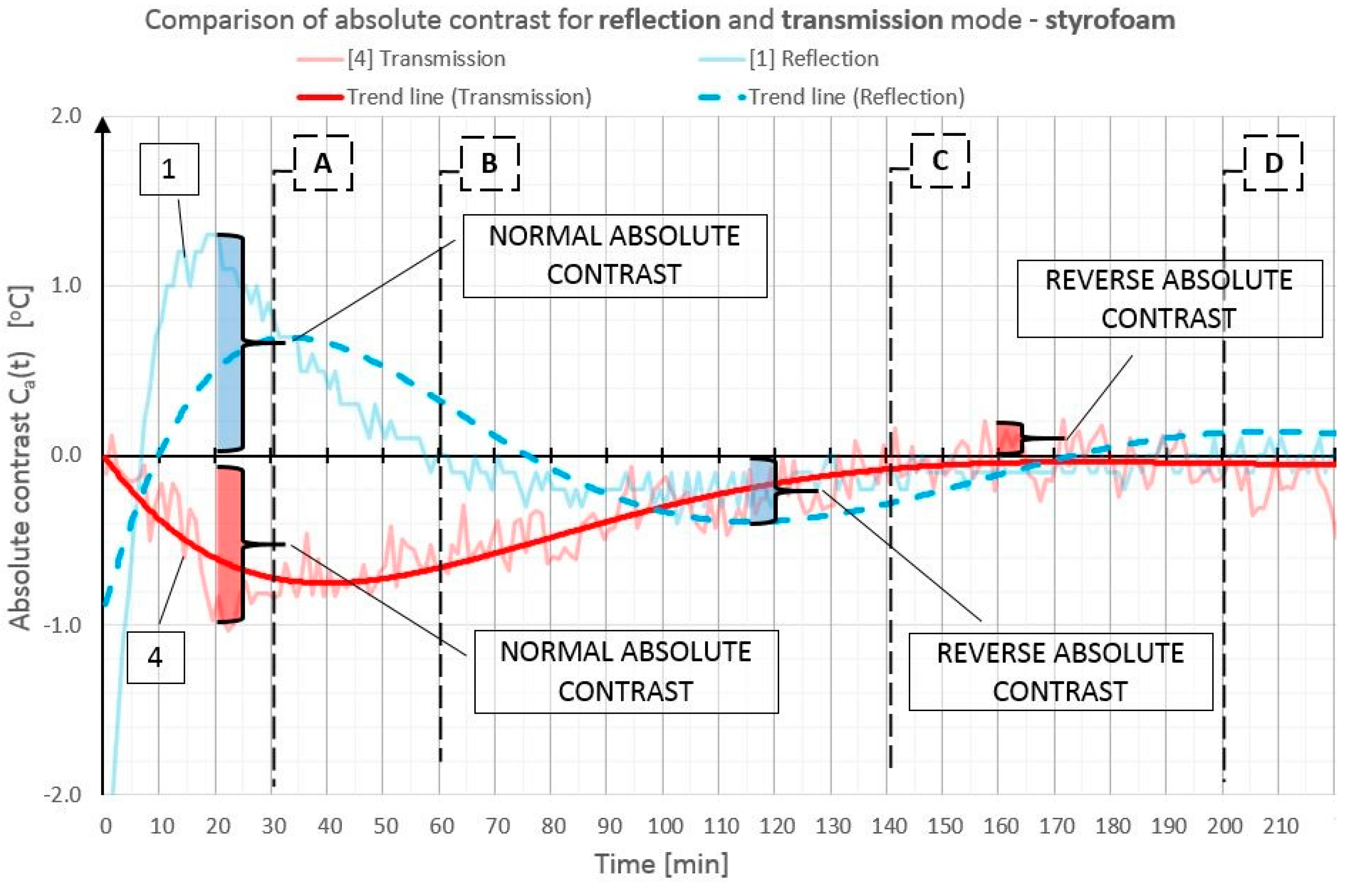
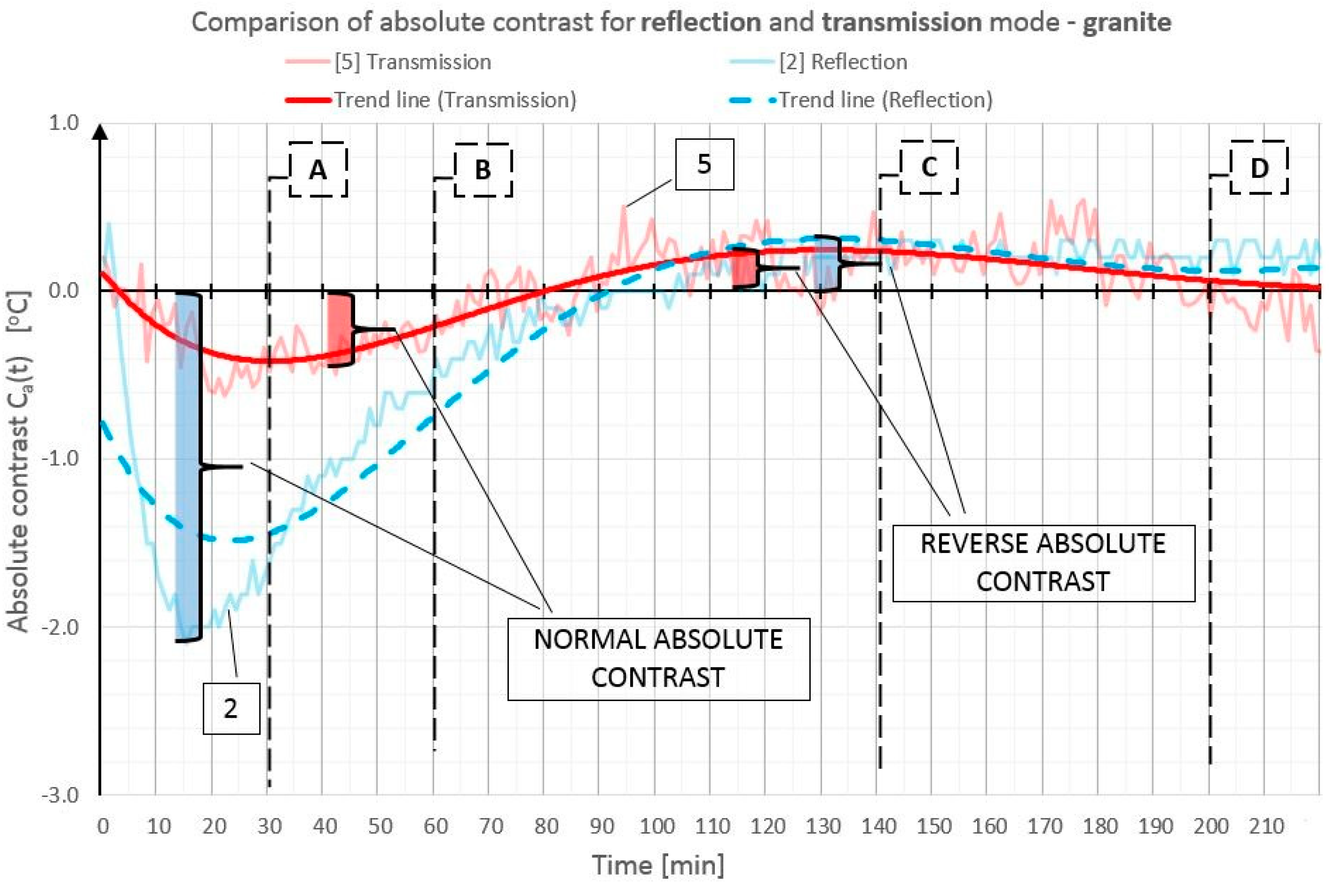
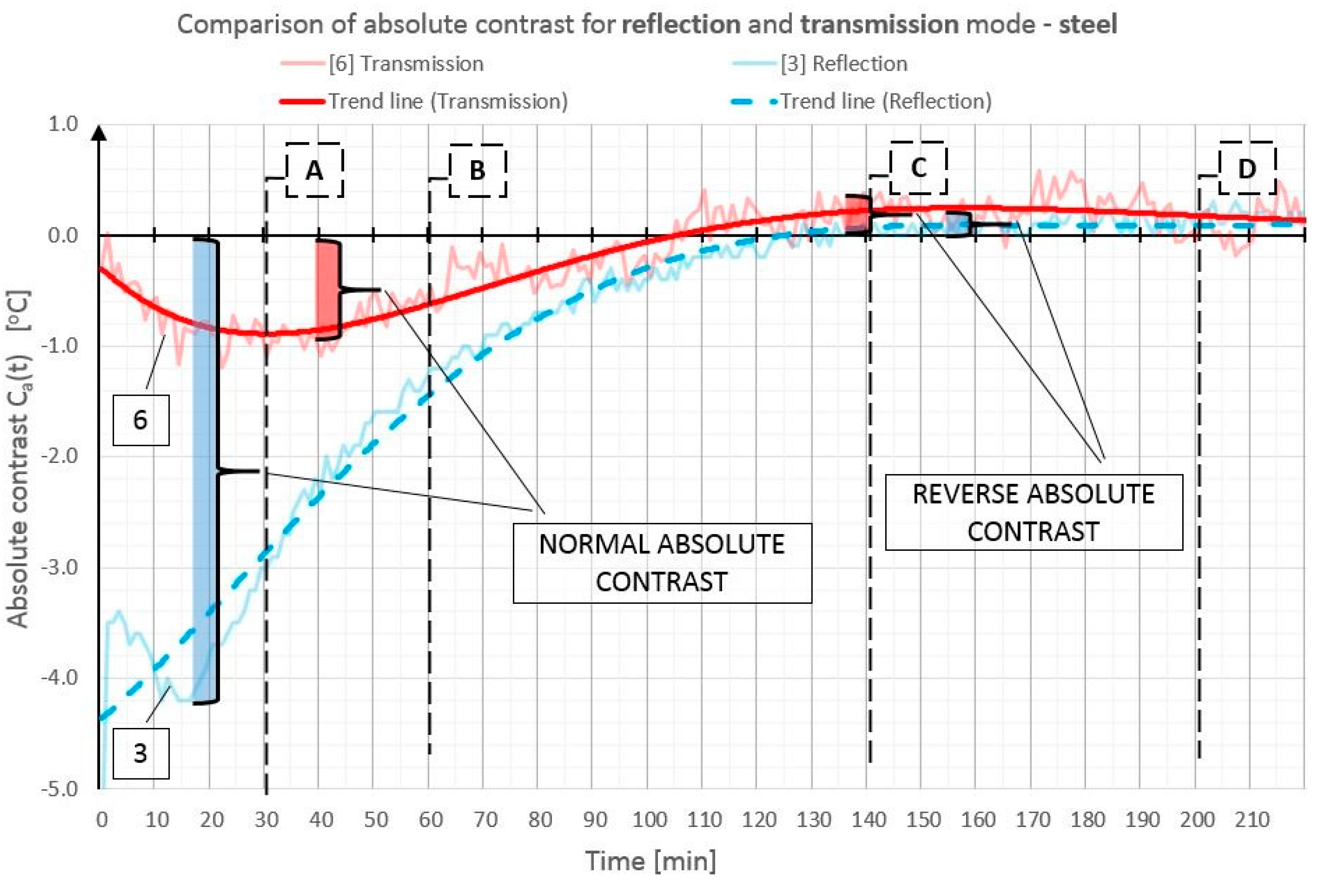
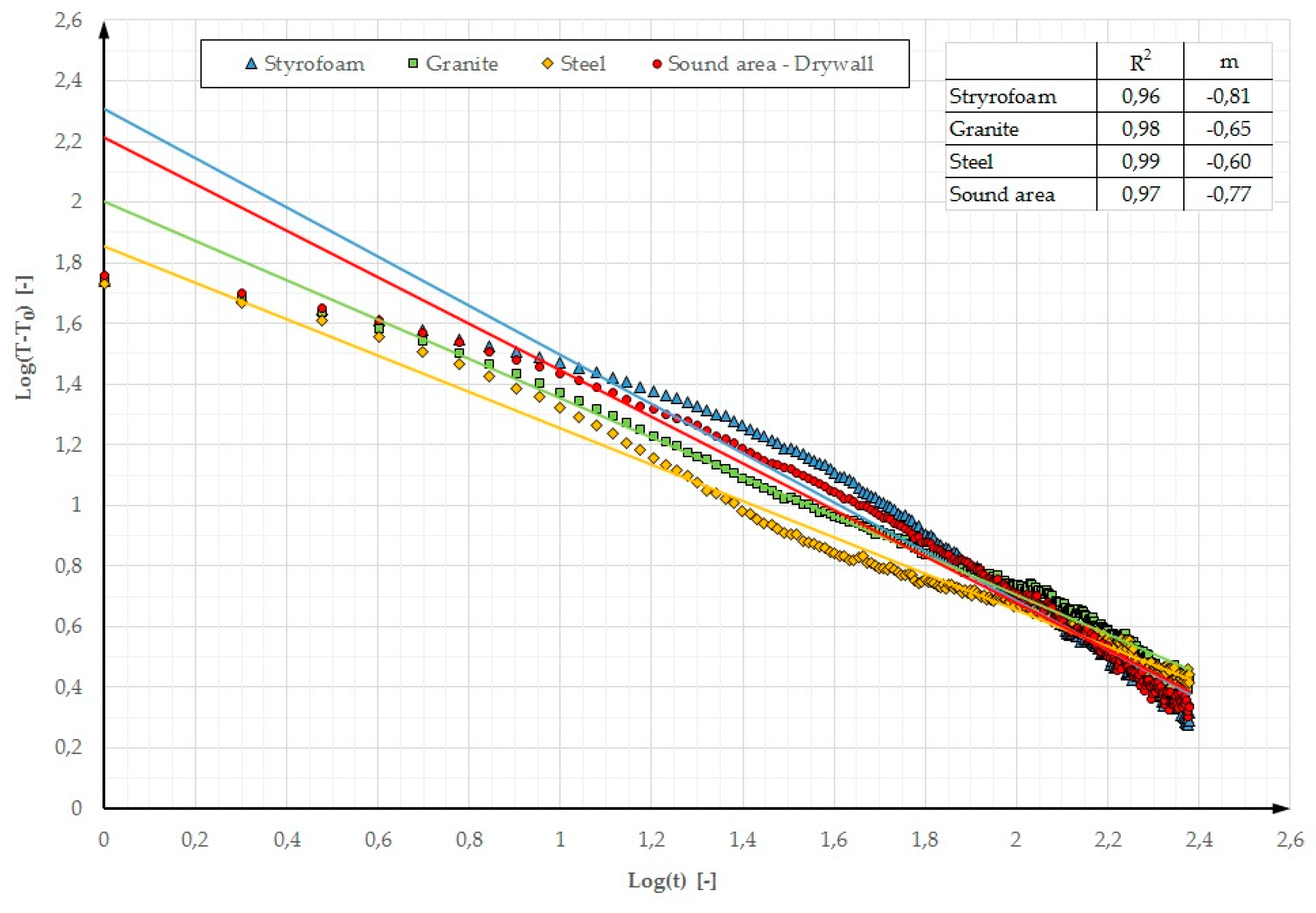
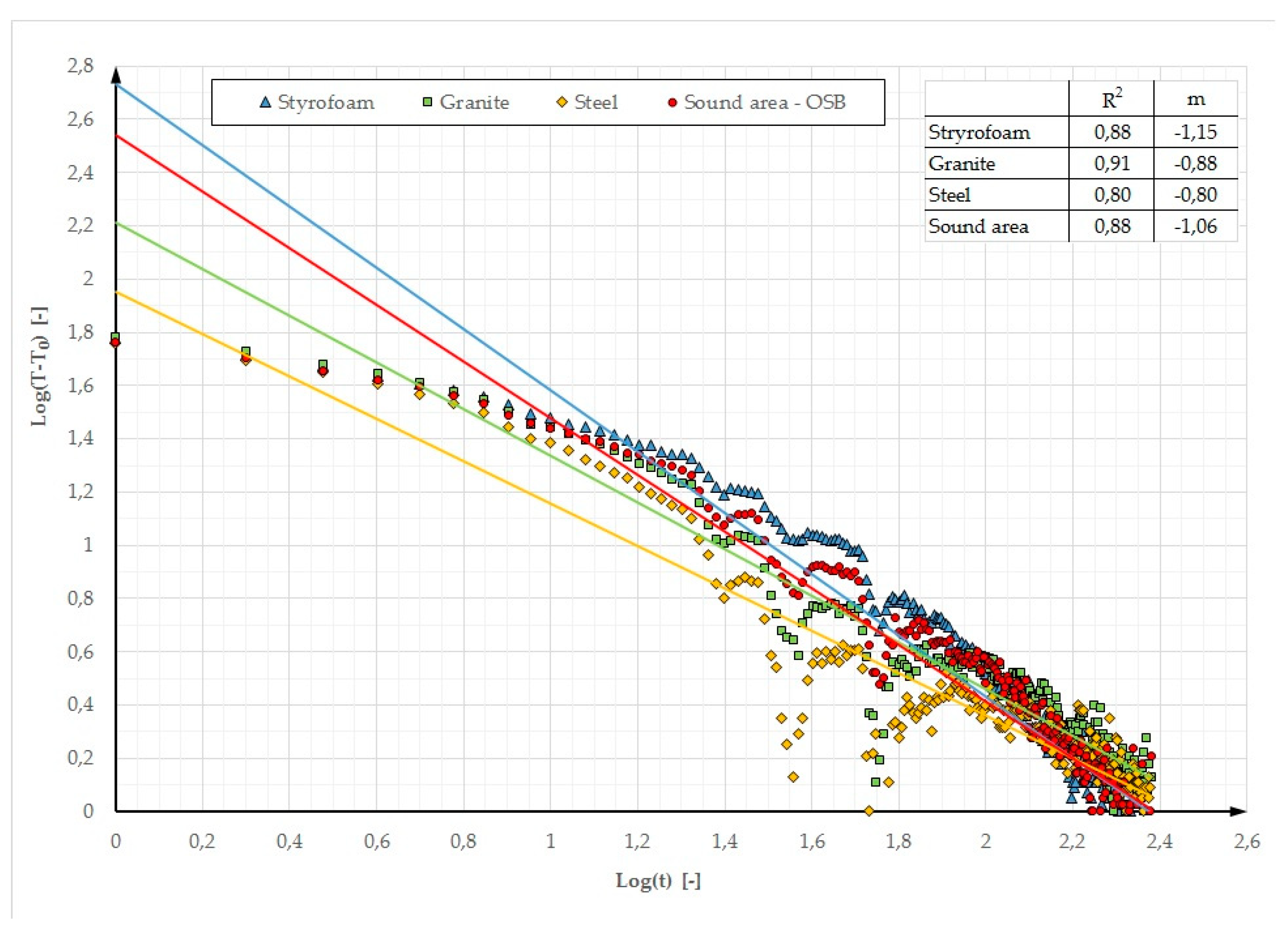
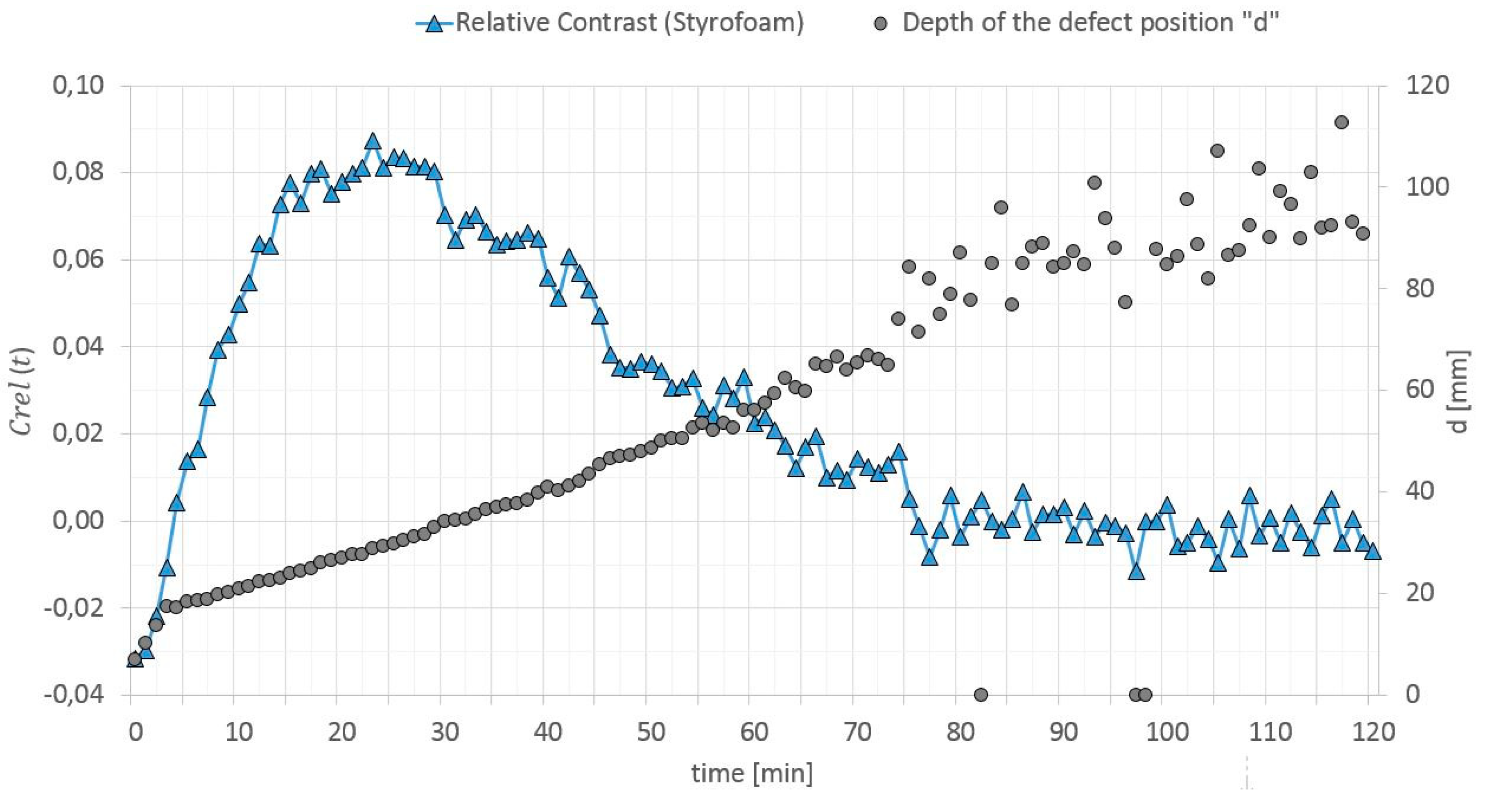
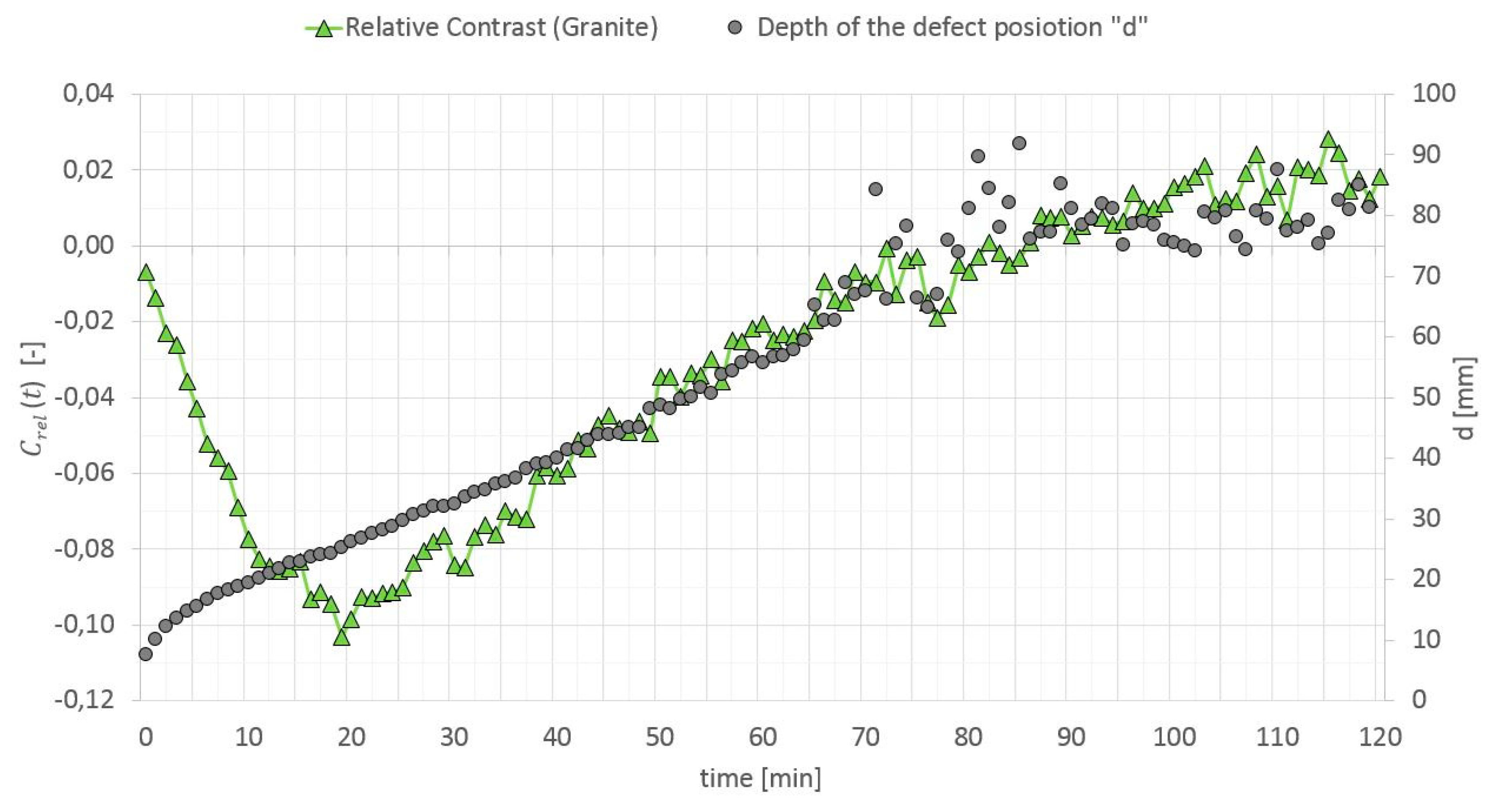
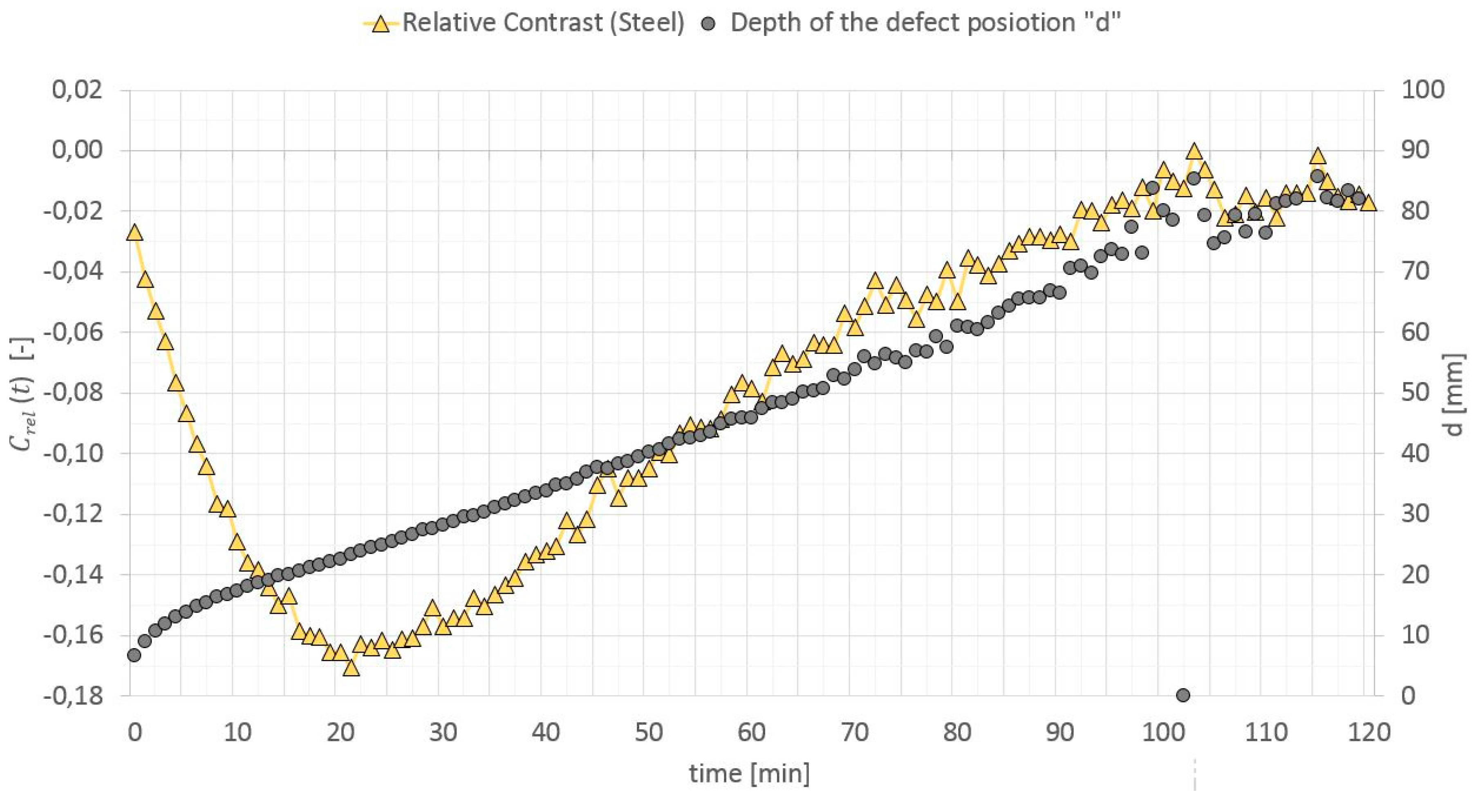
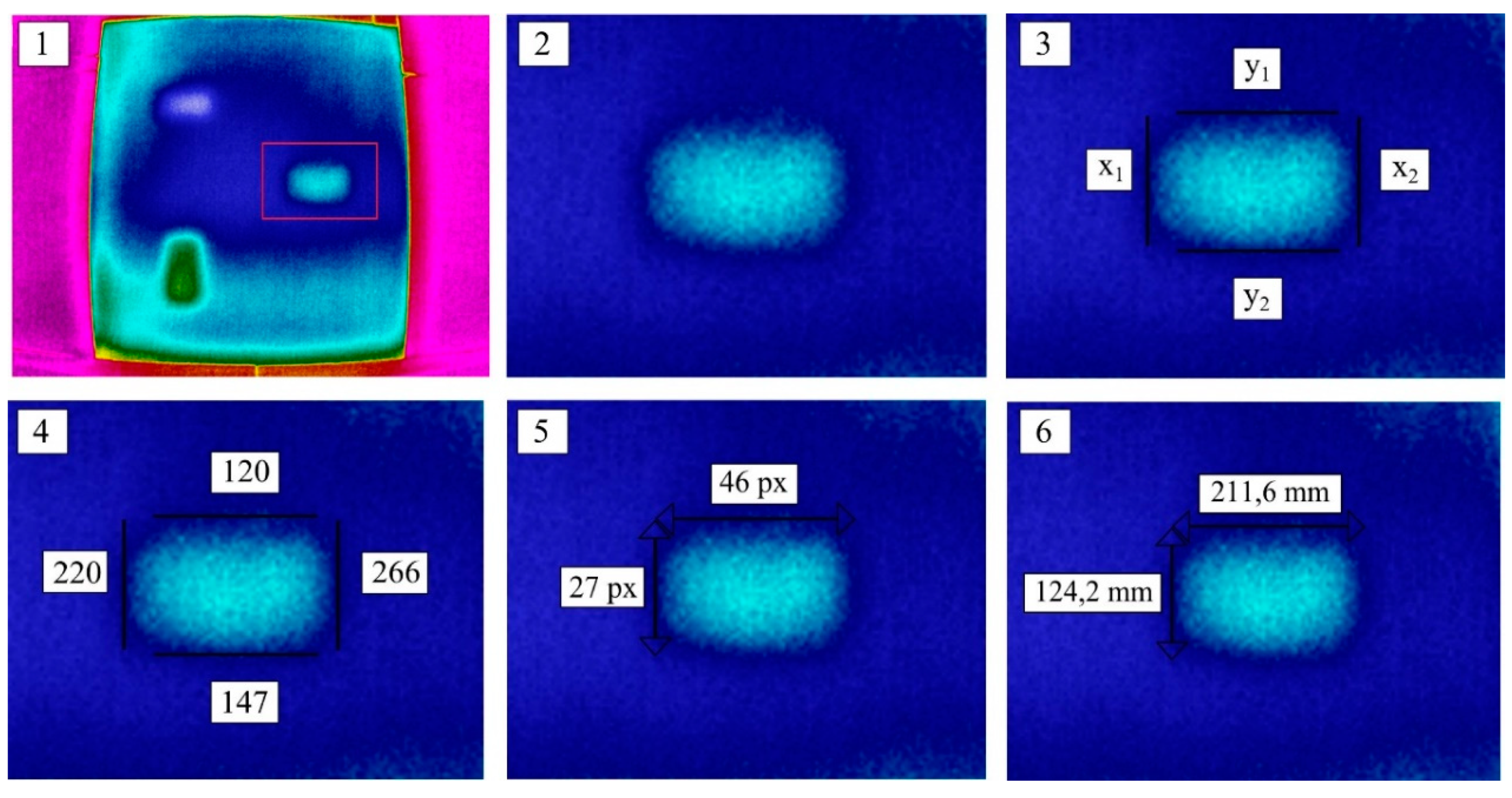
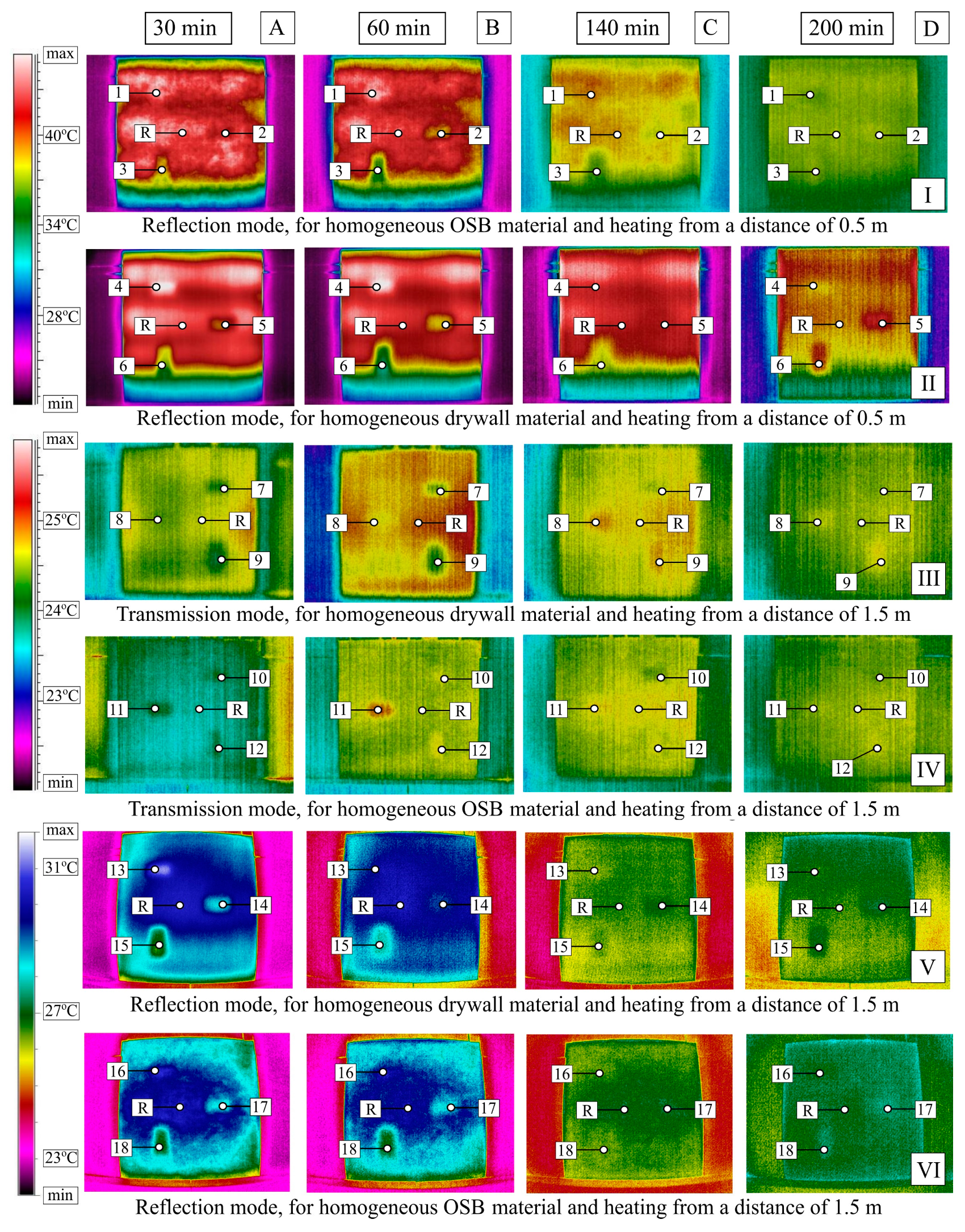
Background: it is undesirable for defects to occur in building partitions and units. There is a need to develop and improve research techniques for locating such defects, especially non-destructive techniques for active thermography. The aim of the experiment was to explore the possibility of using active thermography for testing large-sized building units (with high heat capacity) in order to locate material inclusions. Methods: as part of the experiment, two building partition models—one made of gypsum board (GB) and another made of oriented strand board (OSB)—were built. Three material inclusions (styrofoam, granite, and steel), considerably differing in their thermal parameters, were placed in each of the partitions. A 7.2 kW infrared radiator was used for thermally exciting (heating) the investigated element for 30 min. The distribution of the temperature field was studied on both sides of the partition for a few hours. Results: using the proposed investigative method, one can detect defects in building partitions under at least 22 mm of thick cladding. At a later cooling down phase, inverse temperature contrasts were found to occur—the defects, which at the beginning of cooling down were visible as warmer areas, at a later phase of cooling down are perceived as cooler areas, and vice versa (on the same front surface). In the transmission mode, the defects are always visible as areas warmer than defect-free areas. Moreover, a quantitative (defect location depth) analysis with an accuracy of up to 10% was carried out using the Echo Defect Shape method. Conclusions: active thermography can be used in construction for non-destructive materials testing. When the recording of thermograms is conducted for an appropriate length of time, inverse contrasts can be observed (on the same front surface).
Keywords: thermovision; active thermography; thermal contrast; defect detection; location of inclusions; non-destructive testing; materials research; building partition thermovision; active thermography; thermal contrast; defect detection; location of inclusions; non-destructive testing; materials research; building partition