Article

Effects of Buffer Gas Composition on Autoignition of Dimethyl Ether
1
College of Environmental and Energy Engineering, Beijing University of Technology, Pingleyuan No. 100, Beijing 100124, China
2
Collaborative Innovation Center of Electric Vehicles in Beijing, Pingleyuan No. 100, Beijing 100124, China
*
Author to whom correspondence should be addressed.
Energies 2015, 8(9), 10198-10218; https://doi.org/10.3390/en80910198
Submission received: 25 August 2015 / Revised: 7 September 2015 / Accepted: 11 September 2015 / Published: 17 September 2015

Abstract

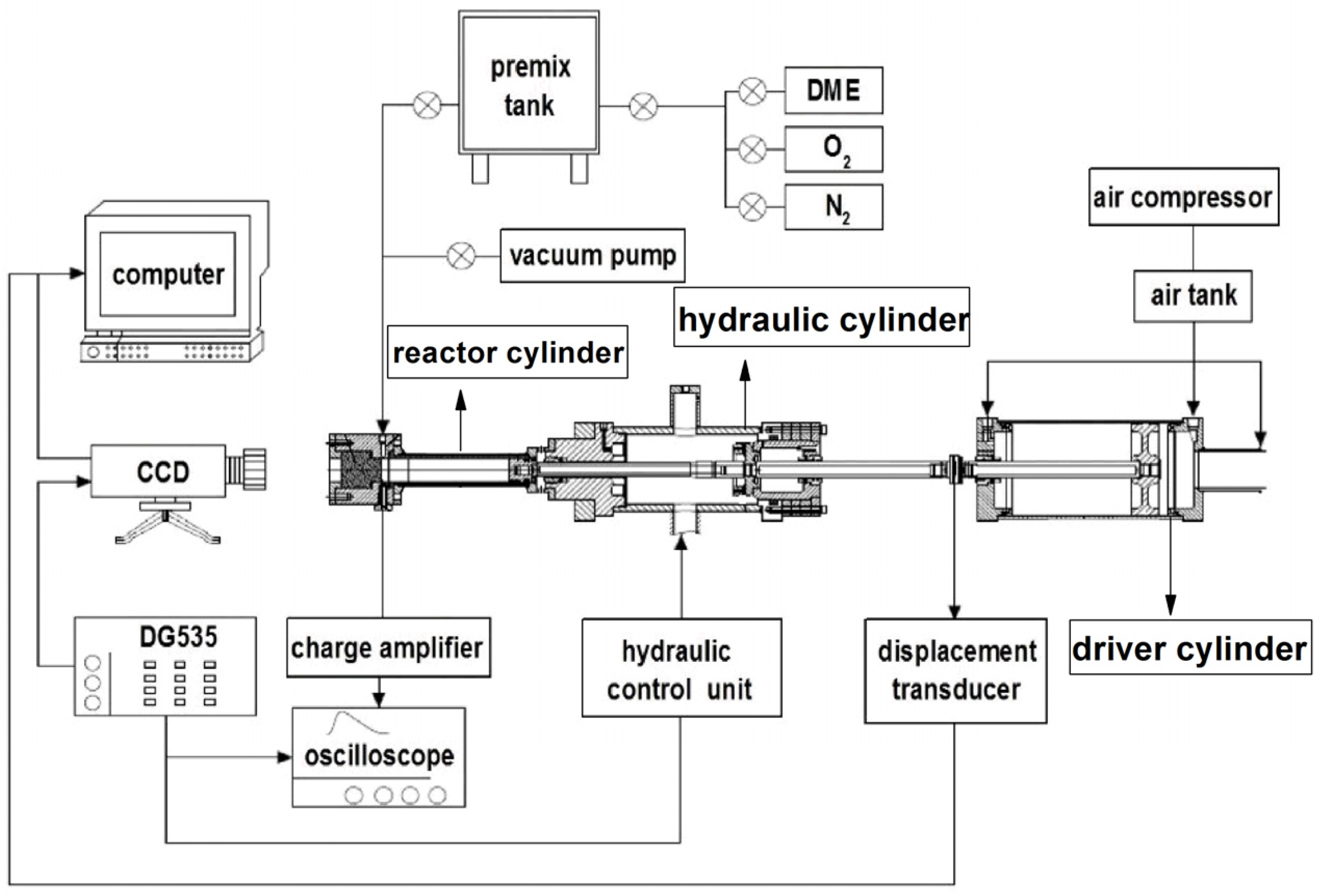
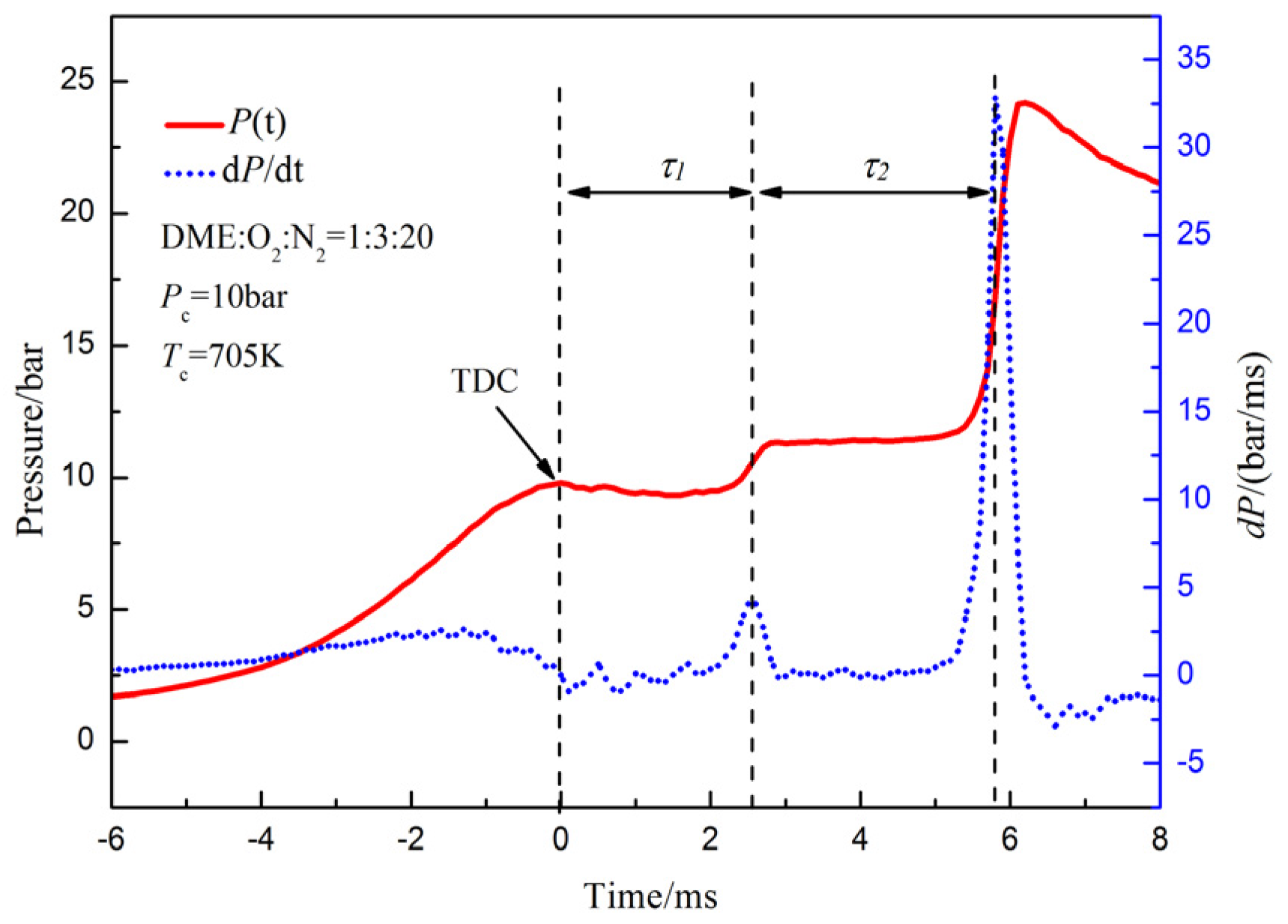
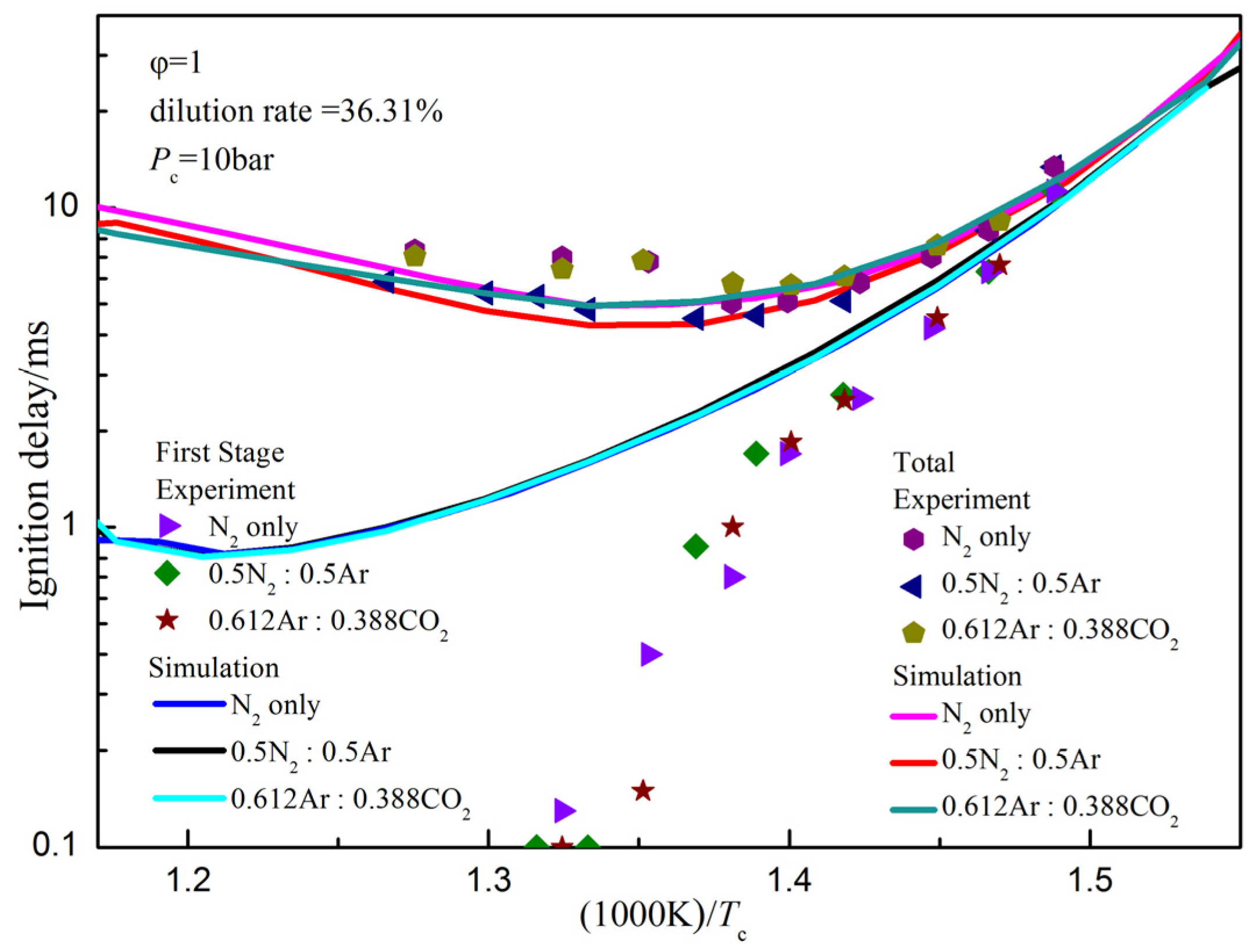
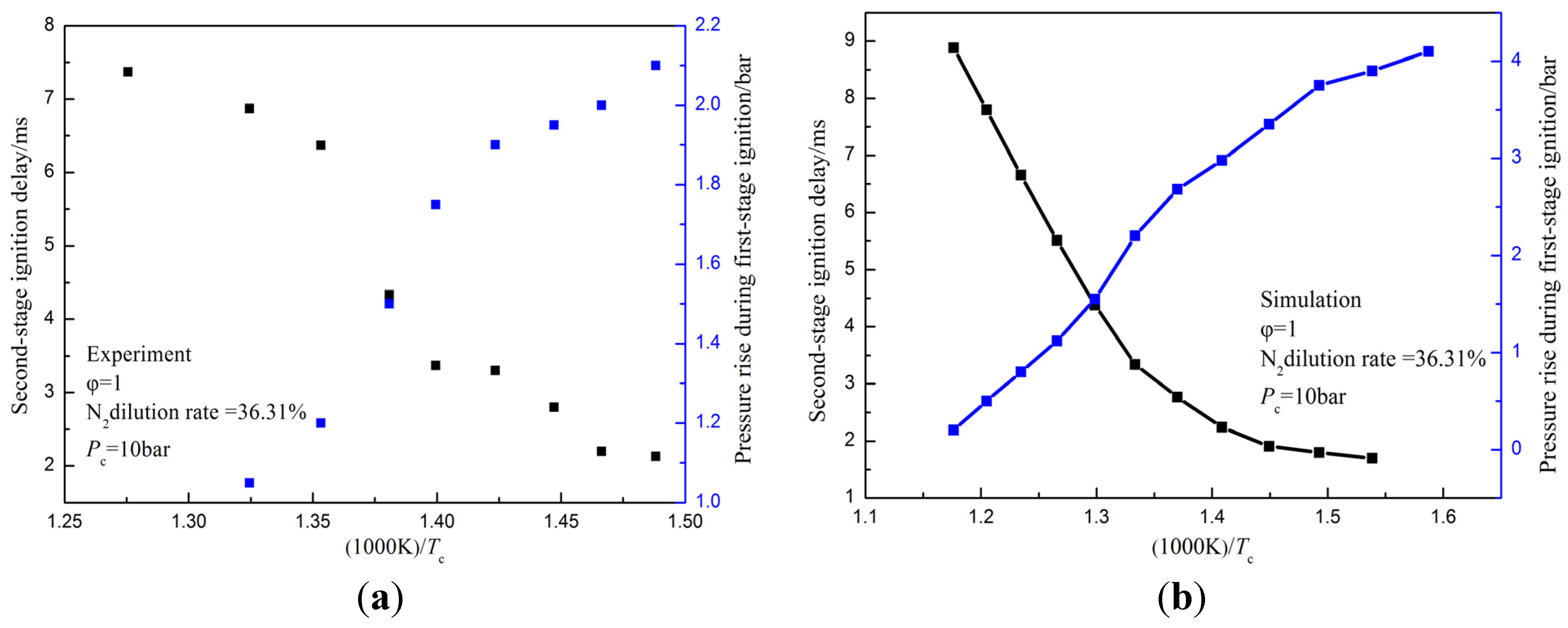
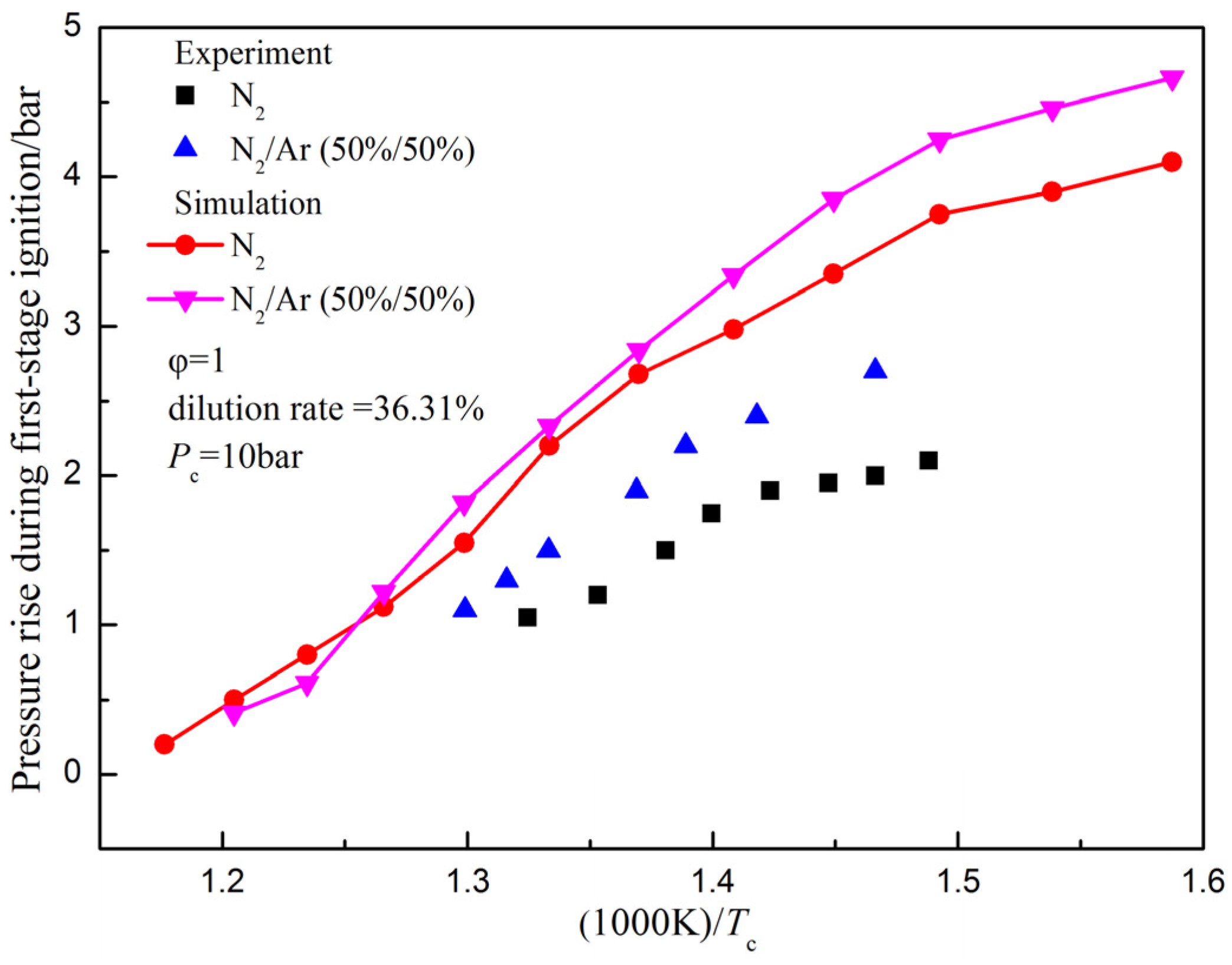
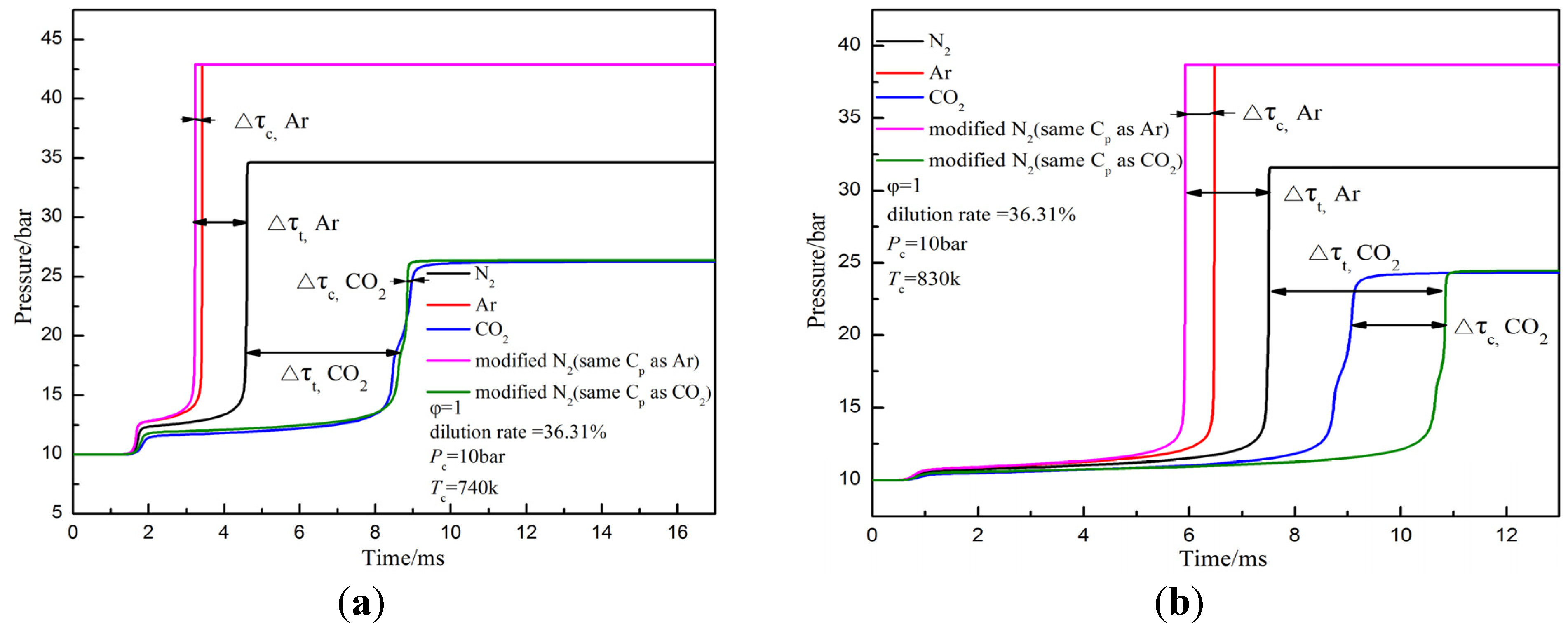
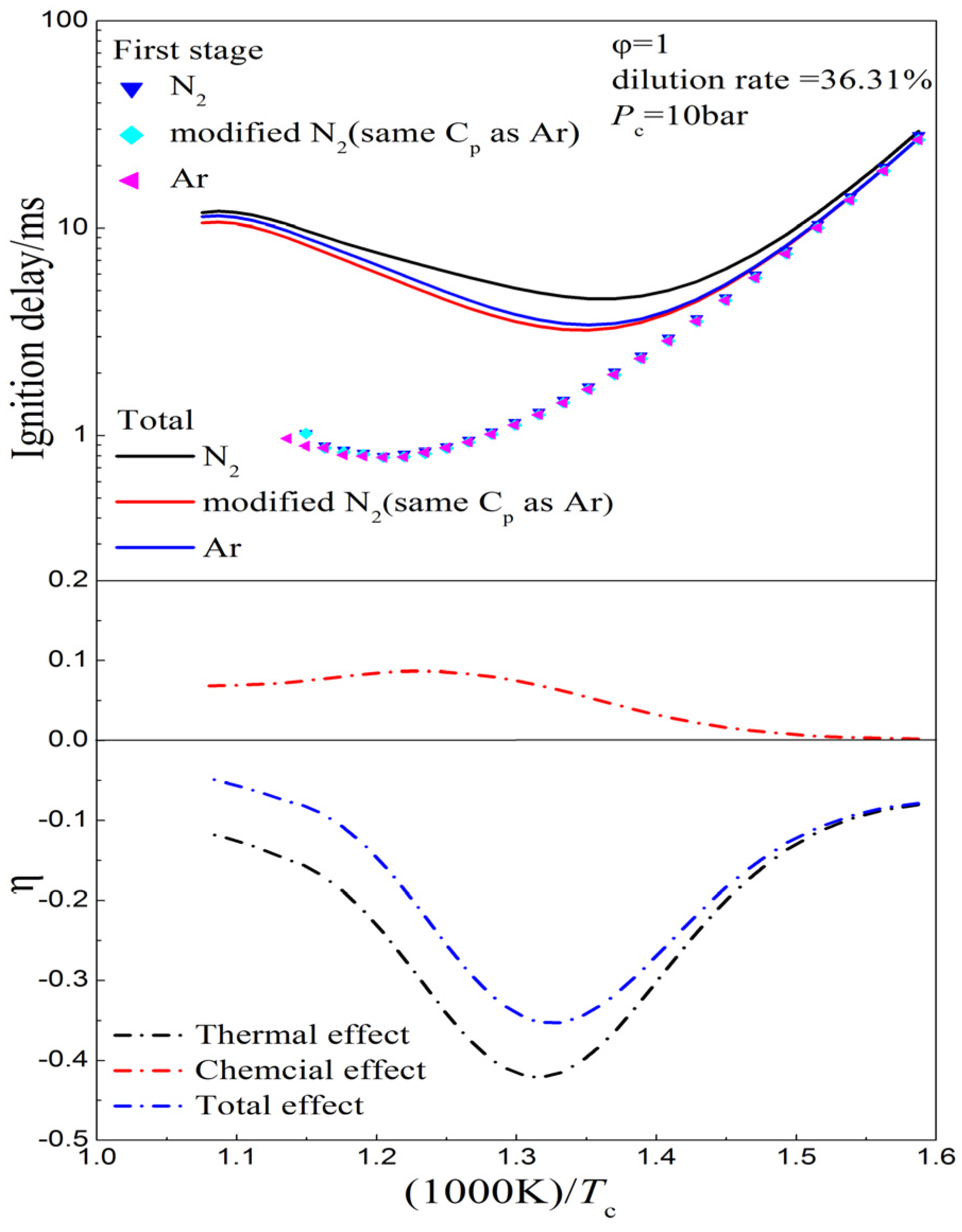
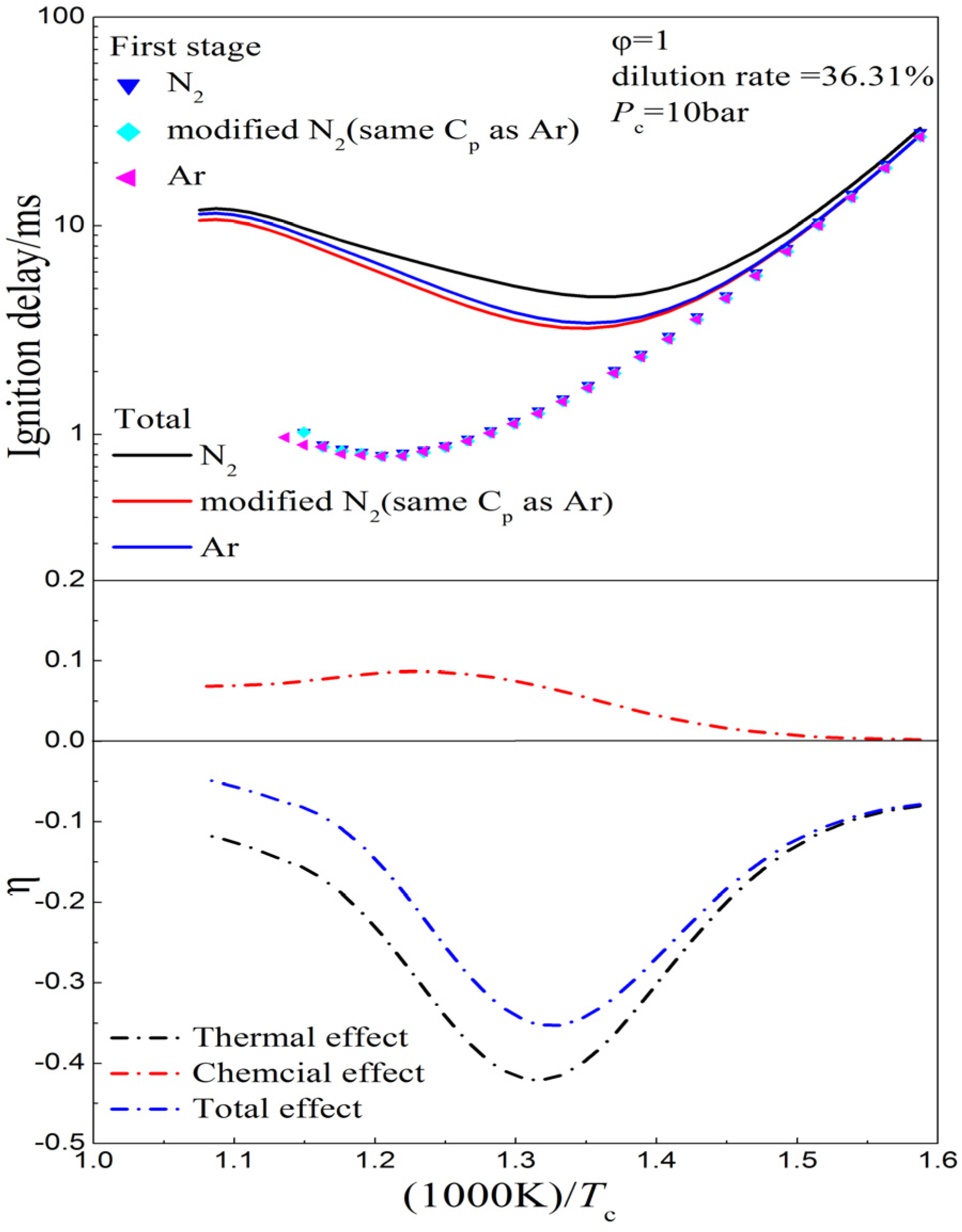
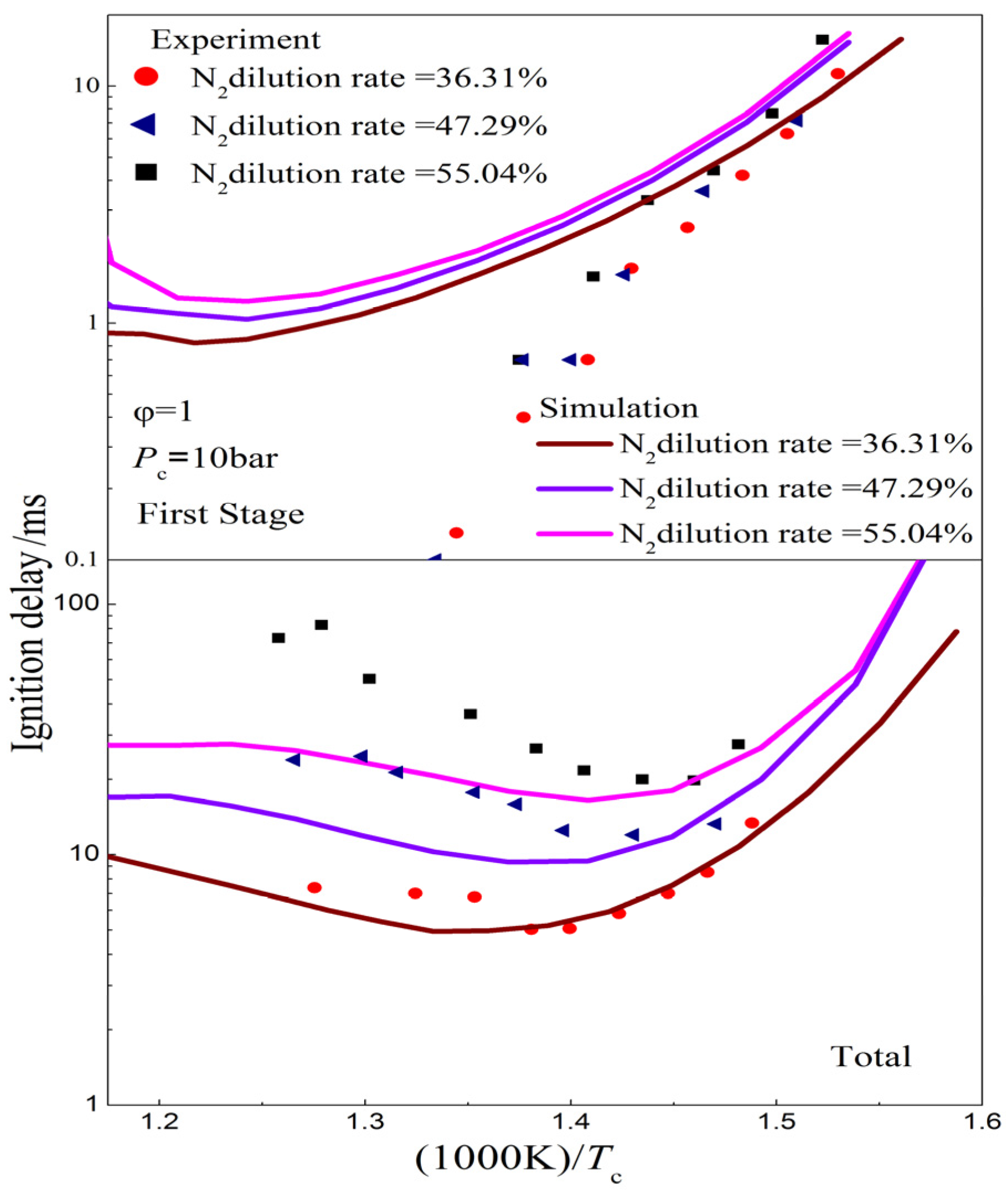
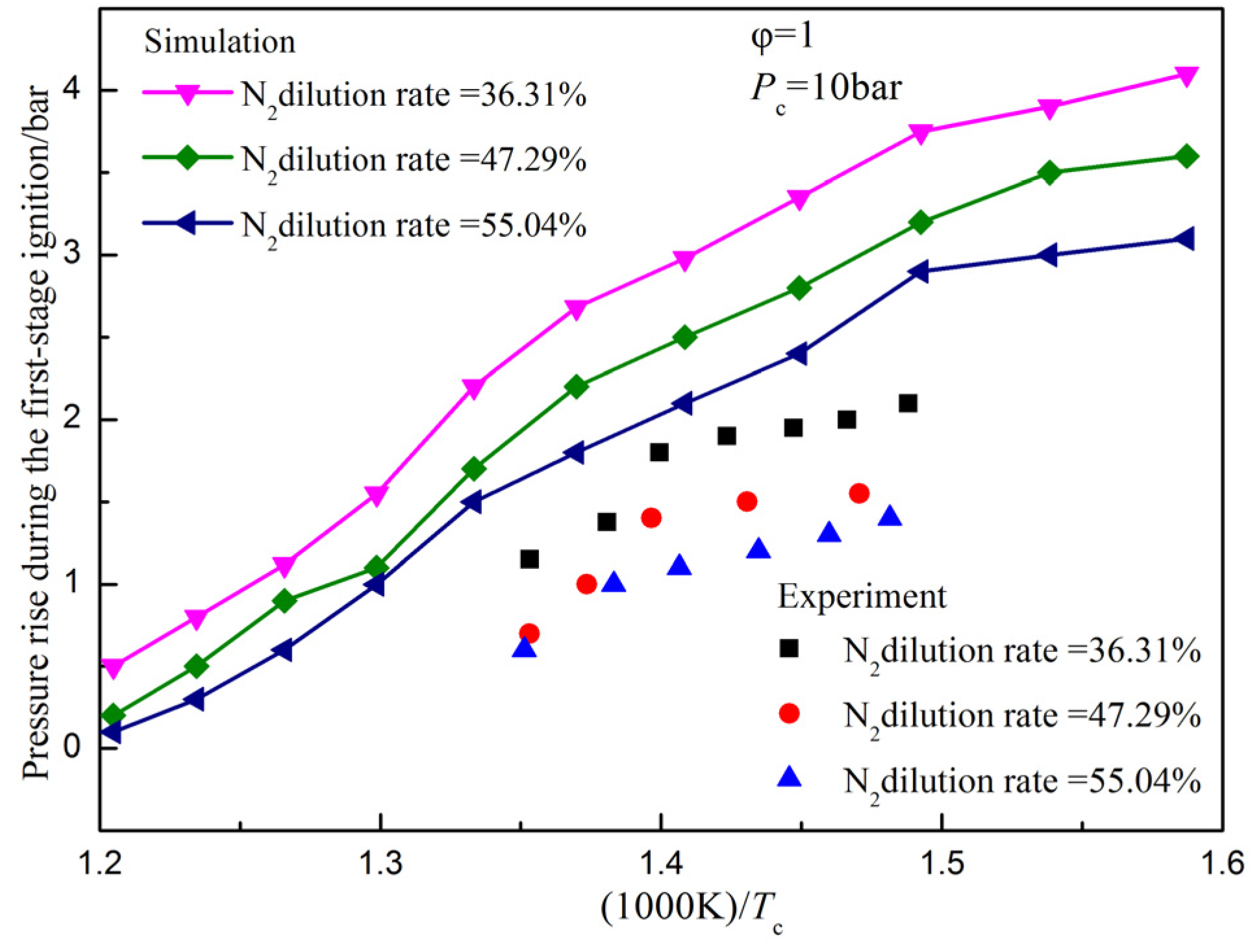
Experimental and numerical studies are conducted on the thermal, chemical and dilution effects of buffer gas composition on autoignition of dimethyl ether (DME). The buffer gases considered are nitrogen (N2), a mixture of N2 and argon (Ar) at a mole ratio of 50%/50% and a mixture of Ar and carbon dioxide (CO2) at a mole ratio of 61.2%/38.8%. Experiments are performed using a rapid compression machine (RCM) at compressed pressure of 10 bar, equivalence ratio (φ) of 1, and compressed temperature from 670 K to 795 K. The N2 dilution ratio considered ranges from 36.31% to 55.04%. The experimental results show that buffer gas composition has little impact on the first-stage ignition delay. However, significant differences in the total ignition delay as a function of buffer gas composition are observed in the negative temperature coefficient (NTC) region. Compared to N2, N2/Ar (50%/50%) mixture decreases the total ignition delay by 31%. The chemical effects of buffer gas composition on the first-stage and total ignition delays are negligible. With increasing N2 dilution ratio, the first-stage ignition delay slightly increases, while a significant increase in the total ignition delay is observed. Moreover, the NTC behavior of total ignition delay is noted to become more pronounced at high N2 dilution ratio. The heat release during the first-stage ignition decreases as N2 dilution ratio increases. Results of numerical simulations with the Zhao DME mechanism over a wider range of temperature show good agreement with that of experiments. Further numerical simulations are conducted using pure N2, Ar and CO2 as buffer gases. Results indicate that the thermal effects are the dominant factor in low temperature and NTC regions. The chemical effects become pronounced in the NTC region, and the chemical effect of CO2 exceeds the thermal effect at the compressed temperature higher than 880 K.
Keywords: buffer gas; dimethyl ether; ignition delay; rapid compression machine buffer gas; dimethyl ether; ignition delay; rapid compression machine
Graphical Abstract