1. Introduction
With the demand for carbon neutrality and the depletion of fossil fuels, constructing a power generation system with an increasing portion of renewable energy sources becomes a priority worldwide. Wind and solar power are the main kinds of renewable energies. However, due to their randomness, intermittency and volatility, a high proportion of wind and solar power poses a great challenge to the stability of the power grid. Thus, during the transition period from a high-carbon to a green power grid, in many countries such as China, coal-fired power plants (CFPPs) are still needed. However, instead of being a main power supplier, CFPPs play the role of supporting and regulating power supplies and often operate in a deep peak shaving (DPS) mode. Although, by retrofitting the boiler and steam turbine system, many CFPPs can operate at 30–40% of the rated load, they are desired to have a higher flexibility due to the fast development of renewable energies [
1]. Consequently, a CFPP is highly recommended for integration with an energy storage system that can store surplus steam/electric energy and then release it when necessary [
2].
Among the energy storage technologies, thermal energy storage (TES) is a promising one that can achieve a rather high energy storage density and power density at a relatively low cost [
3]. The energy storage density refers to the amount of energy stored in a unit volume of medium, while the power density represents the rate of energy charging and discharging, reflecting the system’s ability for rapid heat exchange and dynamic response. Certainly, the higher the medium temperature, the higher the energy storage density. Presently, in commercial applications, molten salt-based TES (MS-TES) is the one that has the highest working temperature, up to around 560 °C [
4]. This technology was originally used for concentrating solar power (CSP) plants [
5] and was recently applied to CFPPs. When coupled with a CFPP, MS-TES can store thermal energy from main steam and reheat steam or flue gases [
6,
7,
8,
9], thereby reducing the electricity output, or store surplus electricity to realize DPS operation through a power-to-heat (P2H) approach [
10].
So far, several studies have been conducted on the performance of MS-TES-coupled CFPP. Kosman and Rusin [
11] proposed using MS-TES for a supercritical CFPP with an additional subcritical turbine. MS-TES was connected with two turbines to store excess electricity/steam for the supercritical cycle, which efficiently operated in nominal conditions. The coupling enabled the unit to supply the power grid below the minimum level for the supercritical cycle and enabled a fast start-up for the subcritical turbine. Miao et al. [
12] proposed using MS-TES to store the heat released from reheat steam from a CFPP and found, through simulation, that the coupling could reduce the minimum power load from 30% to 16%, and further to zero by incorporating a P2H approach. The stored thermal energy could increase the output power of the CFPP by an additional 9.65%. Ma et al. [
13] conducted a design and performance analysis of the DPS scheme for a CFPP integrated with a MS-TES system. They assessed the thermal efficiency, peak shaving depth, and economic performance of eight coupling schemes and found that the optimal one achieved a maximum peak shaving depth of 90.2%. Xu et al. [
10] confirmed that a CFPP integrated with TES was capable of zero-power output, and evaluated the energy efficiency, exergy efficiency, heat rate, and peak shaving capability under five coupling schemes.
The existing studies showed that CFPP coupled with MS-TES can effectively utilize surplus or low-price electricity to achieve DPS. However, MS-TES has a few drawbacks. First, the commonly used salts are noxious, corrosive and rather expensive [
14]. Second, most of the salts can only operate within a temperature less than 560 °C, beyond which they decompose, with poison gases released. Third, since salts have to operate in a liquid mode, their working temperature range, normally between 250 and 560 °C, is rather narrow. In addition, the salt has to remain above saturation temperature even in standby mode to prevent coagulation. Therefore, TES with a safer and higher performance is desired.
Researchers found that the solid concrete, rock, refractory bricks, sand, etc., could be stably sustained at high temperatures, even at 1000 °C, and several associated TES technologies were developed [
15,
16,
17,
18]. However, the existing technologies used a stationary or moving bed for heating. Due to the low conductivity of the solid media, large-scale application often encountered problems of uneven or inefficient heating and media cracking, and the actual temperature was normally below 400 °C [
16], even lower than that of MS-TES. In contrast, solid particles have advantages including an excellent fluidity, a capacity for uniform heating, and a high thermal stress tolerance, which allow particles to be stored stably at very high temperatures exceeding 1000 °C. The concept of using solid particles for high-temperature TES also originated from the CSP field. Various particle technologies have been developed, such as free-falling particle curtains and centrifugal receivers [
19]. Among them, the fluidized bed has attracted significant attention due to its ability to enhance heat transfer by fluidizing particles.
The fluidized bed is a proven heat exchanger with a high heat transfer coefficient (HTC) between the gas–solid flow of the heating surfaces. Recently, Ma et al. [
18,
20] proposed using it to transfer heat from solar energy-heated sand particles to high-temperature steam in a CSP plant. The simulation and experimental studies showed that, at a heating temperature of 800 °C, the HTC increased by 30–50% compared with stationary heating, and the system cost was reduced by 40% [
21,
22,
23]. In our previous studies [
24,
25,
26], a fluidized bed was proposed for use as an electrical heating device for energy storage, and the corresponding TES is called EH-FB-TES hereafter. With conventional SiC-based electric heating elements, sand particles could be effectively heated up to over 800 °C in a fluidized bed [
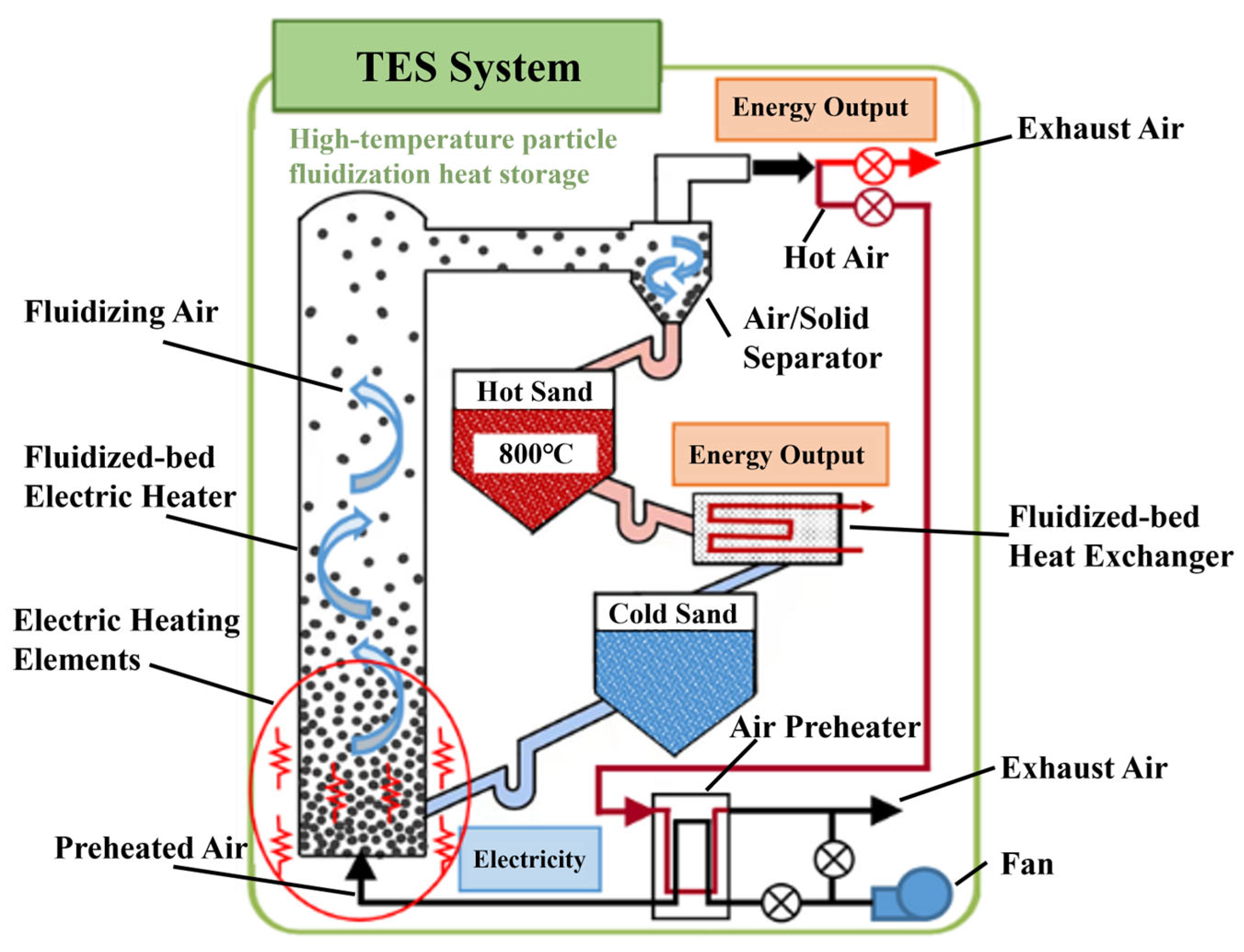
24,
25,
26]. Since sand can work at a wide temperature range with excellent fluidity and transport properties, EH-FB-TES has the advantages of a low cost, relatively high efficiency and excellent stability in heat storage [
26], which thus could have great potential for DPS in a CFPP. Due to its special features, compared with those of MS-TES, dedicated thermodynamic and economic analyses are needed.
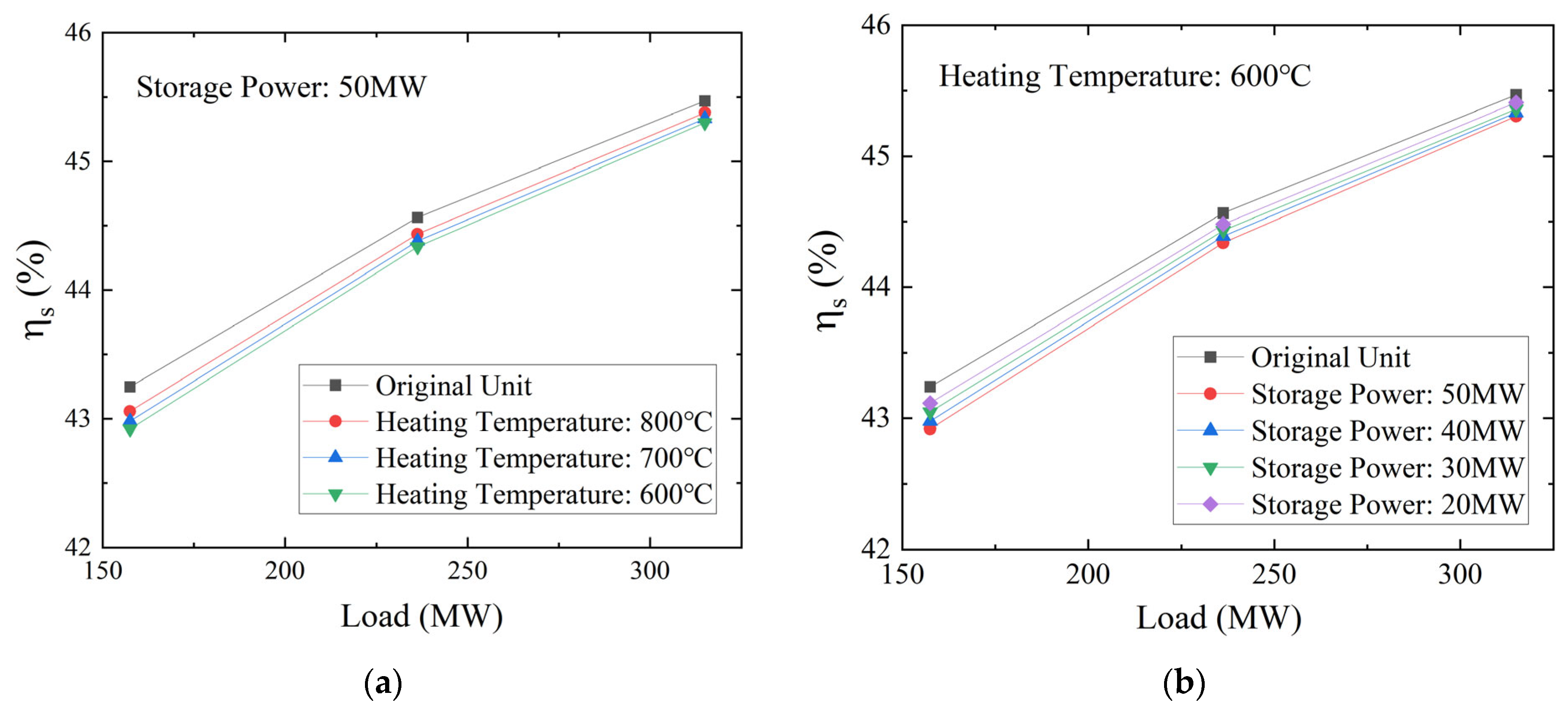
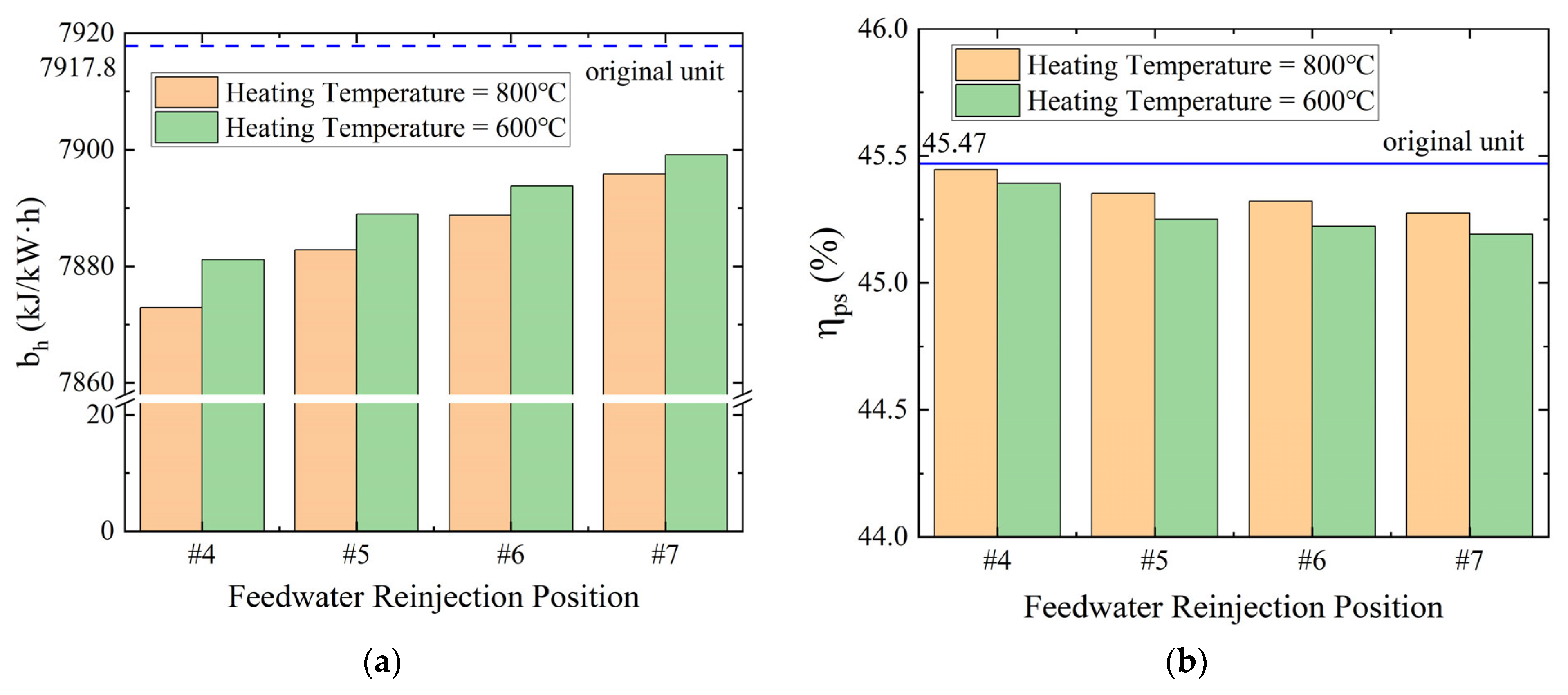
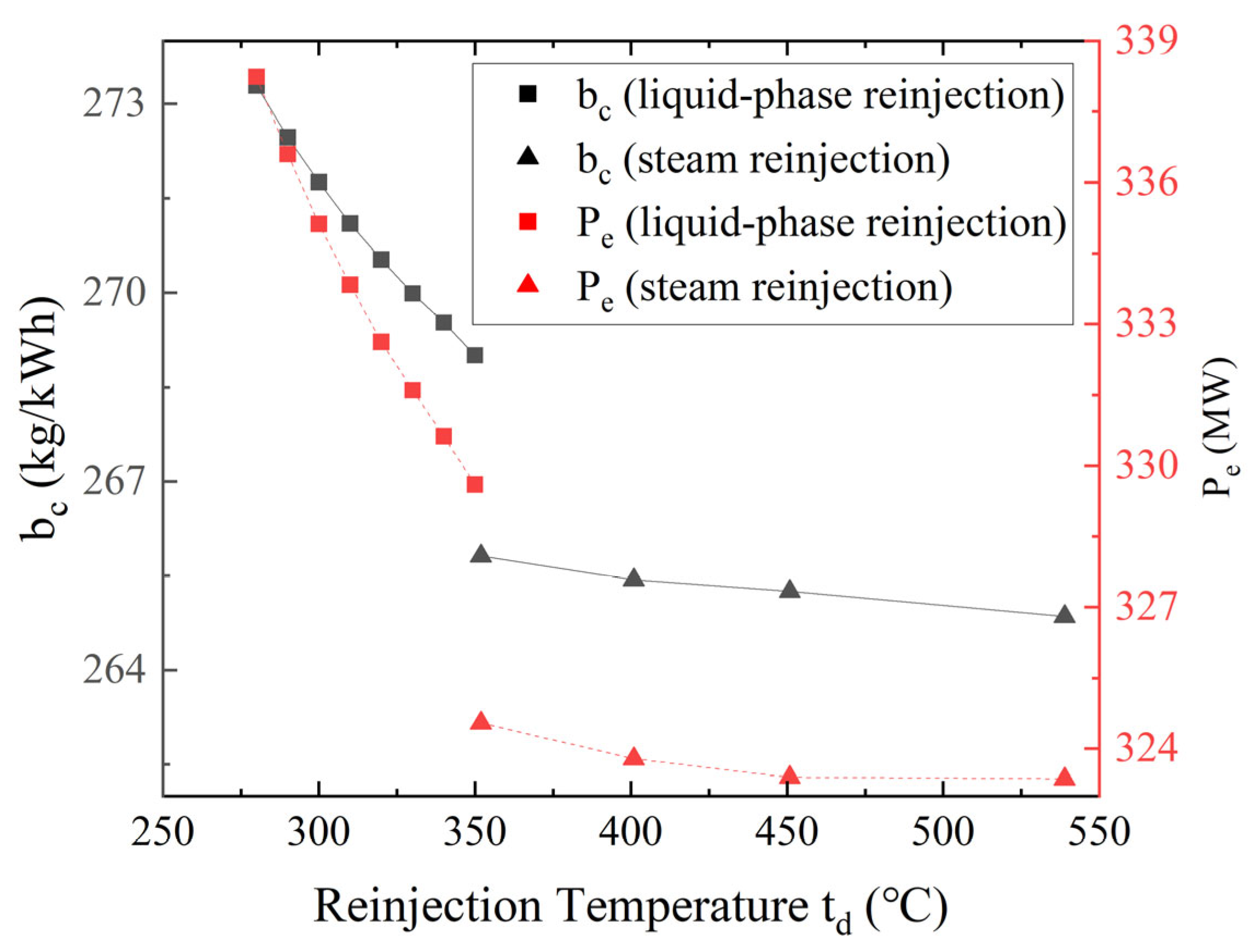
In this study, thermodynamic performance analyses on the integration of EH-FB-TES with a 315 MW sub-critical CFPP are conducted by using Ebsilon. The influence of factors including the heating temperature, heat storage power and integration schemes on the system performance are evaluated using a set of indexes. Based on the analyses, the optimal integration scheme is proposed. In addition, an economic analysis is conducted.
4. Conclusions
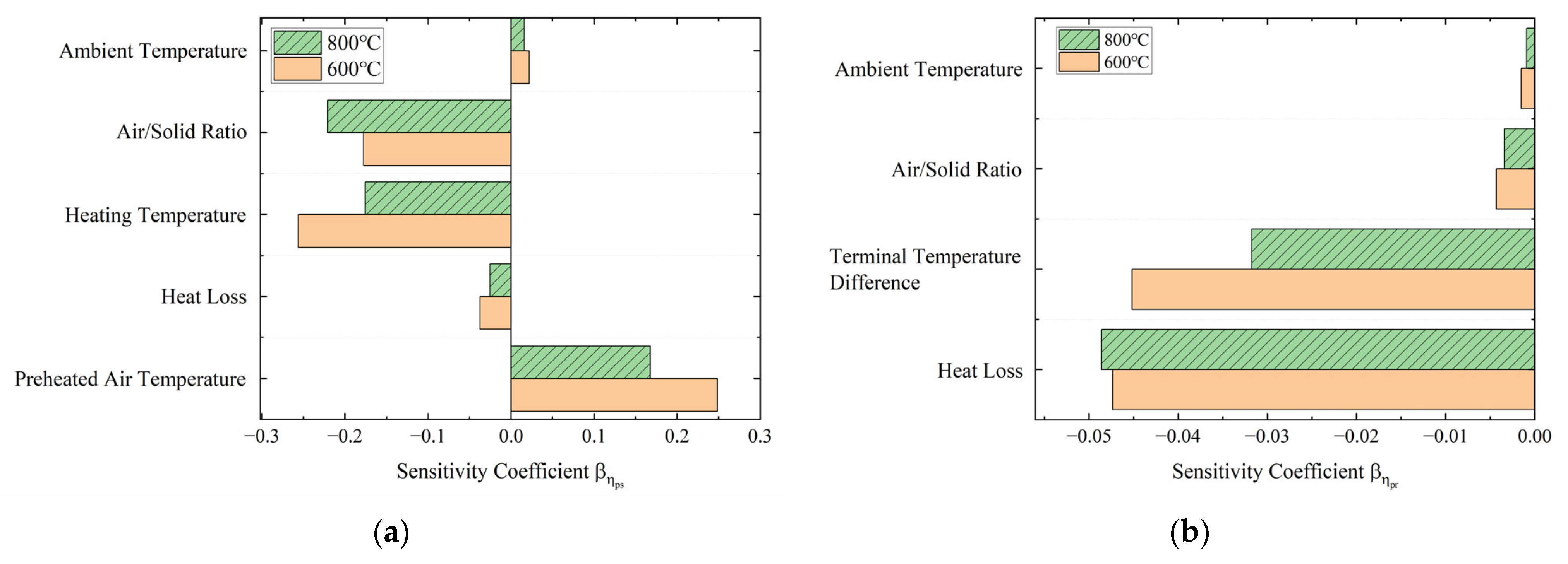
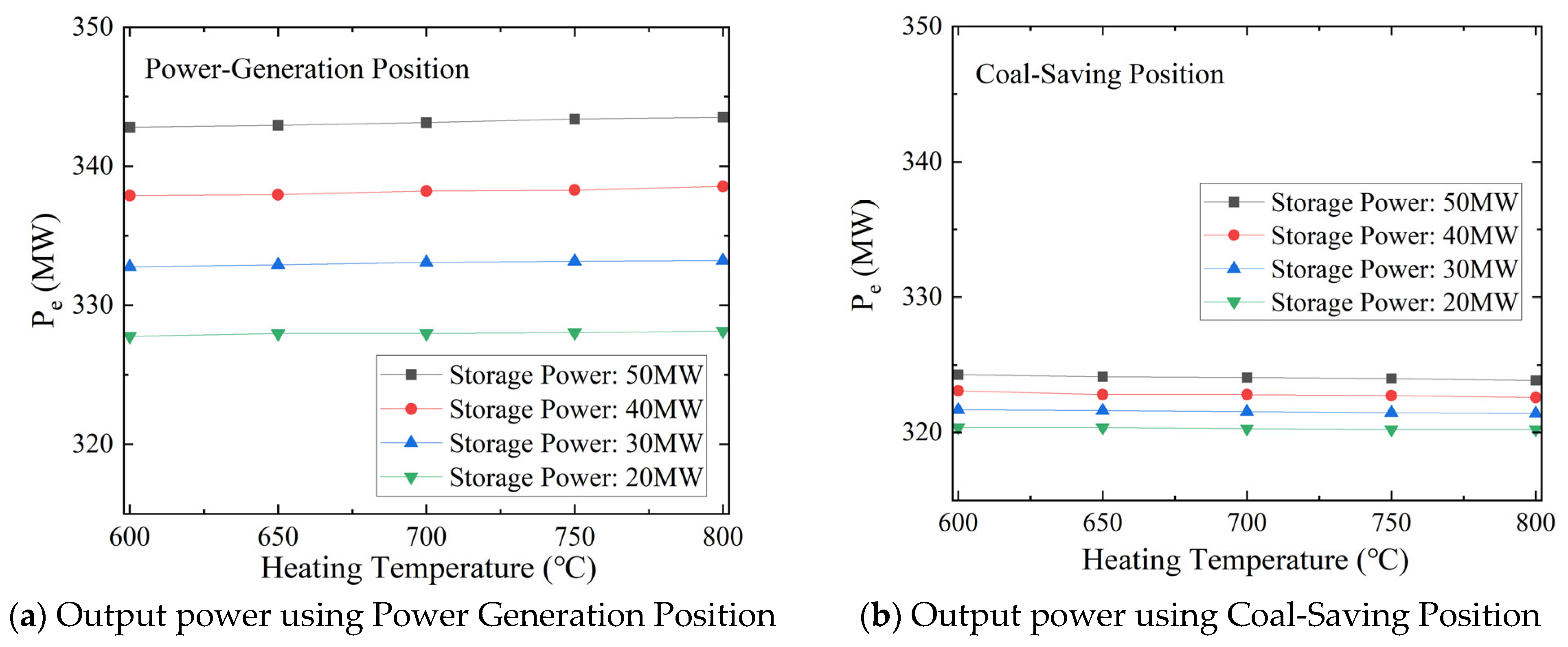
This study conducts thermodynamic and economic analyses of the integration of an electrical heating fluidized-bed thermal energy storage (EH-FB-TES) system with a coal-fired power plant (CFPP) for deep peak shaving (DPS). EH-FB-TES employs sand particles electrically heated to 600 °C or 800 °C at a storage power surpassing conventional thermal storage temperature limits. The thermodynamic analyses demonstrate that the preheated air temperature, heating temperature, and air/solid ratio are the dominant factors affecting the heat storage efficiency, with heat loss being the most influential parameter for the heat release efficiency. The thermal efficiency increases with particle temperatures but declines with increasing storage power levels.
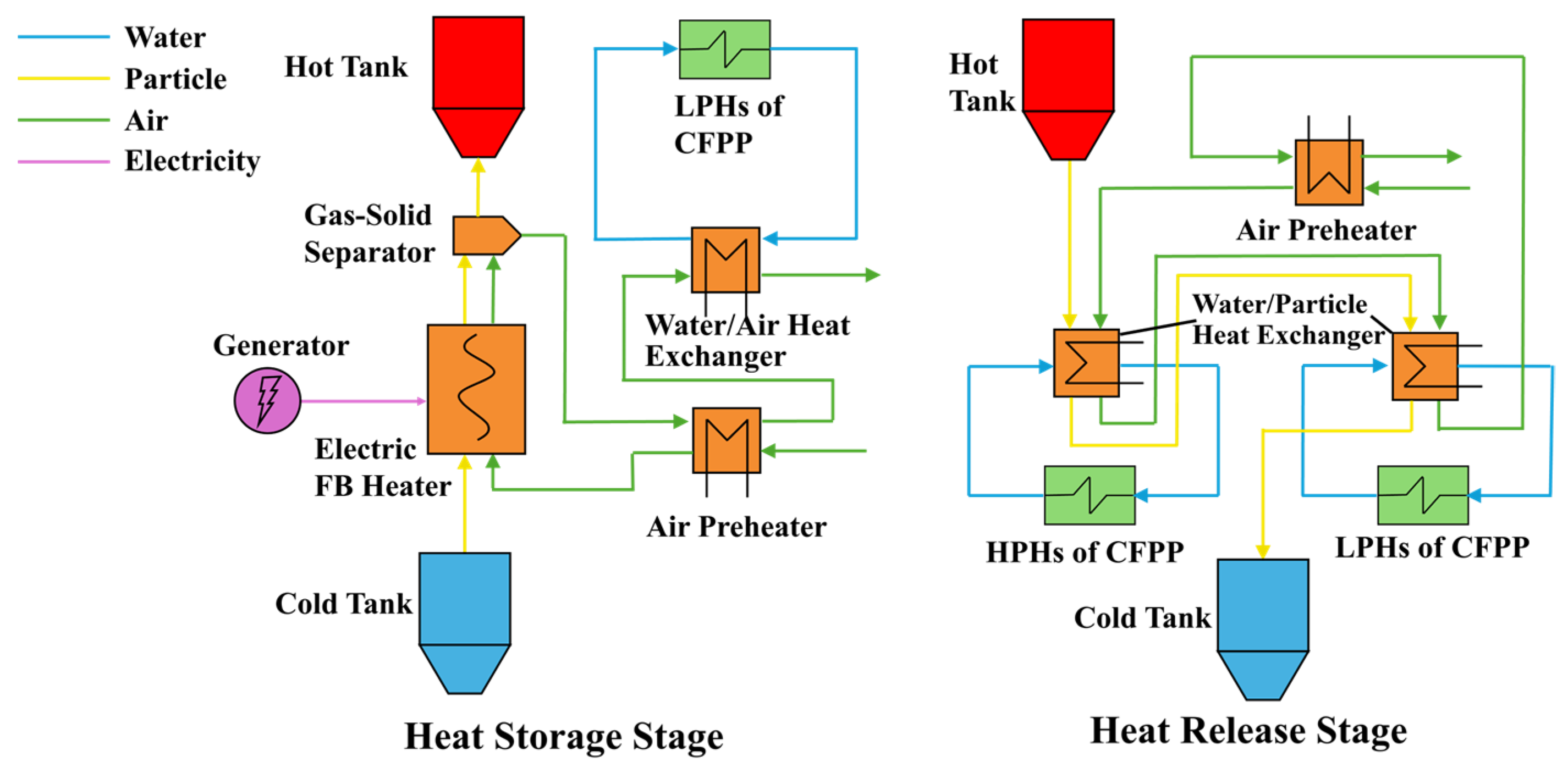
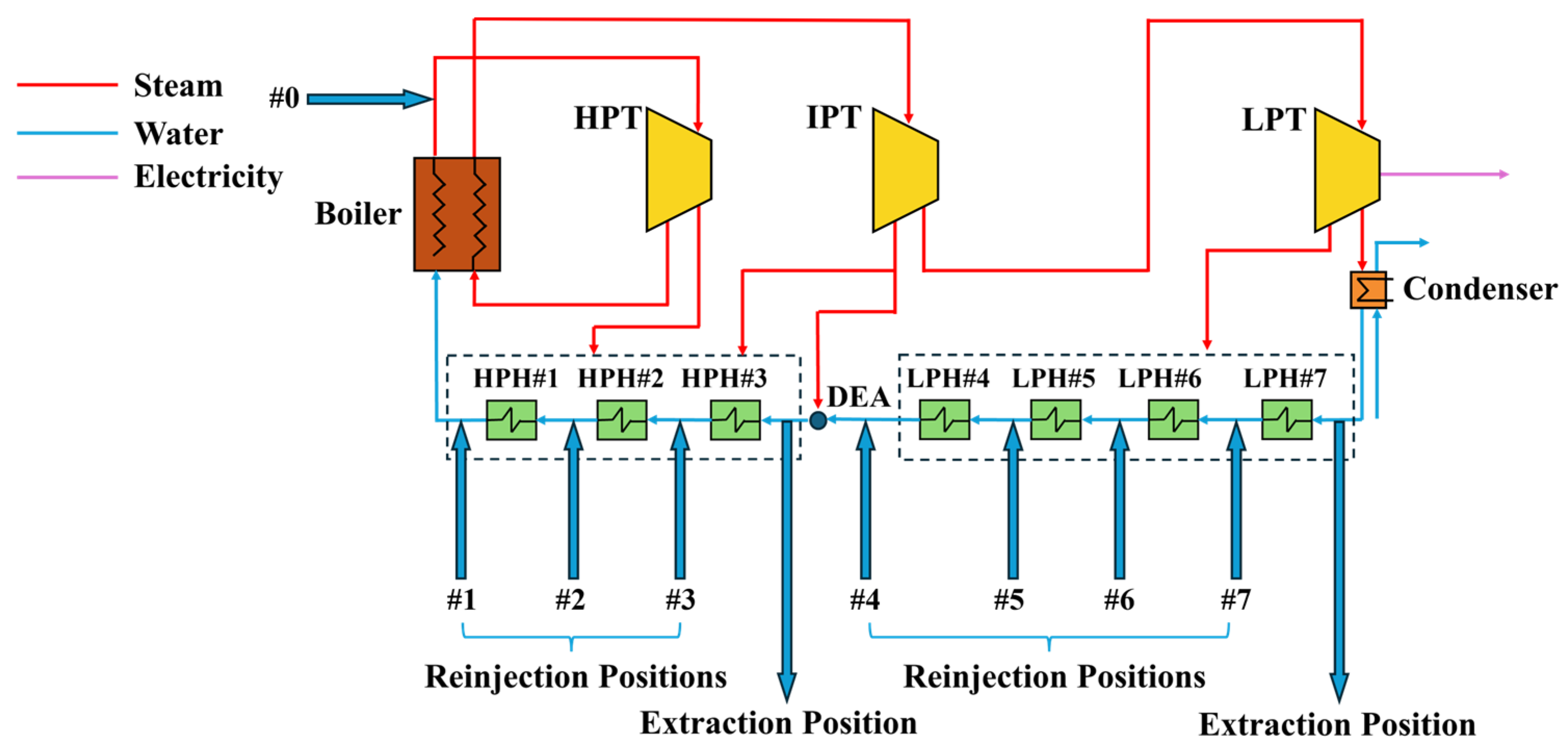
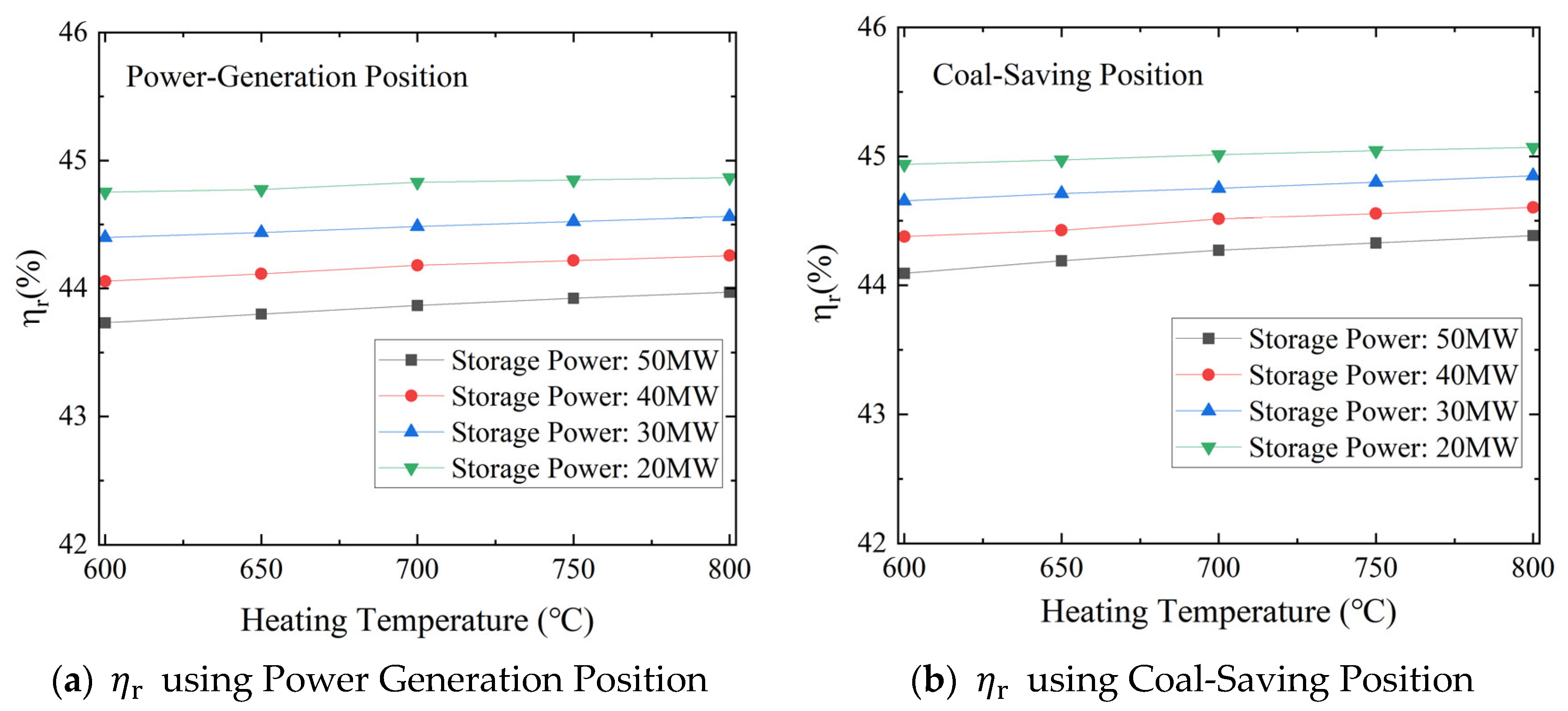
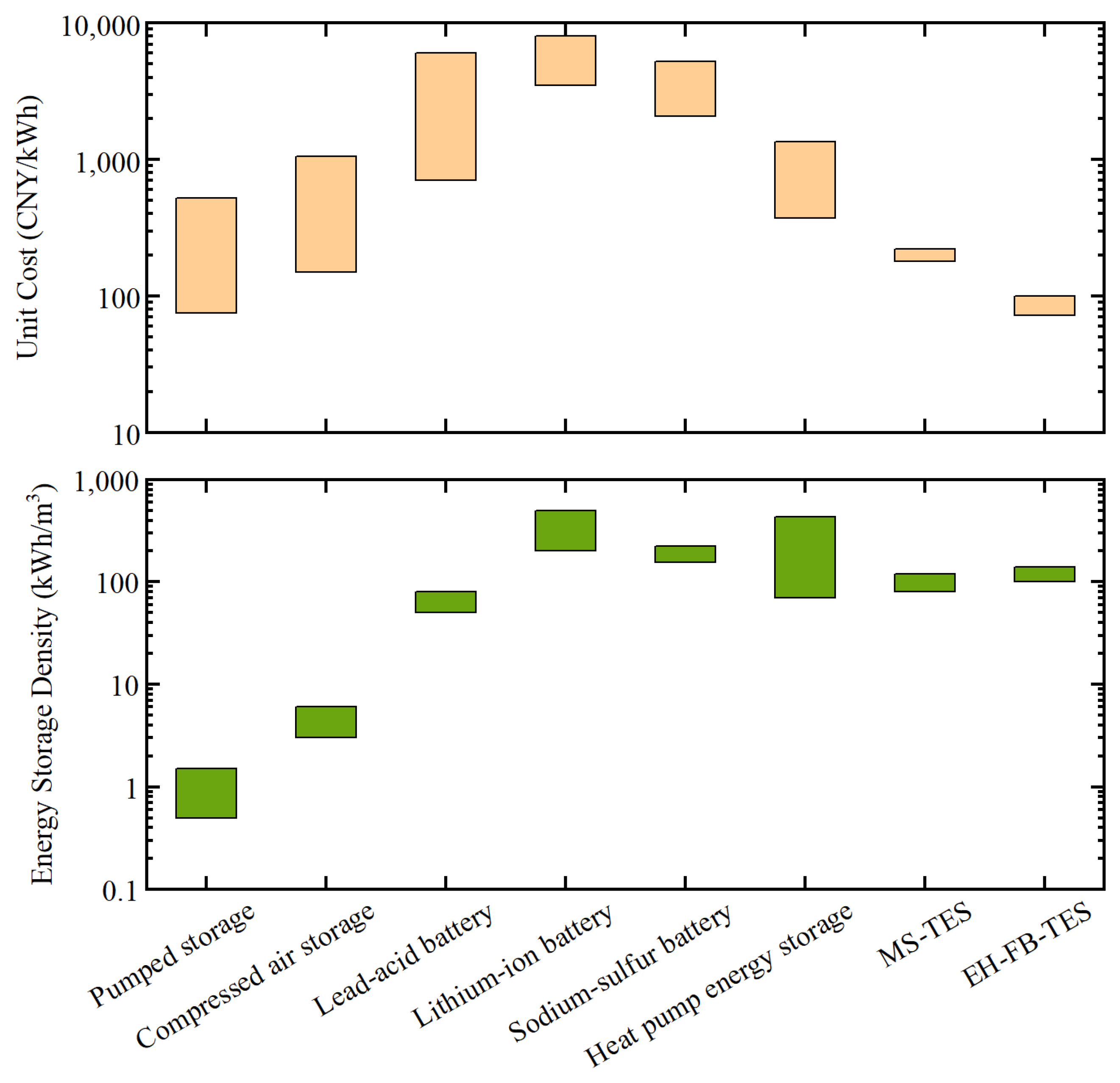
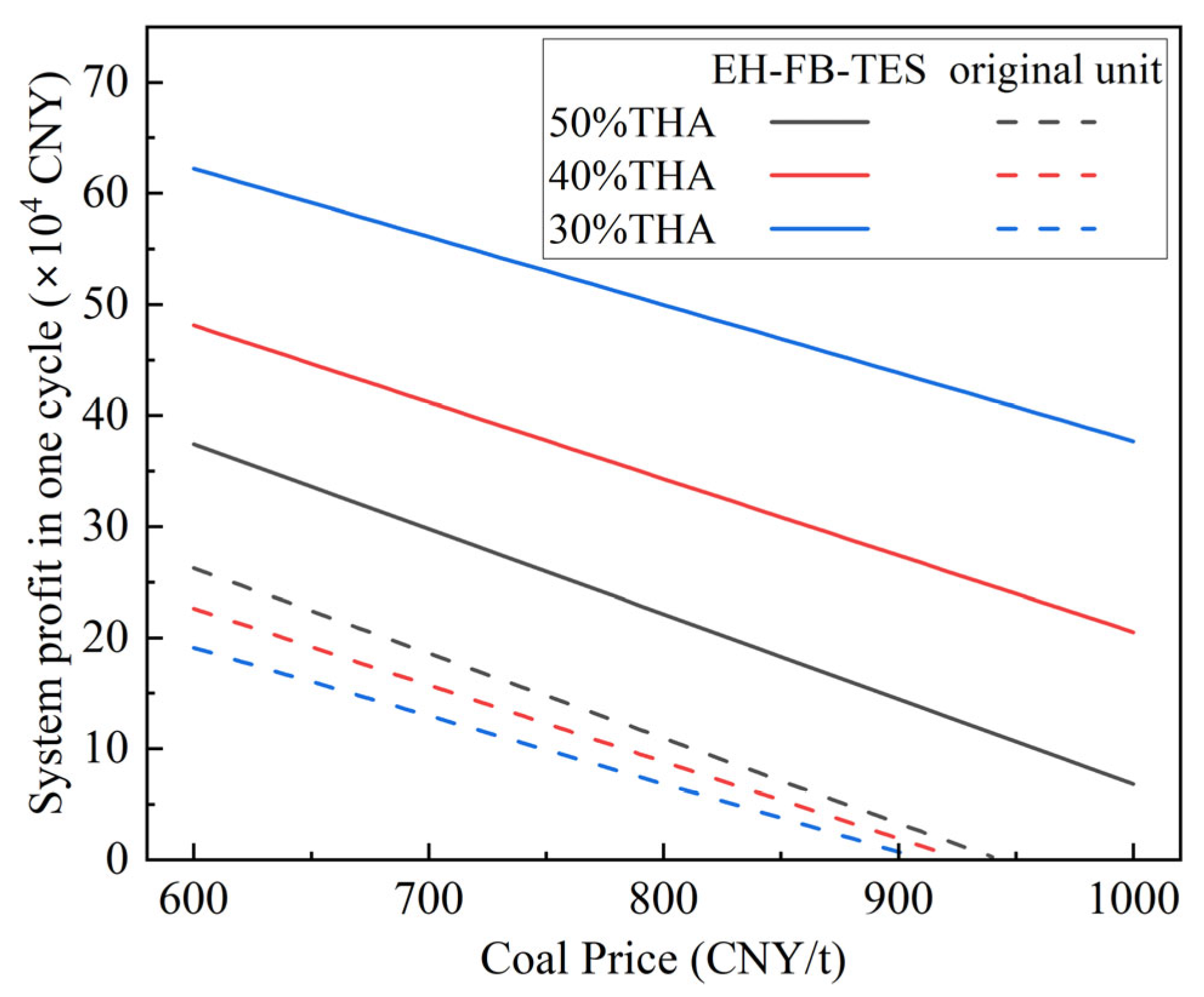
To increase the energy utilization efficiency, a two-stage heat recovery strategy is proposed. Namely, the high-grade thermal energy from particles and exhaust gases is used to heat up feedwater extracted after the deaerator, partially replacing the high-pressure heater (HPH), or is directly evaporated and supplied to the high-pressure turbine (HPT), while the intermediate temperature energy is used to heat up the condensate water, partially substituting the low-pressure heater (LPH). Coal-Saving Position coupling uses thermal energy stored in particles to generate steam and apply it into the HPT, which achieves a lower coal consumption but results in lower power generation. Meanwhile, Power Generation Position coupling heats up feedwater, which can generate more power but consumes more coal. The system achieves a maximum equivalent round-trip efficiency of 32.9% under 20 MW/800 °C conditions when using the Power Generation Position. Compared with other energy storage methods, EH-FB-TES has a relatively high energy storage density, while having a low energy storage cost. When the system for DPS stores heat at 30%THA while integrated with an FB-TES of 50 MW and a heat storage duration of 8 h, the static and dynamic payback periods are 3.06 years and 3.67 years.
However, the heat loss induced by the introduced fluidized air remains a limitation of the EH-FB-TES system; the stable and efficient circulation of particles requires further optimization, and the associated research should be carried out in the future.