1. Introduction
In recent years, significant advancements in gas turbine design have led to increased efficiency and performance. Innovations in cooling technologies, tip desensitization techniques, and passive wall treatments have enabled higher cycle temperatures, thereby improving overall cycle efficiency.
During the preliminary design phase of turbomachinery, fluid flow is mathematically modeled using the Euler equations. To estimate key performance parameters—such as efficiency, pressure ratio, and shaft power—empirical loss models derived from experimental cascade tests at both low and high Mach numbers are employed to account for various loss mechanisms [
1]. The preliminary design process, typically based on a one-dimensional mean-line model, provides fundamental geometric parameters, including blade angles at the leading and trailing edges, blade chord length, hub and tip diameters at different sections, and the overall machine length. Additionally, it yields essential flow properties such as pressure, temperature, and velocity at key blade sections across different rotational speeds. However, this level of analysis is insufficient to capture detailed internal flow characteristics along the turbomachine’s streamwise direction, particularly within the blade-to-blade passage, where complex flow phenomena, such as wake formation, boundary layer separation, and secondary flow must be thoroughly examined. These flow interactions play a critical role in optimizing machine design and enhancing turbomachine performance.
Following the preliminary sizing stage using reduced-order modeling, a more detailed analysis of the internal flow field is conducted through three-dimensional computational simulations. These simulations leverage the fundamental equations of fluid mechanics (continuity, momentum, and energy) solved numerically using computational fluid dynamics (CFD). The incorporation of turbulence modeling ensures an accurate representation of turbulent eddy viscosity, providing high-fidelity solutions for the intricate flow structures present in turbomachinery [
2].
The three-dimensional flow field solution is particularly crucial for assessing aerodynamic behavior and refining the blade geometry to enhance efficiency. One of the most complex flow regions in turbomachinery is the rotor tip, where leakage flow arises due to pressure differentials between the pressure and suction sides of the blade. This leakage flow, occurring through the clearance between the rotor tip and the casing, contributes to significant aerodynamic losses and adversely affects overall machine performance [
3]. Elevated pressure gradients in this region exacerbate leakage flow, leading to efficiency degradation and increased specific fuel consumption in gas turbines.
In high-pressure turbines (HPTs), tip desensitization techniques offer an effective strategy for mitigating tip leakage losses and improving aerodynamic efficiency. These techniques involve modifying the rotor blade tip geometry to reduce leakage flow and enhance the energy transfer process between the working fluid and the rotor blades. Geometric modifications in the rotor tip region induce localized flow alterations that disrupt leakage vortex formation and minimize aerodynamic losses, ultimately improving overall turbine efficiency [
4,
5].
Several studies have investigated the application of desensitization techniques to enhance axial turbine performance [
6,
7,
8]. These investigations have explored various rotor geometries, including Winglet extensions at the rotor tip, Squealer geometries featuring cavities on the rotor tip surface, and hybrid configurations integrating both Squealer and Winglet features to optimize aerodynamic efficiency [
7,
9,
10].
Tallman [
11] conducted a computational study using a 3D CFD Navier–Stokes solver to evaluate the impact of different axial blade tip designs on turbine efficiency. The results demonstrated that incorporating a chamfer at the rotor blade tip redirected the leakage flow toward the blade camber, mitigating the tip leakage vortex and reducing associated pressure losses.
Dey and Camci [
12] applied the desensitization technique to analyze the rotor tip leakage flow field using a cascade test incorporating rotational velocity effects. Their findings revealed significant differences in tip leakage flow behavior between the baseline flat-tip rotor blade and a modified design incorporating a Winglet. The Winglet geometry functioned as a flow barrier, minimizing leakage into the tip clearance region and consequently attenuating the tip leakage vortex. Their study further indicated that a Winglet positioned on the blade pressure side yielded a substantial reduction in tip leakage losses and an improvement in turbine efficiency.
Silva et al. [
13] examined the impact of tip desensitization strategies in a high-pressure turbine (HPT) by implementing Winglet and Squealer geometries. Their results demonstrated notable efficiency gains and distinct modifications in the tip clearance flow field. Specifically, the integration of a Winglet at the blade tip was shown to reduce rotor losses and enhance overall turbine performance.
Saha et al. [
14] conducted a numerical study evaluating the influence of various rotor blade tip geometries, including flat-tip, Winglet, and Squealer designs, on HPT performance. Their findings indicated a reduction in tip leakage losses and a decrease in the heat transfer coefficient at the blade pressure side for the Winglet configuration, highlighting its effectiveness in mitigating thermal and aerodynamic losses.
Maia et al. [
9] performed a comprehensive analysis of desensitization techniques in an HPT, assessing the aerodynamic performance of flat-tip, Winglet, and Squealer geometries. Their study demonstrated that the pressure-side Winglet configuration provided the most significant improvement in turbine efficiency and fuel consumption reduction.
Tonon et al. [
10] extended the application of desensitization techniques to a hydraulic axial turbine utilized in the Low-Pressure Oxidizer Turbopump (LPOTP) of the Space Shuttle Main Engine (SSME). Their findings indicated that increasing the Squealer cavity depth enhanced turbine efficiency, with one optimized Squealer geometry yielding a
efficiency improvement across the operational range. Additionally, the study reported a reduction in cavitation effects near the trailing edge of the rotor blades, further contributing to performance gains.
This study investigates the application of the desensitization technique to a high-pressure turbine (HPT) developed by NASA [
15] as part of the Energy-Efficient Engine (E3) program. However, this report presents only the findings related to the flat-plate rotor tip configuration, with a tip clearance of
of the blade height. This turbine was selected because experimental data are available, which makes it possible to validate the model developed in this work. Computational fluid dynamics (CFD) simulations were conducted to evaluate the aerodynamic performance of various rotor tip configurations. Although there are some studies on Squealers and Winglets, this work makes it possible to compare various geometries, including combinations of these features, and to assess which configurations are more applicable under different operating conditions.
The study examines the impact of different rotor tip geometries on HPT performance, including:
Winglet configurations: three geometries with varying platform extensions along the rotor blade chord.
Squealer configurations: three geometries with different cavity depths and modifications near the trailing edge.
A blend of Squealer–Winglet configurations: three geometries integrating features from both Winglet and Squealer designs.
The main contribution of this work lies in the systematic comparison of these desensitization strategies within a consistent numerical framework, allowing the identification of performance trends and optimal configurations across a range of pressure ratios. By analyzing the interaction between tip geometry, leakage flow behavior, and aerodynamic efficiency, this study aims to support the development of improved blade tip design strategies for high-pressure turbines.
2. Rotor Tip Desensitization and Mesh Generation
The high-pressure turbine (HPT) analyzed in this study is based on the Energy-Efficient Engine (E3) program developed by NASA [
15]. The NASA report provides detailed geometric specifications and experimental efficiency data for different pressure ratios at the design-point rotational speed, considering a flat-tip rotor blade configuration.
The 3D geometry of the HPT was processed using a Computer-Aided Design (CAD) software, SOLIDWORKS 2021, and subsequently exported to ANSYS ICEM CFD v19.0 for mesh generation. This mesh was utilized in the ANSYS CFD solver, CFX v19.0, to perform numerical simulations by solving the governing equations of fluid mechanics (continuity, momentum, and energy), along with turbulence modeling for eddy viscosity calculation.
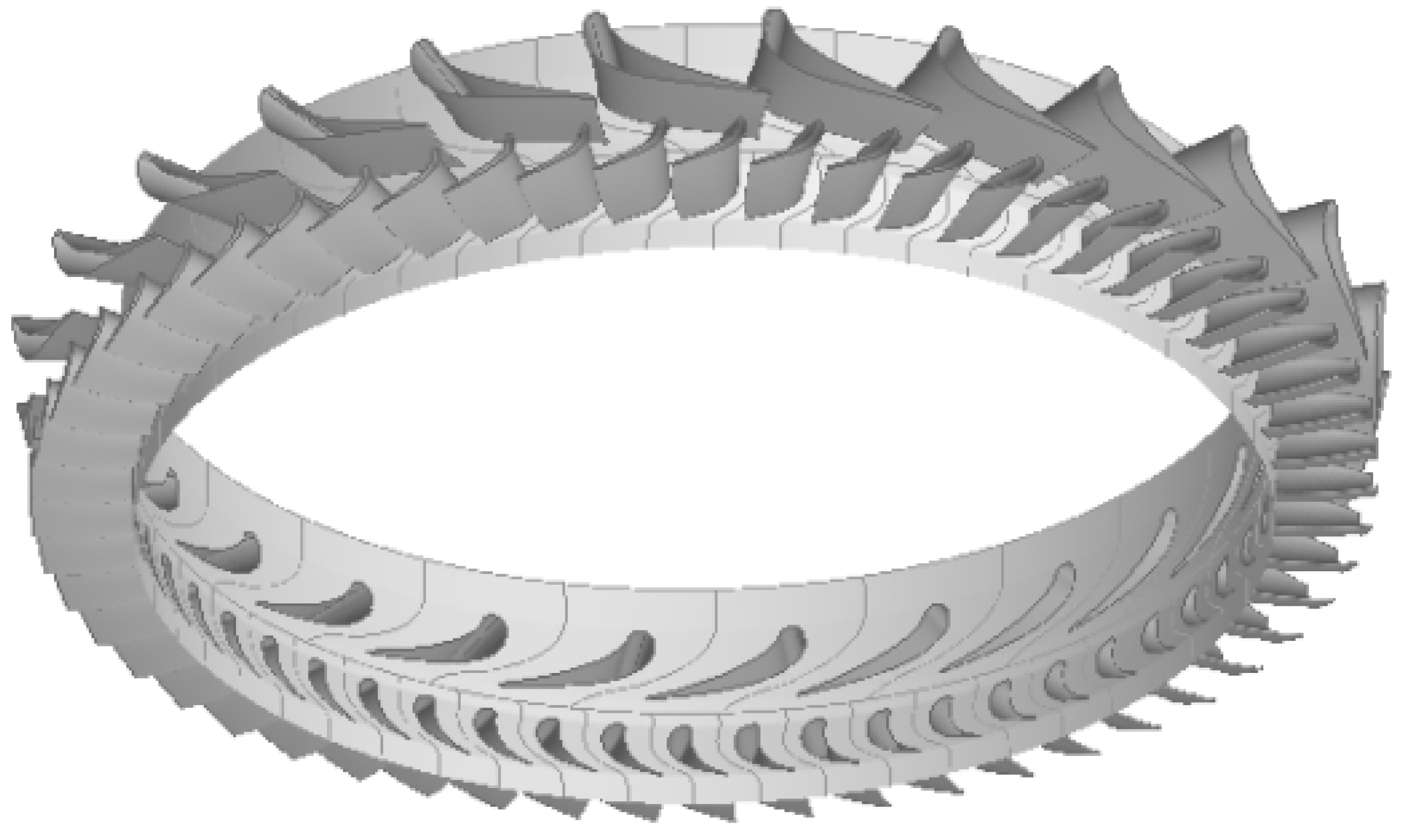
Figure 1 illustrates the HPT stage analyzed for the baseline flat-tip rotor blade configuration.
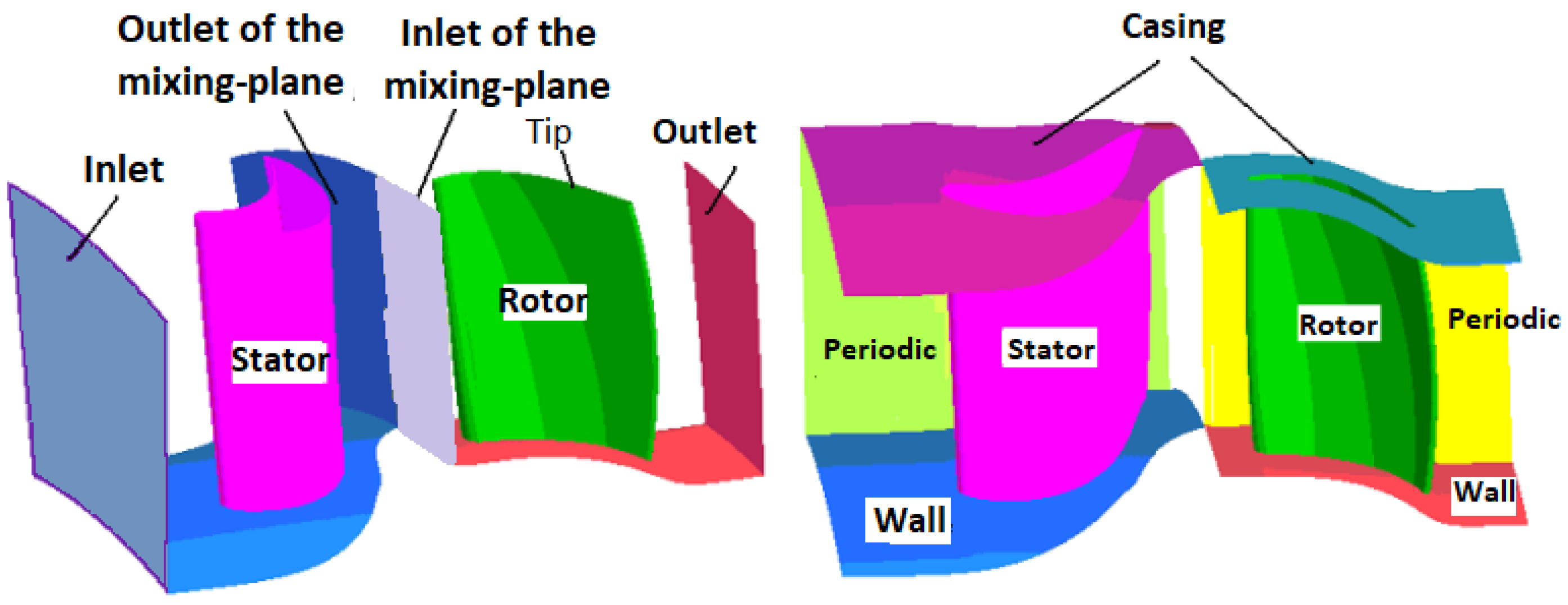
The computational domain encompasses both the Nozzle Guide Vanes (NGVs) and rotor blade rows, structured as a periodic blade-to-blade passage, as depicted in
Figure 2. This periodic condition significantly reduces computational cost while maintaining the accuracy of the three-dimensional flow field prediction under steady-state assumptions. A full annular model would require significantly higher computational resources, making it impractical for iterative design optimization.
The mesh generation process was carefully designed to ensure numerical accuracy and stability. Key mesh quality parameters—including control volume topology, aspect ratio, skewness, orthogonality, and grid refinement—were optimized to minimize numerical dissipation and improve the accuracy of convective and diffusive discretization terms in the governing equations.
Due to the geometric complexity of the rotor tip region, an unstructured tetrahedral mesh was employed, with 25 prism layers incorporated at the wall surfaces to capture the boundary layer dynamics accurately. This hybrid meshing approach adheres to best practices for turbomachinery CFD simulations, ensuring appropriate resolution of near-wall flow phenomena and tip leakage vortices [
16,
17].
The desensitization techniques applied to the HPT rotor tip in this study include Winglet, Squealer, and combined Squealer–Winglet configurations. The Winglet geometry was implemented along the pressure side of the rotor blade, with variations in its extension along the blade chord: (1) Winglet A (
of the blade chord length); (2) Winglet B (
of the blade chord length); (3) Winglet C (
of the blade chord length).
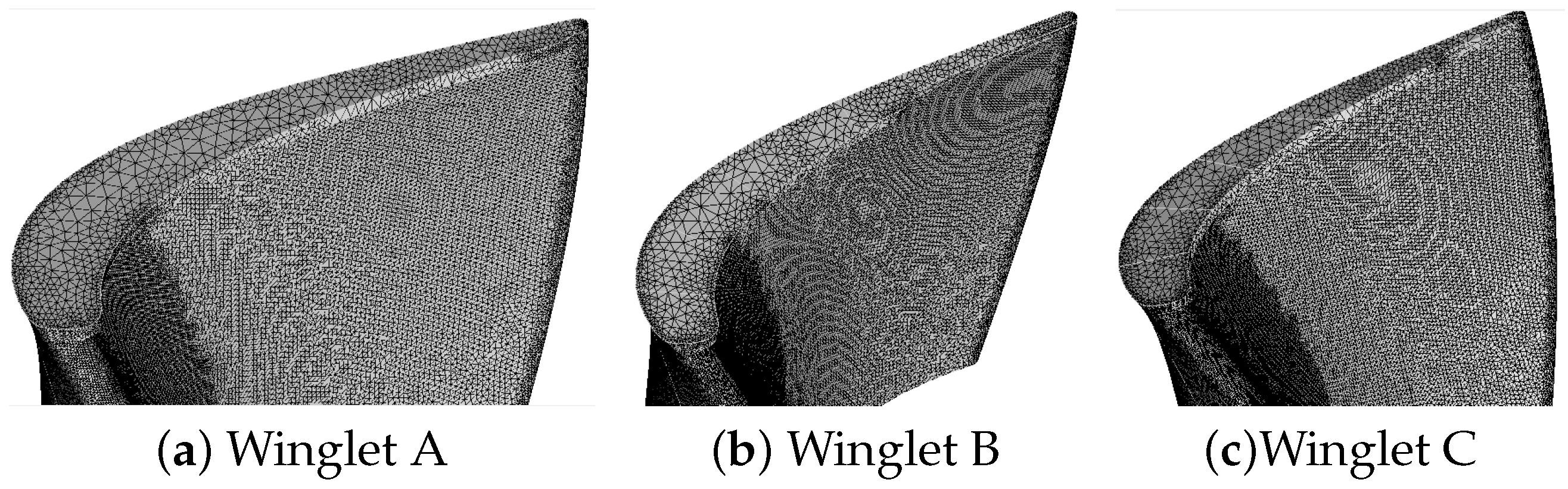
Figure 3a–c illustrate the 3D representations of these Winglet configurations.
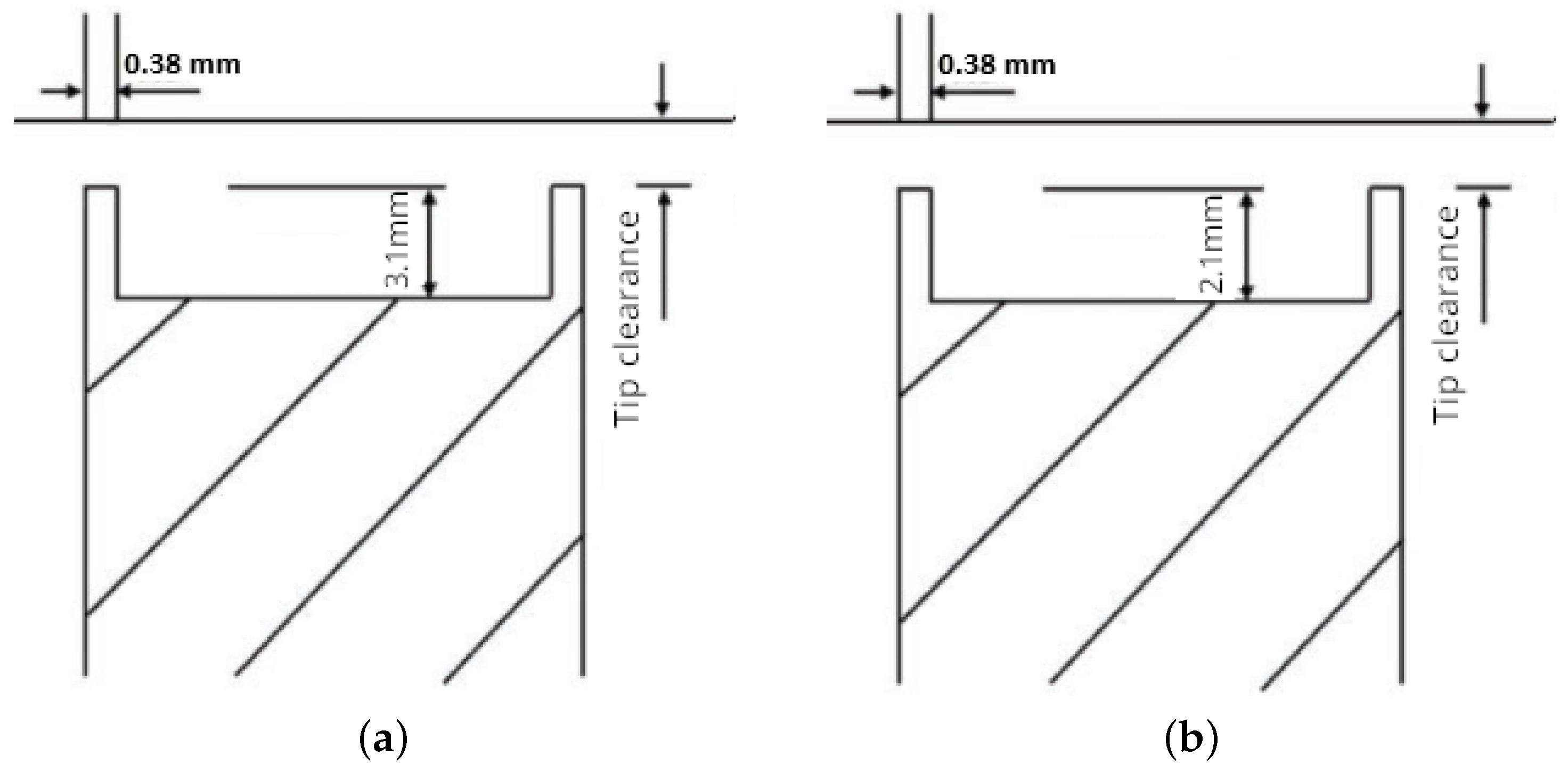
For the Squealer rotor tip configuration, two distinct configurations with varying rim and cavity heights were considered, as illustrated in
Figure 4. These configurations are designated as Squealer A and Squealer B, as depicted in
Figure 5a,b.
Additionally, a refined geometric modification was introduced to the Squealer A configuration, following the methodology proposed by Zhang [
7]. In this modification, the trailing edge region of the blade was reduced by
, replacing the conventional Squealer with a curved radius by a straight-edged Squealer geometry. This optimized rotor configuration is referred to as Squealer C, as shown in
Figure 5c.
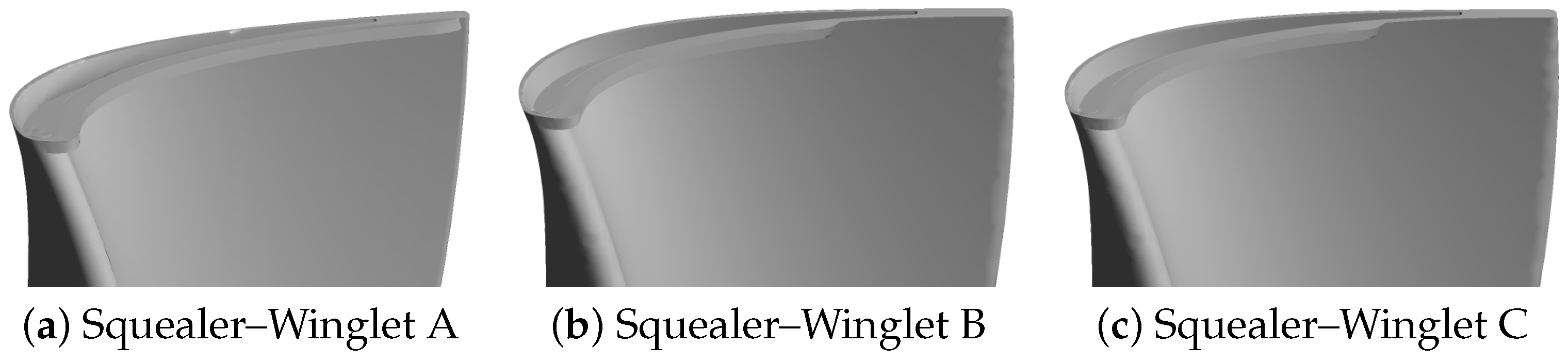
For the Squealer–Winglet rotor geometries, three distinct configurations were analyzed: (1) Squealer–Winglet A, which integrates the Winglet A and Squealer A designs; (2) Squealer–Winglet B, combining Squealer A with Winglet B; and (3) Squealer–Winglet C, incorporating Winglet A with Squealer B. These configurations are illustrated in
Figure 6a–c.
The mesh independence study was conducted by executing the CFD solver for three different mesh resolutions (coarse, medium, and fine) while ensuring high-quality control volumes in accordance with best practices for computational domain discretization. Additionally, an idealized case with zero-tip clearance was analyzed to assess its impact relative to a realistic configuration, where tip clearance is inherently necessary.
Table 1 provides the total number of control volumes (elements) generated for each mesh refinement level.
The mesh quality assessment and independence analysis were conducted using the Grid Convergence Index (GCI) methodology [
18].
Table 2 presents the computed values based on the GCI approach for the evaluated meshes, where
represents the grid refinement ratio,
p denotes the convergence order, and
corresponds to the turbine pressure ratio. The
metric quantifies the convergence index from the coarse to the medium mesh, while
represents the refinement from the medium to the fine mesh. The parameter
defines the asymptotic convergence ratio, and
quantifies the error in the pressure ratio
.
A mesh is considered independent when the asymptotic convergence ratio approaches unity and the pressure ratio error remains below
. Under these conditions, the mesh with the lowest number of control volumes is selected. The selected mesh for each blade row configuration, along with the corresponding number of computational elements, is detailed in
Table 3.
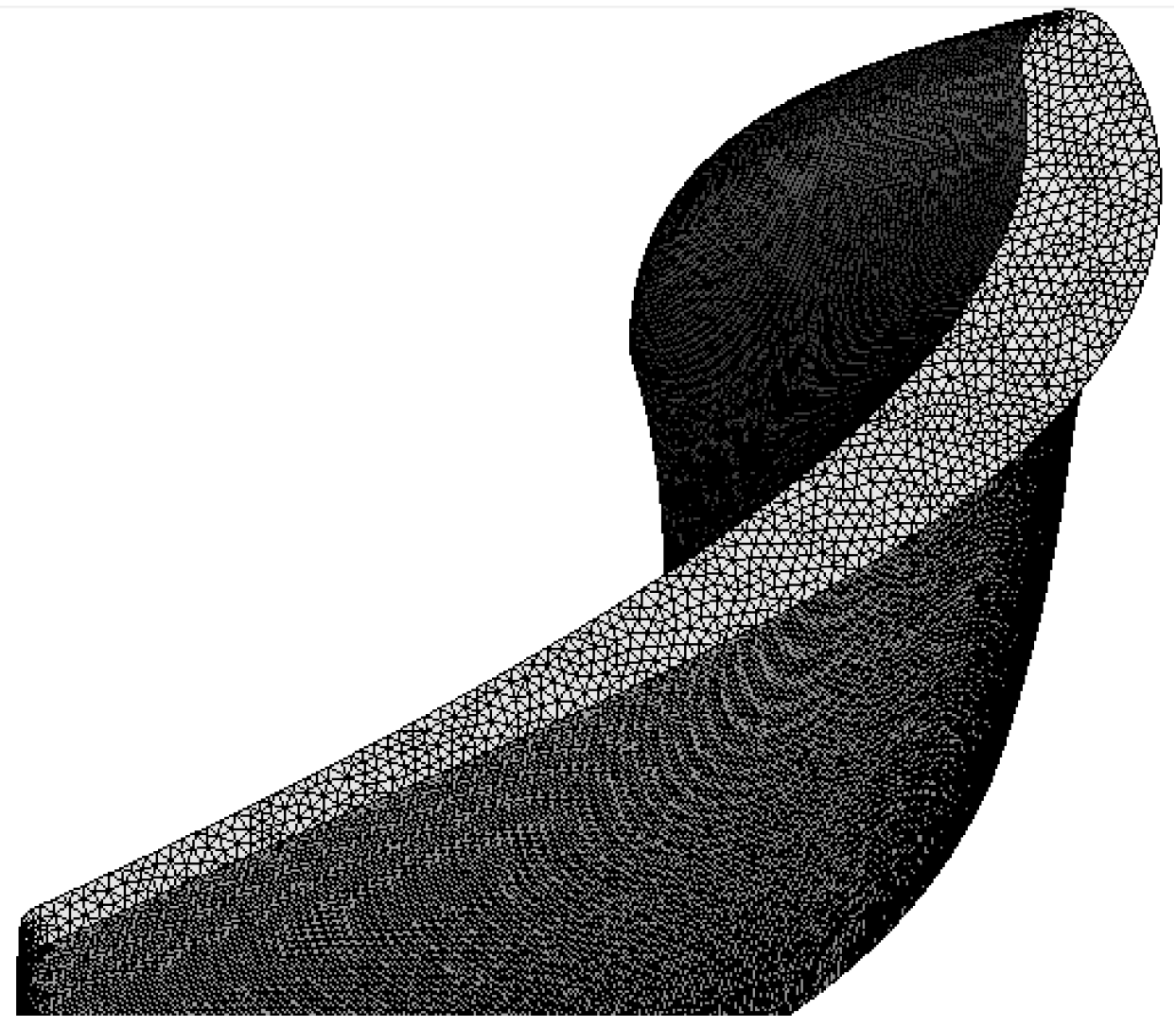
Figure 7 and
Figure 8 illustrate detailed views of the computational mesh, with a particular focus on the tip region for various rotor tip configurations. According to Kang and Hirsch [
19], a minimum of 13 control volumes in structured meshes within the tip clearance region is sufficient to accurately capture flow characteristics and associated gradients, such as velocity distribution. In this study, 25 prism layers were implemented in the tip clearance region to enhance boundary layer resolution and improve numerical accuracy for the investigated geometries.
The mesh independence study conducted in this work provides critical insights for selecting an appropriate mesh, ensuring numerical accuracy while minimizing computational cost and optimizing the turbine design process [
3].
Boundary Conditions and Numerical Issues
The operational conditions adopted in the experimental procedure of the E3 HPT test facility are comprehensively detailed in [
15].
Figure 1 presents the computational domain, highlighting the different surfaces and their corresponding boundary conditions applied in this study.
Table 4 shows the boundary conditions values set at each surface.
The static pressure at the turbine outlet is computed along the blade span, from hub to tip, using the radial equilibrium equation. Consequently, the static pressure is imposed at the hub location to ensure consistency with experimental conditions.
The turbine working fluid is modeled as an ideal gas with thermophysical properties representative of air, with viscosity evaluated using Sutherland’s law as a function of static temperature, Equation (
1). The specific heat capacity is determined through a temperature-dependent polynomial correlation, Equation (
2), while the thermal conductivity is also computed as a function of static temperature [
20].
where
is the reference viscosity at
, and
is the Sutherland constant for air.
where the coefficients
are obtained from the NASA polynomial fits for thermodynamic properties.
The numerical simulations solve the Reynolds-Averaged Navier–Stokes (RANS) equations, discretized using the Finite Volume Method (FVM), under steady-state flow conditions to capture the internal aerodynamics of the HPT. In the present work, the HPT design and off-design operating conditions were simulated.
The turbulence closure is achieved using the Shear Stress Transport (SST) model developed by Menter [
21], which is extensively validated for turbomachinery applications. This model is particularly effective in accurately predicting boundary layer behavior and flow separation phenomena in compressors and turbines, as noted by Menter [
21].
In [
20], the SST turbulence model was analyzed for different values of
. For low values of
(
), the turbulence equations are fully integrated up to the wall surface. For intermediate
values (
), scalable wall functions are applied to ensure a smooth transition between the near-wall region and the logarithmic layer. For higher
values (
), conventional wall functions are employed to efficiently approximate the near-wall effects.
To guarantee accurate numerical results, the mesh was constructed to maintain
on the rotor walls (
Table 5), requiring fine near-wall resolution, especially in the blade tip region, which is the focus of the present analysis.
The governing Navier–Stokes equations are discretized using the Finite Volume Method and solved using a fully coupled pressure–velocity approach with high-resolution advection schemes.
Due to the inherent complexity of turbomachinery flow fields, a gradual numerical initialization is recommended to enhance solver stability. The internal turbine flow is characterized by high-velocity gradients, strong shear layers, and shock wave interactions arising from significant pressure variations. Given the nonlinear nature of the Navier–Stokes equations, the numerical scheme used for convective term discretization must effectively mitigate numerical instabilities in regions with discontinuous flow features as shock waves [
9].
To ensure numerical robustness, the simulation is initialized using a first-order upwind scheme for the momentum equations, leveraging its dissipative properties to dampen instabilities during the initial 100 iterations. After this stabilization phase, a high-resolution second-order scheme is activated to improve the accuracy of the computed flow field. A similar strategy is applied to the convective terms of the turbulence model to enhance predictive fidelity.
In the context of time-marching, the CFX v19.0 CFD solver employs an implicit time integration numerical scheme [
2]. In the present study, the time-step procedure follows a pseudo time-stepping approach, which involves the use of a nonphysical time step, as the simulations are conducted under a steady-state regime.
The numerical convergence criteria are defined based on the monitoring of the residual decay of the conservative variables (mass, momentum, and energy) using the root mean square (RMS) approach. The solution is considered converged when the RMS residuals reach values lower than . In addition, the mass flow rates at the turbine inlet and outlet are monitored to ensure a relative imbalance lower than , thereby confirming solution convergence.
4. Results and Discussion
All simulated rotor tip desensitization models affected the stage performance, with some configurations achieving efficiency gains above 1% and others presenting losses of the same order, depending on the operating point. This behavior highlights the potential to improve the efficiency solely by modifying the rotor tip geometry, as demonstrated in the following results.
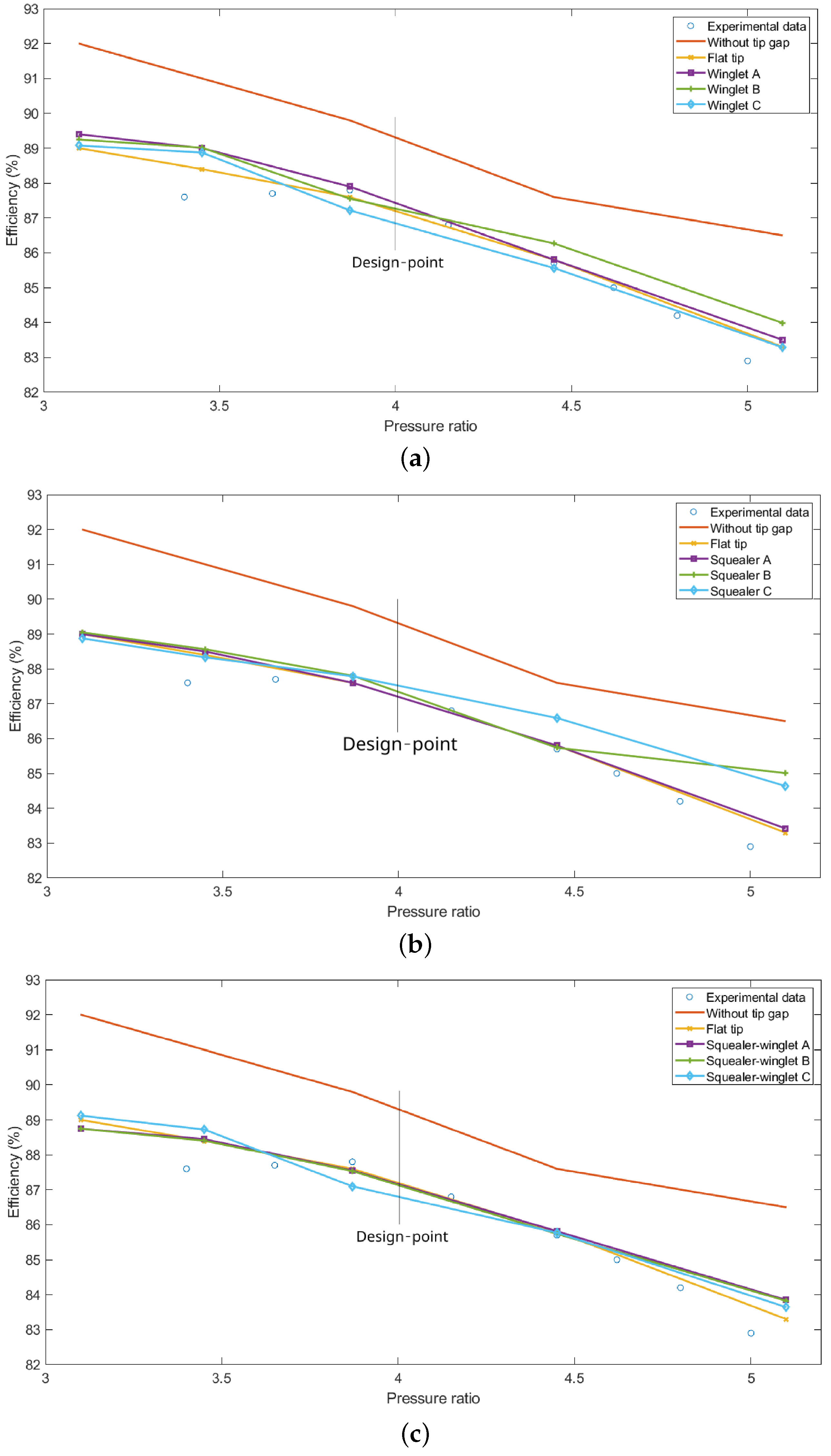
Figure 9 illustrates the variation in efficiency across different pressure ratio conditions, considering
N of the operational regime.
The study indicates that all Winglet geometries, efficiency improvements were observed at lower pressure ratios. Among the configurations, Winglet A exhibited the highest efficiency across all simulated pressure ratios, while Winglet B demonstrated superior performance at several operational points compared to the flat-tip case.
The Squealer rotor tip geometries consistently outperformed the base-line rotor flat-tip configuration in terms of efficiency at all operating points. Notably, the Squealer-tip configuration yielded greater efficiency, about 1.43% at higher pressure ratios compared to the flat-tip case, suggesting enhancements in the energy transfer process and overall HPT performance.
Similarly, the Squealer–Winglet configurations demonstrated increased efficiency relative to the original rotor flat-tip design. However, for the Squealer–Winglet B configuration, a reduction in efficiency was observed at lower pressure ratios. Additionally, at the design-point condition, the Squealer–Winglet C exhibited a slight efficiency decline.
This behavior suggests the existence of an optimal Winglet geometry, when combined with a Squealer configuration. For the geometries investigated, increasing the Winglet extension along the blade span resulted in reduced effectiveness when combined with a Squealer. This may be attributed to the interaction between the vortices generated by both features, which can induce additional aerodynamic losses, particularly at low pressure ratios.
The maximum efficiency improvement achieved with Winglet geometries was for Winglet A, for Winglet B, and for Winglet C at a pressure ratio of . For Squealer geometries, the peak efficiency improvement was with Squealer B and with Squealer C at the HPT design-point condition (pressure ratio of ).
At elevated pressure ratio conditions, the highest efficiency improvements were observed for the Squealer–Winglet configurations, with Squealer–Winglet A achieving a increase, Squealer–Winglet B a increase, and Squealer–Winglet C a increase for pressure ratio equal to .
Table 6 shows the HPT efficiency for the design-point condition: pressure-ratio equal to
at
N.
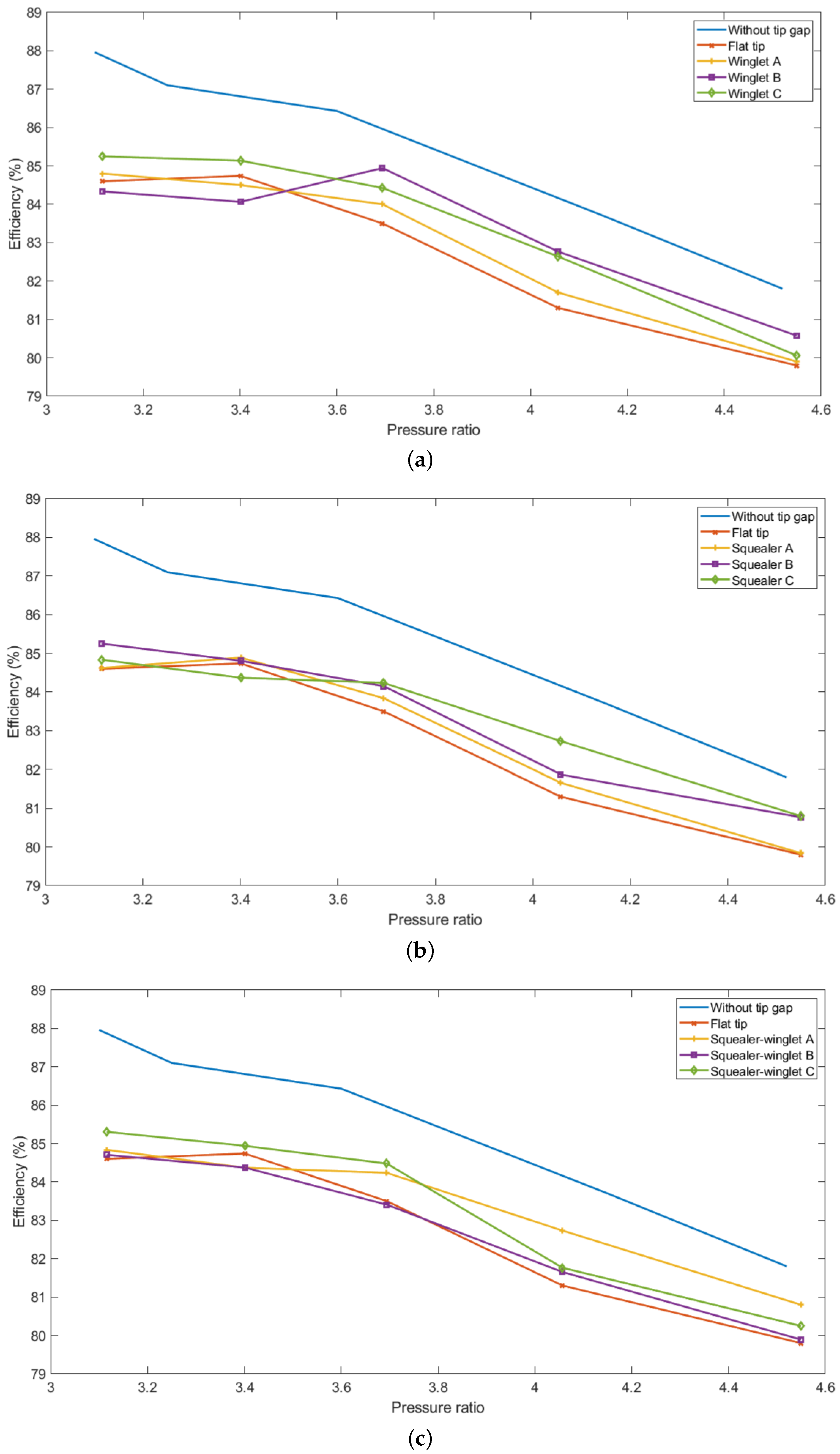
Figure 10 presents the efficiency variation as a function of the pressure ratio, considering
N, which corresponds to cruise flight operation.
When comparing the rotor flat-tip configuration with the Winglet-tip designs, Winglet A and Winglet C exhibit superior efficiency across all pressure ratio conditions. Both Squealer-tip configurations, Squealer A and Squealer B, demonstrate enhanced efficiency at all operating points, whereas Squealer C shows efficiency improvements specifically at higher pressure ratios.
The rotor tip incorporating the Squealer–Winglet C configuration consistently achieves higher efficiency than the baseline flat-tip rotor across all operating conditions. The Squealer–Winglet B configuration exhibits superior efficiency at elevated pressure ratios, while the Squealer–Winglet A configuration maintains efficiency levels comparable to those of the original rotor flat-tip design.
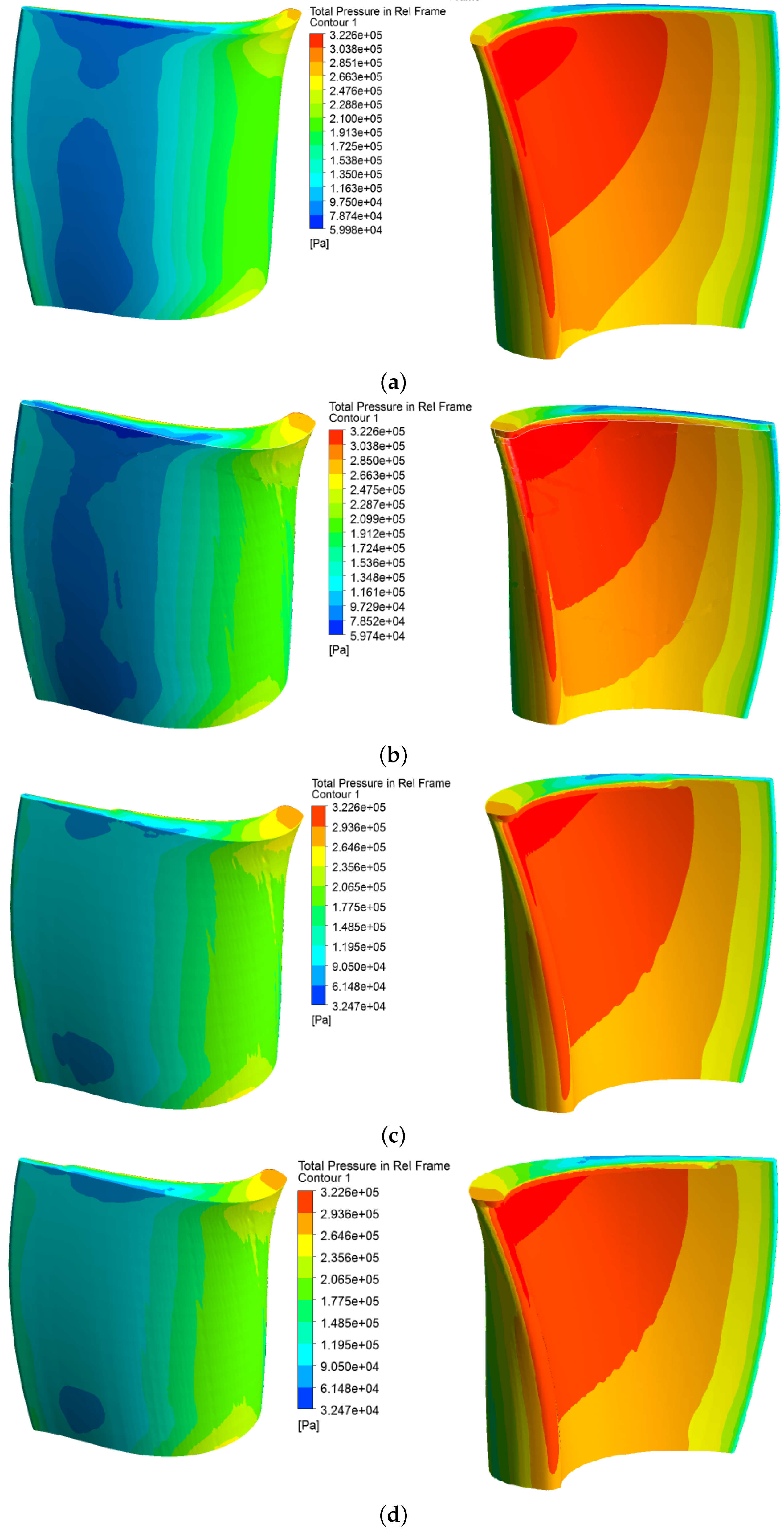
Figure 11 highlights the differences in pressure distribution between the original rotor flat-tip configuration and the rotor designs incorporating Winglet geometries. The highest pressure levels are observed in the original rotor flat-tip configuration, particularly on the blade’s pressure side near the leading edge at approximately
of the blade span. This behavior indicates higher differences in the flow characteristics as changes in the pressure distribution at the blade pressure side induced by variations in rotor tip geometry. Among the Winglet configurations, flat-tip and Winglet B exhibits the lower pressure at the rotor blade trailing edge distributed at the blade span.
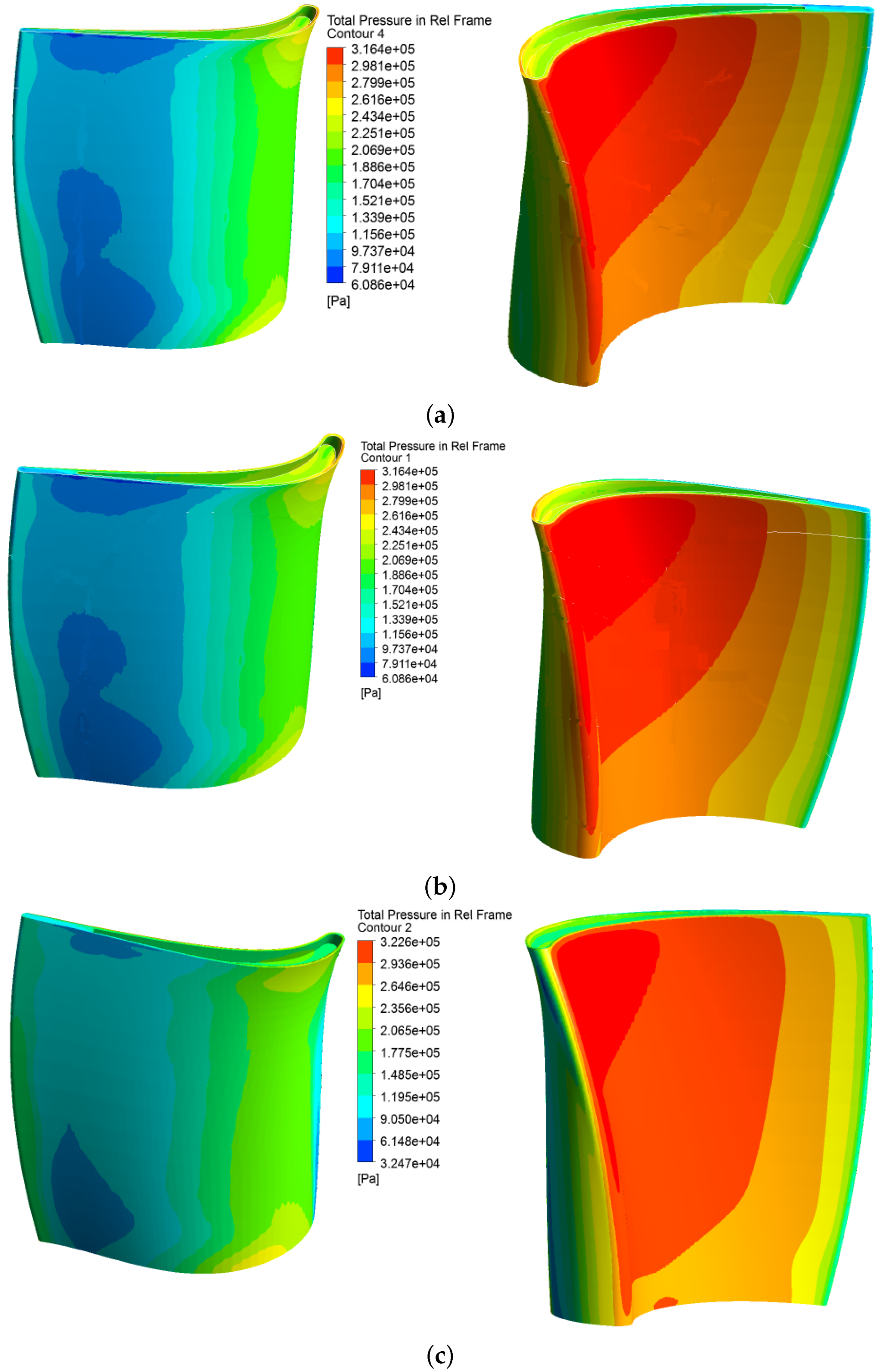
As shown in
Figure 12, the Squealer rotor configurations exhibit similar pressure distributions for the Squealer A and B, with significant pressure losses occurring at the trailing edge near both the tip and hub regions. Conversely, a reduction in pressure loss is observed at approximately
of the blade span for the Squealer C.
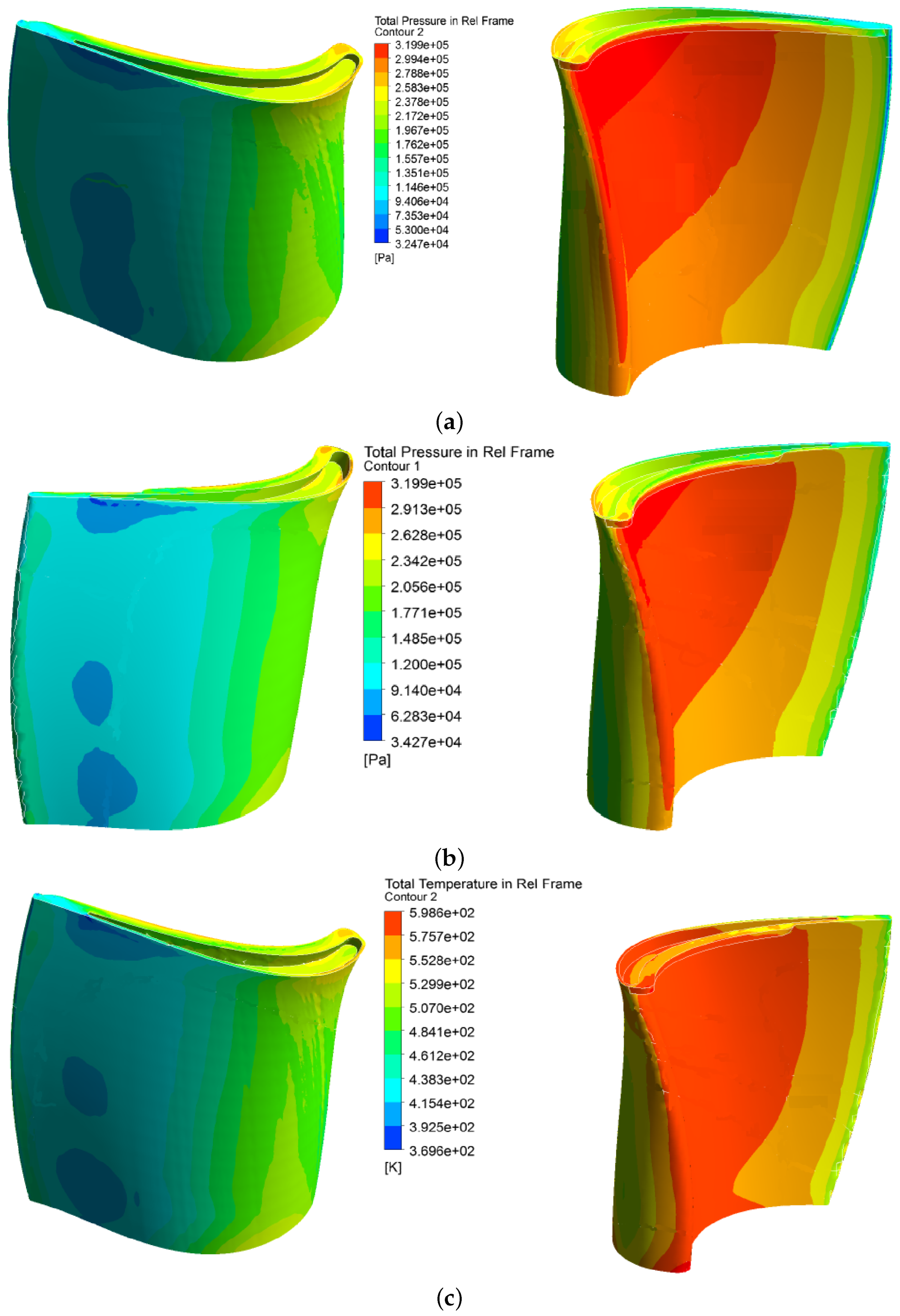
Figure 13 further illustrates that the Squealer–Winglet A and C configurations exhibit comparable pressure distributions, with minimal pressure loss at approximately
of the blade span. The Squealer–Winglet B shows higher pressure at the blade trailing edge and major pressure values at the blade leading edge than the other Squealer–Winglet rotor geometries.
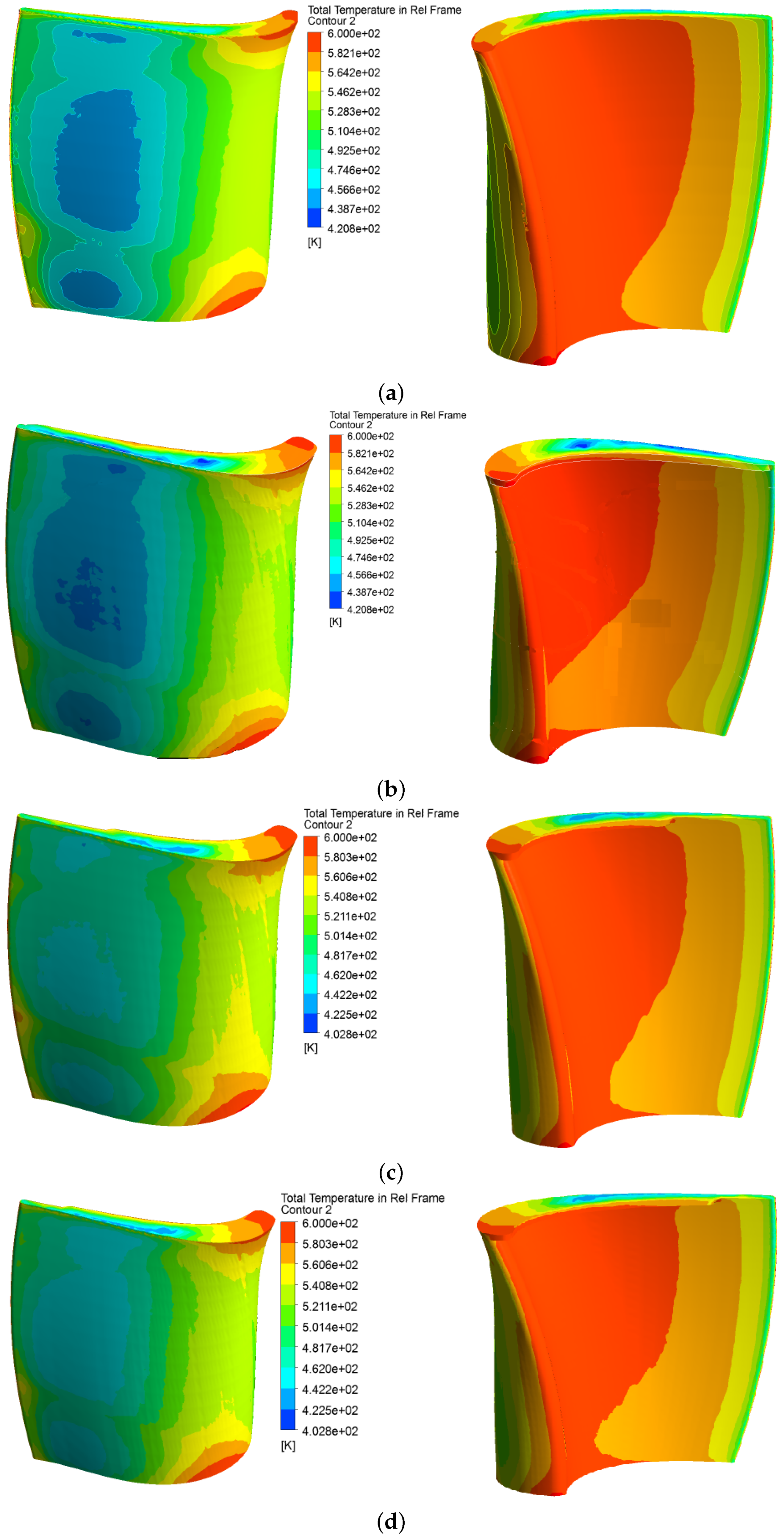
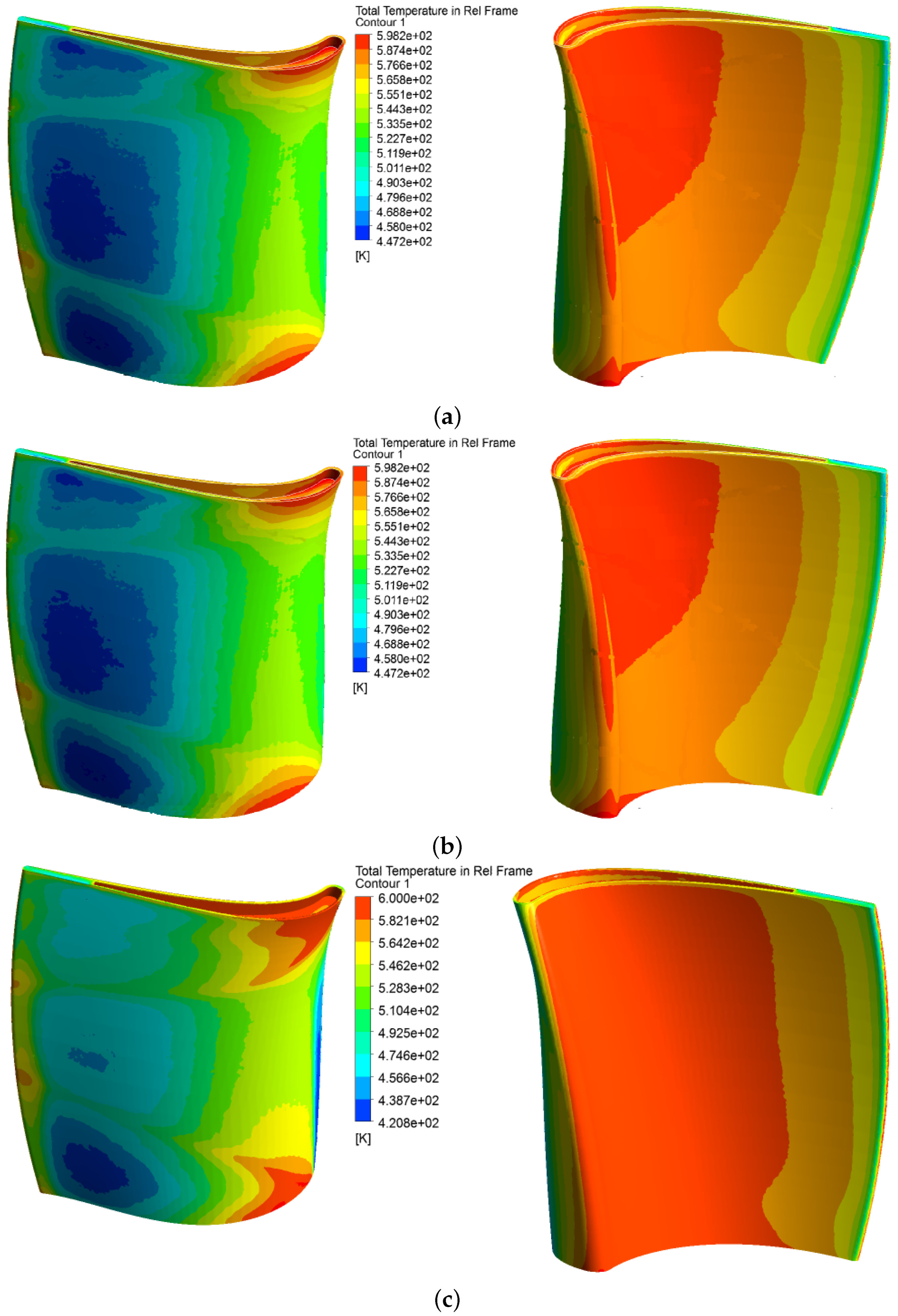
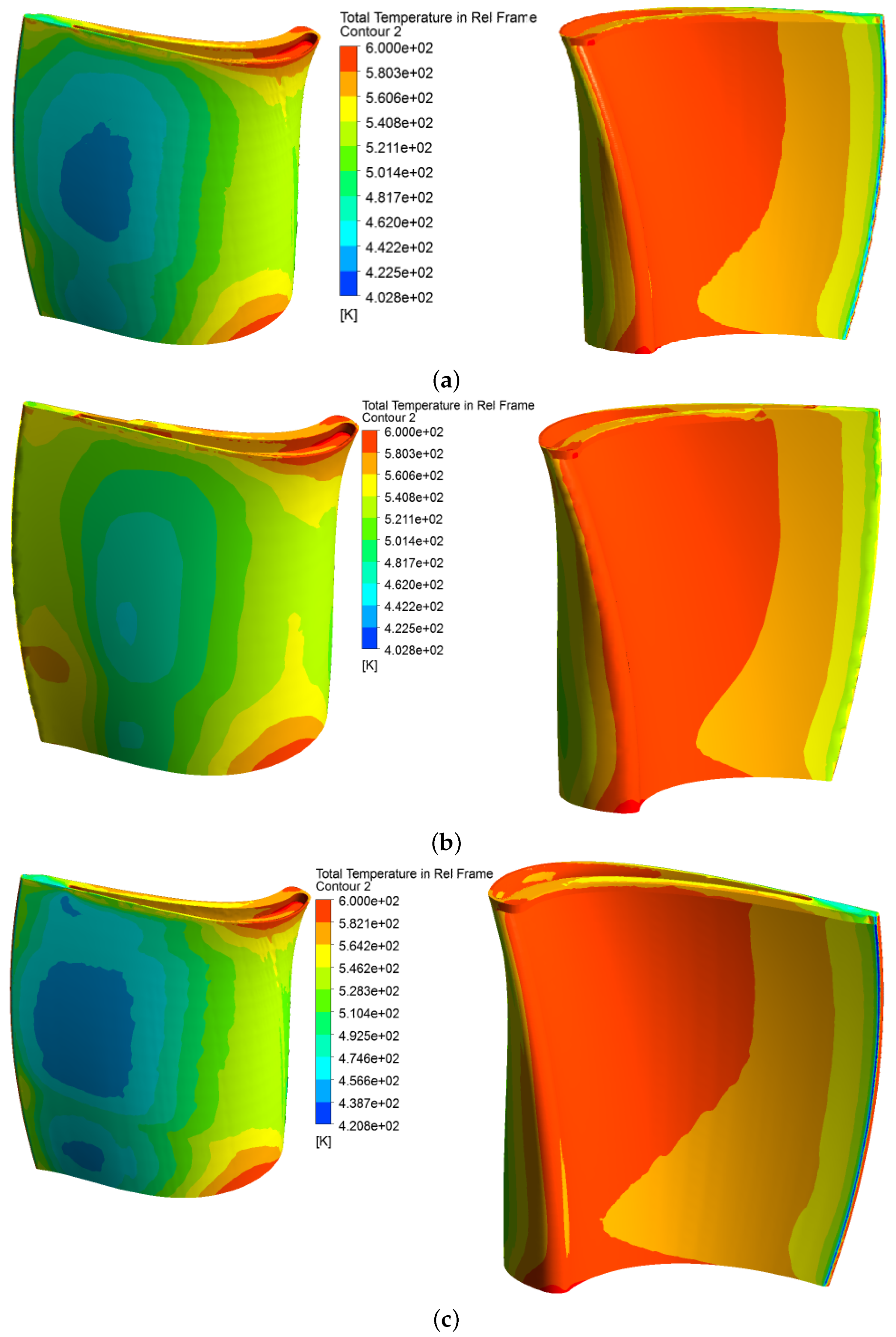
The total temperature distribution across all simulated rotor tip configurations remains largely consistent with that of the original rotor flat-tip configuration (
Figure 14a). A relatively uniform temperature distribution was observed at the stator blade row leading edge, while elevated temperatures are detected at the trailing edge in the hub region. The lowest temperatures occur near the blade tip. Within the rotor blade, higher temperatures are concentrated at the leading edge in both the hub and tip regions across all configurations (
Figure 15 and
Figure 16), except for the original rotor flat-tip design. Squealer C (
Figure 15c) has high-temperature regions at the blade’s leading and trailing edges.
The analysis of rotor tip desensitization demonstrates that modifications to the rotor tip geometry can enhance HPT performance compared to the original rotor flat-tip configuration, particularly under N operating conditions. The observed improvements in efficiency are primarily attributed to reductions in tip leakage flow. In terms of pressure and temperature distributions, the Squealer C configuration exhibits increased heat transfer at the blade tip surface.
The total temperature distribution shows elevated temperatures within the Squealer cavity, which result from vortex formation inside the cavity. High-temperature regions are also observed in the Winglet rotor tip configurations, highlighting critical areas that require design considerations to ensure turbine structural integrity, particularly in cooled blade applications.
The numerical results further confirm performance enhancements for the rotor tip configurations incorporating Winglet A, Winglet B, Squealer C, and Squealer–Winglet C at N. Compared to the original rotor flat-tip configuration, these designs demonstrate superior efficiency across various pressure ratios. At N, the rotor tips with Winglet C and Squealer C exhibit higher efficiencies at elevated pressure ratios, whereas the Winglet A configuration yields efficiency gains across the entire range of studied pressure ratios. The Squealer–Winglet C configuration outperforms both the original rotor flat-tip and other Squealer–Winglet designs across all pressure ratios. Additionally, the Squealer–Winglet B configuration enhances HPT efficiency, particularly under high-pressure ratio conditions.
5. Conclusions
This study investigates the application of desensitization methods in the high-pressure turbine (HPT) of the E3 engine, focusing on the aerodynamic performance of Winglet, Squealer, and Squealer–Winglet rotor tip configurations. The primary objective is to evaluate their effectiveness in mitigating tip leakage flow and reducing associated aerodynamic losses, thereby enhancing turbine efficiency.
Numerical simulations were conducted at two rotational speeds:
N, corresponding to the engine design-point for pressure ratio equal to
, and
N, representing the engine off-design operation, as cruise condition. A tip clearance of
relative to the rotor blade height was considered in all cases. The computational results for the baseline rotor flat-tip configuration were validated against experimental data from [
15], confirming the reliability of the numerical approach employed in this work.
At design-point conditions, the efficiency penalty due to tip clearance was quantified at when compared to the ideal zero-clearance case, emphasizing the significant impact of tip leakage losses on overall HPT performance. The comparative assessment of different rotor tip configurations revealed efficiency improvements of at design-point for the Winglet A configuration and for the Squealer B configuration.
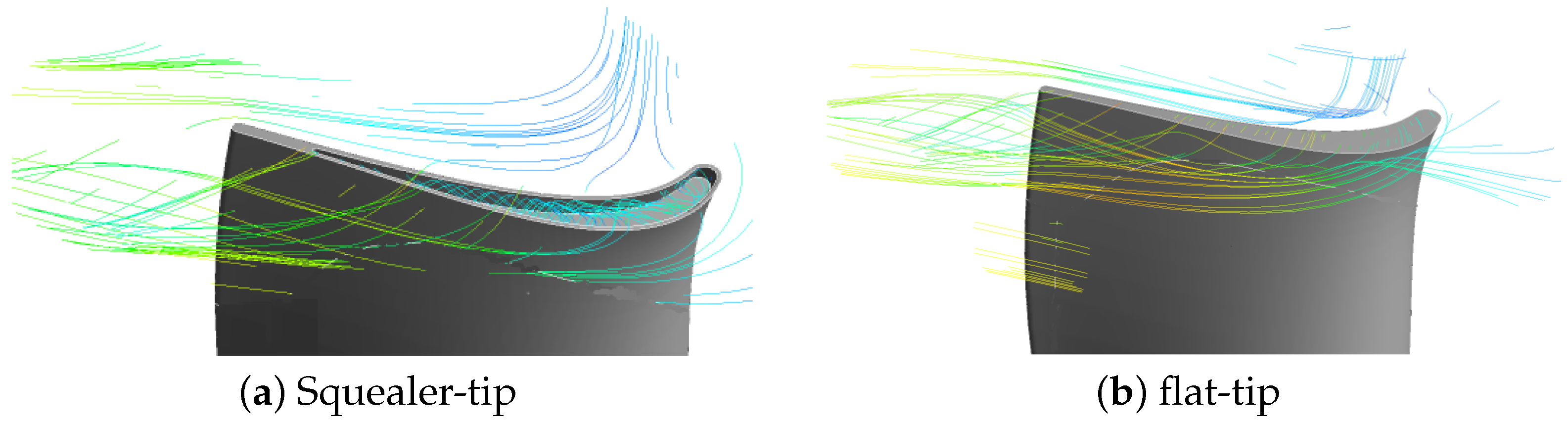
The analysis of Winglet geometries highlights the role of platform extension in minimizing tip leakage and delaying the onset of vortex formation along the rotor suction side, as shown in
Figure 17, which illustrates the streamlines crossing the blade tip clearance, allowing a direct comparison of the leakage flow behavior between the flat-tip and Squealer-tip geometries, with a higher leakage flow observed for the flat-tip configuration. The full platform extension demonstrated superior aerodynamic performance across all operating conditions and at
N. The Winglet B configuration demonstrates that, at
N, there is an increase of
in efficiency for the design-point pressure ratio compared with the flat-tip rotor geometry.
For the Squealer-tip configurations, the depth of the Squealer cavity has a pronounced effect on turbine efficiency, particularly at high pressure ratios. The Squealer C configuration improves efficiency by at N for the design-point pressure ratio and increases efficiency for higher pressure ratios.
No substantial efficiency gains were observed at N for the Squealer–Winglet configurations at the design point compared to the flat-tip geometry. The Squealer–Winglet A shows improvements in turbine efficiency of at the design-point pressure ratio for N.
The numerical findings of this study provide valuable insights for HPT designers by demonstrating that even marginal improvements in turbine efficiency, internal improvements, contribute to reduced specific fuel consumption above 1%, as demonstrated by Thulin [
15], particularly during cruise operation. The
N results are of critical importance, as gas turbines operate predominantly at this condition during extended flight durations: for example, the cruise condition. Among the investigated configurations, Squealer C and Squealer–Winglet A exhibited consistent efficiency enhancements over the original rotor flat-tip configuration across all pressure ratios.
This technology is also interesting for the new generation gas turbines following the concept of Adaptive Cycle Engine (ACE), in which long-range, high-efficiency performance will be important to increase the aircraft range.
Future work may involve a more detailed investigation of the discrepancies between numerical and experimental results, particularly at extreme pressure ratios. One limitation of the present study is the use of steady-state simulations, which may not fully capture unsteady flow phenomena that are expected to play a more significant role under these operating conditions. Consequently, unsteady Reynolds-Averaged Navier–Stokes (URANS) or Large Eddy Simulation (LES) approaches may be required to provide a more comprehensive assessment of the rotor tip flow physics at such operating points.





 ,
,