From Biomass Waste to Green Fuel: Biochar-Based Catalysts for Hydrogen Production




Abstract
1. Introduction
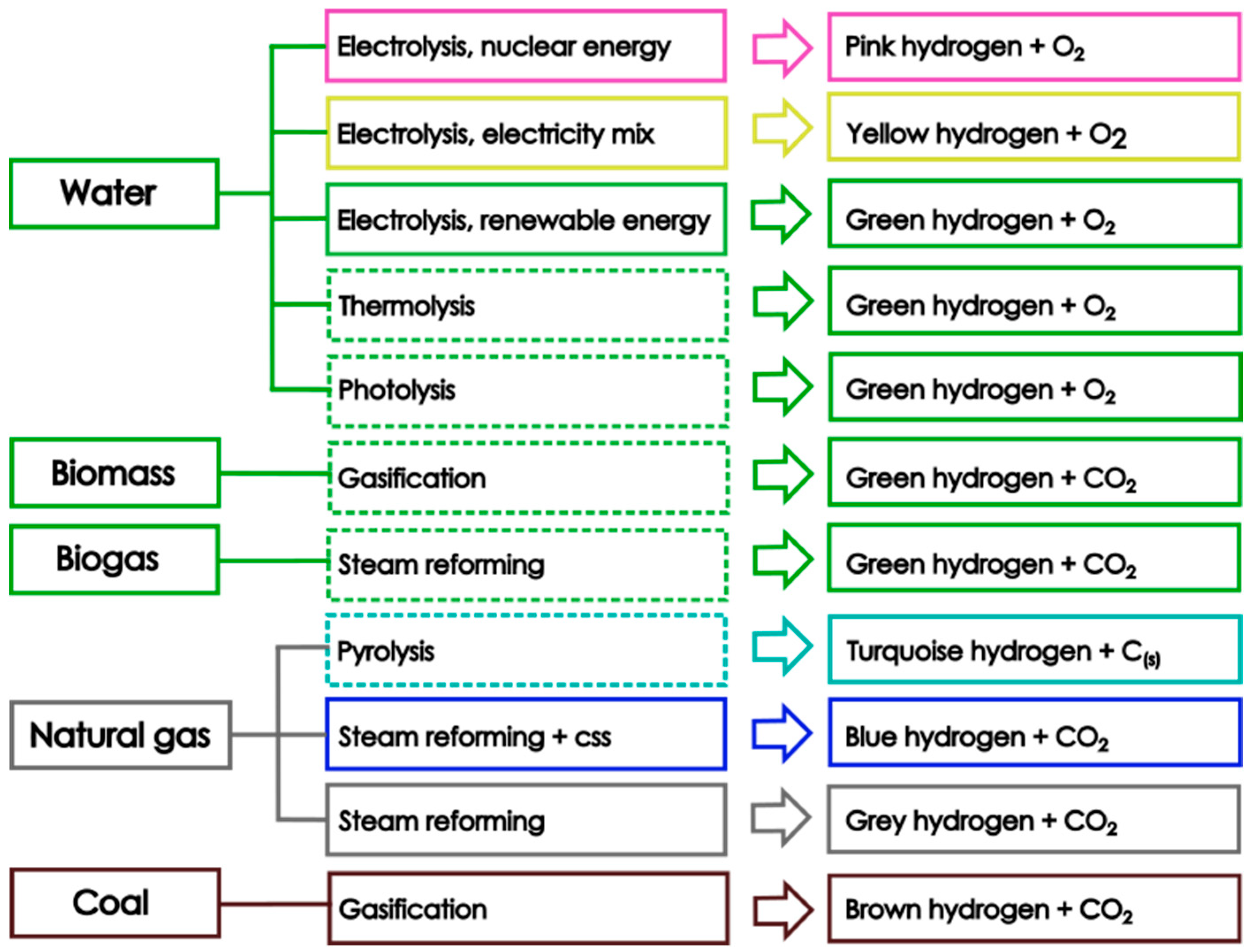
1.1. The Need for Green Hydrogen in the Clean Energy Transition
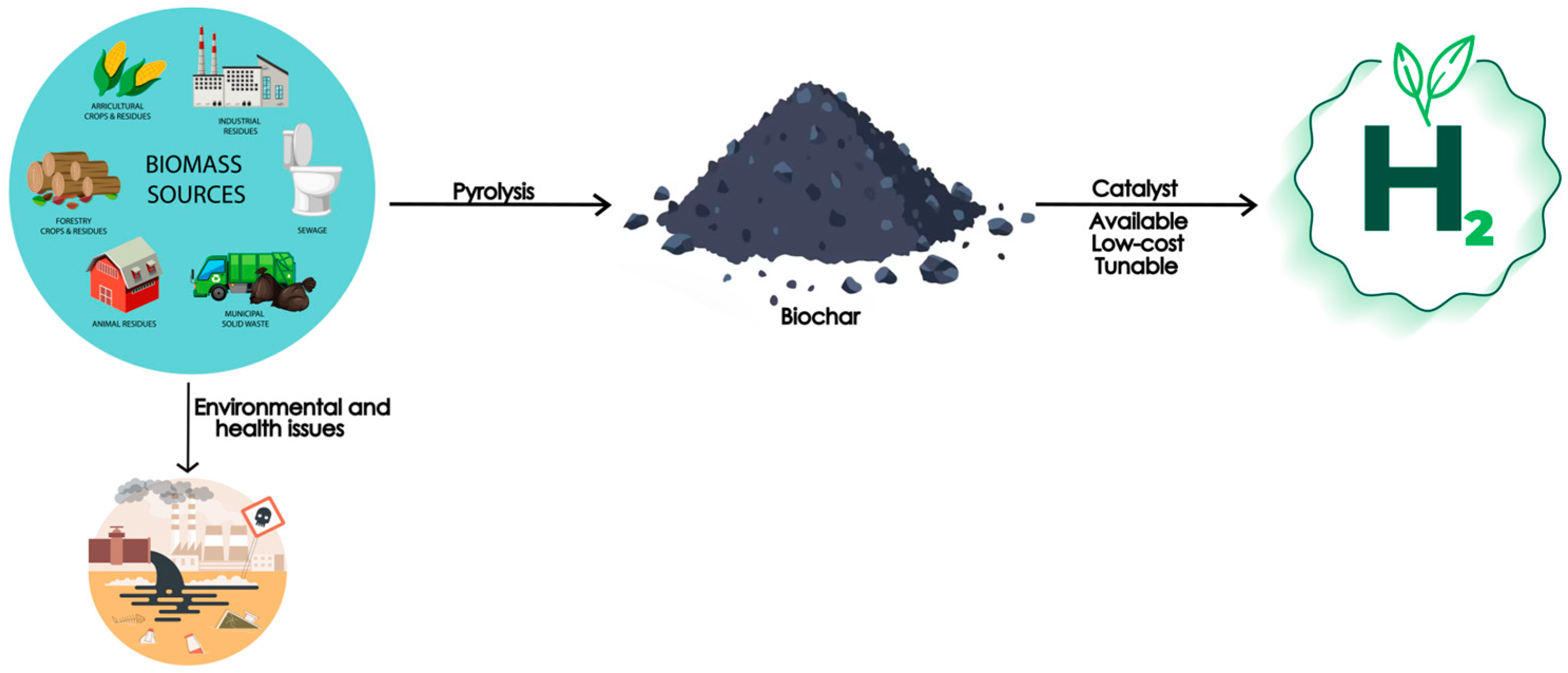
1.2. Biomass Waste: An Abundant and Renewable Source
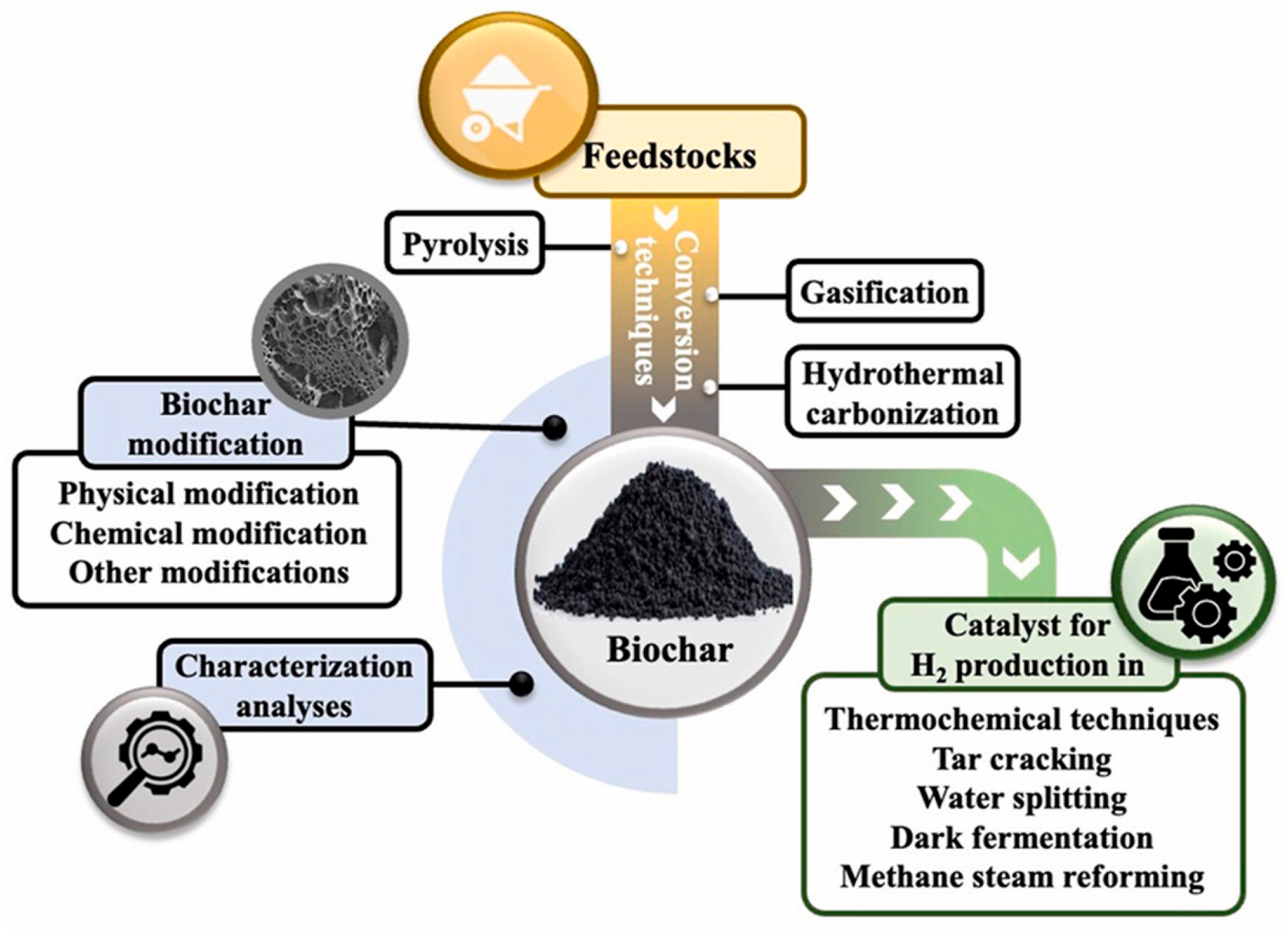
1.3. Emergence of Biochar as a Sustainable Catalyst
1.4. Aims and Structure of the Review
2. Hydrogen Production Pathways: An Overview
2.1. Thermochemical Routes: Pyrolysis, Gasification, and Reforming
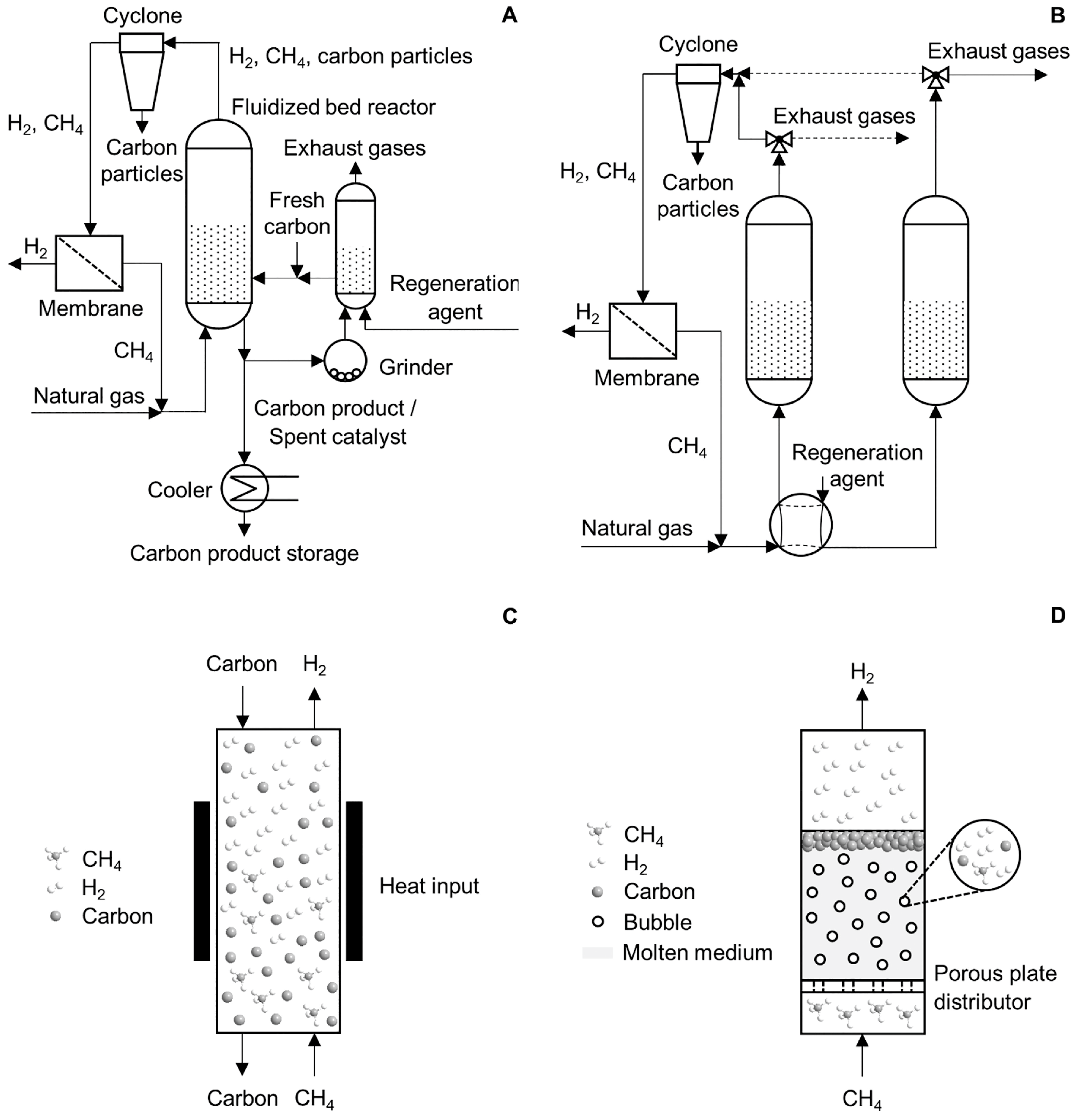
2.1.1. Pyrolysis
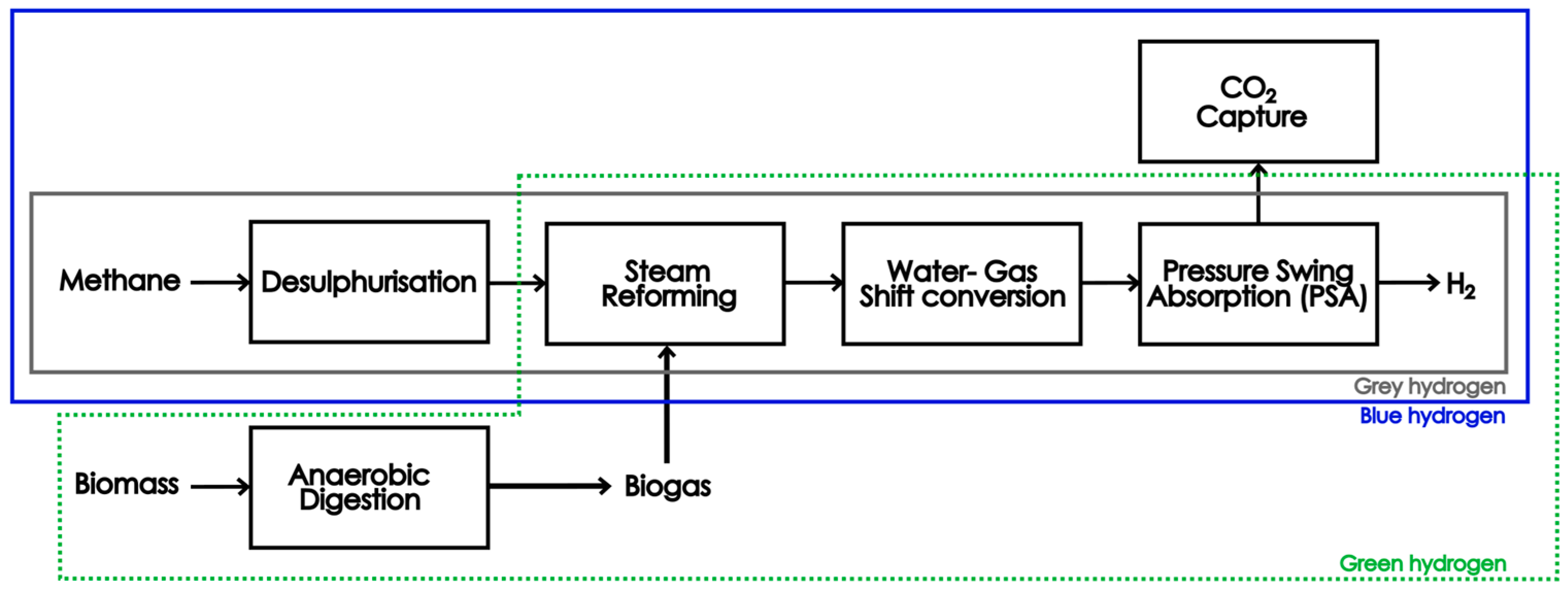
2.1.2. Reforming
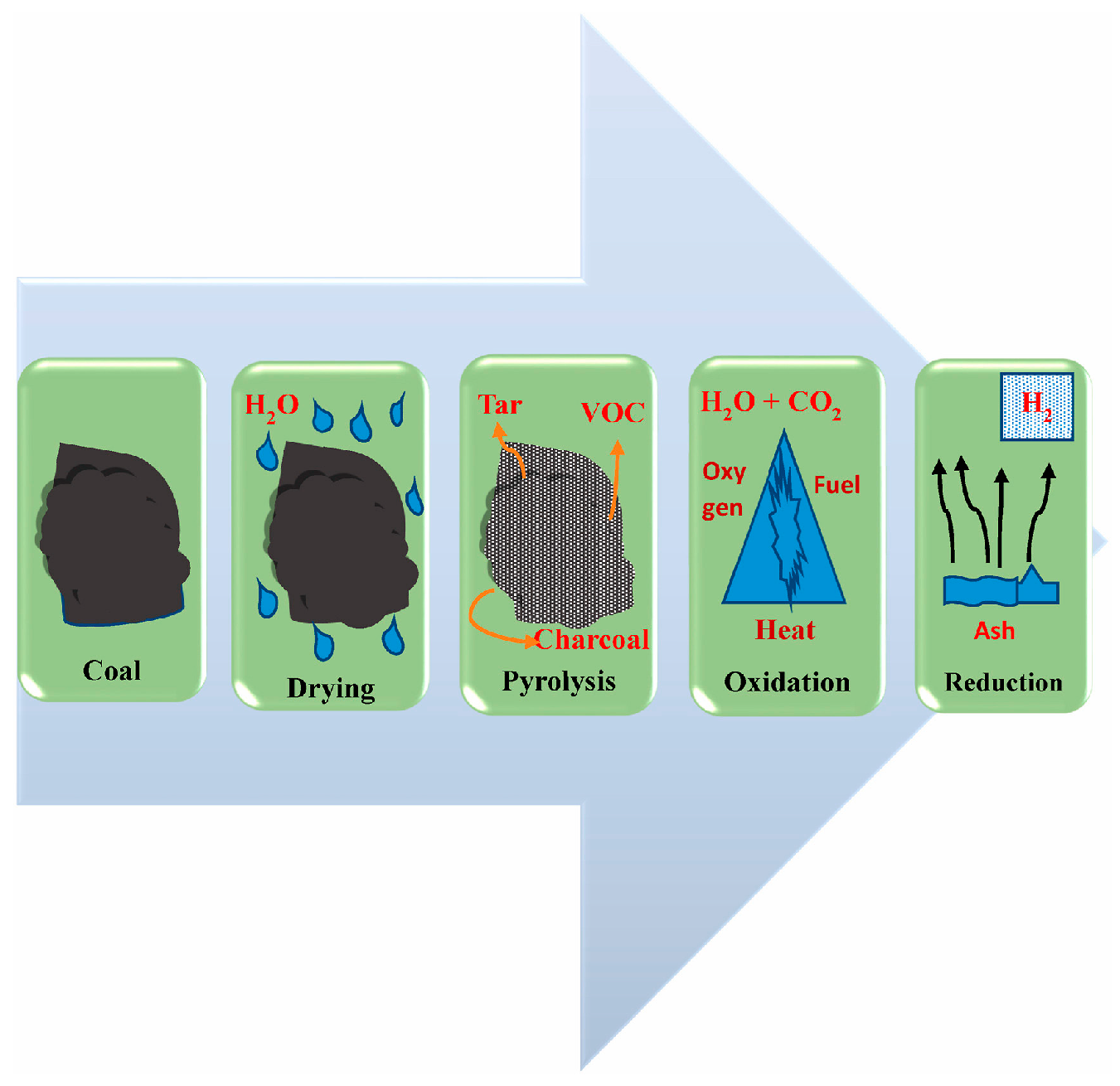
2.1.3. Gasification
2.2. Electrochemical and Biological Routes
2.2.1. Electrochemical
2.2.2. Dark Fermentation
2.3. Role of Catalyst in Improving Hydrogen Yield and Selectivity
2.4. Environmental and Economic Challenges of Conventional Methods
3. Catalysts for Hydrogen Production
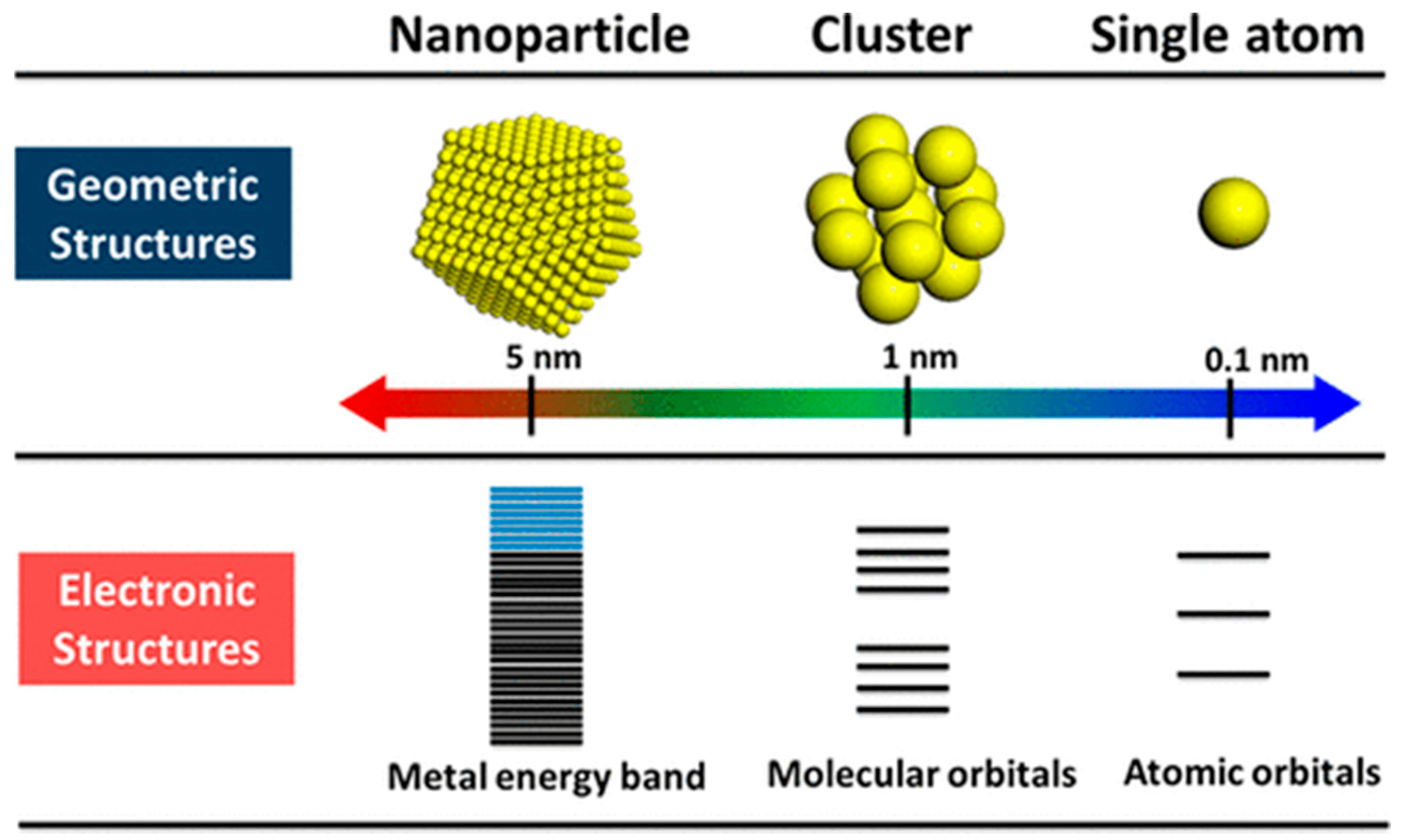
3.1. Metal-Based Catalysts
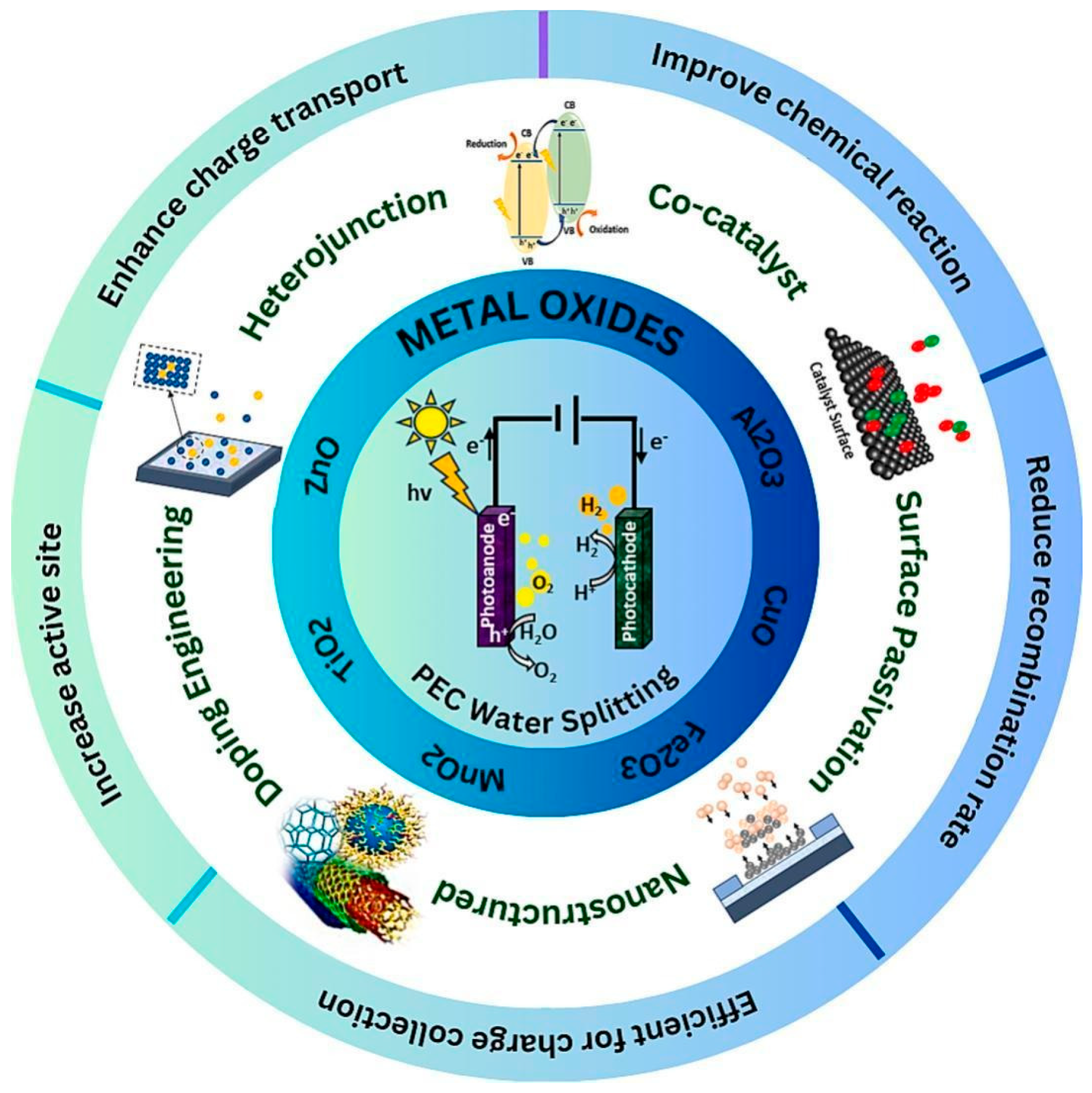
3.2. Metal Oxide Catalysts
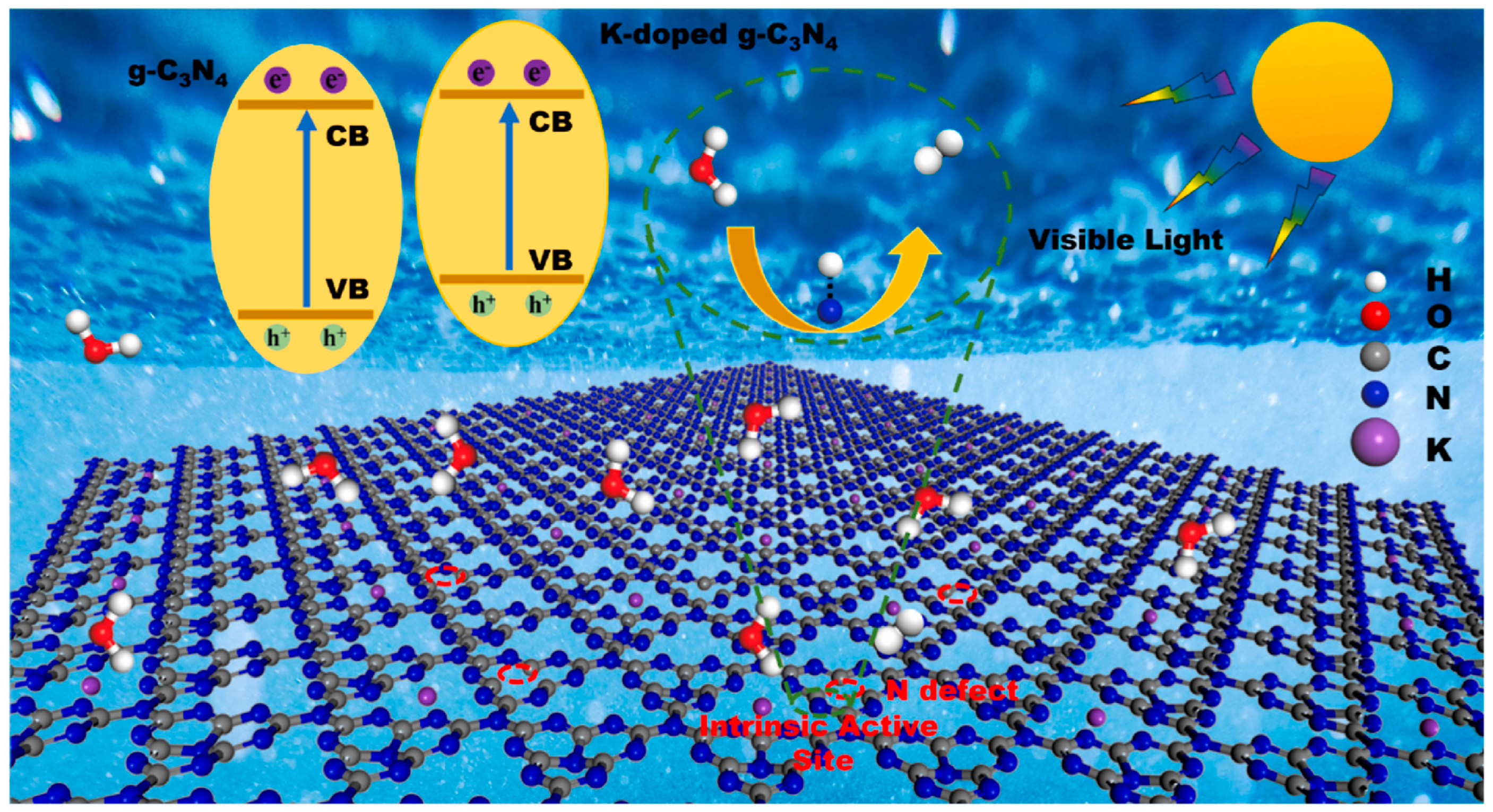
3.3. Carbon-Based Catalysts
4. Biochar: Characteristics, Preparation, and Functionalization
4.1. Influence of Feedstock and Pyrolysis Conditions on the Physicochemical Properties and Structural Features
4.1.1. Elemental Analysis and Ash Content
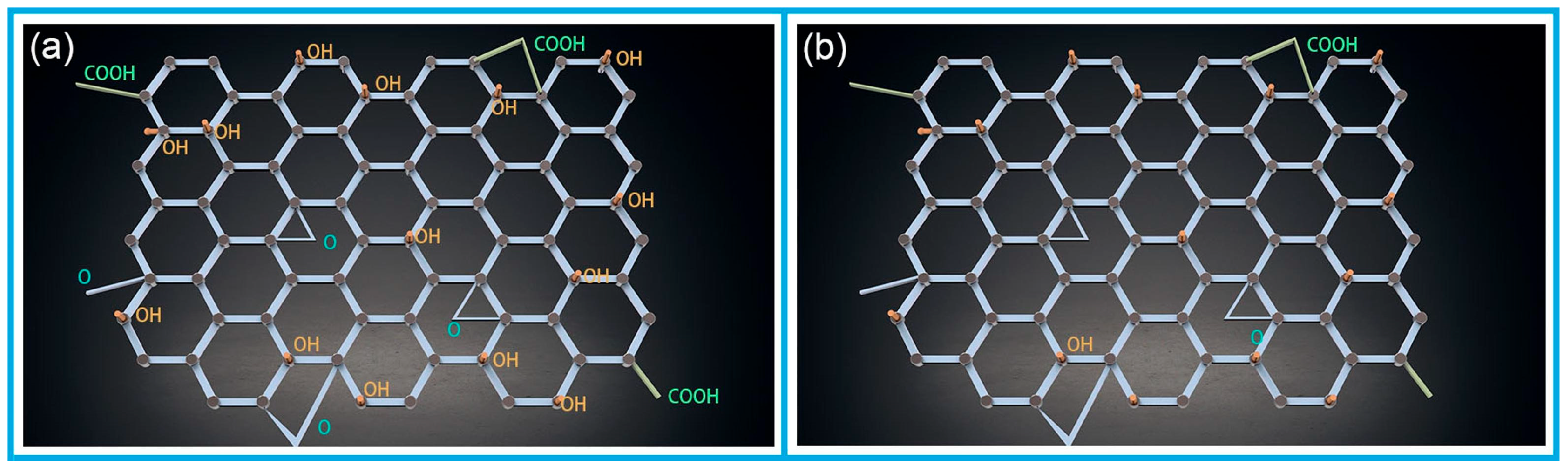
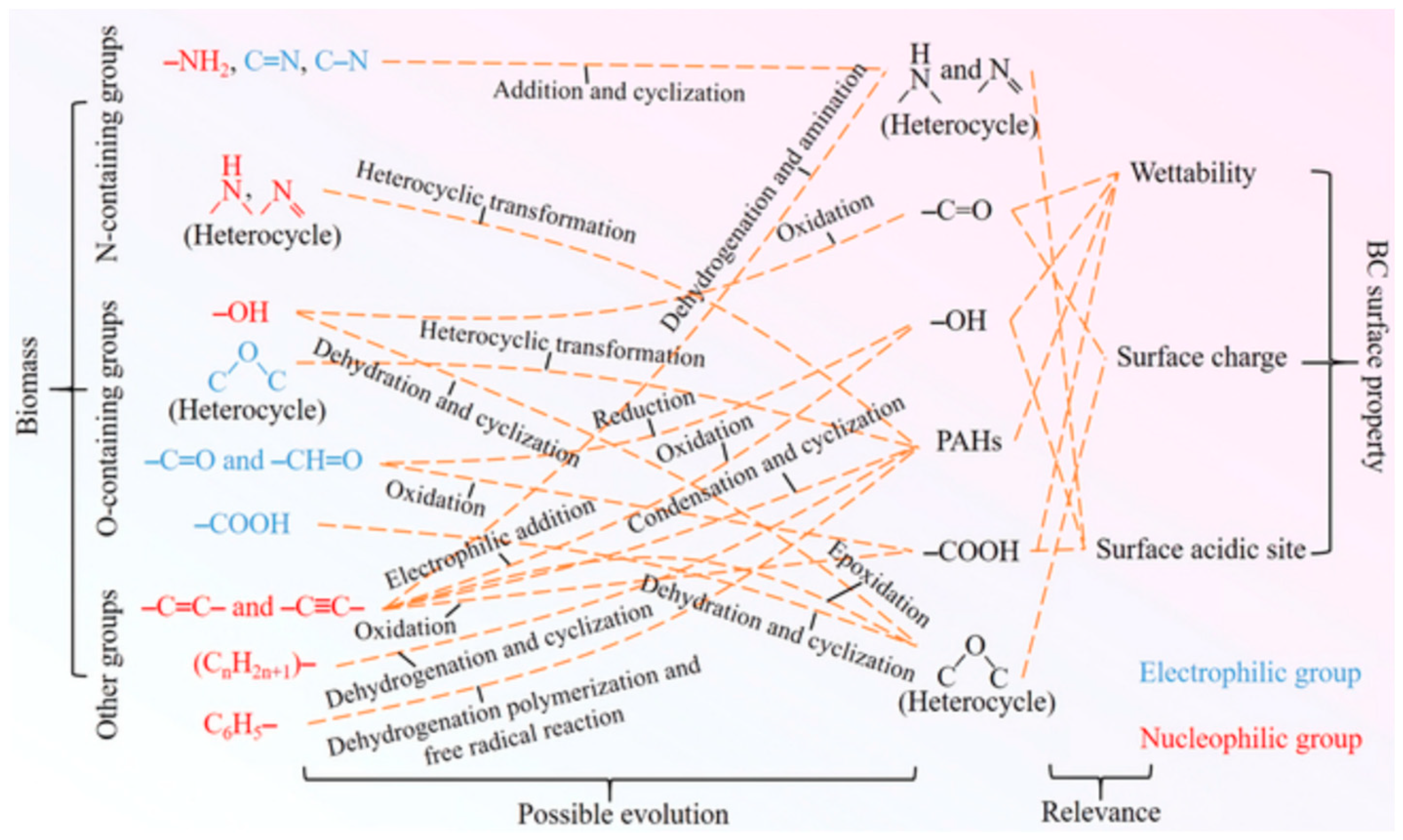
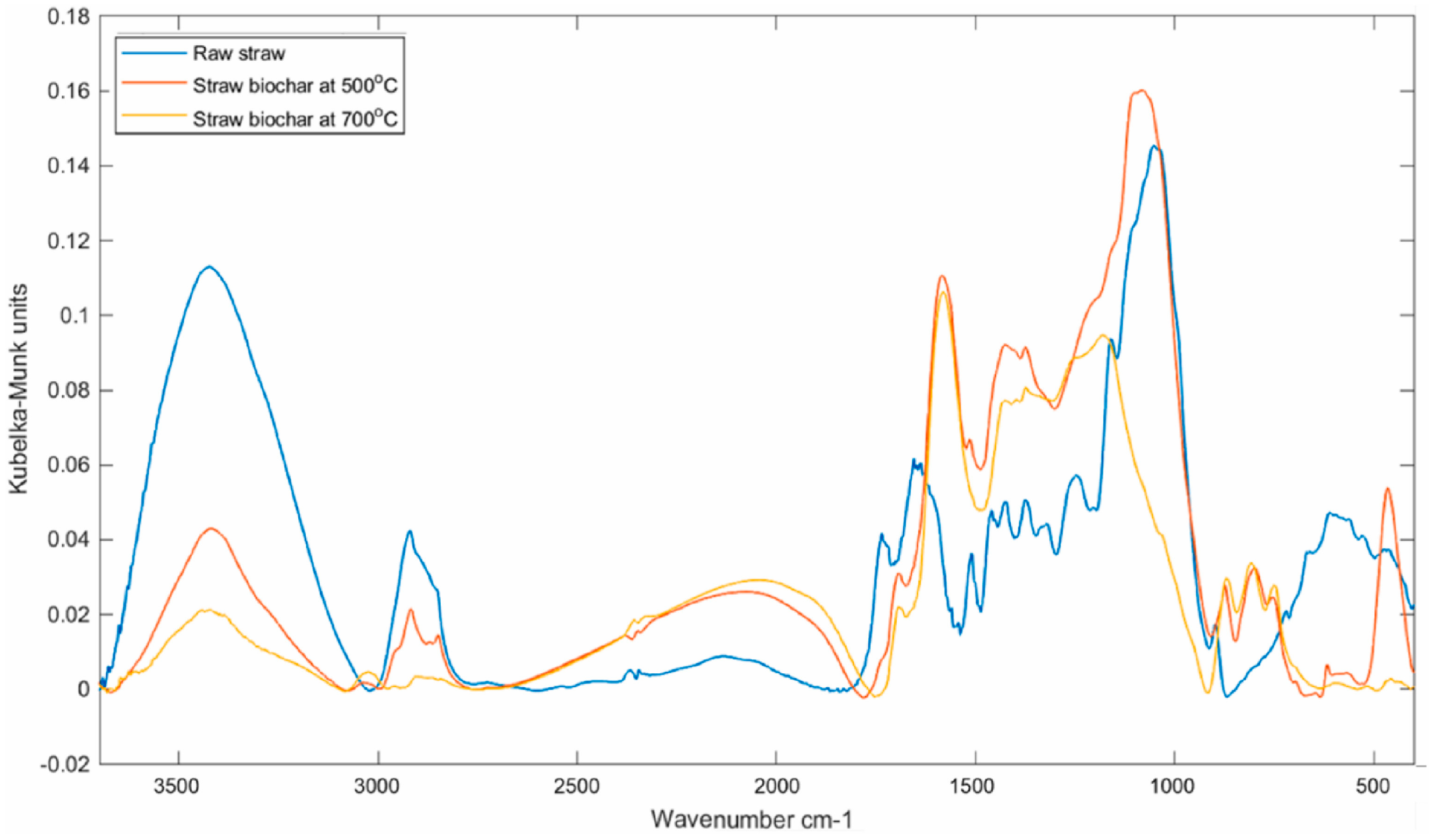
4.1.2. Surface Functional Groups
4.1.3. Surface Area and Pore Size Distribution
4.2. Surface Modification and Metal Loading on Biochar
5. Biochar-Based Catalysts in Hydrogen Production
5.1. Functional Roles of Biochar in Hydrogen Production Systems
5.1.1. Biochar as a True Catalyst
5.1.2. Biochar as a Catalyst Support
5.1.3. Biochar as an Adsorbent and Sorption-Enhanced Medium
5.1.4. Biochar as an Electron Shuttle and Redox Mediator
5.1.5. Biochar as a Microbial and Redox Mediator in Biological Systems
5.2. Synergistic Effects with Metal Nanoparticles
5.3. Applications in Steam Reforming, Pyrolysis, Gasification, and Photocatalysis
6. Key Factors Affecting Catalytic Hydrogen Production
6.1. Surface Area, Porosity, and Functional Groups
6.2. Reaction Conditions: Temperature, Pressure, and Time
6.3. Feedstock Composition and Pretreatment

| Biochar Feedstock | Modification | Modified Characteristic | Hydrogen Route Production | Key Finding | Reference |
|---|---|---|---|---|---|
| Residual vine shoot | Chemical activation: ZnCl2 | Pore structure | Formic acid steam reforming | Mesoporous biochar enhances hydrogen production in steam reforming. | [104] |
| Wheat straw | Chemical activation: KOH | Pore structure | Biochar-assisted water electrolysis | Microporous structure is favorable and the abundant -OH and C=O functional groups increase the oxidation current. | [105] |
| Cellulose and lignin mixture | Chemical activation: KOH and HCl. Wash with deionized water. | Surface groups | Biochar-assisted water electrolysis | The treatment reduces ash content, exposing functional groups. The chemical activation neutralized functional groups reducing catalytic activity. | [109] |
| Pine needle | Nitrogen heteroatom doping | Biochar structure | Water electrolysis | The nitrogen atoms induce charge distribution, that improves conductivity. | [99] |
| Camelia flower | Sulphur heteroatom doping | Biochar structure | Water electrolysis | Induce polarized surfaces, increasing charge transfer. Feasible for dual catalyst. | [111] |
6.4. Catalyst Stability and Regeneration Potential
6.5. Conceptual Framework for Biochar
7. Challenges and Limitations for Biochar
7.1. Variability in Biochar Quality and Composition
7.2. Scalability, Standardization, and Reproducibility
7.3. Environmental and Lifecycle Considerations
8. Future Perspectives and Opportunities
8.1. Engineered Biochar for Targeted Hydrogen Applications
8.2. Hybrid Systems and Integration with Renewable Technologies
8.3. Policy, Investment, and Industrial Scaling
8.4. Research Priorities and Innovation Roadmap
- Critical knowledge gaps: It is urgent that we find behavior patterns in biochar production and hydrogen catalysis. This is to improve the activity, reproducibility, stability, and predictive design of engineered catalysts.
- Stability and regeneration: For industrial feasibility, it is imperative to understand and improve the biochar stability, longer term cycles, coke deposition, deactivation, and loss of surface functional groups, along with prediction and how biochar would work on a big scale and if regeneration is possible in order to achieve the best performance.
- Supply chain: A reliable supply chain for the current biomass.
- Sustainable production routes: Research in low-energy pyrolysis, the reduction in effluents, and low-pollutant chemical routes of production is necessary in order to address the green potential of biochar.
- System level integration: The evaluation of biochar catalytic performance in a whole functioning plant is necessary; techno-economical studies, a life-cycle assessment, and compatibility with existing hydrogen technologies are important in order to accelerate the maturity of biochar in the global hydrogen production.
Author Contributions
Funding
Data Availability Statement
Acknowledgments
Conflicts of Interest
Abbreviations
| IEA | International Energy Agency |
| SDGs | Sustainable Development Goals |
| SMR | Steam Methane Reformation |
| AWE | Alkaline Water Electrolyzer |
| SOE | Solid Oxide Electrolyzer |
| AEM | Alkaline Anion Exchange Membrane |
| PEM | Proton Exchange Membrane |
| HER | Hydrogen Evolution Reaction |
| OER | Oxygen Evolution Reaction |
References
- IEA—International Energy Agency. Global Energy Review 2025; IEA—International Energy Agency: Paris, France, 2025. [Google Scholar]
- Mokrzycki, E.; Gawlik, L. The Development of a Green Hydrogen Economy: Review. Energies 2024, 17, 3165. [Google Scholar] [CrossRef]
- Martínez de León, C.; Molina, P.; Ríos, C.; Brey, J.J. Green Hydrogen Production’s Impact on Sustainable Development Goals. Int. J. Hydrogen Energy 2025, 142, 642–653. [Google Scholar] [CrossRef]
- Brahim, T.; Jemni, A. Green Hydrogen Production: A Review of Technologies, Challenges, and Hybrid System Optimization. Renew. Sustain. Energy Rev. 2026, 225, 116194. [Google Scholar] [CrossRef]
- Yan, F. Agricultural Biomass Wastes and Their Resource Utilization Technologies: A Review. Biomass Bioenergy 2025, 203, 108291. [Google Scholar] [CrossRef]
- Wang, K.; Tester, J.W. Sustainable Management of Unavoidable Biomass Wastes. Green Energy Resour. 2023, 1, 100005. [Google Scholar] [CrossRef]
- Thamarai, P.; Kamalesh, R.; Shaji, A.; Saravanan, A.; Yaashikaa, P.R.; Vickram, A.S. Advanced Conversion Technologies for Resource Recovery from Waste Biomass: Applications and Emerging Trends. Chemosphere 2025, 384, 144515. [Google Scholar] [CrossRef]
- Kumar, A.; Kumari, L.; Laghari, A.A.; Rong, H.; Jamro, I.A.; Sajnani, S.; Aborisade, M.A.; Rajput, G.; Oba, B.T.; Nkinahamira, F.; et al. Exploring the Integrated Potential of Pyrolysis and Low-Temperature Wet Torrefaction for Typical Medical Waste Valorization: A Multifaceted Approach Leveraging Online TG-FTIR-MS, 2D-COS, Iso-Conversional Kinetics, and Reaction Mechanisms. Chem. Eng. J. 2024, 499, 156464. [Google Scholar] [CrossRef]
- Brocza, F.M.; Foster, S.J.; Peacock, C.L.; Jones, J.M. Synthesis and Applications of Manganese Oxide—Biochar Composites: A Systematic Review across Catalysis, Capacitor and Sorption Applications. Biomass Bioenergy 2024, 184, 107201. [Google Scholar] [CrossRef]
- Singh, R.; Goyal, A.; Sinha, S. Global Insights into Biochar: Production, Sustainable Applications, and Market Dynamics. Biomass Bioenergy 2025, 194, 107663. [Google Scholar] [CrossRef]
- Ludwig, J.R.; Schindler, C.S. Catalyst: Sustainable Catalysis. Chem 2017, 2, 313–316. [Google Scholar] [CrossRef]
- Abbas, A.; Cross, M.; Duan, X.; Jeschke, S.; Konarova, M.; Huber, G.W.; Lee, A.F.; Lovell, E.C.; Lim, J.Y.C.; Polyzos, A.; et al. Catalysis at the Intersection of Sustainable Chemistry and a Circular Economy. One Earth 2024, 7, 738–741. [Google Scholar] [CrossRef]
- Jilani, A.; Dustgeer, M.R.; Ansari, M.O.; Zaka, A.; Mansoor, M.A.; Melaibari, A.A.; Ibrahim, H. Orange Peel Derived Biochar Assisted rGO@MoS2 Composite for Visible Light Driven Ciprofloxacin Degradation and Hydrogen Evolution. J. Water Process Eng. 2025, 80, 109086. [Google Scholar] [CrossRef]
- Mishra, R.; Shu, C.-M.; Ong, H.C.; Gollakota, A.R.K.; Kumar, S. Progress and Development of Biochar as a Catalyst for Hydrogen Production. J. Clean. Prod. 2024, 477, 143853. [Google Scholar] [CrossRef]
- Gholami, Z.; Gholami, F.; Šimek, J.; Svobodová, K.; Vakili, M. Hydrogen Production for a Decarbonized Future: A Review of Production Technologies. J. Ind. Eng. Chem. 2025, 153, 240–278. [Google Scholar] [CrossRef]
- Nemitallah, M.A.; Alnazha, A.A.; Ahmed, U.; El-Adawy, M.; Habib, M.A. Review on Techno-Economics of Hydrogen Production Using Current and Emerging Processes: Status and Perspectives. Results Eng. 2024, 21, 101890. [Google Scholar] [CrossRef]
- Ringsgwandl, L.M.; Schaffert, J.; Brücken, N.; Albus, R.; Görner, K. Current Legislative Framework for Green Hydrogen Production by Electrolysis Plants in Germany. Energies 2022, 15, 1786. [Google Scholar] [CrossRef]
- Song, J.; Park, S. Review of Methane Pyrolysis for Clean Turquoise Hydrogen Production. J. Anal. Appl. Pyrolysis 2024, 183, 106727. [Google Scholar] [CrossRef]
- Boretti, A. Advances in Sustainable Turquoise Hydrogen Production via Methane Pyrolysis in Molten Metals. Clean. Chem. Eng. 2025, 11, 100139. [Google Scholar] [CrossRef]
- Sánchez-Bastardo, N.; Schlögl, R.; Ruland, H. Methane Pyrolysis for Zero-Emission Hydrogen Production: A Potential Bridge Technology from Fossil Fuels to a Renewable and Sustainable Hydrogen Economy. Ind. Eng. Chem. Res. 2021, 60, 11855–11881. [Google Scholar] [CrossRef]
- Nakkeeran, K.; Victor, K. Grey and Blue Hydrogen: Insights into Production Technologies and Outlook on CO2-Free Alternatives. Sustain. Energy Technol. Assess. 2025, 75, 104222. [Google Scholar] [CrossRef]
- Sanna, A.; Openshaw, D.; Oghotomo, P.; Bagnato, G. Steam Reforming of Methane: State of the Art and Novel Technologies. React. Chem. Eng. 2025, 10, 1963–1977. [Google Scholar] [CrossRef]
- Baig, A.; Sonal. Steam Reforming of Methanol, Ethanol, Acetic Acid, Acetone, and Bio-Oil for Hydrogen Generation: Catalytic and Mechanistic Insight. Bioresour. Technol. Rep. 2024, 28, 101980. [Google Scholar] [CrossRef]
- AlHumaidan, F.S.; Absi Halabi, M.; Rana, M.S.; Vinoba, M. Blue Hydrogen: Current Status and Future Technologies. Energy Convers. Manag. 2023, 283, 116840. [Google Scholar] [CrossRef]
- Osman, A.I.; Mehta, N.; Elgarahy, A.M.; Hefny, M.; Al-Hinai, A.; Al-Muhtaseb, A.H.; Rooney, D.W. Hydrogen Production, Storage, Utilisation and Environmental Impacts: A Review. Environ. Chem. Lett. 2022, 20, 153–188. [Google Scholar] [CrossRef]
- Dash, S.K.; Chakraborty, S.; Elangovan, D. A Brief Review of Hydrogen Production Methods and Their Challenges. Energies 2023, 16, 1141. [Google Scholar] [CrossRef]
- Giwa, S.O.; Taziwa, R.T. Adoption of Advanced Coal Gasification: A Panacea to Carbon Footprint Reduction and Hydrogen Economy Transition in South Africa. Int. J. Hydrogen Energy 2024, 77, 301–323. [Google Scholar] [CrossRef]
- Mehmood, H.; Akbar, H.; Nilsalab, P.; Gheewala, S.H. Exploring the Spectrum: An Environmental Examination of Hydrogen’s Diverse Colors. Energy Adv. 2025, 4, 224–238. [Google Scholar] [CrossRef]
- Nasser, M.; Megahed, T.F.; Ookawara, S.; Hassan, H. A Review of Water Electrolysis–Based Systems for Hydrogen Production Using Hybrid/Solar/Wind Energy Systems. Environ. Sci. Pollut. Res. 2022, 29, 86994–87018. [Google Scholar] [CrossRef]
- Elazab, M.A.; Elgohr, A.T.; Bassyouni, M.; Kabeel, A.E.; Attia, M.E.H.; Elshaarawy, M.K.; Hamed, A.K.; Alzahrani, H.A.H. Green Hydrogen: Unleashing the Potential for Sustainable Energy Generation. Results Eng. 2025, 27, 106031. [Google Scholar] [CrossRef]
- Dash, S.; K, A.S.; S, J.; D, V.H.W.; D, E.; Surapraraju, S.K.; Natarajan, S.K. Advances in Green Hydrogen Production through Alkaline Water Electrolysis: A Comprehensive Review. Int. J. Hydrogen Energy 2024, 83, 614–629. [Google Scholar] [CrossRef]
- Yoon, K.J.; Lee, S.; Park, S.-Y.; Minh, N.Q. Advances in High-Temperature Solid Oxide Electrolysis Technology for Clean Hydrogen and Chemical Production: Materials, Cells, Stacks, Systems and Economics. Prog. Mater. Sci. 2025, 154, 101520. [Google Scholar] [CrossRef]
- Li, C.; Baek, J.-B. The Promise of Hydrogen Production from Alkaline Anion Exchange Membrane Electrolyzers. Nano Energy 2021, 87, 106162. [Google Scholar] [CrossRef]
- Shiva Kumar, S.; Himabindu, V. Hydrogen Production by PEM Water Electrolysis—A Review. Mater. Sci. Energy Technol. 2019, 2, 442–454. [Google Scholar] [CrossRef]
- Akhlaghi, N.; Najafpour-Darzi, G. A Comprehensive Review on Biological Hydrogen Production. Int. J. Hydrogen Energy 2020, 45, 22492–22512. [Google Scholar] [CrossRef]
- Lee, H.-S.; Xin, W.; Katakojwala, R.; Venkata Mohan, S.; Tabish, N.M.D. Microbial Electrolysis Cells for the Production of Biohydrogen in Dark Fermentation—A Review. Bioresour. Technol. 2022, 363, 127934. [Google Scholar] [CrossRef]
- Puteri, M.N.; Gew, L.T.; Ong, H.C.; Ming, L.C. Biomass-to-Biohydrogen Conversion: Comprehensive Analysis of Processes, Environmental, and Economic Implications. Biomass Bioenergy 2025, 200, 107943. [Google Scholar] [CrossRef]
- Kumar, N.; Aepuru, R.; Lee, S.-Y.; Park, S.-J. Recent Progress in Catalysts for Sustainable Hydrogen Production: A Comprehensive Review. Coord. Chem. Rev. 2026, 547, 217109. [Google Scholar] [CrossRef]
- Goren, A.Y.; Temiz, M.; Erdemir, D.; Dincer, I. The Role of Effective Catalysts for Hydrogen Production: A Performance Evaluation. Energy 2025, 315, 134257. [Google Scholar] [CrossRef]
- Alizadeh, S.M.; Khalili, Y.; Ahmadi, M. Comprehensive Review of Carbon Capture and Storage Integration in Hydrogen Production: Opportunities, Challenges, and Future Perspectives. Energies 2024, 17, 5330. [Google Scholar] [CrossRef]
- Chirosca, A.-M.; Rusu, E.; Minzu, V. Green Hydrogen—Production and Storage Methods: Current Status and Future Directions. Energies 2024, 17, 5820. [Google Scholar] [CrossRef]
- Kumar, N.; Aepuru, R.; Lee, S.-Y.; Park, S.-J. Advances in Catalysts for Hydrogen Production: A Comprehensive Review of Materials and Mechanisms. Nanomaterials 2025, 15, 256. [Google Scholar] [CrossRef]
- Liu, L.; Corma, A. Metal Catalysts for Heterogeneous Catalysis: From Single Atoms to Nanoclusters and Nanoparticles. Chem. Rev. 2018, 118, 4981–5079. [Google Scholar] [CrossRef]
- Zhao, H.; Zhang, X.; Yu, C.; Gao, W.; Chen, X.; Lan, H.; Xin, X.; Liu, K.; Ma, D. Covalent Organic Framework-Derived Highly Dispersed Pt Single Atoms Collaborate with Pt Nanoclusters Electrocatalyst for Acid Hydrogen Evolution. Green Chem. 2025, 27, 8569–8575. [Google Scholar] [CrossRef]
- Dong, H.; Jiang, J.; Xie, S.; Lin, C.; Wei, P.; Zhang, X.; Hu, P.; Iwuoha, E.I.; Peng, X. Transition Metal Phosphides for Efficient Hydrogen Evolution: Synthesis, Multiscale Regulation, and Industrial Prospects. Appl. Energy 2025, 400, 126550. [Google Scholar] [CrossRef]
- Wang, T.; Li, J.; Xiao, L.; Gao, S.; Yu, J.; Liu, W.; Liu, Q.; Hu, G. Recent Advances in Transition Metal Sulphide-Based Electrocatalysts for the Oxygen and Hydrogen Evolution Reactions. Surf. Interfaces 2025, 70, 106784. [Google Scholar] [CrossRef]
- Mehta, S.; Thakur, R.; Rani, S.; Nagaraja, B.M.; Mehla, S.; Kainthla, I. Recent Advances in Ternary Transition Metal Dichalcogenides for Electrocatalytic Hydrogen Evolution Reaction. Int. J. Hydrogen Energy 2024, 82, 1061–1080. [Google Scholar] [CrossRef]
- Gao, X.; Dai, Q.; Lu, X.; Kawi, S. Carbon-Supported Non-Noble Metal Single-Atom Catalysts for Electro-Catalytic Hydrogen Evolution Reaction. Int. J. Hydrogen Energy 2023, 48, 17106–17136. [Google Scholar] [CrossRef]
- Hidayatullah, K.; Manopo, J.; Supu, I.; Hadju, A.; Ofiyen, C.; Mahardhika, M.K.; Darma, Y. Enhancing Hydrogen Evolution Reaction via Photoelectrochemical Water Splitting: A Review on Recent Strategies of Metal Oxide-Based Photoanode Materials. Inorg. Chem. Commun. 2025, 179, 114885. [Google Scholar] [CrossRef]
- Ao, T.; Jafry, A.T.; Abbas, N. Sustainability and Scalability of Photoelectrochemical and Photocatalytic Water Splitting by Using Perovskite Materials for Hydrogen Production. Electrochem. Commun. 2025, 177, 107948. [Google Scholar] [CrossRef]
- Ameen, S.; Tahir, A.; ul Haq, T.; Khan, A.A.; Butt, M.T.Z.; Hussain, I.; Hussain, S.Z.; ur Rehman, H. Driving Sustainable Energy: The Role of Polyoxometalates (POMs) in Photoelectrochemical Hydrogen Production. Coord. Chem. Rev. 2025, 523, 216265. [Google Scholar] [CrossRef]
- Jilani, A.; Ibrahim, H. Development in Photoelectrochemical Water Splitting Using Carbon-Based Materials: A Path to Sustainable Hydrogen Production. Energies 2025, 18, 1603. [Google Scholar] [CrossRef]
- Rasool, M.A.; Sattar, R.; Anum, A.; Al-Hussain, S.A.; Ahmad, S.; Irfan, A.; Zaki, M.E.A. An Insight into Carbon Nanomaterial-Based Photocatalytic Water Splitting for Green Hydrogen Production. Catalysts 2023, 13, 66. [Google Scholar] [CrossRef]
- Zhang, F.; Yang, K.; Liu, G.; Chen, Y.; Wang, M.; Li, S.; Li, R. Recent Advances on Graphene: Synthesis, Properties and Applications. Compos. Part A Appl. Sci. Manuf. 2022, 160, 107051. [Google Scholar] [CrossRef]
- Fang, L.; Xie, Y.; Xu, F.; Guo, P. Efficiently Enhanced Hydrogen Evolution Reaction in Alkaline Electrolyte of Urchin-like W/WO2 Microspheres with Reduced Graphene Oxide as Catalysts. J. Electroanal. Chem. 2025, 996, 119414. [Google Scholar] [CrossRef]
- Zhang, X.; Bi, Y.; Wang, Y.; Liu, Q.; Zhang, Y.; Wang, J.; Chen, L. N, S Co-Doped Graphene Coupled with Ni2P/CoP-Loaded Carbon Nanospheres: A Novel Catalyst for Hydrogen Evolution Reaction. Mater. Today Sustain. 2024, 25, 100677. [Google Scholar] [CrossRef]
- Xue, H.; Yang, T.; Zhang, Z.; Zhang, Y.; Geng, Z.; He, Y. Stimulate the Hidden Catalysis Potential and Exposure of Nickel Site in NiSe@CNTs Result in Ultra-High HER/OER Activity and Stability. Appl. Catal. B Environ. 2023, 330, 122641. [Google Scholar] [CrossRef]
- Cai, Z.; Xu, L.; Zhou, Y.; Gao, L.; An, X.; Ma, X.; Ma, Y.; Liu, J.; Li, X.; Tang, K. Fabrication of Cobalt Phosphide/Nitride/Carbon Nanotube Composite: An Efficient Bifunctional Catalyst for Hydrogen and Oxygen Evolution. Int. J. Hydrogen Energy 2024, 82, 559–566. [Google Scholar] [CrossRef]
- Farooq, N.; Qureshi, N.; Hussain, S.; Qureshi, A.M.; Sattar, Z.; Manavalan, R.K.; Ullah, N.; Aslam, M.K. Recent Advances, Synthetic and Adaptive Approaches of Graphitic Carbon Nitride Based Nanocomposites towards Sustainable Applications: A Review. Int. J. Hydrogen Energy 2025, 180, 151763. [Google Scholar] [CrossRef]
- Wei, X.; Shen, J.; Chen, Z.; Li, H.; Zong, K.; Yang, L.; Jin, M.; Chen, Z.; Wang, X.; Chen, Z. Boosting Photocatalytic H2 Production on K-Doped Porous g-C3N4 Nanosheets: Mechanism Exploration from Both Experimental and DFT Studies. Int. J. Hydrogen Energy 2025, 161, 150465. [Google Scholar] [CrossRef]
- Wang, Z.; Huang, T.; Cheng, S.; Liu, Y.; Wu, X.; Wu, X.; Xia, W. Spillover Separation for Massive Production of Sheet-like g-C3N4 with Enhanced Photocatalytic H2-Evolution Performance. Surf. Interfaces 2025, 58, 105844. [Google Scholar] [CrossRef]
- Bhakta, A.K.; Fiorenza, R.; Jlassi, K.; Mekhalif, Z.; Ali, A.M.A.; Chehimi, M.M. The Emerging Role of Biochar in the Carbon Materials Family for Hydrogen Production. Chem. Eng. Res. Des. 2022, 188, 209–228. [Google Scholar] [CrossRef]
- Wongfaed, N.; Sittijunda, S.; O-Thong, S.; Kongjan, P.; Jariyaboon, R.; Plangklang, P.; Reungsang, A. Enhancement of Dark Fermentative Hydrogen Production Using Metal-Modified Biochar from Sugarcane Residues: Optimization, Characterization, and Metabolic Analysis. J. Environ. Manag. 2025, 380, 125047. [Google Scholar] [CrossRef] [PubMed]
- Zhou, X.; Li, Y.; Xiong, Z.; Yang, S.; Liu, Q.; Ma, Z.; Hou, M.; Li, N. Biochar Sacrificial Anode Assisted Water Electrolysis for Hydrogen Production: Hetero Atom Doping and Its Effects on Radical Transformation. Int. J. Hydrogen Energy 2025, 160, 150488. [Google Scholar] [CrossRef]
- Rizwan, M.; Eisa, M.H.; Zada, A.; Azizi, S.; Alkaoud, A.M.; Albishi, M.S.; Chen, H. Cutting Edge Advancements in Biochar Applications: Thermochemical, Fermentative, Photocatalytic and Electrocatalytic Hydrogen Production and Storage. Fuel 2025, 402, 136016. [Google Scholar] [CrossRef]
- Palfy, R.K.; Klinghoffer, N.B. Methane Pyrolysis over Activated Biochar and Red Mud-Biochar Composite Catalysts for Turquoise Hydrogen Production. Int. J. Hydrogen Energy 2025, 170, 151120. [Google Scholar] [CrossRef]
- Biochar Standards. International Biochar Initiative. International Biochar Initiative. Standardized Product Definition and Product Testing Guidelines for Biochar That Is Used in Soil; IBI Biochar Standards Version 2.1. International Biochar Initiative: Canandaigua, NY, USA, 2015. Available online: https://biochar-international.org/biochar-standards/ (accessed on 13 November 2025).
- Tursi, A. A Review on Biomass: Importance, Chemistry, Classification, and Conversion. Biofuel Res. J. 2019, 6, 962–979. [Google Scholar] [CrossRef]
- Wang, G.; Dai, Y.; Yang, H.; Xiong, Q.; Wang, K.; Zhou, J.; Li, Y.; Wang, S. A Review of Recent Advances in Biomass Pyrolysis. Energy Fuels 2020, 34, 15557–15578. [Google Scholar] [CrossRef]
- Wang, L.; Ok, Y.S.; Tsang, D.C.W.; Alessi, D.S.; Rinklebe, J.; Wang, H.; Mašek, O.; Hou, R.; O’Connor, D.; Hou, D. New Trends in Biochar Pyrolysis and Modification Strategies: Feedstock, Pyrolysis Conditions, Sustainability Concerns and Implications for Soil Amendment. Soil Use Manag. 2020, 36, 358–386. [Google Scholar] [CrossRef]
- Du, L.; Han, H.; Li, A.; Ren, Q.; Hu, S.; Su, S.; Wang, Y.; Jiang, L.; Xu, J.; Xu, K.; et al. Evolution of Biochar Structure and Its Impact on Volatile Adsorption and Reforming during Char-Recycled Pyrolysis. Energy Mater. Adv. 2025, 6, 0167. [Google Scholar] [CrossRef]
- Leng, L.; Huang, H. An Overview of the Effect of Pyrolysis Process Parameters on Biochar Stability. Bioresour. Technol. 2018, 270, 627–642. [Google Scholar] [CrossRef]
- Mao, J.; Zhang, K.; Chen, B. Linking Hydrophobicity of Biochar to the Water Repellency and Water Holding Capacity of Biochar-Amended Soil. Environ. Pollut. 2019, 253, 779–789. [Google Scholar] [CrossRef]
- Ferraro, G.; Pecori, G.; Rosi, L.; Bettucci, L.; Fratini, E.; Casini, D.; Rizzo, A.M.; Chiaramonti, D. Biochar from Lab-Scale Pyrolysis: Influence of Feedstock and Operational Temperature. Biomass Convers. Biorefinery 2024, 14, 5901–5911. [Google Scholar] [CrossRef]
- Tomczyk, A.; Sokołowska, Z.; Boguta, P. Biochar Physicochemical Properties: Pyrolysis Temperature and Feedstock Kind Effects. Rev. Environ. Sci. Biotechnol. 2020, 19, 191–215. [Google Scholar] [CrossRef]
- Janu, R.; Mrlik, V.; Ribitsch, D.; Hofman, J.; Sedláček, P.; Bielská, L.; Soja, G. Biochar Surface Functional Groups as Affected by Biomass Feedstock, Biochar Composition and Pyrolysis Temperature. Carbon Resour. Convers. 2021, 4, 36–46. [Google Scholar] [CrossRef]
- Muzyka, R.; Misztal, E.; Hrabak, J.; Banks, S.W.; Sajdak, M. Various Biomass Pyrolysis Conditions Influence the Porosity and Pore Size Distribution of Biochar. Energy 2023, 263, 126128. [Google Scholar] [CrossRef]
- Jalali, M.; Panam, Z.; Jalali, M.; Buss, W. The Impact of Feedstock Type and Pyrolysis Parameters on the Physical and Chemical Properties of Biochars for Sorption, Agricultural and Carbon Sequestration Applications: A Meta-Analysis. J. Anal. Appl. Pyrolysis 2025, 192, 107271. [Google Scholar] [CrossRef]
- Ippolito, J.A.; Cui, L.; Kammann, C.; Wrage-Mönnig, N.; Estavillo, J.M.; Fuertes-Mendizabal, T.; Cayuela, M.L.; Sigua, G.; Novak, J.; Spokas, K.; et al. Feedstock Choice, Pyrolysis Temperature and Type Influence Biochar Characteristics: A Comprehensive Meta-Data Analysis Review. Biochar 2020, 2, 421–438. [Google Scholar] [CrossRef]
- Chai, W.S.; Aslam, A.A.; Li, X.; Wu, T.; Pang, C.H. Surface-Engineered Biochar: Recent Advances in Modification Strategies for Environmental Remediation and Energy Applications. J. Environ. Chem. Eng. 2025, 13, 117951. [Google Scholar] [CrossRef]
- Bélanger, N.; Gariépy, Y.; Francis, M.; Prasher, S.; Khripin, C.Y.; Mehlem, J.J.; Dumont, M.-J. Assessment and Enhancement of Starch-Based Biochar as a Sustainable Filler in Styrene-Butadiene Rubber Composites via Steam and CO2 Activation Treatments. Biomass Bioenergy 2024, 184, 107174. [Google Scholar] [CrossRef]
- Sun, J.; Jayakumar, A.; Díaz-Maroto, C.G.; Moreno, I.; Fermoso, J.; Mašek, O. The Role of Feedstock and Activation Process on Supercapacitor Performance of Lignocellulosic Biochar. Biomass Bioenergy 2024, 184, 107180. [Google Scholar] [CrossRef]
- Alcazar-Ruiz, A.; Maisano, S.; Chiodo, V.; Urbani, F.; Dorado, F.; Sanchez-Silva, L. Enhancing CO2 Capture Performance through Activation of Olive Pomace Biochar: A Comparative Study of Physical and Chemical Methods. Sustain. Mater. Technol. 2024, 42, e01177. [Google Scholar] [CrossRef]
- Sun, L.M.; McIntyre, S.R.; Iacomi, P.; Everden, K.; Williams, P.T.; Zong, S.; Liu, X.; Zhu, X.; Yang, Y.; Li, S.; et al. Biochar Production, Activation, and Applications: A Comprehensive Technical Review. Carbon Capture Sci. Technol. 2025, 16, 100421. [Google Scholar] [CrossRef]
- Thi Thanh Thuy, V.; Wu, H.-C.; Tsai, Y.; Khiem, T.C.; Lin, Y.-F.; Bui, H.M.; Tsang, Y.F.; Lin, K.-Y.A. Hetero-Atom-Doped Biochar as a Sustainable Catalyst for Value-Added Upgrading of Lignin Derivatives: Optimizing Dopant for Enhancing Conversion. J. Environ. Chem. Eng. 2025, 13, 116940. [Google Scholar] [CrossRef]
- Gu, X.; Li, Z.; Xu, X.; Liu, H.; Cao, Y.; Wei, Y.; Liu, Z.; Guo, P.; Qing, Y.; Wu, Y. Hydrangea-like Biomimetic MgO-Modified Coconut Shell Biochar for Remediation of Multi-Media Heavy Metal Pollution: Morphological Innovation and Underlying Mechanisms. J. Hazard. Mater. 2025, 500, 140337. [Google Scholar] [CrossRef] [PubMed]
- Visser, E.D.; Seroka, N.S.; Khotseng, L. Catalytic Properties of Biochar as Support Material Potential for Direct Methanol Fuel Cell: A Review. ACS Omega 2023, 8, 40972–40981. [Google Scholar] [CrossRef]
- Eom, H.; Jeon, B.; Shin, D. An Experimental Study on the Carbon Adsorption Performance of Biochar for Producing Carbon-Negative Turquoise Hydrogen. Int. J. Hydrogen Energy 2025, 106, 1322–1331. [Google Scholar] [CrossRef]
- He, H.; Zhou, Z.; Tian, H.; Sun, C.; Xuan, Y. Study on the Effect of Ni-Modified Biochar-Based Catalysts on the Steam Reforming Process of Biomass and Plastics for Hydrogen Production. J. Energy Inst. 2025, 119, 101960. [Google Scholar] [CrossRef]
- Li, Z.; Li, M.; Ding, M.; Lyu, X.; Nie, J.; Jin, Z. Nitrogen-Doped Biochar Assists Rapid Electron Transfer at the ZnCdS/CoMoO4 Interface to Enhance Photocatalytic Hydrogen Production. J. Colloid Interface Sci. 2025, 699, 138231. [Google Scholar] [CrossRef] [PubMed]
- Li, X.; Zang, Y.; Zhang, J.; Zhang, L.; Zhang, J.; Huang, M.; Wang, J. Orange Peel Biochar–CdS Composites for Photocatalytic Hydrogen Production. Inorganics 2024, 12, 156. [Google Scholar] [CrossRef]
- Bu, J.; Wei, H.-L.; Wang, Y.-T.; Cheng, J.-R.; Zhu, M.-J. Biochar Boosts Dark Fermentative H2 Production from Sugarcane Bagasse by Selective Enrichment/Colonization of Functional Bacteria and Enhancing Extracellular Electron Transfer. Water Res. 2021, 202, 117440. [Google Scholar] [CrossRef] [PubMed]
- Yang, Y.; Bu, J.; Tiong, Y.W.; Xu, S.; Zhang, J.; He, Y.; Zhu, M.; Tong, Y.W. Enhanced Thermophilic Dark Fermentation of Hydrogen Production from Food Waste by Fe-Modified Biochar. Environ. Res. 2024, 244, 117946. [Google Scholar] [CrossRef] [PubMed]
- Fang, Y.; Yu, X.; Wan, A.; He, Y.; Qin, Z.; Li, J. Closing the Loop: Biochar-Supported Nickel Catalyst for Efficient Hydrogen-Rich Syngas Production. Int. J. Hydrogen Energy 2024, 80, 332–342. [Google Scholar] [CrossRef]
- Kong, G.; Liu, Q.; Ji, G.; Jia, H.; Cao, T.; Zhang, X.; Han, L. Improving Hydrogen-Rich Gas Production from Biomass Catalytic Steam Gasification over Metal-Doping Porous Biochar. Bioresour. Technol. 2023, 387, 129662. [Google Scholar] [CrossRef] [PubMed]
- Yang, G.; Hu, Q.; Hu, J.; Yang, H.; Yan, S.; Chen, Y.; Wang, X.; Chen, H. Hydrogen-Rich Syngas Production from Biomass Gasification Using Biochar-Based Nanocatalysts. Bioresour. Technol. 2023, 379, 129005. [Google Scholar] [CrossRef] [PubMed]
- Liu, H.; Wu, J.; Shen, Y.; Ding, J.; Cong, H.; Shen, X.; Meng, H. Catalytic Steam Reforming of Rice Husk Pyrolysis Vapors: Hydrogen Production Promoted by Using Fe/K Doped Biochar as Catalyst. Int. J. Hydrogen Energy 2025, 99, 607–618. [Google Scholar] [CrossRef]
- Di Stasi, C.; Cortese, M.; Greco, G.; Renda, S.; González, B.; Palma, V.; Manyà, J.J. Optimization of the Operating Conditions for Steam Reforming of Slow Pyrolysis Oil over an Activated Biochar-Supported Ni–Co Catalyst. Int. J. Hydrogen Energy 2021, 46, 26915–26929. [Google Scholar] [CrossRef]
- Ying, Z.; Gao, L.; Zheng, X.; Dou, B.; Cui, G. Enhanced Oxygen Evolution Reaction Kinetics through Biochar-Based Nickel-Iron Phosphides Nanocages in Water Electrolysis for Hydrogen Production. Int. J. Hydrogen Energy 2022, 47, 28782–28793. [Google Scholar] [CrossRef]
- Guo, S.; Zhang, Y.; Liu, L. Sorption Enhanced Steam Reforming of Biomass-Based Feedstocks: Towards Sustainable Hydrogen Evolution. Chem. Eng. J. 2024, 485, 149760. [Google Scholar] [CrossRef]
- Zerga, A.Y.; Tahir, M.; Alias, H.; Mohamed, A.R. Sludge-Derived Biochar Nanotexture to Construct BC/TiO2 Composite with Metallic Elements Influential Effect for Efficient Photocatalytic Hydrogen Evolution. Fuel 2024, 369, 131678. [Google Scholar] [CrossRef]
- Zhao, Y.; Wang, Y.; Wen, C.; Zhang, X.; Xie, Q.; Du, X.; Dong, L.; Cao, G.; Ren, N. Biochar-Mediated Enhancement of Dark Fermentative H2 Production from Xylose Wastewater: Insight into the Microbial Community Structure Succession to Metabolic Performance. Biomass Bioenergy 2025, 203, 108297. [Google Scholar] [CrossRef]
- Yu, Z.; Guo, Z.; Lang, L.; Yin, X.; Wang, A.; Wu, C. Optimizing Process Parameters for Catalytic Steam Gasification of Fe-K Based Biochar toward Hydrogen-Rich Syngas Production. Fuel 2026, 405, 136465. [Google Scholar] [CrossRef]
- Santos, J.L.; Megías-Sayago, C.; Ivanova, S.; Centeno, M.Á.; Odriozola, J.A. Functionalized Biochars as Supports for Pd/C Catalysts for Efficient Hydrogen Production from Formic Acid. Appl. Catal. B Environ. 2021, 282, 119615. [Google Scholar] [CrossRef]
- Hu, B.; Xu, L.; Li, Y.; Sun, F.; Wang, Z.; Yang, M.; Zhang, Y.; Kong, W.; Shen, B.; Wang, X.; et al. Biochar and Fe2+ Mediation in Hydrogen Production by Water Electrolysis: Effects of Physicochemical Properties of Biochars. Energy 2024, 297, 131275. [Google Scholar] [CrossRef]
- Kani, N.C.; Chauhan, R.; Olusegun, S.A.; Sharan, I.; Katiyar, A.; House, D.W.; Lee, S.-W.; Jairamsingh, A.; Bhawnani, R.R.; Choi, D.; et al. Sub-Volt Conversion of Activated Biochar and Water for H2 Production near Equilibrium via Biochar-Assisted Water Electrolysis. Cell Rep. Phys. Sci. 2024, 5, 102013. [Google Scholar] [CrossRef]
- Afolabi, A.T.F.; Kechagiopoulos, P.N.; Liu, Y.; Li, C.-Z. Kinetic Features of Ethanol Steam Reforming and Decomposition Using a Biochar-Supported Ni Catalyst. Fuel Process. Technol. 2021, 212, 106622. [Google Scholar] [CrossRef]
- Saraugi, S.S.; Asare, F.; Gazo, R.; Mohanta, T.R.; Saha, P.; Routray, W. A Comprehensive Characterization of Tender Coconut Waste Biochar Produced through Slow Pyrolysis at Different Temperatures and Heating Rates. Biomass Bioenergy 2026, 207, 108728. [Google Scholar] [CrossRef]
- Sun, H.; Ying, Z.; Chen, X.; Zheng, X.; Dou, B.; Cui, G. Effects of Pretreatment on Biochar Oxidation Reaction and Hydrogen Production in Lignocellulosic Biochar-Assisted Water Electrolysis. Int. J. Hydrogen Energy 2025, 99, 752–760. [Google Scholar] [CrossRef]
- Wang, G.; Li, Q.; Dzakpasu, M.; Gao, X.; Yuwen, C.; Wang, X.C. Impacts of Different Biochar Types on Hydrogen Production Promotion during Fermentative Co-Digestion of Food Wastes and Dewatered Sewage Sludge. Waste Manag. 2018, 80, 73–80. [Google Scholar] [CrossRef]
- Xia, C.; Surendran, S.; Ji, S.; Kim, D.; Chae, Y.; Kim, J.; Je, M.; Han, M.-K.; Choe, W.-S.; Choi, C.H.; et al. A Sulfur Self-Doped Multifunctional Biochar Catalyst for Overall Water Splitting and a Supercapacitor from Camellia japonica Flowers. Carbon Energy 2022, 4, 491–505. [Google Scholar] [CrossRef]
- Buentello-Montoya, D.; Zhang, X.; Li, J.; Ranade, V.; Marques, S.; Geron, M. Performance of Biochar as a Catalyst for Tar Steam Reforming: Effect of the Porous Structure. Appl. Energy 2020, 259, 114176. [Google Scholar] [CrossRef]
- Liu, Y.; Lyu, Z.; Wang, S.; Zhang, Y.; Wang, J.; Chen, Z.; Wang, J. Activation and Functionalization of Biochar-Based Catalysts Obtained from Sewage Sludge and Cotton Stalks to Improve Hydrogen-Rich Gas Production. J. Environ. Chem. Eng. 2025, 13, 117665. [Google Scholar] [CrossRef]
- Ertaş, C.; Kayan, D.B. Electrocatalytic Activity of Biochar-Supported ZnCoNi Nanocomposite for Hydrogen Production from Water Splitting. Int. J. Energy Stud. 2025, 10, 1073–1089. [Google Scholar] [CrossRef]
- An, M.; Yang, Z.; Zhang, B.; Xue, B.; Xu, G.; Chen, W.; Wang, S. Construction of Biochar-Modified TiO2 Anatase-Rutile Phase S-Scheme Heterojunction for Enhanced Performance of Photocatalytic Degradation and Photocatalytic Hydrogen Evolution. J. Environ. Chem. Eng. 2023, 11, 110367. [Google Scholar] [CrossRef]


| Specification | AWE [31] | SOE [32] | AEM [33] | PEM [34] |
|---|---|---|---|---|
| Electrolyte | Alkaline electrolyte solution of 20–30%: KOH or NaOH. | Y-doped perovskite oxides | KOH at 30–40% concentration; 1 M KOH aqueous solution 1 wt% K2CO3, and 1 wt% (K2CO3 + KHCO3) | Polysulfonated membranes (Nafion®, fumapem®) |
| Cathode material | Nickel-based alloys | Cermets composed of Ni | Ni-based | Noble metals Pt/Pd |
| Anode material | Nickel oxides, ferrites, noble metal coatings. | Perovskite and Ruddlesden–Popper oxides | RuO2 | IrO2 RuO2 |
| Temperature | 60–80 °C | 500–1000 °C | 50–80 °C | 20–80 °C |
| Pressure | 1–3 Bar | Up to 25 Bar | 15–30 Bar | Up to 20 Bar |
| Hydrogen price per kilogram | $4–$6 | $1–$5 | $2.38 | $5–$7 |
| Biochar Role | Primary Role | Required Biochar Properties | Dominant Hydrogen Pathways | Typical Evidence | Key Limitations |
|---|---|---|---|---|---|
| Catalyst | Directly catalyzes the reaction through surface groups | High surface area, oxygenated functional groups and thermal stability | Pyrolysis, tar cracking, reforming reactions. | Increased H2 yield; surface group evolution | Low intrinsic activity; rapid deactivation and poisoning |
| Catalyst support | Disperses and stabilizes metal active sites | High surface area; mesoporosity; anchoring functional groups | Steam reforming, electrolysis, photocatalysis, gasification | Improved metal dispersion, reduced sintering, enhanced durability | Pore blockage, coke deposition, support degradation |
| Adsorbent/sorption enhancer | Captures intermediates or inhibitors; shifts equilibrium | High porosity, surface polarity, chemical stability | Reforming, gasification, pyrolysis | CO2/tar adsoption, improved H2 selectivity | Saturation, regeneration challenges, structural collapse |
| Electron shuttle/redox mediator | Facilitates electron transfer between phases | Electrical conductivity, graphitization, heteroatom doping | Electrolysis, photocatalysis | Lower overpotential, reduced recombination, higher current density | Conductivity loss over time, limited role without coupling with metals |
| Microbial/redox mediator | Enhances microbial metabolism | Moderate surface area, buffering capacity, mineral content | Dark fermentation | Increased H2 yield, improved targeted microbial growth | Indirect effect, system specific, biological variability |
| Biochar Feedstock | Biochar Production Conditions | Used Catalyst | Hydrogen Feedstock | Reaction Conditions | Hydrogen Production | Reference |
|---|---|---|---|---|---|---|
| Steam Reforming | ||||||
| Wheat straw | Temperature: 500 °C HR: 5 °C/min Time: 1 h | 15 wt% Ni/WS-C | Low density polyethylene pellets (LDPE) and wheat straw in a ratio 5:5 | Mass ratio material/catalyst: 1:0.8 Pyrolysis temperature: 600 °C Reforming temperature: 800 °C Steam flow rate: 0.2 g/min | 77.5 mmol/g | [89] |
| Rice husk | Temperature: 800 °C HR: 10 °C/min Time: 1 h | RHC@Fe/K | Rice husk | Mass ratio material/catalyst: 1:0.4 Pyrolysis temperature: 550 °C Reforming temperature: 800 °C | 23.78 mmol/gbiomass | [97] |
| Pyrolysis | ||||||
| Wood pellets | Temperature: 950 °C Time: 0.5 h | Biochar wood pellet | Liquefied Petroleum Gas (LPG) | Temperature: 950 °C Gas flow rate: 1 L/min | 35% mol H2 | [88] |
| Gasification | ||||||
| Chinese herb residue | Temperature: 700 °C HR: 10 °C/min | HPF (doped with Fe and K) | Chinese herb residue | Gas Hourly Space Velocity: 16,700 h−1 Temperature: 667 °C Steam Content: 14.5% vol Time: 92 min | 140.25 mol/kg | [103] |
| Photocatalytic | ||||||
| Sunflower stalk | Temperature: 450 °C HR: 7 °C/min Time: 2 h | ZnCdS/CoMoO4–8/5% NC | 10% (v/v) lactic acid aqueous solution | Visible light LED: λ ≥ 420 nm, 10 W output Agitation: 800 rpm Temperature: 25 °C | 701 μmol in 5 h | [90] |
| Orange peel | Not specified | CdS-60C | Water | Visible light Time: 4 h | 7.8 mmol·g−1·h−1 | [91] |
| Sewage sludge | Temperature: 800 °C HR: 15 °C/min Time: 1 h | BC/TiO2 | 5% (p/p) glycerol aqueous solution | Xenon lamp: λ ≥ 420 nm | 2523 µmol g−1 h−1 | [101] |
| Dark fermentation | ||||||
| Rice straw | Temperature: 500 °C Time: 8 h | Rice straw biochar | 10 g/L of xylose in water | Temperature: 60 °C Agitation: 170 rpm pH: 7.00 Biochar: 7 g/L | 2.08 mol-H2/mol-xylose | [102] |
Disclaimer/Publisher’s Note: The statements, opinions and data contained in all publications are solely those of the individual author(s) and contributor(s) and not of MDPI and/or the editor(s). MDPI and/or the editor(s) disclaim responsibility for any injury to people or property resulting from any ideas, methods, instructions or products referred to in the content. |
© 2026 by the authors. Licensee MDPI, Basel, Switzerland. This article is an open access article distributed under the terms and conditions of the Creative Commons Attribution (CC BY) license.
Share and Cite
Rubiano, K.M.; Jilani, A.; Ibrahim, H. From Biomass Waste to Green Fuel: Biochar-Based Catalysts for Hydrogen Production. Energies 2026, 19, 1087. https://doi.org/10.3390/en19041087
Rubiano KM, Jilani A, Ibrahim H. From Biomass Waste to Green Fuel: Biochar-Based Catalysts for Hydrogen Production. Energies. 2026; 19(4):1087. https://doi.org/10.3390/en19041087
Chicago/Turabian StyleRubiano, Karoll M., Asim Jilani, and Hussameldin Ibrahim. 2026. "From Biomass Waste to Green Fuel: Biochar-Based Catalysts for Hydrogen Production" Energies 19, no. 4: 1087. https://doi.org/10.3390/en19041087
APA StyleRubiano, K. M., Jilani, A., & Ibrahim, H. (2026). From Biomass Waste to Green Fuel: Biochar-Based Catalysts for Hydrogen Production. Energies, 19(4), 1087. https://doi.org/10.3390/en19041087