


Abstract
Electromobility is increasingly recognized as a cornerstone of sustainable transport, yet its adoption remains uneven across regions. This study develops an integrated framework that combines geospatial analysis, multi-criteria decision-making (MCDM), and power system evaluation to identify and prioritize fast-charging sites at the national scale. Applied to Costa Rica’s national road network (NRN), encompassing both urban centers and peripheral regions, the framework integrates spatial suitability, socioeconomic priorities, and grid readiness across projected electric vehicle (EV) penetration scenarios. Critically, power system simulations reveal voltage instability at distribution nodes (as low as 89.88% p.u.) under 3% EV penetration despite 99% renewable generation, demonstrating that grid capacity, not planning methodology, constitutes the primary barrier to electric mobility adoption. This finding, derived from the first national-scale analysis that integrates equity-driven spatial prioritization with comprehensive grid validation using real fleet projections, challenges conventional assumptions in transport-focused infrastructure planning. The framework provides a transferable tool for countries seeking to align EV infrastructure planning with sustainability and decarbonization objectives, while highlighting that grid reinforcement must precede, not follow, the deployment of fast-charging infrastructure.
Keywords:
electric vehicles (EVs); fast-charging stations; GIS-based spatial distribution; hosting capacity; distributed generation; technique for order preference by similarity to ideal solution (TOPSIS); Pareto principle; multi-criteria decision-making (MCDM); annual average daily traffic; national road network 1. Introduction
The global transition to electromobility has advanced unevenly. In many emerging and developing economies, limited charging infrastructure and weak political commitment have constrained widespread adoption [1]. By contrast, in countries where electric mobility has gained momentum, the shift has accelerated in recent years, with electric vehicles (EVs) becoming a central element of national decarbonization strategies [2]. Paradoxically, this progress is often tempered by hesitation, underscoring the urgent need for a more decisive and coordinated rollout of fast-charging infrastructure [3]. Such urgency is equally pressing in contexts where electromobility remains a low priority, as the absence of political will continues to delay meaningful progress.
Beyond policy ambition and infrastructure deployment, a persistent behavioral challenge continues to shape adoption patterns: range anxiety [4,5,6,7]. Slow progress in electromobility, particularly in private transport, is frequently attributed to this concern. Although environmental policies and transport incentives seek to accelerate the shift, the strategic and reliable siting of fast-charging stations remains a critical barrier. For many current and prospective EV users, the fear of being stranded mid-journey without immediate access to recharging is not a hypothetical inconvenience but a decisive deterrent.
The literature identifies two primary strategies to mitigate range anxiety. As noted by Pevec et al. [4], the concern can be addressed by extending EV autonomy or by improving the availability and spatial coverage of fast charging. Shrestha et al. [5] expand on the latter, proposing three specific measures that emphasize infrastructure expansion and optimized siting. Together, these studies highlight that expanding the spatial distribution of charging points not only enhances user confidence but also reduces battery degradation, thus extending battery lifespan.
Despite continuing advances in EV battery technology, which enable higher energy density and extended driving ranges, it remains essential to examine how and, more importantly, where fast-charging stations should be deployed [8], with particular attention to public accessibility and unrestricted availability. Yet, despite more than fifteen years of research on charging infrastructure siting, a fundamental question persists: how far have current approaches progressed, and are they adequately addressing the most critical dimensions of the problem?
Although the body of literature on fast-charging infrastructure siting is extensive, most studies address individual dimensions in isolation (spatial suitability, user preferences, or grid readiness), or examine limited pairwise combinations, rather than integrating them into a unified decision-making framework. This fragmentation risks overlooking critical interactions between geographic, behavioral, and technical factors that jointly determine the feasibility and long-term effectiveness of deployment strategies [9,10,11].
To address this gap, this study reviews three dominant methodological streams that have guided efforts to identify optimal locations for fast-charging infrastructure. The review examines how the problem has been conceptualized and approached to date, providing the foundation for charting a more strategic and impactful path forward. In doing so, the objective is to demonstrate how national-scale analysis with real-world data across complete territorial coverage can reveal critical grid limitations that urban-focused studies overlook.
Beyond methodological integration, this study reveals a critical empirical finding: even under favorable conditions (99% renewable electricity generation, national-scale integrated planning, and equity-driven spatial prioritization), existing grid infrastructure demonstrates critical vulnerabilities at EV penetration levels as low as 3%. Power system simulations across Costa Rica’s NRN, with equal coverage in both urban centers and peripheral regions, reveal voltage drops at distribution nodes that fall below operational thresholds. This demonstrates that the constraint to electric mobility is not planning sophistication but grid readiness itself. This finding has profound implications: infrastructure planning methodologies cannot overcome the fundamental limitation that grids in both developed and developing nations are unprepared for the electrical loads imposed by the widespread deployment of fast charging.
The structure of this study is as follows. The Section 2 reviews the literature, organizing existing contributions into three main methodological streams: geospatial and optimization-based siting models, multi-criteria decision-making (MCDM) frameworks, and power system analysis and grid readiness evaluation. Building on this foundation, the Section 3 introduces the proposed framework, detailing the data sources, the selection of MCDM criteria, the refinement of analytical procedures, and the modeling of Costa Rica’s national electric system (NES).
The Section 4 and Section 5 applies the framework in a national-scale case study of Costa Rica, presenting both the geospatial prioritization of fast-charging sites and the outcomes of power system simulations under mid-term scenarios. The Section 6 then interprets these findings in relation to previous studies, emphasizing their significance for nationwide-scale planning. Finally, the study concludes by synthesizing its main results, underscoring its contributions, acknowledging its limitations, and identifying avenues for future research.
2. Literature Review
2.1. Geospatial and Optimization-Based Siting Models
In infrastructure planning, the use of geospatial tools, particularly Geographic Information Systems (GISs), has significantly expanded the scope of spatial analysis [12]. Their ability to generate customized cartographic output and reveal hidden patterns and relationships within spatial datasets has made them indispensable in contemporary decision-making processes [13]. In the specific context of fast-charging infrastructure, GIS serves not only as a robust decision-support tool but also as a framework for structuring and dimensioning the siting problem.
In this literature, Bayram et al. [14] present a GIS-based coverage optimization of urban fast-charging networks, leveraging the spatial distribution of existing petrol stations. Using a maximum coverage location problem (MCLP) formulation, they compared the performance of petrol stations and existing EV chargers in maximizing demand coverage across five U.S. cities. In their approach, GIS was primarily used for preprocessing spatial data and visualizing results, rather than as the direct mechanism for making siting decisions.
In parallel, Liu et al. [15] emphasized the spatial characteristics of charging station deployment by modeling the road network as a directed graph, in which vehicle agents traverse from origin to destination subject to battery and demand constraints. They formulated the location problem as a Markov decision process (MDP) and implemented a reinforcement learning (RL) framework enhanced with an attention mechanism. Although GIS was not explicitly integrated, the network’s spatial typology and the interactions between agents and infrastructure remained central to their siting strategy, thereby positioning the study firmly within the category of geospatially informed optimization models.
2.2. MCDM Frameworks
Decision-making, by definition, is an evaluative process in which one option is selected from two or more alternatives. Importantly, this process does not necessarily guarantee the identification of the “correct” or “most optimal” solution [16]. While such “uncertainty” might be perceived as a limitation, it also provides a strategic opportunity, particularly in siting decisions, to navigate complex trade-offs in alignment with contextual objectives, policy priorities, and implementation constraints.
An illustrative example is offered by Choi et al. [17] and Bayram et al. [14], who propose repurposing existing gas station sites for EV charging infrastructure. This strategy prioritizes resource efficiency by reducing the need for additional land acquisition and mitigating potential land-use conflicts. To operationalize their approach, the authors applied a two-stage methodology: a fuzzy analytic hierarchy process (FAHP) to assign weights to key siting criteria, followed by a genetic algorithm (GA) to optimize charging-station placement based on these weights.
In a related contribution, Alrifaie et al. [18] adopt a user-centric approach and develop the personalized charging station selection scheme (PC3S). This framework incorporates multiple user-defined criteria, including travel distance, waiting time, charging duration, and price, to rank stations according to individual preferences. To account for the inherent uncertainty and subjectivity in user input, the FAHP method was again employed to weigh each criterion. These weights were then incorporated into the TOPSIS method, which ranks alternatives based on their relative closeness to the ideal solution. This approach also illustrates a dual-stage process that combines qualitative and quantitative dimensions into a structured, transparent, and replicable decision-making framework.
The deliberate limitation to two criteria, as shown in Table 1, reflects a strategic emphasis on methodological parsimony without sacrificing analytical rigor. While other studies employ more complex multi-criteria frameworks or fuzzy logic approaches, the two-criterion TOPSIS implementation maximizes transparency, ensures replicability across different geographical contexts, and focuses the analysis exclusively on the fundamental drivers of EV fast-charging infrastructure demand: where vehicles travel and where they require recharging operationally.
Table 1.
Comparison of MCDM approaches in EV fast-charging infrastructure siting: methodological complexity versus analytical transparency.
2.3. Power System Analysis and Grid Readiness Evaluation
Anticipating the technical implications of fast-charging infrastructure for distribution networks (DNs) is essential and should not be overlooked in planning. A well-established approach to demand forecasting involves estimating load profiles before performing network simulations. In the context of fast-charging infrastructure, Lopes et al. [21] examined optimal connection points and the reinforcements required in DNs to accommodate the demand for electromobility. Their study integrated transport simulation, state-of-charge (SoC) dynamics, and EV adoption forecasts to estimate peak demand, simultaneity, diversity, and load factors in multiple penetration scenarios.
Complementing this perspective, Keramati et al. [22] proposed a grid-oriented methodology in which candidate sites were initially filtered using GIS-based multi-criteria analysis and subsequently evaluated through detailed power system simulations. In the second stage, they applied a mixed-integer nonlinear programming (MINLP) model to assess a 162-node DN in Kabul, optimizing for active power losses, voltage deviation, and installation costs. Their findings highlight the importance of moving beyond spatial suitability alone and explicitly incorporating grid-level constraints when planning high-capacity charging infrastructure.
As summarized in Table 2, existing studies have made valuable contributions to the planning of EV fast-charging infrastructure, but most remained constrained by geographic scope, methodological focus, or limited integration between planning dimensions. The present framework addresses the gap by combining national-scale spatial analysis, transparent multi-criteria prioritization, and comprehensive grid-readiness evaluation within a unified methodology applicable across diverse geographic contexts.
Table 2.
Comparative analysis of EV fast-charging infrastructure siting studies; methodological approaches and scope.
Although numerous studies have proposed methods for station locations and for quantifying their impacts, a common limitation persists: none have been conducted on a nationwide scale. Most research has focused on individual cities, often large metropolitan areas [14,15,16,18,21,22], and has tended to overlook broader national-level dynamics. This gap provided a unique opportunity to develop and apply a framework explicitly designed to address the challenge, with Costa Rica as the application context.
Adopting a countrywide perspective, particularly one that accounts for socioeconomic contrasts between highly urbanized and less developed regions, enables a more equitable and realistic vision for the future of electric mobility. The goals of sustainable transportation cannot be limited to urban development [25]; when such development is limited, thoughtful infrastructure planning must compensate for these disparities to ensure inclusive outcomes.
Another recurring shortcoming across the literature is the absence of a national EV database. In most cases, analyses rely on a single representative vehicle model to estimate energy consumption or driving range, which then informs decisions about charger locations [26]. While this simplification reduces data demands, it fails to capture the real-world diversity of EV fleets, each with distinct charging capabilities and energy-use profiles. Without such detail, assessments of charging infrastructure performance under actual operating conditions remain incomplete.
Although fast chargers are intended to reduce recharging times, their effectiveness is ultimately constrained by the maximum input power each vehicle can accept [27,28]. Incorporating the full range of EV models into siting analyses, therefore, adds a necessary layer of realism, clarifying how vehicle-specific charging constraints interact with infrastructure deployment strategies. At the same time, this integrated perspective ensures that the power grid’s capacity to sustain simultaneous high-demand charging events is fully accounted for.
Ultimately, the siting problem must be approached holistically, one that not only captures these dynamics but also prioritizes solutions at the national scale.
3. Multi-Criteria and Grid-Based Framework for EV Charging Siting
The methodology outlined in Figure 1 corresponds to the second phase of this study, which focuses on identifying the prioritized locations of fast-charging stations. This phase builds upon a set of preliminary locations derived from a previously developed four-step methodology, as detailed in [29]. The primary objective of that earlier phase was to establish a foundational structure based on estimated energy consumption for multiple EV brands and models, to observe travel behavior within a GIS-based spatial context, and to determine the combined influence of vehicle characteristics and route typologies on recharging demand.
Figure 1.
Strategic approach to EV fast-charging siting based on multi-criteria analysis and grid integration.
However, because those results were preliminary, considerable spatial redundancy was identified: distances between candidate locations ranged from 100 m to 50 km. From an energy consumption standpoint, and considering elevation profiles and terrain variability along the corresponding segments of the NRN, these variations were deemed negligible. Consequently, the initial set of proposed locations required refinement to eliminate spatial overlaps and support a more strategic and technically coherent siting process.
To guide this refinement, several algorithmic approaches were considered, including Voronoi tessellations, graph-based models, and clustering techniques such as k-means and density-based spatial clustering of applications with noise (DBSCAN). In some instances, refinement was also attempted solely through power system analysis. However, it became clear that some subjectivity was necessary, as optimal site configuration must address not only technical feasibility but also practical accessibility and alignment with real-world EV user behavior [30]. The analysis utilized official MOPT traffic segments (1385 control segments) with reported AADT values, national EV fleet data from MINAE [31], and grid parameters from [32,33]. Methodological parameters include TOPSIS vector normalization with 40%/60% weights, an adaptive Pareto threshold (60–100%), and a 35% fleet temporal distribution on the peak-demand day.
In this context, the use of MCDM algorithms provided a more robust analytical framework that balanced technical, behavioral, and socioeconomic considerations. To complement this approach, a resource-allocation perspective was introduced to support a more balanced, operationally coherent prioritization of candidate locations. Although the initial four-step methodology effectively addressed the foundational question of technical viability, the emphasis at this stage shifted from identifying where fast-charging stations could be installed to determining which locations should be prioritized. The integration of an MCDM algorithm with empirical filtering techniques enabled a more structured selection of the NRN segments that best represent projected recharging demand.
The final stage of the methodology involved performing a power flow analysis based on national mid-term projections of EV adoption. This step was essential for evaluating both the technical feasibility and operational performance of the proposed recharging infrastructure, as well as assessing its potential impact on the electric grid through load-flow simulations and the integration of distributed generation (DG). While hosting capacity remains a key metric for assessing the grid’s ability to support additional load under normal operating conditions, it was treated in this study as a complementary indicator, not to dictate siting decisions or impose rigid thresholds, but to provide insight into how the grid might respond to realistic recharging demand scenarios.
The following subsections detail the specific configuration used for each algorithm, acknowledging that tailored parameter settings, variable selection, and expected outputs were required. The overall methodology followed a sequential workflow, with each step building upon the outputs of the previous one. In addition, all phases were geospatially referenced using GIS tools, which enabled a more comprehensive understanding of spatial relationships that would otherwise be obscured in purely tabular formats.
3.1. Initial Prioritization of Fast-Charging Locations via TOPSIS
Rather than identifying a single, definitive solution, applying an MCDM approach enabled the evaluation of multiple viable alternatives under varying conditions. This reflects the understanding that infrastructure siting decisions are rarely resolved through a singular “best” option. Instead, they are shaped by trade-offs, constraints, and competing priorities [34]. In this context, MCDM provided a more adaptable and comprehensive framework for integrating socioeconomic, spatial, and behavioral dimensions into technically coherent, operationally relevant decisions.
Among the various MCDM techniques, TOPSIS was selected for its methodological simplicity and versatility, as well as its demonstrated effectiveness in complex spatial decision-making contexts. To justify this selection, both qualitative and empirical validation were conducted.
The qualitative comparison in Figure 2 follows the evaluation dimensions identified by Palacios and Pacheco [35], for infrastructure planning applications. Unlike pairwise comparison methods such as AHP, which require extensive subjective judgments and may introduce inconsistencies when evaluating large sets of alternatives, TOPSIS uses direct quantitative calculations. Furthermore, while methods such as ÉLECTRE and PROMETHEE excel at handling conflicting criteria through outranking relations, they often yield partial rankings or require threshold parameters that may lack clear theoretical justification in spatial planning contexts.
Figure 2.
Qualitative comparison of five MCDM methods across evaluation criteria relevant to large-scale infrastructure planning. The assessment reflects the handling of uncertainty, ease of use, clarity of ranking, data requirements, and interpretability. TOPSIS demonstrates advantages across four criteria, followed by VIKOR and AHP, whereas PROMETHEE and ÉLECTRE show limitations in large-scale spatial applications.
To empirically validate this methodological selection, VIKOR was applied to five representative combinations spanning three regions (Brunca, Chorotega, and Central) and trip types (capital, inter-regional, and intraregional) using identical normalization and weighting schemes as show in Table 3.
Table 3.
TOPSIS—VIKOR Spearman rank correlations for methodological validation.
The Spearman rank correlations between TOPSIS and VIKOR ranged from 0.943 to 1.00 (mean ), confirming strong methodological consistency. This validates TOPSIS for computational efficiency while maintaining ranking accuracy equivalent to VIKOR’s more complex group-utility, individual-, and regret-based calculations.
Guided by this rationale, TOPSIS was applied to refine the candidate locations identified in the preliminary GIS-based siting analysis presented in [29]. The analysis utilized the official NRN control segments established by Costa Rica’s Ministry of Public Works and Transport (MOPT), which divides the paved national network into 1.385 segments for traffic monitoring, each with reported AADT values. Recharging demand estimates from the preliminary methodology were spatially aligned with these official segments, enabling integration of government-reported traffic data with calculated energy demand. The results revealed considerable spatial clustering within certain segments, many of which corresponded to elevated projected recharging demand. This integration of traffic patterns with energy demand established the empirical foundation for the multi-criteria evaluation that follows.
The selection of criteria for the TOPSIS implementation required careful theoretical consideration of the factors that drive effective fast-charging deployment. Two criteria emerged as both necessary and sufficient: AADT and specific recharging demand. This deliberate limitation prioritizes transparency and replicability over superficial comprehensiveness. Additional factors, such as land cost, proximity to amenities, or demographic variables, while relevant in implementation phases, do not fundamentally determine where EVs operationally require fast-charging infrastructure. This parsimony ensures that the framework remains applicable across diverse institutional and data-availability contexts without sacrificing analytical rigor.
These criteria capture operational constraints: AADT indicates where vehicle flows concentrate, while specific recharging demand identifies where battery depletion occurs based on route distance and elevation profiles. Unlike behavioral or economic factors, these reflect physical mobility patterns that are independent of policy incentives, land markets, or user preferences. Land cost affects which specific parcel within a prioritized segment is developed, not whether that segment requires infrastructure. Policy regulations and resident preferences influence adoption rates and charging timing, but do not alter where vehicles operationally deplete their batteries during travel. Grid proximity affects connection costs at implementation, but cannot elevate a low-demand location simply because substations are nearby. By isolating operational necessity from implementation feasibility, the framework ensures that spatial prioritization reflects actual mobility needs. Economic and regulatory constraints are then evaluated after demand-driven site selection, preventing the placement of financially convenient but operationally irrelevant infrastructure.
The 40/60 weighting (AADT/demand) reflects this operational hierarchy. While AADT indicates where infrastructure might serve the largest user base, specific recharging demand captures where EVs must recharge to complete trips, which is a binding constraint. Unlike internal combustion engine (ICE) vehicles with widespread refueling infrastructure, EVs face narrower autonomy windows constrained by battery capacity and 20–80% SoC fast-charging practices to preserve battery longevity [36]. Recharging demand is an operational necessity, not a user preference: the difference between completing a trip and being stranded mid-route. This weighting acknowledges that the infrastructure must first be positioned where it is technically essential and then optimized for maximum accessibility [37].
TOPSIS implementation adapted to spatial infrastructure planning requirements, translating subjective priorities into transparent, reproducible quantitative rankings, which is particularly valuable in public infrastructure contexts requiring stakeholder defensibility. To ensure methodological rigor and contextual relevance, TOPSIS was implemented following the six standard steps of the algorithm [38], adapted to reflect the specific characteristics of the study’s criteria and objectives. These steps are outlined below:
- Data normalization: To enable fair comparison across criteria with different units of measurement, all values were normalized using vector normalization. This process eliminates the influence of scale differences and ensures a consistent basis for evaluation. Each normalized value in the decision matrix was calculated aswhere represents the original value of criterion j for alternative i, and is its normalized counterpart.
- Weight assignment: Each criterion was then assigned a weight reflecting its relative importance. In this study, the specific charging demand received greater weight due to its critical role in ensuring adequate spatial coverage and addressing EV autonomy constraints. This step introduces a subjective component into the TOPSIS algorithm, distinguishing it from more deterministic MCDM methods.The weights were normalized to ensure that their sum is equal to one:The weighted normalized matrix was then calculated as:where is the weight assigned to criterion j, and represents the weighted normalized value for alternative i.
- Determination of ideal and anti-ideal solutions: The ideal () and anti-ideal () solutions serve as benchmarks for the evaluation of all alternatives. They are defined based on the most and least favorable values for each criterion:
- -
- For benefit criteria (where higher values are preferable), the ideal solution uses the maximum value, while the anti-ideal uses the minimum.
- -
- For cost criteria (where lower values are preferable), the ideal solution uses the minimum value, while the anti-ideal uses the maximum.
These benchmark solutions provide a systematic reference to assess the relative performance of each alternative. - Calculation of separation measures: The Euclidean distance from each alternative to both the ideal and anti-ideal solutions was calculated using the following equations:where (in Equation (1)) is the distance from the ideal solution and (in Equation (2)) is the distance from the anti-ideal solution for alternative i.
- Calculation of the relative closeness to the ideal solution: The relative closeness coefficient indicates how close each alternative is to the ideal solution. This value always lies in the range , with values closer to 1 considered more desirable. It is calculated as:
- Ranking of alternatives: Alternatives were ranked from best to worst based on their values. The alternative with the highest relative closeness was deemed the most suitable and assigned the highest priority in the list of candidate locations for fast-charging stations.
Table 4 summarizes the TOPSIS implementation parameters used in this analysis.
Table 4.
TOPSIS implementation parameters.
Since multiple segments yielded high relative closeness values, the resulting set of prioritized segments was ranked in descending order according to their scores. The median value was used as a filtering threshold: only segments with scores at or above the median were retained. While this threshold is a heuristic design choice rather than a statistically derived optimum, it effectively balances geographic representativeness with analytical tractability, thereby limiting the candidate set to a manageable size for subsequent power system modeling. The median cutoff ensures that segments below average performance are systematically excluded while avoiding arbitrary percentage-based filtering that may not align with natural breakpoints in the performance distribution.
3.2. Stage-Two Prioritization Using Pareto Efficiency
Although the TOPSIS results provided a clearer, more refined outlook, subsequent geospatial analysis revealed excessively long road corridors of 20 to 40 km, whereas a greater degree of spacing between segments along the same route was initially expected. In other words, while TOPSIS improved the characterization of electric mobility by aligning recharging needs with AADT, redundancies remained among the selected road segments, as many were consecutive or extended beyond what was strategically necessary.
To address this issue and provide a more tailored, operational representation of prioritized fast-charging locations at the national level, the Pareto principle was applied by constructing a Pareto chart. This approach enabled the reduction of selected segments without disregarding those that contributed and had significant value, thus preserving the quality and relevance of the final selection process.
According to Grosfeld-Nir et al. [39], the Pareto principle, commonly known as the 20/80 rule, suggests that a small proportion of factors (typically 20%) are often responsible for a large share of the results (approximately 80%). Originally formulated by the economist Vilfredo Pareto in the late 19th century, based on his observation that 20% of the Italian population owned 80% of the wealth, the principle has since been widely adopted in various fields as a fundamental tool for prioritizing actions and optimizing resource allocation in complex decision-making processes. In this study, the 80% threshold was applied as a guiding heuristic rather than a rigid constraint, with regional cumulative demand targets ranging from approximately 60% to 100% depending on natural breakpoints in segment rankings. This adaptive application recognizes that optimal threshold values are inherently context-dependent, varying with network characteristics, demand distributions, and policy priorities. While alternative thresholds (e.g., 70/30 or 90/10) could yield different segment counts, the fundamental prioritization logic, ranking segments by relative contributions to coverage, remains methodologically sound. The framework is designed for adaptability: planners in different geographic contexts can adjust threshold parameters while preserving the core analytical structure.
To further refine the results, it was necessary to consolidate all trip types and evaluate locations collectively, shifting from the typology-based approach used in Section 3.1. For this second stage, the analysis adopted a regional perspective, requiring the application of the Pareto principle in two complementary steps:
- Step 1: The routes that cumulatively accounted for approximately 80% of the total recharging demand within each geographic area were identified. In line with the Pareto principle, priority was given to those routes that, despite representing only nearly 20% of the total number of routes where EVs require charging, could cover 80% or more of each region’s recharging demand.
- Step 2: Each of the routes selected in Step 1 was composed of multiple segments spanning various districts within the main administrative divisions of the geographic areas. Many of these segments were spatially adjacent or consecutive, which, if left unfiltered, would have rendered the final results less than optimal due to a lack of distinctive or representative features, contradicting the overarching methodological goal.
Therefore, individual segments were re-evaluated using a Pareto chart to identify the top 20% of segments, which accounted for 80% or more of the recharging demand on the previously selected roads. The combined application of the TOPSIS and Pareto stages ensured that there were no overlaps between segments along the same road or between roads within the same geographical area. Furthermore, each selected segment would meaningfully contribute to coverage of its broader regional context.
The transition from demand-driven prioritization to grid readiness evaluation is intentional and sequential. By first identifying the most strategically relevant segments of the NRN through MCDM and Pareto filtering, the framework ensures that subsequent grid simulations concentrate on locations with the greatest projected impact, thereby preventing the misallocation of modeling resources to sites of minimal impact.
The strength of this approach lies in its flexibility: when significant discrepancies arise between priorities and technical feasibility, the process can iterate selectively between the two stages, refining the final set of prioritized locations without requiring a complete methodological reset.
3.3. Recharging Projection and DG Assessment for a National Electric Grid Framework
The integration of power system analysis into EV fast-charging infrastructure planning represents a necessary complement to demand-driven siting strategies. Yet, its role must be carefully positioned within the broader methodological framework. While MCDM-based prioritization identifies where fast-charging infrastructure should be deployed based on user demand and spatial equity, power system modeling evaluates whether the existing electrical network can accommodate the projected loads without compromising voltage stability or operational reliability. This distinction is critical: demand analysis determines strategic priority, while grid analysis validates technical feasibility. The temporal charging distribution, specifically the assumption that 35% of the EV fleet charges on the peak-demand day, distributed across the 24-h cycle, is a key parameter that links user behavior patterns to engineering constraints and directly influences peak-load estimates and hosting-capacity assessments.
Following the prioritization of candidate locations using the methods detailed in Section 3.1 and Section 3.2, the subsequent phase of the study focused on evaluating the potential impact of installing fast-charging stations in a national electric grid framework, placing particular emphasis on DNs, which are generally more sensitive to rapid load increases and less robust than transmission systems [40]. This analysis aimed not only to characterize the electric grid’s expected response to projected recharging demand but also to anticipate and mitigate potential instabilities, such as voltage deviations or local overloads, that could arise from widespread EV adoption. Additionally, the study sought to determine the infrastructure upgrades and DG required to maintain voltage stability and ensure system reliability across the most affected nodes. To this end, a conservative approach was adopted by simulating recharging activity during the peak day of national electricity demand, offering a rigorous test of the resilience of representative DNs.
The following subsections detail the modeling assumptions, simulation parameters, and step-by-step approach used to assess the integration of new EV loads. This process included estimating hourly load profiles for each prioritized segment and evaluating how much DG could alleviate potential system stress. The overarching goal was to inform mid-term planning efforts, recognizing that national-scale electric mobility, particularly the expansion of fast-charging infrastructure, is no longer a distant possibility, but an imminent transition that demands proactive grid readiness.
The power system evaluation adopted in this study addresses a critical methodological gap identified in the literature: many EV charging infrastructure siting studies propose locations based exclusively on spatial optimization criteria related to traffic flows, accessibility, and land use, without verifying whether existing electrical infrastructure can support the additional loads imposed by fast-charging operations [14,15,22]. Such approaches risk recommending installations at locations where grid reinforcement costs would be prohibitively high, or where voltage instability could compromise both charging reliability and broader network operation. To address this gap, power flow simulations are integrated not as a final constraint filter applied after site selection, but as a diagnostic tool embedded within the planning methodology. This integration enables the assessment of operational feasibility under realistic loading conditions, providing visibility into voltage stability, thermal loading, and potential infrastructure bottlenecks before capital investments are committed. The approach recognizes that the value of a candidate charging location depends not only on its accessibility to EV users but also on the readiness of the underlying electrical network to accommodate rapid, concentrated load increases characteristic of DC fast-charging operations.
Selecting steady-state power flow analysis as the primary evaluation method reflects a pragmatic balance between computational complexity and planning relevance. While dynamic stability simulations or transient analysis would provide greater technical resolution, steady-state modeling offers sufficient fidelity for mid-term infrastructure planning while remaining computationally tractable at the national scale. This approach aligns with established practices in distribution network planning, in which voltage stability and thermal loading under peak-demand conditions serve as primary indicators of system adequacy [11,41].
3.3.1. Evaluation of Regional Recharging Demand
To estimate anticipated recharging demand, a power-flow analysis was performed using a national grid model that represents the typical structure and operational characteristics of the electric power system. The simulation incorporated mid-term projections of EV adoption, combining national fleet growth trends with region-specific driving patterns. In particular, this projection framework is not limited to a fixed five-year interval; it remains adaptable to any planning horizon relevant to the analysis.
As part of the modeling framework, the country was subdivided into main geographic regions, classified by socioeconomic relevance, an approach consistently applied throughout the earlier stages of the methodology. Within each region, the expected recharging power was estimated by aggregating the projected energy consumption of EVs at the selected road segments. This regional disaggregation was not intended to simulate regional grid dynamics per se, but to support a more structured and manageable estimation of national-level demand. Although recharging events are distributed across regions, each with distinct energy profiles, the national electric grid typically operates as a unified, interconnected network in which local disturbances can propagate beyond regional boundaries. Therefore, national-level modeling was essential to capture the grid’s holistic behavior under projected recharging scenarios. At the same time, retaining regional disaggregation enabled more precise validation and calibration before aggregation.
In parallel with the spatial allocation of recharging demand, a mid-term forecast of the national EV fleet was required. To this end, and in line with the case study context, the projection developed in [42] was adopted as the primary reference. That study demonstrated that the Gompertz model better captures the asymmetric growth patterns characteristic of early-stage EV adoption, offering greater numerical stability and realism than alternative approaches, such as the Bass diffusion model or Markov chains.
Based on these national EV fleet projections, the estimated number of EVs was spatially distributed across the selected NRN segments. For each segment, the vehicle count was disaggregated by brand and model, using distributions previously identified through GIS-based demand analysis. This enabled a detailed, segment-level estimation of the number of EVs likely to require fast charging. The corresponding power demand for each brand and model was then calculated based on its maximum allowable charging capacity, acknowledging that even when fast-charging stations deliver high output, the available intake is ultimately constrained by each vehicle’s technical specifications. Finally, the share of trips attributed to each segment, as a percentage of total trips in its region, was used to scale the projected fleet and estimate the aggregate recharging power required at each prioritized location, in megawatts.
3.3.2. Projections of Hourly Load Profiles
To complement the estimation of aggregated recharging power, and acknowledging that EV recharging demand is inherently nonuniform over a 24 h period, hourly load profiles were developed to simulate the temporal distribution of recharging activity. The model assumed that 35% of the projected EV fleet in each segment would charge on the peak-demand day, distributed across the 24 h cycle according to typical user behavior patterns. This distribution accounts for the fact that not all EVs require daily charging and that users distribute their charging over time based on individual travel patterns and vehicle range. This conservative planning assumption was intended to reflect a plausible upper-bound scenario while reducing the likelihood of underestimating peak system stress.
The 35% temporal charging distribution merits elaboration, as it fundamentally shapes the magnitude of projected grid impacts. This value represents a conservative technical assumption for power system modeling rather than a simultaneity factor; it reflects the percentage of the EV fleet that charges on the peak-demand day, with this charging distributed across the full 24 h period according to observed patterns in national electricity consumption. Peak recharging activity was concentrated during existing system peak demand periods: approximately 5% of daily charging demand per hour during the intervals from 11:00 a.m. to 01:00 p.m. and from 06:00 p.m. to 07:00 p.m., with lower hourly allocations (0–1%) during off-peak periods. International planning frameworks consistently emphasize the importance of integrating realistic hourly load-allocation models to accurately capture EV charging dynamics in power-system analysis [41]. Regional studies of EV integration into distribution networks have adopted similar conservative assumptions about charging distribution to evaluate grid hosting capacity under peak-load conditions [41,43]. The 35% assumption, therefore, represents a methodologically defensible planning scenario: conservative enough to serve as an upper-bound estimate of peak system stress, yet informed by the understanding that actual charging behavior exhibits substantial temporal dispersion across the 24 h cycle rather than concentrated peak-hour loading.
This alignment of projected EV charging patterns with existing peak demand periods enabled a more representative characterization of the system’s hosting capacity, recognizing that power networks are particularly sensitive not only to the magnitude of incremental loads but also to their temporal overlap with established peak periods [41].
Table 5 summarizes how the present study’s charging distribution model compares to approaches adopted in the related literature. The 35% temporal distribution differs from concentrated charging assumptions by explicitly accounting for the dispersed nature of user charging behavior across the 24 h cycle, with peak-hour concentrations aligned to national electricity demand patterns. This approach aligns with international best practices for grid integration studies while remaining conservative enough to serve as a robust planning scenario for mid-term infrastructure development.
Table 5.
Comparison of EV charging demand modeling approaches for grid integration studies.
As described previously in Section 3.3.1, the usable battery capacities reported by manufacturers for each EV brand and model were used to define the maximum recharging intake per vehicle. This ensured that the simulated load profiles captured both realistic operating behaviors and a technically robust representation of grid conditions. Consequently, the projections developed at this stage not only deepen understanding of recharging demand dynamics but also serve as critical inputs for DG resource planning and for identifying potential overloads, shortfalls, or over-dimensioning in regional fast-charging infrastructure.
4. Integrated Results: Optimal Siting and Grid Simulation for EV Fast-Charging Infrastructure
The following results are presented through two distinct yet complementary components. While the siting of fast-charging stations is primarily guided by systematic MCDM algorithms and prioritization frameworks, the assessment of grid impacts is governed by the electric power system’s operational dynamics and technical constraints. In this context, power system analysis does not determine where stations should be located; rather, it assesses the feasibility and potential implications of integrating new, potentially substantial loads into the existing grid.
Accordingly, the proposed methodology was applied to the case study of Costa Rica, an exemplary context for testing sustainable mobility strategies due to the country’s long-standing commitment to a modern, green, resilient, and equitable low-carbon economy. This vision is formalized in the National Decarbonization Plan 2018–2050 [44], which identifies the progressive electrification of the national vehicle fleet as a central pillar of the country’s long-term climate strategy.
The simulation of Costa Rica’s NES builds on the foundational work of [32], which translated the country’s official transmission and distribution system model, originally developed in PSS/E, into the ETAP environment, thereby making it more broadly accessible for planning and research. At the time, the official RES model was available only upon request and operable exclusively within PSS/E. In response to growing research needs, the ETAP-based model provided a timely, validated alternative.
This robust modeling framework enabled the simulation of multiple operational scenarios under conditions of widespread, simultaneous EV charging. As a result, it provided a realistic basis for assessing the implications of integrating fast-charging infrastructure into both the transmission and distribution systems. The following subsections present the two central outcomes of the study: (i) the GIS and MCDM-based identification of selected segments along the NRN, and (ii) the simulation-based analysis of NES operability under projected national fast-charging demand.
4.1. National-Level Results of the Fast-Charging Station Siting Strategy in Costa Rica
A total of 60 segments, highlighted in yellow in Figure 3, were identified as priority candidates for the installation of fast-charging stations. These segments were selected based on their potential to ensure equitable and accessible recharging infrastructure, taking into account both the national road hierarchy and projected traffic volumes in Costa Rica’s NRN. According to [45], the paved portion of the NRN comprises 1.385 control segments. Thus, the selected 60 segments represent approximately 4.33% of the total network, accentuating the theoretical efficiency of the prioritization strategy.
Figure 3.
Prioritized segments of Costa Rica’s NRN for the siting of fast-charging stations. The highlighted segments indicate the final prioritized corridors, selected based on traffic demand, connectivity, and regional coverage. The base map shows the NRN by road hierarchy, primary, secondary, and tertiary, along with the country’s six socioeconomic regions. Major urban centers are labeled to provide spatial context for infrastructure deployment.
This relatively small share illustrates the methodological effectiveness of the approach: despite covering only a fraction of the NRN, the identified segments, based on model assumptions, are sufficient to meet projected fast-charging demand. Furthermore, the selection spans multiple road hierarchies, with a majority consisting of primary corridors, complemented by critical secondary and tertiary segments, as summarized in Table A1.
Critically, this national-scale approach ensured that infrastructure prioritization extended beyond metropolitan concentration. Unlike studies focusing exclusively on high-density urban corridors [14,15,22], the framework explicitly incorporated segments in all six socioeconomic regions, including rural and infrastructure-constrained areas, ensuring that peripheral regions were not systematically excluded from electrification planning. This commitment to spatial equity reflects the understanding that sustainable mobility infrastructure must serve the entire national territory, not only existing development zones.
To facilitate interpretation, Table A2 presents the ten segments with the highest rank from the national prioritization exercise. The ranking was derived by selecting the most prominent segment within each of the six socioeconomic regions. To complete the list of ten, the four additional slots were assigned to the highest-ranked corridors in the Región Central, which contains the largest share of NRN segments.
Taken together, these selections capture the heterogeneity of the country’s fast-charging needs, ranging from high-volume metropolitan corridors to port-access routes and inter-regional connectors, and provide a concise yet comprehensive overview of the most critical candidates for deployment. In doing so, they ensure that both metropolitan and peripheral priorities are incorporated into a coherent national-scale strategy.
From both geographic and functional perspectives, the prioritized segments demonstrate well-balanced coverage across Costa Rica’s six socioeconomic planning regions. They capture not only the most heavily traveled daily commuting corridors, primarily in the Región Central, but also strategic routes that connect key touristic destinations (e.g., Chorotega and Pacífico Central), international trade and border crossings (e.g., Chorotega and Brunca), and major logistics hubs (e.g., Huetar Norte and Huetar Caribe). In this way, the proposed network supports both regional and inter-regional EV mobility within a cohesive national framework.
It should be emphasized, however, that these results are not intended as fixed prescriptions. The ranking criteria embedded in the MCDM framework were deliberately designed to remain adaptable, enabling the prioritization to evolve with future changes in EV adoption, grid expansion, or shifting transport needs. This flexibility ensures that additional segments can be incorporated as new traffic data, demand projections, or policy objectives become available.
4.2. Modeling and Simulation in Power Systems
The ETAP model developed in [32] provided the basis for a comprehensive simulation of the Central American interconnected power system. Given Costa Rica’s role within this regional network, the model was adapted using the country’s NES single-line diagram, as presented in [33]. This diagram outlines the structural configuration of the system’s main components, including transmission lines, substations, and voltage levels of 230 kV, 138 kV, and 34.5 kV.
Further refinements were made based on the studies in [42,43], which examined the impact of EV penetration on Costa Rica’s NES using advanced simulation techniques and mathematical modeling. These references allowed for a high-fidelity representation of system interdependencies, ensuring that the model parameters closely matched real-world operational conditions. Although the simulation methodologies were aligned, the studies differed in their temporal scope. For this reason, the present analysis adopts the 2030 projection horizon, consistent with the scope of [43], which extends to 2040.
Based on the assumptions described in Section 3.3, the simulation incorporated the national load profile for the highest-demand day of 2024, reported in [33] as approximately 1929.51 MW. Under this scenario, it was assumed that 35% of the EV fleet on the prioritized road segments would require fast charging over a representative 24 h period. This resulted in an estimated additional charging demand of 52.02 MW, which was added to the ETAP model alongside other EV-related loads, including Level 1 (1.4–2.4 kW) and Level 2 (3.3–22 kW) chargers.
Consequently, two complementary analyses have been conducted in response to EV integration. This section analyzes the effects of directly integrated loads on system loadability and voltage profiles. The loadability of the power systems and the corresponding voltage profiles are initially examined through power flow analysis. Voltage stability analysis is then conducted, followed by a V-Q sensitivity analysis. This identifies electrically weak buses and assesses the local voltage’s dependence on reactive power at the operating point. Finally, Q-V and P-V analyses, derived from load flow assessments, measure the system’s voltage stability and loadability thresholds under nonlinear and near-collapse scenarios.
5. Power Systems Analysis
The analysis encompasses load capacity and voltage profiles using power flow analysis, modeling the network while integrating the parameters outlined in the previously established approach into a 24 h load profile to assess vehicle load impacts throughout the day. Power flow analysis initially examines the power system’s loadability and voltage profiles, followed by voltage stability analysis, which focuses on transmission and distribution systems to evaluate load impacts and variations.
5.1. Power Flow Analysis
Simulation results show that EV recharging demand peaks at approximately 284 MW near midday, coinciding with existing system peak demand (Figure 4). The EV load curve increases steadily from early morning, reaching a maximum at noon, then gradually decreases into the evening. Overnight demand stabilizes at low levels, driven by Level 1 charging, which requires 20–40 h of connection time and sustains activity for up to eight hours before morning usage resumes.
Figure 4.
Hourly load demand profile comparing base load (without EVs), additional EV charging load, and total load with EVs, along with PV contributions at 5%, 10%, 15%, and 20% penetration levels.
Regarding system stability, voltage levels at 230 kV and 138 kV transmission networks (Figure 5a,b) remain within acceptable operational bounds (95–105% p.u.). However, DNs at 34.5, 24.9, and 13.8 kV (Figure 5c) exhibit voltage degradation, indicating limited capacity to accommodate additional EV loads. Critically, nodes 53508, 53010, and 53758 recorded 89.88, 94.35, and 94.84% p.u., respectively, below recommended thresholds, indicating emerging infrastructure vulnerabilities under rising EV demand.
Figure 5.
Voltage levels and load profile simulations for Costa Rica’s NES under projected EV charging demand and photovoltaic (PV) penetration scenarios. The subfigures present hourly voltage levels across transmission and distribution nodes: (a) 230 kV buses, (b) 138 kV buses, and (c) 13.8 kV, 24.9 kV, and 34.5 kV buses, expressed in per-unit (% p.u.) values relative to nominal voltage over a 24 h horizon.
As shown in Table 6, the voltage stability challenges observed in the present study reflect critical infrastructure constraints that emerge under aggressive EV penetration scenarios in Latin America distribution networks. While González et al. [46] reported minimal voltage impact in Cuenca’s distribution system, their conservative scenario (4 fast-charging stations serving 11,500 EVs at 10% penetration) demonstrated adequate system headroom under low simultaneous loading conditions, with voltages remaining above 97% p.u. In contrast, the present study’s 2030 higher-penetration projection reveals voltage drops at critical distribution nodes that fall below ANSI C84.1-2020 [47] Range B emergency limits for systems above 600 V (minimum 95% p.u.). This severity aligns with findings from Gómez et al. [43], who similarly identified critical infrastructure problems in Costa Rica’s transmission system (voltages below 90% p.u. at the 138 kV level) after 2030 under comparable high-penetration scenarios. These results underscore that voltage stability challenges are not unique to individual networks; they reflect systemic vulnerabilities common to developing grids that integrate rapid EV adoption without concurrent infrastructure reinforcement. These vulnerabilities remain latent under conservative penetration assumptions but become critical as EV fleets scale toward projected 2030 levels.
Table 6.
Comparison of observed-voltage levels under EV integration scenarios: present study results versus regional studies and international standards.
While this scenario was being evaluated, the role of DG, specifically through PV systems, was also explored, with penetration levels ranging from the current 5% to a potential 20%. As seen in Figure 4, PV-based DG currently accounts for approximately 5% of the NES’s total installed capacity. Though meaningful as a starting point, this level remains insufficient to accommodate projected electricity demand by 2030. The 5% penetration curve shows only modest reductions during peak periods and is insufficient to mitigate broader structural pressures on the NES.
At a 10% penetration level, system resilience begins to show notable improvements in its capacity to absorb additional loads, with the 20% scenario offering the greatest benefits in terms of coverage and grid stability over the next five years. These findings underscore the urgency of strategic investments in renewable DG to prevent congestion and reliability issues during peak demand. Importantly, EVs will not be the only consumers dependent on a robust and flexible power grid; other sectors will likewise require adequate energy supply to sustain Costa Rica’s ongoing socioeconomic development. In this context, achieving a PV integration target of at least 15% could serve as a strategic milestone to meet the country’s growing energy demands in the coming years.
5.2. Voltage Stability Analysis
This section presents voltage stability analysis based on V-Q sensitivity assessment and operating margin evaluation through P-V and Q-V curves. The objective is to characterize the electrical system’s response to controlled increments in active and reactive power, identify nodes with electrical vulnerability, and quantify the network’s Volt/VAR robustness under near-limit operating conditions. This establishes an analytical foundation for evaluating system capacity under high-demand scenarios, particularly those associated with the progressive deployment of EV fast-charging, where voltage stability and reactive power support are critical for safe and reliable operation.
5.2.1. V-Q Sensitivity Analysis
V-Q sensitivity analysis identifies buses that are vulnerable to reactive power variations, with higher sensitivity values indicating weaker nodes in terms of local reactive support. Figure 6, Figure 7, Figure 8, Figure 9 and Figure 10 show V-Q sensitivity distribution across voltage levels, while Table A3 and Table A4 present numerical values for representative transmission and distribution buses, respectively.
Figure 6.
230-kV busbars V-Q sensitivity analysis.
Figure 7.
138-kV busbars V-Q sensitivity analysis.
Figure 8.
69-kV busbars V-Q sensitivity analysis.
Figure 9.
34.5-kV busbars V-Q sensitivity analysis.
Figure 10.
24.9-kV busbars V-Q sensitivity analysis.
- 1.
- Voltage power grid behavior: Results consistently show progressive increase in V-Q sensitivity as voltage level decreases, consistent with reduced capacities and greater relative load influence. All analyzed levels report positive sensitivities, indicating stable operating point. However, relative comparison between levels enables prioritization of nodes for compensation, Volt/VAR management, and monitoring.
- 2.
- 230 kV power grid transmission: Figure 6 shows 230 kV buses exhibit low sensitivities, typically around , reflecting electrically strong transmission. Table A3 confirms this: maximum value at this level is bus 51250 (0.003), followed by buses 51450, 51350, 56000, and 51200 (0.002), while most buses cluster around 0.001. This low dispersion indicates adequate reactive source distribution at the backbone level and minimal voltage dependence on marginal changes in reactive power.
- 3.
- 138 kV power grid transmission: At 138 kV, Figure 7 shows clear sensitivity increase relative to 230 kV, reaching values around . Table A3 identifies most sensitive buses 50854 (0.013) and 50554 (0.011), followed by 58305 (0.009) and buses ranging 0.008–0.002. This pattern suggests 138 kV network acts as a coupling boundary between strong transmission and areas with local reactive resource dependence, making high-sensitivity buses prime candidates for Volt/VAR reinforcement strategies (voltage control adjustments, dynamic support, or capacitor banks).
- 4.
- 69 kV power grid distribution: Figure 8 shows sensitivities higher than transmission levels, with typical values from approximately 0.011 to 0.024. Table A4 shows bus 50341 exhibits maximum sensitivity (0.024), followed by 50540 (0.016), 50808 (0.015), and 50508 (0.014). Buses 50310 and 51265 report 0.012, while 50766 reports 0.011. This behavior is consistent with feeders/substations where reactive flows and equivalent source impedance condition voltage regulation, such that small Q variations produce more noticeable V changes.
- 5.
- 34.5 kV power grid distribution: Figure 9 shows a broad sensitivity spectrum, highlighting a subset of buses with elevated values (up to 0.024) and a substantial group around 0.008. Table A4 identifies the most sensitive 34.5 kV nodes as buses 50858 (0.024), 50558 (0.023), and 53762 (0.022), followed by multiple buses at 0.018 (50408, 50726, 50724, 58062, 58212, and 50410). Concentration of nodes between 0.006 and 0.008 (51208, 54758, 53708, 53758, 54058, 54008, 53408, 54860, 53210, 58158, 53158, 53558, 58208, 58060, 54210, among others) suggests areas with relatively uniform performance, but with localized critical points (buses at 0.024–0.022) dominating voltage vulnerability at this level.
- 6.
- 24.9 kV power grid distribution: The 24.9 kV level exhibits highest sensitives in the study (Figure 10). Table A4 identifies bus 50672 as most critical (0.035), followed by 50671 (0.031), 50562 (0.024), and 50670 (0.023). Intermediate sensitivities include 50666 (0.019), 50962 (0.013), and 50812/51262 (0.010). This indicates that the 24.9 kV system relies more heavily on local reactive support to maintain voltage profiles, making buses 50672 and 50671 priority targets for mitigation.
The observed sensitivity hierarchy (low at 230 kV, intermediate at 138 kV, increasing at 69 kV through 24.9 kV) underscores the need to focus Volt/VAR reinforcement primarily at distribution levels. Buses 50672 and 50671 at 24.9 kV, along with 50858, 50558, and 53762 at 34.5 kV, represent the most sensitive nodes and are prime candidates for (i) localized shunt compensation (capacitor/reactor banks), (ii) dynamic support (STATCOM/SVC or inverter Q control if electronic resources available), and (iii) coordinated voltage control schemes (taps, setpoints, and Volt/VAR droop) to reduce effective slope at critical operating points. The low sensitivity at 230 kV and moderate sensitivity at 138 kV indicate that, under this scenario, the primary constraint is not trunk-level voltage stability but reactive support capacity and regulation within medium-voltage networks.
5.2.2. P-V & Q-V Analysis
Table A5 summarizes P-V analysis findings for assessed buses, detailing operational status (%V and P in MW) and peak load point (minimum voltage and maximum active power). Operational voltage values typically range from 100% to 104%, indicating preliminary regulation. As active demand approaches load limits, significant voltage drops occur (67–98% depending on bus), confirming limited voltage stability margins under active power increases.
At 138 kV, buses 53454 and 53654 reach maximum powers of 92.50 MW and 44.55 MW at minimum voltages of 78.58% and 80.37%, respectively (Table A5). Despite operating above 101% voltage, the system reaches the load threshold with 20–23% voltage reductions from nominal, consistent with active transfer capacity constrained by reactive power support and equivalent impedance.
At 34.5 kV, wide load capacity dispersion appears. High-capacity buses show substantial active load increases before collapse: 53608 (195.80 MW at 74.64%), 53408 (190.06 MW at 67.92%), and 53308 (185.79 MW at 76.05%) (Table A5). These locations accommodate substantial P increases but with pronounced voltage drops at limit points, characteristic of buses with P-V trajectories approaching the nose point with strong voltage sensitivity. Conversely, buses with significantly smaller margins include 53908 (12.65 MW at 91.90%), 58008 (9.99 MW at 92.65%), and 58108 (9.49 MW at 94.28%) (Table A5). These reach load limits with relatively small active power increments and near-nominal minimum voltages, indicating local constraints (electrical weakness, limited voltage control, or dispatch/load conditions reducing available margin) rather than collapse dominated by several voltage depressions.
At 24.9 kV, Table A5 shows significant contrasts. Bus 51262 reaches 69.21 MW at 96.15% minimum voltage, while 50512 achieves 62.93 MW maintaining 100% voltage at peak. Conversely, 50962 and 50562 show reduced maximums (17.64 MW and 23.51 MW) with minimum voltages of 97.51% and 95.40%, respectively (Table A5). The coexistence of buses with high loadability and moderate voltage drop (e.g., 51262) alongside those with limited margins (e.g., 50962) indicates that local topology and upstream reactive support strength critically determine the capacity to increase active demand.
Table A6 summarizes the Q-V study, detailing the operating point (%V and Q in MV AR) and the maximum reactive power demand at limits (minimum voltage and maximum Q). Under operational conditions, several buses show negative Q values (e.g., 53454 at −0.56 MV AR, 50358 at −3.74 MV AR, or 53458 at −18.30 MV AR), indicating net reactive power absorption or corresponding reactive demand at operating point per study convention. As the system approaches the Q-V limit, maximum Q values increase substantially, while voltage drops to notably low levels in critical cases.
At 138 kV, bus 53454 shifts from −0.56 MV AR in operation to 3.33 MV AR maximum at 76.90% minimum voltage, while 53654 reaches 10.84 MV AR at 83.53% (Table A6). Results show available reactive margin before reaching limits corresponds to minimum voltages of 77–84%, indicating the system requires additional reactive power to sustain voltage profiles under stressed conditions.
At 34.5 kV, buses exhibit substantial maximum reactive demands with severely reduced minimum voltages. Bus 53458 reaches 99.11 MV AR at 52.03% minimum voltage, while 53758 reaches 92.09 MV AR at 69.10% (Table A6). Buses 53608 and 53111 reach 23.18 MV AR and 21.72 MV AR at 79.10% and 79.36% minimum voltages, respectively. This pattern indicates that voltage support is highly dependent on the Q supply, making reactive compensation (local or coordinated) at these buses particularly effective for enhancing the voltage stability margin.
Conversely, 34.5 kV buses with minimal maximum Q variations and relatively high minimum voltages include 51158 (0.32 MV AR at 99.47%) and 56108 (1.97 MV AR at 97.21%) (Table A6). For these, Q-V limits are not dominated by large reactive power demands, suggesting greater local electrical stiffness or less demanding operational conditions regarding reactive support.
At 24.9 kV, maximum Q values range 4.52 MV AR to 23.09 MV AR, with minimum voltages between 92.62% and 100% at reported buses (Table A6). Bus 50812 reaches 23.09 MV AR at 97.43%, while 51262 reaches 19.75 MV AR at 92.67%. This indicates that even at primary distribution levels, certain locations experience significant reactive power requirements to maintain voltage profiles under load conditions.
Table A5 and Table A6 show that system voltage stability margin is heterogeneous and strongly depends on specific bus and voltage level. Buses with elevated active load capacity (P-V) typically exhibit more pronounced voltage declines near their limits, whereas buses with high reactive demand (Q-V) are prime candidates for voltage-support enhancement through reactive compensation, voltage-control adjustments, or operational reconfiguration, to increase overall stability margins and reduce vulnerability to voltage collapse.
5.3. Integration of Voltage Stability Findings
Cross-comparison of V-Q sensitivity results and stability margins from P-V and Q-V analyses demonstrates that the technical feasibility of widespread EV fast-charging station deployment depends not only on thermal capacity or active power balance, but also on local Volt/VAR robustness and operational margin before voltage collapse. Buses exhibiting highest V-Q sensitivity (Figure 6, Figure 7, Figure 8, Figure 9 and Figure 10) are locations where small reactive power variations induce disproportionate voltage changes, making these structurally vulnerable points under mass charging scenarios characterized by rapid demand increases and temporal variability (simultaneous peaks, ramps, time-of-day coincidence), particularly when charger power factor control and reactive compensation coordination are not guaranteed.
This vulnerability becomes critical when contrasted with P-V results. Buses reaching high active power increases at the cost of severe voltage drops (Table A5) indicate that the network can transport more P but approaches a high-nonlinearity regime in which voltage regulation deteriorates abruptly. In EV scenarios, this translates to a risk of voltage limit violations before equipment saturation, due to electrical stiffness loss as the maximum load point is approached.
The Q-V results (Table A6) show that several buses require significant increases in reactive power to maintain acceptable voltage at the limits, confirming that the dominant constraint mechanism is not only energetic but also Q-support-related. Where the reactive margin is reduced, or the Q requirement grows rapidly, mass charging integration can precipitate near-collapse conditions even with moderate P increases.
The coherence among high V-Q sensitivity, pronounced P-V drops, and large Q-V requirements constitutes clear indication of electrical weakness and should guide fast-charging infrastructure integration prioritization: first, avoiding fast charger concentrations at buses with high V-Q sensitivity and low Q-V margins; second, requiring Volt/VAR and Volt/Watt control capabilities in chargers or dynamic compensation (STATCOM/SVC, voltage-controlled banks, or BESS resources with Q support); third, implementing operational demand management strategies (smart charging, ramp limits, time coordination) to prevent massive deployment from pushing the system toward stability edge where small Q disturbances or P increases trigger voltage variations incompatible with safe operation and supply quality required for electromobility.
6. Bridging Demand and Grid Constraints in Fast-Charging Infrastructure Planning
The effectiveness and long-term impact of a fast-charging network depend on the careful integration of multiple, often competing, planning dimensions. A central aim of this study was to reframe how the siting of such infrastructure is conceptualized, introducing the notion of prioritized siting to structure and balance diverse technical, spatial, and socioeconomic criteria. Rather than striving for a singular “optimal” solution, this framework identifies a range of high-priority candidate locations that reflect a more holistic understanding of infrastructure demand.
In this context, the siting of fast-charging infrastructure is more effectively guided by MCDM frameworks, particularly when integrated with GIS’s spatial capabilities [19,48,49,50]. These tools enable planners to integrate critical factors, including demand distribution, user travel patterns, accessibility gaps, and socioeconomic conditions. Power system analysis, though essential, should be used as a supporting tool to validate whether candidate sites identified through demand-driven analysis are also technically feasible from a grid capacity standpoint.
Throughout the design process, however, a persistent counterquestion emerged: what risks might arise if this planning sequence were reversed? In essence, what happens if the readiness of the electric grid is prioritized while demand-side insights are deferred?
Such an approach risks producing an infrastructure system that is technically sound, but disconnected from actual usage. Grid-resilient zones can overlap with areas of low EV adoption, sparse population density, or restricted accessibility, leading to underutilized charging stations and ultimately hindering equitable EV uptake. This misalignment could be particularly harmful in regions already facing structural disadvantages, where well-intentioned investments may fail to have a meaningful impact.
Planning efforts must therefore acknowledge that transportation demand is not merely a function of vehicle ownership or road density. Rather, it is fundamentally shaped by the spatial organization and socioeconomic fabric of society. As Rodrigue [12] observes, “the planning and expansion of transport infrastructure, particularly road-based networks, must be grounded in a thorough understanding of the underlying demographic and economic dynamics that shape mobility”. Put simply: infrastructure must follow demand, not the other way around.
This perspective reinforces the central claim of this study: equitable and effective EV infrastructure planning must be guided, first and foremost, by demand-centered insights [51]. Grid constraints, though critical, should complement rather than dominate the planning process. In the context of EV charging infrastructure, user adoption is not only a prerequisite for short-, mid-, or long-term impact but also a defining measure of system effectiveness and accessibility.
6.1. Implications for Spatial Equality and Planning
To date, few studies have examined the planning of fast-charging infrastructure at the national level [20,23,52]. Most existing research focuses on metropolitan or high-density urban areas, often overlooking spatial equity by disregarding the needs of less populated or infrastructure-constrained regions [46]. As Guerrero et al. [53] point out, this narrow scope has often led to the exclusion of peripheral areas from EV infrastructure initiatives, thereby reinforcing existing disparities in accessibility and adoption. In contrast, the framework proposed in this study places spatial equity at its core and explicitly accounts for demand patterns in both urban and rural contexts.
As detailed in Section 4.1, Costa Rica (51,100 km2) is a geographically compact country, comparable in size to a single metropolitan area in larger nations such as the United States (9867 million km2), Germany (357,592 km2), or China (9597 million km2). Although its small territorial scale might initially be perceived as a limitation, it presents a compelling case for international audiences. The country’s distinct spatial and economic structure, coupled with its strong national commitment to net-zero emissions across sectors [54], positions it as a valuable and replicable model for national-scale EV infrastructure planning.
Even studies that implement multi-stage MCDM frameworks, such as the one proposed by Ademulegun et al. [20] for EV siting across border regions, tend to focus primarily on technical and operational feasibility, including grid connectivity, equipment headroom, and monitoring infrastructure. Although their approach considers sociotechnical factors, it does not explicitly address territorial cohesion or spatial justice. In contrast, the present study incorporates equity considerations from the outset, ensuring that less-central regions with lower socioeconomic prominence are not deprioritized due to logistical or infrastructural constraints.
In general, the results showed that the prioritized segments enabled equitable connectivity across the national territory, without excluding any region due to limited economic, social, or infrastructure capacity. The spatial distribution supports meaningful links between Costa Rica’s most densely populated zones, such as the GMA, and regions with comparatively lower socioeconomic influence. This inclusive planning approach contributes to the country’s functional cohesion and underscores the importance of infrastructure in promoting balanced territorial development.
Nonetheless, it is essential to acknowledge that these findings remain theoretical. The true strength of the proposed methodology will only be revealed through real-world implementation and iterative calibration. Local conditions, operational feedback, and evolving travel behaviors will inevitably shape how the framework performs in practice. Ultimately, it is not models but practice that will determine the robustness, relevance, and short-, mid-, or long-term impact of this approach.
6.2. Grid Readiness and Operational Implications for EV Fast-Charging Integration
The simulation results presented in Section 4.2 reveal a critical finding that challenges conventional assumptions in EV infrastructure planning: even under favorable conditions (99% renewable electricity generation, national-scale integrated planning, and equity-driven spatial prioritization), Costa Rica’s DN demonstrates fundamental capacity constraints at EV penetration levels as low as 3%. This empirical evidence demonstrates that the primary barrier to electric mobility adoption is not planning sophistication or methodological limitations, but the physical readiness of existing electrical infrastructure to absorb concentrated, high-power charging loads.
Voltage drops observed at nodes 53508, 53010, and 53758 point to localized vulnerabilities that may compromise the feasibility of fast-charging deployment in rural or infrastructure-limited areas. Importantly, urban zones are not exempt from such constraints. This underscores a fundamental asymmetry: although the framework prioritizes geographic equity, the existing grid is not yet uniformly equipped to support equitable integration, singularly under mid-term scenarios and even less so in the context of long-term national or international decarbonization roadmaps.
This tension reflects a broader and recurring challenge in EV infrastructure planning. As emphasized in previous studies [20,24], national-scale rollout must consider both demand-side indicators, such as traffic volumes and EV adoption, and supply-side limitations, including voltage stability, substation loading, and DG hosting potential. Although end users may not consciously consider whether the grid can support their charging behavior, system reliability must be guaranteed by default. Technical readiness is not optional; it is a foundational requirement for any meaningful infrastructure expansion.
In this regard, the inclusion of PV-based DG in the simulations revealed a partial mitigation pathway. However, meaningful improvements in grid performance were observed only at penetration levels of 15% or higher. This finding reinforces the importance of coordinated planning: siting strategies for fast-charging infrastructure must be developed in tandem with guidelines for renewable energy deployment and grid reinforcement.
Ultimately, the proposed framework extends beyond geographically feasible locations by bridging the gap between spatial prioritization and operational viability. The integration of ETAP-based simulations equips the planning process with a forward-looking diagnostic tool to anticipate and proactively address technical constraints should implementation proceed. For countries like Costa Rica, this dual-perspective approach offers a robust pathway to designing resilient, inclusive, and future-ready EV infrastructure systems.
7. Conclusions
7.1. Practical Implications
This study’s central finding is stark and consequential: Costa Rica’s electricity system, despite its 99% renewable electricity generation and integrated planning approach, cannot support projected EV adoption without substantial grid reinforcement. Voltage drops observed at critical distribution nodes (e.g., 89.88% p.u. at node 53508) indicate that the constraint on electric mobility is not the planning methodology or infrastructure siting, but grid capacity itself. Yet no matter how robust a methodology appears on paper, its true test lies in practice. The deployment of fast-charging infrastructure exemplifies this reality: it is not solely a matter of calculations, but of aligning infrastructure with the lived behaviors of EV users and the technical readiness of the power grid.
The combined findings of the V-Q sensitivity and stability analyses indicate that the technical viability of extensive EV fast-charging deployment is primarily influenced by system Volt/VAR strength and available reactive power support margins, rather than by steady-state active power transmission capacity. Persistent identification of buses exhibiting high V-Q sensitivity, sudden voltage declines in P-V curves, and elevated reactive power demands in Q-V analyses substantiates the presence of structurally weak nodes where uncoordinated influx of intensive charging can swiftly precipitate conditions approaching voltage collapse. This work asserts that fast-charging infrastructure planning must transcend conventional thermal loadability standards and explicitly incorporate voltage stability indicators as essential decision-making factors. Deployment of sophisticated voltage and reactive power controls in fast-charging infrastructure, coupled with demand management strategies and targeted dynamic compensation enhancements, is essential to ensure the secure, resilient, and scalable integration of electromobility while maintaining supply quality and operational reliability of the electrical system under heavy-load conditions.
The methodology developed in this study aims to bridge the gap by bringing infrastructure planning closer to real-world conditions. Rather than offering a single abstract “optimal” solution, it integrates user behavior, energy requirements, and mobility patterns to identify high-priority locations that reflect both demand and system constraints. While any segment of the road network may be technically eligible, effective infrastructure must go beyond validity; it must be context-sensitive, spatially equitable, and grounded in actual usage. The goal is not perfection, but relevance.
At the same time, this study highlights that no siting strategy, regardless of its inclusivity, can succeed without concurrent efforts to reinforce the electric grid. Even under moderate EV adoption projections, Costa Rica’s current electricity system is not prepared to absorb the additional load without targeted upgrades. These findings underscore the importance of anticipatory planning: grid operability must stay ahead of evolving mobility patterns and emerging sociotechnical demands.
Essentially, the proposed framework provides a replicable, scalable foundation for national-level EV infrastructure deployment, especially in small- and mid-sized countries navigating the transition to electrified transport. Still, its full value will only be realized through real-world implementation, iterative refinement, and institutional capacity to synchronize infrastructure, demand, environmental sustainability, and policy over time.
7.2. Limitations and Future Work
Although the proposed methodology provides a structured approach, it is not without limitations. Rather than putting forward a one-size-fits-all solution, it is intended as a flexible framework, a foundation that can be tailored and adapted to different geographical contexts, recognizing the uniqueness of each setting. In Costa Rica, the methodology was shaped by the availability and resolution of local data, which inevitably influenced its structure and scope.
That said, the country presents a valuable opportunity to further refine and expand the framework, particularly within the TOPSIS component. Future iterations could incorporate additional criteria directly related to estimated emissions reductions by area or the carbon intensity of specific road segments. After all, while EVs are often considered “zero-emissions”, the broader environmental impacts, especially those linked to the production and energy supply chains of transitional technologies, remain relevant and should not be overlooked.
Additionally, while this study identifies prioritized segments and estimates aggregate recharging power demand, it does not specify the number of individual fast-charging stations required per segment or their precise geographic placement within segments. These implementation details require site-specific assessments of land availability, utility connection points, right-of-way constraints, and localized demand patterns, which fall beyond the scope of national-scale strategic planning. Future work should address station density, capacity configuration, and phased deployment strategies aligned with evolving EV adoption rates.
In parallel, the power system analysis conducted in this study provided meaningful insight into the operability of Costa Rica’s electric grid under mid-term EV adoption scenarios. However, several limitations remain. The current framework focused primarily on steady-state power flow simulations under conservative load assumptions, emphasizing hourly load profiles, voltage monitoring, and DG integration through PV penetration scenarios. Although this approach was sufficient to identify preliminary vulnerabilities, such as voltage drops at key distribution nodes, it does not encompass the full range of operational challenges posed by widespread EV integration.
Future research could build on this foundation by incorporating more advanced and granular power system studies. Notably, the present work did not include:
- Contingency analysis (N-1 or N-k) to evaluate system resilience under unexpected failures (e.g., line or transformer outages);
- Short-circuit analysis, essential for assessing protection coordination and equipment limits under high-load scenarios;
- Harmonic distortion assessments, particularly relevant for fast chargers relying on power electronic converters;
- Dynamic or transient stability simulations to characterize the system’s response to sudden load variations or generation disturbances;
- Protection system modeling or islanding scenarios, which are critical when integrating renewable-based microgrids or autonomous charging infrastructure.
Incorporating these types of studies would provide a more comprehensive assessment of the grid’s technical readiness and support the development of a truly resilient, future-proof EV charging ecosystem. As electric mobility scales, so too must the depth and sophistication of planning tools, ensuring that infrastructure siting decisions are not only spatially strategic but also technically viable under real-world operating conditions.
Author Contributions
Conceptualization, C.S.-L., G.A.G.-R., O.N.-M. and F.C.-O.; Methodology, C.S.-L., R.S.-O. and G.A.G.-R.; Validation, C.S.-L. and R.S.-O.; Formal analysis, C.S.-L.; Investigation, C.S.-L. and G.A.G.-R.; Data curation, C.S.-L.; Writing—original draft, C.S.-L.; Writing—review & editing, R.S.-O., G.A.G.-R., O.N.-M. and F.C.-O.; Supervision, R.S.-O., G.A.G.-R., O.N.-M. and F.C.-O.; Project administration, G.A.G.-R. All authors have read and agreed to the published version of the manuscript.
Funding
This research received no external funding.
Data Availability Statement
Data is contained within the article.
Acknowledgments
This work was supported by project VIE-1341028, titled Análisis del Futuro Energético de Costa Rica: Estrategias para la Integración de Vehículos Eléctricos, Generación Distribuida y Almacenamiento Electroquímico en el Sistema Eléctrico Nacional. The authors gratefully acknowledge the Vice-Rectorate for Research and Outreach at the Instituto Tecnológico de Costa Rica for funding this research. The authors also thank ETAP for providing the data and academic software licenses used in the simulations presented in this study. Additional support was provided by the Universidad de Costa Rica through research project C1467, titled Detección de Fallas, Control e Integración de Sistemas de Energías Renovables No Convencionales con Almacenamiento Energético para Redes Inteligentes.
Conflicts of Interest
The authors declare no conflicts of interest.
Abbreviations
The following abbreviations are used in this manuscript:
| AHP | Analytic Hierarchy Process |
| AADT | Annual Average Daily Traffic |
| DBSCAN | Density-Based Spatial Clustering of Applications with Noise |
| DG | Distributed Generation |
| DN(s) | Distribution Network(s) |
| DoD | Depth of Discharge |
| ÉLECTRE | ÉLimination Et Choix Traduisant la REalité |
| ES | Electrochemical Storage |
| ETAP | Electrical Transient Analyzer Program |
| EV(s) | Electric Vehicle(s) |
| FAHP | Fuzzy Analytic Hierarchy Process |
| FCS(s) | Fast-Charging Station(s) |
| GA | Genetic Algorithm |
| GMA | Greater Metropolitan Area |
| GVWR | Gross Vehicle Weight Rating |
| IEA | International Energy Agency |
| ICE | Internal Combustion Engine |
| MCDM | Multi-Criteria Decision-Making |
| MCLP | Maximum Coverage Location Problem |
| MDP | Markov Decision Process |
| MINLP | Mixed-Integer Nonlinear Programming |
| MILP | Mixed-Integer Linear Programming |
| MOPT | Ministerio de Obras Públicas y Transportes |
| N-1 | Loss of a single component (e.g., line or transformer) |
| N-k | Loss of multiple components (e.g., k components within the power system) |
| NES | National Electric System |
| NRN | National Road Network |
| PC3S | Personalized Charging Station Selection Scheme |
| PPO | Proximal Policy Optimization |
| PROMETHEE | Preference Ranking Organization Method for Enrichment Evaluation |
| PSS/E | Power System Simulation for Engineering |
| RL | Reinforcement Learning |
| SER | Sistema Eléctrico Regional (Regional Electric System) |
| SIEPAC | Sistema de Interconexión Eléctrica para Países de América Central (Central American Electrical Interconnection System) |
| SoC | State of Charge |
| TOPSIS | Technique for Order Preference by Similarity to Ideal Solution |
| VIKOR | VIekriterijumsko KOmpromisno Rangiranje |
Appendix A
Table A1.
Selected segments for the prioritized location of fast-charging stations for EVs in Costa Rica, classified by road hierarchy, AADT level, and segment length.
Table A2.
Illustrative set of ten strategically prioritized NRN segments for fast-charging infrastructure, ensuring representation across all socioeconomic regions while incorporating the highest national AADT values. Strategic notes highlight each segment’s role within the national mobility network.
Table A3.
Transmission level V-Q sensitivity analysis.
Table A4.
Distribution level V-Q sensitivity analysis.
Table A5.
P-V analysis summary.
Table A6.
Q-V analysis summary.
References
- International Energy Agency. Global EV Outlook 2023: Catching Up with Climate Ambitions; Technical Report; IEA: Paris, France, 2023; Available online: https://www.iea.org/reports/global-ev-outlook-2023 (accessed on 3 December 2024).
- Malik, M.A.I.; Kalam, M.A.; Ikram, A.; Zeeshan, S.; Zahidi, S.Q.R. Energy transition towards electric vehicle technology: Recent advancements. Energy Rep. 2025, 13, 2958–2996. [Google Scholar] [CrossRef] [Scilit]
- Tsakalidis, A.; Krause, J.; Julea, A.; Peduzzi, E.; Pisoni, E.; Thiel, C. Electric light commercial vehicles: Are they the sleeping giant of electromobility? Transp. Res. Part D Transp. Environ. 2020, 86, 102421. [Google Scholar] [CrossRef] [Scilit] [PubMed]
- Pevec, D.; Babic, J.; Carvalho, A.; Ghiassi-Farrokhfal, Y.; Ketter, W.; Podobnik, V. A survey-based assessment of how existing and potential electric vehicle owners perceive range anxiety. J. Clean. Prod. 2020, 276, 122779. [Google Scholar] [CrossRef] [Scilit]
- Shrestha, S.; Baral, B.; Shah, M.; Chitrakar, S.; Shrestha, B.P. Measures to resolve range anxiety in electric vehicle users. Int. J. Low-Carbon Technol. 2022, 17, 1186–1206. [Google Scholar] [CrossRef] [Scilit]
- Chakraborty, P.; Parker, R.; Hoque, T.; Cruz, J.; Du, L.; Wang, S.; Bhunia, S. Addressing the range anxiety of battery electric vehicles with charging en route. Sci. Rep. 2022, 12, 5588. [Google Scholar] [CrossRef] [Scilit]
- Thorhauge, M.; Rich, J.; Mabit, S.E. Charging behaviour and range anxiety in long-distance EV travel: An adaptive choice design study. Transportation 2024, 1–23. [Google Scholar] [CrossRef] [Scilit]
- Gnann, T.; Funke, S.; Jakobsson, N.; Plötz, P.; Sprei, F.; Bennehag, A. Fast charging infrastructure for electric vehicles: Today’s situation and future needs. Transp. Res. Part D Transp. Environ. 2018, 62, 314–329. [Google Scholar] [CrossRef] [Scilit]
- Zhao, A.P.; Li, S.; Li, Z.; Wang, Z.; Fei, X.; Hu, Z.; Alhazmi, M.; Yan, X.; Wu, C.; Lu, S.; et al. Electric vehicle charging planning: A complex systems perspective. IEEE Trans. Smart Grid 2024, 16, 754–772. [Google Scholar] [CrossRef] [Scilit]
- Tilly, N.; Yigitcanlar, T.; Degirmenci, K.; Paz, A. Systems-Based Approach to Public Electric Vehicle Supply Equipment Expansion: An International Policy Analysis. Sustain. Cities Soc. 2025, 131, 106739. [Google Scholar] [CrossRef] [Scilit]
- Sachan, S.; Deb, S.; Singh, P.P.; Alam, M.S.; Shariff, S.M. A comprehensive review of standards and best practices for utility grid integration with electric vehicle charging stations. Wiley Interdiscip. Rev. Energy Environ. 2022, 11, e424. [Google Scholar] [CrossRef] [Scilit]
- Rodrigue, J.P. The Geography of Transport Systems; Routledge: New York, NY, USA, 2020; Available online: https://transportgeography.org (accessed on 1 June 2025).
- D’Amico, F.; Calvi, A.; Schiattarella, E.; Di Prete, M.; Veraldi, V. BIM and GIS data integration: A novel approach of technical/environmental decision-making process in transport infrastructure design. Transp. Res. Procedia 2020, 45, 803–810. [Google Scholar] [CrossRef] [Scilit]
- Bayram, I.S.; Zafar, U.; Bayhan, S. Could petrol stations play a key role in transportation electrification? A GIS-based coverage maximization of fast EV chargers in urban environment. IEEE Access 2022, 10, 17318–17329. [Google Scholar] [CrossRef] [Scilit]
- Liu, J.; Sun, J.; Qi, X. Optimal placement of charging stations in road networks: A reinforcement learning approach with attention mechanism. Appl. Sci. 2023, 13, 8473. [Google Scholar] [CrossRef] [Scilit]
- Majumder, M. Multi criteria decision making. In Impact of Urbanization on Water Shortage in Face of Climatic Aberrations; Springer: Singapore, 2015; pp. 35–47. [Google Scholar] [CrossRef] [Scilit]
- Choi, M.; Van Fan, Y.; Lee, D.; Kim, S.; Lee, S. Location and capacity optimization of EV charging stations using genetic algorithms and fuzzy analytic hierarchy process. Clean Technol. Environ. Policy 2024, 27, 1785–1798. [Google Scholar] [CrossRef] [Scilit]
- Alrifaie, M.F.; Habbal, A.; Kim, B.S. A fuzzy-multi attribute decision making scheme for efficient user-centric EV charging station selection. IEEE Access 2024, 12, 161134–161154. [Google Scholar] [CrossRef] [Scilit]
- Guler, D.; Yomralioglu, T. Suitable location selection for the electric vehicle fast charging station with AHP and fuzzy AHP methods using GIS. Ann. GIS 2020, 26, 169–189. [Google Scholar] [CrossRef] [Scilit]
- Ademulegun, O.O.; MacArtain, P.; Oni, B.; Hewitt, N.J. Multi-stage multi-criteria decision analysis for siting electric vehicle charging stations within and across border regions. Energies 2022, 15, 9396. [Google Scholar] [CrossRef] [Scilit]
- Lopes, J.C.; Sousa, T.; Melo, J.D. Demand estimation for electric vehicle charging infrastructure: An extensive approach method. IEEE Access 2024, 12, 113215–113234. [Google Scholar] [CrossRef] [Scilit]
- Keramati, F.; Mohammadi, H.R. Optimal Placement of Plug-in Electric Vehicles Fast-Charging Stations Using Geographic Information System and Considering Power Distribution Network Indexes: A Case Study in Kabul. Int. J. Ind. Electron. Control Optim. 2024, 7, 313–325. [Google Scholar] [CrossRef]
- Csiszár, C.; Csonka, B.; Földes, D.; Wirth, E.; Lovas, T. Location optimisation method for fast-charging stations along national roads. J. Transp. Geogr. 2020, 88, 102833. [Google Scholar] [CrossRef] [Scilit]
- Asna, M.; Shareef, H.; Achikkulath, P.; Mokhlis, H.; Errouissi, R.; Wahyudie, A. Analysis of an Optimal Planning Model for Electric Vehicle Fast-Charging Stations in Al Ain City, United Arab Emirates. IEEE Access 2021, 9, 73678–73694. [Google Scholar] [CrossRef] [Scilit]
- Abouelela, M.; Stamos, I.; Chaniotakis, M.E.; Antoniou, C. Disentangling the relationships between the SDGs and transportation. Res. Transp. Bus. Manag. 2025, 62, 101447. [Google Scholar] [CrossRef] [Scilit]
- Yi, Z.; Bauer, P.H. Energy consumption model and charging station placement for electric vehicles. In Proceedings of the International Conference on Smart Grids and Green IT Systems; SciTePress: Setúbal, Portugal, 2014; Volume 2, pp. 150–156. [Google Scholar] [CrossRef] [Scilit]
- Memon, M.; Rossi, C. A Review of EV Adoption, Charging Standards, and Charging Infrastructure Growth in Europe and Italy. Batteries 2025, 11, 229. [Google Scholar] [CrossRef] [Scilit]
- U.S. Environmental Protection Agency. Plug-In Electric Vehicle Charging. 2023. Available online: https://www.epa.gov/greenvehicles/plug-electric-vehicle-charging-details (accessed on 5 August 2025).
- Selva-López, C.; Gómez-Ramírez, G.A.; Núñez-Mata, O.; Calderón-Obaldía, F.; Siles-Canales, F. Preliminary Location of Fast Charging Stations for EVs Along National Corridors: A Case Study. In Proceedings of the 2024 IEEE 42nd Central America and Panama Convention (CONCAPAN XLII), San Jose, Costa Rica, 27–29 November 2024; pp. 1–6. [Google Scholar] [CrossRef] [Scilit]
- Xing, Q.; Chen, Z.; Zhang, Z.; Xu, X.; Zhang, T.; Huang, X.; Wang, H. Urban electric vehicle fast-charging demand forecasting model based on data-driven approach and human decision-making behavior. Energies 2020, 13, 1412. [Google Scholar] [CrossRef] [Scilit]
- Ministerio de Ambiente y Energía. Movilidad Sostenible. 2023. Available online: https://www.minae.go.cr/energia/Movilidad%20Sostenible.aspx (accessed on 1 June 2023).
- Gómez-Ramírez, G.A.; Mora-Jiménez, G.; Meza, C. Simulación del sistema de interconexión eléctrica de los países de América Central usando ETAP. Rev. Tecnol. Marcha 2023, 36, 50–58. [Google Scholar] [CrossRef] [Scilit]
- División Operación y Control del Sistema Eléctrico, Área de Análisis del SEN y Gestión de Agentes. El Estado del Sistema Eléctrico Nacional (SEN); Technical Report; Grupo ICE: San José, Costa Rica, 2024; Available online: http://www.grupoice.com/CenceWeb (accessed on 19 November 2024).
- Thakkar, J.J. Multi-Criteria Decision Making; Springer: Berlin/Heidelberg, Germany, 2021; Volume 336. [Google Scholar] [CrossRef] [Scilit]
- Palacios Saldaña, R.; Pacheco Bonrostro, J. Los métodos de decisión multicriterio discretos. Un punto de vista racional aplicado a la toma de decisiones. Anáhuac J. 2016, 16, 47. [Google Scholar]
- International Energy Agency. Global EV Outlook 2025; Technical Report; IEA: Paris, France, 2025; Available online: https://www.iea.org/reports/global-ev-outlook-2025/electric-vehicle-charging (accessed on 15 September 2025).
- Woo, J.; Magee, C.L. Forecasting the value of battery electric vehicles compared to internal combustion engine vehicles: The influence of driving range and battery technology. Int. J. Energy Res. 2020, 44, 6483–6501. [Google Scholar] [CrossRef] [Scilit]
- Papathanasiou, J.; Ploskas, N.; Papathanasiou, J.; Ploskas, N. Topsis; Springer: Berlin/Heidelberg, Germany, 2018. [Google Scholar] [CrossRef] [Scilit]
- Grosfeld-Nir, A.; Ronen, B.; Kozlovsky, N. The Pareto managerial principle: When does it apply? Int. J. Prod. Res. 2007, 45, 2317–2325. [Google Scholar] [CrossRef] [Scilit]
- Deb, S.; Tammi, K.; Kalita, K.; Mahanta, P. Review of recent trends in charging infrastructure planning for electric vehicles. WIREs Energy Environ. 2018, 7, e306. [Google Scholar] [CrossRef] [Scilit]
- International Energy Agency. Global Energy and Climate Model Documentation; Technical Report; IEA: Paris, France, 2024; Available online: https://www.iea.org/reports/global-ev-outlook-2025/outlook-for-energy-demand#electricity-demand (accessed on 30 October 2025).
- Gómez-Ramírez, G.A.; Solis-Ortega, R. Electric vehicle penetration modelling for Costa Rica power system. In Proceedings of the 2021 IEEE CHILEAN Conference on Electrical, Electronics Engineering, Information and Communication Technologies (CHILECON), Valparaíso, Chile, 6–9 December 2021; pp. 1–6. [Google Scholar] [CrossRef] [Scilit]
- Gómez-Ramírez, G.A.; Solis-Ortega, R.; Ross-Lépiz, L.A. Impact of electric vehicles on power transmission grids. Heliyon 2023, 9, e22253. [Google Scholar] [CrossRef] [Scilit]
- Ministerio de Ambiente y Energía (MINAE). Plan Nacional de Descarbonización: Costa Rica 2018–2050; Gobierno de la República de Costa Rica: San José, Costa Rica, 2019; Available online: https://cambioclimatico.minae.go.cr/plan-nacional-de-descarbonizacion/#doc-general (accessed on 5 June 2023).
- Laboratorio Nacional de Materiales y Modelos Estructurales (LanammeUCR). Informe de Evaluación de la Red Vial Nacional Pavimentada de Costa Rica, Años 2022–2023; Technical Report; Universidad de Costa Rica, San Pedro de Montes de Oca: San José, Costa Rica, 2024; EIC-Lanamme-INF-1532-2023; Available online: https://www.lanamme.ucr.ac.cr/repositorio/handle/50625112500/2728 (accessed on 30 October 2024).
- González, L.; Siavichay, E.; Espinoza, J. Impact of EV fast charging stations on the power distribution network of a Latin American intermediate city. Renew. Sustain. Energy Rev. 2019, 107, 309–318. [Google Scholar] [CrossRef] [Scilit]
- ANSI C84.1-2020; Electric Power Systems and Equipment—Voltage Ratings (60 Hz). American National Standard: Washington, DC, USA, 2020. Available online: https://webstore.ansi.org/standards/nema/ANSIC842020 (accessed on 15 December 2025).
- Banegas, J.; Mamkhezri, J. A systematic review of geographic information systems based methods and criteria used for electric vehicle charging station site selection. Environ. Sci. Pollut. Res. 2023, 30, 68054–68083. [Google Scholar] [CrossRef] [Scilit] [PubMed]
- Sani, G.; Abas, A.; Yusoff, N.; Said, M. Site selection for electric vehicle charging stations using GIS with MCDM AHP FAHP and TOPSIS techniques. A Review. IOP Conf. Ser. Earth Environ. Sci. 2023, 1274, 012019. [Google Scholar] [CrossRef] [Scilit]
- Rashmitha, Y.; Sushma, M.; Roy, S. A novel multi-criteria framework for selecting optimal sites for electric vehicle charging stations from a sustainable perspective: Evidence from India. Environ. Dev. Sustain. 2024. [Google Scholar] [CrossRef] [Scilit]
- Li, J.; Chew, A.; Wang, H. Investigating state-of-the-art planning strategies for electric vehicle charging infrastructures in coupled transport and power networks: A comprehensive review. Prog. Energy 2024, 6, 042004. [Google Scholar] [CrossRef] [Scilit]
- Csiszár, C.; Csonka, B.; Földes, D.; Wirth, E.; Lovas, T. Urban public charging station locating method for electric vehicles based on land use approach. J. Transp. Geogr. 2019, 74, 173–180. [Google Scholar] [CrossRef] [Scilit]
- Guerrero-Silva, J.A.; Romero-Gelvez, J.I.; Aristizábal, A.J.; Zapata, S. Optimization and Trends in EV Charging Infrastructure: A PCA-Based Systematic Review. World Electr. Veh. J. 2025, 16, 345. [Google Scholar] [CrossRef] [Scilit]
- Olea, S.; Andrés, P. Almost Perfect: Challenges and Opportunities for Reaching Net Zero in Electricity Generation in Costa Rica. 2024. Available online: https://lup.lub.lu.se/student-papers/search/publication/9164428 (accessed on 1 June 2025).
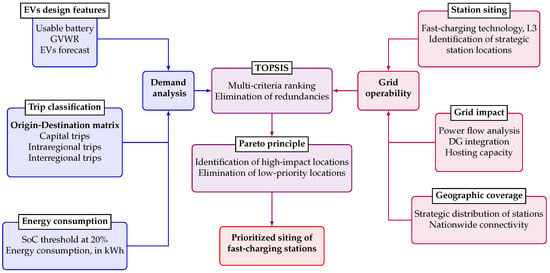
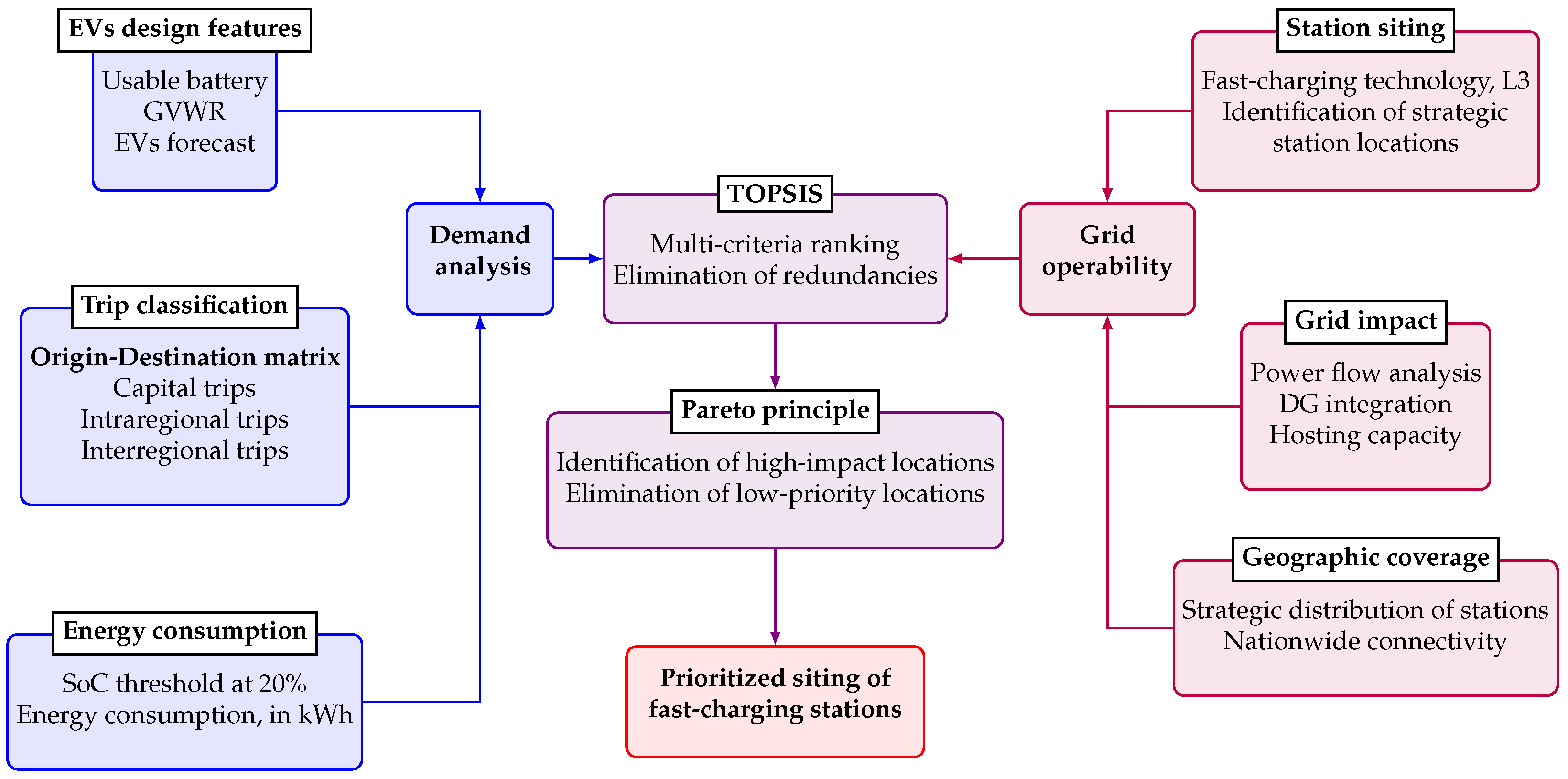
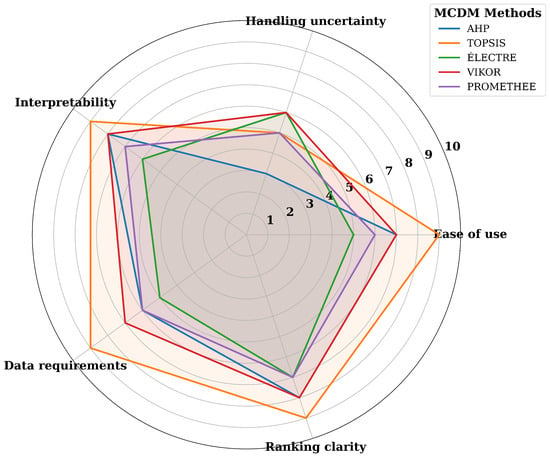
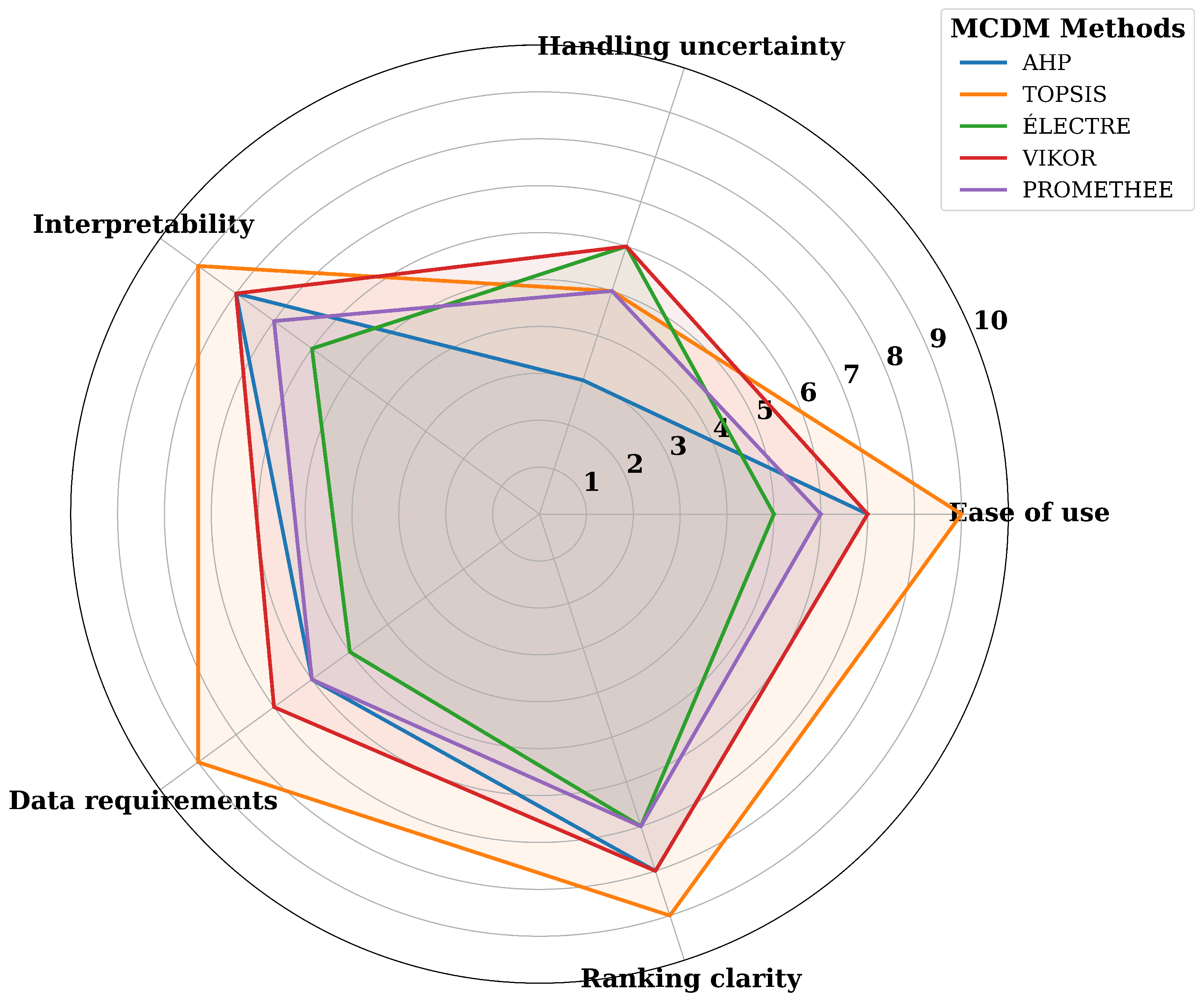
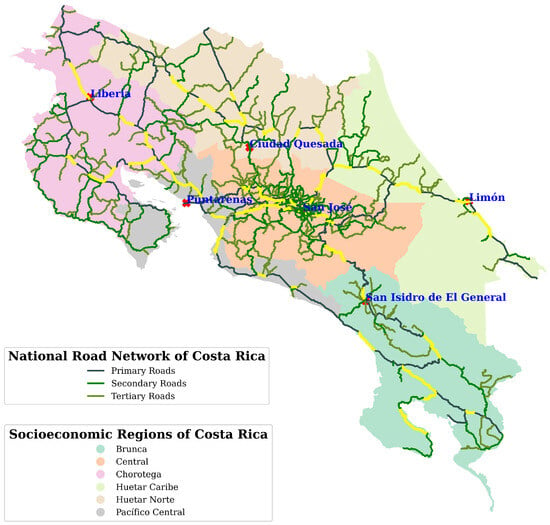
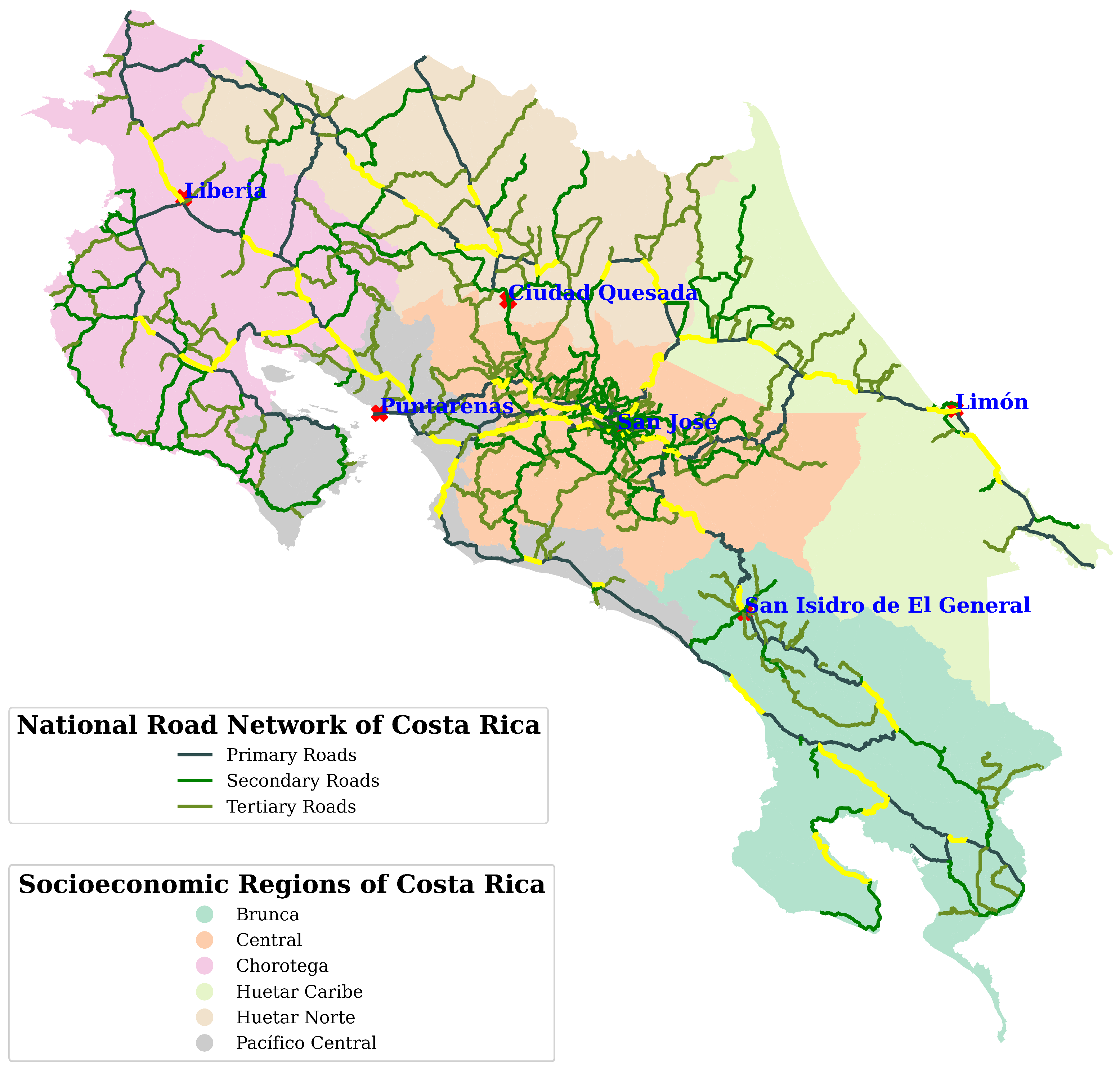
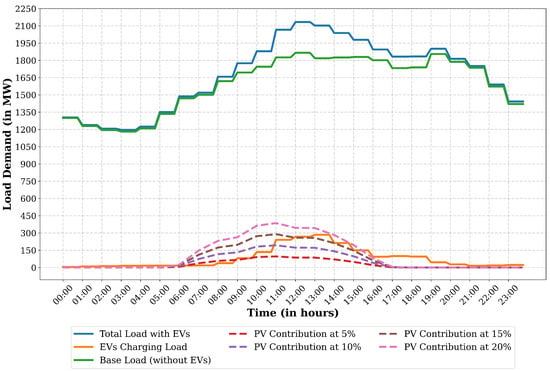
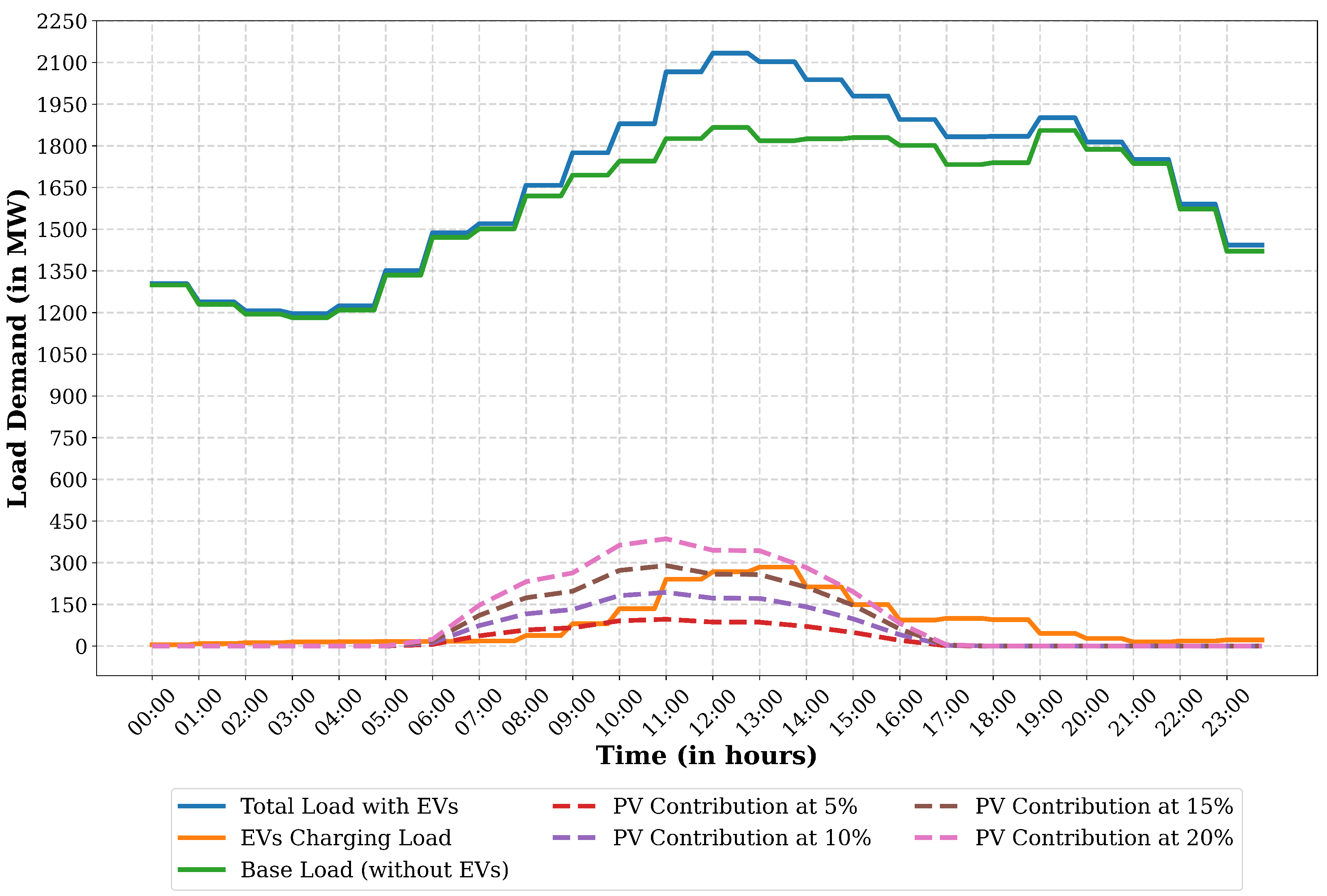
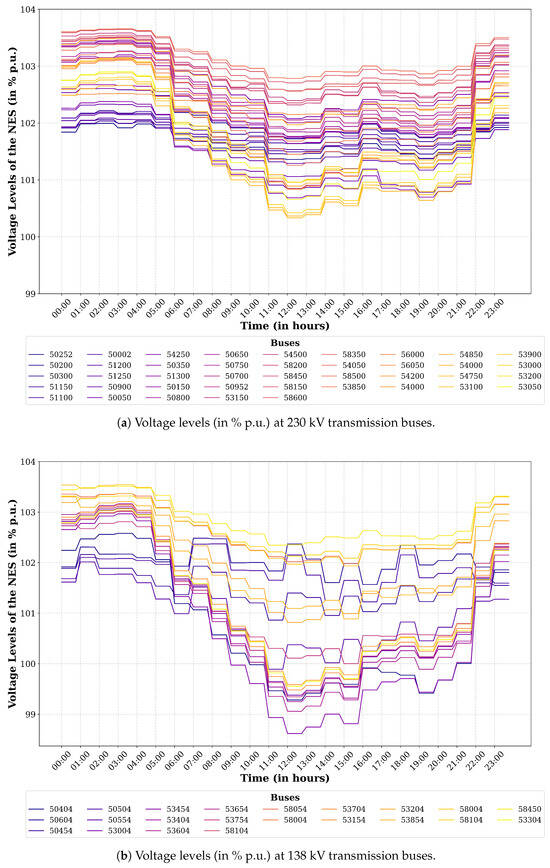
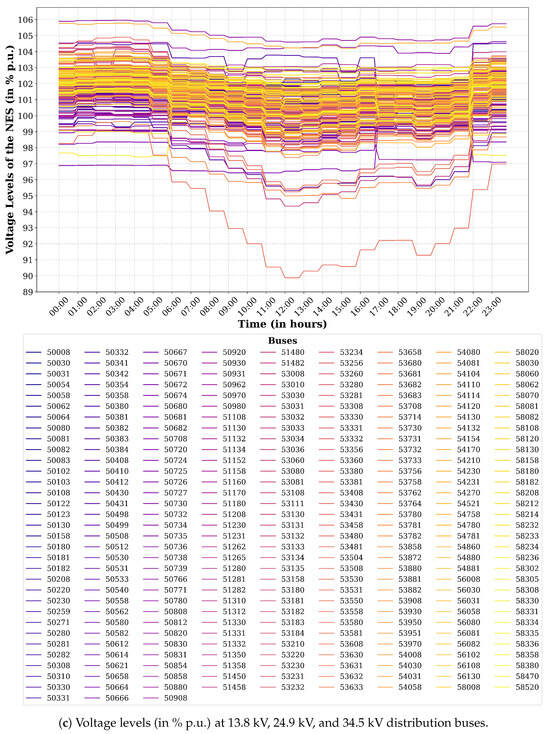
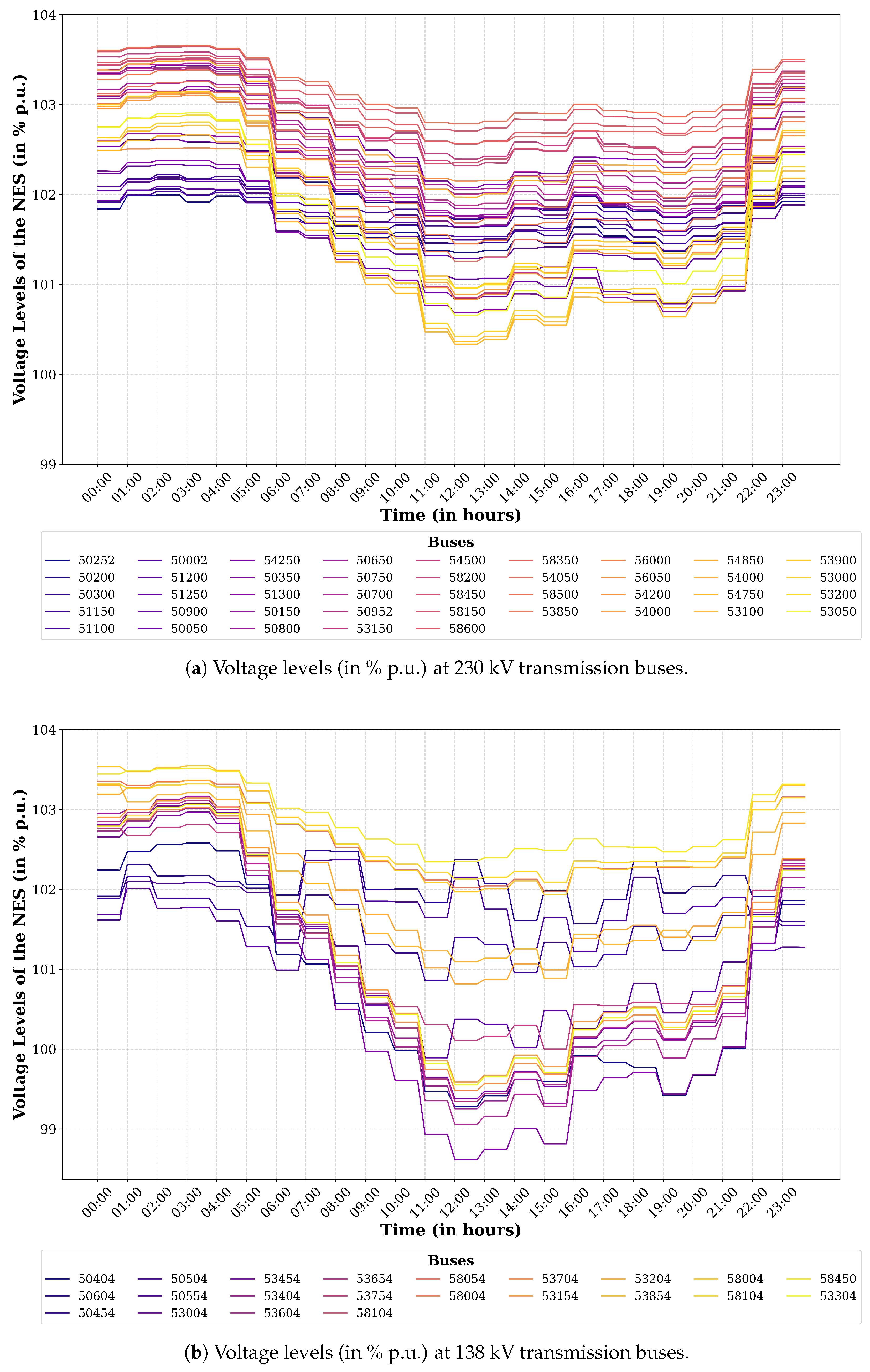
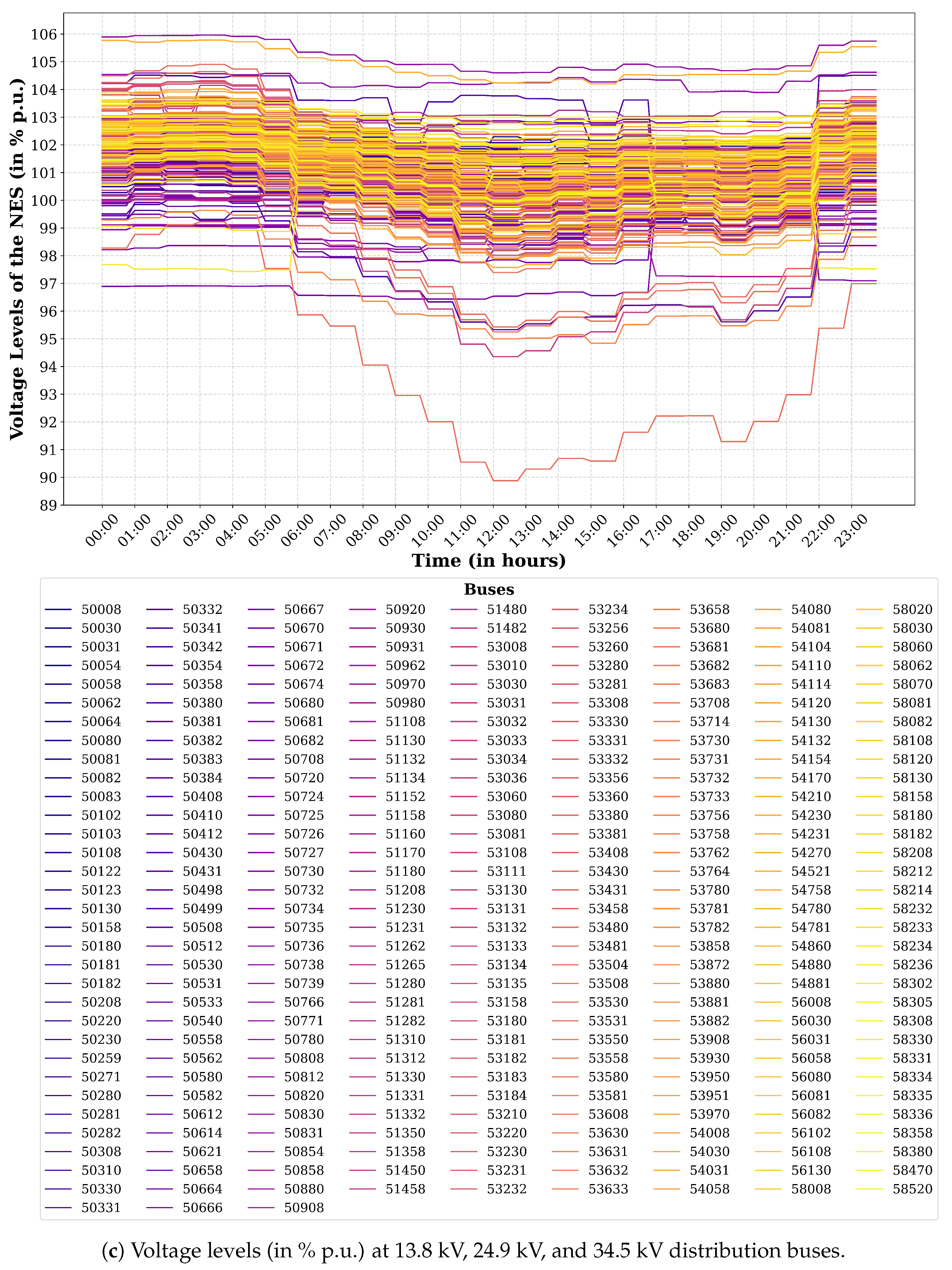
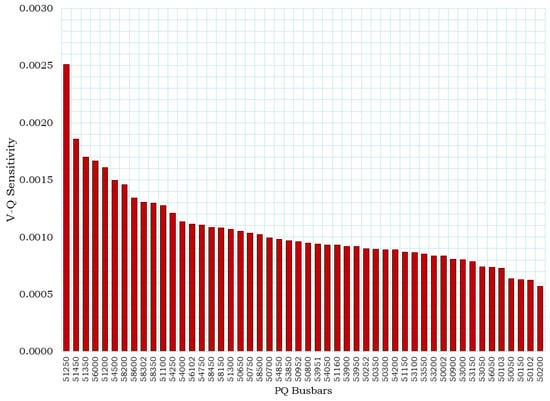
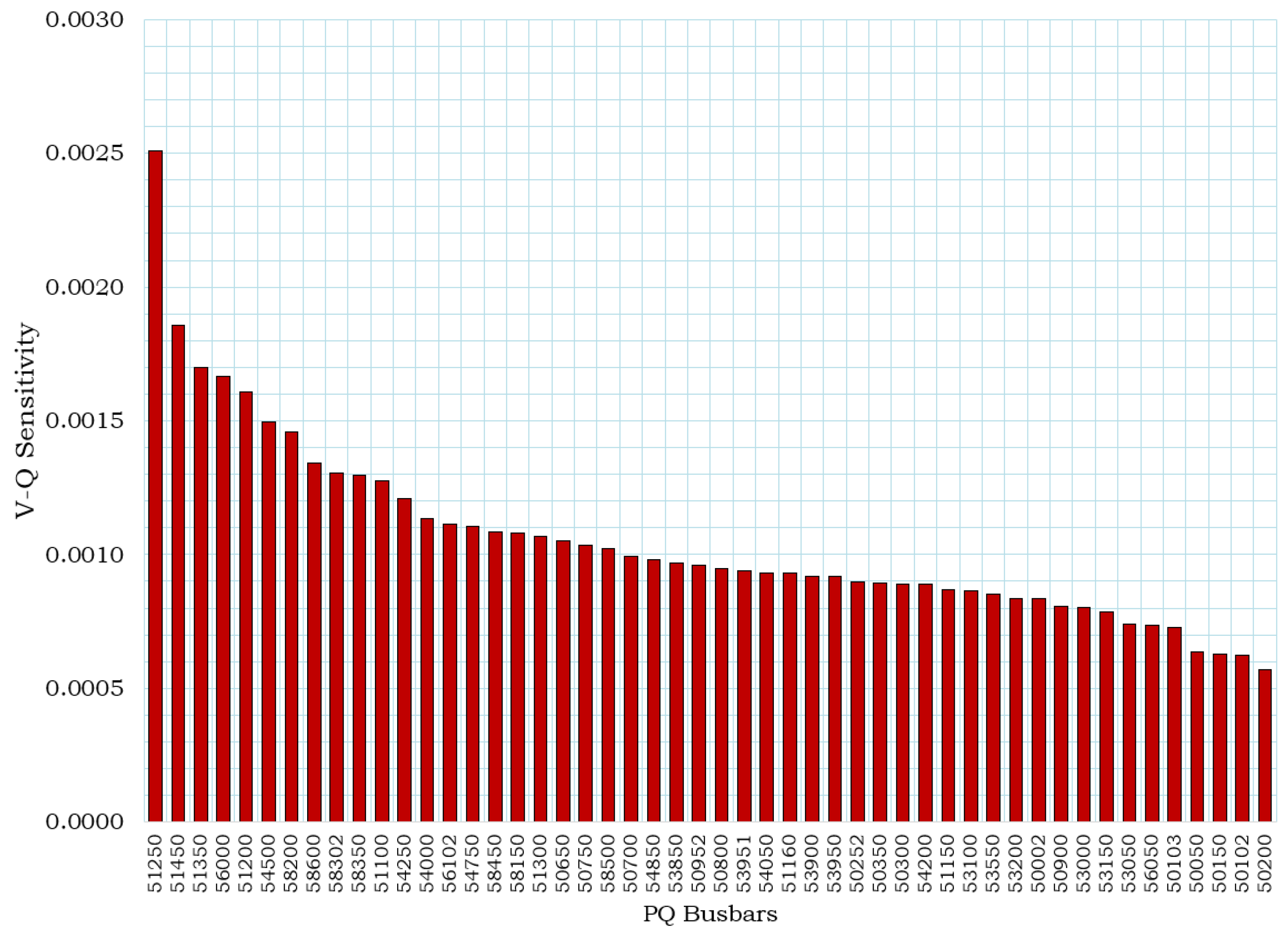
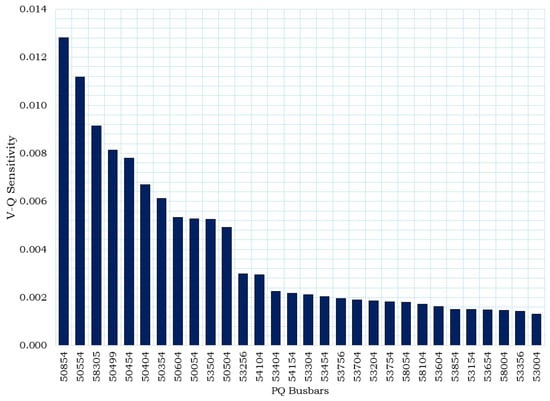
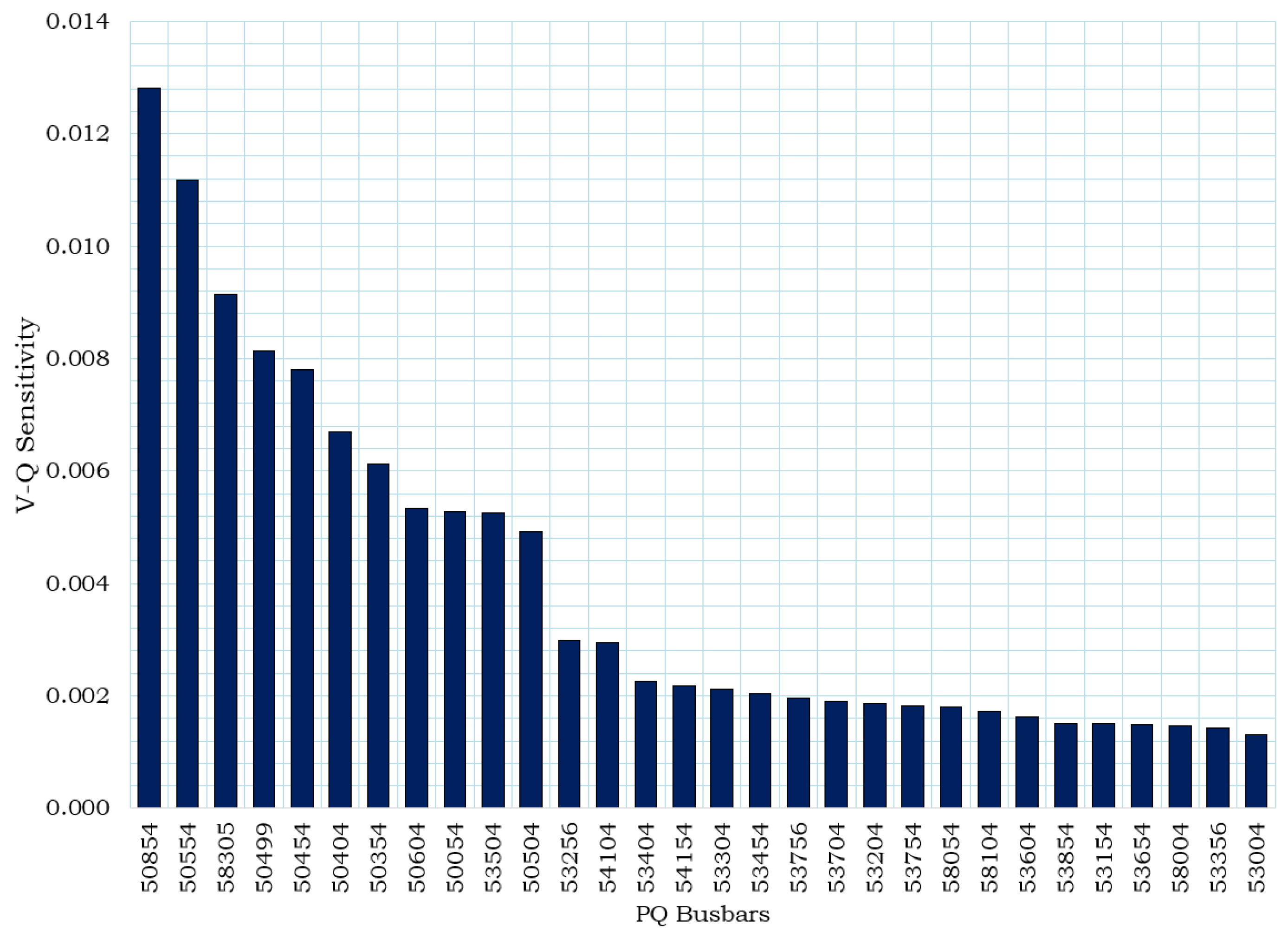
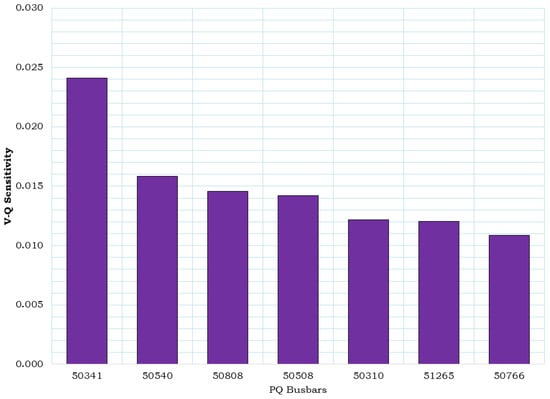
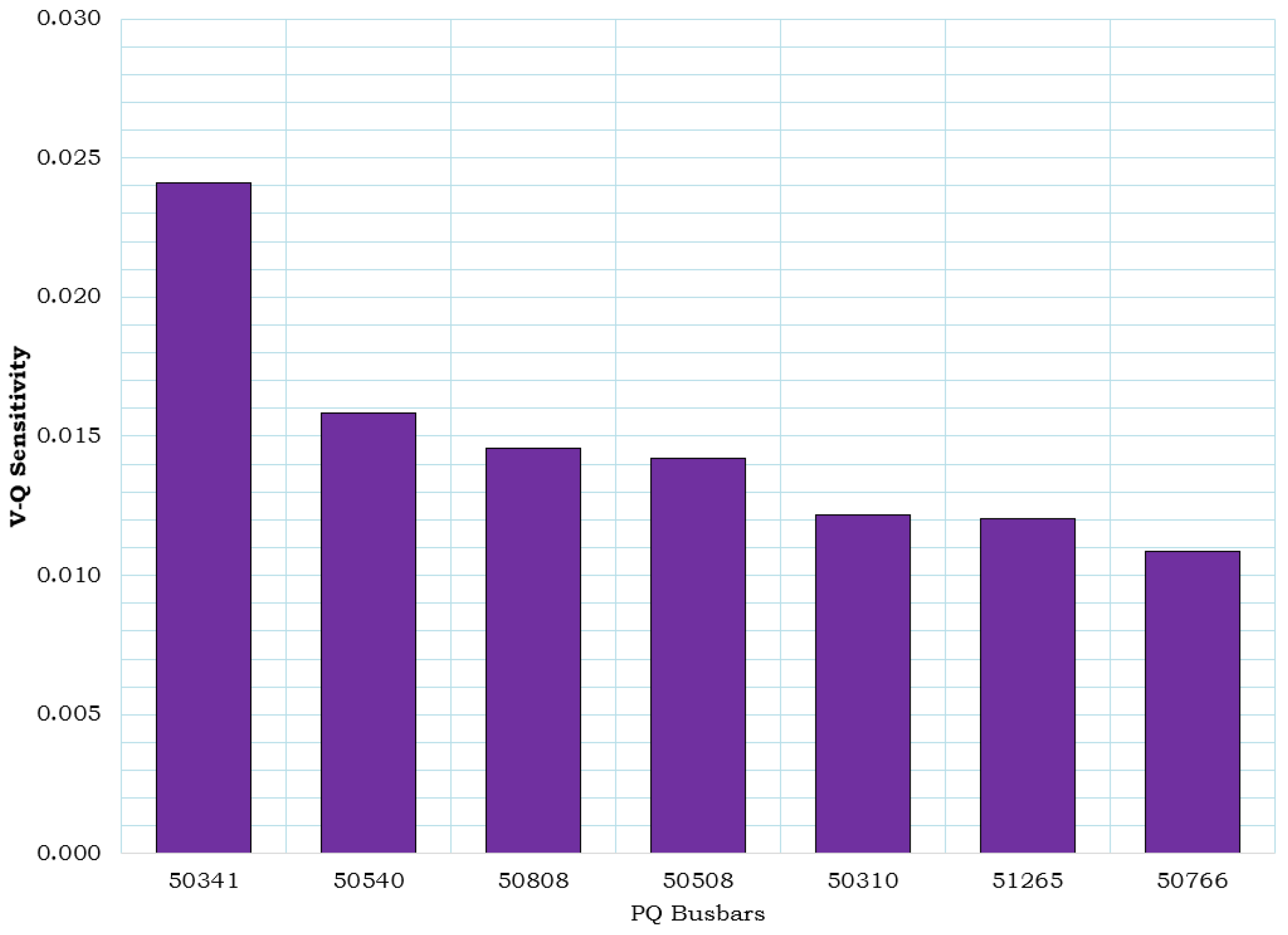
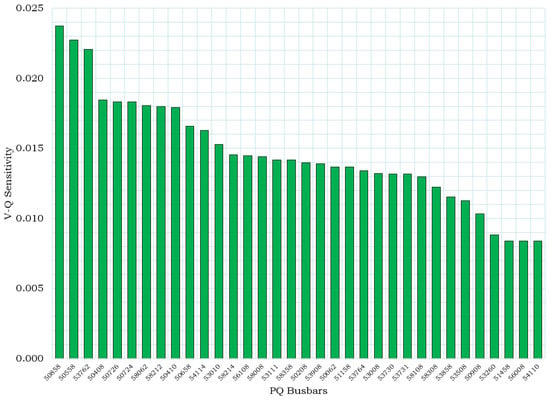
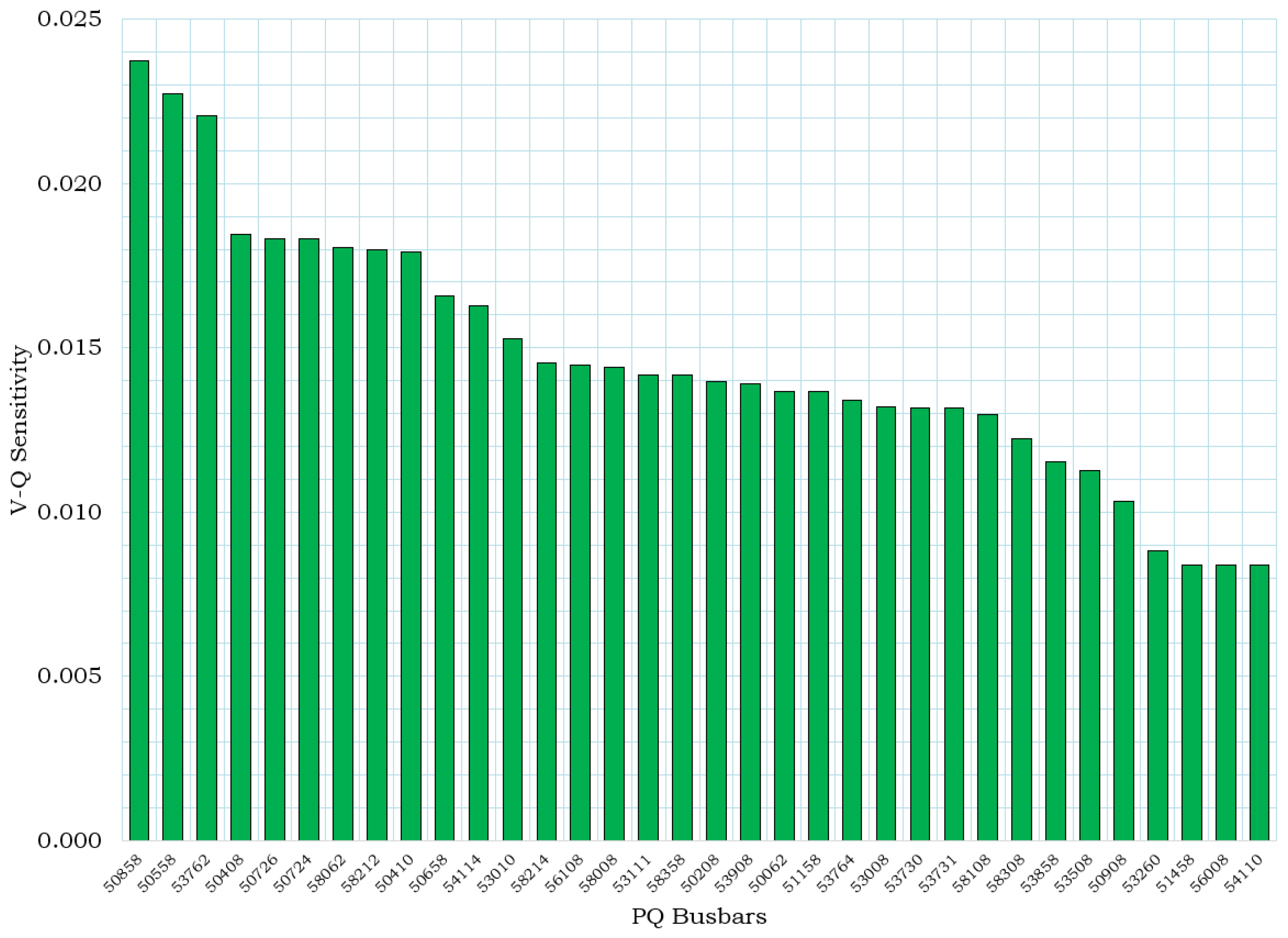
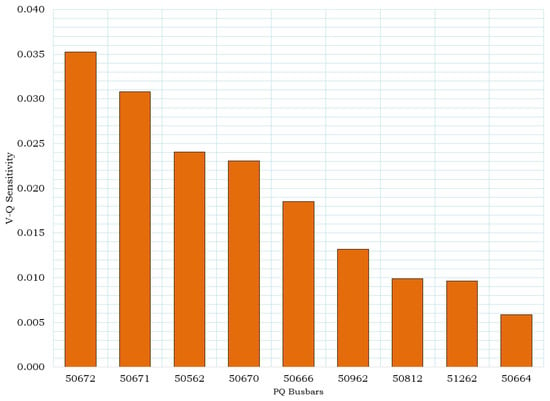

Disclaimer/Publisher’s Note: The statements, opinions and data contained in all publications are solely those of the individual author(s) and contributor(s) and not of MDPI and/or the editor(s). MDPI and/or the editor(s) disclaim responsibility for any injury to people or property resulting from any ideas, methods, instructions or products referred to in the content. |
© 2026 by the authors. Licensee MDPI, Basel, Switzerland. This article is an open access article distributed under the terms and conditions of the Creative Commons Attribution (CC BY) license.