Article

Energy Efficiency and International Regulation of Single-Phase Induction Motors: Evidence from Tests in the Brazilian Market


by
Abrão Garcia Oliveira Junior
1,*,
Welson Bassi
1,2,3,
Francisco Antônio Marino Salotti
1,
Hédio Tatizawa
1,2,
Antônio Quirino da Silva Neto
1 and
Danilo Ferreira de Souza
1,2,4
1
Institute of Energy and Environment (IEE), University of São Paulo (USP), Sao Paulo 05508-010, Brazil
2
Center for Analysis, Planning and Energy Resources Development (CPLEN), University of São Paulo (USP), Sao Paulo 05508-010, Brazil
3
Extra-High Voltage Laboratory (LEAT), Federal University of Pará (UFPA), Belem 66075-750, Brazil
4
Interdisciplinary Center for Studies in Energy Planning (NIEPE), Campus Cuiabá, Federal University of Mato Grosso (UFMT), Cuiaba 78060-900, Brazil
*
Author to whom correspondence should be addressed.
Energies 2026, 19(3), 712; https://doi.org/10.3390/en19030712
Submission received: 9 December 2025 / Revised: 15 January 2026 / Accepted: 24 January 2026 / Published: 29 January 2026

Abstract

Single-phase induction motors account for a significant share of energy consumption in residential, commercial, and rural applications. However, unlike three-phase motors, they still lack specific regulation in Brazil. This paper aims to identify the main construction types of these motors and their performance characteristics, to map international regulations based on Minimum Energy Performance Standards (MEPS) and to assess the actual efficiency of motors available on the Brazilian market. The adopted methodology combined an extensive literature review with laboratory tests conducted in accordance with IEC Standard 60034-2-1, using a sample of 48 motors from various manufacturers. The results confirmed that split-phase, capacitor-start, permanent-split capacitor, and two-capacitor motors exhibit distinct performance characteristics that determine their suitability for different applications. The analysis of international regulation revealed that the European Union, the United States, and several other countries have already established normative criteria for single-phase motors, ranging from labelling requirements to the reach of MEPS. Finally, the analysis of the test results revealed that most single-phase motors available on the Brazilian market fail to meet the minimum efficiency levels established by the standards.

1. Introduction

Brazil ranks among the countries with the highest share of renewable energy use globally. In 2024, 50% of its total energy consumption came from renewable sources, with the electricity sector standing out, as renewables accounted for 88.2% of total generation [1]. By comparison, the average global share of renewables in total energy use is 14.4%, while renewable generation accounts for 42% of global electricity [2]. Regarding CO2 emissions, electricity generation represents approximately 40% of total global emissions [3]. In 2024, Brazil produced 59.9 kg of CO2 per MWh generated [1], while India produced 729 kg, China 563 kg, the United States of America (USA) 321 kg, the European Union 174 kg, and the world average stood at 445 kg of CO2 per generated MWh [4].
Brazil is a signatory to the Paris Agreement and has committed, through its Nationally Determined Contribution (NDC), to reducing its CO2 emissions by 53% relative to 2005 levels by 2030. This goal is aligned with the United Nations Sustainable Development Goal 7 (Affordable and Clean Energy) [5].
One of the actions adopted to achieve these climate targets and to safeguard national energy security has been the implementation of energy efficiency programmes. These initiatives originated in Brazil during the 1980s, following the impacts of the 1973 and 1979 oil crises, as well as the United Nations Conference on the Human Environment held in Stockholm, Sweden, in 1972 [6]. Countries such as the United States, the United Kingdom, Italy, and Japan succeeded in reducing their energy consumption by between 20% and 30% through energy efficiency measures [7].
In the electricity sector, such practices result in deferred investments in power system expansion, since numerous studies have shown that the marginal cost of energy expansion is higher than the cost of energy efficiency [8]. Brazil began to regulate the sale of energy-intensive equipment in 2001 with the publication of the Energy Efficiency Law (Law No. 10295), enacted in a context of energy rationing and scarcity. The implementation of these measures yielded positive results, with further improvements expected as the regulation expanded its scope [9,10].
In 2011, the publication of the National Energy Efficiency Plan (PNEf) established a target of 10% savings in electricity consumption through efficiency actions by 2030, based on a projection relative to a baseline scenario without any interventions [11].
Electric motors account for nearly half of global electricity consumption and around 70% of industrial use, with Squirrel-Cage Three-Phase Induction Motors (SCIMs) being the dominant type [12]. Widely used across all economic sectors, electric motors present significant opportunities for energy savings, either through the design of more efficient machines [13] or through the adoption of advanced technologies [14].
In terms of efficiency, there are currently two main international groups of Minimum Energy Performance Standards (MEPS), with some countries adopting variations in these systems. The first major group comprises the USA, Canada, and Mexico, which adhere to the American National Standards Institute (ANSI)/National Electrical Manufacturers Association (NEMA) Motors and Generators MG1 standard [15]. These standards classify efficiency levels from the lowest to the highest as standard, high, premium, and super premium.
The second major group comprises the European Union (EU) countries, which follow IEC standards. The relevant standard is IEC 60034-30-1 [16], which defines the International Efficiency (IE) classes, from the least to the most efficient: IE1, IE2, IE3, and IE4.
Across countries, grammatical or semantic variations sometimes lead to different nomenclature while maintaining technical equivalence. In Brazil, for instance, the classification system uses the term “Índice de Rendimento” (IR, Efficiency Index), with categories IR1, IR2, IR3, and IR4 corresponding, respectively, to the international IE1–IE4 classes [17].
Several countries, including Brazil, have already regulated their electric motor markets through MEPS, requiring a minimum efficiency level equivalent to IE3 [18], following the IEC’s 2009 proposal for international harmonization [19]. However, although there has been steady progress in regulating three-phase motors, combining technological evolution with effective public policy mechanisms [20,21], the same cannot be said for single-phase motors. They are widely used in residential, commercial, and agricultural sectors, particularly in rural areas, yet still lack specific regulatory requirements in Brazil.
A combination of electromagnetic design choices, auxiliary component selection, and market-driven constraints influences the energy efficiency of single-phase induction motors. Key technical factors include the motor construction typology, stator and rotor geometry, quality of magnetic steel, winding configuration, and the presence and sizing of auxiliary windings and capacitors, which directly affect torque pulsations, copper losses, and stray losses. Additionally, enclosure type, cooling effectiveness, and thermal design all play a significant role in determining steady-state losses and stability of efficiency. From a market and regulatory perspective, the absence of mandatory minimum efficiency requirements tends to favour cost-oriented designs with simplified magnetic circuits and conservative material selection, limiting achievable efficiency levels. Conversely, jurisdictions that enforce MEPS encourage the adoption of optimized designs, improved materials, and more efficient auxiliary components, leading to higher average efficiency and reduced performance dispersion among commercially available motors.
In this context, the following research questions arise:
  • What are the main types of single-phase induction motors for general use, and what are their technical characteristics and applications?
  • Which countries already regulate the commercialization of single-phase motors under MEPS frameworks, and what are the main features and requirements of these regulations?
  • What is the actual efficiency of single-phase motors available in the Brazilian market, and how does it compare with MEPS benchmarks?
The main contribution of this work lies in the integrated analysis of single-phase induction motors from technical, regulatory, and experimental perspectives. The paper consolidates the classification and application of the main single-phase motor typologies, systematically reviews international MEPS-based regulations, and provides experimental evidence on the efficiency levels of motors available in the Brazilian market. By directly comparing laboratory results with international benchmarks, the study highlights existing performance gaps and offers a technical basis to support future regulatory developments for single-phase motors in Brazil.

2. Materials and Methods

This study used a two-stage methodology that systematically addressed the research questions outlined earlier. The first stage involved a literature review aimed at identifying and analyzing international regulations related to single-phase motors, as well as the technical and constructional characteristics of equipment already covered by MEPS. This stage addressed Research Questions 1 and 2, which are theoretical and comparative in nature.
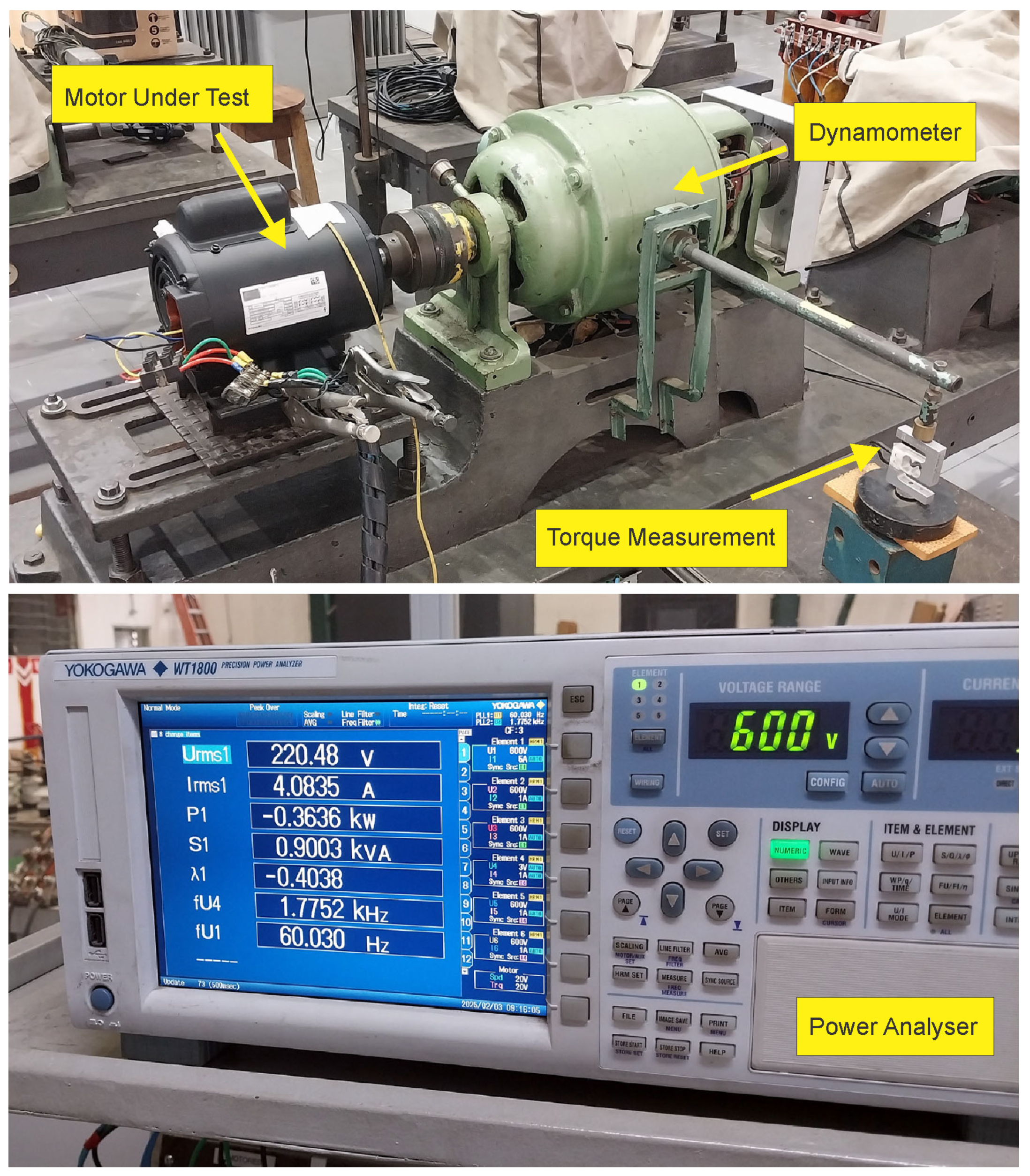
The second stage of an experimental nature was based on laboratory tests of a sample of single-phase motors available in the Brazilian market. The tests were conducted in accordance with the technical procedures outlined in IEC 60034-2-1 [22] and were carried out at the Electrical Machines Laboratory of the Institute of Energy and Environment, University of São Paulo (IEE-USP), using a dedicated experimental setup, shown in Figure 1. This phase aimed to assess the energy performance of the tested equipment and to compare the results with international efficiency standards, particularly the lower efficiency levels IE1 and IE2, thereby addressing Research Question 3.
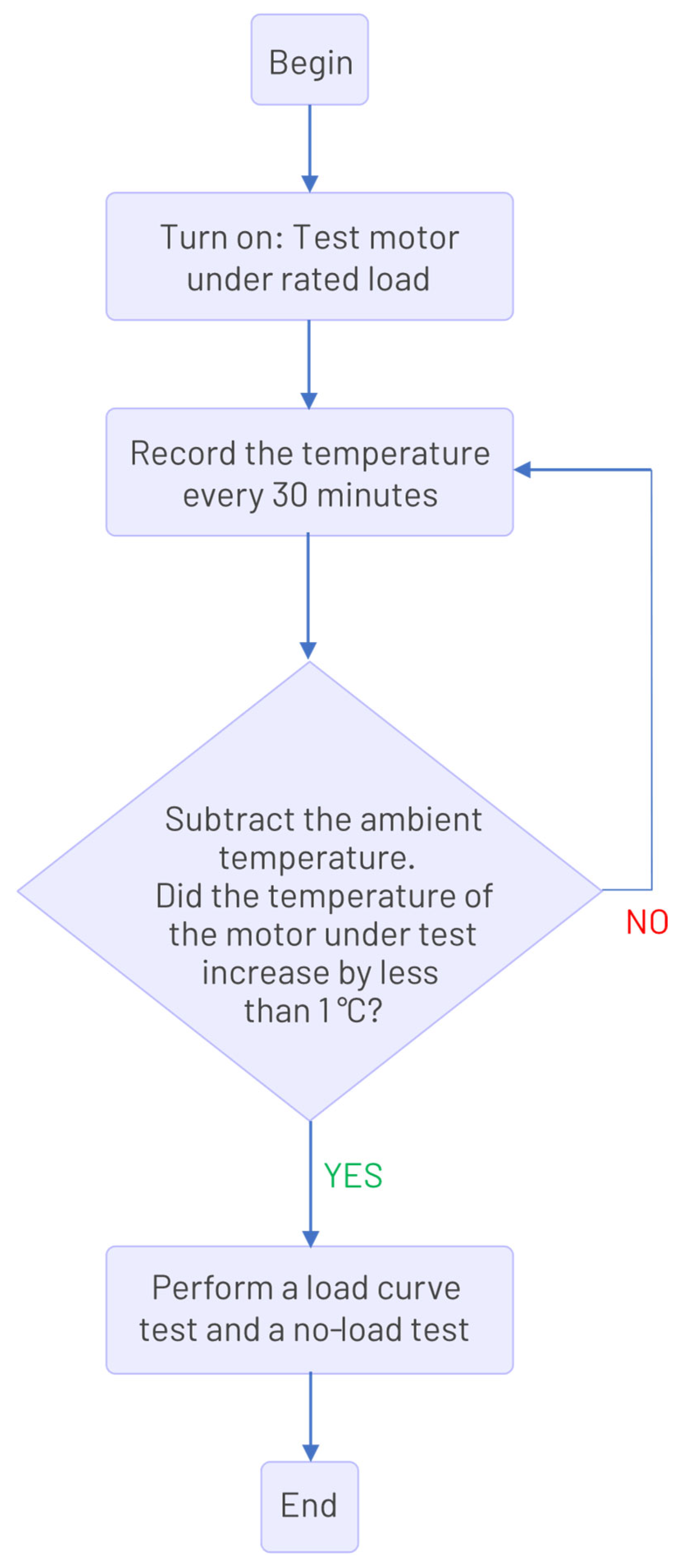
The efficiency tests were conducted in accordance with the procedures defined in the IEC standards applicable to single-phase induction motors. Each motor was tested on a dedicated test bench that comprised a controlled power supply, a precision power analyzer, a torque transducer, and a speed measurement system. Electrical quantities (voltage, current, active power, and power factor) were measured with Class 0.2 instrumentation, while mechanical output power was obtained from measured torque and rotational speed. Prior to each measurement, the motor was operated until a thermal steady state was reached, defined as a temperature variation of less than 1 °C over a 30 min interval. Motor efficiency was calculated as the ratio between measured mechanical output power and electrical input power, following the prescriptions of the IEC standard clauses related to efficiency determination.

2.1. Literature Review

The literature review carried out in this work was comprehensive and qualitative, aiming to map global policies and regulations applicable to single-phase motors and to characterize the main construction typologies and their corresponding energy performance parameters. The goal was to consolidate information from various technical and scientific sources in order to address Research Questions 1 and 2.
The bibliographic research was conducted using the Google search engine (https://www.google.com, accessed on 11 November 2025) and the scientific databases Scopus (https://www.scopus.com, accessed on 11 November 2025) and Web of Science (https://www.webofscience.com, accessed on 11 November 2025), to retrieve scientific papers, technical reports, and comparative analyses of international regulations, as well as policy documents and legislation frequently associated with the regulation of single-phase motors in different countries.
The following search string was used: “single-phase induction motor” AND “MEPS” OR “energy efficiency regulation” AND “single-phase motor”.
This stage enabled the identification of the main regulatory frameworks currently in force in the United States, the European Union, China, Argentina, Ecuador, and Ghana, as well as the consolidation of technical and operational data on split-phase, start-capacitor, permanent-capacitor, and two-capacitor motors.

2.2. Laboratory Tests

The second methodological stage of this study involved laboratory tests on single-phase motors available on the Brazilian market, aiming to address Research Question 3 regarding the actual efficiency of these motors. The analyzed sample consisted of 48 single-phase motors from various manufacturers, with nominal power ratings and construction typologies representative of the leading residential, commercial, and rural applications. The motors were purchased directly from the domestic market to ensure that the sample reflected the actual commercial profile of Brazilian products.
Consolidated evidence on the Brazilian single-phase motor market indicates that this segment has significant economic and energy relevance. Based on an integrated assessment of domestic production, imports, exports, and internal sales, annual sales are estimated at approximately three million single-phase motors, considering only general-purpose units potentially covered by a future MEPS-based regulation. These estimates result from successive refinements combining foreign trade statistics, industrial data, and sectoral information, ensuring consistency with the actual commercial profile of the national market. The analysis further reveals that the market is characterized by a high degree of concentration among a limited number of manufacturers, including both domestic and multinational companies, alongside substantial dispersion in energy performance across brands and models. This market structure implies that manufacturers’ design choices and product positioning have a direct and measurable impact on aggregate electricity consumption, reinforcing the systemic relevance of regulating the energy efficiency of single-phase motors in Brazil [23].
Considering that single-phase motors are commercially available over a more restricted range of rated power levels when compared to three-phase motors, the sample covers a representative span of the applicable power range, encompassing different construction typologies (SP, CSIR, PSC, and CSCR), manufacturers (both domestic and imported), and typical residential, rural, and light-commercial applications. Although the number of tested units does not allow for strict statistical generalization of the results to the entire national market, it is considered adequate for an exploratory, market-oriented assessment of efficiency dispersion and compliance trends. This approach enables the identification of systematic performance patterns, technological contrasts, and regulatory implications, while explicitly acknowledging the inherent statistical limitations associated with the sample size.
The energy performance tests were conducted at the Electrical Machines Laboratory of the Institute of Energy and Environment, University of São Paulo (IEE-USP), in accordance with the procedures established by IEC 60034-2-1 [22], employing the direct method for efficiency determination [24]. This standard defines the testing methods for determining motor losses and efficiency, ensuring comparability with international efficiency benchmarks. For each motor, efficiency was determined under various load conditions, along with measurements of current, power factor, and slip. However, the results presented in this study refer exclusively to measurements taken at 100% load.
Figure 1 shows the experimental setup used in the laboratory, highlighting the main components. The dynamometers employed were air-cooled direct current motors with rated powers ranging from 0.37 kW to 6.6 kW, operating speeds between 1500 and 3500 rpm, torque arms measuring 0.51 to 0.79 m, and load cells with capacities of up to 5 kg, where the torque is given by the product of the torque arm and the weight force measured by the load cells. Electrical measurements utilized a high-precision power analyzer WT1800, manufacured by Yokokagawa Electrical Company, Tokyo, Japan, which offers up to six simultaneous inputs, presenting the main features: frequency range from DC to 5 MHz, 2 MS/s sampling rate, 16-bit resolution, basic accuracies of ±0.05% for DC and ±0.1% for AC power, and harmonic analysis up to the 500th order. Furthermore, in relation to the power required by the motor under test, the test setup also includes a bank of electrical resistances connected to the dynamometer’s armature (generator), along with its excitation control. In Appendix A, the instrumentation used in the experimental setup is presented, along with the corresponding measurement ranges, accuracies, and calibration intervals.
During testing, controlled voltage and frequency conditions were applied to the motors, and all measurement data, including temperature, were collected using calibrated instruments traceable to international measurement standards.
The laboratory is audited every two years and accredited for electric motor testing by the International Laboratory Accreditation Cooperation (ILAC). In addition to energy analyzers, temperature sensors were used to monitor heating at two points: one on the motor frame and another on the front section near the shaft. After reaching thermal stabilization, each motor was tested under different load points (25%, 50%, 75%, 100%, 115%, and 125% of rated power), allowing the determination of steady-state efficiency curves. A no-load test was also performed at nominal voltage, along with a residual load test using dynamometer coupling, both of which were used to evaluate dynamometer losses.
For regulatory compliance purposes, motor efficiency was assessed exclusively at 100% of the rated load, as prescribed by the applicable IEC standards. In parallel, additional tests were performed under partial- and overload conditions (25%, 50%, 75%, 115%, and 125% of the rated load) to characterize the overall performance behaviour of the motors across a wider operating range. These supplementary load points were not considered for compliance with standards or benchmarking purposes. Accordingly, the efficiency results discussed and analyzed in this study refer solely to measurements obtained at rated load (100%).
Figure 2 presents a flowchart illustrating the sequence of laboratory testing stages.
The results obtained were compared with the internationally established minimum efficiency levels, particularly the IE1 and IE2 classes, as defined in the regulations applicable to single-phase motors in the United States and the European Union.
Accordingly, the results should be interpreted as an exploratory, market-oriented assessment aimed at identifying performance dispersion and compliance trends, rather than as a statistically representative characterization of the entire Brazilian market.

3. Results and Discussion

This section presents three parts, each directly addressing the research questions introduced earlier. Section 3.1 compiles the results of the literature review on the types and technical characteristics of single-phase induction motors, addressing the first research question regarding the main types of single-phase motors for general use. Section 3.2 presents the analysis of global energy efficiency policies and MEPS-based regulations for single-phase motors, corresponding to the second research question on which countries regulate the trade of single-phase motors under MEPS frameworks. Finally, Section 3.3 presents the results of laboratory tests conducted on single-phase motors, comparing them with international minimum efficiency standards, in response to the third research question on the actual efficiency of single-phase motors available in the Brazilian market.

3.1. Types of Single-Phase Induction Motors for General Use

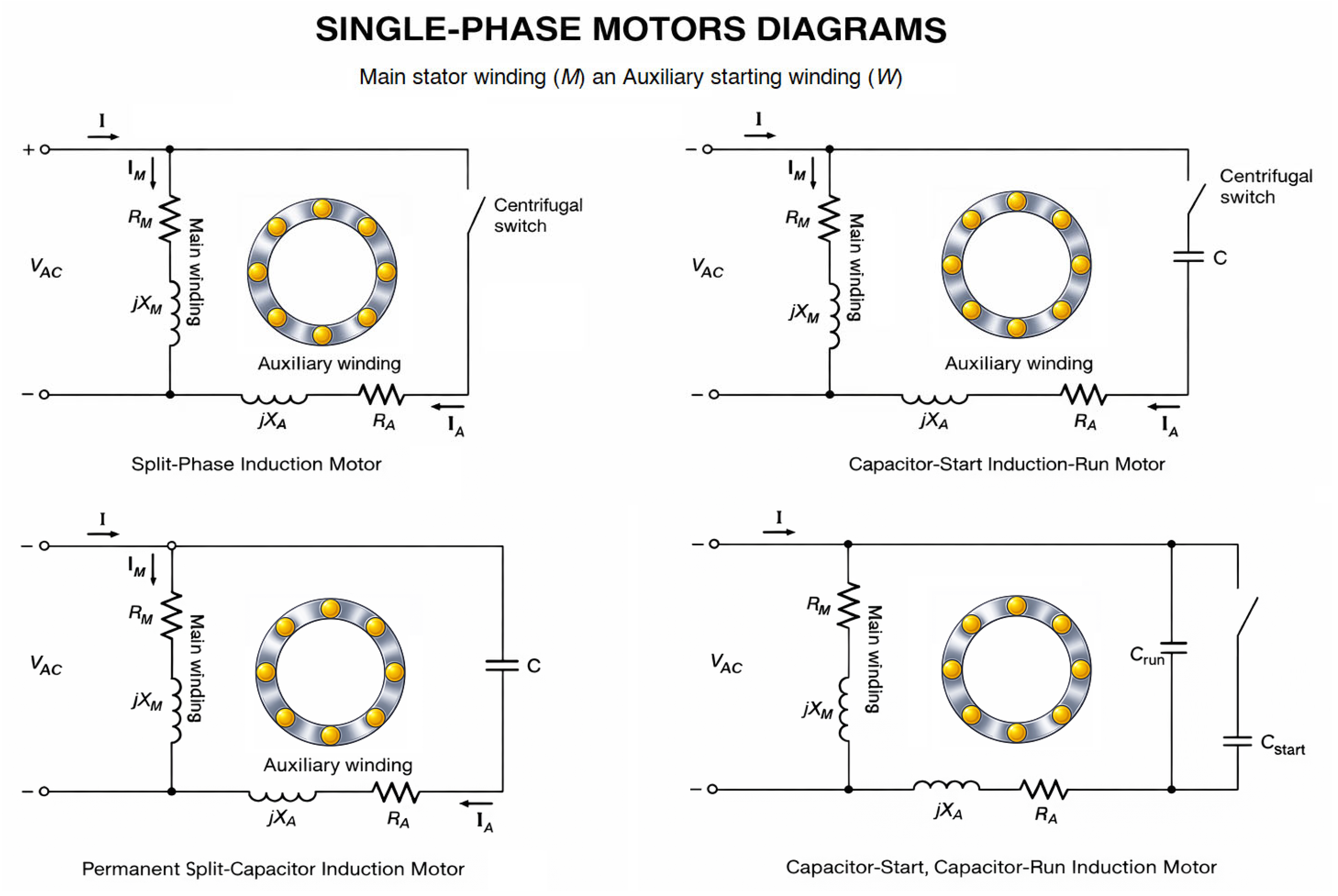
This subsection presents the main types of single-phase induction motors for general use, highlighting their constructional and functional characteristics as well as their most common applications. The following subsections describe four types of motors with potential relevance for energy conservation programmes, illustrated in Figure 3.

3.1.1. Split-Phase (SP) Motor

SPs typically deliver low starting torque and operate in equipment such as fans, refrigerators, air conditioners, exhaust systems, and grinders, where high starting torque is unnecessary. The starting torque of an SP is equal to its rated torque, which is not ideal for applications requiring high inertial load acceleration. These motors are generally available in ratings of up to 1 hp, with options for 2-, 4-, 6-, or 8-pole configurations.
The SP comprises two main parts: the stator and the rotor. The stator, comprising the frame and laminated iron core, contains two windings, the main and auxiliary windings, which are mounted 90° apart both electrically and mechanically (for two-pole motors).
The auxiliary winding serves exclusively for starting and determining the direction of rotation. The phase-shifted currents in the two windings (with differing numbers of turns and cross-sectional areas, and hence different resistances and inductances) produce out-of-phase pulsating magnetic fields. Their interaction generates a resultant magnetic field that appears to rotate, although its magnitude is not constant. This resultant field enables the generation of the starting torque [26]. Once a certain speed is reached, the auxiliary winding is disconnected. Without it, the pulsating field produced by the main winding alone cannot generate torque because the induced rotor current is aligned with the main field.
The rotor of this machine is exactly the same as that of an SCIM and identical to the rotors used in most existing single-phase motors. Furthermore, on the shaft, at the rear end of the motor, there is a switch that disconnects the auxiliary winding from the circuit once the motor reaches steady-state operation. This switch is activated by the reaction of centrifugal force, which stretches a spring-loaded mechanism and moves a disc together with a plate known as the breaker plate (or contact plate), responsible for opening and closing the switch [27,28,29].

3.1.2. Capacitor-Start Induction-Run (CSIR) Motor

The CSIR has the same general construction as the SP, except for the inclusion of a capacitor in series with the auxiliary winding. The capacitor’s purpose is to increase the motor’s starting torque. As noted earlier, the SP’s starting torque equals its rated torque, which limits its applicability. Adding a capacitor in series with the auxiliary winding compensates for this limitation.
The capacitor introduces capacitive reactance, which produces an electrical phase shift of approximately 90° between the currents in the two windings (main and auxiliary). As a result, the apparent rotating field produced in the CSIR has a nearly constant magnitude and speed over time, similar to that of a three-phase induction motor, leading to significantly higher starting torque. Like the SP, the centrifugal switch disconnects the auxiliary circuit, and consequently the capacitor, once the motor reaches steady state.
This motor type provides a starting torque that is up to three times higher than its rated torque, thereby broadening its application range. CSIRs are typically found with ratings up to 3 hp and are used in washing machines, gate openers, water pumps, air compressors, and other similar devices [26,27,28].

3.1.3. Permanent-Split-Capacitor (PSC) Motor

Also known as Permanent-Split Capacitor Motors (PSC), this motor type is characterized by the absence of a centrifugal switch, meaning the auxiliary winding and the capacitor remain permanently connected to the circuit.
The capacitor used in this configuration has a lower capacitance than that used in CSIRs. While the start capacitor in CSIRs is chosen to create a near 90° electrical phase shift between the winding currents, in PSCs it is selected such that the auxiliary current magnitude is approximately equal to that of the main winding, while maintaining a phase shift close to 90°. This arrangement enhances the resultant rotating magnetic field, which exhibits a nearly constant magnitude.
Torque pulsations, which typically reduce machine efficiency, are also minimized, allowing the PSCs to achieve efficiency levels comparable to those of three-phase induction motors. The power factor also improves, and in some cases, it approaches a value of 1. However, the main drawback is the low starting torque, comparable to that of SPs. These motors are generally available up to 1 hp and are used in pumps, compressors, fans, and other applications where high starting torque is not required [26,27,28].

3.1.4. Capacitor-Start, Capacitor-Run (CSCR) Motor

CSCRs combine the features of both CSIRs and PSCs. They provide high starting torque (similar to CSIRs, about three times the rated torque) while maintaining improved power factor and efficiency during steady-state operation (as in PSCs). In CSCRs, the start capacitor is connected in parallel with the run capacitor, and the centrifugal switch disconnects only the start capacitor once the motor reaches steady-state speed.
This motor type generally operates in higher power ranges than the others, usually from 1 hp to 15 hp, with ratings above 10 hp being uncommon. Engineers typically use CSCRs in applications that require high starting torque but lack access to a three-phase supply [26,27,28].

3.2. Review of International Energy Efficiency Policies for Single-Phase Motors

A search for MEPS-based regulations on the Electric Motor Systems Platform (EMSA), maintained by the International Energy Agency (IEA), reveals that the most advanced regions in adopting MEPS as a commercial criterion for the electric motor market within their territories are the European Union (together with the United Kingdom, Norway, Turkey, and Switzerland) and the United States. These countries are the first to mandate an IE4 efficiency level for three-phase induction motors (MITRGE) rated between 75 kW and 200 kW, with 2-, 4-, and 6-pole configurations. The United States regulation also includes 8-pole motors, set to take effect in June 2027, while the European regulation has been in force since September 2023 [18].
These regulations also cover single-phase motors, and their commercialization in these territories is conditional upon meeting MEPS IE2 requirements for 50 Hz operations in Europe, and MEPS IE1 or IE2 for 60 Hz operations in North America.
In addition to the EU and the US, other countries that have adopted MEPS-based regulatory frameworks to authorize or restrict the circulation of single-phase motors within their territories include Argentina, China, Ecuador, and Ghana. The following sections describe the main features of each regulation. The countries analyzed were selected based on the existence of formal MEPS-based regulations or official energy labelling schemes specifically addressing single-phase induction motors, as identified through IEA-4E EMSA databases and national regulatory documents, aiming at a representative rather than exhaustive global survey comparison.

3.2.1. European Union (Including Switzerland, Turkey, Norway, and Great Britain)

The European document establishing the regulation of trade in Ecodesign electric motors and variable speed drives, which includes single-phase motors, is Regulation (EU) 2019/1781 [29]. This regulation was issued under Directive 2009/125/EC [30], which aims to establish Ecodesign policies for energy-related products. The main conditions cited as justification for enacting this regulation are as follows:
  • The annual sales volume of the product, according to Regulation (EU) 2019/1781, must reach at least 200,000 units per year;
  • The product must also demonstrate significant energy consumption during the use phase. In addition, the regulation specifies that authorities should not implement it if it substantially increases the product’s cost;
  • Many motors are integrated into other products. To maximize energy savings in a cost-effective manner, the regulation also applies to these motors, provided that their efficiency can be independently tested. It specifies that motors integrated into products (e.g., within a gearbox, pump, fan, or compressor) whose energy performance cannot be measured independently of the product, as well as motors with integrated variable speed drives whose performance cannot be assessed separately from the drive, are not covered by the regulation;
  • Also excluded are motors intended to operate under adverse conditions, such as unusual temperature ranges (ambient temperatures above 60 °C, below 0 °C, or above 32 °C for water-cooled motors, or below −30 °C for any motor), abnormal pressure conditions (altitudes above 4000 m) or in classified or hazardous locations (for example, explosion-protected areas, radioactive environments or submerged applications). The regulation also excludes motors with integrated batteries, handheld units, motors mounted in equipment that moves them during use, motors with mechanical commutators, units intended for e-mobility, and non-ventilated motors.
Around 2010, the European market sold approximately 70–75 million single-phase motors, and it was estimated that implementing a regulation in Europe requiring the IE2 efficiency level could save around 4–5 TWh of energy per year [31]. These estimates, presented here as historical benchmarks, illustrate the potential impact of minimum efficiency regulations at the time.
A trend has been observed in the European market indicating that IE2 single-phase motors are predominantly of the capacitor-start capacitor-run (CSCR) type. Table 1 presents the IE2 efficiency levels required for single-phase motors to be placed on the European market:

3.2.2. United States of America

The Energy Policy and Conservation Act (EPCA), enacted by the U.S. Congress in response to the first oil crisis in 1973, was the first legislation in the United States to introduce energy efficiency policies for various equipment, including electric motors [32].
In the United States, single-phase motors subject to MEPS-based regulation are classified as Small Electric Motors, along with other types of low-power motors. This definition originates from the 1987 NEMA Standard [31], which establishes that such motors must be intended for general-purpose applications, operate on alternating current (AC), be single-speed, and have a two-digit frame size. The most recent edition of the standard, published in 2021, retains these definitions and specifies the MEPS levels applied in the regulation of single-phase motors [15].
The framework for adopting MEPS-based regulation for small motors, including single-phase types, is defined in the Energy Conservation Standards for Small Electric Motors (10 CFR Part 431, Final Rule), issued by the U.S. Department of Energy (DOE) in 2010 and effective as of 2015 [33]. This document represents the final outcome of a process initiated in 2006 between the DOE and motor manufacturers to establish the scope, requirements, and MEPS criteria for regulating single-phase motors. It discusses in detail the following:
  • Technical aspects, such as recommendations regarding materials and design improvements to enhance motor efficiency;
  • Identification of manufacturers already offering motors that met the desired efficiency levels, thereby demonstrating the technical feasibility of achieving the required performance;
  • Production and product cost analysis associated with MEPS implementation;
  • Economic assessment for consumers, including Net Present Value (NPV) and Payback Period simulations based on the U.S. context;
  • Energy and environmental benefits resulting from the adoption of the regulation.
Ultimately, the DOE concluded that adopting standard efficiency levels (IE1) for single-phase motors with a single starting capacitor and high efficiency (IE2) for single-phase motors with two capacitors was justified. The regulation was reviewed and updated in February 2023 [34]. This review, scheduled to consider technical, environmental, and economic aspects in consultation with relevant stakeholders, retained the efficiency levels established by the authorities in 2010 and implemented in 2015.
The regulation covers three-phase motors and certain types of single-phase motors, including open-drip-proof (ODP) frames NEMA 48 and 56 with 8 poles, and totally enclosed fan-cooled (TEFC) frames NEMA 48 and 56 with 2, 4, 6, and 8 poles. The scope of covered motors ranges from 0.18 kW to 2.2 kW in power. The DOE estimated cumulative energy savings of approximately 590 TWh over 30 years from this regulation (which also includes small three-phase motors) [28].
Table 2 and Table 3 present the MEPS for single-phase motors with a single starting capacitor and for motors with two capacitors, respectively, for the United States.

3.2.3. China

China was one of the pioneering countries to adopt MEPS-based regulation for electric motors with a rated output of less than 1 hp, alongside the United States.
The first Chinese standard, known as Guobiao Standard (GB) 25958, published in 2011, introduced MEPS requirements for single-phase motors for the first time [35].
Subsequently, in 2020, the standard was revised and renamed GB 18613-2020 [36], with several of its requirements updated.
Regarding single-phase motors, the Chinese MEPS were raised. The standard specifies MEPS for single-phase permanent-capacitor motors rated between 120 W and 2.2 kW; single-phase capacitor-start motors rated between 120 W and 3.7 kW; and single-phase two-capacitor motors rated between 250 W and 3 kW, all operating at 50 Hz, as shown in Table 4. It also defines MEPS for air-conditioner fan motors, specifically single-phase permanent-capacitor types up to 1.1 kW and brushless DC (BLDC) types rated between 120 W and 550 W [36].
It is important to note that the Chinese standard does not impose a fixed correspondence between motor construction typology and efficiency grade. Instead, the regulation establishes minimum efficiency thresholds for each efficiency grade within defined power ranges, while manufacturers remain free to adopt different design solutions, provided that the resulting motor complies with the applicable MEPS level. Consequently, motors with similar construction typologies may be found across different efficiency grades, depending on design optimization, material selection, and manufacturing practices.
The Chinese nomenclature differs slightly from the European and North American classification systems. The efficiency level required for single-phase motors is roughly equivalent to the European IE1 class. An intermediate MEPS tier, higher than IE1 but below IE2, is designated as IE1.5 [37].

3.2.4. Ecuador

Ecuador adopted MEPS-based regulation for single-phase motors through Resolution No. 17.524, issued in 2017 [38]. The document covers single-phase motors rated between 0.18 kW and 1.5 kW, operating at a single rotational frequency, with 2, 4, or 6 poles, of the split-phase or capacitor-start type, whether open or enclosed. The regulation refers to the European Standard IEC 60034-30-1 [16] as its technical reference.
In the Ecuadorian case, although the document refers to the IE2 efficiency level and the European standard as a reference, it can be observed in the complementary publication to the cited resolution, NTE INEN 2 498:2009 of the Servicio Ecuatoriano de Normalización (INEN) [39], that the efficiency level required in Ecuador is lower than the European equivalent. In this context, the European standard served merely as a reference that inspired the issuance of the Ecuadorian decree.

3.2.5. Argentina

Argentina adopted a regulation establishing MEPS for single-phase motors in 2015, through the publication of Disposición 230:2015 [40]. The standard defining the parameters for single-phase motors is IRAM 62409:2014 [41]. However, there are some fundamental differences in the Argentine case.
The first difference is that the country requires only the labelling of single-phase motors, rather than enforcing a minimum performance requirement. In other words, Argentina relies on consumer awareness, encouraging the purchase of more efficient motors based on the information displayed on the efficiency label.
The second difference lies in the creation of two additional efficiency categories for labelling less efficient motors: one designated as IE0, with performance below IE1, and another designated as IE00, with performance lower than IE0. Thus, a single-phase motor in Argentina can exhibit an efficiency rating ranging from IE0 to IE2, with all motor types covered by the regulation, except for shaded-pole motors [42]. Argentina operates its electrical systems at a frequency of 50 Hz and adopts the European efficiency classification standard, except for the inclusion of the IE0 and IE00 categories.

3.2.6. Ghana

Ghana began regulating the manufacture, importation, local sale, storage, and donation of single-phase induction electric motors within its territory (as stated in the regulation) in 2022. The regulation came into force in March 2023 with the publication of the Energy Commission (Energy Efficiency Standards and Labelling) (Electric Motors) L.I. 2456 [43].
Under Ghanaian regulations, MEPS IE1 was mandated for single-phase motors with electrical power between 0.12 kW and 1000 kW, with 2, 4, 6, and 8 poles, nominal voltages between 50 and 1000 V, S1 (continuous) duty, and an operating frequency of 50 Hz (the national standard). Ghana is a pioneer in adopting MEPS to regulate the motor market in Africa, following rapid growth in electricity demand over recent decades and difficulties in meeting that demand [44].
The Ghanaian regulation exempts from MEPS: motors integrated into equipment that cannot be tested separately; motors with integrated variable-speed drives; motors with any integrated brake or batteries; liquid-cooled motors; and motors for special applications (extreme high/low temperatures, explosive atmospheres, radioactive environments, excessive pressure environments, and submerged applications).
The minimum performance level required under the Ghanaian regulation is IE1 for any single-phase motor that falls within the scope of the regulation. The Ghanaian scheme adapts the European regulation, adding and omitting several elements, and sets a slightly lower overall performance requirement.

3.2.7. Timeline Summary

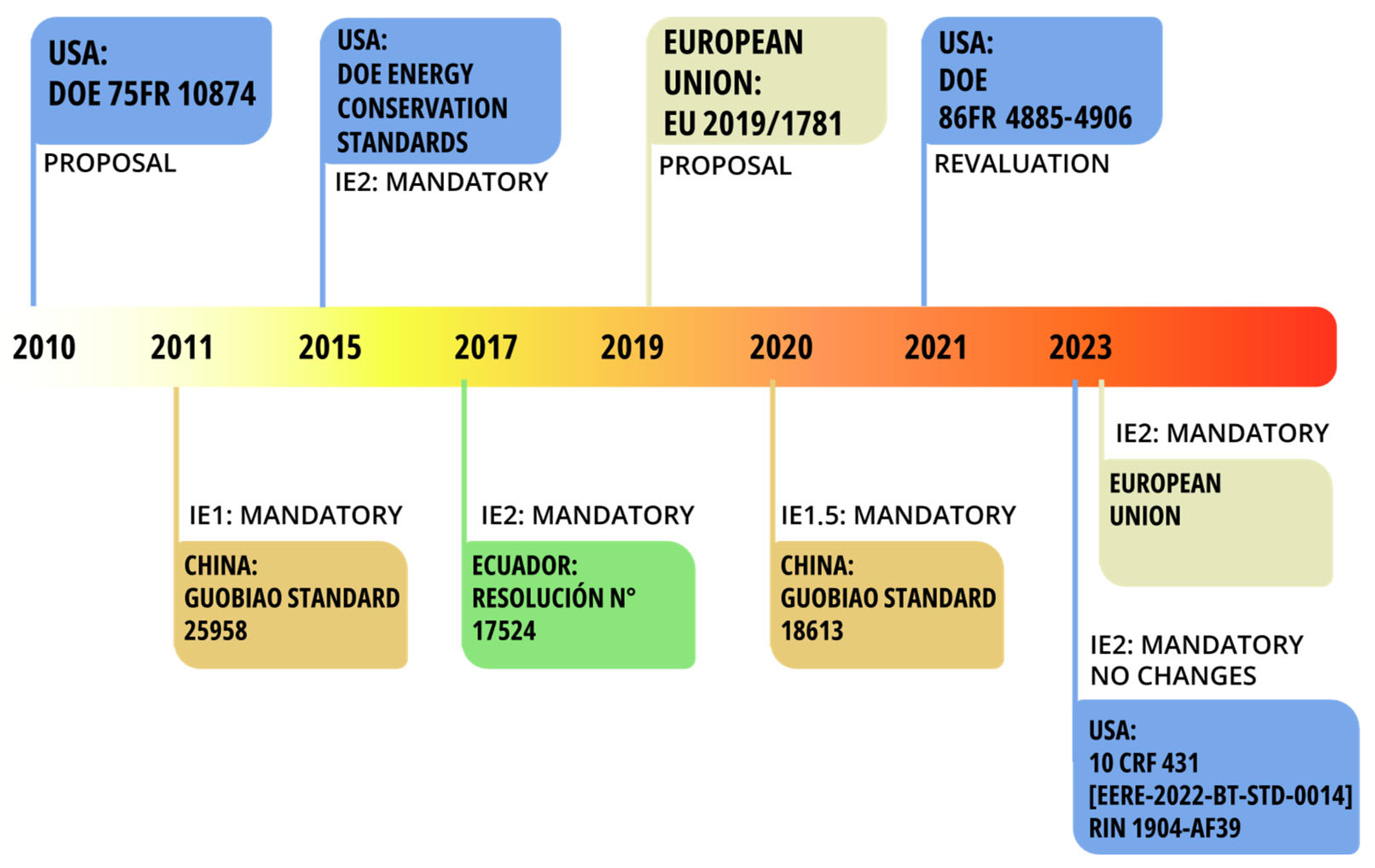
Figure 4 presents a timeline illustrating the worldwide adoption of MEPS regulations for single-phase motors.

3.2.8. General Aspects of International Regulations for Single-Phase Motors

The principal aspects related to the regulation of single-phase motors, derived from the standards of countries that have already adopted such measures, are summarized in Table 5. Table 6 lists the types of single-phase motors regulated and the jurisdictions that have implemented some form of regulation.
Table 5 shows that domestic single-phase motors broadly fall outside the initial stage of MEPS-based regulations for single-phase motors worldwide. In contrast, authorities generally include motors that form components of larger machines and can be tested separately, effectively classifying them as general-purpose single-phase motors.

3.3. Actual Efficiency of Single-Phase Motors Available on the Brazilian Market

In the context of international regulations, it is important to highlight the structural differences between European and North American MEPS. While European references are predominantly based on IEC standards, in the United States, regulation follows the criteria established by NEMA (National Electrical Manufacturers Association).
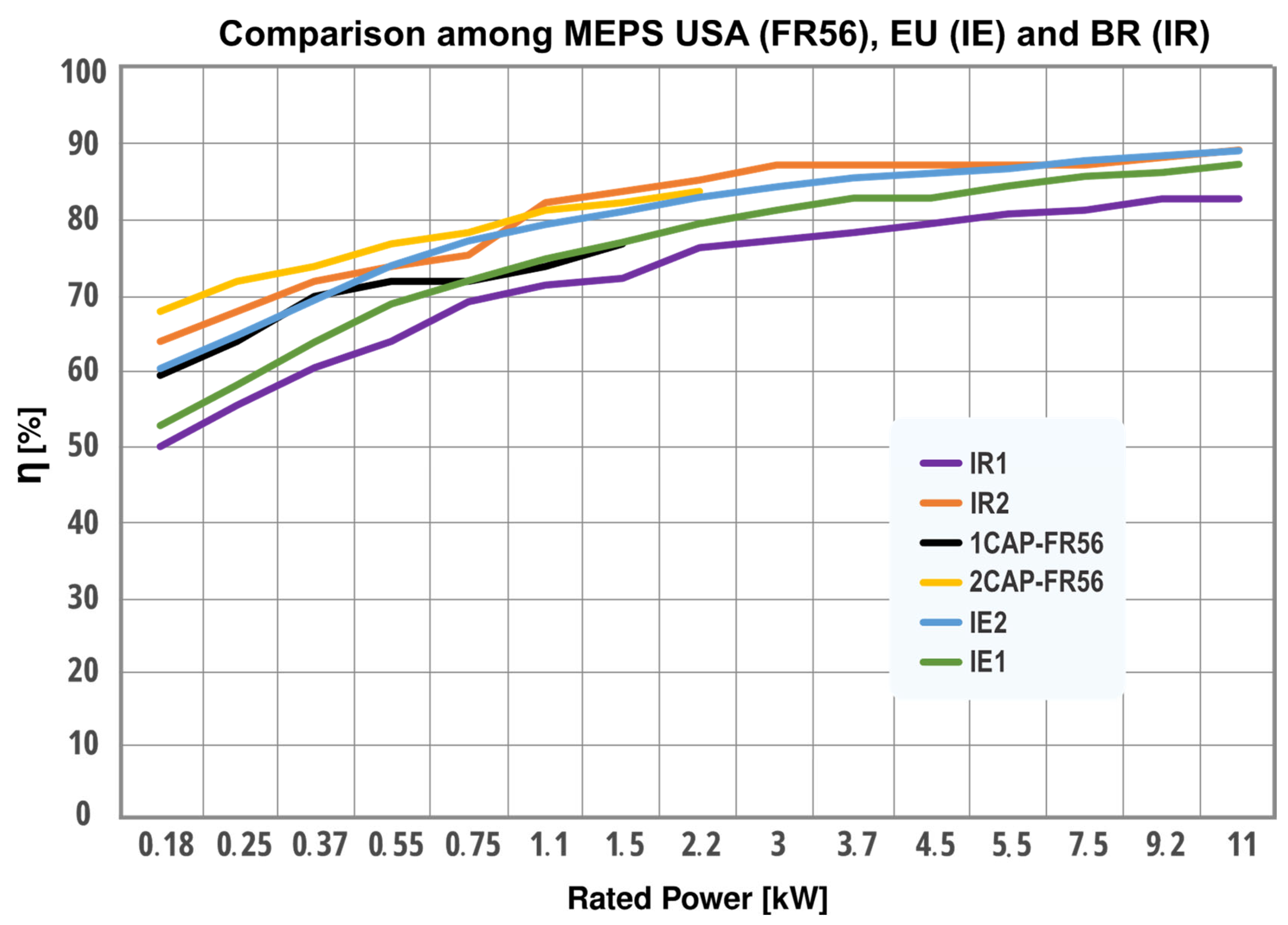
In Brazil, ABNT NBR 17094-1 [45] defines MEPS for three-phase motors, while ABNT NBR 17094-2 [17] explicitly covers single-phase motors. This standard establishes efficiency levels that differ slightly from international ones: the Brazilian IE1 level is lower than both the European and North American equivalents, whereas the Brazilian IE2 level shows higher values than both in some instances.
Figure 5 illustrates a comparison between the energy efficiency levels stipulated in the Brazilian, North American, and European standards at 60 Hz. Although IEC standards define MEPS for both 50 Hz and 60 Hz, despite Europe using 50 Hz in its electricity supply, this study primarily conducted experimental comparisons against the efficiency levels of Brazil and North America, as both countries operate at 60 Hz. This ensures a closer alignment between the analyzed parameters and the practical realities of the Brazilian market. For practical purposes, the European indices at 60 Hz and the North American indices differ very little.
Based on the comparative overview of international regulations and the Brazilian standard, the study analyzed the experimental results. It first evaluated two-pole motors, forming the first group of tested samples, which included both capacitor-start and two-capacitor models.
In this first group, 33 two-pole motors from eleven different manufacturers were tested, 25 capacitor-start motors and 8 two-capacitor motors.
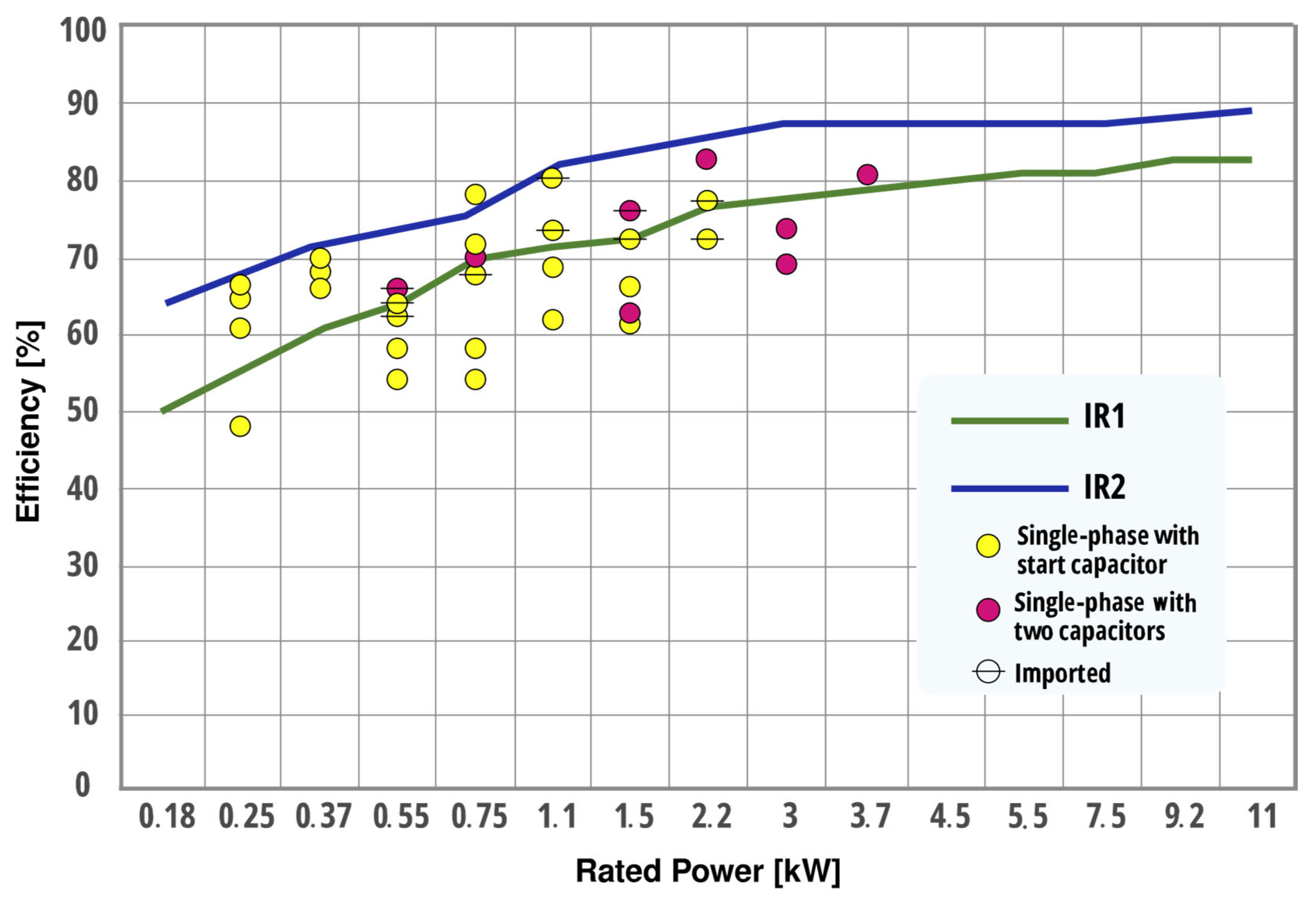
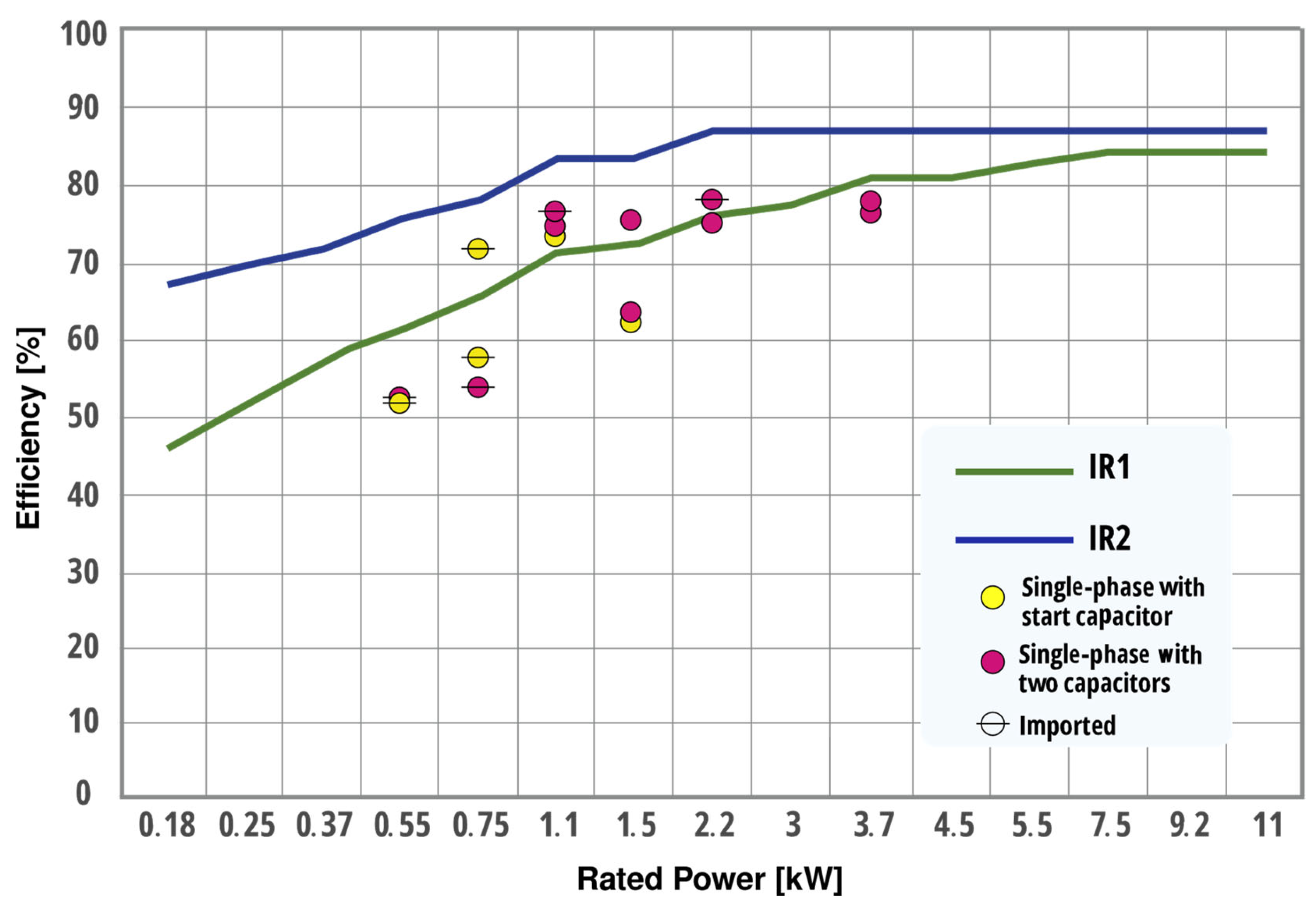
Figure 6 illustrates the results obtained for the two-pole motors, compared with the efficiency levels of IR1 and IR2 specified in the Brazilian standard NBR 17094-2 [17] and shows that, of the 33 motors tested, 17 exhibited efficiency levels below IR1, representing 51.5% of the samples, while 32 motors fell below IR2, accounting for 97% of the total.
Table 7 presents additional information on the results obtained. The first column indicates the percentage of samples with efficiency values above the MEPS reference index. The second and third columns represent the positive and negative deviations from the MEPS index, respectively. The fifth column shows the arithmetic mean of all standard deviations calculated for each power range.
Table 7 shows that approximately half of the samples fall below the IR1 level, and the maximum deviations indicate that the motors exhibit similar variations around the IR1 index, with a standard deviation of 6.14% in efficiency.
A preliminary conclusion suggests that motors with good performance near the IR1 level are effectively compensating for those with poorer results.
In contrast, when comparing with the IR2 level, it becomes evident that the manufacturers have generally failed to reach this efficiency class, with average efficiencies being approximately 12% below the IR2 reference level.
Subsequently, the study evaluated motor performance from the manufacturer’s perspective. Among the 33 motors tested, ten were imported from overseas.
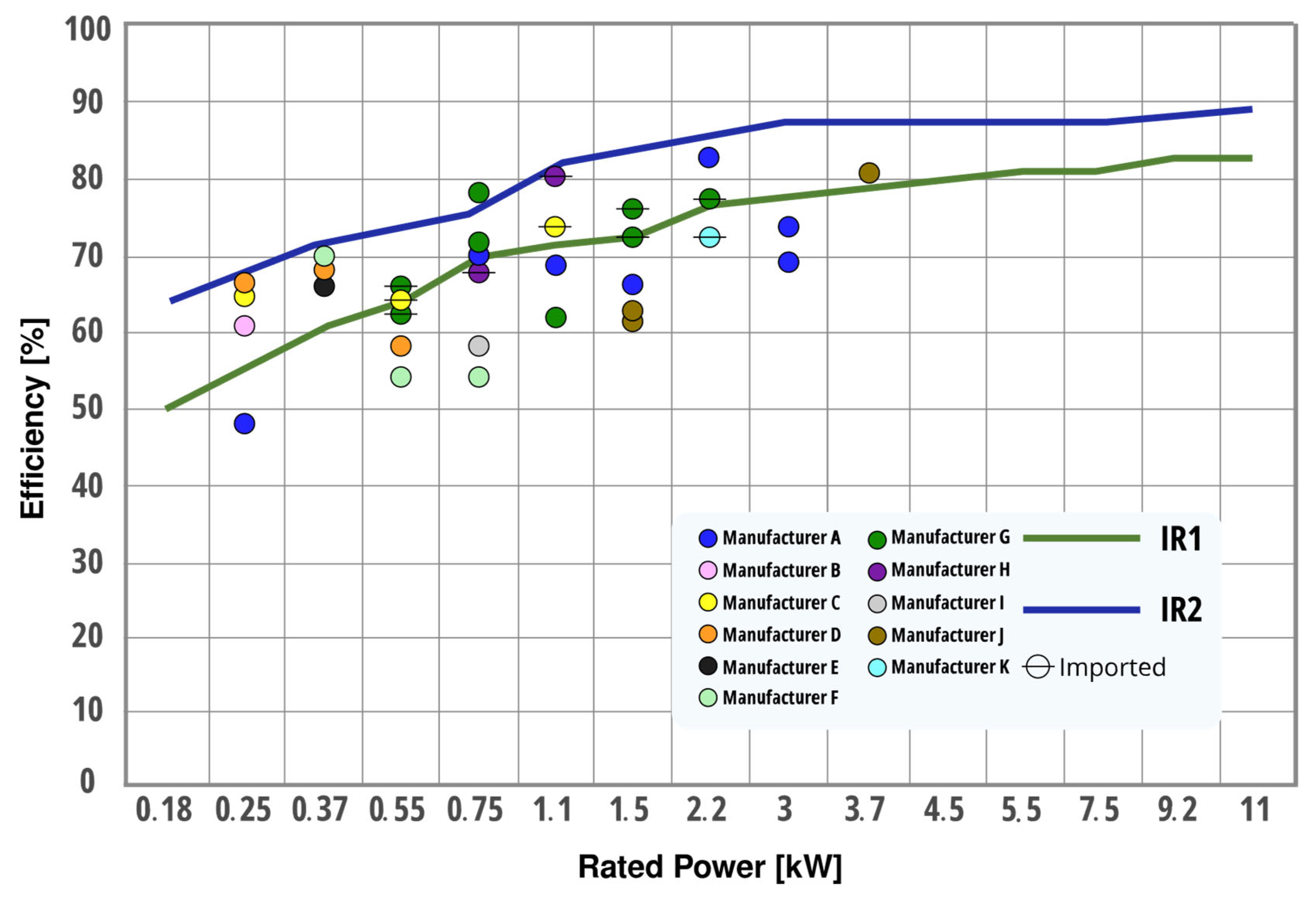
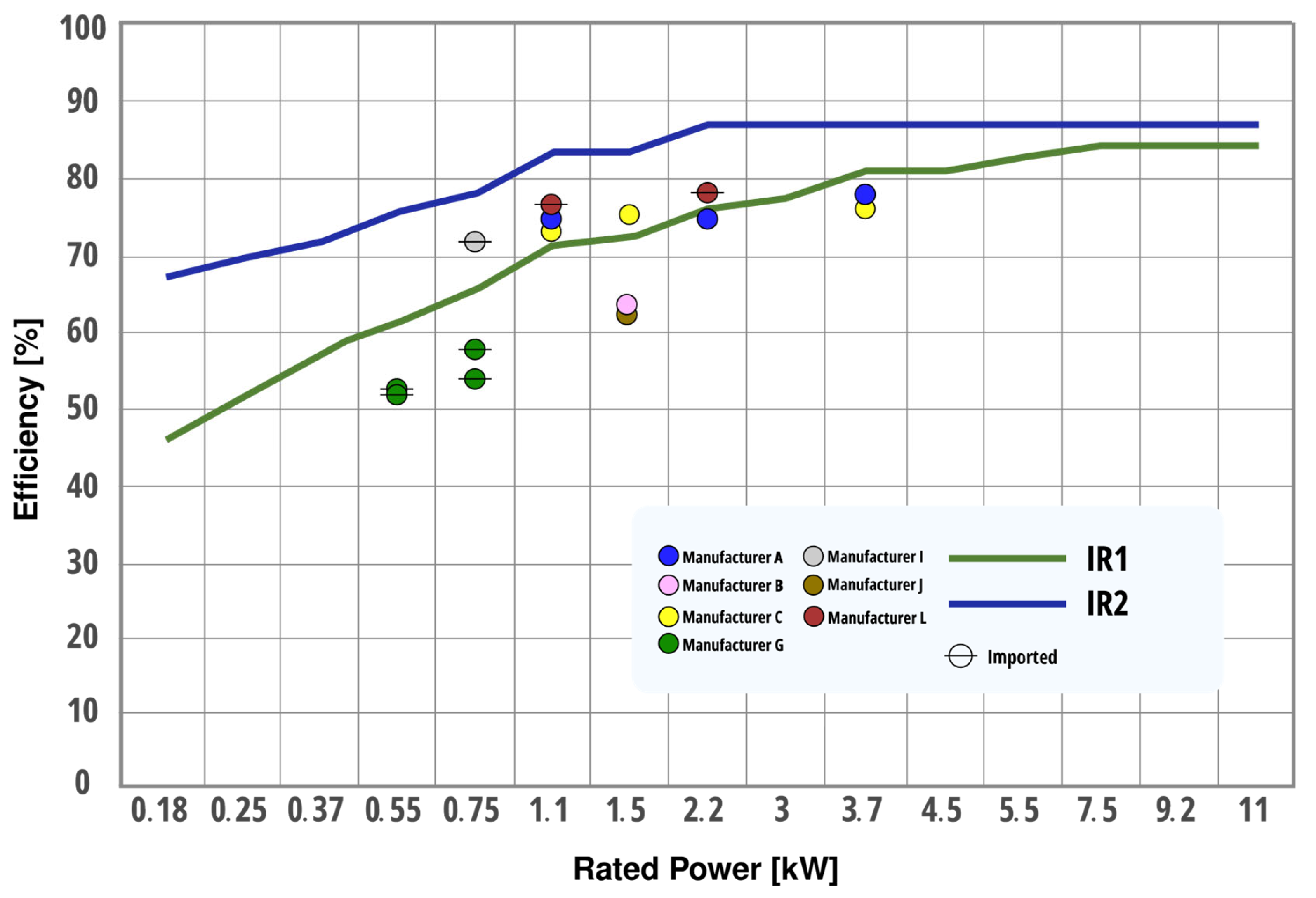
Figure 7 presents the results of the manufacturer-based evaluation, showing that the same manufacturer can achieve efficiency levels both above and below the IR1 index. This situation occurred in multiple cases, suggesting a lack of uniformity in the production process.
Imported motors generally exhibit superior performance compared with domestic ones, showing smaller deviations around the IR1 level.
Finally, it is noteworthy that some manufacturers operate in a hybrid manner, combining local production and imported components.
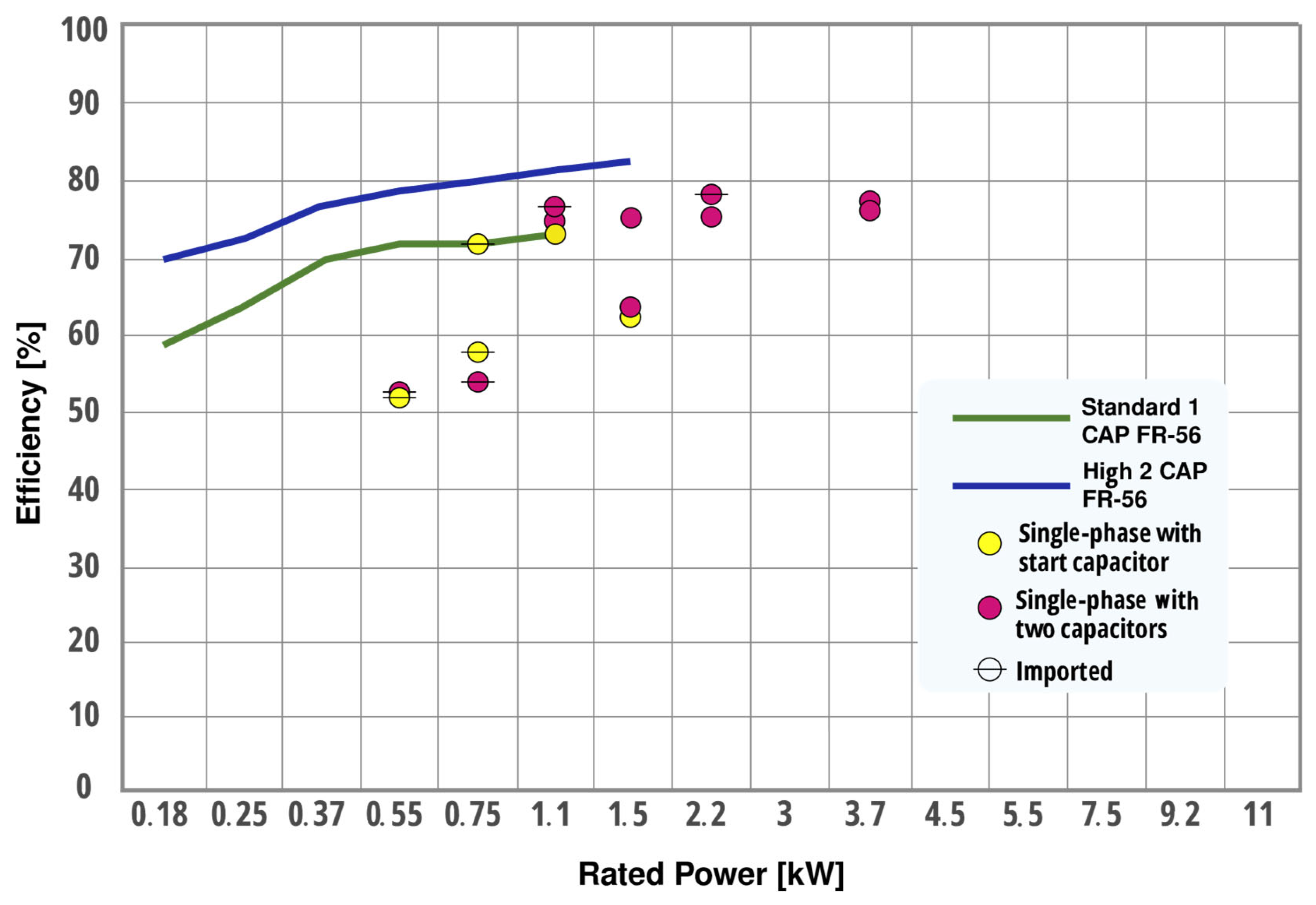
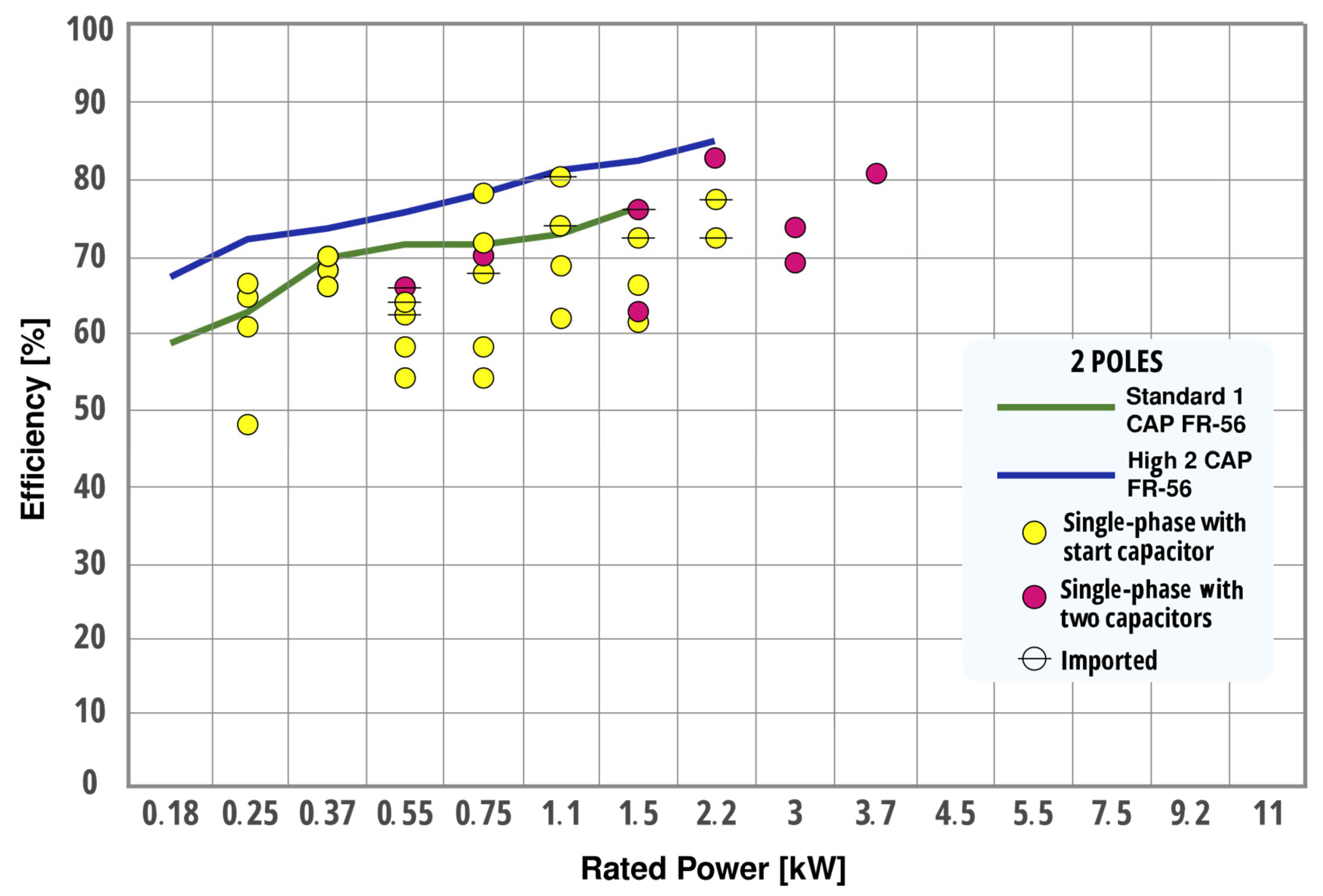
Next, the study compares the results with the efficiency levels established by the North American standard NEMA/MG1, which specifies the High (IE2) level for two-capacitor motors and the Standard (IE1) level for capacitor-start motors. Figure 8 illustrates these results
In this context, when comparing with the U.S. MEPS, the green line indicates the efficiency level that single-phase motors with one capacitor (yellow points) should achieve (the Standard level). In contrast, the blue line indicates the level that two-capacitor single-phase motors (wine-coloured points) should reach (the High level).
It is important to note that the U.S. standard establishes MEPS requirements for single-capacitor motors up to 1.5 kW and for two-capacitor motors up to 2.2 kW. Accordingly, the 23 two-pole single-capacitor motors tested in this study are directly comparable to the Standard level.
Among these, only seven motors met the standard efficiency level, corresponding to 30.4% of the samples.
For the two-capacitor motors, only five of the eight tested units fall within the scope of this regulation, and the tests revealed that all of them performed below the minimum required efficiency (High level).
Similarly, Table 8 provides a complementary comparison of the tested motors against the NEMA reference indices, where capacitor-start motors correspond to the Standard/IE1 level, and two-capacitor motors correspond to the High/IE2 level.
In the second group of tested motors, corresponding to the four-pole units, their performance relative to the Brazilian standard is illustrated in Figure 9.
The study tested a total of 15 four-pole motors from seven different manufacturers, including seven imported motors.
Among the 15 four-pole motors tested, eight fell below the minimum performance level IR1, representing 53.3% of the total. None reached the minimum performance level IR2.
Based on Table 9, which contains a smaller number of samples, a trend around the IR1 level can be observed, similar to that identified for the two-pole motors. However, the four-pole motors tend to remain below the IR1 level.
The standard deviation around IR1 was similar to that found for the two-pole group (6.26%). Moreover, no sample reached the IR2 level.
Figure 10 presents a manufacturer-based comparison, utilizing the same colour coding as Figure 7; the blue series in Figure 10 corresponds to the blue series in Figure 7. This figure reinforces the conclusion that manufacturers exhibit inconsistent production processes. For example, the green manufacturer (C) delivered strong results in certain power ranges for two-pole motors but did not replicate that performance in the four-pole versions. Conversely, the blue manufacturer (A) tended to perform better with four-pole motors than with two-pole ones, while the brown manufacturer (F) showed poor performance in both cases. Across power ratings, imported motors again outperformed domestic models.
Similarly, Figure 11 presents a comparison between the four-pole motors and the Standard and High efficiency limits defined by the U.S. NEMA/MG1 standard.
Concerning the four-pole motors tested, when compared to the efficiency levels established by the U.S. standard, it can be observed that, among the five single-capacitor motors tested, only one reached the minimum Standard (IE1) level, corresponding to the 1.1 kW data point. One motor, rated at 1.5 kW, fell outside the scope of the standard, which applies only up to 1.1 kW.
In the case of the two-capacitor motors, four units exceeded the regulatory limit of 1.5 kW. Nevertheless, all tested units fell below the minimum required performance level for two-capacitor High (IE2) motors.
Table 10 presents statistical performance indicators compared with the regulations currently in force in the United States.
The adoption of different MEPS levels has distinct technical and economic implications depending on motor construction typology. An IE1-equivalent requirement would primarily act as a market-cleaning mechanism, removing the lowest-performing designs while allowing split-phase (SP) and capacitor-start induction-run (CSIR) motors to remain viable in specific low-power and cost-sensitive applications. In contrast, an IE2-equivalent requirement would promote a more structural transformation of the market, favouring permanent-split capacitor (PSC) and capacitor-start capacitor-run (CSCR) motors, which are inherently better positioned to meet higher efficiency thresholds. From an industrial perspective, this transition would likely accelerate design optimization, process standardization, and the adoption of higher-quality materials and auxiliary components, while increasing entry barriers for low-efficiency products. Although IE2-level adoption implies higher manufacturing costs, it also tends to reduce performance dispersion, enhance product differentiation based on efficiency rather than price alone, and align domestic manufacturers with international market practices.
The efficiency dispersion observed among motors from the same manufacturer suggests that multiple design and production strategies may coexist within a single brand portfolio. Such dispersion can plausibly be attributed to deliberate design decisions aimed at serving different market segments. Cost-sensitive products prioritize reduced material usage, simplified magnetic circuits, or conservative auxiliary component sizing, whereas higher-efficiency models adopt optimized electromagnetic designs and higher-quality materials. Additionally, variations in quality control practices, winding execution, lamination tolerances, and capacitor selection may contribute to performance variability across different models. These trade-offs between manufacturing cost, efficiency, and market positioning are well documented in the context of electric motor production and tend to become more pronounced in the absence of mandatory minimum efficiency requirements. Although these factors were not directly measured in this study, the consistency of the observed dispersion across power ranges and motor typologies supports their relevance as plausible explanatory mechanisms.
From a standardization perspective, the results presented in this study provide empirical evidence that can support the formulation and refinement of regulatory frameworks for single-phase motors in Brazil. By quantifying the performance gap between motors currently available on the market and international MEPS benchmarks, and by explicitly relating efficiency levels to motor construction typologies, the study offers technical elements to define scope, minimum efficiency thresholds, and potential transition paths for future standards. In this sense, the findings may contribute to the ongoing discussion on the evolution of ABNT standards for single-phase motors, particularly regarding the adoption of progressive MEPS levels aligned with international best practices.

3.4. Summary of Single-Phase Motor Performance in the Brazilian Market

In summary, the results presented in Section 3.3 demonstrated that the majority of single-phase motors available in the Brazilian market exhibit unsatisfactory performance when compared with the minimum efficiency levels established by the ABNT NBR 17094-2 standard, with particular emphasis on the high proportion of samples falling below the IR1 and, especially, the IR2 levels.
A significant variability among manufacturers was also observed, along with a lack of uniformity in production processes and inferior performance of domestic models when compared with imported ones.
These findings underscore the domestic market’s inability to meet basic efficiency standards and reinforce the need for more robust regulatory mechanisms, aligned with international best practices, to promote technological advancements and enhance energy efficiency in the sector.
It is important to note that the electrical and energetic performance of single-phase induction motors is strongly influenced by the value of the capacitors associated with the auxiliary winding. The selected capacitance determines the phase displacement between the main and auxiliary currents, directly affecting starting torque, torque pulsations, power factor, and steady-state efficiency. In commercially available motors, capacitor values represent a compromise between performance, thermal limits, cost, and reliability. In this study, capacitor values were not modified or optimized; all motors were evaluated in their original factory configuration. This approach ensures that the results reflect actual market conditions, allowing for a consistent comparison with regulatory efficiency requirements, rather than an assessment of optimized or redesigned motor configurations.

4. Conclusions

This study aimed to address a significant gap in the technical and regulatory literature regarding single-phase induction motors, focusing on three main research questions that guided both the literature review and the laboratory tests conducted.
Firstly, regarding the identification of the main types of general-purpose single-phase motors and their technical characteristics, it was found that the most common typologies are split-phase (SP), capacitor-start induction-run (CSIR), permanent-split capacitor (PSC), and capacitor-start capacitor-run (CSCR) motors. Each category presents specific design features that determine its energy performance, starting torque, and suitability for different applications. While SP motors remain restricted to low-torque applications, CSIR motors expand the range of use with higher starting robustness; PSC motors exhibit improved efficiency and power factor under steady-state operation; and CSCR motors combine high starting torque with superior efficiency, representing the configuration most aligned with contemporary energy efficiency requirements.
Secondly, the analysis of international regulations based on Minimum Energy Performance Standards (MEPS) revealed that the European Union, the United States, China, Argentina, Ecuador, and Ghana have already incorporated specific regulatory frameworks for single-phase motors, albeit with differing criteria. Europe and the United States stand out for their regulatory maturity, establishing minimum efficiency levels of IE2 and IE1/IE2, respectively. Other countries adopt hybrid approaches, ranging from labelling schemes to more restrictive MEPS requirements. Overall, the international experience suggests a clear trend toward progressively stricter efficiency standards, underscoring the need for regulatory advancement in Brazil.
Thirdly, the experimental evaluation of single-phase motors available on the Brazilian market revealed a concerning scenario. Most tested samples exhibited efficiencies below the national minimum levels (IR1 and IR2 of ABNT NBR 17094-2), with substantial variability among manufacturers and limited uniformity in production processes. When compared with international benchmarks, Brazilian motors showed an even larger efficiency gap, particularly in relation to the North American (NEMA/MG1) and European (IEC 60034-30-1) requirements. These findings suggest that the absence of specific regulation for single-phase motors in Brazil facilitates the continued commercialization of low-efficiency equipment, with negative implications for national energy consumption and the achievement of climate commitments.
This study evaluated motor efficiency exclusively under rated-load (100%) conditions, in line with current testing standards and regulatory practices. However, it is acknowledged that many single-phase motors operate under partial-load conditions in real applications, where efficiency behaviour may differ. While rated-load efficiency remains an essential and standardized reference for regulatory comparison, complementary assessments under partial-load and field conditions would contribute to a more realistic representation of operational performance.
From a regulatory perspective, the results indicate that introducing a minimum efficiency requirement equivalent to IE1 would likely eliminate the lowest-performing segment of the market with limited impact on manufacturers. In contrast, an IE2-level mandate would result in more substantial energy savings but would require broader technological adjustments, particularly favouring two-capacitor motor configurations. Given the large installed base of single-phase motors in Brazil, even modest efficiency improvements per unit could translate into meaningful long-term reductions in electricity consumption. Furthermore, the feasibility and impact of MEPS adoption are strongly dependent on motor construction typology: under an IE1-level requirement, SP and CSIR motors could remain partially viable, while PSC and CSCR motors are structurally better positioned to comply with higher efficiency thresholds, especially under IE2-equivalent requirements.
In summary, the three research questions were fully addressed. The technical characterization of single-phase motors, the review of international regulatory frameworks, and experimental evidence converge to demonstrate a clear opportunity for Brazil to advance in regulating single-phase motors, aligning national practices with international standards and promoting energy efficiency gains, industrial upgrading, and long-term sustainability.
Future research directions emerging from this study include the following:
  • Expansion of the experimental sample, encompassing motors with a wider range of rated powers, voltages, and specific applications (residential, commercial, and agro-industrial), to provide a more comprehensive characterization of the Brazilian market;
  • Assessment under real operating conditions, through in-field efficiency measurements in residential, commercial, and rural installations, in order to verify the consistency between laboratory results and actual in-use performance;
  • Incorporation of partial-load testing, complementing rated-load efficiency measurements to better reflect typical duty cycles of single-phase motors;
  • Evaluation of regulatory and long-term scenarios, analyzing the potential impacts of mandatory adoption of IE1 and IE2 efficiency levels in Brazil and projecting long-term energy consumption and emission trajectories over 20–30 years;
  • Comparative life cycle assessment (LCA), examining not only the environmental performance of single-phase motors, but also alternative solutions such as three-phase motors supplied by single-phase grids through frequency converters in regions without access to three-phase distribution networks;
  • Integration with emerging technologies, including power electronics, variable-speed drives, and digital solutions (sensors, IoT, and predictive monitoring), aiming at additional gains in efficiency, reliability, and durability.

Author Contributions

Conceptualization, A.G.O.J. and D.F.d.S.; methodology, A.G.O.J., A.Q.d.S.N. and D.F.d.S.; validation, A.G.O.J., D.F.d.S. and W.B.; investigation, A.G.O.J.; data curation, A.G.O.J.; writing—original draft preparation, A.G.O.J., F.A.M.S., H.T. and D.F.d.S.; writing—review and editing, W.B. and D.F.d.S. All authors have read and agreed to the published version of the manuscript.

Funding

This research received no external funding.

Data Availability Statement

The original contributions presented in the study are included in the article, further inquiries can be directed to the corresponding author.

Conflicts of Interest

The authors declare that they have no conflicts of interest.

Abbreviations

The following abbreviations are used in this manuscript:
ABNTAssociação Brasileira de Normas Técnicas
BLDCBrushless DC Motor
DOEU.S. Department of Energy
EPCAEnergy Policy and Conservation Act
GBGuobiao (Chinese National Standard prefix)
IEAInternational Energy Agency
IECInternational Electrotechnical Commission
ILACInternational Laboratory Accreditation Cooperation
IRÍndice de Rendimento (Brazilian Efficiency Index)
IEInternational Efficiency (IE classes)
MEPSMinimum Energy Performance Standards
NEMANational Electrical Manufacturers Association
ODPOpen-Drip-Proof (motor enclosure type)
PNEfPlano Nacional de Eficiência Energética
PSCPermanent-Split Capacitor Motor
SCIMSquirrel-Cage Induction Motor
SPSplit-phase motor
CSIRCapacitor-Start Induction-Run motor
PSCPermanent-Split-Capacitor motor
CSCRCapacitor-Start, Capacitor-Run motor
TEFCTotally Enclosed Fan-Cooled (motor enclosure type)

Appendix A

This appendix presents the instrumentation used in the experimental setup, together with the corresponding measurement ranges, accuracies, and calibration intervals. Table A1 summarizes the main measuring devices employed during the laboratory tests, including the power analyzer, load cell, temperature sensors, and auxiliary measurement equipment. The information provided ensures transparency regarding the metrological quality of the experimental procedure and demonstrates compliance with the accuracy and traceability requirements prescribed by IEC 60034-2-1. By detailing the accuracy levels and calibration periodicity of each instrument, this appendix supports the reliability and reproducibility of the efficiency measurements reported in the main text.
Table A1. Measurement instruments, accuracy, and calibration intervals used in the laboratory tests.
EquipmentManufacturer, CountryModelMeasureAccuracy (at 25 °C and 40–65% Humidity)Calibration
Energy analyzerYokogawa Electrical Company, Musashino, Tokyo, JapanWT1800voltage; current; active power; power factor;
voltage frequency;
speed (pulse generated through an inductive sensor with a metal disc with teeth attached to the dynamometer axle)
Voltage, current, and power:
0.05% reading and 0.05% range
Hz (30–66): 0.01% reading +0.03% range
Hz (1–10 kHz):
0.1% reading +0.05% range
every two years
Load cellAlfa Instrumentos, São Paulo, SP, Brazil 3107Dweight; torque0.01%every year
Mercury thermometerIncoterm, Porto Alegre, RS, Brazil-room temperature0.1 °C/divisionevery two year
Thermocouple transducerFluke Corporation, Everett, WA, USA80TKmotor temperature±2 °C + ±0.5% readingevery year
Milivoltmeter (digital multimeter)Fluke Corporation, Everett, WA, USA8846Amotor temperature± (0.25% reading + 0.3% range)every two year

References

  1. Empresa de Pesquisa Energética. Balanço Energético Nacional 2025; Relatório Final/Ano Base 2024; S.n.: Rio de Janeiro, Brazil, 2025. Available online: https://www.epe.gov.br/sites-pt/publicacoes-dados-abertos/publicacoes/PublicacoesArquivos/publicacao-885/topico-771/Relat%C3%B3rio%20Final_BEN%202025.pdf (accessed on 11 November 2025).
  2. International Energy Agency. Renewables 2024—Analysis and Forecast to 2030; IEA: Paris, France, 2024; Available online: https://iea.blob.core.windows.net/assets/17033b62-07a5-4144-8dd0-651cdb6caa24/Renewables2024.pdf (accessed on 11 November 2025).
  3. International Energy Agency. The Role of CCUS in Low-Carbon Power Systems; IEA: Paris, France, 2020; Available online: https://iea.blob.core.windows.net/assets/ccdcb6b3-f6dd-4f9a-98c3-8366f4671427/The_role_of_CCUS_in_low-carbon_power_systems.pdf (accessed on 11 November 2025).
  4. International Energy Agency. Global Energy Review 2025; IEA: Paris, France, 2025; Available online: https://iea.blob.core.windows.net/assets/5b169aa1-bc88-4c96-b828-aaa50406ba80/GlobalEnergyReview2025.pdf (accessed on 11 November 2025).
  5. Ministério de Minas E Energia. Plano Nacional de Energia PNE 2050; MME: Brasília, Brazil, 2020. Available online: https://www.gov.br/mme/pt-br/assuntos/secretarias/sntep/publicacoes/plano-nacional-de-energia/plano-nacional-de-energia-2050/relatorio-final/relatorio-final/relatorio-final-do-pne-2050.pdf/@@download/file (accessed on 11 November 2025).
  6. Procel: Procel 20 Anos. Rio de Janeiro. Eletrobras. 2006. Available online: https://catalogo.ipea.gov.br/uploads/170_1.pdf (accessed on 11 November 2025).
  7. Geller, H.; Harrington, P.; Rosenfeld, A.H.; Tanishima, S.; Unander, F. Polices for increasing energy efficiency: Thirty years of experience in OECD countries. Energy Policy 2006, 34, 556–573. [Google Scholar] [CrossRef]
  8. Cavanagh, R. Energy-Efficiency Solutions: What Commodity Prices Can’t Deliver. Available online: https://www.osti.gov/biblio/118637 (accessed on 11 November 2025).
  9. BRASIL. Lei n° 10.295. Presidência da República Casa Civil. De 17 de Outubro de 2001. Available online: https://www.planalto.gov.br/ccivil_03/leis/leis_2001/l10295.htm (accessed on 11 November 2025).
  10. Nogueira, L.A.H.; Cardoso, R.B.; Cavalcanti, C.Z.B.; Leonelli, P.A. Evaluation of the energy impacts of the Energy Efficiency Law in Brazil. Energy Sustain. Dev. 2014, 24, 58–69. [Google Scholar] [CrossRef]
  11. Ministério de Minas e Energia. Plano Nacional de Eficiência Energética Premissas e Diretrizes Básicas; MME: Brasília, Brazil, 2011. Available online: https://www.gov.br/mme/pt-br/assuntos/secretarias/sntep/publicacoes/plano-nacional-de-eficiencia-energetica/documentos/plano-nacional-eficiencia-energetica-pdf.pdf (accessed on 11 November 2025).
  12. Waide, P.; Brunner, C.U.; International Energy Agency. Energy-Efficiency Policy Opportunities for Electric Motor-Driven Systems. 2011. Available online: https://iea.blob.core.windows.net/assets/d69b2a76-feb9-4a74-a921-2490a8fefcdf/EE_for_ElectricSystems.pdf (accessed on 11 November 2025).
  13. Saidur, R. A review on electrical motors energy use and energy savings. Renew. Sustain. Energy Rev. 2009, 14, 877–898. [Google Scholar] [CrossRef]
  14. De Almeida, A.T.; Fong, J.A.C.; Ferreira, F.J.T.E. Energy-Efficient Industrial Motor-Driven Systems and Standards Toward Net Zero Carbon. In Proceedings of the 2024 IEEE/IAS 60th Industrial and Commercial Power Systems Technical Conference (I&CPS), Las Vegas, NV, USA, 19–23 May 2024; pp. 1–10. [Google Scholar] [CrossRef]
  15. NEMA MG1; Motors and Generators. NEMA—National Electrical Manufacturers Association: Rosslyn, VA, USA, 2021.
  16. IEC 60034-30-1; Rotating Electrical Machines—Part 30-1 Efficiency Classes of Line Operated AC Motors (IE Code). International Electrotechnical Commission: Geneva, Switzerland, 2014.
  17. ABNT NBR 17094-2; Máquinas Elétricas Rotativas—Motores de Indução Monofásicos—Parte 2: Métodos de Ensaio de Desempenho. Associação Brasileira de Normas Técnicas: Rio de Janeiro, Brazil, 2022.
  18. International Energy Agency. Minimum Energy Performance Standards for Motor Systems: Global Overview, IEA-4E EMSA. Available online: https://www.iea-4e.org/wp-content/uploads/2019/10/emsa-meps-export-v6-1.pdf (accessed on 11 November 2025).
  19. Lu, S.-M. A review of high-efficiency motors: Specification, policy, and technology. Renew. Sustain. Energy Rev. 2016, 59, 1–12. [Google Scholar] [CrossRef]
  20. De Souza, D.F.; Salotti, F.A.M.; Sauer, I.L.; Tatizawa, H.; De Almeida, A.T.; Kanashiro, A.G. A Performance Evaluation of Three-Phase Induction Electric Motors between 1945 and 2020. Energies 2022, 15, 2002. [Google Scholar] [CrossRef]
  21. De Souza, D.F.; Salotti, F.A.M.; Sauer, I.L.; Tatizawa, H.; De Almeida, A.T.; Kanashiro, A.G. An assessment of the impact of Brazilian energy efficiency policies for electric motors. Energy Nexus 2021, 5, 100033. [Google Scholar] [CrossRef]
  22. IEC 60034-2-1; Rotating Electrical Machines—Part 2-1: Standard Methods for Determining Losses and Efficiency from Tests (Excluding Machines for Traction Vehicles). International Electrotechnical Commission: Geneva, Switzerland, 2014.
  23. Oliveira Junior, A.G. Single-Phase Induction Motors and the Challenge of Energy Efficiency in Brazil: A Critical and Proposed Analysis. Master’s Dissertation, Institute of Energy and Environment, University of São Paulo, São Paulo, Brazil, 2025. (In Portuguese) [Google Scholar] [CrossRef]
  24. Bucci, G.; Ciancetta, F.; Fiorucci, E.; Ometto, A. Uncertainty issues in direct and indirect efficiency determination for Three-Phase induction motors: Remarks about the IEC 60034-2-1 standard. IEEE Trans. Instrum. Meas. 2016, 65, 2701–2716. [Google Scholar] [CrossRef]
  25. Chapman, S.J. Electric Machinery Fundamentals; McGraw-Hill Education: Columbus, OH, USA, 2011. [Google Scholar]
  26. Andersen, P.S.; Dorrell, D.G.; Weihrauch, N.C.; Hansen, P.E. Synchronous torques in Split-Phase induction motors. IEEE Trans. Ind. Appl. 2009, 46, 222–231. [Google Scholar] [CrossRef]
  27. Boldea, I.; Nasar, S.A. The Induction Machines Design Handbook, 2nd ed.; CRC Press: Boca Raton, FL, USA, 2009. [Google Scholar]
  28. Umans, S.; Fitzgerald, A.; Kingsley, C. Electric Machinery: Seventh Edition; McGraw-Hill Higher Education: Columbus, OH, USA, 2013. [Google Scholar]
  29. European Commission. Regulation (EU) 2019/1781 of 1 October 2019 Establishing the Eco-Design Requirements for Electric Motors and Variable Speed Drives Pursuant to Directive 2009/125/EC of the European Parliament and of the Council. Off. J. Eur. Union 2019, L 272, 75–93. Available online: https://eur-lex.europa.eu/legal-content/EN/TXT/?uri=CELEX:32019R1781 (accessed on 11 November 2025).
  30. European Parliament & Council. Directive 2009/125/EC of 21 October 2009 Establishing a Framework for the Setting of Ecodesign Requirements for Energy-Related Products (Recast). Off. J. Eur. Union 2009, L 285. Available online: https://eur-lex.europa.eu/legal-content/EN/TXT/?uri=CELEX:02009L0125-20121204 (accessed on 11 November 2025).
  31. De Almeida, A.T.; Fong, J.; Falkner, H.; Bertoldi, P. Policy options to promote energy efficient electric motors and drives in the EU. Renew. Sustain. Energy Rev. 2017, 74, 1275–1286. [Google Scholar] [CrossRef]
  32. Congress of the United States. Energy Policy and Conservation Act. Public Law 94-163, 94th Congress, 22 December 1975. Available online: https://www.govinfo.gov/content/pkg/STATUTE-89/pdf/STATUTE-89-Pg871.pdf (accessed on 11 November 2025).
  33. U.S. Department of Energy. Energy Conservation Program: Energy Conservation Standards for Small Electric Motors, 75 Fed. Reg. 10,874 (9 March 2010). Available online: https://www.federalregister.gov/documents/2010/03/09/2010-4358/energy-conservation-program-energy-conservation-standards-for-small-electric-motors (accessed on 11 November 2025).
  34. U.S. Department of Energy. Energy Conservation Program: Energy Conservation Standards for Electric Motors, 88 Fed. Reg. 36066 (1 June 2023). Available online: https://www.federalregister.gov/documents/2023/06/01/2023-10019/energy-conservation-program-energy-conservation-standards-for-electric-motors (accessed on 11 November 2025).
  35. GB 25958; Minimum Allowable Values of Energy Efficiency and Values of Efficiency Grade for Small-Power Motors, Guobiao Standard. Standardization Administration of the People’s Republic of China: Beijing, China, 2010.
  36. GB 18613; Minimum Allowable Values of Energy Efficiency and Values of Efficiency Grades for Motors, Guobiao Standard. Standardization Administration of the People’s Republic of China: Beijing, China, 2020.
  37. Zeng, L.; Bo, H. Potential for Further Improvement of China’s Electric Motor Energy Efficiency Standards and Its Impact on Carbon Emissions Reductions. In Proceedings of the Energy Efficiency in Motor Driven Systems (EEMODS’24), Luzern, Switzerland, 3–5 September 2024. [Google Scholar]
  38. Ministerio de Industrias y Productividad. Servicio ecuatoriano de normalización. Resolución n° 17.524. Diciembre, 2017. Available online: https://www.normalizacion.gob.ec/buzon/reglamentos/RTE-145.pdf (accessed on 11 November 2025).
  39. NTE INEN 2 498; Eficiencia Energética en Motores Eléctricos Estacionarios—Requisitos. Instituto Ecuatoriano de Normalización: Quito, Ecuador, 2009.
  40. Ministerio de Justicia de La Nación. Disposición 230/2015; Ministerio de Justicia de La Nación: Buenos Aires, Argentina. Available online: https://servicios.infoleg.gob.ar/infolegInternet/anexos/250000-254999/251749/norma.htm (accessed on 9 November 2025).
  41. IRAM 62409; Etiquetado de Eficiencia Energética para Motores de Inducción Monofásicos. Instituto Argentino de Normalización y Certificación: Buenos Aires, Argentina, 2014.
  42. WEG. Regulamentações Globais de Eficiência para Motores Elétricos de Baixa Tensão. Jaraguá do Sul-SC: Rev 13, julho de 2022. Available online: https://static.weg.net/medias/downloadcenter/h04/h8f/WEG-WMO-regulamentacoes-globais-de-eficiencia-para-motores-eletricos-50065222-brochure-portuguese.pdf (accessed on 9 November 2025).
  43. Energy Commission. Energy Efficiency Standards and Labeling (Electric Motors), Regulations 2022. L.I 2456. Gana, 2022. Available online: https://www.energycom.gov.gh/index.php/regulation/energy-efficiency-ie?download=229:energy-commission-energy-efficiency-standards-and-labelling-electric-motors-regulations-2022-li-2456 (accessed on 11 November 2025).
  44. Damian, P.; Durand, A.; Fong, J. Opportunities for minimum energy performance standards (MEPS) for electric motors in Ghana. In Proceedings of the European Council for an Energy-Efficient Economy (ECEEE Summer Study) 2022, Hyères, France, 6–11 June 2022; Available online: https://publica.fraunhofer.de/bitstreams/c7688741-f0cc-4ac6-9054-d4c306cea0dc/download (accessed on 11 November 2025).
  45. ABNT NBR 17094-1; Máquinas Elétricas Girantes—Parte 1: Motores de Indução Trifásicos—Requisitos. Associação Brasileira de Normas Técnicas: Rio de Janeiro, Brazil, 2018.
Figure 1. Laboratory experimental setup showing the main components, with details of the power analyser.
Energies 19 00712 g001
Figure 2. Methodological sequence of laboratory testing of single-phase motors.
Energies 19 00712 g002
Figure 3. Single-phase motor diagrams. Our elaboration, adapted from [25].
Energies 19 00712 g003
Figure 4. Timeline of MEPS regulations for single-phase motors worldwide.
Energies 19 00712 g004
Figure 5. Comparison of energy efficiency indices (MEPS) for single-phase motors in Brazil, the United States, and the European Union. Source: adapted from [15,16,17].
Energies 19 00712 g005
Figure 6. Experimental efficiency results for two-pole single-phase motors, domestic and imported, with capacitor-start and two-capacitor configurations, compared with the IR1 and IR2 efficiency levels defined in the Brazilian standard NBR 17094-2 [17]. Capacitor-start (single-capacitor) and capacitor-start, capacitor-run (two-capacitor) motors are explicitly distinguished in the figure, together with the identification of imported units.
Energies 19 00712 g006
Figure 7. Efficiency of two-pole single-phase motors from 11 manufacturers, domestic and imported, compared with the IR1 and IR2 efficiency levels defined in the Brazilian standard NBR 17094-2 [17]. The motor configurations correspond to the same capacitor-start and two-capacitor units presented in Figure 6.
Energies 19 00712 g007
Figure 8. Experimental efficiency results for two-pole single-phase motors, both capacitor-start and two-capacitor types, compared with the Standard 1 CAP FR-56 and High 2 CAP FR-56 efficiency levels.
Energies 19 00712 g008
Figure 9. Experimental efficiency results for four-pole single-phase motors, domestic and imported, tested in comparison with the IR1 and IR2 efficiency levels defined in the Brazilian standard NBR 17094-2 [17]. The tested sample includes both capacitor-start (single-capacitor) and capacitor-start, capacitor-run (two-capacitor) motor configurations.
Energies 19 00712 g009
Figure 10. Experimental results of the efficiency of four-pole single-phase motors from seven different manufacturers, domestic and imported, compared with the IR1 and IR2 indices of NBR 17094-2 [17]. The motor configurations correspond to the same capacitor-start and two-capacitor units presented in Figure 9.
Energies 19 00712 g010
Figure 11. Experimental efficiency results for four-pole single-phase motors, domestic and imported, with and without starting capacitors, compared with the Standard 1 CAP FR-56 and High 2 CAP FR-56 efficiency levels.
Energies 19 00712 g011
Table 1. Minimum IE2 efficiency levels for single-phase motors in the European Union. Source: [16].
Efficiency (%)
Rated Power (kW)2 Poles4 Poles6 Poles8 Poles
0.1253.659.150.639.8
0.1860.464.756.645.9
0.2061.965.958.247.4
0.2564.868.561.650.6
0.3769.572.767.656.1
0.4070.473.568.857.2
0.5574.177.173.161.7
0.7577.479.675.966.2
1.1079.681.478.170.8
1.5081.382.879.874.1
2.2083.284.381.877.6
3.0084.685.583.380.0
4.0085.886.684.681.9
5.5087.087.786.083.8
7.5088.188.787.285.3
9.2089.489.888.786.9
11.0090.390.689.788.0
Table 2. Minimum Efficiency Levels for Single-Phase Induction Motors with a Starting Capacitor, USA. Source: [15].
Efficiency (%)
Rated Power (HP)FrameOpen Frame
(8 Poles)
Enclosed Frame
(2 Poles)
Enclosed Frame
(4 Poles)
Enclosed Frame
(6 Poles)
Enclosed Frame
(8 Poles)
0.2548-59.559.557.5-
0.2556-59.559.557.5-
0.3348-64.064.0--
0.335650.564.064.062.050.5
0.5048-68.066.0--
0.505652.570.070.068.052.5
0.7548-70.070.0--
0.7556-72.072.070.0-
1.0048-----
1.0056-72.072.072.0-
1.5048-----
1.5056-74.074.0--
2.0048-----
2.0056-77.0---
3.0048-----
Table 3. Minimum Efficiency Levels for Single-Phase Induction Motors with Starting and Run Capacitors, United States. Source: [15].
Efficiency (%)
Rated Power (HP)FrameOpen Frame
(8 Poles)
Enclosed Frame
(2 Poles)
Enclosed Frame
(4 Poles)
Enclosed Frame
(6 Poles)
Enclosed Frame
(8 Poles)
0.254855.068.070.064.055.0
0.255655.068.070.064.055.0
0.334857.572.072.068.057.5
0.335659.572.074.068.059.5
0.504862.072.074.072.062.0
0.505664.074.077.072.064.0
0.7548-75.575.5--
0.755672.077.078.575.572.0
1.0048-77.0---
1.005674.078.580.077.074.0
1.5048-----
1.5056-81.581.580.0-
2.0048-----
2.0056-82.582.5--
Table 4. Minimum Efficiency Levels for Single-Phase Induction Motors, China. Source: [36].
Efficiency (%)
Motor TypeRated Power Range (kW)Efficiency Grade 1 (%)Efficiency Grade 2 (%)Efficiency Grade 3 (%)
Capacitor-start single-phase induction motor120 W–3.7 kW58.1–81.454.1–78.850.0–76.0
Capacitor-run single-phase induction motor120 W–2.2 kW67.5–85.963.8–83.260.0–79.7
Dual-value capacitor single-phase induction motor (CSCR)250 W–3.7 kW73.5–87.868.5–86.362.0–82.6
Table 5. Exclusion and consideration aspects for MEPS regulations applied to single-phase motors.
Facts That Exclude Single-Phase Motors from a Regulation Using MEPSFacts to Be Considered When Adopting a Regulation Using MEPS for Single-Phase Motors
It should be integrated into a product in a way that allows it to be tested only as part of the overall system.Significant sales volume.
Having special accessories as an integrated part (variable speed drives, electronic circuits that alter motor operation, brakes, batteries, liquid heat-exchange circuits, etc.).Significant energy savings during the use phase, provided that the manufacturing phase does not imply high economic and environmental costs.
Have special applications (such as extreme high or low temperatures, high altitudes, explosive, corrosive, radioactive, submerged, or humid environments, etc.).Economic feasibility for the customer.
Have a duty cycle other than continuous S1.Some countries require only MEPS IE2, which tends to result in only motors with two capacitors being available, typically in countries using a 50 Hz power supply.
Other countries require IE2 (motor with two capacitors) and also IE1 for less efficient motors (split-phase and starting-capacitor motors), generally in countries using 60 Hz.
Single-phase shaded-pole motor.
Table 6. Summary of regulations for single-phase motors worldwide.
TypeRegulating CountryMEPSPower (kW)Applications
SP *ChinaIE10.12–0.75fans, grinders, dishwashers
CSIRUSA, China, othersIE10.18–2.2washing machines, compressors, pumps
PSCChinaIE1.50.37–1.5compressors
CSCRUSA, China, othersIE2>0.75pumps, compressors
* May be for domestic or general use.
Table 7. Statistical performance indicators of two-pole single-phase motors, domestic and imported, with starting and two capacitors, compared with the IR1 and IR2 efficiency levels defined in the Brazilian standard NBR 17094-2 [17]. The tested motors include both capacitor-start (single-capacitor) and capacitor-start capacitor-run (two-capacitor) configurations, as indicated in the Figure 6.
Percent Above IR1Max Positive
Deviation IR1
Max Negative
Deviation IR1
Mean Absolute
Deviation IR1
Standard Deviation IR1
48.5%12.0%14.6%5.59%6.14%
Percent Above IR2Max Positive
Deviation IR2
Max Negative
Deviation IR2
Mean Absolute Deviation IR2Standard Deviation IR2
3.0%2.5%20.8%10.9%12.0%
Table 8. Statistical performance indicators of two-pole single-phase motors, domestic and imported, with starting and two capacitors, compared with the ANSI/NEMA efficiency levels currently in force in the United States.
Percent Above
Standard/IE1
Max Positive Deviation Standard/IE1Max Negative Deviation Standard/IE1Mean Absolute Deviation Standard/IE1Standard Deviation Standard/IE1
30.4%6.4%17.3%6.83%7.34%
Percent ABOVE High/IE2Max Positive Deviation High/IE2Max Negative Deviation High/IE2Mean Absolute Deviation High/IE2Standard deviation High/IE2
0%-18.6%9.7%11.2%
Table 9. Statistical efficiency indicators of four-pole single-phase motors compared with the IR1 and IR2 efficiency levels defined in the Brazilian standard NBR 17094-2 [17].
Percent Above IR1Max Positive
Deviation IR1
Max Negative
Deviation IR1
Mean Absolute
Deviation IR1
Standard Deviation IR1
46.7%6.8%12.3%6.10%6.26%
Percent Above IR2Max Positive
Deviation IR2
Max Negative
Deviation IR2
Mean Absolute
Deviation IR2
Standard Deviation IR2
0%-24.7%14.1%14.68%
Table 10. Statistical performance indicators of four-pole single-phase motors, domestic and imported, with starting and two capacitors, compared with the ANSI/NEMA efficiency levels currently in force in the United States.
Percent Above
Standard/IE1
Max Positive Deviation Standard/IE1Max Negative Deviation Standard/IE1Mean Absolute Deviation Standard/IE1Standard Deviation Standard/IE1
25%1.1%21.2%7.04%10.2%
Percent Above High/IE2Max Positive Deviation High/IE2Max Negative Deviation High/IE2Mean Absolute Deviation High/IE2Standard Deviation High/IE2
0%-27.7%13.6%17.1%
Disclaimer/Publisher’s Note: The statements, opinions and data contained in all publications are solely those of the individual author(s) and contributor(s) and not of MDPI and/or the editor(s). MDPI and/or the editor(s) disclaim responsibility for any injury to people or property resulting from any ideas, methods, instructions or products referred to in the content.