Development of Intelligent Genetic Optimization Algorithm for Fluid–Thermal Interaction in Machinery Engine Cooling Systems




Abstract
1. Introduction
2. Simulink Model
2.1. Simulink Cooling System
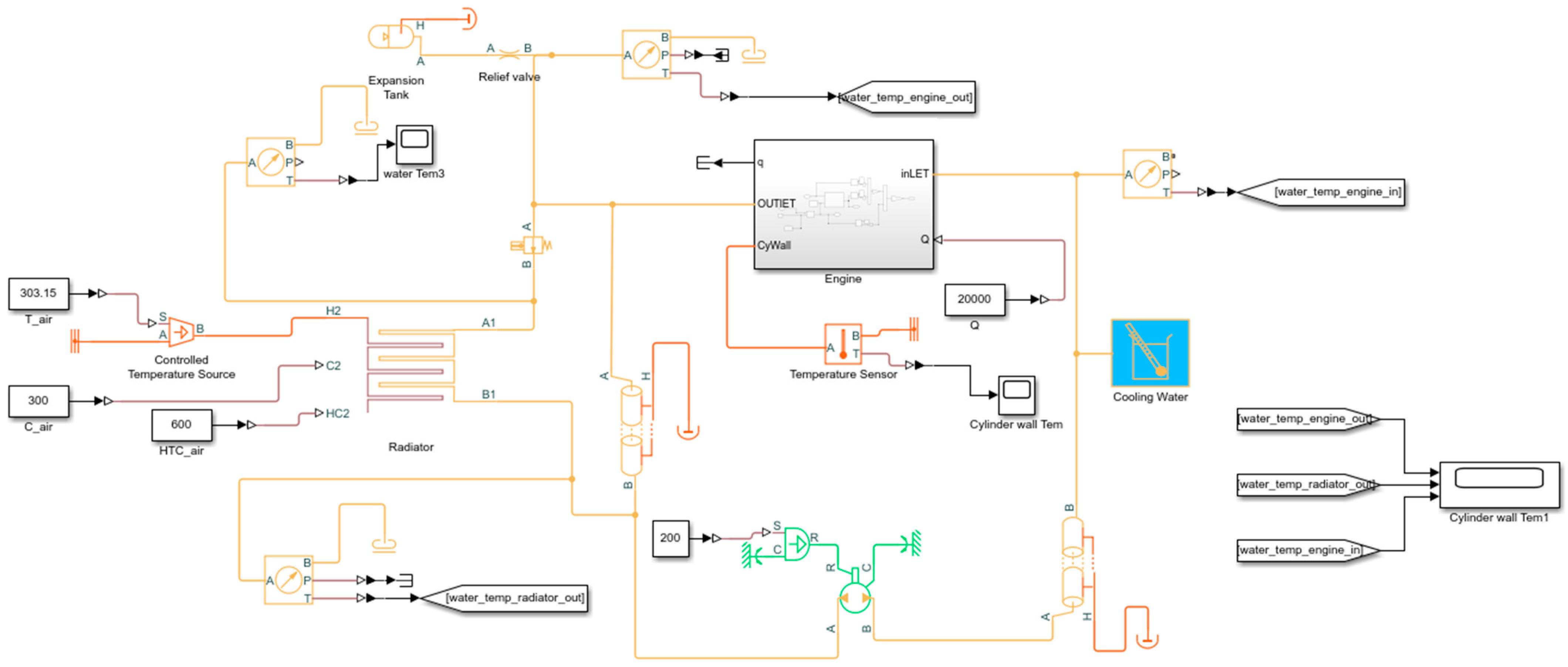
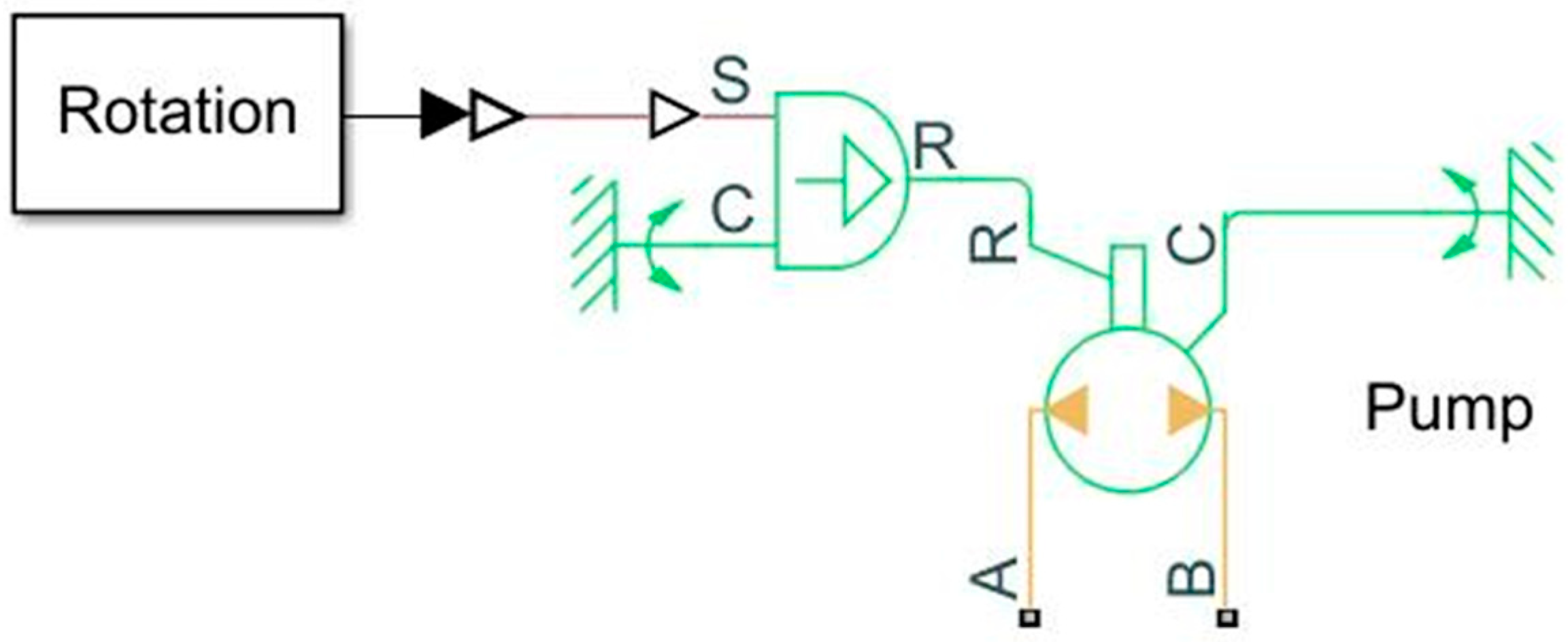
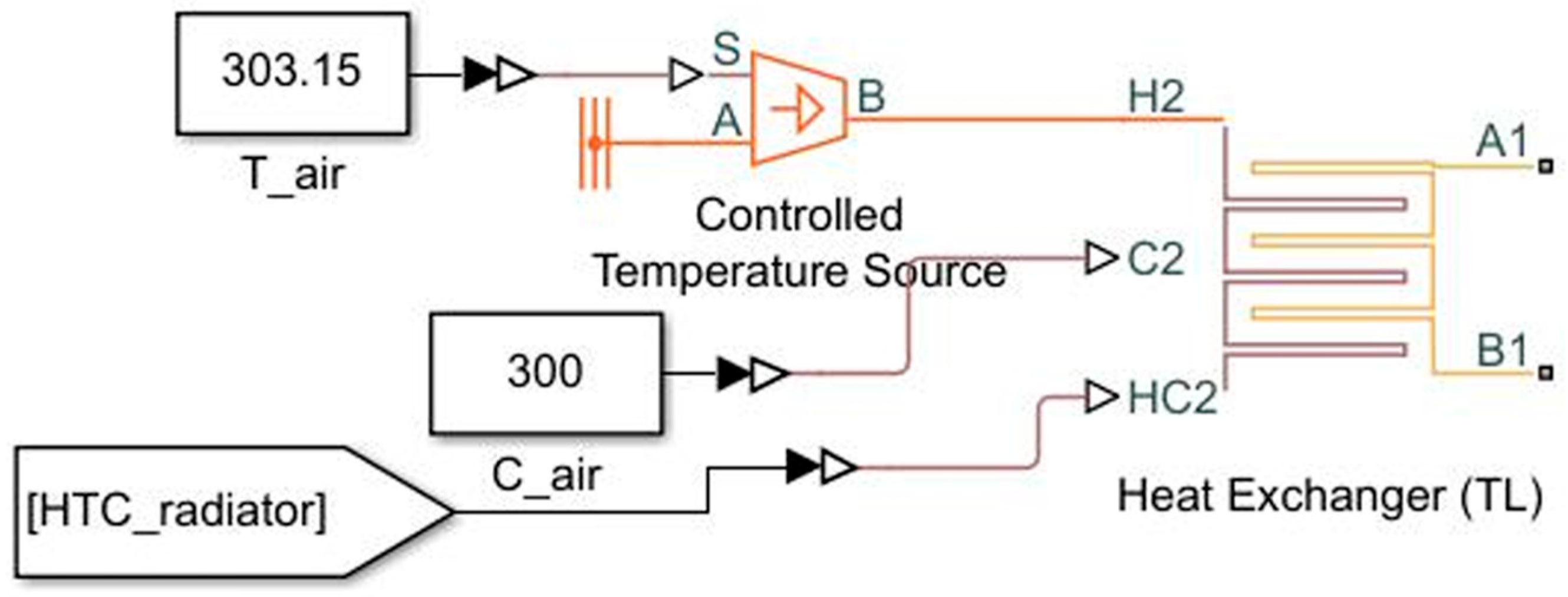
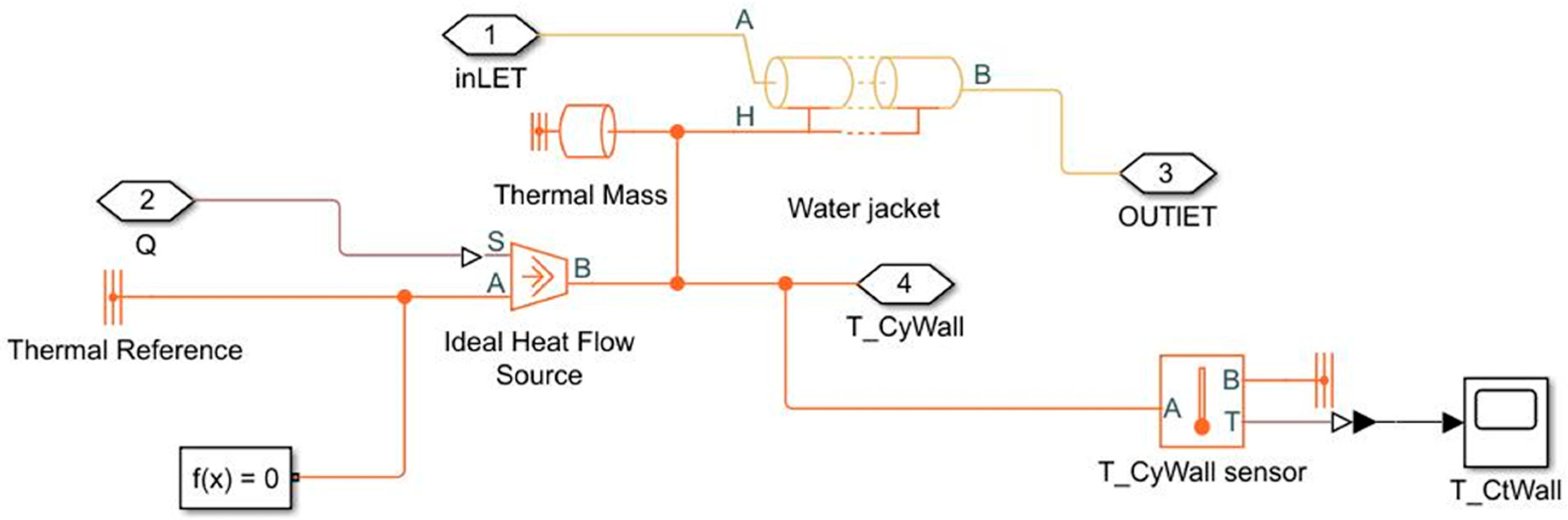
2.2. System Modules
- (1)
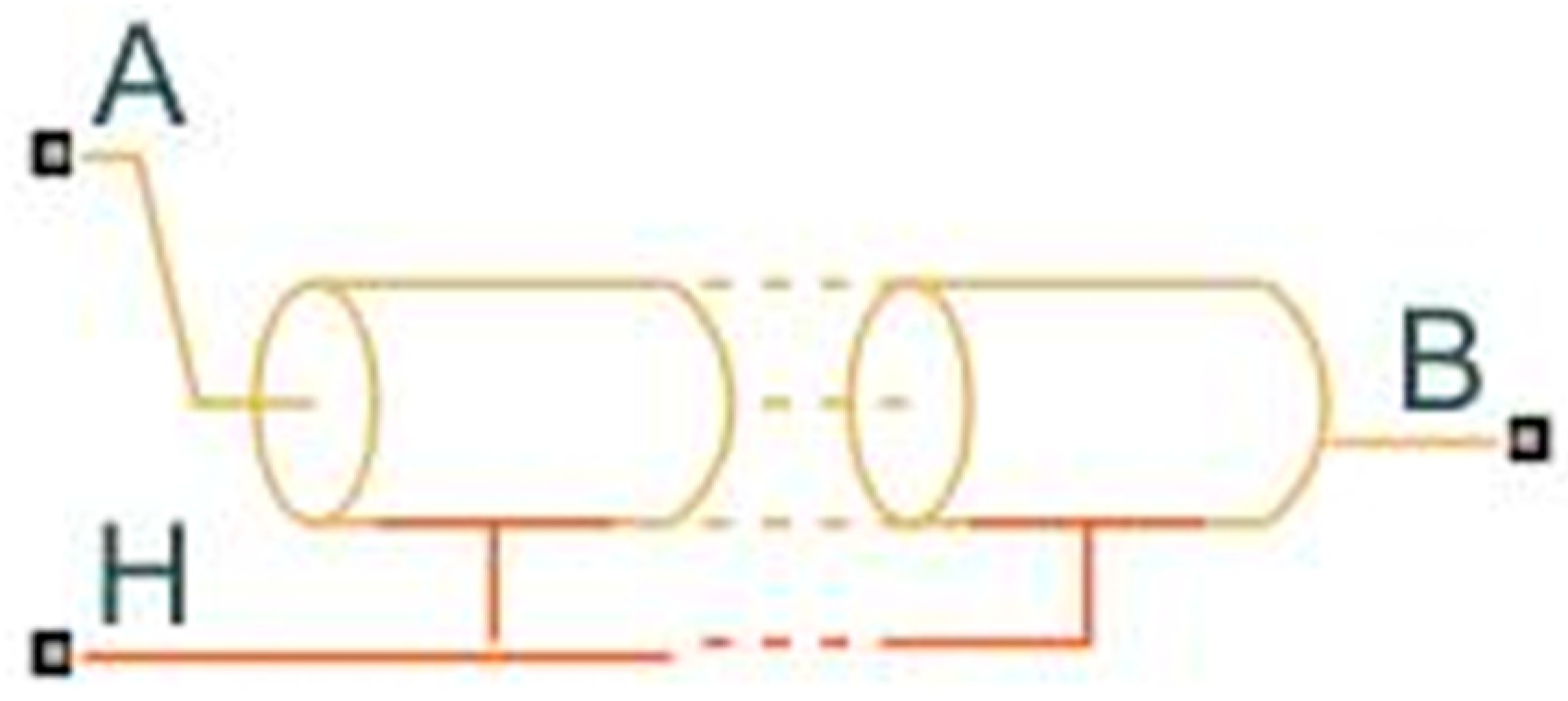
- The heat transfer coefficient input port HTC_radiator between the radiator pipe outer wall and air.
- (2)
- The radiator inlet temperature output port radiator_inlet_Temperature.
- (3)
- The engine inlet temperature output port engine_inlet_Temperature.
- (4)
- The cylinder wall temperature output port cylinder_wall_Temperature.
- (1)
- Adiabatic pipe assumption: All pipe modules are set to adiabatic conditions, ignoring the heat exchange between the coolant and the surrounding environment during its flow. This assumption may to some extent overestimate the thermal retention capacity of the system, especially under high-temperature or long pipeline conditions.
- (2)
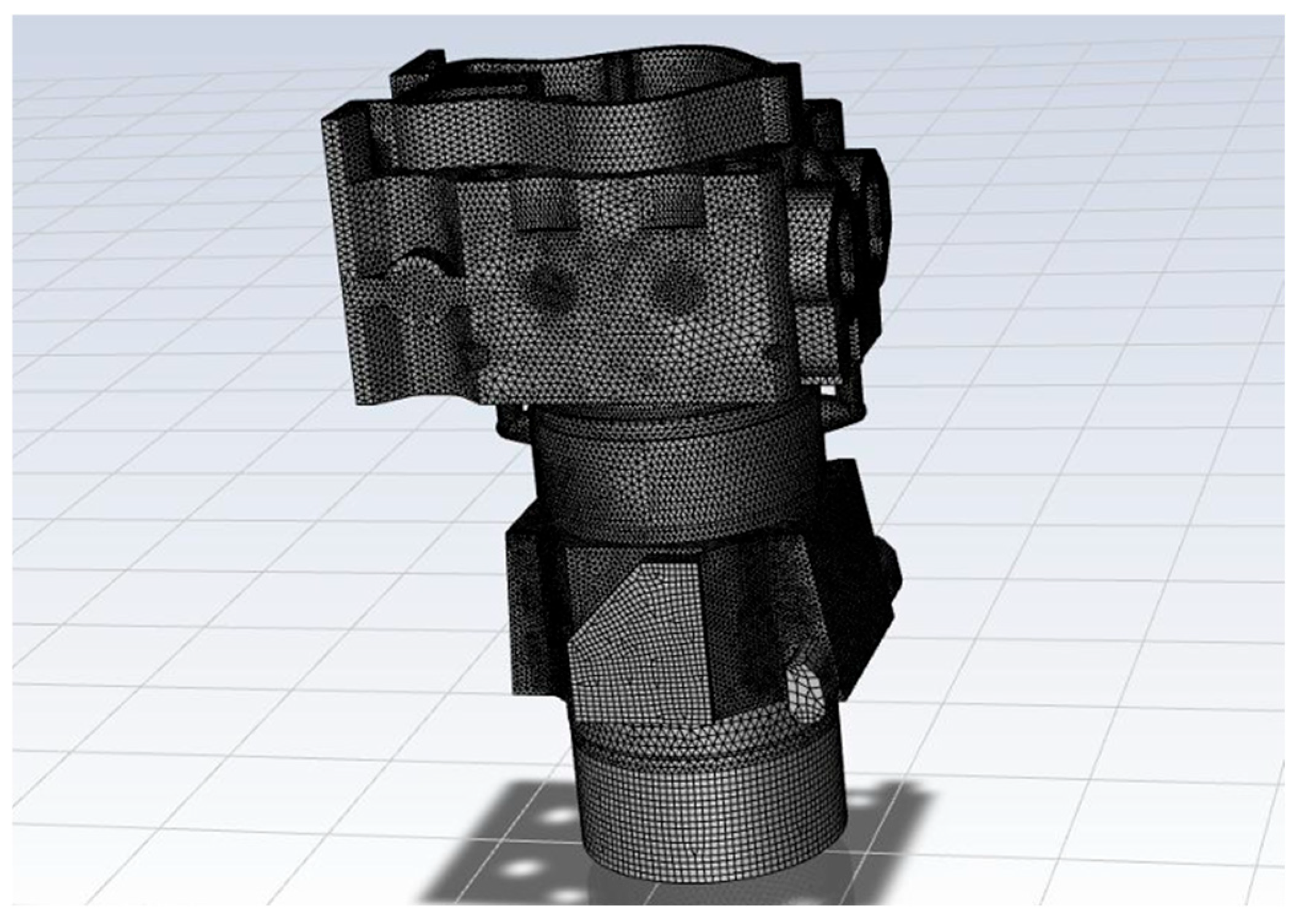
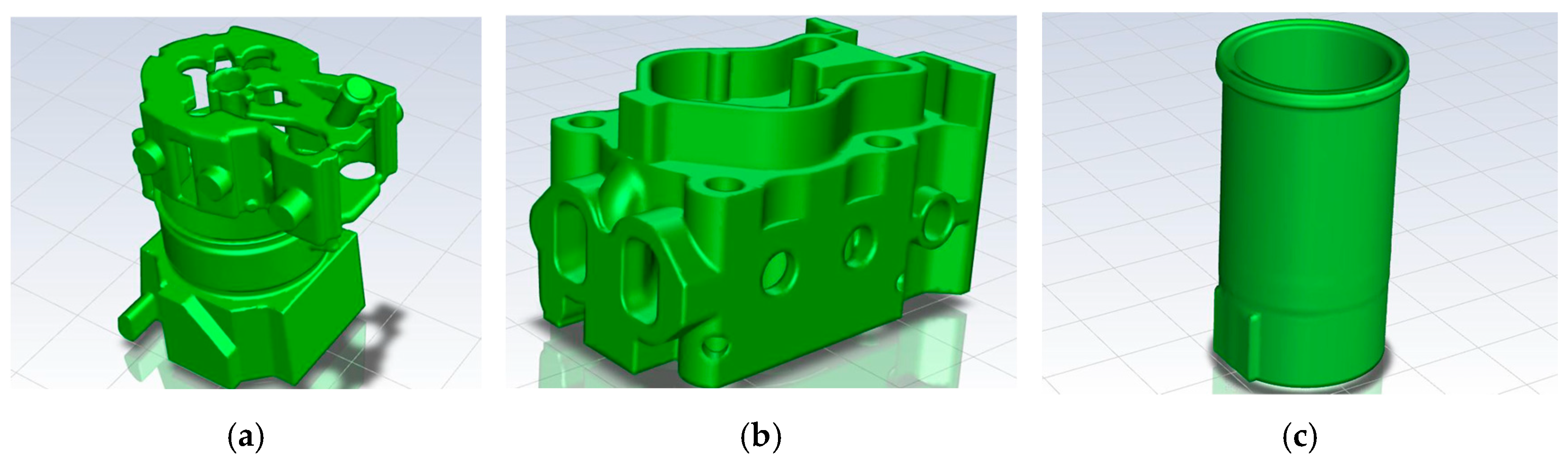
- Centralized parameter engine model: The engine module adopts the centralized parameter modeling method, that is, the engine water jacket is regarded as a uniform heat capacity body, without considering the local temperature gradients inside components such as the cylinder head and cylinder liner. This simplification is applicable to system-level thermal balance analysis, but it is insufficient to capture the details of local overheating or thermal stress distribution.
- (3)
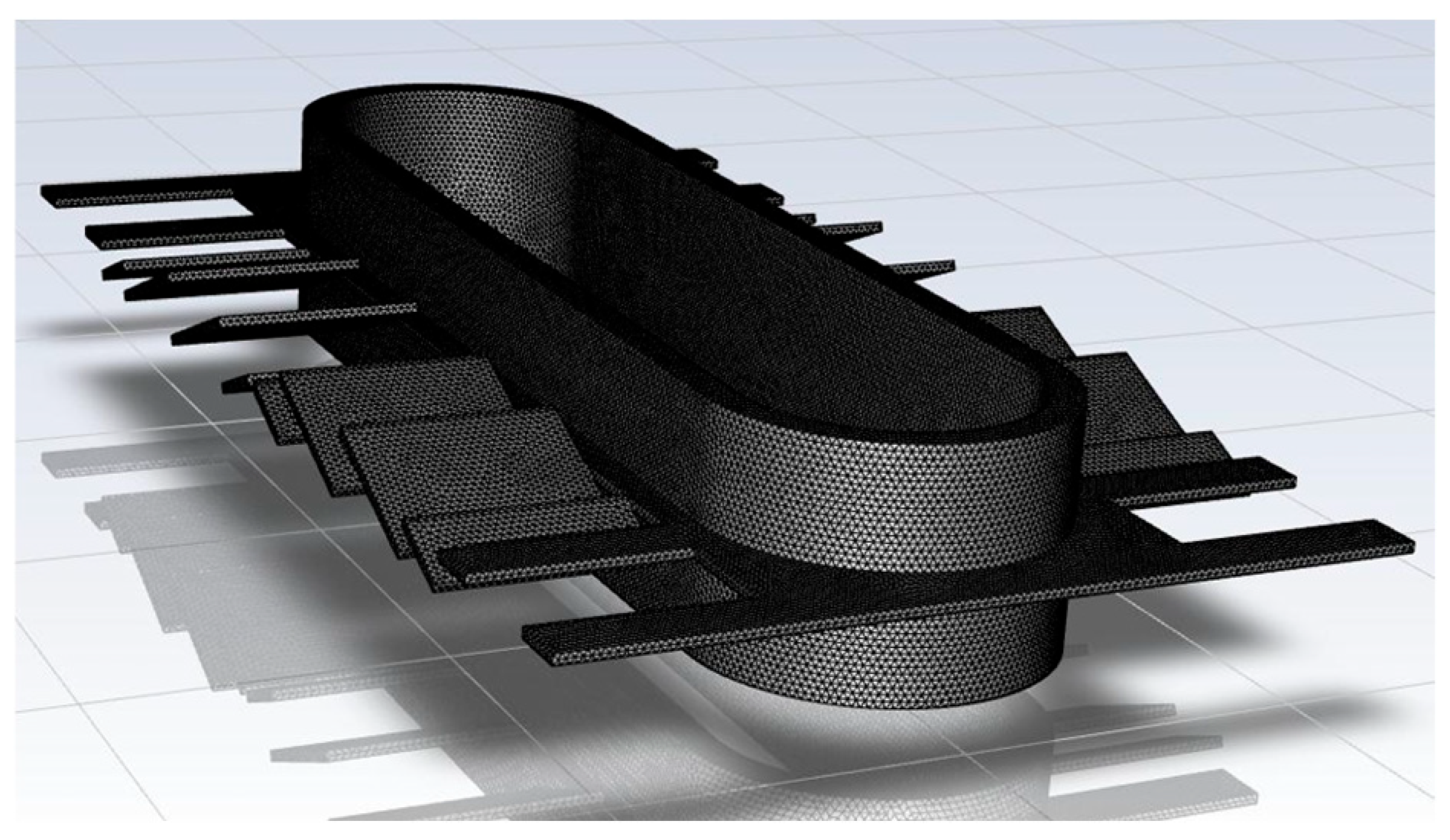
- Local representative radiator model: The radiator model only selects a single representative pipe for simulation and does not take into account the complex structural effects such as multiple pipes in parallel and uneven airflow distribution in actual radiators. This assumption helps to reduce the computational cost of three-dimensional CFD, but it may affect the prediction accuracy of the overall performance of the heat sink.
- (4)
- Constant physical property coolant assumption: In the model, it is assumed that the thermal physical properties of the coolant, such as density, specific heat capacity, and thermal conductivity, do not change with temperature. In actual systems, the physical properties of the coolant changing with temperature may affect the flow and heat transfer characteristics, especially under high-temperature or large temperature difference conditions.
3. CFD Model
3.1. Radiator Model
3.2. Engine Model
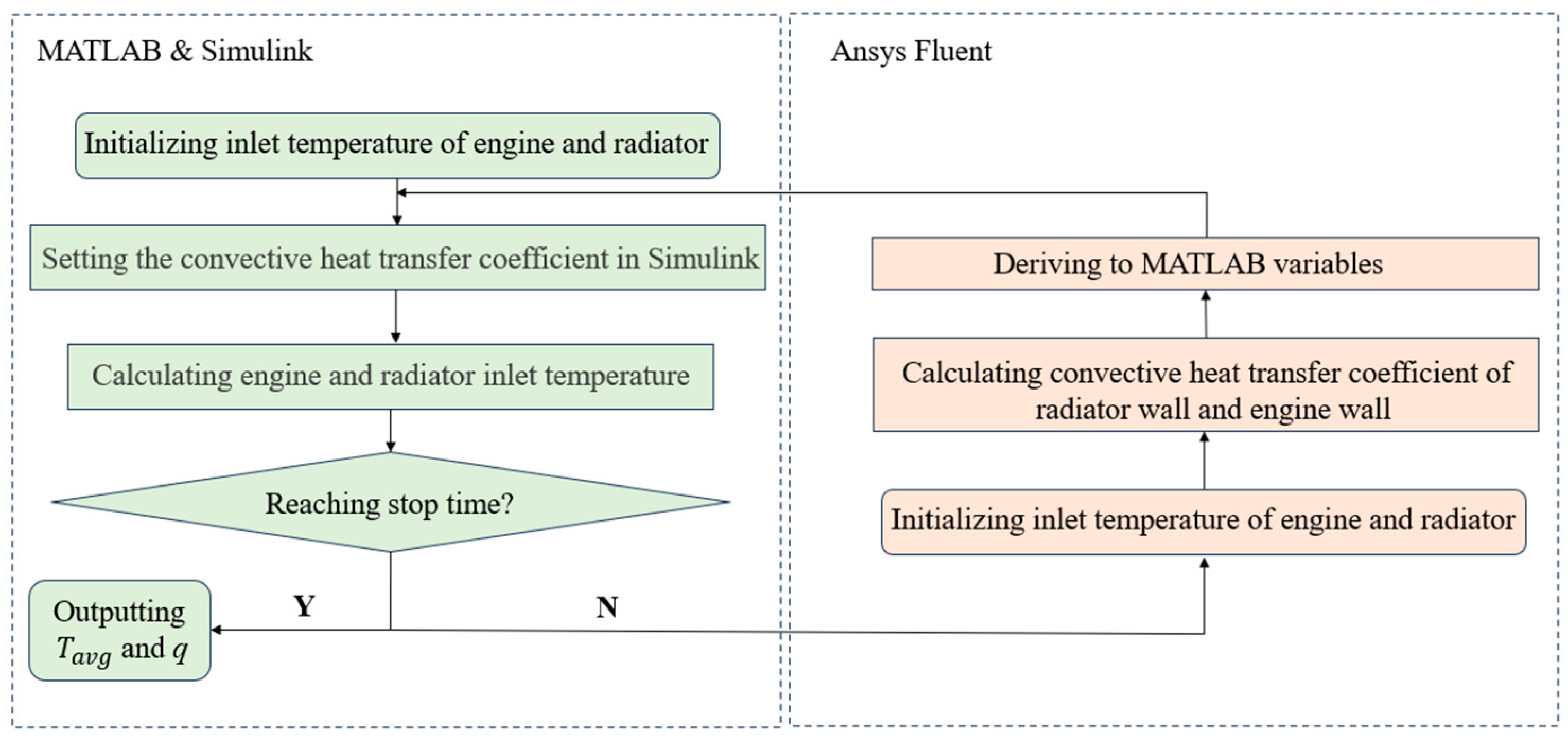
3.3. The Co-Simulation Method Integrates CFD with the Simulink Model
4. Optimization of Cooling Water and Air Flow Rates
4.1. Decision Variables and Optimization Objectives
4.2. Mathematical Model
5. Results and Discussions
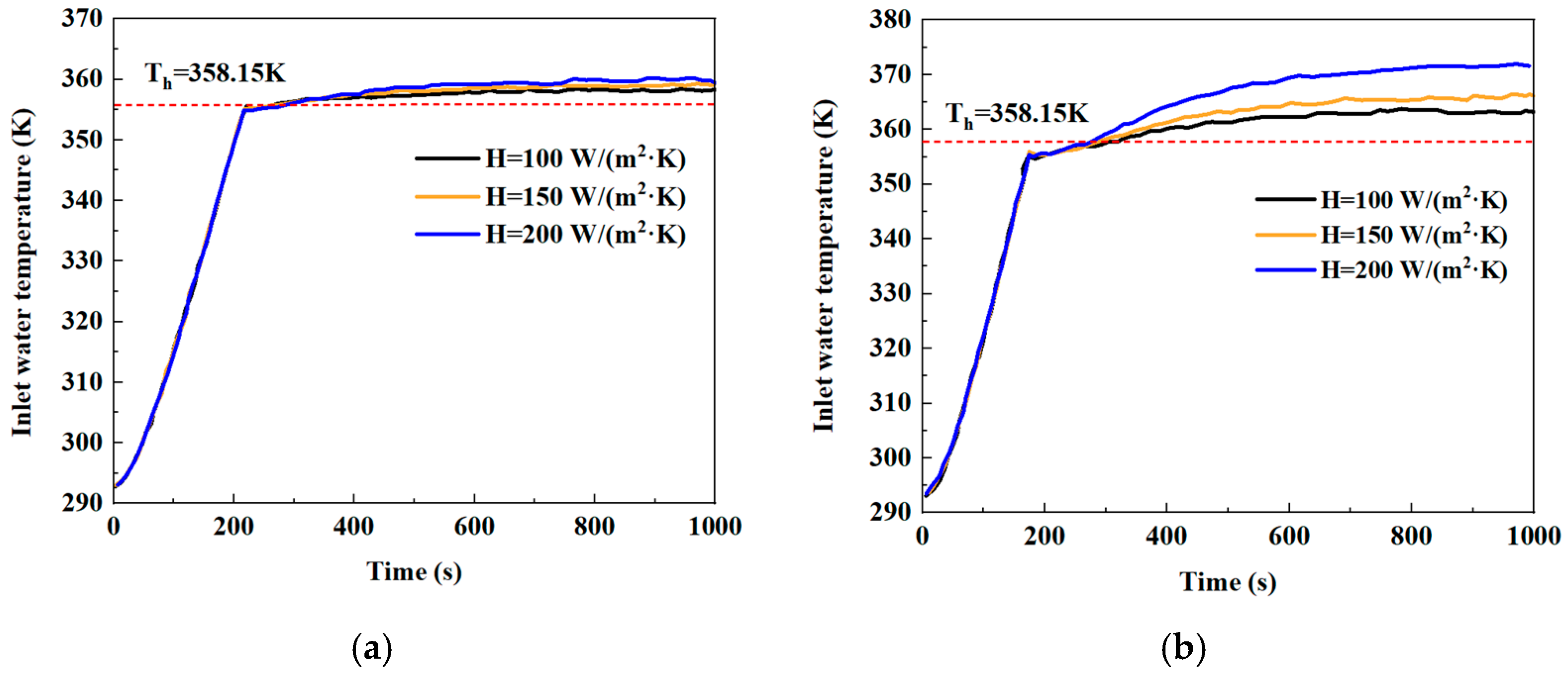
5.1. Simulink Simulation Results
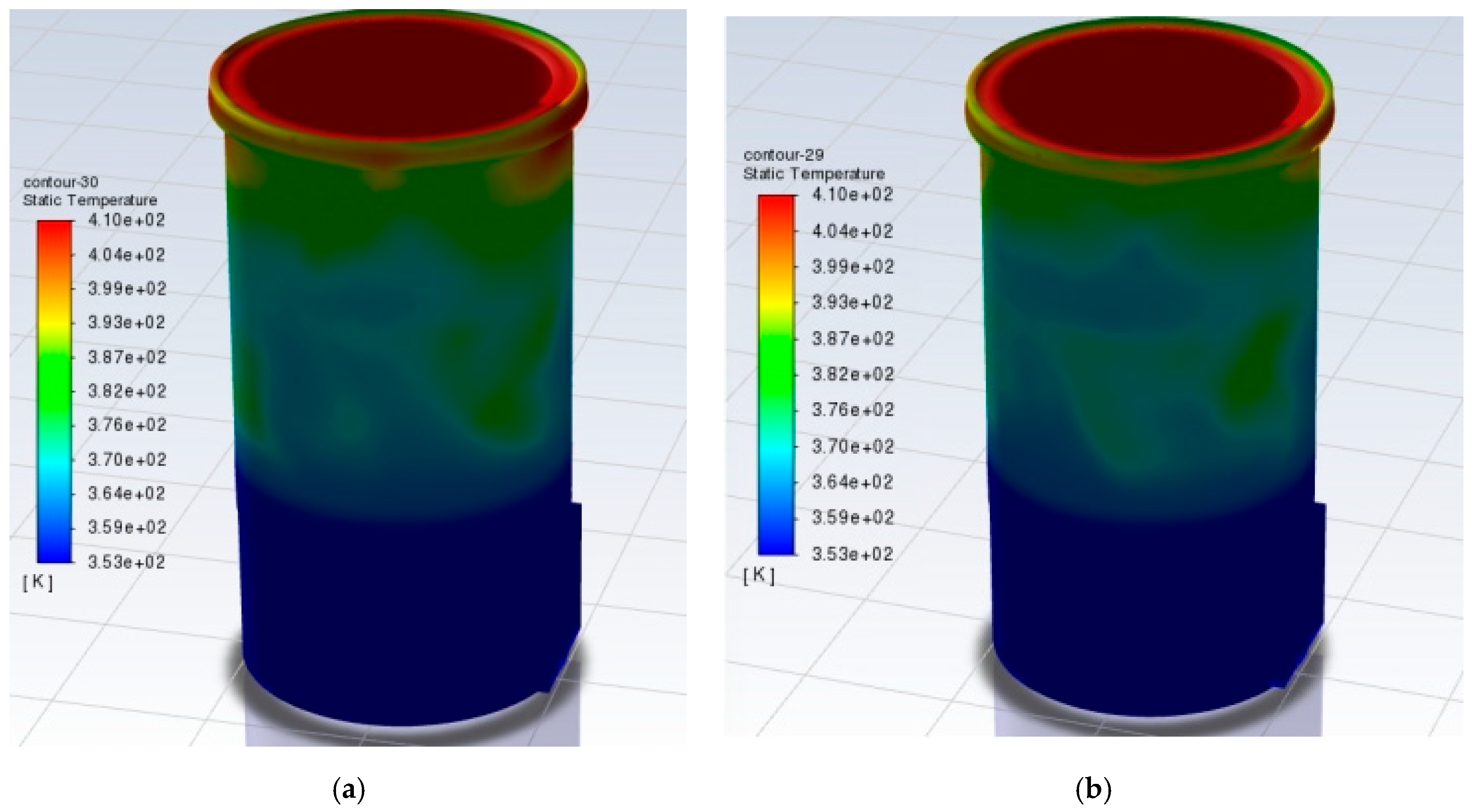
5.2. CFD Simulation Results

| Air Velocity/(m·s−1) | Cooling Water Velocity/(m·s−1) | q/(W·m−2) |
|---|---|---|
| 9.05 | 2.83 | 87,192.22 |
| 9.36 | 3.66 | 87,295.72 |
| 6.92 | 3.69 | 87,322.72 |
| 7.08 | 3.20 | 87,225.13 |
| 8.05 | 2.18 | 87,095.53 |
| 10.29 | 2.27 | 87,123.08 |
| 11.30 | 2.24 | 87,102.79 |
| 10.45 | 2.01 | 87,071.99 |
| 7.23 | 2.10 | 87,046.00 |
| 10.69 | 3.17 | 87,376.76 |
| 5.28 | 3.79 | 87,252.67 |
| 4.46 | 2.59 | 87,187.99 |
| 4.56 | 2.65 | 87,191.74 |
| 5.71 | 3.88 | 87,239.36 |
| 6.27 | 3.81 | 87,223.82 |
| 5.97 | 3.35 | 87,330.95 |
| 4.05 | 4.00 | 87,184.15 |
| 8.66 | 3.54 | 87,288.03 |
| 5.01 | 2.47 | 87,087.96 |
| 5.48 | 3.28 | 87,206.70 |
| 10.02 | 2.40 | 87,170.56 |
| 10.94 | 2.44 | 87,160.095 |
| 11.57 | 3.42 | 87,327.06 |
| 9.68 | 2.75 | 87,264.97 |
| 11.81 | 2.72 | 87,246.99 |
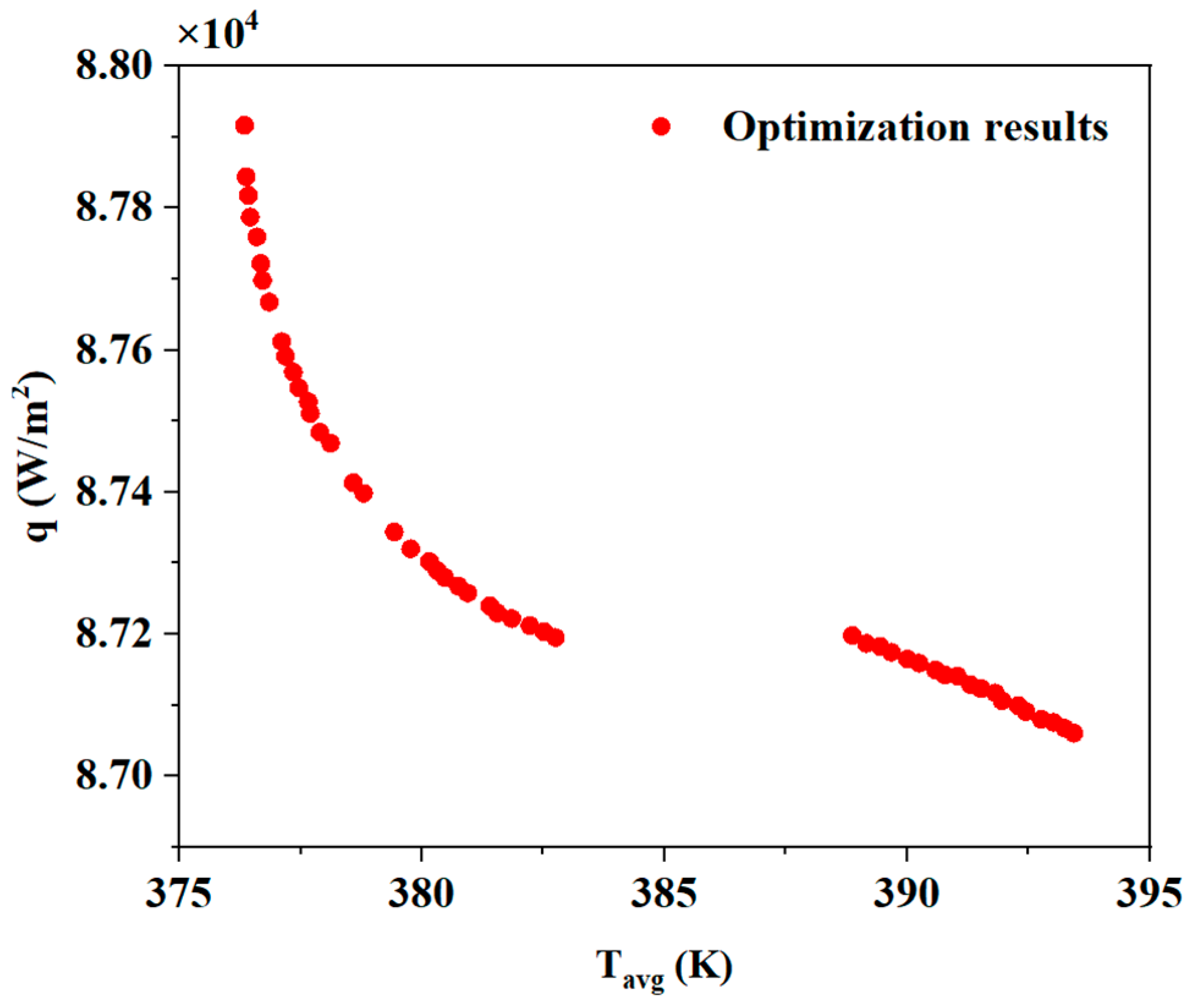
5.3. NSGA-II Optimization Results
6. Conclusions
- (1)
- A 1D simulation model of a powertrain electronic cooling system was established using Simulink, and the engine coolant inlet temperature was observed under varying heat transfer coefficients and engine power conditions.
- (2)
- Numerical studies on the average cylinder liner temperature and heat dissipation were conducted using a CFD model of the engine cooling system. The average heat dissipation on the outer wall of the cylinder liner generally increased with higher coolant and air flow rates, with coolant flow rate having a more significant impact on heat dissipation.
- (3)
- A 1D/3D co-simulation method for powertrain cooling systems was developed. After sampling coolant and air flow rates, co-simulations were performed, yielding 25 sets of data for average cylinder liner temperature (Tavg) and average heat dissipation (q). Mathematical relationships between Tavg, q, and the two variables were derived using the least squares method.
- (4)
- A multi-objective optimization model for the cooling system was established, with coolant flow rate and air flow rate as decision variables, and average cylinder liner temperature (Tavg) and heat dissipation (q) as optimization objectives. NSGA-II was employed to complete the optimization process under different weight configurations, providing a methodological reference for the development of electronic cooling systems.
- (5)
- The collaborative simulation and intelligent optimization framework proposed in this research institute has certain scalability and application prospects. In the future, it can be further applied to the design of thermal management systems for hybrid and pure electric vehicles, and the combination with adaptive control methods such as reinforcement learning can be explored to achieve real-time energy management under dynamic working conditions. Through bench tests to verify the integration with multiple cooling loops, phase change materials and other technologies, this research is expected to provide a systematic solution for the intelligent thermal management of the next generation of high-power-density power systems.
Author Contributions
Funding
Data Availability Statement
Conflicts of Interest
References
- Hingne, M.; Dwivedi, R.; Choudri, R.V.; Chhalotre, S. Analysing the effect of weight reduction of Crankshaft on the pressure parameter inside cylinder of single cylinder SI engine. Mater. Today Proc. 2021, 47, 6296–6300. [Google Scholar] [CrossRef] [Scilit]
- Liu, Y.; Lei, J.; Chen, J.; Wen, J.; Jiang, X.; Peng, H. Research on lightweight design method of diesel engine steel piston based on heat transfer characteristics. Appl. Therm. Eng. 2024, 248, 123344. [Google Scholar] [CrossRef] [Scilit]
- Cipollone, R.; Di Battista, D. Performances and Opportunities of an Engine Cooling System with a Double Circuit at Two Temperature Levels; SAE International: Warrendale, PA, USA, 2012. [Google Scholar]
- Lu, P.; Gao, Q.; Wang, Y. The simulation methods based on 1D/3D collaborative computing for the vehicle integrated thermal management. Appl. Therm. Energy 2016, 104, 42–53. [Google Scholar] [CrossRef] [Scilit]
- Haghighat, A.K.; Roumi, S.; Madani, N.; Bahmanpour, D.; Olsen, M.G. An intelligent cooling system and control model for improved engine thermal management. Appl. Therm. Eng. 2018, 128, 253–263. [Google Scholar] [CrossRef] [Scilit]
- Ap, N.-S.; Tarquis, M. Innovative Engine Cooling Systems Comparison; SAE International: Warrendale, PA, USA, 2005. [Google Scholar]
- Melling Tool Co. Temperature Control Apparatus and Method For an Powertrain Cooling System. U.S. Patent 10,060,328, 27 August 2013. [Google Scholar]
- Cortona, E.; Onder, C.H. Engine Thermal Management with Electric Cooling Pump; SAE International: Warrendale, PA, USA, 2000. [Google Scholar]
- Osman, K.A.; Higginson, A.M.; Moore, J. Improving the efficiency of vehicle water-pump designs using genetic algorithms. In Smart Engineering Systems: Proceedings of the Artificial Neural Networks in Engineering Conference; ASME Press: New York, NY, USA, 1998; pp. 291–296. [Google Scholar]
- Wagner, J.R.; Srinivasan, V.; Dawson, D.M.; Marotta, E.E. Smart Thermostat and Coolant Pump Control for Engine Thermal Management Systems; SAE Special Publication: Warrendale, PA, USA, 2003. [Google Scholar]
- Wang, Y.; Bi, A.; Yao, Y.; Chen, W.; Chen, K.; Yu, S.; Yu, J.; Wang, C.; Li, W.; Wang, S. Thermal analysis and multi-objective optimization of equal-area microfluidic cooling systems. Results Eng. 2025, 27, 105869. [Google Scholar] [CrossRef] [Scilit]
- Amiri-Margavi, A.; Jamali, R.; Hosseini, S.A.; Torabi, F. Real-time optimization of thermoelectric coolers’ performance based on energy and exergy analysis. arXiv 2024, arXiv:2403.01614. [Google Scholar] [CrossRef] [Scilit]
- Paneer, M.; Bašić, J.; Sedlar, D.; Lozina, Ž.; Degiuli, N.; Peng, C. Fluid Structure Interaction Using Modal Superposition and Lagrangian CFD. J. Mar. Sci. Eng. 2024, 12, 318. [Google Scholar] [CrossRef] [Scilit]
- Zhu, W.; Lin, W.; Zhang, S.; Yang, S.; Wu, T.; Ma, R.; Cao, T.-F.; Dai, Y.-J.; Tao, W.-Q. Modeling and analysis of fluid-solid coupling heat transfer and fluid flow in transonic nozzle. Appl. Therm. Eng. 2025, 260, 124885. [Google Scholar] [CrossRef] [Scilit]
- Schäfer, M.; Teschauer, I. Numerical simulation of coupled fluid–solid problems. Comput. Methods Appl. Mech. Eng. 2001, 190, 3645–3667. [Google Scholar] [CrossRef] [Scilit]
- Chen, H.Y.; Li, Y.; Li, X.L. Simulation study on the fluid-solid coupled heat transfer of diesel engines. J. China Jiliang Univ. 2006, 17, 284–288. [Google Scholar]
- Nageswara, R.; Sukhvinder, K.; Ravi, K.; Niranjan, K. CFD Analysis of Axial Flow Fans for Radiator Cooling in Automobile Engines; SAE International: Warrendale, PA, USA, 2007. [Google Scholar]
- Zeng, Z.; Yuan, N.; Song, C.; Liu, J.; Liu, Z.; Shi, H. Integrating CFD and data-driven techniques for the optimization of dielectric coolants in EV battery immersion cooling systems. Int. Commun. Heat Mass Transf. 2025, 162, 108591. [Google Scholar] [CrossRef] [Scilit]
- Park, K.S.; Won, J.P.; Heo, H.S. Thermal flow analysis of vehicle engine cooling system. KSME Int. J. 2002, 16, 975–985. [Google Scholar] [CrossRef] [Scilit]
- Adsul, P.; Kotebavi, V.; Bedekar, S.; Mishra, A. A Simulation study of cooling system for heavy duty diesel engine. MATEC Web Conf. 2018, 172, 02002. [Google Scholar] [CrossRef] [Scilit]
- Qiu, S.; Xu, C.; Yang, Z.; He, H.; Xia, E.; Xue, Z.; Li, L. One-dimension and three-dimension collaborative simulation study of the influence of non-uniform inlet airflow on the heat transfer performance of automobile radiators. Appl. Therm. Eng. 2021, 196, 117319. [Google Scholar] [CrossRef] [Scilit]
- Holland, J.H. Adaption in Natural and Artificial Systems; University of Michigan Press: Ann Arbor, MI, USA, 1975; pp. 126–137. [Google Scholar]
- Wang, Z.; Tingxu, L.; Yongkang, S. Optimization of the maximum range of super cavitating vehicles based on a genetic algorithm. Ocean Eng. 2021, 239, 109892. [Google Scholar]
- Soundar, K.; Inyong, H. Use of Associative Memory and Self-Organization in Conceptual Design. CIRPAnnals 1990, 39, 117–120. [Google Scholar]
- Srinivas, N.; Deb, K. Multi objective Optimization Using Nondominated Sorting in Genetic Algorithms. Evol. Comput. 1994, 2, 221–248. [Google Scholar] [CrossRef] [Scilit]
- Deb, K.; Pratap, A.; Agarwal, S.; Meyarivan, T. A fast and elitist multiobjective genetic algorithm: NSGA-II. IEEE Trans. Evol. Comput. 2002, 6, 182–197. [Google Scholar] [CrossRef] [Scilit]
- Deb, K.; Jain, H. An Evolutionary Many-Objective Optimization Algorithm Using Reference-Point-Based Nondominated Sorting Approach, Part I: Solving Problems with Box Constraints. IEEE Trans. Evol. Comput. 2014, 18, 577–601. [Google Scholar] [CrossRef] [Scilit]
- Li, H.P.; Figliola, R.S. Optimization of an Powertrain Cooling System Based on Exergy Analysis; SAE International: Warrendale, PA, USA, 2004. [Google Scholar]


| Sample Number | Base Grid Size | /K |
|---|---|---|
| 1 | 5 mm | 385.5215 |
| 2 | 4 mm | 384.8741 |
| 3 | 3 mm | 384.5621 |
| 4 | 2.5 mm | 384.3252 |
| Sample Number | Cooling Water Velocity/(m·s−1) | Air Velocity/(m·s−1) |
|---|---|---|
| 1 | 2.83 | 9.05 |
| 2 | 3.66 | 9.36 |
| 3 | 3.69 | 6.92 |
| 4 | 3.20 | 7.08 |
| 5 | 2.18 | 8.05 |
| 6 | 2.27 | 10.29 |
| 7 | 2.24 | 11.30 |
| 8 | 2.01 | 10.45 |
| 9 | 2.10 | 7.23 |
| 10 | 3.17 | 10.69 |
| 11 | 3.79 | 5.28 |
| 12 | 2.59 | 4.46 |
| 13 | 2.65 | 4.56 |
| 14 | 3.88 | 5.71 |
| 15 | 3.81 | 6.27 |
| 16 | 3.35 | 5.97 |
| 17 | 4.00 | 4.05 |
| 18 | 2.47 | 8.66 |
| 19 | 3.28 | 5.01 |
| 20 | 2.40 | 5.48 |
| 21 | 2.44 | 10.02 |
| 22 | 3.42 | 10.94 |
| 23 | 2.75 | 11.57 |
| 24 | 2.72 | 9.68 |
| 25 | 2.83 | 11.81 |
| Air Velocity/(m·s−1) | Cooling Water Velocity/(m·s−1) | /K |
|---|---|---|
| 9.05 | 2.83 | 382.1387 |
| 9.36 | 3.66 | 378.2572 |
| 6.92 | 3.69 | 379.7026 |
| 7.08 | 3.20 | 381.4258 |
| 8.05 | 2.18 | 387.8376 |
| 10.29 | 2.27 | 385.9739 |
| 11.30 | 2.24 | 385.8097 |
| 10.45 | 2.01 | 388.5564 |
| 7.23 | 2.10 | 389.0342 |
| 10.69 | 3.17 | 379.9789 |
| 5.28 | 3.79 | 381.0896 |
| 4.46 | 2.59 | 388.3217 |
| 4.56 | 2.65 | 387.8401 |
| 5.71 | 3.88 | 380.3065 |
| 6.27 | 3.81 | 379.8428 |
| 5.97 | 3.35 | 381.9045 |
| 4.05 | 4.00 | 382.7691 |
| 8.66 | 3.54 | 379.2146 |
| 5.01 | 2.47 | 388.0129 |
| 5.48 | 3.28 | 384.4331 |
| 10.02 | 2.40 | 385.0322 |
| 10.94 | 2.44 | 384.1317 |
| 11.57 | 3.42 | 378.4553 |
| 9.68 | 2.75 | 382.6413 |
| 11.81 | 2.72 | 382.0806 |
| Weights | Air Velocity/(m·s−1) | Cooling Water Velocity/(m·s−1) |
|---|---|---|
| 1:1 | 9.59 | 4 |
| 4:1 | 11.53 | 4 |
| 1:4 | 5.88 | 4 |
Disclaimer/Publisher’s Note: The statements, opinions and data contained in all publications are solely those of the individual author(s) and contributor(s) and not of MDPI and/or the editor(s). MDPI and/or the editor(s) disclaim responsibility for any injury to people or property resulting from any ideas, methods, instructions or products referred to in the content. |
© 2026 by the authors. Licensee MDPI, Basel, Switzerland. This article is an open access article distributed under the terms and conditions of the Creative Commons Attribution (CC BY) license.
Share and Cite
Zhang, J.; Song, X.; Yu, W.; Zhao, F. Development of Intelligent Genetic Optimization Algorithm for Fluid–Thermal Interaction in Machinery Engine Cooling Systems. Energies 2026, 19, 441. https://doi.org/10.3390/en19020441
Zhang J, Song X, Yu W, Zhao F. Development of Intelligent Genetic Optimization Algorithm for Fluid–Thermal Interaction in Machinery Engine Cooling Systems. Energies. 2026; 19(2):441. https://doi.org/10.3390/en19020441
Chicago/Turabian StyleZhang, Jiwei, Xinze Song, Wenbin Yu, and Feiyang Zhao. 2026. "Development of Intelligent Genetic Optimization Algorithm for Fluid–Thermal Interaction in Machinery Engine Cooling Systems" Energies 19, no. 2: 441. https://doi.org/10.3390/en19020441
APA StyleZhang, J., Song, X., Yu, W., & Zhao, F. (2026). Development of Intelligent Genetic Optimization Algorithm for Fluid–Thermal Interaction in Machinery Engine Cooling Systems. Energies, 19(2), 441. https://doi.org/10.3390/en19020441