You are currently on the new version of our website. Access the old version .
EnergiesEnergies
  • This is an early access version, the complete PDF, HTML, and XML versions will be available soon.
  • Article
  • Open Access

10 January 2026

Dynamic Modeling of Bilateral Energy Synergy: A Data-Driven Adaptive Index for China–Korea Hydrogen System Coupling Assessment


and
1
School of Foreign Languages, Hubei Polytechnic University, Huangshi 435003, China
2
The Belt and Road School, Beijing Normal University, Beijing 100088, China
*
Author to whom correspondence should be addressed.
Energies2026, 19(2), 343;https://doi.org/10.3390/en19020343 
(registering DOI)
This article belongs to the Special Issue Energy Security, Transition, and Sustainable Development

Abstract

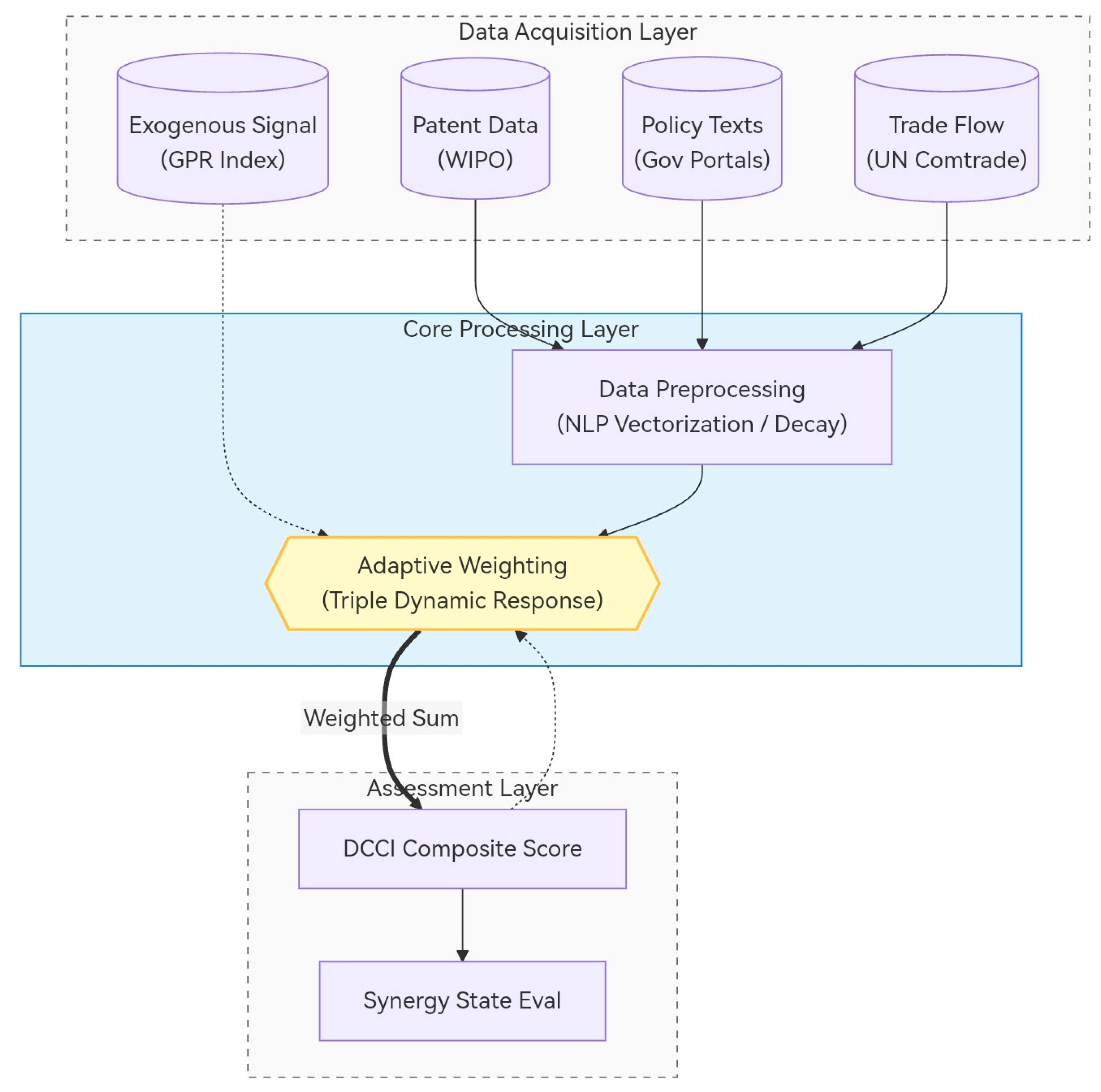
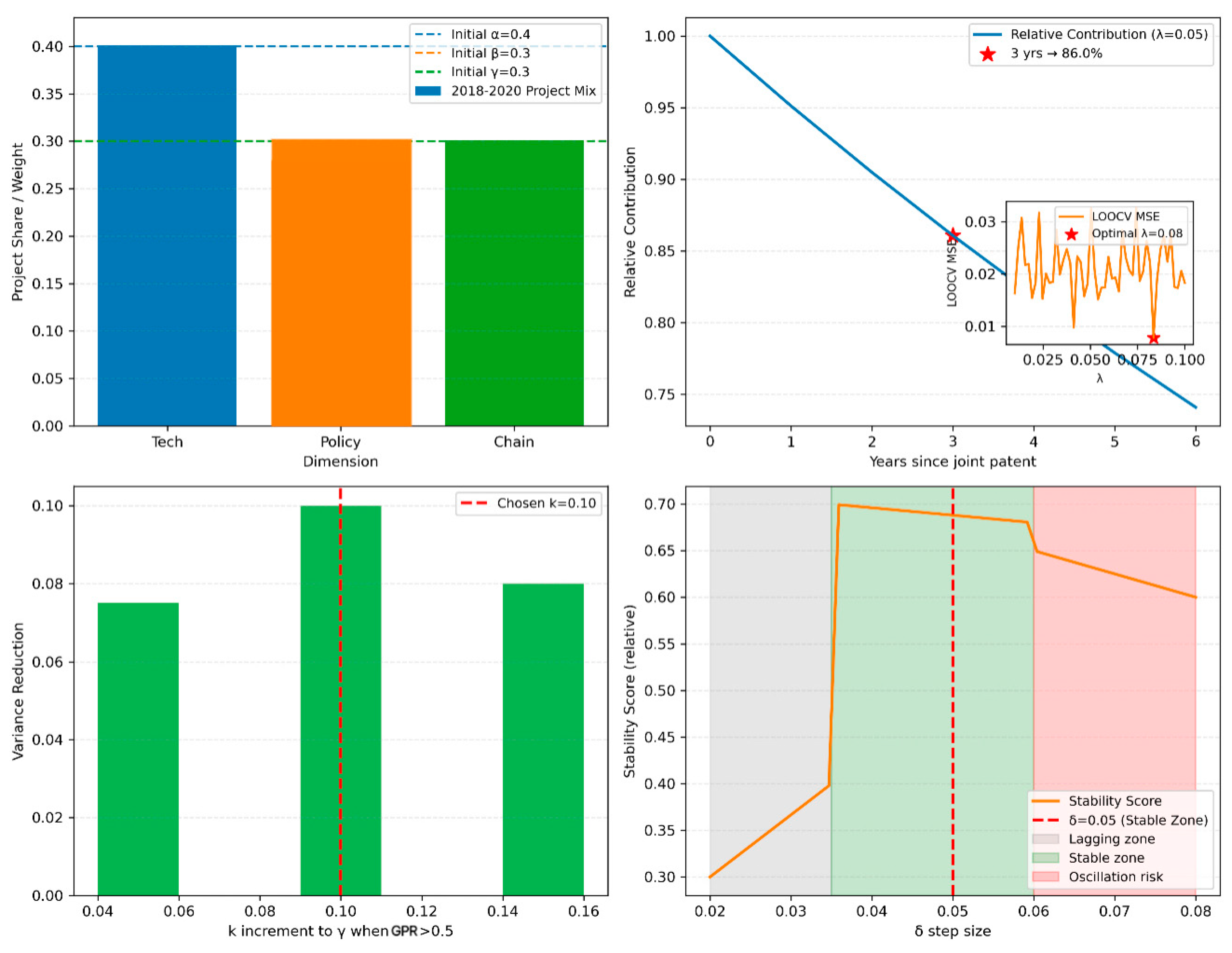
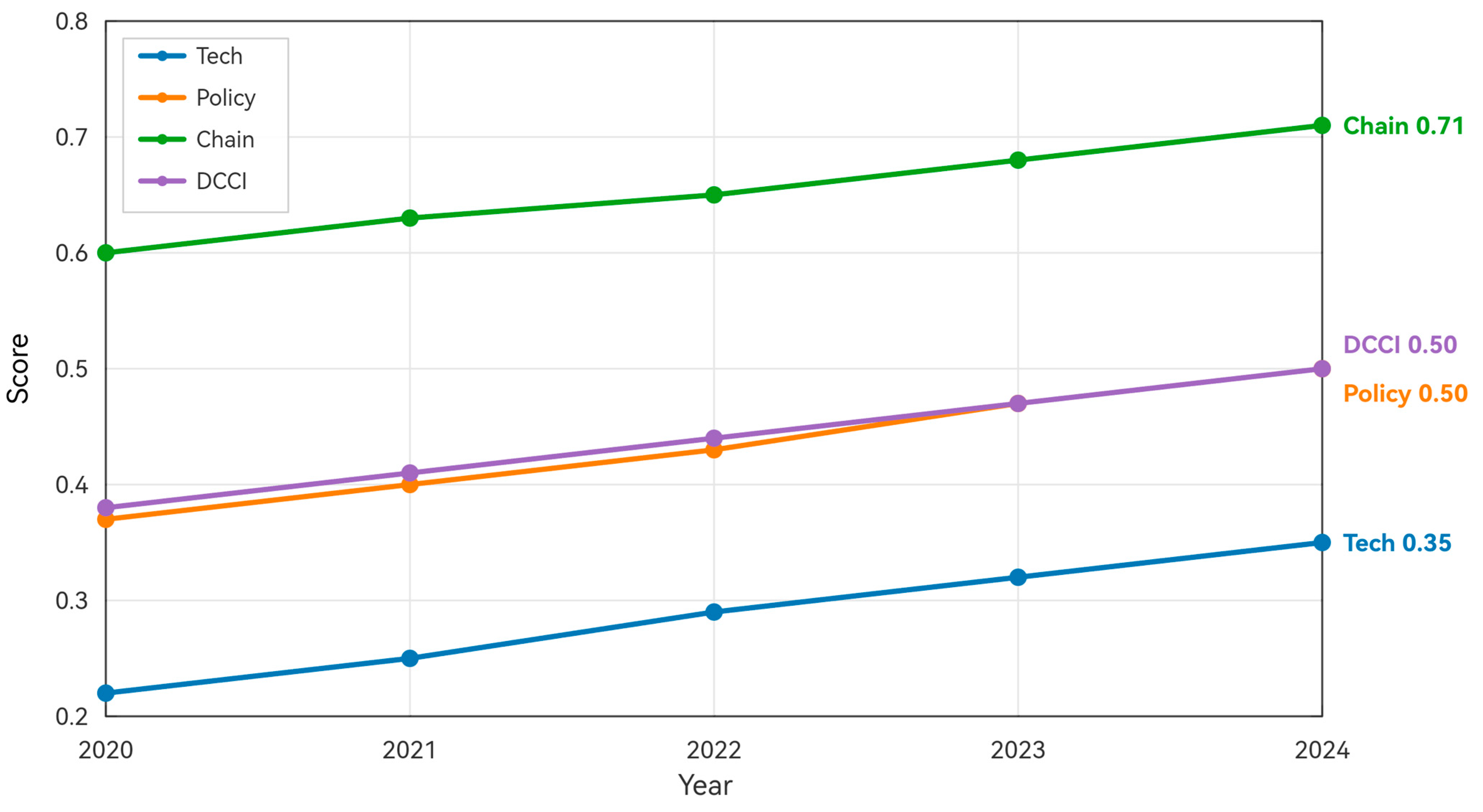
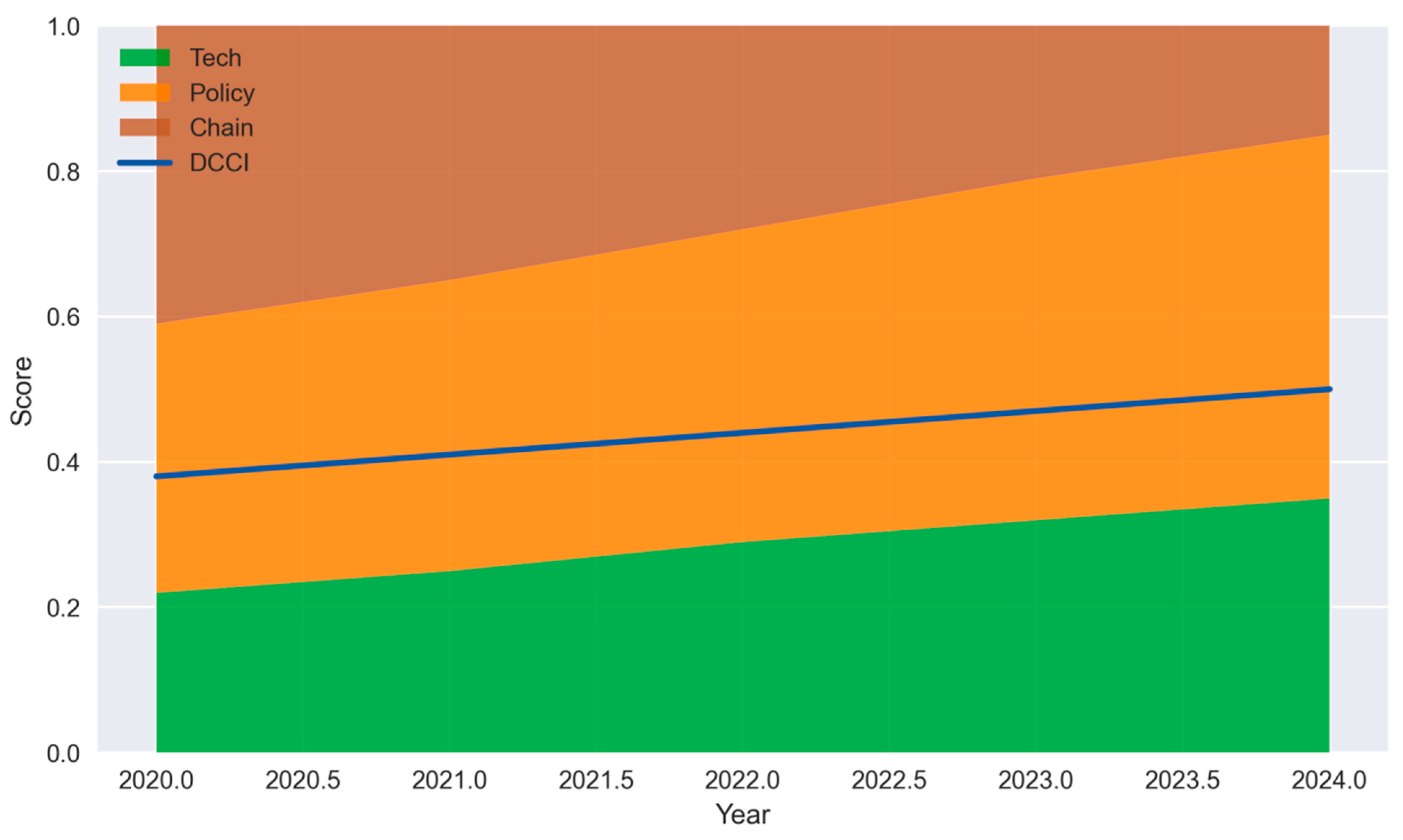
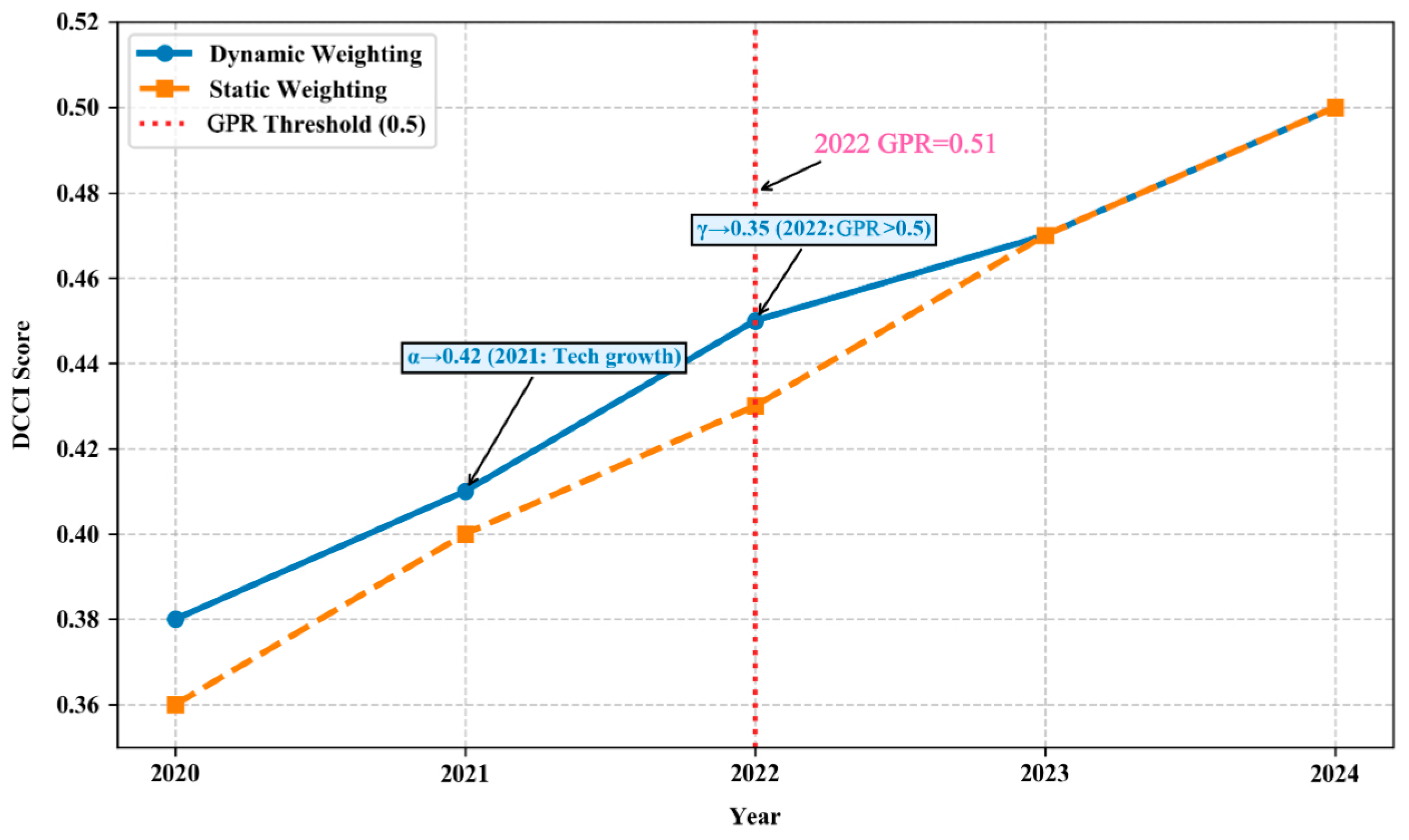
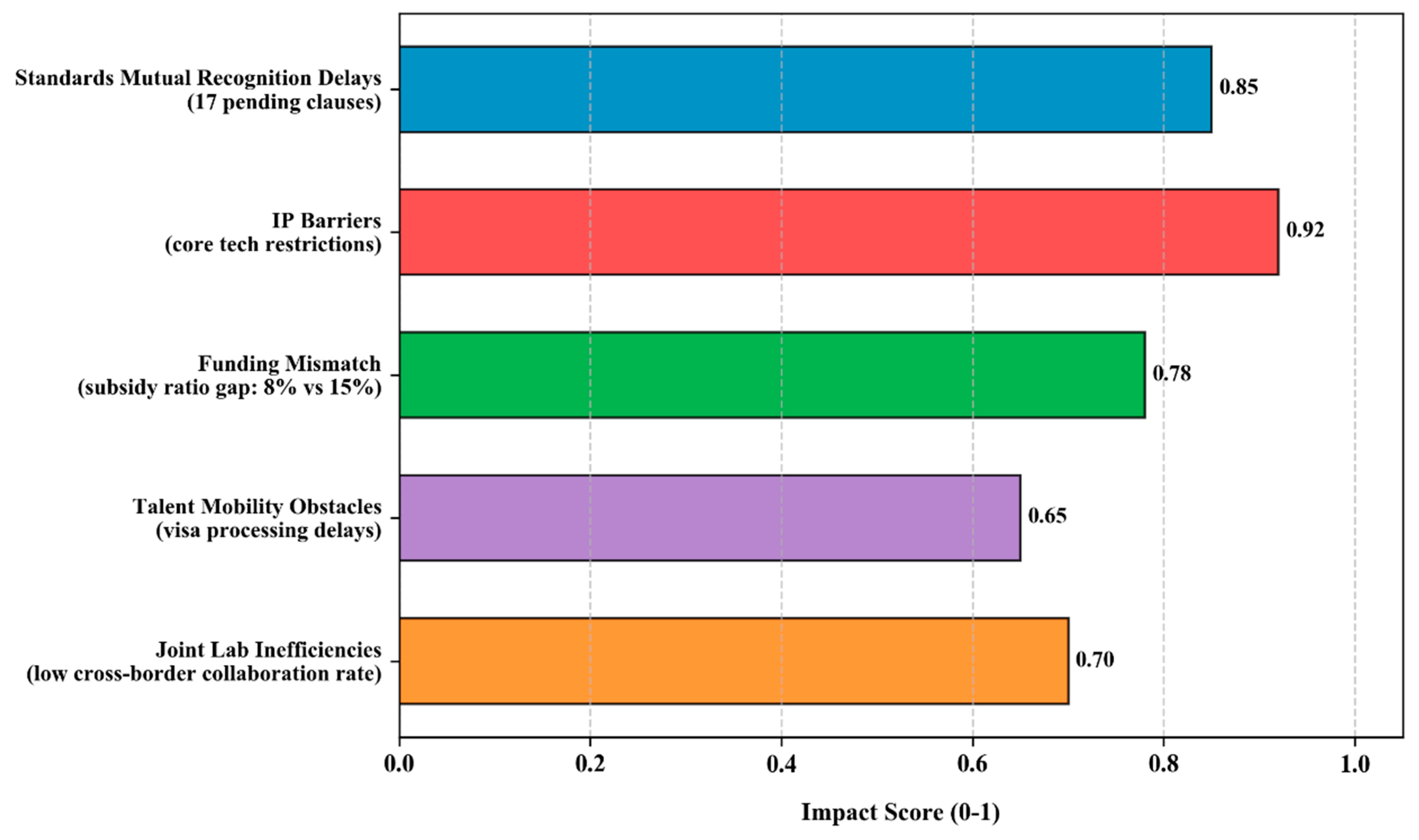
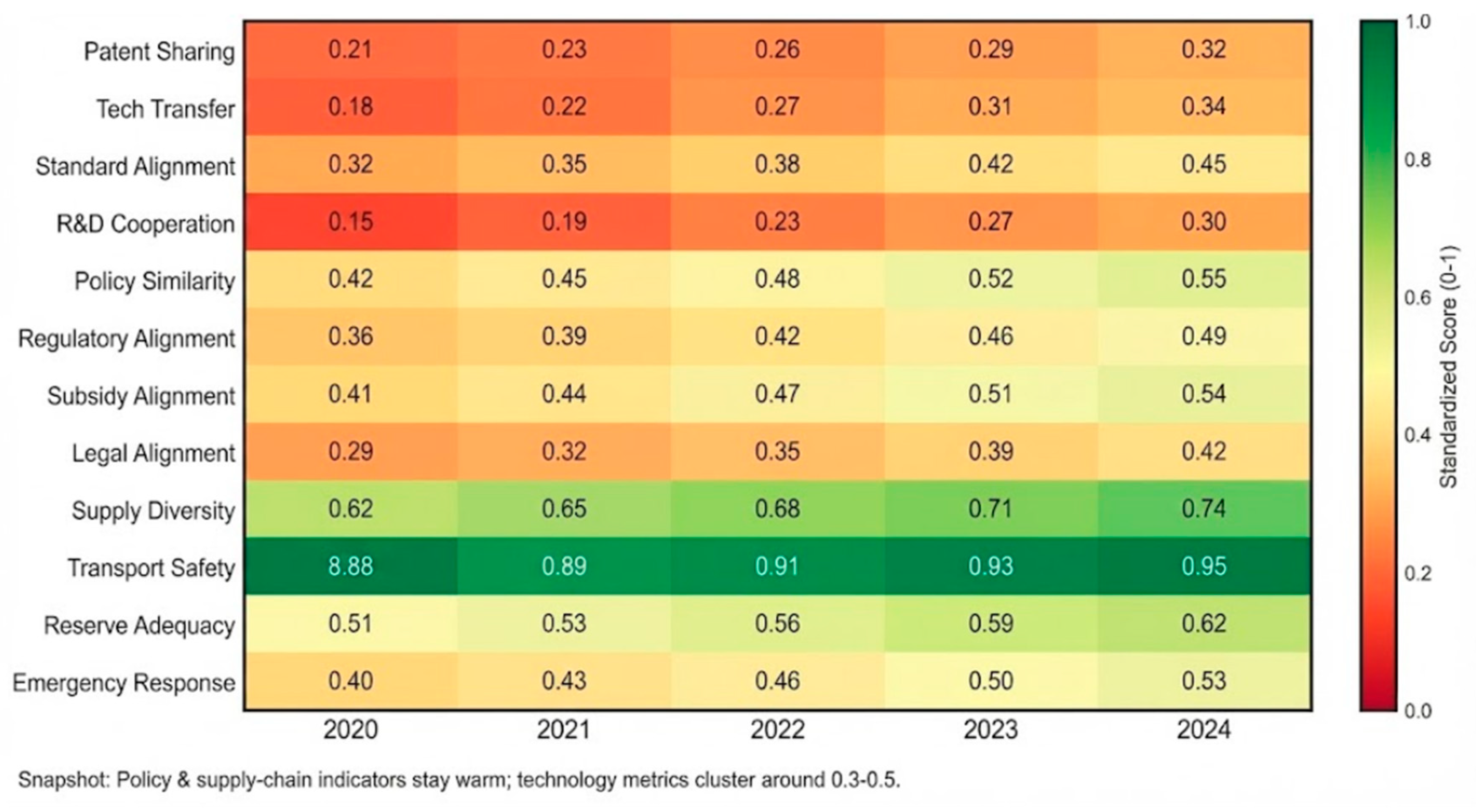
The development of cross-border hydrogen energy value chains involves complex interactions between technological, regulatory, and logistical subsystems. Static assessment models often fail to capture the dynamic response of these coupled systems to external perturbations. This study addresses this gap by proposing the Dual Carbon Cooperation Index (DCCI), a data-driven framework designed to quantify the synergy efficiency of the China–Korea hydrogen ecosystem. We construct a dynamic state estimation model integrating three coupled dimensions—Technology Synergy, Regulatory Alignment, and Supply Chain Resilience—utilizing an adaptive weighting algorithm (Triple Dynamic Response). Based on multi-source heterogeneous data (2020–2024), the model employs Natural Language Processing (NLP) for vectorizing unstructured regulatory texts and incorporates an exogenous signal detection mechanism (GPR). Empirical results reveal that the ecosystem’s composite synergy score recovered from 0.38 to 0.50, driven by robust supply chain resilience but constrained by high impedance in technological transfer protocols. Crucially, the novel dynamic weighting algorithm significantly reduces state estimation error during high-volatility periods compared to static linear models, as validated by bootstrapping analysis (1000 resamples). The study provides a quantitative engineering tool for monitoring ecosystem coupling stability and proposes a technical roadmap for reducing system constraints through secure IP data architectures and synchronized standard protocols.

Article Metrics

Citations

Article Access Statistics

Multiple requests from the same IP address are counted as one view.