1. Introduction
The increasing global energy demand, coupled with growing environmental concerns and the finite nature of fossil fuel resources, has intensified interest in sustainable and low-carbon energy technologies. Among the various alternatives, hydrogen has attracted considerable attention as a clean energy carrier owing to its high energy density, wide range of applications, and minimal environmental footprint. Unlike conventional carbon-based fuels, hydrogen utilization does not generate direct greenhouse gas emissions at the point of use, positioning hydrogen as a key component of both future decarbonization strategies and sustainable energy systems [
1,
2]. Thermochemical gasification is a widely recognized conversion technology for transforming carbon-based feedstock into valuable hydrogen-rich synthesis gas. During the process, feedstock materials undergo partial oxidation at elevated temperatures, generating a combustible gas stream mainly consisting of H
2, CO, CO
2, and CH
4. The performance of the gasification process and the resulting syngas composition are highly dependent on key operating parameters, including temperature, equivalence ratio, pressure, gasifying medium, and the physicochemical properties of the feedstock [
3,
4]. Among the various operating variables, gasification temperature and equivalence ratio are widely regarded as the dominant factors influencing hydrogen generation and carbon conversion performance [
5,
6]. These parameters play a decisive role in determining reaction pathways, syngas composition, and overall process efficiency.
In parallel with the growing energy demand, the rapid accumulation of solid waste has emerged as a significant global environmental concern. Global plastics production has exceeded 400 million tons annually; according to the Organisation for Economic Co-operation and Development (OECD), plastics production doubled from 234 million tons in 2000 to 460 million tons in 2019 [
7]. However, a substantial proportion of post-consumer plastic waste remains inadequately recycled or recovered, leading to resource inefficiency and increasing pressure on waste management systems. Moreover, the detection of microplastics even in remote environments such as Mount Everest highlights the persistence and widespread environmental dispersion of plastic pollution [
8]. In addition, the excessive production and consumption of plastics have been associated with serious environmental and human health concerns, emphasizing the need for effective plastic waste management strategies [
9]. PE and PP constitute a major fraction of global plastic waste due to their widespread utilization in packaging materials, household products, and industrial sectors. Their favorable chemical composition, characterized by high carbon and hydrogen contents together with low oxygen levels, makes them attractive feedstocks for thermochemical conversion technologies [
10,
11]. Consequently, PE and PP waste have gained considerable attention as promising resources to produce hydrogen-rich syngas and other value-added energy products [
12,
13].
Plastic waste is increasingly recognized as an energy-rich secondary feedstock for sustainable fuel and energy production within a circular economy framework, while lignocellulosic biomass residues such as garden waste (GW) also represent promising renewable feedstocks [
14,
15]. Lignocellulosic biomass residues such as GW represent a widely available and renewable feedstock for sustainable energy production. Nevertheless, the high moisture, oxygen, and ash contents of biomass feedstocks may reduce the heating value of the produced syngas and limit overall gasification performance [
16]. To overcome these challenges, the co-gasification of biomass and plastic waste has emerged as an attractive waste-to-energy approach. The complementary characteristics of these feedstocks enable synergistic interactions during thermochemical conversion, where the hydrogen-rich and oxygen-lean nature of plastics offsets the inherent drawbacks of biomass. As a result, co-gasification can enhance hydrogen generation, improve carbon conversion efficiency, and increase the heating value of the produced syngas [
17]. In addition, co-gasification provides an integrated pathway for the simultaneous valorization of diverse waste streams while improving overall energy recovery efficiency. This dual benefit enhances both waste management sustainability and resource utilization, making co-gasification an attractive option within circular economy and waste-to-energy frameworks [
18].
Experimental evaluation of gasification systems is often associated with substantial costs, lengthy testing periods, and considerable operational complexity. As a result, process simulation has become an indispensable tool for understanding gasification behavior, assessing process performance, and identifying optimal operating conditions. Among the available simulation platforms, Aspen Plus has been extensively employed in thermochemical conversion studies due to its robust capability for mass and energy balance calculations, rigorous thermodynamic modeling, and accurate representation of complex reaction networks under equilibrium conditions [
19]. Among the various modeling approaches, equilibrium models based on Gibbs free energy minimization have gained widespread acceptance for simulating gasification processes. These models provide a reliable framework for predicting syngas composition, analyzing reaction equilibria, and evaluating the overall performance of thermochemical conversion systems under different operating conditions.
Singh et al. [
20] developed a kinetic Aspen Plus model to examine steam co-gasification of wood-chip biomass with PE and PP in a fluidized-bed gasifier. Their work focused on how plastic blending influenced syngas composition, hydrogen generation, and the higher heating value (HHV) of the product gas. The results showed that incorporating plastics into the biomass feedstock improved the hydrogen-rich character of the syngas. When the plastic share was increased to 30%, the hydrogen fraction reached approximately 65%, accompanied by reductions in CO and CO
2 levels. Temperature was also found to be an important operating parameter; increasing the gasification temperature to around 800 °C promoted hydrogen formation, although it lowered the H
2/CO ratio. In contrast, elevated pressure enhanced methanation tendencies. A higher steam-to-fuel ratio produced a modest improvement in both hydrogen yield and gas heating value, with the maximum HHV reported as 12.9 MJ/Nm
3. These findings demonstrate that blending plastic waste with biomass can improve syngas quality and energy content compared with the gasification of biomass alone.
Okati et al. [
21] investigated the production of hydrogen-enriched syngas through plasma-assisted co-gasification of municipal solid waste (MSW) and PP using Aspen Plus simulations. In their study, a constrained equilibrium approach based on Gibbs free energy minimization was employed, and the model was verified using experimental data reported in the literature, with deviations ranging between 3% and 10%. The sensitivity analysis revealed that increasing the PP fraction in the feed mixture promoted hydrogen formation. The optimum conditions for H
2 production were associated with oxygen-deficient operation, particularly at an air-to-waste ratio of 0.5 and an equivalence ratio of 0.1. The authors also reported that further temperature increases beyond 1200 °C caused only minor changes in hydrogen output, while the influence of the steam-to-waste ratio remained relatively limited. From an energy-performance perspective, lower-temperature operation combined with restricted oxygen supply was found to enhance process efficiency and suppress undesired by-products. These results indicate that plasma gasification can be an effective route for simultaneous waste treatment and energy recovery, and that MSW–PP blends have considerable potential for hydrogen-oriented syngas production.
Rosha et al. [
22] investigated the co-gasification of
Chlorella vulgaris algae and PE waste using Aspen Plus for hydrogen-rich syngas production. The results showed that increasing temperature enhanced H
2 and CO formation, whereas higher equivalence ratios promoted CO
2 production and reduced syngas quality. Compared with algae gasification alone, the addition of PE improved hydrogen content and heating value, particularly at a plastic ratio of 15%. This improvement was attributed to hydrogen-rich species released during PE decomposition. The validated model confirmed that algae–plastic co-gasification is a promising route for renewable hydrogen production and plastic waste valorization.
Ranjan et al. [
23] developed an Aspen Plus model for the downdraft oxy–steam co-gasification of biomass and waste plastics to produce hydrogen-rich syngas. The model was designed to operate under autothermal and energy-balanced conditions. The effects of ER, steam-to-fuel ratio, steam temperature, and plastic blending ratio were examined in terms of syngas composition, gasification temperature, and energetic performance. The model showed good agreement with experimental data, with RMSE values below 3. The optimum performance was achieved at ER = 0.25 and steam-to-fuel ratio SFR ≈ 1, at which the H
2 content and hydrogen energy efficiency (HEE) reached 52.1% and 36.9%, respectively. The study further highlighted that gasification energy efficiency (GEE) and HEE provide a more realistic assessment of process efficiency because they account for energy requirements associated with oxygen separation and steam generation.
Mojaver et al. [
24] proposed a zero-emission-oriented tri-generation system based on the steam co-gasification of PE waste and chickpea straw. The system integrates co-gasification, a gas turbine, the Graz cycle, CO
2 capture and utilization, Sabatier methanation, ion transport membrane separation, and ammonia synthesis units. The gasification process was modeled using Gibbs free energy minimization combined with the Lagrange multiplier method. Under optimized conditions, the system achieved an overall efficiency of 39.54%, net power output of 682.20 kW, methane production of 22.68 g/s, and ammonia production of 97.35 g/s. The study showed that PE waste and chickpea straw can be converted into power and value-added fuels through an integrated CO
2 utilization-based system.
Mojaver et al. [
25] modeled and optimized the air and steam co-gasification of eucalyptus biomass and PP waste using Gibbs free energy minimization and central composite design. Their results indicated that increasing the PP fraction improved hydrogen production and significantly enhanced the performance of steam co-gasification. The optimum air co-gasification conditions were 26 wt% moisture, 955 °C, and 54 wt% PP, while steam co-gasification was favored at 30 wt% moisture, 1000 °C, and 100 wt% PP. Although air co-gasification resulted in higher energy efficiency, steam co-gasification provided higher hydrogen efficiency and lower CO
2 emissions. The study confirmed the potential of biomass-plastic co-gasification as an effective route for producing cleaner and hydrogen-rich syngas.
Overall, previous studies have demonstrated that biomass–plastic co-gasification is a promising approach for hydrogen-rich syngas production. However, most investigations have focused on a single plastic type or a specific biomass under different operating conditions, making direct comparisons between feedstocks difficult. In addition, systematic comparative studies involving polyethylene (PE), polypropylene (PP), garden waste (GW), and their binary and ternary blends within the same thermodynamic modeling framework remain limited. Furthermore, the combined effects of feedstock composition, gasification temperature, and equivalence ratio on syngas composition have not been comprehensively evaluated under identical operating conditions. Consequently, the influence of plastic type and blending strategy on hydrogen-rich syngas quality has not yet been fully clarified.
To address these research gaps, the current study aimed to develop and validate a Gibbs free energy minimization-based Aspen Plus model for the gasification of PE, PP, GW, and their binary (PE + GW and PP + GW) and ternary (PE + PP + GW) blends. Unlike previous studies that mainly investigated individual biomass–plastic systems, the present study provided a unified comparative assessment of different feedstock combinations under identical operating conditions [
26]. The effects of gasification temperature and equivalence ratio were systematically investigated to identify favorable conditions for hydrogen-rich syngas production and to clarify how feedstock composition influenced syngas composition. The systematic comparison performed in this study provided new insight into how plastic type and blending strategy influenced hydrogen-rich syngas composition under identical gasification conditions. It also enabled a direct evaluation of the effects of temperature and equivalence ratio on pure and blended feedstocks using a consistent thermodynamic modeling framework, which has received limited attention in previous studies. The novelty of this study is not limited to introducing an equilibrium modeling methodology. It also provides a systematic comparison of individual PE, PP, and GW feedstocks with their binary and ternary blends under identical modeling assumptions. This unified framework enables the direct assessment of feedstock interactions and the combined effects of temperature and equivalence ratio on hydrogen-rich syngas production.
3. Results and Discussion
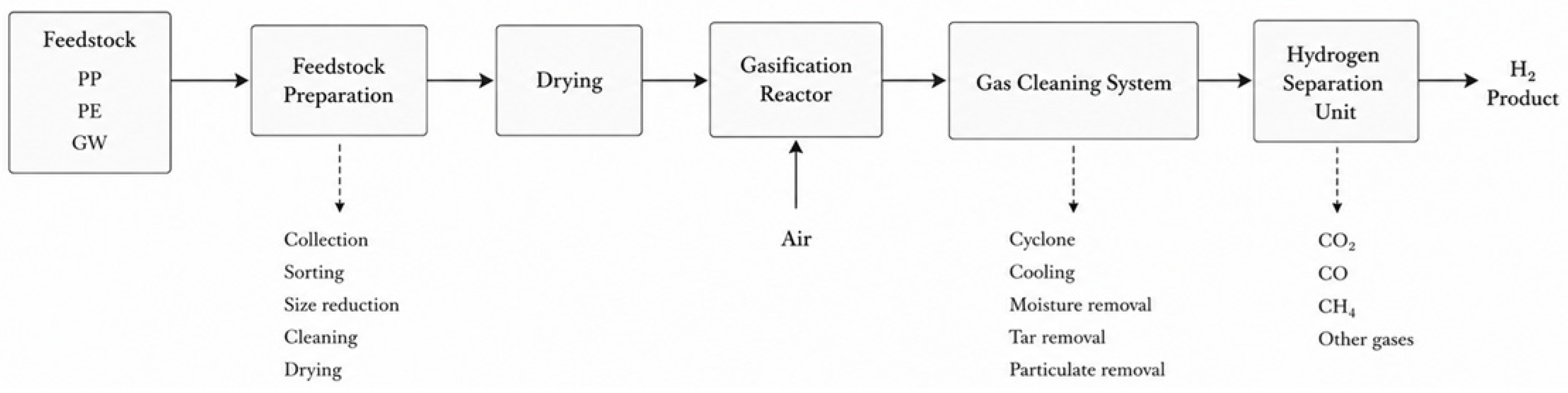
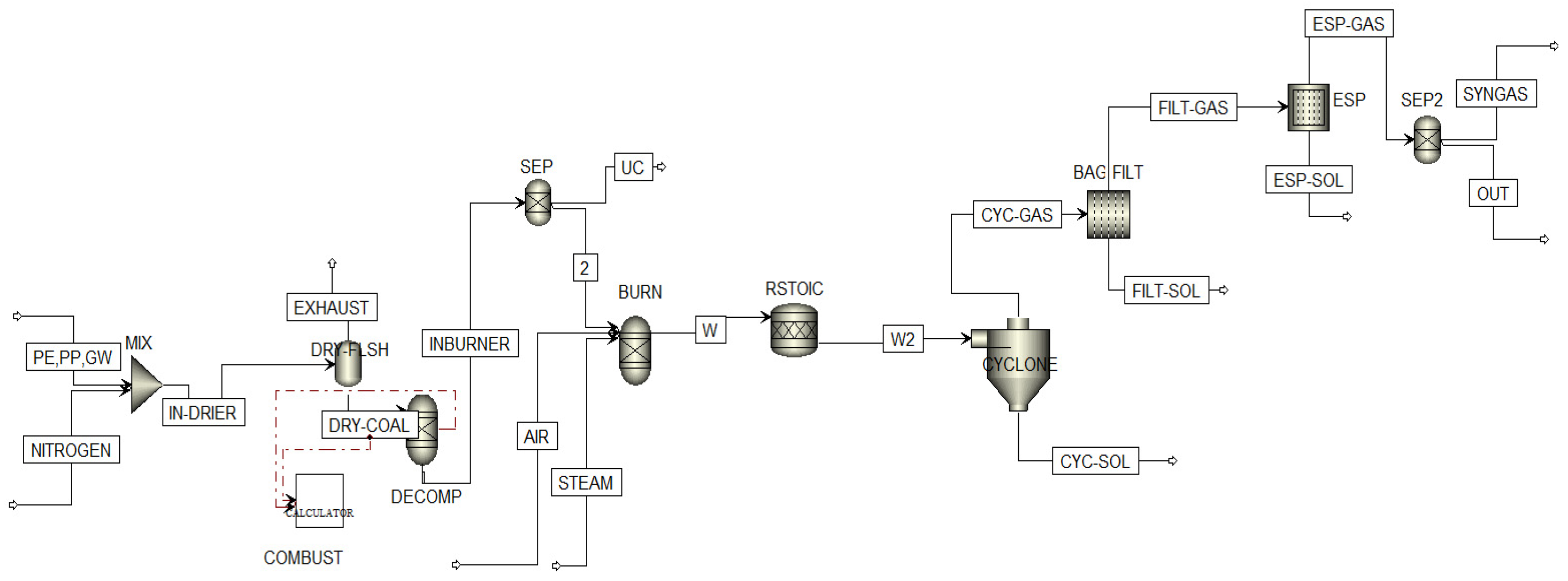
As part of model validation studies, Aspen Plus gasification models were developed for PE, PP, and GW raw materials, and the results were compared with experimental data reported in the literature. The Peng–Robinson (Soave) approach was used as the thermodynamic method in all models.
In the present study, H2 mole fraction is used specifically to describe hydrogen enrichment in the syngas, whereas syngas quality is evaluated based on the overall distribution of H2, CO, CO2, and CH4. Overall gasification performance, which requires additional metrics such as gas yield, carbon conversion, and energy efficiency, is not evaluated in the present analysis.
3.1. Validation of the Gasification Model
The developed Aspen Plus simulation model was validated using PE, PP, and GW gasification data reported in the literature [
33,
34,
35]. The calculated RMSE values were 2.25, 4.38, and 4.75, respectively. These results indicate acceptable agreement between the model predictions and the experimental data reported in the literature. These results also indicate that the developed model provides a reliable and applicable approach for predicting syngas composition.
3.2. Effect of Gasification Temperature on Syngas Composition
The PE gasification model was simulated at an operating temperature of 845 °C and an equivalence ratio (ER) of 0.20. According to the elemental analysis results, the theoretical air requirement was calculated as 16.28 kg air/kg fuel, while the actual amount of air supplied to the system was determined as 3.256 kg air/kg fuel. Comparison with the literature data showed varying degrees of agreement among the individual syngas components, with component-specific deviations observed for H
2, CO, CO
2, and CH
4, as presented in
Table 2. Furthermore, the model results indicated that heavy hydrocarbon compounds such as C
2H
4 were not formed under the investigated conditions.
The PP gasification model was evaluated at a temperature of 850 °C and an ER of 0.35. Calculations revealed a theoretical air requirement of 16.26 kg air/kg fuel, while the actual amount of air supplied to the system was calculated as 5.69 kg air/kg fuel. Model results showed good agreement with literature data regarding CO and CO2 components but revealed certain deviations in H2 and CH4 components. This is thought to be due to the stoichiometric approach not fully representing the reaction kinetics. Furthermore, like the PE model, no C2H4 formation was observed in the PP model.
The gasification model developed for GW biomass was simulated at an operating temperature of 600 °C and an ER of 0.31. Based on the elemental analysis results of the raw material (42.38% C, 5.24% H, and 35.41% O), the theoretical air requirement was calculated as 3.43 kg air/kg fuel. The actual amount of air supplied to the system varied between 1.00–1.06 kg air/kg fuel. Comparisons with literature data showed a relatively good fit for H2 and CO2 components, but more significant deviations for CO and CH4 components. These differences are considered to stem from the multi-component nature of biomass gasification and the inability of the stoichiometric approach to fully represent the complex reaction mechanisms.
Overall, it was determined that the models developed for plastic-based raw materials (PE and PP) showed higher agreement with literature data, while the biomass-based GW model exhibited higher deviations due to the heterogeneous nature of the raw material. Nevertheless, it was shown that all models yielded acceptable accuracy in predicting synthesis gas composition, and the developed Aspen Plus approach offers a reliable method for modelling gasification processes.
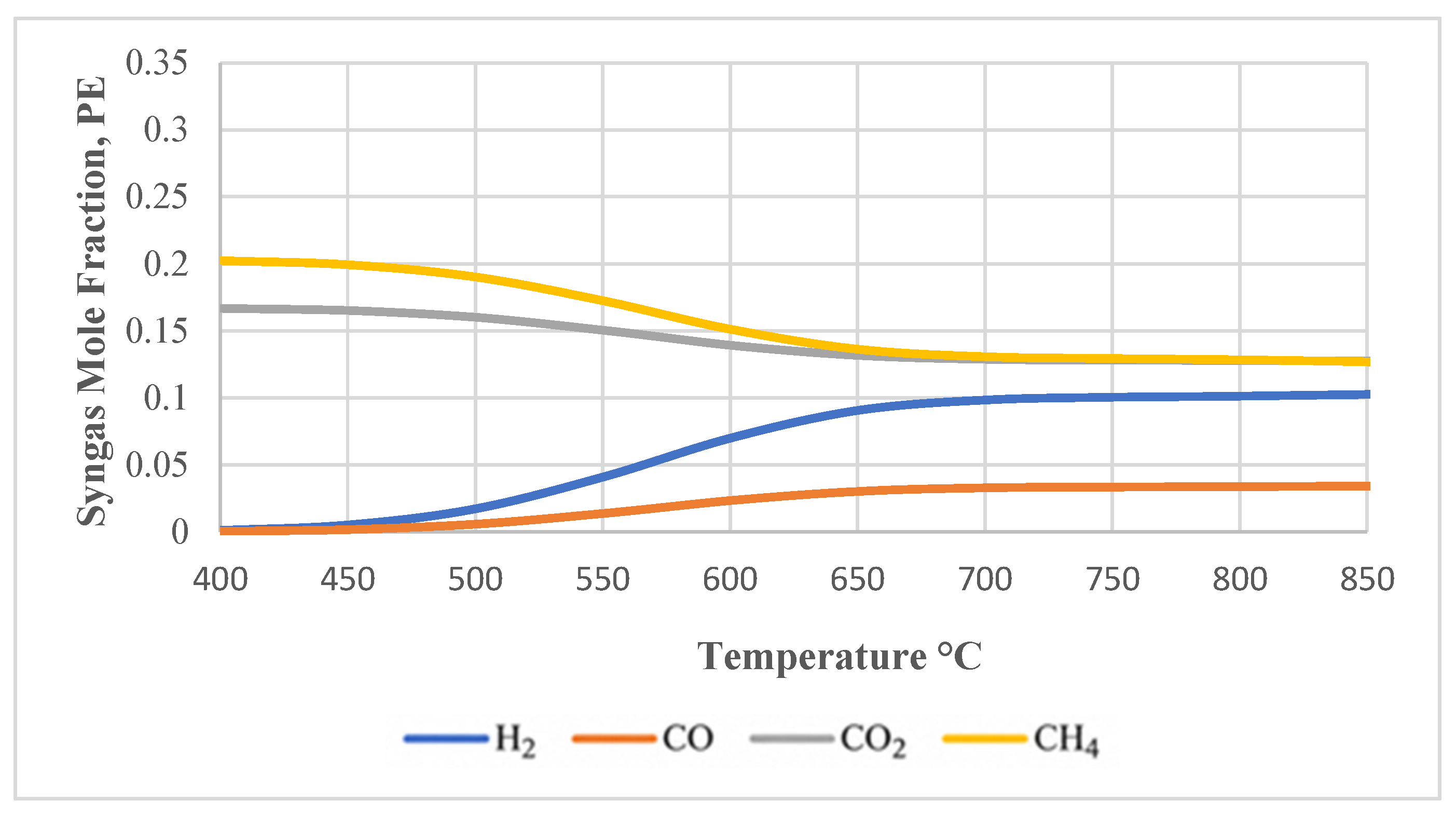
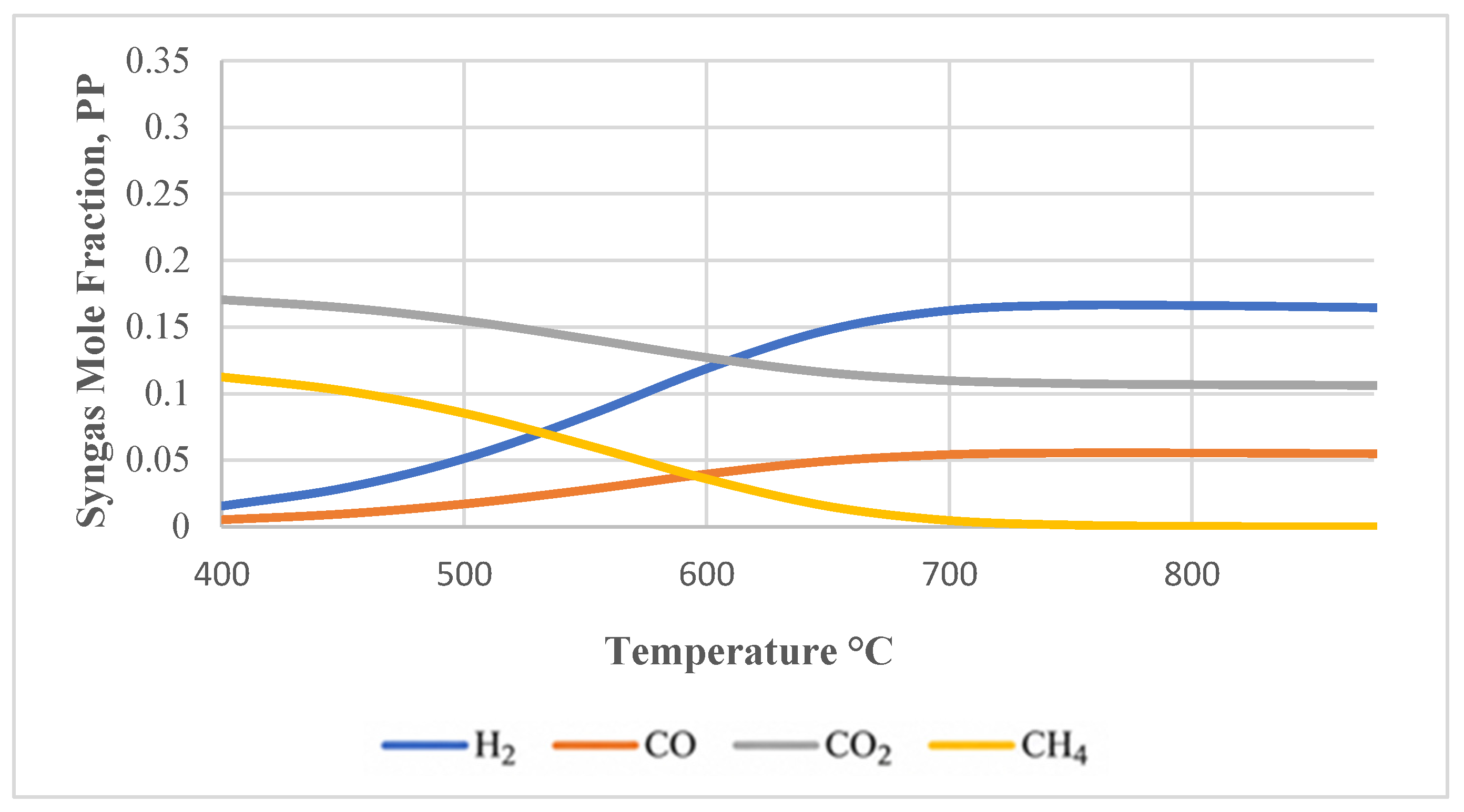
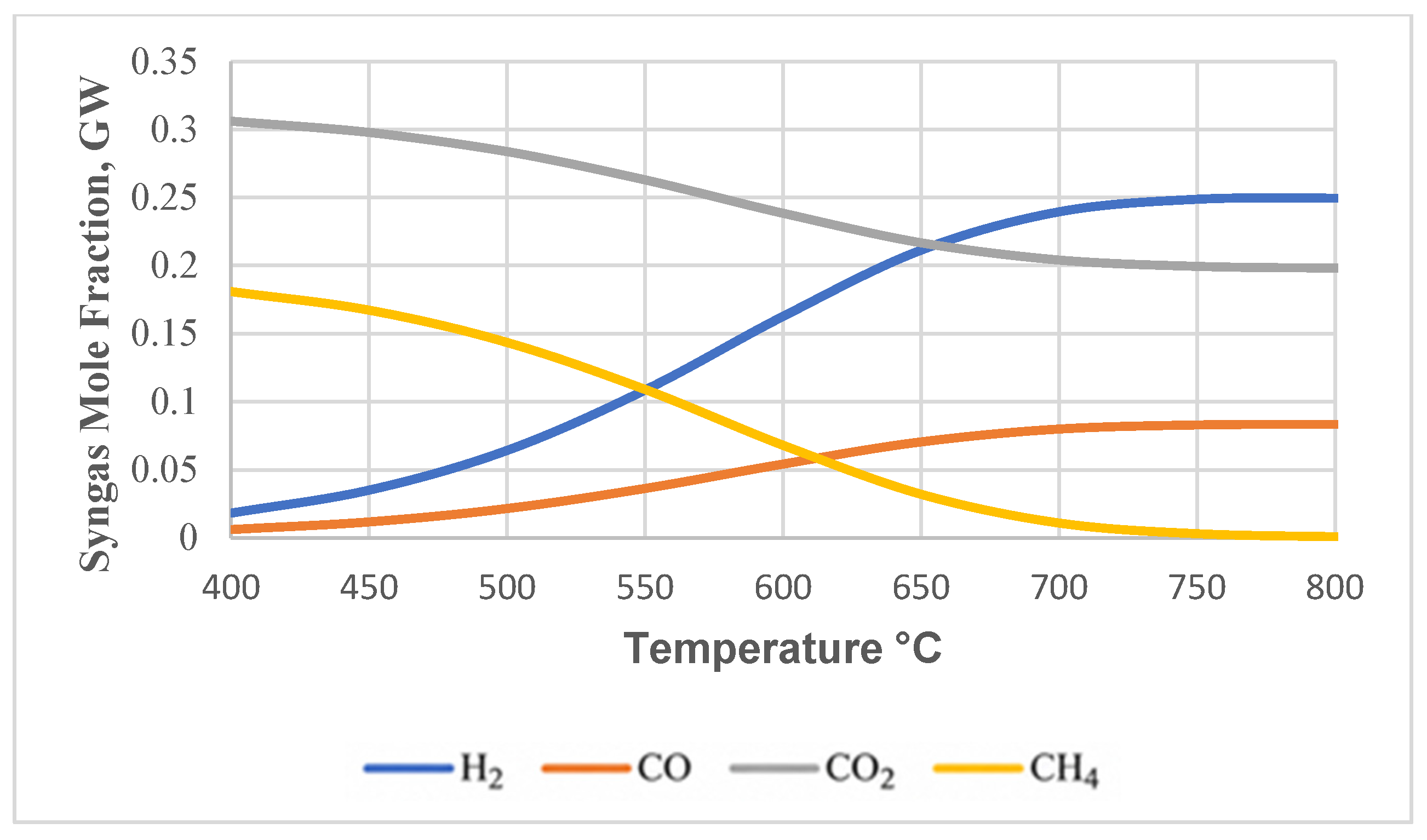
Figure 3,
Figure 4 and
Figure 5 present a comparative analysis of the effect of temperature on the synthesis gas composition for PE, PP, and GW raw materials. Since gasification temperature strongly affects the distribution of H
2, CO, CO
2, and CH
4 in the product gas and plays a decisive role in hydrogen-rich syngas production [
36], the temperature-dependent behaviour of each feedstock was comparatively evaluated.
For PE gasification, the H2 and CO mole fractions increased with increasing temperature, whereas CO2 and CH4 decreased. The increase in H2 concentration was particularly pronounced between 550 and 700 °C. This trend can be attributed to the greater thermodynamic favorability of endothermic reforming and gasification reactions at higher temperatures. The decrease in CH4 indicates enhanced methane conversion, while the CO2 reduction is consistent with the increasing contribution of CO2-consuming reactions, including the Boudouard reaction.
Similarly, in the PP gasification model, the H2 mole fraction increased markedly up to around 750 °C and then remained nearly constant at higher temperatures. The CO mole fraction also increased gradually, while CH4 decreased sharply and approached negligible levels above approximately 700 °C. These trends are consistent with the greater thermodynamic favorability of cracking, reforming, and gasification reactions at higher temperatures. The decrease in CO2 concentration further indicates a shift in the equilibrium product distribution toward CO and H2 formation.
The GW gasification results showed different behavior compared with those of the other raw materials. While H2 and CO concentrations increased with increasing temperature, CO2 and CH4 levels decreased. However, due to the high oxygen content of the biomass-based raw material, the CO2 concentration remained at higher levels compared to other raw materials. Furthermore, it is noteworthy that the temperature-dependent changes in GW gasification were more balanced. This is due to the multi-component and heterogeneous structure of biomass.
Overall, temperature increase positively affected synthesis gas quality in all raw materials. The increased formation of H2 and CO at high temperatures, coupled with a decrease in the amounts of CO2 and CH4, indicates that gasification reactions occur more efficiently. Among the individual feedstocks, GW exhibited a higher H2 mole fraction than PE and PP. Increasing temperature enhanced the H2 and CO fractions while reducing CH4 and CO2, confirming the strong influence of temperature on syngas composition. Although the plastic feedstocks produced lower H2 fractions than GW, they exhibited lower CO2 mole fractions at elevated temperatures, indicating reduced CO2 dilution of the product gas.
3.3. Simulation Conditions
The PP + GW, PE + GW, and PP + PE + GW co-gasification models were simulated under air-blown conditions at ER values of 0.33, 0.25, and 0.286, respectively. The PP + GW and PE + GW systems were operated at 725 °C, while the ternary PP + PE + GW system was also simulated at 750 °C. The stoichiometric air requirements were calculated as 8.81, 8.67, and 10.944 kg air/kg fuel for PP + GW, PE + GW, and PP + PE + GW, respectively. Based on the selected ER values, the corresponding actual air supplies were 2.9065, 2.1675, and 3.13 kg air/kg fuel, respectively. The selected operating conditions and the corresponding dry syngas compositions obtained from the simulations are summarized in
Table 3.
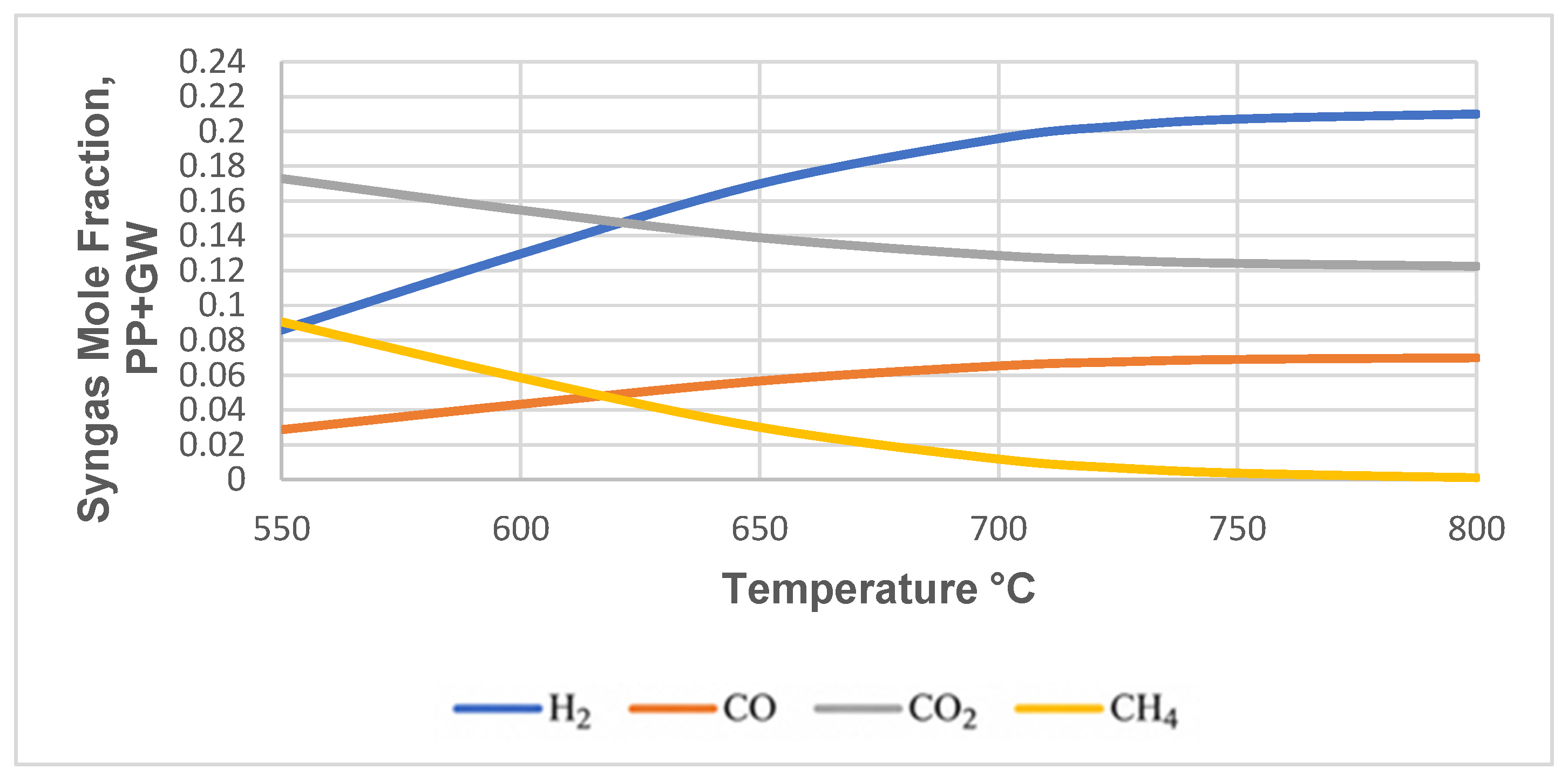
Figure 6 shows the effect of temperature on syngas composition during the co-gasification of a PP + GW blend with a PP and GW mass ratio of 1:1 on a dry basis. As the temperature increased from 550 to 800 °C, the concentrations of H
2 and CO increased markedly, whereas CO
2 and CH
4 continuously decreased. The enhancement of H
2 and CO production is attributed to the promotion of endothermic reactions, including steam reforming, dry reforming, methane cracking, and char gasification, at elevated temperatures. Simultaneously, the decline in CO
2 concentration indicates the increasing contribution of the Boudouard reaction, while the near-complete disappearance of CH
4 at higher temperatures confirms the intensified conversion of hydrocarbons into permanent gas species. Compared with biomass gasification alone, the incorporation of PP improved the overall syngas quality mainly by reducing CO
2 and CH
4 concentrations. This improvement can be attributed to the carbon- and hydrogen-rich structure and lower oxygen content of PP, which reduced the effective oxygen content of the feedstock mixture. Although GW exhibited the highest H
2 mole fraction in the temperature analysis, PP + GW co-gasification provided a cleaner syngas composition with lower CO
2 and almost negligible CH
4 formation at high temperatures. These findings demonstrate favorable syngas characteristics for the PP + GW system under the investigated conditions, particularly in terms of lower CO
2 and CH
4 mole fractions, and highlight the potential of plastic–biomass co-gasification for producing high-quality syngas from heterogeneous waste resources.
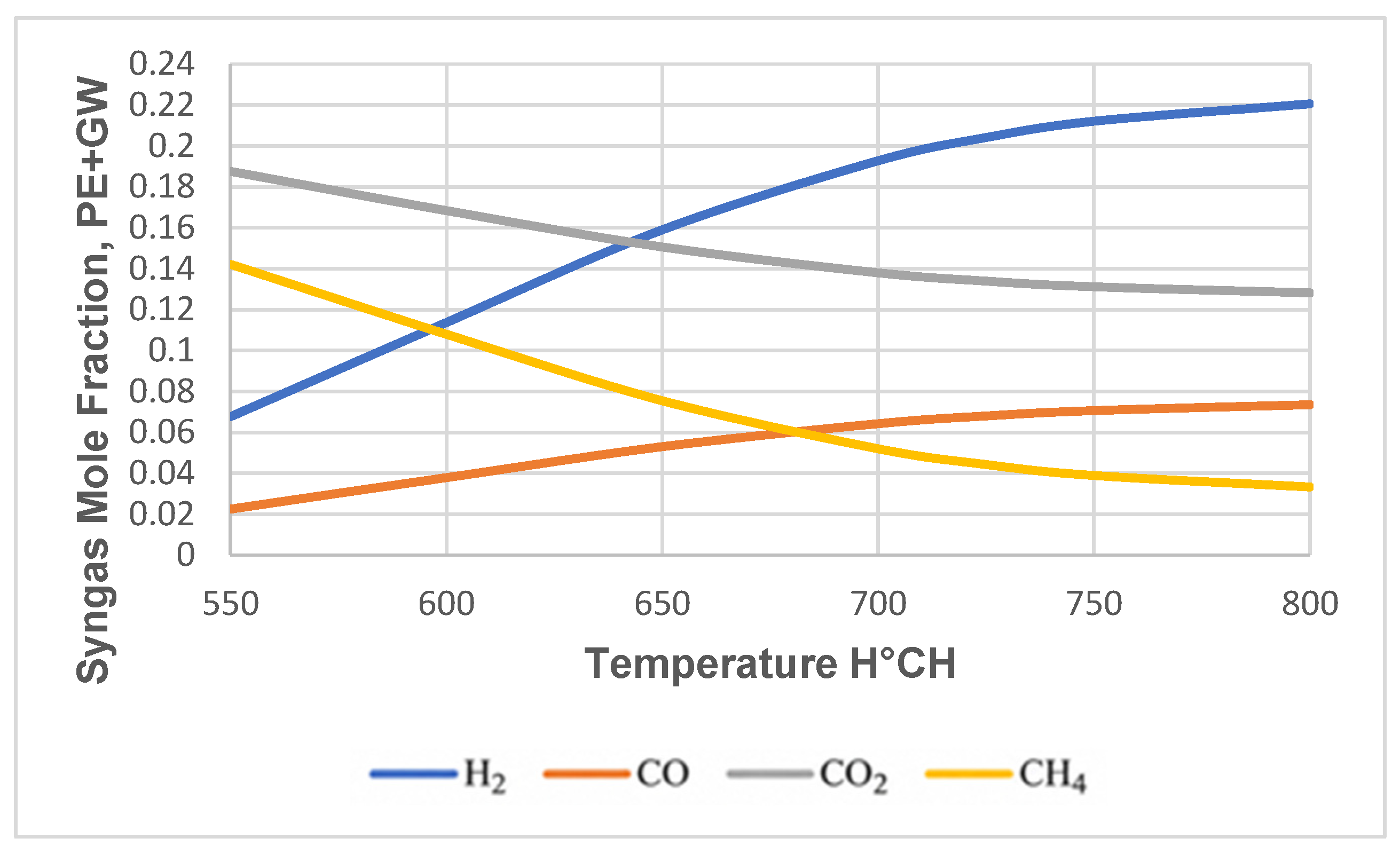
Figure 7 shows the effect of temperature on the syngas composition during the co-gasification of a PE + GW blend with a PE and GW mass ratio of 1:1 on a dry basis. As the temperature increased from 550 to 800 °C, the concentrations of H
2 and CO continuously increased, whereas CO
2 and CH
4 concentrations gradually decreased. The enhancement of H
2 and CO production can be attributed to the promotion of endothermic reactions, including steam reforming, methane cracking, and char gasification, at elevated temperatures. Conversely, the reductions in CH
4 and CO
2 indicate the intensified conversion of hydrocarbons and carbonaceous intermediates into permanent gaseous products. In particular, the decline in CH
4 concentration suggests the increased effectiveness of reforming reactions, although a certain amount of methane remained in the product gas at high temperatures. Overall, PE + GW co-gasification improved the combustible gas fraction and contributed to the production of hydrogen-rich syngas at elevated temperatures.
A comparison of the two binary blends indicates that PE and PP played different roles in modifying the syngas composition. The PE + GW blend achieved a slightly higher H2 mole fraction than PP + GW at elevated temperatures, indicating that PE contributed more strongly to hydrogen enrichment. In contrast, PP + GW exhibited almost complete CH4 conversion and a slightly lower CO2 fraction, suggesting that PP was more effective in suppressing residual hydrocarbons and reducing CO2 dilution. Therefore, PE primarily favored H2 enrichment, whereas PP promoted a cleaner syngas composition with negligible CH4 formation.
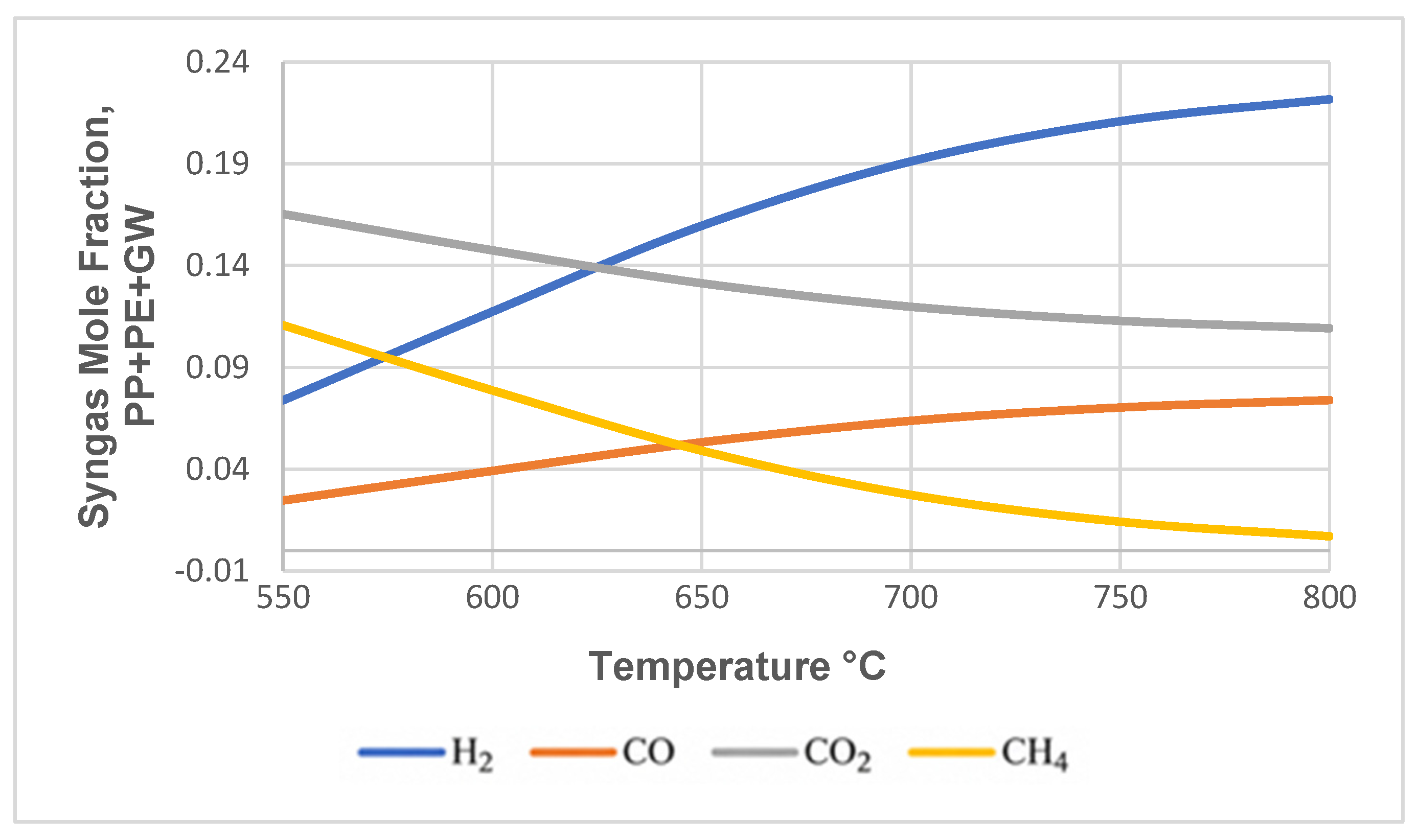
Figure 8 depicts the temperature-dependent evolution of the syngas composition during the co-gasification of a ternary PP + PE + GW blend, in which PP, PE, and GW were mixed at an equal dry mass ratio of 1:1:1. As the temperature increased from 550 to 800 °C, the H
2 and CO mole fractions increased continuously, whereas the concentrations of CO
2 and CH
4 decreased. The H
2 mole fraction increased from approximately 0.074 at 550 °C to 0.222 at 800 °C, while the increase became less pronounced above 750 °C, indicating that the gas composition was approaching a high-temperature equilibrium state. The simultaneous increase in H
2 and CO is consistent with the greater thermodynamic favourability of endothermic gasification, steam-reforming, and hydrocarbon-cracking reactions at elevated temperatures. In contrast, the marked decrease in CH
4 indicates the progressive conversion of methane and other hydrocarbon intermediates into permanent gaseous products. The reduction in CO
2 may also be associated with the enhanced participation of CO
2-consuming gasification and reforming pathways, resulting in increased CO formation. Notably, CH
4 was reduced to a nearly negligible level at 800 °C, demonstrating that the conversion of hydrocarbon species was substantially enhanced under high-temperature conditions. Overall, increasing the gasification temperature shifted the product distribution toward a syngas richer in H
2 and CO, thereby improving the combustible-gas fraction of the PP + PE + GW system.
The ternary PP + PE + GW blend combined the favorable characteristics of the two binary mixtures, achieving the highest H2 mole fraction and the lowest CO2 fraction among the blended systems while maintaining an almost negligible CH4 concentration. Compared with PE + GW, the ternary blend markedly reduced residual CH4, whereas relative to PP + GW, it provided greater H2 enrichment and lower CO2 dilution. However, its residual CH4 fraction remained slightly higher than that of PP + GW.
Compared with GW gasification alone, the PE + GW blend did not exhibit a higher H
2 mole fraction; however, the incorporation of PE improved the overall syngas composition. Owing to the high carbon and hydrogen contents and low oxygen content of PE, the CO
2 fraction decreased while the CO fraction increased. These results indicate that the addition of PE can favorably modify the syngas composition during co-gasification with GW. This finding is consistent with the experimental study of Ahmed et al. [
37], who reported enhanced syngas yield and apparent thermal efficiency during the steam co-gasification of PE and woodchips.
A comparison of the co-gasification systems showed that PP and PE affected the syngas composition differently when blended with GW. Although both plastics improved the combustible-gas characteristics of the syngas, PP + GW resulted in lower CO2 and especially lower CH4 concentrations at high temperatures. This suggests more effective conversion of hydrocarbons in the PP + GW system. In contrast, PE + GW maintained a comparable H2 mole fraction and slightly higher CO formation but was less effective in reducing residual CH4. Overall, PP + GW produced a syngas with lower CO2 and CH4 contents, whereas PE + GW provided slightly greater hydrogen enrichment under some operating conditions.
Compared with the gasification of GW alone, the simultaneous incorporation of PP and PE did not increase the maximum H2 mole fraction; however, it substantially reduced the CO2 fraction and maintained CH4 at an almost negligible level at elevated temperatures. The CO fraction was also slightly lower than that obtained from GW alone. Among the blended systems, the ternary PP + PE + GW mixture exhibited the highest H2 mole fraction and the lowest CO2 fraction, while preserving a low residual CH4 concentration. These results indicate that the combined addition of PP and PE provided a more balanced and less CO2-dominated syngas composition than the binary blends, suggesting complementary effects of the two plastics during co-gasification with GW.
3.4. Effect of Temperature on H2 Mole Fraction for Different Gasification Scenarios
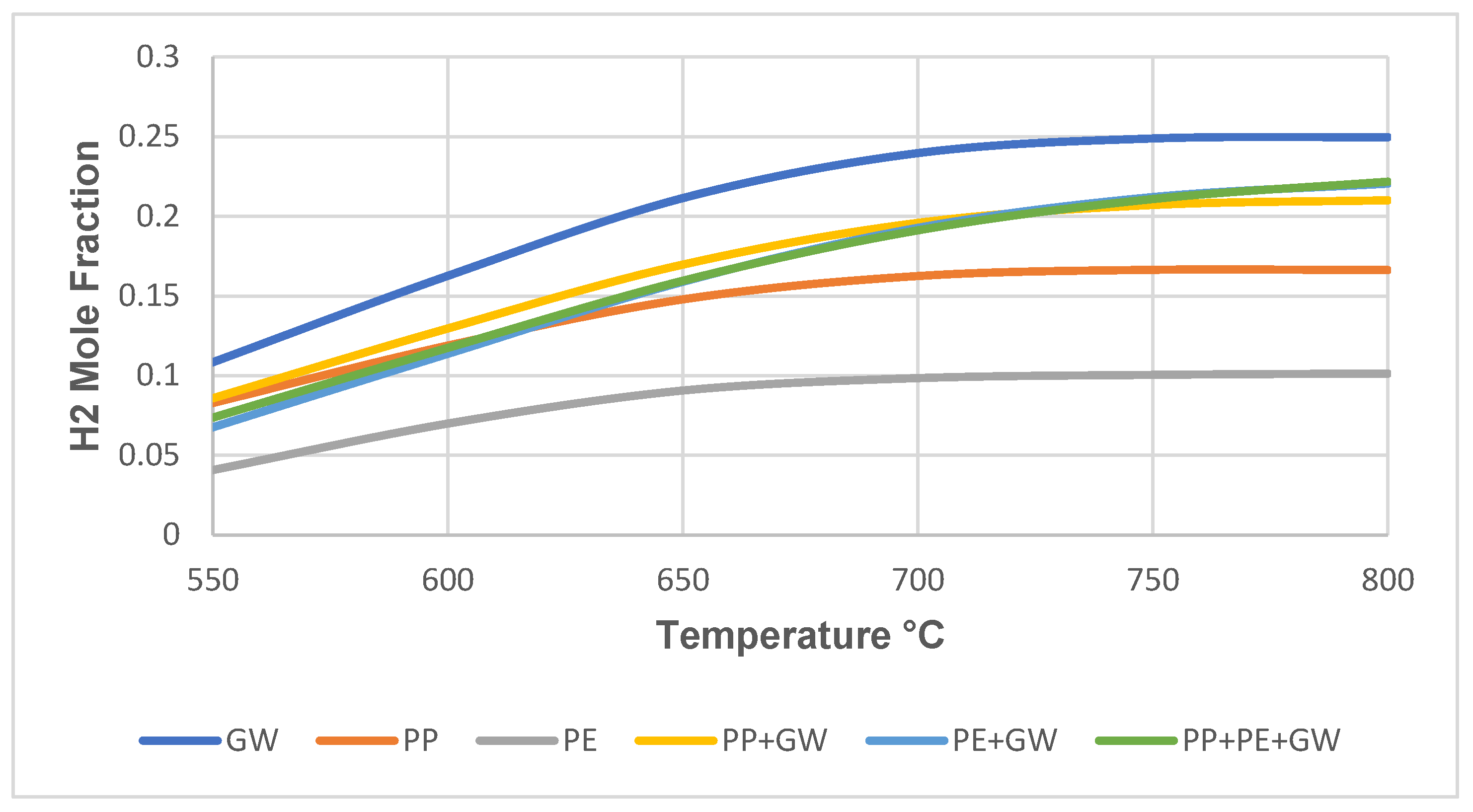
Figure 9 compares the effect of temperature on the H
2 mole fraction for the individual feedstocks and the investigated co-gasification blends. The H
2 mole fraction increased with increasing temperature in all cases, although the rate of increase gradually diminished toward 800 °C. Among all investigated systems, GW consistently exhibited the highest H
2 mole fraction over the entire temperature range. Among the co-gasification blends, PP + GW showed the highest H
2 mole fraction between 550 and 700 °C, increasing from 0.0859 at 550 °C to 0.1958 at 700 °C. At 750 °C, PE + GW marginally exhibited the highest H
2 mole fraction among the blends, reaching 0.2120, compared with 0.2108 for PP + PE + GW and 0.2071 for PP + GW. At 800 °C, however, the ternary PP + PE + GW blend reached the highest H
2 mole fraction among the mixtures, with a value of 0.222, slightly higher than PE + GW at 0.2205 and PP + GW at 0.208.
These results demonstrate that the relative performance of the co-gasification blends was strongly dependent on temperature. PP + GW was more favorable at lower and intermediate temperatures, whereas the PE-containing blends became increasingly competitive at higher temperatures. In particular, the ternary PP + PE + GW mixture exhibited the highest H2 mole fraction among the blends at 800 °C. Nevertheless, GW alone consistently exhibited the highest predicted H2 concentration throughout the investigated temperature range. This behaviour may be partly associated with the comparatively higher inherent oxygen content of GW than that of PP and PE, which modifies the feedstock O/C ratio and consequently influences the equilibrium distribution of gaseous species under the selected gasification conditions. However, the superior H2 performance of GW should not be attributed to its oxygen content alone, since the RGIBBS model determines the product composition based on the complete elemental balance and Gibbs free-energy minimization. Therefore, the higher H2 concentration predicted for GW is more appropriately interpreted as the combined effect of its overall elemental composition and operating temperature, with its inherent oxygen content acting as one contributing factor. Overall, the results confirm that both temperature and feedstock composition play critical roles in determining the H2 concentration of the produced syngas.
3.5. Comparative Effect of Equivalence Ratio on H2 Mole Fraction
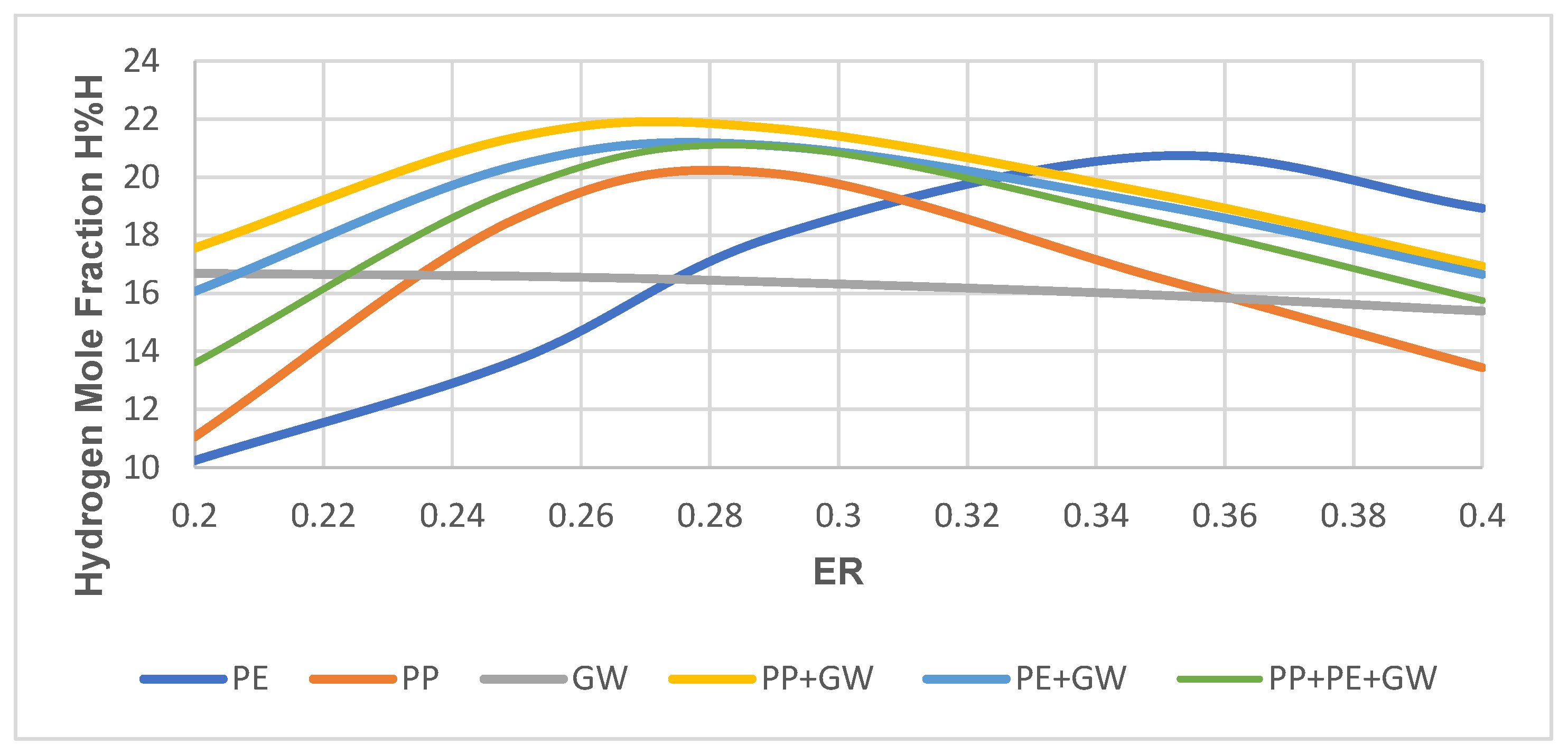
Figure 10 presents the effect of the equivalence ratio on the H
2 mole fraction for different feedstocks and co-gasification blends. For the plastic-containing systems, the H
2 mole fraction generally increased with increasing ER up to an optimum value and then gradually decreased. At low ER values, limited oxygen availability may restrict the extent of gasification reactions, whereas moderate ER values favor conditions that increase the H
2 fraction in the product gas. At higher ER values, the additional oxygen promotes oxidation of combustible species such as H
2 and CO, resulting in a decrease in the H
2 mole fraction. In contrast, GW exhibited a relatively stable and slightly decreasing H
2 mole fraction over the investigated ER range, indicating a different response to ER variation.
Maximum H2 mole fractions were obtained for the PP + GW, PE + GW, and PP + PE + GW co-gasification systems at equivalence ratios of approximately 0.27, 0.28, and 0.28, respectively. Among the investigated blends, PP + GW exhibited the highest peak H2 mole fraction, whereas the maximum value obtained for the ternary PP + PE + GW blend was comparable to that of PE + GW. Although pure GW maintained a relatively stable H2 mole fraction over the investigated ER range, the incorporation of PP and PE modified the overall C–H–O balance and the equilibrium distribution of the gaseous products, enabling higher H2 mole fractions to be achieved near the optimum ER. Since the RGIBBS model determines the product composition through Gibbs free-energy minimization, these differences reflect the combined effects of feedstock elemental composition and operating conditions. The comparatively high carbon and hydrogen contents of PP and PE complemented the oxygen-containing composition of GW and contributed to a syngas with a higher combustible-gas fraction. When evaluated together with the temperature-dependent results, all three plastic–biomass blends exhibited increasing H2 and CO mole fractions and decreasing CO2 and CH4 mole fractions as temperature increased. In particular, the PP + PE + GW blend achieved the highest H2 mole fraction among the co-gasification mixtures at 800 °C, while its CH4 mole fraction decreased to an almost negligible level. Overall, the results show that the ternary PP + PE + GW mixture provides competitive H2 enrichment and that feedstock composition, temperature, and ER should be considered together when evaluating hydrogen-rich syngas production.
3.6. Optimal Gasification Conditions and Corresponding Maximum Hydrogen Concentrations
Table 4 presents the optimum temperature conditions and the corresponding maximum H
2 mole fractions obtained for the individual and blended feedstocks. Among the pure feedstocks, GW exhibited the highest H
2 mole fraction, reaching 0.250 at 750 °C, whereas PE and PP showed lower maximum values of 0.1024 and 0.1652, respectively. Among the blended systems, PP + PE + GW achieved the highest H
2 mole fraction of 0.222 at 800 °C, followed closely by PE + GW with 0.2205 at 800 °C and PP + GW with 0.208 at 800 °C. These results indicate that blending plastic waste with GW increases the H
2 mole fraction compared with the gasification of the individual plastic feedstocks; however, GW alone exhibited the highest H
2 mole fraction under the investigated temperature conditions.
The higher H2 mole fraction obtained from GW can be associated with the oxygenated structure of biomass, which may promote hydrogen formation through water–gas and reforming-related reactions under the investigated temperature range. Nevertheless, the relatively high oxygen content of GW also contributes to higher CO2 formation, which may limit the overall fuel quality of the produced syngas. In contrast, the addition of PE and PP introduced carbon- and hydrogen-rich compounds with lower oxygen content into the feedstock mixture. This compositional balance reduced CO2 formation and improved the combustible gas characteristics of the syngas, even though the maximum H2 mole fraction remained lower than that of GW alone.
It is also noteworthy that the optimum temperature shifted from 750 °C for the pure feedstocks to around 800 °C for the blended systems. This shift suggests that plastic–biomass mixtures require slightly higher temperatures to enhance thermal cracking, reforming, and conversion of hydrocarbon intermediates into permanent gases. Therefore, the optimum gasification temperature should not be evaluated only on the basis of maximum H2 concentration, but also in terms of overall syngas quality, CO2 reduction, CH4 suppression, and combustible gas formation. From this perspective, plastic–biomass co-gasification provides a more balanced strategy for simultaneously improving waste valorization and syngas quality.
Table 5 summarizes the optimum equivalence ratio values and the corresponding maximum H
2 mole fractions for the individual and blended feedstocks. Among all investigated cases, the PP + GW blend exhibited the highest H
2 mole fraction, reaching 0.218 at an optimum ER of 0.27. This was followed by the PE + GW blend with a maximum H
2 mole fraction of 0.212 at ER = 0.28 and the ternary PP + PE + GW blend with 0.211 at ER = 0.28. For the individual feedstocks, PE and PP reached maximum H
2 mole fractions of 0.207 and 0.202 at ER values of 0.35 and 0.28, respectively, whereas GW showed the lowest maximum H
2 mole fraction of 0.167 at ER = 0.20. These results indicate that plastic-assisted co-gasification can increase the H
2 mole fraction compared with GW gasification alone, with the optimum ER for the blended systems generally occurring within the range of 0.27–0.28.
The higher H2 concentrations obtained for the blended systems can be attributed to the complementary characteristics of plastics and biomass. The carbon- and hydrogen-rich structure of PE and PP supports the formation of combustible gases, while the oxygen-containing structure of GW contributes to gasification and reforming reactions. At moderate ER values, partial oxidation provides sufficient heat for endothermic gasification reactions without causing excessive oxidation of H2 and CO. However, at higher ER values, the increased oxygen supply promotes the combustion of combustible gas species, leading to a reduction in hydrogen concentration. Therefore, the optimum ER values obtained for PP + GW and PE + GW indicate that plastic–biomass co-gasification requires carefully controlled air supply to maximize the H2 mole fraction and improve syngas quality.