Article

Physics-Regularized Hybrid Learning Framework for Fault Location and Classification in Aging Underground Distribution Networks


by
Alexander Aguila Téllez
1,*,
Francisco Jurado
2,
Manuel Jaramillo
1 and
Pengda Liu
3
1
Department of Electrical Engineering, Universidad Politécnica Salesiana, Quito EC 170146, Ecuador
2
Department of Electrical Engineering, University of Jaen, ES 23700 Linares, Spain
3
International Science and Technology Cooperation Base of Intelligent Manufacturing Service, Chongqing Technology and Business University, Chongqing 400072, China
*
Author to whom correspondence should be addressed.
Energies 2026, 19(15), 3567; https://doi.org/10.3390/en19153567
Submission received: 17 June 2026 / Revised: 23 July 2026 / Accepted: 27 July 2026 / Published: 29 July 2026
(This article belongs to the Section F1: Electrical Power System)

Abstract

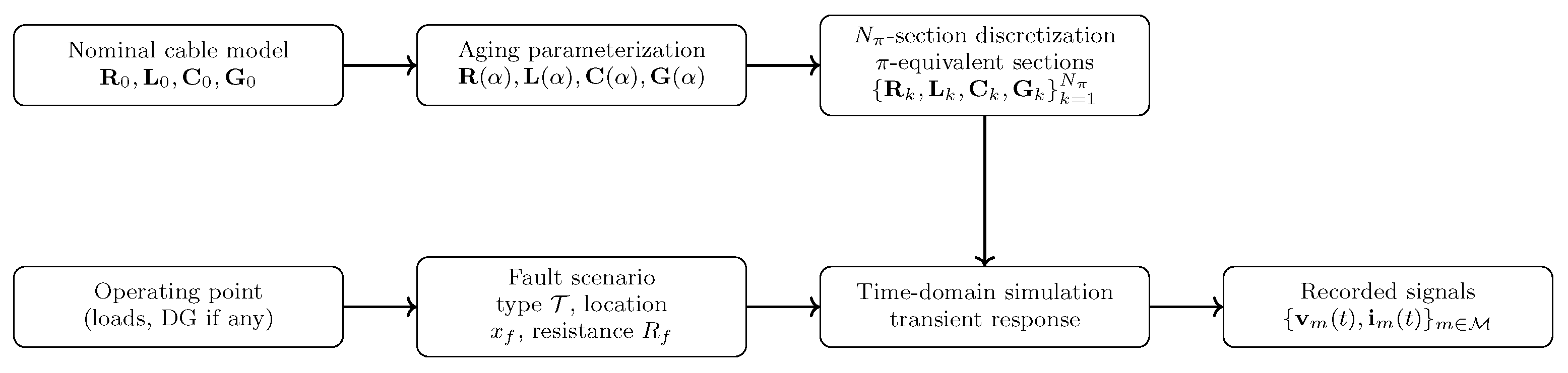
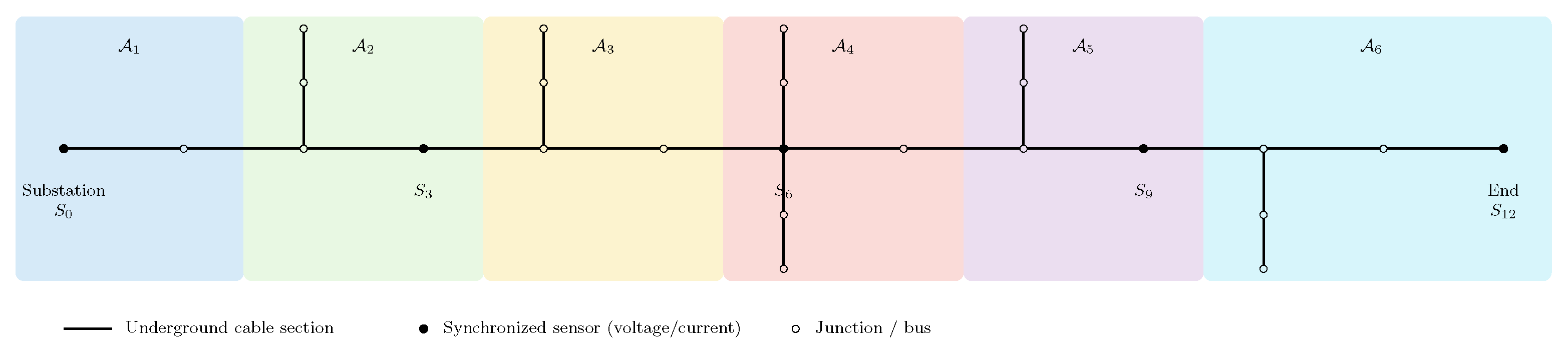
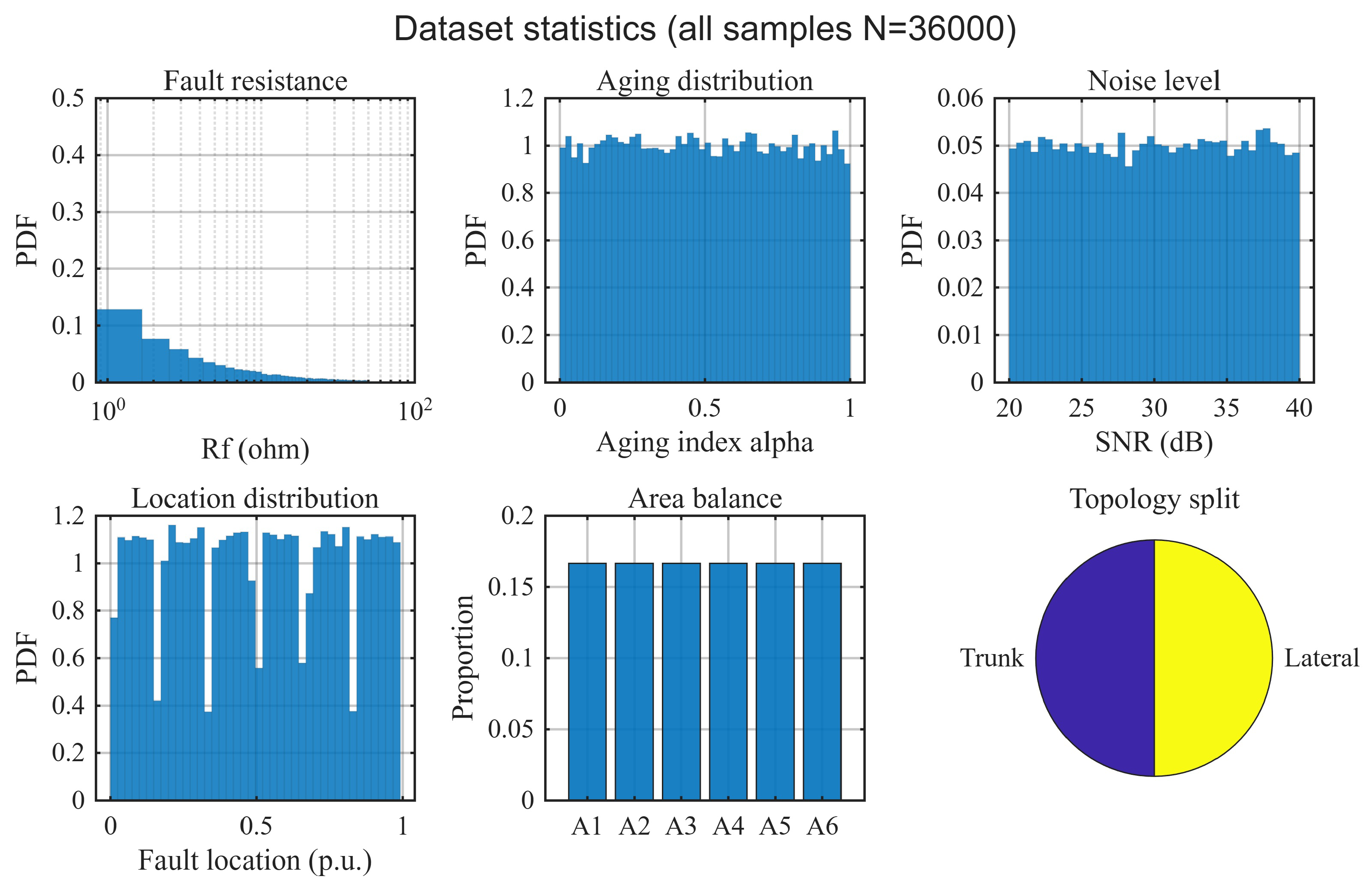
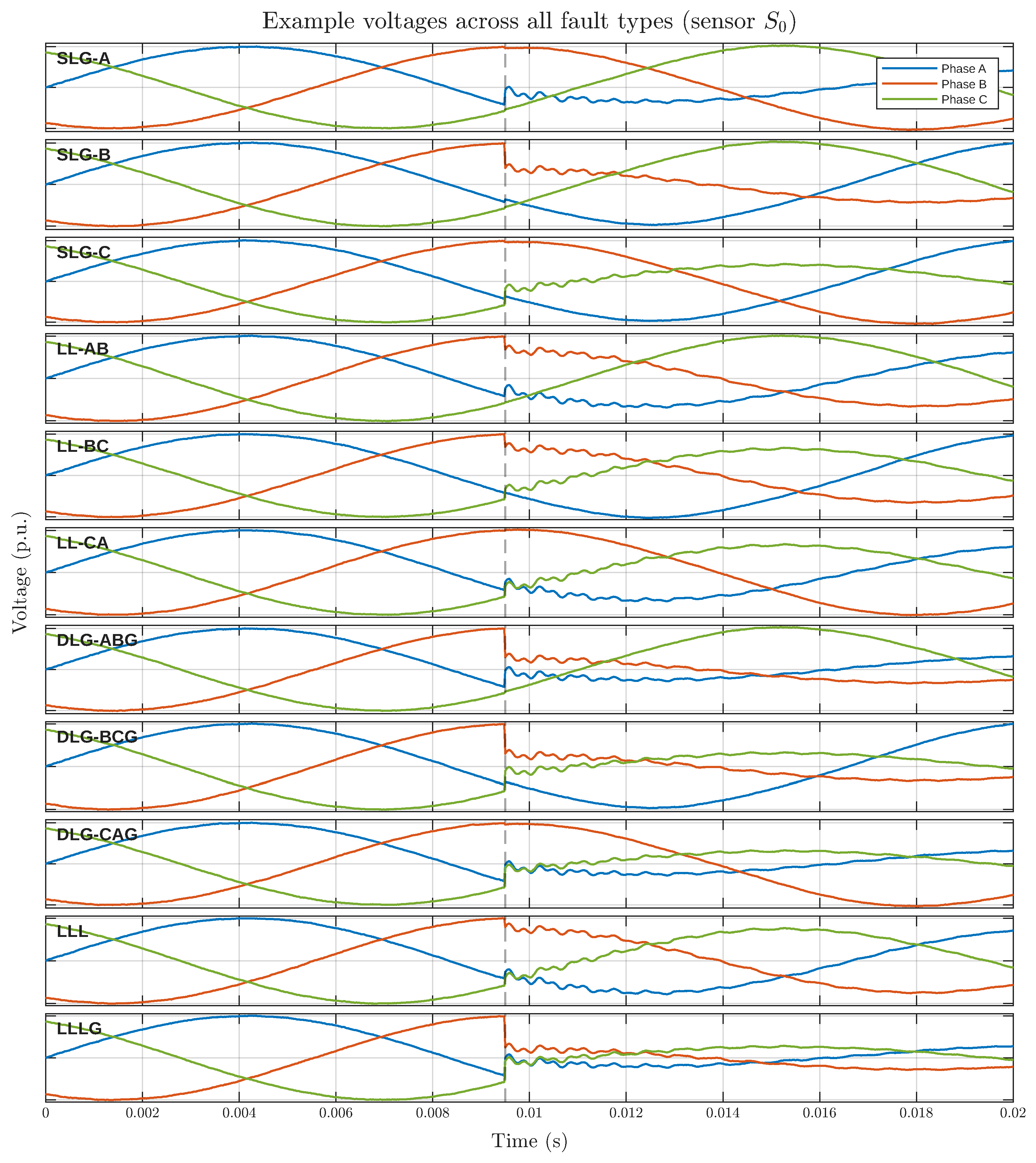
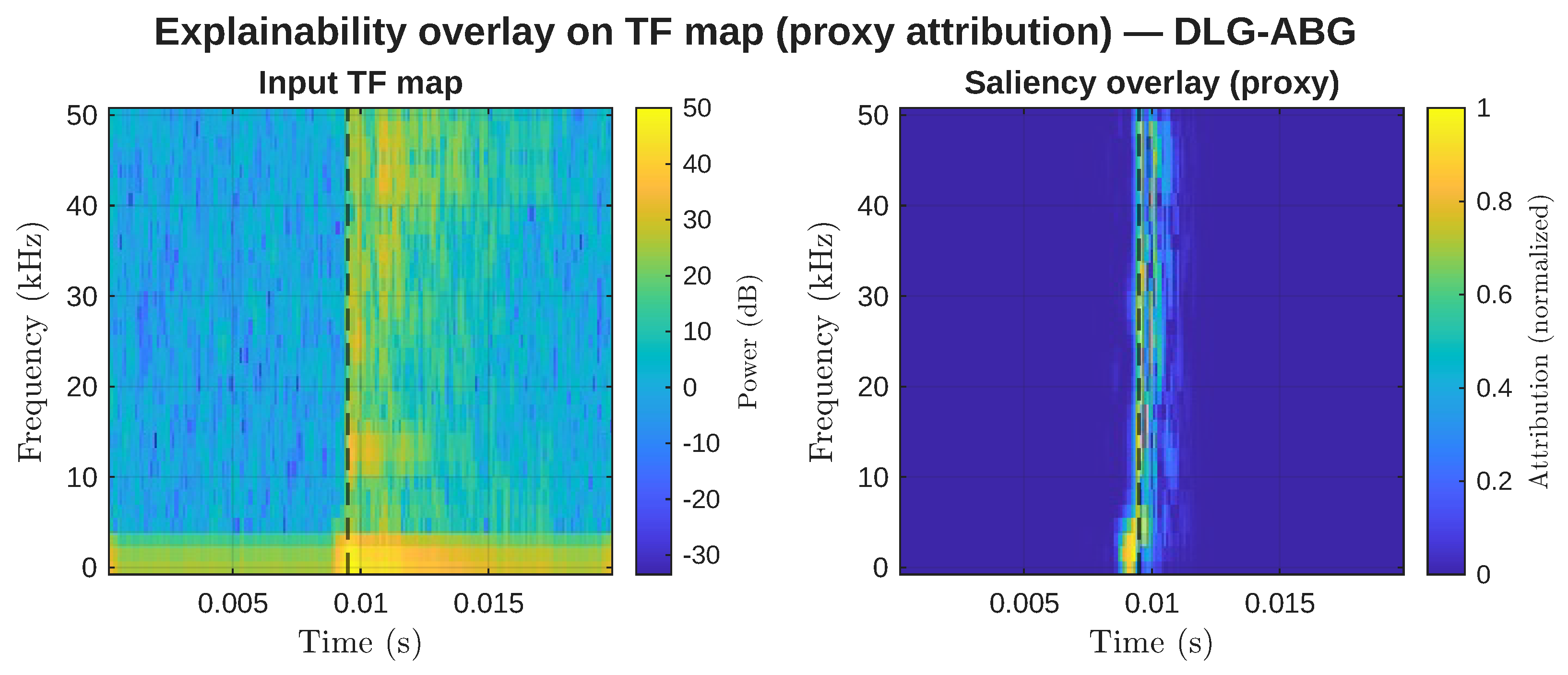
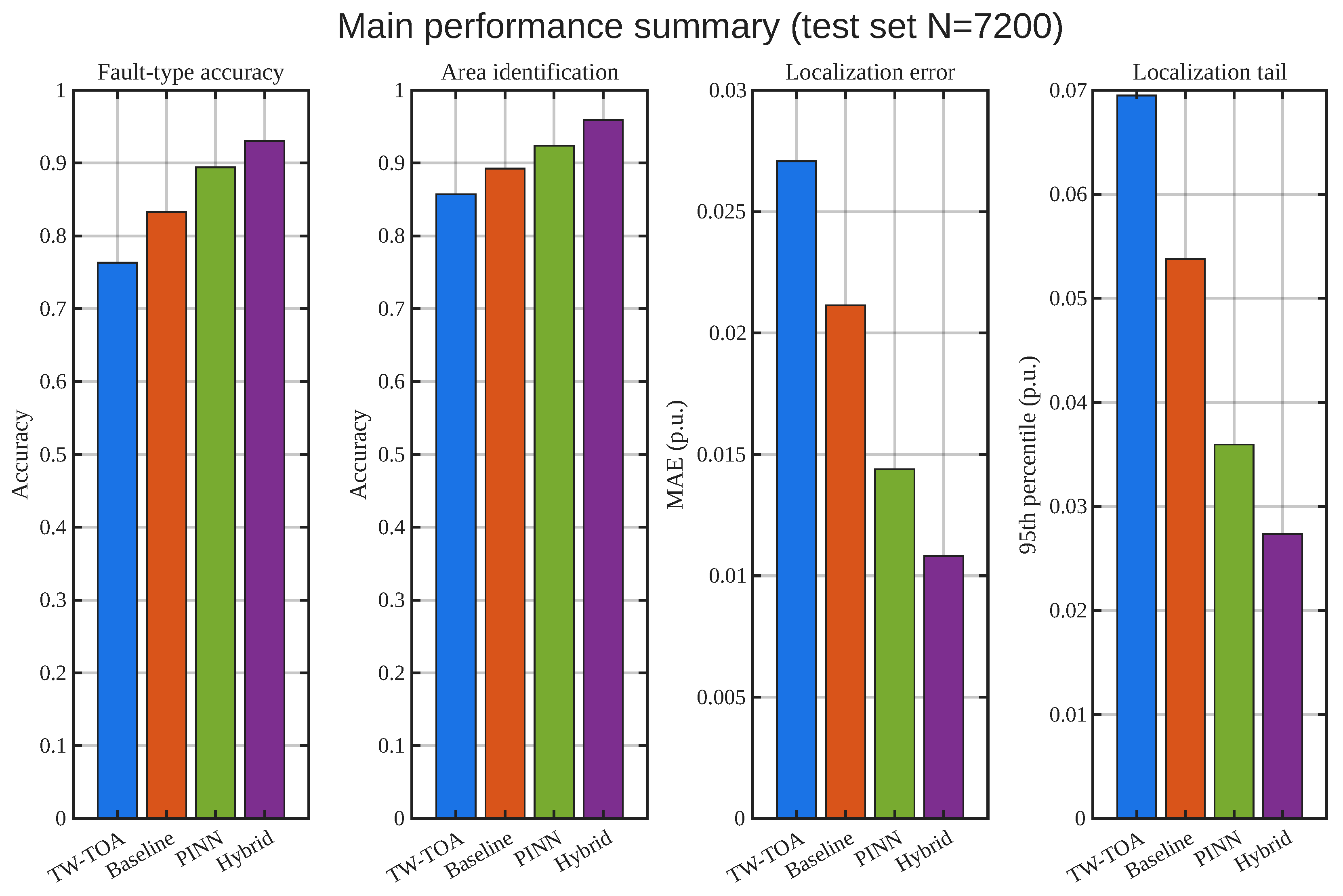
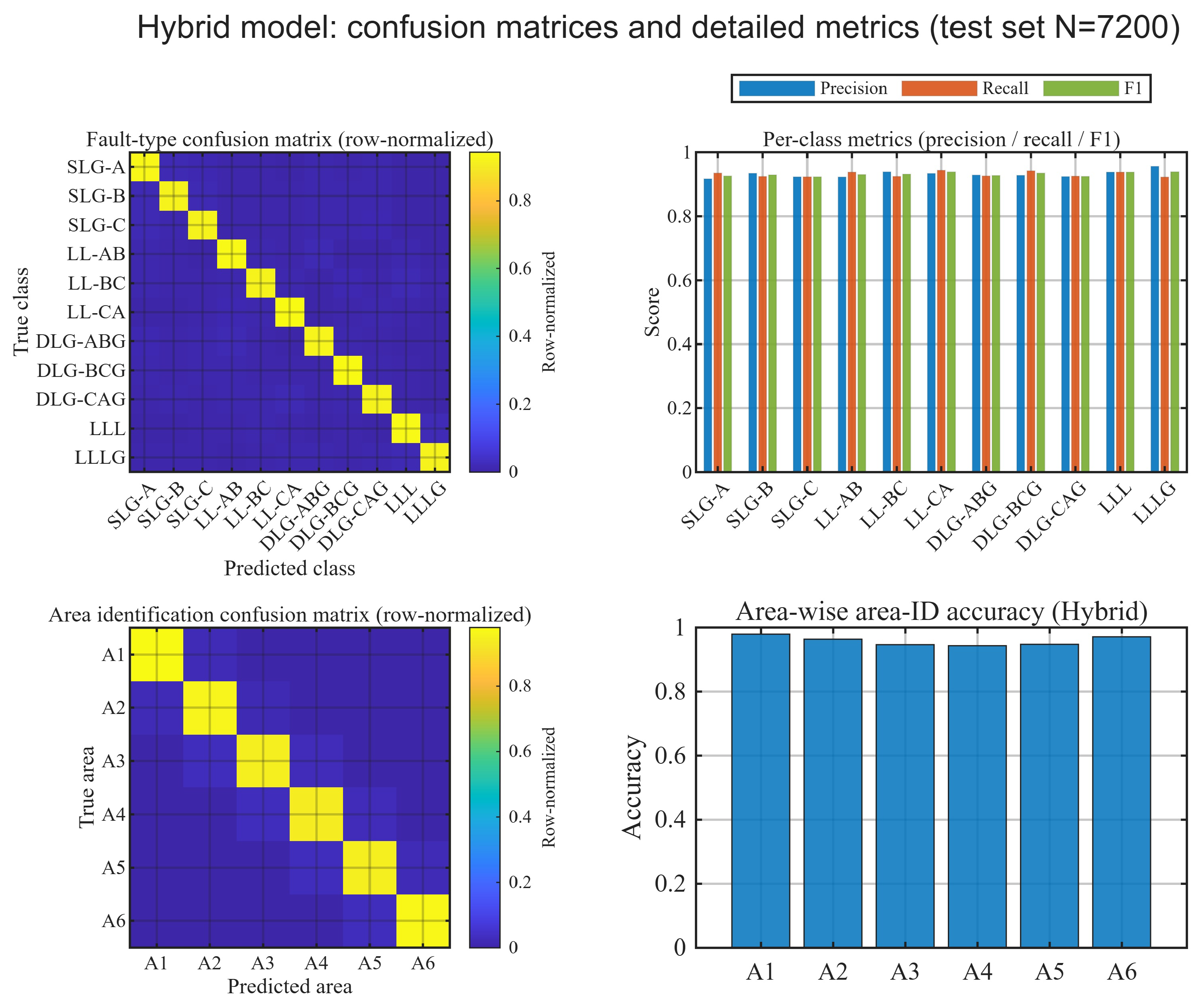
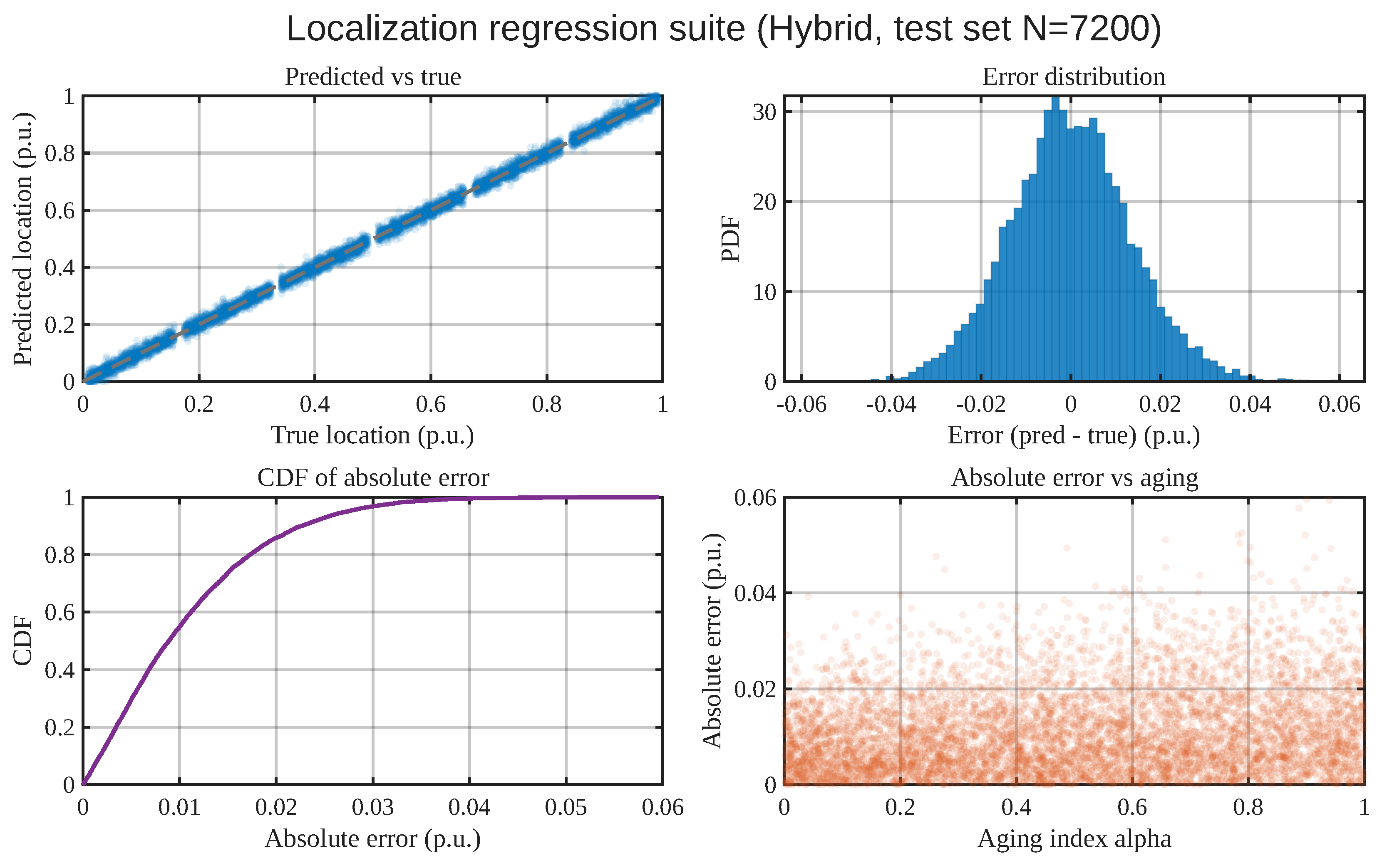
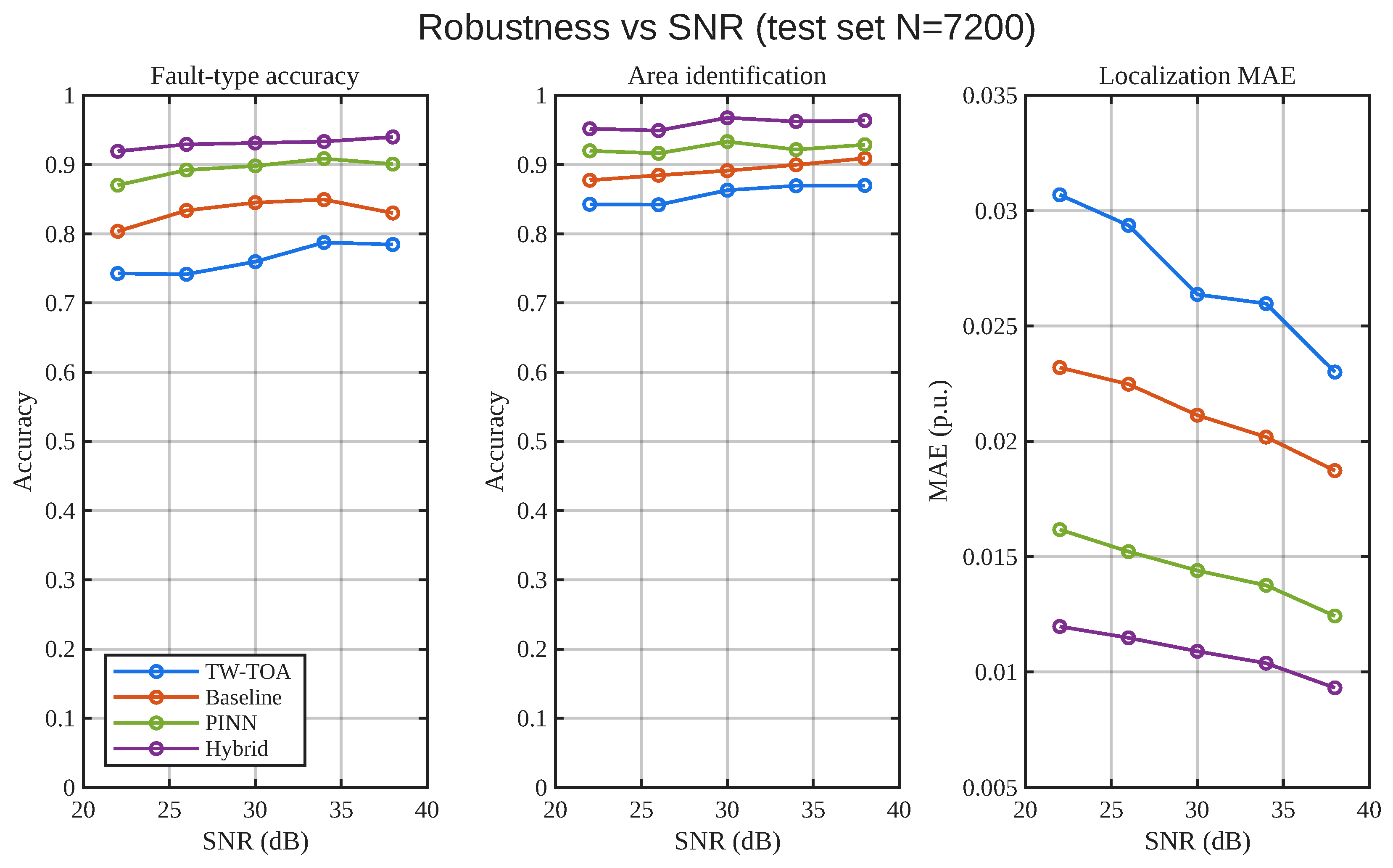
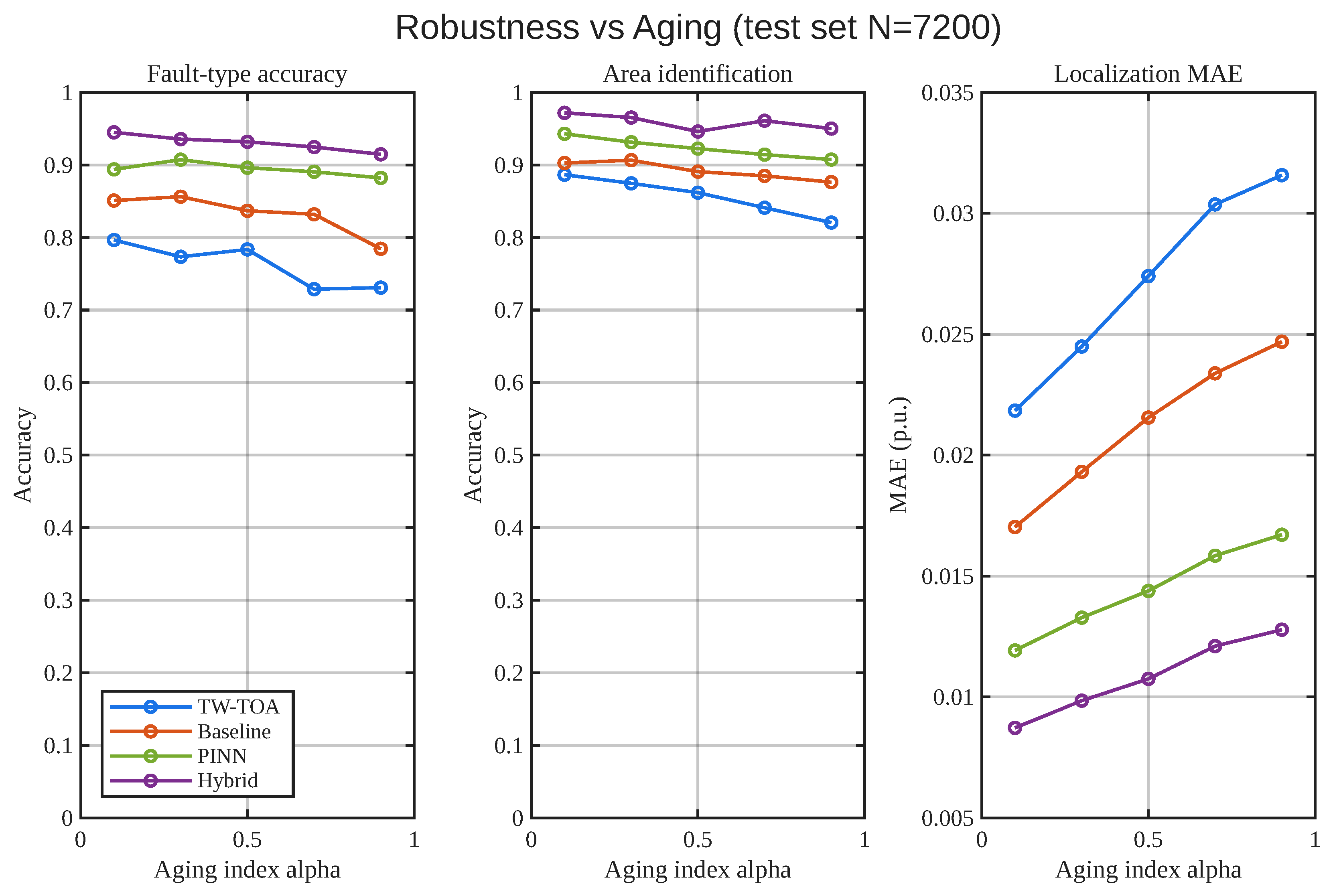
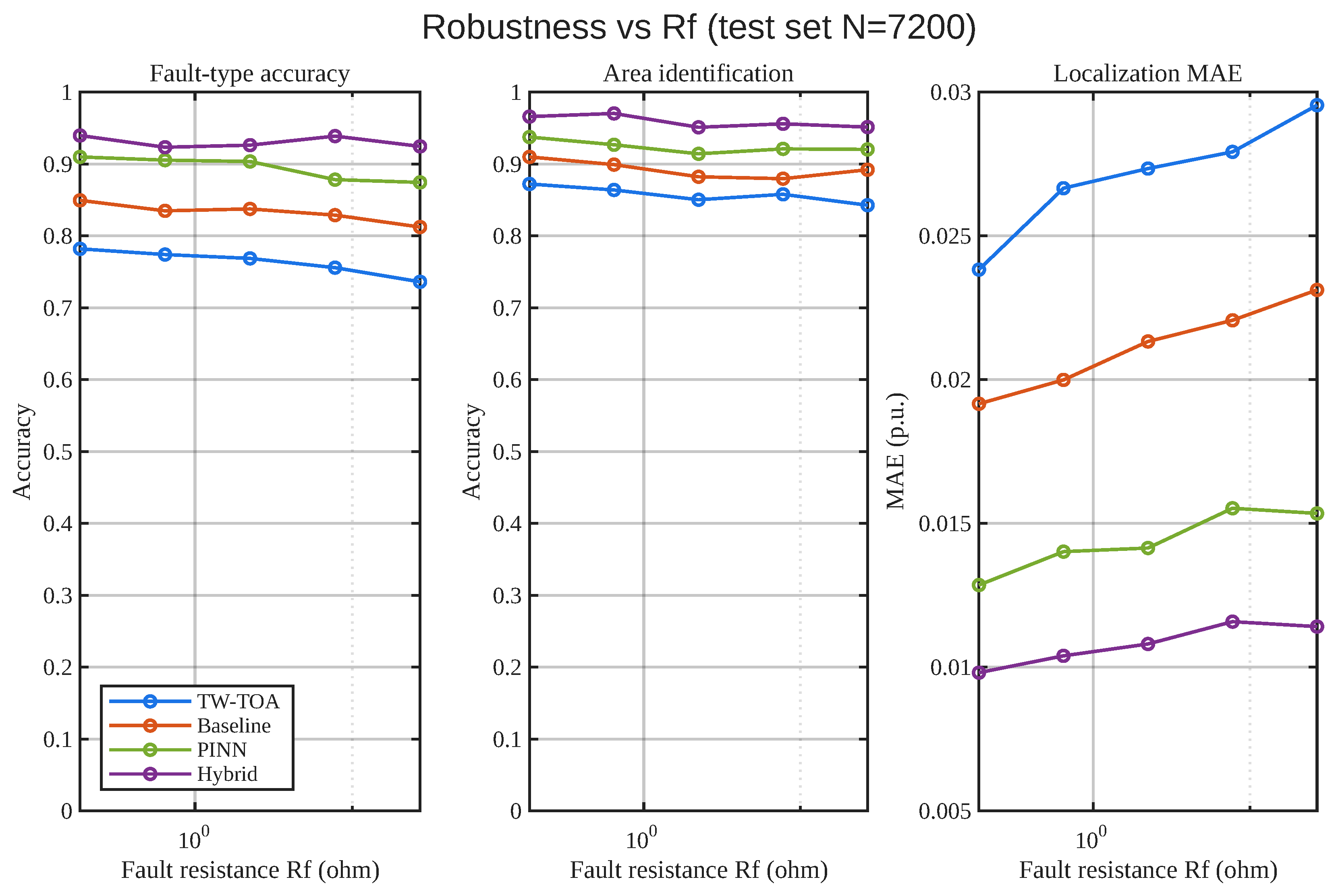
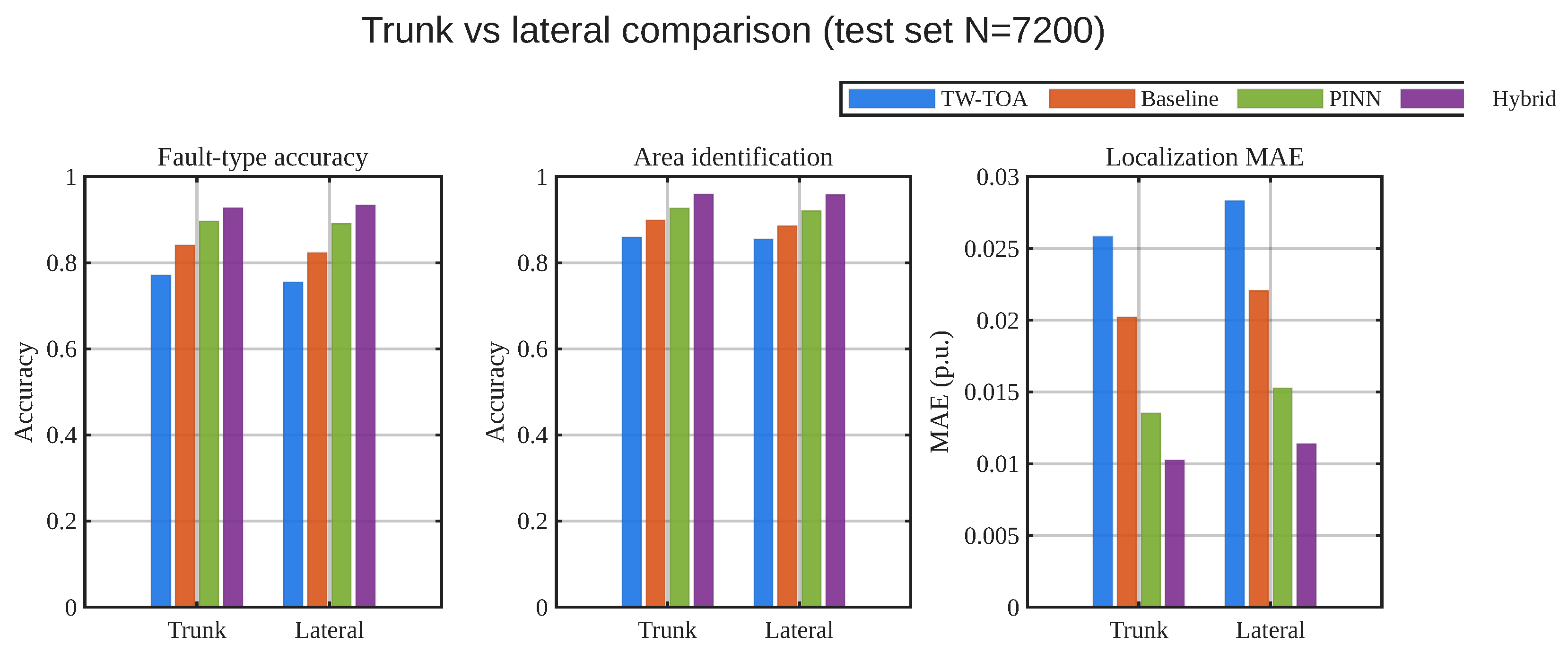
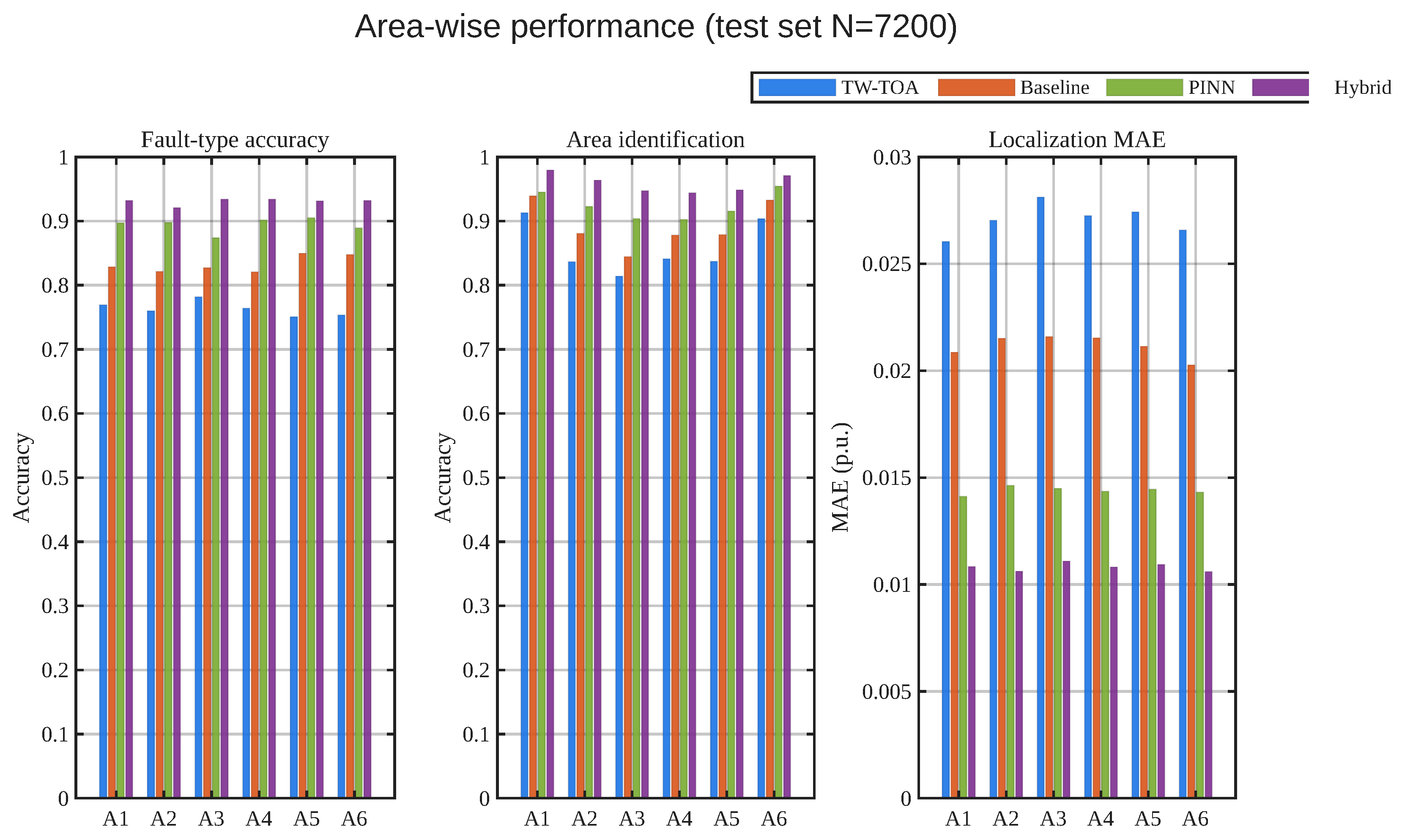
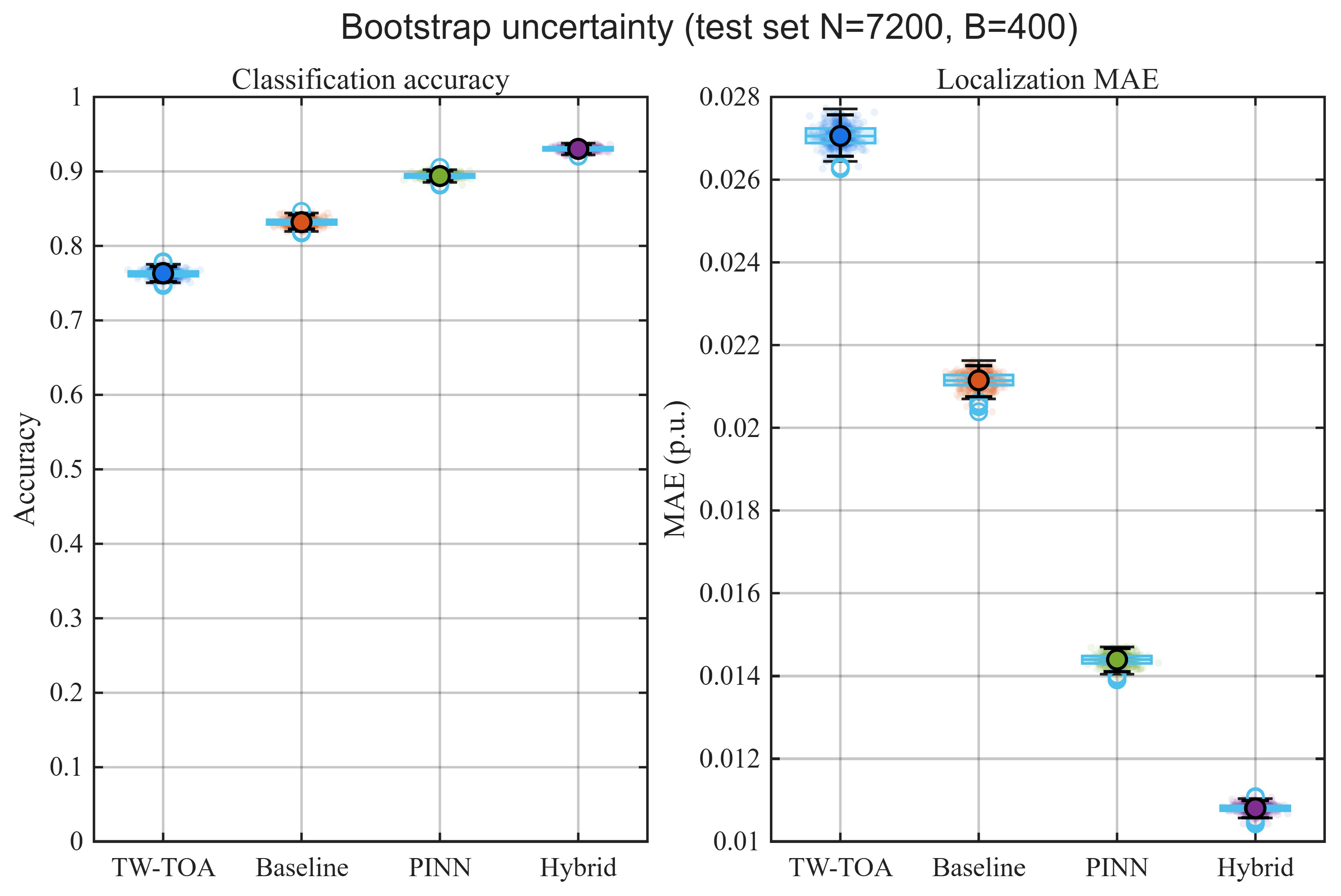
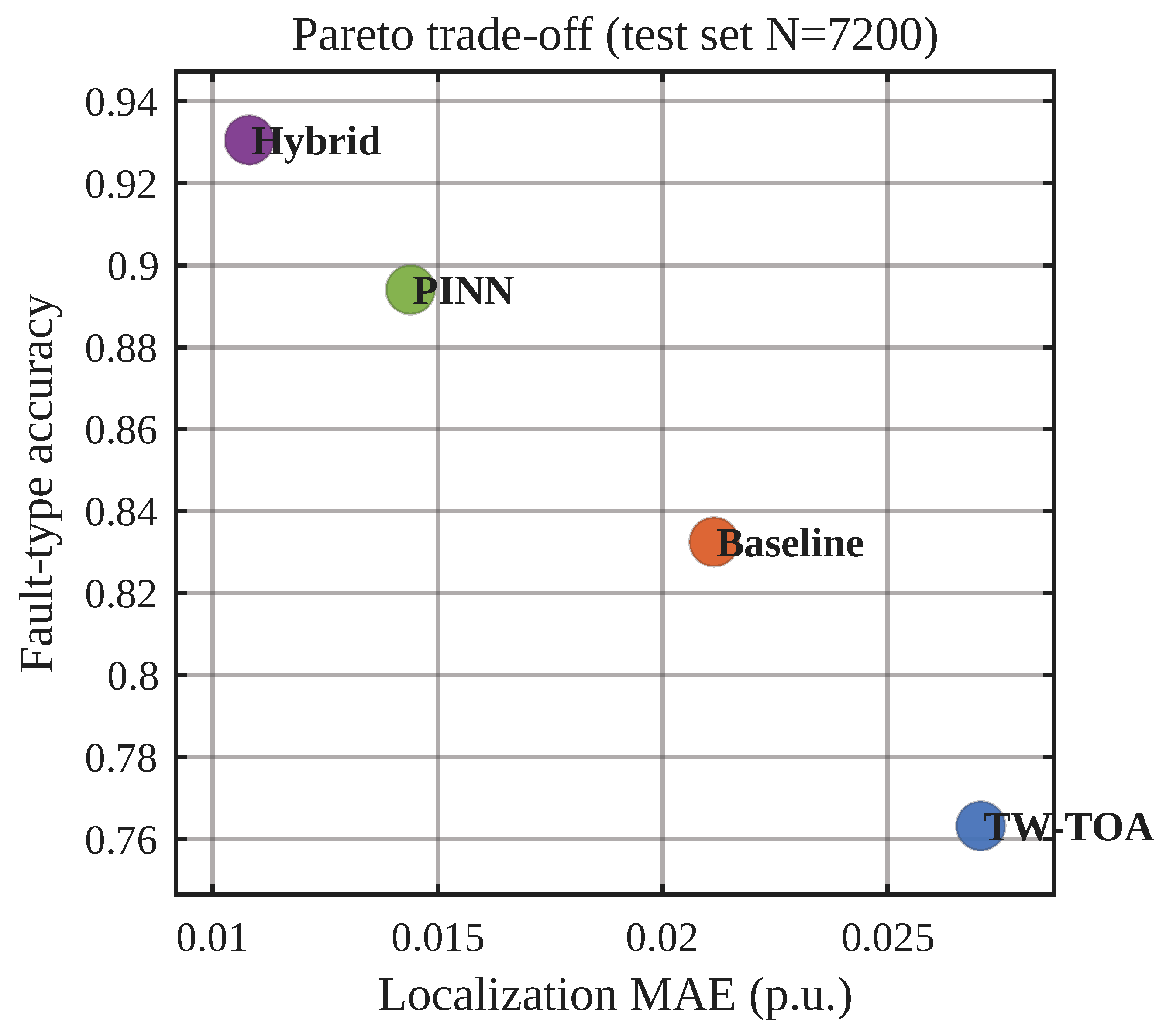
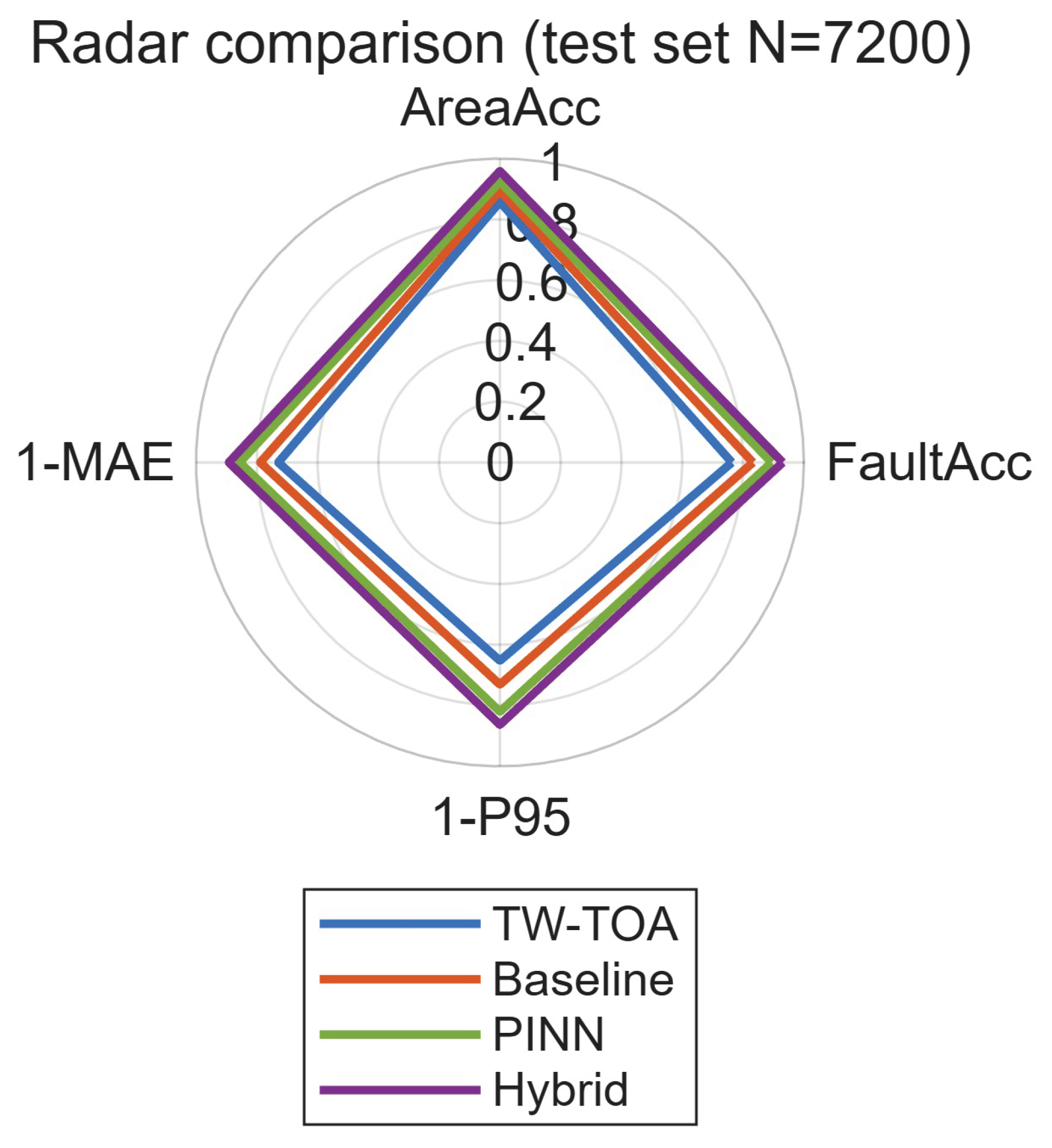
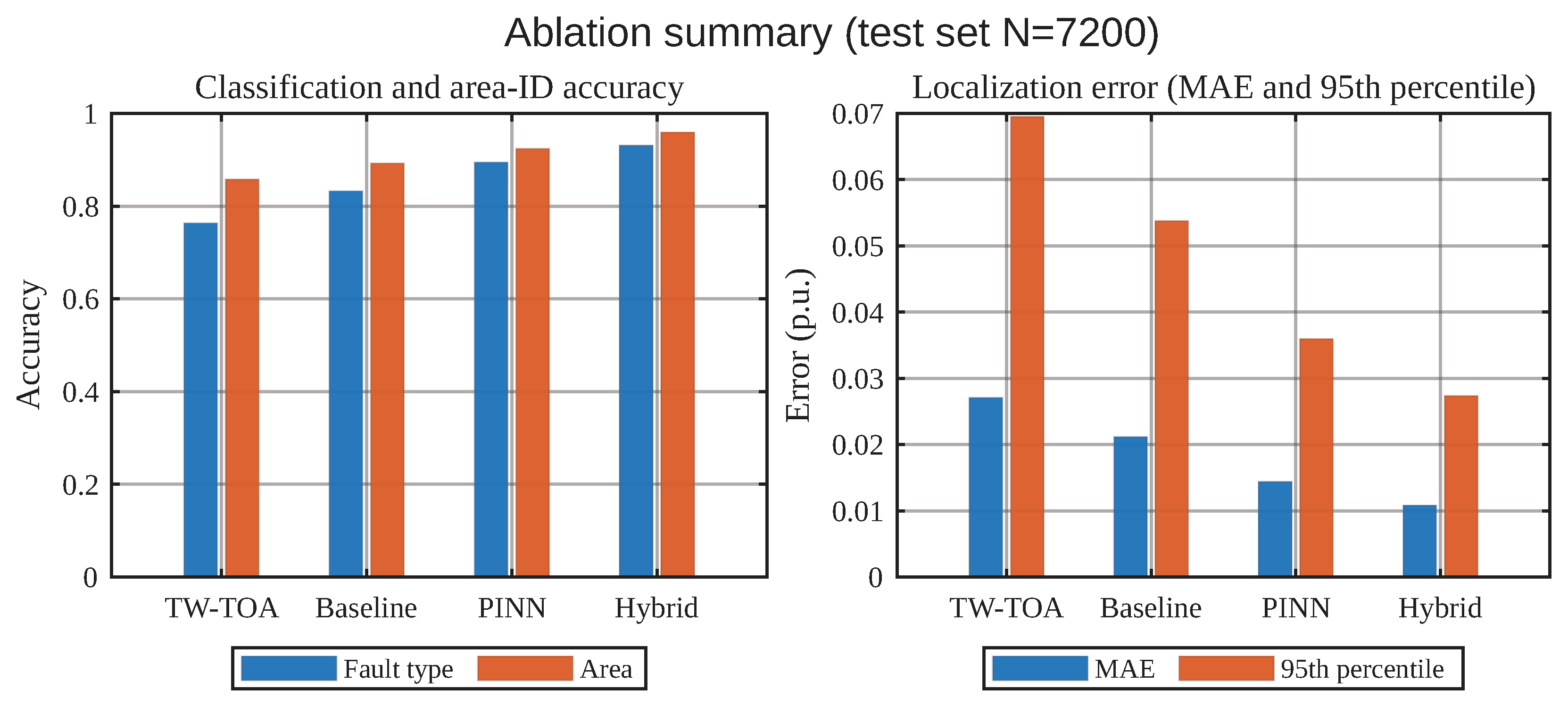
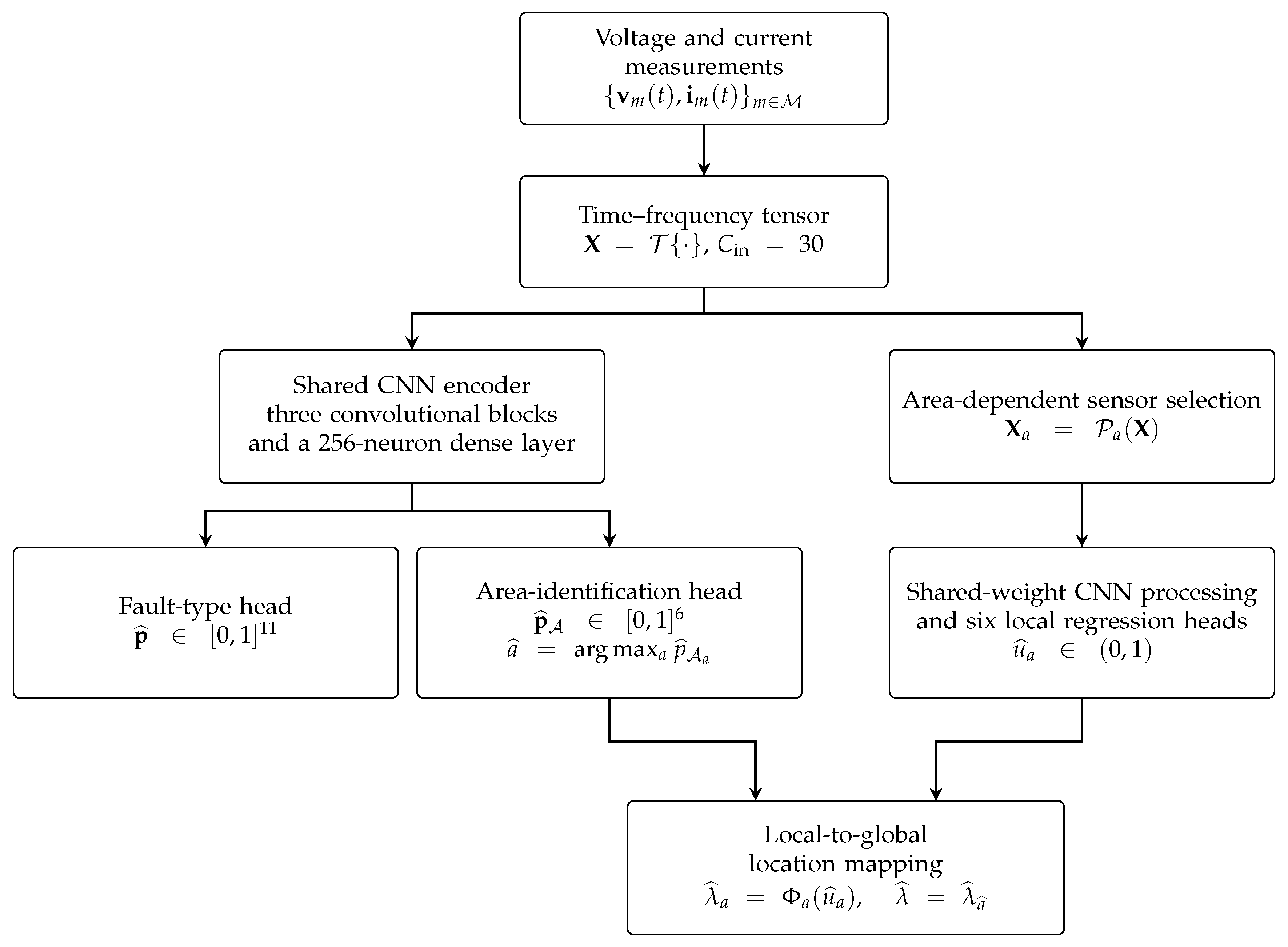
Underground distribution networks increasingly rely on aging cable assets whose parameter drift modifies propagation velocity, attenuation, and fault-initiated transient signatures, thereby reducing the reliability of conventional traveling-wave (TW) fault location and purely data-driven diagnosis. This paper proposes a physics-regularized hybrid learning framework for joint fault-type classification, feeder-area identification, and continuous fault localization in aging underground distribution feeders. The methodology integrates (i) an aging-aware simulation pipeline driven by a normalized aging-stress index α[0,1] that perturbs the per-unit-length cable matrices within a controlled domain; (ii) synchronized multi-sensor time–frequency representations of three-phase voltage and current transients; (iii) an area-aware multi-task architecture with fault-type and area-classification heads and area-specific local regression heads; and (iv) a propagation-consistency loss that depends explicitly on the model-predicted fault position and therefore contributes gradients during training. A branched underground feeder is evaluated using five synchronized sensing locations and a stratified dataset of Ntot=36,000 simulated fault events covering 11 fault classes (SLG-A/B/C, LL-AB/BC/CA, DLG-ABG/BCG/CAG, LLL, and LLLG), six non-overlapping feeder areas, fault resistance Rf[0.1,50]Ω, measurement noise SNR[20,40]dB, and a 20ms transient window sampled at 200kHz. On a held-out test set of 7200 previously unseen event records drawn from the same simulation domain, the Hybrid model achieves a fault-type accuracy of 0.93, an area-identification accuracy of 0.96, a localization MAE of 0.011 p.u., and a 95th-percentile absolute error of 0.027 p.u. The proposed configuration outperforms the TW-TOA, purely data-driven Baseline, and physics-regularized PINN references across the reported diagnostic tasks within the prescribed simulator and parameter ranges. Time–frequency attribution is included only as a qualitative interpretability illustration and is not treated as quantitative evidence of explanation faithfulness. Accordingly, the results demonstrate comparative in-domain simulation performance rather than field or cross-simulator deployment readiness.
Keywords: cable aging; explainable artificial intelligence; fault classification; fault location; multi-task learning; physics-regularized learning; robustness under noise; time–frequency analysis; traveling-wave transients; underground distribution networks cable aging; explainable artificial intelligence; fault classification; fault location; multi-task learning; physics-regularized learning; robustness under noise; time–frequency analysis; traveling-wave transients; underground distribution networks