


Abstract
Addressing critical bottlenecks in traditional hydrogen refueling station operations—specifically supply–demand imbalances and suboptimal scheduling—this paper presents a systematic review of the advancements and practical implementations of intelligent transportation platforms (ITPs). We explore how these platforms catalyze enhancing operational efficiency within the hydrogen ecosystem. This paper first outlines the technical foundations of Vehicle-to-Everything communication, edge computing, and multi-source data fusion, and provides an in-depth analysis of core challenges, such as demand uncertainty and resource scheduling complexity, as well as existing optimization algorithms. Through typical case studies, the significant value of such platforms in breaking down data silos, reducing equipment idle rates, and achieving end-to-end energy efficiency optimization is demonstrated. This study notes that current bottlenecks include fragmented standards, difficulties in implementing algorithms, commercial challenges, and the retrofitting of existing infrastructure. Moving forward, efforts should shift from isolated technological breakthroughs to ecosystem development. This includes improving demand forecasting accuracy in low-penetration regions, implementing lightweight retrofits to revitalize the existing market, establishing cross-domain data collaboration standards, building a trustworthy cross-platform settlement system, and exploring innovative pathways that integrate “hydrogen, carbon, and computing.”
1. Introduction
As the global decarbonization process advances, key carbon-emitting industrial sectors, such as electricity, steel, and cement, have achieved significant progress over the past five years by replacing fossil fuels with renewable energy, utilizing low-carbon fuels, and implementing carbon capture, utilization and sequestration (CCUS) techniques [1,2,3]. As a result, overall carbon emissions are expected to level off or decline [4]. As the fourth-largest carbon-emitting sector of the world, the transportation sector has undergone a gradual transition in energy structure and carbon reduction efforts due to its inherent characteristics of mobility, end-use consumption, and user-behavior-driven nature [5,6]. The decarbonization of transportation energy relies, on the one hand, on the large-scale renewal of end-use energy supply infrastructure and vehicles to ensure a clean fuel supply [7] and, on the other hand, on reforms in the organization of key vehicle fleets—such as logistics and public passenger transport—to improve overall transportation efficiency [8].
As a clean end-use fuel, hydrogen offers high energy density and is less susceptible to external environmental factors. It is gradually emerging, alongside electricity, as a primary means of achieving fuel decarbonization in the transportation sector. The industrial chain of hydrogen transportation primarily comprises hydrogen production, storage and transportation, refueling, and vehicle applications. Among these, refueling serves as the intermediate hub connecting upstream hydrogen sources with downstream users, making it a critical foundation for the large-scale promotion of hydrogen applications [9]. The operations of traditional hydrogen refueling stations (HRSs) rely on static planning and manual scheduling to optimize the configuration of on-site hydrogen storage tanks and process flows [10,11,12,13], making it difficult to accommodate the dynamic refueling characteristics of fuel cell electric vehicles (FCEVs). The intelligent and digital upgrading of these stations will effectively enhance the coordination of the hydrogen transportation sector, as well as operational efficiency and overall economic viability [14]. The ITP is the key carrier and concrete manifestation of the intelligent and digital upgrade of HRSs. By integrating big data, the Internet of Things (IoT), and artificial intelligence (AI) technologies, these platforms break down the “island effect” of physical infrastructure, enabling precise forecasting of refueling demand, dynamic optimization of vehicle routes, and preventive maintenance of on-site equipment.
This paper aims to systematically examine the technological foundations, current applications, and key bottlenecks of intelligent transportation platforms (ITP). First, an in-depth analysis of the multifaceted challenges in current HRS operations is carried out. Second, the optimization mechanisms of ITP are summarized, such as demand forecasting, dynamic scheduling, and energy–transport integration. Furthermore, based on typical demonstration cases, an empirical analysis is conducted on the platform’s effectiveness in real-world scenarios. Finally, this paper reflects on the technical challenges and application bottlenecks in current development, looking ahead to future technological evolution and business model innovation, to provide theoretical guidance and practical foundations for the construction of an intelligent operation system for HRSs.
This paper is distinguished from prior work by three dimensions of novelty. First, unlike previous reviews that focus narrowly on either HRS equipment configuration or isolated scheduling algorithms, this review is the first to systematically examine how an ITP serves as an integrative operational architecture that couples demand forecasting, dynamic scheduling, and energy–transport co-optimization within a unified digital framework. Second, this review synthesizes, for the first time in a single article, findings across four previously disconnected research streams—(i) V2X-enabled demand prediction, (ii) cascade storage dynamic control, (iii) multi-agent reinforcement learning for cross-station scheduling, and (iv) renewable hydrogen–carbon co-optimization—and organizes them under the ITP paradigm. Third, this review adopts a “data → algorithm → platform → ecosystem” layered framework, progressing from data fusion architecture through optimization mechanisms to engineering deployment and ecosystem-level challenges, which has not been applied in prior HRS review articles.
2. Concepts and Technical Foundations
2.1. Intelligent Connected Vehicle Platform
The Intelligent Connected Vehicle Platform is a vehicle–road–cloud coordination system built on Internet of Vehicles (IoV) technology. Its core functions include real-time vehicle status monitoring, dynamic decision-making, and cross-system data exchange. The platform is supported by Vehicle-to-Everything (V2X) communication technology, in-vehicle terminals and edge computing, as well as high-precision maps and positioning technologies.
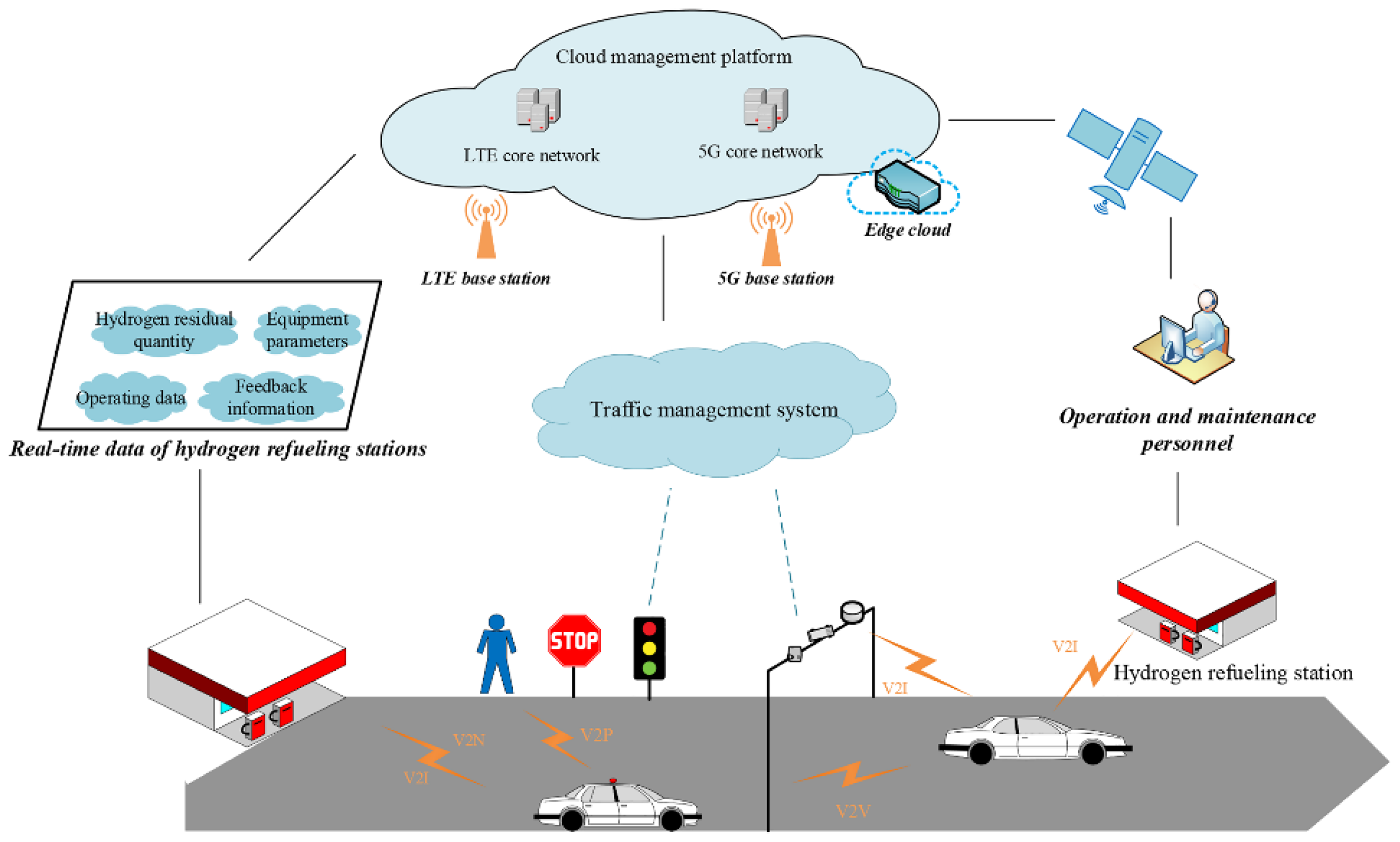
a. V2X Communication Technology [15,16]: Through V2V (vehicle-to-vehicle), V2P (vehicle-to-pedestrian), V2I (vehicle-to-infrastructure), and V2N (vehicle-to-network) communications, the technology enables advanced resource allocation and replenishment, sets up refueling locations, and achieves coordination among vehicles, stations, and roads.
V2X technology provides critical communication support for the intelligent upgrading of HRSs, covering multiple dimensions such as resource scheduling, safety alerts, traffic coordination, and user services. The technology has become a core component in the deep integration of HRSs with vehicle networks and energy networks [17,18]. Figure 1 shows the application process of V2X technology in HRSs. HRSs obtain vehicle information to achieve precise energy scheduling and allocation, thereby improving operational efficiency and service quality. On the other hand, vehicles obtain information from HRSs to plan their routes in advance, thereby avoiding inefficient energy flow caused by poor information exchange.
Figure 1.
Application of V2X technology at HRSs [17].
b. In-vehicle terminals and edge computing: Edge computing (EC) is a distributed computing framework [19] referring to an open platform integrating core capabilities in networking, computing, storage, and applications at the network edge—close to physical objects or data sources—to provide edge intelligent services locally. It is widely used in autonomous driving and intelligent connected vehicles, and its architecture consists of three components [20]: the cloud layer, the edge cloud layer, and the vehicle network. In FCEVs [21,22], the in-vehicle terminal integrates high-precision positioning modules, CAN bus analyzers, and hydrogen sensors to collect key vehicle parameters—such as SOC, SOH, geographic location, and hydrogen tank pressure—at fixed intervals. Using EC nodes, it instantly performs data cleaning, operating condition anomaly detection, and driving behavior analysis, transmitting only valuable, de-identified data. This approach significantly reduces network bandwidth and cloud storage costs, while ensuring that the intelligent connected platform can perform low-latency supply–demand matching and on-site scheduling.
c. High-precision maps and positioning provide the intelligent connected platform with sub-meter spatial reference for HRSs and continuous, reliable vehicle location information. This technology is commercially mature and can be implemented using services from providers such as Google V25.02 and Amap V16.16.
2.2. Transportation Platform
As the core data source and an extension of the service chain for the intelligent connected vehicle platform, the transportation platform is a digital platform designed to integrate transportation resources and optimize logistics scheduling [23]. Its core value [24,25] lies in building demand forecasting models using massive amounts of fleet data to accurately map the dynamic spatiotemporal distribution of regional hydrogen refueling demand. When combined with the intelligent operation of HRSs, it extends the transportation service chain, forming a closed-loop system encompassing demand, scheduling, and service.
2.3. Key Factors in HRS Operations
The operation of HRSs requires a balance between technical performance, economic viability, and user experience. Core factors include the following:
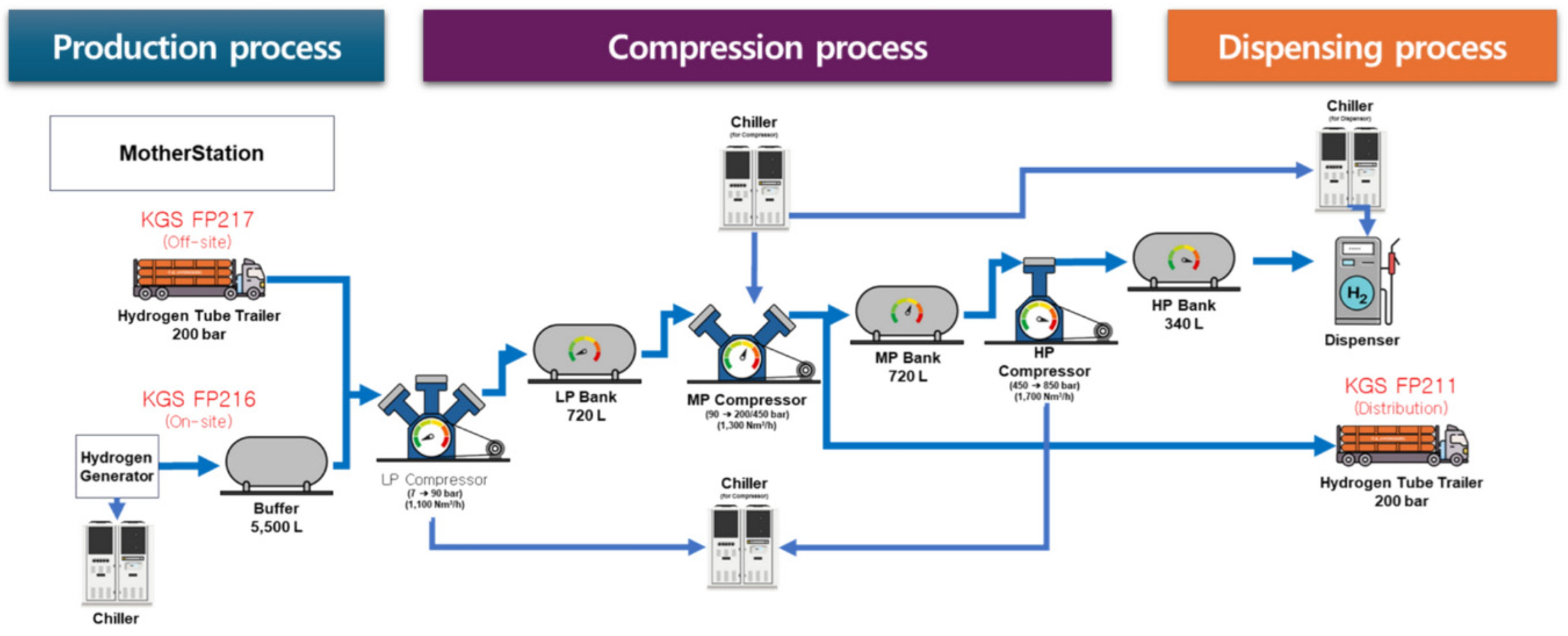
a. Refueling transportation and hydrogen storage transportation: As shown in Figure 2, the main processes at an HRS include hydrogen production or transportation, compression, and dispensing. Commercial HRSs are typically designed with a refueling capacity of 500–2000 kg/day and a refueling pressure of 35/70 MPa, sufficient to meet the needs of 15–60 hydrogen-powered heavy-duty trucks or hydrogen-powered buses [26]. The rated hydrogen storage capacity of the on-site high-pressure storage tanks is usually 1.5 to 2 times the daily refueling capacity. The size of these tanks directly affects hydrogen storage capacity, on-site safety, and safety ratings [27].
b. Energy Consumption and Safety Constraints: HRS operations strictly adhere to the SAE J2601 international standard. Through a tiered pre-cooling strategy (covering the T40/T30/T20 pre-cooling grades, which correspond to −40 °C to −33 °C, −33 °C to −26 °C, and −26 °C to −17.5 °C, respectively), the adiabatic temperature rise during hydrogen compression is controlled to ensure that the temperature of the on-board hydrogen storage tanks remain below the threshold of 85 °C [28]. In addition, to reduce the energy consumption of hydrogen refueling, multi-level hydrogen storage configurations with high, medium, and low pressures are often adopted for on-site hydrogen storage. During refueling, hydrogen is first taken from the low-pressure storage tank. User Service Metrics: These primarily include refueling rate, waiting time, equipment availability, and station density. Comparisons with charging facilities and gasoline stations directly influence user choice.
Figure 2.
A schematic diagram of the hydrogen production and distribution process, including multi-stage compression and storage stages [29].
2.4. Multi-Source Data Fusion Architecture
Multi-source data fusion serves as the technological foundation for the intelligent optimization of HRSs, requiring the integration of FCEV operation data, HRS status data, traffic flow data, and energy network data [30,31]. Vehicle operation data primarily include remaining on-board hydrogen levels, location, intended refueling time, and intended refueling volume. HRS status data primarily include available refueling nozzles, on-site hydrogen storage levels, and equipment status. Traffic flow data refer to congestion indices and traffic density provided by maps or urban traffic management centers. Energy network data generally refer to the supply status and price fluctuations of future hydrogen sources; in renewable energy hydrogen production stations, they also include wind and solar power output forecasts and time-of-use electricity rates.
2.5. The Hydrogen Ecosystem
The hydrogen ecosystem is defined as the multi-stakeholder, multi-layer system encompassing hydrogen production, storage, transport, refueling, vehicle operation, carbon markets, and digital platforms, in which the value of each component depends on the coordinated functioning of the whole system. Within this ecosystem, the ITP serves not as an isolated technical tool, but as the digital nervous system that connects and coordinates the physical layers. Several ecosystem-level dynamics are particularly relevant to HRS operations: (i) green hydrogen certification schemes directly affect station-level procurement decisions and the economic dispatch of electrolyzers; (ii) carbon market pricing mechanisms interact with electrolyzer scheduling, as carbon credits can substantially alter the effective cost of grid electricity used for hydrogen production; (iii) cross-platform data standards enable multi-station load balancing, where a network of HRSs can dynamically redistribute refueling demand to avoid localized congestion and equipment overuse. Recognizing these ecosystem-level interdependencies is essential for moving beyond equipment-centric optimization toward holistic operational strategies.
3. Key Challenges in Optimizing HRS Operations
3.1. Uncertainties in Demand Forecast
The small number of FCEVs in operation and their highly concentrated distribution result in sparse historical refueling behavior data, making it difficult to construct robust forecasting models. By the end of 2025, the global fleet of FCEVs will reach 120,000 units, with 39,000 of them in China. However, over 95% of these are concentrated in the demonstration urban clusters, such as the Beijing–Tianjin–Hebei region and the Yangtze River Delta [32]. Regarding this fact, traditional demand forecasting methods based on time-series or regression analysis typically show error rates exceeding 30% [33]. Moreover, current FCEV users are primarily commercial vehicles, such as heavy-duty trucks, logistics vehicles, and buses. Despite the more predictable operating patterns compared to private vehicles, they remain highly dependent on external orders, policy directives, and seasonal factors. Furthermore, information such as nearby HRSs’ locations and on-board hydrogen levels is typically unavailable through direct channels unless integrated with the original manufacturer’s smart platform, further limiting the ability of third-party platforms to accurately assess genuine refueling intent. The low-frequency, highly volatile characteristics of refueling at HRSs makes it difficult to develop reasonable inventory and service plans, leading to resource misallocation characterized by long lines during peak hours and underutilization during off-peak periods.
3.2. Complexity of Resource Scheduling
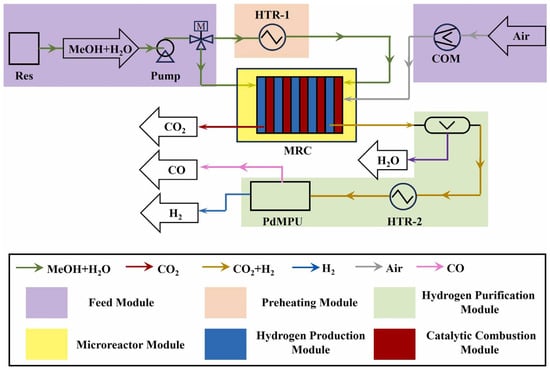
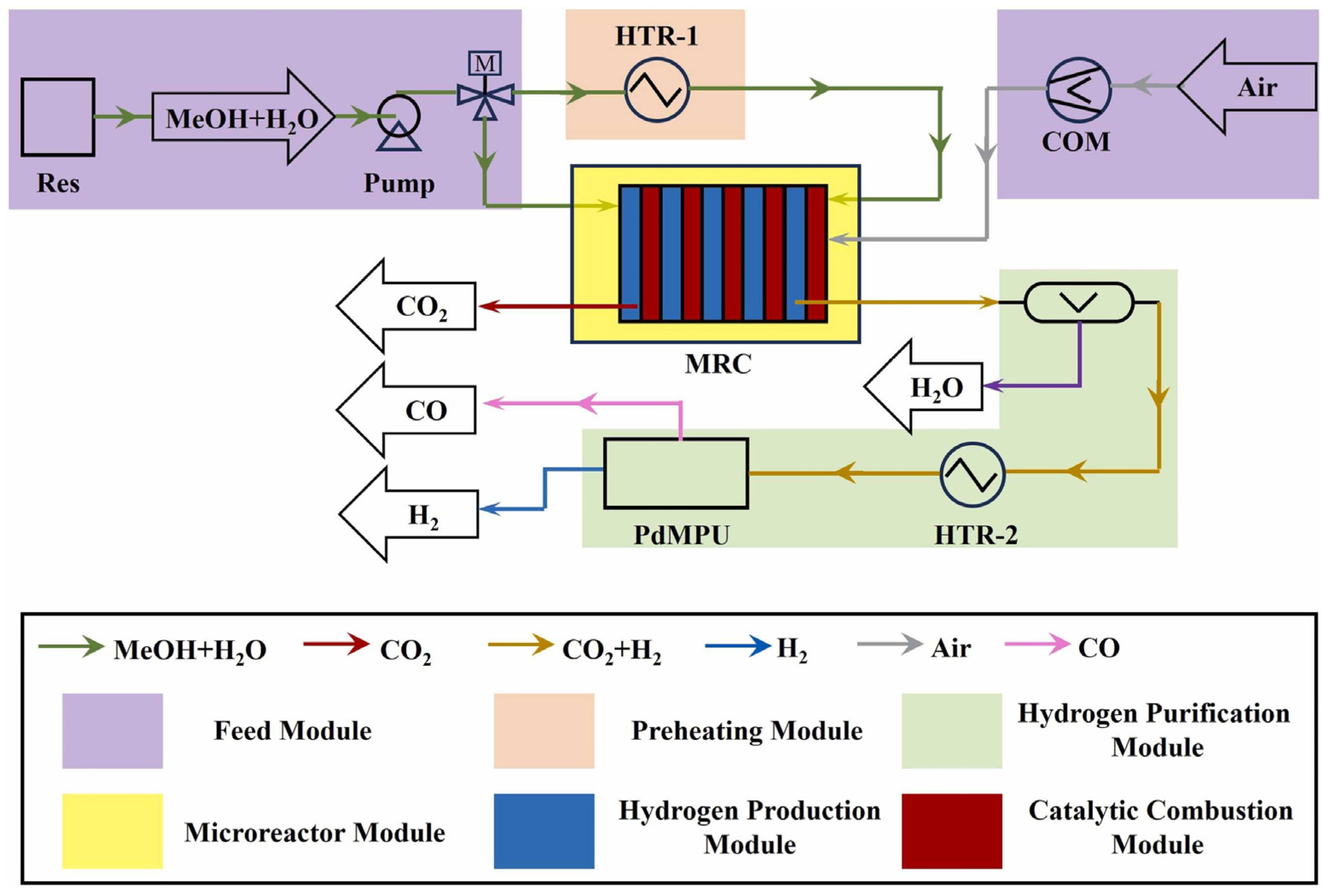
The operation of HRSs involves multidimensional resources such as hydrogen supply and equipment consumption. The scheduling problem of these stations is essentially a complex dynamic optimization challenge involving coupled constraints. First, regarding hydrogen supply, more than 90% of HRSs rely on externally purchased liquid hydrogen or high-pressure gaseous hydrogen transported by tanker trucks, which involves long replenishment cycles and high costs [34]. Failure to anticipate peak demand in advance can easily lead to a risk of hydrogen shortages. Conversely, over-supply can result in persistently high inventory levels in hydrogen storage tanks and increasing safety risks. Additionally, core equipment such as compressors and cooling systems consume significant amounts of energy, which will substantially increase operational costs unless coordinated with time-of-use electricity pricing strategies. If hydrogen is produced on site, the cost of renewable hydrogen production is closely tied to the output of wind and solar power and grid electricity prices. Methods using ammonia, methanol (see Figure 3), or liquid organic hydrogen carriers (LOHCs) also involve process constraints related to the corresponding raw material supply and reactor thermal management in chemical units. Take hydrogen production within a methanol station as an example. The process involves multiple units such as vaporization, reforming, purification, and compression, and the system has high integration and strong coupling among variables. At the same time, the reforming reaction requires external heating, with a large bed-layer thermal inertia and a slow startup, resulting in significant lag in load adjustment. These characteristics have an adverse impact on the intelligent scheduling and optimization of HRSs: it is difficult for the device to respond quickly to the instantaneous fluctuations of hydrogen refueling load, limiting the real-time performance of dynamic adjustment, and the energy and material balance among multiple units increase the complexity and difficulty of the scheduling model, thereby reducing the overall operational flexibility and optimization effect.
Figure 3.
A schematic of the on-site methanol reforming hydrogen production system [35].
Furthermore, most HRSs are currently built and operated independently by different operators, and there is no unified dispatch platform. For example, when there is a severe queue at a particular HRS, nearby HRSs may be operating at low capacity; however, due to the lack of a cross-HRS guidance mechanism, users cannot be redirected in a timely manner, highlighting a serious deficiency in cross-HRS resource scheduling capabilities [36,37].
3.3. Real-Time Response and Decision-Making Delays
In real-world operational scenarios, significant delays still exist from perception to decision-making and execution on the dispatch platform, which undermines the effectiveness of optimization. On one hand, conflicts often arise between dynamic vehicle route planning and hydrogen refueling reservations; FCEV drivers may need to change their routes unexpectedly due to new orders or traffic congestion, causing the original reservation to become invalid. Meanwhile, most existing HRS reservation systems use static time slots and lack flexible adjustment mechanisms [38].
On the other hand, data exchange between platforms is inefficient. Vehicle T-Box data, logistics order systems, HRS SCADA systems, and hazardous chemical transport monitoring platforms often operate in isolation from one another. There is a lack of a unified communication protocol. In high-concurrency scenarios, the system struggles to complete matching and scheduling within seconds, leading to queue backlogs. Additionally, the upload frequency of in-vehicle terminals is constrained by communication costs and battery power consumption; some vehicles report their location only once every 10 min, further reducing the accuracy of status perception.
3.4. Balancing Economic Viability and Sustainability
Operating HRSs often requires striking a balance between short-term economic returns and long-term sustainability goals. From an economic perspective, improving equipment utilization is key to reducing costs. However, an excessive pursuit of high utilization may lead to a decline in service quality or customer attrition. Some operators have attempted to attract customers through low-price promotions, but even after sacrificing gross margins, they still struggle to cover fixed costs. From a sustainability perspective, hydrogen production using renewable energy, i.e., green hydrogen, is the ultimate goal, but its cost is currently 2–3 times that of gray hydrogen [39]. If HRSs are tied to green hydrogen procurement, the retail price is unlikely to decrease, thereby dampening the willingness to use FCEVs; if they continue to use fossil fuels for hydrogen production, this contradicts the original goal of carbon neutrality. Furthermore, as potential flexible loads, HRSs could theoretically participate in the electricity ancillary services market, but there is currently a lack of mature business models and policy incentives.
4. Methods for Optimizing ITP
The deep integration of intelligent connected platforms and transportation management platforms provides end-to-end technical support for HRS operational optimization, spanning data sensing, computational processing, and decision execution.
4.1. Demand Sensing and Forecasting Models
Demand sensing and forecasting technologies are widely applied in the transportation sector for the site selection planning and operational optimization of electric vehicle charging stations. There are two main categories of relevant forecasting methods [40]: one category consists of econometric models based on statistical analysis, while the other consists of simulation modeling methods based on behavioral simulation. Compared to the electrical charging infrastructure, the number of HRSs and their operational duration are significantly smaller. Taking China as an example, at the end of 2025, there were 4.717 million public EV charging facilities [41], whereas the number of HRSs were only 574 [42], most of which have been in operation for less than two years. Consequently, HRS operational data suffer from sparsity and non-stationarity. The limited number of station samples and transaction records cannot support the effective extraction of statistical patterns, leading to models prone to noise interference or overfitting.
Although simulation modeling methods based on behavioral simulation reduce reliance on historical data, they are constrained by missing parameter calibration and model uncertainty. In the absence of validation against real-world operational benchmarks, discrepancies exist between theoretical assumptions and actual engineering fluctuations, resulting in insufficient accuracy of simulation outputs when addressing complex physical constraints. To address the abovementioned issues, model optimization and algorithmic improvements are being implemented.
Chen et al. [43] established a comprehensive analytical framework to generate driver profiles for hydrogen-powered vehicles. By optimizing unsupervised machine learning models and applying them to refueling strategies, they demonstrated that aggressive driving styles result in higher hydrogen consumption rates and refueling frequencies, with demand peaks occurring between 2:00 p.m. and 4:00 p.m.
Nithin Isaac et al. [44] evaluated methods such as linear regression, autoregressive integrated moving average (ARIMA), support vector regression (SVR), and vector autoregressive moving average (VARMA) for predicting hydrogen vehicle refueling, and developed models based on existing data. By extracting and transforming refueling patterns based on current driving trends and other influencing factors such as weather, the study achieved a prediction error of 19.4% within a limited dataset. Furthermore, as the dataset continues to grow, prediction accuracy continues to improve.
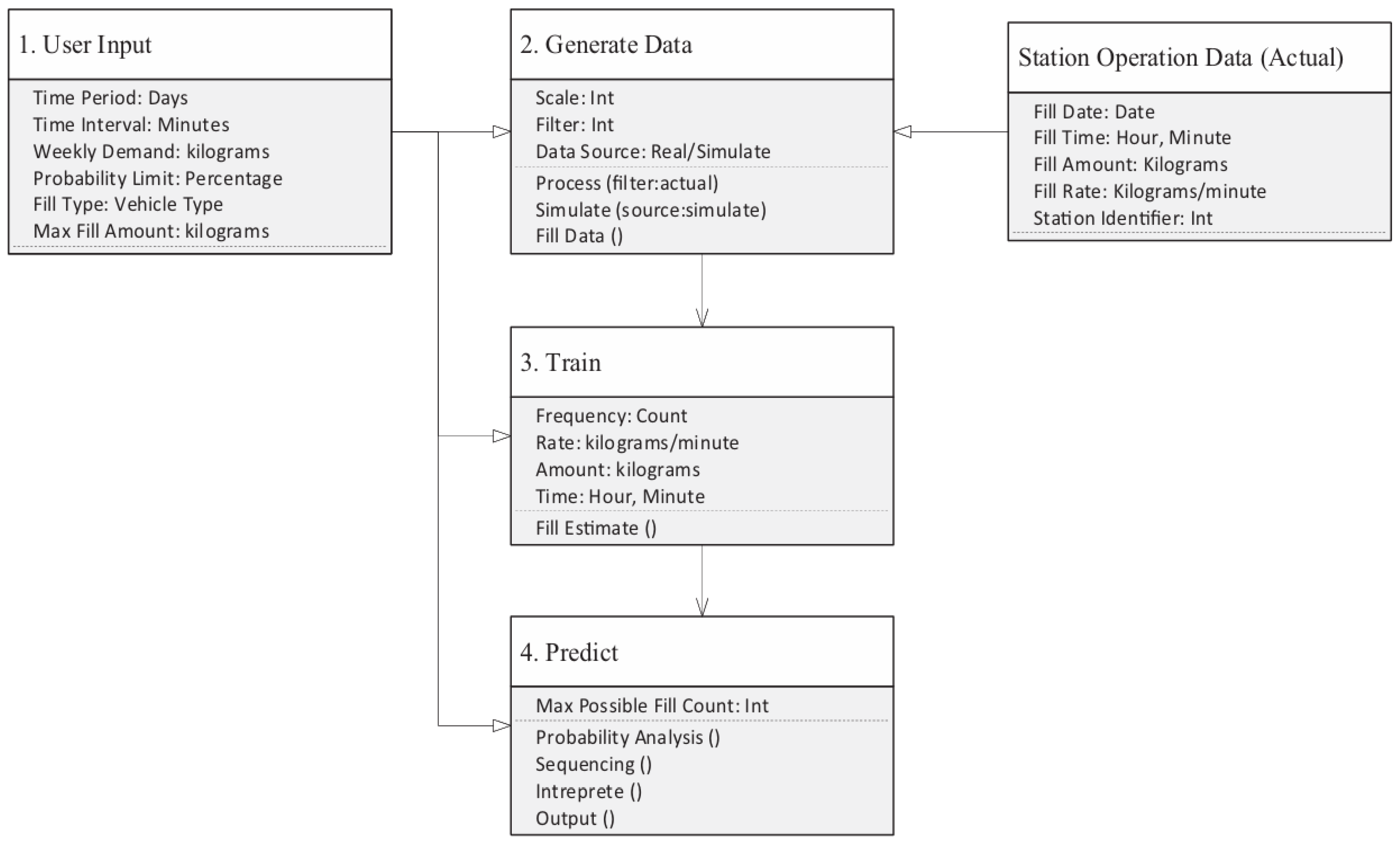
Jennifer Kurtz et al. [45] constructed a predictive model based on actual hydrogen refueling counts, volumes, and frequency data (see Figure 4). They used a non-homogeneous Poisson equation to simulate refueling, where two states “preparing to refuel” and “refueling in progress” are defined. By forecasting demand, they helped determine the scale of HRSs and the size of their components, ensuring that both initial operational needs and future demand could be met.
Figure 4.
Hydrogen prediction model training process [45].
Hweeung Kwon et al. [46] proposed a machine learning-based method for hydrogen demand forecasting and the optimization of dual-mode hydrogen production investment strategies. Using 71 feature parameters—including vehicle registrations, mileage, and fuel efficiency—from the South Korean government database for 2015–2018, they successfully forecasted hydrogen demand for 2020–2030 and designed various on-site methanol-to-hydrogen production strategies based on the forecast results.
N. Isaac et al. [47] designed a Markov chain-based refueling algorithm to simulate the randomness of hydrogen refueling at stations in developing countries. Through validation using real-world hydrogen vehicle data, they revealed hydrogen refueling trends in environments with a small number of hydrogen vehicles, showing that overall vehicle dwell time at stations has decreased and refueling peaks have shifted earlier.
Yunjing Wang et al. [48] integrated a semi-dynamic traffic assignment model with a probabilistic model of hydrogen refueling behavior to construct a two-level Stackelberg game model. By linearizing the model and employing iterative solutions, they achieved hydrogen demand forecasting, resulting in a 15.12% increase in on-site hydrogen production revenue.
Overall, existing forecasting methods are gradually shifting from simple historical data fitting toward a fusion of behavioral mechanisms and data-driven approaches. Advanced algorithms and behavioral models are continuously being developed and applied and have already yielded positive results, providing more precise input parameters for subsequent on-site equipment capacity planning and operational scheduling.
4.2. Dynamic Scheduling Optimization
Building on demand sensing and forecasting models, station matching has become a key tool for optimizing operational efficiency. ITP resolve the core issue of supply–demand mismatch through dynamic scheduling and reservation systems. For electrical charging stations, dynamic scheduling and smart reservations not only provide static station location information, but also integrate real-time traffic network data, historical user reviews, weather data, and other information. Currently, mature business models, extensive underlying data, and standardized communication interfaces have been developed [49,50,51]. Constrained by the limited scale of HRSs and hydrogen-powered vehicles, reservation systems are currently applied only on a small scale or within station-operated fleets. Consequently, dynamic scheduling has become the key to rapidly enhancing refueling transportation at HRSs.
Compared to electrical charging stations, HRSs are characterized by lengthy processes, numerous pieces of equipment, and significant time inertia, resulting in slow response times for dynamic scheduling. Tian et al. [27] systematically reviewed and evaluated scheduling optimization schemes for HRSs, analyzing optimization methods for four core systems: the hydrogen supply system, multi-stage hydrogen storage systems, compressors, and hydrogen dispensers. Their work provides a comprehensive technical reference for the subsequent design, optimization, construction, and operation of HRSs. The findings suggest that future advancements in dynamic scheduling should prioritize the coupled optimization of interdependent subsystems alongside the development of intelligent operational control strategies.
Regarding the coupled optimization of subsystems, Cardona et al. [52] developed a modular hybrid logic dynamic model for HRSs integrating multiple hydrogen supply modes and multi-stage hydrogen storage systems. This model describes both continuous variables (such as pressure and flow rate) and discrete events within the HRS, laying the foundation for subsequent advanced control. Xue et al. [53] optimized the flow control strategy for multi-stage hydrogen storage systems, proposing both offline optimization (determining the optimal range for hydrogen storage switching) and online optimization (selecting the optimal flow path based on tank pressure status). By satisfying temperature rise limits and refueling time constraints, they maximized the refueling efficiency of HRSs, reducing refueling time by 33% in a case study. Xu et al. [10] developed an innovative control strategy for multi-stage hydrogen storage systems tailored to the refueling characteristics of hydrogen-powered heavy-duty trucks. By optimizing the system configuration and refueling protocols, they utilized limited compressor flow to restore pressure in high- and medium-pressure tanks, thereby increasing the HRS’s daily refueling by 5%.
In terms of intelligent control strategies, Cardona et al. [54] addressed the limited continuous hydrogen supply at on-site hydrogen production and refueling stations by establishing a three-tier hybrid scheduling strategy. This strategy includes energy storage system control, rule-based on-site compressor control, and machine learning-based day-ahead hydrogen production scheduling. The application of this integrated scheduling strategy effectively reduced energy consumption during hydrogen compression and refueling, resulting in an 11.8% reduction in annual energy costs. Jiang et al. [33] proposed a collaborative operation model based on Multi-Agent Reinforcement Learning (MARL) and Transfer Learning (TL) to optimize the intelligent scheduling of renewable energy-based hydrogen production and refueling stations. This collaborative operation framework maximizes overall benefits while simultaneously meeting the hydrogen refueling demand and reserve service requirements of the power market.
4.3. Synergistic Optimization of Energy and Transportation
As an energy-intensive infrastructure, HRSs involve energy consumption from processes such as compression and pre-cooling, accounting for over 10% of operating costs, while the energy costs associated with dehydrogenation of on-site hydrogen storage media further increase this figure to 17.5% [55]. Integration with renewable energy is the key pathway to improve the energy efficiency of stations and reduce carbon emissions from hydrogen supply. However, as the energy transition proceeds, renewable energy-based hydrogen production and refueling stations face higher demands for synergistic optimization. First, they must adapt to the mismatch between the fluctuating output of renewable energy and the spatiotemporal distribution of refueling demand, thereby reducing curtailment rates for wind and solar power and improving the consumption of renewable energy. Second, it is necessary to coordinate energy consumption across multiple stages—including hydrogen production, compression, pre-cooling, and hydrogen storage/dehydrogenation—to address high standby energy consumption during refueling and reduce the levelized cost of hydrogen. Third, it is necessary to balance the goal of zero-carbon hydrogen supply with the economic efficiency of station energy use in order to achieve dual control of energy costs and carbon emissions. Fourth, it is necessary to support demand response for hydrogen fuel, optimizing station-side scheduling in conjunction with vehicle refueling patterns to enhance efficiency across the entire chain.
In response to the aforementioned needs, existing research has identified four core methodologies covering the entire chain from planning to operation and control, as shown in Table 1. The four approaches complement each other across planning, operation, and control: MILP addresses capacity configuration and spatiotemporal matching; multi-timescale storage coordination mitigates uncertainties and improves renewable energy utilization; data-driven optimization dynamically reduces energy consumption and standby costs; and energy–carbon multi-objective optimization achieves dual control of cost and carbon emissions. Together, they promote whole-chain efficiency improvement of HRSs.
Table 1.
Methods for energy–transport co-optimization.
5. ITP Application Case Introduction
5.1. Shaanxi Hydrogen Transportation Cloud Service Platform
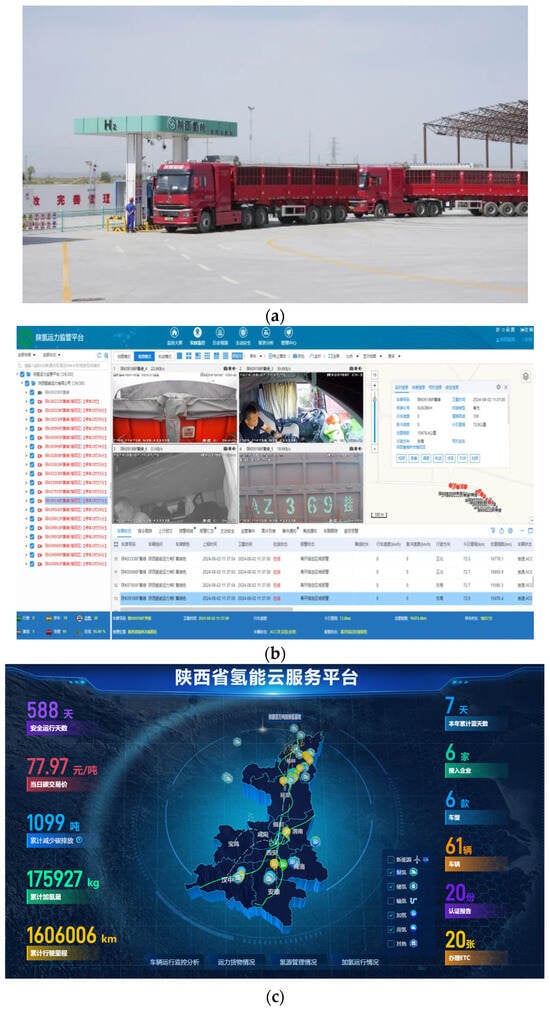
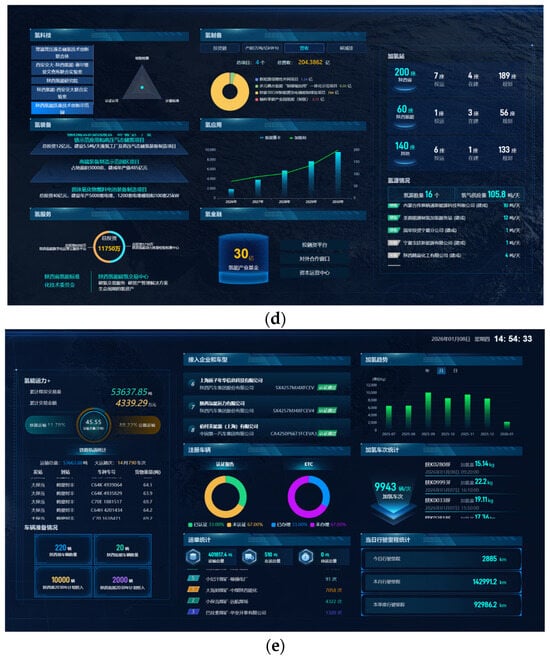
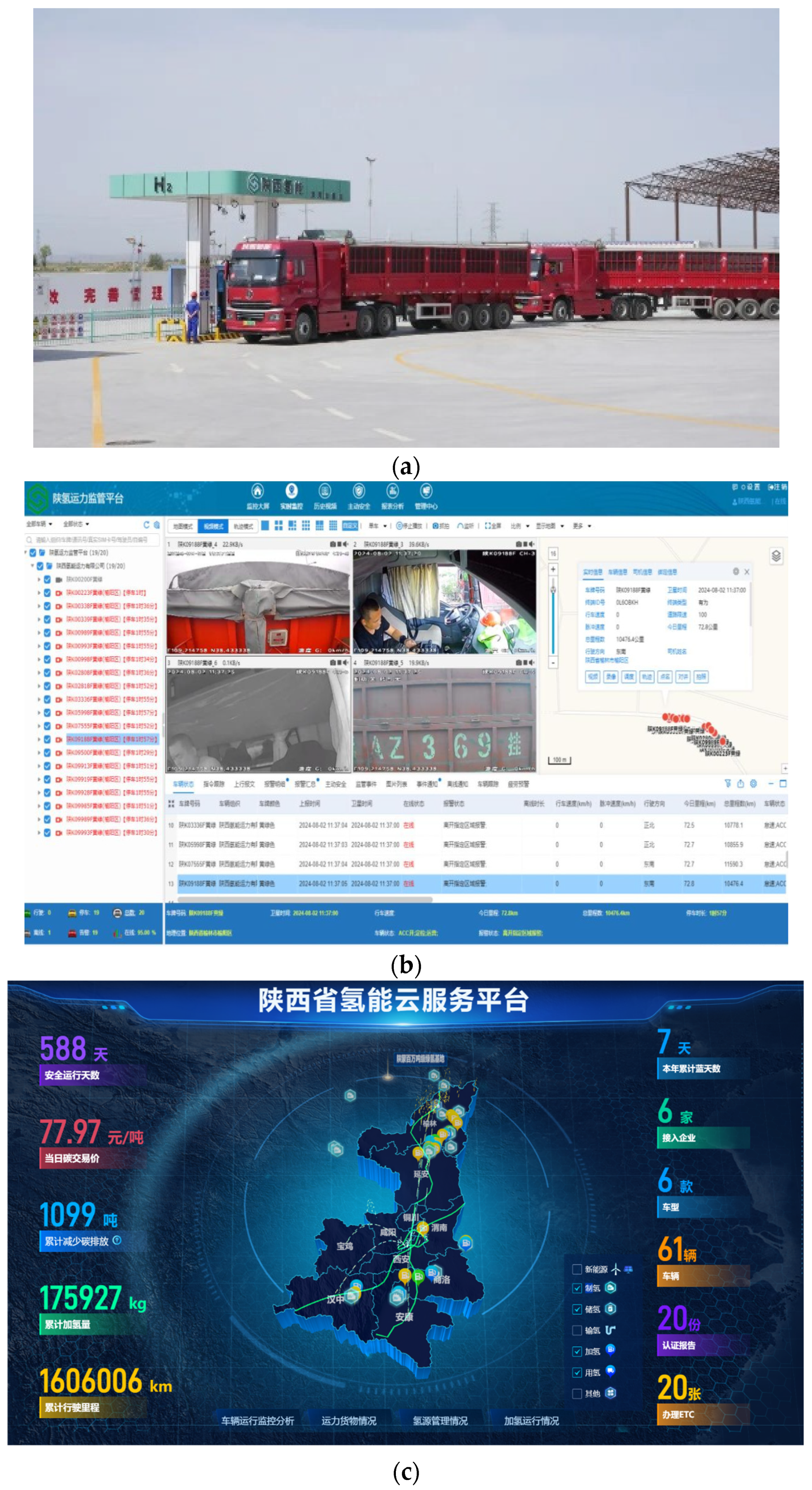
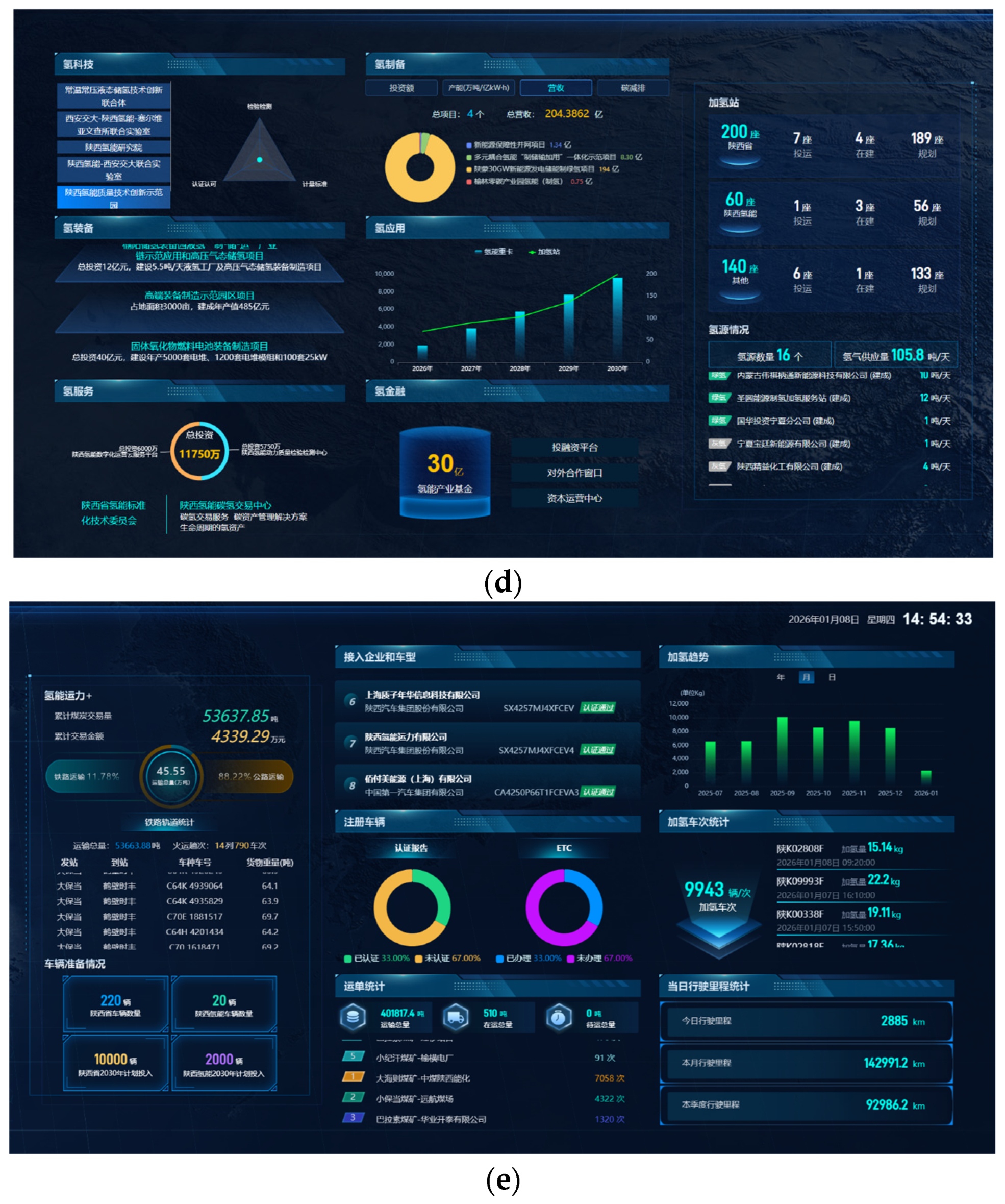
As the first provincial-level hydrogen transport transportation cloud service platform in Northwest China, the platform was developed and built by Shaanxi Hydrogen Transport Transportation Co., Ltd. (Xi’an, Shaanxi, China) In its initial phase, the platform integrated real-time operational data from 20 hydrogen-powered heavy-duty trucks, 2 hydrogen-powered buses, and the Shuanghe HRS (see Figure 5a), establishing an intelligent operational system that covers the entire chain from demand forecasting and resource scheduling to safety supervision. In its second phase, the platform will integrate data from 7 HRSs, 16 hydrogen supply units (150 t/d, tons per day), and 61 hydrogen-powered vehicles within the province. The core innovation of the platform lies in overcoming regional data silos by achieving deep integration of multi-source, heterogeneous data through standardized interfaces. It is compatible with industry standard protocols such as GB50516 [62] and GB43674 [63], providing precise decision-making support for HRS operations.
Figure 5.
(a) Shuanghe HRS and hydrogen-powered heavy-duty truck; (b) safety monitoring interface; (c) transport transportation cloud service platform—overview interface; (d) transportation cloud service platform—hydrogen sources and refueling stations; (e) transportation cloud service platform—vehicles and refueling status.
The platform employs a three-tier architecture. The data layer integrates freight data, on-board OBD (On-Board Diagnostics) systems, HRS SCADA (Supervisory Control And Data Acquisition) systems, and external hydrogen sources to form a dynamic database comprising 12 categories of features (see Figure 5b). The analysis and computation layer deploys an LSTM-based demand forecasting model and fixed transportation schedules to generate daily refueling plans. The application layer implements (1) dynamic adjustment of on-site hydrogen inventory, driving the expansion of hydrogen storage capacity at refueling stations from 500 kg to 800 kg; (2) optimization of coal transport routes for heavy-duty trucks, reducing empty-run rates by 22% and lowering per-trip transportation costs by 15%; (3) a closed-loop safety monitoring system for HRSs and the hydrogen-powered vehicle fleet, integrating on-site hydrogen leak detection data with on-board sensor data to trigger coordinated alerts for anomalies. Since the launch of the platform, 20 hydrogen-powered heavy-duty trucks have completed a cumulative 9943 refueling sessions and operated safely for 1.62 million kilometers, becoming a core pillar of the provincial hydrogen transportation network in Shaanxi (see Figure 5c–e.).
5.2. Shanghai HRS and Fuel Cell Vehicle Public Data Platform [64]
This data platform is affiliated with the Shanghai New Energy Vehicle Public Data Collection and Monitoring Research Center and is the first metropolitan-level regulatory platform in China that integrates data from HRSs and fuel cell vehicles. To date, it has connected with over 5600 fuel cell vehicles and nearly 10 HRSs, enabling end-to-end, real-time monitoring of demonstration vehicles and refueling stations throughout the entire process. This provides robust data support for the demonstration and application of fuel cell vehicles in the Shanghai metropolitan area.
The platform conducts precise analyses of operational characteristics for different vehicle models and application scenarios, providing data support for the commercialization of fuel cell vehicles. By integrating mechanistic models with operational data, it has established a multi-level State of Health (SOH) monitoring system spanning the “entire fleet—manufacturer—individual vehicle,” thereby supporting safe vehicle operation management. By synthesizing the hydrogen storage characteristics and operational features of various vehicle models, the platform facilitates the optimization of HRS layout and operational strategies, thereby enhancing the efficiency of infrastructure utilization.
5.3. Overseas Case Studies and Applications
Due to consumer habits, the development of mobile network technology, and the limited scale of hydrogen-powered transportation, European countries and the United States have not yet adopted intelligent operations platforms for HRSs to the knowledge of the authors. However, under the leadership of the Production of electric vehicle components Institute at RWTH Aachen University, the “HyConnect V17.9” initiative is currently underway [65]. The “HyConnect” initiative brings together the HRS operator company, H2 Mobility, hydrogen production and logistics provider, H2 Green Power & Logistics, and logistics software company, Mansio, to develop an HRS operations management and reservation system, thereby preventing hydrogen-powered vehicles in the region from running out of fuel. This initiative is open only to newly constructed HRSs and newly purchased vehicles and does not involve retrofitting existing stations, confirming the significant challenges associated with applying intelligent scheduling methods to retrofit existing stations. An AI-based universal data interface has also been developed, available for new HRSs and newly purchased vehicles.
6. Current Issues and Future Research Directions
Although ITPs have achieved initial success in some pilot areas, current research and applications still face four major bottlenecks that severely hinder the transition from isolated pilot projects to widespread implementation.
- Data Silos and Fragmented Standards
Currently, platforms in regions such as Shanghai, Shaanxi, and Shanxi predominantly employ independent architectures, creating regional data barriers. Although the national level of China has already implemented standards such as GB/T43674, a large number of proprietary protocols persist in practical applications. As a result, vehicle–station interconnection remains limited to superficial data display and fails to achieve deep-level interaction of control command.
- b.
- Poor Practical Results of Dispatch Optimization Methods
Existing research is largely focused on algorithm innovations under ideal conditions, but significant discrepancies between simulation and reality emerge in actual engineering applications due to overly idealized assumptions or models lacking robustness. Data sparsity causes prediction errors to skyrocket, and in some cases, dispatch instructions and on-site chaos coexist.
- c.
- Limited Sustainability of the Business Model
The high R&D (research and development) investment in ITPs stands in sharp contrast to the low utilization rates of HRSs. The platform requires a massive volume of vehicle traffic to spread costs, but vehicle owners are reluctant to purchase FCEVs due to the inconvenience of refueling. HRSs struggle to lower prices due to insufficient traffic, resulting in insufficient revenue of platform to sustain itself.
- d.
- Limitations on the Applicability of Dispatch Optimization Methods to Existing Stations
Existing intelligent dispatch algorithms are primarily designed for new stations, assuming they are equipped with advanced multi-stage hydrogen storage systems and fully digital interfaces. However, a large number of existing stations built earlier feature a low automation level and lack the capability for remote API (Application Programming Interface) calls. The difficulty and cost of retrofitting them with intelligent systems are nearly equivalent to rebuilding them from scratch.
In response to the above challenges, the following suggestions are made for future research. At the technical level, robust optimization algorithms driven by both data and mechanisms should be developed, incorporating small-sample learning and transfer learning techniques to address the issue of sparse data in areas with low penetration rates. Additionally, efforts should focus on developing lightweight edge adaptation gateways to enable the low-cost digital integration of existing stations. At the institutional level, there is an urgent need to establish cross-domain data collaboration standards. By leveraging blockchain and privacy-preserving computing technologies, we can break down data silos between enterprises while ensuring data security, thereby building a trusted cross-platform settlement system. At the business model level, one should explore innovative pathways that integrate “hydrogen, carbon, and computing.” This involves upgrading HRSs from single-purpose energy replenishment nodes into comprehensive energy hubs that integrate green hydrogen production, carbon asset management, and computing services. Adopting a diversified revenue structure can overcome the profitability challenges associated with single-service energy replenishment, ultimately achieving the large-scale, market-driven development of the hydrogen transportation industry.
7. Conclusions
This paper systematically examines the application logic and implementation pathways of ITPs in optimizing HRS operations. Research indicates that by integrating V2X communication, edge computing, and multi-source data fusion technologies, the ITPs have effectively overcome the bottlenecks of supply–demand mismatch and slow scheduling in traditional HRSs. Demand forecasting and vehicle-to-station (V2S) connectivity offer pivotal decision-making support for the dynamic scheduling of multi-tier hydrogen storage systems. Empirical data show that it can significantly improve the equipment utilization rate of the HRS and shorten the waiting time for hydrogen refueling. However, technological breakthroughs do not automatically translate into market adoption. Case studies reveal that the effectiveness of an ITP depends heavily on its deep integration with regional industries and the integrity of its data ecosystem. Despite recent progress, the sector faces significant hurdles: data fragmentation, algorithmic idealization, and the retrofitting complexities of existing infrastructure. These factors demonstrate that the challenges of industrial coordination are deeply structural and cannot be resolved solely through incremental improvements in scheduling and algorithm design.
Ultimately, ITPs are transforming HRSs from basic refueling nodes into strategic energy hubs. To reach full commercial maturity, the industry must shift from fragmented tech innovations to integrated ecosystem building. Key priorities include improving demand forecasting in emerging regions, implementing lightweight retrofits for existing stations, and standardizing cross-domain data collaboration. By pioneering pathways that integrate hydrogen, carbon, and computing, the industry can establish a robust, trustworthy, and commercially viable transportation network.
Author Contributions
Conceptualization, T.H. and F.Y.; Writing—original draft, T.H.; Writing—review & editing, F.Y. and J.G.N.; Data curation, T.H.; Formal analysis, T.H.; Methodology, F.Y., J.G.N., X.Z., H.Z., Z.W. and Z.Z.; Investigation, J.G.N.; Validation, F.Y., X.Z. and Y.H.; Funding acquisition, X.Z. and H.Z.; Project administration, X.Z., H.Z. and Z.Z.; Visualization, X.Z. and Z.W.; Resources, H.Z. and Y.H.; Supervision, H.Z. and Y.H. All authors have read and agreed to the published version of the manuscript.
Funding
This research was funded by the Shaanxi Provincial Key Research and Development Program (NO. 2025CY-YBXM-001) and the Young Talent Fund of the Association for Science and Technology in Shaanxi, China.
Data Availability Statement
Data sharing is not applicable to this article as no datasets were generated or analysed during the current study.
Conflicts of Interest
Authors Tianqing Huo, Xu Zhang, Hua’an Zheng and Ye Huang were employed by the company Shaanxi Hydrogen Energy Research Institute Co., Ltd. The remaining authors declare that the research was conducted in the absence of any commercial or financial relationships that could be construed as a potential conflicts of interest.
References
- Deng, Z.; Zhu, B.; Davis, S.J.; Ciais, P.; Guan, D.; Gong, P.; Liu, Z. Global carbon emissions and decarbonization in 2024. Nat. Rev. Earth Environ. 2025, 6, 231–233. [Google Scholar] [CrossRef] [Scilit]
- Lu, J.; Chen, H.; Cai, X. From global to national scenarios: Exploring carbon emissions to 2050. Energy Strateg. Rev. 2022, 41, 100860. [Google Scholar] [CrossRef] [Scilit]
- Abhishek, C.; Sonal, T. Building A Greener Future: Transforming Industrial Waste Into Sustainable Materials. Slovak J. Civ. Eng. 2026, 34, 57–71. [Google Scholar] [CrossRef] [Scilit]
- Voosen, P. Turning Point. Science 2025, 390, 876–880. [Google Scholar] [CrossRef] [Scilit] [PubMed]
- Ferrer, A.L.C.; Thome, A.M.T. Carbon emissions in transportation: A synthesis framework. Sustainability 2023, 15, 8475. [Google Scholar] [CrossRef] [Scilit]
- Jing, Q.; Liu, H.; Yu, W.; He, X. The impact of public transportation on carbon emissions—From the perspective of energy consumption. Sustainability 2022, 14, 6248. [Google Scholar] [CrossRef] [Scilit]
- Amin, A.; Altinoz, B.; Dogan, E. Analyzing the determinants of carbon emissions from transportation in European countries: The role of renewable energy and urbanization. Clean Technol. Environ. Policy 2020, 22, 1725–1734. [Google Scholar] [CrossRef] [Scilit]
- Li, R.; Li, L.; Wang, Q. The impact of energy efficiency on carbon emissions: Evidence from the transportation sector in Chinese 30 provinces. Sustain. Cities Soc. 2022, 82, 103880. [Google Scholar] [CrossRef] [Scilit]
- Kurtz, J.; Sprik, S.; Bradley, T.H. Review of transportation hydrogen infrastructure performance and reliability. Int. J. Hydrogen Energy 2019, 44, 12010–12023. [Google Scholar] [CrossRef] [Scilit]
- Xu, Z.; Dong, W.; Yang, K.; Zhao, Y.; He, G. Development of efficient hydrogen refueling station by process optimization and control. Int. J. Hydrogen Energy 2022, 47, 23721–23730. [Google Scholar] [CrossRef] [Scilit]
- Lv, H.; Zhang, Q.; Tian, Z.; Zhang, C. Optimization of cascade storage and compression systems in hydrogen refueling stations. Int. J. Hydrogen Energy 2025, 153, 150017. [Google Scholar] [CrossRef] [Scilit]
- Caponi, R.; Ferrario, A.M.; Bocci, E.; Bødker, S.; Del Zotto, L. Single-tank storage versus multi-tank cascade system in hydrogen refueling stations for fuel cell buses. Int. J. Hydrogen Energy 2022, 47, 27633–27645. [Google Scholar] [CrossRef] [Scilit]
- Xiao, L.; Chen, J.; Wu, Y.; Zhang, W.; Ye, J.; Shao, S.; Xie, J. Effects of pressure levels in three-cascade storage system on the overall energy consumption in the hydrogen refueling station. Int. J. Hydrogen Energy 2021, 46, 31334–31345. [Google Scholar] [CrossRef] [Scilit]
- Ghosh, R.; Kesarwani, S.; Malhotra, M. A Mini Review on Smart Hydrogen: The Role of AI in Revolutionizing Green Hydrogen Systems. Energy Fuel 2025, 39, 20787–20799. [Google Scholar] [CrossRef] [Scilit]
- Pearre, N.S.; Ribberink, H. Review of research on V2X technologies, strategies, and operations. Renew. Sustain. Energy Rev. 2019, 105, 61–70. [Google Scholar] [CrossRef] [Scilit]
- Xu, H.; Liu, X. Perception synergy optimization with deep reinforcement learning for cooperative perception in C-V2V scenarios. Veh. Commun. 2022, 38, 100536. [Google Scholar]
- Gu, W.; Song, Y.; Zhang, Z.; Zheng, M. Innovative Research on the Interconnection of C-V2X Technology and Hydrogen Refueling Stations. Energy Eng. 2025, 122, 4837–4856. [Google Scholar]
- Liang, H.; Song, Y.; Zheng, M. Integration of C-V2X technology in hydrogen storage and pressure monitoring systems for fuel cell electric vehicles (FCEVs). IEEE Access 2025, 13, 66855–66864. [Google Scholar]
- Cao, K.; Liu, Y.; Meng, G.; Sun, Q. An overview on edge computing research. IEEE Access 2020, 8, 85714–85728. [Google Scholar] [CrossRef] [Scilit]
- Abdullah, M.F.A.; Yogarayan, S.; Razak, S.F.A.; Azman, A.; Amin, A.H.M.; Salleh, M. Edge computing for vehicle to everything: A short review. F1000Research 2023, 10, 1104. [Google Scholar] [CrossRef] [Scilit] [PubMed]
- Lin, J.; Yu, W.; Yang, X.; Zhao, P.; Zhang, H.; Zhao, W. An Edge Computing Based Public Vehicle System for Smart Transportation. IEEE Trans. Veh. Technol. 2020, 69, 12635–12651. [Google Scholar] [CrossRef] [Scilit]
- Raza, S.; Wang, S.; Ahmed, M.; Anwar, M.R. A survey on vehicular edge computing: Architecture, applications, technical issues, and future directions. Wirel. Commun. Mob. Comput. 2019, 2019, 3159762. [Google Scholar] [CrossRef] [Scilit]
- Li, Y. A Study on Measures for Optimizing Transportation Scheduling on Online Freight Platforms. China Shipp. Wkly. 2024, 57–59. [Google Scholar]
- Chen, X. A Study on Intelligent Recommendation Models for Transport Transportation Resources on Online Freight Platforms. Master’s Thesis, Nanjing University, Nanjing, China, 2021. [Google Scholar]
- Pang, R.; Chu, X.; Yang, Y. Digital Trust Regulation and Credit Risk in Financing for Small and Micro Freight Carriers: An Evolutionary Game Analysis Based on Online Freight Platforms. J. Shanghai Univ. (Nat. Sci. Ed.) 2022, 28, 970–980. [Google Scholar]
- Genovese, M.; Fragiacomo, P. Hydrogen refueling station: Overview of the technological status and research enhancement. J. Energy Storage 2023, 61, 106758. [Google Scholar] [CrossRef] [Scilit]
- Tian, Z.; Lv, H.; Zhou, W.; Zhang, C.; He, P. Review on equipment configuration and operation process optimization of hydrogen refueling station. Int. J. Hydrogen Energy 2022, 47, 3033–3053. [Google Scholar] [CrossRef] [Scilit]
- Genovese, M.; Cigolotti, V.; Jannelli, E.; Fragiacomo, P. Current standards and configurations for the permitting and operation of hydrogen refueling stations. Int. J. Hydrogen Energy 2023, 48, 19357–19371. [Google Scholar] [CrossRef] [Scilit]
- Jung, D.; Oh, J.; Hyun, K. An Empirical Analysis of Energy Consumption and Efficiency in a Commercial On-site Hydrogen Refueling Station. Korean J. Chem. Eng. 2025, 42, 3569–3581. [Google Scholar] [CrossRef] [Scilit]
- Zhang, J.; Du, W.; Li, J.; Cai, G.; Qi, X. Multi-source data-based hydrogen refueling station location optimization–A case study of Guangdong, China. Sustain. Energy Technol. Assess. 2025, 81, 104426. [Google Scholar]
- Luo, P.; Zhao, J.; Han, L.; Yuan, L.; Li, B.; He, J. Review on Reliability Evaluation of Urban Integrated Energy System based on Multi-Source Data. In Proceedings of the 2020 15th IEEE Conference on Industrial Electronics and Applications (ICIEA), Kristiansand, Norway, 9–13 November 2020; IEEE: New York, NY, USA, 2020; pp. 463–469. [Google Scholar]
- Ren, Y.; Dai, X. A Study on the Current Status and Prospects of the Hydrogen Fuel Cell Vehicle Industry. Automot. Pract. Technol. 2025, 50, 154–159. [Google Scholar]
- Jiang, Y.; Liu, J.; Zheng, H. Optimal scheduling of distributed hydrogen refueling stations for fuel supply and reserve demand service with evolutionary transfer multi-agent reinforcement learning. Int. J. Hydrogen Energy 2024, 54, 239–255. [Google Scholar]
- Liu, J.; Zhao, W.; Gao, X.; Liu, C.; Yin, L. A Review of Global Progress in the Hydrogen Refueling Station Industry, Technology, and Standards. J. Sol. Energy 2022, 43, 362–372. [Google Scholar]
- Zhong, Y.; Lin, W.; Dong, K.; Chen, X.; Ke, Y.; Zhou, W. Performance Prediction of a Compact On-Site Autothermal Methanol Reforming Hydrogen Production System with Integrated Waste Heat Recovery. Chin. J. Mech. Eng. 2026, 100213. [Google Scholar]
- Chen, L. A Study on the Optimal Layout of Hydrogen Refueling Station Networks Based on Renewable Energy-Based Hydrogen Production Models. Master’s Thesis, North China Electric Power University (Beijing), Beijing, China, 2023. [Google Scholar]
- Zhang, J.; Li, C.; Chen, G.; Dong, Z. Planning of Hydrogen Refueling Stations in Urban Setting While Considering Hydrogen Redistribution. IEEE Trans. Ind. Appl. 2022, 58, 2898–2908. [Google Scholar]
- Wu, X.; Zhao, W.; Li, H.; Liu, B.; Zhang, Z.; Wang, X. Multi-stage stochastic programming based offering strategy for hydrogen fueling station in joint energy, reserve markets. Renew. Energy 2021, 180, 605–615. [Google Scholar] [CrossRef] [Scilit]
- Teng, X.; Zhang, G.; Hu, C.; Zhu, C.; Yu, D.; Liu, D.; Liu, S. Analysis of the Economic Viability of Hydrogen Energy and Exploration of Low-Cost Hydrogen Sources in Typical Chinese Cities. Prog. Chem. Eng. 2022, 41, 6295–6301. [Google Scholar]
- Li, H. A Study on the Site Selection of Electric Vehicle Charging Stations Based on Charging Demand Forecasts. Master’s Thesis, Dalian Jiaotong University, Dalian, China, 2025. [Google Scholar]
- China Government Network: The number of charging stations in China has surpassed 20 million. Available online: https://www.gov.cn/yaowen/liebiao/202601/content_7055706.htm (accessed on 17 April 2026).
- China National Radio: “Hydrogen” Takes Center Stage, Expanding New Frontiers in Future Industries. Available online: https://baijiahao.baidu.com/s?id=1862702996442090972&wfr=spider&for=pc (accessed on 17 April 2026).
- Chen, J.; Wu, G.; Lin, C.; Xu, L.; Li, C. Multi-level driving behavior modeling and hydrogen refueling analysis in fuel cell vehicles using big data. Results Eng. 2026, 30, 109928. [Google Scholar]
- Isaac, N.; Saha, A.K. Forecasting Hydrogen Vehicle Refueling for Sustainable Transportation: A Light Gradient-Boosting Machine Model. Sustainability 2024, 16, 4055. [Google Scholar] [CrossRef] [Scilit]
- Kurtz, J.; Bradley, T.; Winkler, E.; Gearhart, C. Predicting demand for HRS fueling. Int. J. Hydrogen Energy 2020, 45, 32298–32310. [Google Scholar]
- Kwon, H.; Park, J.; Shin, J.E.; Koo, B. Optimal Investment Strategy Analysis of On-Site Hydrogen Production Based on the Hydrogen Demand Prediction Using Machine Learning. Int. J. Hydrogen Energy 2024, 2024, 6313421. [Google Scholar] [CrossRef] [Scilit]
- Isaac, N.; Saha, A.K. Analysis of refueling behavior of hydrogen fuel vehicles through a stochastic model using Markov Chain Process. Renew. Sustain. Energy Rev. 2021, 141, 110761. [Google Scholar] [CrossRef] [Scilit]
- Wang, Y.; Zhang, Y.; Meng, L.; Qu, Z. Multi-agent game operation of electricity-hydrogen-transportation system considering stochasticity of users. Electr. Power Syst. Res. 2026, 256, 112861. [Google Scholar]
- Cao, Y.; Liu, S.; He, Z.; Dai, X.; Xie, X.; Wang, R.; Yu, S. Electric vehicle charging reservation under preemptive service. In Proceedings of the 2019 1st International Conference on Industrial Artificial Intelligence (IAI), Shenyang, China, 23–27 July 2019; IEEE: New York, NY, USA, 2019; pp. 1–6. [Google Scholar]
- Bernal, R.; Olivares, D.; Negrete-Pincetic, M.; Lorca, Á. Management of EV charging stations under advance reservations schemes in electricity markets. Sustain. Energy Grids Netw. 2020, 24, 100388. [Google Scholar] [CrossRef] [Scilit]
- Cao, Y.; Jiang, T.; Kaiwartya, O.; Sun, H.; Zhou, H.; Wang, R. Toward pre-empted EV charging recommendation through V2V-based reservation system. IEEE Trans. Syst. Man Cybern. Syst. 2019, 51, 3026–3039. [Google Scholar]
- Cardona, P.; Valiño, L.; Ocampo-Martinez, C.; Serra, M. Mixed logical dynamical modelling of renewable hydrogen refueling stations for the design of optimization-based operational schemes. Appl. Energy 2025, 393, 126037. [Google Scholar] [CrossRef] [Scilit]
- Xue, M.; Liu, M.; Yu, Y.; Liu, K.; Zhang, W.; Wang, Y.; Yang, J.; Zhang, C.; Zhang, P.; Zhang, C. Flow Optimization Analysis of Hydrogen Refueling Station Based on Cascade Hydrogen Storage System. 2025.
- Cardona, P.; Costa-Castelló, R.; Roda, V.; Carroquino, J.; Valiño, L.; Ocampo-Martinez, C.; Serra, M. Modelling and operation strategy approaches for on-site Hydrogen Refueling Stations. Int. J. Hydrogen Energy 2024, 52, 49–64. [Google Scholar]
- Huo, T.; Liu, J.; Li, D.; Liu, Q.; Wang, B.; Yang, F.; Wu, Z.; Fang, T.; Zhang, Z. A Comparative Study on Hydrogen Supply Pathways for Hydrogen Refueling Stations Based on Levelized Cost Analysis. J. Xi’an Jiaotong Univ. 2024, 58, 79–90. [Google Scholar]
- Toghyani, S.; Baniasadi, E.; Afshari, E. Performance assessment of an electrochemical hydrogen production and storage system for solar hydrogen refueling station. Int. J. Hydrogen Energy 2021, 46, 24271–24285. [Google Scholar] [CrossRef] [Scilit]
- Zhuo, Y.; Chen, A.; Feng, K.; Zhang, H.; Zhang, S. Study on Transportation Optimization of Integrated Hydrogen Production and Refueling Station Considering Economic Analysis; IEEE: New York, NY, USA, 2025; pp. 135–139. [Google Scholar]
- Liu, J.; Xu, Z.; Wu, J.; Guo, W.; Jian, X.; Guan, X. Recent Advances in the Design and Optimization of Hydrogen-Enabled Zero-Carbon Energy Systems. J. Xi’an Jiaotong Univ. 2026, 60, 99–114. [Google Scholar]
- Gao, B.; Wang, J.; Liu, Z.; Zhao, X.; Ge, K. Modeling and Thermodynamic and Economic Analysis of Offshore Wind Power Hydrogen Production Systems. J. Chem. Eng. China 2025, 76, 1207–1220. [Google Scholar]
- Mullanu, S.; Chua, C.; Molnar, A.; Yavari, A. Artificial intelligence for hydrogen-enabled integrated energy systems: A systematic review. Int. J. Hydrogen Energy 2025, 141, 283–303. [Google Scholar]
- Kriaa, K.; Omar, I.; Shaban, M.; Sadeq, A.M.; Hussein, M.A.; Sawaran Singh, N.S.; Hajlaoui, K.; El-Shafay, A.S. Optimal design and viability of a green hydrogen refueling station: A techno-economic and enviro-social analysis for hot desert climate. Int. J. Hydrogen Energy 2025, 192, 152368. [Google Scholar]
- GB 50516-2010; Ministry of Housing and Urban-Rural Development of the People’s Republic of China. Hydrogen Station Technical Specifications (2021 Edition). China Planning Press: Beijing, China, 2021.
- GB/T 43674-2024; National Hydrogen Standardization Technical Committee (SAC/TC 309). General Requirements for Hydrogen Refueling Stations. China Standards Press: Beijing, China, 2024.
- Century Business News: China’s first integrated hydrogen refueling station platform has connected over 5600 fuel cell vehicles. Available online: https://baijiahao.baidu.com/s?id=1844690465249389946&wfr=spider&for=pc (accessed on 21 April 2026).
- RWTH Aachen University, Germany. RWTH Aachen University Has Developed a Reservation System for Hydrogen Refueling Stations. Available online: www.pem.rwth-aachen.de (accessed on 21 April 2026).

Disclaimer/Publisher’s Note: The statements, opinions and data contained in all publications are solely those of the individual author(s) and contributor(s) and not of MDPI and/or the editor(s). MDPI and/or the editor(s) disclaim responsibility for any injury to people or property resulting from any ideas, methods, instructions or products referred to in the content. |
© 2026 by the authors. Licensee MDPI, Basel, Switzerland. This article is an open access article distributed under the terms and conditions of the Creative Commons Attribution (CC BY) license.