1. Introduction
The dynamic development of modern engineering, especially in areas such as bionic robotics, places increasingly higher demands on electrical machine designers. The key challenge is not only to maximize energy efficiency, but above all to optimize power density and torque while minimizing the weight and size of the devices. In the era of miniaturization and the pursuit of high-dynamic drive systems, the classic approach to electrical machine design is giving way to advanced topologies that better respond to the specific needs of modern applications. The inspiration for this review stems from the direct market need to present clear standards for the design and selection of appropriate electric drive topologies for devices such as exoskeletons, bionic prostheses, and robots built to resemble living organisms.
While existing literature provides extensive reviews on the general operation of electric machines or focuses specifically on control algorithms for prostheses, there is a distinct lack of comprehensive reviews that synthesize pure engineering parameters (such as torque density, outer diameter, and mass limits) with the stringent physical constraints of wearable biomechanical applications. Previous reviews often treat the electric motor as a generic component, leaving a significant gap regarding clear, quantitative engineering guidelines for optimal motor selection and scaling.
To address this gap, this review aims to answer the following specific research questions:
What are the definitive geometric and mass boundaries for electric machines to maintain anthropomorphism and user comfort in bionic applications?
What are the necessary quantitative parameters (e.g., torque density, efficiency) required to approximate the performance of biological muscles and joints?
At what technological threshold do conventional motor topologies (such as standard BLDC or PMSM) reach their miniaturization limits, necessitating the transition to emerging, high-torque-density technologies (e.g., Vernier machines, magnetic gears)?
The main contribution of this paper is to provide engineers and researchers with a clear, quantitative benchmark for selecting and designing electromechanical converters that perfectly align with the rigorous demands of modern biorobotics.
This article presents a comprehensive comparative analysis of a wide range of electric machines, based on a detailed review of current literature data. The main objective of the study is to systematize geometric, electrical, and performance parameters, allowing for an objective assessment of the technical capabilities of various types of designs—from standard permanent magnet synchronous motors (PMSM) to innovative solutions such as axial flux machines (AFPM), electromechanics energy converters with integrated magnetic gears (MG) and others.
In selecting the literature on the subject, particular attention was paid to publications issued mainly within the last 10 years. This time limit was imposed by the need to verify the relevance of the analyzed solutions in the context of dynamic technological progress. The field of biomechanical drives and mechatronics is developing rapidly, and solutions considered innovative a decade ago may now be giving way to newer technologies with significantly better performance and size parameters.
Keywords used during the review writing were: Bionic Prosthesis, Lower Limb Exoskeleton, Humanoid Robot, Anthropomorphic Hand, Wearable Robotics, Rehabilitation Robot, High Torque Motor, PMSM, BLDC Motor, Axial Flux Motor, Vernier Machine, Flux Switching Machine, Series Elastic Actuator, Torque Density.
The systematic literature selection process was conducted in accordance with PRISMA guidelines to ensure methodological rigor. We utilized major scientific databases, including IEEE Xplore, ScienceDirect, and MDPI, to identify relevant studies published within the last decade. The initial search query employed the keywords mentioned above. Inclusion criteria were defined as: (1) peer-reviewed journal articles, (2) focus on electromechanical drive performance, and (3) available quantitative data on motor parameters. Exclusion criteria encompassed non-English publications and irrelevant studies, such as dental instruments or triboelectric nanogenerators, which were systematically removed during the screening phase. This process yielded a final collection of 162 high-quality peer-reviewed articles utilized for this comparative analysis.
Table 1 presents a summary of the results.
2. Technological Trends and Performance Analysis of High-Torque Electric Machines in Biomechanics
The development of drives for biomechanical devices is characterized by a continuous struggle between the high-torque, low-speed requirements of biological joints and the inherent high-speed, low-torque nature of conventional electric motors. Rather than merely classifying machines by their construction, modern literature categorizes them based on their integration paradigms: heavily geared conventional drives versus emerging high-torque-density direct drives.
Many of the biomechanical devices contain electrical machines for very different usage. The most common machines are the servo motors; hence, closed drive system composed of direct current (DC) motor or brushless direct current (BLDC) motor with a ready implemented encoder. The servomotor rotates, causing feedback pulses to be sent from the encoder to the servo amplifier. The deviation counter subtracts the feedback pulses from the encoder from the command pulses from the positioning module. The pulses counted by the deviation counter are called error pulses.
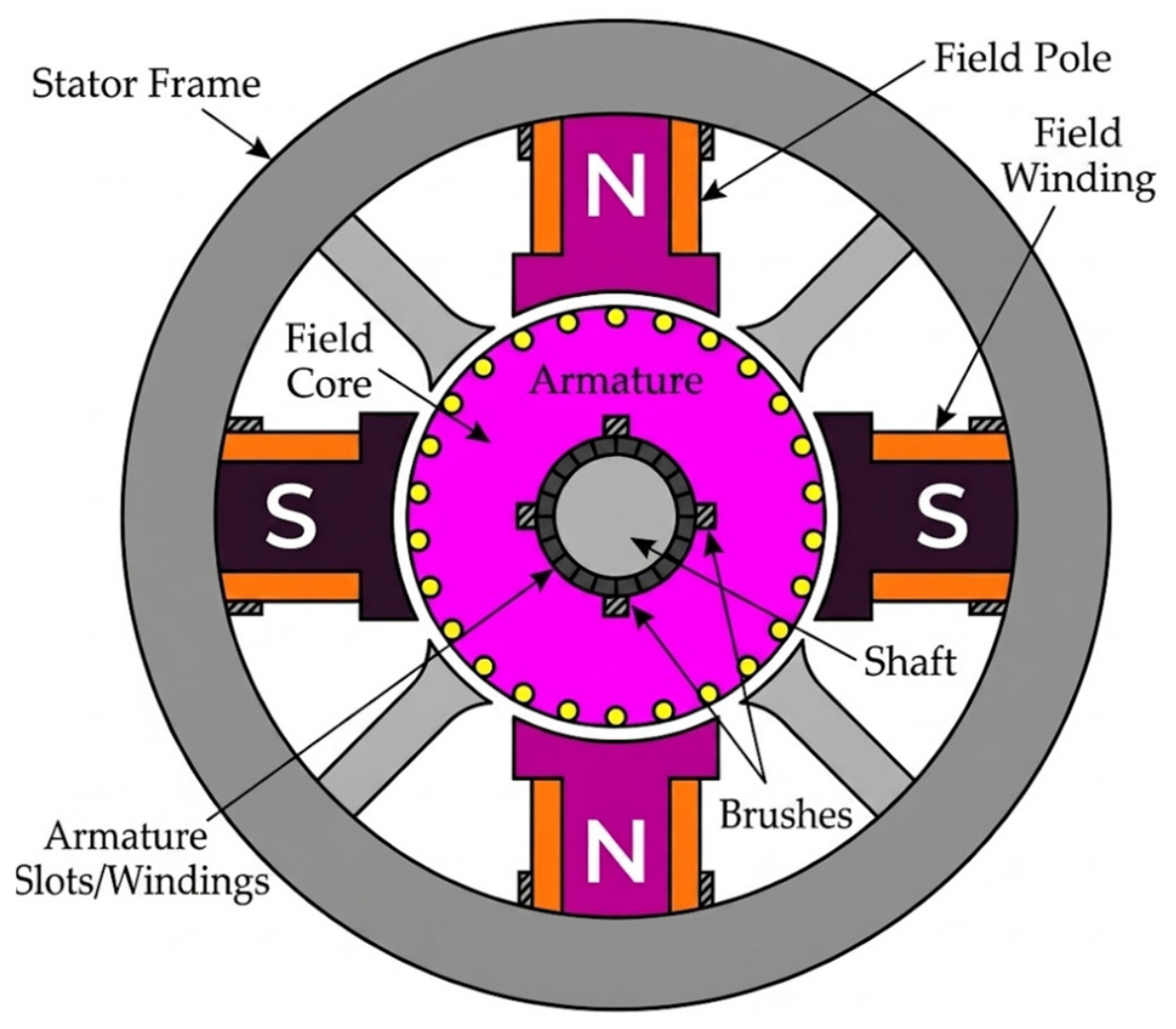
Sometimes the scientists decide to use DC motors (
Figure 1), because of their size, weight and easiness of control. They are the machines in which electrical energy from a voltage source is converted into mechanical energy in the form of continuous rotational motion. Usually they can be used with additional gearbox to increase the torque on a shaft, which is very needed for demanded biomechanical constructions.
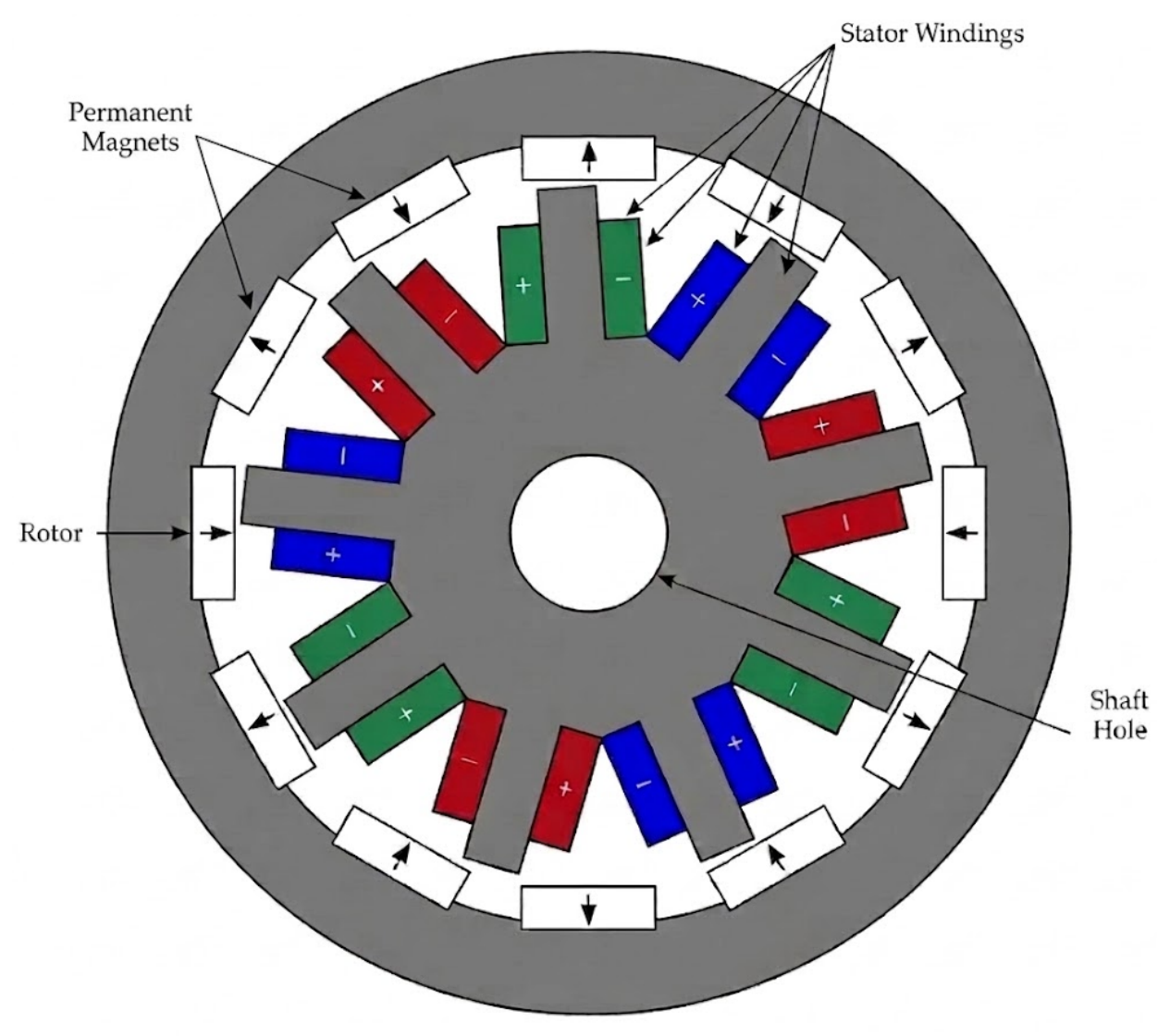
Another type of electrical machines are BLDC motors (
Figure 2). The rotor moves relatively frictionless with the stator. This approach offers engineers several advantages. The absence of brushes and their accompanying friction and sparking makes the BLDC motor reliable, as it requires little or no maintenance and has a longer service life. In some works it is possible to find BLDC motors with additional gearboxes (i.e., harmonic or planetary gearbox) to increase the torque—similarly to DC motors and other constructions.
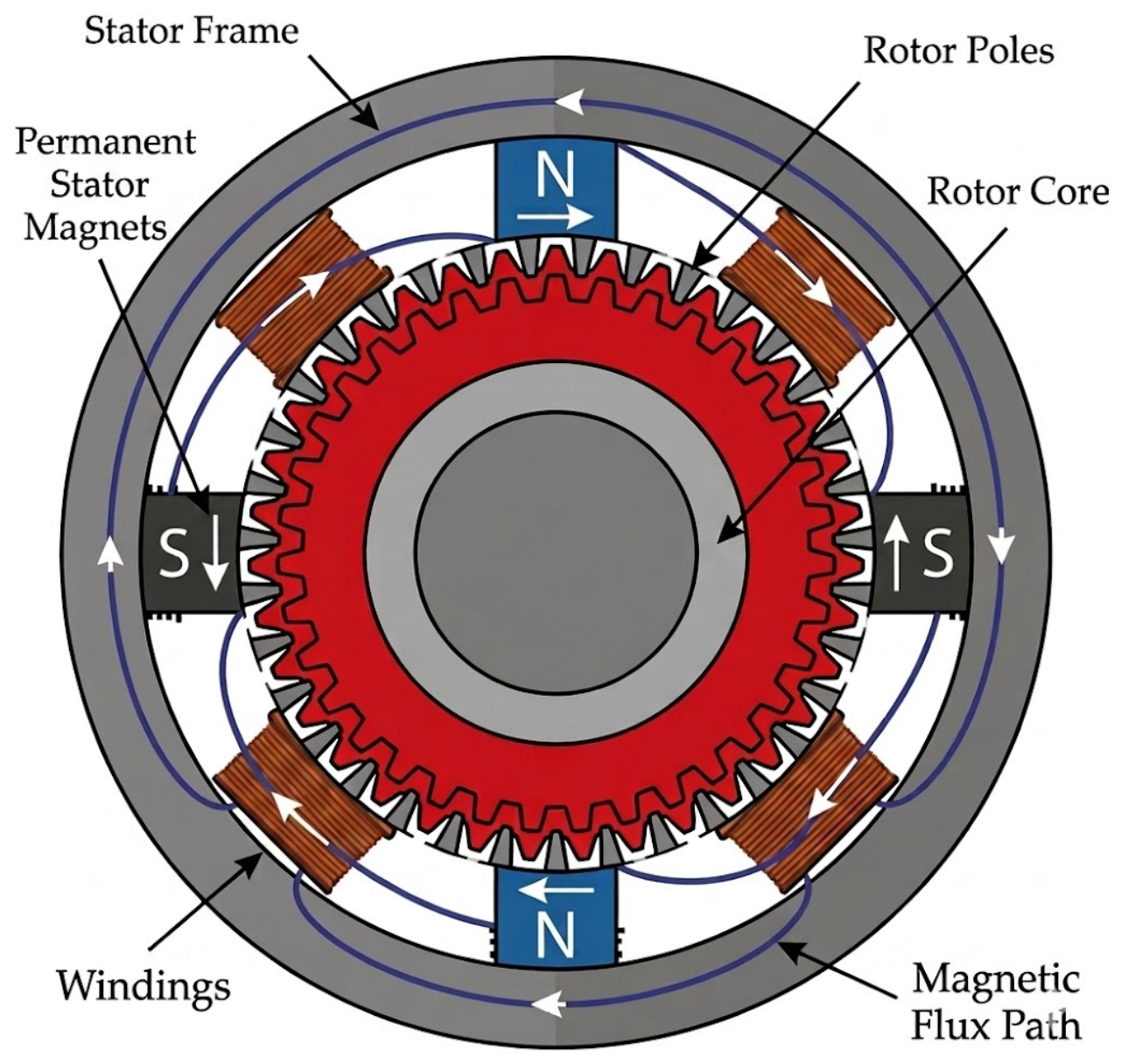
Occasionally, it is possible to find a stepper motor in some biomechanical implementations. A basic stepper motor (
Figure 3) consists of a rotor and a stator, which only in name are the components that link steppers to traditional DC motors, as the design of these parts is quite different in the two types of motors. Stepper motors, unlike motors that perform a constant rotational motion, are brushless motors. They do not have mechanical-electrical components working with a commutator to force current to flow in the relevant parts of the rotor winding.
The most interesting types of electrical machines implemented in biomechanical devices are High Torque (HT) motors. The idea of them in biomechanical constructions is to help, i.e., a potential heavy patient in a rehabilitation with huge range of controllable torque. In some of them, the magnetic gearbox is used to increase the value of the torque.
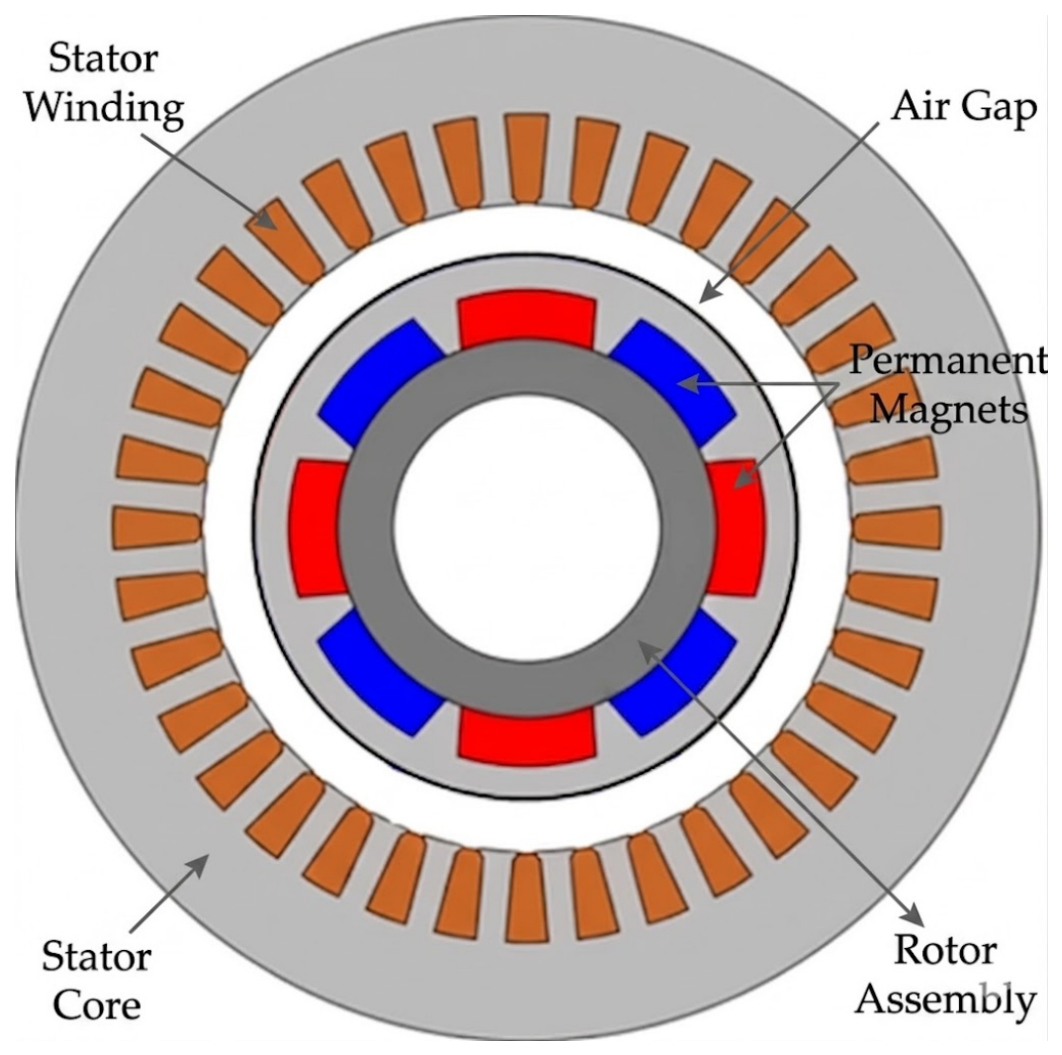
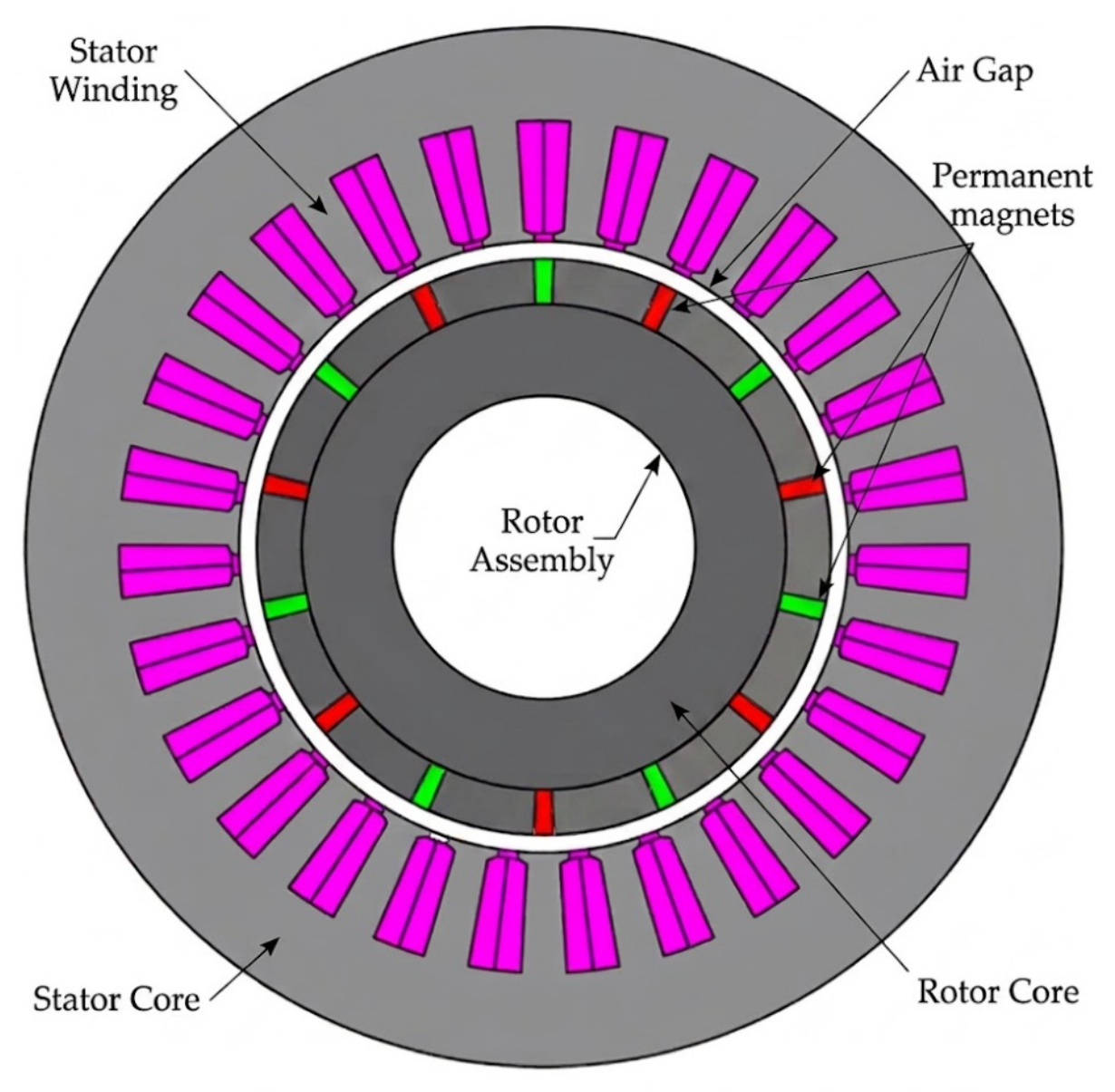
Some of the biomechanical constructions are equipped in Permanent Magnet Synchronous Motors (PMSM). Permanent Magnet Synchronous Motor (
Figure 4) works by using magnets on its rotor and a magnetic field created by electricity in its stator. When an AC power is sent to the stator, it creates a rotating magnetic field. The rotor, with its permanent magnets, aligns with this field and rotates at the same speed. This synchronized rotation produces torque, which turns the motor shaft and powers whatever the motor is connected to. PMSMs are efficient and commonly used in electric vehicles and appliances.
There are also other electric machines proposed in literature, that in the authors opinion are relevant to comment and can be used in biomechanical constructions in the future works.
Historically, biomechanical devices have heavily relied on classic Direct Current (DC), Brushless DC (BLDC), and standard Permanent Magnet Synchronous Machines (PMSM). Their widespread adoption stems from technological maturity, ease of control, and high individual efficiencies. However, their direct application in wearable robotics faces a fundamental physical limitation. The electromagnetic torque
generated by a conventional radial-flux machine is strictly constrained by its rotor volume, as described by the classical machine sizing equation:
where
is the rotor diameter,
is the active axial length, and
represents the machine constant (which depends on the specific magnetic and electrical loadings).
Because the strict geometric limits of prostheses and exoskeletons severely restrict both
and
conventional motors cannot generate the 30–65 Nm required for human locomotion directly. To bridge this gap, designers invariably couple these motors with high-ratio mechanical transmissions (e.g., harmonic or planetary gearboxes). While this multiplies the torque, it introduces significant drawbacks. The overall system efficiency
is penalized by the mechanical losses of the gearbox:
As mechanical gearboxes typically introduce 5–15% losses, the system efficiency drops, increasing the thermal load and draining battery life. Furthermore, high gear ratios exponentially increase the reflected rotor inertia and introduce friction, effectively destroying the system’s backdrivability—a critical safety feature in human–robot interaction that allows the user to back-drive the joint during a fall or sudden movement.
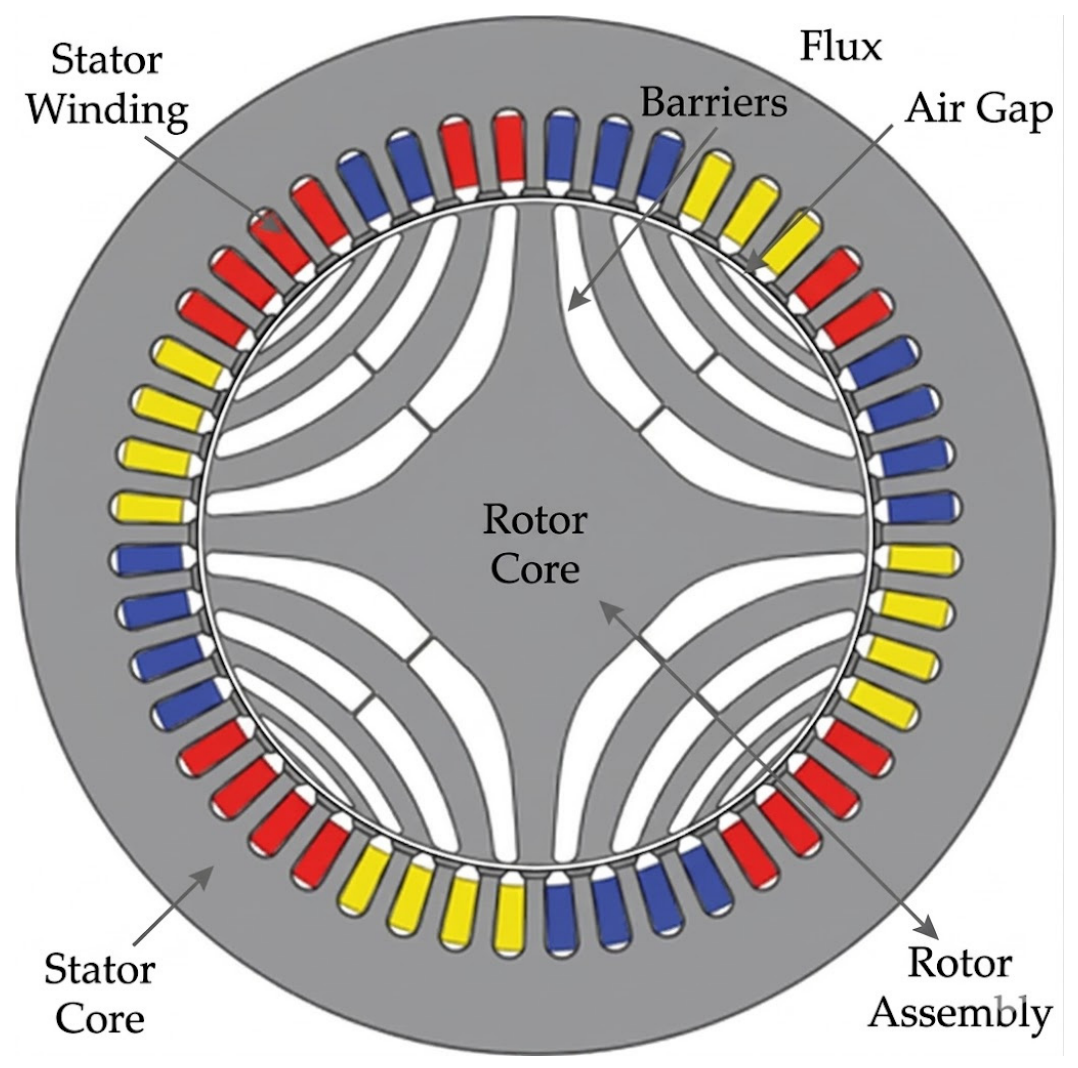
Some publications are responding to Synchronous Reluctance (SynRel) motors (
Figure 5). A SynRel motor operates by using magnetic resistance, or reluctance, in its rotor to generate movement. In this motor, the stator produces a rotating magnetic field when powered by alternating current. The rotor, unlike in other motors, does not have any magnets or windings; instead, it is made of iron with carefully designed air gaps or low-magnetic sections. These gaps create paths for the magnetic field, and as the stator’s field rotates, the rotor aligns itself to minimize magnetic resistance. This alignment generates torque, causing the rotor to spin at the same speed as the stator’s magnetic field.
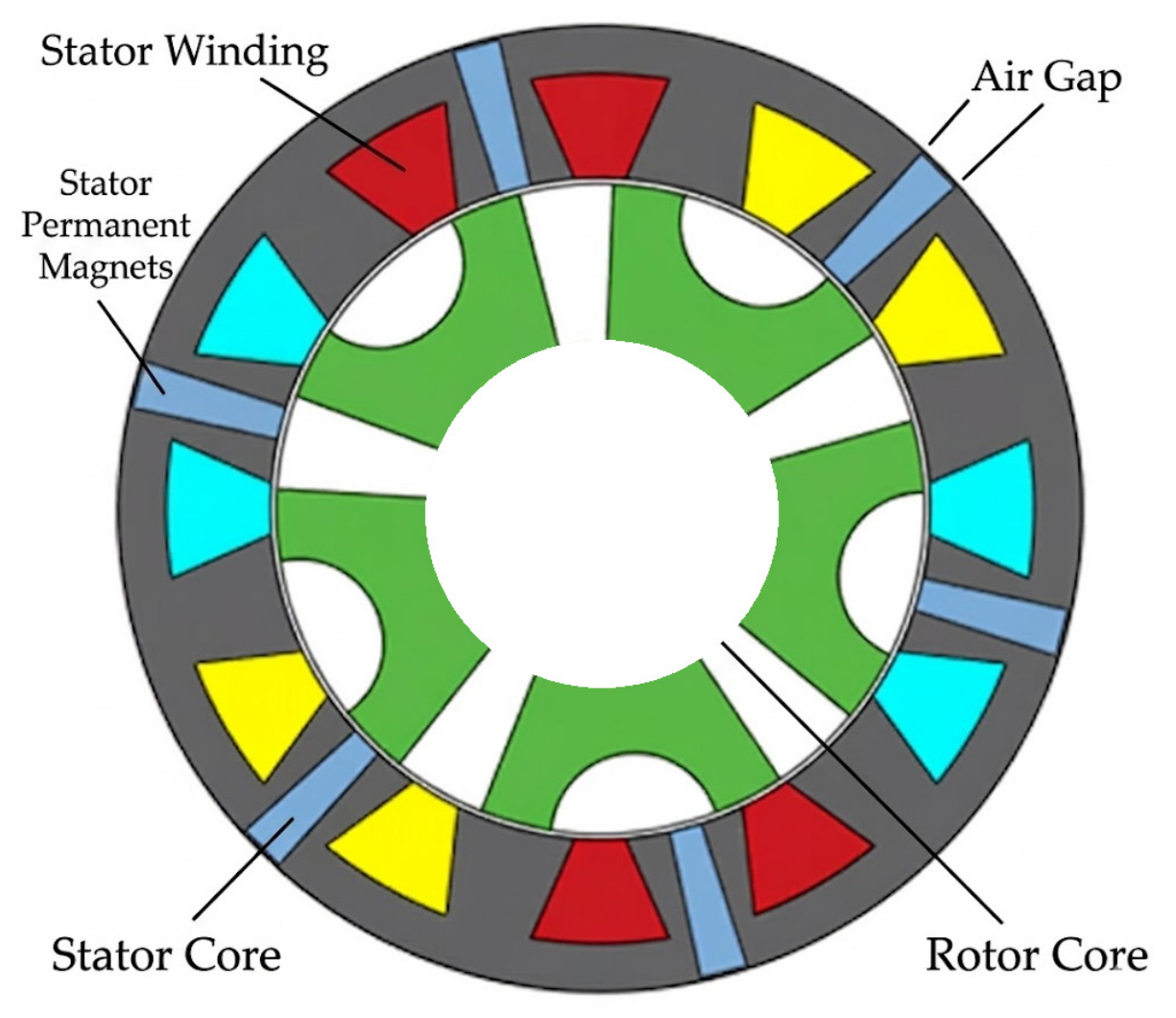
The Flux Switching Permanent Magnet (FSPM) Motors are also relevant to comment (
Figure 6). An FSPM motor is a type of motor that uses permanent magnets and a unique stator design to produce torque. In an FSPM motor, the magnets are placed on the stator rather than on the rotor. The stator also has windings that, when powered by AC current, create magnetic fields that interact with the magnets. As the current in the windings switches direction, the magnetic flux changes paths, creating a force that pulls the rotor into alignment. This “flux-switching” effect drives the rotor to turn and produce mechanical motion. Because the magnets stay on the stator, they are better protected, which can increase the motor’s durability. FSPM motors are known for their high torque density, efficiency, and reliability, making them useful in many industrial applications.
Sometimes the scientists are building Permanent Magnet Vernier Motors (PMVM). A PMVM (
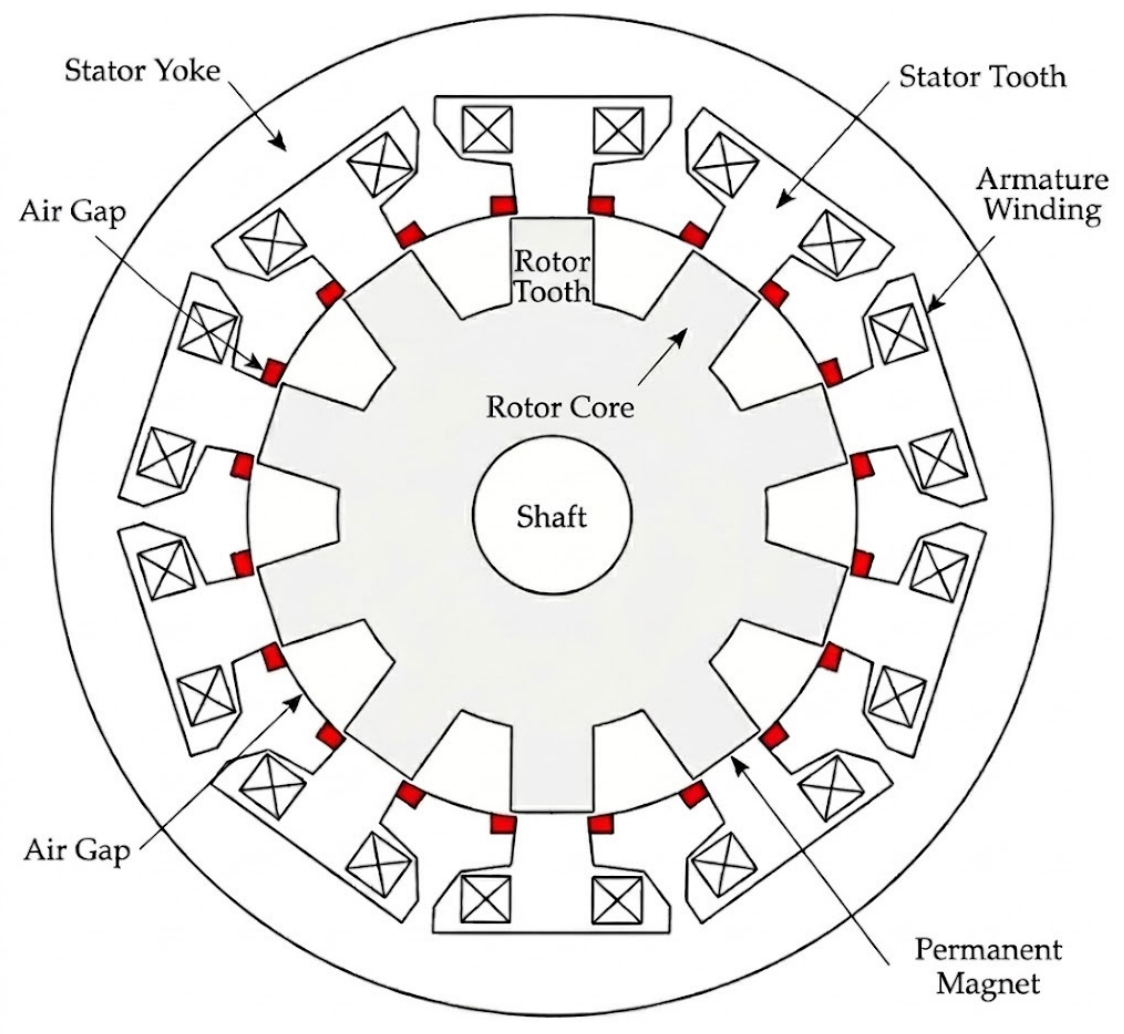
Figure 7) is a type of motor that combines permanent magnets and a unique gear-like magnetic structure to produce high torque at low speeds. In a PMVM, both the stator and rotor contain specially arranged magnetic poles. Permanent magnets are usually mounted on the rotor, while the stator has windings that create a magnetic field when energized by alternating current. The key feature of a PMVM is its “magnetic gearing” effect: the motor’s magnetic structure allows the rotor to rotate at a slower speed than the stator’s magnetic field, similar to a mechanical gear reduction. This design enables the motor to generate high torque even at low speeds, making it highly efficient and useful in direct-drive applications. PMVMs are often used in applications where high torque at low rotational speeds is needed, such as in electric vehicles, robotics, and wind energy systems.
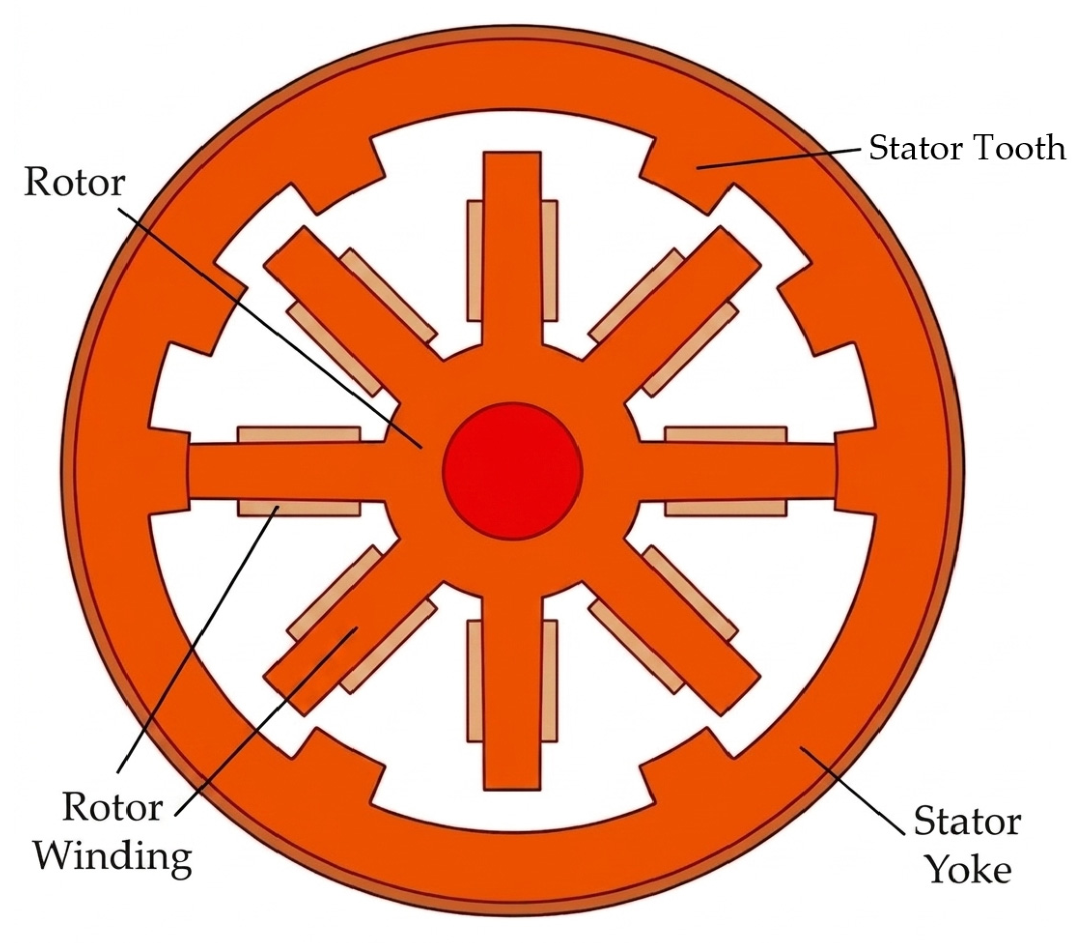
If we need to optimize the cost of manufacturing of electric machines, the Switched Reluctance Machines (SRM) are worth discussing. An SRM (
Figure 8) works by using the magnetic reluctance of its rotor to generate motion. Unlike other types of motors, an SRM does not have permanent magnets or windings on the rotor. Instead, it relies on the rotor’s iron structure, which is shaped to create areas of varying reluctance. In an SRM, the stator has coils that are energized in a specific sequence. As the current flows through these coils, a magnetic field is created. The rotor, which has a unique shape with poles that align with the stator’s magnetic field, moves to minimize the reluctance, or the magnetic resistance between the stator and rotor. This creates the torque that causes the rotor to turn. Because the rotor only moves to reduce magnetic reluctance, SRMs are simple and robust, with fewer components, making them reliable and cost-effective. However, they require a more complex control system to switch the coils on and off at the right times.
The researchers are conducting some experiments using Axial-Flux Permanent Magnet (AFPM) Motors. An AFPM motor (
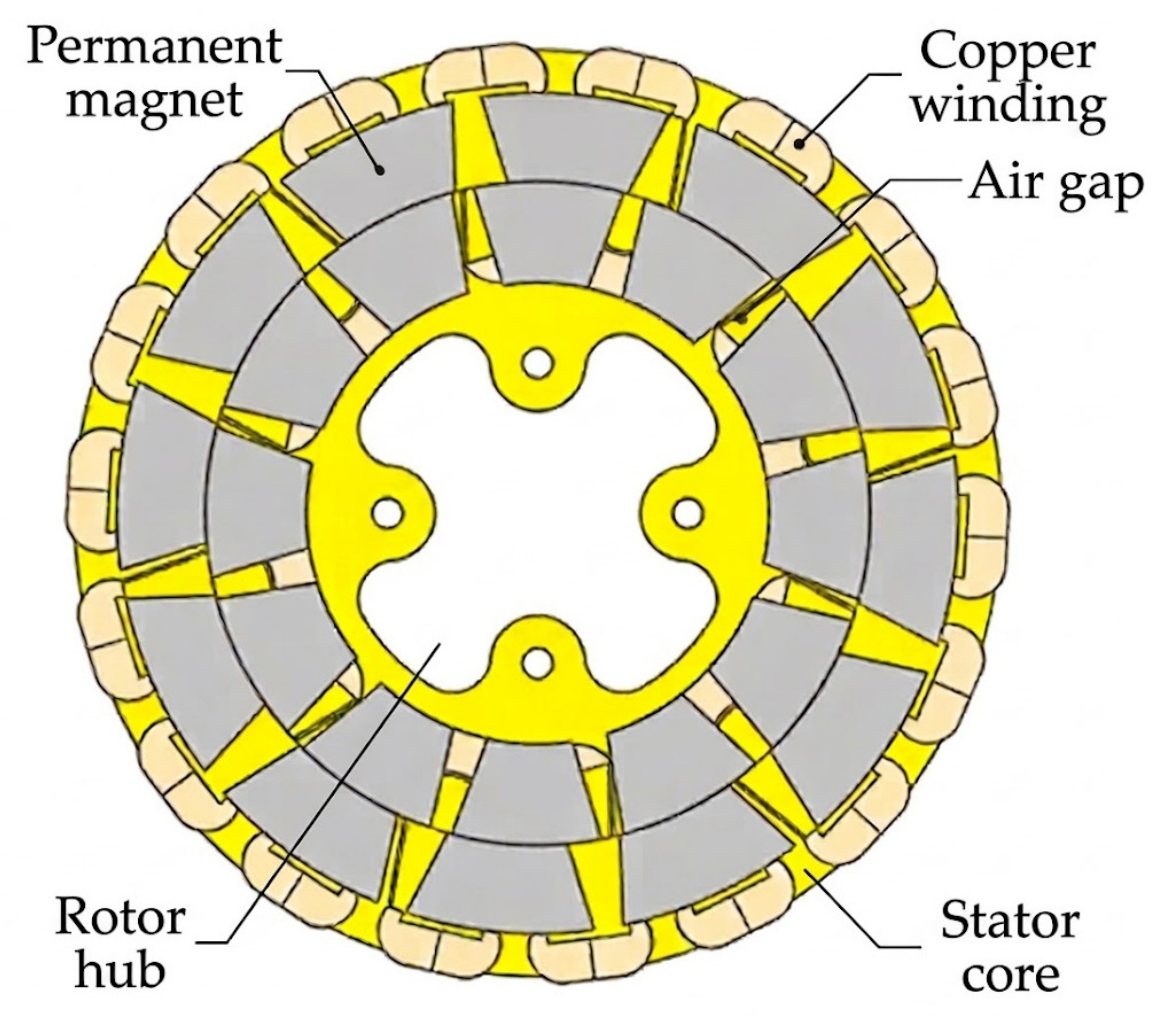
Figure 9), also known as a disc motor, is a type of electric motor where the magnetic flux flows along the axis of the rotor, rather than radially as in traditional motors. In this design, the stator is typically flat and disc-shaped, and the rotor contains permanent magnets. The magnetic field generated by the stator interacts with the rotor’s magnets, creating torque and causing the rotor to spin along its axis. This design results in a motor that is more compact, lighter, and more efficient compared to traditional radial-flux motors. One of the main advantages of AFPM motors is their high power density, meaning they can produce a large amount of power relative to their size and weight. The compact design makes them ideal for applications where space and weight are crucial, such as in electric vehicles and aerospace systems. Additionally, these motors are known for their efficiency and low losses, which contribute to their overall performance.
One of the proposed publications corresponds to a Yokeless and Segmented Armature (YASA) Motor. The YASA motor design features a stator with separate magnetic poles, each having a single concentrated winding. The rotor is made up of two identical plates arranged 180 electrical degrees apart, with magnets of the same polarity facing each other across the stator. This structure reduces the amount of soft magnetic material used, which helps cut down on losses, weight, and volume, while also lowering manufacturing costs. Additionally, this setup allows for a compact coil with shorter end windings. Compared to other axial-flux and radial-flux motors, the YASA motor offers considerable cost savings. However, due to the relatively long air gaps in the design, YASA motors tend to have low self-inductance, which can lead to high short-circuit currents. While this can present challenges for fault-tolerant designs, it also provides an advantage in applications requiring quick changes in torque, such as torque vectoring, due to the motor’s low time constant. The construction is similar to APFM.
To overcome the limitations of mechanical transmissions, a distinct trend in recent literature is the shift towards Quasi-Direct Drive (QDD) and pure Direct Drive (DD) paradigms. This shift necessitates the use of unconventional machine topologies that maximize torque density
where
is the peak electromagnetic torque and
is the active mass of the machine. Reaching the threshold of 35–45 Nm/kg, which is necessary to approximate biological muscle capabilities, requires fundamentally different magnetic architectures.
Axial-Flux Permanent Magnet (AFPM) and YASA Motors: Unlike radial machines, AFPM motors direct the magnetic flux parallel to the axis of rotation. This pancake-like geometry drastically increases the effective air-gap radius, yielding higher torque for the same mass. While YASA (Yokeless and Segmented Armature) designs push this even further by eliminating the stator yoke to save weight, their large diameters often exceed the strictly defined limits (e.g., <150 mm) for anthropomorphic applications.
Flux Modulation and Vernier Machines (PMVM, FSPM): Another emerging trend is the integration of the “magnetic gearing” effect directly into the motor structure. Permanent Magnet Vernier Machines (PMVM) and Flux Switching Permanent Magnet (FSPM) motors utilize a specific stator tooth and rotor pole combination to modulate the magnetic flux. The effective pole pair number of the magnetic field interacting with the stator winding
is modulated by the number of rotor segments
and permanent magnet pole pairs
This flux modulation allows the rotor to rotate at a fraction of the synchronous speed of the fundamental magnetic field, inherently multiplying the output torque without any physical contact, friction, or mechanical wear.
Reluctance Machines (SRM, SynRel): Switched Reluctance (SRM) and Synchronous Reluctance (SynRel) motors are also investigated due to their robust, magnet-free rotors, which lower manufacturing costs and eliminate the risk of demagnetization under high peak currents. However, they suffer from higher torque ripple, which can cause undesirable vibrations in wearable devices, necessitating complex non-linear control strategies.
In summary, the literature reveals a clear transition. While BLDC and standard PMSM paired with gearboxes remain the pragmatic choice for current commercial applications, cutting-edge research in biorobotics is heavily focused on AFPM, PMVM, and other flux-modulating topologies. These emerging machines provide the high required to eliminate mechanical gearboxes, thereby maximizing efficiency, backdrivability, and dynamic response in human-assistive devices.
In two found publications, the authors decided to prepare the Consequent Pole Flux Reversal Machines (CPFRM). CPFRM (
Figure 10) are a type of electric motor that use a unique rotor and stator design to improve efficiency, torque density, and performance. The key feature of these motors is the use of consequent poles on the rotor, where the magnetic poles of the rotor are alternately arranged in such a way that the flux in the rotor reverses as it interacts with the stator. In a Consequent Pole Flux Reversal Machine, the rotor has two sets of poles that are connected to each other in a way that creates a high torque output while minimizing energy losses. This flux reversal occurs because the stator’s magnetic field interacts with the rotor’s poles in a manner that causes the magnetic flux to “flip” direction during operation. This results in a more efficient use of the permanent magnets on the rotor. The motor’s stator typically features concentrated windings that help reduce the amount of copper used and reduce losses, leading to better overall efficiency. Because of the way the rotor poles are arranged and the flux reversal that occurs, CPFRMs can generate high torque and power density while maintaining low energy consumption and a compact form factor. These motors are well-suited for applications where high torque and efficiency are needed in a relatively small and lightweight package.
One of the studies has also presented have also presented a usage of linear motor (
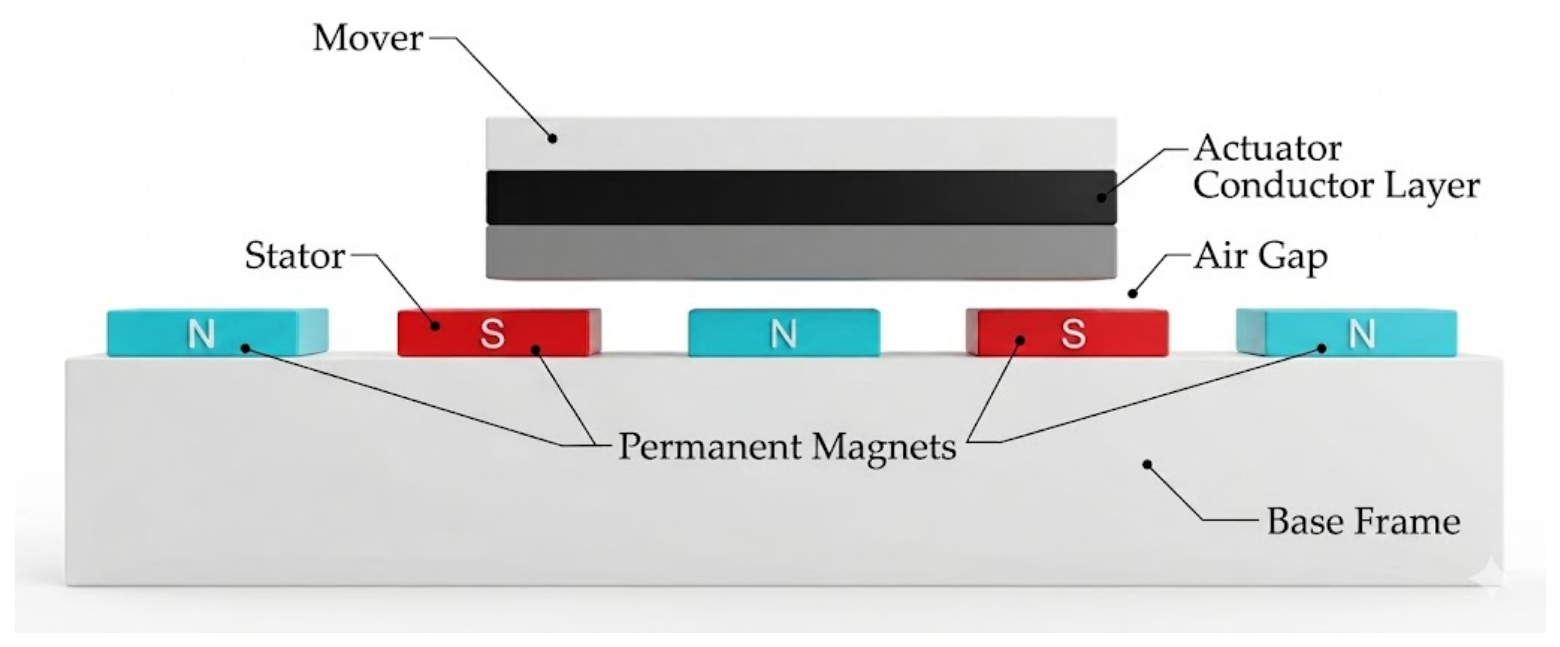
Figure 11). A linear motor is a type of electric motor designed to produce linear motion, rather than the rotational motion that traditional motors generate. It works on the same basic principles as a regular electric motor, but instead of a rotating shaft, the motor creates a straight-line movement. In a linear motor, the stator has coils that are energized by an alternating current. These coils create a magnetic field that interacts with the magnets or coils on the moving part, often called the “primary” or “slider.” As the stator’s magnetic field moves, it pushes or pulls the slider, creating linear motion. The movement can be continuous, and the speed and direction can be controlled by adjusting the timing of the current sent to the coils. These motors offer high efficiency and accuracy because they eliminate the need for mechanical parts like gears or screws, making them ideal for tasks that require smooth and fast movement over a straight path.
The last group of motors with high torque found in literature are induction motors (
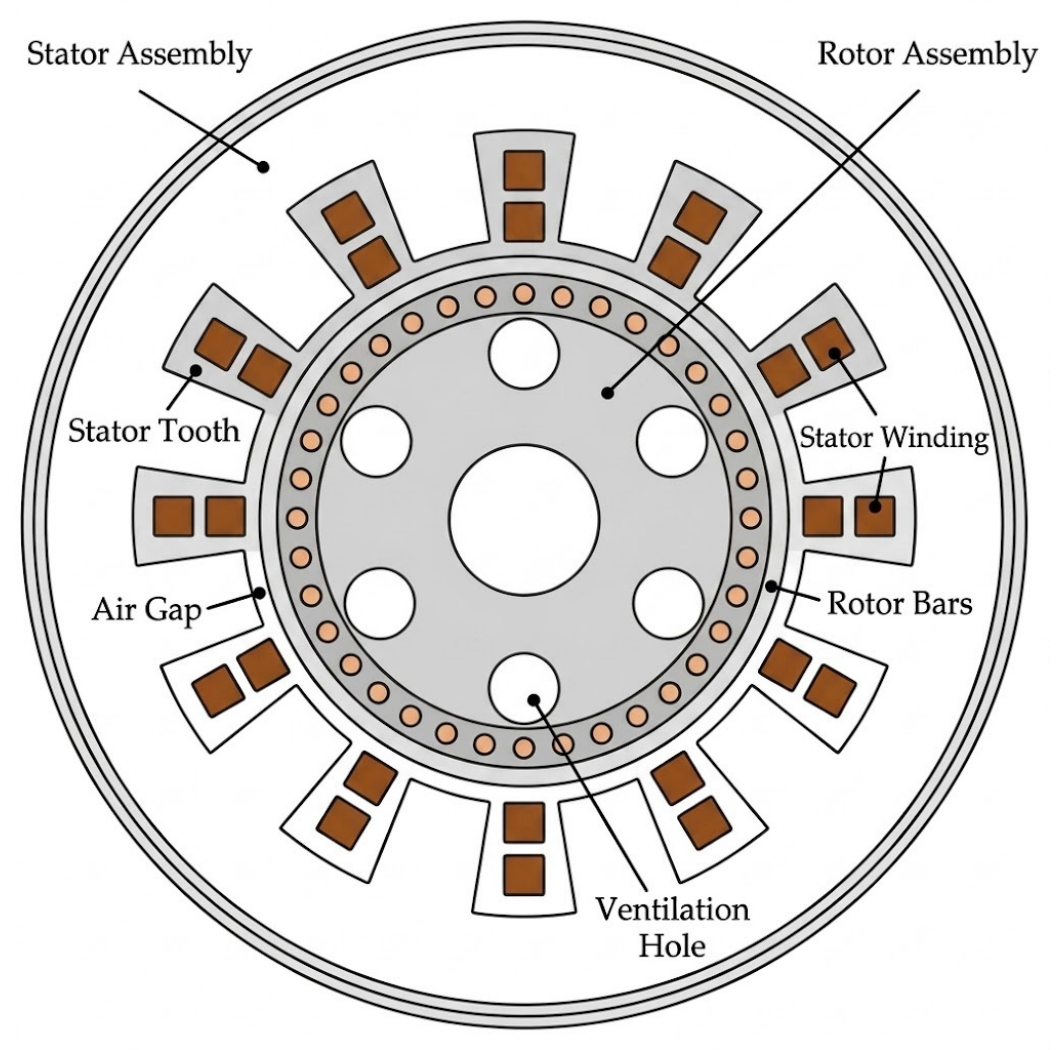
Figure 12). An induction motor is a type of electric motor that operates on the principle of electromagnetic induction. It is one of the most common types of motors used in various industrial and household applications due to its simplicity, durability, and efficiency. In an induction motor, the is supplied with AC which creates a rotating magnetic field. This magnetic field induces a current in the rotor, which then generates its own magnetic field. The interaction between the stator’s rotating magnetic field and the rotor’s magnetic field causes the rotor to turn. The key feature of an induction motor is that the rotor does not need any external electrical power or permanent magnets. The current is induced in the rotor by the changing magnetic field from the stator, which is why it is called an “induction” motor. They are known for being reliable, cost-effective, and requiring minimal maintenance because they have no brushes or external power supply to the rotor. However, they are typically less efficient than motors with permanent magnets, especially at lower speeds.
Table 2 summarizes the fundamental relationships describing the electromagnetic torque
for the various machine topologies analyzed in this study. This comparison illustrates how torque generation mechanisms differ across topologies, ranging from current-controlled permanent magnet interaction to reluctance-based variation.
The relationships presented in
Table 2 elucidate the physical principles underlying the torque production in different machine architectures. While conventional machines like PMSM and BLDC rely on the direct interaction between permanent magnet flux and stator current, reluctance-based machines (SRM, SynRel) generate torque through the rotor’s tendency to minimize magnetic resistance, governed by inductance variation. Vernier/PMVM topologies employ flux modulation to effectively multiply the electrical pole-pair interactions, creating a ‘magnetic gearing’ effect that is particularly advantageous for low-speed, high-torque biorobotic tasks. This analytical summary bridges the gap between machine construction and performance metrics, providing a deeper understanding of why specific topologies are better suited for demanding biomechanical applications.
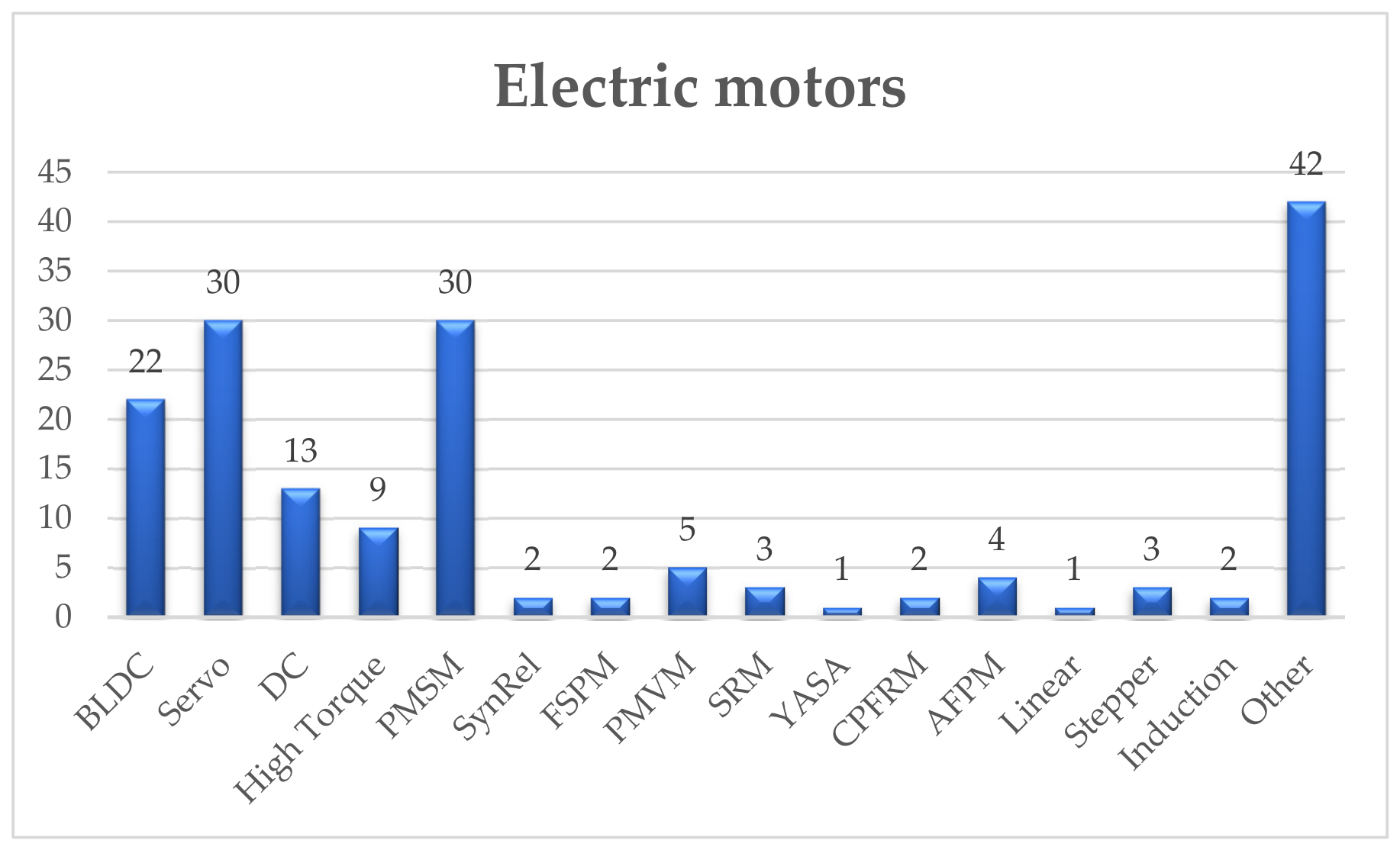
Based on the 162 articles adopted in the paper, it was found that the largest number of motors used in bionic designs are BLDC motors (23), servo motors (30), DC motors (13), various high-torque motors (10) and PMSM motors (30). Stepper motors (3) are the most commonly used. Furthermore, considering the other high torque motors on the shaft, it was found that SynRel (2), FSPM (2), PMVM (5), SRM (3), YASA (1), CPFRM (2), AFPM (4), linear (3) or induction (2) motors are referred to in the literature. The entire comparison is presented in
Figure 13 and
Table 3.
3. Analysis of the Articles with the Critical Parameters of the Electric Machines
This section examines the critical parameters of electric machines relevant to biomechanical applications. The primary factors include size (outer diameter and axial length), mass, and nominal torque. Secondary parameters are also evaluated, as they determine the auxiliary components required when designing a complete biomechanical drive system. This review focuses on defining practical design boundaries based on literature ranges; statistical averages are omitted due to the high technological diversity of the analyzed research. It is important to emphasize that this review considers both bare electric motors and complete actuator units (incorporating mechanical or magnetic gearboxes). Where data was provided, we have distinguished between the intrinsic motor parameters and the overall drive-train performance, acknowledging that the latter reflects the added weight and efficiency losses of the transmission stage.
3.1. Machine Diameter
During the selection and design of drives dedicated to biomechanical structures, the outer diameter of the electric machine serves as the primary parameter. This restriction is dictated by the absolute necessity to maintain system compactness. Limiting the outer diameter is crucial for preserving the anthropomorphism of the structure; the drive must not protrude beyond the natural outline of the user’s limb or joint. This constraint is essential for ensuring both the aesthetic appeal and the functional viability of prostheses and exoskeletons. Furthermore, a minimized diameter facilitates the seamless integration of the drive within the supporting frame, reducing the risk of collision with other mechanical elements. Consequently, minimizing this transverse dimension forms the foundation for all subsequent design phases, directly imposing constraints on other parameters, such as the machine’s axial length and its achievable torque. The comparison results are summarized in
Table 4.
An analysis of available solutions and current literature defines typical dimensional ranges for drives in biomechanical engineering. The most frequently utilized motors in these designs possess diameters ranging from 30 to 140 mm. However, the literature indicates that for applications demanding exceptionally high torque, units with slightly larger diameters—up to 150 mm—are permissible. It must be explicitly noted that drives exceeding the 150 mm threshold are typically designed for entirely different industrial applications. A prime example is the previously mentioned YASA motor; despite its advanced technology, it is optimized for the automotive industry and, due to its substantial size, remains unsuitable for compact biomechanical designs.
3.2. Machine Length
Another critical geometric parameter is the axial length of the machine. The motor must not be excessively long, as an elongated structure would make the device bulky and highly susceptible to mechanical damage. Constraining this dimension guarantees that the drive module remains within the natural anatomical boundaries of the limb. An oversized drive module could lead to environmental collisions or interfere with the user’s opposing limb during the gait cycle. Additionally, it would negatively impact the overall ergonomics and aesthetics of the device, ultimately compromising its anthropomorphic nature. The comparison results are summarized in
Table 5.
The analysis demonstrates that in prosthetic applications, the axial length of drive units typically reaches a maximum of 85 mm, establishing the upper limit for solutions integrated directly into artificial limbs. Drives exceeding 100 mm in length are categorically reserved for larger-scale industrial applications. Exceeding this dimensional constraint generally disqualifies a motor from wearable biomechanical use, as it compromises the mandatory compactness and ergonomic integrity of the system.
3.3. Machine Mass
The mass of the drive unit is just as critical as its geometric dimensions. In biomechanical engineering, weight minimization is a top priority, directly influencing the user’s metabolic energy expenditure and overall comfort. Excessive weight accelerates user fatigue and significantly increases the system’s moments of inertia. This factor is particularly critical for drives mounted on the distal segments of limbs; any additional mass placed far from the anatomical axis of rotation severely impairs movement dynamics and complicates precise control. The comparison results are summarized in
Table 6.
A review of the available literature indicates that the mass of individual drives in standard biomechanical designs generally does not exceed 1200 g. This value represents a pragmatic limit that preserves device functionality. While significantly heavier integrated drive units exist—weighing up to 6.6 kg—their implementation carries substantial risks. Such massive loads can destabilize the entire physical structure, drastically impairing dynamic performance and hindering the user’s ability to maintain balance.
3.4. Machine Efficiency
Energy efficiency represents another fundamental parameter. In mobile designs constrained by limited battery capacities, high efficiency is essential to ensure adequate device autonomy and to extend the operational duration per charge cycle. This parameter also dictates thermal management strategies; energy losses within the motor are inherently converted into heat. Because biomechanical drives operate in close proximity to human tissue, minimizing heat generation is paramount for user safety and comfort, simultaneously eliminating the need for heavy, complex active cooling systems. The comparison results are summarized in
Table 7.
The analysis reveals that bare BLDC or DC motors utilized in these applications exhibit excellent efficiency, typically ranging from 90% to 95%. However, a significant discrepancy arises when analyzing complete drive units equipped with high-ratio mechanical transmissions. In geared systems, unavoidable friction losses within the reducer components drastically decrease overall efficiency, yielding performance metrics substantially lower than those of the standalone electric motor.
3.5. Machine Power
Nominal power defines the continuous operational capability of a drive system and correlates directly with its thermal management. In biomechanical applications, determining this value requires a careful compromise between facilitating high motion dynamics and maintaining compact hardware dimensions. Although human biomechanics frequently necessitate momentary operation in an overload state (e.g., during sit-to-stand transitions or stair climbing), the continuous nominal power must safely accommodate the average energy demands of typical walking cycles to prevent winding overheating. Insufficient nominal power leads to rapid thermal accumulation, which, in wearable robotics, compromises both user safety and hardware longevity. The comparison results are summarized in
Table 8.
Evaluating the nominal power ratings reveals a clear correlation between the specific biomechanical application and its energy requirements. For lightweight structures, such as prostheses or upper-body humanoid components, power outputs ranging from 0 to 100 W are generally adequate. Conversely, complex humanoid and zoomorphic robots necessitate a higher range of 150–300 W. The highest power demands, frequently exceeding 500 W, are observed in exoskeletons. This is due to their operational mandate to actively assist or fully support the user’s body weight, demanding substantially more energy than autonomous prosthetic limbs.
3.6. Machine Torque
Generating high torque is a foundational requirement for biomechanical drives, directly mirroring the characteristics of the human musculoskeletal system, which operates at high forces and relatively low angular velocities. Consequently, torque density—expressed as the ratio of generated torque to the motor’s mass or volume—serves as a primary quality indicator. Maximizing torque density enables system miniaturization and facilitates the reduction of mechanical gear ratios. This reduction fundamentally improves overall efficiency and enhances control transparency, specifically backdrivability. Furthermore, peak torque capacity is vital; devices like active prostheses must handle severe, short-term dynamic overloads (e.g., sudden acceleration, stair climbing, or stumble recovery) without risking thermal failure or rotor demagnetization. The comparison results are summarized in
Table 9.
The analysis of nominal torque values reveals a clear hierarchy of force requirements depending on the intended biomechanical function. Precision manipulators, such as robotic hands, operate efficiently within the 0–5 Nm range. This demand escalates sharply for limb prostheses; standard solutions require 15–20 Nm, whereas highly dynamic architectures (e.g., active ankle or knee joints) demand 60–65 Nm. Humanoid robots occupy the intermediate spectrum, requiring 30–55 Nm. The data further reinforces the technological applicability limits; drives generating torque beyond 70 Nm (such as the automotive YASA unit) fall outside the practical scope of rehabilitation engineering and biorobotics.
3.7. Machine Voltage
Table 10 confirms the overwhelming preference for safe operating voltages up to 48 V (SELV) in biomechanical designs, dictated by strict human safety regulations and the inherent characteristics of portable battery packs. A clear correlation exists between the application type and voltage level: lightweight prostheses generally operate below 24 V (consuming 50–100 W), whereas heavy-duty exoskeletons and humanoid robots (requiring >500 W) utilize the upper 36–48 V range to maintain optimal efficiency and minimize current draw.
3.8. Machine Speed
Because human joints function at relatively low angular velocities, and conventional electric motors are optimized for high-speed operation, standard designs heavily rely on high-reduction gearboxes. However, the contemporary design paradigm for high-torque machines reverses this trend; the primary engineering objective is now to minimize nominal rotational speed in order to maximize direct shaft torque. The comparison results are summarized in
Table 11.
An analysis of nominal operating speeds reveals a significant dichotomy in drive engineering. A prominent modern trend favors low-speed machines operating between 0 and 1000 RPM. Utilizing these lower speeds enhances the dynamic flexibility and compliance of robotic joints. Conversely, legacy solutions relying on high-speed DC commutator motors (operating at 3000–6000 RPM) remain prevalent, particularly in commercial foot prostheses.
3.9. Machine Nominal Current
An analysis of the rated currents confirms a direct relationship between the required torque and the supply current under limited voltage conditions. For less loaded humanoid robot components, currents in the range of 3–6 A are sufficient. However, the increase in dynamic requirements in more advanced humanoid designs necessitates the use of currents in the range of 18–21 A. The most extreme operating conditions are observed in specialized high-torque drives used in prostheses, where rated currents reach values in the range of 21–60 A. The achieved results of comparison are presented in
Table 12.
3.10. Machine Torque Density
Torque density is arguably the most critical metric for wearable robotics, dictating the ultimate physical weight of the assistive drive. Maximizing this indicator is crucial; any extraneous mass attached to a user’s limb exponentially increases their metabolic cost and rotational inertia, severely disrupting natural gait mechanics. Modern high-efficiency drives target values of several dozen Nm/kg, allowing the mechanical hardware to approach the high-performance thresholds of biological human muscles. The comparison results are summarized in
Table 13.
Analyzing torque density identifies two distinct technological tiers. The first tier, ranging from 0 to 35 Nm/kg, characterizes modern motors in biomimetic robots, frequently utilizing fractional-slot concentrated winding (FSCW) technology. Operating at the upper echelon of this range yields a highly favorable power-to-weight ratio, sufficient for most modern prostheses and lightweight walking robots. Conversely, exceeding the 35 Nm/kg threshold enters the experimental domain, necessitating a departure from classical topologies in favor of cutting-edge research solutions. A prime example is the implementation of magnetic transmissions utilizing Halbach arrays. While these structures achieve extreme magnetic flux concentration and superior torque density, they inevitably introduce severe design complexities and elevated manufacturing costs.
4. Discussion
Despite the theoretical availability of advanced magnetic topologies, the biomechanical market remains heavily dominated by classic BLDC motors. This is primarily due to the exceptional maturity of the technology, the simplicity of control algorithms, and the widespread availability of commercial off-the-shelf components. However, a critical comparison of parameters clearly indicates that these conventional solutions are rapidly approaching their absolute miniaturization limits. Achieving the requisite 60–65 Nm of torque while maintaining a strictly constrained mass below 1200 g forces the integration of high-ratio mechanical gearboxes. This integration severely degrades the system’s overall efficiency and severely limits its backdrivability.
The central conclusion derived from this review is the paramount importance of torque density. The analysis exposed a definitive boundary between conventional solutions (0–35 Nm/kg) and experimental architectures (>35 Nm/kg). Breaching the 35 Nm/kg limit—a necessity if prostheses are to truly mimic biological muscle metrics—requires engineers to abandon standard radial-flux designs in favor of specialized topologies, such as magnetic gears or Vernier machines utilizing Halbach arrays. This trajectory suggests that the future of advanced biorobotics lies in the sophisticated integration of unconventional magnetic systems, rather than the mere geometric scaling of legacy DC/BLDC motors.
The dimensional boundaries identified in this study represent more than just assembly constraints; they are the fundamental pillars of anthropomorphic design. Exceeding these physical limits—as demonstrated by the analysis of YASA motors—categorically disqualifies a drive from prosthetic applications, regardless of its exceptional torque characteristics. Designers must continuously navigate these strict volumetric limits, a necessity that heavily incentivizes the research and development of short-stack, axial-flux topologies.
Furthermore, a significant engineering conflict persists between stringent safety regulations and escalating power demands. The industry standard mandates the use of safety extra-low voltage (SELV) power supplies, capped at 48 V. For heavy-duty exoskeletons requiring power outputs exceeding 500 W, this voltage cap forces the system to operate at exceptionally high currents (peaking up to 60 A). These massive currents generate severe resistive heat losses within the stator windings. In wearable applications, where active liquid cooling is prohibited by rigid weight constraints, this thermal reality places extreme demands on insulation materials and passive heat dissipation strategies.
Finally, a distinct paradigm shift is evident regarding operating velocities: high-speed DC motors (3000–6000 RPM) are gradually being superseded by low-speed architectures (below 1000 RPM). This transition is intrinsically linked to the adoption of Direct Drive (DD) and Quasi-Direct Drive (QDD) philosophies. Eliminating mechanical reduction stages vastly improves the dynamic response and proprioceptive “feel” of the prosthesis interacting with the environment. However, achieving this requires motors with significantly larger diameters or highly specialized flux-modulating designs, thereby cyclically returning the engineering focus back to the core challenge of geometric limitation.
Table 14 presents the optimal, desirable parameters for electric machines in biomechanical applications, synthesized from the comprehensive literature review.
Despite the wealth of literature on high-torque electric machines, our review identifies significant research gaps that hinder the standardization of biorobotic drives. First, there is a clear absence of standardized testing platforms; experimental results are often reported using proprietary testbeds, making the comparative assessment of efficiency and thermal performance across different topologies nearly impossible. Second, longitudinal durability data under realistic gait-cycle loading is critically insufficient. Most studies focus on peak torque and efficiency at steady-state conditions, whereas the actual operational life of a biomechanical actuator involves highly stochastic, dynamic stress that current literature fails to characterize adequately. Finally, there is a lack of harmonized metrics for reporting thermal behavior, making it difficult to assess how emerging topologies will perform in thermally constrained, closed-environment wearable applications.
It should be noted that the analyzed electric machine topologies include both commercially established solutions and emerging experimental designs; the latter, while theoretically promising, currently require further validation in real-world prosthetic and exoskeleton applications.
It is critical to acknowledge that geometric and mass constraints are highly dependent on the target anatomical segment. For robotic hands, where fine motor skills are prioritized over raw force, torque requirements are minimal (typically <5 Nm), allowing for highly compact, low-mass designs. In contrast, lower limb applications—specifically knee and ankle joints—impose the most stringent demands; these actuators must operate under high dynamic loads, often requiring torque outputs exceeding 60 Nm. Exoskeletons, due to the need to support the user’s entire body weight, represent a distinct category requiring the highest power and torque density metrics, whereas upper-limb prostheses occupy an intermediate position, balancing compactness with moderate force generation.
The reliance on low-voltage DC buses (typically ≤48 V) to ensure user safety necessitates high current density, which directly impacts the thermal management of the drive system. In wearable robotics, this creates a critical trade-off: higher currents lead to increased Joule heating within the stator windings and power electronics. Given the limited surface area for heat dissipation in compact, enclosed wearable devices, localized thermal hotspots can significantly degrade the insulation and lifetime of the motor. Furthermore, excessive heat accumulation poses a direct risk to user comfort and safety, necessitating strict thermal design limits that often constrain the continuous torque output of the actuator well below its peak performance capability. Therefore, thermal-aware design and advanced heat-sinking integration are as vital as achieving target torque density in biomechanical applications.
5. Conclusions
This article provides an in-depth analysis of established electric machine designs, meticulously evaluating their applicability within biomechanical constructs. Electric machines serve as the foundational mechanical components of advanced bionic devices, including active prostheses, load-bearing exoskeletons, and humanoid robots, fundamentally dictating their overall functionality and dynamic performance. While conventional motors (primarily BLDC, Servo, and PMSM) successfully generate sufficient shaft torque for many applications, the literature clearly indicates a pressing need for optimization. Alternative high-torque topologies, though currently less ubiquitous in commercial products, possess immense potential to drastically enhance the adaptability and efficiency of future biorobotic systems. These emerging motor architectures offer critical advantages, including superior energy efficiency, reduced mass, and enhanced dynamic flexibility—metrics that are absolutely paramount in the design of modern wearable mechatronics.
Based on the comprehensive quantitative analysis summarized in
Table 14, definitive engineering guidelines for anthropomorphic drive systems have been established. To ensure biomechanical compatibility and user ergonomics without compromising performance, the ideal drive unit must fit within a maximum outer diameter of 150 mm and an axial length not exceeding 85 mm. Furthermore, strict mass minimization remains an absolute priority; the isolated motor weight must be maintained below 1200 g to prevent detrimental alterations to the user’s natural gait dynamics.
Advanced magnetic topologies are currently achieving highly desirable performance thresholds, specifically demonstrating the capacity to handle nominal currents up to 60 A while delivering exceptional torque density values reaching 45 Nm/kg. Surpassing this specific torque density metric is the critical evolutionary step required for robotic actuators to realistically replicate the performance capabilities of biological human muscles.
These emerging motor designs offer substantial systemic advantages, including outstanding energy efficiency (>95%) and the crucial capability for low-speed, high-torque operation (≤1000 RPM). This directly aligns with the modern biorobotic trend of minimizing or entirely eliminating mechanical transmission ratios. Future scientific research should prioritize the optimization of these flux-modulating topologies, focusing specifically on balancing high electrical power demands (reaching 500 W) with the strict safety constraints of low-voltage battery systems (≤48 V), which remains the definitive bottleneck in the evolution of wearable biomechanical technology.
It should be noted that the recommended parameter ranges presented in this study are derived from a diverse set of biomechanical applications, ranging from robotic prosthetics to humanoid platforms. Therefore, these values should be treated as practical design guidelines rather than universal technical standards, as specific requirements may vary significantly depending on the target application.