



Technology Readiness of Biomass Waste-to-Energy in Indonesia: A Multistakeholder Assessment of Anaerobic Digestion of Palm Oil Mill Effluent and Municipal Organic Waste


Abstract
1. Introduction
2. Literature Review
3. Materials and Methods
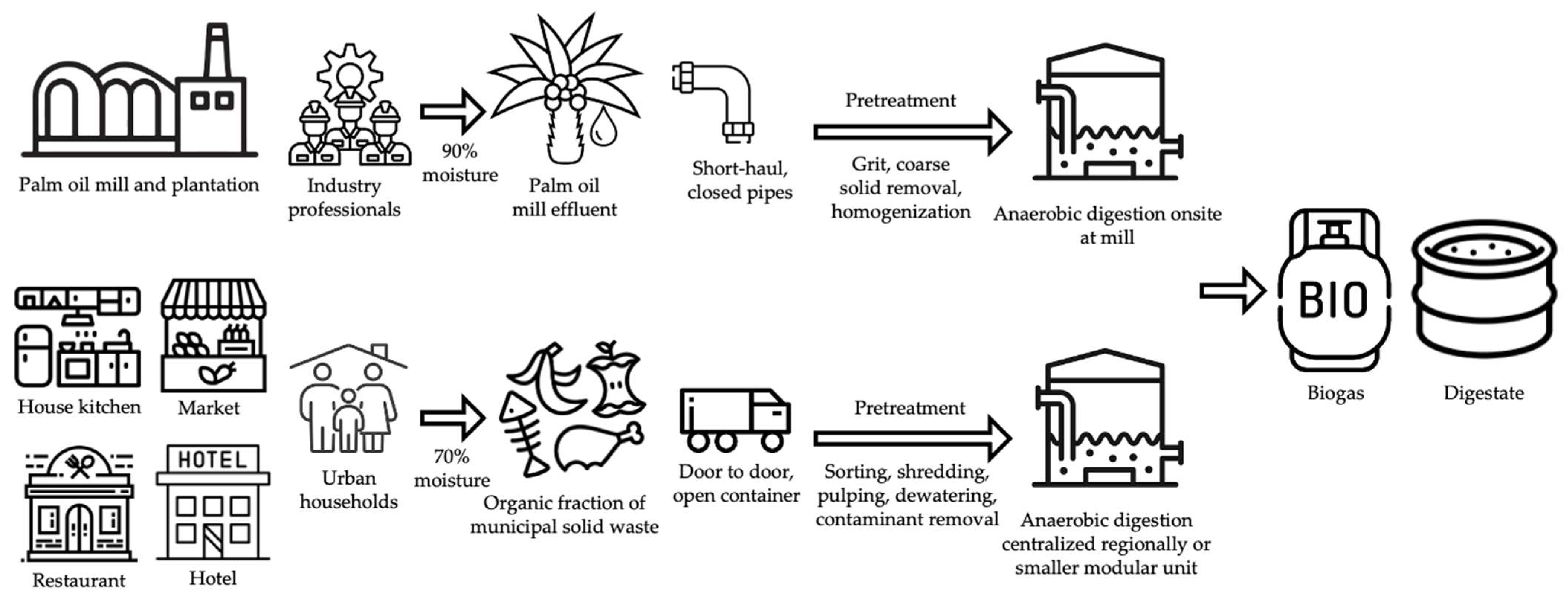
3.1. Operational Scope
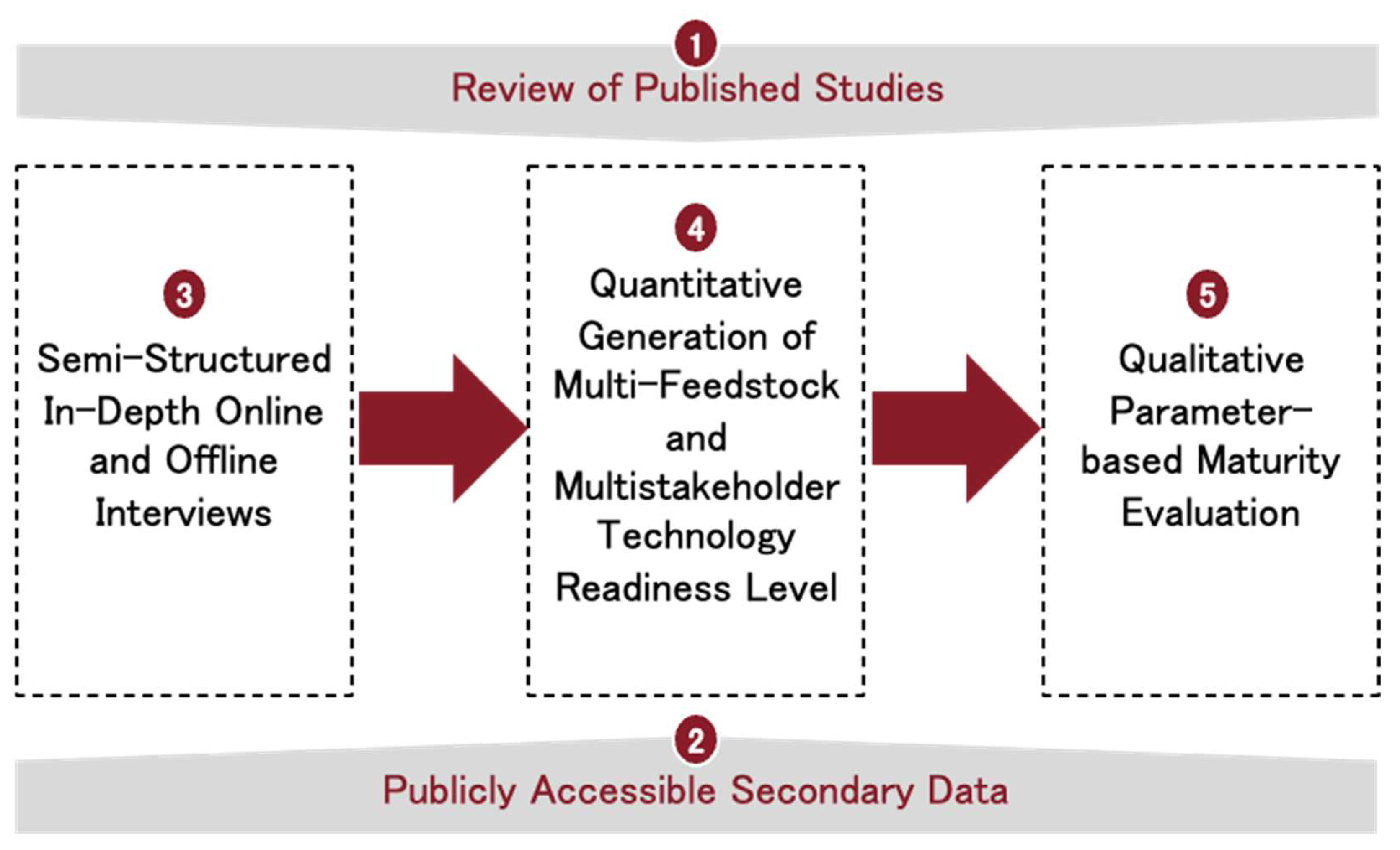
3.2. Methodological Framework and Data
3.2.1. Review of Published Studies
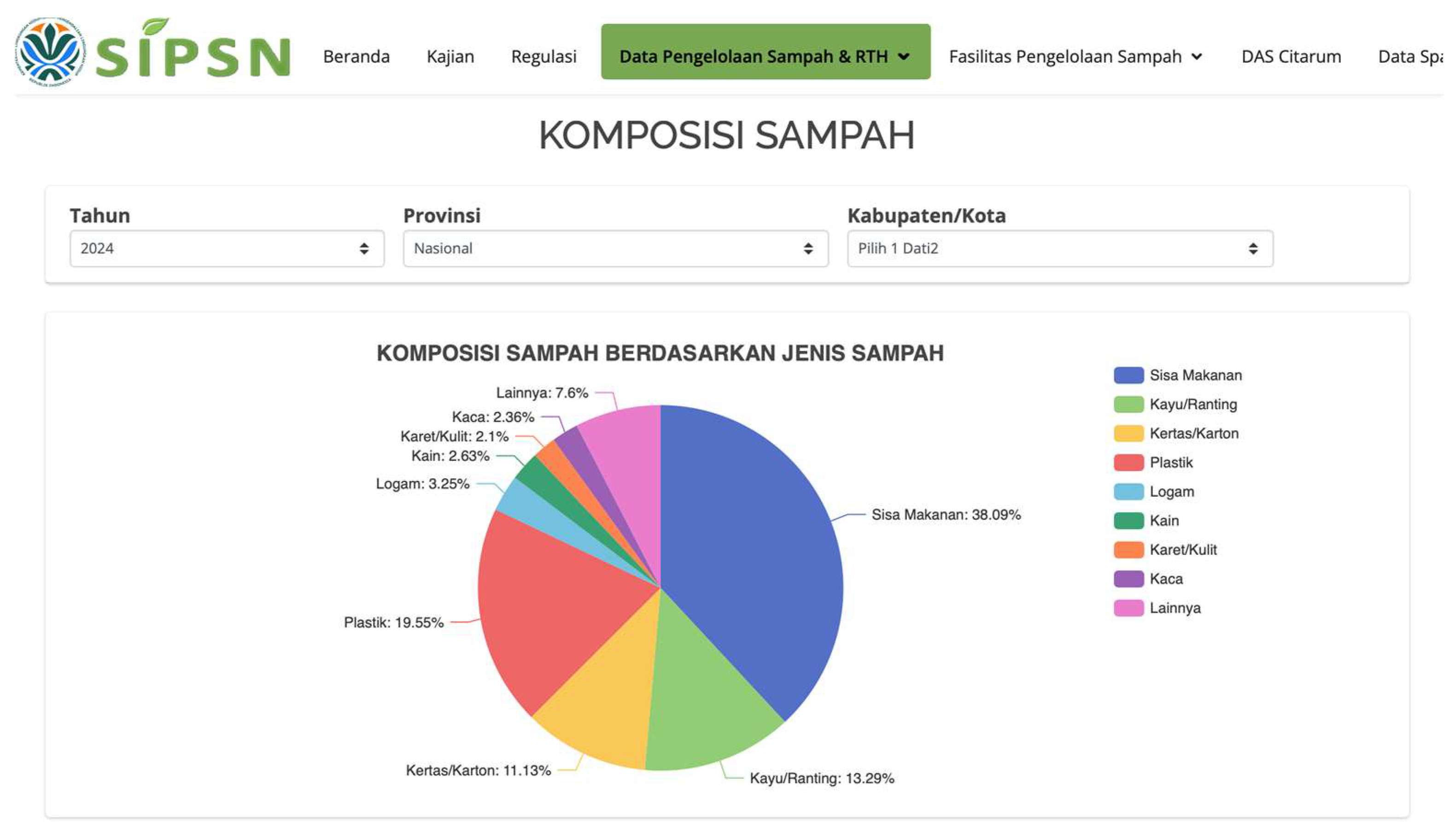
3.2.2. Secondary Data
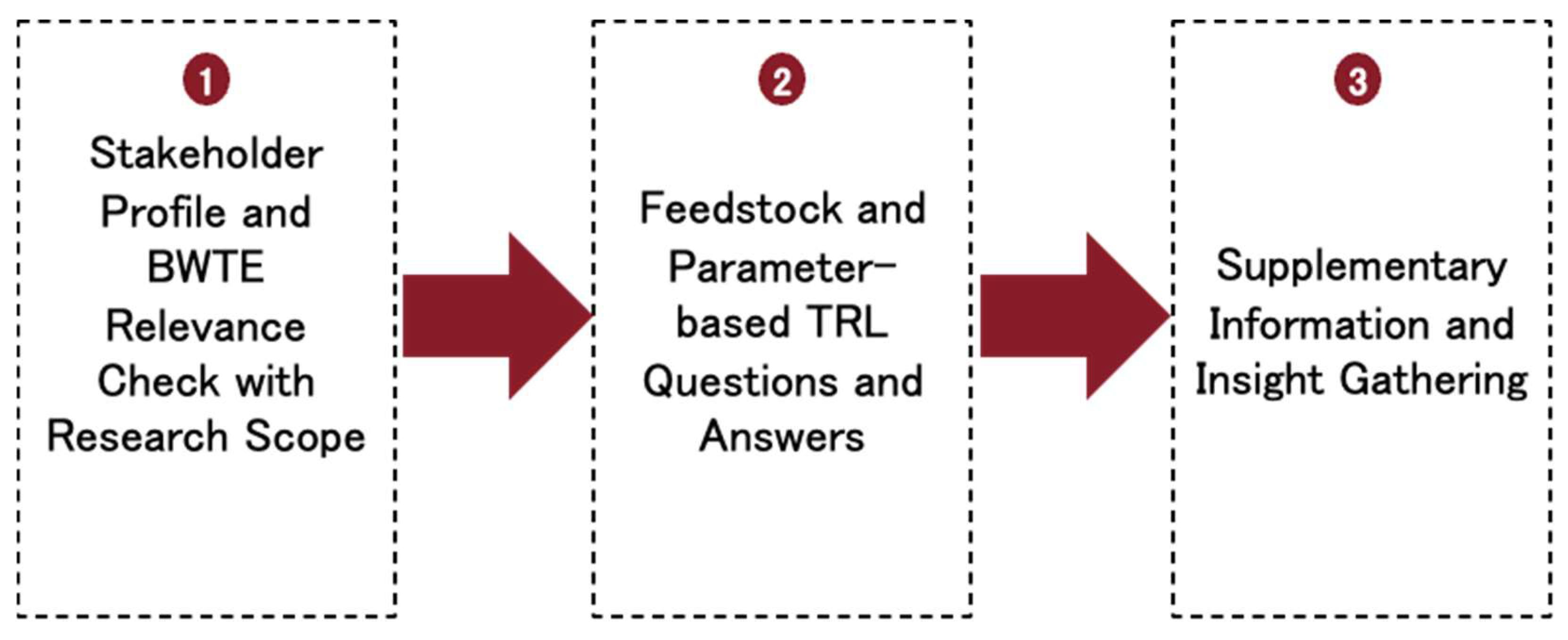
3.2.3. Primary Data and Interviews
3.2.4. Coding and TRL Calculation
3.2.5. Analysis and Synthesis
4. Results
4.1. Technology Readiness of Anaerobic Digestion for POME
4.1.1. Technical–Operational Readiness of ADT for POME
4.1.2. Systemic Enablers Affecting ADT Readiness for POME

| Name of Standard | POME Treatment Requirements | Country of Origin |
|---|---|---|
| Voluntary, market-based. Its Principles and Criteria (P&C) in 2018 asked for better POME management to reduce GHG and recycle water nutrients. This includes improved use of ADT or lagoon and monitoring impacts. | Malaysia |
| Mandatory, policy-driven. POME managed to meet legal wastewater and land-application needs. It shifts from uncontrolled open to closed covered lagoons. Law enforcement must consistently be stressed. | Indonesia |
| Mandatory, policy-driven. Focuses on pollutant discharge nuisance and POME quality following available technology and control. Failure to comply leads to administrative fines. | Indonesia |
| Voluntary, market-based. Guides mill residues, GHG accounting, and sustainable use. Stricter traceability applied with a focus on auditing to ensure no double-counting. | Germany |
| Mandatory only for EU importers. POME limits are not set; it instead focuses on due diligence, traceability information, and regulatory checks. Indirectly affects POME management. | European Union |
4.2. Technology Readiness of Anaerobic Digestion for OFMSW
4.2.1. Technical–Operational Readiness of ADT for OFMSW
4.2.2. Systemic Enablers Affecting ADT Readiness for OFMSW
5. Discussion and Analysis
5.1. Synthesis
5.1.1. Feedstock Characteristics
5.1.2. Technology and O&M Capacity
5.1.3. Financial and Market Conditions
5.1.4. Social Acceptance
5.1.5. Institutional Coordination
5.1.6. Synthesis Across Forces
5.2. Implications
5.2.1. Policy Implications
5.2.2. Managerial Implications
6. Conclusions
Author Contributions
Funding
Data Availability Statement
Acknowledgments
Conflicts of Interest
Abbreviations
| ADT | Anaerobic Digestion Technology |
| APBD | Provincial Income-Expenditure Budget/Anggaran Pendapatan Belanja Daerah |
| BAU | Business-as-Usual |
| BSF | Black Soldier Fly |
| BUPP | Private Developer and Management Company/Badan Usaha Pengelola dan Pengembang |
| BWTE | Biomass Waste-to-Energy |
| CAPEX | Capital Expenditure |
| CE | Circular Economy |
| CO2 | Carbon Dioxide |
| COD | Chemical Oxygen Demand |
| DI | Danantara Indonesia |
| EFB | Empty Fruit Bunch |
| FIT | Feed-in Tariff |
| GOI | Government of Indonesia |
| GW | Gigawatt |
| GWP | Global Warming Potential |
| IRR | Internal Rate of Return |
| JPY | Japanese Yen |
| J-TRA | Japanese Technology Readiness Assessment |
| KESDM | Ministry of Energy and Mineral Resources/Kementerian Energi dan Sumber Daya Mineral |
| KLH | Ministry of Environment/Kementerian Lingkungan Hidup |
| KWh | Kilowatt Hours |
| LCA | Life-Cycle Assessment |
| LCC | Life-Cycle Costing |
| LCOE | Levelized Cost of Electricity |
| LFGTE | Landfill Gas-to-Energy |
| LPG | Liquefied Petroleum Gas |
| MBG MSW | Free Nutritious Lunch/Makan Bergizi Gratis Municipal Solid Waste |
| NIMBY | Not-in-my-backyard |
| OFMSW | Organic Fraction of Municipal Solid Waste |
| OLR | Organic loading rates |
| PGN PKS | State Gas Company/Perusahaan Gas Negara Palm Kernel Shells |
| PLN | State Electricity Company/Perusahaan Listrik Negara |
| PLTSa | Waste Energy Generator Facility/Pembangkit Listrik Tenaga Sampah |
| POME PROPER | Palm Oil Mill Effluent Public Disclosure Program for Environmental Compliance/Program Penilaian Peringkat Kinerja Perusahaan dalam Pengelolaan Lingkungan Hidup |
| RDF | Refuse-Derived Fuel |
| RPJPN | Long-Term National Development Plan/Rencana Pembangunan Jangka Panjang Nasional |
| SEE | Social–Environmental–Economic |
| SIPSN | National Waste Management Information System/Sistem Informasi Pengelolaan Sampah Nasional |
| SSF | Solid-State Fermentation |
| TPA | Final Disposal Spot/Tempat Pembuangan Akhir |
| TRL | Technology Readiness Level |
| TS | Total solids |
| UCO | Used cooking oil |
| VS | Volatile solids |
| WTE | Waste-to-Energy |
| 3R | Reduce, Reuse, Recycle |
Appendix A
J-TRA Interview Questions for Multistakeholder ADT TRL Using POME Feedstock
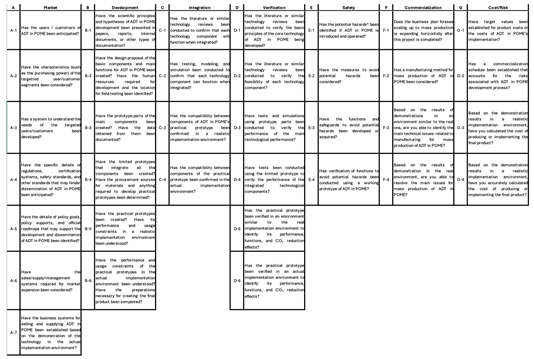
Appendix B
Data Points for Multistakeholder Indonesian ADT TRL Using POME Feedstock
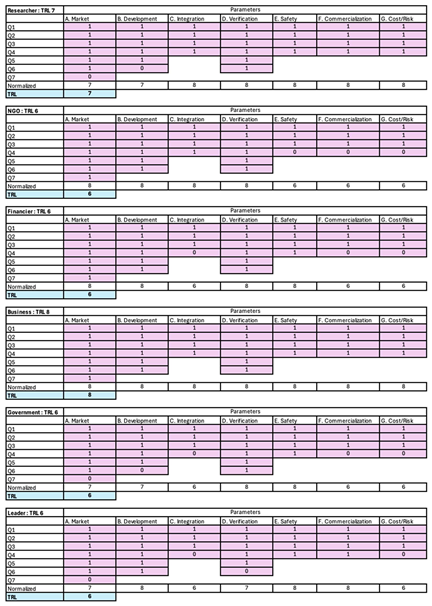
Appendix C
J-TRA Interview Questions for Multistakeholder ADT TRL Using OFMSW Feedstock
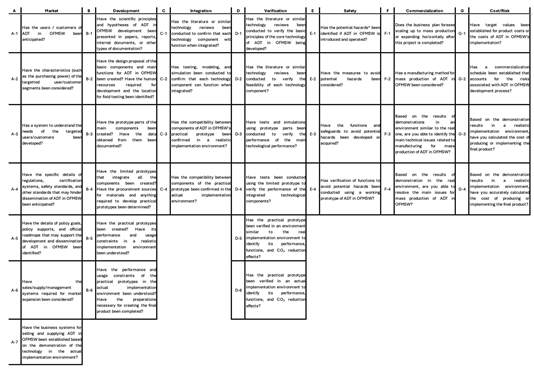
Appendix D
Data Points for Multistakeholder Indonesian ADT TRL Using OFMSW Feedstock
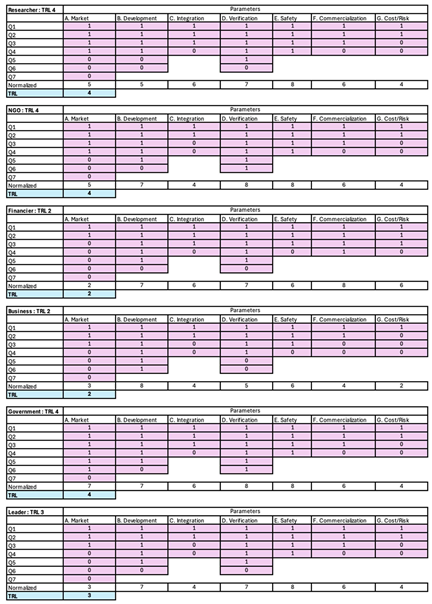
References
- Karnavian, M.T. Keynote Speaker: Koordinasi Nasional dan Peran Pemerintah dalam Pengelolaan Sampah. PowerPoint Presentation, Kementerian Dalam Negeri Republik Indonesia, Jakarta, September 2025. Available online: https://kemenlh.go.id/news/detail/wamen-lh-saatnya-indonesia-perang-lawan-sampah-lewat-teknologi-waste-to-energy (accessed on 31 October 2025).
- Yuliot. Konversi Sampah Menuju Kemandirian Energi. PowerPoint Presentation, Kementerian Energi dan Sumber Daya Mineral Republik Indonesia, Jakarta, September 2025. Available online: https://kemenlh.go.id/news/detail/wamen-lh-saatnya-indonesia-perang-lawan-sampah-lewat-teknologi-waste-to-energy (accessed on 31 October 2025).
- Aprilianto, H.C.; Rau, H. A Multi-Objective Optimization Approach for Generating Energy from Palm Oil Wastes. Energies 2025, 18, 2947. [Google Scholar] [CrossRef]
- de Mello, B.S.; Pozzi, A.; Rodrigues, B.C.G.; Costa, M.A.M.; Sarti, A. Anaerobic digestion of crude glycerol from biodiesel production for biogas generation: Process optimization and pilot scale operation. Environ. Res. 2023, 244, 117938. [Google Scholar] [CrossRef] [PubMed]
- Tomczak, W.; Żak, S.; Kujawska, A.; Szwast, M. The Use of Crude Glycerol as a Co-Substrate for Anaerobic Digestion. Molecules 2025, 30, 3655. [Google Scholar] [CrossRef] [PubMed]
- Pratiwi, N.A.; Desmawati, N.N.; Jamaluddin, A.F.; Fitri, A.; Limbong, A.M. Biomass Energy Potential from Agricultural Waste in Indonesia: A Review of National Statistical Data. J. Nat. Plants Anim. Stud. 2025, 1, 10–16. [Google Scholar]
- Harb, T.B.; Chow, F. An overview of beach-cast seaweeds: Potential and opportunities for the valorization of underused waste biomass. Algal Res. 2022, 62, 102643. [Google Scholar] [CrossRef]
- Pandyaswargo, A.H.; Pang, D.; Ihara, I.; Onoda, H. Japan-Supported Biomass Energy Projects Technology Readiness and Distribution in the Emerging Southeast Asian Countries: Exercising the J-TRA Methodology and GIS. Int. J. Environ. Sci. Dev. 2020, 11, 1–8. [Google Scholar] [CrossRef]
- Pandyaswargo, A.H.; Onoda, H.; Nagata, K. Energy recovery potential and life cycle impact assessment of municipal solid waste management technologies in Asian countries using ELP model. Int. J. Energy Environ. Eng. 2012, 3, 28. [Google Scholar] [CrossRef]
- Budiman, I. The complexity of barriers to biogas digester dissemination in Indonesia: Challenges for agriculture waste management. J. Mater. Cycles Waste Manag. 2021, 23, 1918–1929. [Google Scholar] [CrossRef]
- Tiong, J.S.M.; Chan, Y.J.; Lim, J.W.; Mohamad, M.; Ho, C.-D.; Rahmah, A.U.; Kiatkittipong, W.; Sriseubsai, W.; Kumakiri, I. Simulation and Optimization of Anaerobic Co-Digestion of Food Waste with Palm Oil Mill Effluent for Biogas Production. Sustainability 2021, 13, 13665. [Google Scholar] [CrossRef]
- Qiu, Y.; Lower, L.; Berrio, V.R.; Cunniffe, J.; Kolar, P.; Cheng, J.; Sagues, W.J. Impacts of Municipal and Industrial Organic Waste Components on the Kinetics and Potentials of Biomethane Production via Anaerobic Digestion. Waste Biomass-Valorization 2025, 16, 5019–5035. [Google Scholar] [CrossRef]
- Anaya-Reza, O.; Altamirano-Corona, M.F.; Basurto-García, G.; Patricio-Fabián, H.; García-González, S.A.; Martinez-Hernandez, E.; Durán-Moreno, A. Wet anaerobic digestion of organic fraction of municipal solid waste: Experience with long-term pilot plant operation and industrial scale-up. Bioprocess Biosyst. Eng. 2024, 47, 235–247. [Google Scholar] [CrossRef] [PubMed]
- Yap, B.J.T.; Heng, G.C.; Ng, C.A.; Bashir, M.J.K.; Lock, S.S.M. Enhancement of Electrochemical–Anaerobic Digested Palm Oil Mill Effluent Waste Activated Sludge in Solids Minimization and Biogas Production: Bench–Scale Verification. Processes 2023, 11, 1609. [Google Scholar] [CrossRef]
- Hayyat, U.; Khan, M.U.; Sultan, M.; Zahid, U.; Bhat, S.A.; Muzamil, M. A Review on Dry Anaerobic Digestion: Existing Technologies, Performance Factors, Challenges, and Recommendations. Methane 2024, 3, 33–52. [Google Scholar] [CrossRef]
- Khan, I.; Chowdhury, S.; Techato, K. Waste to Energy in Developing Countries—A Rapid Review: Opportunities, Challenges, and Policies in Selected Countries of Sub-Saharan Africa and South Asia towards Sustainability. Sustainability 2022, 14, 3740. [Google Scholar] [CrossRef]
- Yong, Z.J.; Bashir, M.J.; Ng, C.A.; Sethupathi, S.; Lim, J.W.; Show, P.L. Sustainable Waste-to-Energy Development in Malaysia: Appraisal of Environmental, Financial, and Public Issues Related with Energy Recovery from Municipal Solid Waste. Processes 2019, 7, 676. [Google Scholar] [CrossRef]
- Zhang, D.; Huang, G.; Xu, Y.; Gong, Q. Waste-to-Energy in China: Key Challenges and Opportunities. Energies 2015, 8, 14182–14196. [Google Scholar] [CrossRef]
- Farooq, A.; Haputta, P.; Silalertruksa, T.; Gheewala, S.H. A Framework for the Selection of Suitable Waste to Energy Technologies for a Sustainable Municipal Solid Waste Management System. Front. Sustain. 2021, 2, 681690. [Google Scholar] [CrossRef]
- Roy, H.; Alam, S.R.; Bin-Masud, R.; Prantika, T.R.; Pervez, N.; Islam, S.; Naddeo, V. A Review on Characteristics, Techniques, and Waste-to-Energy Aspects of Municipal Solid Waste Management: Bangladesh Perspective. Sustainability 2022, 14, 10265. [Google Scholar] [CrossRef]
- Sun, X.; Li, J.; Zhao, X.; Zhu, B.; Zhang, G. A Review on the Management of Municipal Solid Waste Fly Ash in American. Procedia Environ. Sci. 2016, 31, 535–540. [Google Scholar] [CrossRef]
- Alao, M.A.; Popoola, O.M.; Ayodele, T.R. Waste-to-energy nexus: An overview of technologies and implementation for sustainable development. Clean. Energy Syst. 2022, 3, 100034. [Google Scholar] [CrossRef]
- Escamilla-García, P.E.; Camarillo-López, R.H.; Carrasco-Hernández, R.; Fernández-Rodríguez, E.; Legal-Hernández, J.M. Technical and economic analysis of energy generation from waste incineration in Mexico. Energy Strat. Rev. 2020, 31, 100542. [Google Scholar] [CrossRef]
- Agaton, C.B.; Guno, C.S.; Villanueva, R.O. Economic analysis of waste-to-energy investment in the Philippines: A real options approach. Appl. Energy 2020, 275, 115265. [Google Scholar] [CrossRef]
- Karmakar, A.; Daftari, T.; K, S.; Chandan, M.R.; Shaik, A.H.; Kiran, B.; Chakraborty, S. A comprehensive insight into Waste to Energy conversion strategies in India and its associated air pollution hazard. Environ. Technol. Innov. 2023, 29, 103017. [Google Scholar] [CrossRef]
- Demaria, F.; Schindler, S. Contesting Urban Metabolism: Struggles Over Waste-to-Energy in Delhi, India. Antipode 2015, 48, 293–313. [Google Scholar] [CrossRef]
- Liu, Y.; Sun, C.; Xia, B.; Liu, S.; Skitmore, M. Identification of Risk Factors Affecting PPP Waste-to-Energy Incineration Projects in China: A Multiple Case Study. Adv. Civ. Eng. 2018, 2018, 4983523. [Google Scholar] [CrossRef]
- Yuan, X.; Fan, X.; Liang, J.; Liu, M.; Teng, Y.; Ma, Q.; Wang, Q.; Mu, R.; Zuo, J. Public Perception towards Waste-to-Energy as a Waste Management Strategy: A Case from Shandong, China. Int. J. Environ. Res. Public Heal. 2019, 16, 2997. [Google Scholar] [CrossRef]
- Adeleke, O.; Akinlabi, S.A.; Jen, T.-C.; Dunmade, I. Sustainable utilization of energy from waste: A review of potentials and challenges of Waste-to-energy in South Africa. Int. J. Green Energy 2021, 18, 1550–1564. [Google Scholar] [CrossRef]
- Cui, C.; Liu, Y.; Xia, B.; Jiang, X.; Skitmore, M. Overview of public-private partnerships in the waste-to-energy incineration industry in China: Status, opportunities, and challenges. Energy Strat. Rev. 2020, 32, 100584. [Google Scholar] [CrossRef]
- Skaggs, R.L.; Coleman, A.M.; Seiple, T.E.; Milbrandt, A.R. Waste-to-Energy biofuel production potential for selected feedstocks in the conterminous United States. Renew. Sustain. Energy Rev. 2018, 82, 2640–2651. [Google Scholar] [CrossRef]
- Pandyaswargo, A.H.; Gamaralalage, P.J.D.; Liu, C.; Knaus, M.; Onoda, H.; Mahichi, F.; Guo, Y. Challenges and an Implementation Framework for Sustainable Municipal Organic Waste Management Using Biogas Technology in Emerging Asian Countries. Sustainability 2019, 11, 6331. [Google Scholar] [CrossRef]
- Maghfiroh, M.F.N.; Pandyaswargo, A.H.; Onoda, H. Current Readiness Status of Electric Vehicles in Indonesia: Multistakeholder Perceptions. Sustainability 2021, 13, 13177. [Google Scholar] [CrossRef]
- Ihara, I.; Pandyaswargo, A.H.; Onoda, H. Development and the Effectiveness of the J-TRA: A Methodology to Assess Energy Technology R&D Programs in Japan. In Proceedings of the EcoDePS 2018, Tokyo, Japan, 5 December 2018; pp. 109–117. Available online: https://researchmap.jp/?action=cv_download_main&upload_id=219915 (accessed on 5 April 2019).
- Giordano, V.; Castagnoli, A.; Pecorini, I.; Chiarello, F. Identifying technologies in circular economy paradigm through text mining on scientific literature. PLoS ONE 2024, 19, e0312709. [Google Scholar] [CrossRef] [PubMed]
- Vianna, L.M.C.; de Oliveira, L.; Mühl, D.D. Waste valorization in agribusiness value chains. Waste Manag. Bull. 2023, 1, 195–204. [Google Scholar] [CrossRef]
- Preethi, B.; Karmegam, N.; Manikandan, S.; Vickram, S.; Subbaiya, R.; Rajeshkumar, S.; Gomadurai, C.; Govarthanan, M. Nanotechnology-powered innovations for agricultural and food waste valorization: A critical appraisal in the context of circular economy implementation in developing nations. Process. Saf. Environ. Prot. 2024, 184, 477–491. [Google Scholar] [CrossRef]
- Haldar, D.; Shabbirahmed, A.M.; Singhania, R.R.; Chen, C.-W.; Dong, C.-D.; Ponnusamy, V.K.; Patel, A.K. Understanding the management of household food waste and its engineering for sustainable valorization- A state-of-the-art review. Bioresour. Technol. 2022, 358, 127390. [Google Scholar] [CrossRef]
- Onoda, H. Smart approaches to waste management for post-COVID-19 smart cities in Japan. IET Smart Cities 2020, 2, 89–94. [Google Scholar] [CrossRef]
- Demichelis, F.; Tommasi, T.; Deorsola, F.; Marchisio, D.; Mancini, G.; Fino, D. Life cycle assessment and life cycle costing of advanced anaerobic digestion of organic fraction municipal solid waste. Chemosphere 2022, 289, 133058. [Google Scholar] [CrossRef]
- Istrate, I.-R.; Iribarren, D.; Gálvez-Martos, J.-L.; Dufour, J. Review of life-cycle environmental consequences of waste-to-energy solutions on the municipal solid waste management system. Resour. Conserv. Recycl. 2020, 157, 104778. [Google Scholar] [CrossRef]
- Jamasb, T.; Nepal, R. Issues and options in waste management: A social cost–benefit analysis of waste-to-energy in the UK. Resour. Conserv. Recycl. 2010, 54, 1341–1352. [Google Scholar] [CrossRef]
- Abdel-Shafy, H.I.; Mansour, M.S.M. Solid waste issue: Sources, composition, disposal, recycling, and valorization. Egypt. J. Pet. 2018, 27, 1275–1290. [Google Scholar] [CrossRef]
- Lim, C.I.; Biswas, W.K. Sustainability Implications of the Incorporation of a Biogas Trapping System into a Conventional Crude Palm Oil Supply Chain. Sustainability 2019, 11, 792. [Google Scholar] [CrossRef]
- Nasution, M.A.; Wulandari, A.; Ahamed, T.; Noguchi, R. Alternative POME Treatment Technology in the Implementation of Roundtable on Sustainable Palm Oil, Indonesian Sustainable Palm Oil (ISPO), and Malaysian Sustainable Palm Oil (MSPO) Standards Using LCA and AHP Methods. Sustainability 2020, 12, 4101. [Google Scholar] [CrossRef]
- Sukisno; Arianto, W.; Sukisno, S. The impact of land application of palm oil mill effluents on some soil chemical characteristics in the District Karang Tinggi, Bengkulu Tengah Regency, Province of Bengkulu. BIO Web Conf. 2024, 123, 01023. [Google Scholar] [CrossRef]
- Iskandar, M.J.; Baharum, A.; Anuar, F.H.; Othaman, R. Palm oil industry in South East Asia and the effluent treatment technology—A review. Environ. Technol. Innov. 2018, 9, 169–185. [Google Scholar] [CrossRef]
- Moreno-Peñaranda, R.; Gasparatos, A.; Stromberg, P.; Suwa, A.; Pandyaswargo, A.H.; de Oliveira, J.A.P. Sustainable production and consumption of palm oil in Indonesia: What can stakeholder perceptions offer to the debate? Sustain. Prod. Consum. 2015, 4, 16–35. [Google Scholar] [CrossRef]
- Listiningrum, P.; Idris, S.H.; Suhartini, S.; Vilandamargin, D.; Nurosidah, S. Regulating Biogas Power Plant From Palm Oil Mill Effluent (POME): A Challenge to Indonesia’s Just Energy Transition. Yust. J. Huk. 2022, 11, 77–93. [Google Scholar] [CrossRef]
- Sodri, A.; Septriana, F.E. Biogas Power Generation from Palm Oil Mill Effluent (POME): Techno-Economic and Environmental Impact Evaluation. Energies 2022, 15, 7265. [Google Scholar] [CrossRef]
- T&E. Palm Oil in Disguise? How Recent Import Trends of Palm Oil Residues Raise Concerns over a Key Feedstock for Biofuels; T&E: Brussels, Belgium, 2025. [Google Scholar]
- Agaton, C.B.; Santos, M.J.A.; Calvelo, J.A.S. Progress in Socioeconomic and Environmental Impacts of Waste-to-Energy Technologies in a Circular Economy: A Systematic Review. J. Hum. Ecol. Sustain. 2025, 3, 6. [Google Scholar] [CrossRef]
- Tahir, J.; Ahmad, R.; Martinez, P. A critical review of sustianable refuse-derived fuel production in waste processing facility. Energy Convers. Manag. X 2024, 24, 100687. [Google Scholar] [CrossRef]
- Sarquah, K.; Narra, S.; Beck, G.; Bassey, U.; Antwi, E.; Hartmann, M.; Derkyi, N.S.A.; Awafo, E.A.; Nelles, M. Characterization of Municipal Solid Waste and Assessment of Its Potential for Refuse-Derived Fuel (RDF) Valorization. Energies 2022, 16, 200. [Google Scholar] [CrossRef]
- Limonti, C.; Le Pera, A.; Sellaro, M.; Grande, G.; Curcio, G.M.; Andreoli, T.; Rivera, E.G.A.; Siciliano, A. Co-Digestion of Dehydrated Sewage Sludge (DSS) and Organic Fraction of Municipal Solid Waste (OFMSW): Analysis of the Process and Economic Evaluations. Fermentation 2024, 10, 600. [Google Scholar] [CrossRef]
- Aromolaran, A.; Sartaj, M.; Abdallah, M. Supplemental Sewage Scum and Organic Municipal Solid Waste Addition to the Anaerobic Digestion of Thickened Waste Activated Sludge: Biomethane Potential and Microbiome Analysis. Fermentation 2023, 9, 237. [Google Scholar] [CrossRef]
- Franchitti, E.; Mafrica, A.; Traversi, D. Tracking of Antibiotic Resistance Genes in Sludge from Treatment Plants for Organic Fraction of Municipal Solid Waste. Sustainability 2024, 16, 10922. [Google Scholar] [CrossRef]
- Rajendran, N.; Gurunathan, B.; Han, J.; Krishna, S.; Ananth, A.; Venugopal, K.; Priyanka, R.S. Recent advances in valorization of organic municipal waste into energy using biorefinery approach, environment and economic analysis. Bioresour. Technol. 2021, 337, 125498. [Google Scholar] [CrossRef]
- Tawo, O.E.; Mbamalu, M.I. Advancing waste valorization techniques for sustainable industrial operations and improved environmental safety. Int. J. Sci. Res. Arch. 2025, 14, 127–149. [Google Scholar] [CrossRef]
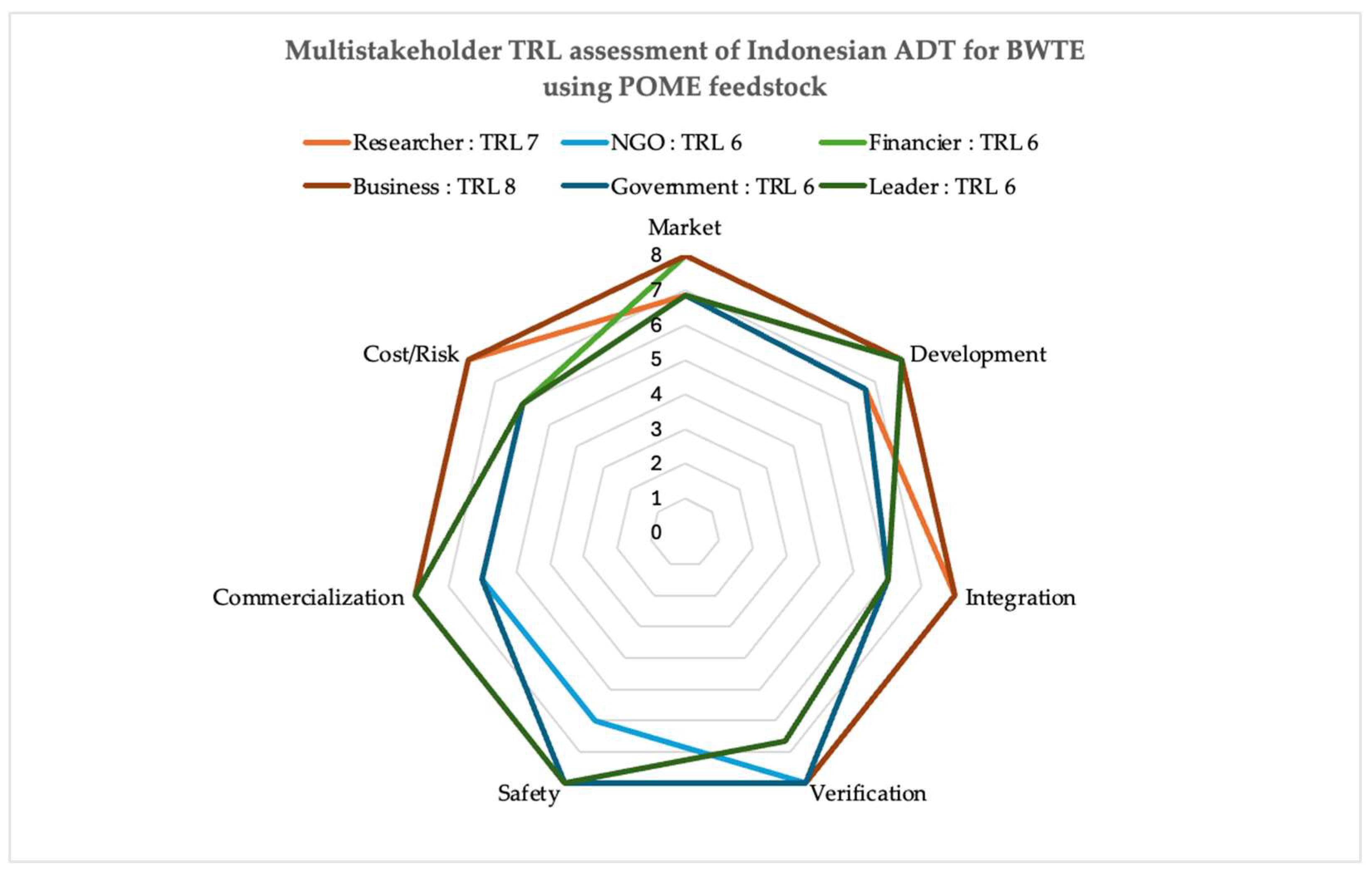
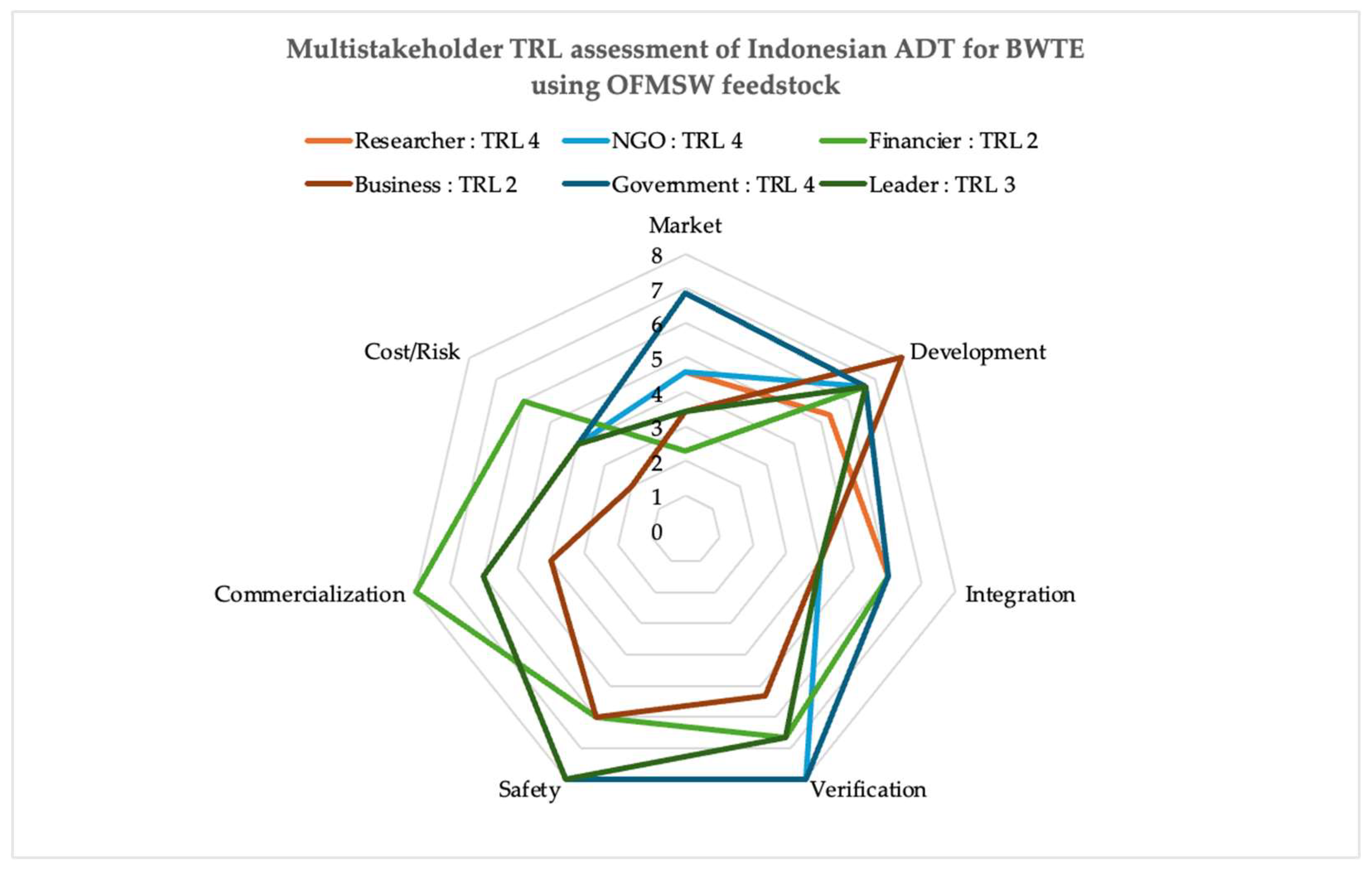
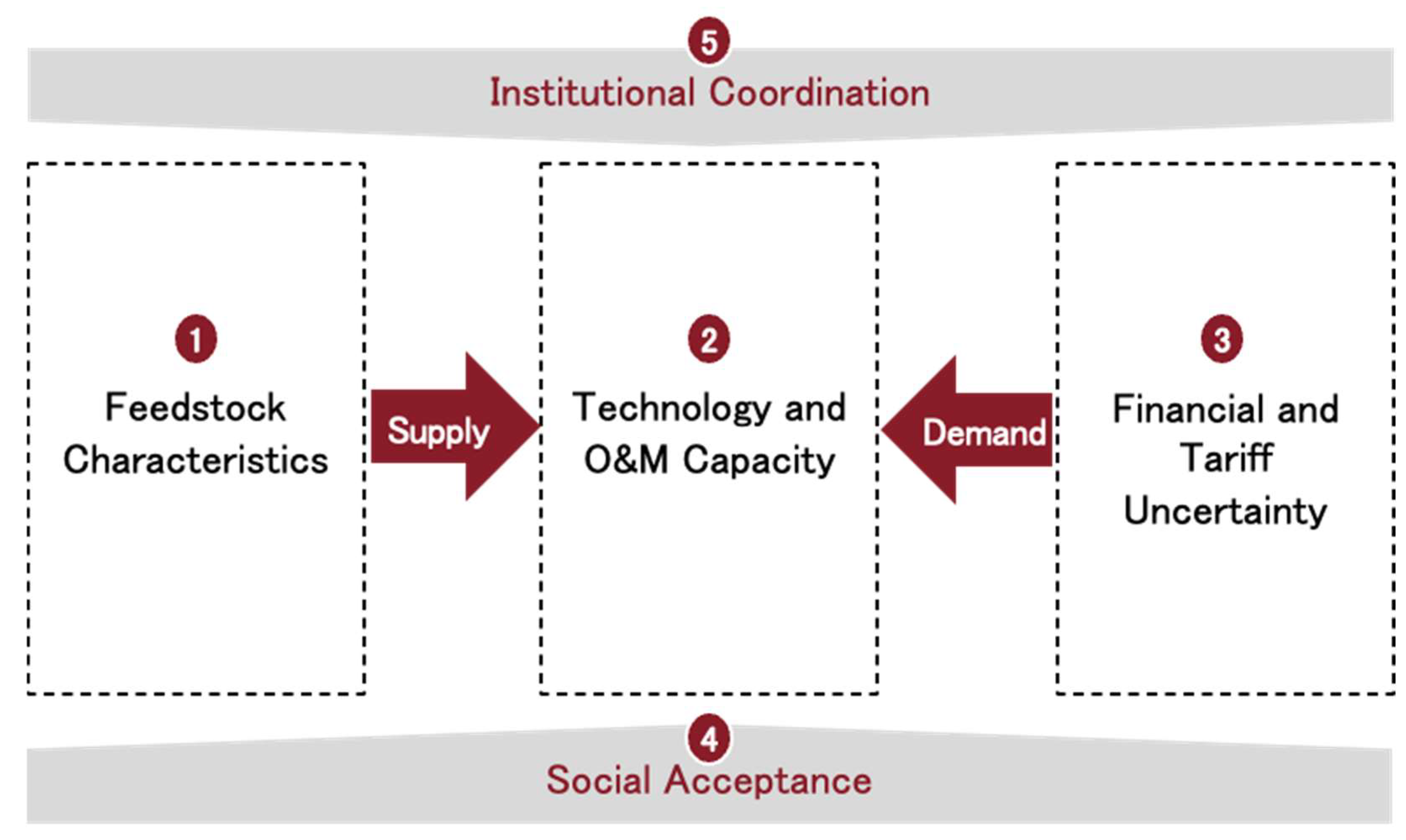
| Dimension | Findings in Developing Countries | Relevance to Indonesia | Implication |
|---|---|---|---|
| Feedstock Characteristics | Waste streams are typically high in organic and moisture content, reducing conversion efficiency [22,23]. | Indonesian municipal waste is ~60–70% organic with high moisture content. | Technologies must be evaluated against actual feedstock conditions. |
| Technology and O&M Capacity | Successful operation depends on locally manageable maintenance [19,21]. | Many rural biogases and local WTE units have failed due to maintenance and spare-parts issues. | Assess operator training and supply chain robustness. |
| Financial and Tariff Certainty | Stable tariffs and long-term offtake agreements determine financial feasibility [24,25]. | PLN purchase agreements vary and are often negotiated on a case-by-case basis. | Evaluate financing sustainability beyond capital expenditure (CAPEX). |
| Social Acceptance | Projects succeed when communities share benefits [26,28]. | Resistance emerges when projects are top-down or perceived as disruptive. | Include social readiness and participation mechanisms. |
| Institutional Coordination | Successful deployment requires aligned waste and energy governance [29,30]. | Waste management is decentralized, whereas electricity procurement is centralized under PLN, which can result in governance misalignment and affect WTE deployment. | Assess institutional roles and coordination pathways. |
| Stakeholder (Code) | Substantial Profile Relevance and Representation (Position, Years of Experience, Relevant Work Focus) | Interview Date/Platform | Interview Duration | Response Code |
|---|---|---|---|---|
| Researcher (R) | Senior scientist with 10+ years of work on POME, focusing on Indonesian government-backed innovation on POME for biomass waste conversion to biogas and biofuel | 2 December 2025, online | 42 min | SPE-R |
| NGO (N) | Senior manager with 13+ years of groundwork on the value chain of Indonesian palm oil at corporate and smallholder farmer levels within top environmental think tanks and NGOs | 13 November 2025, online | 59 min | SPE-N |
| Financier (F) | Assistant vice president with 4+ years of infrastructure financing analysis work at a major private bank, evaluating Indonesian decarbonization projects, including WTE | 1 December 2025, online | 43 min | SPE-F |
| Business (B) | Public affairs director with 12+ years of experience at one of Indonesia’s largest palm oil producers, including consistent POME treatment using ADT to generate biogas | 2 December 2025, online | 46 min | SPE-B |
| Government (G) | Expert staff with 5+ years of national policy and regulatory work, analyzing biomass waste and energy in relation to Indonesia’s mid- and long-term socio-economic development targets | 24 November 2025, offline | 52 min | SPE-G |
| Leader (L) | Secretary General with 6+ years of thought leadership for government and business decision makers, involving strategic vision on Indonesia’s palm oil sector and the economic and environmental impacts of POME | 21 November 2025, offline | 56 min | SPE-L |
| Stakeholder (Code) | Substantial Profile Relevance and Representation (Position, Years of Experience, Relevant Work Focus) | Interview Date/Platform | Interview Duration | Response Code |
|---|---|---|---|---|
| Researcher (R) | Senior scientist with 9+ years of work in the development and commercialization of OFMSW biogas products, focusing on Indonesian government-backed innovation on OFMSW and food waste for biogas and biofuel | 28 November 2025, online | 70 min | SOM-R |
| NGO (N) | Senior environmental economist with 6+ years of fieldwork and policy experience on sustainable food system coalitions to manage food loss and waste in Indonesia at a leading global environmental think tank | 21 November 2025, offline | 55 min | SOM-N |
| Financier (F) | Senior manager with 3+ years of work at the financing arm of a Europe-based development agency, addressing net-zero organic waste emissions at both top-down and bottom-up levels in Indonesia | 13 November 2025, online | 98 min | SOM-F |
| Business (B) | CEO with 14+ years of entrepreneurial experience for a group of Indonesian waste management companies, with an advisory role to the national government on food waste issues | 24 November 2025, offline | 89 min | SOM-B |
| Government (G) | Assistant deputy to minister with 12+ years as a senior government official, developing policies on food security, sustainability, and waste in relation to Indonesia’s socio-economic development targets | 1 December 2025, online | 70 min | SOM-G |
| Leader (L) | Vice CEO with 6+ years of strategic thought leadership and vision on Indonesia’s business- and community-driven sustainability solutions, including food waste, to enhance national competitiveness | 24 November 2025, offline | 49 min | SOM-L |
Disclaimer/Publisher’s Note: The statements, opinions and data contained in all publications are solely those of the individual author(s) and contributor(s) and not of MDPI and/or the editor(s). MDPI and/or the editor(s) disclaim responsibility for any injury to people or property resulting from any ideas, methods, instructions or products referred to in the content. |
© 2026 by the authors. Licensee MDPI, Basel, Switzerland. This article is an open access article distributed under the terms and conditions of the Creative Commons Attribution (CC BY) license.
Share and Cite
Noor, N.A.; Pandyaswargo, A.H.; Rumbayan, M.; Onoda, H. Technology Readiness of Biomass Waste-to-Energy in Indonesia: A Multistakeholder Assessment of Anaerobic Digestion of Palm Oil Mill Effluent and Municipal Organic Waste. Energies 2026, 19, 255. https://doi.org/10.3390/en19010255
Noor NA, Pandyaswargo AH, Rumbayan M, Onoda H. Technology Readiness of Biomass Waste-to-Energy in Indonesia: A Multistakeholder Assessment of Anaerobic Digestion of Palm Oil Mill Effluent and Municipal Organic Waste. Energies. 2026; 19(1):255. https://doi.org/10.3390/en19010255
Chicago/Turabian StyleNoor, Nanda Asridinan, Andante Hadi Pandyaswargo, Meita Rumbayan, and Hiroshi Onoda. 2026. "Technology Readiness of Biomass Waste-to-Energy in Indonesia: A Multistakeholder Assessment of Anaerobic Digestion of Palm Oil Mill Effluent and Municipal Organic Waste" Energies 19, no. 1: 255. https://doi.org/10.3390/en19010255
APA StyleNoor, N. A., Pandyaswargo, A. H., Rumbayan, M., & Onoda, H. (2026). Technology Readiness of Biomass Waste-to-Energy in Indonesia: A Multistakeholder Assessment of Anaerobic Digestion of Palm Oil Mill Effluent and Municipal Organic Waste. Energies, 19(1), 255. https://doi.org/10.3390/en19010255

