Article

Fiscal Determinants of Diesel Fuel Prices: The Case of Poland

by
Karolina Willa
,
Dominik Katarzyński
*,
Ernest Burzak-Wieczorek
and
Grzegorz Przekota
*
Department of Economics, Koszalin University of Technology, Kwiatkowskiego 6E, 75-343 Koszalin, Poland
*
Authors to whom correspondence should be addressed.
Energies 2026, 19(1), 233; https://doi.org/10.3390/en19010233
Submission received: 7 December 2025 / Revised: 25 December 2025 / Accepted: 29 December 2025 / Published: 31 December 2025

Abstract

Fuels constitute one of the most strategically significant categories of goods in the global economy. In many countries, including Poland, fuel prices are determined not only by global market dynamics but also by domestic fiscal instruments such as excise taxes, value-added tax (VAT), and fuel surcharges. The primary objective of this study is therefore to assess the extent to which tax burdens and profit margins shape diesel prices in Poland, thereby providing a deeper understanding of the market’s sensitivity to fiscal interventions and the pricing strategies adopted by fuel companies. The analysis draws on weekly data for the period 2006–2025, encompassing crude oil prices, wholesale and retail diesel prices, and relevant tax components (VAT, excise tax, and fuel surcharges). Methodologically, the study employs the Bai–Perron breakpoint test alongside correlation and comparative methods. The findings indicate that changes in indirect taxation and the fuel surcharge in Poland were predominantly upward and incremental, exerting only limited immediate effects on wholesale and retail fuel prices. This pattern was particularly evident outside of periods of acute geopolitical shocks, such as the 2022 war in Ukraine, when government interventions aimed to mitigate sudden price surges. Moreover, analysis of PKN Orlen’s margin dynamics shows that the company remained consistently profitable, with the highest processing margins observed following the reduction of the VAT rate, highlighting the interplay between fiscal policy and corporate pricing behavior. An exception occurred in 2022, when political involvement led to negative retail margins despite a reduction in VAT, a policy decision intended to mitigate sharp increases in fuel prices. The evidence suggests that petrochemical companies have greater capacity to affect prices through adjustments to wholesale margins than to retail margins. The study also underscores the critical role of fiscal policy in protecting households from fuel price volatility. It also demonstrates that carefully designed adjustments to taxation and other fiscal instruments can meaningfully influence market outcomes and corporate profitability, thereby highlighting their importance in broader economic stabilization efforts.

1. Introduction

The modern economy largely relies on crude oil, which serves as a foundation for developed economic systems [1]. Despite global trends aiming for a gradual shift away from fossil fuels, crude oil and its derivatives remain one of the key energy sources used across many sectors of the economy. Industries such as energy, transportation, and heating in many countries would not be able to function without stable and uninterrupted fuel supplies [2].
Crude oil and its derivatives have long been regarded as strategic resources, with price fluctuations or supply disruptions capable of significantly affecting the economic stability of nations [3]. One of the most notable examples was the oil crisis triggered by price manipulations from the countries associated with OPEC [4]. In the following decades, new crises affecting oil prices emerged almost regularly every few years. The most significant among them include the Iran–Iraq War (1980–1988), the First Gulf War (1990–1991), the Asian Financial Crisis (1997–1998), the Second Gulf War (2003), the Global Financial Crisis (2008–2009), the Arab Spring (2010–2014), the COVID-19 pandemic (2020), the Russian–Ukrainian war (since 2022), and the Israeli–Iranian war (2025). Events in Europe, including the attacks on the Nord Stream 1 and 2 pipelines, as well as the shifting geopolitical landscape, have forced a fundamental restructuring of existing energy supply chains [5].
Crude oil and its derivatives are often used by governments as instruments for implementing economic and social policies. States frequently decide to freeze the prices of this resource, regulate their levels through tax rate adjustments, and, in some cases, act as monopolists in the domestic market, and sometimes even in the markets of neighboring countries through dedicated institutions [6].
State policies regarding fuel prices are often based on pragmatic considerations, such as stabilizing the economy, ensuring a uniform supply of resources across the country, or protecting citizens from excessive costs arising from extraordinary circumstances. On the other hand, the government, most often through companies with a majority share held by the State Treasury, may influence wholesale and retail fuel prices in areas served by its subordinate entities [7,8]. In such cases, pricing decisions are motivated not only by national interests but also by short-term political gains [9]. These types of interventions are often linked to the electoral calendar, frequently resulting in fuel price reductions before elections [10], followed by adjustments to market levels or even increases beyond what would be justified by economic conditions [11].
Given the complexity of the issue surrounding crude oil price formation, the aim of this study is to analyze the tax-related factors influencing wholesale and retail fuel prices in Poland. To achieve this goal, the following research questions have been formulated:
1.
What is the sensitivity of the Polish fuel market to changes in indirect taxes (excise, VAT) and parafiscal charges (fuel surcharge)? Do changes in tax burdens trigger abrupt or gradual (evolutionary) movements in retail fuel prices?
2.
What is the significance of the fuel retail margin in terms of:
  • Microeconomics—in the context of fuel companies’ adjustment strategies to changes in tax burdens;
  • Macroeconomics—in the mechanism of transmitting changes in tax burdens to the fuel market?
Answers to these questions may help in understanding the relationship between politics and the economy, thereby allowing for an assessment of the stability of the economic system and the degree of its dependence or independence from current political and tax conditions.
While the existing literature on fuel price formation and tax pass-through in the European Union has largely focused on estimating average or dynamic pass-through effects under relatively stable market conditions, considerably less attention has been paid to the role of structural breaks driven by geopolitical shocks and institutional responses in import-dependent economies. In particular, prior studies rarely account for the interaction between sudden changes in crude oil prices, reactive tax policy adjustments, and the behavior of state-owned enterprises with dominant positions in fuel supply chains. This study addresses this gap by applying the Bai–Perron structural break test to crude oil and diesel price series in Poland and by complementing this analysis with an examination of tax changes and margin dynamics of PKN Orlen, the state-owned company controlling a substantial share of the wholesale fuel market. By explicitly incorporating geopolitical events and state ownership into the analysis, the paper provides new insights into how fuel prices are shaped in contexts where market mechanisms are intertwined with fiscal intervention and public policy objectives.
This, in turn, enables better forecasting of price movements and more effective risk management. Such insights are crucial for stabilizing economic growth, ensuring energy security, and mitigating social unrest.

2. Literature Review

2.1. Geopolitical Factors Influencing Crude Oil Prices

Due to the nature of crude oil as a strategic resource, without which the modern economy cannot function, and its impact on citizens’ daily lives, from transportation costs to their share in the provision of services, production, and the delivery of goods to end consumers, oil prices hold immense significance. Academic sources indicate a range of political factors that can influence crude oil prices, often operating through classical market mechanisms.
Among the most frequently cited causes of changes in global crude oil prices, operating through market mechanisms, is the production strategy of countries holding significant shares of global output. Actions by OPEC, the USA, and the Russian Federation are often highlighted, as these states, pursuing geopolitical objectives, manipulate production volumes (supply) to influence market prices of the commodity [12]. A particularly notable example in the 21st century was the period of the COVID-19 pandemic, when OPEC countries initially failed to reach an agreement on production volumes. Combined with a record drop in demand, this led to a sharp decline in crude oil prices, which at times even reached negative values [13]. The situation changed significantly following an agreement and the implementation of drastic production cuts.
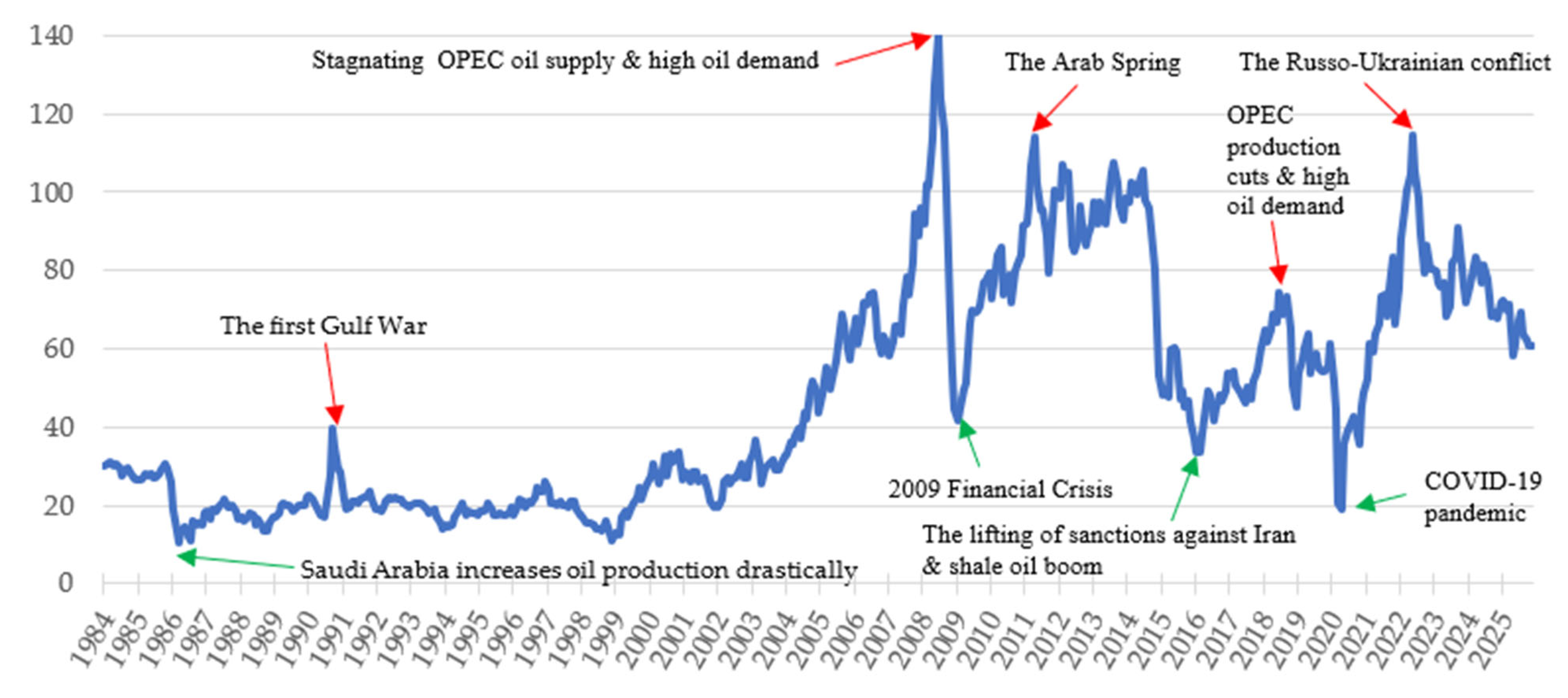
Another significant factor affecting global crude oil prices, stemming from state policies, is armed conflicts and wars, particularly those involving producing countries or nations through whose territories the commodity is transported [14]. Conflicts influence market mechanisms primarily through the concerns of consumers and producers, as well as their perceptions of states pursuing aggressive foreign policies (Figure 1). In 2022, as a result of the conflict in Ukraine, coupled with European consumer concerns and rapid shifts in oil import directions, market prices temporarily rose to 120 dollars per barrel [15]. Similarly, any armed conflict in the Middle East generates strong fears regarding the continuity of supply, leading to price increases [16]. Examples include the First and Second Gulf Wars, as well as escalations in the Israeli–Palestinian and Israeli–Iranian conflicts.
In Figure 1, the most significant events leading to declines in crude oil prices are marked in green, while events causing increases in oil prices are marked in red.
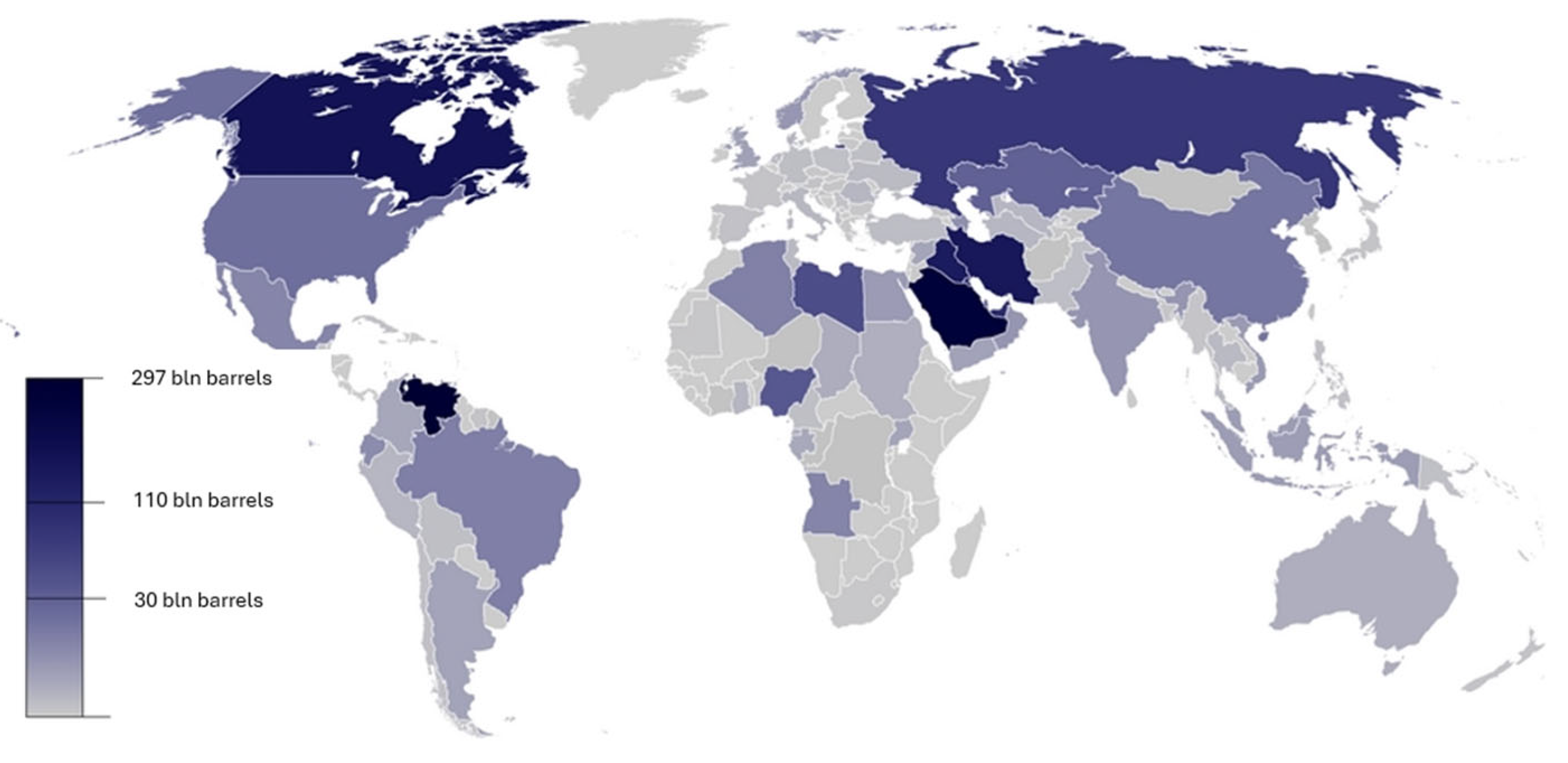
Sanctions and their lifting, as elements of international policy aimed at exerting pressure on specific states, can contribute to changes in crude oil prices through market mechanisms [17]. An example of a country with significant production capacity is Venezuela (Figure 2), which, due to imposed sanctions, is unable to supply its oil to most global markets. This potentially limits the supply of the commodity, resulting in higher prices than would occur if Venezuelan oil participated in global markets [18]. On the other hand, at the peak of the crisis stemming from the war in Europe in 2022, sanctions on Venezuela were temporarily lifted to increase oil supply on global markets and reduce its price.
The largest crude oil reserves are located in the Middle Eastern countries, as well as in Venezuela, Russia, and Canada [20]. Consequently, any extraordinary event, armed conflict, political crisis, or sanctions in these regions can significantly disrupt global oil supply and, as a result, affect its price.
At the same time, it is worth noting that no European country possesses significant reserves of this resource. This means that Europe is largely dependent on oil imports, making its markets particularly vulnerable to global fluctuations in supply and demand.
Other political factors affecting market mechanisms, and particularly oil supply, are the energy decisions and policies of the largest economies. Countries holding strategic reserves of this resource can release them, temporarily influencing supply levels and, consequently, prices. An example of such action was the attempt to lower oil prices in 2022, when the administration of President Joe Biden decided to release part of the U.S. strategic reserves [21]. Combined with other political tools, this helped mitigate the sharp rise in global oil prices. Conversely, the accumulation of strategic reserves increases demand for oil, leading to a temporary rise in its price [22].
A factor used geopolitically to influence global crude oil prices is the disruption of flows along trade routes. Interruptions in channels such as the Suez or Panama Canals can contribute to fluctuations in oil prices. International tensions, particularly in the Persian Gulf, as well as potential blockades of the Strait of Hormuz, can restrict maritime oil deliveries, especially to Europe, potentially leading to regional shortages and price increases [23].

2.2. Political and Fiscal Factors Shaping Crude Oil Prices

An important political factor influencing oil prices is the short-term interventions of the government or ruling party in the market [24], aimed at achieving immediate benefits for the authority in power, whether to calm social unrest [25] or to secure public support necessary for maintaining power. This policy is implemented depending on the country’s economic system, most often through companies in which the state holds a majority stake, or through regulatory offices responsible for overseeing market mechanisms in the context of the oil and petroleum products market within a given country.
In the first case, under a free-market economy, the state apparatus, through appropriate companies, can act as a monopoly in the market, dictating conditions and setting wholesale, and even retail prices (if the company engages in retail trade) [26]. These prices may be higher or lower than global market prices, depending on the intended objective.
In the second case, the state, more precisely the authorized regulatory authorities, has the ability to decide on the location, quantity, and price of oil sales within a given country. Such regulations exist in some South American countries, for example, in Bolivia and Venezuela [27], where the availability and prices of crude oil vary dramatically.
Furthermore, in a market economy, the state has a wide range of instruments at its disposal that allow it to influence the prices of energy commodities, such as VAT rates, excise duties, road charges, or subsidies for crude oil and other fuels, effectively lowering or raising their retail market prices [28].
In most countries, the primary fiscal policy tool used to influence fuel prices is the Value Added Tax (VAT), which often constitutes the largest portion of fuel prices [29]. VAT functions as an indirect tax imposed at every stage of economic turnover but is ultimately borne by the final consumer. In the context of fuel prices, it operates as a percentage-based tax added to the net price of fuel at the final stage of sale [30]. This means that the VAT rate is applied not only to the fuel price itself but also to other included charges, such as excise duties and the fuel surcharge. Consequently, changes in any component of the net fuel price directly affect the monetary amount of VAT collected. Furthermore, VAT is highly dependent on political decisions, as its percentage rate is most often set directly by the government [31]. This means that the executive authority, by deciding to raise or lower the rate, can influence not only fuel prices but also budget revenues. Thus, modifying the VAT rate becomes a tool for achieving short-term political gains, depending on the intended political objectives [32]. Rising market fuel prices directly translate into higher absolute amounts collected by the state from fuel sales.
Another fiscal policy tool for regulating fuel prices is the excise tax. This is a specific-amount tax which, like VAT, is passed on by companies to the final consumer in the form of higher product or service prices [33]. Unlike VAT, however, it applies only to selected categories of goods, such as fuels, energy, alcohol, tobacco products, or imported vehicles. Excise taxes serve two main functions: shaping consumer preferences, for example, high taxes on alcohol and tobacco are intended to limit their consumption, and providing a significant source of public revenue, which the government can regulate by adjusting rates [34]. In relation to fuel prices, excise tax is one of the key components of the retail price, as it is levied on every liter of gasoline or diesel at the production stage or when the fuel is introduced to the market [35]. As a fixed amount per unit of fuel, it does not change with fluctuations in crude oil prices, but constitutes a stable portion of the price paid by end consumers. Consequently, excise tax is an important state policy instrument, allowing direct influence on fuel prices and consumer behavior.
Fuel prices often include various types of charges, which differ in name and purpose depending on the country. The most common are emission charges and fuel surcharges, each serving specific functions. Emission charges are primarily intended to raise fuel prices to discourage excessive consumption and thereby reduce greenhouse gas emissions into the atmosphere [36]. Additionally, revenue from emission charges can be allocated to the development of environmentally friendly solutions in the automotive sector.
In the case of Poland, the fuel surcharge constitutes an additional price burden imposed on fuels and gases used in motor vehicles. Its rates are set by the relevant minister through an official notice and are expressed as a specific amount per unit of fuel. The funds collected from the fuel surcharge are allocated to designated funds, the largest of which supports the National Road Fund, used for the construction and maintenance of roads [37]. Due to its nature, the fuel surcharge serves both fiscal and regulatory functions; as a form of para-tax, its level, set by the government, can significantly affect the final price of fuel for consumers.

2.3. Margins in Fuel Price Formation: Policies of Producers and Distributors

In Poland, the company holding a dominant market position in the fuel market is Orlen S.A. It is a multi-sector corporation operating in the biofuels, gas, and energy sectors (both electricity and heat), petrochemicals, fertilizer production, as well as in the exploration, extraction, and processing of crude oil, and in retail fuel sales [38].
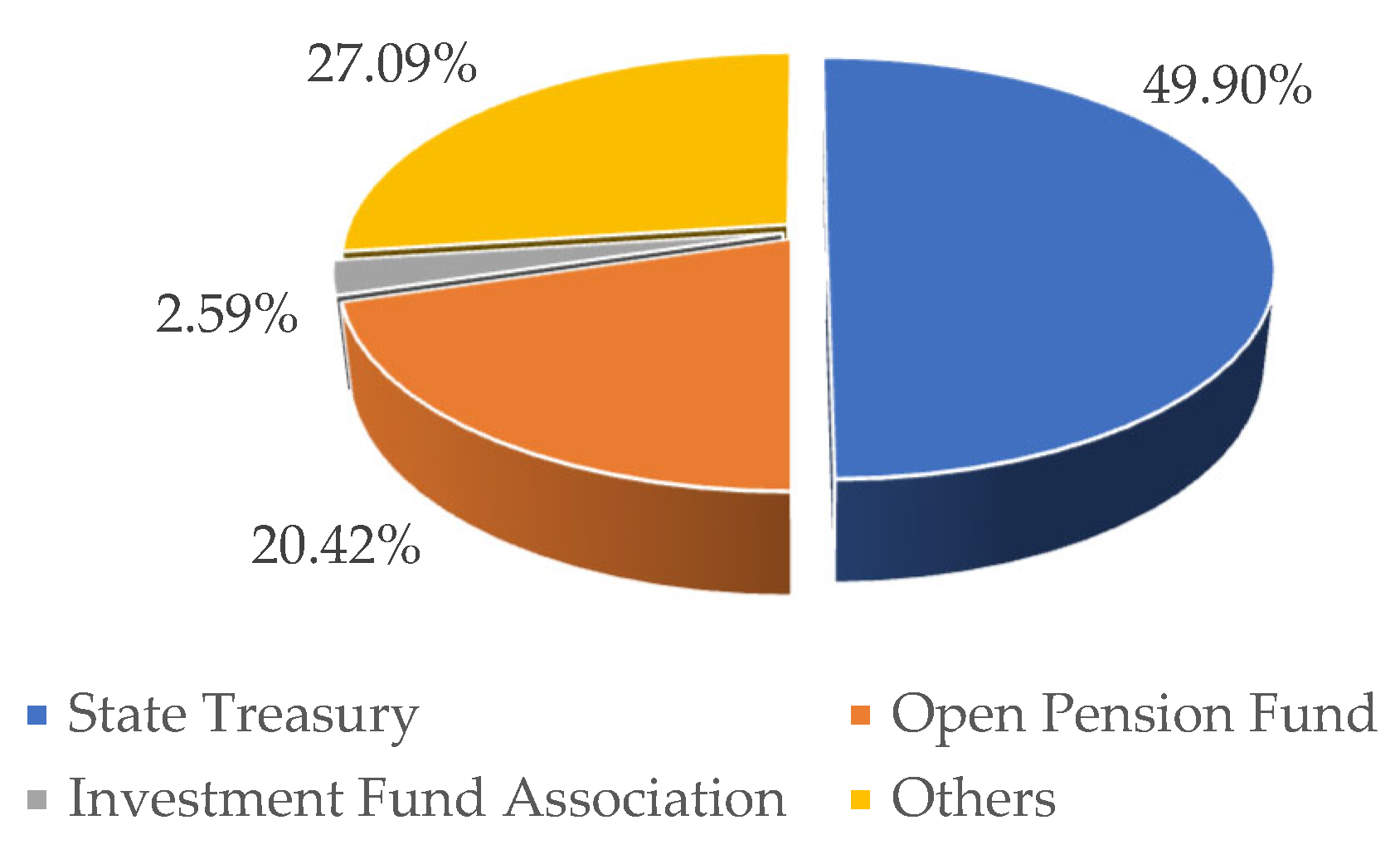
The primary focus of Orlen’s operations, however, is the refining of crude oil and the distribution of its products in both wholesale and retail markets. Given the strategic significance of this activity for national energy security, the State Treasury holds a near majority of the company’s shares [39] (Figure 3).
The public nature of ownership means that political authorities have a significant influence on the company’s development and operations. Regardless of the political party in power, a change of government following parliamentary elections is typically accompanied by a replacement of the company’s management [40].
Importantly, in the Polish context, as a country dependent on crude oil imports, Orlen can be used as a tool to achieve political objectives, particularly during election periods. An example of this was the reduction of fuel prices at Orlen stations to a fixed rate of 5.99 PLN per liter of 95-octane gasoline across Poland just before the 2023 parliamentary elections. Such measures may have aimed to gain voter support, although they potentially came at the expense of the company’s financial performance.
Orlen’s financial condition is therefore influenced by both internal factors, including domestic policies, and external factors, such as the geopolitical situation, which often have an even greater impact on oil prices and the overall stability of the energy market [41].

3. Materials and Methods

The aim of the conducted research was to determine the impact of taxes on wholesale and retail fuel prices in Poland. The analysis focused on diesel prices, considered both at the wholesale and retail levels, taking into account the influence of Brent crude oil prices and the exchange rate of the U.S. dollar against the Polish zloty. The data used in the study covered the period from 1 January 2006 to 22 June 2025 and were compiled at weekly intervals.
The study was divided into four parts:
  • Examination of the time series for fuel prices and the exchange rate, including an analysis of price level dynamics and return rates. Correlation analyses were performed both for price levels (to assess long-term trend alignment) and for return series (to evaluate the direction and strength of short-term relationships. These matters are quite significant, as strong or very strong links between wholesale and retail diesel prices and either the crude oil market or the exchange rate may imply that tax factors will be less important in shaping final fuel prices. Consequently, the potential influence of fiscal policy on the fuel market may be weaker.
  • Overview of tax changes, detailing the levels of taxes applied to diesel in Poland, including VAT, excise tax, and the fuel surcharge. These taxes are, in general, price-shaping in nature, and this point merely outlines their rates. However, they may potentially influence the structure of market relations, which is explored in the subsequent steps.
  • Identification and analysis of turning points in wholesale and retail diesel price series. These turning points may be driven by various factors—they can stem from impulses transmitted from global markets, such as geopolitical events, but they may also arise from domestic conditions, particularly government policy. In this section of the study, such points are identified. The Bai–Perron breakpoint test procedure is applied for this purpose.
The Bai-Perron test is a statistical procedure used to detect multiple structural breaks in time series regression models. This test is especially valuable when there is a suspicion that the relationship between variables changes at unknown points in time, for instance, due to policy changes, economic shocks, or regime shifts. To conduct the Bai-Perron test, one begins with a linear regression model where the possibility of shifts in parameters over time is allowed. The goal is to determine both the number and the location of these potential breakpoints. The procedure assumes that the data can be partitioned into segments, each governed by its own set of regression coefficients, but that within each segment the parameters remain constant. The process starts by selecting a maximum number of potential breaks the model should allow for, along with a trimming parameter. The trimming parameter controls the minimum number of observations required in each segment—a trimming value of 0.15 would imply that each regime must contain at least 15% of total observations. Next, the test uses an iterative approach based on least squares estimation. It searches over all permissible partitions of the data to find the breakpoints that minimize the sum of squared residuals across all segments. This involves fitting the model separately over each candidate segment and evaluating the goodness of fit. Once candidate breakpoints are identified, the test employs a sequence of F-type statistics to assess the significance of these structural changes. The procedure includes several test statistics, notably the supF test, which tests the null hypothesis of no breaks against the alternative of one or more breaks. There are also sequential tests that evaluate the hypothesis of m versus m + 1 breaks.
The trimming parameter in the Bai–Perron procedure was set at 15% to ensure a careful balance between detecting structural breaks and maintaining clarity and economic interpretability of the results. A higher trimming value imposes a minimum segment length, preventing the identification of excessively frequent or short-lived breakpoints, which are more likely to reflect transitory shocks rather than genuine structural changes. Setting the trimming parameter at 15% limits the maximum number of admissible breakpoints, thereby enhancing the robustness and transparency of the identified regimes. This choice is consistent with common practice in the literature and is particularly appropriate in the present context, where the objective is to identify economically meaningful shifts rather than to maximize the number of detected breaks.
Similarly, the selection of variables in the baseline regression reflects a parsimonious specification designed to capture the core determinants of fuel prices. This approach reduces the risk that breakpoint detection is influenced by model overfitting rather than true parameter instability. Overall, these methodological choices reflect an explicit trade-off between flexibility and interpretability.
This step concludes with a comparison of the timing of tax changes (VAT, excise tax, and the fuel surcharge) with the identified breakpoints in wholesale and retail diesel prices. Such a comparison makes it possible to assess the significance of fiscal policy in shaping market conditions. Any alignment between the periods of tax adjustments and the breakpoints in the wholesale and retail price series would indicate a substantial impact of tax changes on the price-formation processes in the fuel market, as well as highlight the potential role of the state in influencing the dynamics of these processes.
4
Assessment of the relationship between wholesale prices, crude oil prices, and the retail margin. At this point, the following steps were undertaken:
  • identification of changes in the relationship between retail and wholesale prices (the retail margin), as well as shifts in the relationship between wholesale prices and crude oil prices (the operational margin);
  • assessment of the impact of tax changes on the profitability of the domestic fuel producer PKN Orlen.
The analysis conducted in this section aims to provide a detailed assessment of the impact of tax changes on the formation of market relationships in the fuel segment. In particular, it allows for identifying how modifications in fiscal burdens affect market participants’ behavior, price structures, and the adjustment mechanisms operating throughout the entire fuel supply chain.

4. Results

4.1. Fuel Prices and Exchange Rate Dynamics

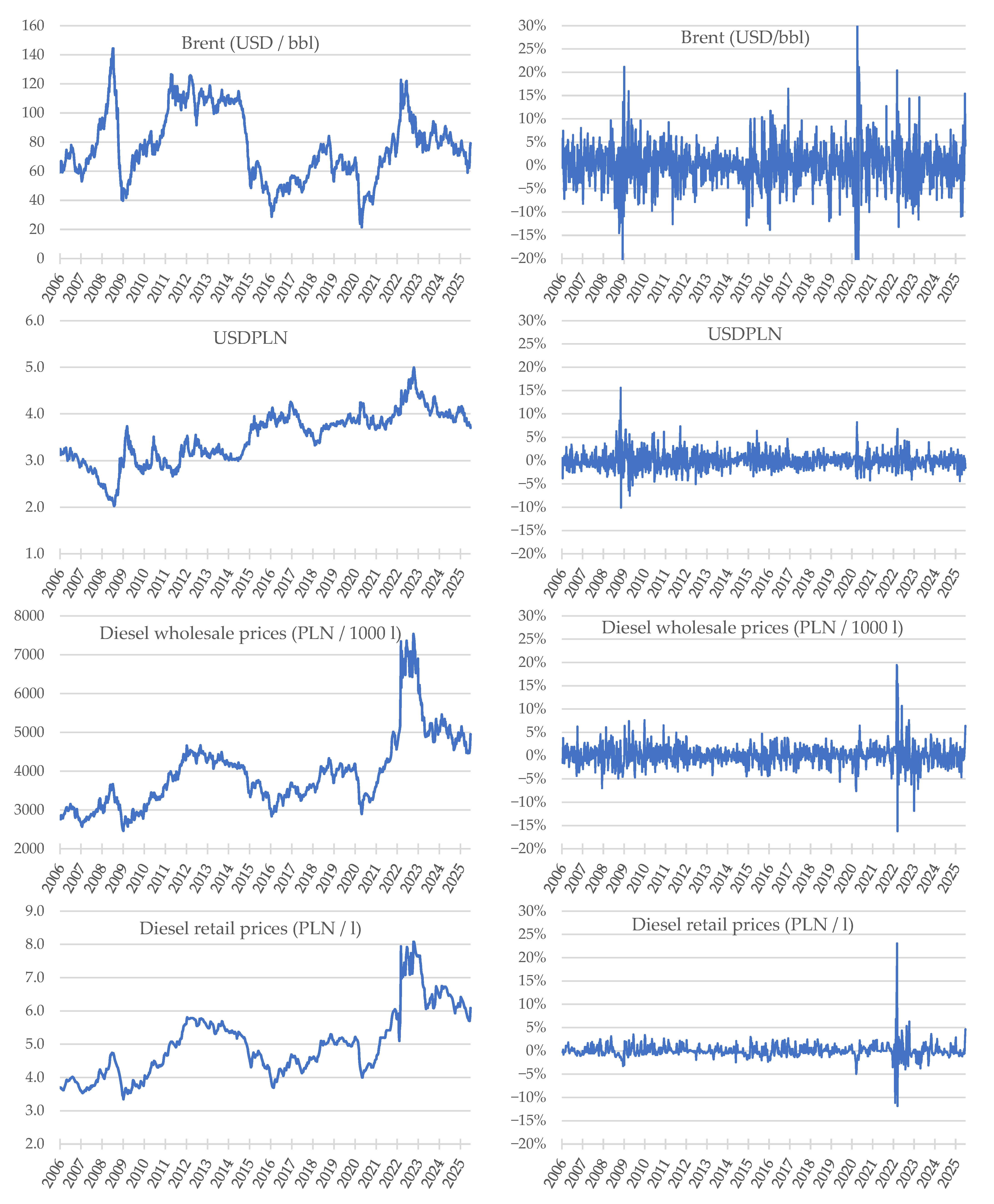
Data was collected from the service bankier.pl [42]. The first observation of every variable in the dataset is from 1 January 2006, and the last from 22 June 2025, with a one-week interval, producing 1017 observations for each variable. Variables included in the dataset are: Price of Brent in USD per barrel, Polish wholesale and retail prices of diesel in PLN, and the exchange rate of USD to PLN. The following is a visual presentation of the dataset as line graphs (Figure 4).
In the graphs above, it can be seen that diesel prices (both wholesale and retail) closely follow the price movements of Brent. The effect is somewhat dampened by other factors, such as exchange rate of USD to PLN, which is significantly less volatile. The prices of diesel and crude oil fluctuate substantially over the examined timespan, with the largest recent increase in diesel prices at the beginning of 2022, presumably due to the war in Ukraine. As for crude oil, the largest recent price movement—over 30% decrease in price in a single week—happened in April of 2020. These findings are expanded on in Table 1 with descriptive statistics.
The above presents further evidence that the historical prices of Brent are the most volatile variable within the dataset, due to the highest standard deviation relative to the mean, as well as the highest apex and lowest nadir in terms of rate of return. Given the price relationship between diesel and crude oil, and the volatility of the latter, there is reason to believe that this variable could cause structural breaks within the diesel price time series. Wholesale and retail diesel show lower variability, presumably due to the mentioned dampening effect of factors such as the exchange rate, the least volatile variable within the dataset. Additional findings relating to this are presented in Table 2.
The above furthers the analysis by showing Pearson correlation coefficients between all variables in the dataset. It shows that within the dataset, USDPLN worsens diesel price volatility—both due to its inverse relationship with Brent prices, as well as positive relation with diesel prices expressed in PLN (presumably due to increased demand for USD following an increase in the price of crude oil). Therefore, despite the fact that USDPLN has a significantly lower variance than Brent, their correlation reflects its worsening effect on diesel price shocks (in absolute terms). Wholesale and retail diesel have the strongest correlation, both in prices (0.9779) and price movements (0.5896).
Current fluctuations in the exchange rate and in wholesale and retail diesel prices appear to be independent (correlation coefficients near 0). In contrast, changes in the raw material price have a moderately strong effect on current wholesale prices (r = 0.44) and a positive but weaker effect on retail prices (r = 0.32). This is expected, as the final product is naturally less sensitive to the primary raw material. What is notable, however, is the lack of an observable effect from the exchange rate, which may result from time lags or differing speeds of adjustment processes. Long-term dependencies tell a different story. A stronger dollar tends to drive up raw material prices, which in turn raises wholesale and retail prices (correlation coefficients around 0.6), while the direct influence of the raw material itself is smaller (correlation coefficients below 0.5). This observation is important, as the absence of strong short-term links between fuel prices, crude oil prices, and exchange rates suggests that tax factors could play a decisive role in shaping the fuel market. This indicates that the government, through fiscal policy, has the ability to influence market relationships in accordance with both immediate and strategic objectives.

4.2. Tax Burdens on Crude Oil

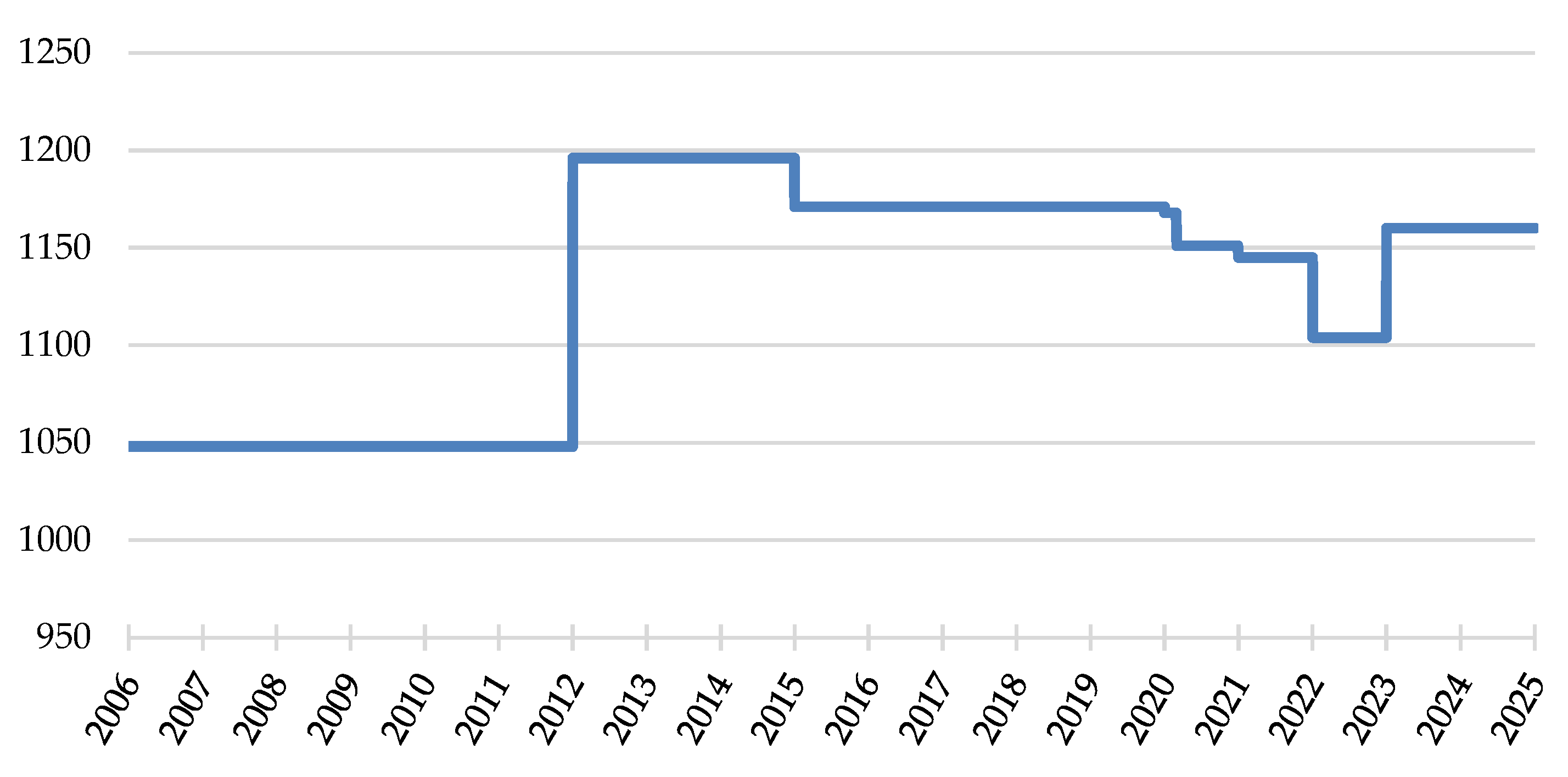
Figure 5 presents a summary of excise tax rates on diesel in Poland for the years 2006–2025, expressed as the charge per 1000 L of fuel, along with the dynamics of changes in its value.
In 2012, diesel excise tax experienced its largest increase. The Ministry of Finance implemented this rise to align Poland’s excise rate with the European Union standard of 330 euros per 1000 L [43]. The measure was economically driven and enabled the government to secure an additional 2.2 billion PLN in budget revenue, thereby increasing government budget revenues [43].
Three years later, the excise tax rate fell by 2.09% compared to the previous year. This decline was due to a temporary reduction in excise rates for 2015–2019, introduced by the Ministry of Finance’s announcement on 2 December 2014—the rate was lowered by 25 PLN per 1000 L, which, according to official estimates, was not expected to result in significant budgetary losses. At the same time, the fuel surcharge was increased [44].
In March 2020, another marked decrease of 1.46% was recorded compared to January, which had seen a minor drop of 0.26%. Although this reduction coincided with the onset of the COVID-19 pandemic, it was primarily related to budgetary measures, specifically a proportional increase in the fuel surcharge, which boosted revenues for the National Road Fund [45]. This change was intended to last until the end of 2020; however, at the beginning of 2021, another decrease took place, resulting from the same measures to further increase contributions to the Fund [44].
In 2022, the excise tax experienced its largest decline, falling by 3.58% compared to 2021. This reduction was driven by a political decision under the law temporarily lowering fuel excise rates as a measure to curb the rapid rise in inflation and its impact, known as the “Anti-Inflation Shield” [46]. In 2023, the rate rose by 5.07%, following the conclusion of the measures designed to counteract the effects of high inflation [47].
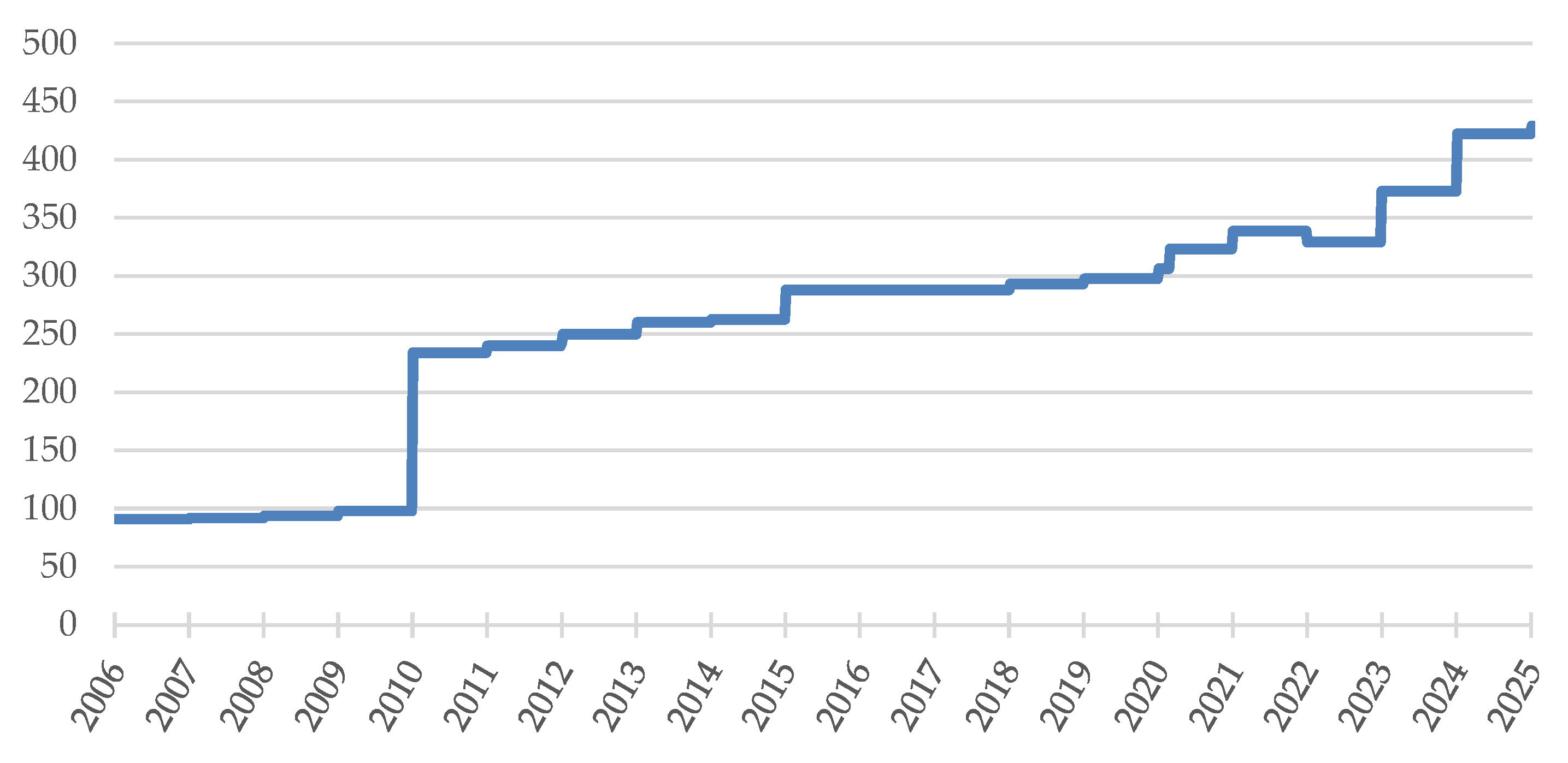
Changes in the value expressed as the charge per 1000 L of fuel also affected the fuel surcharge. Figure 6 presents the changes in the fuel surcharge in Poland for the years 2006–2025.
Between 2006 and the end of 2007, the fuel surcharge steadily increased. A dramatic rise was recorded at the end of 2010, with a 139.20% increase compared to the previous year. This followed the implementation of the law of 20 November 2009, which amended the Act on Toll Motorways and the National Road Fund, as well as the Act on Trading in Financial Instruments, bringing the fuel surcharge rate in line with EU requirements [48] arising from the provisions of Council Directive 2003/96/EC of 27 October 2003 restructuring the Community framework for the taxation of energy products and electricity [49]. From 2010 onward, the surcharge exceeded 230 PLN per 1000 L and has since been set annually through regulations issued by the Minister of Infrastructure.
In January 2022, the fuel surcharge experienced its only decrease—although the Anti-Inflation Shield was in effect at the time, it did not directly cause the reduction. In 2023, the surcharge rose again by 13.30%, and in 2024, it increased by 13.20%. Analysis of the data indicates that these regular increases were due to adjustments accounting for inflation (an automatic inflation indexing mechanism) [50]. These changes are consistent with an inflation-indexation mechanism specified in the relevant regulations.
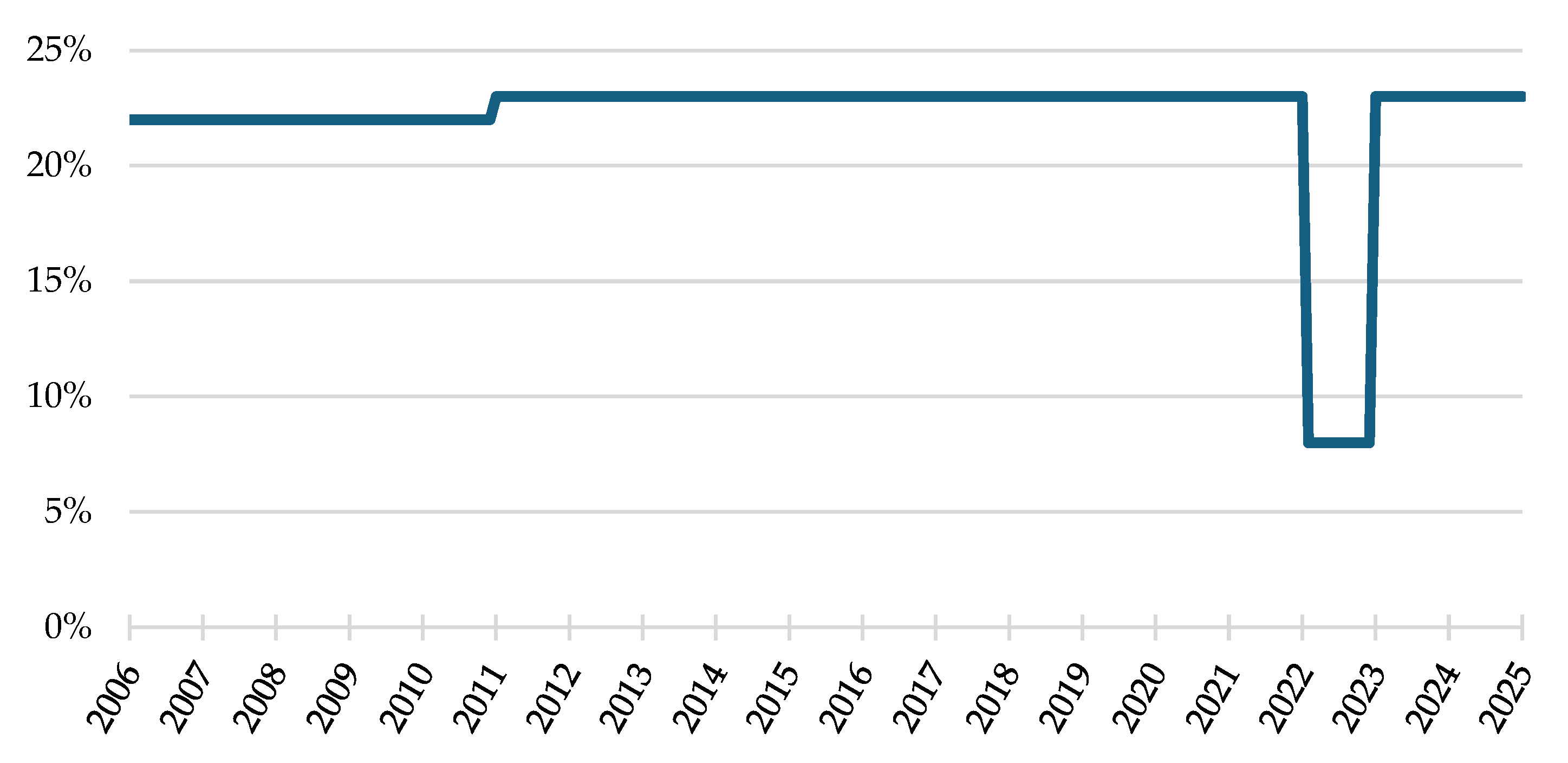
Figure 7 shows the VAT rates on diesel in Poland for the years 2006–2025.
In 2011, the VAT rate on fuel was increased by 1 percentage point. This adjustment followed an amendment to the VAT Act, which raised the tax rate and resulted in higher budget revenues from this source [51]. The rate remained in effect until February 2022, when it was temporarily reduced to 8% as part of the Anti-Inflation Shield. This measure was introduced with the stated objective of mitigating the impact of rising inflation on households [52]. Starting in 2023, the VAT rate reverted to the statutory level of 23% after the expiration of the Anti-Inflation Shield, representing an increase of 15 percentage points [47].

4.3. Breakpoint Analysis

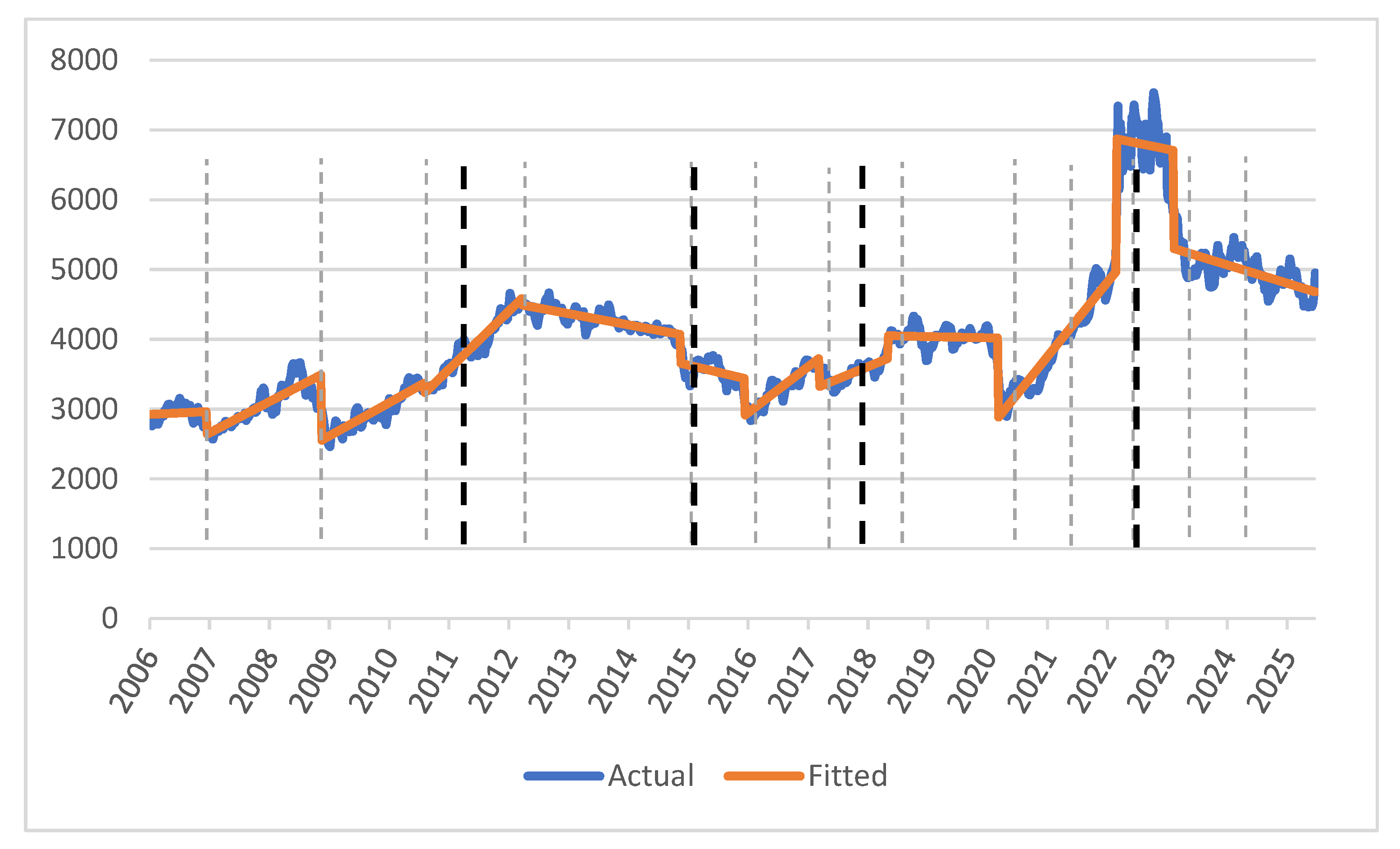
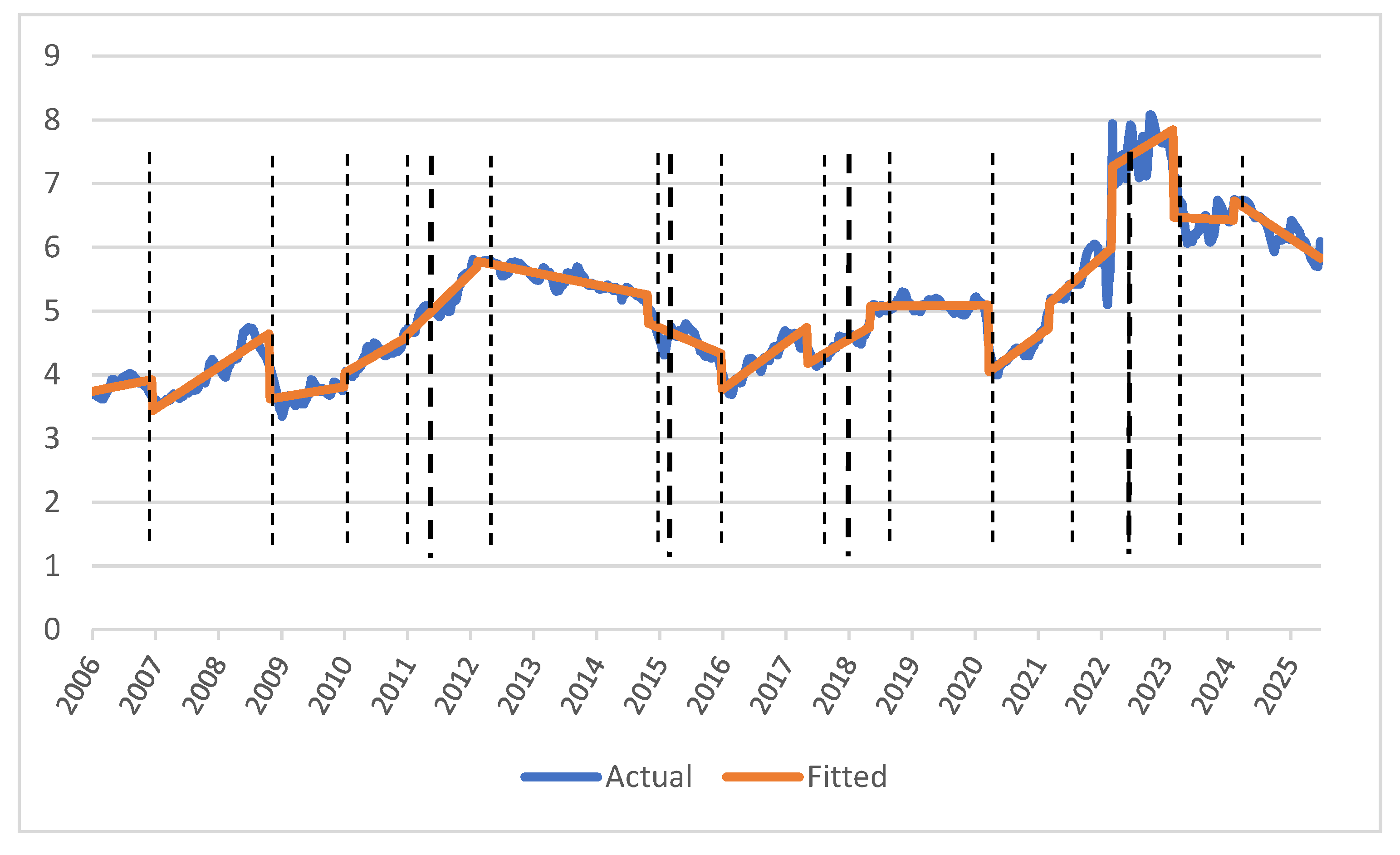
The following is an analysis of breakpoints within the price of diesel time series, based on the Bai-Perron method outlined previously (Figure 8).
The above graph shows at which points in the dependent variable the structural breaks occurred (black dashed lines). As can be seen, there is a significant number of breaks (13) within the time series, and two of the major structural breaks overlap with minor breaks (i.e., they were identified as statistically significant in both tests). The other two (13 March 2011, 10 December 2017) in each instance happen between two minor identified breaks (5% trimming), suggesting that they may be aggregations—due to trimming—of smaller changes in relation between variables, rather than signifying change in relation in and of themselves.
Table 3 outlines the process of breakpoint discovery using the Bai-Perron method.
Examining the sequentiality, one can see the evident impact of the war in Ukraine, with the first identified break-point, and one of greatest statistical significance happens on 27 February 2022, the first data point after the Russo-Ukrainian conflict started. The possible reasons behind other breakpoints will be explored further in this paper. The F-statistics remain statistically significant for 13 breakpoints, with the weakest, 13th breakpoint, only passing the two-tailed test and not the single-tailed, and the 14th failing both. The breakpoints are somewhat unevenly distributed, with a mean of 520.92 days and a standard deviation of 185.21. The breaking variables used are date (observation number in chronological order)—representing the slope of the line—and intercept.
Compared to the results shown in Figure 8, Figure 9 shows one more breakpoint (14).
Their distribution is close to the distribution of breakpoints (black dashed lines) in the wholesale diesel price analysis, albeit with a lower mean (492.92 days). This is to be expected, due to an additional breakpoint within a fixed number of observations. Of interest is their slightly higher standard deviation (187.47), which could normally be expected to decrease with the mean.
The breakpoint specification and sequentiality of the Bai-Perron test are shown in Table 4. An important distinction compared to the wholesale diesel price analysis is the changing of the most statistically significant breakpoint from 27 February 2022 to 16 November 2014. That is to say, the retail prices (and the relations between variables) seem to have been impacted more by the events of the end of 2014 (previously identified as a boom in US shale oil production).
Based on the obtained results, in comparison with the tax changes that occurred during the analyzed period, a consistency between the main breakpoints and the changes in excise tax and VAT is noticeable. In the case of the 2015 excise tax, the reduction of its rate coincides with the period of declining fuel demand, while the largest increase corresponds with the crisis period resulting from the war in Ukraine and its negative economic effects on the fuel market—during this time, the state authorities reduced the tax rate in order to decrease the fiscal burden on consumers. In the case of VAT, a correlation is also visible between the reduction of the rate and a significant breakpoint that emerged in 2022, coinciding with Russia’s attack on Ukraine—similar to the excise tax, the state authorities, in response to rising fuel prices and inflation, aimed to relieve consumers from the increasing costs of maintaining households.
Due to the variability of the fuel surcharge resulting from inflation indexation, no convergence of changes with the breakpoints in crude oil prices was recorded (Table 5).
In the table above, significant tax changes and breakpoint dates for wholesale and retail diesel prices are compared. As stated previously, some consistency between tax change dates and breakpoint dates can be noticed. This is not to be understood as causality. Despite the fact that within the examined timeframe several significant tax changes did occur (such as a decrease of 15 pp. for VAT rates on fuel, or a 14.12% Excise increase), these coincided with significant geopolitical events as outlined above suggests their character to be reactive rather than causal. It is visible in events such as the 2014 oil demand decline, where the breakpoints in price time series happen at the end of 2014, whereas the decrease in excise occurs at the beginning of 2015. This is presumably due to the fact that markets usually react more quickly than legislators, as there is additional time required for legislation to be prepared and then passed as a reaction to an event. Following this logic, one could consider the breakpoint lag for the 2022 conflict in Ukraine (compared to legislation, passed earlier) as having happened due to limitations of the Bai-Perron test—specifically, the used trimming of 5%.

4.4. The Significance of Margins in Shaping the Fuel Market

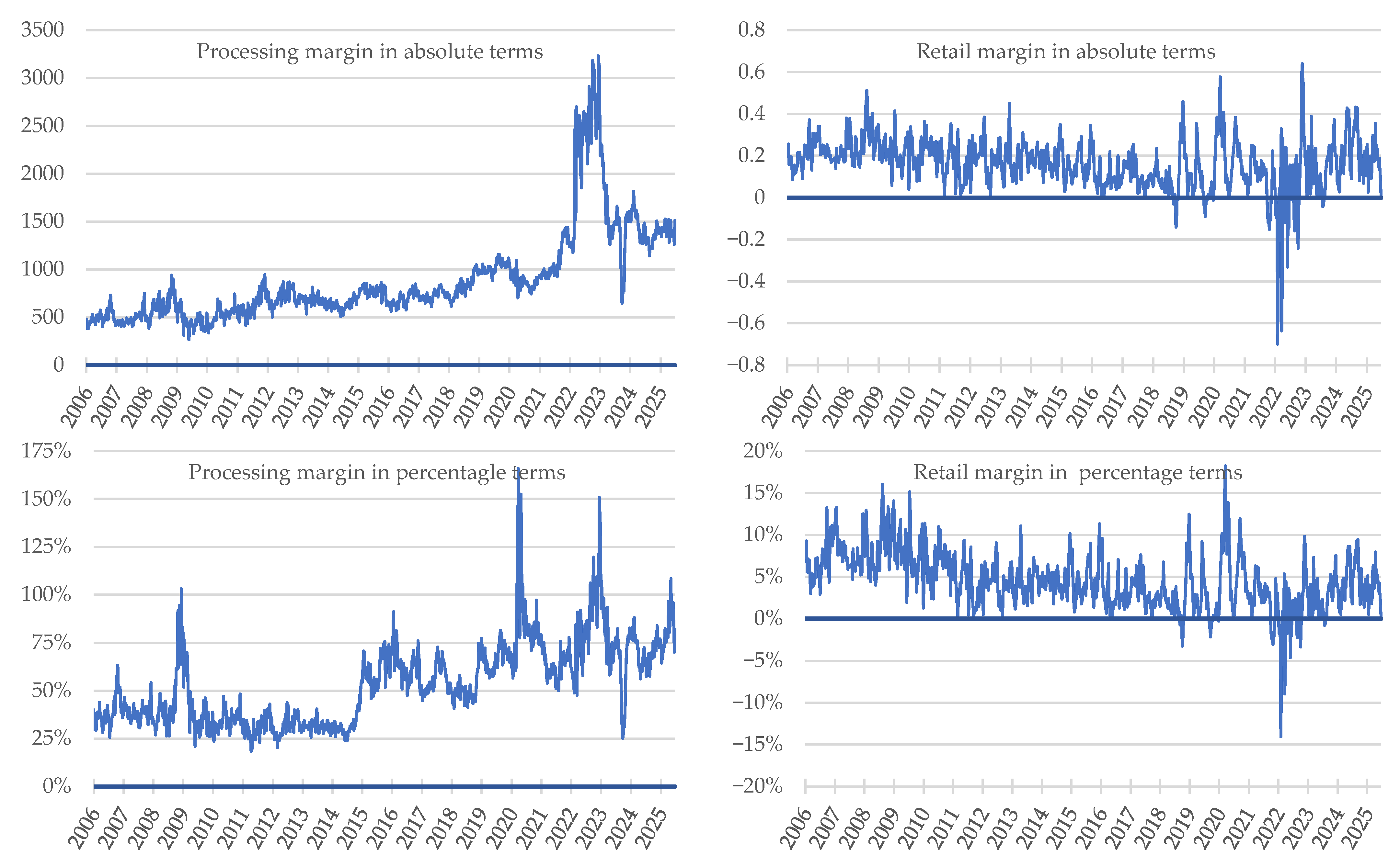
Margin is a key concept in evaluating the financial condition of various entities. It is defined as the difference between the price paid by the customer and the price incurred by the seller or service provider [53], serving as a commonly used proxy for profitability and for the cost component reflected in final prices. In the fuel market, two types of margins are particularly important: the retail (commercial) margin, which is most commonly associated with the general concept of margin and reflects the seller’s or service provider’s sales results [54], and the wholesale margin, defined as the difference between the selling price and the wholesale price [55], which is also a crucial tool for assessing the financial health of producers, including in the fuel sector. Fluctuations in market prices for fuel production and sales, at both wholesale and retail levels, caused by various economic conditions, influence margin levels. This is illustrated in Figure 10, showing margins in both absolute terms (monetary value) and relative terms (percentage) for Poland over the period 2006–2025.
The refining margin values analyzed for 2006–2019 show frequent but relatively minor fluctuations. In absolute terms, the margin generally did not exceed around 1.50 PLN per liter, while in percentage terms it typically ranged between 20% and 100%. In 2020, the percentage margin surged sharply, temporarily surpassing 150%. A notable increase in the absolute margin occurred after 2022, continuing until the end of 2023, when values exceeded 3.00 PLN per liter.
The period 2020–2023 is characterized by a consistently higher absolute margin, whereas the percentage margin does not follow the same trend—after the spike in 2020, it dropped to levels similar to those before 2020, then rose again to around 150% in 2023. In both measures, a noticeable decline in the margin occurred in 2024. After this period, the situation stabilizes, although the refining margin remains higher than in 2006–2019.
It is worth noting that the margin fluctuations coincided with years marked by crises: the 2007–2009 economic crisis, the COVID-19 pandemic starting in 2020, and the outbreak of the war in Ukraine in 2022. The observed margin fluctuations coincide with periods marked by major economics shocks, such as the global financial crisis, the COVID-19 pandemic, and the outbreak of the war in Ukraine.
Regarding the retail margin, presented in the charts on the right of Figure 10 in both absolute and percentage terms, it remained relatively stable from 2006 to 2018. During this period, the margin was around 0.5 PLN per liter and reached a maximum of approximately 16%. After 2018, the margin fell into negative territory, reaching −3.27% in percentage terms, indicating that fuel sellers were paying more for their purchases than the prices at which they could sell.
From 2018 to 2022, the retail margin experienced increased fluctuations, reflecting greater volatility in market conditions. In 2022, the margin dropped sharply, reaching a record low of about −0.7 PLN per liter and −14.06% relative to the wholesale price, indicating periods in which retail prices were lower than wholesale prices. Positive margin values were restored only at the end of 2023, returning to levels similar to those seen before 2018.
A key factor in evaluating operating and retail margins is the influence of geopolitical events, which primarily drive short-term fluctuations. Meanwhile, shifts in market conditions are responsible for long-term trends. Notably, the operating margin is increasing both in absolute and relative terms, reflecting PKN Orlen’s dominant position in the domestic refining and wholesale fuel supply market segments. Importantly, this dominance does not translate into monopoly power at the retail level. Despite operating an extensive network of fuel stations, PKN Orlen’s retail market share remains well below 50%, indicating the presence of effective competition in downstream sales. Consequently, the retail margin remains relatively stable in absolute terms and exhibits a declining trend relative to prices. The observed pricing dynamics are therefore better explained by Orlen’s state-controlled ownership structure and its strategic role in upstream fuel markets, rather than by classical retail market monopolization. This interpretation is consistent with the literature on state-owned enterprises, which emphasized the ability of government-controlled firms to influence pricing outcomes through non-market objectives and policy coordination (e.g., [56,57]).
These results show that 2022–2023 was the most challenging period for fuel sellers, coinciding with high inflation and a crisis in commodity and energy markets caused by the war in Ukraine. It should be emphasized that the above discussion is based on descriptive comparisons and visual inspection of the data; therefore, it does not allow for precise identification of the timing or magnitude of margin adjustments.
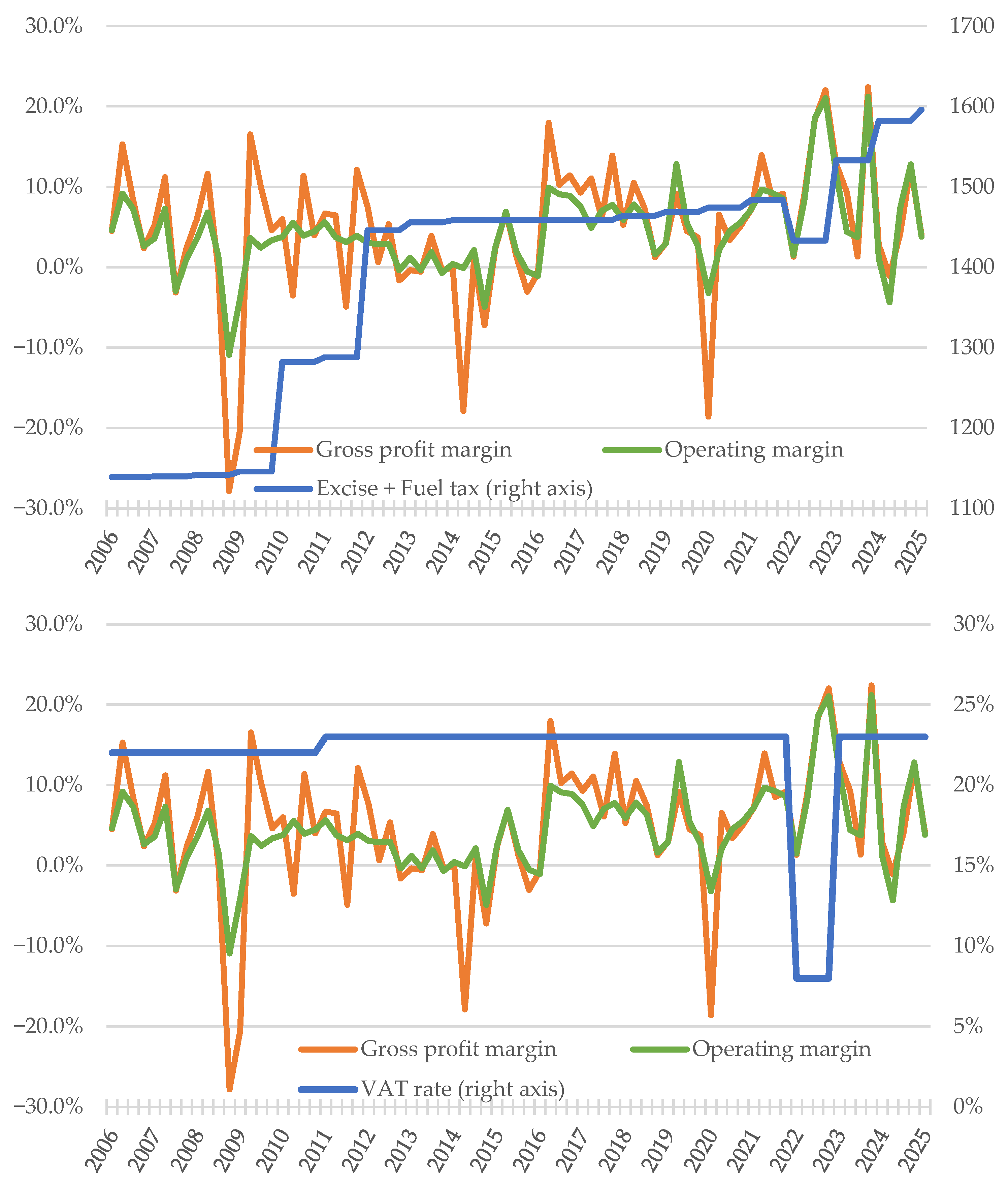
The financial results of Poland’s largest fuel company, PKN Orlen S.A. Group, show that market conditions have had a direct impact on their sales performance and profit margins (Figure 11).
PKN Orlen’s financial performance during the period under review is closely associated with developments in refining and retail margins, as well as with changes in tax burdens such as excise tax, fuel surcharge, and VAT rates. Between 2006 and 2018, stable taxation and the absence of sharp increases in fuel prices coincided with a period of relatively stable fuel prices and moderate profitability. Despite significant margin fluctuations in the subsequent economic crisis years, the company’s profitability remained relatively stable, with no clear correspondence to changes in government tax policy.
Excise tax increases and sharp increases in the fuel surcharge between 2012 and 2014 coincided with a period of declining retail margins and weaker operating indicators, which were reflected in lower return on sales and gross margins. In subsequent years, thanks to stable VAT and moderate changes in the fuel surcharge, both margins and financial results stabilized. The most significant disruptions occurred after 2020. The period following the COVID-19 pandemic and the outbreak of war in Ukraine was characterized by significant fluctuations in fuel prices and margins. The temporary reduction in the VAT rate to 8% in 2022, implemented amid sharply rising fuel costs, coincided with a pronounced decline in profit margins, which temporarily turned negative. This pattern is consistent with a period of heightened market stress and increased political involvement in fuel pricing. Following tax stabilization after 2023, retain margins recovered and returned to levels comparable to the pre-pandemic period, suggesting a reversion toward market-driven countries.
The descriptive comparison of margins and tax changes does not reveal clear evidence of systematic changes in margin patterns following tax adjustments. During periods of gradual increases in excise tax and fuel subcharge, margin levels remained relatively stable during periods of gradual tax increases. The exception was 2022, when a sudden VAT reduction to 8% coincided with a sharp increase in fuel prices, causing retail margins to fall to negative levels. These results reflect the effects of the crisis market situation and a period characterized by heightened market stress and increased regulatory involvement in fuel pricing. Margins quickly stabilized after the VAT rate returned to 23%, which is consistent with relatively stable margin patterns outside periods of acute market stress. It should be emphasized that this discussion is based on descriptive comparisons and does not allow for causal inference regarding pricing strategies or the timing of tax pass-through.
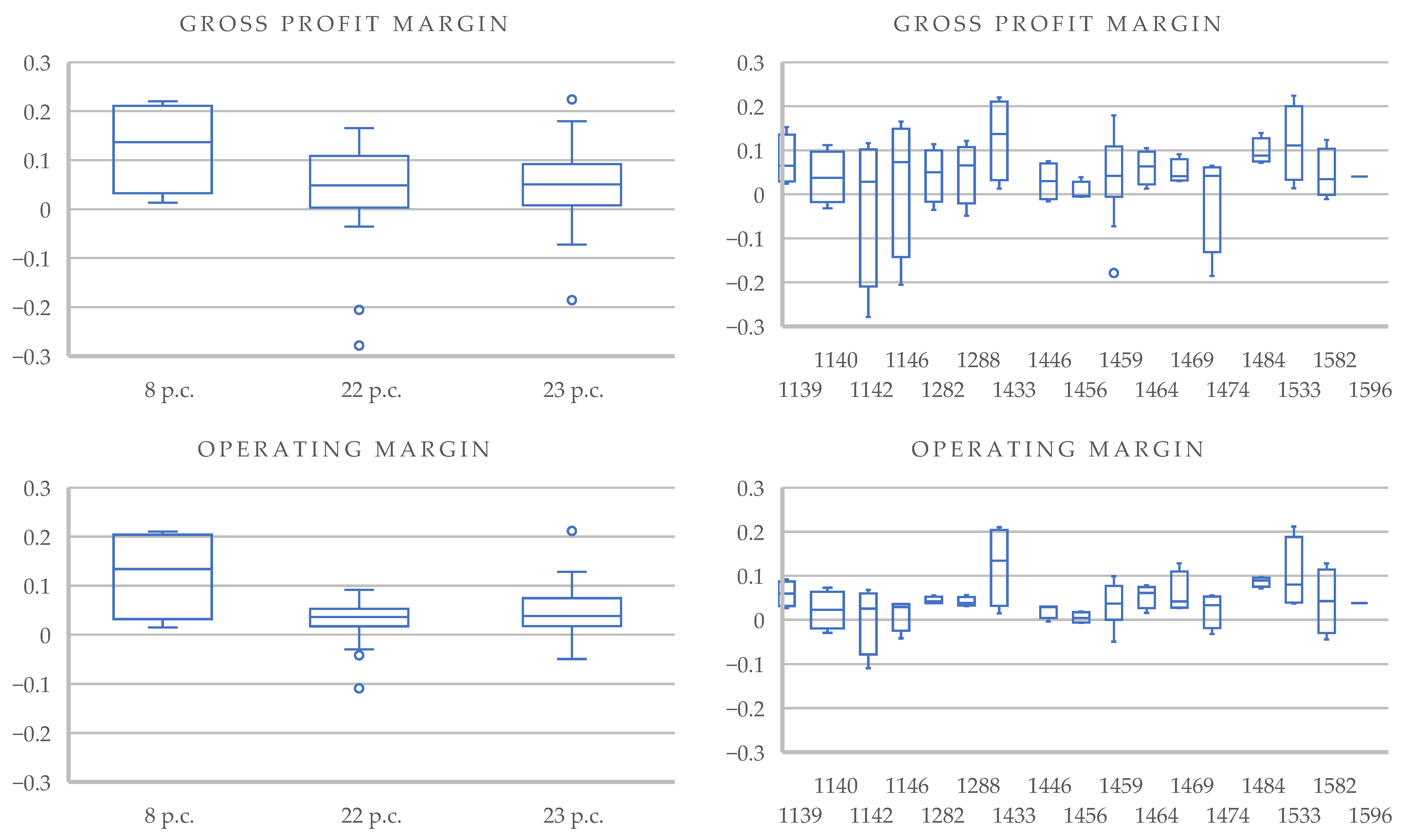
Overall, the results show that both economic conditions and tax changes have a significant impact on the financial situation of a leading Polish fuel company, as also illustrated by the margin distribution graphs (Figure 12).
As indicated by the data presented in the charts on the left side, PKN Orlen achieved the highest levels of gross profit margin and operating margin during the period when the 8 percent VAT rate was in effect, which were also the most stable compared to those achieved under higher tax rates. In the case of the 22% rate, which was in force until the end of 2010, the median margins declined, and their values were characterized by greater volatility. During this period, there were also strong outliers associated with lower margin values. Under the 23% VAT rate, the situation improved, although the results are still worse than those for the 8% rate. In the case of the operating margin and gross profit margin under variable excise tax and fuel fee rates shown on the right side, large fluctuations in values are noticeable, which is particularly evident for the gross profit margin. However, compared to the variability of VAT rates, no clear pattern is visually apparent in margin variability relative to changes in the fuel fee and excise tax rates. The visual comparison suggests that margin volatility differs across VAT regimes, with higher variability observed in periods characterized by higher VAT rates. These observations are based on descriptive comparisons of charted data and should be interpreted as illustrative rather than as evidence of causal effects of tax rates on margins.

5. Discussion

Regarding the sensitivity of the Polish fuel market to indirect taxes and the fuel surcharge, it was observed that changes in tax rates and fees over the years were, in the vast majority of cases, upward, with only a few short-term reductions. The only exception was the excise tax, which experienced a relatively sharp increase in 2012 and then remained at a relatively stable, slightly declining level. At the same time, no clear transmission of fiscal policy measures to wholesale and retail prices was observed, either in the case of increases in VAT or in the fuel surcharge. Tax changes tended to be gradual, and their absolute value, when converted into the price per liter of fuel, did not represent significant amounts.
In the context of fuel prices on the Polish market, global geopolitical events had a considerably stronger impact, with the most prominent example being the Russo-Ukrainian conflict. The results obtained in relation to the first research question are largely consistent with findings reported by other scholars. Tax burdens on fuels are gradually passed on to the final consumer; however, the scale of this transfer largely depends on supply-side conditions in the market [58]. Supply-side factors may, in turn, be shaped by geopolitical events, which can significantly influence wholesale and retail fuel prices [59].
On the other hand, Drolsbach et al. (2023) note that tax changes typically have an evolutionary impact on fuel prices, with the difference that additional costs arising from tax rate increases tend to be passed on to end consumers more quickly than reductions in tax rates [60].
In examining the research question related to the margins achieved by PKN Orlen in the context of imposed fiscal burdens, it was found that the company generally did not significantly alter its margin policy. This meant that rising costs were typically passed on to the final fuel prices paid by consumers. The year 2022 was the main exception in the analyzed period. A significant reduction in the VAT rate, introduced by the government in response to a sharp increase in fuel prices associated with geopolitical conditions, coincided with the occurrence of negative retail margins. The observed pattern is consistent with the interpretation that decisions regarding margin policy may have been shaped during this period by increased political involvement, resulting in the almost complete pass-through of the VAT reduction to consumer prices. However, it should be emphasized that the analysis is based on temporal correlations and does not allow for an unambiguous identification of causality. Following the restoration of the VAT rate to 23%, retail margins quickly stabilized, suggesting that in the longer run it was market conditions, rather than extraordinary fiscal interventions, that played a dominant role in shaping their level.
The findings related to the second research question are largely consistent with previous observations. As Dovern et al. (2023) [61] point out, during a similar period, the German federal government implemented a measure analogous to the Polish policy by introducing the so-called “Tankrabatt”, a temporary, three-month reduction in VAT on fuels. Their analysis indicates that this reduction was almost fully passed through to final consumer prices [61]. Furthermore, the evidence shows that the pass-through rate for diesel began to decline in August, even while the tax reduction was still in effect [61].
On the other hand, according to Gregor et al. (2025), in the case of Germany, despite the initial pass-through of the VAT reduction to end consumers, significant heterogeneity in the effects is observed over time and across regions [62]. When price effects are weighted by quantities sold, the estimated pass-through of the tax cut declines to approximately 70% for gasoline and 58% for diesel, suggesting that refinery margins increased substantially during periods of higher demand [62]. This, compared to analyses of PKN Orlen’s margins in Poland, suggests that there are significant differences in the long-term effects of fiscal policy between Poland and Germany.
A key factor explaining the differences in tax pass-through between Poland and Germany lies in the structural characteristics of their fuel markets. The German fuel market is characterized by a relatively high degree of competition at both the wholesale and retail levels, with no single firm exercising dominant control over supply. Empirical evidence suggests that in such settings, reductions in fuel taxes tend to be rapidly and almost fully passed through to consumer prices, as firms face strong competitive pressure to adjust prices [61,63]. By contrast, the Polish fuel market exhibits a high degree of concentration in the wholesale segment, where PKN Orlen is a state-owned enterprise and plays a dominant role. This structural asymmetry may weaken competitive pass-through mechanisms and allow for greater discretion in margin adjustment, particularly during periods of heightened uncertainty.
Beyond market structure, political economy considerations further differentiate the Polish and German experiences. In Germany, the temporary VAT reduction “Tankrabatt” was implemented in a context where fuel suppliers operated largely independently of direct political influence, resulting in price adjustments that closely mirrored changes in tax rates [61]. In Poland, however, the dominant position and state ownership of PKN Orlen imply that pricing and margin decisions may be influenced not only by market forces but also by non-market objectives, including political involvement in order to stabilize prices during crises. As documented in the literature on state-owned enterprises, such firms often absorb shocks through margin adjustments rather than fully transmitting tax changes to consumers [64,65]. This helps to explain why tax reductions during the periods of high uncertainty in Poland coincided with relatively high or even temporarily negative margins, reflecting a form of implicit price stabilization rather than standard market-driven pass-through.

6. Conclusions

In the domain of taxation and its relationship to fuel prices, it is evident that state authorities, in response to the adverse economic conditions generated by heightened volatility in wholesale and retail fuel markets, undertook measures intended to reduce the fiscal burden on households. This became particularly apparent in 2022, when the economic consequences of the war in Ukraine were most pronounced. These policy adjustments correspond both to the observed variability in tax rates and to the outcomes of the breakpoint analysis, which indicate that rapidly increasing fuel prices constituted the primary impetus for tax reductions.
However, it should be emphasized that an analogous conclusion cannot be drawn with respect to the fuel surcharge. Variability in this instrument resulted predominantly from the need to comply with European Union requirements, rather than from any direct response to the economic crisis.
The analysis of margin dynamics achieved by PKN Orlen indicates that, despite fluctuations in individual fiscal parameters, the company remained profitable and consistently generated relatively high margins. A noteworthy finding of the study is that following the reduction of the VAT rate to 8%, the corporation began to realize its highest processing margins—an outcome not observed in relation to any other fiscal parameter.
It must be acknowledged, however, that the research examined only a single fuel company in Poland, which represents a significant limitation. This constraint prevents a broader assessment of whether the identified relationship reflects a wider market trend or merely an isolated case. Further research involving additional market participants is therefore warranted.
The results of the breakpoint analysis suggest taxation adjustments within the examined timespan are a reactive measure of the Polish government to dampen the effect of geopolitical events on diesel prices, rather than proactively influencing the prices according to policy. The conclusion following this reasoning is that it is geopolitical events that are determinants of fuel prices and taxation adjustments. Furthermore, the effect of taxation on fuel prices in the sample is reduced unilaterally, due to Orlen being managed, to an extent, in accordance with public interest, especially during crises. To that effect, a level of upward nominal rigidity can be observed, albeit not as a mechanism of the free market.
In conclusion, the study produced evidence contradicting the hypothesis of indirect taxes and parafiscal charges having a significant impact on diesel prices in Poland. On the example of the 2022 Ukrainian conflict, it was shown that when taxes do impact the price significantly, the absorption of this information by the market is gradual and evolutionary. Additionally, Orlen was shown to transfer costs to the consumer within a short time, but when top-down political involvement is exerted, the same can be said for tax breaks, resulting in sporadically negative gross profit margins. This behavior makes the company a potentially fruitful subject of further study.

Author Contributions

Conceptualization, D.K., K.W., E.B.-W. and G.P.; methodology, G.P. and E.B.-W.; software, G.P.; validation, D.K., K.W. and G.P.; formal analysis, G.P.; data curation, D.K., K.W., E.B.-W. and G.P.; writing—original draft preparation, D.K., K.W., E.B.-W. and G.P.; writing—review and editing, D.K.; visualization, D.K., K.W., E.B.-W. and G.P.; supervision, G.P. All authors have read and agreed to the published version of the manuscript.

Funding

This research received no external funding.

Data Availability Statement

Conflicts of Interest

The authors declare no conflicts of interest.

References

  1. Stevens, P. The role of oil and gas in the economic development of the global economy. In Extractive Industries; Oxford University Press: Oxford, UK, 2018; Volume 71, pp. 1–746. ISBN 978-0-19-881736-9. [Google Scholar]
  2. Ferrier, R.W.; Fursenko, A. Oil in the World Economy; Routledge: Abington, UK, 2016. [Google Scholar]
  3. Tuma, E.H. Strategic resources & viable interdependence: The case of Middle Eastern oil. Middle East J. 1979, 33, 269–287. [Google Scholar]
  4. Painter, D.S. Oil and geopolitics: The oil crises of the 1970s and the Cold War. Hist. Soc. Res. 2014, 39, 186–208. [Google Scholar]
  5. Haouel, C. Assessment of the impact of Russia’s war on Ukraine on EU and UK oil and gas imports and their energy supply security. In Proceedings of the Central and Eastern European eDem and eGov Days 2023, Budapest, Hungary, 14–15 September 2023; pp. 166–177. [Google Scholar] [CrossRef]
  6. Cheon, A.; Lackner, M.; Urpelainen, J. Instruments of political control: National oil companies, oil prices, and petroleum subsidies. Comp. Polit. Stud. 2015, 48, 370–402. [Google Scholar] [CrossRef]
  7. Noreng, O. National oil companies and their government owners: The politics of interaction and control. J. Energy Dev. 1993, 19, 197. [Google Scholar]
  8. Fu, T.; Chang, D.; Miao, C. Fuel regulation in a developing country: An interventional perspective. Energy Econ. 2022, 113, 106031. [Google Scholar] [CrossRef]
  9. Pirog, R.L. The role of national oil companies in the international oil market. CRS Report for Congress, 21 August 2007. [Google Scholar]
  10. Moita, R.M.S.; Paiva, C. Political price cycles in regulated industries: Theory and evidence. Am. Econ. J. Econ. Policy 2013, 5, 94–121. [Google Scholar] [CrossRef]
  11. Onapajo, H.; Francis, S.; Okeke-Uzodike, U. Oil corrupts elections: The political economy of vote-buying in Nigeria. Afr. Stud. Q. 2015, 15, 1–22. [Google Scholar]
  12. Mohaddes, K.; Pesaran, M.H. Oil prices and the global economy: Is it different this time around? Energy Econ. 2017, 65, 315–325. [Google Scholar] [CrossRef]
  13. Jefferson, M. A crude future? COVID-19s challenges for oil demand, supply and prices. Energy Res. Soc. Sci. 2020, 68, 101669. [Google Scholar] [CrossRef]
  14. Noguera-Santaella, J. Geopolitics and the oil price. Econ. Model. 2016, 52, 301–309. [Google Scholar] [CrossRef]
  15. Zhang, Q.; Yang, K.; Hu, Y.; Jiao, J.; Wang, S. Unveiling the impact of geopolitical conflict on oil prices: A case study of the Russia-Ukraine War and its channels. Energy Econ. 2023, 126, 106956. [Google Scholar] [CrossRef]
  16. Huntington, H.G. Measuring oil supply disruptions: A historical perspective. Energy Policy 2018, 115, 426–433. [Google Scholar] [CrossRef]
  17. Dreger, C.; Kholodilin, K.A.; Ulbricht, D.; Fidrmuc, J. Between the hammer and the anvil: The impact of economic sanctions and oil prices on Russia’s ruble. J. Comp. Econ. 2016, 44, 295–308. [Google Scholar] [CrossRef]
  18. Rodríguez, F. Sanctions and Venezuelan migration. arXiv 2024, arXiv:2412.19301. [Google Scholar] [CrossRef]
  19. Available online: https://nauka.uj.edu.pl/nauki-scisle/-/journal_content/56_INSTANCE_7YIRkuRAFDR0/74541952/137423478 (accessed on 1 July 2025).
  20. BP. BP Statistical Review of World Energy. 2021. Available online: https://www.bp.com/content/dam/bp/business-sites/en/global/corporate/pdfs/energy-economics/statistical-review/bp-stats-review-2021-oil.pdf (accessed on 1 July 2025).
  21. Mufson, S.; Wootson, C.R., Jr. Biden Announces Huge Strategic Oil Reserve Release to Curb Gas Prices. The Washington Post. 2022. Available online: https://go.gale.com/ps/i.do?id=GALE%7CA698909729&sid=googleScholar&v=2.1&it=r&linkaccess=abs&issn=01908286&p=AONE&sw=w&userGroupName=anon%7E9685362e&aty=open-web-entry (accessed on 1 July 2025).
  22. Beaubouef, B.A. The Strategic Petroleum Reserve: US Energy Security and Oil Politics, 1975–2005; Texas A&M University Press: College Station, TX, USA, 2007; Volume 21. [Google Scholar]
  23. Li, L. Asymmetric dynamics between supply chain disruptions, oil price shocks, and US investor sentiment. Energy Econ. 2025, 145, 108440. [Google Scholar] [CrossRef]
  24. Stiglitz, J.E. Addressing climate change through price and non-price interventions. Eur. Econ. Rev. 2019, 119, 594–612. [Google Scholar] [CrossRef]
  25. Ashraf, B.N. Economic impact of government interventions during the COVID-19 pandemic: International evidence from financial markets. J. Behav. Exp. Financ. 2020, 27, 100371. [Google Scholar] [CrossRef]
  26. Posłuszny, K. Ryzyko regulacyjne i jego wpływ na konkurencyjność przedsiębiorstw przemysłowych. In Ryzyko i Bezpieczeństwo w Działalności Gospodarczej; IGSMIE PAN: Kraków, Poland, 2019; pp. 11–23. [Google Scholar]
  27. Rosales, A. Radical rentierism: Gold mining, cryptocurrency and commodity collateralization in Venezuela. Rev. Int. Polit. Econ. 2019, 26, 1311–1332. [Google Scholar] [CrossRef]
  28. Ledwoń, P. Wybrane krajowe i unijne instrumenty prawne jako stymulatory mikroprzedsiębiorczości i konieczny interwencjonizm w okresie pandemii COVID-19. Ekon. Społ. 2020, 2, 107–114. [Google Scholar] [CrossRef]
  29. Asatryan, Z.; Bittschi, B.; Doerrenberg, P. Remittances and public finances: Evidence from oil-price shocks. J. Public Econ. 2017, 155, 122–137. [Google Scholar] [CrossRef]
  30. Dobranschi, M.; Nerudová, D. Tax collision: The effect of VAT and excise duties on the retail price of unleaded gasoline. Ekon. Cas. 2018, 66, 643–664. [Google Scholar]
  31. Ptak, M.; Neneman, J.; Roszkowska, S. The impact of petrol and diesel oil taxes in EU member states on CO2 emissions from passenger cars. Sci. Rep. 2024, 14, 52. [Google Scholar] [CrossRef] [PubMed]
  32. Bansal, A.; Alfardan, A.A. Role of value added tax in the economic development of Kingdom of Bahrain. J. Crit. Rev. 2020, 7, 17–24. [Google Scholar] [CrossRef]
  33. Ahn, J. Greenflation or greensulation? The case of fuel excise taxes and oil price pass-through. Energy Econ. 2025, 148, 108613. [Google Scholar] [CrossRef]
  34. Rola, K. Wpływ podatku akcyzowego na konsumpcję alkoholi. Pr. Nauk. Univ. Ekon. Wrocł. 2016, 451, 374–384. [Google Scholar] [CrossRef]
  35. Kisiel, S. Polityka podatkowa w zakresie sprzedaży detalicznej paliw na przykładzie Polski i Niemiec w okresie podwyższonej inflacji w latach 2022–2023. Stud. Prawnoustroj. 2024, 66, 193–211. [Google Scholar] [CrossRef]
  36. Harju, J.; Kosonen, T.; Laukkanen, M.; Palanne, K. Tax Incidence in the Fuel Market: Evidence.e from Station-Level Data. Mimeo. 2017. Available online: https://ntanet.org/wp-content/uploads/2020/02/Jarkko-Harju-Session1489_Paper2942_FullPaper_1.pdf (accessed on 1 July 2025).
  37. Neneman, J. W jaki sposób podatki mogą pomóc w ochronie środowiska? In W Poszukiwaniu Zielonego Ładu; Wydawnictwo Uniwersytetu Łódzkiego: Łódź, Poland, 2022. [Google Scholar]
  38. Orlen. Available online: https://www.orlen.pl/pl (accessed on 1 July 2025).
  39. Ranosz, R.; Fuksa, D.; Szczudrawa, J.; Mucha, K. Analiza efektywności finansowej Orlen S.A. za lata 2015–2022. Inż. Miner. 2025, 3, 2. [Google Scholar] [CrossRef]
  40. Pacześniak, A. Zawłaszczanie państwa przez partię rządzącą jako konsekwencja demontażu demokracji liberalnej w Polsce. Stud. Socjol. Polit. Ser. Nowa 2022, 17, 40–52. [Google Scholar]
  41. Toyoda, T. Use of the Chow test under heteroscedasticity. Econometrica 1974, 42, 601–608. [Google Scholar] [CrossRef]
  42. Bankier.pl. Available online: https://www.bankier.pl/gospodarka/wskazniki-makroekonomiczne/on-pol (accessed on 1 October 2025).
  43. Bankier. Od 2012 w Litrze Paliwa 15 Groszy Akcyzy Więcej. Available online: https://www.bankier.pl/wiadomosc/Od-2012-w-litrze-paliwa-15-groszy-akcyzy-wiecej-2432577.html (accessed on 3 November 2025).
  44. Infor. Niższe Stawki Akcyzy na Paliwa Silnikowe do Końca 2021 Roku. Available online: https://ksiegowosc.infor.pl/wiadomosci/2972797,Nizsze-stawki-akcyzy-na-paliwa-silnikowe-do-konca-2021-roku.html (accessed on 3 November 2025).
  45. Gov.pl. Niższa Akcyza na Paliwa od Marca. 2020. Available online: https://www.gov.pl/web/finanse/nizsza-akcyza-na-paliwa-od-marca-2020 (accessed on 3 November 2025).
  46. Prawo.pl. Ustawa Obniżająca Akcyzę na Prąd i Paliwa Już Obowiązuje. Available online: https://www.prawo.pl/prawo/obnizenie-akcyzy-na-prad-i-paliwa-obowiazuje,512422.html (accessed on 3 November 2025).
  47. Auto-Świat. Ceny Paliw w 2023 r. Drastycznie w Górę: Czy Przebijemy 10 zł za Litr? Available online: https://www.auto-swiat.pl/wiadomosci/aktualnosci/ceny-paliw-w-2023-r-drastycznie-w-gore-czy-przebijemy-10-zl-za-litr/th26xqy (accessed on 3 November 2025).
  48. Prawo.pl. Nowelizacja Spowoduje Wzrost cen Paliwa. Available online: https://www.prawo.pl/prawnicy-sady/nowelizacja-spowoduje-wzrost-cen-paliwa,29608.html (accessed on 3 November 2025).
  49. Council Directive 2003/96/EC of 27 October 2003 Restructuring the Community Framework for the Taxation of Energy Products and Electricity. Available online: https://eur-lex.europa.eu/legal-content/pl/TXT/?uri=CELEX:32003L0096 (accessed on 22 December 2025).
  50. Business Insider. Opłata Paliwowa Będzie Zwiększana o Inflację. PiS Zmienia Zdanie i Chce Wprowadzić Podwyżki. Available online: https://businessinsider.com.pl/finanse/handel/oplata-paliwowa-bedzie-zwiekszana-o-inflacje-nowy-podatek/08ymcgk (accessed on 3 November 2025).
  51. Prawo.pl. Nowelizacja Ustawy o Podatku od Towarów i Usług–Zmiany od 1 Stycznia 2011 r. Available online: https://www.prawo.pl/podatki/nowelizacja-ustawy-o-podatku-od-towarow-i-uslug-zmiany-od-1-stycznia-2011-r,1448.html (accessed on 3 November 2025).
  52. Gov.pl. Tarcza Antyinflacyjna 2.0 Złagodzi Skutki Inflacji i Zmniejszy jej Koszty dla Polaków. Available online: https://www.gov.pl/web/kas/tarcza-antyinflacyjna-20-zlagodzi-skutki-inflacji-i-zmniejszy-jej-koszty-dla-polakow (accessed on 3 November 2025).
  53. Ustawa z Dnia 11 Marca 2004 r. o Podatku od Towarów i Usług (Dz.U. z 2025 r. poz. 775, 894, 896, 1203). Available online: https://isap.sejm.gov.pl/isap.nsf/download.xsp/WDU20040540535/U/D20040535Lj.pdf (accessed on 3 November 2025).
  54. Isberg. Co to jest marża handlowa? Available online: https://isberg.pl/co-to-jest-marza-handlowa/ (accessed on 13 November 2025).
  55. PWN. Marża Hurtowa. Available online: https://encyklopedia.pwn.pl/haslo/marza-hurtowa;3938268.html (accessed on 13 November 2025).
  56. Megginson, W.L.; Netter, J.M. From State to Market: A Survey of Empirical Studies on Privatization. J. Econ. Lit. 2001, 39, 321–389, ISSN 2328-8175. [Google Scholar] [CrossRef]
  57. OECD. State-Owned Enterprises and the Principle of Competitive Neutrality. 2010. Available online: https://www.oecd.org/en/publications/state-owned-enterprises-and-the-principle-of-competitive-neutrality_c4130f9e-en.html (accessed on 22 December 2025).
  58. Marion, J.; Muehlegger, E. Fuel tax incidence and supply conditions. J. Public Econ. 2011, 95, 1202–1212. [Google Scholar] [CrossRef]
  59. Kilian, L.; Zhou, X. Heterogeneity in the pass-through from oil to gasoline prices: A new instrument for estimating the price elasticity of gasoline demand. J. Public Econ. 2024, 232, 105099. [Google Scholar] [CrossRef]
  60. Drolsbach, C.P.; Gail, M.M.; Klotz, P.A. Pass-through of temporary fuel tax reductions: Evidence from Europe. Energy Policy 2023, 183, 113833. [Google Scholar] [CrossRef]
  61. Dovern, J.; Frank, J.; Glas, A.; Müller, L.S.; Ortiz, D.P. Estimating pass-through rates for the 2022 tax reduction on fuel prices in Germany. Energy Econ. 2023, 126, 106948. [Google Scholar] [CrossRef]
  62. Gregor, L.; Haucap, J. The Rise of Refinery Margins: The Case of the Energy Tax Cut in Germany; Düsseldorf Institute for Competition Economics (DICE): Düsseldorf, Germany, 2025; p. 12214. [Google Scholar]
  63. Koske, I.; Wanner, I.; Bitetti, R.; Barbiero, O. The 2013 Update of the OECD’s Database on Product Market Regulation: Policy Insights for OECD and Non-OECD Countries; OECD Economics Department Working Papers: Paris, France, 2015; p. 1200. [Google Scholar] [CrossRef]
  64. Cui, W. Taxation of State-Owned Enterprises: A Review of Empirical Evidence from China. In Regulating the Visible Hand? The Institutional Implications of Chinese State Capitalism; Liebman, B., Milhaupt, C., Eds.; Oxford University Press: Oxford, UK, 2015; pp. 109–131. Available online: https://ssrn.com/abstract=2583284 (accessed on 24 December 2025).
  65. Eberhartinger, E.; Samuel, D.M. Monitoring Incentives and Tax Planning—Evidence from State-Owned Enterprises. J. Account. Public Policy 2025, 51, 107307. [Google Scholar] [CrossRef]
Figure 1. Selected geopolitical events affecting crude oil prices.
Energies 19 00233 g001
Figure 2. World oil reserves [19].
Energies 19 00233 g002
Figure 3. Shareholding Structure of PKN Orlen (as of 7 November 2025).
Energies 19 00233 g003
Figure 4. Formation of Price Levels (left side) and Rates of return (right side) in Fuel Prices and the Exchange Rate.
Energies 19 00233 g004
Figure 5. Excise Tax on Diesel (PLN/1000 L).
Energies 19 00233 g005
Figure 6. Fuel Surcharge Included in Diesel Price (PLN/1000 L).
Energies 19 00233 g006
Figure 7. VAT Imposed on Diesel in Poland.
Energies 19 00233 g007
Figure 8. Diesel wholesale prices—results of the Bai-Perron test.
Energies 19 00233 g008
Figure 9. Diesel retail prices—results of the Bai-Perron test.
Energies 19 00233 g009
Figure 10. Refining and Retail Margins in Absolute (left side) and Relative (right side) Terms.
Energies 19 00233 g010
Figure 11. Trends in Profitability, Gross Profit Margin and Operating Margin of PKN Orlen (2006–2025).
Energies 19 00233 g011
Figure 12. Distributions of Gross Profit Margin and Operating Margin at different VAT rates (left side) and combined excise and fuel levy rates (right side).
Energies 19 00233 g012
Table 1. Basic Descriptive Characteristics of the Time Series for Fuel Prices and the Exchange Rate.
Brent
(USD/bbl)
Rate of ReturnUSDPLNRate of ReturnDiesel
Wholesale Prices (PLN/1000 L)
Rate of ReturnDiesel
Retail Prices
(PLN/L)
Rate of Return
Mean77.545020.15132%3.4968060.03142%3945.5750.08140%4.9998430.06019%
Median74.590000.33901%3.632800−0.07383%3820.0000.05368%4.950000−0.17346%
Maximum144.400033.16562%4.99520015.61491%7536.00019.45736%8.08000023.10078%
Minimum21.55000−25.32105%2.026200−10.07197%2464.000−16.21732%3.350000−11.83879%
Std. Dev.23.490410.049390.5530970.01906944.82870.023021.0101130.01516
Skewness0.2825690.00181−0.2023020.858561.2675761.032430.7599593.75348
Kurtosis2.3174024.882902.5739016.342255.04003114.535933.15341067.49377
Table 2. Correlation Relationships in the Time Series of Fuel Prices, Returns, and the Exchange Rate.
PricesIncreases
BrentUSDPLNDiesel
Wholesale
Diesel
Retail
BrentUSDPLNDiesel
Wholesale
Diesel
Retail
Brent1 Brent1
USDPLN−0.38281 USDPLN−0.05451
Diesel wholesale0.46140.59491 Diesel wholesale0.43590.01061
Diesel retail0.48510.56260.97791Diesel retail0.31760.02910.58961
Table 3. Results of Bai-Perron test of diesel wholesale prices—breakpoint specification.
Break TestF-StatisticScaled
F-Statistic
0 vs. 1542.73231085.465
1 vs. 2356.7898713.5797
2 vs. 3150.6482301.2964
3 vs. 4159.5759319.1518
4 vs. 5211.7257423.4515
5 vs. 6101.4794202.9587
6 vs. 796.87706193.7541
7 vs. 897.52169195.0434
8 vs. 944.7306689.46133
9 vs. 1042.7749785.54995
10 vs. 1125.4459350.89187
11 vs. 1218.7187437.43749
12 vs. 1316.5559533.11191
13 vs. 146.80257013.60514
Break dates:
SequentialRepartition
127 February 202217 December 2006
216 November 201416 November 2008
38 March 20208 August 2010
420 February 201125 March 2012
512 February 202316 November 2014
623 November 200816 December 2015
76 December 201512 March 2017
825 March 20126 May 2018
96 May 20188 March 2020
1017 December 200621 February 2021
1112 March 201727 February 2022
1221 February 202112 February 2023
1328 January 202428 January 2024
Table 4. Results of Bai-Perron test of diesel retail prices—breakpoint specification.
Break TestF-StatisticScaled
F-Statistic
0 vs. 1360.8550721.7100
1 vs. 2511.21851022.437
2 vs. 3151.1403302.2806
3 vs. 4173.6145347.2291
4 vs. 5106.7819213.5638
5 vs. 6113.5403227.0805
6 vs. 7127.3466254.6931
7 vs. 8137.6819275.3638
8 vs. 954.06619108.1324
9 vs. 1060.36980120.7396
10 vs. 1145.2278890.45575
11 vs. 1226.4395952.87919
12 vs. 1324.7727749.54554
13 vs. 1410.7490321.49805
14 vs. 157.87235515.74471
Break dates:
SequentialRepartition
127 February 202217 December 2006
216 November 201426 December 2008
327 February 20113 January 2010
422 March 202019 December 2010
523 November 200812 February 2012
68 May 201626 October 2014
726 February 202327 December 2015
812 February 20127 May 2017
96 May 20186 May 2018
1017 December 200622 March 2020
1111 February 20247 March 2021
127 May 20176 March 2022
137 March 202126 February 2023
143 January 201011 February 2024
Table 5. Tax change dates to breakpoints.
EventDateBreakpoints
Wholesale
Breakpoints
Retail
VAT increase 1 pp1 January 201117 December 200617 December 2006
Excise increase 14.12%1 January 201216 November 200826 October 2008
Excise decrease 2.09%1 January 20158 August 20103 January 2010
Excise decrease 0.26%1 January 202025 March 201219 December 2010
Excise decrease 1.46%1 March 202016 November 201412 February 2012
Excise decrease 0.52%1 January 202113 December 201526 October 2014
Excise decrease 3.58%1 January 202212 March 201727 December 2015
VAT decrease 15 pp.1 February 20226 May 20187 May 2017
VAT increase 15 pp.1 January 20238 March 20206 May 2018
Excise increase 5.07%1 January 202321 February 202122 March 2020
27 February 20227 March 2021
12 February 20236 March 2022
28 January 202426 February 2023
11 February 2024
Disclaimer/Publisher’s Note: The statements, opinions and data contained in all publications are solely those of the individual author(s) and contributor(s) and not of MDPI and/or the editor(s). MDPI and/or the editor(s) disclaim responsibility for any injury to people or property resulting from any ideas, methods, instructions or products referred to in the content.