Impact of Rear-Hanging String-Cable-Bundle Shading on Performance Parameters of Bifacial Photovoltaic Modules


Abstract
1. Introduction
2. Materials and Methods
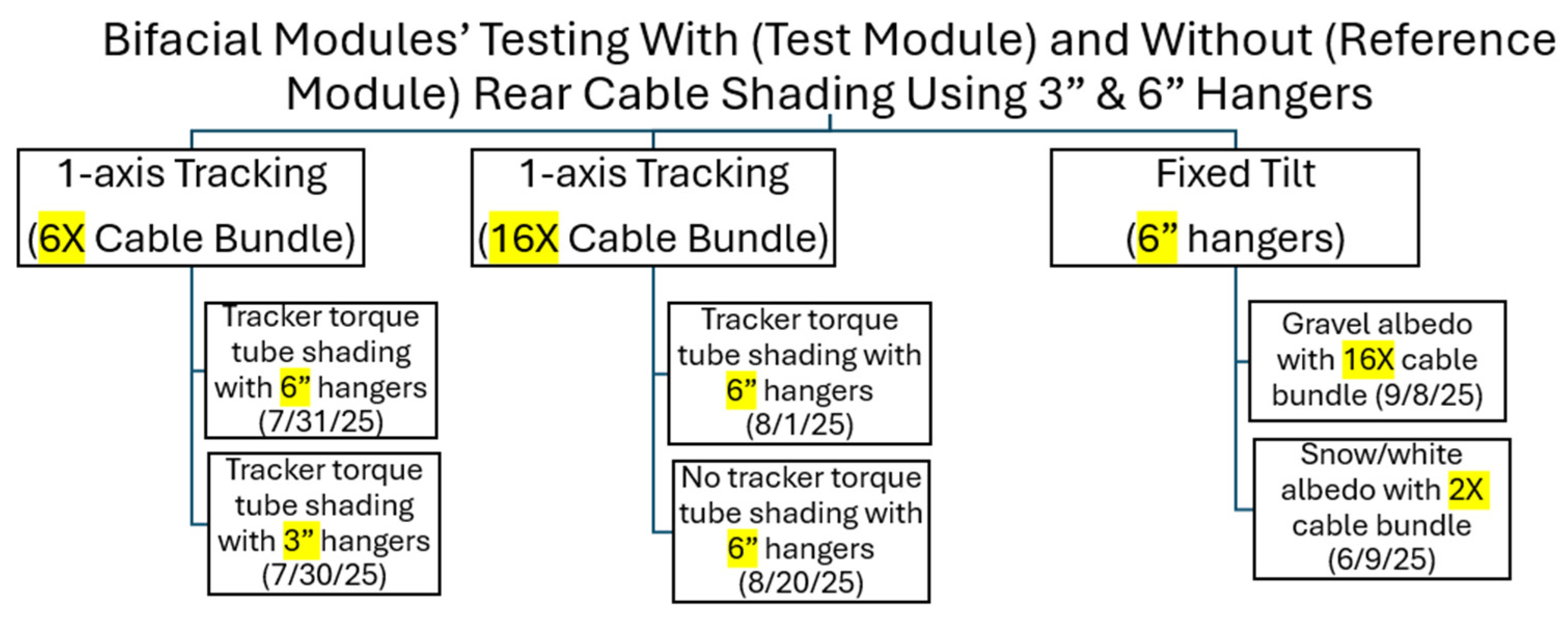
2.1. Test Plan and Dimensions
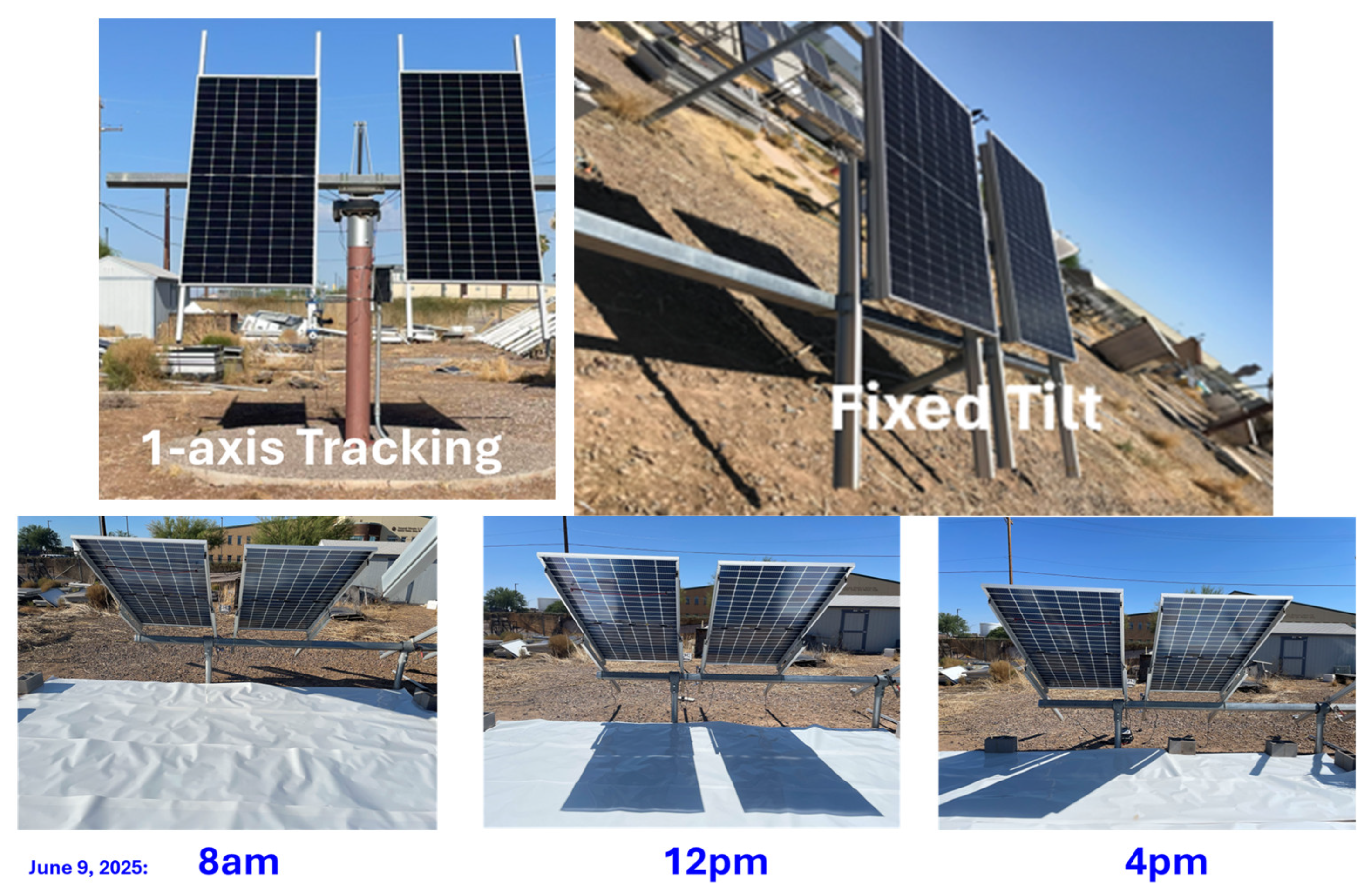
2.2. Test Setup
2.3. Test Conditions
2.4. Data Processing
- Approach 1—One-Module Method
- ○
- Shading is calculated as the ratio between Curve 1 (test module with cable) and Curve 4 (same test module without cable).
- ○
- This approach assumes that any change in rear irradiance is directly proportional to the change in front irradiance.
- ○
- If Curves 1 and 4 were recorded at nearly the same temperature, no further correction is required.
- Approach 2—Two-Module Method
- ○
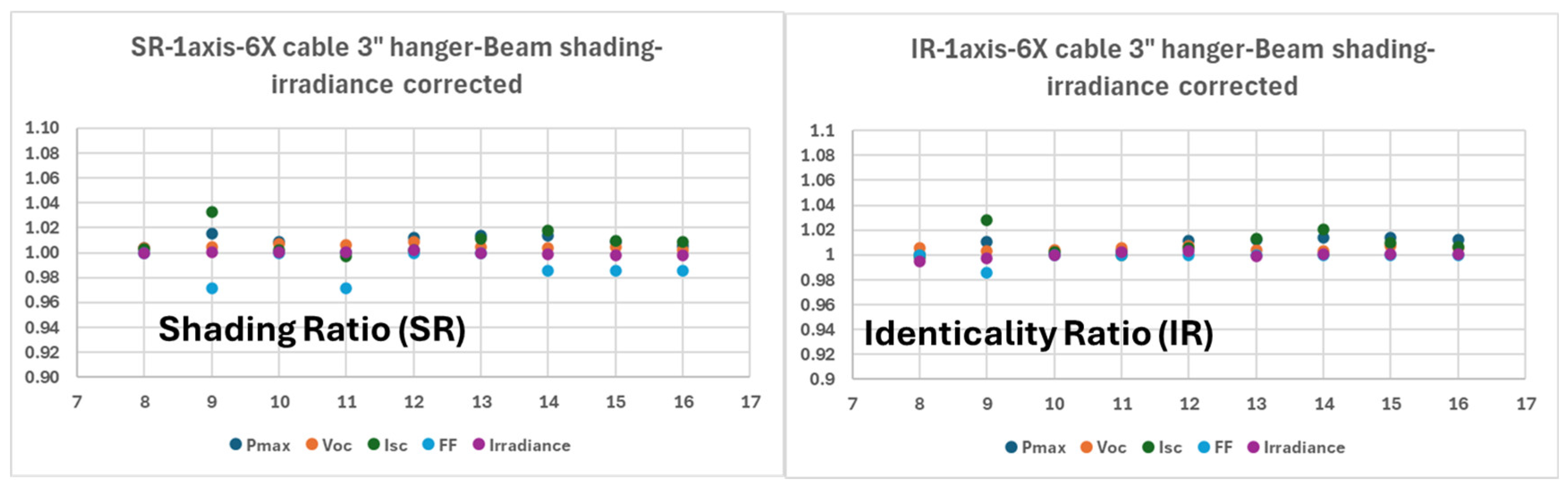
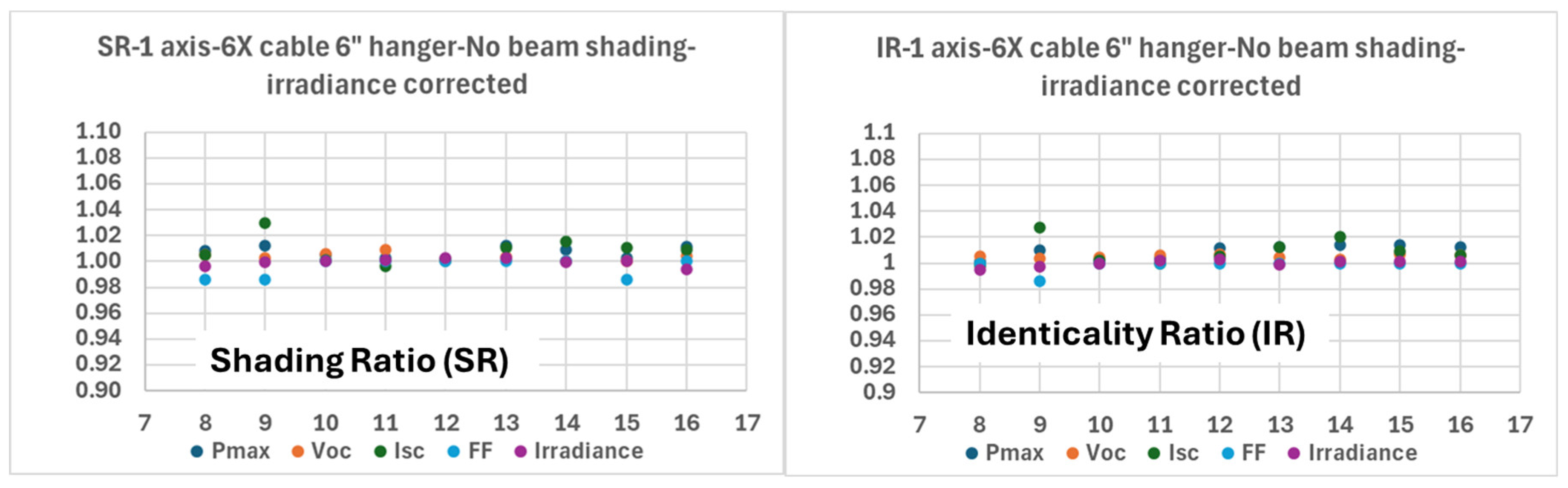
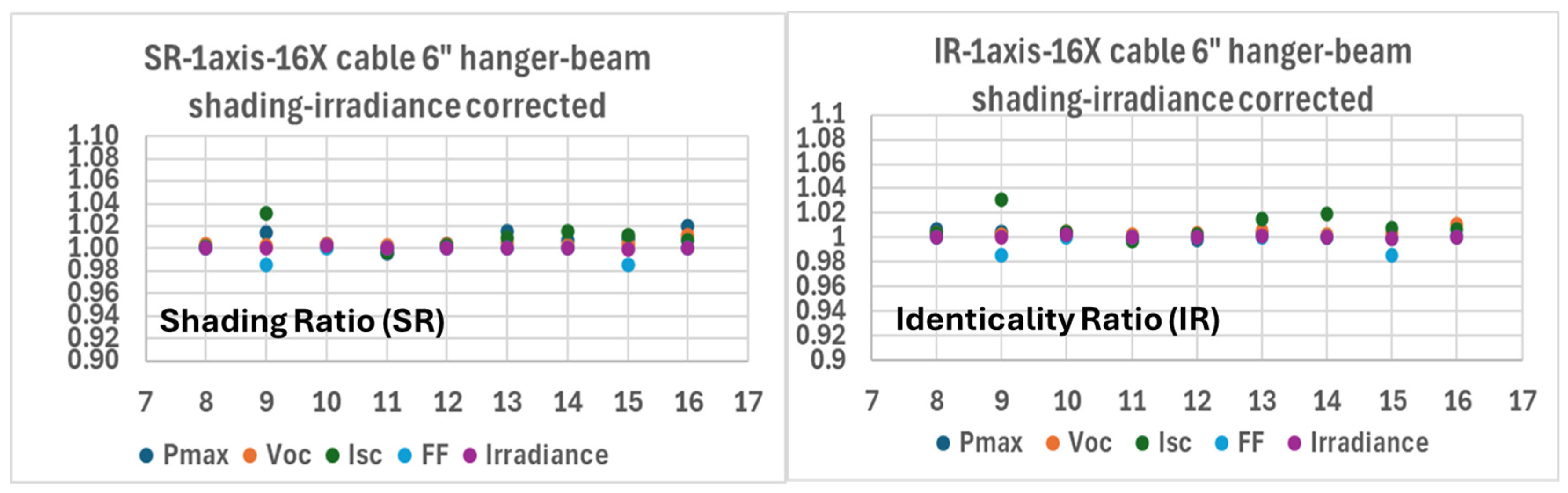
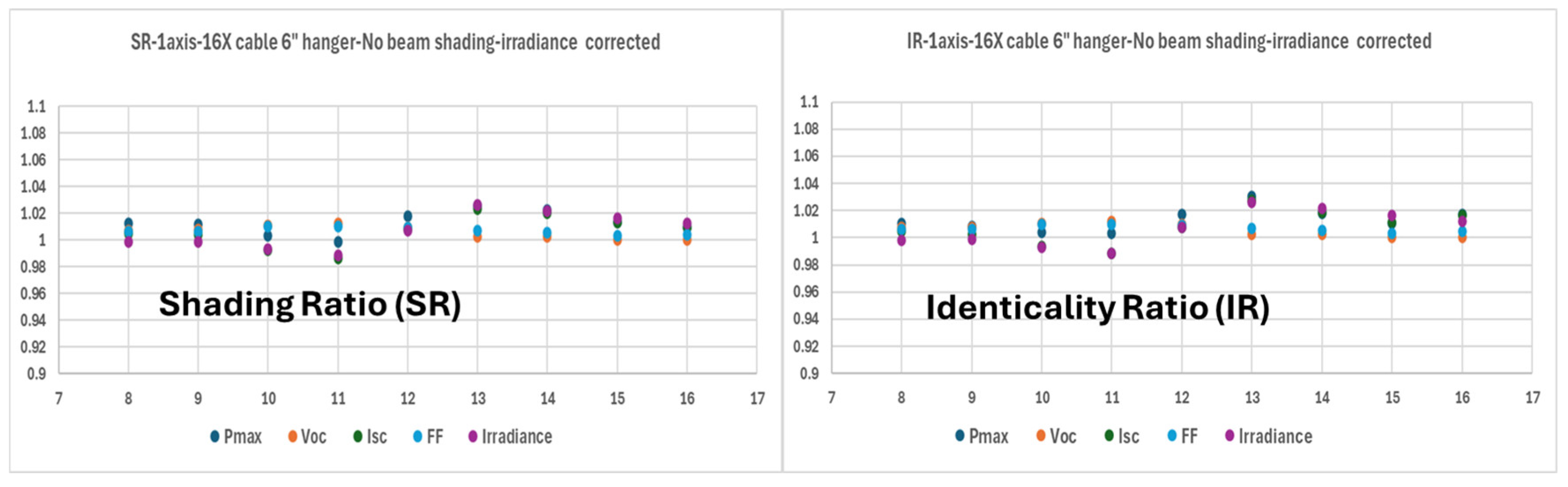
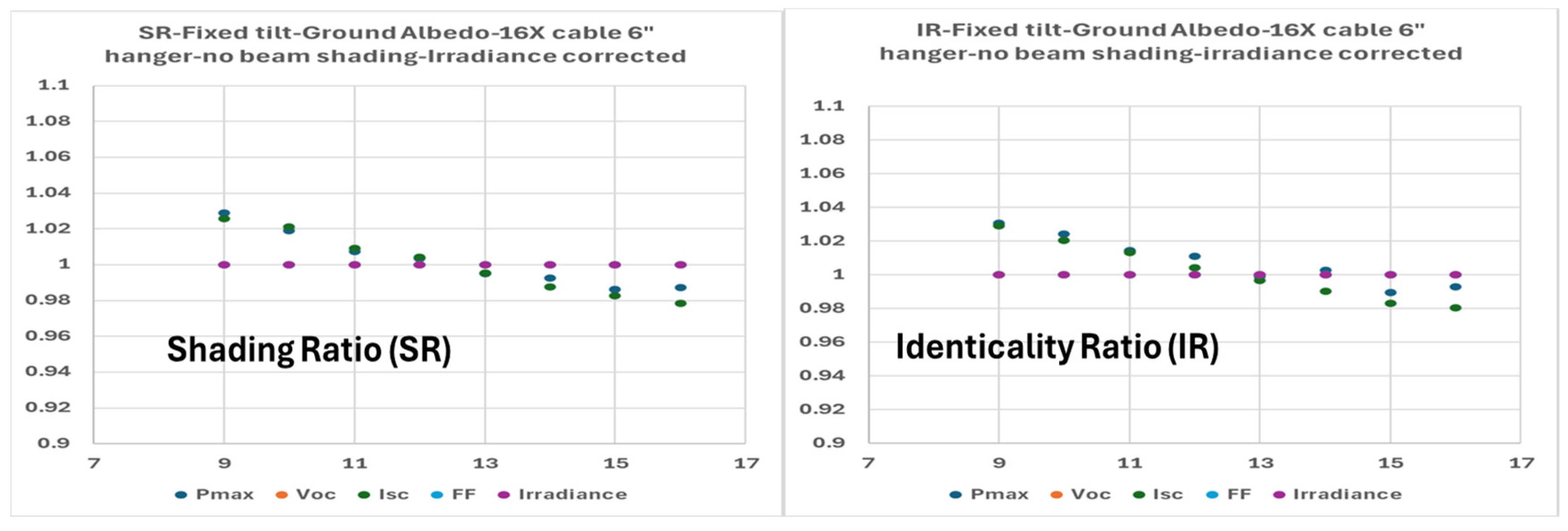
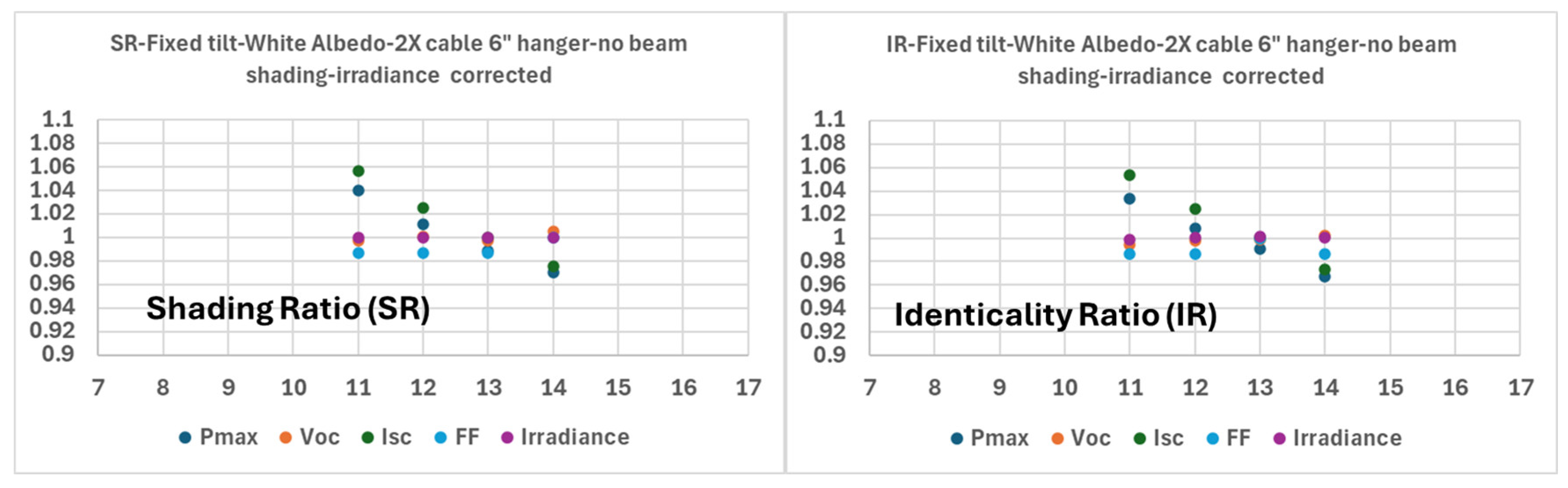
- Compute the Shading Ratio (SR) = Curve 1 (test module with cable) ÷ Curve 2 (reference module without cable).
- ○
- Compute the Identicality Ratio (IR) = Curve 4 (test module without cable) ÷ Curve 3 (reference module without cable).
- ○
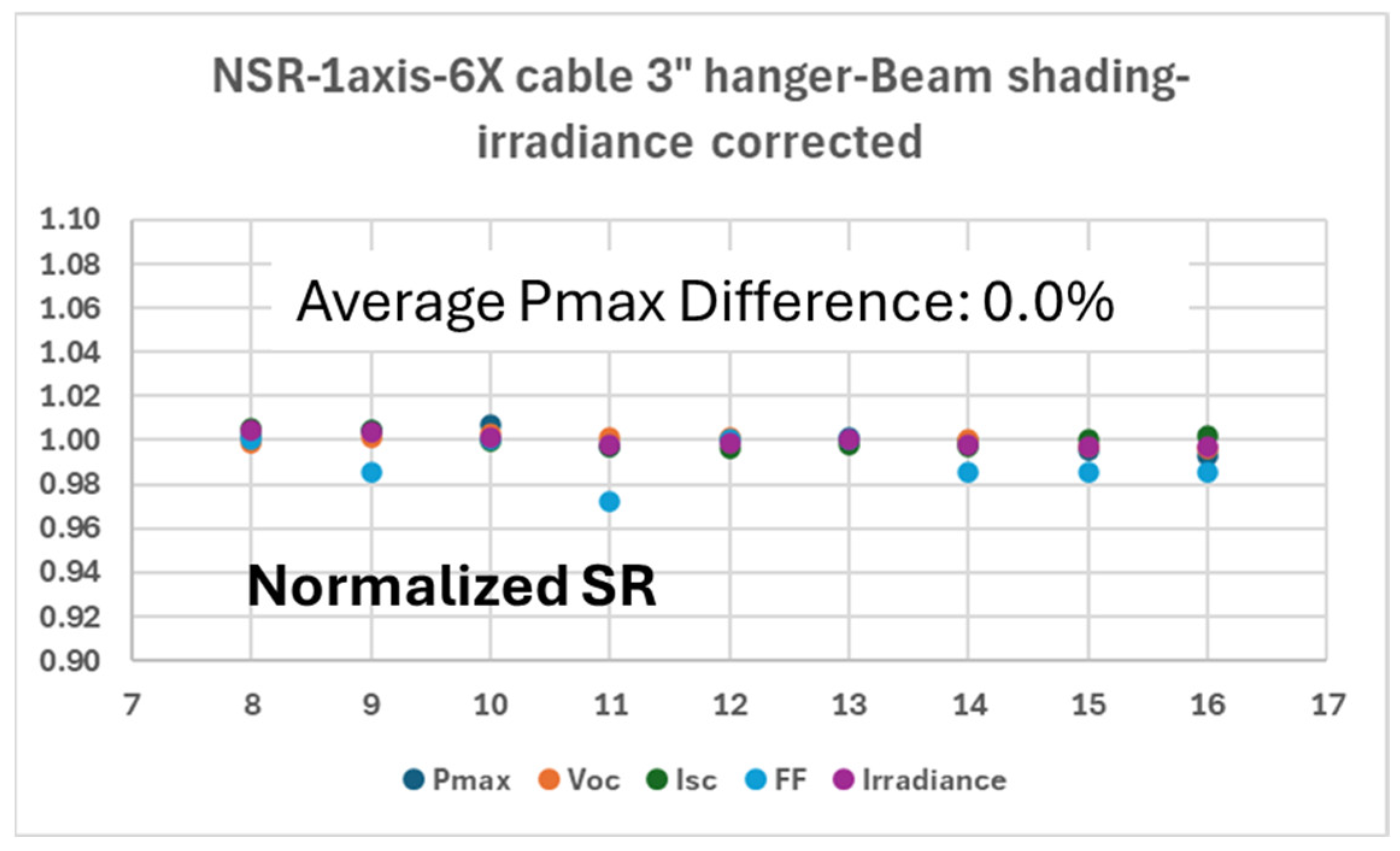
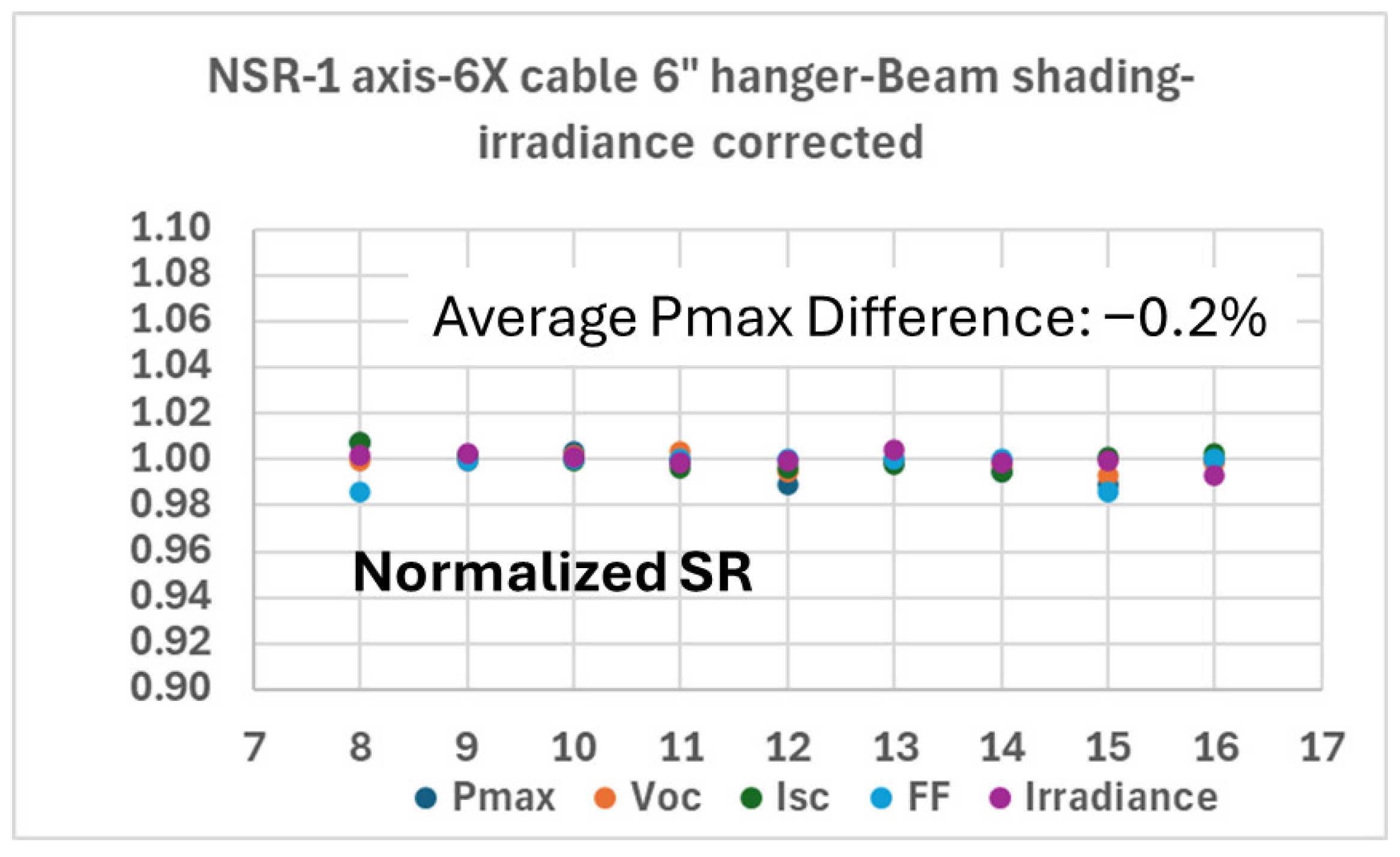
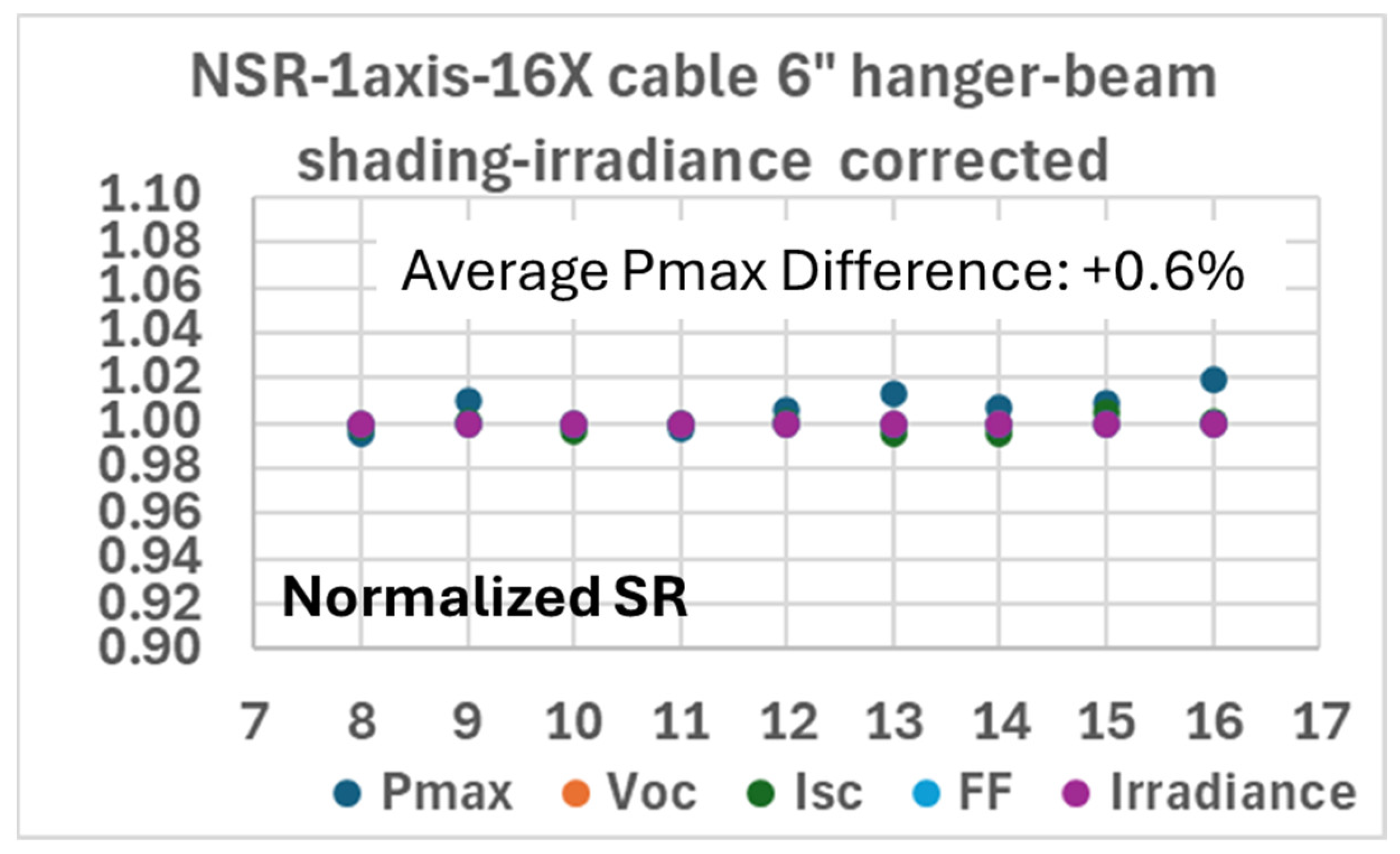
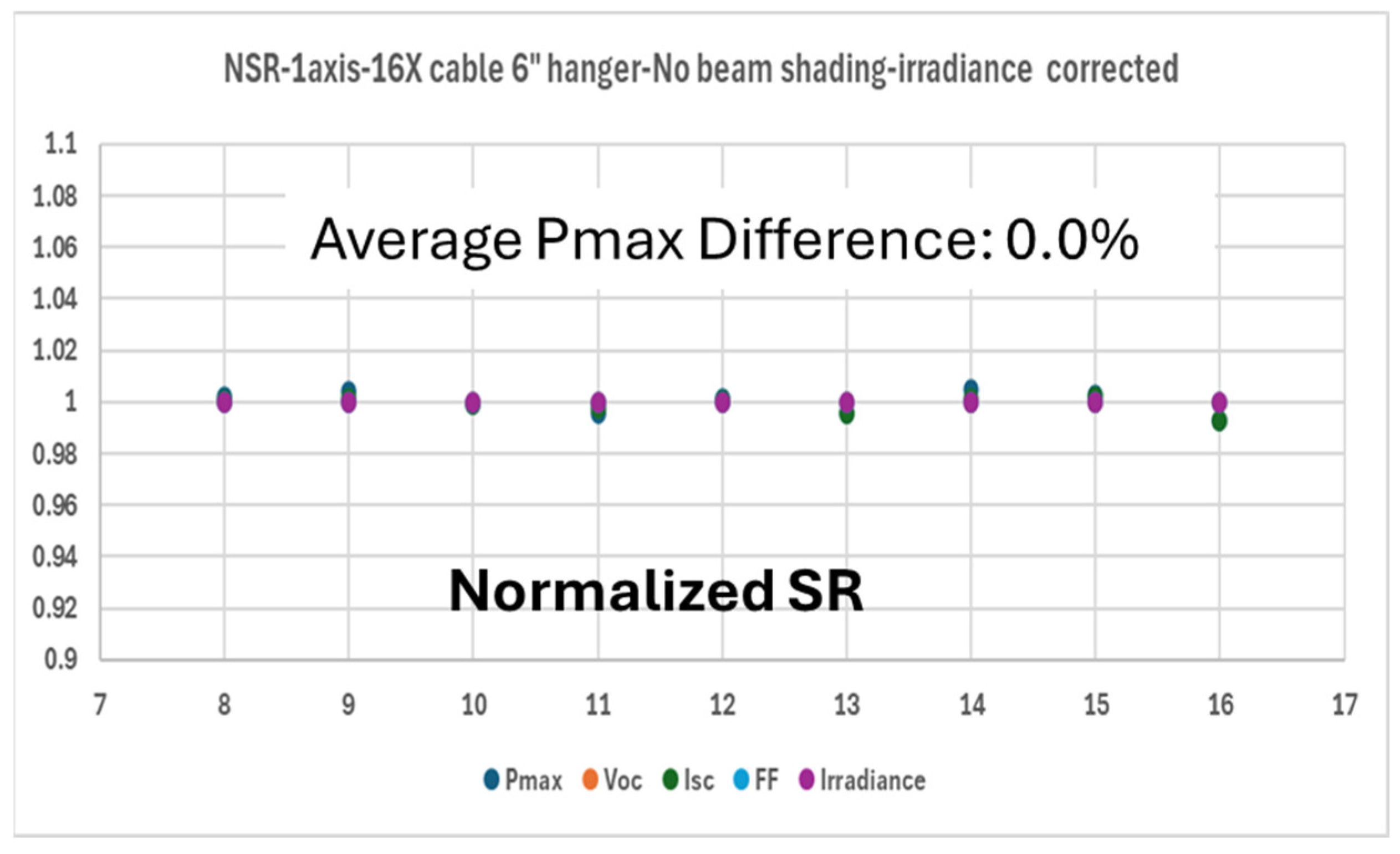
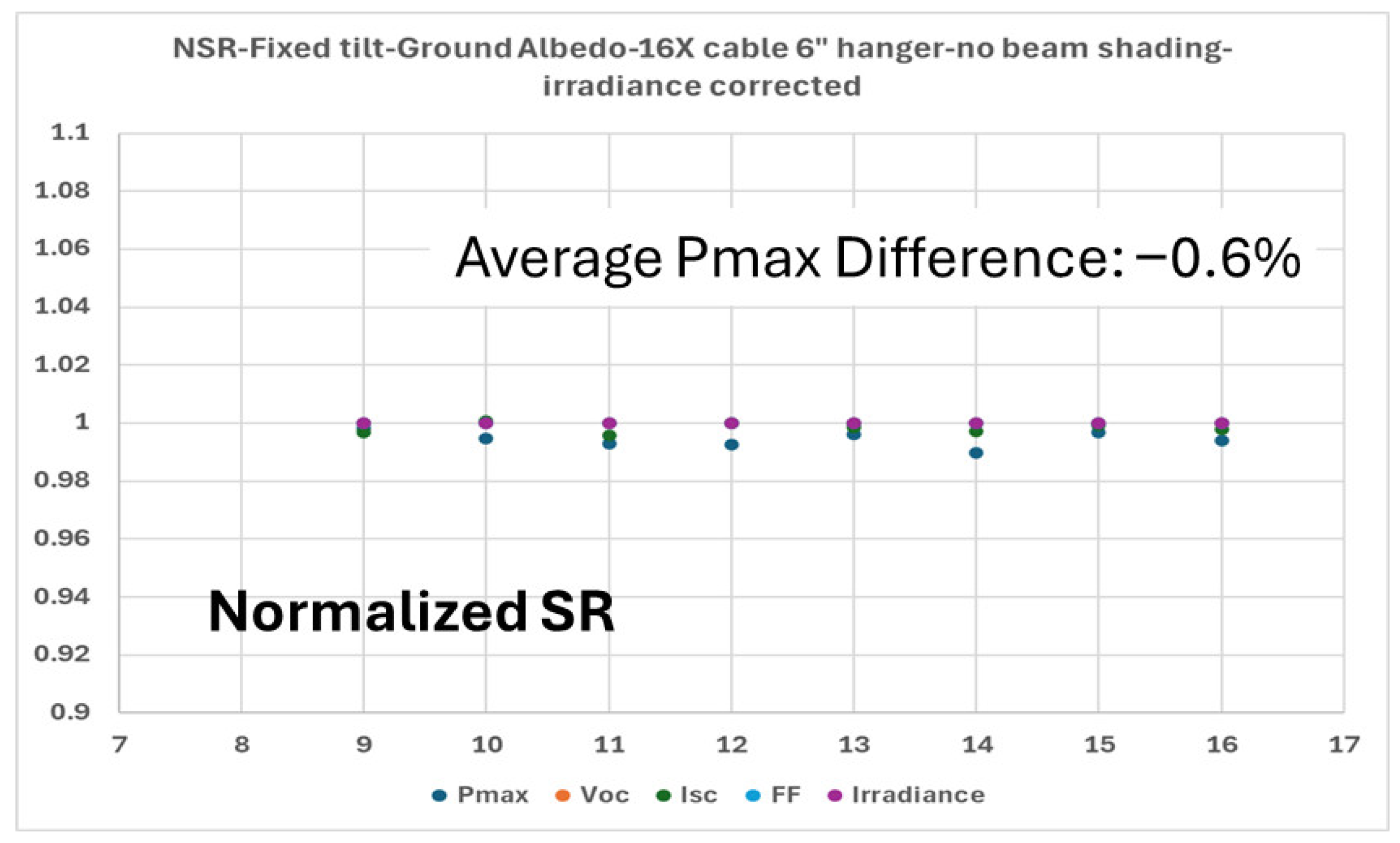
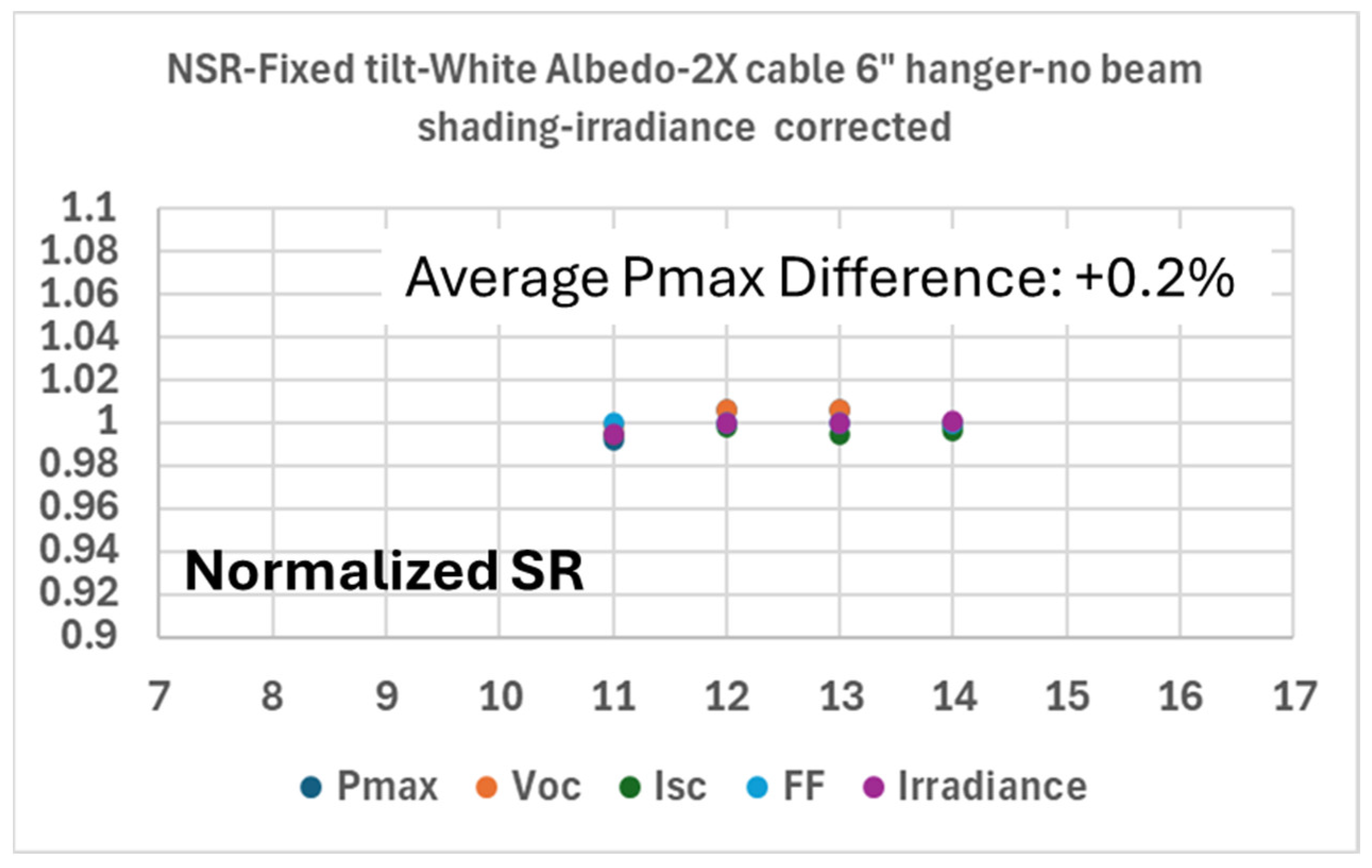
- Calculate the Normalized Shading Ratio (NSR) = SR ÷ IR.
- ○
- In this approach, the actual rear irradiance variation is explicitly accounted for through normalization against the reference module, rather than being assumed proportional to the front irradiance (Approach 1).
- rear irradiance changes independently from front irradiance,
- modules are not perfectly identical, or
- measurements are spread over longer periods.
3. Results
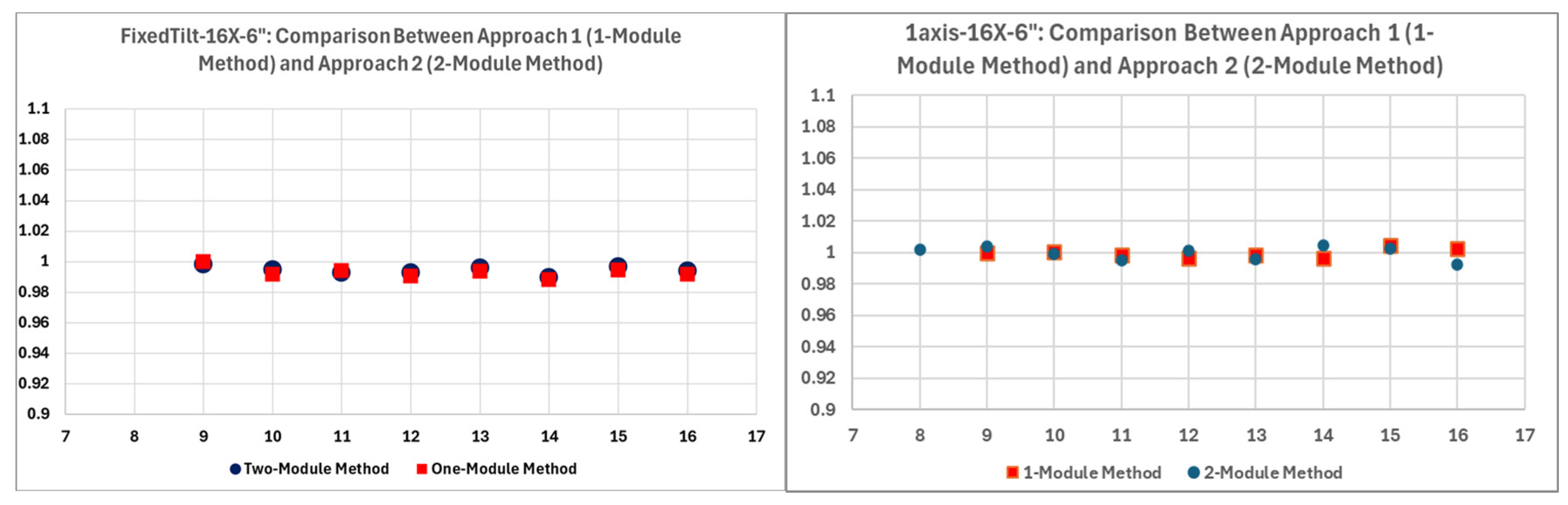
3.1. Normalized Shading Ratio (NSR)
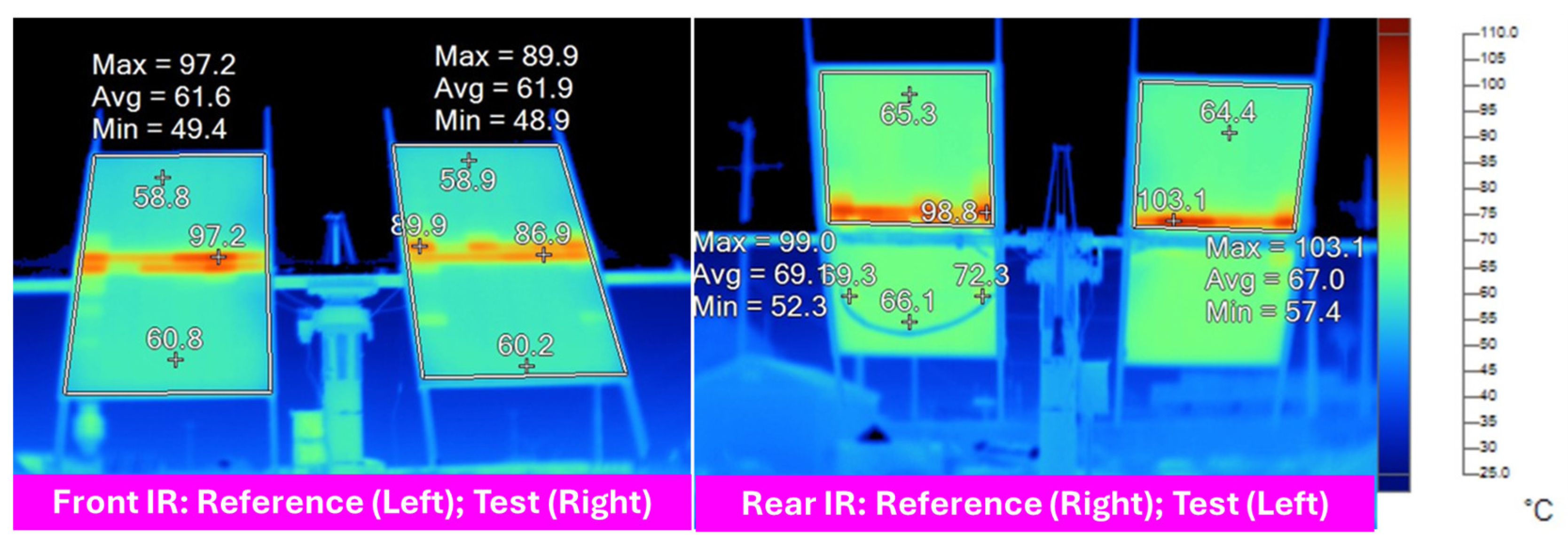
3.2. Infrared (IR) Imaging
4. Summary
5. Conclusions
- Rear-side cable bundles (2X, 6X, 16X) suspended from 3” and 6” hangers have negligible impact, if any, on PV module performance (≤0.6% Pmax from cable bundle vs. 3–30% from mounting structures).
- Key parameters (Pmax, Voc, Isc, FF) were unaffected within the margin of experimental uncertainty.
- Results hold true across 1-axis tracker and fixed-tilt systems, with both gravel and high-albedo surfaces.
- The data suggest that the evaluated cable hanger designs are unlikely to introduce practically noticeable PV performance losses.
- Although quantitative field data remain limited in the literature, industry experience and vendor evaluations strongly indicate that the behind-the-module cable hanger systems can reduce overall cable length (≈20–30%) and installation time (≈15–20%) relative to conventional torque-tube mounting, while eliminating pinch-points near torque tubes/rotators.
- The Normalized Shading Ratio (NSR) metric introduced in this study can potentially be extended to evaluate a wide range of rear shading conditions or albedo variations in bifacial modules and systems.
- This study was conducted under clear-sky conditions, representing a worst-case scenario for directional cable shading. Future work could be extended to different ground-cover albedos, such as grass, and to plant-design parameters, such as inter-array spacing, to further characterize rear-side shading behavior across diverse operating environments.
- This study evaluated cable-induced rear-side shading using PERC half-cell bifacial modules, which remain the dominant commercial technology; however, emerging architectures such as TOPCon may exhibit different shading sensitivities and therefore warrant future investigation. Our analysis focused specifically on suspended cable bundles and did not assess the shading impacts of alternative cable-management approaches. Future work should extend the NSR framework to newer module technologies, module architectures, and varied cable management configurations to more fully characterize rear-side shading behavior across modern PV systems.
Author Contributions
Funding
Data Availability Statement
Conflicts of Interest
Appendix A


References
- VDMA. International Technology Roadmap for Photovoltaics (ITRPV); VDMA: Frankfurt am Main, Germany, May 2025. [Google Scholar]
- Ramezani, F.; Mirhosseini, M. Shading impact modeling on photovoltaic panel performance. Renew. Sustain. Energy Rev. 2025, 212, 115432. [Google Scholar] [CrossRef] [Scilit]
- Marion, B. Albedo Data Sets for Bifacial PV Systems. In Proceedings of the IEEE Photovoltaic Specialists Conference, Virtual, 15 June–21 August 2020. [Google Scholar]
- Czapp, S.; Szultka, S.; Tomaszewski, A.; Khan, L. The effect of PV modules on temperature conditions of nearby power cables. Front. Energy Res. 2025, 13, 1499171. [Google Scholar] [CrossRef] [Scilit]
- LBNL (Lawrence Berkeley National Laboratory). Solar Photovoltaic Cable Management: Best Practices for DC-String Cables, U.S. Department of Energy Report. 2024. Available online: https://www.energy.gov/sites/default/files/2024-07/pv-cable-management-best-practices.pdf (accessed on 11 October 2025).
- Pelaez, S.A.; Deline, C.; Stein, J.S.; Marion, B.; Anderson, K.; Muller, M. Effect of torque-tube Parameters on Rear-Irradiance and Rear-Shading Loss for Bifacial PV Performance on 1-Axis Tracking Systems, NREL/TP-73203. 2020. Available online: https://www.nrel.gov/docs/fy20osti/73203.pdf (accessed on 16 October 2025).
- Khan, F.U.; Murtaza, A.F.; Sher, H.A.; Al-Haddad, K.; Mustafa, F. Cabling constraints in PV array architecture: Design, mathematical model, and cost analysis. IEEE Access 2020, 8, 182742–182754. [Google Scholar] [CrossRef] [Scilit]
- Hassan, T.; Kelly, S. Array Cable Layout Optimiser—Case Study. Technical Report of Transmission Excellence Ltd. 2021. Available online: https://www.transmissionexcel.com/wp-content/uploads/2021/05/TX-Array-Cable-Layout-Optimiser-Final.pdf (accessed on 2 October 2025).
- Akšamović, A.; Konjicija, S.; Odžak, S.; Pašalić, S.; Grebović, S. DC cabling of large-scale photovoltaic power plants. Appl. Sci. 2020, 12, 4500. [Google Scholar] [CrossRef] [Scilit]
- Zhu, Q.; Zhu, C.; Liu, S.; Shen, C.; Zhao, W.; Chen, Z.; Chen, L.; Wang, J.; Wang, L.; Zhang, S.; et al. A model to evaluate the effect of shading objects on the energy yield gain of bifacial modules. Sol. Energy 2019, 179, 24–29. [Google Scholar] [CrossRef] [Scilit]
- Beardsworth, G.; Shishavan, A.A.; Meydbray, J. Quantifying Your Bifacial Gains, White Paper, Nextracker. 2020. Available online: https://info.nextracker.com/ (accessed on 5 October 2025).
- Escobar, L.A.; Meeker, W.Q. A review of accelerated test models. Stat. Sci. 2006, 21, 552–577. [Google Scholar] [CrossRef] [Scilit]
- Gopalakrishna, H.; Sinha, A.; Carpenter, J.; Niverty, S.; Chawla, N.; Jordan, D.; Tamizhmani, G. Activation Energy for End-of-Life Solder Bond Degradation: Thermal Cycling of Field-Aged PV Modules. J. Photovolt. 2020, 10, 1762–1771. [Google Scholar] [CrossRef] [Scilit]
- IEC 61215-1:2016; Terrestrial Photovoltaic (PV) Modules—Design Qualification and Type Approval. IEC: Geneva, Switzerland, 2016.



| Hanger Type | Hanger 1 (3”) | Hanger 2 (6”) | Hanger 2 (6”) |  |
| Number of cables in the bundle | 2 | 6 | 16 | |
| Diameter of the cable bundle (mm) | 12 | 20 | 30 | |
| Hanger Dimension: A (mm) | 53.39 | 71.14 | 39.73 | |
| Hanger Dimension: B (mm) | 14.22 | 17.14 | 17.70 | |
| Hanger Dimension: C (mm) | 13.61 | 37.80 | 69.86 |
| Voc (V) | Isc (A) | Vmp (V) | Imp (A) | Pmax (W) | |
|---|---|---|---|---|---|
| Test Module | 49.45 | 13.79 | 41.47 | 12.9 | 535 |
| Reference Module | 49.45 | 13.79 | 41.47 | 12.9 | 535 |
| Configuration | Result |
|---|---|
| 1-axis-6X-3”-Beam shading | 0.00% |
| 1-axis-6X-6”-Beam shading | −0.20% |
| 1-axis-16X-6”-Beam shading | 0.60% |
| 1-axis-16X-6”-No beam shading | 0.00% |
| Fixed Tilt-16X-6”-Ground Reflection | −0.60% |
| Fixed Tilt-16X-6”-White Reflection | 0.20% |
| Average | 0.00% |
| Median | 0.00% |
Disclaimer/Publisher’s Note: The statements, opinions and data contained in all publications are solely those of the individual author(s) and contributor(s) and not of MDPI and/or the editor(s). MDPI and/or the editor(s) disclaim responsibility for any injury to people or property resulting from any ideas, methods, instructions or products referred to in the content. |
© 2025 by the authors. Licensee MDPI, Basel, Switzerland. This article is an open access article distributed under the terms and conditions of the Creative Commons Attribution (CC BY) license.
Share and Cite
Smith, D.; Rand, S.; Hruby, P.; De Fresart, B.; Subzak, P.; Tatapudi, S.; Kothandapani, N.; TamizhMani, G. Impact of Rear-Hanging String-Cable-Bundle Shading on Performance Parameters of Bifacial Photovoltaic Modules. Energies 2026, 19, 126. https://doi.org/10.3390/en19010126
Smith D, Rand S, Hruby P, De Fresart B, Subzak P, Tatapudi S, Kothandapani N, TamizhMani G. Impact of Rear-Hanging String-Cable-Bundle Shading on Performance Parameters of Bifacial Photovoltaic Modules. Energies. 2026; 19(1):126. https://doi.org/10.3390/en19010126
Chicago/Turabian StyleSmith, Dan, Scott Rand, Peter Hruby, Ben De Fresart, Paul Subzak, Sai Tatapudi, Nijanth Kothandapani, and GovindaSamy TamizhMani. 2026. "Impact of Rear-Hanging String-Cable-Bundle Shading on Performance Parameters of Bifacial Photovoltaic Modules" Energies 19, no. 1: 126. https://doi.org/10.3390/en19010126
APA StyleSmith, D., Rand, S., Hruby, P., De Fresart, B., Subzak, P., Tatapudi, S., Kothandapani, N., & TamizhMani, G. (2026). Impact of Rear-Hanging String-Cable-Bundle Shading on Performance Parameters of Bifacial Photovoltaic Modules. Energies, 19(1), 126. https://doi.org/10.3390/en19010126