Article

Evaluating High-Precision Machine Learning Techniques for Optimizing Plate Heat Exchangers’ Performance


1
School of Electrical Engineering, Shaanxi University of Technology, Hanzhong 723001, China
2
School of Energy and Power Engineering, Lanzhou University of Technology, Lanzhou 730050, China
3
Lanzhou Lanshi Heat Exchange Equipment Co., Lanzhou 730300, China
*
Author to whom correspondence should be addressed.
Energies 2025, 18(4), 957; https://doi.org/10.3390/en18040957
Submission received: 7 January 2025 / Revised: 6 February 2025 / Accepted: 10 February 2025 / Published: 17 February 2025
(This article belongs to the Special Issue Development of Thermodynamic Storage Technology)

Abstract

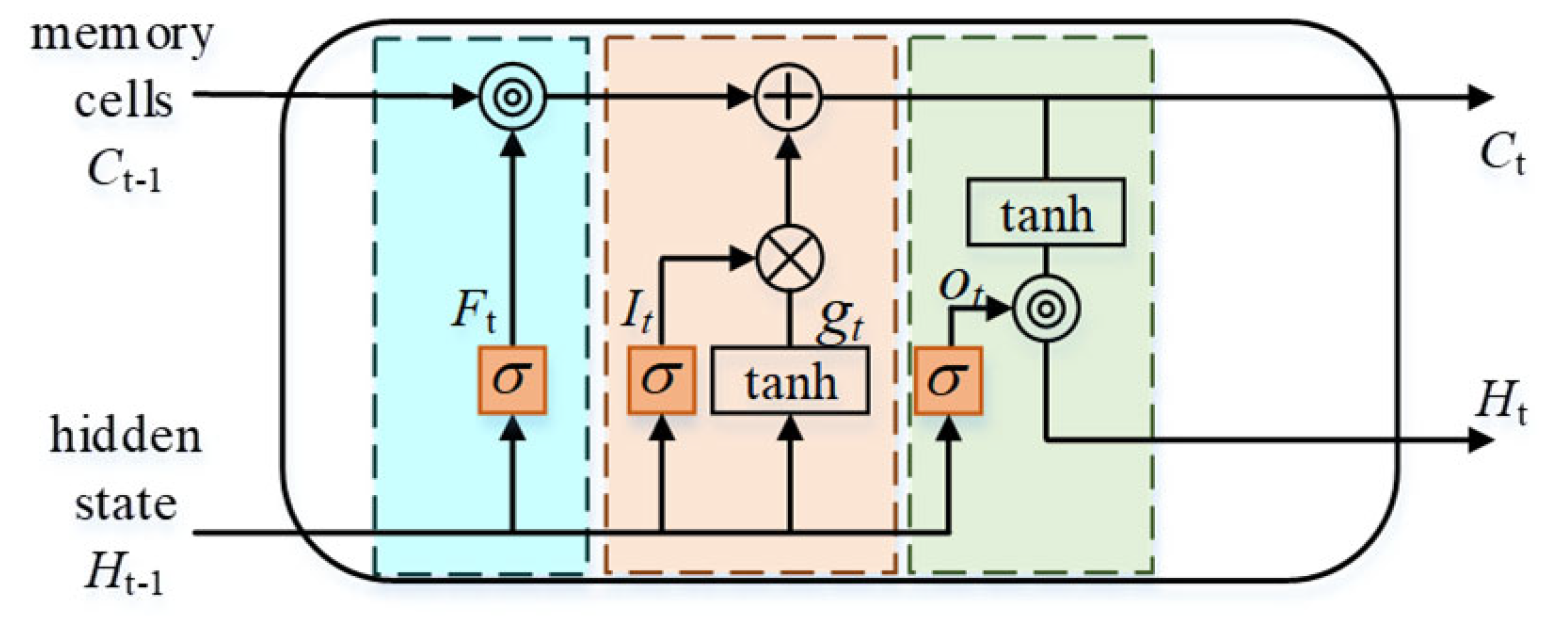
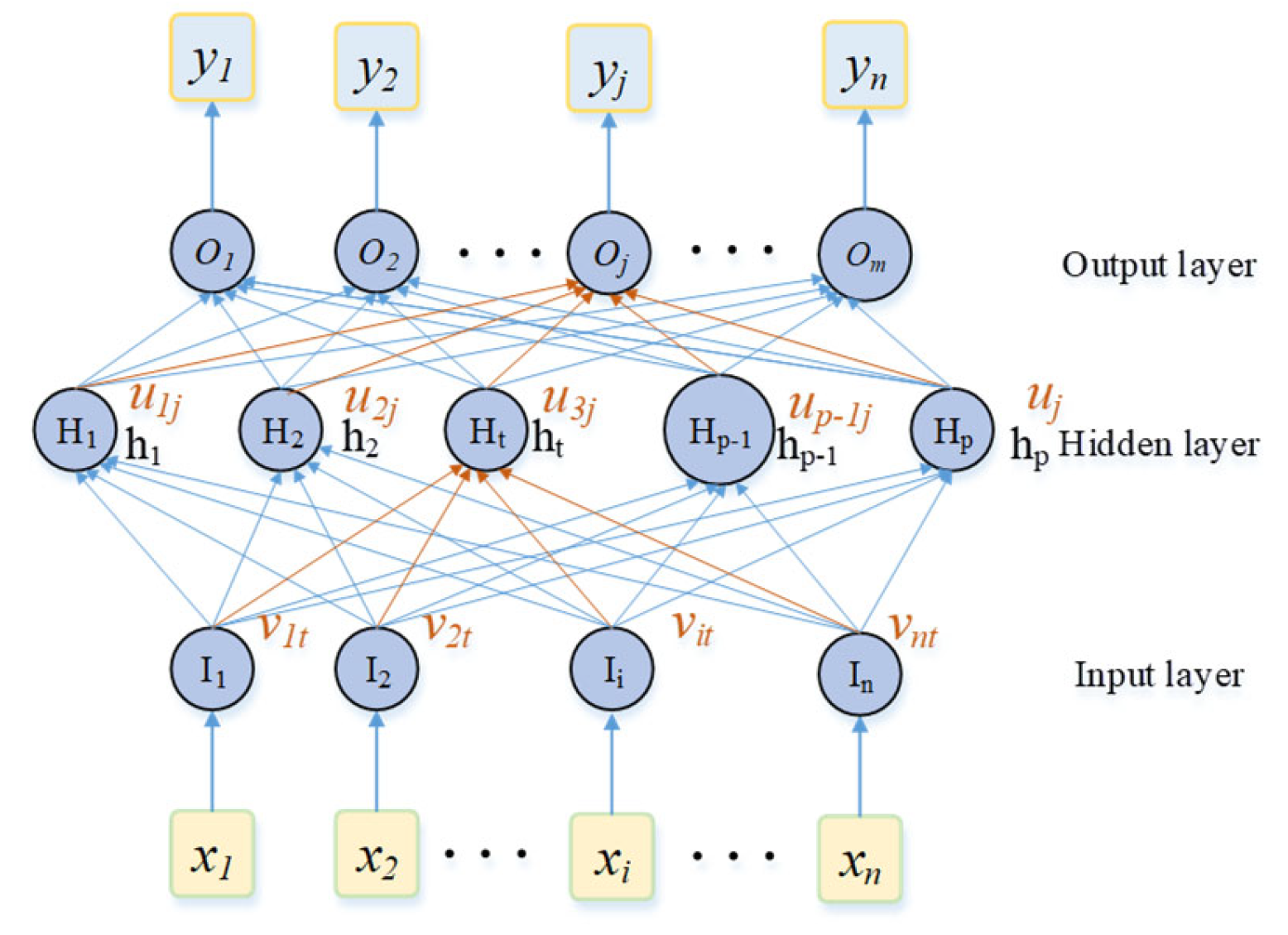
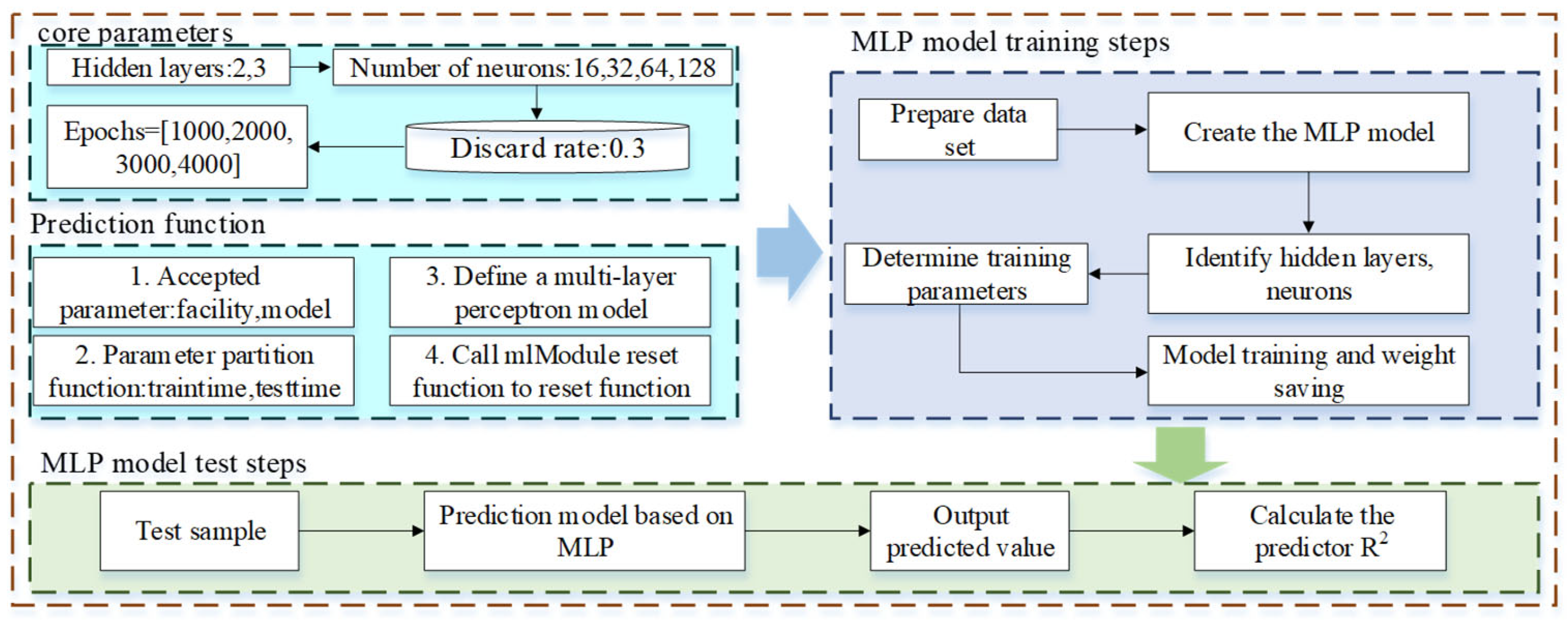
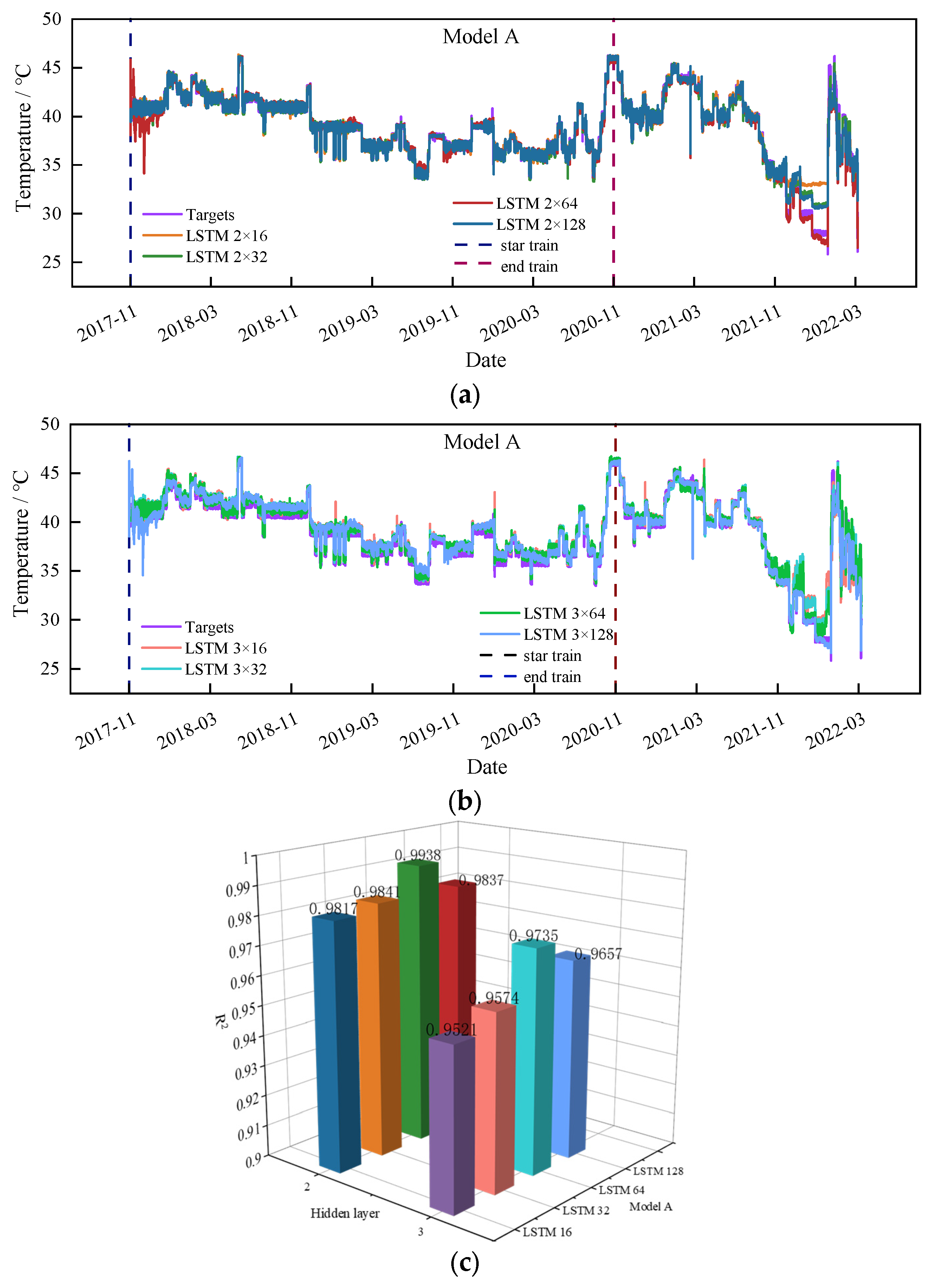
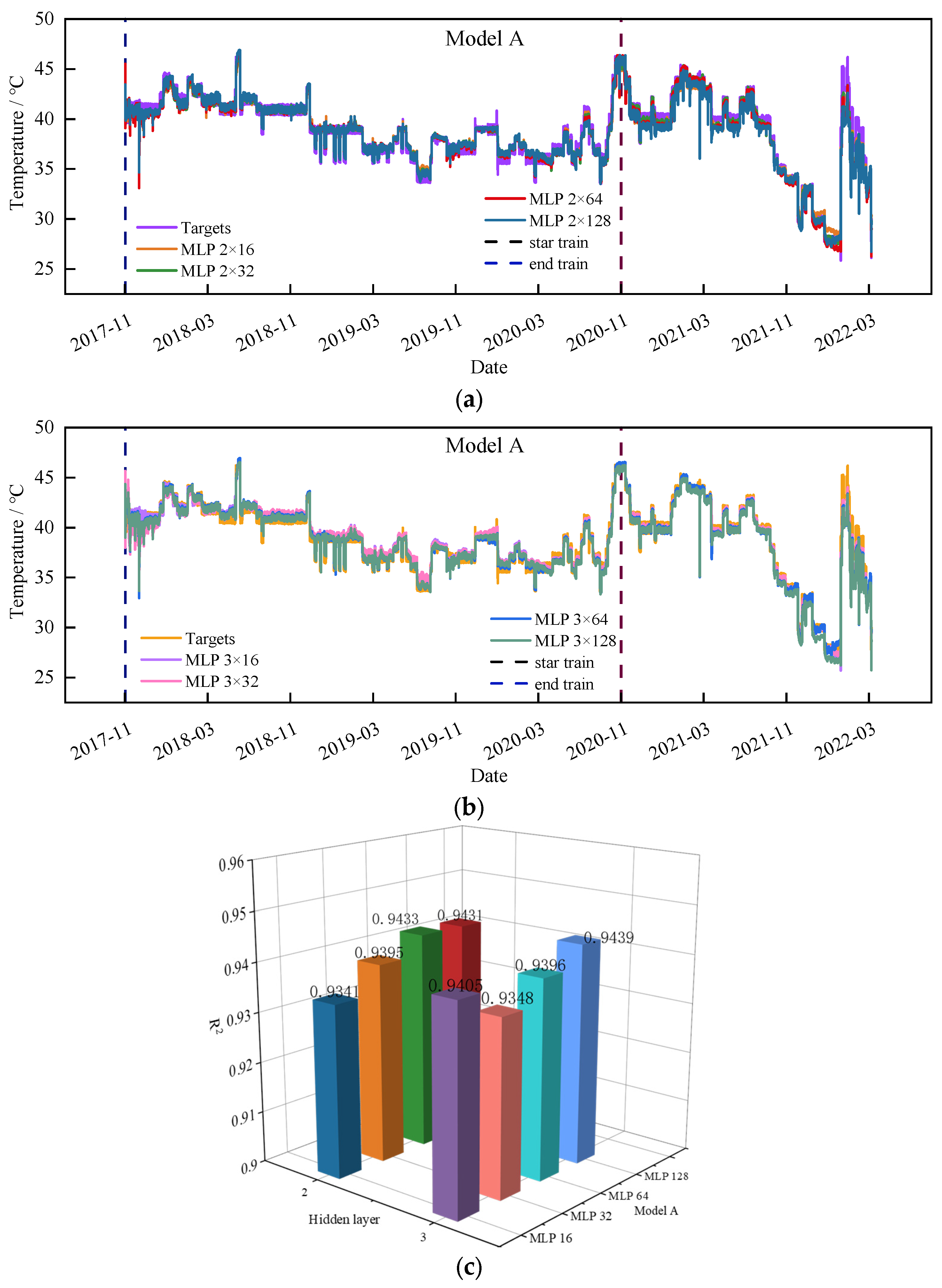
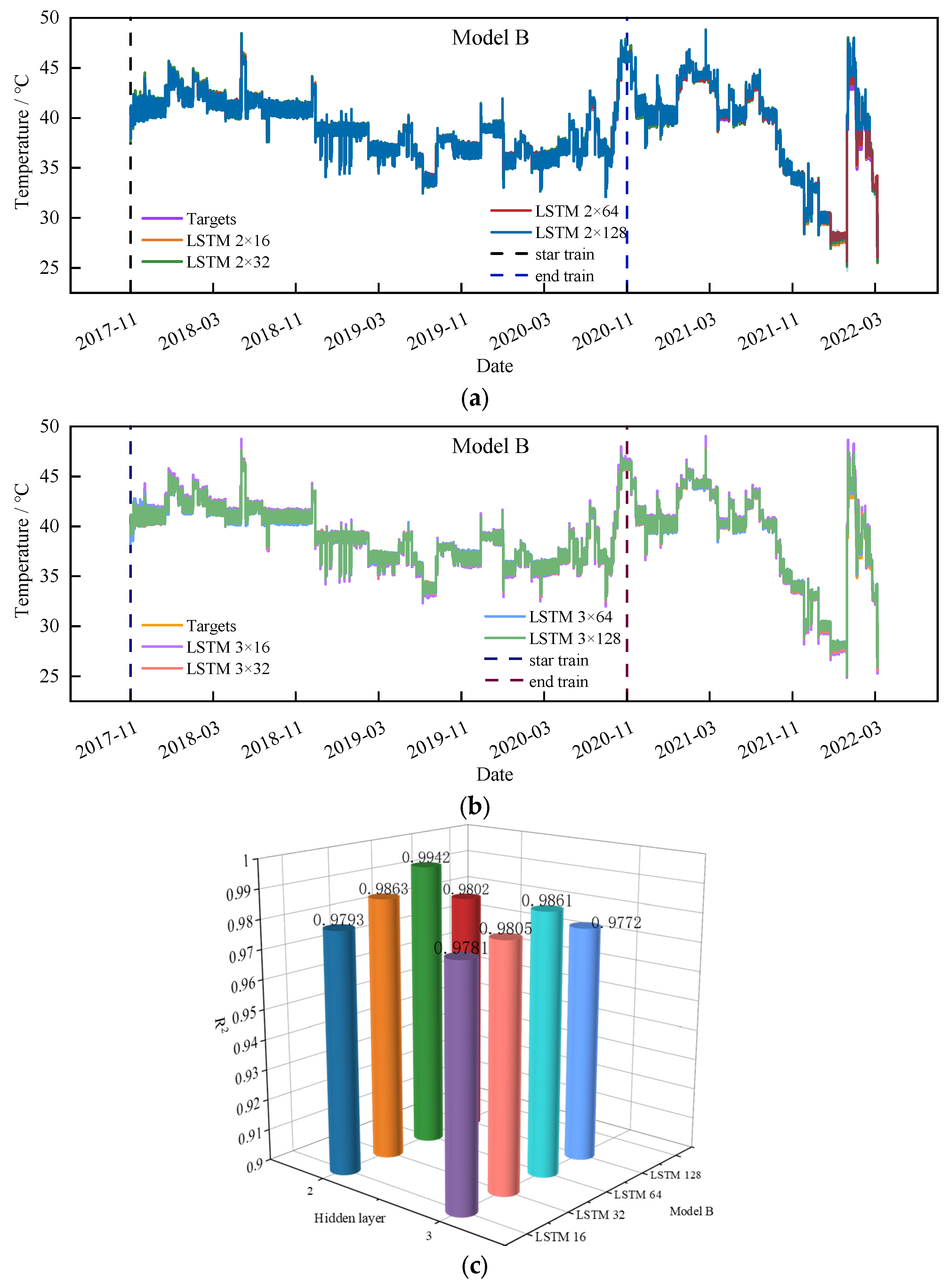
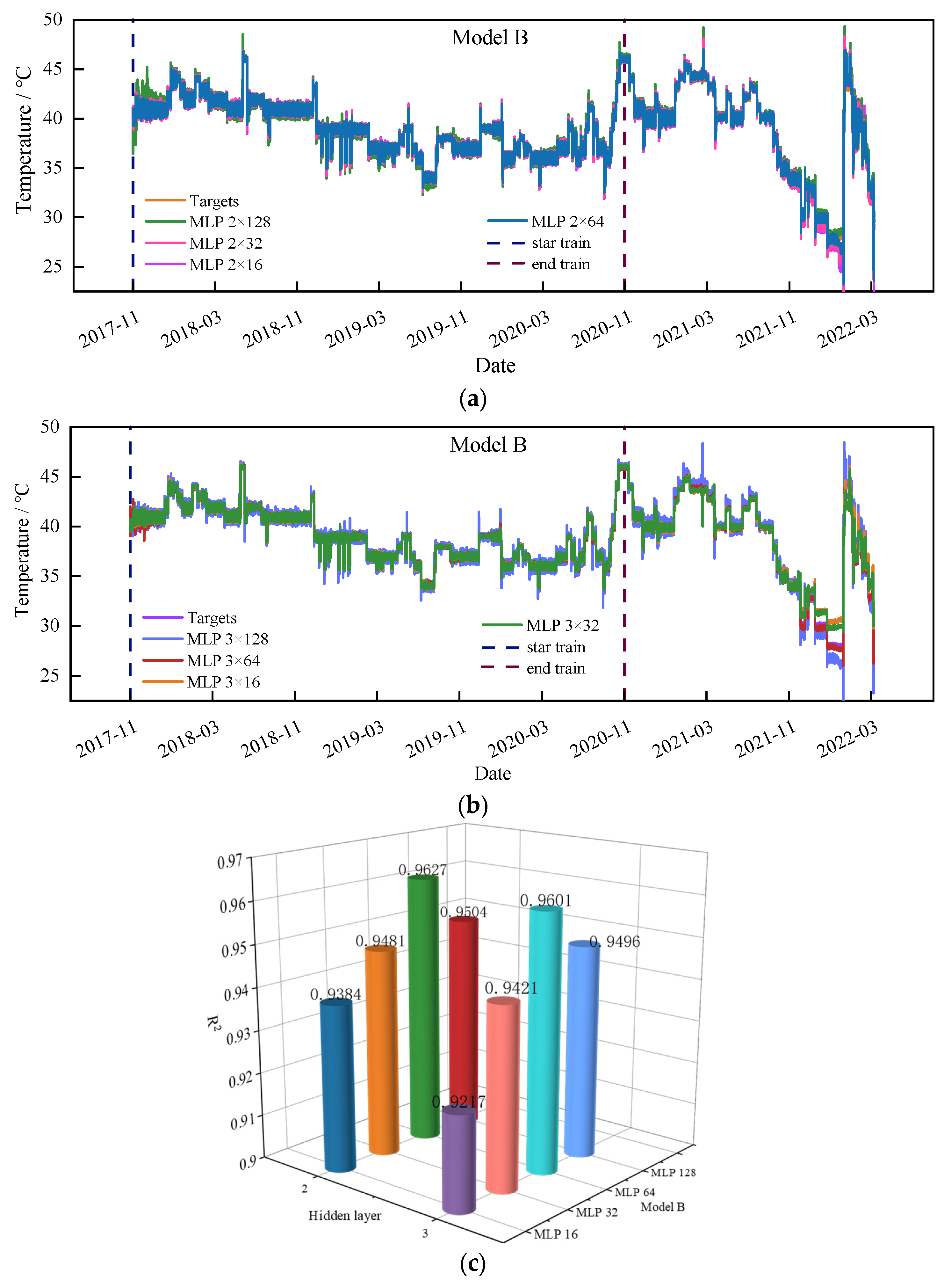
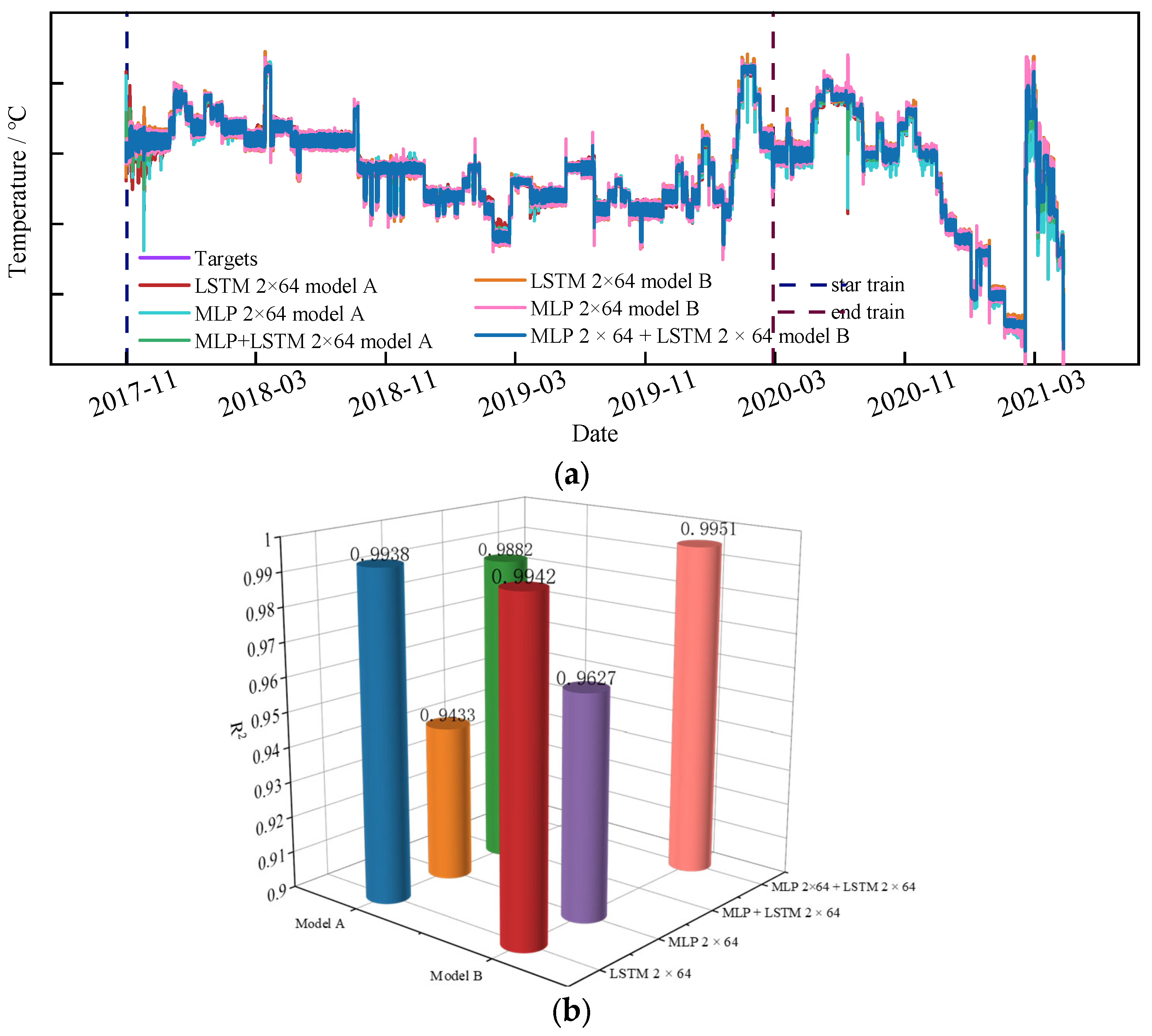
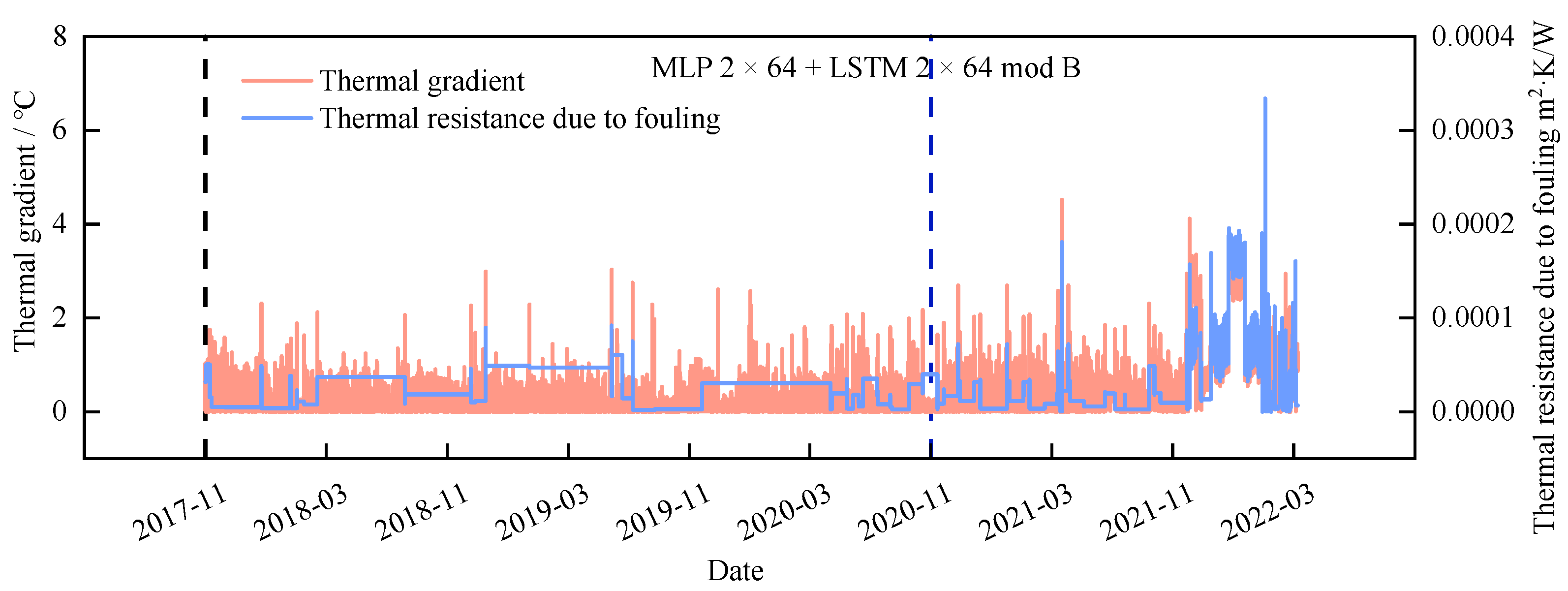
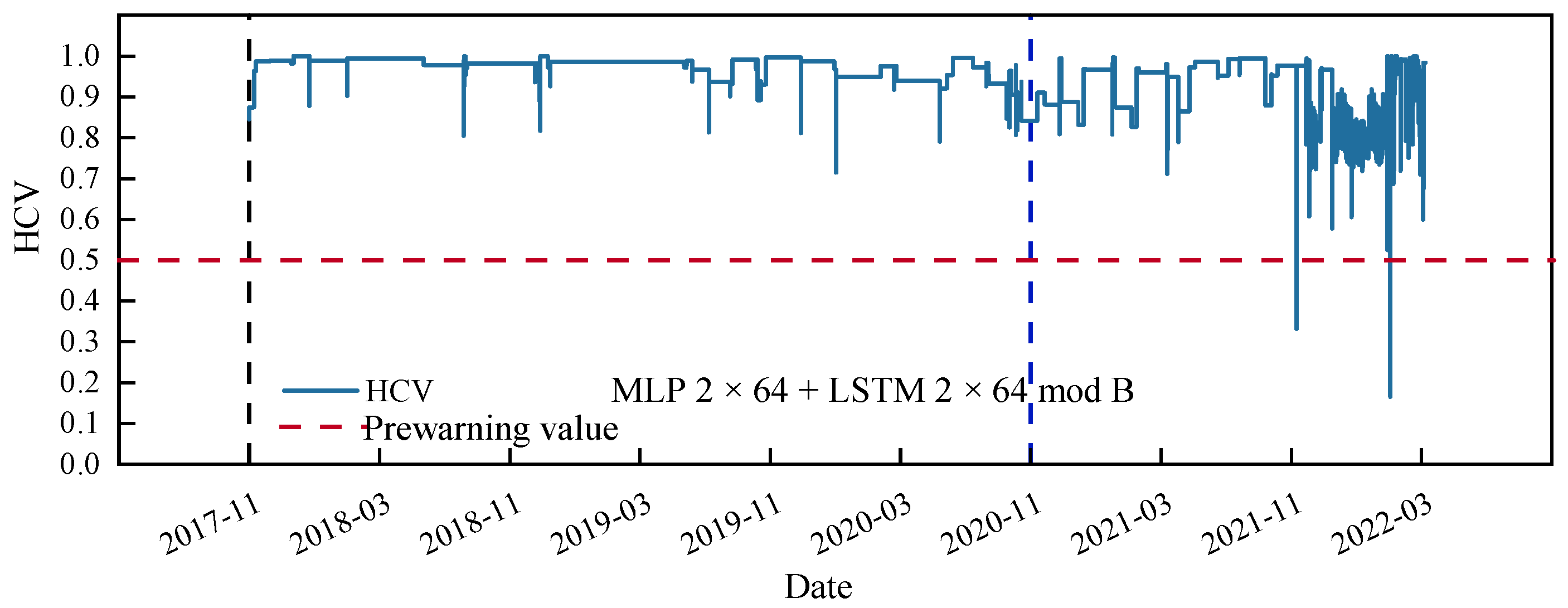
Plate heat exchangers have the advantages of high heat transfer coefficients and compact structures, and they are widely used in aerospace, nuclear power, and other fields. Nevertheless, several scalability challenges have emerged during the utilization process. If not addressed promptly, the issue will reduce heat transfer efficiency, consequently causing energy waste, diminished production capacity, and a shortened lifespan. In this study, we employed the long short-term memory (LSTM) algorithm model and the multi-layer perceptron (MLP) algorithm model to monitor the health status of plate heat exchangers. This was achieved by fine-tuning the hidden layers and neurons of the models. The individual model exhibiting the highest prediction accuracy was incorporated into a more sophisticated ensemble model to monitor the health status of plate heat exchangers. The study revealed that the MLP 2 × 64 + LSTM 2 × 64 model achieved the highest prediction accuracy, scoring 0.9942. According to the simulation program for plate heat exchangers, the fouling thermal resistance was determined to be 0.0003 m2·K/W when the heat exchange efficiency decreased by 50%. An early warning threshold was established within the health condition value (HCV), triggering an alert when the heat transfer efficiency of the plate heat exchanger fell below 50%. Combining the LSTM and MLP algorithms provides new ideas and technical support for the health assessment and maintenance of plate heat exchangers.
Keywords: plate heat exchanger; fouling; heat transfer performance; machine learning plate heat exchanger; fouling; heat transfer performance; machine learning