Article

Optimization Study on the Pyrolysis Process of Moso Bamboo Wastes in a Fluidized Bed Pyrolyzer Based on Response Surface Methodology

Key Laboratory of Wooden Material Science and Application of Ministry of Education, College of Materials Science and Technology, Beijing Forestry University, Beijing 100083, China
*
Author to whom correspondence should be addressed.
Energies 2025, 18(24), 6600; https://doi.org/10.3390/en18246600
Submission received: 17 November 2025 / Revised: 8 December 2025 / Accepted: 13 December 2025 / Published: 17 December 2025
(This article belongs to the Special Issue Study on Biomass Gasification and Pyrolysis Process)

Abstract

Against the backdrop of the global “Bamboo as a Substitute for Plastic” initiative, China’s bamboo processing industry has expanded rapidly, generating large amounts of residues annually. To achieve high-value utilization of this biomass, this study optimized the fluidized bed pyrolysis process using Response Surface Methodology (RSM). Bamboo residue served as the feedstock, with particle size (8–28 mesh), pyrolysis temperature (400–700 °C), and N2 flow rate (25–30 L/min) as independent variables. The yields of pyrolytic char, pyrolytic oil, and total product were targeted for optimization. Interaction effects between each pair of variables—such as particle size and temperature, etc.—were systematically evaluated, revealing significant coupling influences on product distribution. Optimal conditions were identified as 10–12 mesh, 577 °C, and 27.5 L/min N2 flow, yielding 28.65% char and 43.50% bio-oil, with a total yield of 72.15%, consistent with RSM predictions. This study confirms the effectiveness of RSM in optimizing bamboo pyrolysis and offers valuable insights for industrial-scale valorization of bamboo residues into biochar and bio-oil.

1. Introduction

Energy is an indispensable foundation for global economic growth and the functioning of human societies, with fossil fuels having long held a dominant position in the energy mix. Such over-reliance has given rise to acute energy shortages and urgent environmental challenges worldwide [1,2]. The modern world is confronting an unprecedented and pressing energy transition challenge, which necessitates a fundamental, paradigm-shifting reorientation of global energy production, distribution, and consumption systems [3]. Against this backdrop, developing clean, renewable energy sources to replace fossil fuels has become a critical priority for achieving the UN Sustainable Development Goals (SDGs). Biomass energy is the world’s fourth largest energy source after coal, oil, and natural gas [4]. It has the advantages of wide sources, low-carbon cleanliness, renewability, and good stability [5]. It is internationally recognized as a zero-carbon renewable energy source and is of great significance for solving energy and environmental problems.
Bamboo is a distinctive biomass resource with unique advantages over other woody biomass [6], featuring fast growth, short cultivation cycles, renewability, strong carbon sequestration capacity [7,8], and repeatable harvesting for continuous supply. China has abundant, widely distributed bamboo resources with broad prospects [9]. Driven by the “Bamboo as a Substitute for Plastic” strategy, bamboo processing has advanced rapidly, but ~60% of residues are generated during production, making high-value utilization of these residues critical [10]. Endowed with high cellulose, hemicellulose, and lignin contents [11], bamboo is ideal for pyrolysis conversion to produce high-value-added products like pyrolysis carbon, bio-oil, and syngas [12,13,14].
Pyrolysis technology is one of the important means to realize the efficient conversion of biomass. It refers to the process of heating and decomposing biomass into solid, liquid and gas products under anaerobic or anoxic conditions [15]. such as pyrolytic char, pyrolytic oil and pyrolytic gas during the pyrolysis process [16]. By realizing the high-value conversion of bamboo into pyrolytic char (for adsorbents, soil conditioners) [17,18,19] and pyrolytic oil (for liquid fuels, chemical raw materials) [20,21,22], it provides technical support for alleviating the energy crisis, promoting biomass resource utilization, and achieving low-carbon environmental protection, which is of great significance for promoting the large-scale and high-quality development of the bamboo biomass industry [23,24,25]. Wang et al. [26] investigated 1 to 4-year-old moso bamboo and examined the effects of sampling locations (nodes and internodes) and pyrolysis temperatures (150–1000 °C) on the physicochemical properties of bamboo charcoal. The study found that pyrolysis temperature has a significant impact on the physicochemical properties of biochar, with 500 °C and 800 °C being key turning points for changes in these properties. Bamboo age significantly affects the chemical and thermal stability of bamboo charcoal. As bamboo age increases, the chemical and thermal stability of bamboo charcoal is enhanced, accompanied by changes in the proportions of different carbon types. The sampling location of the bamboo has a relatively small effect on the physicochemical properties of bamboo charcoal. Researchers [27,28] used Thermogravimetry—Fourier-Transform Infrared Spectroscopy (TG-FTIR) combined analysis and Pyrolysis Gas Chromatography–Mass Spectrometry (Py-GCMS) combined analysis to study the analytical pyrolysis of moso bamboo, and found that temperature has a significant effect on the pyrolysis process of moso bamboo. During the rapid pyrolysis stage of moso bamboo at 200–400 °C, the weight loss reaches 70%. Therefore, achieving efficient pyrolytic conversion of bamboo waste particals has important practical significance for improving the utilization rate of biomass resources, alleviating the energy crisis, and reducing environmental pollution.
The fluidized bed reactor (FBR) is a typical multiphase contact reaction device. It uses the flow of gas or liquid medium to keep solid particles in a suspended fluidization state, thereby enabling efficient mass transfer and reaction processes between gas–solid, liquid–solid or gas–liquid–solid phases [25]. Compared with traditional fixed-bed reactors, this technology boasts core advantages such as uniform bed temperature distribution, excellent heat and mass transfer efficiency, and sufficient mixing of solid-phase particles [29], It has been applied on a large scale in fields such as catalytic cracking, coal combustion and gasification, and biochemical engineering [30]. In fluidized bed reactors, biomass particles are in a fluidized state under the action of carrier gas, enabling full contact with the heating medium [31,32]. They feature high heat and mass transfer efficiency, uniform heating of materials, easy control of reaction temperature, and large processing capacity, which are conducive to realizing continuous and large-scale pyrolytic conversion of biomass [33,34]. Chen et al. [35] established a bio-thermochemical pyrolysis reactor with a biomass processing capacity of 5 kg/h using a spouted fluidized bed, conducting fast pyrolysis experiments with wood chips as the raw material, and the bio-oil yield reached 73.2%. Wang et al. [36] carried out fast pyrolysis experiments of larch on a novel spouted circulating fluidized bed, and the results showed that the bio-oil yield was highest at 500 °C. Zhang et al. [37] developed a 30 kg/h spouted fluidized bed pilot plant and conducted process optimization studies using larch, poplar, and corn stalks as raw materials, determining the optimal conditions for fast pyrolysis. Using the optimized process for fast pyrolysis experiments, the bio-oil yield was 72.05%.
In the field of fluidized bed pyrolysis, previous studies have mostly focused on optimizing a single product (either pyrolytic char or pyrolytic oil), while research comprehensively considering the total yield of both remains relatively scarce. Against this background, this study used Chinese moso bamboo as raw material, adopted fluidized bed pyrolysis technology, and selected Response Surface Methodology (RSM) as the optimization tool—RSM was chosen for its advantages over conventional models (e.g., single-factor variable method, orthogonal test design) in multi-parameter and multi-response optimization, as it can characterize the relationship between parameters and product yields via a continuous model, analyze parameter interactions, and locate optimal conditions with fewer experiments, which is more efficient and reliable than models that ignore interactions or lack continuous analysis.
Response Surface Methodology has been widely applied in the optimization of pyrolysis processes for various biomasses and wastes, but existing studies exhibit limitations in optimization objectives and parameter selection. For instance, Rony et al. optimized the thermal pyrolysis of seaweed (Ascophyllum nodosum) in a batch reactor using RSM combined with Box–Behnken Design (BBD), focusing solely on maximizing bio-oil yield without considering the synergistic improvement of pyrolytic char; the key parameters they selected were temperature, residence time, and stirring speed, achieving a maximum bio-oil yield of 42.94% under the optimal conditions of 463.13 °C, 65.75 min, and 9.74 rpm [38]. Papuga et al. investigated the pyrolysis of waste polypropylene in a fixed-bed reactor, using RSM to optimize the effects of feedstock mass, temperature, and reaction time on pyrolytic oil yield; they found that feedstock mass had the most significant impact on oil yield but did not involve the optimization of solid products (solid residues) or the comprehensive effects of parameters on both products [39]. Prabha et al. employed RSM-BBD to optimize the semi-batch pyrolysis of waste polypropylene grocery bags, focusing only on enhancing fuel oil yield and obtaining a maximum yield of 89.34% at 481 °C, a nitrogen flow rate of 13 mL·min−1, and a feed rate of 0.61 kg·h−1, with no consideration for the synergistic improvement of pyrolytic char [40]. Faisal et al. used RSM to optimize the pyrolysis of mixed waste plastics (HDPE, PP, PS), analyzing the effects of temperature, residence time, and feedstock particle size on pyrolytic oil yield; although they conducted multi-parameter interaction analysis, their optimization objective was limited to a single liquid product, neglecting the comprehensive utilization value of solid products [41]. Additionally, there are few studies applying RSM to the fluidized bed pyrolysis of bamboo biomass, and even fewer that focus on the synergistic optimization of pyrolytic char and oil, which makes it difficult to meet the practical needs of high-value utilization of biomass resources.
Based on this, this study focuses on the comprehensive effects of key process parameters (raw material particle size, pyrolysis temperature, carrier gas flow rate) on the yields of moso bamboo fluidized bed pyrolytic char and oil. A response surface model was constructed to analyze parameter interactions, and process parameters were optimized to simultaneously improve both yields. This study aims to provide theoretical and technical support for the efficient pyrolytic conversion of bamboo and promote the large-scale, high-value utilization of bamboo biomass resources.

2. Materials and Methods

2.1. Experimental Materials

Moso bamboo (Phyllostachys edulis (Carrière) J. Houzeau) wastes, came from leftover particles processed by a bamboo processing factory in Nanping, Fujian. The moso bamboo wastes contained 28.09% lignin, 40.26% cellulose, and 37.12% hemicellulose. The moisture content of the raw material after drying is approximately 4.7%. The wastes were then sieved into different particle size fractions: 8–10 mesh, 12–14 mesh, and 24–28 mesh, for use in subsequent experiments.

2.2. Experimental Apparatus

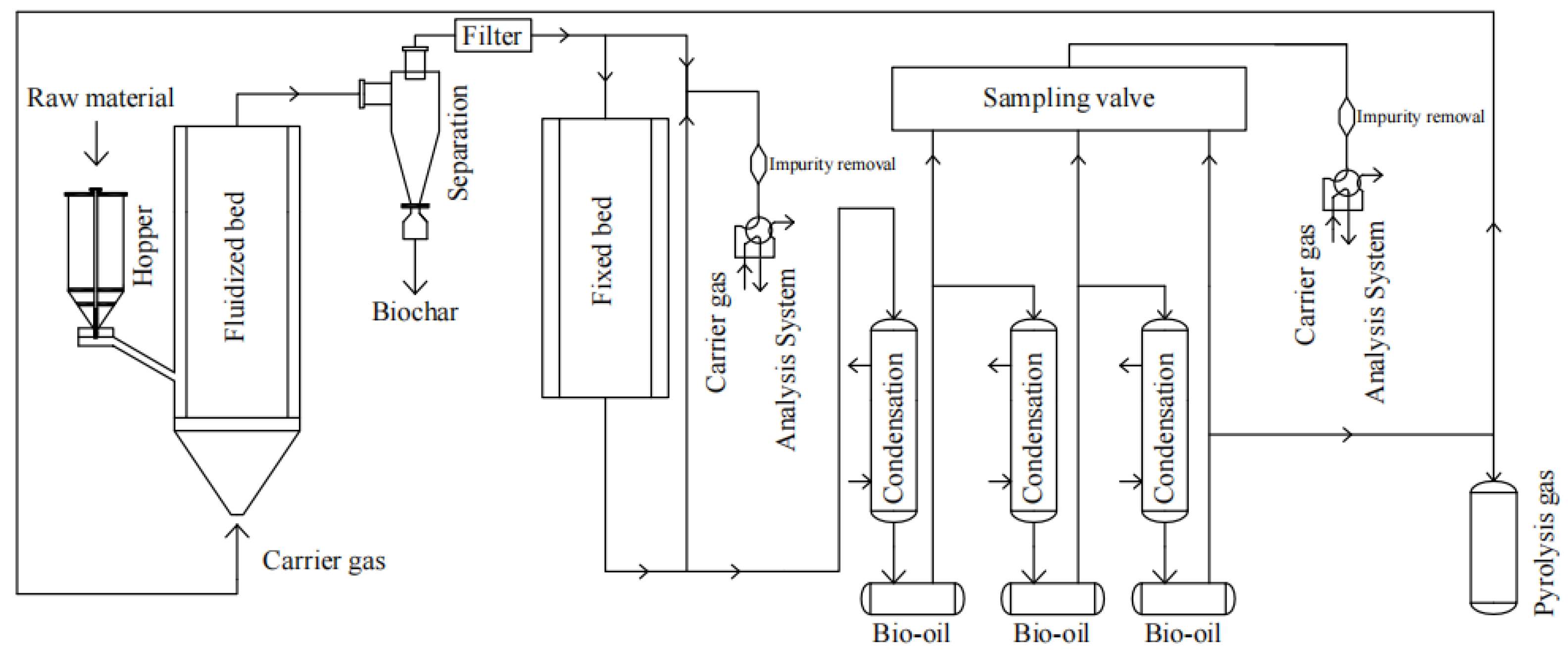
The biomass fluidized pyrolysis experimental equipment is shown in Figure 1.
The experimental procedure is schematically illustrated in Figure 2. Bamboo powder was weighed and loaded into the hopper with the screw conveyor sealed. Subsequently, the cooling system was initiated, and the reactor was purged with nitrogen to establish an inert atmosphere. The Fluidized bed reaction system was then started, with the gas flow rate and target temperature set. After temperature stabilization, the condensation system was activated. Upon completion of the pyrolysis reaction, the relevant equipment was shut down sequentially. After the system cooled to ambient temperature, the biochar was collected from the cyclone separator and the bio-oil was collected from the condenser. The yields of both products were calculated. Finally, data pertaining to particle size, reaction temperature, gas flow rate, and product yields were compiled.

2.3. Experimental Design by RSM

(1) The Box–Behnken Design (BBD) was adopted, with the raw material particle size (A), pyrolysis temperature (B), and carrier gas flow rate (C) as independent variables, and the yields of pyrolytic char, pyrolytic oil, and their total yield as response values.
(2) According to the BBD principle, the level codes of each factor were determined as −1 (low level), 0 (medium level), and 1 (high level). The specific level values were determined based on the parameter ranges set above.
(3) The experimental scheme was generated using Design-Expert software, which included several groups of experiments, including center point experiments (replicated 8 times) to evaluate experimental errors.
An L15 (33) orthogonal experimental design was employed to investigate the effects of three process parameters. The parameter ranges were selected based on preliminary experiments and prior knowledge of bamboo pyrolysis. This design enabled a systematic analysis of how these variables influence the yields of the primary pyrolysis products (biochar and bio-oil).
To obtain the required data, 20 sets of experiments were designed. The raw material particle size (A), pyrolysis temperature (B), and carrier gas flow rate (C) were selected to conduct an optimization study on the pyrolysis process of bamboo, while the pyrolytic char yield, pyrolytic oil yield, and total yield were chosen as process response factors. Based on literature and preliminary studies, the ranges of corresponding values for these process variables were determined, the particle size of the raw material was tested within the reference size range in the experiment (Table 1).

2.4. Calculation of Product Yields

The yield of pyrolytic char and the yield of pyrolytic oil can be calculated by Equations (1) and (2) [42,43].
Yield   of   pyrolytic   char   ( % )   =   Mass   of   pyrolytic   char Mass   of   raw   bamboo   material   ×   100 %
Yield   of   pyrolytic   oil   ( % )   =   Mass   of   pyrolytic   oil Mass   of   raw   bamboo   material   ×   100 %
Wherein, the mass of pyrolytic char refers to the mass of the collected solid product after drying to constant weight; the mass of pyrolytic oil refers to the mass of the collected liquid product.

2.5. Validation Experiment

To verify the reliability and effectiveness of the bamboo fluidized pyrolysis process parameters optimized by the RSM, validation experiments were conducted with bamboo particle size, pyrolysis temperature, and carrier gas flow rate as key influencing factors, and the combined yield of pyrolytic char and pyrolytic oil as evaluation indicators.
The experiments were strictly carried out under the optimal process conditions obtained from the RSM (bamboo particle size, pyrolysis temperature, carrier gas flow rate), using the same bamboo pretreatment method, fluidized pyrolysis apparatus, and product collection and testing procedures as in the optimization experiment phase. Three parallel replicate experiments were conducted, recording the yield data of pyrolytic char and pyrolytic oil for each experiment. By calculating the average values and relative errors, the stability of the combined product yield under the optimized process conditions and the degree of agreement between the actual values and the predicted values by the RSM were analyzed, thereby verifying the practicality of the optimized process parameters and the fitting accuracy of the response surface model.

3. Results and Discussion

3.1. Experimental Results

The Design-Expert 13.0 was used to generate the experimental matrix and response surfaces, and regression analysis and analysis of variance (ANOVA) were conducted. By employing a statistical regression model and additional experimental verification, the optimized process conditions of the three variables—raw material particle size, pyrolysis temperature, and carrier gas flow rate—with respect to the yields of pyrolytic char and pyrolytic oil were obtained. In actual experiments, the particle size of the raw materials is tested using a mesh size range. The matrix used for experimental design and the experimental results are shown in Table 2.
The following table presents the fitting equations between each response value and the experimental factors under actual conditions. Through analysis, it is found that the fitting models corresponding to the response values of pyrolytic char yield, pyrolytic oil yield, and total yield are significant.
Table 3 presents the analysis of variance (ANOVA) for the pyrolytic char yield corresponding to each influencing factor. The raw material particle size (A) and the pyrolysis temperature (B) have extremely significant effects on the pyrolytic char yield (p-value < 0.0001). The carrier gas flow rate (C) has an effect on the pyrolytic char yield (p-value = 0.1306). In addition, the interaction between A and B has an effect on the pyrolytic char yield (p-value = 0.0810), the interaction between A and C has an effect on the pyrolytic char yield (p-value = 0.4555), and the interaction between B and C has an extremely significant effect on the pyrolytic char yield (p-value = 0.7060). The fitting equation is as follows (3):
Yield of pyrolytic char = 0.603850 + 7.23237A + 0.060026B + 0.334290C − 0.002732AB − 0.065574AC + 0.000133BC − 0.923811A2 − 0.000051B2 − 0.007000C2
Table 4 shows the analysis of variance (ANOVA) for the pyrolytic oil yield with respect to each influencing factor. The raw material particle size (A) has an extremely significant effect on the pyrolytic oil yield (p-value = 0.0050); the pyrolysis temperature (B) has an effect on the pyrolytic oil yield (p-value = 0.2596); and the carrier gas flow rate (C) has an effect on the pyrolytic oil yield (p-value = 0.0004). In addition, the interaction between A and B (AB) has a relatively significant impact on the yield of pyrolytic oil (p-value = 0.0001); the interaction between A and C (AC) has an effect on the pyrolytic oil yield (p-value = 0.1218); and the interaction between B and C (BC) has an extremely significant effect on the pyrolytic oil yield (p-value < 0.0001). The fitting equation is as follows:
Yield of pyrolytic oil = 120.16313 + 1.97684A + 0.082371B + 10.12607C + 0.006001AB + 0.098361AC − 0.002000BC − 3.02338A2 − 0.000032B2 − 0.164000C2
Table 5 presents the Analysis of Variance (ANOVA) for pyrolytic oil yield with respect to various influencing factors. Raw material particle size (A) and pyrolysis temperature (B) exert an extremely significant effect on pyrolytic oil yield (p-value < 0.0001), while carrier gas flow rate (C) has an effect on pyrolytic oil yield (p-value = 0.0706). In addition, the interaction between A and B (AB) affects pyrolytic oil yield (p-value = 0.0341), the interaction between A and C (AC) affects pyrolytic oil yield (p-value = 0.6914), and the interaction between B and C (BC) has an extremely significant effect on pyrolytic oil yield (p-value = 0.0002). The fitting equation is as follows (5):
Yield = −119.55928 + 9.20922A + 0.142397B + 10.46036C + 0.003279AB + 0.032787AC + 0.032787BC − 3.94719A2 − 0.000083B2 − 0.171000C2

3.2. Effects of Various Process Parameters on Pyrolytic Product Yields

3.2.1. Yield of Both Pyrolysis Char and Oil

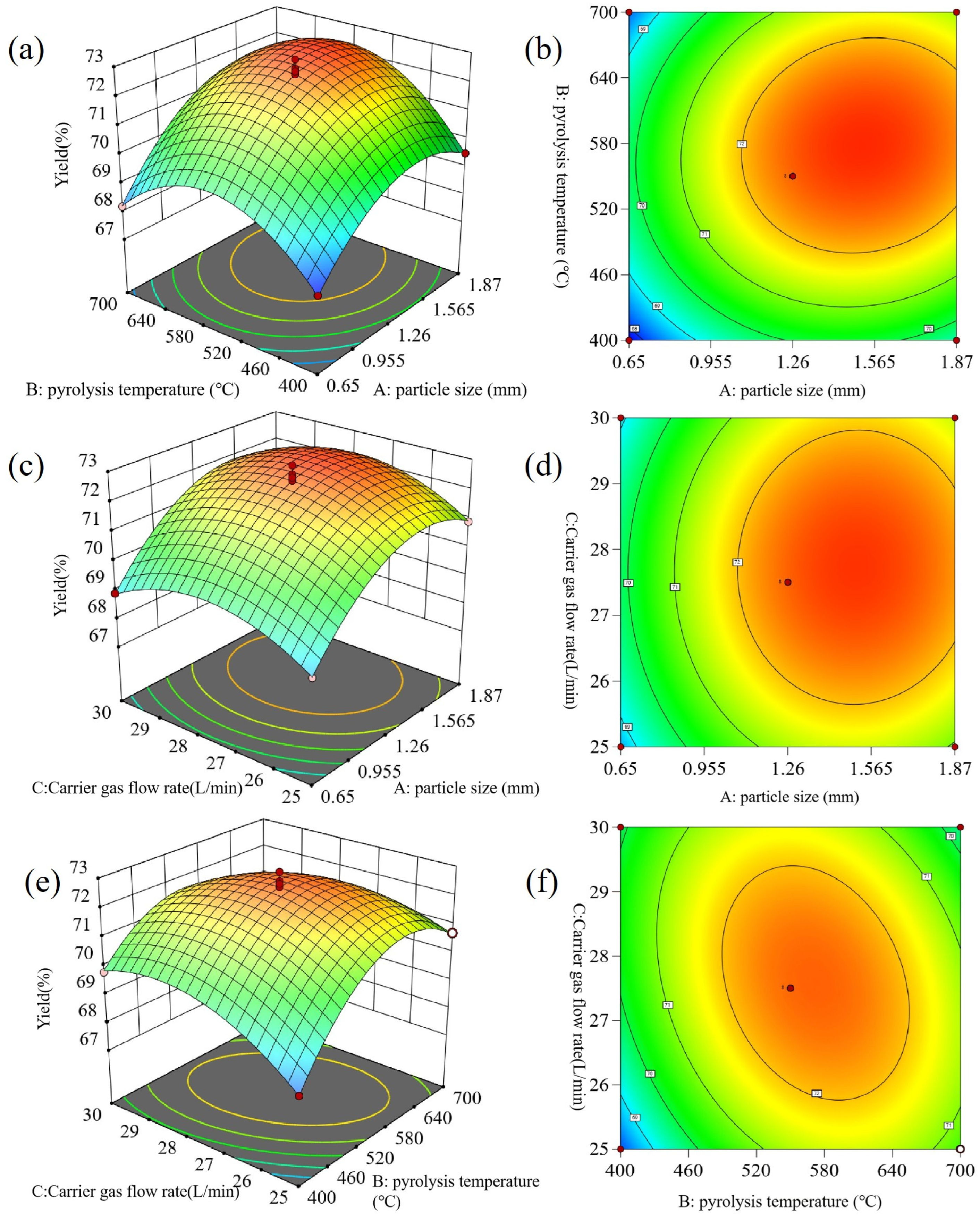
As illustrated in Figure 3a,b, the response surface displays a smooth convex shape, indicating the presence of a maximum total yield within the experimental range of raw material particle size (A: 0.65–1.87 mm) and pyrolysis temperature (B: 400–700 °C). The yield increases under synergistic interaction of these two factors within a specific interval but declines beyond it. Specifically, a maximum total yield of approximately 73.5% is achieved at A = 1.26 mm and B = 550 °C, representing the high-yield region, whereas the lowest yield occurs at A = 0.65 mm and B = 400 °C. At A = 1.87 mm and B = 700 °C, the total yield reaches 71.2%, situated in a transitional zone between high and low yield values, which aligns with the gradual gradient variation in the surface. The pronounced curvature of the response surface further reveals a significant interaction between particle size and pyrolysis temperature, implying that the optimal value of one factor is dependent on the level of the other. In summary, both factors interact notably and jointly determine the total yield, with the maximum value of about 73.5% attained near A = 1.26 mm and B = 550 °C. A significant interaction exists between particle size and pyrolysis temperature [44], where both excessively large and small particles impair heat transfer efficiency and volatiles release behavior. The medium temperature range (500–600 °C) often corresponds to the maximum bio-oil yield [45], which is consistent with the optimal temperature of 550 °C identified in this study. Moreover, pyrolysis conducted at an appropriate particle size effectively balances intraparticle mass transfer resistance with reaction kinetics, thereby synergistically enhancing the total yield [46]. This aligns with the high-yield region observed near A = 1.26 mm in the present work, further corroborating the interdependent relationship between factors revealed by the current response model and their joint regulation over the total yield.
As depicted in Figure 3c,d, the overall trend of the response surface reveals a smooth convex profile, indicating a maximum total yield within the experimental domain of particle size (A: 0.65–1.87 mm) and carrier gas flow rate (C: 25–30 L/min). The observed convex response surface and identified optimal region align with previous biomass pyrolysis studies, where intermediate particle sizes of approximately 1.0–1.5 mm have been shown to enhance heat and mass transfer while avoiding excessive diffusion resistance. The maximum yield achieved near a carrier gas flow rate of 27.5 L/min can be attributed to the ability of moderate flow conditions to balance vapor residence time and efficient removal of condensable gases [47]. Within a specific intermediate range, the synergistic effect of A and C enhances the total yield, while deviation from this zone leads to a decline. A peak yield of around 73.5% is observed at A = 1.26 mm and C = 27.5 L/min, identifying this combination as the high-yield region. In comparison, the lowest yield of 68.6% occurs at the lower extremes of both factors (A = 0.65 mm, C = 25 L/min). At A = 1.87 mm and C = 30 L/min, the yield reaches 70.4%, situating it within a transitional area between high and low values—consistent with the gentle gradient variation across the surface. The notable curvature further underscores a significant interaction between particle size and carrier gas flow rate, where the optimal level of each factor is contingent on the other. These results confirm that both factors jointly influence the total yield, with the maximum achieved near A = 1.26 mm and C = 27.5 L/min.
Figure 3e,f reveal a well-defined convex response surface, demonstrating the existence of an optimal total yield within the experimental ranges of pyrolysis temperature (400–700 °C) and carrier gas flow rate (25–30 L/min). A synergistic enhancement of yield occurs within a specific intermediate range of these parameters, beyond which performance declines. The highest yield of approximately 73.5% is achieved at 550 °C and 27.5 L/min, marking this combination as the optimal process window. as moderate temperatures in this range typically maximize volatile release. In contrast, the lowest yield is observed at the lower boundary of both factors (400 °C and 25 L/min), while a transitional yield of 70.7% occurs at 700 °C and 25 L/min, reflecting the gradual gradient shift apparent across the surface. The pronounced curvature further confirms a strong interaction between temperature and carrier gas flow rate, implying that the ideal level of each variable is influenced by the other. These findings highlight the coupled role of both parameters in determining process efficiency [48], the observed interaction between temperature and gas flow reinforces the paradigm of multi-factor optimization in thermal conversion processes, with peak performance attained around 550 °C and 27.5 L/min.

3.2.2. Yield of Pyrolytic Char

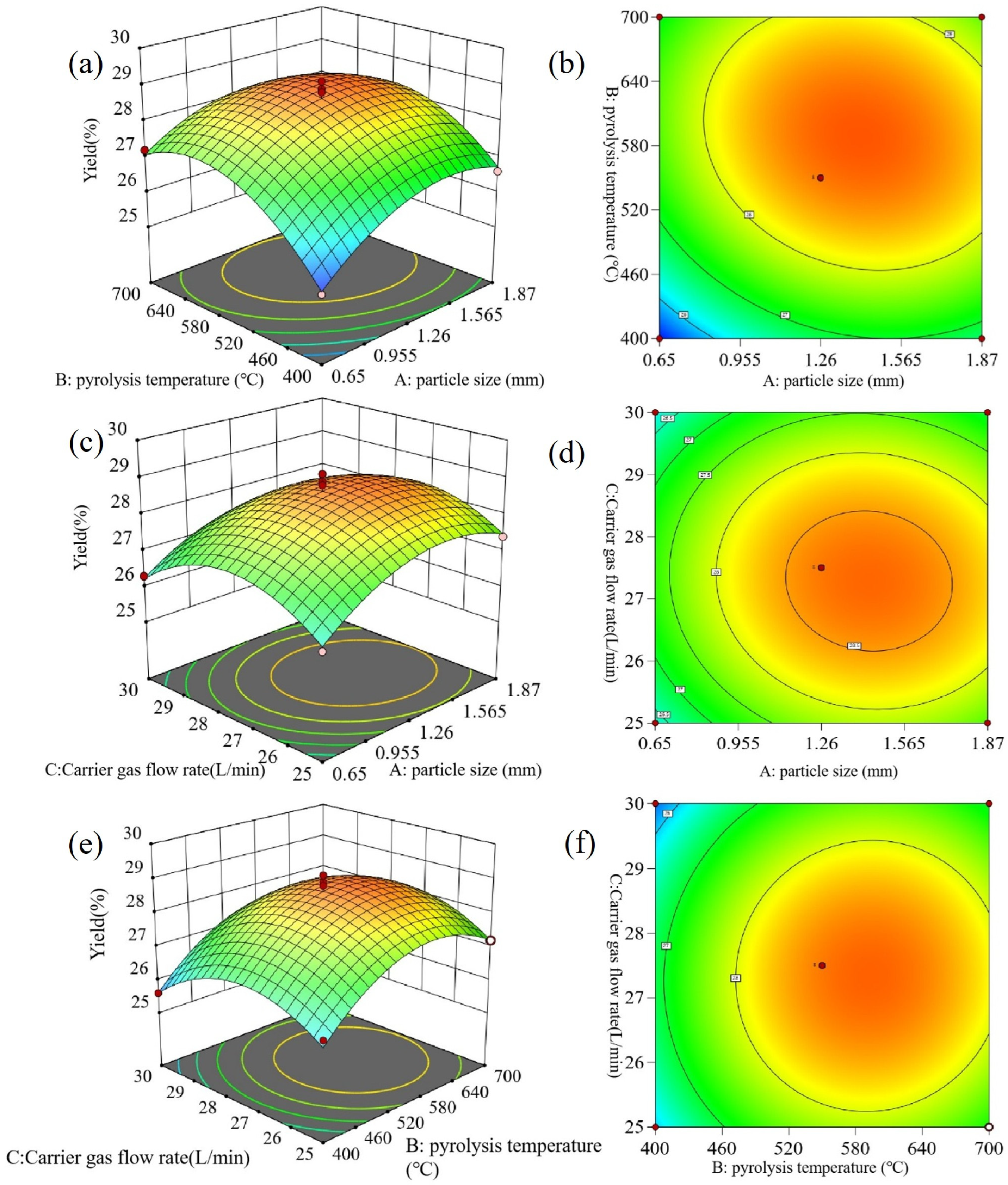
Figure 4a,b show that the maximum pyrolytic char yield of 29.1% is attained at a bamboo particle size of 1.26 mm and a pyrolysis temperature of 550 °C, while the minimum yield of 25.2% occurs at the smallest particle size (0.65 mm) and lowest temperature (400 °C). Data analysis reveals that the effect of particle size on char yield is temperature-dependent: as the particle size increases from 0.65 mm to 1.87 mm, the char yields at 400 °C, 460 °C, and 520 °C all follow a consistent trend of increasing initially and then decreasing, with respective increments of 1.4%, 1.2%, and 1.1%. This peak yield is due to the synergistic effect of optimized heat transfer, moderate mass transfer resistance, and sufficient lignin carbonization at 1.26 mm and 550 °C—this temperature facilitates lignin aromatization without inducing excessive char cracking, while the particle size balances heat penetration and volatile release, avoiding char loss from rapid volatile escape (small particles) or uneven heating and secondary cracking (large particles), and forms a stable pore structure to retain more char.
As shown in Figure 4c,d, pyrolytic char yields remain relatively high (28–29%) when particle size is maintained at 1.26 mm and carrier gas flow rate is approximately 27.5 L/min. Deviation from these optimal parameters results in decreased yields, as evidenced by the yields of 26.2% at 0.65 mm with 25 L/min and 27.4% at 1.87 mm with 25 L/min. The relationship between these factors follows a characteristic pattern where char yield initially increases then decreases with changes in either particle size or carrier gas flow rate.
Figure 4e,f reveal that the combination of pyrolysis temperature at 550 °C and carrier gas flow rate around 27.5 L/min consistently produces high char yields in the range of 28–29%. When these parameters deviate from their optimal values, the yield declines substantially—to 27.2% at 700 °C with 25 L/min and to 25.6% at 400 °C with 30 L/min. This consistent unimodal response further confirms that char yield is simultaneously influenced by both temperature and carrier gas flow rate within the experimental domain.
The yield peak identified at 550 °C corresponds to the typical temperature range that maximizes cellulose decomposition while avoiding excessive secondary cracking. Furthermore, the synergistic effect between particle size and carrier gas flow rate underscores the dual role of flow dynamics in regulating both vapor residence time and mass transfer efficience [49]. The consistent unimodal responses observed across all variable combinations emphasize the necessity of multi-parameter optimization in pyrolysis process design.

3.2.3. Yield of Pyrolytic Oil

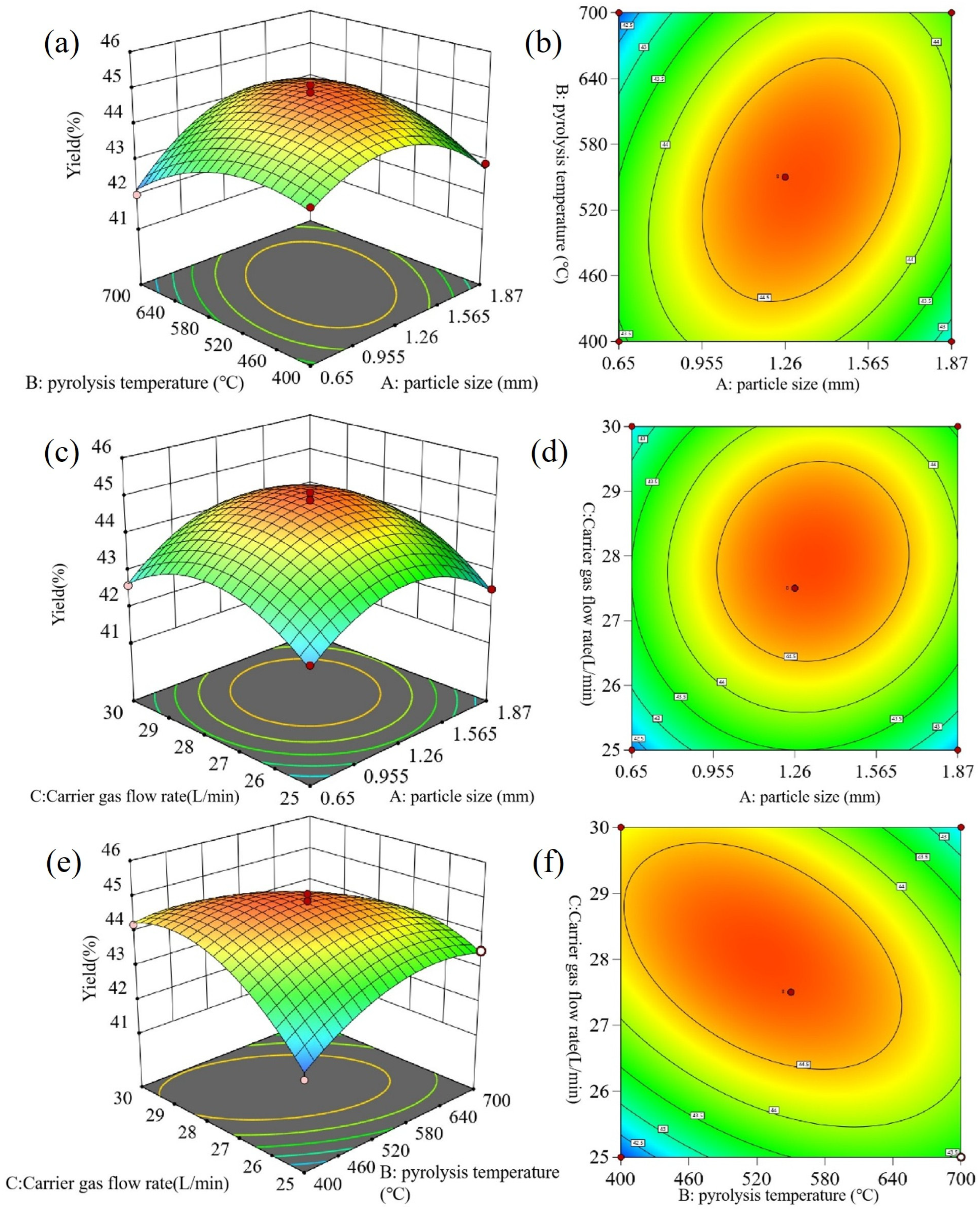
Figure 5a,b indicate that pyrolytic oil yields remain consistently high (44–45%) when employing a particle size of 1.26 mm combined with a pyrolysis temperature around 550 °C. Deviation from these optimal parameters leads to a noticeable decline in yield, as observed at 700 °C (43.5%) and 400 °C (44.2%) with the same particle size. The response surface profiles further reveal a characteristic unimodal trend, where oil yield initially rises and subsequently falls with variations in either factor, demonstrating a clear synergistic interaction between particle size and pyrolysis temperature.
As illustrated in Figure 5c,d, the highest pyrolytic oil yields (44.8–44.9%) are consistently achieved at 1.26 mm particle size and 27.5 L/min carrier gas flow rate. Performance deteriorates when these parameters deviate from their optimal values, exemplified by yields of 43.5% at 700 °C with 25 L/min and 42.6% at 0.65 mm with 30 L/min. This pattern of initial increase followed by decrease with changing particle size and gas flow rate further confirms the presence of synergistic effects between these operational parameters.
Figure 5e,f demonstrate that maintaining pyrolysis temperature at 550 °C together with a carrier gas flow rate of approximately 27.5 L/min sustains pyrolytic oil yields within the optimal 44–45% range. Substantial yield reduction occurs under non-optimal conditions, such as 43.5% at 700 °C with 25 L/min and 44.2% at 400 °C with 30 L/min. The consistent unimodal response observed across the experimental domain underscores the synergistic relationship between temperature and carrier gas flow rate in determining process performance.
The optimal pyrolytic oil yield observed at a particle size of 1.26 mm can be attributed to balanced intra-particle heat transfer and efficient volatile release, while the pyrolysis temperature of 550 °C corresponds to the optimal range for maximizing cellulose decomposition while minimizing secondary cracking. Furthermore, the synergistic effect between the carrier gas flow rate (27.5 L/min) and other parameters highlights the critical role of flow dynamics in regulating vapor residence time and mass transfer efficiency [50]. The consistent unimodal responses across all parameter combinations further support the necessity of multi-factor optimization in biomass pyrolysis processes.

3.2.4. Verify Experimental Results

Based on the RSM model, the optimal parameters for the combined yield of biochar and bio-oil were identified as a particle size of 1.52 mm, a temperature of 577.32 °C, and a carrier gas flow rate of 27.58 L/min, with predicted yields of 28.74% for char and 44.75% for oil (total: 73.49%). Validation experiments under practical conditions (10–12 mesh, 577 °C, 27.5 L/min) yielded highly similar results, as detailed in Table 6. The close agreement between the experimental and predicted values confirms the model’s accuracy and the good reproducibility of the process.

4. Conclusions

This study focuses on the high-efficiency conversion of bamboo biomass resources, using Chinese moso bamboo as raw material, fluidized-bed pyrolysis technology as the core process, and Response Surface Methodology (RSM) as the optimization tool to systematically investigate the individual and interactive effects of three key parameters—particle size (0.6–2.36 mm, 8–28 mesh), pyrolysis temperature (400–700 °C), and carrier gas flow rate (25–30 L/min)—on biochar and bio-oil yields before conducting multi-response optimization; the results show that the optimal process parameters are a particle size of 1.52 mm, a pyrolysis temperature of 577.32 °C, and a carrier gas flow rate of 27.58 L/min, and experimental validation under the adjusted practical conditions (10–12 mesh particle size, 577 °C temperature, 27.5 L/min carrier gas flow rate) yields a biochar yield of 28.74% and a bio-oil yield of 44.75% (total yield: 73.49%), with three replicate tests showing average yields of 28.65% for biochar and 43.50% for bio-oil (total average yield: 72.15%), which are in good agreement with model predictions and confirm the reliability of the RSM model. This work clarifies the key factors and interaction mechanisms governing product yields during bamboo fluidized-bed pyrolysis and provides specific, operable optimal parameters for industrial application, but it has certain limitations: the research is based on a laboratory-scale reactor, so the heat and mass transfer characteristics in large-scale industrial reactors may differ significantly and require further verification, and this study only focuses on product yields without in-depth analysis of the physicochemical properties of biochar and bio-oil, which limits the comprehensive evaluation of their application potential. Future research will focus on three aspects: conducting scale-up experiments to construct a pilot-scale fluidized-bed system and optimize reactor structure and parameters for industrial feasibility, carrying out in-depth product characterization to analyze biochar’s microstructure and adsorption properties as well as bio-oil’s composition and upgrading schemes, and exploring the coupling of fluidized-bed pyrolysis with catalytic cracking or microwave-assisted heating technologies to further improve the yield and quality of high-value bamboo biomass products.

Author Contributions

Conceptualization, X.R. and Z.Y.; methodology, Z.Y.; software, Y.L.; validation, Z.G.; resources, X.R.; data curation, Z.Y.; writing—original draft preparation, Z.Y.; writing—review and editing, Y.L.; supervision, X.R.; project administration, X.R.; funding acquisition, X.R. All authors have read and agreed to the published version of the manuscript.

Funding

National Key Research and Development Program of China (2022YFD2200904); National Forest and Grass Science and Technology Innovation Youth Top Talent Project (2024132021).

Data Availability Statement

The original contributions presented in this study are included in the article. Further inquiries can be directed to the corresponding author.

Conflicts of Interest

The authors declare no conflict of interest.

Abbreviations

The following abbreviations are used in this manuscript:
RSMResponse Surface Methodology
TG-FTIRThermogravimetry–Fourier-Transform Infrared Spectroscopy
Py-GCMSPyrolysis Gas Chromatography Mass Spectrometry
FBRfluidized bed reactor
BBDBox–Behnken Design

References

  1. Yang, Q.; Zhou, H.; Bartocci, P.; Fantozzi, F.; Mašek, O.; Agblevor, F.A.; Wei, Z.; Yang, H.; Chen, H.; Lu, X.; et al. Prospective contributions of biomass pyrolysis to China’s 2050 carbon reduction and renewable energy goals. Nat. Commun. 2021, 12, 1698. [Google Scholar] [CrossRef]
  2. Wang, Y.; Zhao, Y.; Hu, C. Slow Pyrolysis of De-Oiled Rapeseed Cake: Influence of Pyrolysis Parameters on the Yield and Characteristics of the Liquid Obtained. Energies 2024, 17, 612. [Google Scholar] [CrossRef]
  3. Sajdak, M.; Muzyka, R.; Gałko, G. Recent Progress in Biomass Pyrolysis and High Value Utilisation of Pyrolytic Carbon. Energies 2025, 18, 3919. [Google Scholar] [CrossRef]
  4. Wang, T.; Zhou, T.; Li, C.; Song, Q.; Zhang, M.; Yang, H. Development Status and Prospects of Biomass Energy in China. Energies 2024, 17, 4484. [Google Scholar] [CrossRef]
  5. Mignogna, D.; Szabó, M.; Ceci, P.; Avino, P. Biomass Energy and Biofuels: Perspective, Potentials, and Challenges in the Energy Transition. Sustainability 2024, 16, 7036. [Google Scholar] [CrossRef]
  6. Li, Z.; Luan, Y.; Hu, J.; Fang, C.; Liu, L.; Ma, Y.; Liu, Y.; Fei, B. Bamboo heat treatments and their effects on bamboo properties. Constr. Build. Mater. 2022, 331, 127320. [Google Scholar] [CrossRef]
  7. Xu, D.; He, S.; Leng, W.; Chen, Y.; Wu, Z. Replacing Plastic with Bamboo: A Review of the Properties and Green Applications of Bamboo-Fiber-Reinforced Polymer Composites. Polymers 2023, 15, 4276. [Google Scholar] [CrossRef]
  8. Chiti, T.; Blasi, E.; Chiriacò, M.V. Carbon sequestration in a bamboo plantation: A case study in a Mediterranean area. J. For. Res. 2024, 35, 51. [Google Scholar] [CrossRef]
  9. Du, J.; Yang, K.; Yuan, Z.; Liu, Z.; Li, X.; Liu, S.; Li, C.; Meng, S.; Wu, R. Effect of physical treatment methods on the properties of natural bamboo materials. Constr. Build. Mater. 2023, 394, 132170. [Google Scholar] [CrossRef]
  10. Zheng, L.; Wu, Y.; Zuo, Y. Research Status and Prospects of Resource Utilization of Bamboo Residues. World For. Res. 2021, 34, 82–88. [Google Scholar]
  11. Ren, W.; Guo, F.; Zhu, J.; Cao, M.; Wang, H.; Yu, Y. A comparative study on the crystalline structure of cellulose isolated from bamboo fibers and parenchyma cells. Cellulose 2021, 28, 5993–6005. [Google Scholar] [CrossRef]
  12. Zhang, X.; Deng, H.; Yang, J.; Yu, Z.; Xing, X.; Ma, P. Isoconversional kinetics of pyrolysis of vaporthermally carbonized bamboo. Renew. Energ. 2020, 149, 701–707. [Google Scholar] [CrossRef]
  13. Singh, K.S.; Nayak, S.; Lalnunmawii, E.; Devi, M.B.; Shagolsem, B.S.; Gouda, S. Pyrolytic oil from Muli bamboo (Melocanna baccifera, Roxb.): Biological potential and possible functional attributes. J. Anal. Appl. Pyrolysis 2024, 180, 106528. [Google Scholar] [CrossRef]
  14. Da Costa, M.M.; Guimarães, T.; França, K.D.; Silva, L.S.; de Almeida, R.F.; Henrique, T.C.; Fernandes, S.A.; Tuler, G.V.; Bittencourt, R.C.; de Paula Barbosa, V.O.; et al. 2,3-Dihydrobenzofuran production eco-friendly by fast pyrolysis from Dendrocalamus asper biomass. Biomass Convers. Bior. 2025, 15, 575–584. [Google Scholar] [CrossRef]
  15. Lin, J.; Cheng, S. Catalytic pyrolysis of crofton weed: Comparison of their pyrolysis product and preliminary economic analysis. Environ. Prog. Sustain. 2022, 41, e13742. [Google Scholar] [CrossRef]
  16. Huang, Y.; Li, B.; Liu, D.; Xie, X.; Zhang, H.; Sun, H.; Hu, X.; Zhang, S. Fundamental Advances in Biomass Autothermal/Oxidative Pyrolysis: A Review. Acs Sustain. Chem. Eng. 2020, 8, 11888–11905. [Google Scholar] [CrossRef]
  17. Jones, I.; Preciado-Hernandez, J.; Zhu, M.; Zhang, J.; Zhang, Z.; Zhang, D. Utilisation of spent tyre pyrolysis char as activated carbon feedstock: The role, transformation and fate of Zn. Waste Manag. 2021, 126, 549–558. [Google Scholar] [CrossRef]
  18. Hilber, I.; Mayer, P.; Gouliarmou, V.; Hale, S.E.; Cornelissen, G.; Schmidt, H.; Bucheli, T.D. Bioavailability and bioaccessibility of polycyclic aromatic hydrocarbons from (post-pyrolytically treated) biochars. Chemosphere 2017, 174, 700–707. [Google Scholar] [CrossRef]
  19. Saarela, T.; Lafdani, E.K.; Laurén, A.; Pumpanen, J.; Palviainen, M. Biochar as adsorbent in purification of clear-cut forest runoff water: Adsorption rate and adsorption capacity. Biochar 2020, 2, 227–237. [Google Scholar] [CrossRef]
  20. Routray, K.; Barnett, K.J.; Huber, G.W. Hydrodeoxygenation of Pyrolysis Oils. Energy Technol.-Ger. 2017, 5, 80–93. [Google Scholar] [CrossRef]
  21. Guo, W.; Bai, S.; Ye, Y. High-value-added reutilization of resin pyrolytic oil: Pyrolysis process, oil detailed composition, and properties of pyrolytic oil-based composites. Eur. Polym. J. 2022, 166, 110969. [Google Scholar] [CrossRef]
  22. Mattos, C.; Veloso, M.C.C.; Romeiro, G.A.; Folly, E. Biocidal applications trends of bio-oils from pyrolysis: Characterization of several conditions and biomass, a review. J. Anal. Appl. Pyrolysis 2019, 139, 1–12. [Google Scholar] [CrossRef]
  23. Zeng, Q.; Yang, L.; Zhou, H.; Zhang, F.; Xie, Z.; Zhao, W.; Chen, N. Clean production of laminated bamboo timber and efficient utilization of bamboo. Wood Mater. Sci. Eng. 2025, 20, 951–958. [Google Scholar] [CrossRef]
  24. Liang, Z.; Neményi, A.; Kovács, G.P.; Gyuricza, C. Potential use of bamboo resources in energy value-added conversion technology and energy systems. GCB Bioenergy 2023, 15, 936–953. [Google Scholar] [CrossRef]
  25. Zapater, D.; Kulkarni, S.R.; Wery, F.; Cui, M.; Herguido, J.; Menendez, M.; Heynderickx, G.J.; Van Geem, K.M.; Gascon, J.; Castaño, P. Multifunctional fluidized bed reactors for process intensification. Prog. Energy Combust. Sci. 2024, 105, 101176. [Google Scholar] [CrossRef]
  26. Wang, J.; Li, Z.; Li, Y.; Wang, Z.; Liu, X.E.; Liu, Z.; Ma, J. Evolution and correlation of the physiochemical properties of bamboo char under successive pyrolysis process. Biochar 2024, 6, 33. [Google Scholar] [CrossRef]
  27. Liang, F.; Wang, R.; Hongzhong, X.; Yang, X.; Zhang, T.; Hu, W.; Mi, B.; Liu, Z. Investigating pyrolysis characteristics of moso bamboo through TG-FTIR and Py-GC/MS. Bioresour. Technol. 2018, 256, 53–60. [Google Scholar] [CrossRef]
  28. Ren, X.-Y.; Zhang, Z.-T.; Wang, W.-L.; Si, H.; Wang, X.; Chang, J.-M. Transformation and products distribution of moso bamboo and derived components during pyrolysis. BioRes 2013, 8, 3685–3698. [Google Scholar] [CrossRef]
  29. Rüdisüli, M.; Schildhauer, T.J.; Biollaz, S.M.A.; van Ommen, J.R. Scale-up of bubbling fluidized bed reactors—A review. Powder Technol. 2012, 217, 21–38. [Google Scholar] [CrossRef]
  30. Werther, J.; Hartge, E.; Heinrich, S. Fluidized-Bed Reactors – Status and Some Development Perspectives. Chem. Ing. Tech. 2014, 86, 2022–2038. [Google Scholar] [CrossRef]
  31. Troiano, M.; Ianzito, V.; Solimene, R.; Ganda, E.T.; Salatino, P. Fluidized Bed Pyrolysis of Biomass: A Model-Based Assessment of the Relevance of Heterogeneous Secondary Reactions and Char Loading. Energ. Fuel 2022, 36, 9660–9671. [Google Scholar] [CrossRef]
  32. Yu, M.; Zhang, C.; Li, X.; Liu, Y.; Li, X.; Qu, J.; Dai, J.; Zhou, C.; Yuan, Y.; Jin, Y.; et al. Pyrolysis of vegetable oil soapstock in fluidized bed: Characteristics of thermal decomposition and analysis of pyrolysis products. Sci. Total Environ. 2022, 838, 155412. [Google Scholar] [CrossRef]
  33. Singh, S.; Chakraborty, J.P.; Mondal, M.K. Pyrolysis of torrefied biomass: Optimization of process parameters using response surface methodology, characterization, and comparison of properties of pyrolysis oil from raw biomass. J. Clean. Prod. 2020, 272, 122517. [Google Scholar] [CrossRef]
  34. Coats, E.R.; Brinkman, C.K.; Peters, C.; MacInnis, C.; Boyd, B. Phosphorus removal from fermented dairy manure concurrent with polyhydroxybutyrate-co-valerate synthesis under aerobic conditions. Bioresour. Technol. 2024, 402, 130789. [Google Scholar] [CrossRef]
  35. Eslami, A.; Kazemi, S.; Hamidani, G.; Zarghami, R.; Mostoufi, N. CFD-DEM modeling of biomass pyrolysis in a DBD plasma fluidized bed. Int. J. Hydrogen Energy 2025, 196, 152553. [Google Scholar] [CrossRef]
  36. Wang, P. Research on Key Technologies for Rapid Pyrolysis of Wood in a Novel Jet Circulating Fluidized Bed. Ph.D. Thesis, Beijing Forestry University, Beijing, China, 2009. [Google Scholar]
  37. Zhang, L. Research on Key Technologies of Rapid Pyrolysis in Spouted Fluidized Bed and Application of Products. Ph.D. Thesis, Beijing Forestry University, Beijing, China, 2010. [Google Scholar]
  38. Rony, Z.I.; Rasul, M.G.; Jahirul, M.I.; Hasan, M.M. Optimizing Seaweed (Ascophyllum nodosum) Thermal Pyrolysis for Environmental Sustainability: A Response Surface Methodology Approach and Analysis of Bio-Oil Properties. Energies 2024, 17, 863. [Google Scholar] [CrossRef]
  39. Papuga, S.; Savković, J.; Djurdjevic, M.; Ciprioti, S.V. Effect of Feed Mass, Reactor Temperature, and Time on the Yield of Waste Polypropylene Pyrolysis Oil Produced via a Fixed-Bed Reactor. Polymers 2024, 16, 1302. [Google Scholar] [CrossRef]
  40. Prabha, B.; Ramesh, D.; Sriramajayam, S.; Uma, D. Optimization of Pyrolysis Process Parameters for Fuel Oil Production from the Thermal Recycling of Waste Polypropylene Grocery Bags Using the Box–Behnken Design. Recycling 2024, 9, 15. [Google Scholar] [CrossRef]
  41. Faisal, F.; Rasul, M.G.; Chowdhury, A.A.; Jahirul, M.I. Optimisation of Process Parameters to Maximise the Oil Yield from Pyrolysis of Mixed Waste Plastics. Sustainability 2024, 16, 2619. [Google Scholar] [CrossRef]
  42. Aqsha, A.; Tijani, M.M.; Moghtaderi, B.; Mahinpey, N. Catalytic pyrolysis of straw biomasses (wheat, flax, oat and barley) and the comparison of their product yields. J. Anal. Appl. Pyrolysis 2017, 125, 201–208. [Google Scholar] [CrossRef]
  43. Hong, W.; Zhang, Y.; Jiang, H.; Li, S.; Chen, J.; Zhang, L. Co-pyrolysis of corn stalk and coal fly ash: A case study on catalytic pyrolysis behavior, bio-oil yield and its characteristics. Case Stud. Therm. Eng. 2022, 38, 102346. [Google Scholar] [CrossRef]
  44. Cheng, S.; He, L.; Zhu, F.; Wang, J.; Xu, R.; Zhang, H.; Tan, Y.; Xu, Y. Experimental study on flow regimes in debris bed formation behavior with mixed-size particles. Ann. Nucl. Energy 2019, 133, 283–296. [Google Scholar] [CrossRef]
  45. Meng, M.; Meng, W.; Cheng, S.; Xing, B.; Yi, G.; Zhang, C. Effect of pyrolysis temperature on pyrolysis of Camellia oleifera shell. Biomass Convers. Bior. 2024, 14, 26753–26763. [Google Scholar] [CrossRef]
  46. Xiong, Q.; Kong, S. High-Resolution Particle-Scale Simulation of Biomass Pyrolysis. ACS Sustain. Chem. Eng. 2016, 4, 5456–5461. [Google Scholar] [CrossRef]
  47. Li, Y.; Rong, J.; Zhang, K.; Fan, X. Impact of solid and gas flow patterns on solid mixing in bubbling fluidized beds. Chem. Eng. Res. Des. 2018, 132, 1037–1053. [Google Scholar] [CrossRef]
  48. Xiong, Q.; Aramideh, S.; Kong, S. Modeling Effects of Operating Conditions on Biomass Fast Pyrolysis in Bubbling Fluidized Bed Reactors. Energ. Fuel 2013, 27, 5948–5956. [Google Scholar] [CrossRef]
  49. Ali, N.; Ashraf, M.; Shahzad, K.; Saleem, M.; Chughtai, A. Fluidized bed fast pyrolysis of corn stover: Effects of fluidizing gas flow rate and composition. Energy Sources Part A Recovery Util. Environ. Eff. 2024, 46, 4244–4256. [Google Scholar] [CrossRef]
  50. Makkawi, Y.; Yu, X.; Ocone, R. Parametric analysis of biomass fast pyrolysis in a downer fluidized bed reactor. Renew. Energy 2019, 143, 1225–1234. [Google Scholar] [CrossRef]
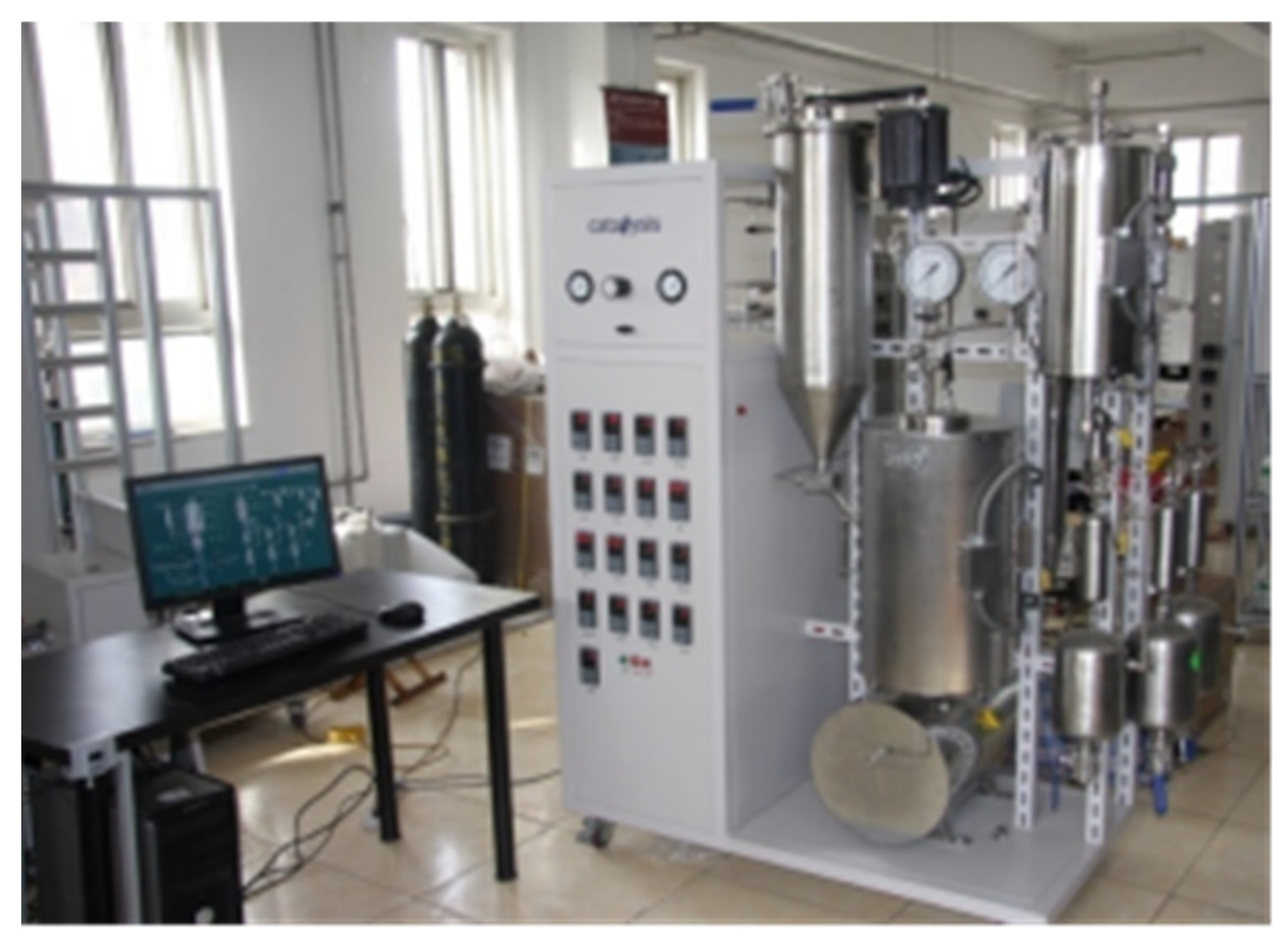
Figure 1. Biomass fluidized pyrolysis experimental equipment.
Energies 18 06600 g001
Figure 2. Experimental Procedure.
Energies 18 06600 g002
Figure 3. Response surface diagram of the effect of experimental conditions on the total yield of pyrolysis oil and pyrolysis char. (a) Response surface plot of the effect of pyrolysis temperature and particle size on the total yield of pyrolysis oil and pyrolysis char; (b) Contour distribution plot of total yield under the interaction of pyrolysis temperature and particle size; (c) Response surface plot of the effect of carrier gas flow rate and particle size on the total yield of pyrolysis oil and pyrolysis char; (d) Contour distribution plot of total yield under the interaction of carrier gas flow rate and particle size; (e) Response surface plot of the effect of carrier gas flow rate and pyrolysis temperature on the total yield of pyrolysis oil and pyrolysis char; (f) Contour distribution plot of total yield under the interaction of carrier gas flow rate and pyrolysis temperature.
Energies 18 06600 g003
Figure 4. Response surface diagram of the effect of experimental conditions on the pyrolysis char yield. (a) Response surface plot of the effect of pyrolysis temperature and particle size on the pyrolysis char yield; (b) Contour distribution plot of pyrolysis char yield under the interaction of pyrolysis temperature and particle size; (c) Response surface plot of the effect of carrier gas flow rate and particle size on the pyrolysis char yield; (d) Contour distribution plot of pyrolysis char yield under the interaction of carrier gas flow rate and particle size; (e) Response surface plot of the effect of carrier gas flow rate and pyrolysis temperature on the pyrolysis char yield; (f) Contour distribution plot of pyrolysis char yield under the interaction of carrier gas flow rate and pyrolysis temperature.
Energies 18 06600 g004
Figure 5. Response surface diagram of the effect of experimental conditions on the pyrolysis oil yield. (a) Response surface plot of the effect of pyrolysis temperature and particle size on the pyrolysis oil yield; (b) Contour distribution plot of pyrolysis oil yield under the interaction of pyrolysis temperature and particle size; (c) Response surface plot of the effect of carrier gas flow rate and particle size on the pyrolysis oil yield; (d) Contour distribution plot of pyrolysis oil yield under the interaction of carrier gas flow rate and particle size; (e) Response surface plot of the effect of carrier gas flow rate and pyrolysis temperature on the pyrolysis oil yield; (f) Contour distribution plot of pyrolysis oil yield under the interaction of carrier gas flow rate and pyrolysis temperature.
Energies 18 06600 g005
Table 1. Process Parameter Settings.
RangeParticle Size
A (mm/mesh)
Pyrolysis Temperature
B (°C)
Carrier Gas Flow Rate C (L/min)
Upper limit1.87 (8–10)70030
Median1.26 (12–14)45027.5
Lower limit0.65 (24–28)40025
Table 2. Experimental Design Matrix and Response Experiment Results.
Sequence NumberVariables (Research Factors)Response (Yield)
Particle Size (mm/mesh Size)Pyrolysis Temperature
(°C)
Carrier Gas Flow Rate (L/min)Yield of Pyrolytic Char (%)Yield of Pyrolytic Oil (%)Yield (%)
11.26 (12–14)55027.527.844.872.6
21.26 (12–14)55027.527.644.972.5
31.26 (12–14)55027.527.944.872.7
40.65 (24–28)5503026.342.668.9
51.87 (8–10)70027.527.643.671.2
61.26 (12–14)4003025.644.269.8
70.65 (24–28)40027.524.243.567.7
81.26 (12–14)4002526.241.968.1
91.26 (12–14)55027.527.444.872.2
101.26 (12–14)55027.528.144.973
111.26 (12–14)7002527.243.570.7
121.26 (12–14)55027.527.445.172.5
131.87 (8–10)40027.526.642.969.5
141.26 (12–14)55027.527.444.972.3
150.65 (24–28)5502526.242.468.6
161.26 (12–14)7003026.842.869.6
170.65 (24–28)70027.526.24268.2
181.87 (8–10)5502528.442.570.9
191.26 (12–14)55027.527.544.672.1
201.87 (8–10)5503028.143.371.4
Table 3. Analysis of Variance (ANOVA) for Pyrolytic Char Yield Corresponding to Each Influencing Factor.
SourceSum of SquaresdfMeanF-Valuep-Value
Model19.0592.1231.9<0.0001significant
A7.6117.61114.58<0.0001
B3.3813.3850.92<0.0001
C0.1810.182.710.1306
AB0.2510.253.770.081
AC0.0410.040.60260.4555
BC0.0110.010.15070.706
A20.540210.54028.140.0172
B25.9815.9890.1<0.0001
C20.008710.00870.13180.7241
Residual0.6638100.0664
Lack of Fit0.16530.0550.77190.5454not significant
Pure Error0.498870.0713
Cor Total19.7219
Table 4. Analysis of Variance (ANOVA) for Pyrolytic Oil Yield Corresponding to Each Influencing Factor.
SourceSum of SquaresdfMeanF-Valuep-Value
Model22.8292.5480.51<0.0001significant
A0.405010.405012.830.0050
B0.045010.04501.430.2596
C0.845010.845026.830.0004
AB1.2111.2138.410.0001
AC0.090010.09002.860.1218
BC2.2512.2571.43<0.0001
A25.7915.79183.67<0.0001
B22.4012.4076.28<0.0001
C24.8014.80152.47<0.0001
Residual0.3150100.0315
Lack of Fit0.175030.05832.920.1100not significant
Pure Error0.140070.0200
Cor Total23.1419
Table 5. Analysis of variance (ANOVA) for the total yield of pyrolysis char and pyrolysis oil corresponding to each influencing factor.
SourceSum of SquaresdfMeanF-Valuep-Value
Model59.4496.6110.3<0.0001significant
A11.52111.52192.4<0.0001
B2.6512.6544.18<0.0001
C0.24510.2454.090.0706
AB0.3610.366.010.0341
AC0.0110.010.1670.6914
BC1.9611.9632.730.0002
A29.8619.86164.7<0.0001
B215.96115.96266.63<0.0001
C25.2215.2287.21<0.0001
Residual0.5988100.0599
Lack of Fit0.0130.00330.03960.9886not significant
Pure Error0.588870.0841
Cor Total60.0419
Model59.4496.6110.3<0.0001significant
Table 6. Validation of the Experimental Design Matrix and Experimental Results.
Sequence NumberVariables (Research Factors)Response (Yield)
Particle Size (mesh Size)Pyrolysis Temperature
(°C)
Carrier Gas Flow Rate (L/min)Yield of Pyrolytic Char (%)Yield of Pyrolytic Oil (%)Yield (%)
110–1257727.529.4342.1371.56
210–1257727.529.2643.6272.88
310–1257727.527.2744.7472.01
Average---28.6543.5072.15
Disclaimer/Publisher’s Note: The statements, opinions and data contained in all publications are solely those of the individual author(s) and contributor(s) and not of MDPI and/or the editor(s). MDPI and/or the editor(s) disclaim responsibility for any injury to people or property resulting from any ideas, methods, instructions or products referred to in the content.