


Abstract
Wind power is a major source of renewable energy, yet turbine performance is strongly influenced by atmospheric conditions and surrounding terrain. Several meteorological phenomena can hinder energy production, disrupt operations, and accelerate structural deterioration. This paper reviews three key atmospheric hazards affecting wind turbine systems: lightning, icing, and rain. For each phenomenon, the formation mechanisms, operational effects, and mitigation approaches are examined, with offshore-specific processes and conditions integrated directly into each hazard discussion. Building on this foundation, the review then analyses interactions between the hazards, their combined implications for turbine performance and maintenance, and the associated economic impacts. Comparisons of material behaviour across lightning, icing, and rain-erosion conditions are also incorporated. Finally, future research directions are proposed.
1. Introduction
Global demand for wind energy continues to accelerate as countries pursue decarbonisation strategies and expand renewable electricity generation. As shown in Figure 1, global wind electricity installed capacity reached about 1150 GW in 2024. This has more than doubled over the past decade after rising from roughly 350 GW in 2014, which is an increase of around 230% [1]. Although wind still contributes less capacity than solar and hydropower, its rapid expansion means that a growing share of the global energy system now depends on the reliable operation of wind turbines. In addition, the Global Wind Energy Council (GWEC) reported that the world needs to triple its deployment of wind power installations by 2030 to secure the 1.5° pathway and remain on the net-zero pathway [2]. This large-scale growth heightens the need for long-term turbine resilience, since a larger global fleet translates to greater cumulative exposure to environmental stressors and higher consequences from unplanned outages. Understanding how natural hazards affect turbine performance is therefore essential, as lightning, icing and rain-induced erosion can degrade components, increase maintenance demands and disrupt energy generation. Ensuring robustness against these hazards is becoming a critical requirement for maintaining stable and reliable wind-power systems as global capacity continues to rise.
Figure 1.
Global installed electricity generation capacity for wind energy from 2000 to 2024, based on data from the International Renewable Energy Agency (IRENA) [1].
Natural hazards are events that can adversely affect human activities, built environments, and critical infrastructure. These hazards include meteorological, climatological, seismic, geological, hydrological, volcanological, and neotectonic events. Within this context, meteorological processes are especially relevant to wind energy systems, which rely on atmospheric motion for power generation. Modern WTs operate fully exposed to the environment, making their performance and reliability sensitive to external conditions. Higher power output from WTs can be achieved if the local area has significant wind energy potential. Concurrently, they are vulnerable to hazards such as hurricanes, heavy rain, lightning, snow, and ice. As shown in Figure 2, most wind turbine failures arise from technical issues such as component failure and control system malfunction, which together account for a substantial proportion of reported incidents [3]. Nevertheless, natural hazards remain notable contributors, with lightning strikes (4%) and icing (2%) each responsible for a measurable share of failures. Although these weather-driven mechanisms represent smaller proportions compared to mechanical or electrical faults, they still pose critical risks to turbine integrity and operational continuity. Consequently, this review focuses on the natural hazards most relevant to turbine performance, particularly lightning, icing, and rain, and examines how these phenomena interact with turbine structures and influence long-term reliability.
Figure 2.
Causes of wind turbine failures [3].
Many review studies on wind turbine systems have been conducted, with most focusing on enhancing turbine performance through design improvements [4,5,6,7,8]. Although some reviews have examined natural hazards, their scope remains limited. Several studies have addressed individual phenomena such as lightning [9,10,11], anti-icing/de-icing technologies [12,13,14,15,16], rain-induced degradation [17,18], earthquakes [19], and blade damage associated with various natural hazards [20,21]. A separate review on the environmental impacts of wind farms reported notable effects on ecological systems and biodiversity due to noise, while emphasising that turbine components are largely recyclable at the end of their service life [22]. Regarding natural hazards collectively, Ning et al. [23] assessed the disaster risk along the west coast of Taiwan and found that typhoons pose the greatest threat, followed by lightning, sea waves, and earthquakes. Patil et al. [24] reviewed risks to wind farms arising from hurricanes, seismic activity, lightning, and hydrodynamic forces, with particular emphasis on structural failures of towers, blades, and foundations. Douvi and Douvi [25] examined hazards such as icing, rainfall, hailstorms, dust, humidity, insect collisions, and sea spray, focusing primarily on their aerodynamic impacts on horizontal-axis wind turbines (HAWTs).
These reviews collectively show that research on individual natural hazards remains fragmented, with limited work integrating the full range of environmental phenomena that affect wind turbine systems. In addition, there is no review work on the interaction of these natural hazards and the economic impact analysis has been reported. To address this gap, the present paper provides a unified assessment of multiple hazards, synthesising their formation mechanisms, their interactions with turbine structures and aerodynamics, and the detection and mitigation strategies currently reported in the literature. A bibliometric analysis is also conducted to map research trends, identify thematic gaps, and support evidence-based recommendations for future work. As illustrated in Figure 3, this review is organised according to the differing characteristics of the hazards considered: the current Part 1 examines meteorological phenomena that act directly on the blades and the local aerodynamic environment, while Part 2 focuses on hazards associated with structural loading and broader environmental interactions, including earthquakes, ocean waves, tropical cyclones, and thunderstorm downbursts. The formation mechanisms, effects, and mitigation approaches for each phenomenon are examined independently to provide clear insight into their specific impacts on wind turbine systems. The structure used to analyse each phenomenon reflects the trends and relationships identified in the bibliometric keyword co-occurrence analysis, which will be discussed further. Combined with an evaluation of operational and economic implications, this approach offers a comprehensive and coherent assessment of the multi-hazard landscape facing modern wind turbine systems.
Figure 3.
Scope of the review of the natural hazards on the wind turbine system.
Analysis of Research Trend in Wind Turbine Natural Hazards
Research on natural hazards affecting wind turbines has grown steadily over the past two decades. As shown in Figure 4, early studies before 2010 remained limited across all hazard categories, reflecting the relatively small scale of global wind deployment at that time. Since then, the number of publications has increased in a clear upward trajectory, with particularly rapid growth after 2015 as offshore wind expansion and climate-driven risk exposure intensified academic and industrial interest. Research studies on sea waves exhibit the highest publication counts in recent years, consistent with the greater maturity of offshore projects and the well-known influence of wind loading on turbine design. At the same time, research on lightning, icing, and rain has also increased, reflecting a growing recognition that these atmospheric hazards contribute to both structural and operational challenges and should not be treated as secondary concerns. However, among the natural hazards, the research trend on lightning has been flat since 2023.
Figure 4.
Annual number of publications related to natural hazards affecting wind turbines, from 2000 to 2025.
This review applies to a structured literature selection process based on the PRISMA approach, which includes the stages of identification, screening, eligibility and final inclusion, as depicted in Figure 5 [26]. The Scopus database was selected as the primary source because it offers broad coverage of peer-reviewed journals, reliable citation information and consistent indexing of both wind energy and environmental hazard-related research. During the Identification phase, tailored Boolean search queries were constructed to combine wind-turbine terms with six hazard domains (lightning, icing, rain, earthquakes, sea waves and extreme wind), ensuring comprehensive retrieval of relevant studies. To ensure dataset quality and comparability, only peer-reviewed articles, conference papers and review papers published from 2000 onwards were retained; this time threshold avoids inconsistencies arising from older, pre-modern turbine technologies and ensures alignment with contemporary large-scale wind-energy systems. Following the Screening and Eligibility stages, where non-hazard-related or irrelevant records were excluded, the final dataset underwent bibliometric keyword co-occurrence analysis using VOSviewer 1.6.20. A minimum keyword occurrence threshold of 80 was applied to balance visual clarity with representative thematic coverage. This threshold was chosen after preliminary trials showed that lower values produced excessively cluttered networks, whereas higher values eliminated key hazard-related terms, thus making 80 occurrences an effective compromise between clarity and thematic completeness. The resulting clusters reveal dominant research themes, inter-hazard linkages and emerging subtopics, and they directly inform the structure of the present review by defining the key thematic domains relevant to lightning, icing and rain.
Figure 5.
PRISMA-based data collection process used to identify and select literature on natural hazards affecting wind turbines, with an example of data collection on lightning-related literature [26].
The keyword co-occurrence analysis performed using VOSviewer on the final PRISMA-filtered dataset highlights the dominant research clusters associated with lightning, icing, and rain hazards. To examine how these themes have evolved, all publications related to the three hazards were exported from the Scopus database and analysed in two decade-long periods (2005–2015 and 2016–2025). As shown in Figure 4, research activity remained relatively modest before 2015 but increased sharply from 2016 onward, coinciding with the rapid expansion of large-scale onshore and offshore wind deployment. This division captures two distinct stages in the development of hazard-related wind turbine research. Distinguishing these periods is important because the mid-2010s mark a clear transition from sparse, hazard-specific studies to a decade characterised by rapid growth and the emergence of interconnected research themes, underscoring the increasing need for a multi-hazard perspective. The combined analysis of both periods was used to identify overarching shifts in research directions and the broader maturation of the field, while the hazard-specific co-occurrence networks were examined separately to determine the thematic foundations that guide the structure of this review. A clear change in thematic emphasis between the two periods is evident, as illustrated in Figure 6.
Figure 6.
Bibliometric keyword co-occurrence networks derived from the PRISMA-filtered Scopus dataset for hazard-related wind turbine research: (a) early period (2005–2015), and (b) recent period (2016–2025).
The 2005–2015 network (Figure 6a) is sparse and loosely connected, dominated by a single lightning-focused cluster. Icing-related terms appear only at the periphery with weak link strengths, while rain-related keywords are largely absent. This indicates that early research concentrated heavily on lightning, with limited systematic investigation into icing or rain-induced effects. Such gaps align with the low publication volumes and the specialised nature of hazard studies during this period. In contrast, the 2016–2025 network (Figure 6b) is far denser and forms several well-defined clusters, including those centred on icing physics and accretion, aerodynamic degradation and erosion, and lightning protection and electrical grounding. Stronger interconnections between clusters reflect both the sharp rise in publications after 2015 and the growing recognition of multi-hazard challenges as wind turbines expand into colder regions, offshore environments, and higher-wind climates. Overall, the progression from a lightly connected early network to a highly structured, multi-cluster system demonstrates the maturation of the research field. This bibliometric evolution informs the organisation of the subsequent sections of the review, with each major hazard domain examined individually.
Building on this broader multi-hazard context, Figure 7 presents hazard-specific clustering patterns. For lightning, three dominant clusters emerge, covering electrical protection systems, lightning physics and current modelling, and turbine-component vulnerability. This reflects the long-standing split between power-system-focused studies and structural impact research. Icing-related publications form four major clusters spanning icing physics and accretion mechanisms, aerodynamic degradation, detection methods, and mitigation or coating developments, demonstrating that icing is the most thematically diverse of the three hazards. Rain-related studies form two compact clusters centred on leading-edge erosion mechanisms and protective materials or coatings, consistent with the narrower but technologically critical scope of rain-induced degradation. Across all hazards, shared hubs such as “wind turbines”, “wind power”, “turbomachine blades”, and “aerodynamics” unify the networks, highlighting recurring concerns regarding blade aerodynamic performance, structural durability, and operational reliability. The term “aerodynamics” serves as a key thematic bridge for the performance degradation caused by icing and rain erosion, while structural vulnerability links the lightning clusters. These clustering patterns directly inform the organisation of this review paper, ensuring that the subsequent sections systematically address the core research domains highlighted by the co-occurrence mapping, from hazard formation, turbine interaction, their effects on the wind turbine, to detection technologies and mitigation strategies.
Figure 7.
Keyword co-occurrence networks derived from the PRISMA-filtered Scopus dataset: (a) lightning, (b) icing and (c) rain, from 2000 to 2025.
To clarify how the bibliometric patterns shape the structure of this review, Table 1 summarises both the shared and hazard-specific keywords for lightning, icing and rain. The common terms point to universal research priorities centred on turbine aerodynamics, blade components and fluid–structure interactions, all of which underpin the introductory physics and performance-impact sections of this paper. The distinct keywords then map directly onto the later subsections: lightning-related terms cluster around electrical discharge processes, protection systems and transient analysis; icing-related terms highlight accretion mechanisms, thermal behaviour, detection and de-icing technologies; and rain-related terms emphasise droplet impact physics, leading-edge erosion and protective coating performance. These keyword patterns naturally guide the layout of the review, ensuring that each hazard is discussed through its formation physics, its operational effects and the corresponding mitigation or protection approaches.
Table 1.
Domain-specific and shared keywords identified from bibliometric co-occurrence analysis.
The keyword co-occurrence networks indicate that lightning, icing, and rain-related erosion form distinct but interconnected research clusters, highlighting the need for a multi-hazard perspective rather than treating each phenomenon in isolation. These bibliometric patterns provide a thematic foundation for structuring the present review, ensuring that each hazard is examined individually while acknowledging its broader relationships within the field.
Building on this framework, the paper begins with an introduction and an analysis of research trends, followed by Section 2, which examines the effects of lightning strikes on wind turbines and the associated protection methods. Section 3 reviews the impacts of ice accretion together with current detection and de-icing techniques. Section 4 discusses rain-induced blade erosion and the mitigation strategies reported in the literature. Section 5 shows the meta-analysis on the interactions between the natural hazards, wind turbine component materials comparisons, economic impact and recommendations for future research. Section 6 offers the concluding remarks.
2. Lightning and Wind Turbines
Observations from the Optical Transient Detector (OTD), a space-based instrument aboard the MicroLab-1 satellite designed to detect and locate lightning flashes worldwide, indicate that approximately 1.4 billion lightning flashes occur annually across the Earth [27]. The Congo Basin in Rwanda records the highest lightning activity globally, with a mean annual flash density of 80 fl km−2 yr−1. In general, the northern Atlantic and western Pacific Ocean basins experience the greatest lightning activity, whereas the eastern tropical Pacific and Indian Ocean basins exhibit comparatively lower flash frequencies [27]. Lightning predominantly occurs over land, with a land-to-ocean ratio of about 10:1 [27]. Although lightning over the ocean is less frequent, its intensity tends to be higher; studies have shown that lightning strength increases exponentially with the concentration of dissolved salts in water [28].
With respect to wind turbines (WTs), lightning strikes occur as often as ten times per turbine per year [29]. In regions with high lightning activity, such as Japan, reports from the Central Research Institute of Electric Power Industry (CRIEPI) indicate that approximately 36% of turbines experience lightning-related damage annually [30]. Wind turbines are particularly vulnerable due to their height and their installation in exposed atmospheric environments [31]. It is sometimes assumed that blades without metallic components are unlikely to attract lightning; however, investigations have shown that the blade itself can become the preferred attachment point compared with the surrounding air [32]. Given these risks, the effects of lightning strikes on wind turbine systems and the associated challenges for long-term operation are reviewed in the following sections.
2.1. Introduction to Lightning Strikes
Lightning discharges may occur within clouds, known as intracloud (IC) lightning, or between clouds and the ground, known as cloud-to-ground (CG) lightning. The latter is responsible for damage to grounded structures. When electrostatic charges accumulate within a cloud, a strong electric field develops, leading to ionisation of the surrounding air. Although the lower region of a cloud is typically negatively charged and the upper region positively charged, this configuration is not universal. The ionised air does not form a uniform or straight path; instead, it propagates in a branched, irregular manner toward the ground. This developing channel is referred to as the stepped leader, as illustrated in Figure 8.
Figure 8.
WTs lightning strike illustration.
As the stepped leader descends, objects at the surface respond to the increasing electric field by emitting upward-initiated discharges known as streamers [33]. When a streamer connects with the approaching stepped leader, a conductive path between the cloud and the ground is established [34]. Any surface object can generate a streamer, but taller structures have a higher probability of forming a successful connection. Once the connection is made, a large current flows along the channel, producing a bright and continuous flash known as the return stroke. At this stage, the numerous branches of the stepped leader collapse into a single luminous channel, and the rapid energy release generates strong shockwaves perceived as thunder.
Lightning can be broadly categorised into two types. If the stepped leader develops from the cloud toward the ground, the discharge is referred to as downward lightning. Conversely, if the initial leader originates from a grounded structure and propagates upward, it is termed upward lightning, as shown in Figure 9. In both cases, lightning may exhibit either positive or negative polarity. Although positive lightning is less frequent, it typically exhibits much higher peak currents and is therefore more severe, as positive breakdown voltages are substantially lower than their negative counterparts [35]. A spatio-temporal analysis conducted by Liao et al. [36] on multiple-return-stroke CG lightning in Guangdong, China, reported that offshore regions experience a higher proportion of such lightning events (45.66%) compared to onshore areas (33.46%).
Figure 9.
Downward lightning (left) and upward lightning (right).
Upward Lightning, Downward Lightning and the Wind Turbines
Shorter structures are mainly affected by downward lightning strikes, whereas taller structures are more prone to upward lightning. The overall number of lightning strikes increases with the effective height of a wind turbine, considering local terrain effects [37]. Wind turbines are therefore particularly susceptible to upward lightning. This type of discharge is generally more severe, as the resulting transient overvoltage on the turbine can be 3.75 to 5 times higher than that produced by downward strikes [11].
Upward leaders can be initiated by strong local electric fields or triggered by nearby lightning discharges, whether IC or CG, which cause a rapid increase in the ambient electric field [38,39,40]. Case studies conducted on three wind farms in Denmark by Becerra et al. [40] showed that nearby lightning events are more effective at triggering upward lightning from turbines compared with self-initiated upward discharges. Upward lightning triggered by nearby positive cloud-to-ground flashes accounted for most of the hazardous events, while downward lightning contributed only a small portion of turbine-related damage. Observations from the western Mediterranean coast indicated that upward lightning occurred under conditions of low cloud bases, low freezing levels, and the presence of extensive stratiform regions [38]. In contrast, self-initiated upward leaders were found to occur more frequently during high wind speeds [38]. It has been suggested that, for both triggered and self-initiated upward lightning, the rotational motion of the turbine may enhance leader formation by increasing the rate of electric field growth [41], although experimental evidence remains limited.
With respect to downward lightning, experimental work in [42] showed a slight reduction in direct blade strikes when the turbine was rotating. Blade rotation increased the 50% flashover voltage, thereby reducing the electric field required in the air gap between the blade tip and the electrode. Chen et al. [43] analysed lightning characteristics before and after wind farm installation and reported increases of 27.9% in return-stroke density and 7.3% in flash density. Within a 0.5 km radius of the wind turbines, lightning activity was significantly elevated following wind farm deployment.
Upward lightning poses a significant threat to wind turbines during the winter season, particularly along the west coast of Japan, where this phenomenon is commonly referred to as winter lightning [39]. Winter lightning is characterised by unusually long discharge durations and electric charges that can exceed those of typical summer lightning by an order of magnitude [44]. These events predominantly consist of upward discharges because the source regions of winter thunderclouds are located at much lower altitudes compared with summer thunderstorms [45]. Data from the Japanese Lightning Detection Network also show that 46% of lightning discharges near wind turbines occur during the winter lightning season, whereas only 9% occur during the non-winter season [46]. This higher occurrence is primarily attributed to the low cloud-base heights and strong wind conditions typical of winter thunderstorms, both of which favour the initiation of upward leaders from turbine structures [38,41,45]. In the Northern Hemisphere, peak lightning activity can also occur during the non-convective months from October to March due to winter lightning [39]. Measurements over the Sea of Japan indicate that lightning strike rates are moderately higher than those along the east coast of China, and the frequency increases with turbine hub height [47].
2.2. Effects of Lightning Strikes on Wind Turbine
When a wind turbine is struck by lightning, damage most often occurs in the low-voltage control system due to electromagnetic induction [31]. Excessive voltages can be induced in the main and control circuits as the lightning current flows through the tower and forms conductive loops, leading to overvoltage and malfunction [48]. Sensitive equipment should therefore be kept away from lightning current loops that may form along internal truss structures or metallic strips [49]. In addition to the control system, electronic circuits, blades, and generators are also susceptible to lightning-related damage. If dielectric breakdown does not occur within the blade, the intense thermal energy deposited on the non-conductive surface may result in thermal ablation, delamination, or internal explosion [50]. Some cases have shown that high-pressure shock waves generated in the impacted blade can propagate through the hub and cause substantial damage to neighbouring blades, including complete rotor failure [32]. Lightning loads include both short- and long-duration components; the former primarily affects electronic devices, whereas the latter tends to cause more significant material damage to turbine structures [47].
The lightning current travelling along the turbine exhibits wave propagation characteristics. When this travelling wave encounters a junction or a change in impedance, part of the wave is reflected while the remainder continues forward in accordance with Kirchhoff’s laws and the fundamental transmission line equations, consistent with the conservation of energy [51]. Upon reaching the nacelle, a portion of the wave is reflected back toward the blade, increasing the voltage at the blade tip; similar reflections occur within the tower structure [48].
Several factors can intensify lightning-induced damage. High soil resistivity is one such factor. Soil resistivity varies with soil composition, moisture content, temperature, and seasonal conditions [52]. Higher resistivity increases the voltage at the tower base [53,54,55] reducing the effectiveness of the grounding system. Appropriate grounding design, such as the use of intermeshed earthing grids, is therefore essential [29]. Blade surface contamination is another important factor. Over time, blade surfaces accumulate moisture, salt, dust, and other pollutants, increasing surface conductivity and raising the likelihood of lightning attachment during both rotation [42] and a stationary operation [44]. This process, known as the swept-stroke phenomenon, allows lightning to travel along the blade surface and, in some cases, penetrate the internal cavity [38]. Experiments by Yan et al. [35] showed that puncture locations tend to occur in the rear sandwich structure, particularly near intersections with the main beam. Moisture on the blade surface significantly influences puncture behaviour by reducing the breakdown voltage of the composite materials [35].
Lightning parameters themselves also strongly influence overvoltage in turbines. Higher peak currents and shorter front times both result in greater frequency content and electrical energy [53]. Larger peak currents are associated with longer striking distances, while electric field strength decreases as striking distance increases [50]. Consequently, turbines installed on flat terrain are more likely to experience high-current lightning strikes compared with turbines located at higher elevations [56].
Experimental testing is a common approach for studying lightning effects. As illustrated in Figure 10, tests are typically conducted on individual blades or on complete turbines, either in parked or operational conditions. Various electrode configurations, such as plane, rod, and arc-shaped electrodes, are used to generate downward leaders [57]. An innovative measurement technique introduced in [58] employs two sensors capable of capturing lightning currents across a wide range of frequencies and amplitudes.
Figure 10.
Various lightning testing approaches [59].
Experiments conducted by Cotton et al. [32] examined the effects of lightning strikes on key wind turbine components, including bearings and hydraulic cylinders. Their results showed that lightning currents can damage hydraulic seals, leading to fluid leakage and malfunction of the tip brake mechanism. The damage was located at the interface between the wiper and the piston shaft. In the experiment, a 2.5 m copper bond strap was connected in parallel with the hydraulic cylinder, but it provided little protection; the authors concluded that an insulating break is required to safeguard the hydraulic system [32]. No severe damage was observed in stationary bearings, whereas rotating bearings were found to be vulnerable to pitting damage even under relatively low lightning currents. When the lubricant film is disrupted by high voltage, an arc forms and causes significant deterioration of the bearing surfaces [32].
Sun et al. [60] investigated lightning surge behaviour in an offshore wind farm, noting that lightning characteristics differ markedly from onshore systems due to structural and grounding configurations. While submarine cables are inherently protected against direct lightning strikes, the common grounding grid of offshore substations allows backflow surges to propagate into the power network. Their study indicated that placing the power transformer, which has the weakest insulation, at the base of the turbine results in lower lightning-induced overvoltages.
Glass fibre-reinforced composite (GFRC) is widely used for wind turbine blades. Lightning current parameters, laminate thickness, and fibre orientation all influence the extent of ablation. Because the electrical conductivity of GFRC is much lower than that of metals, lightning strikes can cause severe thermal damage, including burning, vaporisation, fibre breakage, and delamination. High-temperature pyrolysis and rapid gasification of the resin contribute to these failure mechanisms [61]. Similar observations were reported for carbon fibre-reinforced composites (CFRC), where numerical simulations showed that epoxy pyrolysis occurs in stages, accompanied by gas release and void formation. These simulations demonstrated good agreement with experimentally observed current and temperature distributions during lightning strikes [62].
2.3. Lightning Protection and Mitigation System
IEC 61400-24 is widely used as the standard guideline for lightning protection in wind turbines. It defines the protection requirements for the blade, structural components, electrical systems, and control systems, and it also specifies the test methods for compliance verification. The standard recommends using a thin cylindrical lightning receptor embedded near the blade tip and connected to a down conductor installed inside the blade cavity, extending to the ground as shown in Figure 11 [31,63]. The receptor is designed to intercept lightning and safely conduct the current to the ground, thereby reducing damage to the turbine.
Figure 11.
Lightning protection system in WT.
When a lightning strike attaches to the receptor, the high current and energy can heat and erode the receptor surface, causing molten material to be expelled due to blade rotation. Therefore, the choice of receptor material is important. Cotton et al. [32], found that tungsten copper alloy performed effectively under experimental conditions. Yokoyama [44] evaluated receptor performance using a three-metre blade segment made of glass fibre-reinforced polymer (GFRP), equipped with a standard lightning protection system. High voltage impulses of up to twelve megavolts were applied with the blade arranged vertically, horizontally, and at an oblique (45°) angle to represent different rotational positions. No surface damage was observed in the oblique configuration, while damage developed at the tip when the discharge attached to the blade edge before reaching the receptor in the vertical configuration. Positive discharges produced the most severe effects, frequently penetrating the blade. The study also noted that the receptor system is effective only for blades of approximately fifteen to twenty meters in length; longer blades remain vulnerable to direct damage [32]. Therefore, it is crucial to increase the interception efficiency of the receptor system.
A numerical analysis by Zhou et al. [49], showed that interception is most effective when the receptor cross-sectional area is close to fifty square millimetres, which is consistent with the recommendation of IEC 61400-24. Woo et al. [64] investigated lightning polarity effects and found that negative switching impulses typically attached to the tip receptor, while positive impulses produced a shielding effect that reduced interception efficiency. They proposed using additional edge receptors for improved protection.
Other proposed approaches include installing multiple receptors along the blade or placing an external conductor on the blade surface. However, simulations by Zhou et al. [49] indicated that adding more receptors does not necessarily increase interception performance, because the electric field becomes more widely distributed across the blade surface, reducing local field concentration at each receptor. External conductors also introduce practical disadvantages, such as increased aerodynamic noise, higher drag, and adhesion problems during operation [32]. Xie et al. [65] experimentally evaluated several receptor configurations, including tip, side, and metal mesh designs. The tip and side receptors demonstrated polarity-dependent behaviour, whereas the metal mesh provided the most effective protection. This improvement was attributed to its ability to cover vulnerable surface regions, modify the distribution of the electric field, and suppress partial discharges along the down conductor.
Another interception method involves covering the blade tip area with a conducting cap, as shown in Figure 12 [44]. Experiments indicated that the conducting cap achieved higher interception efficiency than a point receptor, although its performance decreased when positive impulse voltages were applied to simulate positive lightning [44]. Blade rotation also influences interception behaviour. As the rotational angle increases from the vertical position, the maximum potential attachment points decrease to approximately sixty degrees for a three-blade turbine, after which the attachment location alternates between blades. Overall, interception efficiency decreases with increasing rotational angle and with higher peak currents. Larger peak currents correspond to longer striking distances and lower electric field concentrations, making streamer initiation more difficult and increasing the randomness of the attachment point [49].
Figure 12.
Conducting cap and ring electrode (Modified from [5,17]).
Yoh [31] proposed a novel lightning protection system for wind turbines aimed at safeguarding low voltage electronic circuits from instability caused by electromagnetic induction when lightning surges flow through the receptor and tower. The design uses two detached, perpendicular ring electrodes mounted behind the hub and just below the nacelle, with a gap between the rings (Figure 4). When lightning attaches to the receptor, the surge current flows to the upper ring and raises the local electric field, which then initiates a spark across the inter-ring gap to the lower ring connected to the grounding conductor and electrodes. This arrangement diverts energy to the ground without passing through the turbine body. Experiments indicated that the system is effective when the gap between the two rings exceeds the gap between the upper ring and the nacelle. However, the installation procedure and potential aerodynamic effects require further study.
Yokoyama [44] proposed constructing an isolated tower near a wind farm to preferentially attract lightning. This approach is practical only where wind direction is relatively constant; otherwise, multiple towers would be necessary, which may be economically infeasible. A conventional alternative is installing a lightning rod on the wave to intercept some discharges. Alipio et al. [66] analysed the lightning response of two interconnected turbine grounding systems using either a bare interconnecting conductor or an insulated one. For the bare conductor, reductions in ground potential rise (GPR) were attributed to the interconnection itself, whereas for the insulated conductor, the reduction was due to partial current diversion to an adjacent tower, particularly under high soil resistivity conditions.
Beyond receptors and down conductors, surge protective devices are essential to protect electrical and electronic components from transient overvoltage [11]. Surge arresters absorb excess energy and limit the transient voltage at their terminals, and they are typically installed at the turbine base and bonded to the grounding grid [11]. Numerical analysis by Sarajčev et al. [55] showed that arresters should also be installed on the low-voltage side of the transformer, since induced transients can damage cable windings in the absence of overvoltage protection. Installing a surge protective device at the top of the internal signal cable that links the nacelle and tower base reduced overvoltage by approximately 16% and 15% for 10/350 μs and 8/20 μs lightning currents, respectively [53]. Bonding both ends of the signal cable to ground provided greater reductions of about 51% and 57% for the same current waveforms [53]. Double-shielded coaxial signal cables were more effective than single-shielded types in limiting induced overvoltage [53].
In a wind farm context, the grounding systems play a crucial role in repelling lightning waves’ energy and reducing the overvoltage. Comparative studies of various grounding configurations (including linear, circular, delta, and four-way) of 12 WTs in a wind farm by [67] revealed that while the four-way connection provided the maximum overvoltage reduction, the delta-connection system offers the optimal balance between technical performance and cost-effectiveness. Hosseini et al. [68] performed surge analysis on a model of nine interconnected turbines tied to an infinite bus via underground cables and quantified the energy absorbed by medium voltage surge arresters. To reduce transformer damage risk, another study proposed a series protection device comprising an air core reactor and a suppressor resistor to address terminal and internal resonance overvoltages caused by lightning [69].
Additional electromagnetic compatibility measures have also been proposed. Djalel et al. [29] recommended designing the nacelle as a closed metallic shield to attenuate induced electromagnetic fields. In simulations by Worms et al. [70] connecting the nacelle lid and body with M4 steel screws reduced the maximum current slew rate to about 70 A per microsecond. Adequate spacing between the tower shell and the cable shielding layer is required to avoid internal flashover; Jiang et al. [52] provided a procedure to optimise this distance with potential cost savings. Besides, material selection can further mitigate lightning damage. Mat Daud et al. [71] reported that a flax fibre blade prototype, representing a biocomposite design, exhibited smaller damaged areas after lightning tests compared with a glass fibre prototype, although strength and durability were not assessed. For nacelle covers, which are commonly made from GFRP and can burst under direct strikes, Zhao et al. [72] compared several materials and found that an aluminium–plastic composite panel outperformed 5052 aluminium alloy and Q235B steel, with the primary observed damage being a central ablation pit. A summary of the lightning protection methods is provided in Table 2.
Table 2.
Summary of the lightning protection methods for a WT.
2.4. Modelling Lightning Effect on WTs
Significant efforts have been made to simulate and estimate lightning effects on wind turbines. Wang and Zhang [74] proposed a time-domain mathematical model for evaluating magnetic fields using a field-based approach that considers all lightning currents flowing through the tower body. Its advantage over a circuit-based approach is that it accounts for both the induction and radiation components of magnetic field intensity. Yang et al. [75] developed a model for estimating the lightning attractive radius of a wind turbine by coupling a self-consistent leader inception and propagation model with a positive leader propagation method. The attractive radius is defined as the maximum lateral distance from which a downward leader may connect to a blade.
Wang and Zhupanska [50] proposed a computational procedure for calculating electric fields in turbine blades using finite element analysis, enabling the assessment of dielectric breakdown probability. They also introduced a physics-based model that describes the thermal interaction between a lightning channel and composite structures, particularly glass fibre-reinforced plastic, which is widely used in turbine blades [34]. Although the IEC 61400-24 standard provides guidance on lightning protection design for wind turbines, it does not specify the lightning current parameters most relevant to turbine-related incidents. Since lightning is a stochastic phenomenon, statistical representation is necessary for realistic assessments.
Sarajčev et al. [76] therefore introduced a statistical method that combines Monte Carlo simulation with the ElectroMagnetic Transients Program to evaluate the probability distribution of lightning-induced overvoltages. Sarajčev and Goić [56] further proposed a methodology for estimating lightning current amplitudes based on effective turbine height, the proportions of upward and downward lightning, and the statistical characteristics of lightning current distributions. Besides, Bian et al. [77] simulated the CG lightning with polarity effects using an improved stochastic lightning model that provides greater realism than the IEC-recommended method. Additionally, Zhang et al. [78] proposed a new circuit representation for wind turbines incorporating the grounding system, blade, and dynamic contact interfaces to model lightning transients. Their discrete truncated-pyramid multi-conductor representation of the tower provided higher accuracy than previous models reported in the literature.
3. Icing and Wind Turbines
Ice formation, alongside lightning strikes, represents one of the most significant environmental challenges affecting wind turbine performance. Wind energy extraction is primarily governed by air density, wind velocity, and the swept area of the rotor. Cold-climate regions often provide favourable conditions because higher air density can increase power output below the rated wind speed [79]. High-altitude sites offer similar advantages, as wind speed typically increases by approximately 0.1 m s−1 per 100 m of elevation within the first 1000 m [80]. Despite these benefits, the low-temperature conditions characteristic of high altitudes and northern cold-climate regions introduce a major operational concern: icing.
Wind turbines are generally affected by two categories of icing: atmospheric ice accretion on the blades and structural ice loads on offshore towers resulting from drifting sea ice impacting the foundation. Atmospheric icing can be classified into in-cloud icing, precipitation icing, and frost. In-cloud icing arises when supercooled water droplets in the air collide with the blade surface and freeze upon impact, producing either rime ice or glaze ice, depending on the local thermal and flow conditions [81,82]. Rime and glaze ice also differ markedly in their visual and structural characteristics, which influence both aerodynamic degradation and de-icing difficulty, and representative examples are shown in Figure 13 [83]. Rime ice forms under low liquid water content (LWC), small droplets and rapid freezing, producing a white, porous, feather-like texture with entrapped air pockets, making it comparatively light and brittle [84,85]. These fragile structures tend to add surface roughness without causing major geometric protrusions. Glaze ice forms under higher LWC and slower freezing conditions, typically between 0 and −4 °C, producing dense, transparent, smooth accretions shaped by runback water that often form asymmetric horn-type protrusions on the leading edge [86,87,88]. These horn-shaped structures impose far more severe flow separation and stall behaviour compared to rime ice, a trend consistently reported in numerical and field studies [84,88]. For instance, Shu et al. [89] observed that glaze ice creates larger pressure difference and more extensive separation vortices than rime ice, reinforcing that glaze accretions impose significantly greater aerodynamic penalties on wind turbine blades. Precipitation icing forms when rain or snow freezes upon contacting a blade surface at sub-zero temperatures, while frost develops through the direct deposition of water vapour onto a cold surface [80]. These two icing types are included here for completeness; however, their aerodynamic influence on modern wind turbine blades is generally minor compared with the substantial distortions produced by rime and glaze accretion, which therefore remain the primary focus of this review. An overview of icing phenomena and their relevance to wind turbine systems is summarised in Figure 14.
Figure 13.
Key differences between (a) glaze ice (clear, dense, and irregular) and (b) rime ice (opaque, brittle) accretion patterns [83].
Figure 14.
Studies of ice and wind turbine system.
Recent investigations indicate that atmospheric icing frequently develops under mixed-phase conditions involving supercooled droplets, airborne ice crystals and partially melted hydrometeors, producing accretion structures that differ markedly from classical rime or glaze categories [90,91]. Laboratory and numerical investigations further show that LWC and droplet median volume diameter strongly influence the resulting ice morphology, with higher LWC and larger droplets producing smoother, denser glaze-type accretions, and lower LWC favouring porous rime structures [92]. For offshore wind turbines (OWTs), the icing environment is further complicated by high marine humidity, sea-spray exposure, and rapid temperature fluctuations, which accelerate transitions between rime and glaze formation and can produce layered or mixed-phase accretions on the blade surface [93]. Offshore icing is also strongly influenced by the salinity of sea-spray droplets, which depresses the freezing point and delays initial nucleation, allowing a partially liquid layer to persist on the blade surface and favouring wet or glaze-type growth even at temperatures where onshore conditions typically produce rime ice [94]. Cold-air outbreaks over warmer ocean surfaces sustain high LWC and strong convective cooling, creating repeated freeze–melt–refreeze cycles that result in stratified or rapidly evolving ice layers [95]. These conditions are often intensified within offshore wind-farm environments, where wake-induced turbulence can further influence icing growth and variability. In parallel, offshore turbines operating in cold marine regions may be subjected to structural icing caused by interactions with drifting sea ice, where ice–structure–soil dynamics introduce additional mechanical loading mechanisms such as crushing and flexural (bending) failure [96]. These findings highlight that icing formation is governed by a combination of meteorological conditions, airflow characteristics, and blade surface temperature, resulting in a wide range of accretion behaviours across onshore and offshore environments.
3.1. Blade Icing
3.1.1. Properties of Blade Icing and Factors Affecting Ice Accretion
WT blades mostly suffer from rime and glaze icing problems, with ice primarily accumulating along the leading edge during turbine operation [97,98,99,100,101,102]. Recent wind-tunnel and numerical studies consistently show that this region experiences the highest droplet-collection efficiency due to stagnation-line impingement, which promotes rapid accretion and the formation of glaze-ice horns that protrude into the flow and intensify aerodynamic degradation [103]. In contrast, the progressive increase in ice thickness from root to tip reported in earlier studies [99,104,105], stems mainly from higher local relative velocity toward the blade tip, with centrifugal effects playing an important role too [98,106]. This tip-intensified icing behaviour is further supported by recent 3D-scanning measurements showing amplified accretion in high-speed outer-span regions [107]. For straight-bladed VAWTs, however, ice forms across the entire airfoil rather than concentrating at the leading edge, due to their symmetric upwind–downwind motion that causes bidirectional droplet impingement [108]. This pattern aligns with recent iced-airfoil simulations showing significant wake asymmetry in VAWT profiles under mixed-phase icing [90].
Research has identified the key factors affecting ice growth rate and icing severity, including environmental and aerodynamic factors:
- Liquid water content (LWC): Ice thickness increases with LWC because a higher water-to-air ratio increases the mass flux of droplets reaching the blade [109]. Recent studies further demonstrate that higher LWC produces thicker and denser accretion layers, accelerating the overall growth rate, particularly along the leading edge where droplet collection is strongest [92,110,111].
- Wind velocity: Higher wind velocity intensifies icing by increasing droplet collision efficiency [112]. The wind velocity can also modify both the shape and spatial extent of ice accretion by altering the local freezing fraction and collection patterns. In particular, the higher convective heat-transfer coefficient associated with increased wind speed promotes wetter, more irregular glaze-ice growth on wind-turbine airfoils [90]. Numerical glaze-icing simulations for wind-turbine blade tip sections further show that increasing airflow velocity enlarges the droplet impact area and icing range and increases the accumulated glaze-ice mass over time [82].
- Temperature: Temperature governs both ice shape and severity. Lower temperatures promote rapid freezing and streamlined rime-ice formation, while warmer sub-zero conditions favour glaze ice due to slower freezing [90]. Temperature has a limited influence on rime-ice geometry, but higher temperatures near the freezing point enable the runback-water behaviour typical of glaze ice [109]. The elevated temperatures also intensify runback water, which travels chordwise under aerodynamic shear and spanwise under centrifugal force, increasing the spread of unfrozen water and promoting broader, wetter glaze-ice accretion [113,114].
- Water droplet size: Water droplet size also influences ice accretion rate. Larger droplets, typically characterised by the median volumetric diameter (MVD), carry greater inertia, making them less responsive to the surrounding airflow and more likely to impinge on the blade surface, thereby increasing local accretion [112,113,115].
- Blade geometry: Both airfoil thickness and shape influence ice loading. Thicker sections provide larger droplet-impingement areas and thus accumulate more ice, with icing-induced thickness increases further promoting flow separation [116]. Symmetry also matters; symmetric profiles, such as NACA 0012, collect droplets almost evenly on both surfaces, while asymmetric sections like NACA 23012 show higher collision efficiency on the upper surface. In contrast, scaling a fixed airfoil shape to a larger chord can reduce overall collision efficiency and lower the ice-growth rate [112].
- Pitch angle: Increasing blade pitch can reduce ice accretion because the resulting decrease in effective angle of attack shifts the stagnation line and lowers droplet impingement efficiency [105]. This effect is particularly pronounced in glaze-ice conditions, where small reductions in impingement efficiency translate to noticeably lower accretion rates [90].
- Rotational speed: The rotational blade speed, often expressed through the tip-speed ratio, also affects icing behaviour. Lei et al. [107] showed that higher rotational velocities increased ice volume on a 1.5 MW turbine, even when the tip-speed ratio was held constant. Abbasi et al. [117] likewise observed that increasing the tip-speed ratio intensified performance losses under icing, indicating that faster rotation can aggravate icing-induced degradation. This occurs because greater rotational speed increases blade surface relative velocity and droplet impact kinetic energy—thereby raising droplet-capture efficiency and enhancing convective heat extraction—which accelerates ice growth [107,118].
- Turbine scale: Larger multi-megawatt turbines experience more severe icing because their long blades operate at higher tip speeds and sweep a much larger area, intercepting more droplets than smaller 1–3 MW machines. Field and simulation studies show that outer-span accretion intensifies sharply as rotor size increases, with large turbines exhibiting substantially thicker ice and greater aerodynamic penalties than smaller units [119,120,121]. In addition, offshore turbines are particularly susceptible due to higher humidity, sea-spray exposure and mixed-phase icing conditions [93], and this vulnerability increases as next-generation offshore machines continue to grow in size [122].
3.1.2. Adverse Effects of Blade Icing
Icing leads to numerous adverse effects on WT operations, with the most dominant being reduced power production. Firstly, ice accretion alters the airfoil geometry significantly, as demonstrated by a field experiment under natural icing conditions [123]. This is a major issue because the airfoil shape underpins the aerodynamic performance of the blade. As the accreted ice grows, the upstream flow-separation zone shifts closer to the leading edge, and the size of unsteady vortices increases, as shown by Particle Image Velocimetry (PIV) analysis in [86]. Subsequently, the lift force generated by the blade decreases drastically while the drag increases significantly [83,86]. For example, glaze-ice accretion has been shown to reduce lift by 34.9% and increase drag by 97.2% under controlled wind-tunnel conditions [124]. These aerodynamic penalties translate into reduced rotor speed [97] and power-production losses, with earlier studies reporting deficits of up to 28% [106], while more recent CFD–wind-tunnel analysis also indicates a significant reduction of approximately 17% under iced-blade conditions [83]. In addition, iced blades often require higher cut-in wind speeds before they can begin producing power [89]. Taken together, these performance deficits translate into significant economic losses due to both reduced power output and extended operational downtime.
From the three-dimensional numerical simulation conducted by Shu et al. [89], it was found that glaze icing reduces rotor speed and power coefficient more severely than rime icing, as flow separation under glaze conditions was more pronounced and generated larger vortices compared to rime. This finding can be attributed to the irregular horn-shaped ice accretion caused by glaze icing, which affects the streamline more significantly. Besides altering the shape, ice accretion also increases the surface roughness [112], adds gravity and centrifugal loads [123], and changes the mass distribution of the blades. These changes induce aerodynamic roughness, increase blade/tower vibrations and hence fatigue loading, reducing blade lifespan [91,125]. Moreover, asymmetric ice accumulation, which is common because ice may shed unevenly during operations, can magnify fatigue damage: one study found asymmetric loads increased blade fatigue damage by approximately 97.6% and tower fatigue by around 70.8% [105].
Although icing is overwhelmingly detrimental, rare cases of light rime formation may impart marginal aerodynamic benefits. Under mild rime conditions, the thin deposit can function like a leading-edge flap that delays stall and slightly enhances aerodynamic performance [109]. Furthermore, some studies found that rime ice reduced the core vorticity of blade tip vortices, which could reduce the aerodynamic impact on downstream turbines in a wind-farm wake [84]. Despite these isolated benefits, icing remains overwhelmingly detrimental, and the associated aerodynamic penalties translate directly into operational and economic losses for wind-farm operators.
Beyond these aerodynamic and mechanical impacts, icing also imposes significant operational and economic costs. Prolonged icing events force turbines into derated or fully stopped states, sharply reducing energy output. The annual icing losses have been estimated to be around 20% of the yearly power output, depending on regional severity and downtime duration [15]. Large-scale monitoring of cold-climate wind farms similarly shows that severe winter icing frequently triggers operator-initiated safety shutdowns, delayed restarts and extended low-temperature curtailments, contributing to energy losses exceeding 20% in winter months [120]. Furthermore, a field campaign focusing on a severe 30-h icing incident reported power losses averaging up to 80% during that specific event. In modern wind-farm practice, operators increasingly rely on SCADA-based alarms and power-curve deviation monitoring to guide shutdown and restart decisions. The capability to predict icing ahead of time using SCADA data allows operators to take appropriate actions, such as shutting down the equipment to avoid damage, which introduces additional downtime beyond the physical icing event itself [126]. Harsh winter conditions can also limit site accessibility, delaying routine inspections and blade cleaning and indirectly prolonging operational downtime. In practice, repeated icing–shedding cycles place additional demand on drivetrain and control components, contributing to increased wear on systems such as pitch mechanisms, sensors and leading-edge protection, thereby elevating both scheduled and unscheduled maintenance requirements.
Furthermore, icing also increases maintenance requirements, inspection frequency, and the risk of component damage, raising Operational Expenditure (OPEX) and lowering overall turbine availability. Collectively, these aerodynamic, structural, and economic burdens underscore that blade icing remains one of the most consequential operational and financial challenges for wind farm operators in cold-climate environments. Icing significantly degrades aerodynamic performance, leading to increased loads and fatigue, which can shorten the lifespan of all turbine components and result in greater economic losses to wind farm owners than just power generation reduction alone. This economic burden is compounded by the difficult cost–benefit analysis of mitigation systems: implementing active de-icing solutions such as electrothermal systems is energy-intensive and can face heightened lightning-strike vulnerability in alpine environments [127,128], while the rapid degradation of icephobic coatings under harsh alpine or subarctic operating conditions—where extreme weather accelerates coating wear and droplet impacts can cause coating detachment—increases replacement frequency and long-term maintenance costs [128].
Beyond the general operational impacts, turbine scale itself is an important factor shaping icing severity and its downstream consequences. Experimental data from a 1.5 MW turbine show leading-edge ice thicknesses of only 2.3 to 7.2 mm and total accumulated ice volumes on the order of 10−4 to 10−3 m3, even under intensified icing conditions, with thickness increasing by around 148% when wind speed doubles [119]. In contrast, icing on a 15 MW turbine generates far more severe consequences: the rated wind speed shifts from 10.59 to 13 m/s, sub-rated power losses reach 37.48%, and annual production losses exceed 22%, driven by strong outer-span accretion at tip speeds approaching 95 m/s [121]. Offshore turbines are particularly susceptible due to higher humidity, sea-spray exposure and mixed-phase icing conditions [93], and these effects are amplified in the growing size of the next-generation offshore machines [122]. As a result, icing-driven derate, shutdown, and maintenance interventions impose a disproportionately higher OPEX burden on large-scale turbines, magnifying the long-term economic impact of icing relative to smaller onshore units.
3.1.3. Secondary Effects of Icing
In addition to the blades, ice can also accumulate on nacelle-mounted instruments, compromising the reliability of meteorological measurements. In particular, unheated cup anemometers are highly sensitive to ice accretion, for which even small amounts of ice can significantly reduce the measured wind speed, whereas heavy icing may stop the anemometer entirely [102,129]. Ice accretion on temperature sensors can similarly insulate the probe from the ambient air and introduce measurement errors if the thermometer is not designed or shielded for low-temperature, icing conditions [129,130]. Field studies further show that such sensor icing leads to underestimated wind speeds and erroneous assessments of resource or performance for wind farms [131].
Ice accretion on WT blades also poses safety hazards to personnel and nearby infrastructure. Ice throw or fall from stationary blades (ice fall), creating a risk for maintenance staff and, depending on turbine siting, for the public and surrounding assets [132,133,134]. Consequently, modern cold-climate guidelines recommend dedicated ice-detection methods and operational strategies (including shutdowns and safety setbacks) to manage ice-fall and ice-throw risks around wind turbines [130]. The need for such measures is reinforced by the rapid global expansion of wind power, where 117 GW of new capacity was added in 2024, bringing global installations to 1136 GW as reported by the Global Wind Energy Council (GWEC) [2], which increases the likelihood of deployment in high-latitude and icing-prone regions.
3.1.4. Ice Detection Method
Ice-mitigation systems are only effective when paired with a reliable ice-detection method capable of triggering de-icing or anti-icing actions at the appropriate time. Since premature activation wastes energy and delayed activation leads to severe aerodynamic degradation, an ice-detection system must operate in close synchrony with the mitigation hardware to maximise efficiency. Recent studies highlight three key performance requirements for an ideal blade-ice detection system [135]:
- (i)
- Sensor placement near the blade tip
- The detection system is best placed in the outer-span region, where icing tends to initiate earliest because of the higher local relative velocity and greater droplet collision efficiency [136]. Multiple icing studies show that the blade tip consistently develops more severe accretion and accumulates larger glaze-ice masses than the mid-span or root areas [107,118].
- (ii)
- High sensitivity to early-stage icing
- The detection system must identify icing as soon as it begins, before surface roughening triggers boundary-layer disturbances. Once ice-induced turbulence forms, the resulting rise in convective heat loss makes de-icing significantly more energy-intensive [137]. Recent work on early ice monitoring supports this requirement, since very thin ice layers, with thicknesses of only a few hundred micrometres, have already been shown to be detectable before major aerodynamic degradation occurs [138,139].
- (iii)
- Capability to detect icing over large surface areas
- Ice accretion does not develop uniformly along the blade, since the local flow velocity, droplet trajectories and structural response vary from root to tip. As a result, the icing state at a single location cannot fully represent the condition of the entire rotor, and using only one monitoring point can lead to missed or underestimated accretion. Experiments have shown that leading-edge icing shifts the neutral axis and changes the strain ratios between different blade surfaces, confirming that icing effects vary significantly with measurement location [140].
Indirect Detection Method
Indirect ice-detection methods identify icing by examining deviations in meteorological or operational data relative to known ice-free conditions. These approaches typically monitor parameters such as temperature, humidity and wind speed, comparing them against historical or manufacturer-provided reference datasets [141,142]. One early threshold-based strategy predicts icing when the relative humidity exceeds 95–98% and the temperature drops below 0 °C. However, numerous field observations show that icing does not always occur under these conditions, demonstrating the unreliability of fixed humidity–temperature thresholds [143]. This limitation is also noted in recent detection studies, which report that meteorological indicators such as temperature, relative humidity, dew point and wind speed frequently produce inconsistent or contradictory icing diagnoses under real-world conditions [144].
Another widely used indirect approach is power-curve monitoring. Ice accretion reduces aerodynamic efficiency, causing the actual turbine power output to deviate from the nominal power curve. This discrepancy enables the inference of icing conditions. Davis et al. [145] investigated three statistical power-threshold strategies and recommended the 0.1-quantile method as the most robust for detecting icing events. Power deviation remains a central component of indirect detection, and modern Supervisory Control and Data Acquisition (SCADA)-based studies demonstrate that combining operational signals such as power output, wind speed and rotor speed enables reliable identification and prediction of icing events using data-driven models. Recent work using PCA-enhanced SCADA feature extraction and fractional Lévy stable motion (fLsm)-based forecasting further confirms the effectiveness of these approaches [146]. However, power-production errors can arise from many non-icing conditions, such as yaw misalignment, wind-direction variability or wake interactions, making this indicator alone insufficiently reliable [135,147,148]. Recent studies reaffirm this limitation, noting that indirect indicators such as power-curve deviation, vibration and noise signals suffer from low uniqueness because similar signatures can be produced by blade wear, gearbox losses or wind shear, making performance-only detection inherently ambiguous [140].
To improve reliability, hybrid indirect schemes incorporate additional turbine-response features. Skrimpas et al. [125] combined power deviation with increased lateral tower oscillation and seasonal information to enhance decision-making accuracy. More recent SCADA-based icing-prediction frameworks adopt similar multi-parameter strategies that fuse operational turbine data with meteorological inputs to improve robustness. For example, Kreutz et al. [149] integrate both SCADA time-series measurements and NWP forecast variables within a dual-input deep-learning architecture to enhance predictive performance. Furthermore, while advanced direct-sensing techniques can detect sub-millimetre accretion, such early-stage formations remain invisible to indirect operational or meteorological indicators [139]. This reinforces the need for supplementary sensing or data-fusion schemes when relying on indirect detection alone.
Finally, the accuracy of indirect detection depends strongly on its lack of specificity and sensitivity. Several detection reviews emphasise that indirect indicators like power-curve deviation, vibration, and noise signals suffer from low uniqueness because similar signatures can be produced by non-icing factors such as yaw misalignment, wake interactions, blade wear, or gearbox losses [140,148,150]. Furthermore, indirect indicators cannot reliably identify thin early-stage ice layers, as such accretion is often only a few tens of micrometres thick and does not induce measurable aerodynamic or power deviations. Recent early-stage detection studies confirm that sub-millimetre ice can form without producing any operational signature, requiring high-resolution direct sensing for reliable identification [139]. These limitations highlight the importance of using multiple indicators rather than relying on single-parameter thresholds or power-curve deviation alone.
Direct Detection Method
In contrast to the indirect method, direct ice detection methods measure physical changes caused by ice accretion on a sensing element. These changes may include mass loading, electromagnetic response, acoustic attenuation, phase delay, capacitance variation, or optical reflection. Such methods are commonly divided into nacelle-based and blade-based systems depending on sensor placement. These measurable effects form the basis of many modern detection technologies, including optical, microwave and ultrasonic systems that track changes in signal reflection, attenuation or dielectric properties when ice is present [102,151].
Nacelle-based systems include the classical double anemometry approach, where differences between heated and unheated anemometer readings indicate ice accretion. This technique requires a minimum ice thickness before a measurable deviation appears [152]. However, nacelle-mounted sensors do not experience the same droplet trajectories, thermal conditions or rotational effects as the blades, which limits their ability to represent actual blade icing behaviour. This limitation is consistently noted in both recent detection reviews [144] and classical analyses of turbine icing systems [80]. The IEA Wind TCP Ice Detection Guidelines for Wind Energy Applications [130] also similarly classify heated–unheated anemometry as a nacelle-based method with limited representativeness. Roberge et al. [152] further proposed a dual heated-probe configuration that exploits the nonlinear dependence of convective heat transfer on probe diameter to detect the onset, cessation and severity of icing.
Blade-based systems generally provide greater accuracy since they detect icing at the physical location where accretion forms. Foundational studies emphasise that such sensors capture the true aerodynamic and thermal environment of the blade, unlike nacelle measurements, which remain decoupled from droplet impingement dynamics [135]. Frequency-based systems use accelerometers to track reductions in the blade’s natural frequencies resulting from ice-induced mass loading [153]. Wave-based approaches detect icing by monitoring amplitude attenuation, reflection or phase shifts in acoustic, ultrasonic or microwave signals, which undergo measurable distortion when an ice layer forms [102,135,141]. Recent microwave microstrip transmission-line sensors determine ice thickness by quantifying changes in dielectric response and phase shift with high sensitivity [151].
Besides, other direct optical methods include Optical Frequency-Domain Reflectometry (OFDR), which estimates ice thickness by measuring changes in the amplitude and time delay of reflected signals [154]. Infrared Radiometry, another technique, detects icing through variations in surface emissivity, a contrast that metallic coatings can improve on painted blade surfaces [155]. Both emissivity-based and optical-scattering-based sensing benefit from the strong contrast between the optical properties of ice and composite blade coatings. Ice typically exhibits higher reflectance and distinct absorption bands within the visible and infrared spectra, while also modifying surface emissivity and radiometric temperature. These differences alter the detected optical amplitude, spectral distribution and radiative response, enabling robust identification of accretion type and thickness across a wide range of icing conditions [102,144,155].
In addition to optical sensing, active thermal–electrical detection has also been investigated. Gracia et al. [156] proposed a conductive-polymer heating system in which the control-signal voltage required to maintain the blade-surface temperature serves as an indicator of ice accretion; increases in controller output correspond to additional heat demand imposed by ice. Electrical methods, such as capacitive and impedance-based sensing, similarly detect icing by monitoring changes in the dielectric properties of the blade surface caused by the presence of ice [141]. In summary, these diverse direct detection methods, whether based on frequency, wave propagation, optical response, or electrical properties, all share the key advantage of capturing ice accretion at the blade surface. This proximity enables a higher sensitivity to early-stage icing and provides localised, quantitative data on accretion type and thickness, offering a superior foundation for precise anti- and de-icing control.
3.1.5. Protection and Mitigation: De-Icing and Anti-Icing Method
Mitigation strategies for wind turbine blade icing can be grouped into passive and active approaches. Passive methods aim to prevent or delay ice accretion without external power input, whereas active systems rely on energy consumption to melt or detach ice. Although passive strategies can reduce adhesion and slow initial accretion, they are rarely sufficient on their own under mixed-phase or glaze-icing conditions, and modern turbines typically require a combination of both.
Passive Mitigation Methods
Passive mitigation primarily involves altering blade-surface properties to reduce ice adhesion, delay ice nucleation, or modify surface wetting behaviour. Conventional passive coatings utilise icephobic materials such as polytetrafluoroethylene (PTFE), polydimethylsiloxane (PDMS) and Wearlon [157], which reduce ice adhesion forces but are limited by durability, erosion susceptibility and gradual performance degradation under realistic operating conditions [158].
Recent studies have advanced passive mitigation significantly. Superhydrophobic (SH) and icephobic coatings, including fluorinated polymers, nano-structured TiO2, polyurea composites, and photothermal SH surfaces, have demonstrated reduced ice adhesion and delayed icing onset in both laboratory and field settings. Robust TiO2–polyurea coatings exhibit improved mechanical durability and maintain their hydrophobicity under repeated icing/de-icing cycles [150]. Laser-textured metallic surfaces fabricated via femtosecond-laser processing offer enhanced erosion resistance and retain superhydrophobicity during prolonged field deployment [159]. Phase-change microencapsulated polyurethane coatings have also been proposed, which absorb latent heat during icing and suppress freezing onset [160]. However, even the most advanced coatings experience performance deterioration under high-speed rain erosion, salt-laden offshore environments, or long-term UV exposure [13]. Consequently, passive coatings offer meaningful performance enhancement but are not yet capable of fully eliminating accretion in severe icing regimes. Given these limitations, passive strategies are typically used to complement active de-icing systems rather than replace them.
Active Mitigation Methods
Active mitigation methods maintain or restore a clean blade surface by heating or mechanically removing ice. These systems generally provide higher reliability than passive approaches but require electrical power input and raise concerns regarding thermal efficiency, structural integration and maintenance.
Electrical resistance heating remains the most widely deployed technique. Embedded heating elements warm the blade skin, melt the ice–substrate interface, and promote detachment through centrifugal and gravitational loads [161]. However, this method suffers from relatively low thermal efficiency [161], particularly near the blade tip, where convective heat loss increases with local relative velocity. Recent numerical and experimental studies confirm that heating performance deteriorates significantly under high wind speeds, turbulent flow fields, requiring greater power input to maintain above-freezing surface temperatures [162]. In addition, heating elements are susceptible to lightning-induced transient overvoltage and insulation damage, reinforcing a known limitation of electrically driven de-icing systems [163,164].
Hot-air circulation systems deliver heated air from a hub-mounted heat source through internal blade channels to warm the leading edge [141]. Thermal efficiency is often limited by significant temperature decay along the span, especially toward the tip, where heat transport is weakest. Experimental work on FRP blade sections further confirms that non-uniform temperature distribution and strong convective cooling reduce their effectiveness [165]. Using turbine waste heat to create a closed-loop heating system can improve efficiency [166], but this requires turbine operation during icing, potentially increasing fatigue loads. In another variant of external hot-air blowing, heated air exits through perforations near the leading edge, forming a protective warm-air layer that melts incoming droplets or suppresses impingement [167]. Although promising, this approach can modify the local aerodynamic profile, and its impact on lift, drag and stall behaviour remains insufficiently characterised in the literature. Recent experimental studies on PCMS-C14 phase-change microencapsulated coatings combined with electrothermal heating show significantly enhanced de-icing performance and reduced energy consumption across a range of icing conditions [168]. However, the PCMS-C14 approach is subject to several limitations noted in experimental studies. The tests were performed under fixed liquid water content and controlled droplet sizes that do not reflect the full variability of natural icing conditions, and the results were obtained using a small, stationary airfoil rather than a full-scale rotating blade, limiting direct real-world applicability. On the other hand, microwave-based radiative anti-icing delivers electromagnetic energy to heat the blade surface. This method offers lower power consumption, uniform heat distribution, and immunity to lightning damage [80,141,163,169], However, experimental studies consistently report low thermal efficiency and limited penetration depth, restricting its practicality for full-scale turbines [141].
Mechanical removal methods physically break or dislodge ice. Pneumatic boots have been adapted from aviation and installed along the leading edge; when inflated, they fracture accumulated ice, allowing centrifugal forces to shed fragments. Although capable of rapid response and low power consumption [170], pneumatic boots only perform effectively when the ice thickness is within 6–13 mm [163] and add unwanted surface roughness [141]. Recent studies extend this category through pneumatic impulse de-icing (PID), which uses high-energy pressure pulses to generate flexural waves that debond the ice layer. Experiments show that PID achieves reliable ice removal while avoiding the material fatigue issues associated with traditional pneumatic boots, and both numerical and experimental results confirm that the PID structure removes ice with smaller deformation and shorter operation time compared to conventional pneumatic boots, while maintaining close agreement between simulations and experiments (maximum relative error 14.1%) [171]. In addition, field tests in natural icing environments demonstrate that controlled rotor-speed modulation can enhance centrifugal shedding, significantly accelerating ice detachment without structural modifications [127]. Results from multi-day trials on 2.5 MW turbines show downtime reductions of over 50 h and energy gains approaching 80 MWh, confirming the robustness of this operational strategy.
Ultrasonic de-icing uses piezoelectric actuators embedded inside the blade to transmit high-frequency waves. Differences in acoustic impedance between the blade material and the ice layer generate interface shear stresses sufficient to exceed the adhesive strength of ice [172,173,174]. Laboratory tests on composite blade panels have shown complete removal of glaze ice in under two minutes [175,176]. However, the method suffers from attenuation in Glass Fibre-Reinforced Polymer (GFRP) skins, requiring conductive aluminium strips to improve wave transmission and reduce power consumption [177]. Recent numerical and experimental work confirms that ultrasonic micro-vibration can substantially weaken ice adhesion on composite laminates, improving de-icing efficiency under realistic flow conditions [178]. To widen effective coverage, hybrid systems that combine ultrasonic waves with low-frequency mechanical vibrations have been proposed. The ultrasonic component is most effective near the leading edge, while mechanical shakers perform better across the mid-chord and trailing edge. This combined strategy has been shown to remove 5 mm glaze-ice layers almost instantly [179]. Updated reviews of offshore blade anti-icing technologies similarly highlight the potential of hybrid ultrasonic–mechanical excitation for rapid, low-energy removal of glaze ice while maintaining acceptable structural loads, with surface absorbance approaching 96%, enabling temperature rises above 60 °C under standard sunlight [12].
Additionally, emerging technologies include photothermal surfaces and plasma-based thermal augmentation. Candle-soot photothermal coatings convert solar or laser energy into localised heating, raising surface temperature rapidly due to high absorptivity [128]. Plasma actuators, tested in controlled icing-relevant environments, generate rapid heating in the air and surface immediately adjacent to the discharge region, with temperatures rising above 50 °C within the first second of actuation [180]. These methods remain in early development but present promising, high-efficiency alternatives. In summary, while significant progress has been made in both passive and active mitigation technologies, practical deployment still relies on hybrid solutions that balance energy consumption, durability and de-icing reliability across varying atmospheric conditions. A structured comparison of passive and active methods is provided in Table 3.
Table 3.
Comparison of passive and active mitigation methods of icing.
3.2. Interaction Between Drifting-Level Ice and Tower
OWTs operating in cold-climate regions are subjected not only to atmospheric icing on the blades but also to drifting-level sea-ice loads, which represent a major structural hazard. When floating ice sheets collide with a monopile or jacket foundation, the resulting ice–structure interaction induces substantial bending moments, shear forces and dynamic vibrations in the support structure, as illustrated in Figure 15. The mechanical response of drifting sea ice is strongly influenced by temperature, salinity, density, porosity and grain structure, which govern its compressive and flexural strength [182]. Recent numerical investigations confirm that variations in brackish versus marine ice properties significantly alter the contact mechanics and resulting foundation loads during impact [96]. Under conservative design assumptions, drifting ice can generate forces up to 15 MN on a 5 MW offshore turbine during severe impact events [183]. Modern DEM–FEM modelling studies similarly report that high transient loads can arise under crushing-dominated failure, with strong coupling between local ice fragmentation, contact pressure distribution and tower response [184].
Figure 15.
Drifting Ice on a monopile-based offshore WT, modified from [183].
According to ISO 19906 (2019) [185], sea-ice failure during ice–structure interaction generally occurs in one of two principal modes, which are either crushing or flexural failure. Flexural failure arises when the ice sheet bends and fractures several ice thicknesses (typically five to ten) away from the structure, producing large floating fragments. Crushing failure, by contrast, produces finely pulverised ice directly at the contact interface. Many real interactions exhibit mixed-mode behaviour, but for monopile-type foundations, the loads associated with crushing failure are typically higher than those associated with flexural failure [182]. Laboratory-scale model tests, particularly those developed for dynamic evaluation of monopile-type foundations, are crucial for assessing ice-induced vibration and time-varying ice forces [186]. These experiments also corroborate ISO-defined flexural and crushing failure modes, showing that the transition between them depends strongly on ice thickness, impact velocity and interaction geometry.
The shape of the support structure plays a pivotal role in determining the dominant failure mode. Cylindrical monopiles, which present steep vertical surfaces, promote crushing-dominated failure and consequently experience larger impact forces [182]. In contrast, conical ice-breaking structures tend to induce flexural failure, significantly reducing transmitted loads [182,183,187]. Recent dynamic-response analyses further show that increasing the inclination angle of the conical section amplifies the mean and standard deviation of the fore–aft tower response, indicating a complex relationship between geometric design and ice-induced vibration characteristics [183,188].
The turbine’s operational state also influences the magnitude of ice loads. OWTs with rotating rotors benefit from aerodynamic damping, which reduces dynamic amplification and mitigates ice-induced vibrations compared with stationary configurations [183]. Ice-induced loads dominate the structural response when the rotor is parked, but once the turbine is operating, aerodynamic damping markedly suppresses vibration amplification, as demonstrated by the integrated ice–structure–soil analysis in [189]. These interactions underscore the importance of accurately accounting for operating conditions when evaluating structural safety in drifting-ice environments. In summary, drifting-level ice loads constitute a critical design consideration for offshore wind turbines, and effective mitigation depends on the combined influence of foundation geometry, ice mechanical properties, and turbine operating state.
4. Rain and Wind Turbines
Rain is an unavoidable operating condition for both onshore and offshore wind turbines, yet its effects have received far less attention than those of lightning and icing. Rainfall influences turbine performance through two primary mechanisms: progressive material erosion on the leading edge and the development of a surface water film that modifies boundary-layer behaviour and reduces aerodynamic efficiency.
Rainfall originates from cloud-microphysical processes governed by condensation and collision–coalescence. As moist air rises and cools, water vapour condenses onto aerosol particles, forming cloud droplets that grow through continuous condensation. Once droplets become large enough that gravitational settling exceeds updraft forces, they begin to collide and merge into raindrops, with collision–coalescence recognised as the dominant mechanism for warm-rain formation [190,191]. Recent large-eddy simulations and microphysical model evaluations reaffirm that turbulence-enhanced collision–coalescence is a key mechanism driving the broad droplet-size distributions characteristic of moderate and heavy rainfall [192,193,194], significantly influencing the kinetic energy delivered to the leading edges of the turbine blades [195]. These meteorological processes determine key rain parameters such as droplet diameter, fall velocity, and liquid water content, all of which directly affect the intensity of rain-induced erosion and the likelihood of water-film accumulation on blades, with the aerodynamic interaction of these drops with the blade surface being critical to determining the resulting impact damage [196].
4.1. Blade Erosion
4.1.1. Dynamics of Erosion
Liquid impingement on turbine blades can cause progressive material degradation. When a droplet strikes a solid surface, a high-pressure region forms at the point of initial contact as the liquid is rapidly decelerated [197,198]. The liquid subsequently flows laterally at high velocity to escape this region. The impact pressure may exceed the elastic limit of the blade material, resulting in local plastic deformation [198]. Recent aerodynamic analyses further show that raindrops undergo significant deformation and velocity reduction before impact, particularly near the outer blade span where relative inflow speeds are highest. Numerical simulations reveal that deformation increases the droplet’s contact diameter and alters the spatial pressure distribution responsible for initiating leading-edge damage, underscoring the importance of pre-impact aerodynamics in erosion onset [196]. Recent high-velocity impact studies also show that the local surface curvature strongly alters droplet compression and spreading behaviour, with larger radii of curvature producing greater contact areas, more severe initial compression, and intensified lateral jetting during impact [199].
Following initial contact, a shock wave propagates through the droplet and reflects off the free surface, producing pressure concentrations that may trigger cavitation near the solid interface [200]. In addition, the lateral flow interacts with the deforming surface, producing further material damage through shear and tearing. The lateral jet can reach velocities up to ten times greater than the initial droplet impact velocity [201], generating a thin surface water film. This film temporarily reduces erosion severity by cushioning subsequent impacts, although the protective effect diminishes once the surface roughness increases [202]. Numerical and experimental studies further show that non-normal (oblique) droplet impacts produce strongly asymmetric pressure and stress fields, increasing the shear component of loading on the coating. This directional stress amplification has been linked to accelerated coating degradation and earlier onset of delamination in multiaxial fatigue analyses [203]. The severity of these loading modes is further governed by the blade’s local curvature, as larger radii generate significantly higher peak contact forces and stronger water-hammer-induced stresses due to increased confinement of the shock front along the surface [199].
During the initial incubation period, little or no measurable mass loss occurs [204], although microstructural deformation is already present. Scanning Electron Microscopy (SEM) observations show plastic deformation along grain boundaries during incubation, even when mass loss is not detected [17]. Metallographic analysis has also shown slip lines and twinning within the material despite the absence of mass loss [205]. Significant material removal begins once the surface reaches a critical roughness threshold that depends on the material type [204]. Higher initial roughness shortens the incubation time and promotes earlier pit formation, while the subsequent growth rate becomes less sensitive to roughness [17]. After the incubation stage, erosion typically accelerates to a peak rate, then decelerates and transitions to a terminal stage where the erosion rate approaches an approximately constant value [17,206].
4.1.2. Effect of Erosion
The leading-edge erosion shown in Figure 16 remains one of the most critical concerns in wind energy production because it directly compromises blade aerodynamic performance. The impact of liquid droplets initially produces small pits near the leading edge, and the density of these pits increases over time. As erosion progresses, individual pits merge to form larger gouges, which can eventually lead to delamination of the surface layers, as illustrated in Figure 17 [207,208,209]. The leading edge experiences the most severe erosion at all radial positions because it receives the highest concentration of droplet impacts, with the outer span typically most affected due to higher relative velocities [21,208,210]. This surface degradation results in substantial aerodynamic penalties, with severe roughness linked to significant reductions in lift and multi-fold increases in drag under heavy erosion conditions [208].
Figure 16.
Samples of blades with leading-edge erosion (top row) compared to healthy blade surfaces (bottom row) [211].
Figure 17.
Leading-edge erosion features observed on an operational wind turbine blade, including shallow pits, marring, deep gouges, and extensive delamination, indicating progressive material loss [209].
These aerodynamic penalties translate into measurable energy losses. Erosion-induced surface deterioration reduces aerodynamic efficiency and can noticeably impact energy production. Early-stage leading-edge erosion has been shown to decrease annual energy production (AEP) by approximately 1.5–2%, based on wind farm performance assessments cited in recent offshore studies [212]. Broader literature reviews report 3–5% AEP losses for light erosion, while numerical modelling for modern 5 MW turbines predicts losses of up to about 7% under moderate damage levels. In severe erosion cases, where deep gouging and surface-layer delamination occur, AEP reductions can exceed 20–25%, particularly for turbines operating at high tip speeds [213]. In addition to power impacts, progressive leading-edge degradation increases acoustic emissions and, if left unattended, raises the risk of structural damage as erosion penetrates protection layers and approaches laminate materials [214]. Recent offshore-cluster modelling also shows that erosion severity can vary substantially across turbines within the same wind farm, as wake-induced reductions in inflow velocity and rotor speed alter droplet impact velocities and coating loading. Analysis of Belgian–Dutch offshore clusters reported coating-lifetime differences of up to 35%, with upstream turbines experiencing the shortest incubation periods and fastest degradation rate [215]. This highlights the necessity to further investigate offshore-specific inflow conditions, wake interactions and cluster-level operating environments when assessing long-term erosion risk and planning leading-edge protections.
Recent erosion-mapping and performance studies further show that the severity of losses increases with roughness height and with the extent of damage toward the leading edge, and that realistic erosion topologies, such as pits, gouges and delamination, degrade performance more significantly than simplified roughness surrogates [213]. Given these compounding aerodynamic, acoustic and structural impacts, operators increasingly rely on leading-edge protection (LEP) systems, although their real-world durability, erosion resistance and optimal spanwise coverage remain active areas of research and standardisation.
4.1.3. Protection and Mitigation Method
Extensive research has focused on identifying material properties that improve resistance to liquid impact erosion. Materials that can rapidly recover their shape between successive impacts tend to exhibit longer erosion lifetimes [216]. In addition to indentation hardness, a lower indentation storage modulus has been shown to enhance erosion resistance by improving shockwave dissipation and reducing the acoustic impedance mismatch between the liquid and the blade surface [204]. O’Carroll et al. [204] reported that polycarbonate, polyethene, and polypropylene display superior erosion resistance compared with polymethyl methacrylate and polyethene terephthalate, based on incubation periods and mass loss rates. Recent studies also show that coatings with higher damping capacity exhibit longer lifetimes under rain erosion because increased damping enables more effective dissipation of stress waves generated during droplet impact [217].
A widely used industrial approach to mitigate leading edge erosion is the application of an elastic protective tape that absorbs impact energy [218]. For example, polyurethane leading edge tapes produced by 3M are commonly used to protect aircraft and wind turbine blades. However, research has shown that installing tape will lead to a rise in drag between 5 to 15% [219], and the tape must be replaced when worn [220]. An alternative solution is a preformed shield, typically made of thermoplastic material and tailored to the blade geometry, which is installed directly onto the leading edge [219]. Although such shields can dissipate more impact energy than protective tape, their effectiveness relies on an exact fit, making them a more expensive option [219]. Experimental comparisons between polyurethane-coated and uncoated GFRP composites further confirm that polyurethane coatings significantly reduce erosion severity, with coated specimens showing approximately 33% lower mass loss under identical impact conditions [221]. Polyurethane-based coatings also maintain ductile erosion behaviour and consistently reduce surface damage even at higher droplet impact velocities, reinforcing their role as an effective leading-edge protection material [221].
Recent modelling work shows that design choices for protection systems should be informed by the actual droplet-impact loads, because simple water-hammer estimates miss key dependences on droplet diameter, impact velocity and target elasticity; dynamic contact-pressure predictions better capture those effects and can guide coating/geometry optimisation [222]. Further evaluations of coating lifetime prediction emphasise that multilayer protection systems must account for acoustic impedance mismatches, since large impedance differences between coating and substrate generate strong reflected stress waves that accelerate subsurface cracking and delamination [195]. Hydrophobic elastomeric coatings prepared using fluorinated hydroxy acrylic (FHA) emulsions and polyether polyol have also demonstrated enhanced rain-erosion resistance, maintaining stable surface morphology and hydrophobicity under high-speed droplet impact conditions [217]. Overall, the literature demonstrates that no single protection strategy is universally optimal. Instead, erosion resistance arises from the combined contributions of material elasticity, damping behaviour, hydrophobicity, and acoustic matching between coating layers. Continued development of coatings and protective systems that account for these coupled mechanisms remains essential for extending blade lifetime under high-velocity rain exposure.
4.2. Effect of Water Film on the Blade
The influence of rain on the aerodynamic performance of wind turbine blades has been examined primarily through computational fluid dynamics simulations. Most studies assess the effects of both raindrop impact and the accumulation of a water film on the blade surface and consistently report that rain degrades turbine performance [223,224,225]. Simulations indicate that while the presence of rain can lead to increases in both lift and drag coefficients due to droplet impingement on the suction and pressure sides of the blade, the overall power output of the turbine decreases.
Wind turbine performance is particularly sensitive to low rainfall rates. At low rain intensities, small changes in rainfall rate can lead to noticeable aerodynamic effects. In contrast, increases in rainfall at high intensities do not produce proportionally larger performance losses. At higher rainfall rates, the pressure difference between the suction and pressure sides of the blade becomes greater than in dry conditions, which leads to an increase in lift [225]. Wu et al. [224] explained that as the mass of impinging droplets increases with higher liquid water content, the flow field becomes more viscous and droplets remain attached to the blade surface, forming a water film that increases turbulent viscosity. This increase in turbulent viscosity results in higher drag under rainy conditions. Their study also showed that aerodynamic performance is more sensitive to liquid water content than to raindrop diameter [224]. These findings suggest that local rainfall characteristics should be considered when selecting appropriate sites for wind farm development.
Recent high-fidelity simulations of droplet impact on curved leading-edge surfaces further support the understanding of water-film formation mechanisms. Zhou et al. [199] demonstrated that high-velocity droplets striking a curved blade surface undergo rapid lateral spreading and jetting, with the spreading rate strongly dependent on surface curvature. Their results show that flatter surfaces (higher radius of curvature) promote enhanced lateral jetting/broader post-impact dispersion compared with highly curved plates. This suggests that highly curved surfaces reduce droplet dispersion, thereby increasing the likelihood of water-film accumulation along the chord. This behaviour is particularly relevant for offshore turbines, where cluster-scale analyses using Best’s rain DSD show median droplet diameters in the 2–3 mm range at higher rain intensities (e.g., ~2.33 mm at 25 mm/h and ~2.74 mm at 50 mm/h), conditions that increase droplet momentum and favour thicker near-surface water films [215]. This trend is illustrated in Figure 18, which shows the offshore droplet-size distribution widening with rainfall intensity, with median diameters exceeding 2 mm under moderate to high rain rates [215].
Figure 18.
Offshore droplet size distributions at varying rainfall intensities [215]. The vertical axis denotes the cumulative distribution function (CDF) of droplet diameter , representing the probability that raindrops are smaller than a given diameter.
These findings indicate that water-film dynamics cannot be decoupled from droplet–blade interaction physics. On curved offshore blades, the combination of higher droplet momentum, larger offshore raindrop sizes and intensified lateral spreading promotes film formation that alters boundary-layer behaviour, modifies effective surface roughness and increases drag penalties. Consequently, detailed offshore rain-climate characterisation should be integrated into site selection and turbine performance assessments.
5. Meta-Analysis
5.1. Combined Effects and Interactions of Lightning, Icing, and Rain on Wind Turbines
Although lightning, icing, and rain-induced erosion are typically analysed as independent hazards, several studies highlight overlapping degradation pathways that link these phenomena. Blade damage surveys show that turbines routinely experience multiple environmental stressors throughout their lifetime, with lightning, icing, and erosion collectively contributing to cumulative structural deterioration [21]. Materials studies further show that moisture ingress, freeze–thaw cycles associated with icing, and weathering during prolonged precipitation can weaken coatings and interfaces, thereby accelerating subsequent rain-induced erosion and reducing the durability of protective systems [208]. These shared vulnerability mechanisms explain why the bibliometric co-occurrence maps show increasing proximity between hazard-related keywords, reflecting the growing recognition of coupled environmental effects in modern wind turbine environments.
The bibliometric analysis of keyword co-occurrence networks shows that lightning, icing, and rain-related erosion form distinct research clusters, yet remain consistently connected through shared nodes such as “wind turbine”, “wind power”, and “wind turbine blades”, as illustrated in Figure 19. This indicates that although these hazards are typically analysed independently, the literature implicitly recognises their overlapping influence on turbine performance and reliability. Connections between icing and lightning emerge through aerodynamic and operational terms, suggesting that surface conditions altered by ice accretion may influence subsequent electrical or loading responses. Icing-related terms also link closely with rain and erosion topics, reflecting how freeze–thaw cycling, water exposure, and coating degradation can interact in practice. Similarly, rain-induced erosion and wet operating conditions may affect the integrity of protective layers, with potential implications for lightning protection performance. Collectively, these co-occurrence patterns point toward the plausibility of multi-hazard, compounding effects on blade behaviour. Although explicit combined-hazard studies remain limited, the bibliometric structure highlights the importance of considering these interconnections when interpreting the detailed analyses presented in the subsequent sections.
Figure 19.
Keyword co-occurrence networks from the PRISMA-filtered Scopus dataset illustrating the relationships among (a) lightning-, (b) icing-, and (c) rain-related research topics in wind turbine studies.
Building on these bibliometric insights, a closer examination of the underlying physical mechanisms further illustrates how these hazards can interact in practice, even though they are seldom studied together. Ice accumulation alters both the electrical and aerodynamic behaviour of wind turbine blades. Irregular ice layers distort the local electric field and can enlarge potential lightning-attachment zones. When a strike occurs, the rapid heating of ice may generate localised steam pressures that intensify delamination and internal cracking compared with dry composite surfaces [21]. In near-freezing conditions, rainfall can refreeze on the blade surface, forming mixed ice layers that are rougher and harder to remove, while thin water films during precipitation may promote stronger ice adhesion by reducing interfacial shear resistance. These combined effects increase drag, elevate fatigue loading, and reduce aerodynamic performance [21].
Moisture further modifies the blade’s electrical response. A wet surface becomes more conductive, influencing streamer initiation and increasing the likelihood of swept-stroke discharges [21]. Water exposure also reduces the dielectric strength of composite laminates, making them more susceptible to puncture under lightning loading [226]. Thus, water films can amplify the severity of lightning-induced damage, consistent with reports on lightning response in fibre-reinforced composites [10]. When these hazards occur sequentially or concurrently, they create cumulative deterioration pathways: rain erosion weakens protective coatings and exposes fibres, making subsequent ice adhesion more likely and reducing the effectiveness of de-icing or anti-erosion systems; meanwhile, microcracks created by erosion or lightning facilitate water ingress and accelerate freeze–thaw damage [208]. Over time, these processes reduce structural capacity, increase fatigue demands, and shorten overall turbine service life.
This integrated perspective is supported by several recent studies: leading-edge erosion under rain impact has been demonstrated to degrade blade aerodynamic performance and surface integrity under realistic operating conditions [199,227]. Recent work on coating materials and their durability under rain and environmental exposure provides evidence that protective layers degrade over time, reducing resistance to erosion and environmental stressors. Meanwhile, advances in de-icing technologies for turbine blades highlight the continuing relevance of icing as a hazard, especially in offshore installations [12,168]. Overall, although each mechanism is individually documented, explicit experimental or numerical studies evaluating lightning, icing, and rain-erosion as a combined, multi-hazard process remain extremely limited. Emphasising this gap is a key contribution of this review, underscoring the need to treat these hazards not only as isolated phenomena but as potentially compounding environmental stressors in modern wind turbine systems.
5.2. Cross-Hazard Comparison of Wind Turbine Structural Materials and Performance
Across all three hazards reviewed in this study, the choice of blade and coating materials plays a central role in determining wind turbine resilience. For lightning, material behaviour is shaped by the performance of receptor alloys, the thermal tolerance of composite skins, and the strike-resistance of nacelle cover materials. Studies report that tungsten–copper receptors can withstand high strike currents more effectively than conventional metals [32]. At the same time, GFRP blade skins and nacelle materials show varying degrees of surface damage, penetration, and ablation depending on polarity, strike attachment location and material composition [44,71,72]. For icing, the aerodynamic and thermal response of the blade is strongly influenced by surface-energy properties and coating chemistry. Icephobic materials such as PTFE, PDMS and Wearlon reduce adhesion [157,158], while more advanced fluorinated, TiO2–polyurea and laser-textured surfaces improve durability and maintain hydrophobicity across icing cycles [13,150,159,160]. However, their performance deteriorates under UV exposure, salt-laden offshore conditions and high-speed erosion [13,158]. For rain erosion, resistance is governed by the material’s response to high-speed liquid impact, including its ability to recover elastically between successive droplet impacts, its indentation hardness and its storage modulus, which influence shock-wave dissipation, incubation time and mass-loss behaviour [204,216]. Polycarbonate, polyethylene and polypropylene show better long-term resistance than PMMA and PET [204], while polyurethane tapes and thermoplastic preformed shields remain the dominant industrial protection solutions despite their drag penalties, wear rates and replacement requirements [218,219,220].
Although these hazards involve distinct physical mechanisms, they collectively highlight how wind turbine performance and durability are strongly shaped by material selection. Coating durability, polymer resilience and substrate behaviour govern icing and rain-erosion response, while receptor material choice, nacelle panel composition and composite skin performance influence lightning survivability. These material-dependent trade-offs emphasise the need for integrated, multi-hazard design strategies that account for thermal exposure, hydrophobicity, erosion resistance and strike-energy pathways in a unified framework. In offshore environments, these considerations become even more critical because salt exposure, higher turbulence intensity and sustained moisture accelerate coating degradation, reduce hydrophobic performance and increase electrical and mechanical vulnerability of composite structures [13,162]. As a result, the material trade-offs identified above have greater operational significance for offshore wind turbines, where harsher atmospheric and marine conditions amplify the rate of hazard-induced deterioration. Table 4 summarises the key material requirements, dominant damage mechanisms, current limitations and representative mitigation solutions associated with lightning, icing and rain-erosion loading. The table consolidates the material-specific findings from the individual hazard sections and provides a unified reference for understanding how material choice affects turbine resilience under differing atmospheric and operational conditions.
Table 4.
Cross-hazard comparison of material requirements, vulnerabilities, and representative solutions.
5.3. Economic Impact of Natural Hazards
The failure causes shown in Figure 2 can be further contextualised using the component-level failure frequencies presented in Figure 20, originally compiled by Carroll et al. Although natural hazards collectively account for an estimated 11% of all wind turbine failures, consisting of lightning (4%), icing (2%) and high wind events (5%), as observed from Figure 2, their effects align with components that exhibit comparatively high baseline failure rates. Lightning primarily affects blades, generators and electrical subsystems, all of which appear among the more failure-prone categories in Figure 20 [21,63,65,228]. Icing can create aerodynamic imbalance, increase structural loading and promote mechanical wear, which contributes to failures in blades, pitch systems and sensors [12,229,230]. High wind loading, although not examined in detail in this paper, further increases fatigue and overload risk in blades, yaw systems and drivetrain components. These components also fall within the higher-frequency failure groups identified in Figure 20.
Figure 20.
Failure rate of the wind turbine components [231].
To assess the economic implications of hazard-related failures, the maintenance cost structure defined by Judge et al. [232] was combined with the failure proportions shown in Figure 2. The average costs reported for minor repairs, major repairs, major replacements and service tasks were weighted by the proportion of failures attributed to lightning, icing and high-wind events. This procedure produced the cost distribution presented in Figure 20. The resulting pie chart shows that hazard-induced failures are disproportionately concentrated in the task categories associated with the highest expenditure, particularly major repairs and major replacements, because these activities involve costly components, extensive labour and prolonged operational downtime. This alignment between hazard-driven damage mechanisms and the most expensive maintenance categories explains how an 11% hazard share can produce a far larger footprint in overall maintenance costs.
This cost amplification becomes even more pronounced for large modern turbines. Failure-rate modelling for next-generation offshore machines shows that repair and replacement activities scale non-linearly with turbine size, since larger rotors, heavier components and the need for specialised offshore vessels substantially increase downtime and associated expenditure [122]. The uncertainty surrounding the reliability behaviour of 10–15 MW turbines further compounds this issue, because empirical failure data for these machines remain limited and reliability predictions are still largely extrapolated from much smaller 2–3 MW units [122]. As a result, hazard-induced component failures impose a significantly higher economic burden on large offshore turbines compared with smaller onshore machines, reinforcing the importance of understanding how natural hazards interact with turbine scale and maintenance demand.
Taken together, these results show that even a relatively small proportion of natural hazard failures can have a significant influence on maintenance budgets. Their effects fall on components that are already vulnerable, and they tend to trigger the most expensive repair categories defined in the maintenance taxonomy. Since maintenance expenditure contributes directly to the Levelised Cost of Energy (LCOE), these cost patterns also carry implications for long-term economic performance. LCOE is generally defined as the ratio between discounted lifetime costs and discounted lifetime energy production, and its theoretical basis is well established [233,234,235,236]. Aldersey-Williams and Rubert [234] provide a detailed comparison of the main LCOE formulations and note that despite its sensitivities, it remains a robust metric for technology comparison in the wind sector. Recent offshore wind assessments, including global floating wind cost mapping and Spanish maritime-area LCOE analyses, continue to apply discounted formulations that follow the same principle, reinforcing their suitability for evaluating long-term economic impacts in offshore environments [235,236]. Following this notation, LCOE can be written as [234],
where Ct denotes capital expenditure in the year t, Ot and Vt represent fixed and variable OPEX, Et is the electricity generated, r is the discount rate, and n is the project lifetime. Although this review does not attempt a full LCOE evaluation, the cost distribution shown in Figure 21, which was derived from the failure proportions in Figure 2 and the maintenance taxonomy and cost structure reported by Judge et al. [232], indicates that hazard-induced failures can substantially influence long-term economic performance by increasing the frequency of high-cost repair and replacement activities. These effects, in turn, alter the OPEX trajectory that contributes directly to LCOE. Consequently, understanding how natural hazards reshape maintenance profiles is essential, since even modest shifts in OPEX can influence LCOE over typical wind-farm lifetimes, with modern turbines generally designed for around 20–25 years of operation, as specified in IEC 61400-1 [73].
Figure 21.
Estimated cost distribution of maintenance tasks, in Euro (EUR) and United States Dollar (USD), associated with natural hazard-related failures, based on the failure proportions in Figure 2 and the maintenance taxonomy and cost structure reported by Judge et al. [232].
As turbine sizes continue to increase, the economic significance of hazard-driven failures becomes even greater. Next-generation offshore machines are already in the 10–15 MW class and are expected to grow toward 22 MW to maximise power capture [122]. This upscaling increases installation costs, access times, and component dimensions, which causes OPEX to scale more steeply with failure frequency. Donnelly et al. [122] show that turbines in the 10–15 MW range experience failure-related repair costs that are typically 30–50% higher per event than 5–8 MW machines, demonstrating that turbine size magnifies both the operational and financial impacts of hazard-induced failures. Taken together, these findings show that natural hazard failures represent not only an operational challenge but a structural economic risk, one that intensifies as turbine sizes grow and that must be explicitly integrated into future reliability modelling and cost planning for both onshore and offshore wind fleets.
5.4. Recommendations for Future Research Directions
Given the technical, operational, and economic gaps highlighted throughout this review, several research directions emerge as essential for improving the resilience and long-term viability of modern wind turbine systems under natural hazard exposure.
- (i)
- Multi-hazard interaction modelling: The bibliometric analysis clearly shows that lightning, icing, and rain-related erosion form mostly separate research clusters, with almost no direct linkage between rain and lightning mechanisms. Future studies should prioritise multi-hazard coupling models, examining how sequential or concurrent hazards influence electrical behaviour, erosion vulnerability, icing adhesion, and structural degradation.
- (ii)
- Machine learning and data-driven prediction under 3 real operating conditions: While machine learning is used increasingly for icing detection and power-curve anomaly tracking, much of the existing work remains narrow in scope. Broader integration of machine learning, deep learning, and digital twins is needed to unify detection, prognosis, and optimisation across multiple hazards and turbine sizes, especially using large real-world SCADA datasets.
- (iii)
- Combined-effect experimental and numerical studies: Most current hazard studies isolate individual phenomena. There is a strong need for combined-effect experimental campaigns. For example, the studies on icing followed by lightning impulses, rain erosion under wet/iced conditions, or icing on previously eroded surfaces, will be useful in capturing real atmospheric complexity and supporting better design standards.
- (iv)
- Scaling laws and full-scale validation for large offshore turbines: A large proportion of existing research remains laboratory-scale or uses 1–3 MW aerodynamic models. With industry trends moving toward 10–15 MW turbines and future 20+ MW machines, new work must establish validated scaling laws, blade-size-dependent failure modes, and large-scale offshore test campaigns that reflect mixed-phase icing, marine corrosion, and increased lightning exposure.
- (v)
- Long-term economic modelling incorporating hazard-driven degradation: Current LCOE studies rarely incorporate hazard-induced maintenance trajectories or component deterioration. Future research should develop hazard-aware lifecycle cost models that couple environmental exposure, maintenance strategies, and reliability data, especially for offshore turbines where OPEX is highly sensitive to weather windows, vessel logistics, and scale-dependent repair costs.
6. Conclusions
This review examined the effects of three meteorological hazards, lightning, icing and rain, on wind turbine systems, with emphasis on their physical mechanisms, damage modes, detection approaches and mitigation strategies. Lightning remains one of the most critical threats due to the high energy discharge and the prevalence of upward lightning in coastal and mountainous regions. It can damage blades, control electronics, circuits and generator components. Protection systems typically rely on receptors, down conductors and surge arresters, although their effectiveness depends strongly on soil resistivity, blade surface condition and receptor design. Recent modelling work using field-based and statistical approaches continues to improve understanding of lightning transients and the resulting mechanical and electrical stresses in turbine structures.
Icing continues to be a major operational challenge for turbines in cold climates and high-altitude sites. Both rime and glaze ice formations reduce power output, with glaze ice producing larger aerodynamic penalties due to the formation of horn-shaped deposits and earlier flow separation. A wide range of ice detection methods has been explored, but reliable, robust and turbine-specific early detection remains a key research need for activating mitigation systems before severe accretion occurs. Numerous anti-icing and de-icing strategies exist, although their performance varies widely depending on environmental conditions and turbine configuration. Offshore regions also face additional hazards from drifting sea ice, where flexural failure of the ice sheet can reduce loads on the tower, guiding design approaches at the ice structure interface.
Rain, although less destructive in the short term, causes progressive and irreversible material degradation. Repeated droplet impacts produce leading edge erosion, followed by surface roughening, delamination and aerodynamic deterioration. The formation of water films increases turbulent viscosity and reduces overall turbine efficiency. Leading edge protection using tapes or shields can extend blade longevity, though each option carries performance and economic tradeoffs.
Across all three hazards, material behaviour plays an important role in determining turbine vulnerability. Composite systems with improved toughness, greater elasticity, enhanced shock dissipation and tailored surface coatings can provide benefits against lightning-induced heating, ice adhesion and rain erosion. The comparative influence of material properties across these hazards suggests that future design directions should prioritise resilient composite architectures and multifunctional surface treatments.
To complement the technical review, this study incorporated bibliometric keyword co-occurrence analysis and long-term publication trends. Research output related to natural hazards has increased sharply since 2015, with the most rapid growth observed in offshore-related hazards such as sea waves and extreme winds. The keyword clustering patterns show that lightning, icing and rain are linked by shared themes related to materials, monitoring, detection technologies and blade protection. These patterns reveal growing research interest in the combined and interacting effects of multiple environmental drivers on turbine performance.
Together, the technical findings and bibliometric evidence highlight the need for integrated approaches to hazard mitigation. Future efforts should focus on improving materials, advancing real-time monitoring and detection systems, and developing multi-hazard models that capture interactions between lightning, icing and rain. Strengthening these areas will contribute to more resilient turbine designs and enhance the reliability and long-term performance of wind energy systems.
Funding
This research was supported by Nanjing University of Industry Technology for the Scientific Research Start-Up Fund (Grant No.: YK23-08-02).
Data Availability Statement
No new data were created or analyzed in this study.
Conflicts of Interest
The authors declare no conflict of interest.
Abbreviations
| CG | Cloud-to-ground |
| EMTP | Electromagnetic transients program |
| GFRP | Glass fibre-reinforced plastics |
| HAWT | Horizontal axis wind turbine |
| IC | Intra-cloud |
| LCOE | Levelised Cost of Energy |
| LWC | Liquid water content |
| MVD | Median volumetric diameter |
| OTD | Optical transient detector |
| OPEX | Operational Expenditure |
| PDMS | Polydimethylsiloxane |
| PIV | Particle image velocimetry |
| PTFE | Polytetrafluoroethylene |
| SCADA | Supervisory control and data acquisition |
| WTs | Wind turbines |
References
- IRENA-International Renewable Energy Agency. Electricity Statistics by Region, Technology, Data Type and Year. Available online: https://pxweb.irena.org/pxweb/en/IRENASTAT/IRENASTAT__Power%20Capacity%20and%20Generation/Region_ELECSTAT_2025_H2_PX.px/ (accessed on 29 November 2025).
- Global Wind Energy Council. GWEC Global Wind Report 2025; Global Wind Energy Council: Lisbon, Portugal, 2025; p. 108. [Google Scholar]
- Andrawus, J.A. Maintenance Optimisation for Wind Turbines. Ph.D. Thesis, The Robert Gordon University, Aberdeen, Scotland, 2008. Available online: https://rgu-repository.worktribe.com/output/247754 (accessed on 9 December 2025).
- Martulli, L.M.; Diani, M.; Sabetta, G.; Bontumasi, S.; Colledani, M.; Bernasconi, A. Critical review of current wind turbine blades’ design and materials and their influence on the end-of-life management of wind turbines. Eng. Struct. 2025, 327, 119625. [Google Scholar] [CrossRef] [Scilit]
- Krishnan, A.; Al-Obaidi, A.S.M.; Hao, L.C. A comprehensive review of innovative wind turbine airfoil and blade designs: Toward enhanced efficiency and sustainability. Sustain. Energy Technol. Assess. 2023, 60, 103511. [Google Scholar] [CrossRef] [Scilit]
- Lee, K.-Y.; Cruden, A.; Ng, J.-H.; Wong, K.-H. Variable designs of vertical axis wind turbines—A review. Front. Energy Res. 2024, 12, 1437800. [Google Scholar] [CrossRef] [Scilit]
- Lee, Y.W.; Megat Iskandar Hashim, A.H.B.; Conrad, F.; Fazlizan, A.; Wong, K.-H. Exploring biomimicry in wind and hydrokinetic turbine design: Bridging nature and engineering. Bioinspir. Biomim. 2025, 20, 051002. [Google Scholar] [CrossRef] [Scilit] [PubMed]
- Wong, K.H.; Chong, W.T.; Sukiman, N.L.; Poh, S.C.; Shiah, Y.-C.; Wang, C.-T. Performance enhancements on vertical axis wind turbines using flow augmentation systems: A review. Renew. Sustain. Energy Rev. 2017, 73, 904–921. [Google Scholar] [CrossRef] [Scilit]
- Millen, S.L.J.; Murphy, A. Modelling and analysis of simulated lightning strike tests: A review. Compos. Struct. 2021, 274, 114347. [Google Scholar] [CrossRef] [Scilit]
- Kumar, V.; Yokozeki, T.; Karch, C.; Hassen, A.A.; Hershey, C.J.; Kim, S.; Lindahl, J.M.; Barnes, A.; Bandari, Y.K.; Kunc, V. Factors affecting direct lightning strike damage to fiber reinforced composites: A review. Compos. Part B Eng. 2020, 183, 107688. [Google Scholar] [CrossRef] [Scilit]
- Malcolm, N.; Aggarwal, R.K. The impact of multiple lightning strokes on the energy absorbed by MOV surge arresters in wind farms during direct lightning strikes. Renew. Energy 2015, 83, 1305–1314. [Google Scholar] [CrossRef] [Scilit]
- Quayson-Sackey, E.; Nyantekyi-Kwakye, B.; Ayetor, G.K. Technological advancements for anti-icing and de-icing offshore wind turbine blades. Cold Reg. Sci. Technol. 2025, 231, 104400. [Google Scholar] [CrossRef] [Scilit]
- Liu, Z.; Zhang, Y.; Li, Y. Superhydrophobic coating for blade surface ice-phobic properties of wind turbines: A review. Prog. Org. Coat. 2024, 187, 108145. [Google Scholar] [CrossRef] [Scilit]
- Okulov, V.; Kabardin, I.; Mukhin, D.; Stepanov, K.; Okulova, N. Physical De-Icing Techniques for Wind Turbine Blades. Energies 2021, 14, 6750. [Google Scholar] [CrossRef] [Scilit]
- Contreras Montoya, L.T.; Lain, S.; Ilinca, A. A Review on the Estimation of Power Loss Due to Icing in Wind Turbines. Energies 2022, 15, 1083. [Google Scholar] [CrossRef] [Scilit]
- Zhang, Z.; Zhang, H.; Zhang, X.; Hu, Q.; Jiang, X. A Review of Wind Turbine Icing and Anti/De-Icing Technologies. Energies 2024, 17, 2805. [Google Scholar] [CrossRef] [Scilit]
- Fujisawa, N. Review: Fundamentals of liquid droplet impingement and rain erosion of wind turbine blade. Next Energy 2025, 8, 100262. [Google Scholar] [CrossRef] [Scilit]
- Pugh, K.; Nash, J.W.; Reaburn, G.; Stack, M.M. On analytical tools for assessing the raindrop erosion of wind turbine blades. Renew. Sustain. Energy Rev. 2021, 137, 110611. [Google Scholar] [CrossRef] [Scilit]
- Liu, Q.; Lei, X.; Lai, Y.; Qin, M.; Zhang, X.; Ma, L.; Dai, K.; Yang, Y.; Bashir, M. Analysis of dynamic response of offshore wind turbines subjected to earthquake loadings and the corresponding mitigation measures: A review. Ocean Eng. 2024, 311, 118892. [Google Scholar] [CrossRef] [Scilit]
- Wang, W.; Xue, Y.; He, C.; Zhao, Y. Review of the Typical Damage and Damage-Detection Methods of Large Wind Turbine Blades. Energies 2022, 15, 5672. [Google Scholar] [CrossRef] [Scilit]
- Katsaprakakis, D.A.; Papadakis, N.; Ntintakis, I. A Comprehensive Analysis of Wind Turbine Blade Damage. Energies 2021, 14, 5974. [Google Scholar] [CrossRef] [Scilit]
- Bošnjaković, M.; Hrkać, F.; Stoić, M.; Hradovi, I. Environmental Impact of Wind Farms. Environments 2024, 11, 257. [Google Scholar] [CrossRef] [Scilit]
- Ning, F.-S.; Pien, K.-C.; Liou, W.-J.; Cheng, T.-C. Site Selection for Offshore Wind Power Farms with Natural Disaster Risk Assessment: A Case Study of the Waters off Taiwan’s West Coast. Energies 2024, 17, 2711. [Google Scholar] [CrossRef] [Scilit]
- Patil, A.; Pathak, C.; Alduse, B. Review of Natural Hazard Risks for Wind Farms. Energies 2023, 16, 1207. [Google Scholar] [CrossRef] [Scilit]
- Douvi, E.; Douvi, D. Aerodynamic Characteristics of Wind Turbines Operating under Hazard Environmental Conditions: A Review. Energies 2023, 16, 7681. [Google Scholar] [CrossRef] [Scilit]
- Salvador-Gutierrez, B.; Sanchez-Cortez, L.; Hinojosa-Manrique, M.; Lozada-Pedraza, A.; Ninaquispe-Soto, M.; Montaño-Pisfil, J.; Gutiérrez-Tirado, R.; Chávez-Sánchez, W.; Romero-Goytendia, L.; Díaz-Aliaga, J.; et al. Vertical-Axis Wind Turbines in Emerging Energy Applications (1979–2025): Global Trends and Technological Gaps Revealed by a Bibliometric Analysis and Review. Energies 2025, 18, 3810. [Google Scholar] [CrossRef] [Scilit]
- Christian, H.J.; Blakeslee, R.J.; Boccippio, D.J.; Boeck, W.L.; Buechler, D.E.; Driscoll, K.T.; Goodman, S.J.; Hall, J.M.; Koshak, W.J.; Mach, D.M.; et al. Global frequency and distribution of lightning as observed from space by the Optical Transient Detector. J. Geophys. Res. Atmos. 2003, 108, ACL 4-1–ACL 4-15. [Google Scholar] [CrossRef] [Scilit]
- Asfur, M.; Price, C.; Silverman, J.; Wishkerman, A. Why is lightning more intense over the oceans? J. Atmos. Sol.-Terr. Phys. 2020, 202, 105259. [Google Scholar] [CrossRef] [Scilit]
- Djalel, D.; Mourad, M.; Sihem, G. Contribution to the study of the aggression of lightning phenomenon on the wind turbine structures. Wind Eng. 2016, 40, 100–111. [Google Scholar] [CrossRef] [Scilit]
- Glushakow, B. Effective Lightning Protection for Wind Turbine Generators. IEEE Trans. Energy Convers. 2007, 22, 214–222. [Google Scholar] [CrossRef] [Scilit]
- Yoh, Y. A new lightning protection system for wind turbines using two ring-shaped electrodes. IEEJ Trans. Electr. Electron. Eng. 2006, 1, 314–319. [Google Scholar] [CrossRef] [Scilit]
- Cotton, I.; Jenkins, N.; Pandiaraj, K. Lightning protection for wind turbine blades and bearings. Wind Energy 2001, 4, 23–37. [Google Scholar] [CrossRef] [Scilit]
- Chalmers, J.A. CHAPTER 11-The Lightning Discharge. In Atmospheric Electricity; Chalmers, J.A., Ed.; Pergamon: Oxford, UK, 2013; pp. 235–255. [Google Scholar]
- Wang, Y.; Zhupanska, O.I. Lightning strike thermal damage model for glass fiber reinforced polymer matrix composites and its application to wind turbine blades. Compos. Struct. 2015, 132, 1182–1191. [Google Scholar] [CrossRef] [Scilit]
- Yan, J.; Li, Q.; Guo, Z.; Ma, Y.; Wang, G.; Zhang, L.; Yan, J.D. Puncture position on wind turbine blades and arc path evolution under lightning strikes. Mater. Des. 2017, 122, 197–205. [Google Scholar] [CrossRef] [Scilit]
- Liao, Z.; Han, Y.; Li, L.; Wu, Y.; Yu, F.; Li, Q.; Zhu, R.; Zhong, Z. Statistical analysis of the spatio-temporal characteristics of multiple return strokes cloud-to-ground lightning parameters in Guangdong Province, China. Atmos. Res. 2025, 323, 108170. [Google Scholar] [CrossRef] [Scilit]
- Zhou, H.; Theethayi, N.; Diendorfer, G.; Thottappillil, R.; Rakov, V.A. On estimation of the effective height of towers on mountaintops in lightning incidence studies. J. Electrost. 2010, 68, 415–418. [Google Scholar] [CrossRef] [Scilit]
- Pineda, N.; Montanyà, J.; Salvador, A.; van der Velde, O.A.; López, J.A. Thunderstorm characteristics favouring downward and upward lightning to wind turbines. Atmos. Res. 2018, 214, 46–63. [Google Scholar] [CrossRef] [Scilit]
- March, V. Key issues to define a method of lightning risk assessment for wind farms. Electr. Power Syst. Res. 2018, 159, 50–57. [Google Scholar] [CrossRef] [Scilit]
- Becerra, M.; Long, M.; Schulz, W.; Thottappillil, R. On the estimation of the lightning incidence to offshore wind farms. Electr. Power Syst. Res. 2018, 157, 211–226. [Google Scholar] [CrossRef] [Scilit]
- Montanyà, J.; van der Velde, O.; Williams, E.R. Lightning discharges produced by wind turbines. J. Geophys. Res. Atmos. 2014, 119, 1455–1462. [Google Scholar] [CrossRef] [Scilit]
- Radičević, B.M.; Savić, M.S.; Madsen, S.F.; Badea, I. Impact of wind turbine blade rotation on the lightning strike incidence–A theoretical and experimental study using a reduced-size model. Energy 2012, 45, 644–654. [Google Scholar] [CrossRef] [Scilit]
- Chen, H.; Chen, W.; Wang, Y.; Xiang, N.; He, T.; Gu, J.; Zhang, S.; Sun, T. Analysis of the cloud-to-ground lightning characteristics before and after installation of the coastal and inland wind farms in China. Electr. Power Syst. Res. 2021, 190, 106835. [Google Scholar] [CrossRef] [Scilit]
- Yokoyama, S. Lightning protection of wind turbine blades. Electr. Power Syst. Res. 2013, 94, 3–9. [Google Scholar] [CrossRef] [Scilit]
- Yoshida, S.; Yoshikawa, E.; Adachi, T.; Kusunoki, K.; Hayashi, S.; Inoue, H. Three-dimensional radio images of winter lightning in Japan and characteristics of associated charge structure. IEEJ Trans. Electr. Electron. Eng. 2019, 14, 175–184. [Google Scholar]
- Matsui, M.; Michishita, K.; Yokoyama, S. Influence of the −10 °C isotherm altitudes on winter lightning incidence at wind turbines in coastal areas of the Sea of Japan. Atmos. Res. 2023, 296, 107071. [Google Scholar] [CrossRef] [Scilit]
- Malinga, G.A.; Niedzwecki, J.M. Nearshore regional behavior of lightning interaction with wind turbines. J. Ocean. Eng. Sci. 2016, 1, 66–76. [Google Scholar] [CrossRef] [Scilit]
- Yamamoto, K.; Noda, T.; Yokoyama, S.; Ametani, A. An experimental study of lightning overvoltages in wind turbine generation systems using a reduced-size model. Electr. Eng. Jpn. 2007, 158, 22–30. [Google Scholar] [CrossRef] [Scilit]
- Zhou, Q.; Liu, C.; Bian, X.; Lo, K.L.; Li, D. Numerical analysis of lightning attachment to wind turbine blade. Renew. Energy 2018, 116, 584–593. [Google Scholar] [CrossRef] [Scilit]
- Wang, Y.; Zhupanska, O.I. Estimation of the electric fields and dielectric breakdown in non-conductive wind turbine blades subjected to a lightning stepped leader. Wind Energy 2017, 20, 927–942. [Google Scholar] [CrossRef] [Scilit]
- Bewley, L.V. Traveling Waves Due to Lightning. Trans. Am. Inst. Electr. Eng. 1929, 48, 1050–1064. [Google Scholar] [CrossRef] [Scilit]
- Jiang, J.-L.; Chang, H.-C.; Kuo, C.-C.; Huang, C.-K. Transient overvoltage phenomena on the control system of wind turbines due to lightning strike. Renew. Energy 2013, 57, 181–189. [Google Scholar] [CrossRef] [Scilit]
- Yang, Q.; Tao, J.; He, Y.; Zhang, B. Analysis and suppression measures of lightning transient overvoltage in the signal cable of wind turbines. Wind Energy 2018, 21, 211–225. [Google Scholar] [CrossRef] [Scilit]
- Shariatinasab, R.; Kermani, B.; Gholinezhad, J. Transient modeling of the wind farms in order to analysis the lightning related overvoltages. Renew. Energy 2019, 132, 1151–1166. [Google Scholar] [CrossRef] [Scilit]
- Sarajčev, P.; Sarajčev, I.; Goić, R. Transient EMF induced in LV cables due to wind turbine direct lightning strike. Electr. Power Syst. Res. 2010, 80, 489–494. [Google Scholar] [CrossRef] [Scilit]
- Sarajcev, P.; Goic, R. Estimation of lightning current amplitudes incident to wind turbines in exposed locations. Wind Energy 2015, 18, 1515–1530. [Google Scholar] [CrossRef] [Scilit]
- Wu, Q.; Yang, Q.; Fang, C.; Wang, Y.; Chen, X.; Wen, X.; Lan, L.; Deng, Y.; Xu, J.; Chen, S. Scaled experiment and observation of the lightning discharge process of rotating wind turbines under different shapes of high-voltage electrodes in the laboratory. Electr. Power Syst. Res. 2024, 231, 110339. [Google Scholar] [CrossRef] [Scilit]
- Vukovic, F.; Milardic, V.; Milos, D.; Filipovic-Grcic, B.; Stipetic, N.; Franc, B. Development and laboratory testing of a lightning current measurement system for wind turbines. Electr. Power Syst. Res. 2023, 223, 109572. [Google Scholar] [CrossRef] [Scilit]
- Guo, Z.; Siew, W.H.; Li, Q.; Shi, W. On the Lightning Attachment Process of Wind Turbine–Observation, Experiments and Modelling. Machines 2025, 13, 704. [Google Scholar] [CrossRef] [Scilit]
- Sun, Q.; Yang, L.; Zheng, Z.; Han, J.; Wang, Y.; Yao, L. A comprehensive lightning surge analysis in offshore wind farm. Electr. Power Syst. Res. 2022, 211, 108259. [Google Scholar] [CrossRef] [Scilit]
- Zhao, Y.; Yang, B.; Zhang, Y. Experimental Research and Simulation Analysis of Lightning Ablation Damage Characteristics of Megawatt Wind Turbine Blades. Metals 2021, 11, 1251. [Google Scholar] [CrossRef] [Scilit]
- Laudani, A.A.M.; Vryonis, O.; Lewin, P.L.; Golosnoy, I.O.; Kremer, J.; Klein, H.; Thomsen, O.T. Numerical simulation of lightning strike damage to wind turbine blades and validation against conducted current test data. Compos. Part A Appl. Sci. Manuf. 2022, 152, 106708. [Google Scholar] [CrossRef] [Scilit]
- Mucsi, V.; Ayub, A.S.; Muhammad-Sukki, F.; Zulkipli, M.; Muhtazaruddin, M.N.; Mohd Saudi, A.S.; Ardila-Rey, J.A. Lightning Protection Methods for Wind Turbine Blades: An Alternative Approach. Appl. Sci. 2020, 10, 2130. [Google Scholar] [CrossRef] [Scilit]
- Woo, J.-M.; Kang, S.-M.; Ju, M. Analysis of polarity characteristics of lightning attachment and protection to wind turbine blades. Results Eng. 2024, 24, 103437. [Google Scholar] [CrossRef] [Scilit]
- Xie, P.; Shi, X.; Jiang, Z. Investigation of lightning attachment characteristics of wind turbine blades with different receptors. Energy Rep. 2023, 9, 618–626. [Google Scholar] [CrossRef] [Scilit]
- Alipio, R.; De Conti, A.; Duarte, N.; Correia de Barros, M.T. Bare versus insulated conductors for improving the lightning response of interconnected wind turbine grounding systems. Electr. Power Syst. Res. 2021, 197, 107320. [Google Scholar] [CrossRef] [Scilit]
- Razi-Kazemi, A.A.; Eftekhari, P. Investigation of the impact of the grounding of wind farms on the distribution of transient over-voltages caused by lightning strikes. Electr. Power Syst. Res. 2023, 220, 109362. [Google Scholar] [CrossRef] [Scilit]
- Hosseini, S.M.A.; Mohammadirad, A.; Shayegani Akmal, A.A. Surge analysis on wind farm considering lightning strike to multi-blade. Renew. Energy 2022, 186, 312–326. [Google Scholar] [CrossRef] [Scilit]
- Heidary, A.; Behdani, B.; Niasar, M.G.; Popov, M. Wind farm transformer protection against lightning transients using air core reactor and resistor. Electr. Power Syst. Res. 2025, 249, 112036. [Google Scholar] [CrossRef] [Scilit]
- Worms, K.; Klamouris, C.; Wegh, F.; Meder, L.; Volkmer, D.; Philipps, S.P.; Reichmuth, S.K.; Helmers, H.; Kunadt, A.; Vourvoulakis, J.; et al. Reliable and lightning-safe monitoring of wind turbine rotor blades using optically powered sensors. Wind Energy 2017, 20, 345–360. [Google Scholar] [CrossRef] [Scilit]
- Mat Daud, S.Z.; Mustapha, F.; Adzis, Z. Lightning strike evaluation on composite and biocomposite vertical-axis wind turbine blade using structural health monitoring approach. J. Intell. Mater. Syst. Struct. 2018, 29, 3444–3455. [Google Scholar] [CrossRef] [Scilit]
- Zhao, X.; Zhou, Q.; Bian, X.; Zhong, Y.; Shen, J. Comparative study of lightning damage to various nacelle cover materials of wind turbines. Electr. Power Syst. Res. 2025, 241, 111342. [Google Scholar] [CrossRef] [Scilit]
- IEC 61400-24:2019; Wind Energy Generation Systems-Part 24: Lightning Protection. International Electrotechnical Commission: Geneva, Switzerland, 2019.
- Xiaohui, W.; Zhang, X. Calculation of electromagnetic induction inside a wind turbine tower struck by lightning. Wind Energy 2010, 13, 615–625. [Google Scholar] [CrossRef] [Scilit]
- Yang, N.; Zhang, Q.; Hou, W.; Wen, Y. Analysis of the lightning-attractive radius for wind turbines considering the developing process of positive attachment leader. J. Geophys. Res. Atmos. 2017, 122, 3481–3491. [Google Scholar] [CrossRef] [Scilit]
- Sarajcev, P.; Vasilj, J.; Jakus, D. Monte–Carlo analysis of wind farm lightning-surge transients aided by LINET lightning-detection network data. Renew. Energy 2016, 99, 501–513. [Google Scholar] [CrossRef] [Scilit]
- Bian, X.; Wu, Y.; Zhou, Q.; Jiang, R.; Zhang, Y.; Chen, L.; Qi, Q.; Lyu, W. Simulation of Cloud-to-Ground Lightning Strikes to Wind Turbines Considering Polarity Effect Based on an Improved Stochastic Lightning Model. Atmosphere 2023, 14, 108. [Google Scholar] [CrossRef] [Scilit]
- Zhang, X.; Zhang, Y.; Xiao, X. An improved approach for modeling lightning transients of wind turbines. Int. J. Electr. Power Energy Syst. 2018, 101, 429–438. [Google Scholar] [CrossRef] [Scilit]
- Ulazia, A.; Sáenz, J.; Ibarra-Berastegi, G.; González-Rojí, S.J.; Carreno-Madinabeitia, S. Global estimations of wind energy potential considering seasonal air density changes. Energy 2019, 187, 115938. [Google Scholar] [CrossRef] [Scilit]
- Parent, O.; Ilinca, A. Anti-icing and de-icing techniques for wind turbines: Critical review. Cold Reg. Sci. Technol. 2011, 65, 88–96. [Google Scholar] [CrossRef] [Scilit]
- Maleksabet, Z.; Kozinski, J.; Tarokh, A. Impact of ice accretion on the aerodynamic characteristics of Wind turbine airfoil at low Reynolds numbers. Cold Reg. Sci. Technol. 2025, 239, 104618. [Google Scholar] [CrossRef] [Scilit]
- Lu, H.; Xu, Y.; Li, H.; Zhao, W. Numerical Study on Glaze Ice Accretion Characteristics over Time for a NACA 0012 Airfoil. Coatings 2023, 14, 55. [Google Scholar] [CrossRef] [Scilit]
- Harvey, D.; Villeneuve, E.; Béland, M.; Lapalme, M. Wind Tunnel Investigation of the Icing of a Drone Rotor in Forward Flight. Drones 2024, 8, 380. [Google Scholar] [CrossRef] [Scilit]
- Jin, Z.; Dong, Q.; Yang, Z. A stereoscopic PIV study of the effect of rime ice on the vortex structures in the wake of a wind turbine. J. Wind. Eng. Ind. Aerodyn. 2014, 134, 139–148. [Google Scholar] [CrossRef] [Scilit]
- Bose, N. Icing on a small horizontal-axis wind turbine—Part 1: Glaze ice profiles. J. Wind. Eng. Ind. Aerodyn. 1992, 45, 75–85. [Google Scholar] [CrossRef] [Scilit]
- Gao, L.; Liu, Y.; Zhou, W.; Hu, H. An experimental study on the aerodynamic performance degradation of a wind turbine blade model induced by ice accretion process. Renew. Energy 2019, 133, 663–675. [Google Scholar] [CrossRef] [Scilit]
- Kraj, A.G.; Bibeau, E.L. Measurement method and results of ice adhesion force on the curved surface of a wind turbine blade. Renew. Energy 2010, 35, 741–746. [Google Scholar] [CrossRef] [Scilit]
- Wang, X.; Ru, Y.; Zhao, H.; Wang, Z. Study on the Effect of Mixed-Phase Icing on the Aerodynamic Characteristics of Wind Turbine Airfoil. Energies 2025, 18, 559. [Google Scholar] [CrossRef] [Scilit]
- Shu, L.; Li, H.; Hu, Q.; Jiang, X.; Qiu, G.; He, G.; Liu, Y. 3D numerical simulation of aerodynamic performance of iced contaminated wind turbine rotors. Cold Reg. Sci. Technol. 2018, 148, 50–62. [Google Scholar] [CrossRef] [Scilit]
- Wang, X.; Ru, Y.; Zhao, H.; Wang, Z. Numerical Investigation of Wind Turbine Airfoil Icing and Its Influencing Factors under Mixed-Phase Conditions. Energies 2024, 17, 4993. [Google Scholar] [CrossRef] [Scilit]
- Martini, F.; Contreras Montoya, L.T.; Ilinca, A. Review of Wind Turbine Icing Modelling Approaches. Energies 2021, 14, 5207. [Google Scholar] [CrossRef] [Scilit]
- Xu, Z.; Zhang, T.; Lian, Y.; Feng, F. A parametric study on the effect of liquid water content and droplet median volume diameter on the ice distribution and anti-icing heat estimation of a wind turbine airfoil. Results Eng. 2024, 22, 102121. [Google Scholar] [CrossRef] [Scilit]
- Liang, D.; Zhao, P.; Shen, H.; Yang, S.; Chi, H.; Li, Y.; Feng, F. An Experimental Study of Surface Icing Characteristics on Blade Airfoil for Offshore Wind Turbines: Effects of Chord Length and Angle of Attack. Coatings 2024, 14, 623. [Google Scholar] [CrossRef] [Scilit]
- Zhang, Y.; Zhou, X.; Shi, W.; Chi, J.; Li, Y.; Guo, W. A Visualization Experiment on Icing Characteristics of a Saline Water Droplet on the Surface of an Aluminum Plate. Coatings 2024, 14, 155. [Google Scholar] [CrossRef] [Scilit]
- Rosencrans, D.; Lundquist, J.K.; Optis, M.; Bodini, N. The effects of wind farm wakes on freezing sea spray in the mid-Atlantic offshore wind energy areas. Wind Energy Sci. 2025, 10, 59–81. [Google Scholar] [CrossRef] [Scilit]
- Zou, P.; Bricker, J.D.; Fujisaki-Manome, A.; Garcia, F.E. Characteristics of ice-structure-soil interaction of an offshore wind turbine. Ocean Eng. 2024, 295, 116975. [Google Scholar] [CrossRef] [Scilit]
- Shu, L.; Liang, J.; Hu, Q.; Jiang, X.; Ren, X.; Qiu, G. Study on small wind turbine icing and its performance. Cold Reg. Sci. Technol. 2017, 134, 11–19. [Google Scholar] [CrossRef] [Scilit]
- Wang, Z.; Zhu, C. Numerical simulation for in-cloud icing of three-dimensional wind turbine blades. Simulation 2017, 94, 31–41. [Google Scholar] [CrossRef] [Scilit]
- Hu, L.; Zhu, X.; Chen, J.; Shen, X.; Du, Z. Numerical simulation of rime ice on NREL Phase VI blade. J. Wind Eng. Ind. Aerodyn. 2018, 178, 57–68. [Google Scholar] [CrossRef] [Scilit]
- Ibrahim, G.M.; Pope, K.; Muzychka, Y.S. Effects of blade design on ice accretion for horizontal axis wind turbines. J. Wind Eng. Ind. Aerodyn. 2018, 173, 39–52. [Google Scholar] [CrossRef] [Scilit]
- Fu, P.; Farzaneh, M. A CFD approach for modeling the rime-ice accretion process on a horizontal-axis wind turbine. J. Wind Eng. Ind. Aerodyn. 2010, 98, 181–188. [Google Scholar] [CrossRef] [Scilit]
- Kabardin, I.; Dvoynishnikov, S.; Gordienko, M.; Kakaulin, S.; Ledovsky, V.; Gusev, G.; Zuev, V.; Okulov, V. Optical Methods for Measuring Icing of Wind Turbine Blades. Energies 2021, 14, 6485. [Google Scholar] [CrossRef] [Scilit]
- Lian, Y.; Zhang, T.; Xu, Z.; Li, Y. Icing wind tunnel test of ice distribution characteristics on the NACA63–412 blade airfoil of wind turbine. Results Eng. 2025, 25, 104595. [Google Scholar] [CrossRef] [Scilit]
- Shu, L.; Qiu, G.; Hu, Q.; Jiang, X.; McClure, G.; Liu, Y. Numerical and experimental investigation of threshold de-icing heat flux of wind turbine. J. Wind Eng. Ind. Aerodyn. 2018, 174, 296–302. [Google Scholar] [CrossRef] [Scilit]
- Hu, L.; Zhu, X.; Hu, C.; Chen, J.; Du, Z. Wind turbines ice distribution and load response under icing conditions. Renew. Energy 2017, 113, 608–619. [Google Scholar] [CrossRef] [Scilit]
- Homola, M.C.; Virk, M.S.; Nicklasson, P.J.; Sundsbø, P.A. Performance losses due to ice accretion for a 5 MW wind turbine. Wind Energy 2012, 15, 379–389. [Google Scholar] [CrossRef] [Scilit]
- Lei, Z.; Dong, Y.; Wang, Q.; Li, H.; Han, Y.; Feng, F. Enhanced Analysis of Ice Accretion on Rotating Blades of Horizontal-Axis Wind Turbines Using Advanced 3D Scanning Technology. Coatings 2024, 14, 970. [Google Scholar] [CrossRef] [Scilit]
- Li, Y.; Wang, S.; Liu, Q.; Feng, F.; Tagawa, K. Characteristics of ice accretions on blade of the straight-bladed vertical axis wind turbine rotating at low tip speed ratio. Cold Reg. Sci. Technol. 2018, 145, 1–13. [Google Scholar] [CrossRef] [Scilit]
- Han, Y.; Palacios, J.; Schmitz, S. Scaled ice accretion experiments on a rotating wind turbine blade. J. Wind Eng. Ind. Aerodyn. 2012, 109, 55–67. [Google Scholar] [CrossRef] [Scilit]
- Yang, M.; Zhou, H.; Li, M.; Wang, B.; Wang, F. A correction method for wind power forecast considering the dynamic process of wind turbine icing. Electr. Power Syst. Res. 2025, 246, 111669. [Google Scholar] [CrossRef] [Scilit]
- Qian, T.; Zhang, D.; Liu, C.; Kong, X.; Wen, H.; Yuan, Y.; Ji, Y. Analysis of the Characteristics of Ice Accretion on the Surface of Wind Turbine Blades Under Different Environmental Conditions. Atmosphere 2025, 16, 246. [Google Scholar] [CrossRef] [Scilit]
- Jin, J.Y.; Virk, M.S. Study of ice accretion along symmetric and asymmetric airfoils. J. Wind Eng. Ind. Aerodyn. 2018, 179, 240–249. [Google Scholar] [CrossRef] [Scilit]
- Muhammed, M.; Virk, M.S. Ice Accretion on Rotary-Wing Unmanned Aerial Vehicles—A Review Study. Aerospace 2023, 10, 261. [Google Scholar] [CrossRef] [Scilit]
- Homola, M.C.; Virk, M.S.; Wallenius, T.; Nicklasson, P.J.; Sundsbø, P.A. Effect of atmospheric temperature and droplet size variation on ice accretion of wind turbine blades. J. Wind Eng. Ind. Aerodyn. 2010, 98, 724–729. [Google Scholar] [CrossRef] [Scilit]
- Blasco, P.; Palacios, J.; Schmitz, S. Effect of icing roughness on wind turbine power production. Wind Energy 2017, 20, 601–617. [Google Scholar] [CrossRef] [Scilit]
- Baizhuma, Z.; Kim, T.; Son, C. Numerical method to predict ice accretion shapes and performance penalties for rotating vertical axis wind turbines under icing conditions. J. Wind Eng. Ind. Aerodyn. 2021, 216, 104708. [Google Scholar] [CrossRef] [Scilit]
- Abbasi, S.; Mahmoodi, A.; Joodaki, A. A Numerical Study on Effects of Ice Formation on Vertical-axis Wind Turbine Performance and Flow Field at Optimal Tip Speed Ratio. J. Appl. Fluid Mech. 2024, 17, 1896–1911. [Google Scholar] [CrossRef] [Scilit]
- Ibrahim, G.M.; Pope, K.; Naterer, G.F. Extended scaling approach for droplet flow and glaze ice accretion on a rotating wind turbine blade. J. Wind Eng. Ind. Aerodyn. 2023, 233, 105296. [Google Scholar] [CrossRef] [Scilit]
- Han, Y.; Lei, Z.; Dong, Y.; Wang, Q.; Li, H.; Feng, F. The Icing Characteristics of a 1.5 MW Wind Turbine Blade and Its Influence on the Blade Mechanical Properties. Coatings 2024, 14, 242. [Google Scholar] [CrossRef] [Scilit]
- Gao, L.; Hu, H. Wind turbine icing characteristics and icing-induced power losses to utility-scale wind turbines. Proc. Natl. Acad. Sci. USA 2021, 118, e2111461118. [Google Scholar] [CrossRef] [Scilit]
- Chuang, Z.; Yi, H.; Chang, X.; Liu, H.; Zhang, H.; Xia, L. Comprehensive Analysis of the Impact of the Icing of Wind Turbine Blades on Power Loss in Cold Regions. J. Mar. Sci. Eng. 2023, 11, 1125. [Google Scholar] [CrossRef] [Scilit]
- Donnelly, O.; Carroll, J.; Howland, M. Analysing the cost impact of failure rates for the next generation of offshore wind turbines. Wind Energy 2024, 27, 695–710. [Google Scholar] [CrossRef] [Scilit]
- Shu, L.; Li, H.; Hu, Q.; Jiang, X.; Qiu, G.; McClure, G.; Yang, H. Study of ice accretion feature and power characteristics of wind turbines at natural icing environment. Cold Reg. Sci. Technol. 2018, 147, 45–54. [Google Scholar] [CrossRef] [Scilit]
- Ji, Y.; Wang, J.; Wen, H.; Liu, C.; Liu, Y.; Zhang, D. Impact of Blade Ice Coverage on Wind Turbine Power Generation Efficiency: A Combined CFD and Wind Tunnel Study. Energies 2025, 18, 3448. [Google Scholar] [CrossRef] [Scilit]
- Skrimpas, G.A.; Kleani, K.; Mijatovic, N.; Sweeney, C.W.; Jensen, B.B.; Holboell, J. Detection of icing on wind turbine blades by means of vibration and power curve analysis. Wind Energy 2016, 19, 1819–1832. [Google Scholar] [CrossRef] [Scilit]
- Dai, J.; Rotea, M.; Kehtarnavaz, N. An Ensemble Network for High-Accuracy and Long-Term Forecasting of Icing on Wind Turbines. Sensors 2024, 24, 8167. [Google Scholar] [CrossRef] [Scilit]
- Xie, C. Ice mitigation in alpine wind farm: A centrifugal force-based icing-throw strategy study at natural icing environment. Cold Reg. Sci. Technol. 2025, 236, 104518. [Google Scholar] [CrossRef] [Scilit]
- Qian, C.; Wang, L.; Li, Q.; Chen, X. A Strategy of Candle Soot-Based Photothermal Icephobic Superhydrophobic Surface. Coatings 2024, 14, 612. [Google Scholar] [CrossRef] [Scilit]
- Laakso, T.; Baring-Gould, I.; Durstewitz, M.; Horbaty, R.; Lacroix, A.; Peltola, E.; Ronsten, G.; Tallhaug, L.; Wallenius, T. State-of-The-Art of Wind Energy in Cold Climates; VTT Working Papers 152; VTT Technical Research Centre of Finland: Espoo, Finland, 2010; Available online: https://publications.vtt.fi/pdf/workingpapers/2010/W152.pdf (accessed on 9 December 2025).
- Godreau, C.; Paquet, Y.; Froidevaux, P.; Krenn, A.; Wickman, H. Ice Detection Guidelines for Wind Energy Applications; IEA Wind TCP: Copenhagen, Denmark, 2021. [Google Scholar]
- Gao, L.; Tao, T.; Liu, Y.; Hu, H. A field study of ice accretion and its effects on the power production of utility-scale wind turbines. Renew. Energy 2021, 167, 917–928. [Google Scholar] [CrossRef] [Scilit]
- Biswas, S.; Taylor, P.; Salmon, J. A model of ice throw trajectories from wind turbines. Wind Energy 2012, 15, 889–901. [Google Scholar] [CrossRef] [Scilit]
- Drapalik, M.; Zajicek, L.; Purker, S. Ice aggregation and ice throw from small wind turbines. Cold Reg. Sci. Technol. 2021, 192, 103399. [Google Scholar] [CrossRef] [Scilit]
- Hjallar, M.R.A. Modelling Ice Throw Tracjectories from Wind Turbines. Master’s Thesis, The Arctic University of Norway, Tromsø, Norway, 2025. [Google Scholar]
- Homola, M.C.; Nicklasson, P.J.; Sundsbø, P.A. Ice sensors for wind turbines. Cold Reg. Sci. Technol. 2006, 46, 125–131. [Google Scholar] [CrossRef] [Scilit]
- Bevrani, H.; Afzal, F.; Virk, M.S. Review of Icing Effects on Wind Turbine in Cold Regions. In Proceedings of the E3S Web of Conferences, Tokyo, Japan, 1–3 June 2018; p. 72. [Google Scholar]
- Makkonen, L.; Laakso, T.; Marjaniemi, M.; Finstad, K.J. Modelling and prevention of ice accretion on wind turbines. Wind Eng. 2001, 25, 3–21. [Google Scholar] [CrossRef] [Scilit]
- Vanlanduit, S.; De Vooght, A.; De Kerf, T. Surface Ice Detection Using Hyperspectral Imaging and Machine Learning. Sensors 2025, 25, 4322. [Google Scholar] [CrossRef] [Scilit]
- Rekuviene, R.; Samaitis, V.; Jankauskas, A.; Sadaghiani, A.K.; Saeidiharzand, S.; Kosar, A. Early-Stage Ice Detection Utilizing High-Order Ultrasonic Guided Waves. Sensors 2024, 24, 2850. [Google Scholar] [CrossRef] [Scilit]
- Tian, Y.; Zhang, Z.; Wang, X.; Li, W.; Xu, Y. Icing Monitoring of Wind Turbine Blade Based on Fiber Bragg Grating Sensors and Strain Ratio Index. Energies 2025, 18, 4295. [Google Scholar] [CrossRef] [Scilit]
- Madi, E.; Pope, K.; Huang, W.; Iqbal, T. A review of integrating ice detection and mitigation for wind turbine blades. Renew. Sustain. Energy Rev. 2019, 103, 269–281. [Google Scholar] [CrossRef] [Scilit]
- Kaverin, V.; Nurmaganbetova, G.; Em, G.; Issenov, S.; Tatkeyeva, G.; Maussymbayeva, A. Combined Wind Turbine Protection System. Energies 2024, 17, 5074. [Google Scholar] [CrossRef] [Scilit]
- Laakso, T.; Peltola, E.; Tammelin, B. Wind turbines in icing environment: Improvement of tools for siting, certification and operation: New icetools. In Ilmatieteen Laitos Raportteja; Ilmatieteen Laitos: Helsinki, Finland, 2005. [Google Scholar]
- Rizk, P.; Younes, R.; Ilinca, A.; Khoder, J. Wind turbine ice detection using hyperspectral imaging. Remote Sens. Appl. Soc. Environ. 2022, 26, 100711. [Google Scholar] [CrossRef] [Scilit]
- Davis, N.N.; Byrkjedal, Ø.; Hahmann, A.N.; Clausen, N.-E.; Žagar, M. Ice detection on wind turbines using the observed power curve. Wind Energy 2016, 19, 999–1010. [Google Scholar] [CrossRef] [Scilit]
- Cai, F.; Jiang, Y.; Song, W.; Lu, K.-H.; Zhu, T. Short-Term Wind Turbine Blade Icing Wind Power Prediction Based on PCA-fLsm. Energies 2024, 17, 1335. [Google Scholar] [CrossRef] [Scilit]
- Du, B.; Furusawa, Y.; Nishihara, N.; Indo, K.; Morikawa, H.; Iida, M. SCADA-Data-Based Static Yaw Misalignment Estimation for Wind Turbines. In Proceedings of the 43th Wind Energy Symposium, Online, 18–19 November 2021. [Google Scholar]
- Astolfi, D.; De Caro, F.; Vaccaro, A. Characterizing the Wake Effects on Wind Power Generator Operation by Data-Driven Techniques. Energies 2023, 16, 5818. [Google Scholar] [CrossRef] [Scilit]
- Kreutz, M.; Alla, A.A.; Lütjen, M.; Ohlendorf, J.-H.; Freitag, M.; Thoben, K.-D.; Zimnol, F.; Greulich, A. Ice prediction for wind turbine rotor blades with time series data and a deep learning approach. Cold Reg. Sci. Technol. 2023, 206, 103741. [Google Scholar] [CrossRef] [Scilit]
- Du, Y.; Hu, L.; Dong, L.; Du, S.; Xu, D. Experimental Study on Anti-Icing of Robust TiO2/Polyurea Superhydrophobic Coating. Coatings 2023, 13, 1162. [Google Scholar] [CrossRef] [Scilit]
- Meng, M.; Zheng, X.; Wu, Z.; Hong, H.; Zhang, L. Research and Application of Microwave Microstrip Transmission Line-Based Icing Detection Methods for Wind Turbine Blades. Sensors 2025, 25, 613. [Google Scholar] [CrossRef] [Scilit]
- Roberge, P.; Lemay, J.; Ruel, J.; Bégin-Drolet, A. A new atmospheric icing detector based on thermally heated cylindrical probes for wind turbine applications. Cold Reg. Sci. Technol. 2018, 148, 131–141. [Google Scholar] [CrossRef] [Scilit]
- Lekou, D.J. 10-Probabilistic design of wind turbine blades. In Advances in Wind Turbine Blade Design and Materials; Brøndsted, P., Nijssen, R.P.L., Eds.; Woodhead Publishing: Cambridgeshire, UK, 2013; pp. 325–359. [Google Scholar]
- Shajiee, S.; Pao, L.Y.; Wagner, P.N.; Moore, E.D.; McLeod, R.R. Direct ice sensing and localized closed-loop heating for active de-icing of wind turbine blades. In Proceedings of the 2013 American Control Conference, Washington, DC, USA, 17–19 June 2013; pp. 634–639. [Google Scholar]
- Gómez Muñoz, C.Q.; García Márquez, F.P.; Sánchez Tomás, J.M. Ice detection using thermal infrared radiometry on wind turbine blades. Measurement 2016, 93, 157–163. [Google Scholar] [CrossRef] [Scilit]
- Gracia, S.; Feytout, B.; Lanusse, P.; Sabatier, J. A Solution for Ice Accretion Detection on Wind Turbine Blades. In Proceedings of the 14th International Conference on Informatics in Control, Automation and Robotics, Madrid, Spain, 26–28 July 2017; pp. 414–421. [Google Scholar]
- Fakorede, O.; Feger, Z.; Ibrahim, H.; Ilinca, A.; Perron, J.; Masson, C. Ice protection systems for wind turbines in cold climate: Characteristics, comparisons and analysis. Renew. Sustain. Energy Rev. 2016, 65, 662–675. [Google Scholar] [CrossRef] [Scilit]
- Anderson, D.; Reich, A.; Anderson, D.; Reich, A. Tests of the performance of coatings for low ice adhesion. In Proceedings of the 35th Aerospace Sciences Meeting and Exhibit, Reno, NV, USA, 6–9 January 1997; American Institute of Aeronautics and Astronautics: Reston, VA, USA, 1997. [Google Scholar]
- Fürbacher, R.; Liedl, G.; Grünsteidl, G.; Otto, A. Icing Wind Tunnel and Erosion Field Tests of Superhydrophobic Surfaces Caused by Femtosecond Laser Processing. Wind 2024, 4, 155–171. [Google Scholar] [CrossRef] [Scilit]
- Wang, Y.; Shen, H.; Sun, Z.; Li, Y.; Feng, F. Preparation of n-Tetradecane Phase Change Microencapsulated Polyurethane Coating and Experiment on Anti-Icing Performance for Wind Turbine Blades. Coatings 2024, 14, 645. [Google Scholar] [CrossRef] [Scilit]
- Shu, L.; Qiu, G.; Hu, Q.; Jiang, X.; McClure, G.; Yang, H. Numerical and field experimental investigation of wind turbine dynamic de-icing process. J. Wind Eng. Ind. Aerodyn. 2018, 175, 90–99. [Google Scholar] [CrossRef] [Scilit]
- Li, J.; Yang, P.; Huang, X.; Zhang, L.; Wang, J. Numerical and Experimental Study on Deicing of Wind Turbine Blades by Electric Heating Under Complex Flow Field. Machines 2025, 13, 483. [Google Scholar] [CrossRef] [Scilit]
- Ilinca, A. Analysis and Mitigation of Icing Effects on Wind Turbines. In Wind Turbines; Al-Bahadly, I., Ed.; IntechOpen: London, UK, 2011. [Google Scholar]
- Jiang, L.; Xie, P.; Jiang, Z.; Lu, J.; Huang, X.; Ning, K. Numerical and experimental analysis of the lightning transient behavior of electric heating deicing control system of wind turbine blade. Electr. Power Syst. Res. 2025, 241, 111385. [Google Scholar] [CrossRef] [Scilit]
- Li, Y.; Zheng, H.; Chi, H.; Guo, W.; Feng, F. An Experimental Study on the Surface De-Icing of FRP Plates via the External Hot-Air Method. Coatings 2025, 15, 42. [Google Scholar] [CrossRef] [Scilit]
- Xie, T.; Dong, J.; Chen, H.; Jiang, Y.; Yao, Y. Experimental investigation of deicing characteristics using hot air as heat source. Appl. Therm. Eng. 2016, 107, 681–688. [Google Scholar] [CrossRef] [Scilit]
- Dalili, N.; Edrisy, A.; Carriveau, R. A review of surface engineering issues critical to wind turbine performance. Renew. Sustain. Energy Rev. 2009, 13, 428–438. [Google Scholar] [CrossRef] [Scilit]
- Sun, Z.; Shen, H.; Wang, Y.; Zheng, H.; Feng, F.; Li, Y. Study on the de-icing performance of wind turbine blades based on PCMS-C14 coating combined with electrothermal heating. Exp. Therm. Fluid Sci. 2026, 172, 111639. [Google Scholar] [CrossRef] [Scilit]
- Battisti, L. 14-Optimising wind turbine design for operation in cold climates. In Wind Energy Systems; Sørensen, J.D., Sørensen, J.N., Eds.; Woodhead Publishing: Cambridge, UK, 2011; pp. 388–460. [Google Scholar]
- Ryerson, C.C. Ice protection of offshore platforms. Cold Reg. Sci. Technol. 2011, 65, 97–110. [Google Scholar] [CrossRef] [Scilit]
- Shu, L.; Yu, Z.; Hu, Q.; Jiang, X. Numerical and Experimental Investigations of Deicing Performance for the Pneumatic Impulse Deicing Method. J. Mar. Sci. Eng. 2023, 11, 1371. [Google Scholar] [CrossRef] [Scilit]
- Wang, Y.; Xu, Y.; Lei, Y. An effect assessment and prediction method of ultrasonic de-icing for composite wind turbine blades. Renew. Energy 2018, 118, 1015–1023. [Google Scholar] [CrossRef] [Scilit]
- Zhu, Y.; Palacios, J.; Rose, J.; Smith, E. De-icing of Multi-Layer Composite Plates Using Ultrasonic Guided Waves. In Proceedings of the 49th AIAA/ASME/ASCE/AHS/ASC Structures, 16th AIAA/ASME/AHS Adaptive Structures Conference, 10th AIAA Non-Deterministic Approaches Conference, 9th AIAA Gossamer Spacecraft Forum, 4th AIAA Multidisciplinary Design Optimization Specialists Conference, American Institute of Aeronautics and Astronautics, Structural Dynamics, and Materials Conference, Schaumburg, IL, USA, 7–10 April 2008. [Google Scholar]
- Wang, Z.; Xu, Y.; Su, F.; Wang, Y. A light lithium niobate transducer for the ultrasonic de-icing of wind turbine blades. Renew. Energy 2016, 99, 1299–1305. [Google Scholar] [CrossRef] [Scilit]
- Yin, C.; Zhang, Z.; Wang, Z.; Guo, H. Numerical simulation and experimental validation of ultrasonic de-icing system for wind turbine blade. Appl. Acoust. 2016, 114, 19–26. [Google Scholar] [CrossRef] [Scilit]
- Zeng, J.; Song, B. Research on experiment and numerical simulation of ultrasonic de-icing for wind turbine blades. Renew. Energy 2017, 113, 706–712. [Google Scholar] [CrossRef] [Scilit]
- Habibi, H.; Edwards, G.; Sannassy, C.; Kappatos, V.; Lage, Y.; Stein, J.; Selcuk, C.; Gan, T.-H. Modelling and empirical development of an anti/de-icing approach for wind turbine blades through superposition of different types of vibration. Cold Reg. Sci. Technol. 2016, 128, 1–12. [Google Scholar] [CrossRef] [Scilit]
- Li, Y.; Shen, H.; Guo, W. Simulation and Experimental Study on the Ultrasonic Micro-Vibration De-Icing Method for Wind Turbine Blades. Energies 2021, 14, 8246. [Google Scholar] [CrossRef] [Scilit]
- Habibi, H.; Cheng, L.; Zheng, H.; Kappatos, V.; Selcuk, C.; Gan, T.-H. A dual de-icing system for wind turbine blades combining high-power ultrasonic guided waves and low-frequency forced vibrations. Renew. Energy 2015, 83, 859–870. [Google Scholar] [CrossRef] [Scilit]
- Rodrigues, F.; Moreira, M.; Páscoa, J. Characterization of Plasma-Induced Flow Thermal Effects for Wind Turbine Icing Mitigation. Energies 2024, 17, 3974. [Google Scholar] [CrossRef] [Scilit]
- Li, K.; Xue, Z.; Jiang, D.; Chen, Z.; Si, Q.; Liu, J.; Zhou, Y. Study on Durability and Dynamic Deicing Performance of Elastomeric Coatings on Wind Turbine Blades. Coatings 2024, 14, 870. [Google Scholar] [CrossRef] [Scilit]
- Barker, A.; Timco, G.; Gravesen, H.; Vølund, P. Ice loading on Danish wind turbines. Cold Reg. Sci. Technol. 2005, 41, 1–23. [Google Scholar] [CrossRef] [Scilit]
- Shi, W.; Tan, X.; Gao, Z.; Moan, T. Numerical study of ice-induced loads and responses of a monopile-type offshore wind turbine in parked and operating conditions. Cold Reg. Sci. Technol. 2016, 123, 121–139. [Google Scholar] [CrossRef] [Scilit]
- Ji, S.; Yang, D. Ice loads and ice-induced vibrations of offshore wind turbine based on coupled DEM-FEM simulations. Ocean Eng. 2022, 243, 110197. [Google Scholar] [CrossRef] [Scilit]
- ISO 19906:2019; Petroleum and Natural Gas Industries—Arctic Offshore Structures. International Organization for Standardization: Geneva, Switzerland, 2019.
- Liu, Y.; Shi, W.; Lian, J.; Li, X.; Yao, Y.; Michailides, C.; Zhou, L.; Lu, P. A model test method of monopile-type offshore wind turbines subjected to floating ice. Thin-Walled Struct. 2025, 211, 113095. [Google Scholar] [CrossRef] [Scilit]
- Gravesen, H.; Sørensen, S.L.; Vølund, P.; Barker, A.; Timco, G. Ice loading on Danish wind turbines: Part 2. Analyses of dynamic model test results. Cold Reg. Sci. Technol. 2005, 41, 25–47. [Google Scholar] [CrossRef] [Scilit]
- Zhou, C.; Chen, L.; Ma, L.; Yang, J.; Zhang, J. Research on the ice-resistance performance of conical wind turbine foundation in brash ice fields. Results Eng. 2024, 23, 102735. [Google Scholar] [CrossRef] [Scilit]
- Zhao, Y.; Chuang, Z.; Qu, Y.; Yin, H.; Yang, Z.; Xia, L. Integrated analysis of ice-induced vibration characteristics of monopile offshore wind turbines. Int. J. Nav. Archit. Ocean Eng. 2025, 17, 100687. [Google Scholar] [CrossRef] [Scilit]
- Takeishi, A.; Wang, C. Parameterizing Raindrop Formation Using Machine Learning. Mon. Weather. Rev. 2024, 152, 649–665. [Google Scholar] [CrossRef] [Scilit]
- Gupta, A.K.; Deshmukh, A.; Waman, D.; Patade, S.; Jadav, A.; Phillips, V.T.J.; Bansemer, A.; Martins, J.A.; Gonçalves, F.L.T. The microphysics of the warm-rain and ice crystal processes of precipitation in simulated continental convective storms. Commun. Earth Environ. 2023, 4, 226. [Google Scholar] [CrossRef] [Scilit]
- Morrison, H.; van Lier-Walqui, M.; Fridlind, A.M.; Grabowski, W.W.; Harrington, J.Y.; Hoose, C.; Korolev, A.; Kumjian, M.R.; Milbrandt, J.A.; Pawlowska, H.; et al. Confronting the Challenge of Modeling Cloud and Precipitation Microphysics. J. Adv. Model. Earth Syst. 2020, 12, e2019MS001689. [Google Scholar] [CrossRef] [Scilit] [PubMed]
- Khain, A.P.; Beheng, K.D.; Heymsfield, A.; Korolev, A.; Krichak, S.O.; Levin, Z.; Pinsky, M.; Phillips, V.; Prabhakaran, T.; Teller, A.; et al. Representation of microphysical processes in cloud-resolving models: Spectral (bin) microphysics versus bulk parameterization. Rev. Geophys. 2015, 53, 247–322. [Google Scholar] [CrossRef] [Scilit]
- Chandrakar, K.K.; Morrison, H.; Grabowski, W.W.; Lawson, R.P. Are turbulence effects on droplet collision-coalescence a key to understanding observed rain formation in clouds? Proc. Natl. Acad. Sci. USA 2024, 121, e2319664121. [Google Scholar] [CrossRef] [Scilit]
- Yusof, N.A.W.A.; Algaddaime, T.F.; Stack, M.M. Advancements and Challenges in Coatings for Wind Turbine Blade Raindrop Erosion: A Comprehensive Review of Mechanisms, Materials and Testing. Sustainability 2025, 17, 9611. [Google Scholar] [CrossRef] [Scilit]
- Barfknecht, N.; von Terzi, D. Aerodynamic interaction of rain and wind turbine blades: The significance of droplet slowdown and deformation for leading-edge erosion. Wind Energy Sci. 2024, 9, 2333–2357. [Google Scholar] [CrossRef] [Scilit]
- Fujisawa, N. Liquid droplet impingement erosion on multiple grooves. Wear 2020, 462–463, 203513. [Google Scholar] [CrossRef] [Scilit]
- Hoksbergen, T.H.; Akkerman, R.; Baran, I. Rain droplet impact stress analysis for leading edge protection coating systems for wind turbine blades. Renew. Energy 2023, 218, 119328. [Google Scholar] [CrossRef] [Scilit]
- Zhou, W.; Zhang, D.; Yang, M. Effects of surface curvature on rain erosion of wind turbine blades under high-velocity impact. Heliyon 2024, 10, e40761. [Google Scholar] [CrossRef] [Scilit]
- Fujisawa, N.; Yamagata, T.; Wada, K. Attenuation of wall-thinning rate in deep erosion by liquid droplet impingement. Ann. Nucl. Energy 2016, 88, 151–157. [Google Scholar] [CrossRef] [Scilit]
- Field, J.E.; Dear, J.P.; Ogren, J.E. The effects of target compliance on liquid drop impact. J. Appl. Phys. 1989, 65, 533–540. [Google Scholar] [CrossRef] [Scilit]
- Fujisawa, N.; Yamagata, T.; Saito, K.; Hayashi, K. The effect of liquid film on liquid droplet impingement erosion. Nucl. Eng. Des. 2013, 265, 909–917. [Google Scholar] [CrossRef] [Scilit]
- Wu, S.; Sun, H.; Zheng, X. A numerical study on dynamic characteristics of 5 MW floating wind turbine under wind-rain conditions. Ocean Eng. 2022, 262, 112095. [Google Scholar] [CrossRef] [Scilit]
- O’Carroll, A.; Hardiman, M.; Tobin, E.F.; Young, T.M. Correlation of the rain erosion performance of polymers to mechanical and surface properties measured using nanoindentation. Wear 2018, 412–413, 38–48. [Google Scholar] [CrossRef] [Scilit]
- Heymann, F. Erosion by liquids. Mach. Des. 1970, 10, 118–124. Available online: https://users.encs.concordia.ca/~tmg/images/8/8b/Erosion_by_liquids.pdf (accessed on 9 December 2025).
- ASTM G73-10; A. Standard Test Method for Liquid Impingement Erosion Using Rotating Apparatus. ASTM International: West Conshohocken, PA, USA, 2010.
- Sareen, A.; Sapre, C.A.; Selig, M.S. Effects of leading edge erosion on wind turbine blade performance. Wind Energy 2014, 17, 1531–1542. [Google Scholar] [CrossRef] [Scilit]
- Mishnaevsky, L.; Tempelis, A.; Kuthe, N.; Mahajan, P. Recent developments in the protection of wind turbine blades against leading edge erosion: Materials solutions and predictive modelling. Renew. Energy 2023, 215, 118966. [Google Scholar] [CrossRef] [Scilit]
- Aird, J.A.; Barthelmie, R.J.; Pryor, S.C. Automated Quantification of Wind Turbine Blade Leading Edge Erosion from Field Images. Energies 2023, 16, 2820. [Google Scholar] [CrossRef] [Scilit]
- Castorrini, A.; Corsini, A.; Rispoli, F.; Venturini, P.; Takizawa, K.; Tezduyar, T.E. Computational analysis of wind-turbine blade rain erosion. Comput. Fluids 2016, 141, 175–183. [Google Scholar] [CrossRef] [Scilit]
- Best, O.; Khan, A.; Sharma, S.; Collins, K.; Gianni, M. Leading Edge Erosion Classification in Offshore Wind Turbines Using Feature Extraction and Classical Machine Learning. Energies 2024, 17, 5475. [Google Scholar] [CrossRef] [Scilit]
- Verma, A.S.; Noi, S.D.; Ren, Z.; Jiang, Z.; Teuwen, J.J.E. Minimum Leading Edge Protection Application Length to Combat Rain-Induced Erosion of Wind Turbine Blades. Energies 2021, 14, 1629. [Google Scholar] [CrossRef] [Scilit]
- Mishnaevsky, L.; Hasager, C.B.; Bak, C.; Tilg, A.-M.; Bech, J.I.; Doagou Rad, S.; Fæster, S. Leading edge erosion of wind turbine blades: Understanding, prevention and protection. Renew. Energy 2021, 169, 953–969. [Google Scholar] [CrossRef] [Scilit]
- López, J.C.; Kolios, A.; Wang, L.; Chiachio, M. A wind turbine blade leading edge rain erosion computational framework. Renew. Energy 2023, 203, 131–141. [Google Scholar] [CrossRef] [Scilit]
- Binsbergen, D.V.; Verma, A.; Nejad, A.; Helsen, J. Modeling of rain-induced erosion of wind turbine blades within an offshore wind cluster. J. Phys. Conf. Ser. 2024, 2875, 012040. [Google Scholar] [CrossRef] [Scilit]
- Busch, H.; Hoff, G.; Langbein, G.; Taylor, G.; Jenkins, D.C.; Taunton, M.A.; Fyall, A.A.; Jones, R.F.; Harper, T.W. Rain Erosion Properties of Materials [and Discussion]. Philos. Trans. R. Soc. Lond. Ser. A Math. Phys. Sci. 1966, 260, 168–181. Available online: https://www.jstor.org/stable/73548 (accessed on 9 December 2025).
- Wang, J.; Yin, M.; Yu, C.; Tu, S.; Feng, J. Highly elastic and stable hydrophobic coatings with excellent rain erosion resistance for wind turbine blades. Prog. Org. Coat. 2025, 200, 109013. [Google Scholar] [CrossRef] [Scilit]
- Amirzadeh, B.; Louhghalam, A.; Raessi, M.; Tootkaboni, M. A computational framework for the analysis of rain-induced erosion in wind turbine blades, part I: Stochastic rain texture model and drop impact simulations. J. Wind Eng. Ind. Aerodyn. 2017, 163, 33–43. [Google Scholar] [CrossRef] [Scilit]
- Herring, R.; Dyer, K.; Martin, F.; Ward, C. The increasing importance of leading edge erosion and a review of existing protection solutions. Renew. Sustain. Energy Rev. 2019, 115, 109382. [Google Scholar] [CrossRef] [Scilit]
- Keegan, M.H.; Nash, D.H.; Stack, M.M. On erosion issues associated with the leading edge of wind turbine blades. J. Phys. D Appl. Phys. 2013, 46, 383001. [Google Scholar] [CrossRef] [Scilit]
- Singh, A.; Singh, G.; Singh, G. Comparative erosion wear analysis of polyurethane-coated and uncoated GFRP wind turbine blades under onshore conditions. Part. Sci. Technol. 2025, 43, 1233–1242. [Google Scholar] [CrossRef] [Scilit]
- Hoksbergen, T.H.; Akkerman, R.; Baran, I. Liquid droplet impact pressure on (elastic) solids for prediction of rain erosion loads on wind turbine blades. J. Wind Eng. Ind. Aerodyn. 2023, 233, 105319. [Google Scholar] [CrossRef] [Scilit]
- Arastoopour, H.; Cohan, A. CFD simulation of the effect of rain on the performance of horizontal wind turbines. AIChE J. 2017, 63, 5375–5383. [Google Scholar] [CrossRef] [Scilit]
- Wu, Z.; Cao, Y.; Nie, S.; Yang, Y. Effects of rain on vertical axis wind turbine performance. J. Wind Eng. Ind. Aerodyn. 2017, 170, 128–140. [Google Scholar] [CrossRef] [Scilit]
- Cohan, A.C.; Arastoopour, H. Numerical simulation and analysis of the effect of rain and surface property on wind-turbine airfoil performance. Int. J. Multiph. Flow 2016, 81, 46–53. [Google Scholar] [CrossRef] [Scilit]
- Wang, Y.; Fan, Y.; Zhupanska, O.I. Challenges and Future Recommendations for Lightning Strike Damage Assessments of Composites: Laboratory Testing and Predictive Modeling. Materials 2024, 17, 744. [Google Scholar] [CrossRef] [Scilit]
- Ansari, Q.M.; Sánchez, F.; Mishnaevsky, L.; Young, T.M. Evaluation of offshore wind turbine blades coating thickness effect on leading edge protection system subject to rain erosion. Renew. Energy 2024, 226, 120378. [Google Scholar] [CrossRef] [Scilit]
- Eliyan, T.; Al-Gahtani, S.F.; Elbarbary, Z.M.S.; Wadie, F. Characterization of lightning-induced overvoltages in wind farms. PLoS ONE 2025, 20, e0325514. [Google Scholar] [CrossRef] [Scilit]
- Zhang, L.; Zhao, Y.; Guo, Y.; Hu, T.; Xu, X.; Zhang, D.; Song, C.; Guo, Y.; Ma, Y. Research on wind turbine icing prediction data processing and accuracy of machine learning algorithm. Renew. Energy 2024, 237, 121566. [Google Scholar] [CrossRef] [Scilit]
- Gao, L.; Hong, J. Wind turbine performance in natural icing environments: A field characterization. Cold Reg. Sci. Technol. 2021, 181, 103193. [Google Scholar] [CrossRef] [Scilit]
- Carroll, J.; McDonald, A.; McMillan, D. Failure rate, repair time and unscheduled O&M cost analysis of offshore wind turbines. Wind Energy 2015, 19, 1107–1119. [Google Scholar] [CrossRef] [Scilit]
- Judge, F.; McAuliffe, F.D.; Sperstad, I.B.; Chester, R.; Flannery, B.; Lynch, K.; Murphy, J. A lifecycle financial analysis model for offshore wind farms. Renew. Sustain. Energy Rev. 2019, 103, 370–383. [Google Scholar] [CrossRef] [Scilit]
- Bolinger, M.; Wiser, R.; O’Shaughnessy, E. Levelized cost-based learning analysis of utility-scale wind and solar in the United States. iScience 2022, 25, 104378. [Google Scholar] [CrossRef] [Scilit]
- Aldersey-Williams, J.; Rubert, T. Levelised cost of energy–A theoretical justification and critical assessment. Energy Policy 2019, 124, 169–179. [Google Scholar] [CrossRef] [Scilit]
- Vilajuana Llorente, S.; Rapha, J.I.; Domínguez-García, J.L. Development and Analysis of a Global Floating Wind Levelised Cost of Energy Map. Clean Technol. 2024, 6, 1142–1168. [Google Scholar] [CrossRef] [Scilit]
- Thomas, B.; Costoya, X.; deCastro, M.; Iglesias, G.; Gómez-Gesteira, M. Levelized cost of energy for various floating offshore wind farm designs in the areas covered by the Spanish maritime spatial planning. Appl. Energy 2025, 381, 125165. [Google Scholar] [CrossRef] [Scilit]
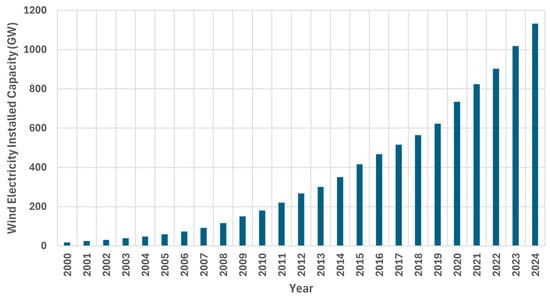
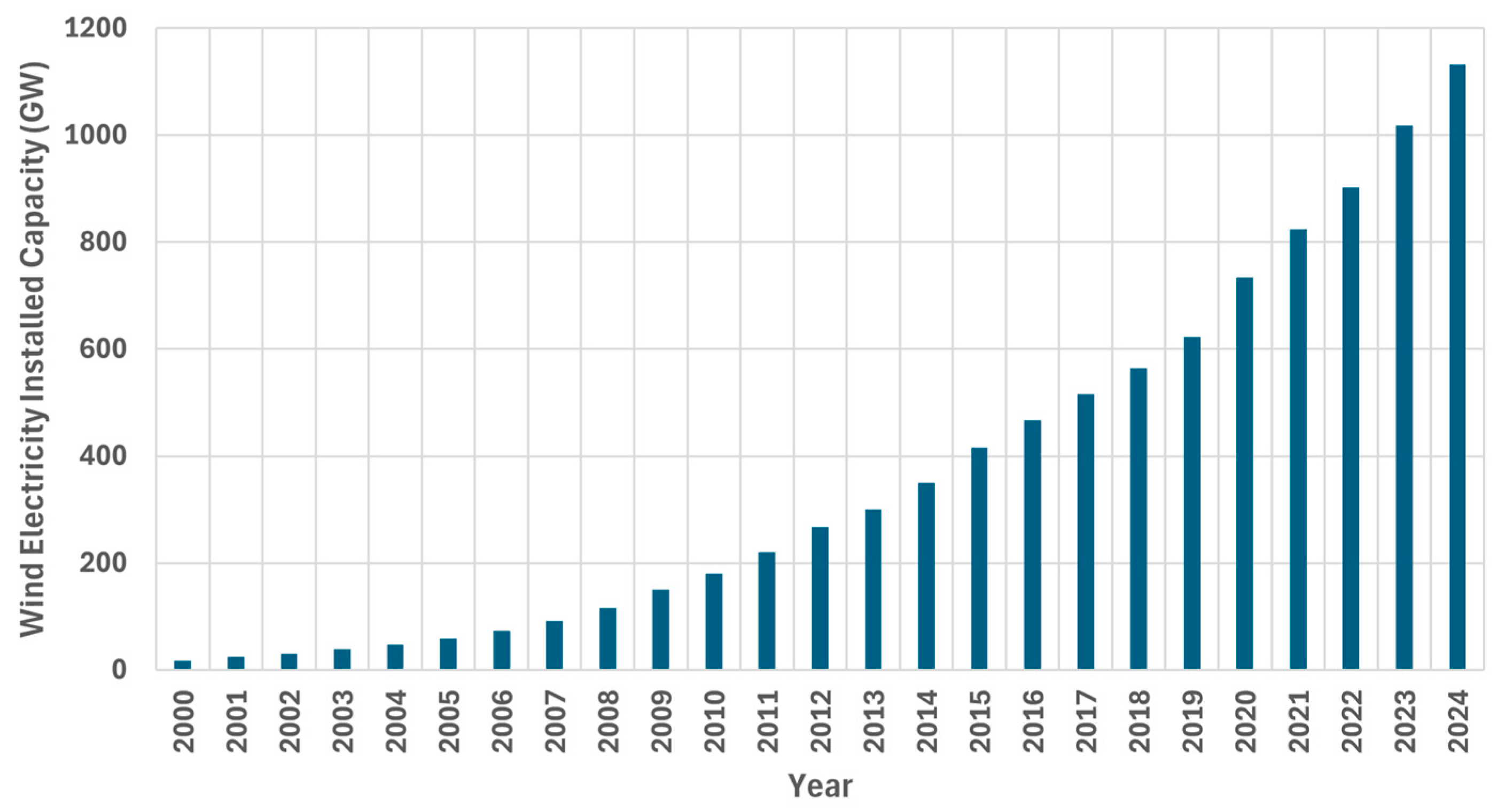
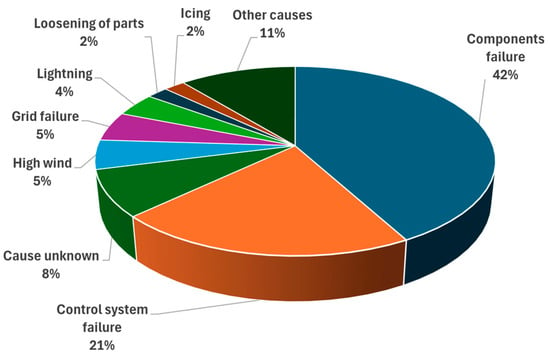
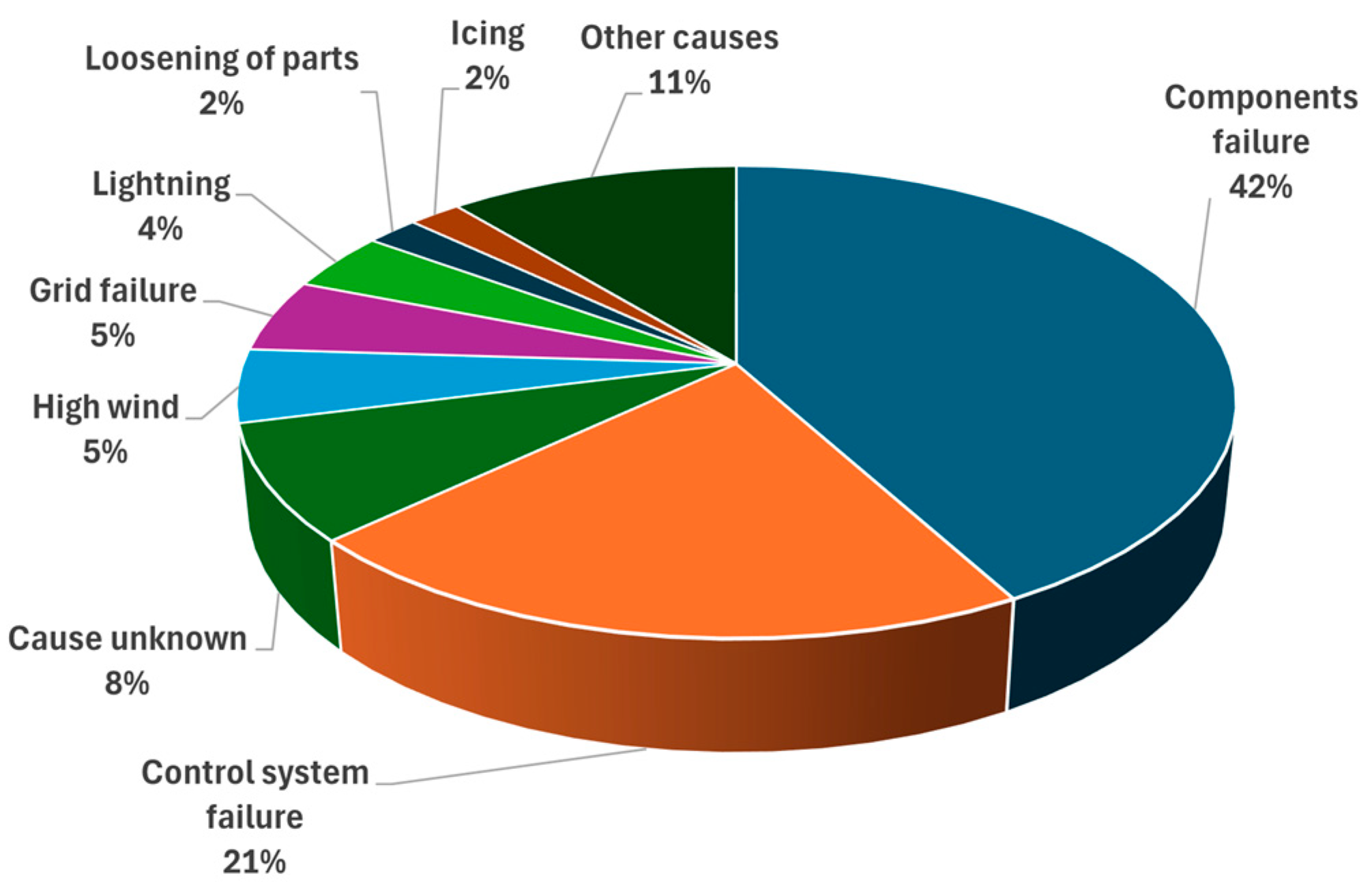
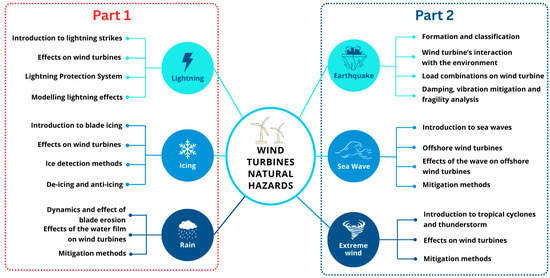
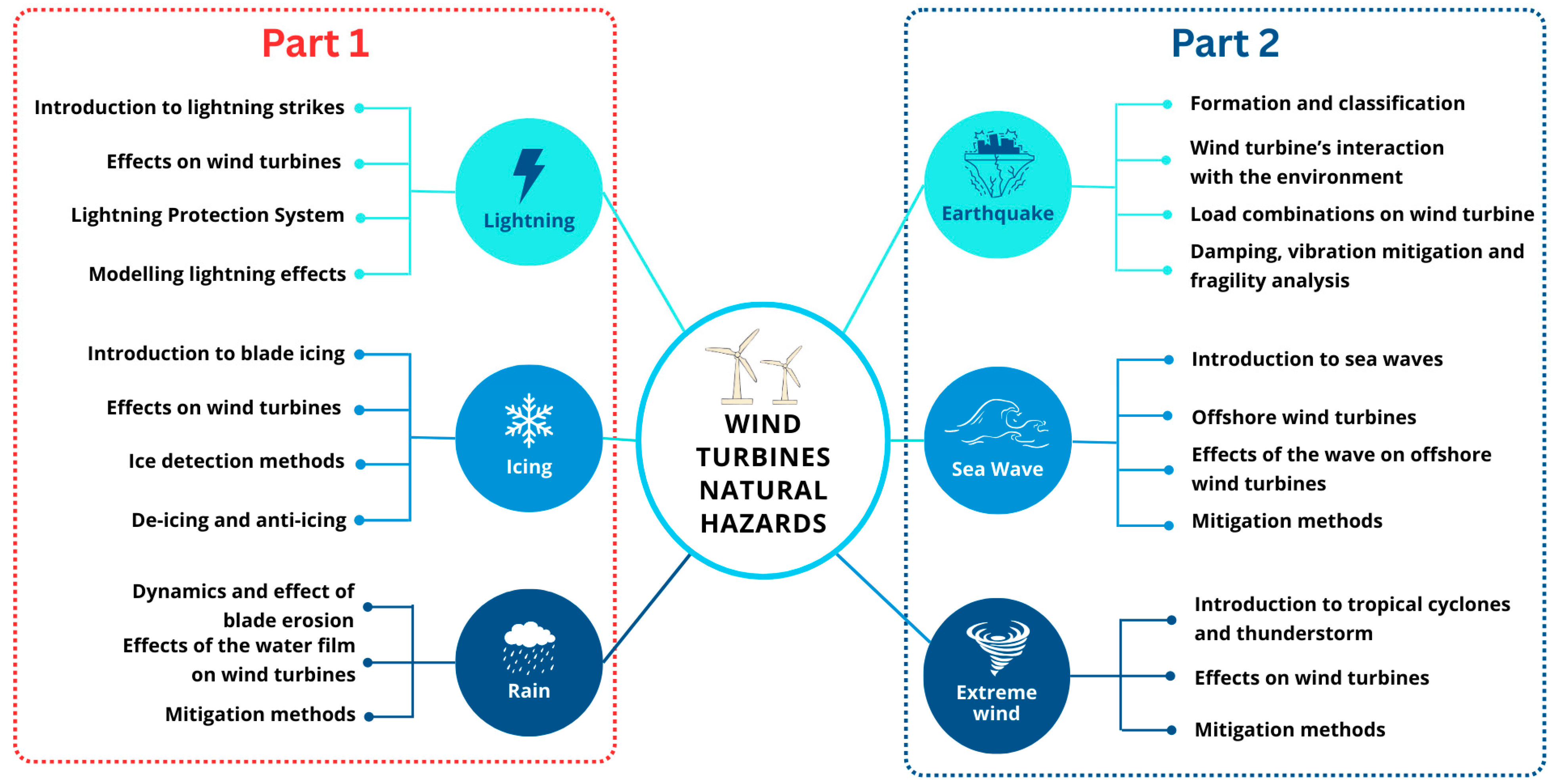
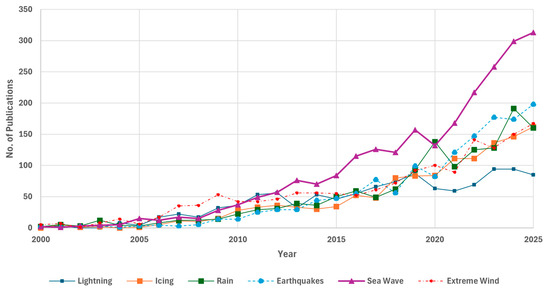
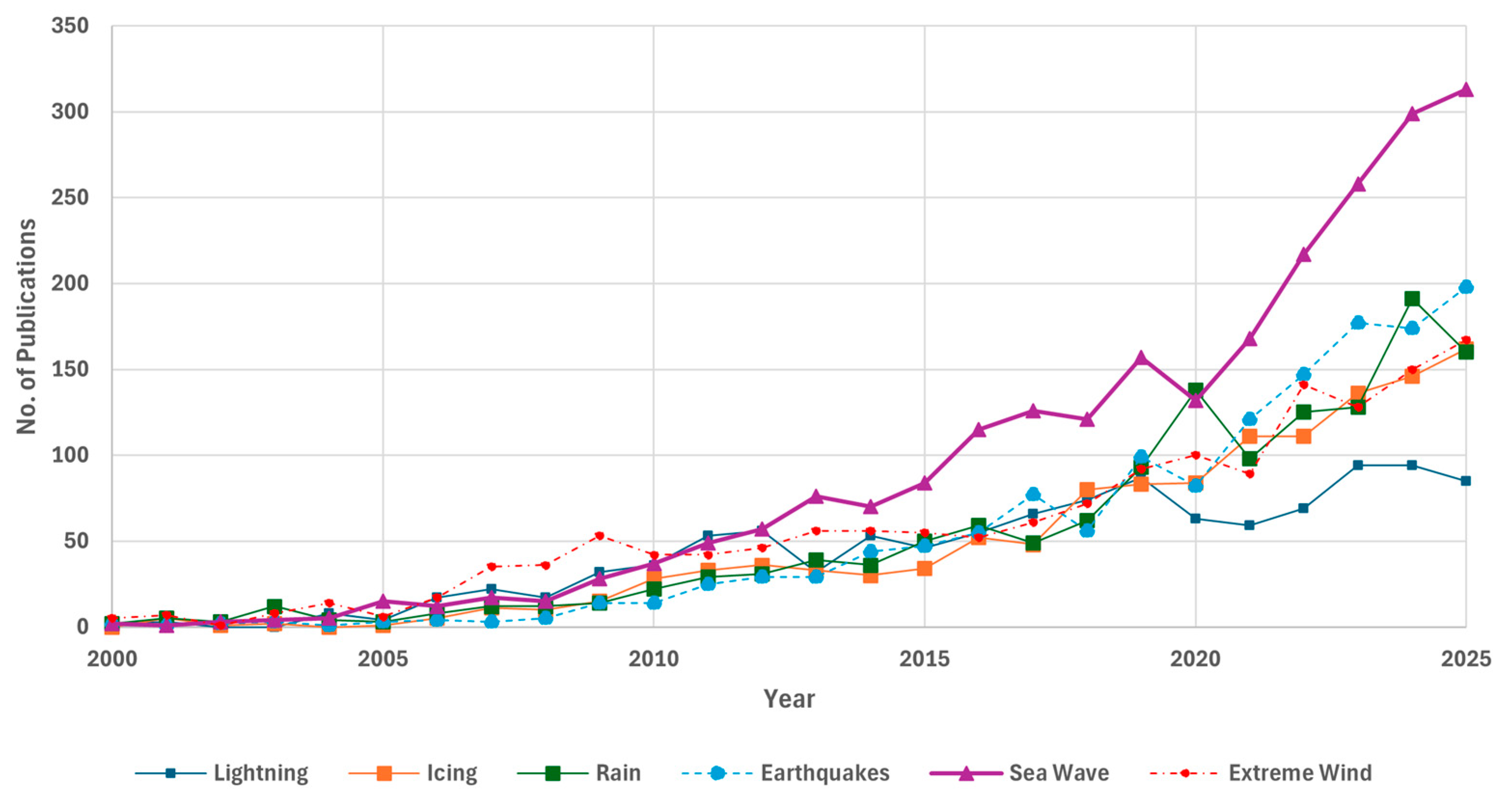
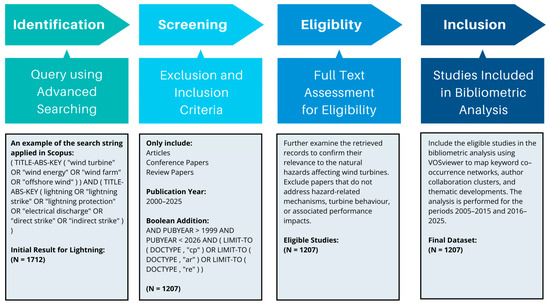
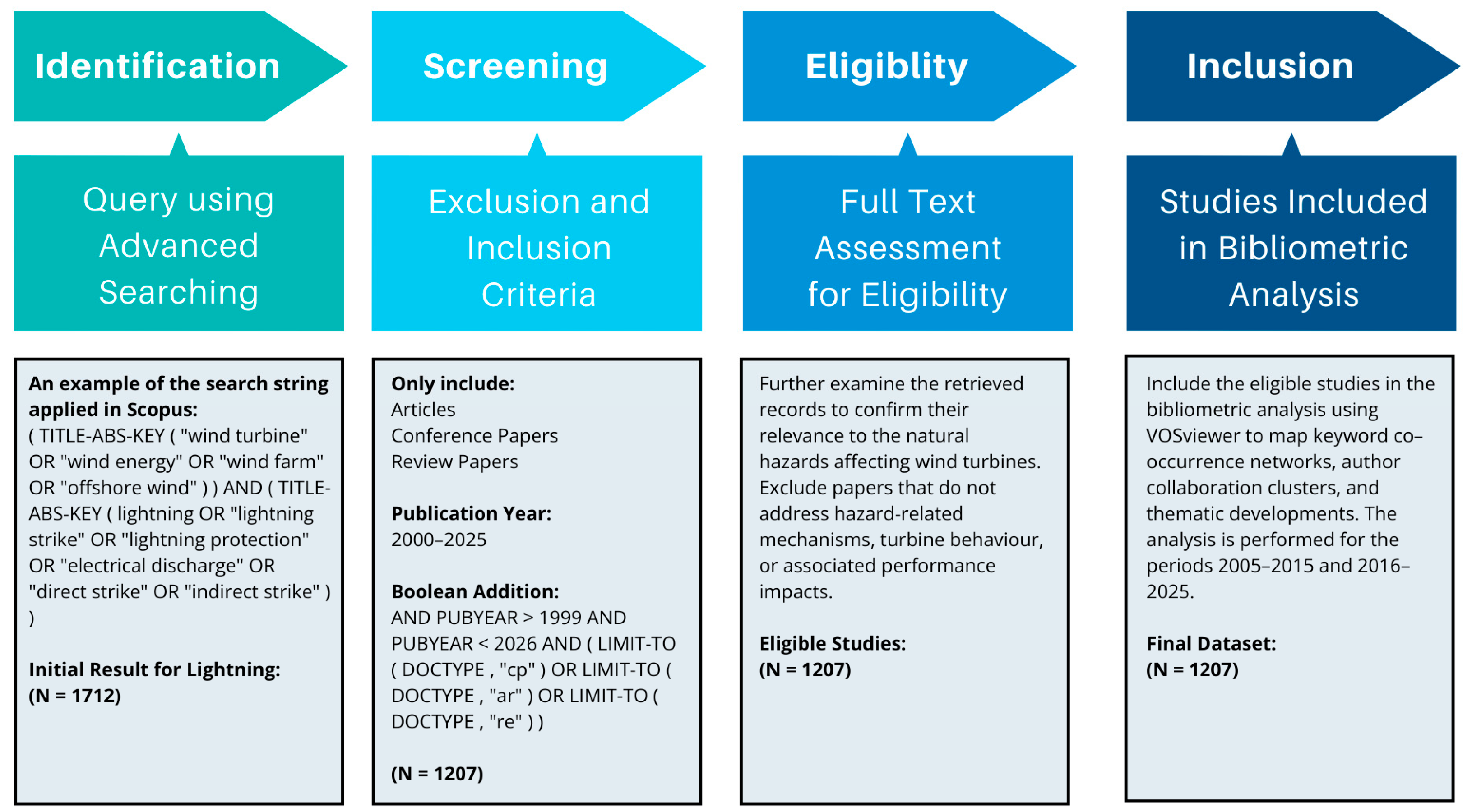
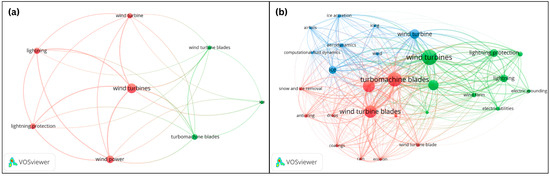
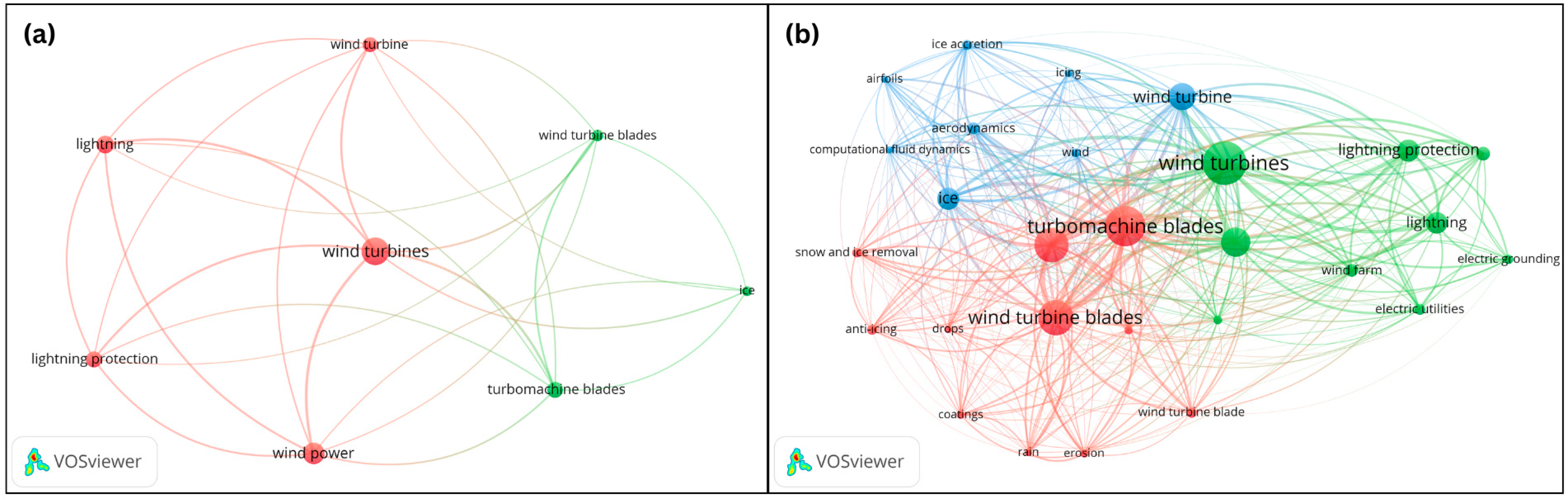
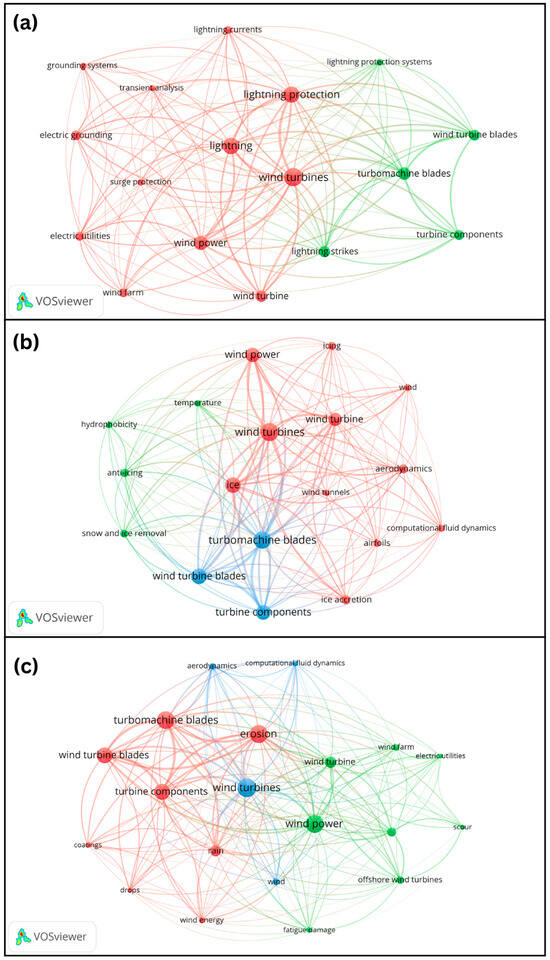
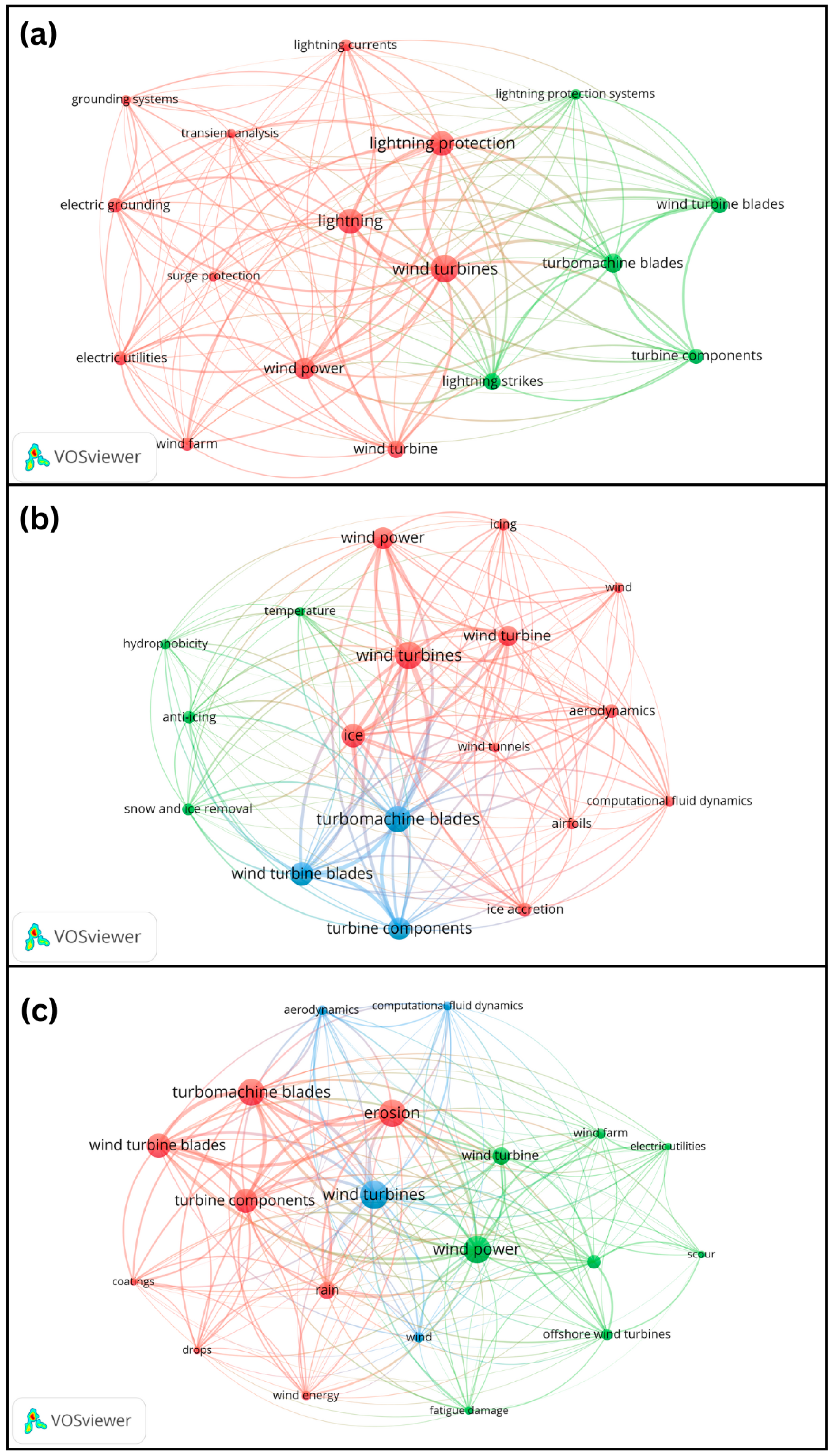
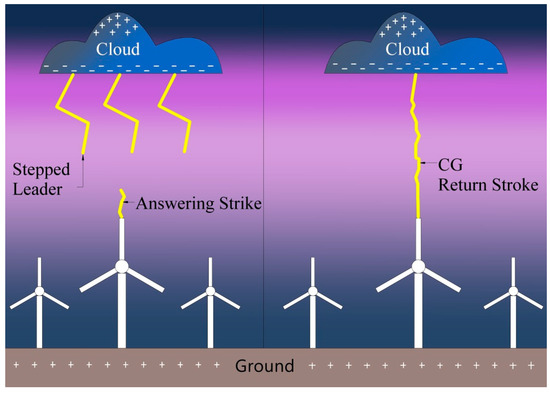
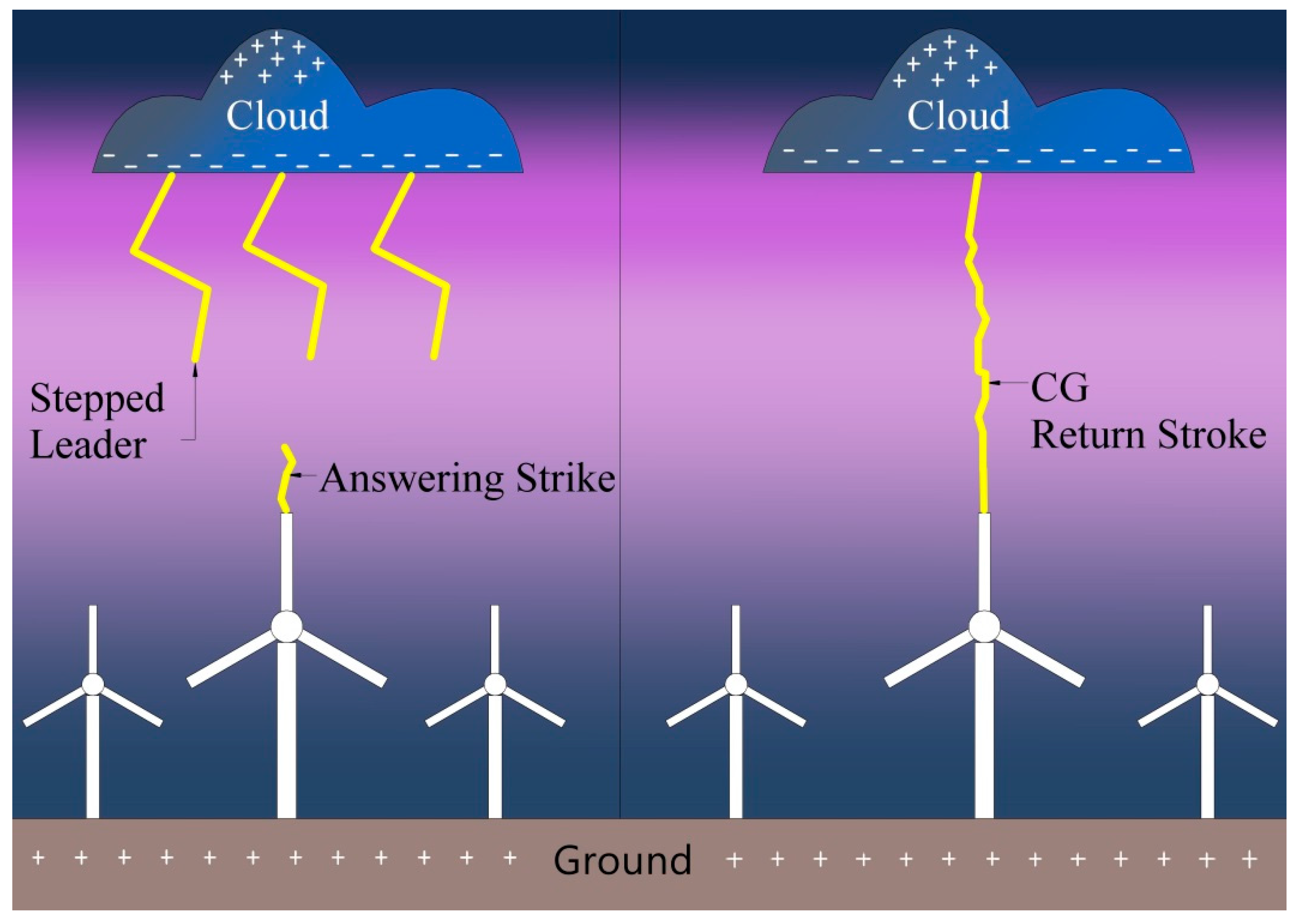
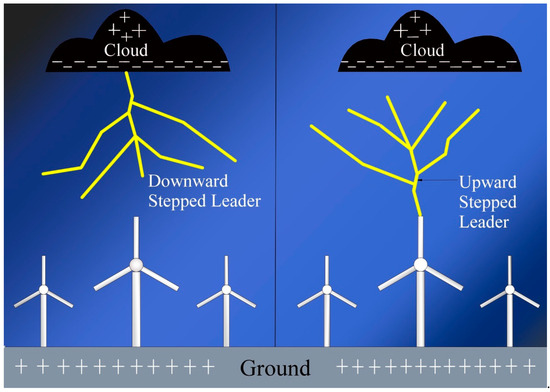
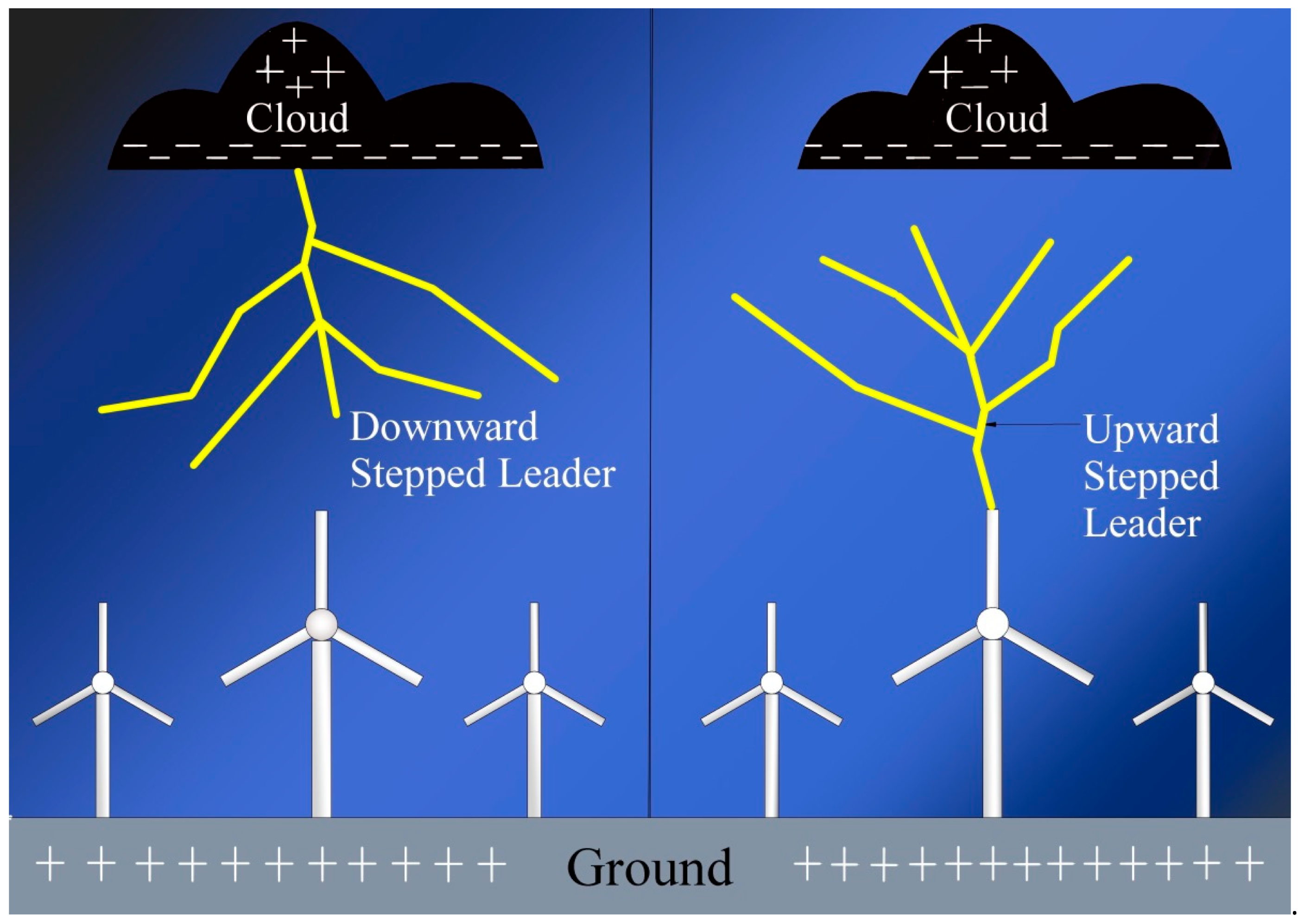
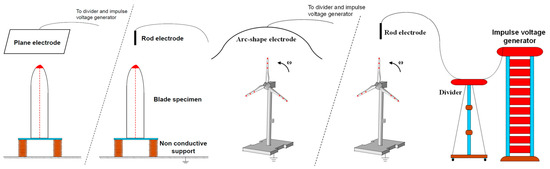
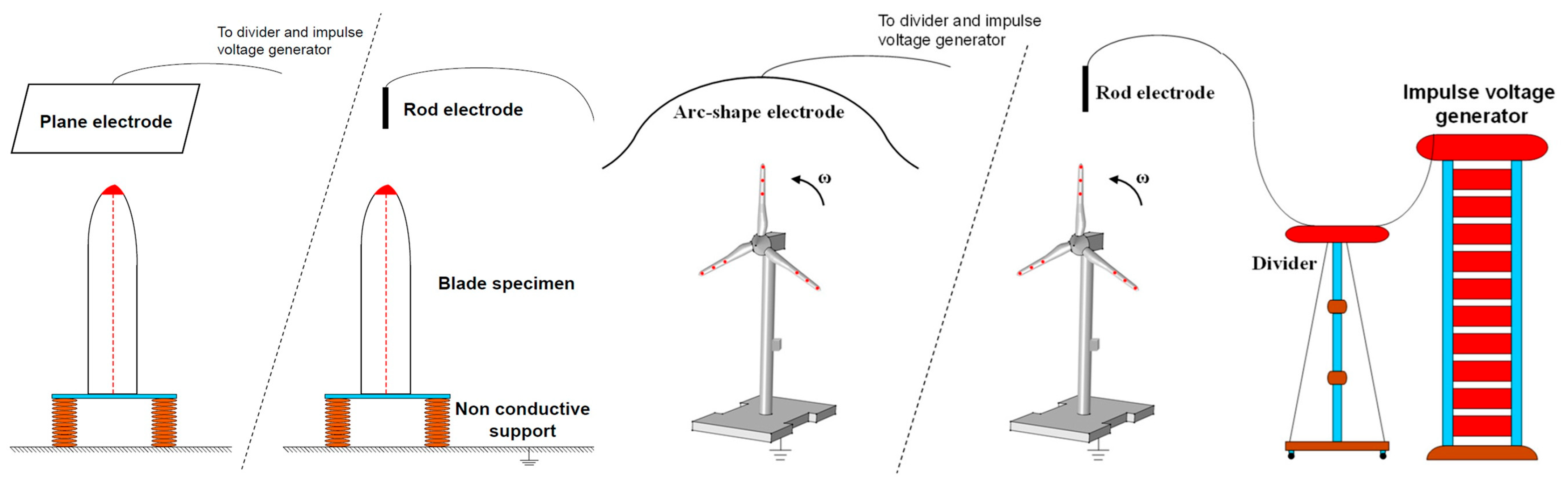
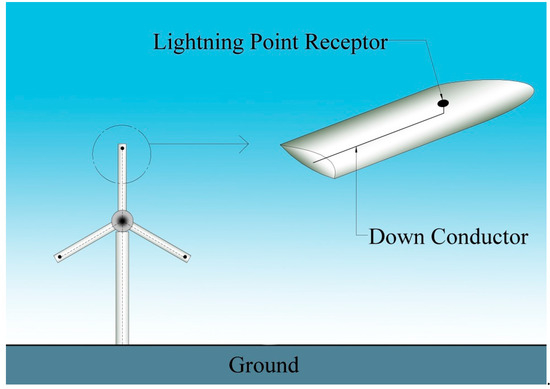
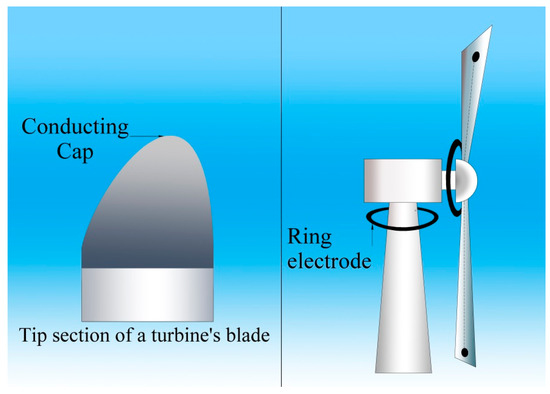
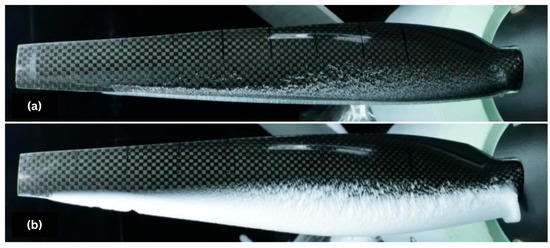
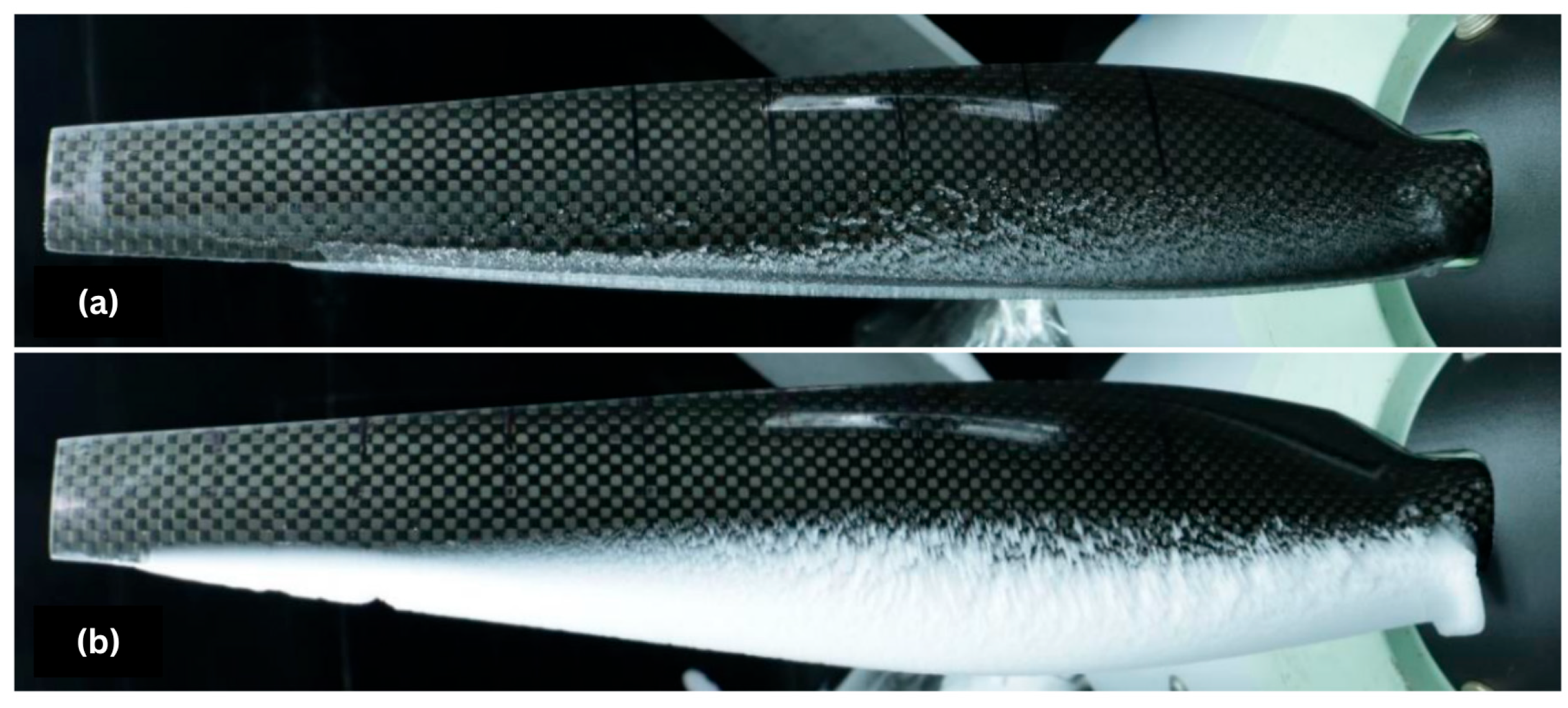
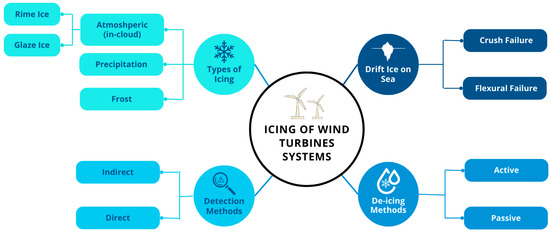
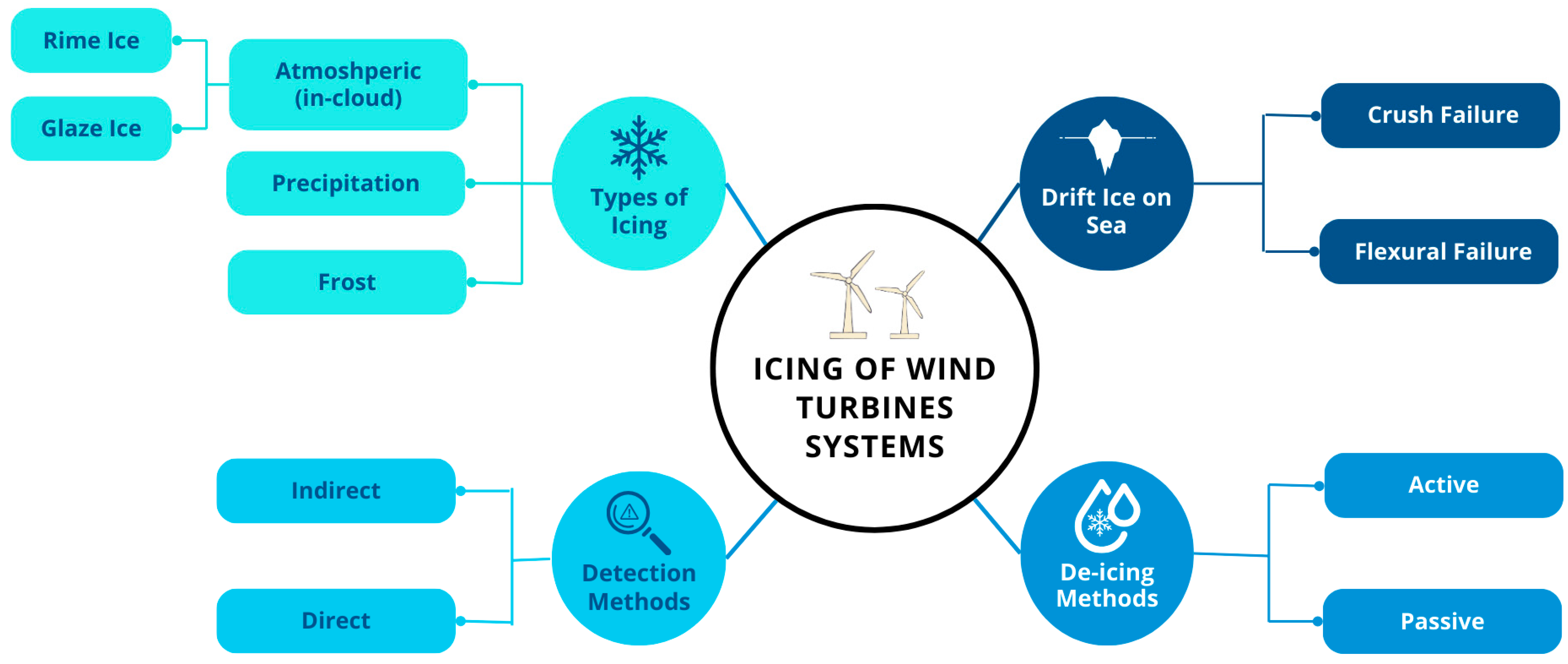
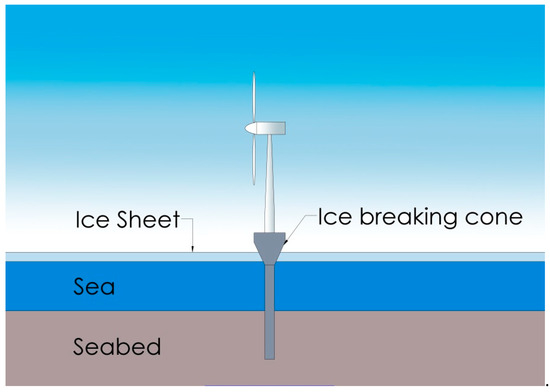
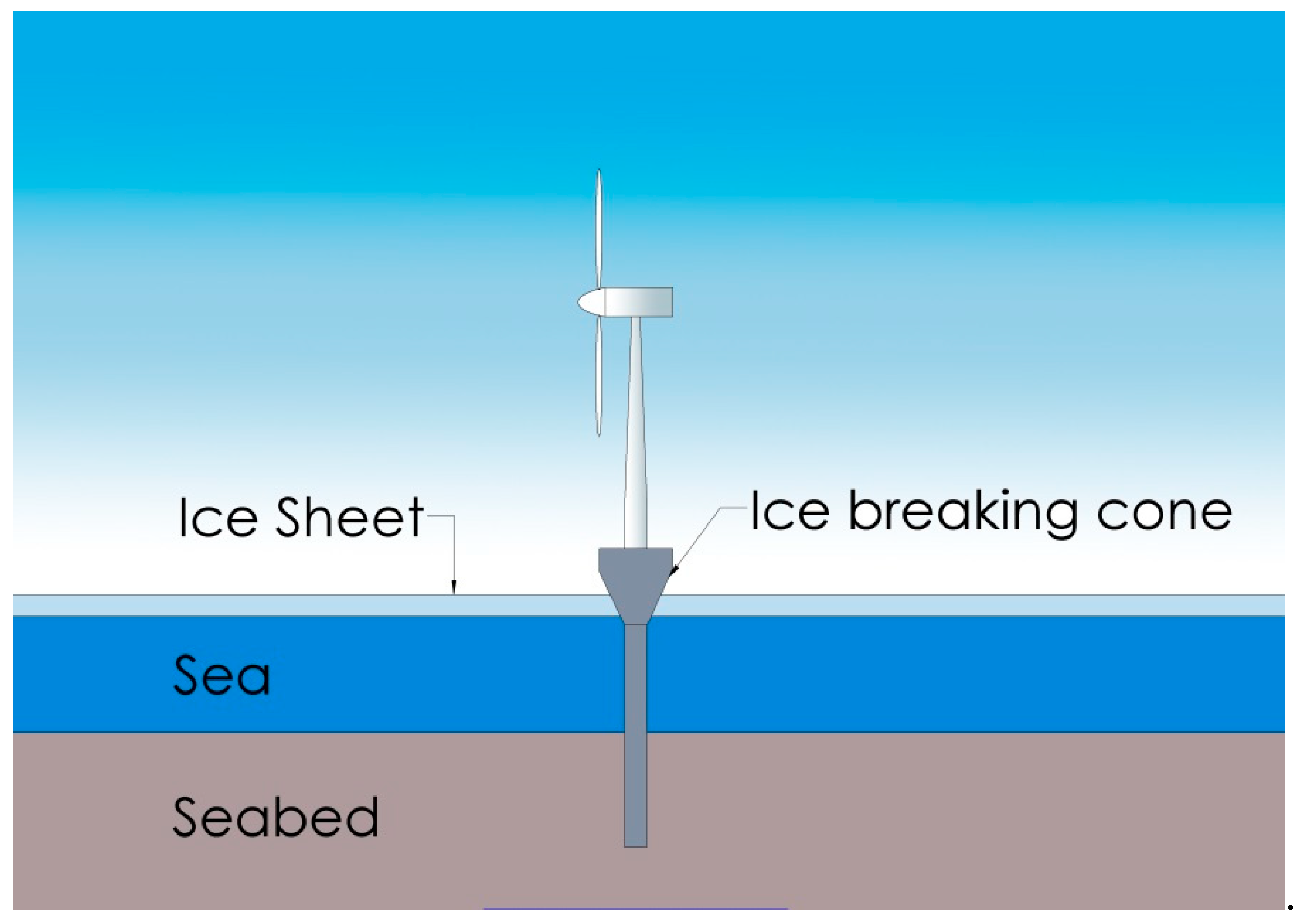
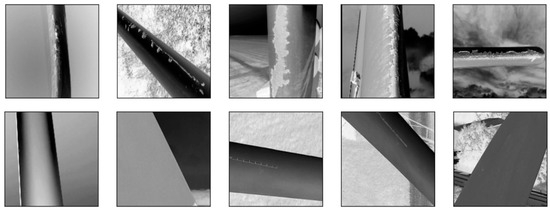
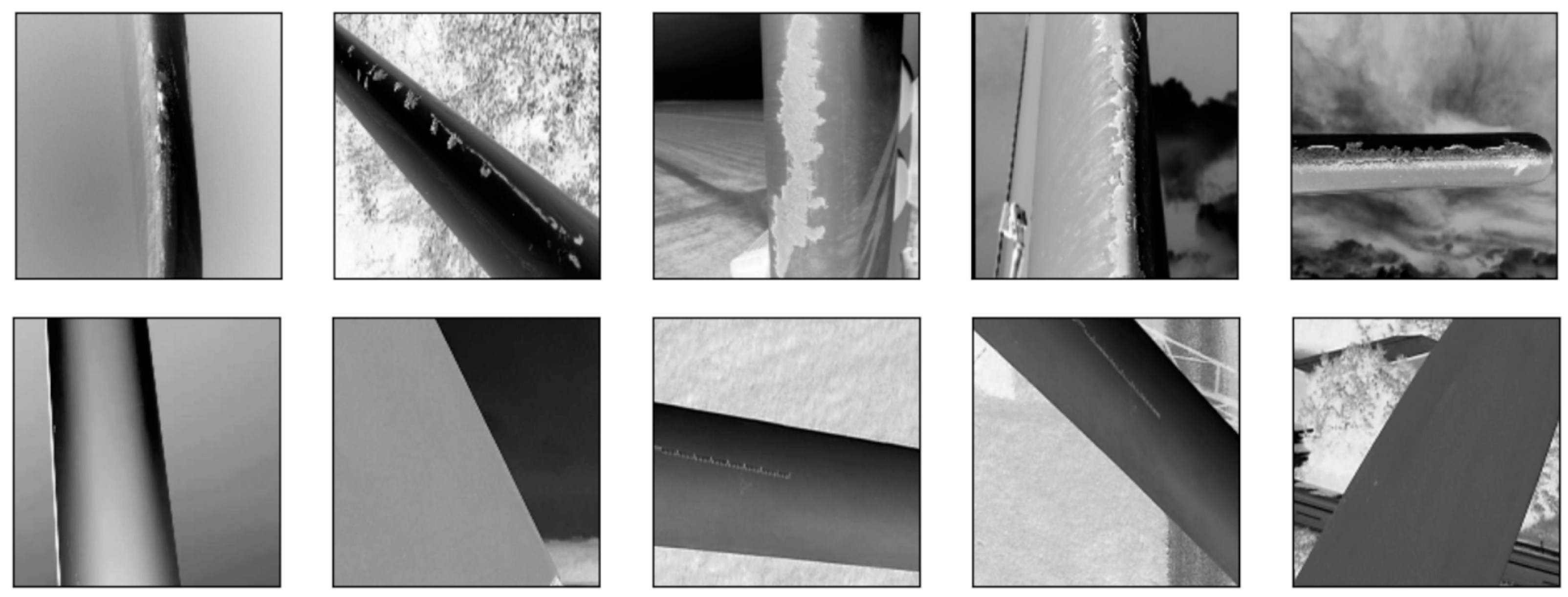
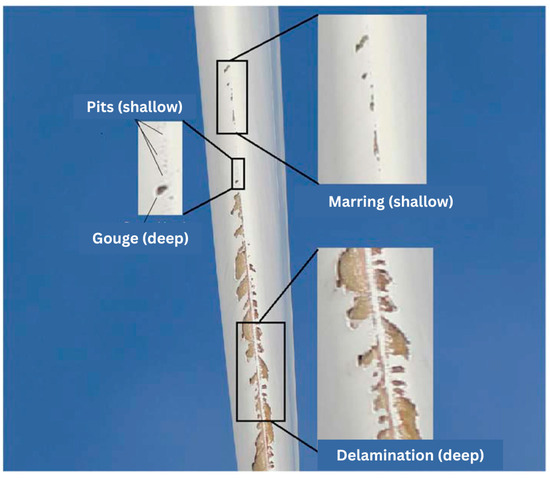
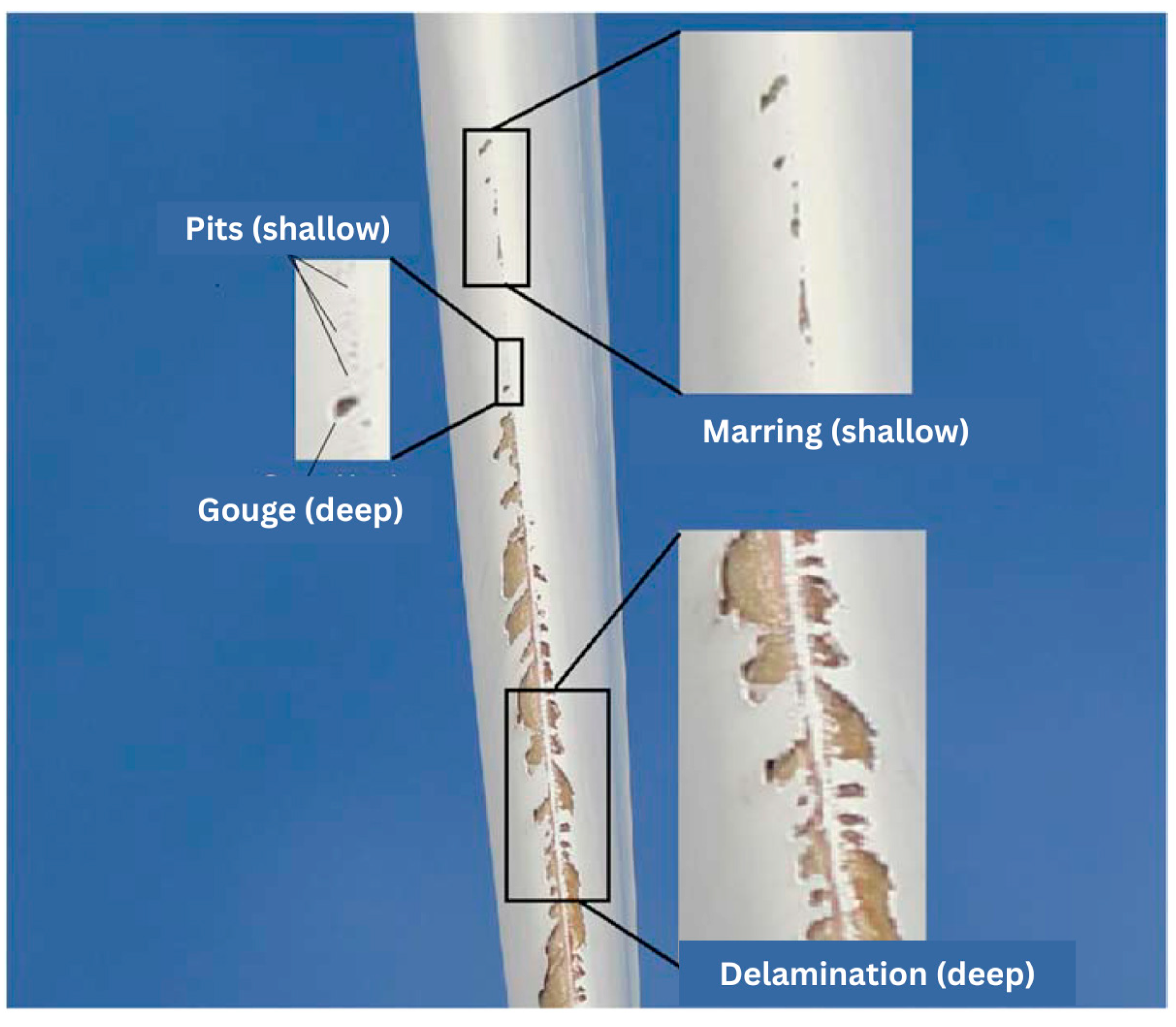
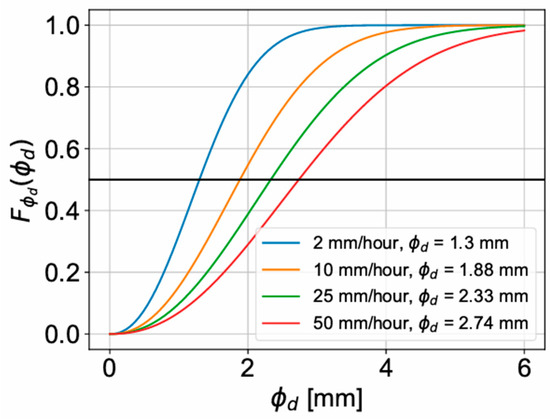
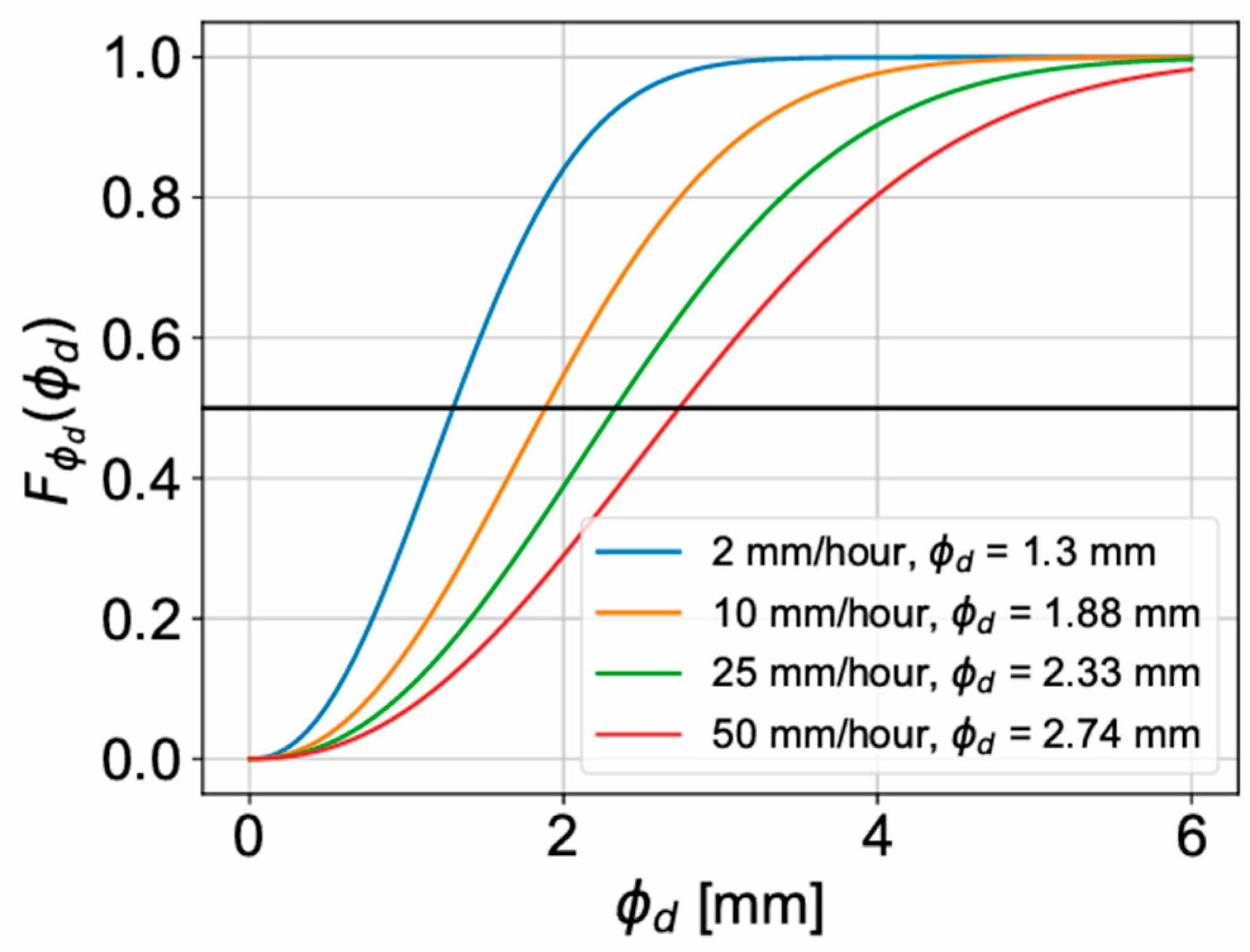
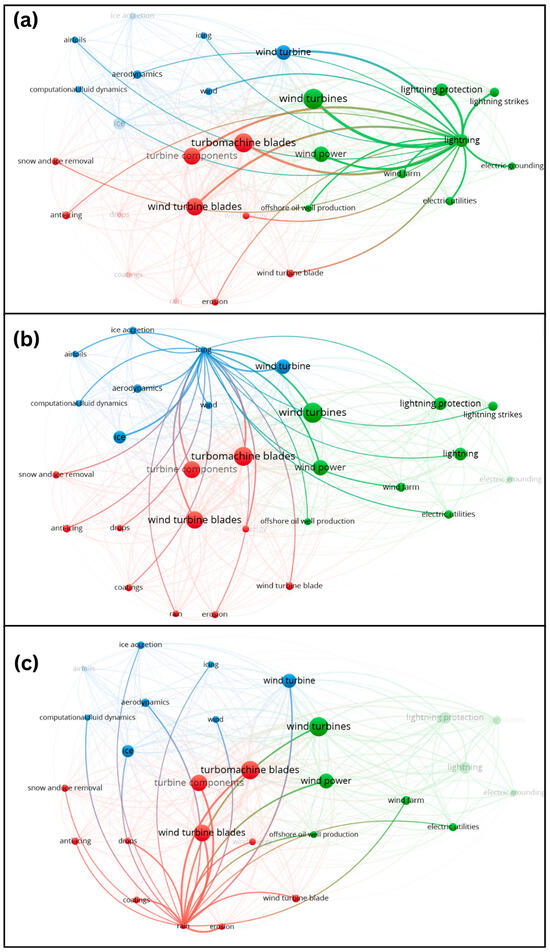
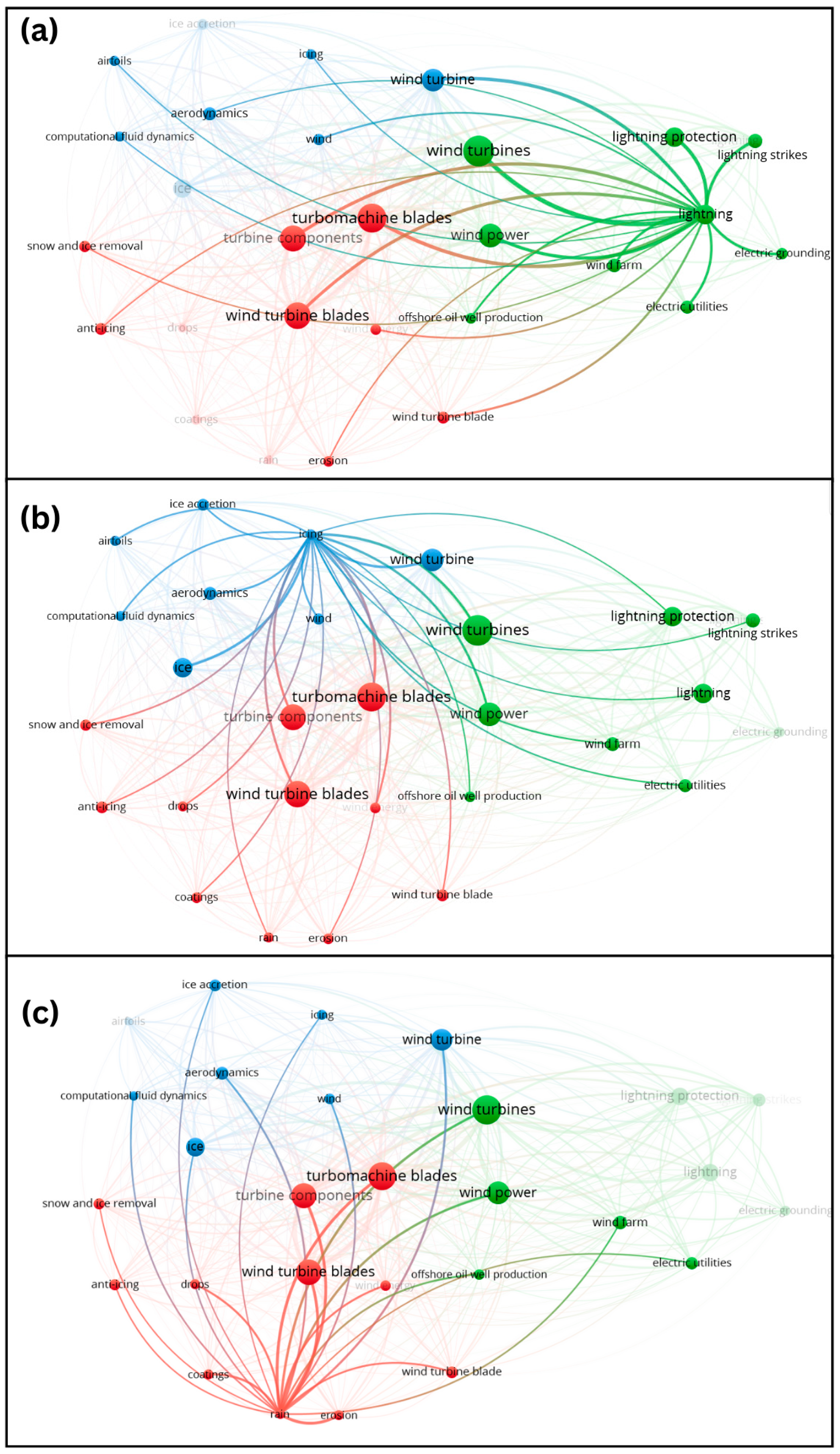
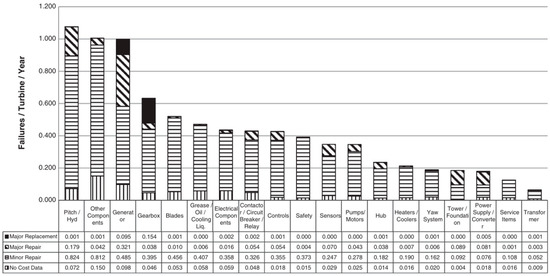
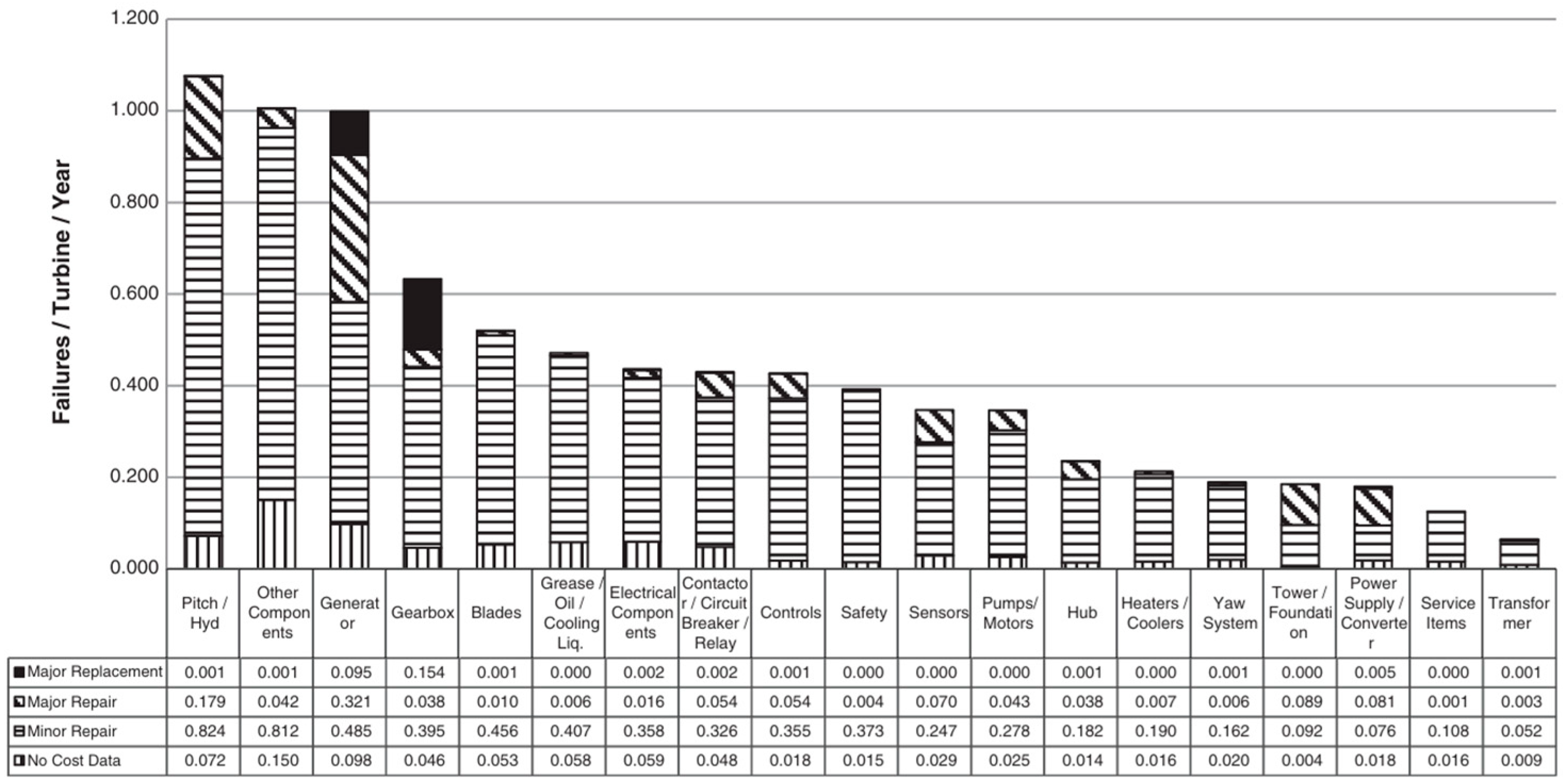
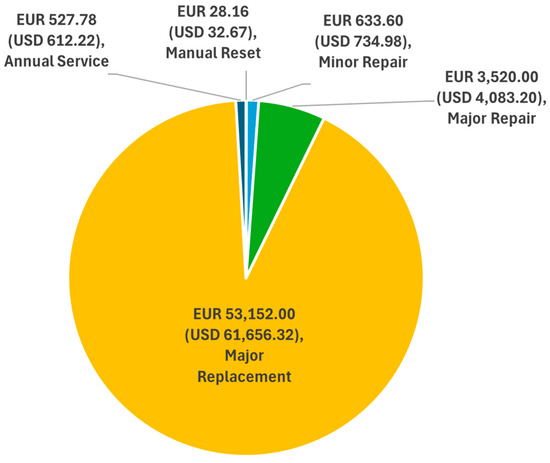
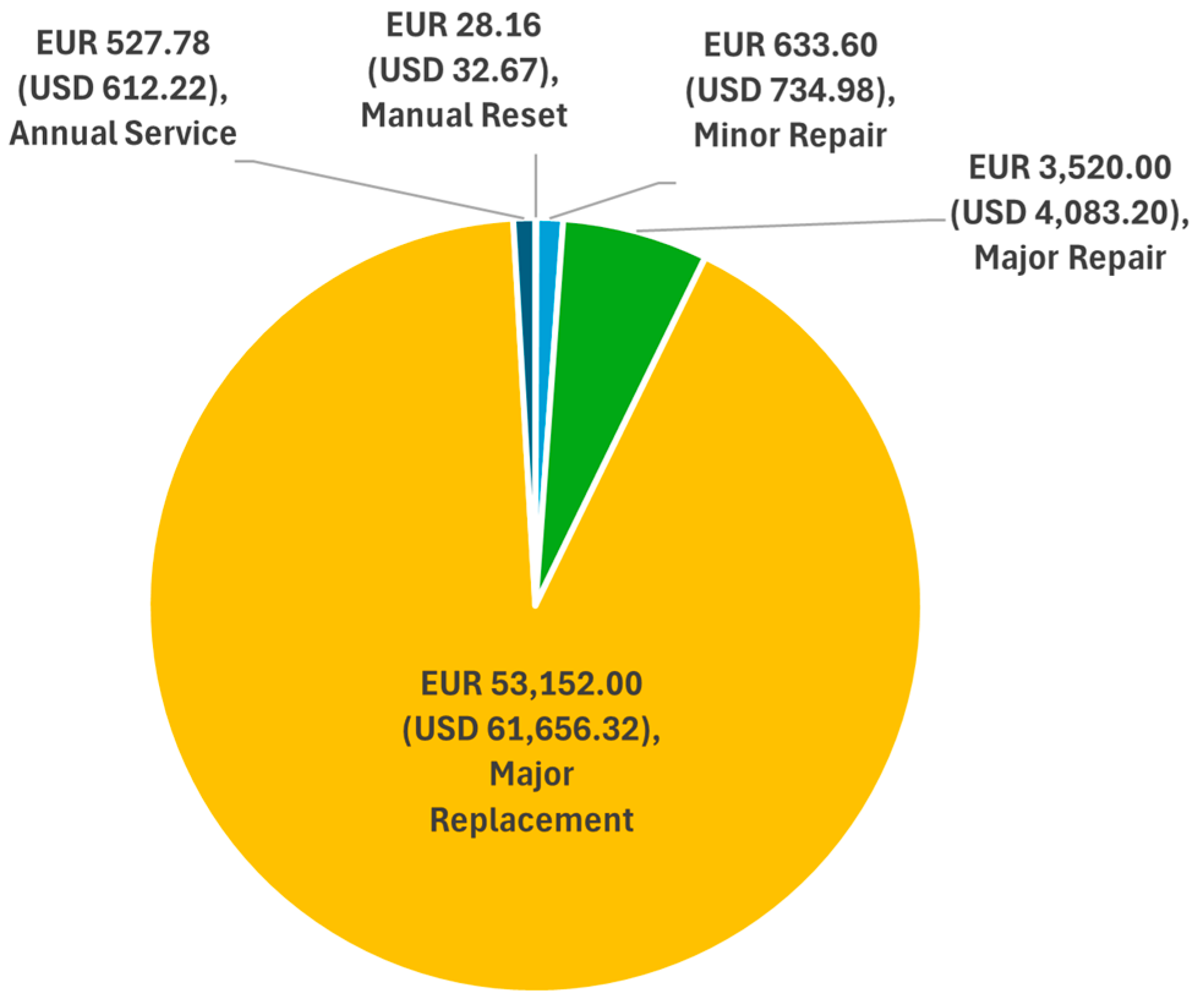

Disclaimer/Publisher’s Note: The statements, opinions and data contained in all publications are solely those of the individual author(s) and contributor(s) and not of MDPI and/or the editor(s). MDPI and/or the editor(s) disclaim responsibility for any injury to people or property resulting from any ideas, methods, instructions or products referred to in the content. |
© 2025 by the authors. Licensee MDPI, Basel, Switzerland. This article is an open access article distributed under the terms and conditions of the Creative Commons Attribution (CC BY) license (https://creativecommons.org/licenses/by/4.0/).