1. Introduction
Power boilers are key components in thermal and electrical energy production, and their reliability and durability directly impact the operational efficiency of power plants. During operation, boiler components such as superheater tubes and membrane wall components—including tubes and fins—are exposed to extreme conditions, including high temperatures and pressures, leading to complex material degradation processes such as loss of ductility, creep, fatigue, and corrosion [
1,
2,
3]. Damage to steam boiler components can occur when excessive stresses arise from these phenomena. Identifying the sources of elevated stresses poses a significant engineering challenge. It is often difficult to clearly determine whether they result from design errors, improper operation, or unexpected operating conditions [
4,
5,
6].
The failure mechanism in a double-fired steam boiler starts due to significant corrosion and uneven heat distribution in the tubes, which causes thermal oxidation [
7]. In Ref. [
8] it is shown that the high susceptibility to corrosion and the resulting failures in the low-temperature parts of the waste heat recovery boiler are directly related to the formation of hydrated ferric sulfate in these areas.
Therefore, diagnosing damage to boiler components plays a key role in maintaining their reliability [
9]. Advanced diagnostic methods enable not only the detection of existing defects but also the identification of the underlying causes of stress increases. This, in turn, facilitates design improvements and provides engineers with valuable information that can be used in future projects to avoid similar problems. Much valuable information can be obtained by examining the microstructure, phase distribution, and alloying element distribution. In Ref. [
10] high-temperature confocal laser scanning microscopy is applied to observe the grain growth and phase transformations in austenitic stainless steel. Optical microscopy, scanning electron microscopy, electron backscatter diffraction and electron probe microanalysis are used to study the morphology, content, decomposition of ferrite and microsegregation in 316H austenitic stainless steel electro-slag remelting in [
11].
The design and operation of power boilers require precise consideration of not only the forces and loads resulting from operating pressure and temperature, but also the interactions between individual structural elements. One key aspect is the analysis of the flexibility of joined components, as differences in the stiffness of individual parts can lead to local stress concentrations and, consequently, premature failure [
5,
12]. A typical example of this problem is the connection of pressure elements with supporting or shielding structures, which in practice are often treated as rigid, even though in reality they may be subject to significant relative deformations [
13]. Despite increasingly precise recommendations [
14,
15,
16] for the design and operation of pressure equipment, failures of these devices still occur. A review of the literature in this area reveals a variety of physical phenomena that may be responsible for such failures. Consequently, determining the cause of a failure solely on the basis of applicable regulations and available literature is difficult without conducting experimental and/or numerical studies dedicated to this specific case.
The subject of this article is the analysis of the cyclical failure of a gas boiler operating in a Polish manufacturing plant. To clarify the cause of this failure, comprehensive material testing is carried out, a numerical model is developed and validated against the actual operation of the boiler, and a modification of the boiler’s design is proposed. The effectiveness of this modification is confirmed after an extended period of failure-free operation.
2. Description of Facility
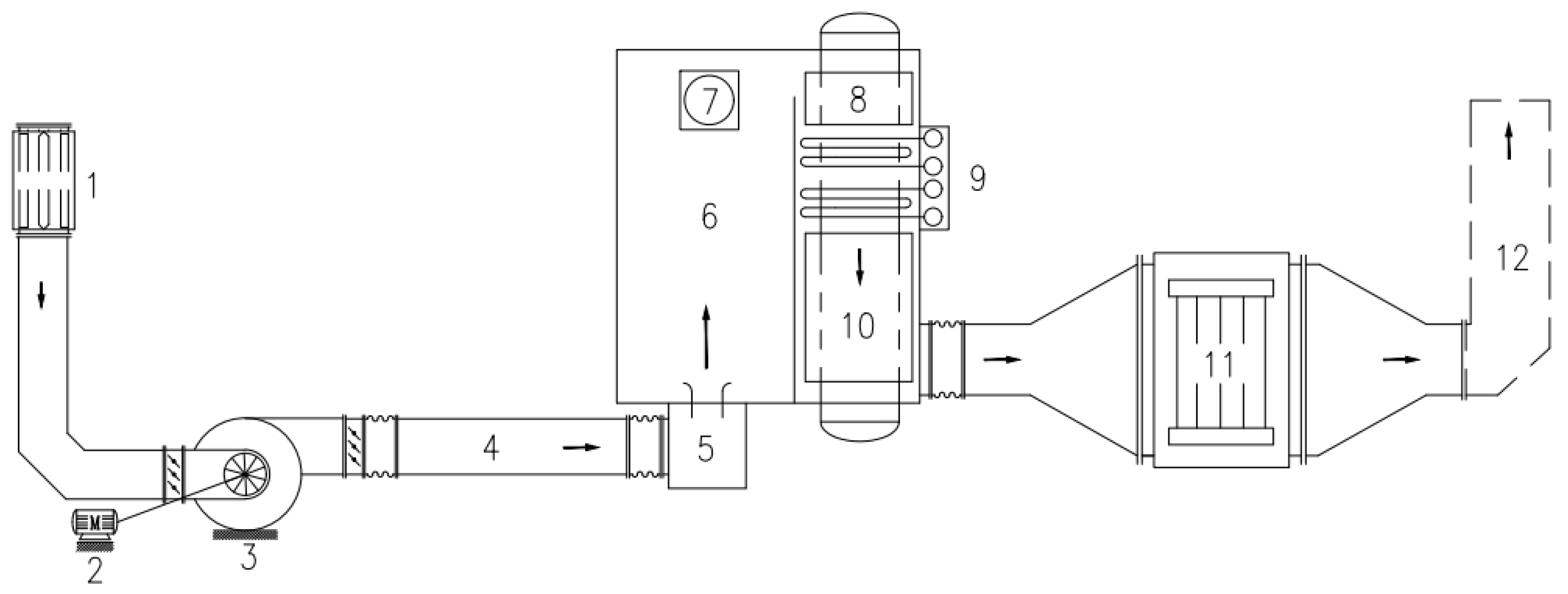
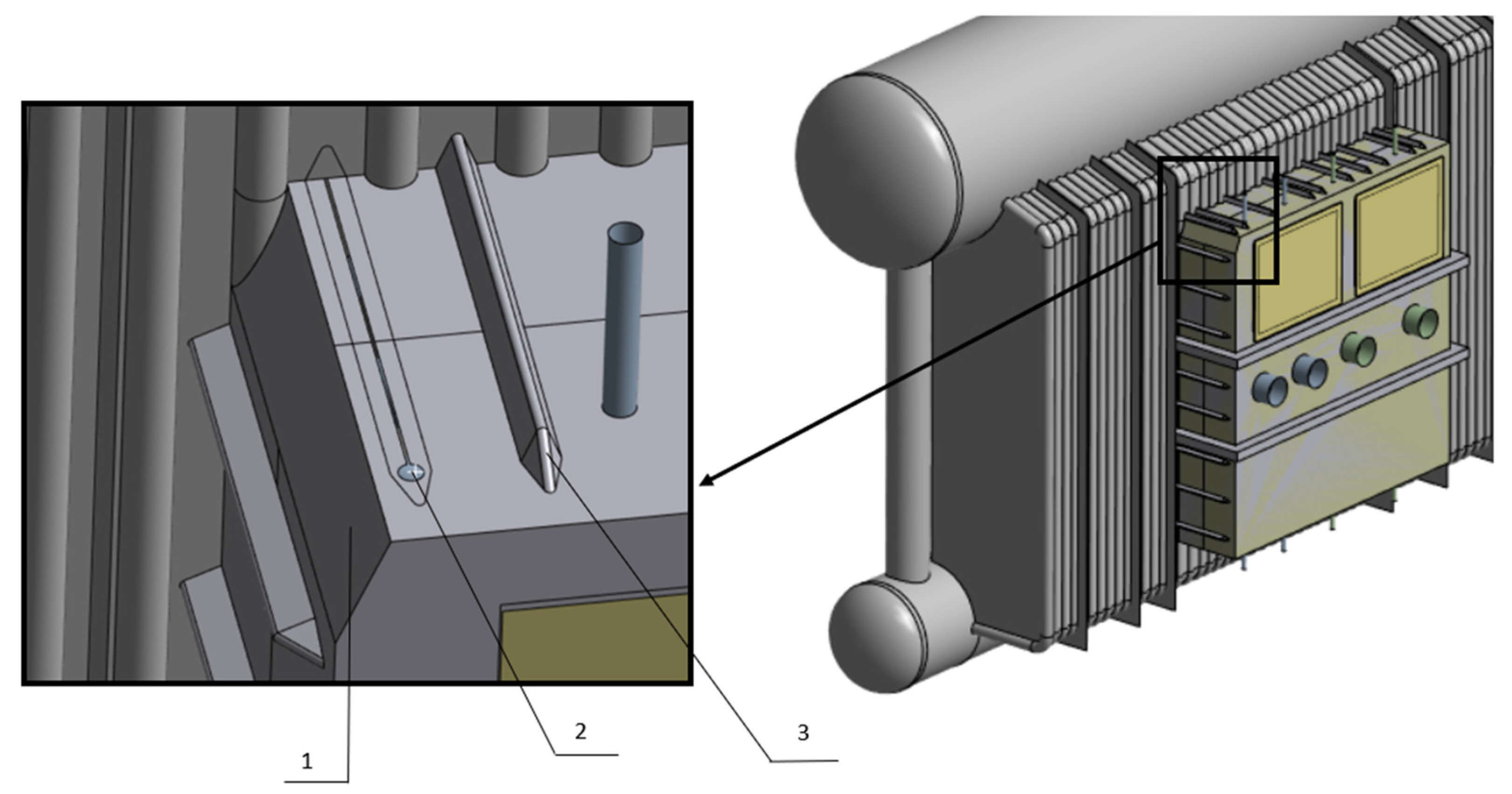
A diagram of the boiler system highlighting the components under analysis is shown in
Figure 1. The unit produces steam at a rate of 65,000 kg/h, a pressure of 5 MPa, and a temperature of 454 °C. The generated steam is essential both for production processes and for meeting the plant’s energy demand.
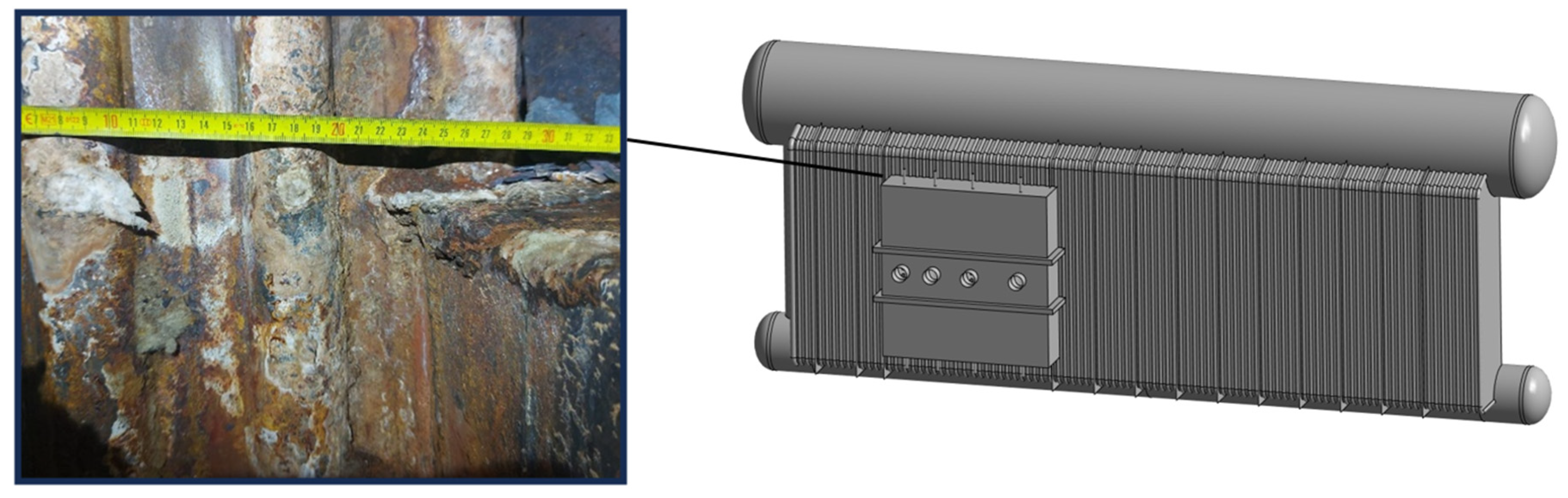
The cause of the boiler’s periodic failures is a damaged tube located at the corner where the box connects to the membrane wall of the combustion chamber, as shown in
Figure 2. These tubes operate under a medium pressure of 5 MPa and a temperature of 371 °C. The damage manifests as water leakage at the rupture point, which, due to prolonged seepage, also leads to external corrosion of the pipes and the accumulation of deposits on their surface, as illustrated in
Figure 2. Leaks occur on a monthly basis, and repairs by welding the damaged areas do not deliver the expected results in the long-term operation of the boiler.
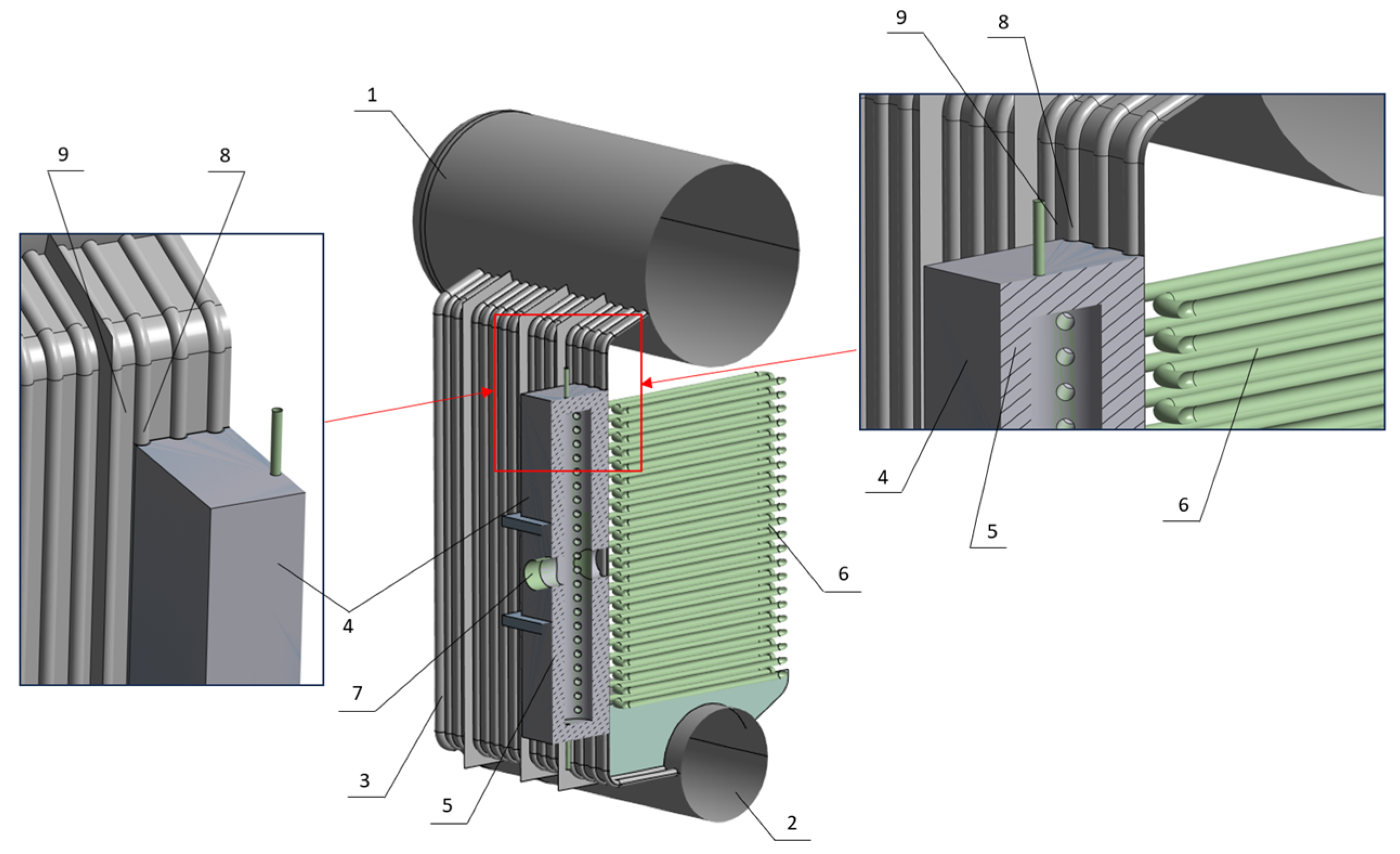
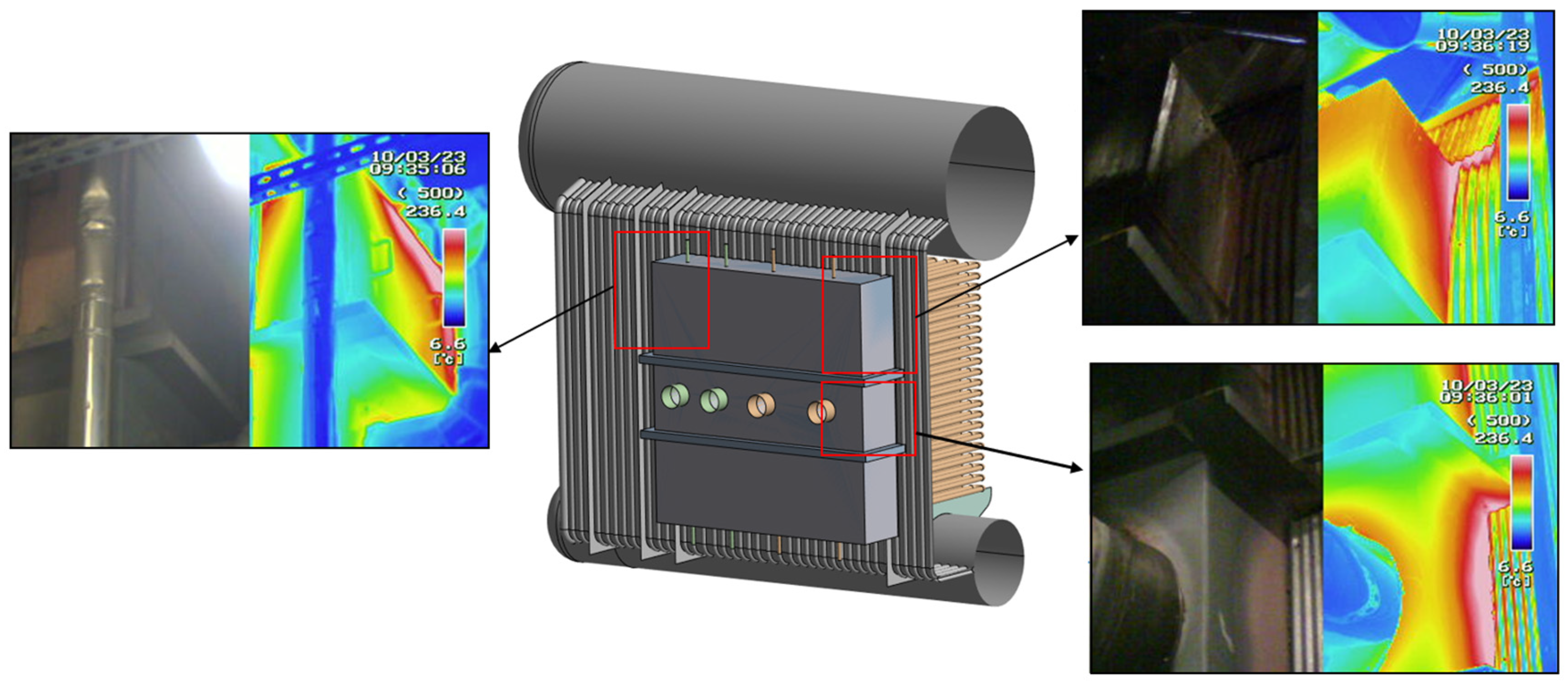
Figure 3 shows a section of the boiler where the failure occurred. The box marked 4 is welded to the wall of the combustion chamber number 3. This box is designed to accommodate the installation of superheater coil number 6, along with chambers and connectors number 7 in the boiler. Thermal insulation is installed on the outside of the drums marked 1 and 2 and the walls marked 3. The box itself is not insulated from the outside. The box is made of heat-resistant or carbon steel; therefore, considering the direct impact of flue gases on the box, it must be protected from overheating from the inside so that its temperature remains comparable to that of the wall to which it is attached. For this purpose, wool marked 5 is used in the box, which should be tightly packed. Unfortunately, this wool often degrades over time and does not provide sufficient insulation against flue gases, frequently leading to localized overheating, as shown in
Figure 4.
Thermal images show localized temperature concentrations caused by a lack of wool filling in the box. This observation is confirmed by the boiler operator, but due to the nature of the boiler’s operation and the lack of access for continuous wool replenishment, overheating problems occur regularly. Due to the continuous operation of the boiler, it is impossible to remove the external insulation from the boiler walls while taking thermal images. For this reason, the images do not include membrane wall temperatures. The highest temperature recorded in the box ranges from 200 °C to 300 °C in its upper parts, especially in the corners, while the temperatures in the remaining parts of the box range from 70 °C to 80 °C.
To answer the question of whether the observed overheating leads to material damage beyond the immediate cracking sites, material tests are presented.
In order to clarify whether the observed overheating leads to the formation of cracks, numerical models of the boiler operation are also presented.
3. Material Examination
Effective damage analysis in power boilers requires the use of advanced diagnostic methods. First, a control analysis of the chemical composition of combustion chamber front wall tubes made of SA178A steel is performed after operation at an operating temperature of 371 °C. The spark optical emission spectrometry (Spark OES) with a Bruker Magellan Q8 (Billerica, MA, USA) optical emission spectrometer in accordance with ISO 14284 standards is applied [
17]. The results are summarized in
Table 1.
Comparing the chemical composition of the steel shown in the table with publicly available specifications for SA178A, it can be concluded that this steel meets the boiler tube standard specification [
18] and its chemical composition is well-defined for this application. Typical carbon contents for SA178A range from 0.06–0.18%, and those for manganese from 0.27 to 0.63%, and phosphorus and sulfur do not exceed 0.035%.
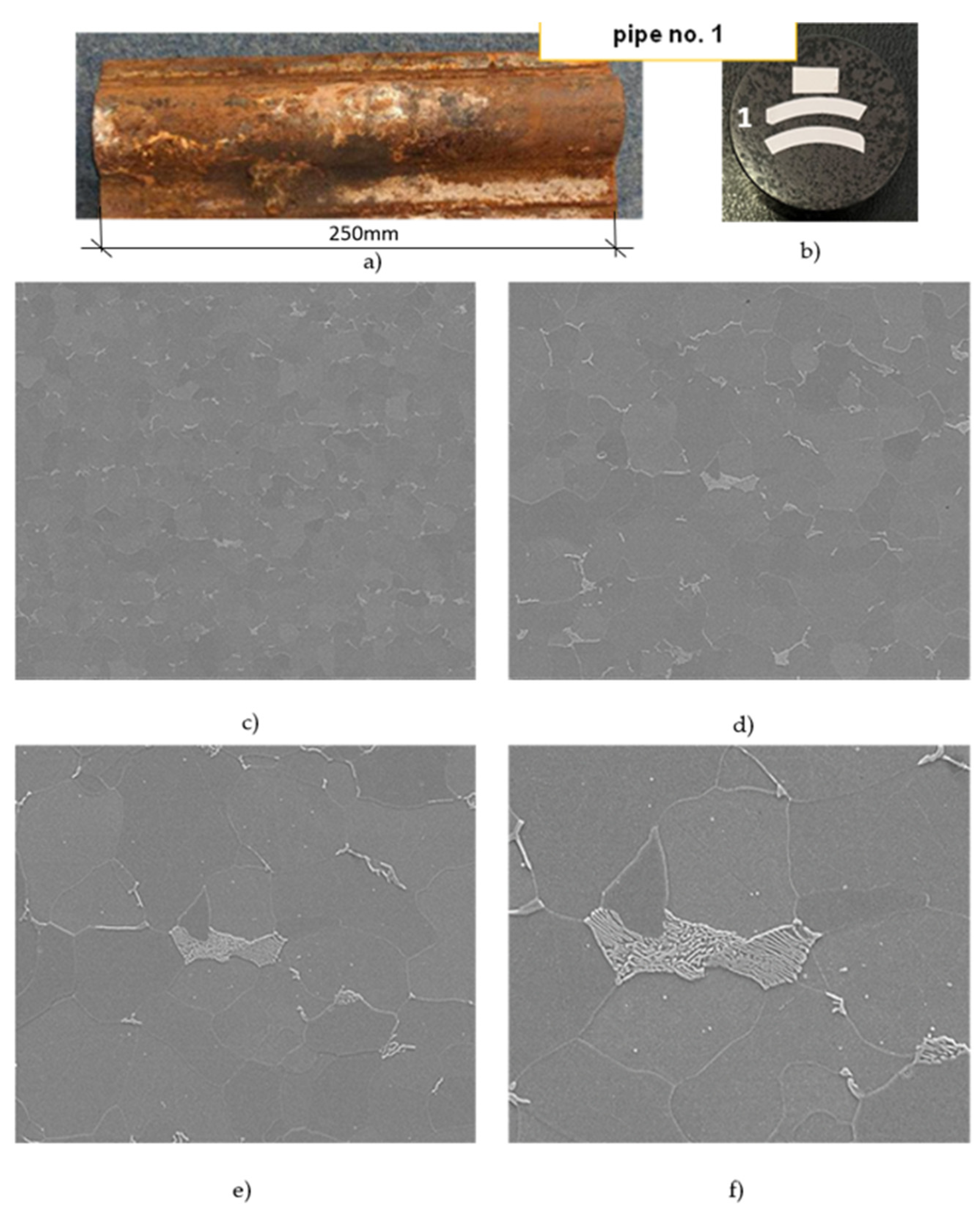
Microstructural studies are performed using a scanning electron microscope on etched transverse metallographic sections from a section of the combustion chamber front wall tube.
Figure 5 shows the results for a representative sample from the tube marked as number 1. The material for the study is cut from the membrane wall of the furnace chamber in the region of the observed leakage, with the extracted tube section having a length of approximately 250 mm. (
Figure 5a). Microstructural observations of the material are carried out on metallographic specimens (
Figure 5b). The specimens are prepared on transverse and longitudinal sections of the tube segments by grinding with abrasive papers and mechanical polishing using diamond pastes. Chemical etching is performed in a 4% alcoholic solution of nitric acid.
A ferritic-pearlitic structure is identified. The pearlitic areas are clearly defined and characterized by a well-preserved cementite morphology in the form of typical lamellae, which may indicate relatively stable thermal conditions during operation [
19,
20]. The ferritic areas (visible as smooth grains without lamellae) between pearlite colonies contain fine precipitates visible both at the grain boundaries and within the grains. In particular, numerous secondary precipitates are observed at the ferritic grain boundaries, which may indicate diffusion phenomena occurring during long-term exposure to high temperatures. These precipitates are likely carbides (e.g., Fe
3C) or possibly manganese sulfides (MnS), which tend to segregate along the grain boundaries. Their size and quantity are not large and therefore do not significantly affect the steel’s properties.
Individual, very fine, randomly distributed precipitates are observed within the ferrite grains. Their presence may indicate the initial stage of microstructural changes resulting from creep or long-term exposure to operational stresses, which is a normal phenomenon in boilers operating at high temperatures and does not significantly reduce the material’s mechanical properties. Importantly, no microcracks, voids, or other structural discontinuities are observed, suggesting that the material—despite the presence of precipitates—retains its structural integrity and does not exhibit mechanical degradation. This indicates that the pipe is in satisfactory technical condition at the time of testing.
Strength properties are also tested at room temperature, in particular: tensile strength Rm, yield strength Rp0.2, elongation A5 and yield strength Ret at 430 °C. All tested properties meet the standard requirements: Rm = 364 MPa > 325 MPa; Rp0.2 = 278 MPa > 179 MPa; A5 = 37.8% > 35%; Ret = 155 MPa > 120 MPa.
4. Failure Modeling
Material testing reveals no material degradation away from the cracks through which the water leaks. Due to the lack of accessible parts of the boiler where cracks occur, numerical simulation of the operation of these elements is performed using the Finite Element Method (FEM) [
21] with Ansys Workbench software version 19. The numerical analysis of the damaged boiler section, as shown in
Figure 2, includes the entire membrane wall, along with the upper and lower drums, as depicted in
Figure 3.
For an isotropic solid body, the energy balance equation reduces to the transient heat conduction equation
where
q is the heat flux vector, which is described by Fourier’s law
The variables in the above equations are:
c—specific heat [J/kg·K],
r—density [kg/m
3],
T—temperature [°C],
t—time [s],
qV—volumetric heat generation [W/m
3],
k—thermal conductivity coefficient [W/m·K]. For larger temperature changes, the effect of temperature on properties should be taken into account by providing functional or tabular relationships. To determine the unsteady temperature distribution the following initial and boundary conditions are used:
where
n—unit outward normal vector to the boundary
S,
qs—heat flux set on the body boundary
Sq,
h—heat transfer coefficient set on the body boundary
Sh,
Tm—temperature of a medium. The above system of equations is solved by FEM.
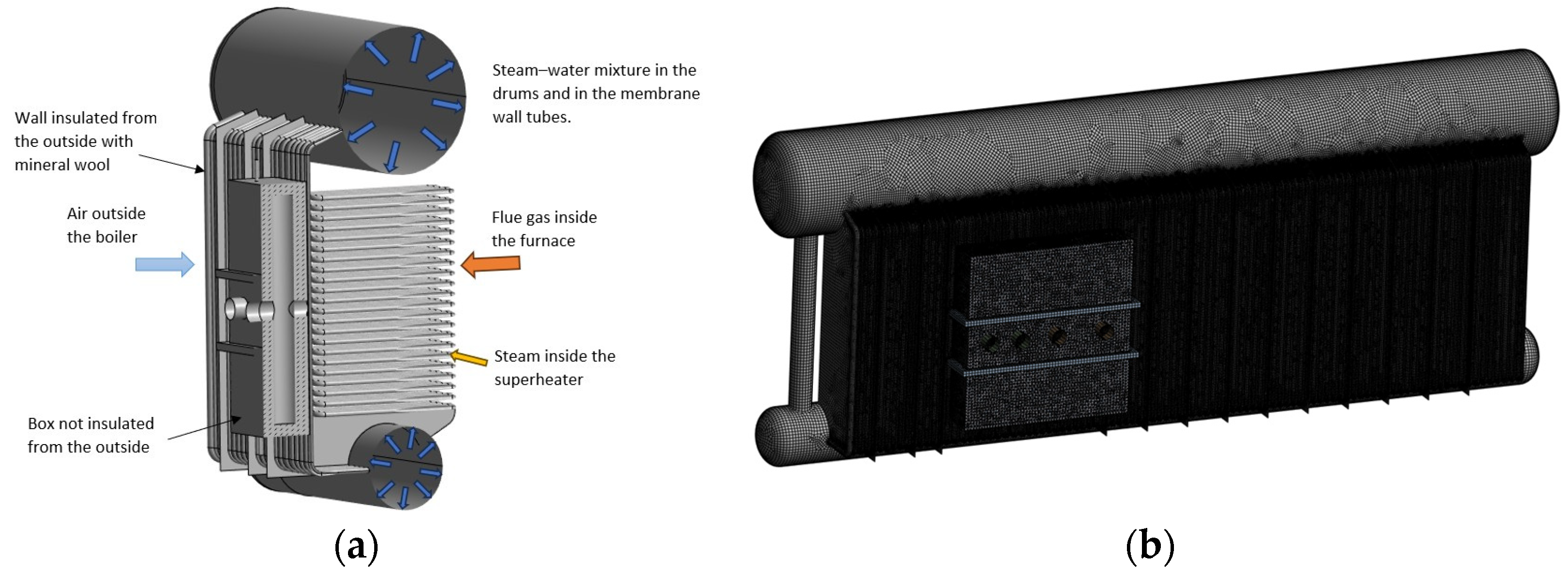
A model consisting of shell elements (shell 181) for simulating steel parts and solid elements (solid 27) for modeling wool is shown in
Figure 6b. In total, the model contains 2,358,090 finite elements.
First, the temperature distribution is calculated. Thermal boundary conditions of the third type are defined on the surfaces in contact with the fluids shown in
Figure 6a, such as: the steam-water mixture, flue gas, and air outside the boiler. The exhaust gas temperature is set to 676 °C, the temperature of the steam-water mixture inside the tubes to 371 °C, and the steam temperature in the superheater bundle to 482.2 °C. The boiler is instrumented with several measurement points, both on the steam pipeline and in the drums. For this purpose, type-K thermocouples (model 2XT-H-12-DANAWDIE-M18x1,5-6/375/200-K-1-TR, Lapp Automaatio Oy, Vantaa, Finland) are used to record the operating temperatures, including the steam temperature applied in the model. These temperature values are consistent with the design assumptions and are confirmed by measurements. The heat transfer coefficient on the exhaust side and inner side is estimated to be 40 W/m
2 °C. and 2000 W/m
2 °C, respectively. These values are confirmed by the boiler designers and checked during the boiler start-up phase before its operation. Since the boiler walls and drums are insulated externally with mineral wool, except for the outer surface of the box, the analysis assumes zero heat exchange with the environment in these areas. However, the box is exposed to the ambient air, so heat exchange with the environment occurs there. The air-side heat transfer coefficient is assumed to be 4.27 W/m
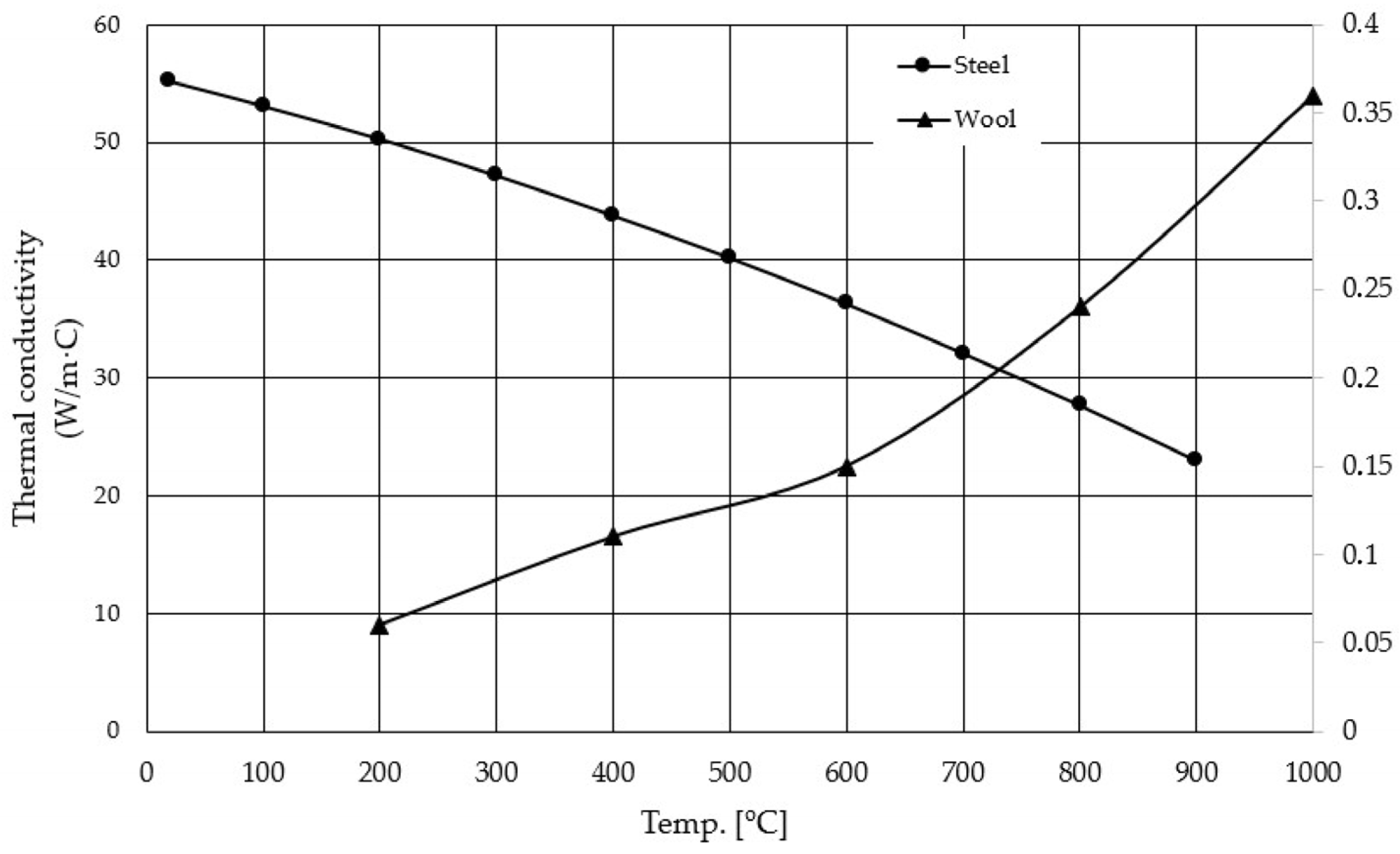
2 °C, which corresponds to an air temperature of 22 °C measured near the boiler. In places where the numerical model is cut off from the remaining parts of the boiler, symmetry conditions are assumed. The thermal conductivity coefficients for steel and mineral wool used in the model are presented in
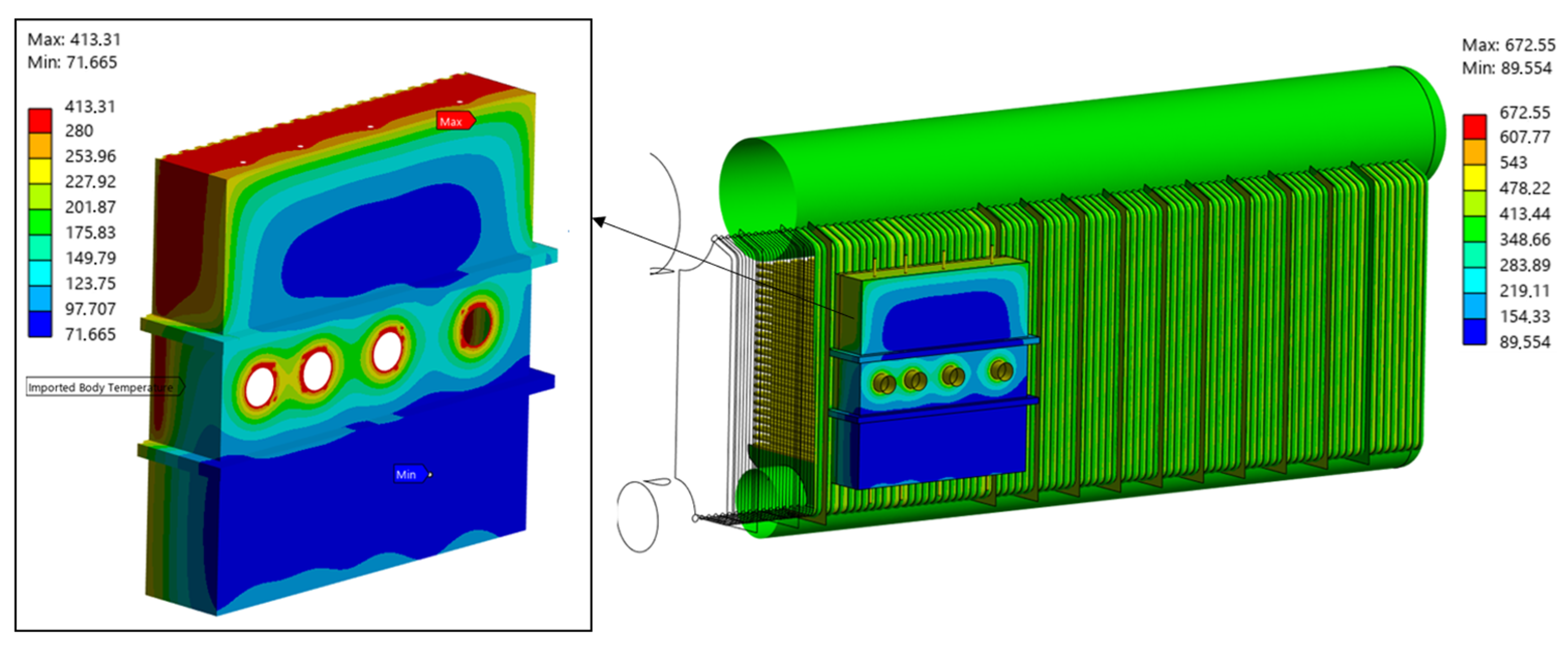
Figure 7. The thermal analysis is conducted at steady state because the goal is to determine a representative, long-term temperature distribution under nominal operating conditions. The boiler operates predominantly in a steady-state regime, and the infrared thermography measurements are carried out under these conditions. The results of the thermal analysis are presented in
Figure 8. The maximum temperature on the box reaches approximately 400 °C near the membrane wall, with a pronounced gradient observed towards the central region of the box.
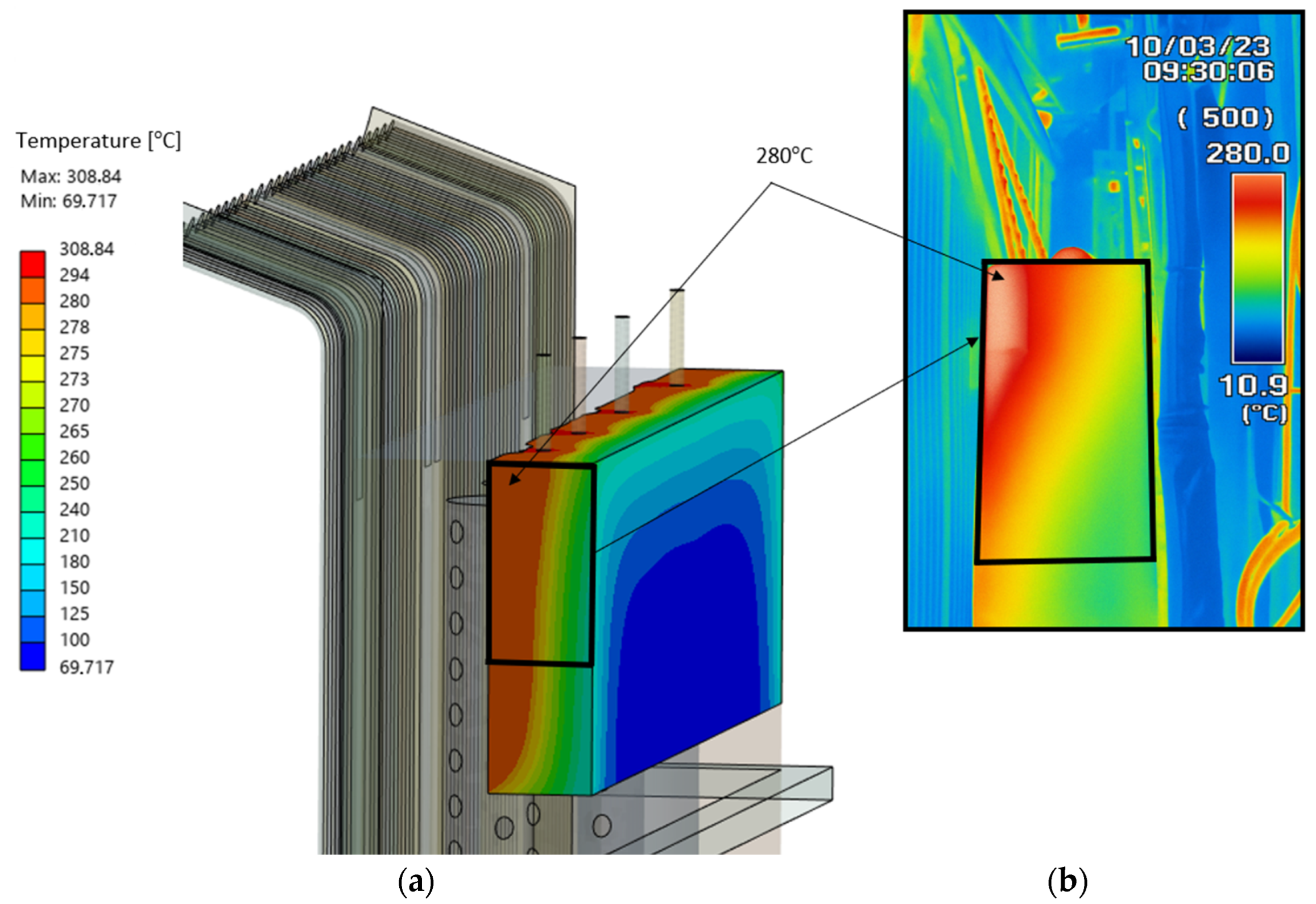
The temperature distribution corresponds closely to that captured in the infrared thermography images. The boiler membrane wall is not visible in infrared thermographic images because it is insulated, which means that the displayed temperature distribution is cut off at the point where it meets the membrane wall insulation. Validation of the temperature distribution for one corner of the box is shown in
Figure 9. For comparison with thermography, the numerical results are limited to 280 °C, i.e., at the value equal to the maximum temperature recorded in the IR image at the cut-off line on the box, where the membrane wall insulation begins. The comparison is performed using an image-based quantitative method, where pixel values from both FEA and IR thermography are converted into temperature fields and evaluated point-by-point [
23]. The results show a mean absolute error (MAE) of 29.8 °C and a bias of −25.5 °C, which corresponds to about 8% of the maximum temperature level. The negative bias indicates that the FEA results systematically overestimate the measured surface temperatures. Considering that the IR images are acquired under very challenging conditions and with limited measurement possibilities, this level of agreement can be regarded as a very good result.
The obtained temperature distribution results are used in the FEM analysis to assess the stress distribution in the box, fins, and membrane wall tubes. A one-way coupling between thermal and structural analysis is assumed. Structural calculations are based on a force equilibrium, a geometric, and a constitutive equation:
where
σ is a stress tensor [Pa],
f is the body forces vector [N/m
3],
u is a displacement vector,
εe is an elastic strain tensor,
G and
λ are Lame constants,
β is a thermal expansion coefficient [1/°C] and
δij—the Kronecker delta.
The total infinitesimal strain tensor is additively decomposed into elastic, plastic, and thermal parts:
Displacement and force boundary conditions are used to determine the strain and stress distribution. The former relate to the case of restraint or symmetry, and the latter to pressure loading or free surfaces. A flue gas pressure of 1.4 kPa is applied to the inner surface of the membrane wall and the box. The steam pressure inside the membrane wall tubes and drums is set to 5 MPa. These pressure values are consistent with the design specifications and are verified against local measurements from the installed pressure sensors. At the edges of the model cut off from the remaining part of the boiler, displacement boundary conditions are applied, allowing boiler movement in the direction of thermal expansion. The system of thermoelasticity equations is solved by FEM.
In the numerical analysis, the yield strength as a function of temperature is considered, as presented in
Table 2. For the purpose of the analysis, it is assumed that the tested material sample meets the standard requirements regarding mechanical properties; therefore, the FEM simulations adopt material properties in accordance with the applicable normative specification [
18]. Since the objective of the numerical analysis is to identify locations susceptible to yielding, it is carried out as a nonlinear analysis considering first-order theory, a linear-elastic, perfectly plastic constitutive law for materials, the von Mises yield criterion (maximum distortion energy criterion), and the associated flow rule [
14].
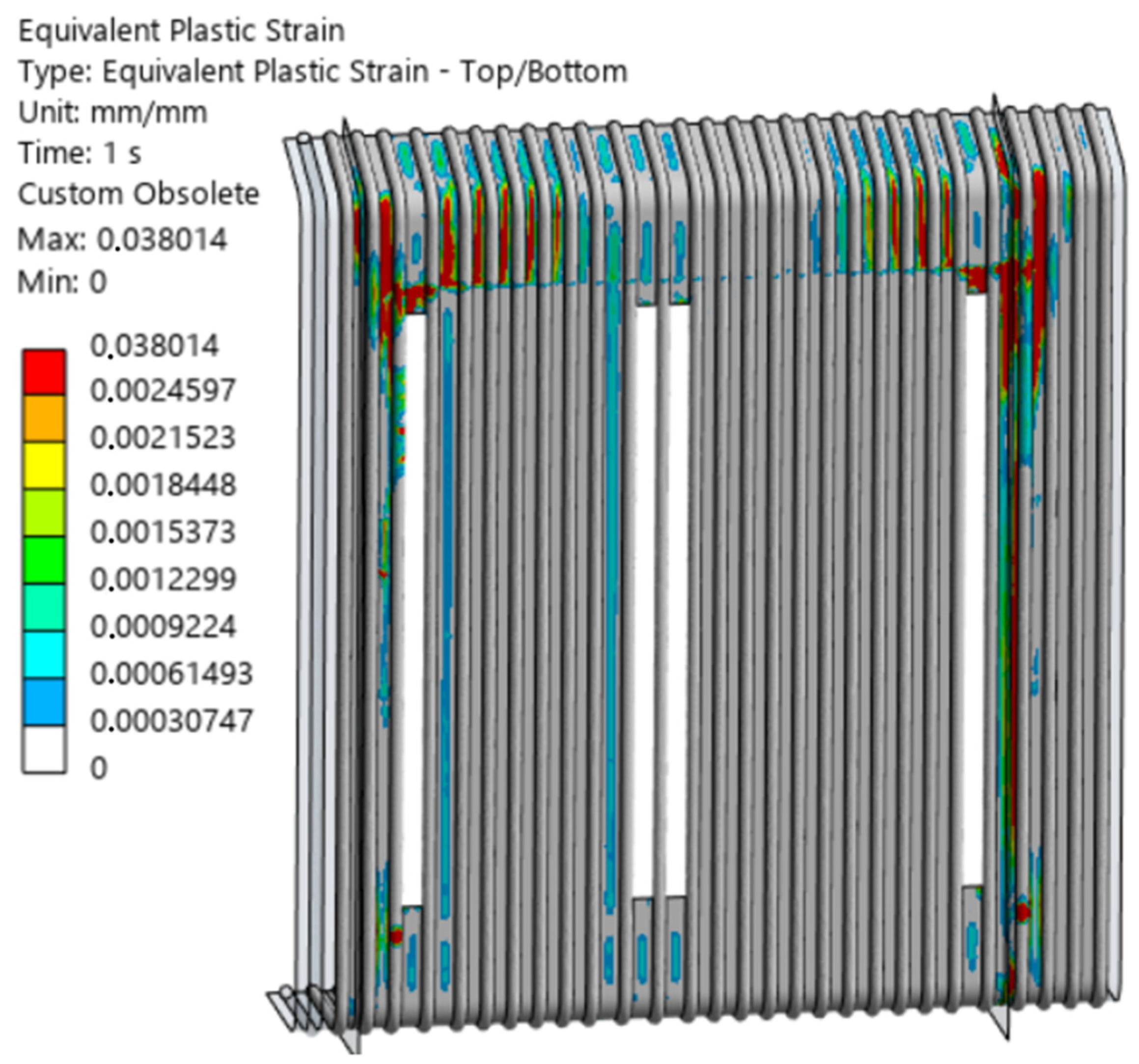
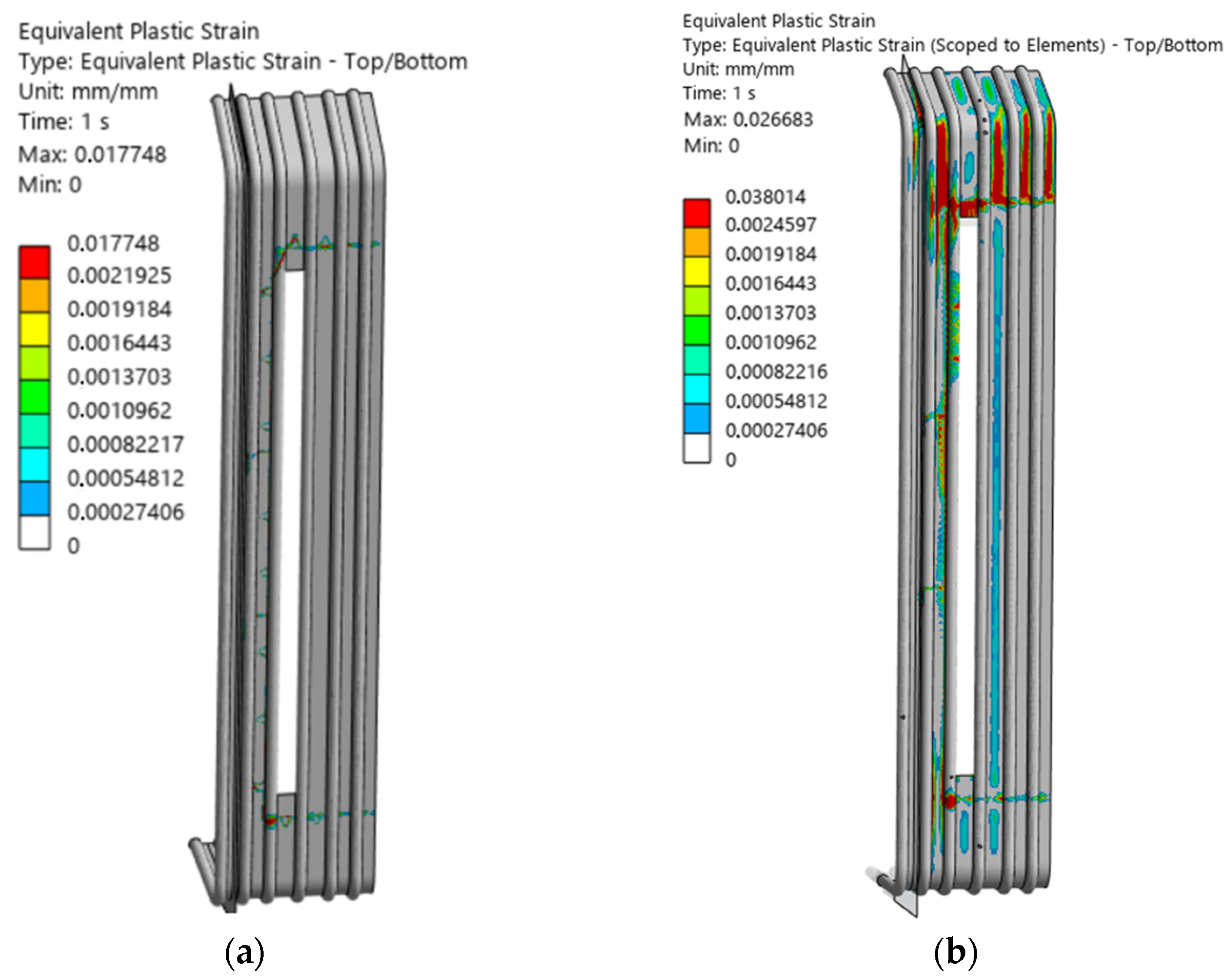
The results of the nonlinear analysis are presented in
Figure 10. The yielded zones of the wall correspond to the locations that have already failed and also indicate potentially critical areas that may be susceptible to future damage. The plastic strains do not exceed 5% [
14], which implies that, under static loading without considering the cyclic nature of boiler operation, the wall should not experience failure. This observation is consistent with the boiler’s operational history, as the damage occurs only after several consecutive shutdown and start-up cycles, and, following repair of the damaged area by welding, the failures reappear after a few subsequent operating cycles. It can also be observed that the boiler failures occur in locations other than those corresponding to the maximum strain values.
This suggests that the primary cause is cyclic loading resulting from periodic shutdowns, during which all loads are removed, followed by start-ups to the operating state, where the loads (pressure and temperature gradients) once again reach the values defined in the boundary conditions used for the FEM analysis.
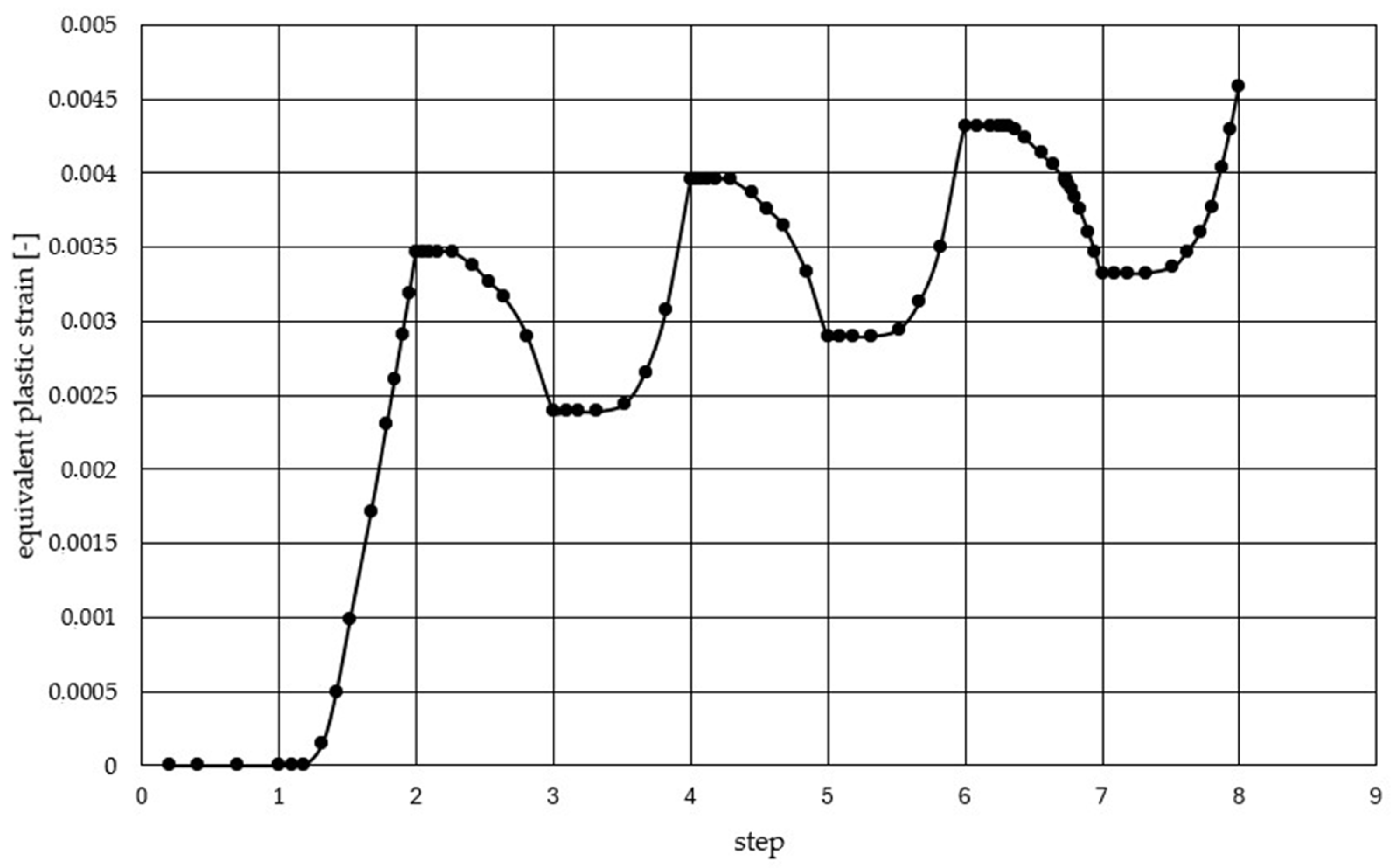
Considering the cyclic operation of the boiler (including shutdown and operating phases), an additional analysis is performed to examine how the plastic strains at a selected point on the tube evolve with each subsequent operating cycle (as shown in
Figure 11). The results of the analysis accounting for the cyclic operation of the boiler indicate a continuous increase in plastic strain, which leads to the occurrence of ratcheting [
14,
15,
24,
25].
The results shown in
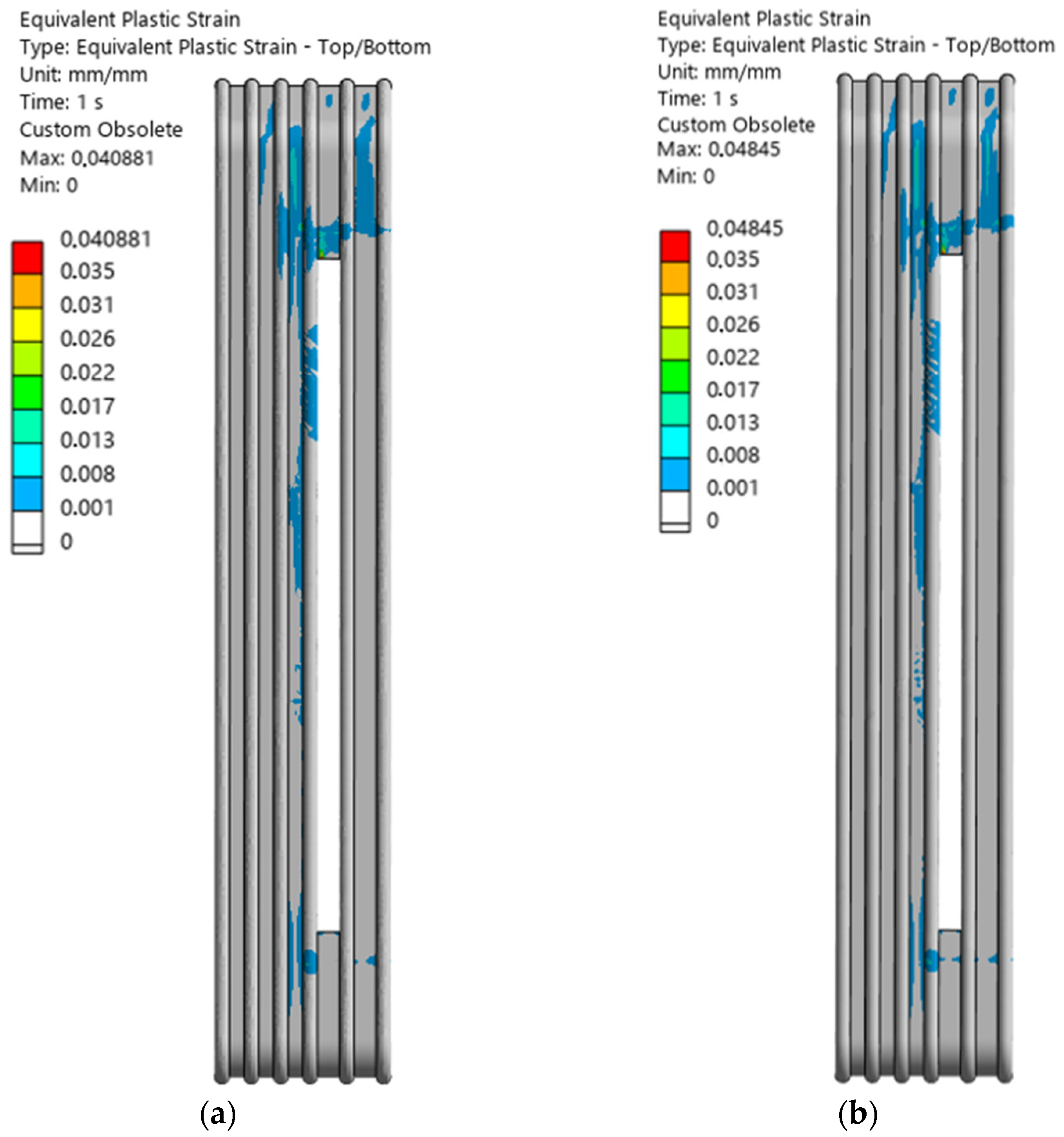
Figure 11 are verified numerically for a selected section in which the damage had been observed. The mesh sensitivity study is conducted using a nonlinear material behaviour model, incorporating an ideal plastic plateau. Since the primary objective of the FEM analysis is to illustrate the propagation of plastic deformations, the mesh study focuses on comparing the yielded area for the selected model fragment across different mesh sizes. This comparison is carried out for element sizes listed in
Table 3. The results for the coarsest and the finest mesh analysed for the selected model fragment are shown in
Figure 12. The yielded area is expressed as a percentage, defined as the ratio of the plasticised area to the total area of the examined fragment.
According to the results in
Table 3, the average yielded area is 7.45%, with a scatter of ±0.24 percentage points (≈±3% relative). This indicates that the influence of mesh size on the yielded area for element sizes between 10 mm and 40 mm is insignificant. The structural analysis is therefore performed using an average mesh size of 10 mm.
This result is also consistent with on-site observations during boiler operation, where the severity of damage increases with the number of operating cycles. The progressive accumulation of strain means that, even without significant static overload, the structural integrity of the affected region inevitably deteriorates under repeated thermal and mechanical cycling. As a result, the component experiences recurrent failures, ultimately leading to premature end-of-life for the damaged boiler section.