Article

Parameter Optimization Design of Adaptive Flaps for Vertical Axis Wind Turbines

1
School of Energy and Power Engineering, University of Shanghai for Science and Technology, Shanghai 200093, China
2
Shanghai Key Laboratory of Multiphase Flow and Heat Transfer in Power Engineering, Shanghai 200093, China
3
Power China Huadong Engineering Corporation Limited, Hangzhou 311100, China
*
Author to whom correspondence should be addressed.
Energies 2025, 18(16), 4333; https://doi.org/10.3390/en18164333
Submission received: 6 July 2025 / Revised: 11 August 2025 / Accepted: 11 August 2025 / Published: 14 August 2025
(This article belongs to the Special Issue Latest Challenges in Wind Turbine Maintenance, Operation, and Safety)

Abstract

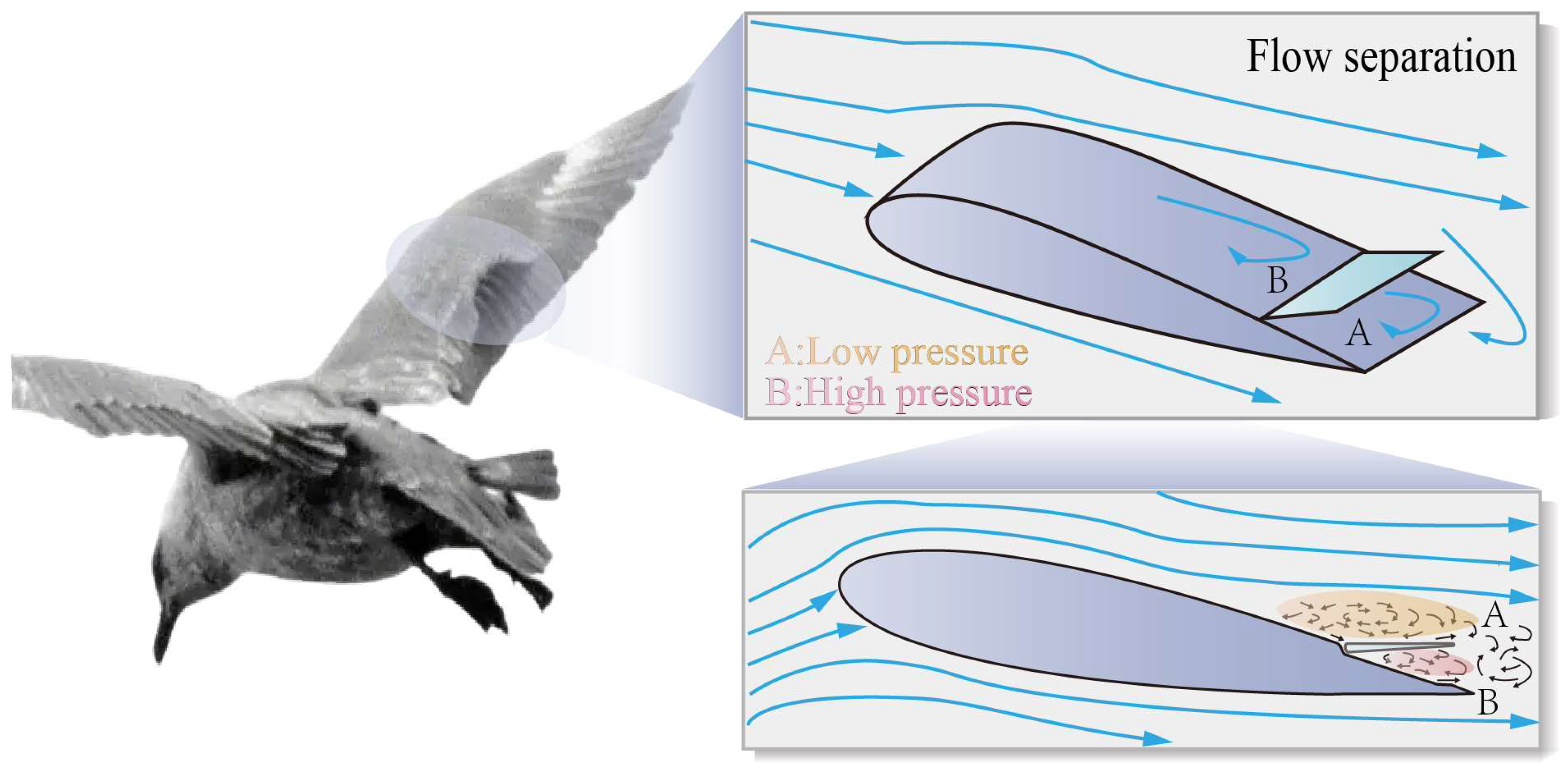
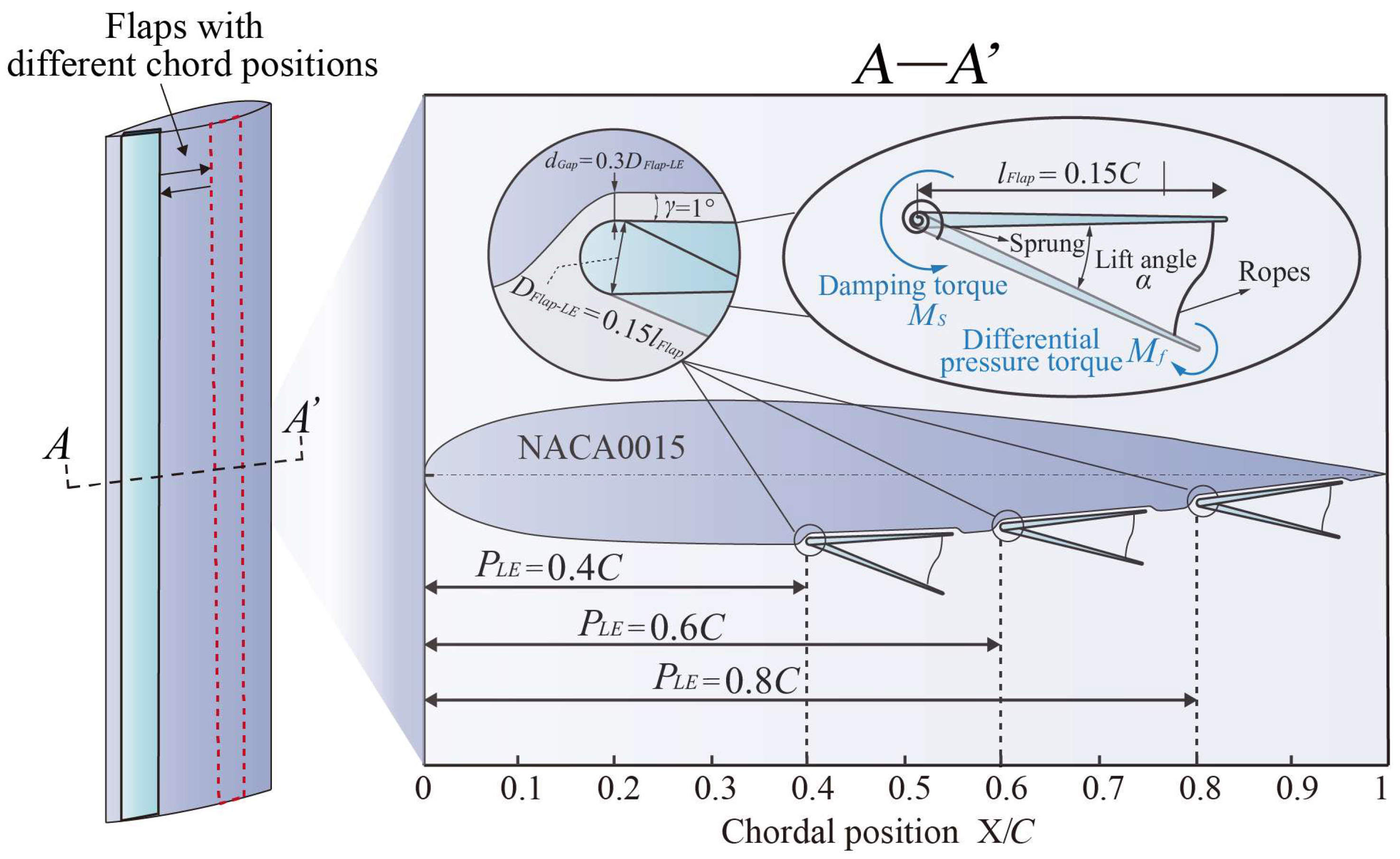
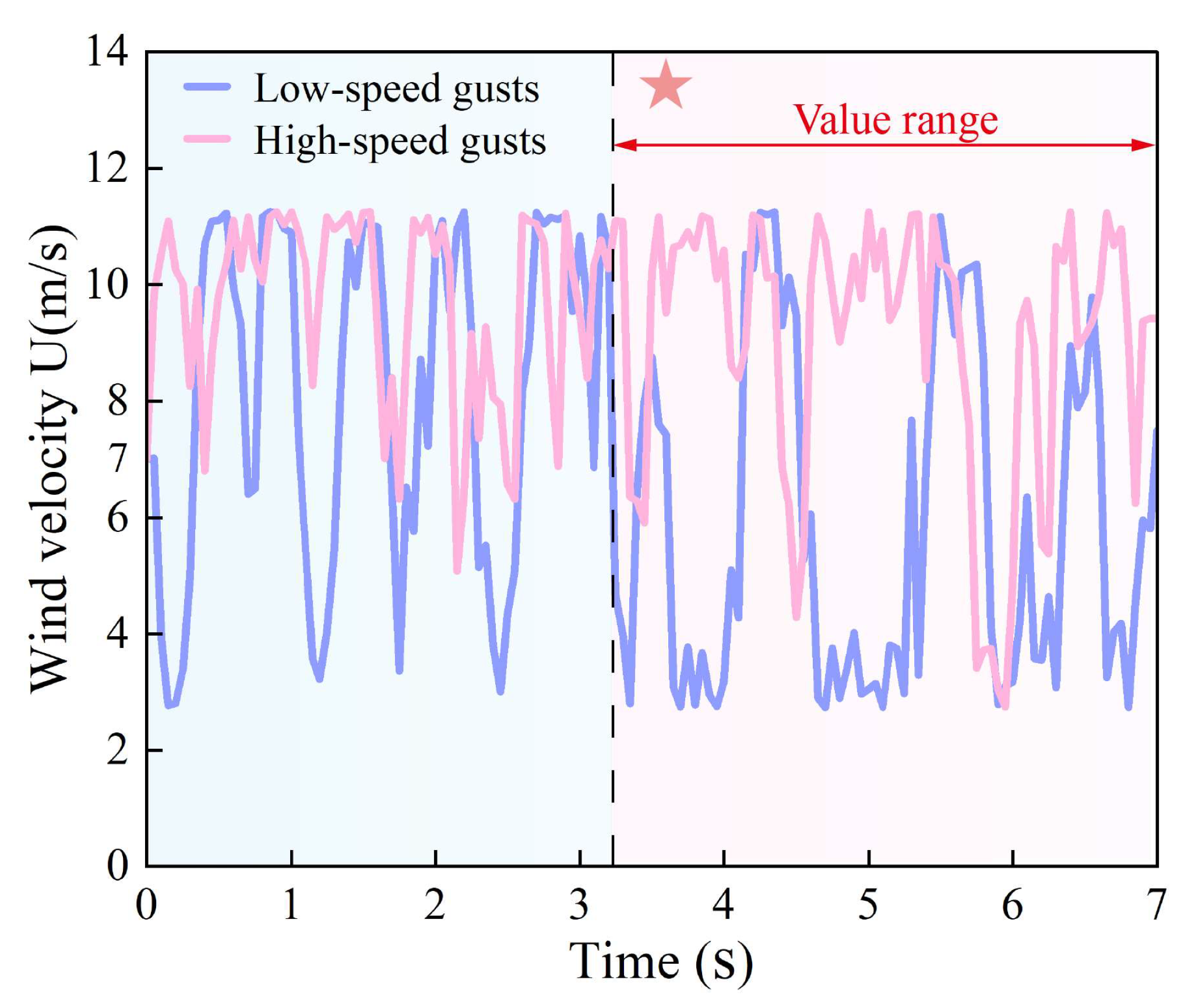
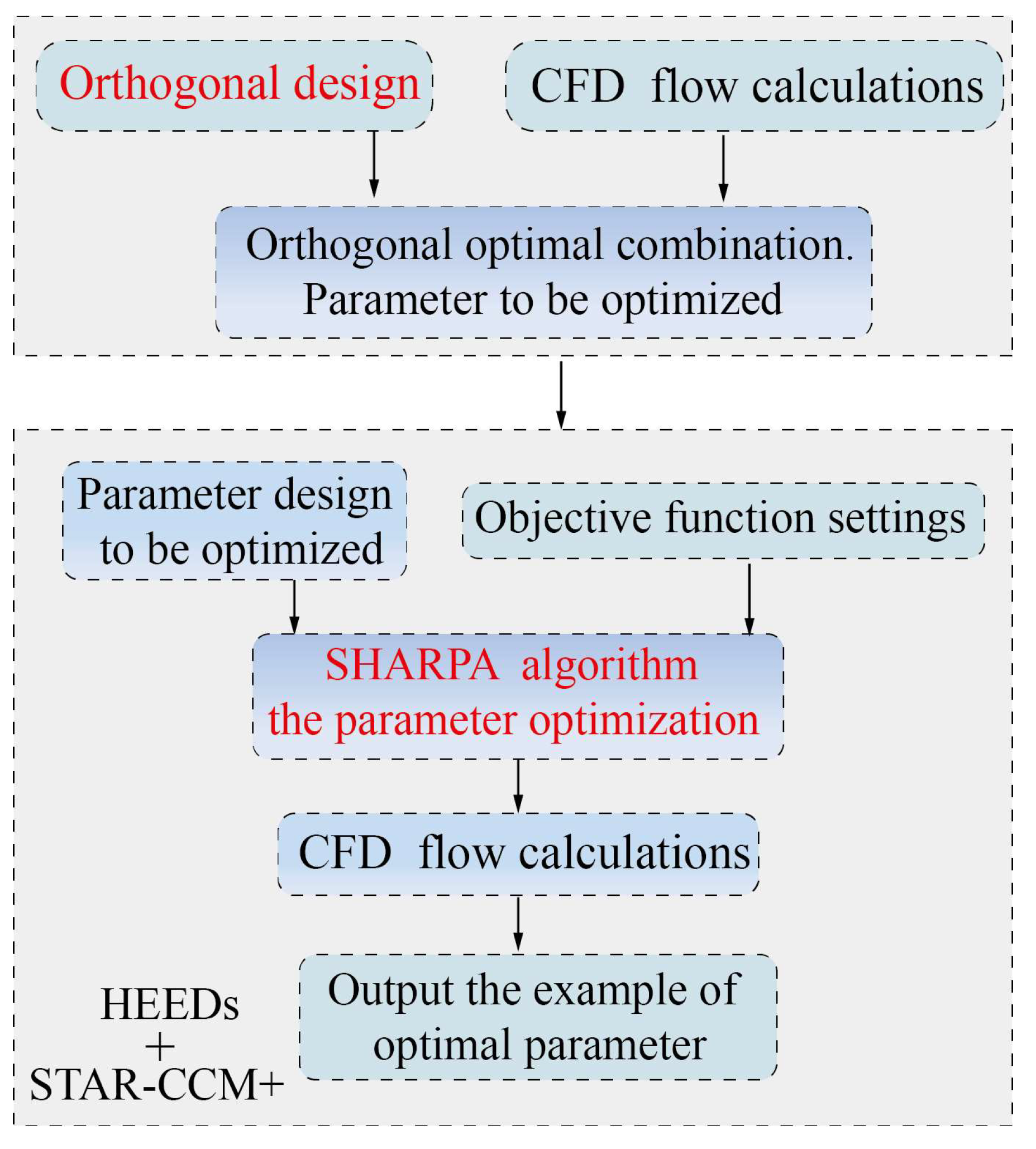
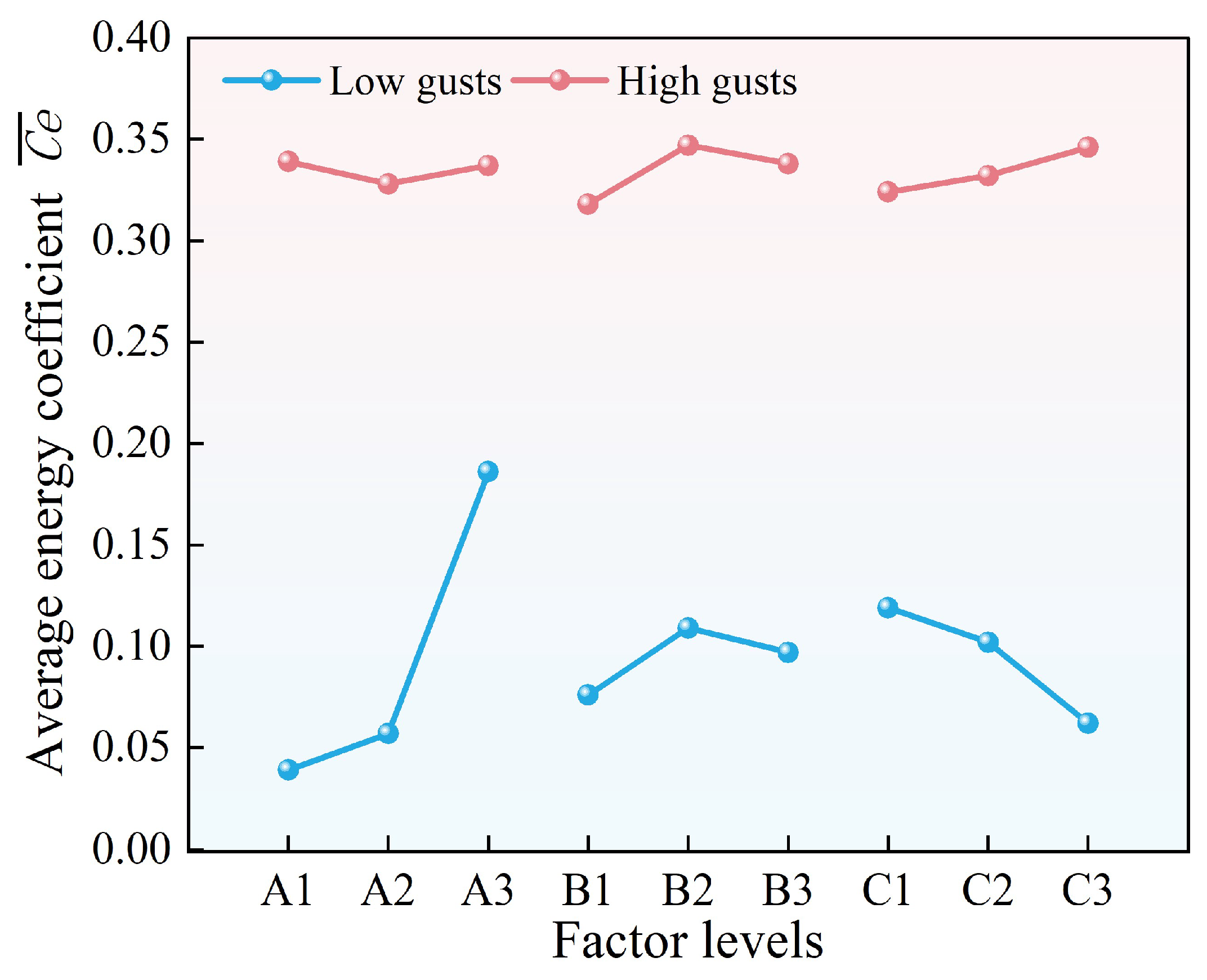
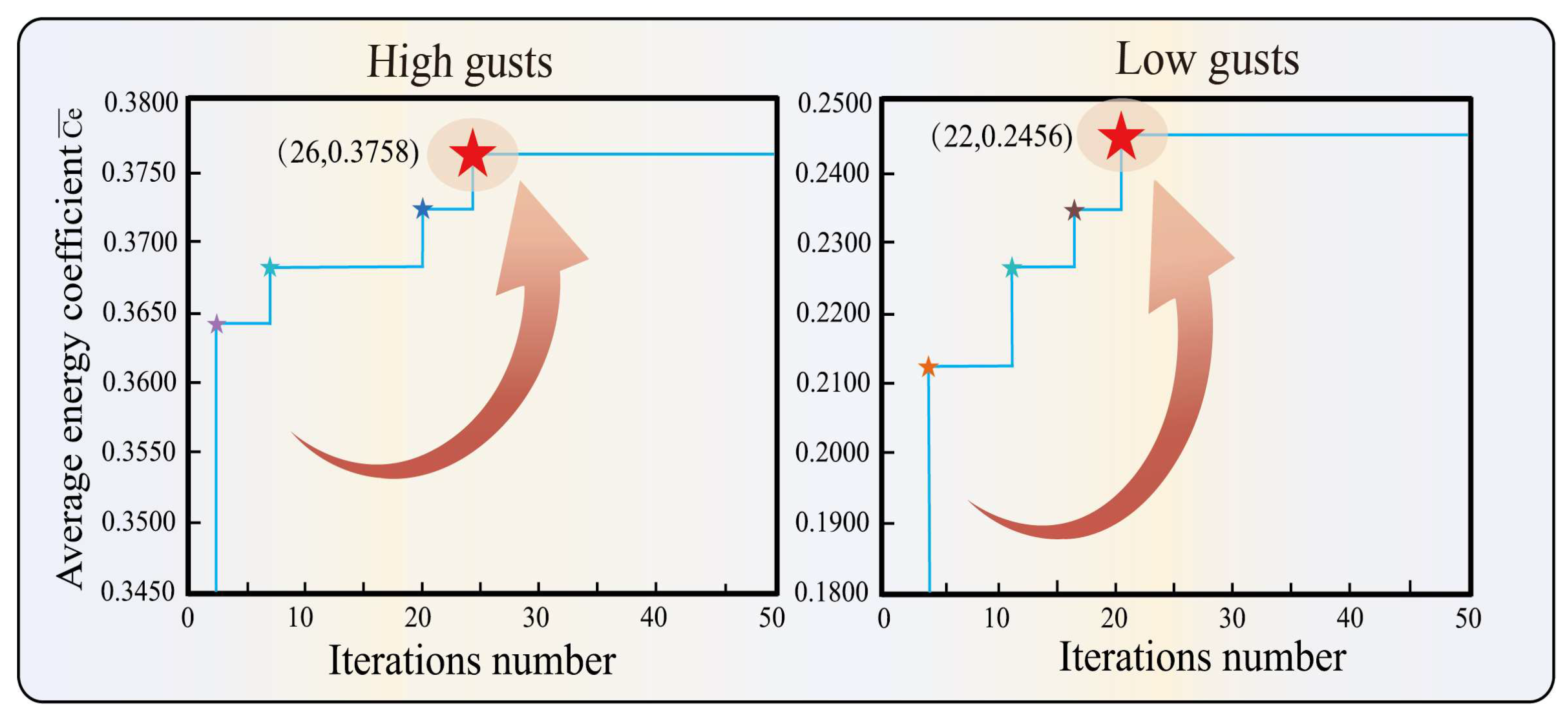
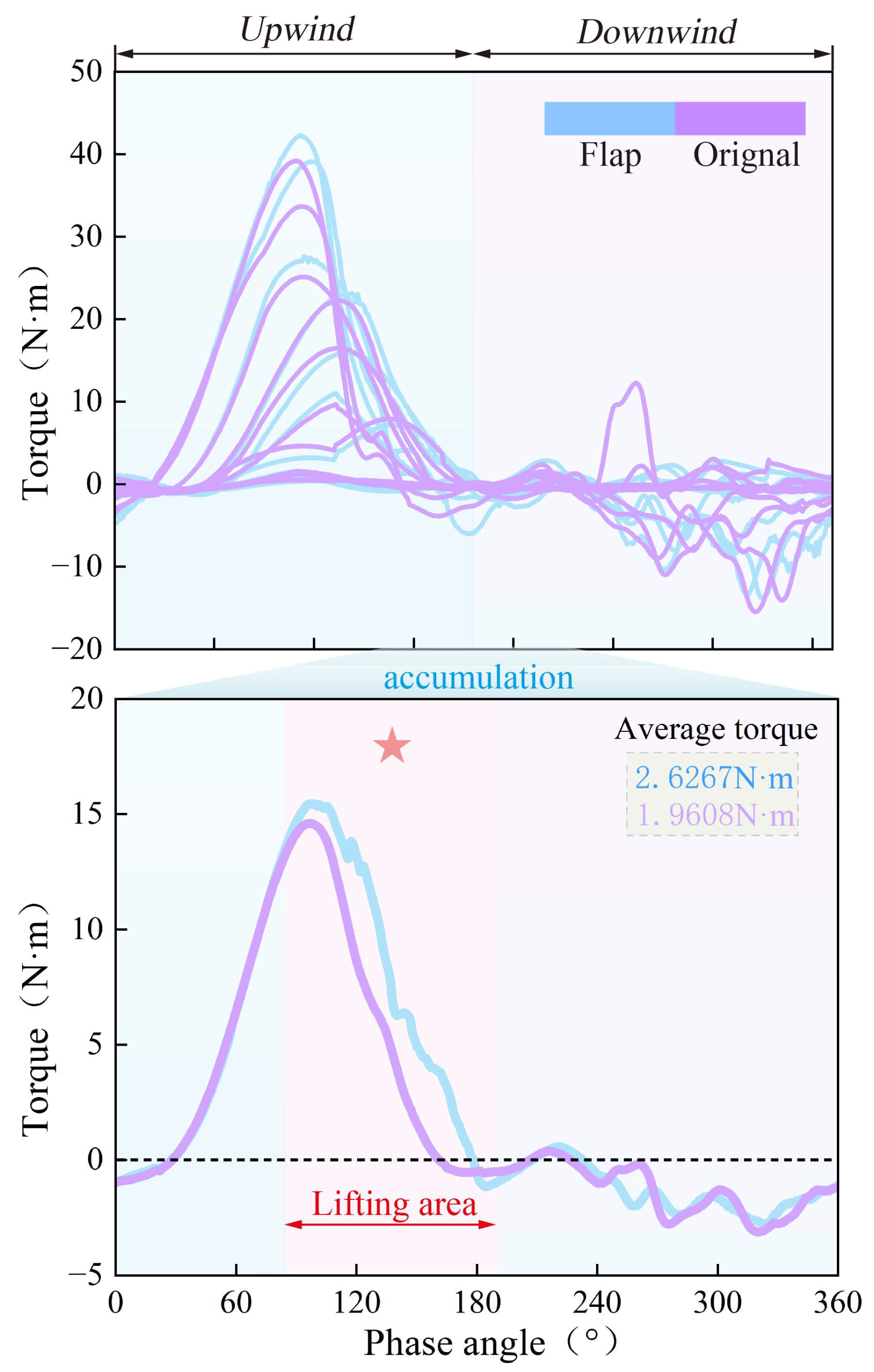
To enhance the aerodynamic performance of vertical axis wind turbines (VAWTs) under complex gust conditions, the design parameters of the flap were optimized using the computational fluid dynamics (CFD) method combined with orthogonal experimental design and the SHERPA algorithm, and two gust models with mainly high and low wind speeds were generated by a self-compiling program to investigate the effects of three combinations of the chordwise mounting position of the flap, the moment of inertia, and the maximum deflection angle on the aerodynamic performance of the vertical axis wind turbine. The results demonstrated that adaptive flaps reduced the flow separation region and suppressed the formation and development of separation vortices, thereby enhancing aerodynamic performance. The adaptive flap was found to be more effective in high-speed gust environments than in low-speed ones. The optimal configuration—chordwise position at 0.4C, moment of inertia at 6.12 × 10⁻⁵ kg·m2, and a maximum deflection angle of 40°—led to a 57.24% improvement relative to the original airfoil.
Keywords: vertical axis wind turbine; adaptive flap; gust; orthogonal experiment; flow control vertical axis wind turbine; adaptive flap; gust; orthogonal experiment; flow control