Article

Ground Testing of a Miniature Turbine Jet Engine for Specific Flight Conditions
Faculty of Mechatronics, Armament and Aerospace, Military University of Technology, 00-908 Warsaw, Poland
*
Author to whom correspondence should be addressed.
Energies 2025, 18(1), 73; https://doi.org/10.3390/en18010073
Submission received: 4 December 2024 / Revised: 18 December 2024 / Accepted: 24 December 2024 / Published: 28 December 2024

Abstract

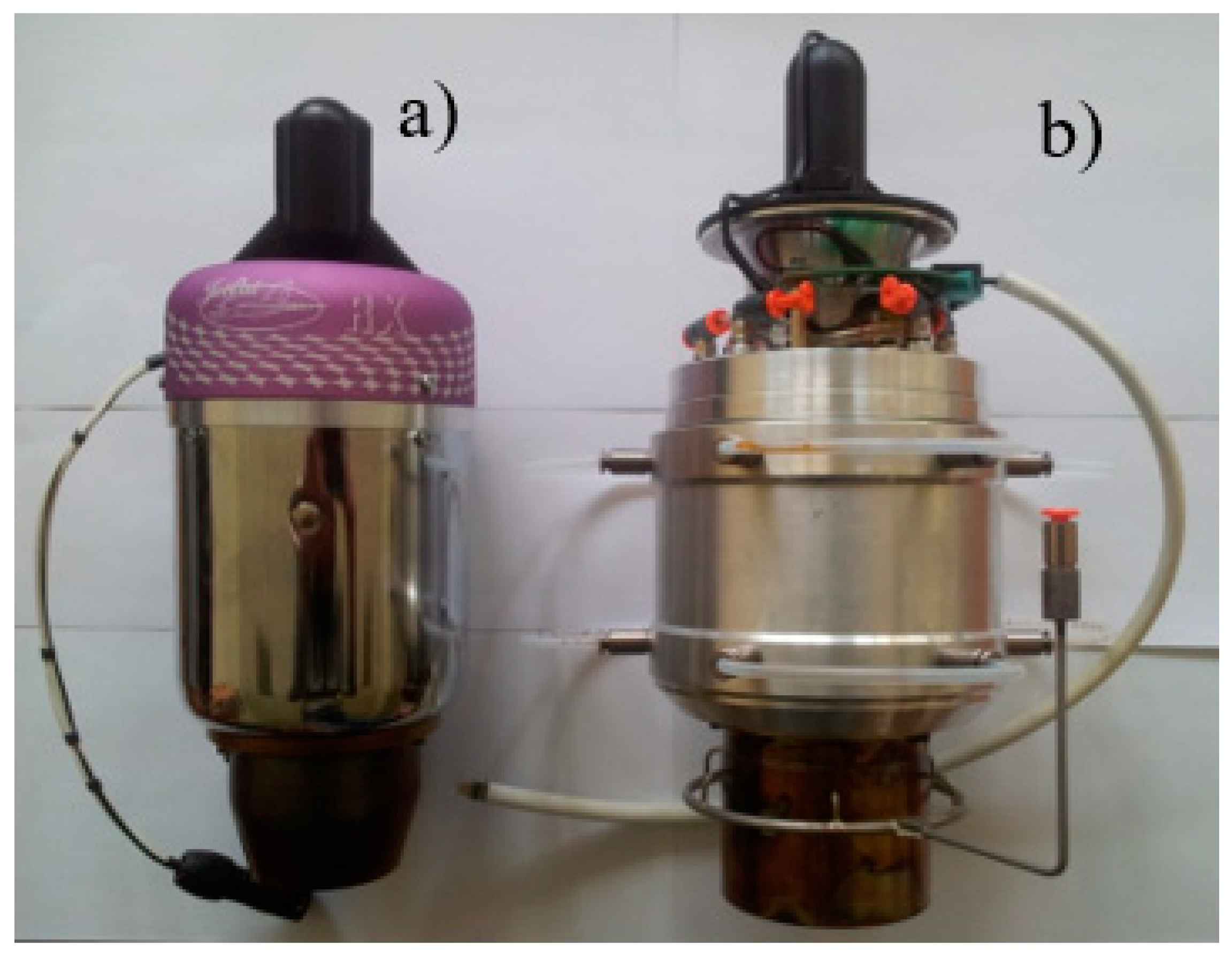
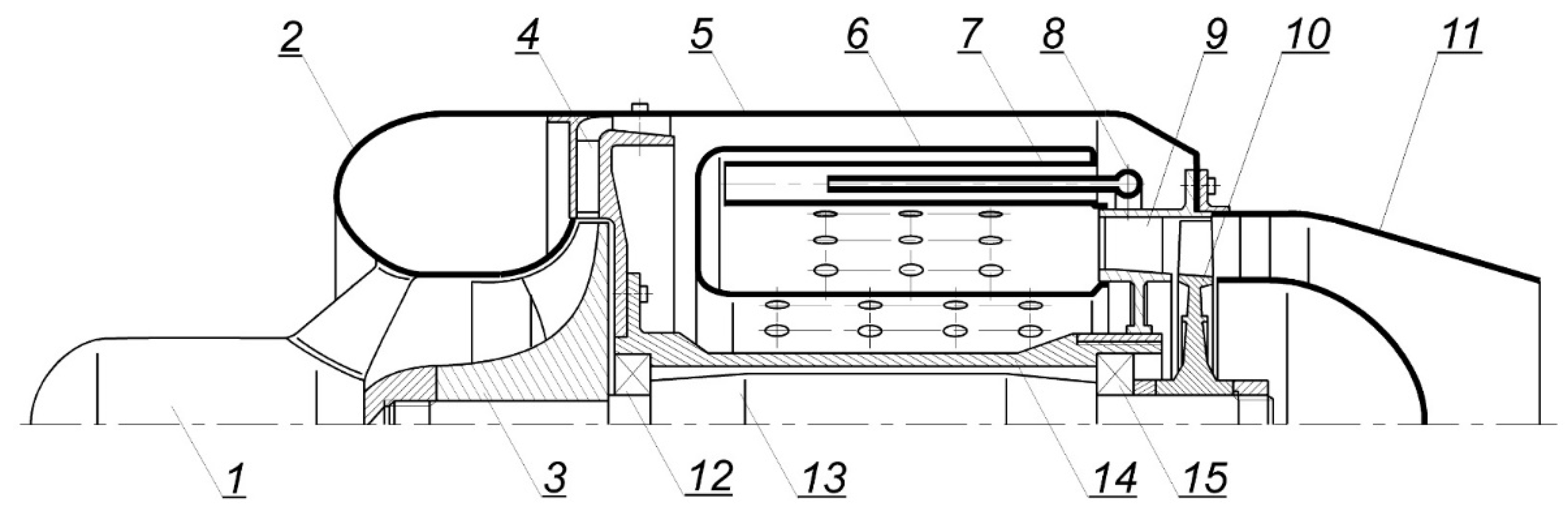
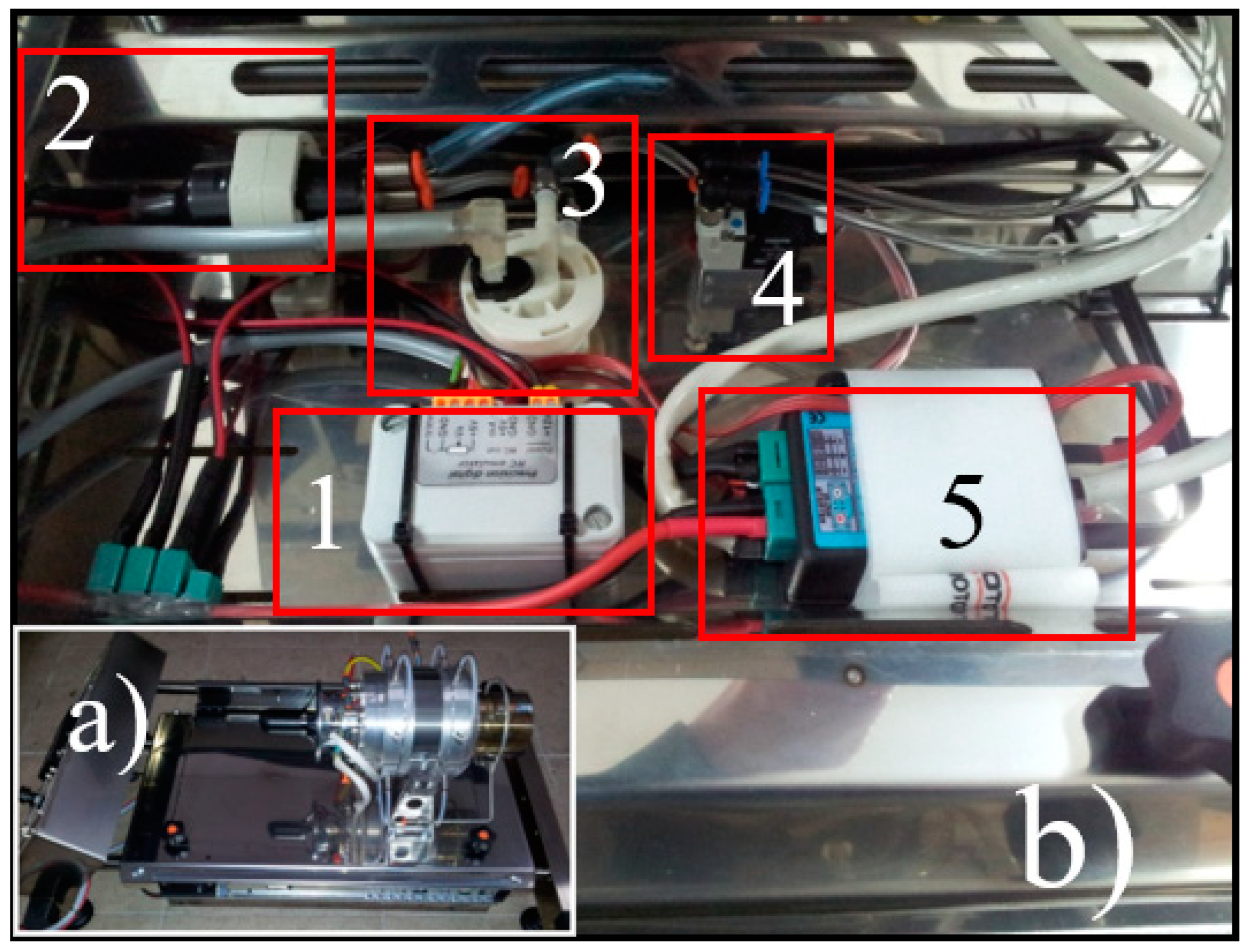
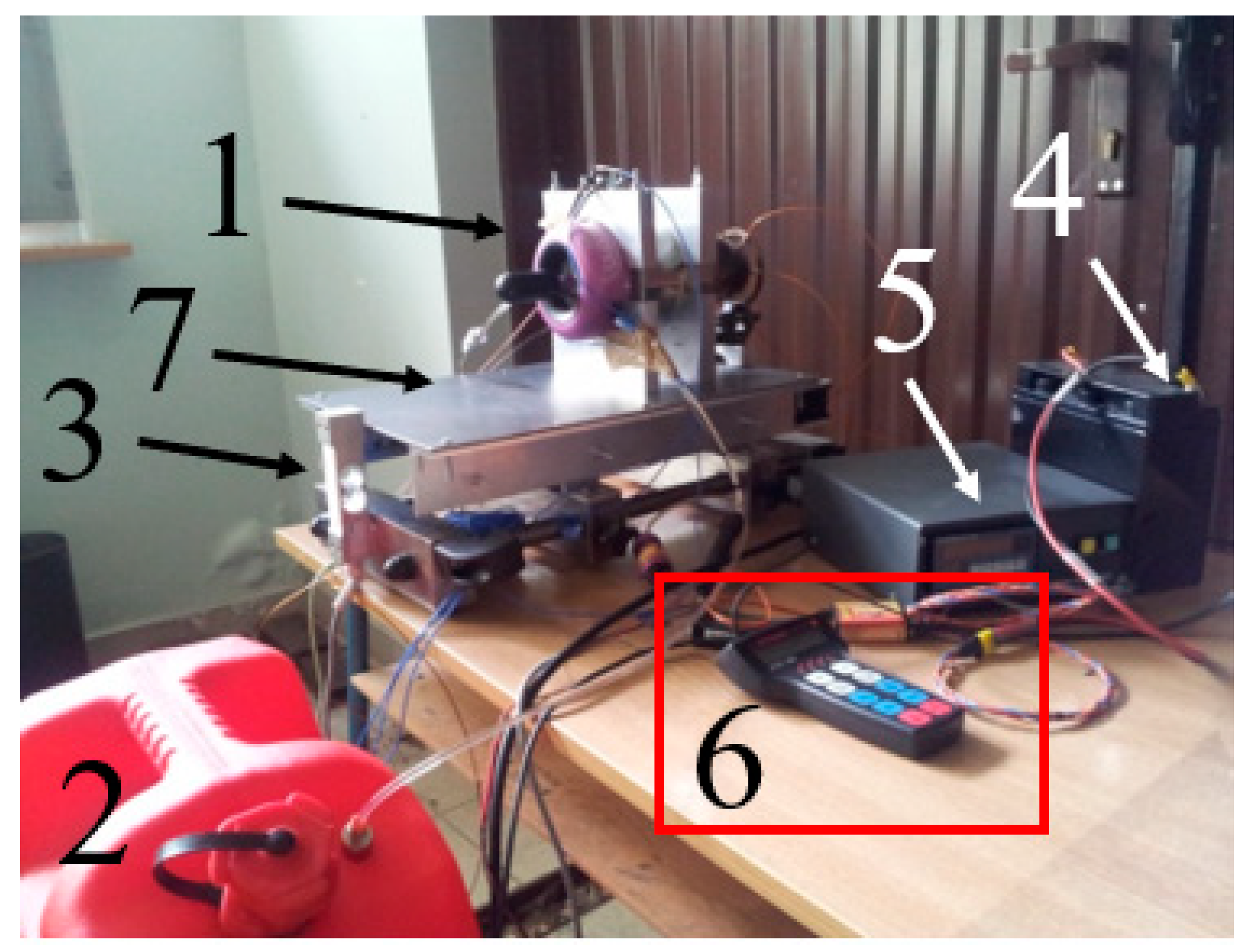
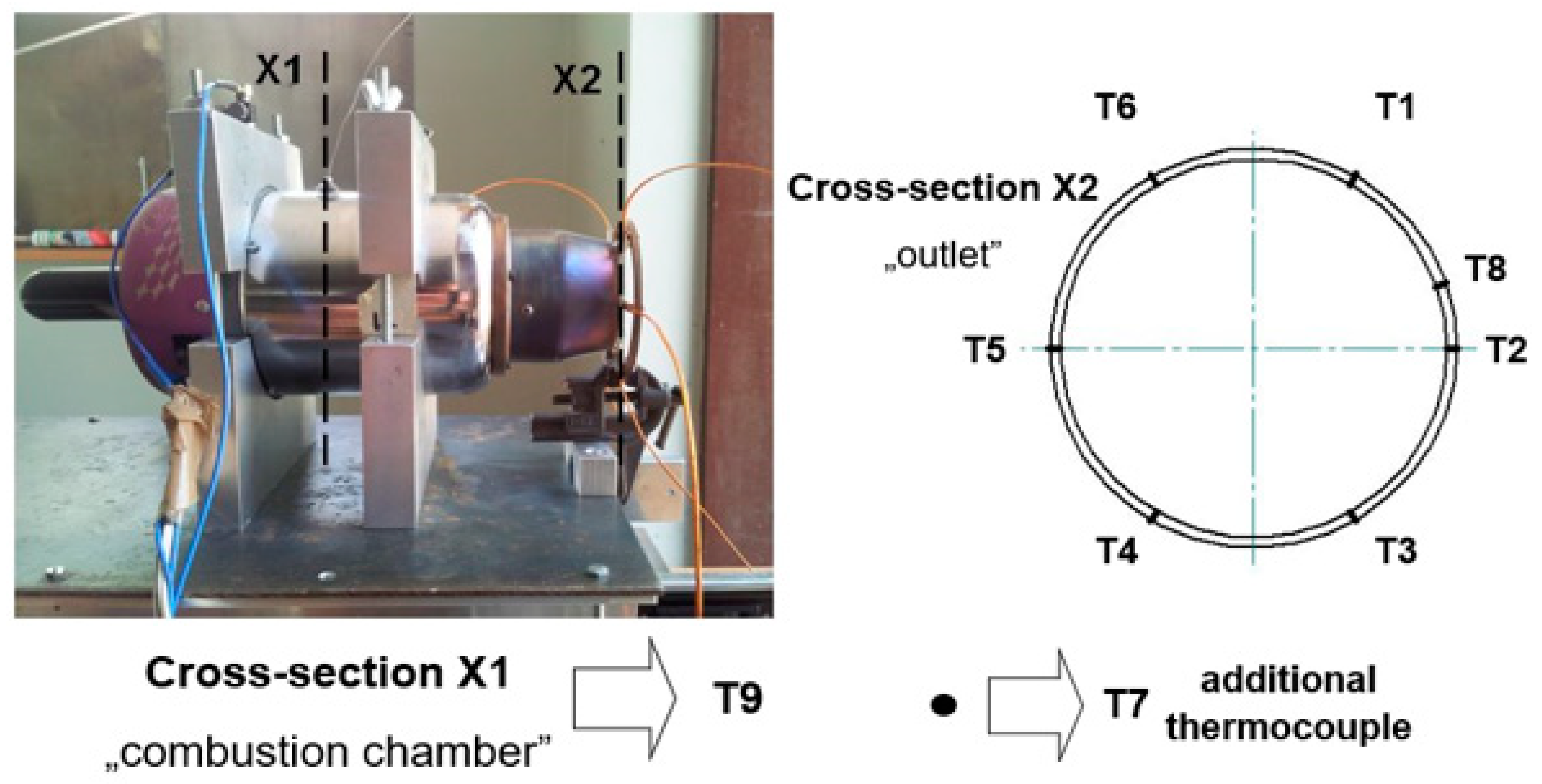
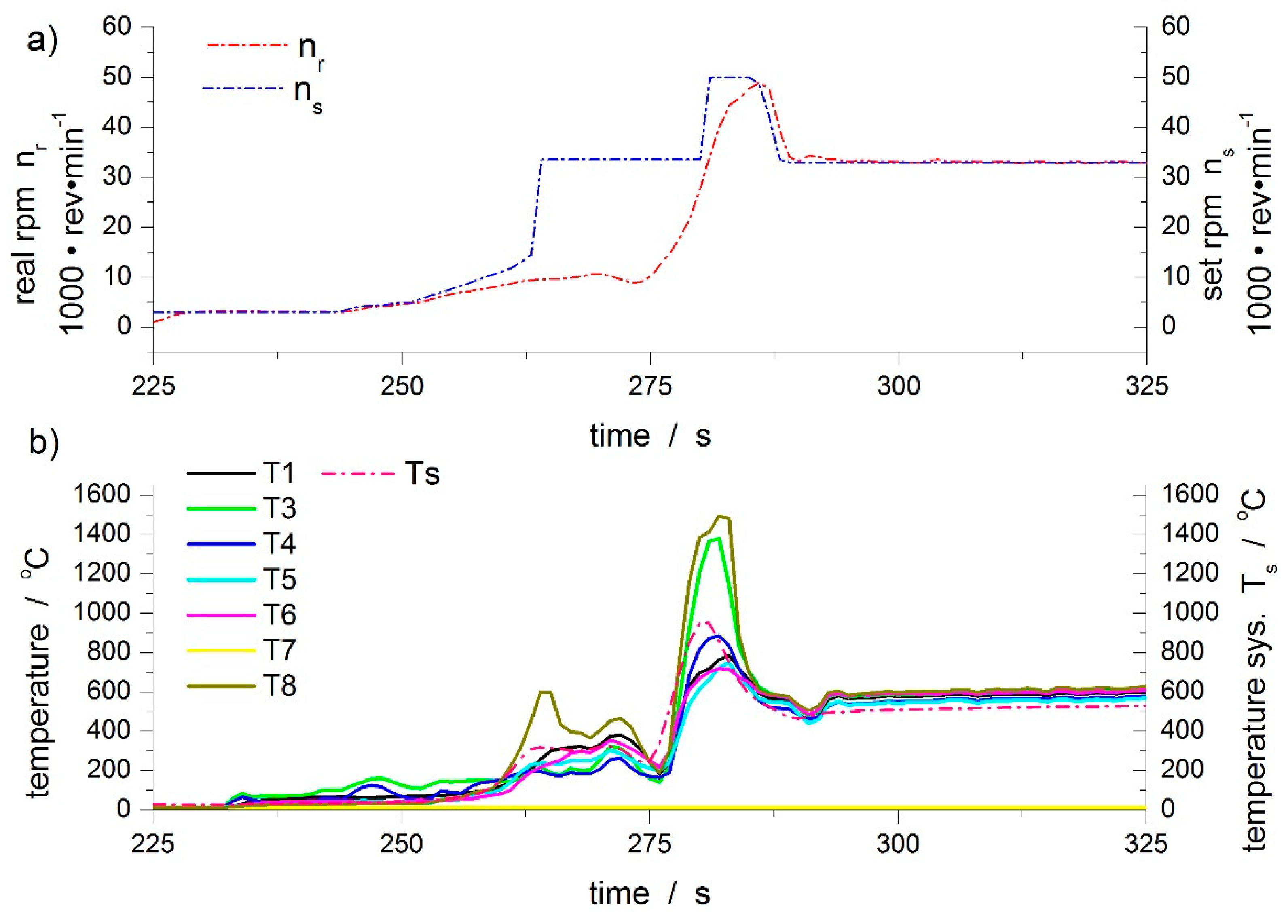
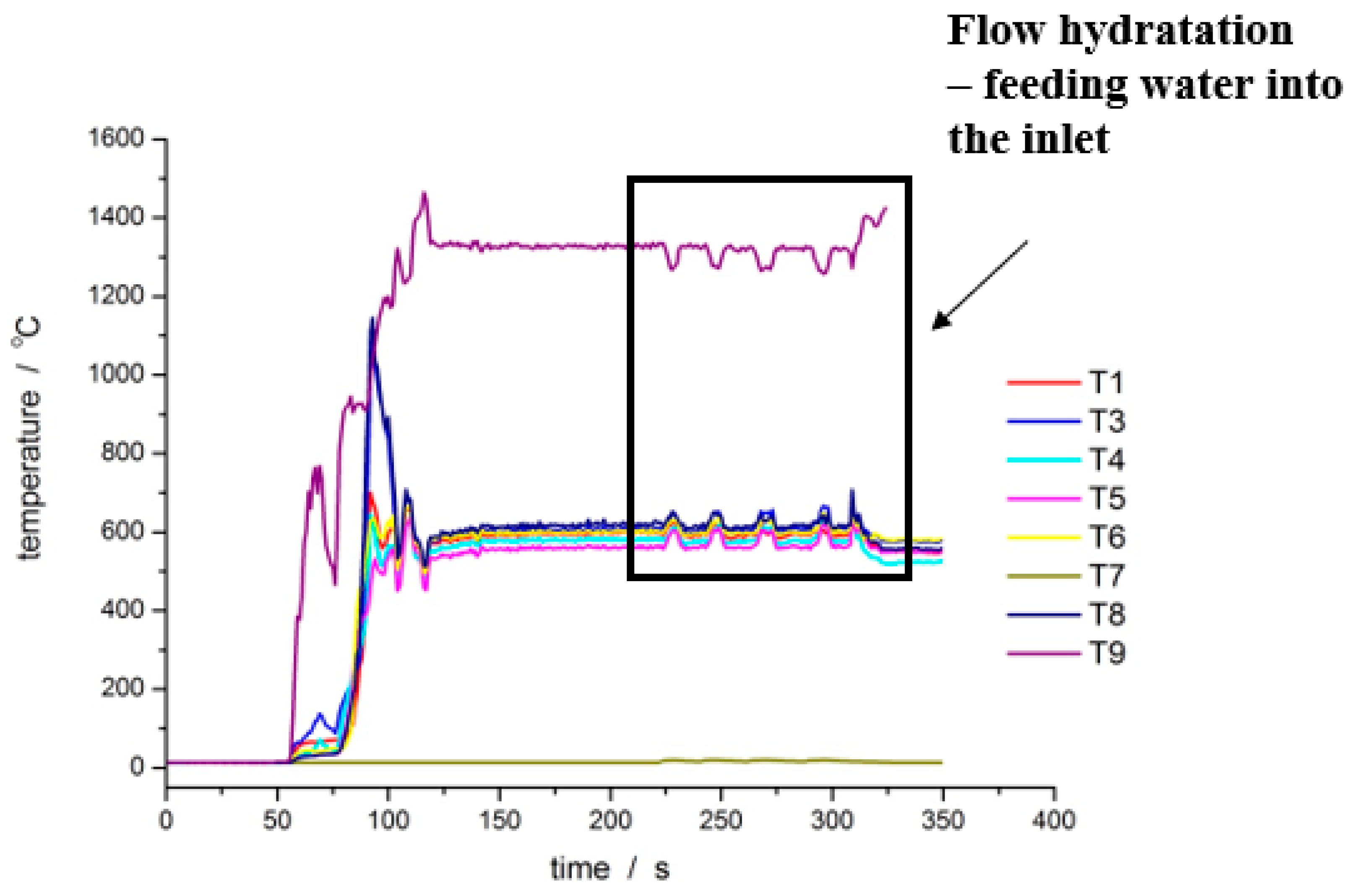
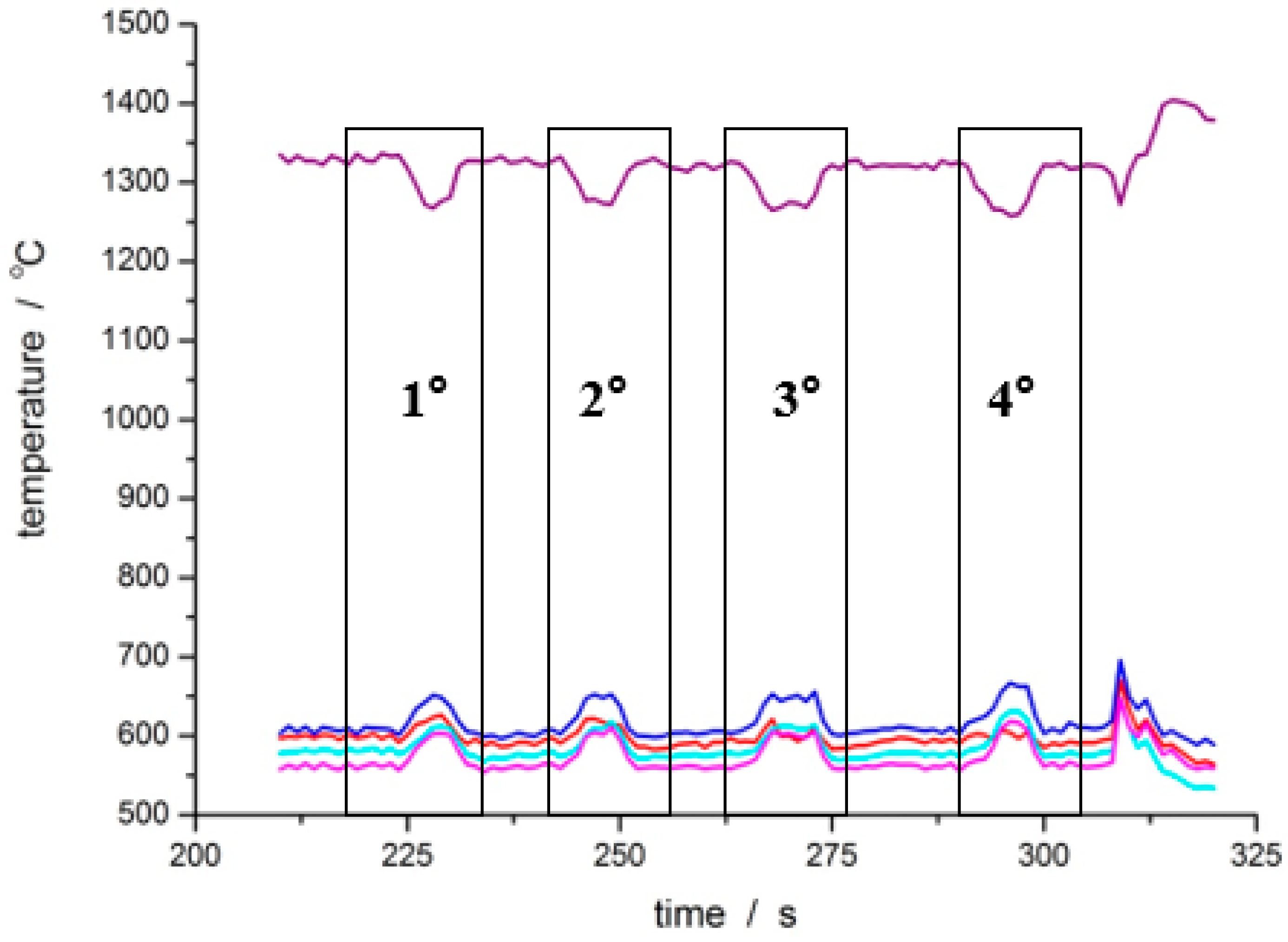
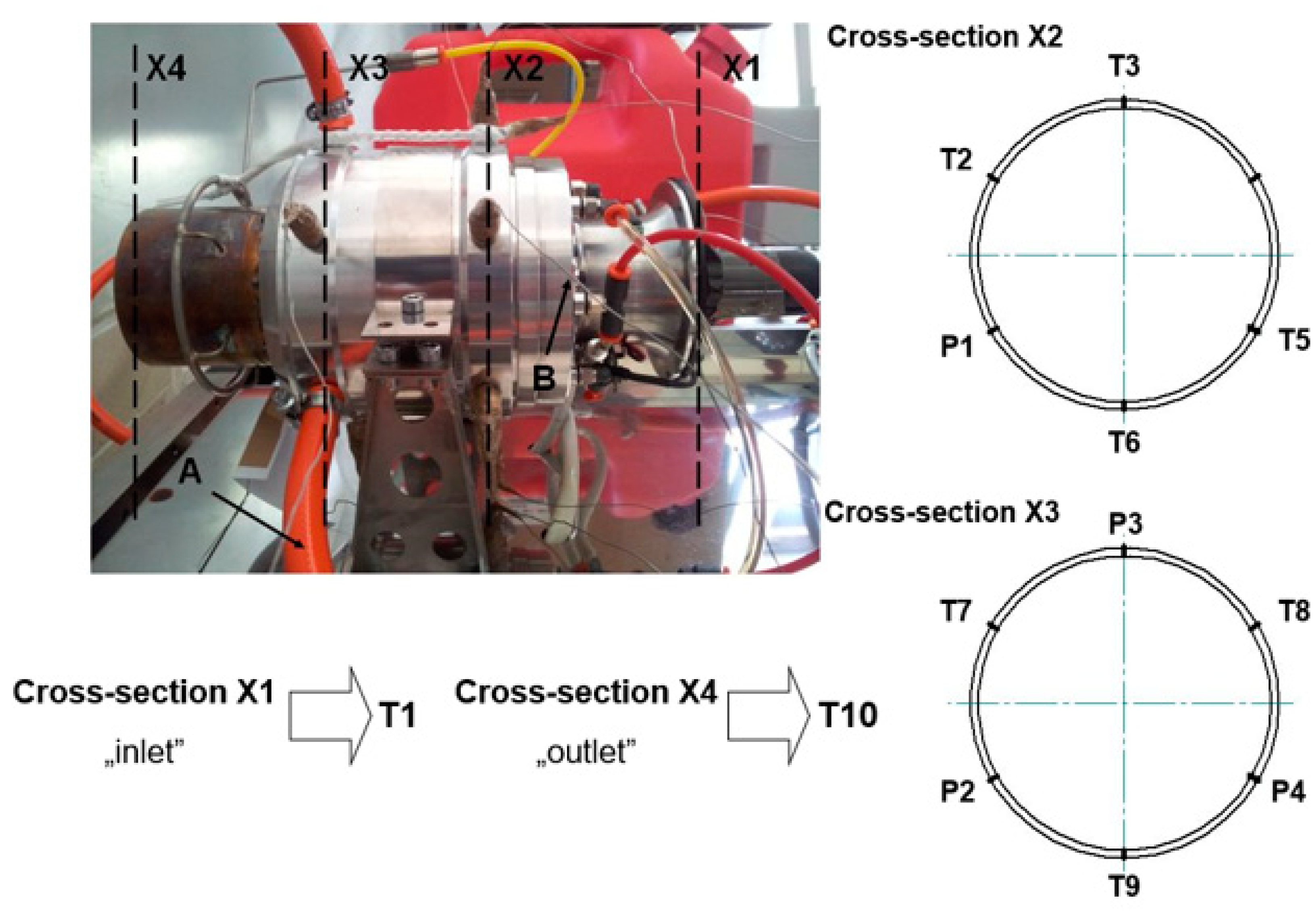
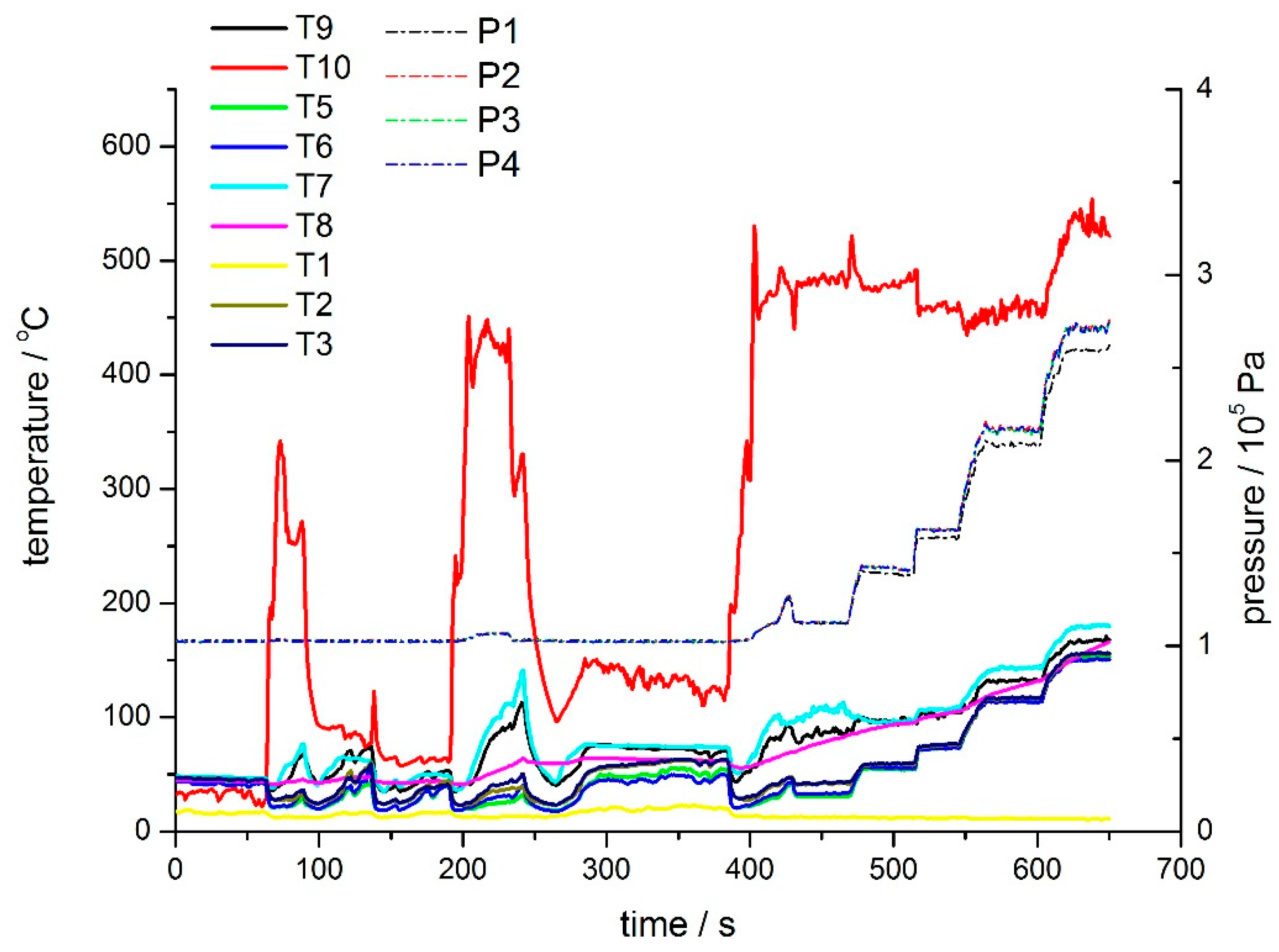
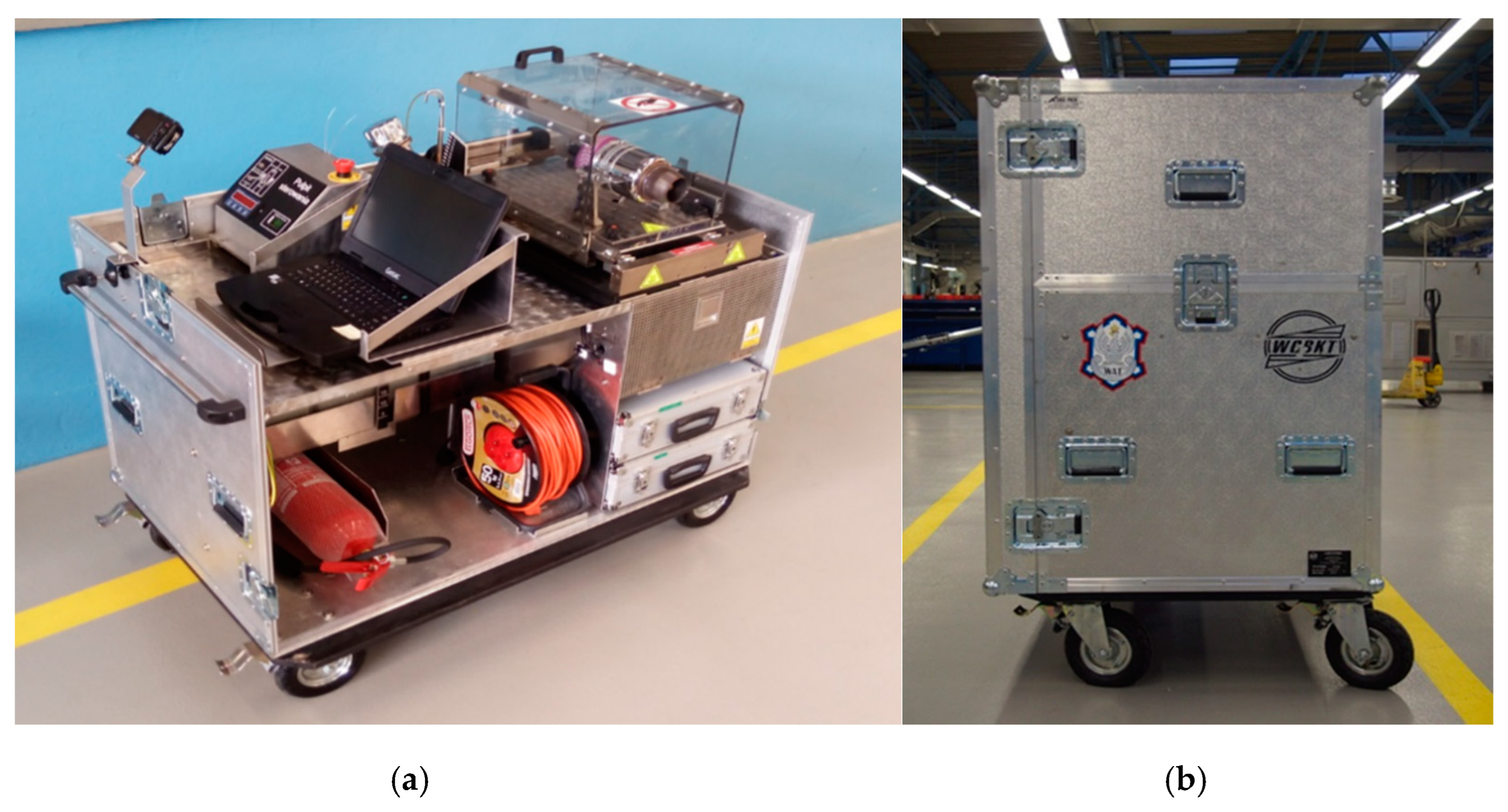
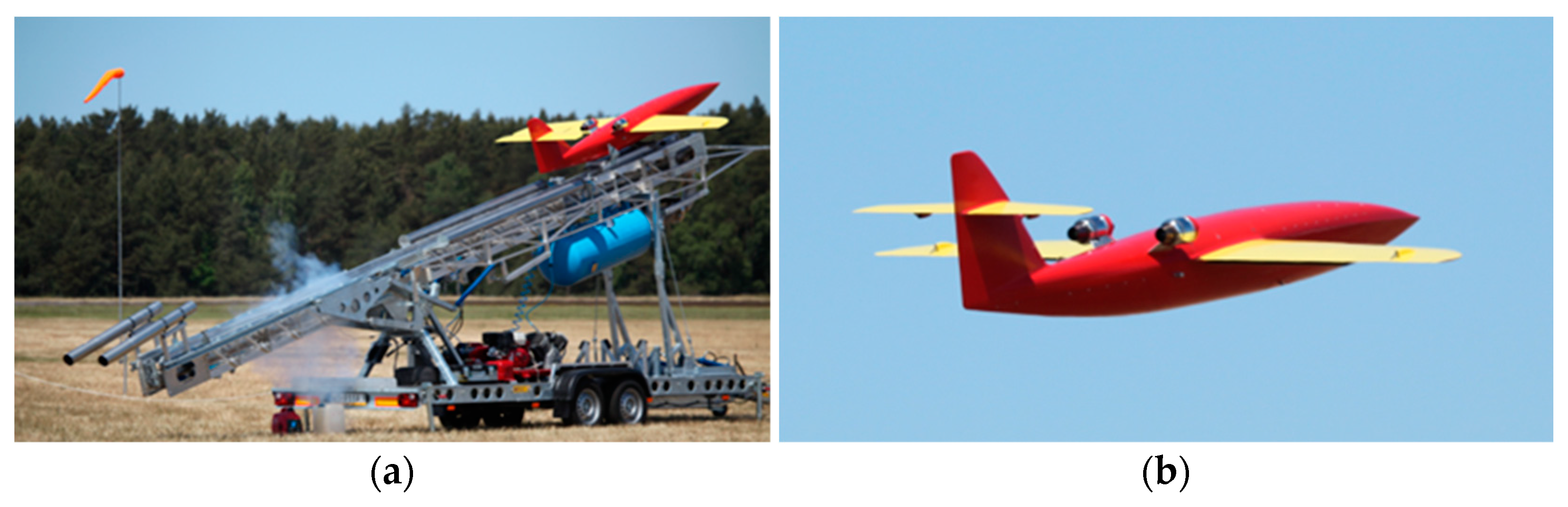
This paper presents the design and development project of an engine test stand specifically constructed for ground testing of miniature turbine jet engines (MTJEs) along with conclusive results of the conducted investigations. The tested engines serve as the propulsion system for an unmanned aerial vehicle (UAV) platform. The engine test stand was used to determine various operating parameters of the engine, with a particular focus on recording variations and changes in temperature and pressure at the engine control cross-sections: behind the compressor, the combustion chamber, and at the final cross-section of the nozzle. The analysis of the direct test results allowed the evaluation of the engine’s behavior under hydration conditions and documents the quantitative and qualitative response of the control system of the engine. Of particular interest are the results showing an increase in exhaust system temperature with a decrease in the temperature in combustion chamber under hydrated conditions. The test program assumed and considered the acting loads and forces in both standard and specific flight conditions, including scenarios for a heavy rain. The preliminary evaluation of the investigation results provided data and insights required for further analysis. Quantitatively, the measured temperature value in the exhaust system does not exceed 700 °C and the temperature increase resulting from the introduction of water and the engine’s response to the out-of-operation event is approximately 50 °C for the JetCat 140. Qualitatively different effects were observed in the combustion moment, consisting in a drop in temperature values during the introduction of water into the engine flow channel. The introduction of water into the GTM 140 inlet revealed no significant changes in the variations of pressure and temperature measured in selected engine design sections. Based on the knowledge and experience gained, a fully operational test stand to monitor the parameters and performance of the MTJEs, which are used for aerial target propulsion, was developed.
Keywords: unmanned aerial vehicle (UAV); turbine jet engine; ground tests; dynamic characteristics unmanned aerial vehicle (UAV); turbine jet engine; ground tests; dynamic characteristics