Article

Engineering Fastest Control: A New Process Control Method for Thermal Power Units

1
School of Software, North University of China, Taiyuan 030051, China
2
School of Aerospace Engineering, North University of China, Taiyuan 030051, China
3
Electric Power Research Institute of Guangdong Power Grid Co., Ltd., Guangzhou 510080, China
4
School of Mechanical Engineering, North University of China, Taiyuan 030051, China
*
Authors to whom correspondence should be addressed.
Energies 2024, 17(4), 924; https://doi.org/10.3390/en17040924
Submission received: 12 January 2024 / Revised: 9 February 2024 / Accepted: 15 February 2024 / Published: 16 February 2024
(This article belongs to the Section J: Thermal Management)

Abstract

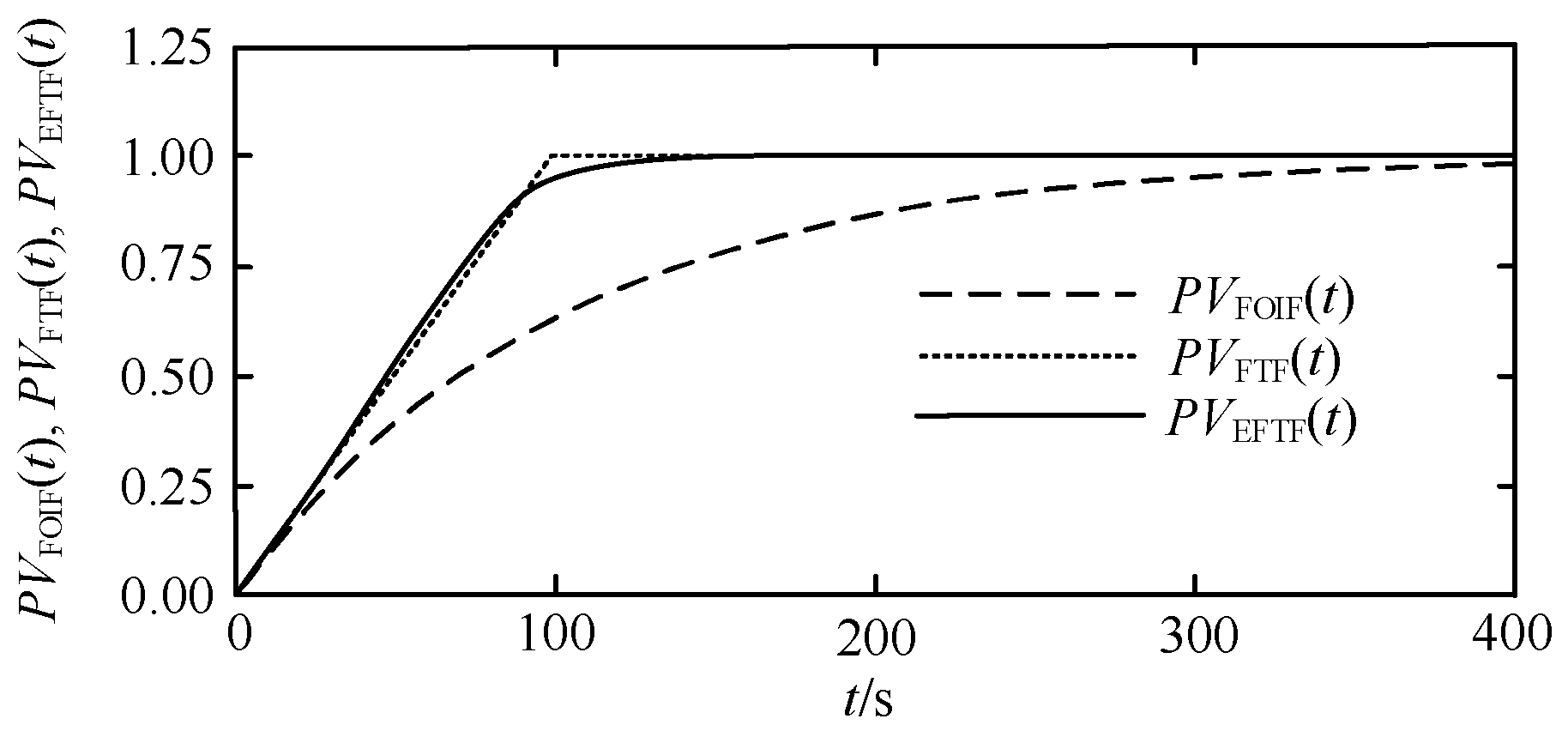
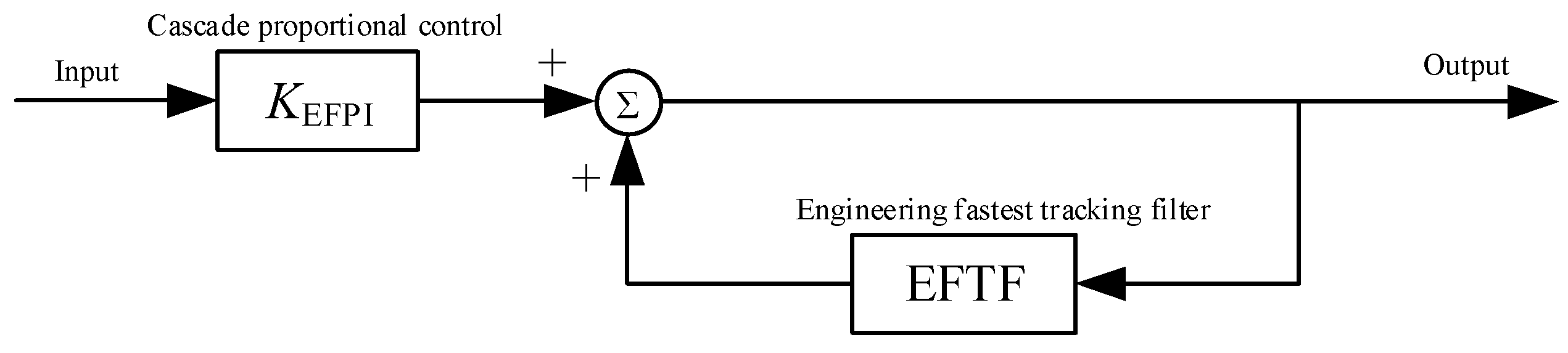
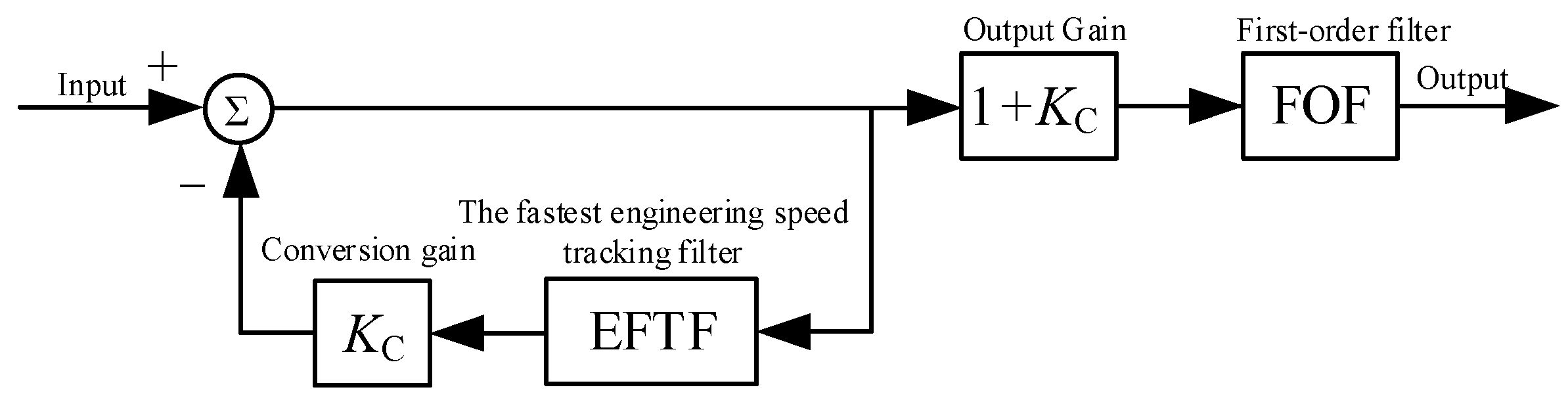
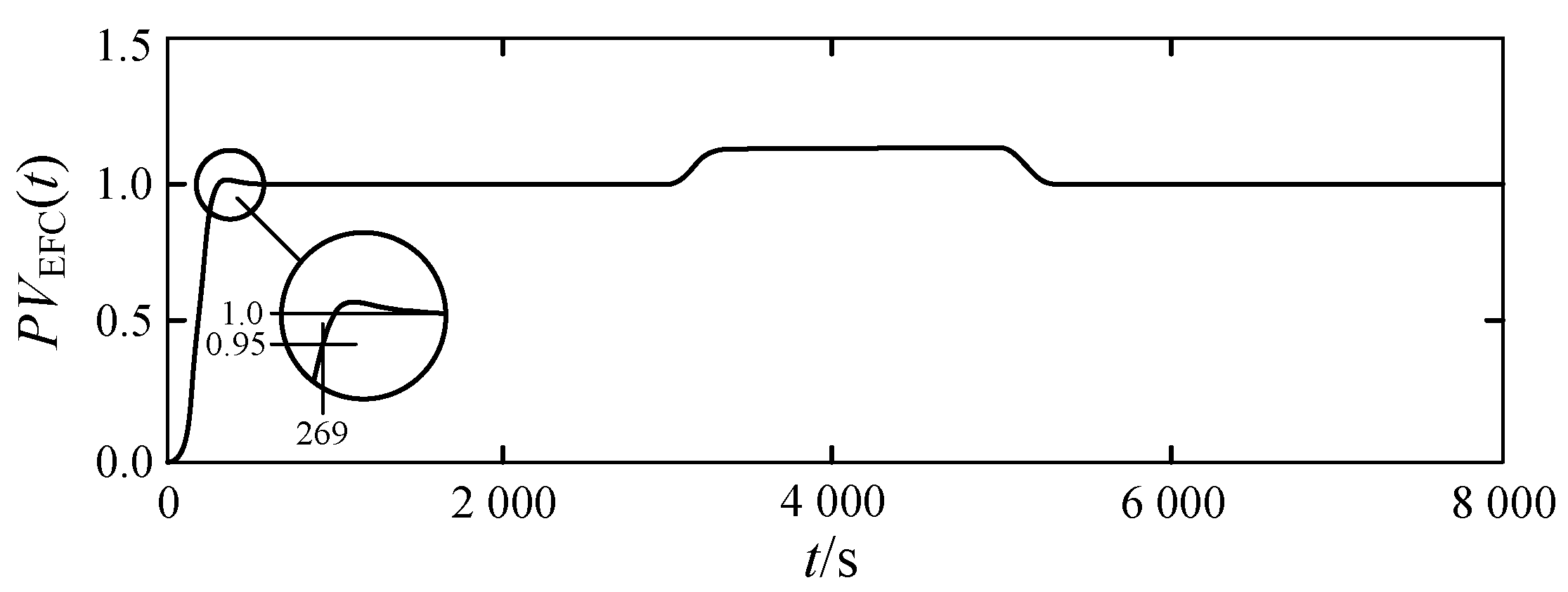
The intermittent and volatile nature of wind power generation necessitates thermal power units to provide deep-peak shaving and fast frequency regulation services within the same grid. However, the current proportional integral differential (PID) control performance in the process control foundation of thermal power units falls short of meeting these requirements. Despite the lack of comprehensive research on engineering fastest control (EFC), this article aims to address this gap by studying and analyzing the mechanism and physical defects of the fast tracking filter (FTF), the output tracking input characteristics of EFTF reconstructed by FTF engineering, and the control performance of the constructed EFC. Through mathematical calculation analysis, simulation experiments, and real-world engineering practice, it is concluded that EFC surpasses the limitations of PID control performance and effectively enhances feedback control performance. As a result, it is deemed suitable for process control in thermal power units.
Keywords: PID control; fastest tracking filtering; engineering reconstruction; engineering fastest tracking filtering; engineering fastest control; coal-fired thermal power units PID control; fastest tracking filtering; engineering reconstruction; engineering fastest tracking filtering; engineering fastest control; coal-fired thermal power units