Article

A Design and Validation of 400 W PV Emulator Using Simple Equivalent Circuit for PV Power System Test


College of IT Convergence Engineering, Gachon University, Seongnam 13120, Republic of Korea
*
Author to whom correspondence should be addressed.
Energies 2023, 16(4), 1561; https://doi.org/10.3390/en16041561
Submission received: 10 January 2023 / Revised: 25 January 2023 / Accepted: 30 January 2023 / Published: 4 February 2023
(This article belongs to the Section A2: Solar Energy and Photovoltaic Systems)

Abstract

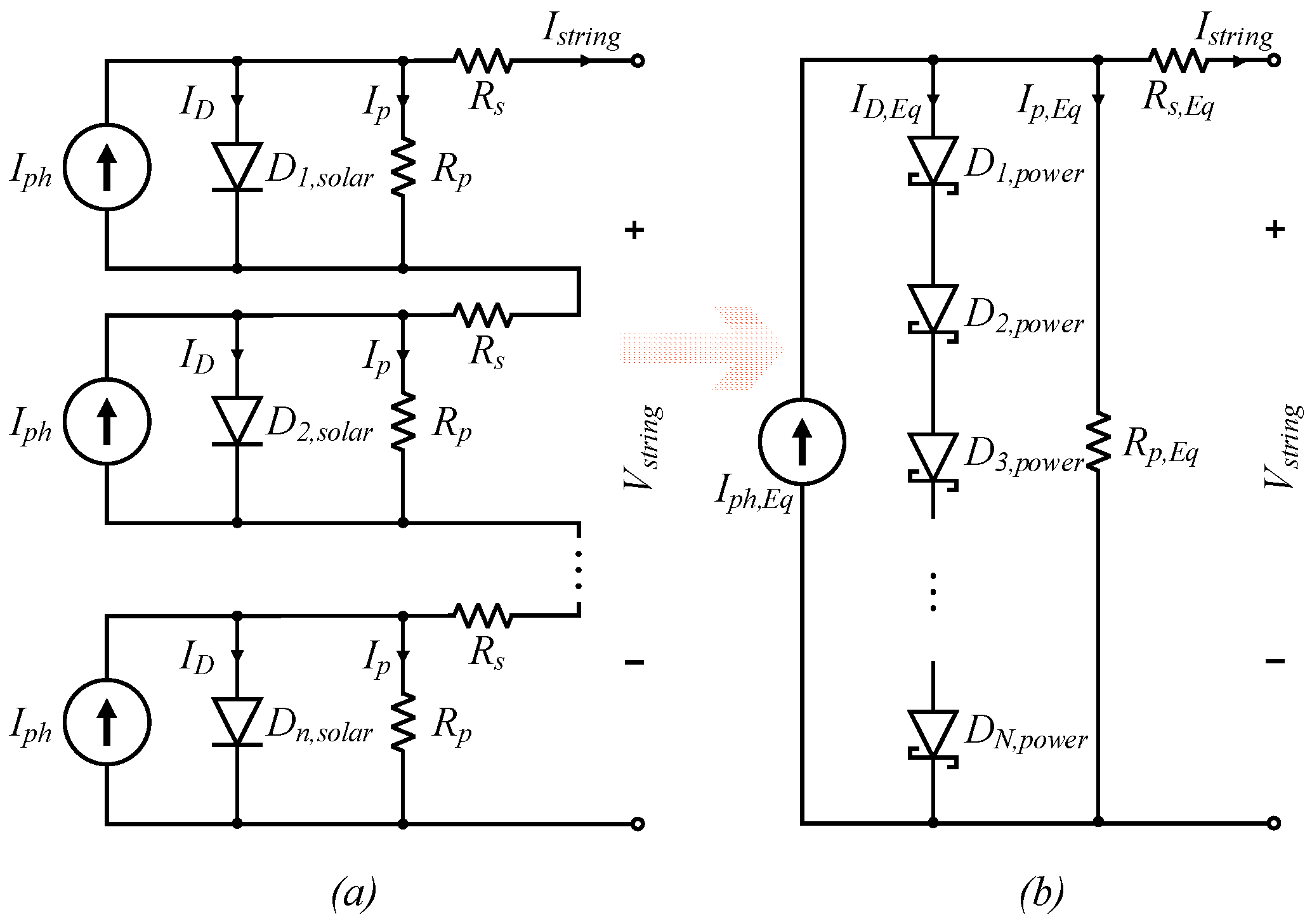
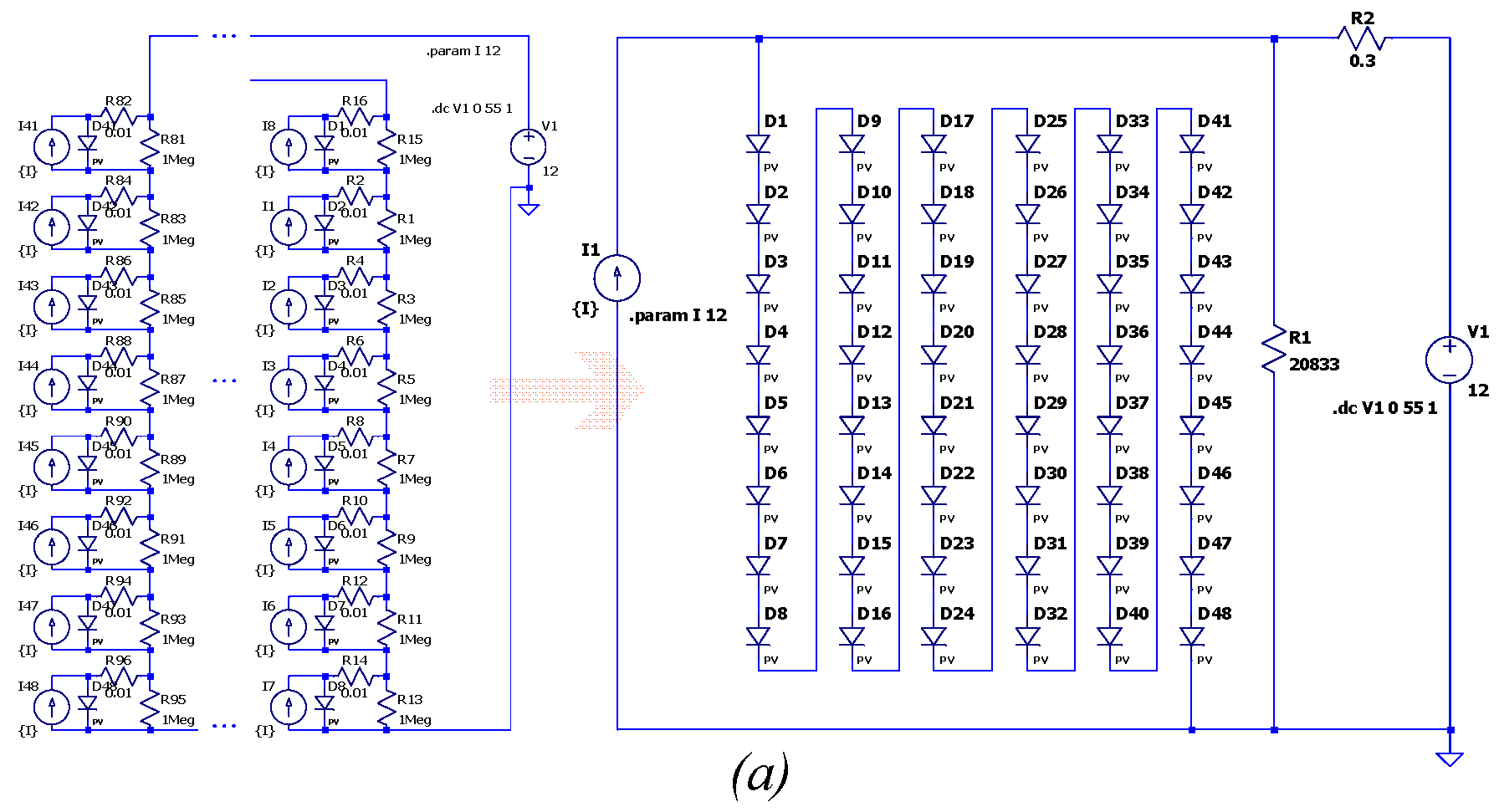
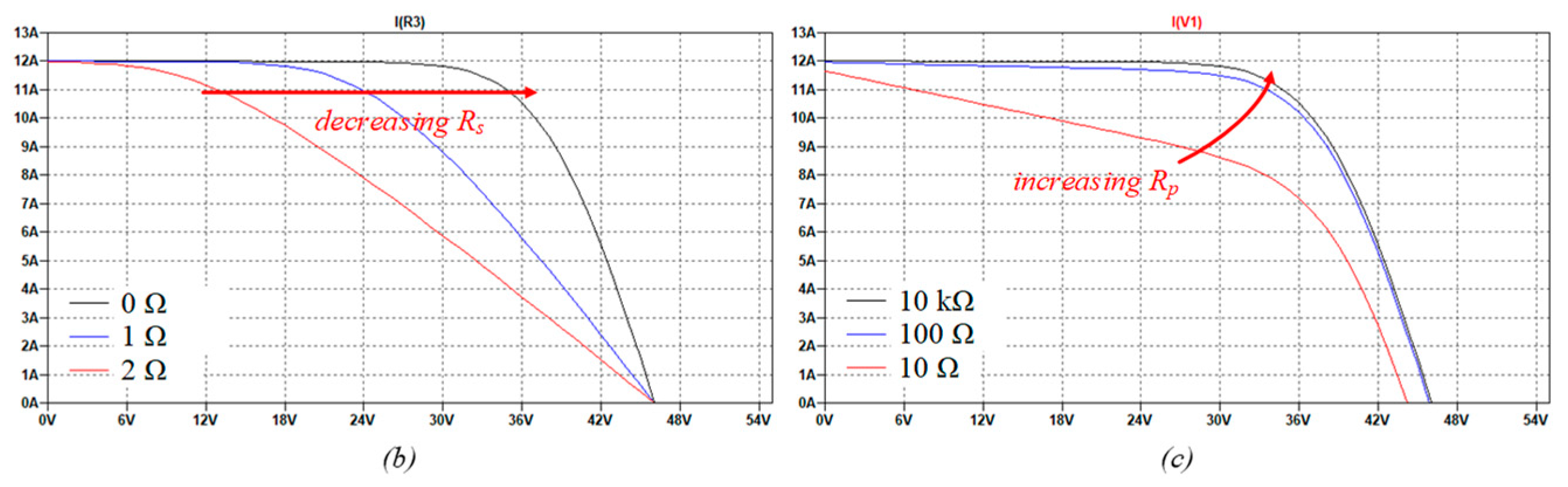
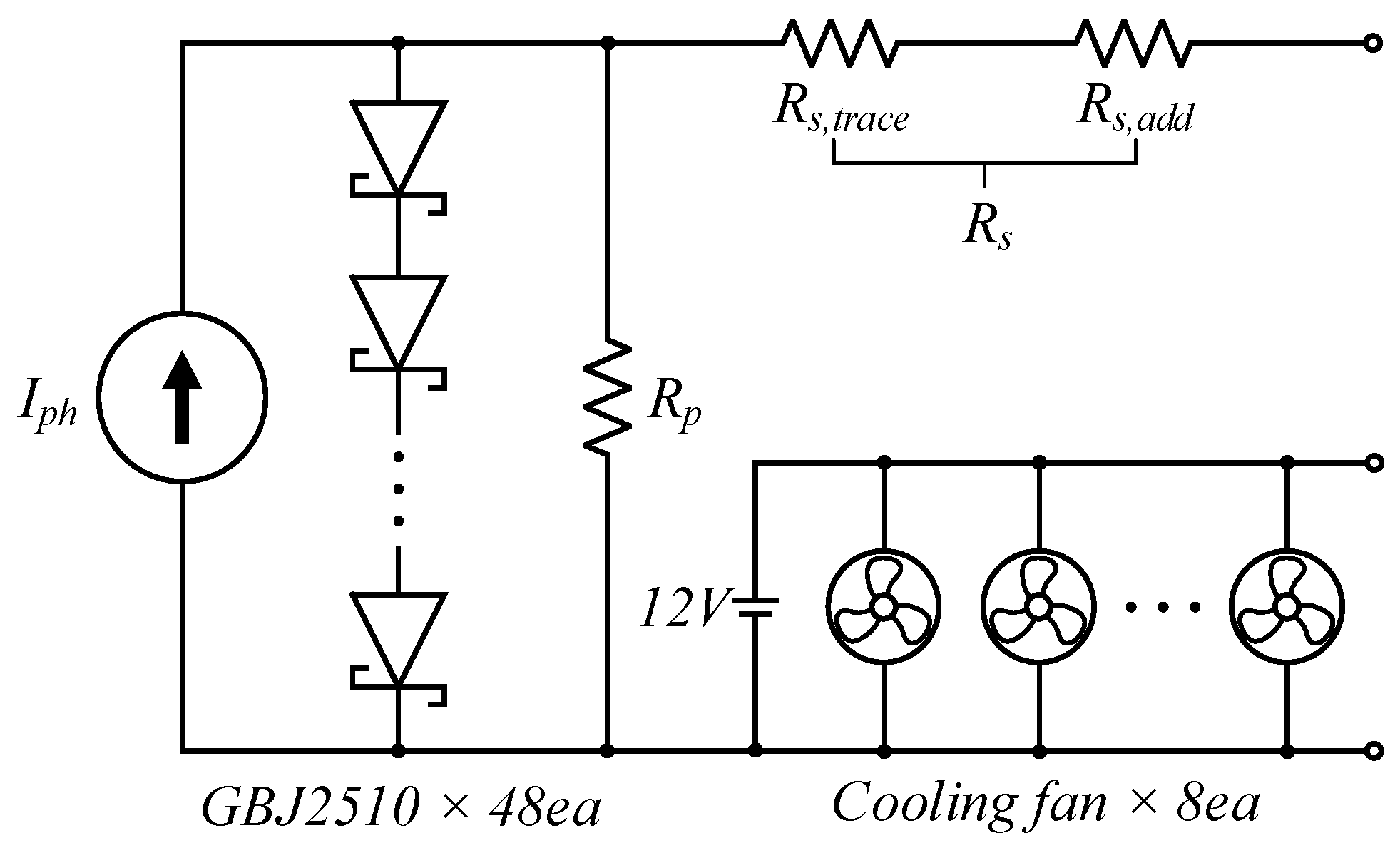
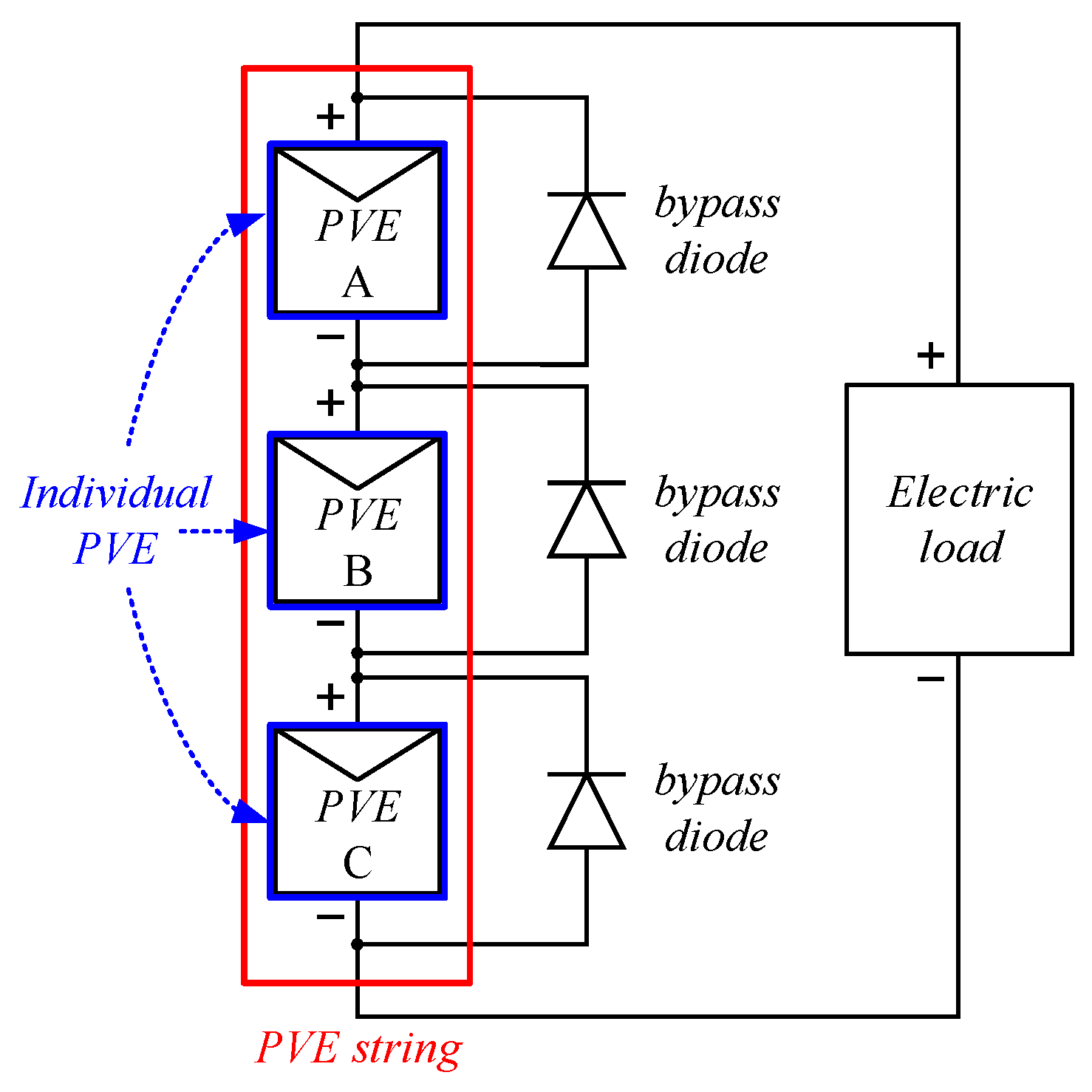
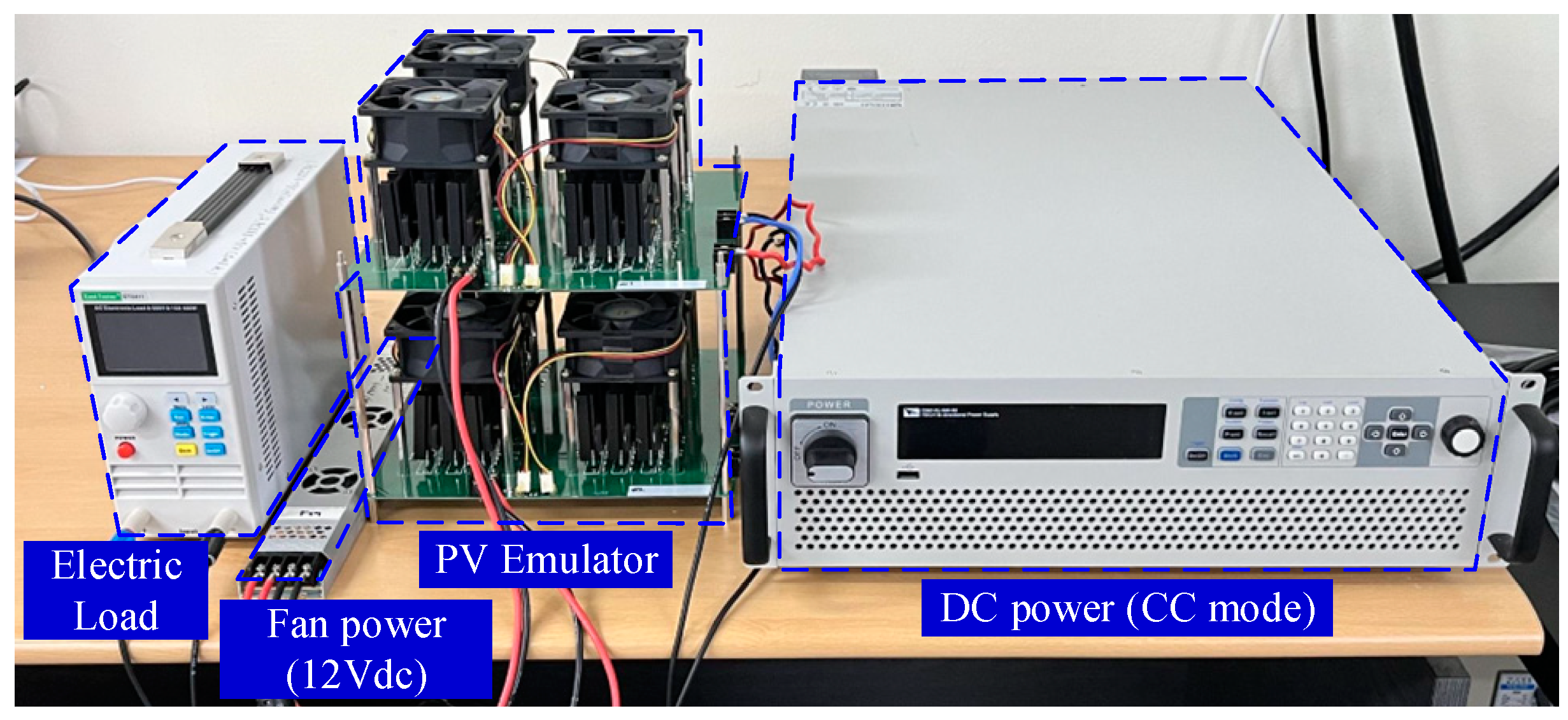
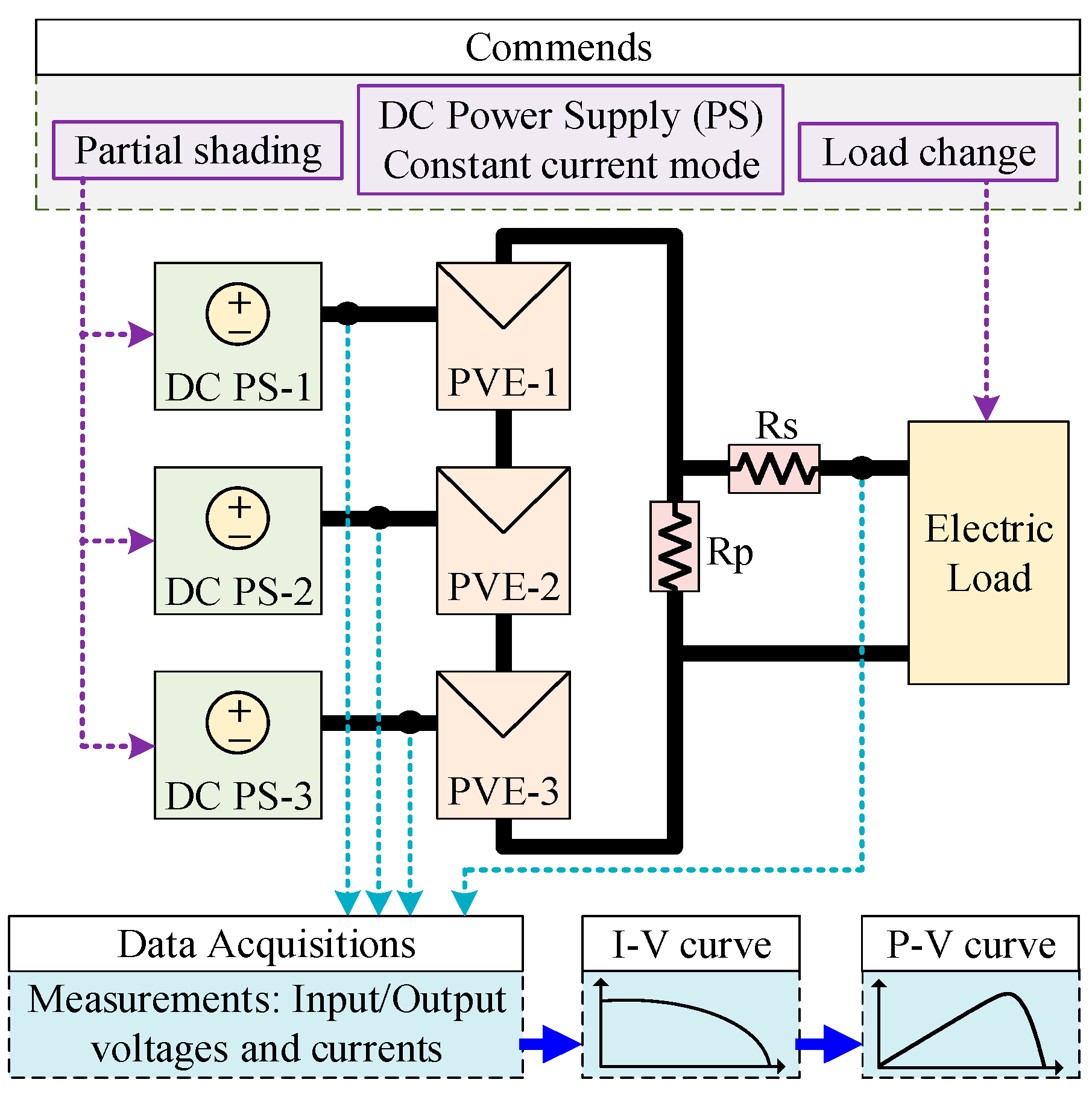
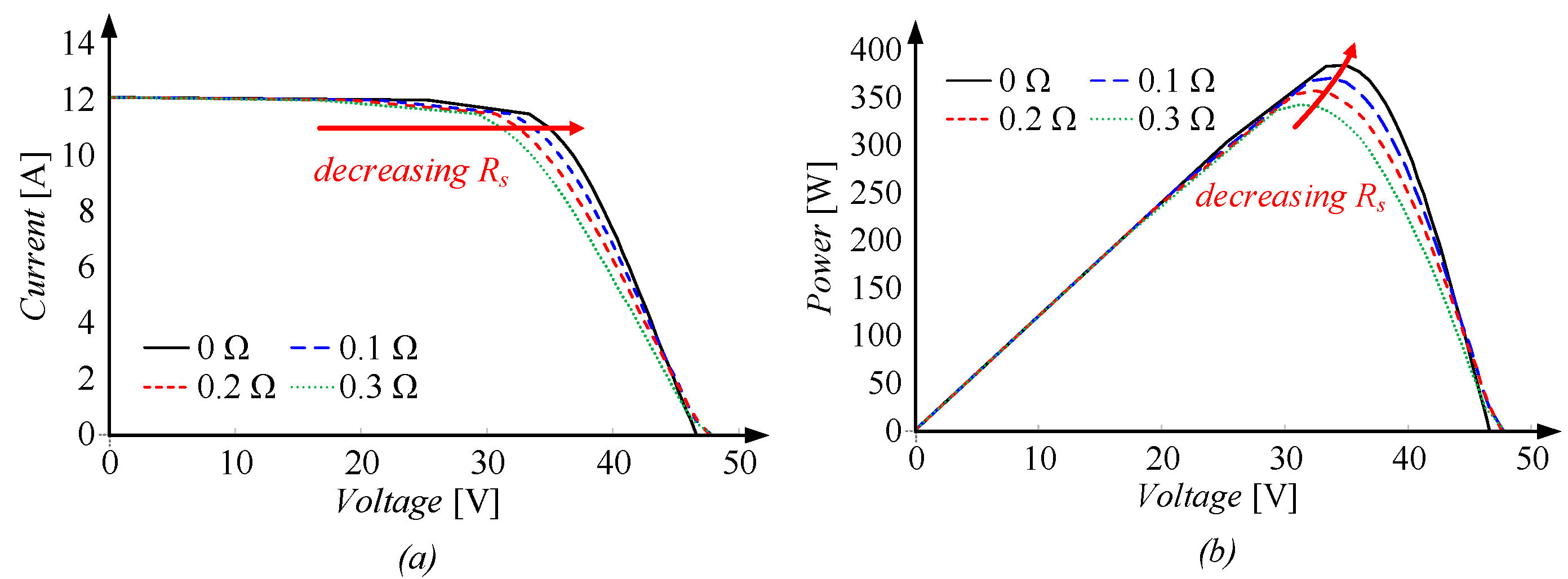
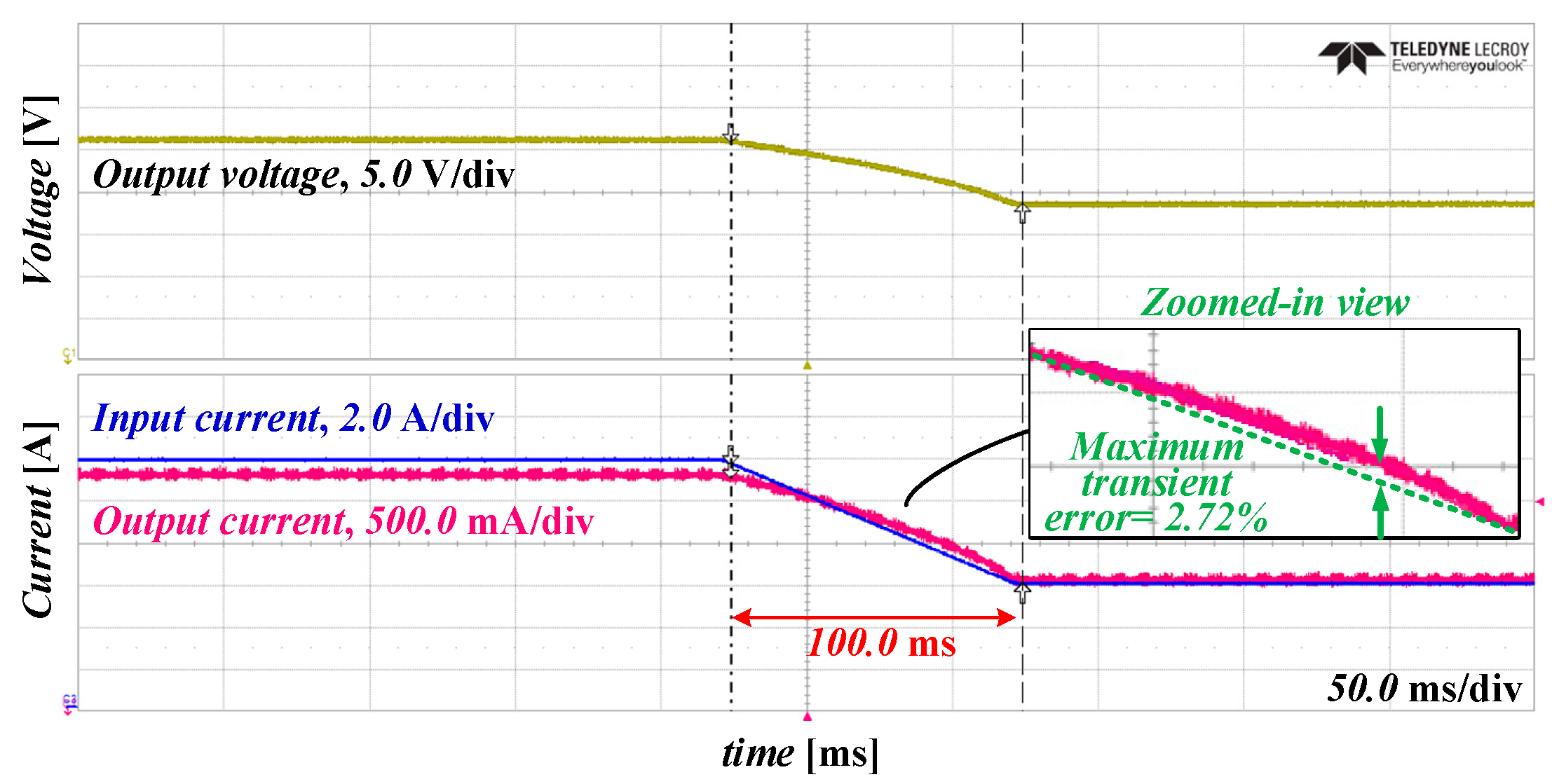
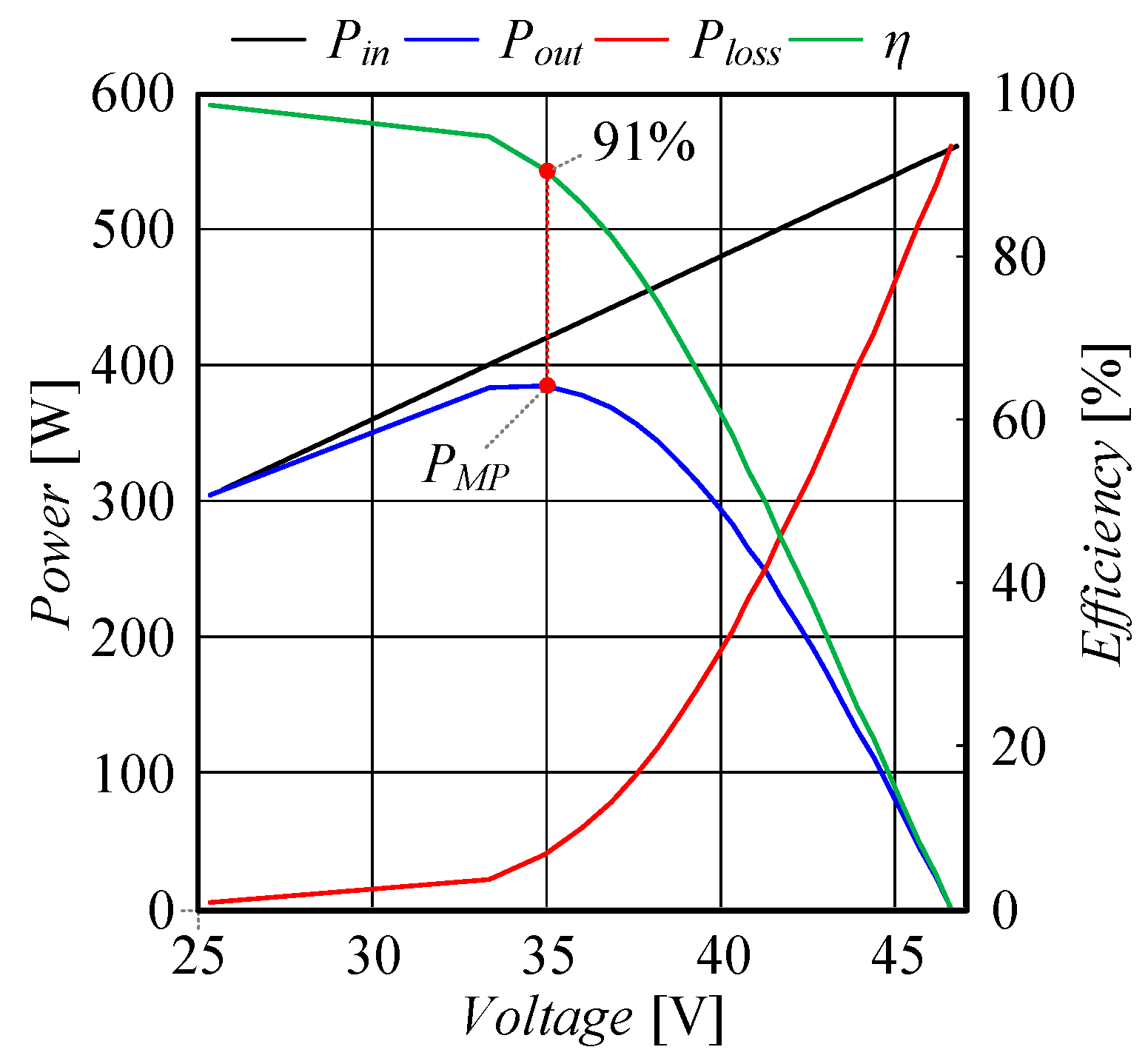
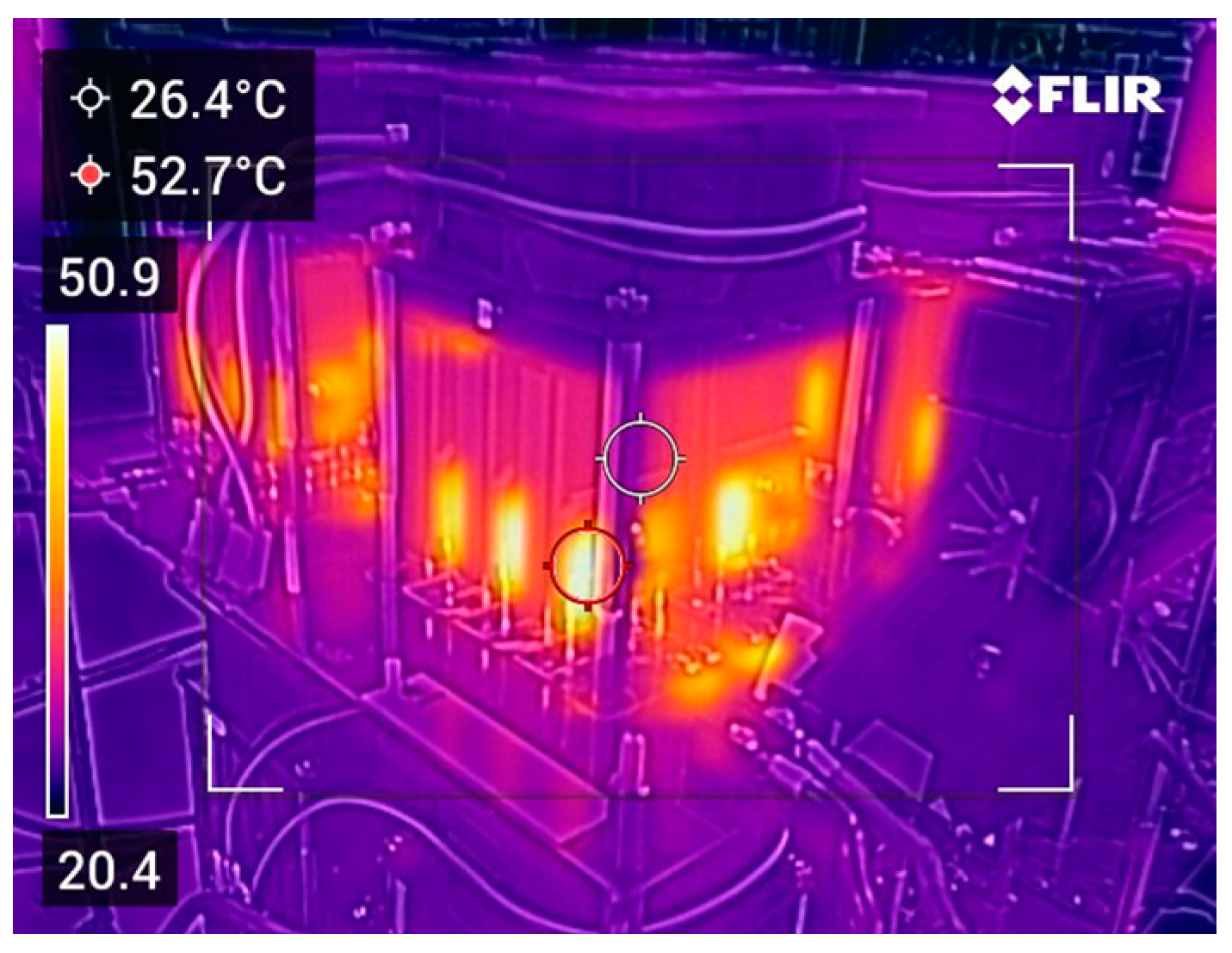
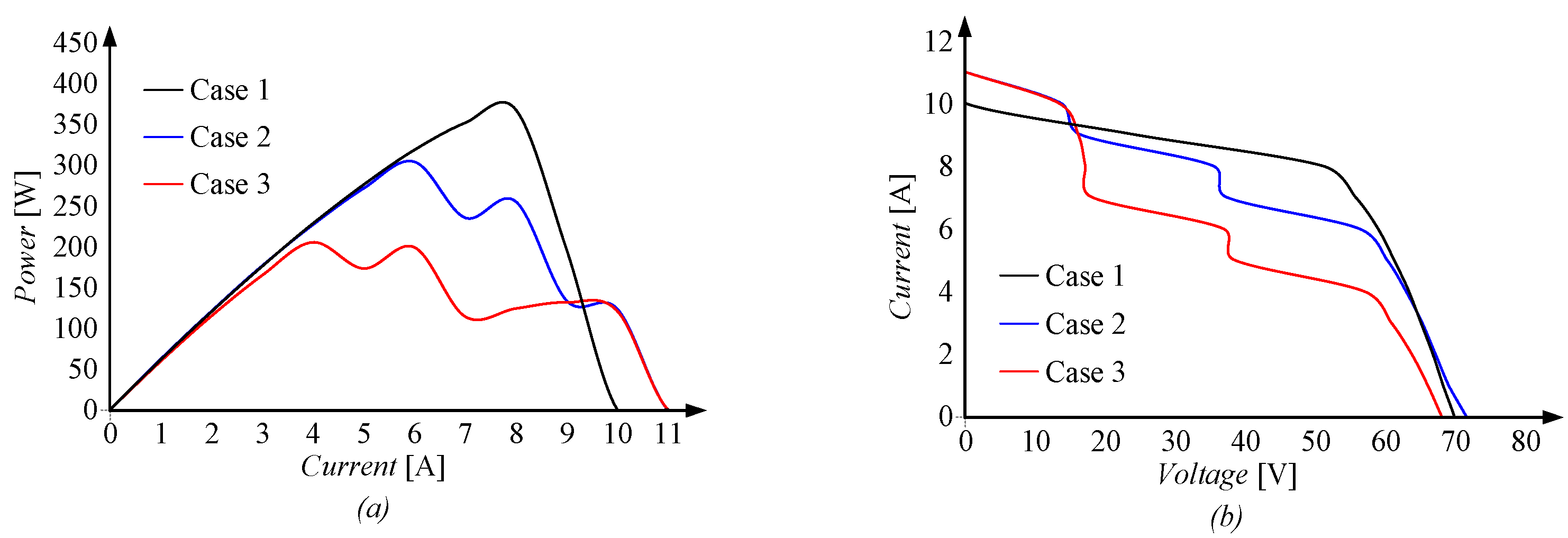
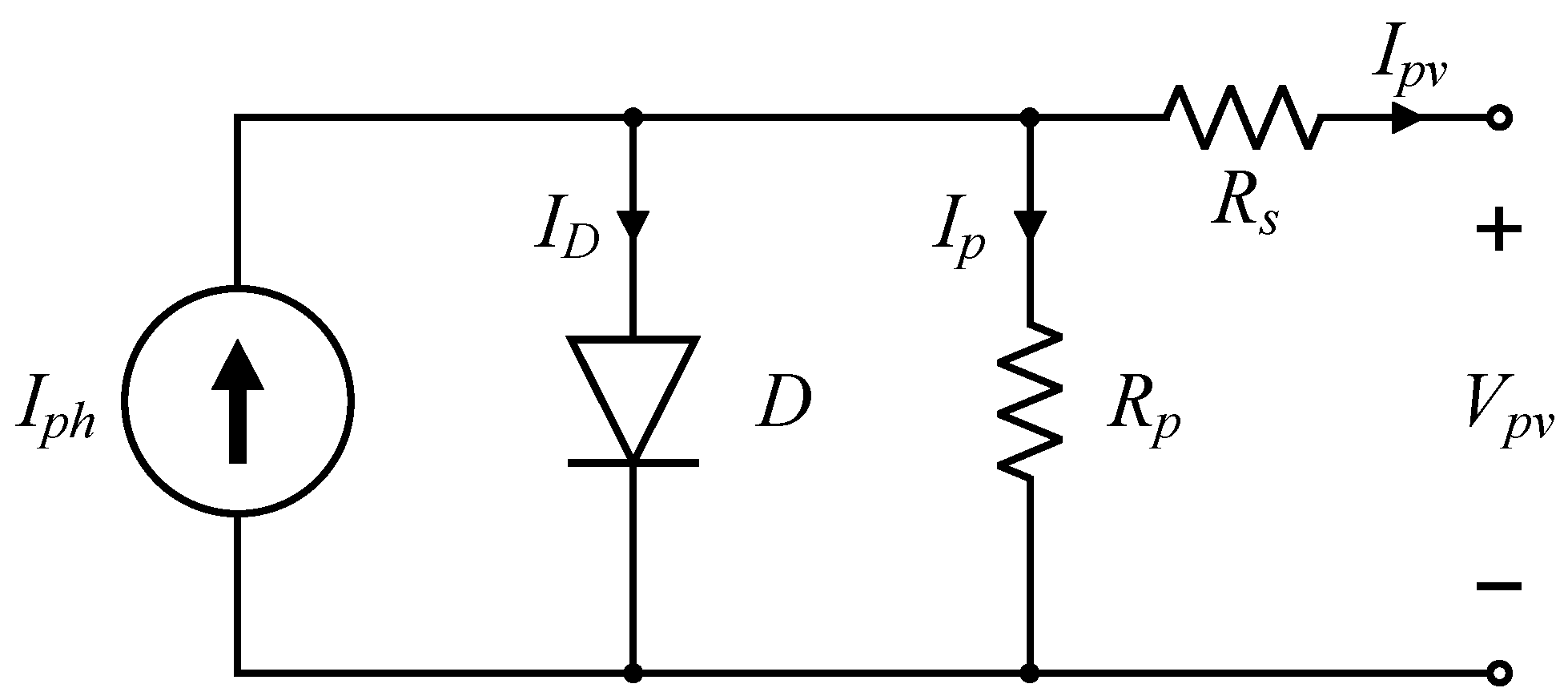
In this paper, we propose a photovoltaic emulator (PVE) composed of a series of connected power diodes with a single constant current source, rather than a power converter-based PVE. Accordingly, this enables readily verifying the operation because a the simple hardware structure and lack of a complex control algorithm. The proposed PVE can be intuitively implemented using the proposed selection criteria for the power diode and equivalent resistances. Since there is no feedback control based on complex analog/digital controls and sensors, the control response can be very fast. In addition, the proposed PVE can be easily integrated with a PV power system such as a power optimizer, to allow testing in a simple and flexible manner. Spice simulation was performed based on the electrical characteristics provided by the solar panel manufacturer, and this was utilized to validate the applied emulator circuit model, the Norton Equivalent Circuit. During the design process, the simulation helped to manufacture the PVE within error ranges satisfying the desired I–V and P–V curves, as well as the maximum power point (MPP). Partial shading could be easily implemented through use of the multiple series connection of individual PVEs, demonstrating local MPP and global MPP. A 400 W class PVE was built through appropriate power diode selection, with a thermal design to increase the output power. Moreover, its performance and feasibility were verified through intensive experiments. The measured efficiency, transient response time, and maximum transient error of the partial shading tests were 91%, 22 μs, and 5.8%, respectively.
Keywords: PV emulator; PV equivalent circuit; PV multiple series connections; Global MPP; local MPP; partial shading PV emulator; PV equivalent circuit; PV multiple series connections; Global MPP; local MPP; partial shading