Article

A High-Precision Error Calibration Technique for Current Transformers under the Influence of DC Bias

1
School of Electric Power Engineering, South China University of Technology, Guangzhou 510640, China
2
Metrology Center, Guangdong Power Grid Co., Ltd., Guangzhou 510080, China
3
Electric Power Research Institute, China Southern Power Grid Company Limited, Guangzhou 510663, China
4
Guangdong Provincial Key Laboratory of Intelligent Measurement and Advanced Metering of Power Grid, Guangzhou 510663, China
5
School of Electric Power Engineering, Xi’an Jiaotong University, Xi’an 710049, China
*
Author to whom correspondence should be addressed.
Energies 2023, 16(24), 7917; https://doi.org/10.3390/en16247917
Submission received: 8 October 2023 / Revised: 10 November 2023 / Accepted: 24 November 2023 / Published: 5 December 2023
(This article belongs to the Section F5: Artificial Intelligence and Smart Energy)

Abstract

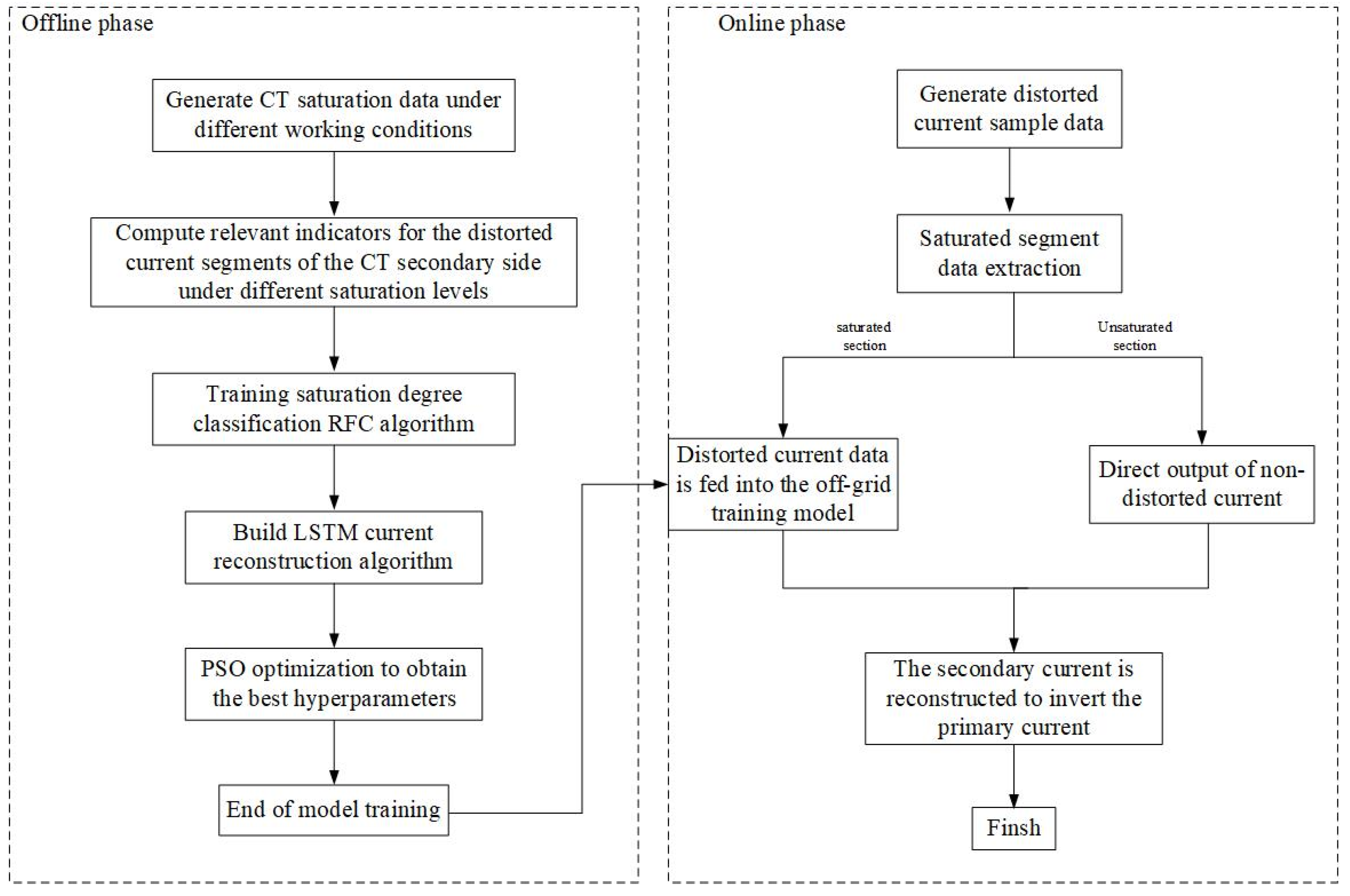
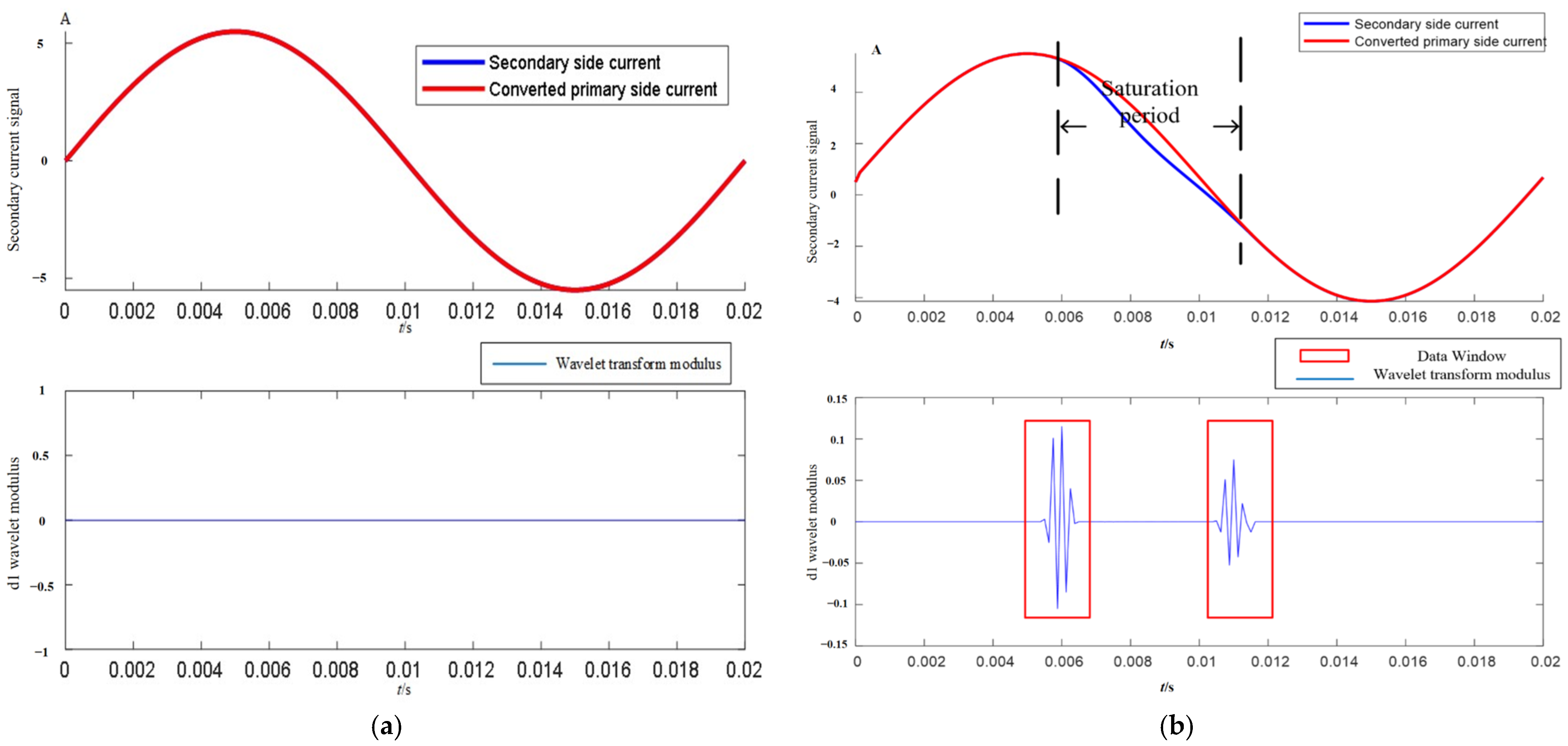
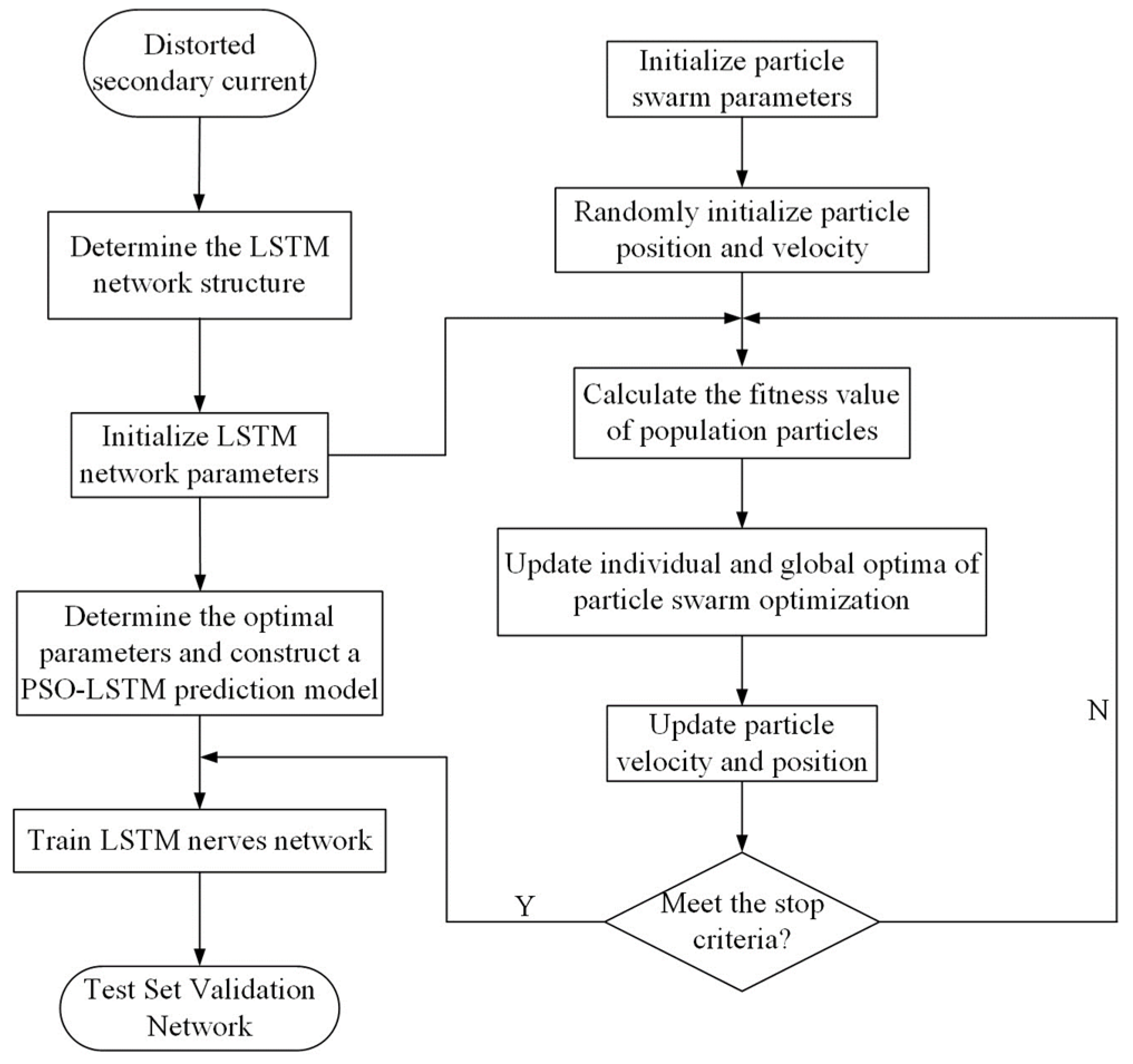
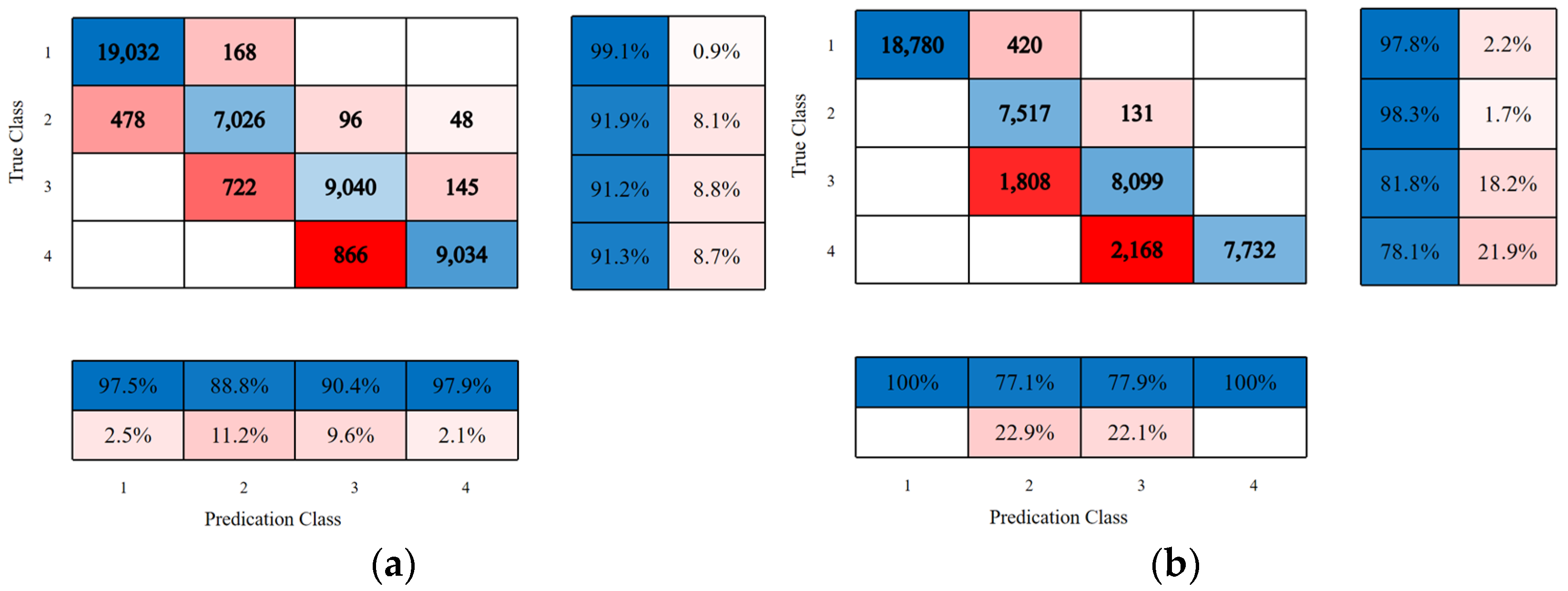
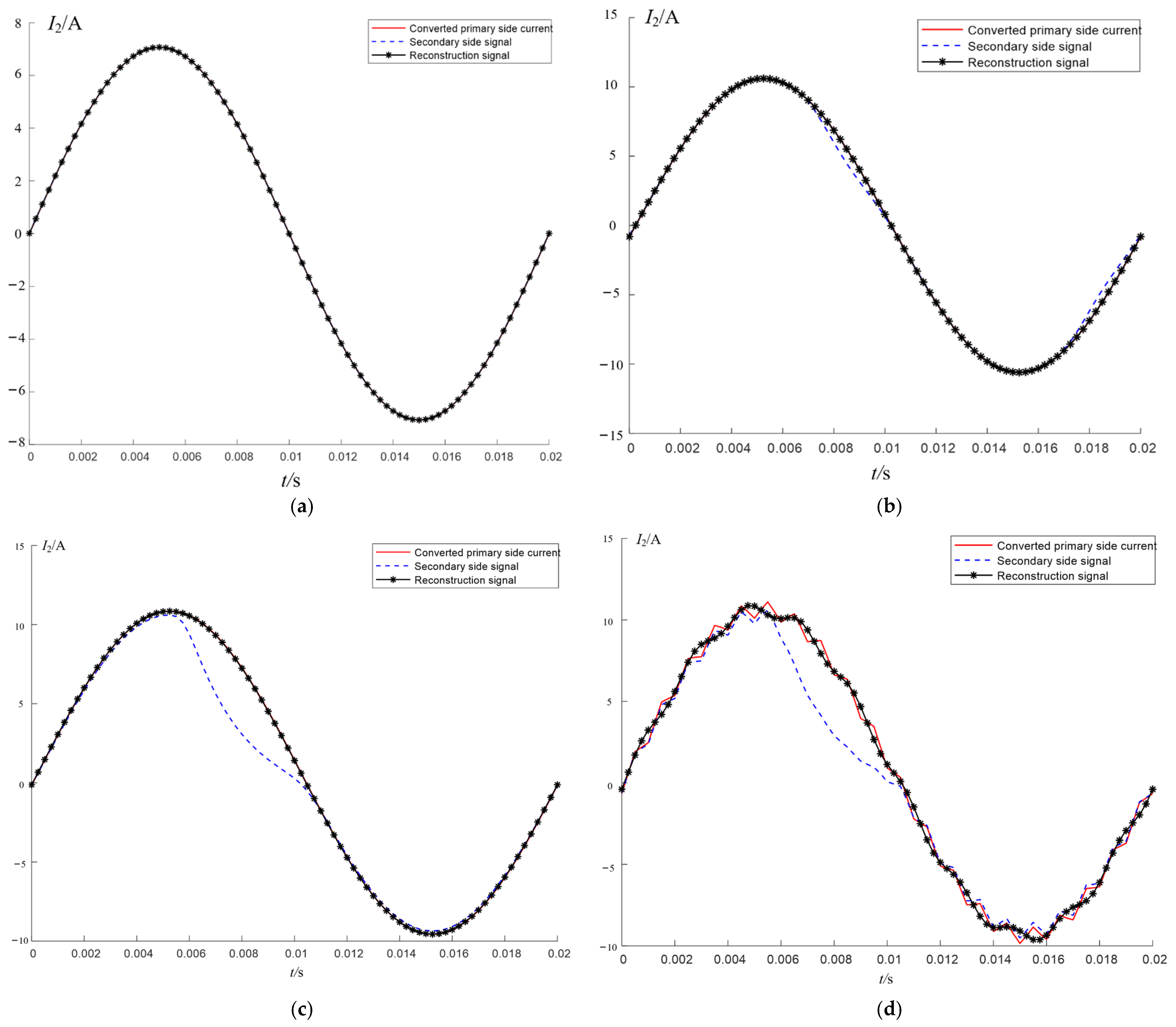
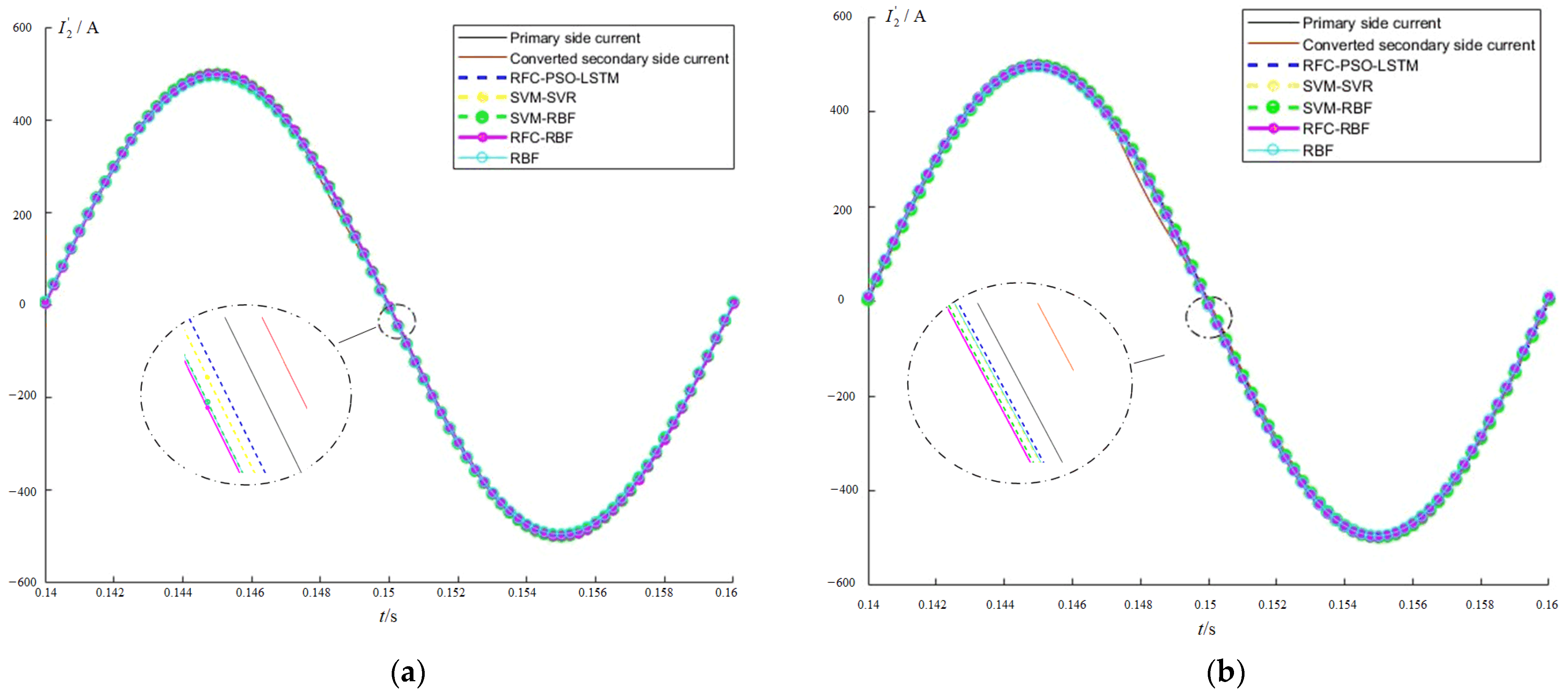
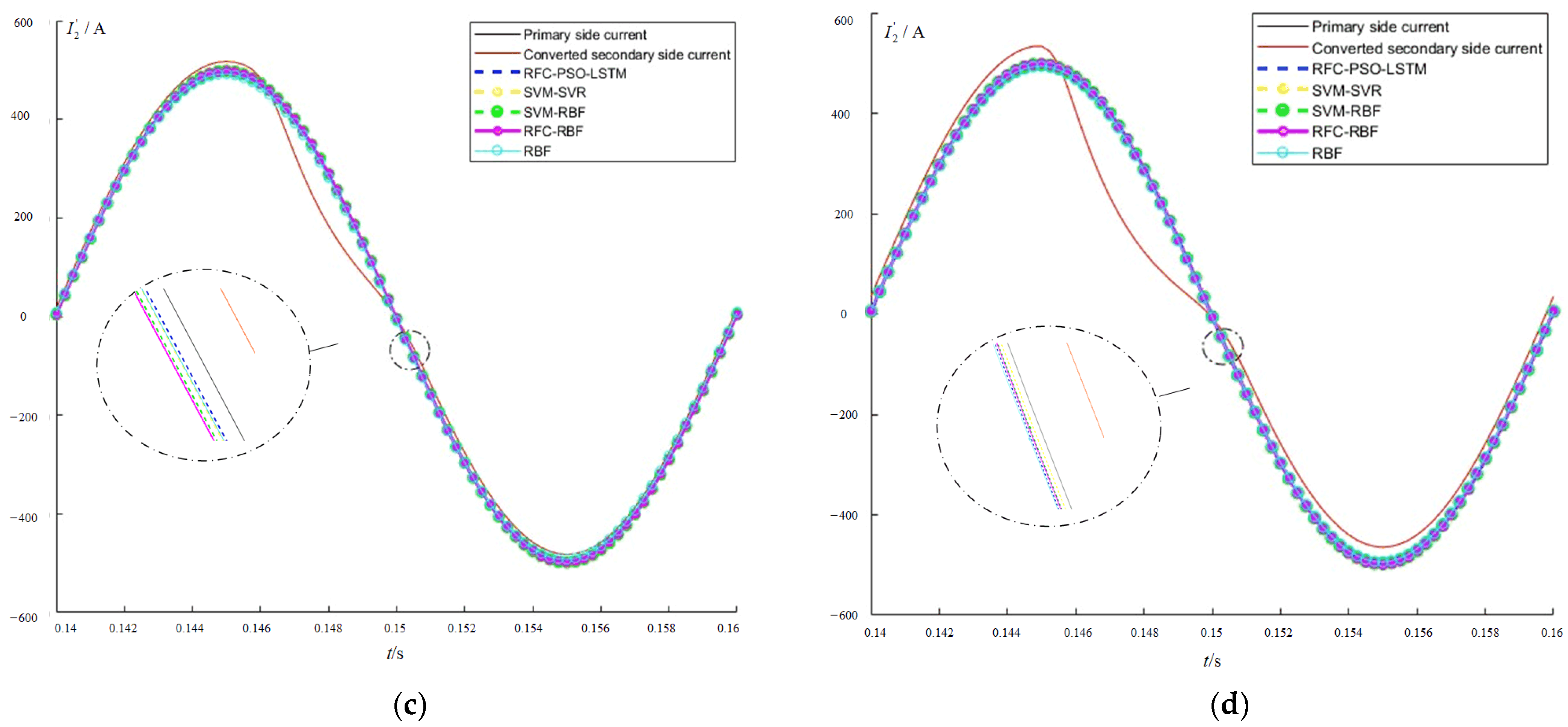
A bias current in the power system will cause saturation of the measuring current transformer (CT), leading to an increase in measurement error. Therefore, in this paper, we first conducted measurements of the direct current component in a 10 kV distribution system. Subsequently, a reverse extraction method for the CT distorted current under direct current bias conditions based on Random Forest Classification (RFC) and Long Short-Term Memory (LSTM) was proposed. This method involves two stages for the reverse extraction of CT distorted currents under direct current bias conditions. In the offline stage, data samples were generated by changing the operating environment of the CT. The RFC classification algorithm was used to divide the saturation levels of the CT, and for each sub-class, Particle Swarm Optimization–Long Short-Term Memory Network (PSO-LSTM) models were trained to establish the mapping relationship between the secondary distorted current and the primary current fundamental component. In the online stage, the saturated data segments were extracted from the secondary current waveform using wavelet transform, and these segments were input into the offline model for current reverse extraction. The simulation results show that the proposed method exhibited strong robustness under various CT conditions, and achieved high reconstruction accuracy for the primary current.
Keywords: current transformer; DC bias; saturation current reconstruction; PSO-LSTM; RFC current transformer; DC bias; saturation current reconstruction; PSO-LSTM; RFC