Article

Landscape Democracy and the Implementation of Renewable Energy Facilities

1
Department of Planning, Aalborg University, Rendsburggade 14, DK-9000 Aalborg, Denmark
2
Ruralis—Institute for Rural and Regional Research, N-7491 Trondheim, Norway
3
Department of Planning, Aalborg University, A. C. Meyers Vænge 15, DK-2450 København SV, Denmark
*
Author to whom correspondence should be addressed.
Energies 2023, 16(13), 4997; https://doi.org/10.3390/en16134997
Submission received: 15 May 2023 / Revised: 20 June 2023 / Accepted: 23 June 2023 / Published: 27 June 2023
(This article belongs to the Section C: Energy Economics and Policy)

Abstract

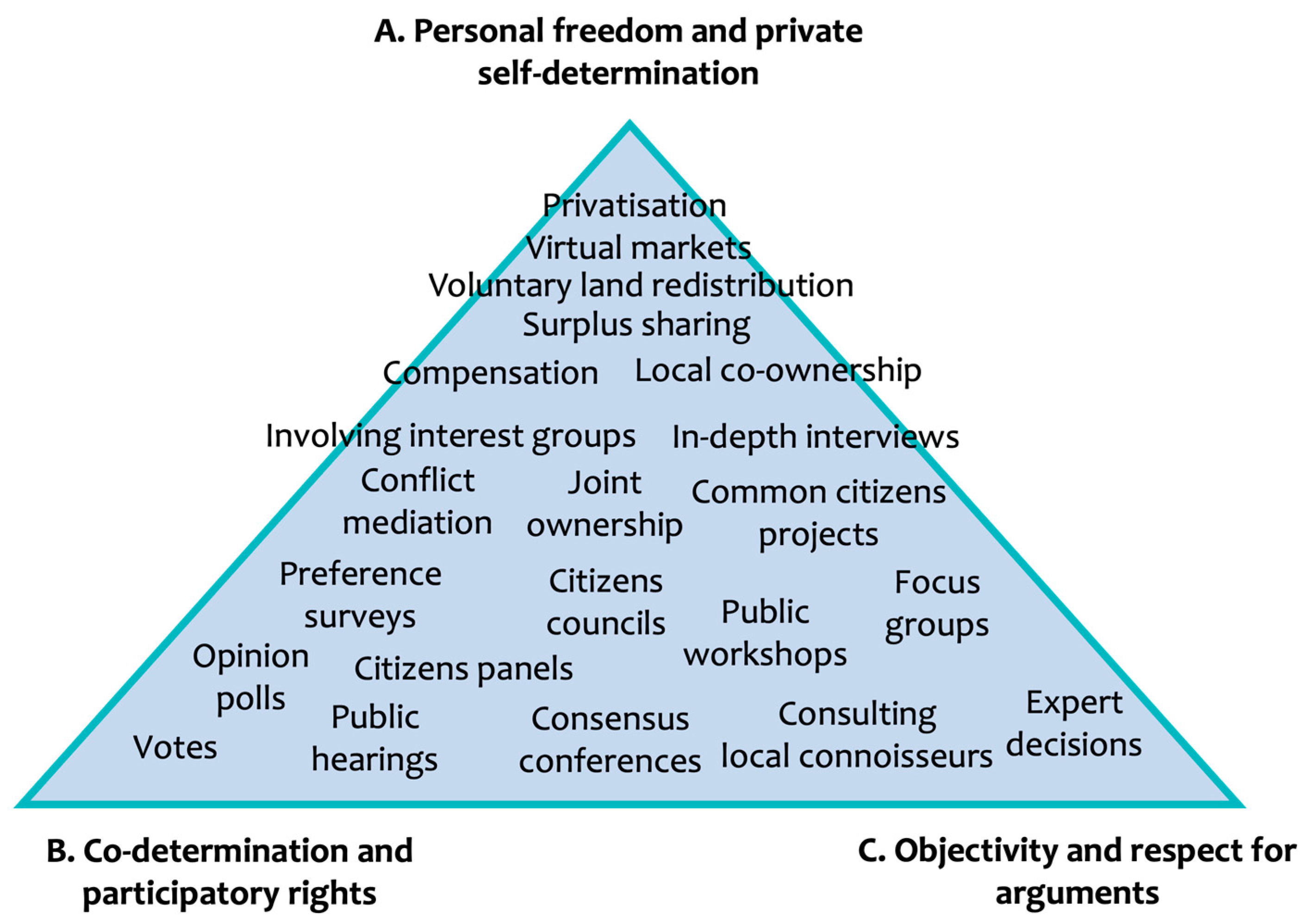
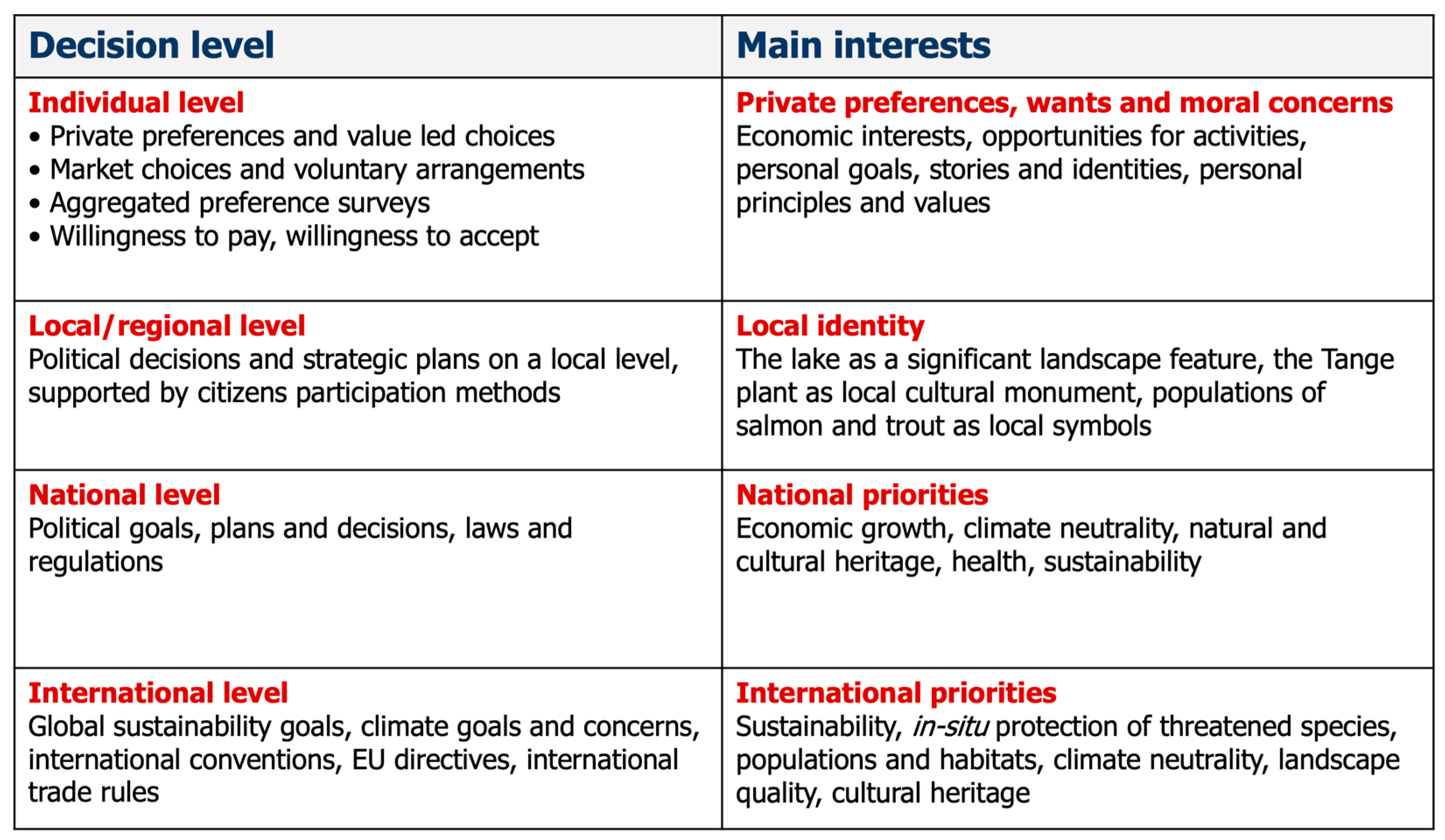
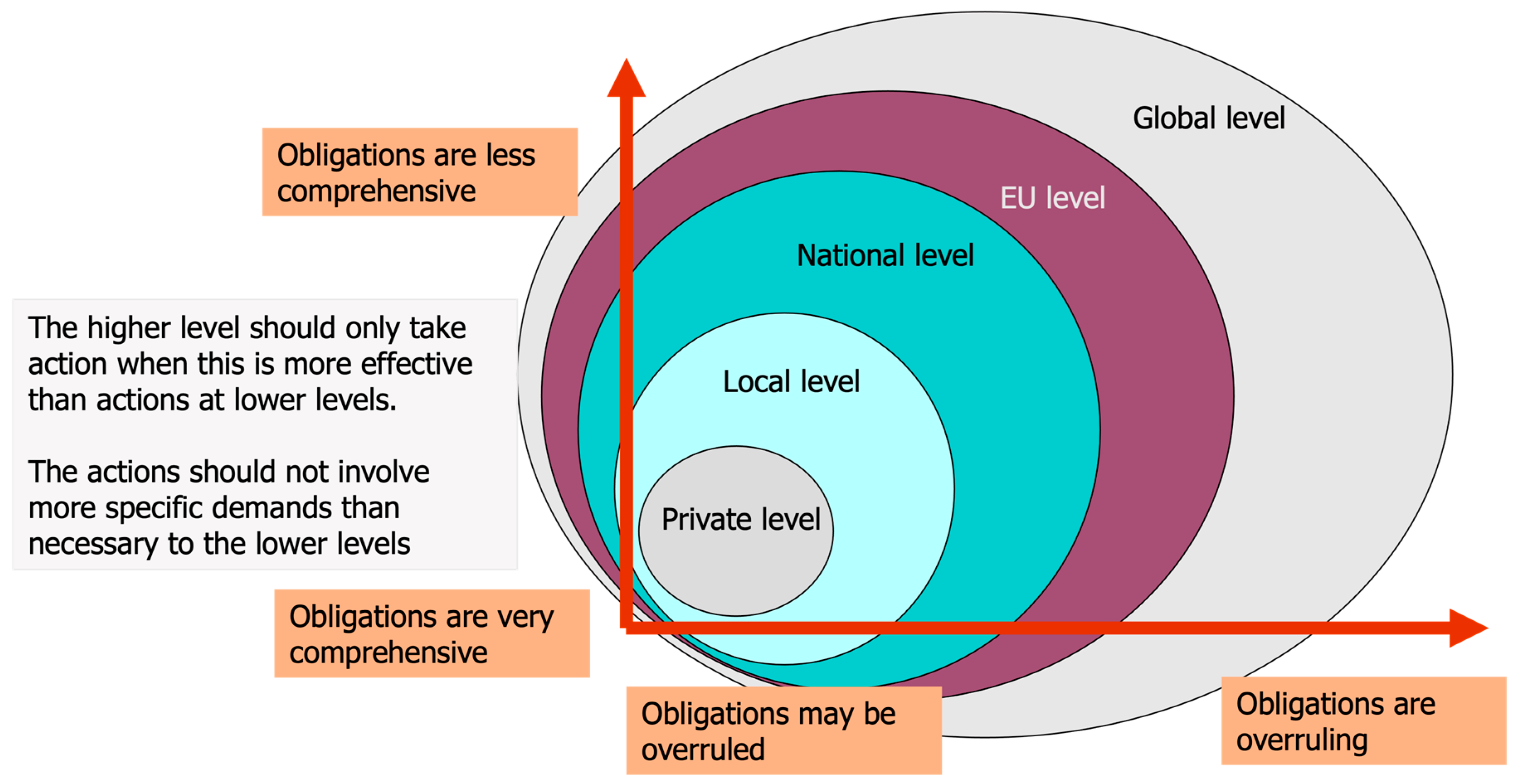
The internationally accepted goal of eliminating climate gas emissions implies substantial investments in renewable energy (RE) facilities. This will inevitably lead to major impacts on landscapes. Landscape concerns linked to RE facilities are already leading to controversies in many local communities. In this article, we focus on the question of landscape democracy related to the establishment of RE facilities. Based on recommendations from the European Landscape Convention, an analytical framework is presented identifying three main dimensions of landscape democracy, followed by an overview of arrangements, procedures, and methods that are or may be used to encourage democracy. The procedures and methods are analyzed based on examples from Denmark and Norway. This is followed by an analysis of decision levels with a special focus on the principle of subsidiarity. Finally, recommendations are presented to strengthen landscape democracy in relation to the installation of RE facilities.
Keywords: renewable energy; wind turbines; PV plants; energy planning; landscape democracy; landscape quality; citizen participation; green transition; principle of subsidiarity renewable energy; wind turbines; PV plants; energy planning; landscape democracy; landscape quality; citizen participation; green transition; principle of subsidiarity