Article

Experimental Investigation of Gravity Effect on a Vapor Compression Heat Pump System

School of Intelligent Systems Engineering, Sun Yat-sen University, West Xingang Road 135, Guangzhou 510275, China
*
Author to whom correspondence should be addressed.
Energies 2023, 16(11), 4412; https://doi.org/10.3390/en16114412
Submission received: 1 May 2023 / Revised: 25 May 2023 / Accepted: 29 May 2023 / Published: 30 May 2023
(This article belongs to the Section J: Thermal Management)

Abstract

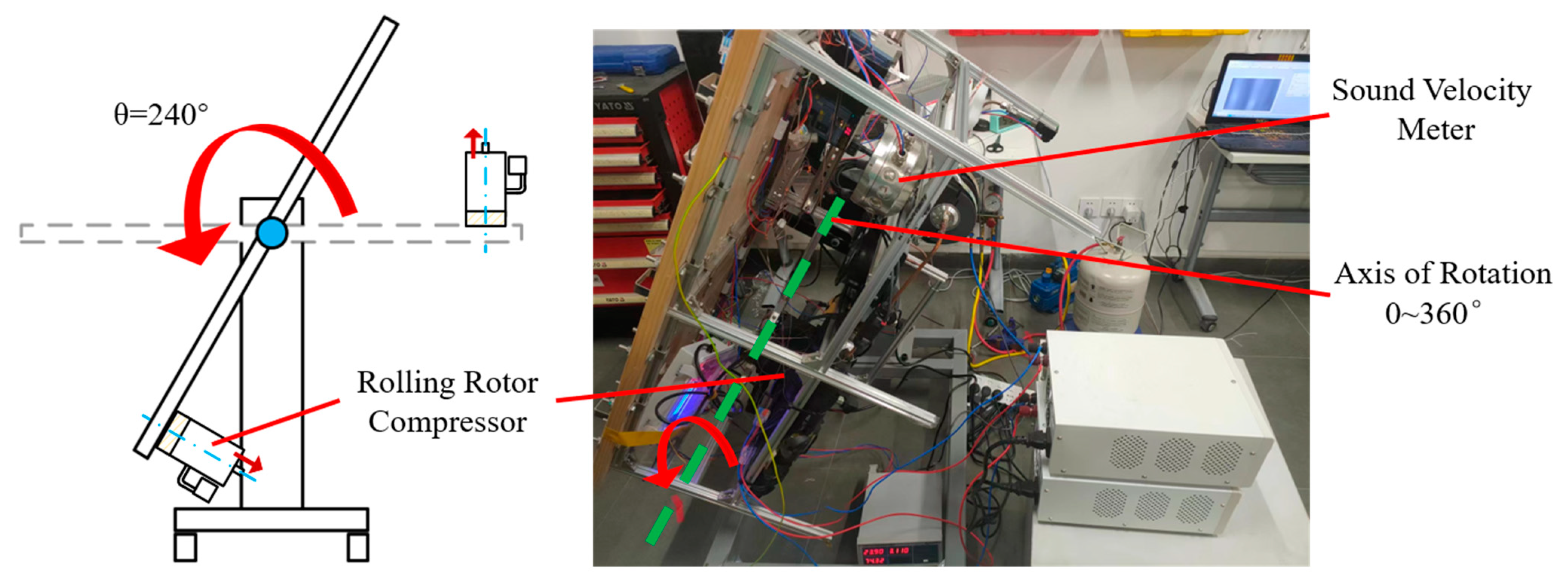
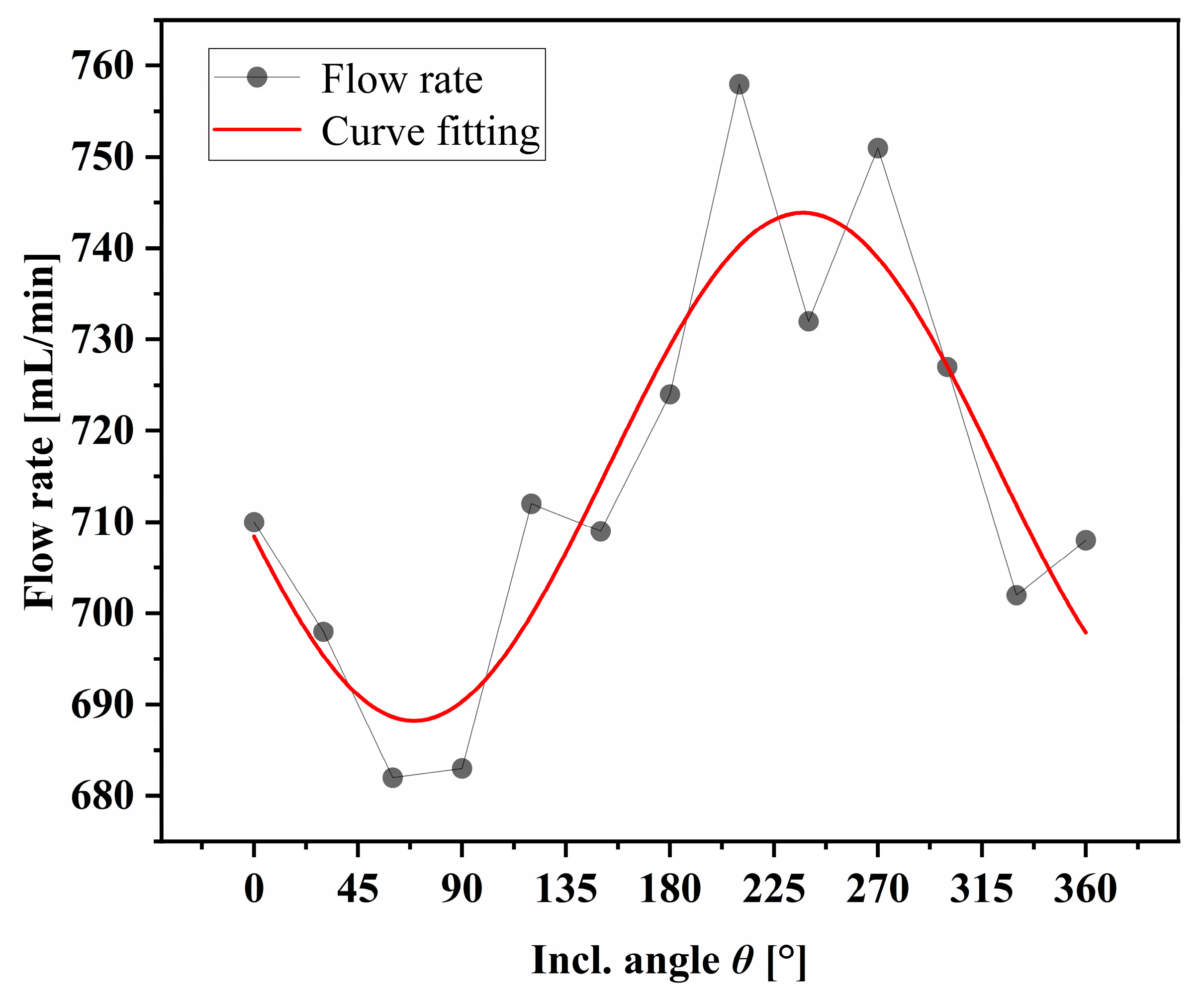
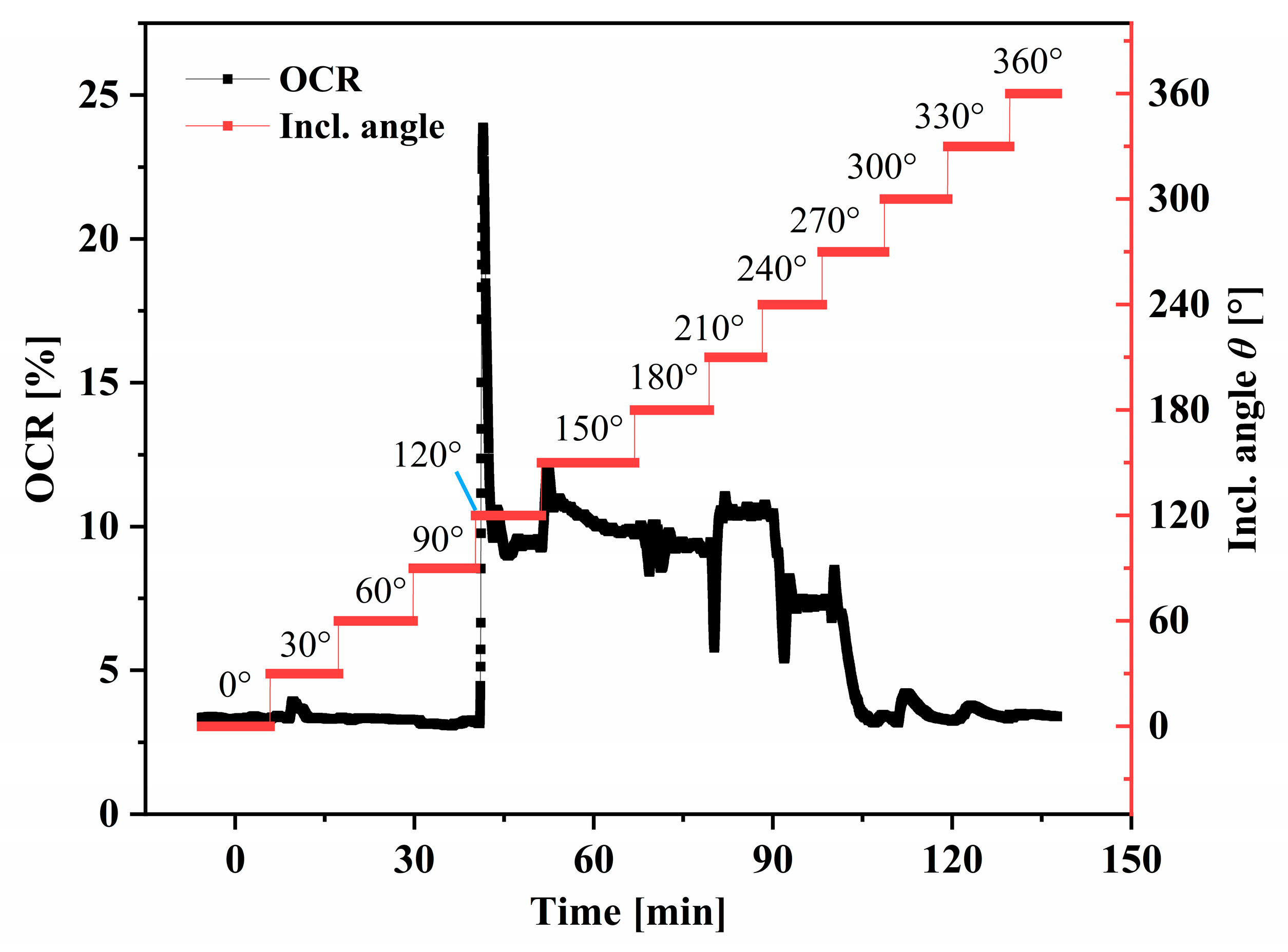
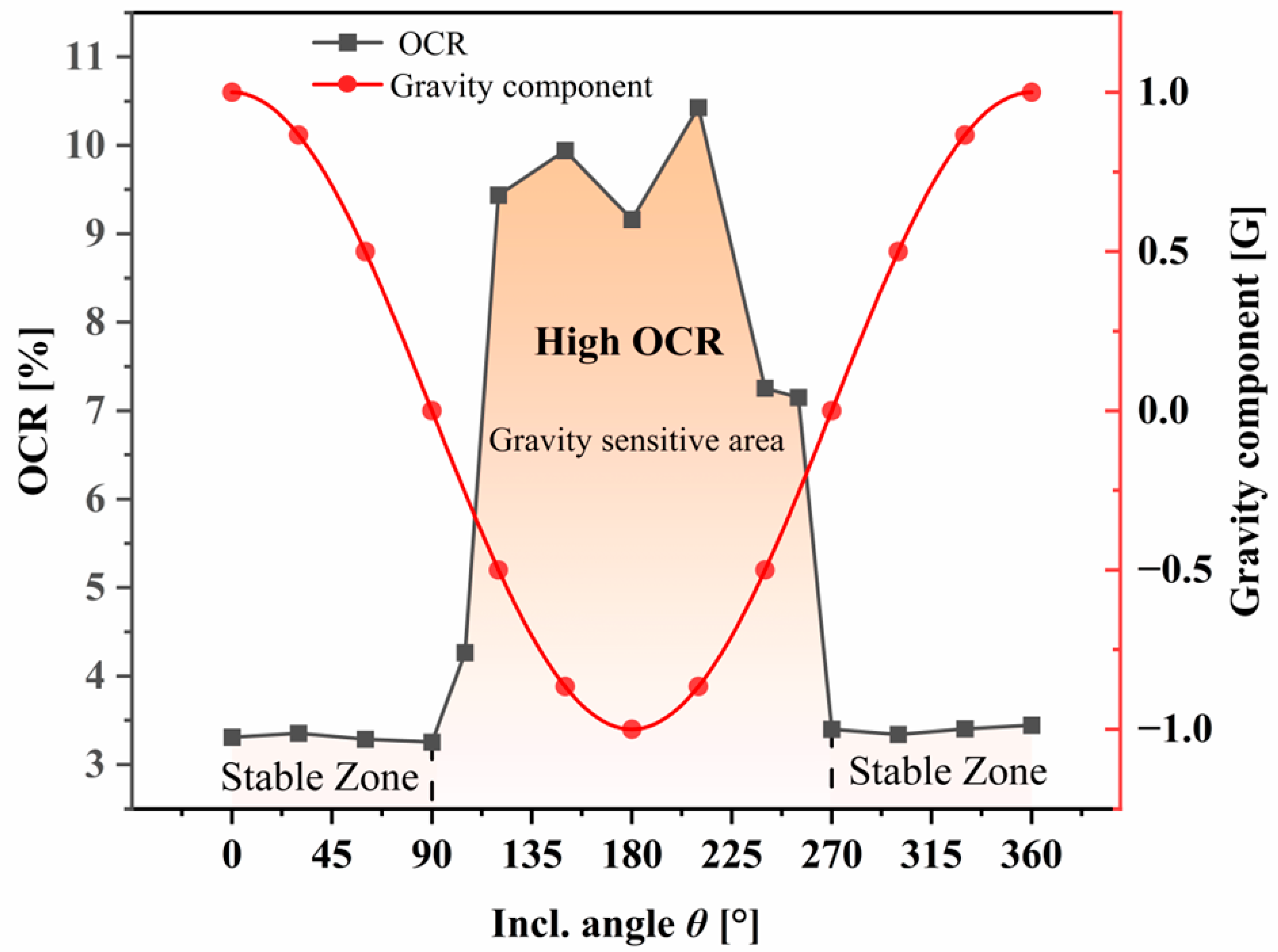
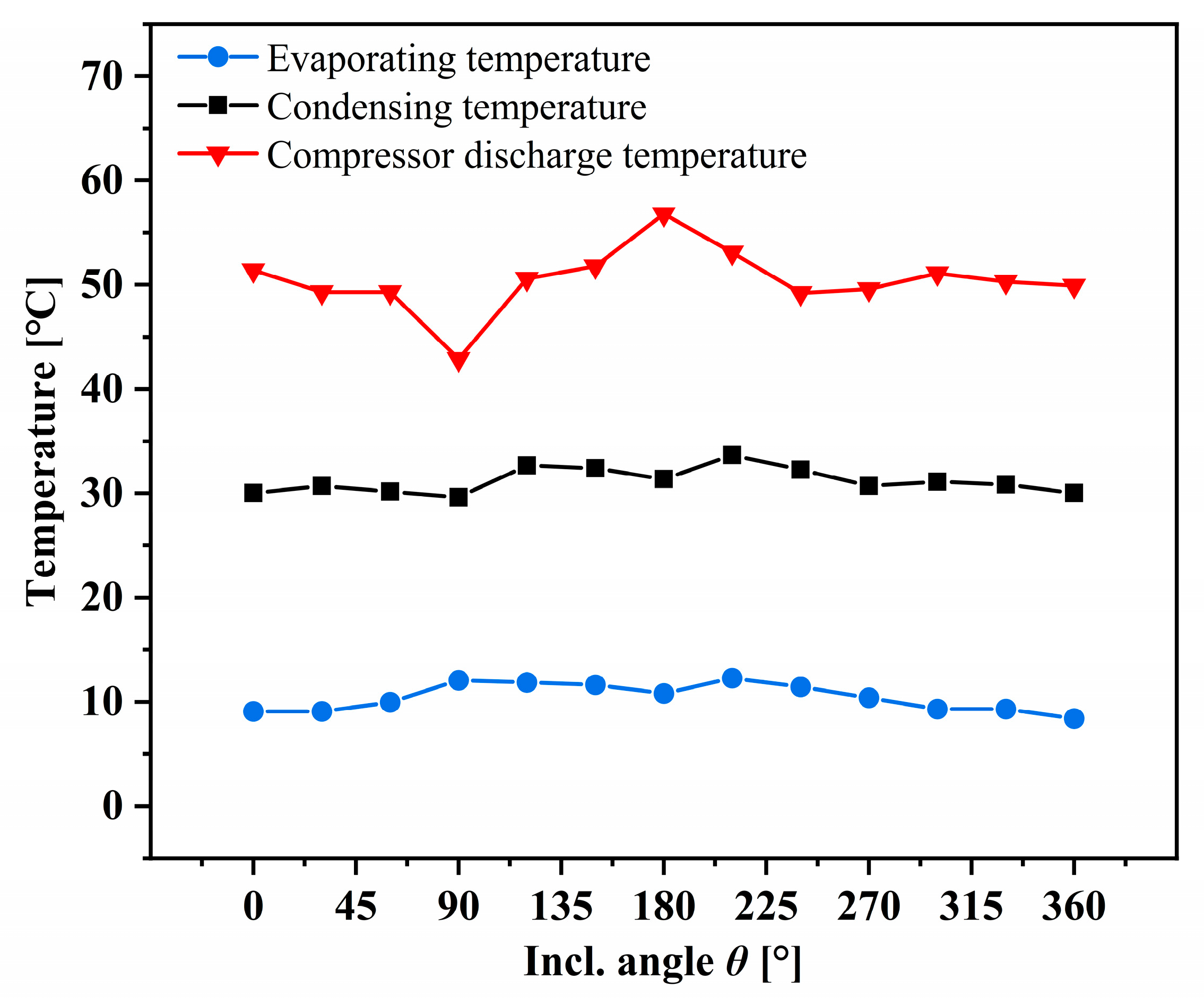
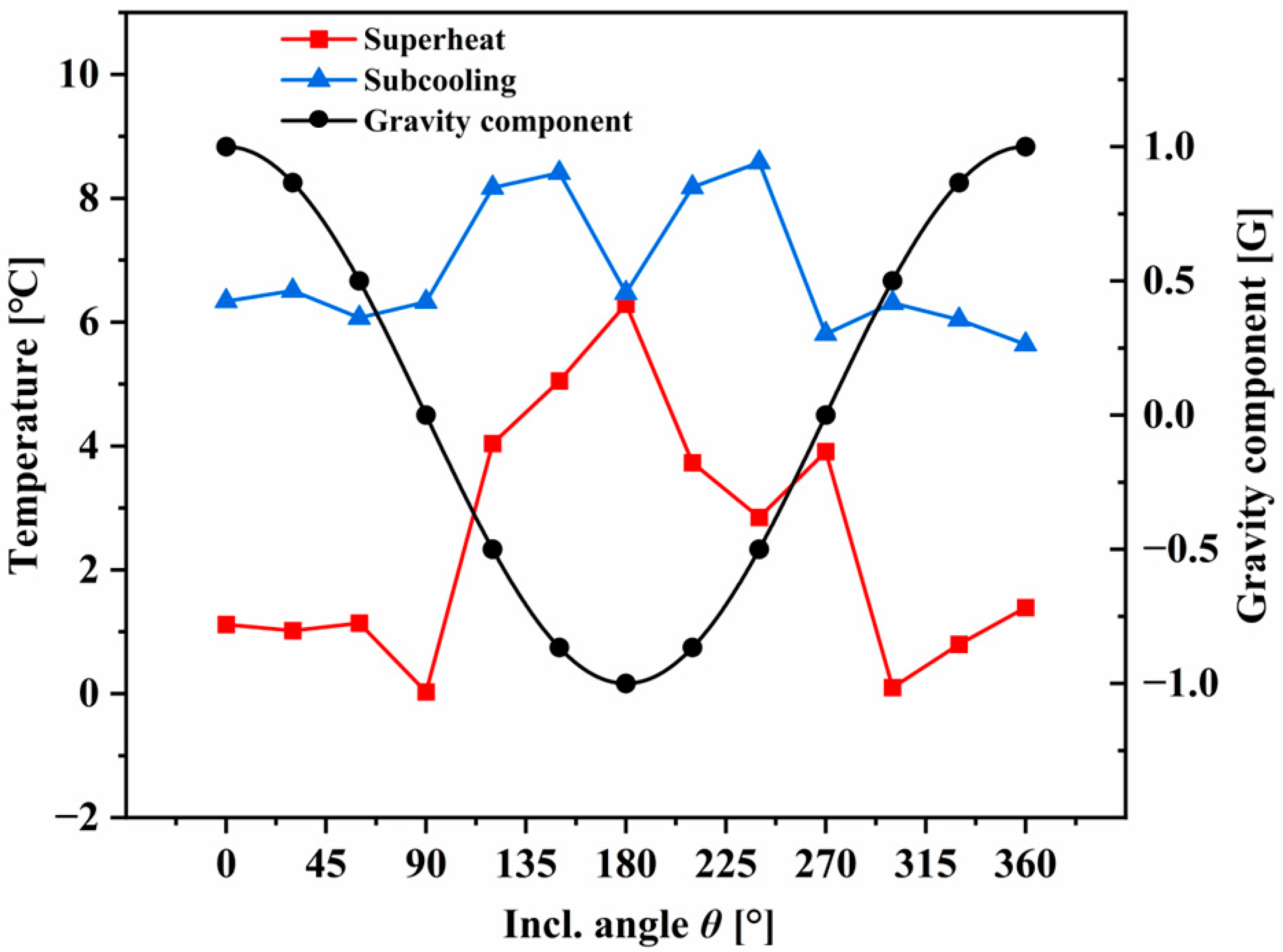
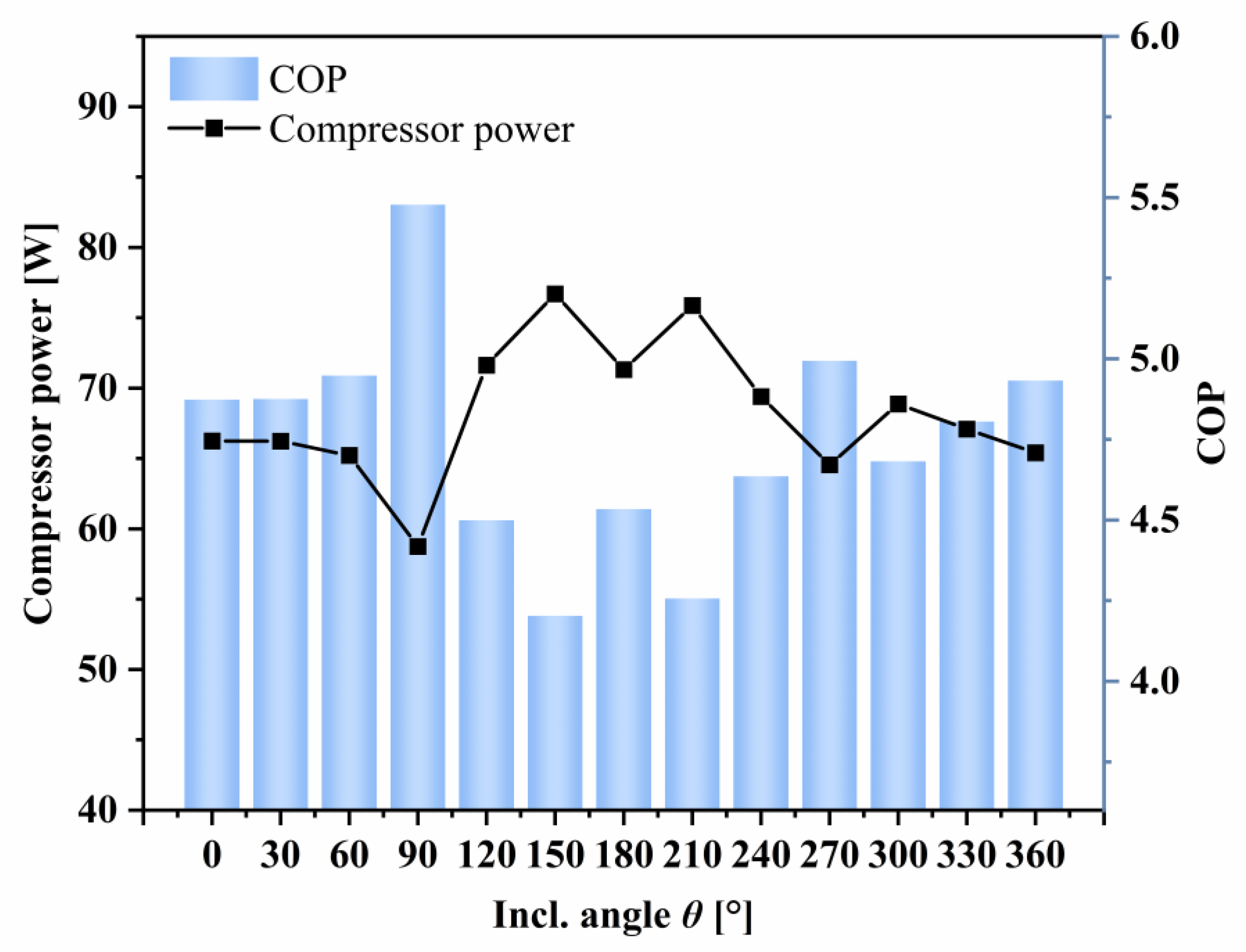
Vapor compression heat pumps have the potential to meet the future development requirements of thermal management in aerospace due to the ability to achieve high heat flux dissipation, precise temperature control, and a more compact and lightweight structure. In this study, a variable-angle test stand was constructed to investigate the effect of gravity on the performance, temperature distribution, and oil circulation rate of a vapor compression heat pump system in a ground environment. The results showed that the system could operate stably at various inclination angles, with the compressor exhibiting the lowest power consumption at an inclination angle of 90° and the maximum coefficient of performance (COP) of the vapor compression heat pump reaching 5.5. The system flow rate exhibited a sinusoidal curve with a 10.7% variation relative to the initial flow rate as the inclination angle increased. The evaporating temperature, condensing temperature, and compressor discharge temperature of the system were approximately symmetrical relative to the inclination angle of 180°. At inclination angles ranging from 90 to 270°, the oil circulation rate was highly sensitive to gravity changes and remained at a high level. The oil circulation rate agreed well with the change in subcooling/superheating, yet a rise in the oil circulation rate resulted in a decrease in COP.
Keywords: vapor compression heat pump; spacecraft thermal control; performance tests; oil circulation rate; gravity effect vapor compression heat pump; spacecraft thermal control; performance tests; oil circulation rate; gravity effect