


Abstract
The countries of the Gulf Cooperation Council (GCC)—Bahrain, Kuwait, Oman, Qatar, Saudi Arabia, and the United Arab Emirates—hold almost 30% of the world’s total proven oil reserves and around 20% of its total proven natural gas reserves. They are also endowed with a high abundance of renewable energy resources such as solar and wind. Yet, the GCC’s primary energy consumption is still dominated by fossil fuels, and the share of renewable energy still does not exceed 1%. Drawing on secondary data, including journal articles, governmental and companies’ websites, and reports and newspaper articles, this paper assesses the reasons behind their underutilization of renewable energy resources. Whereas technical and economic feasibility issues had been identified as the main barriers to slow the uptake of renewable energy technologies in the GCC, this paper uncovered that various additional factors have remarkably influenced such delays. High hydrocarbon subsidies, low electricity tariff structure, fragmented energy policy, the absence of dedicated renewable energy regulator and regulatory framework, and a highly controlled power market are major barriers to renewable energy adoption in the GCC. The paper concludes with policy options to inform scaling up the adoption of renewable energy in the GCC.
1. Introduction
Global warming—caused by anthropogenic greenhouse gas (GHG) emissions sourced from the combustion of hydrocarbons (coal, oil, and gas) [1,2]—along with increasing energy demands globally, are among the main triggers in the global search for alternative sources of energy that are less polluting and cleaner, like renewable energy technologies.
Hydrocarbon resources—with almost 30% of the world’s total proven oil reserves and around 20% of its total proven natural gas reserves [3]—have been central in meeting the energy needs of the Gulf Cooperation Council (GCC) countries—Bahrain, Kuwait, Oman, Qatar, Saudi Arabia, and the United Arab Emirates. However, the changing dynamics of the energy market both domestically and internationally has created pressure as well as a window of opportunity for the GCC states to re-assess their renewable energy development. The GCC states are faced with many internal challenges that trigger the need to develop alternative energy sources. These include growing domestic energy consumption, eating up oil and gas export potential, and triggering the energy security profile across the region. Further, annual rise of GHG emissions [4] and increases in air pollutants due to industrial expansion and heavy reliance on hydrocarbon resources for operation are other factors that trigger the search for alternative clean energy sources. Furthermore, global climate mitigation measures targeting reduced consumption of hydrocarbons impose risk to the economic stability of oil-exporting GCC states. Renewable energy technologies represent an opportunity for GCC states to tackle such challenges and, at the same time, support their ambitions to diversify economies away from high dependence on hydrocarbons.
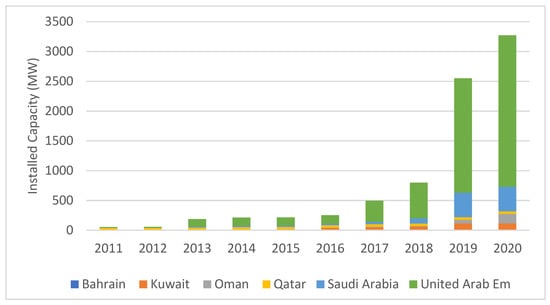
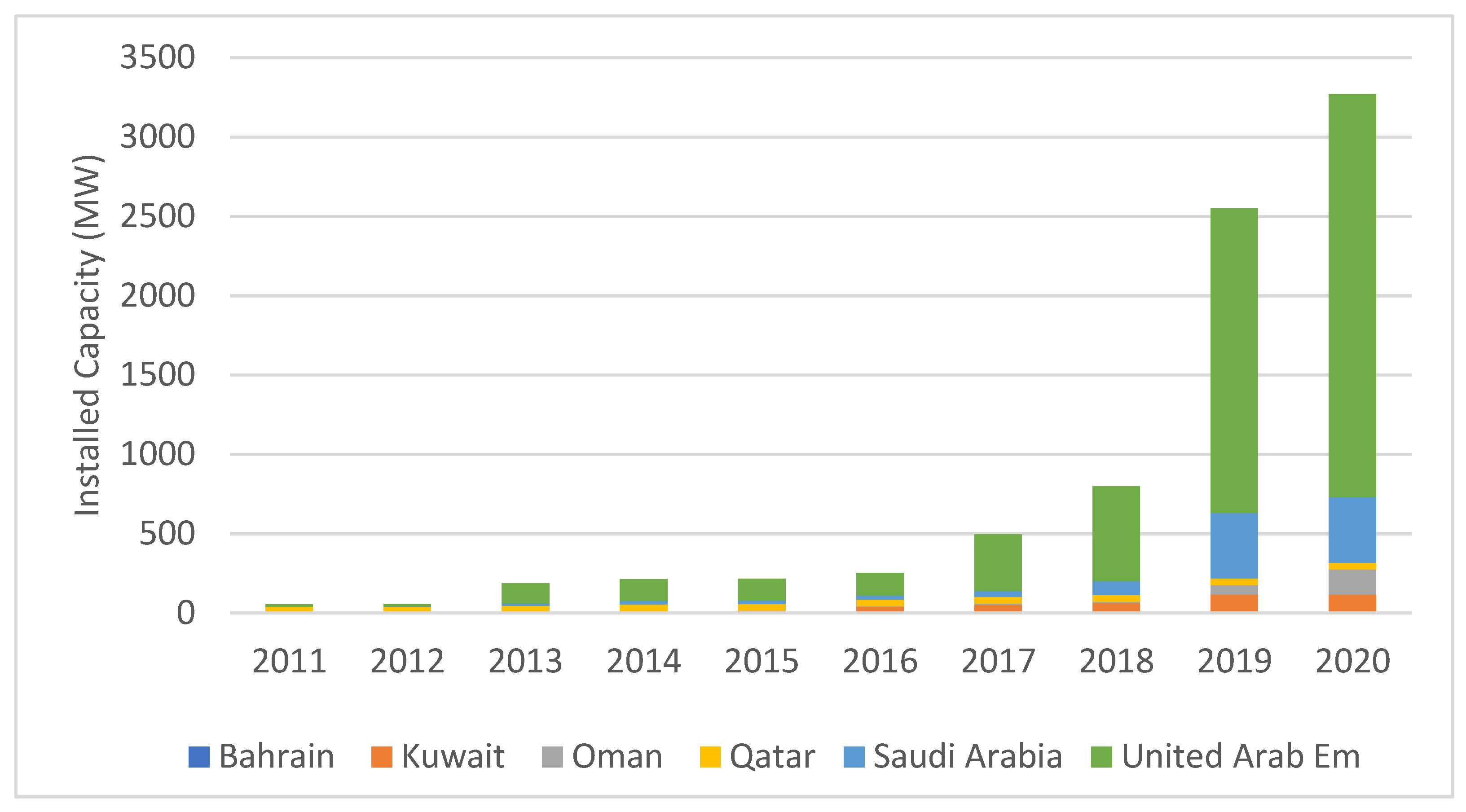
Renewable energy potential, particularly solar, seems to be remarkable and more so given the geographic location of the Arabian Peninsula within the sunbelt. While the GCC states are home to abundant renewable resources [5,6,7], hydrocarbons continue to meet most of the Gulf Arab states’ primary energy needs, accounting for nearly 99% of primary energy consumption in the region [8], and the current role of renewables in meeting the region’s growing energy demand remains relatively negligible. Aware of the changing energy dynamics, the GCC investments in renewable energy have been on the rise, albeit slowly. That is, the total renewable energy installed capacity has increased from 17 megawatts in 2011 to 3271 megawatts in 2020 [9]. Yet, the current share of renewable energy in the region’s total primary energy consumption still does not exceed 1%. Against this background, this paper aims to assess the reasons behind such underutilization of renewable energy resources in the GCC states.
Growing attention has been given to assess the barriers that have affected the growth of renewable energy development in the GCC (see, for example, [10,11,12,13,14,15,16,17,18]). The latest investigation found that while institutions are conducive to promoting the development of renewables readily available in some GCC countries, they lack a clear mandate and dedicated planning capacity with limited incentives, regulations, and enforcement environment to attract investors [7,11]. Furthermore, market distortions, especially subsidized fuel and electricity, have led to low energy prices in the region and were identified as a major challenge that has discouraged the competitiveness of renewables compared to conventional energy sources [14,16]. A recent study identified the design and implementation of financial policies to support renewable energy adoption, which has been a challenge for their large-scale adoption [19,20]. These investigations provide a good explanation of why the share of renewable energy in the GCC has remained low. Yet, a systematic identification of barriers that explain the reasons behind the adoption of renewable energy in the GCC has been missing, or where available, is outdated. This paper contributes by providing an updated discussion of renewable energy adoption barriers in the GCC. The paper also provides a systematic identification of different technological, economic, institutional, cultural, and R&D barriers by discussing the general and specific barriers that have contributed to each barrier category.
This paper draws on secondary data sources, including scientific journal articles, governmental and companies’ websites and reports, and newspaper articles. The specific objectives of this paper are to: justify the importance of advancing renewable energy in the GCC (Section 2); provide an overview of the current state of renewable energy development in each GCC state (Section 3); identify the barriers that have slowed the deployment of renewable energy technologies across the GCC (Section 4); and put forward policy recommendations to overcome barriers and promote successful implementation of renewable energy in the GCC (Section 5).
2. Why Scale up the Deployment of Renewable Energy Technologies
Renewable energy presents an opportunity for the GCC states to address the emerging challenges of energy security, rising greenhouse gas emissions, air quality, and the adverse impacts of climate change.
2.1. Renewable Energy Technologies Boost Economic Diversification and Create Jobs
The GCC economies depend heavily on oil and gas export revenues, with a narrow export profile dominated by oil and gas: accounting for 53% of total exports in Bahrain, 91% in Kuwait, 75% in Oman, 94% in Qatar, 77% in Saudi Arabia, and 74% in the UAE in 2018 [21]. Oil and gas export revenues have been contributing significantly to the GCC’s total governmental revenues, accounting for 82.4% of Bahrain’s total revenues in 2018; 89.6% in Kuwait, 78.2% in Oman, 83.3% in Qatar, 67.5% in Saudi Arabia, and 36.1% in the UAE. They also accounted for 42.1% of Kuwait’s Gross Domestic Product (GDP) in 2019, 24.2% in Saudi Arabia, 24.9% in Oman, 16.9% in Qatar and 16.2% in the UAE [22]. This heavy economic reliance on hydrocarbon export revenues and the region’s high vulnerability to oil prices have triggered the GCC states to pursue ambitious economic diversification plans and expand their product base away from hydrocarbons. Most of the GCC economic diversification plans intend to increase the participation of the private sector, create jobs, human capacity building, and expand trade, business services, logistics, tourism, and manufacturing. We argue that expanding investments in renewables could support the GCC countries in their efforts to diversify their economies and create jobs by encouraging investments and involvement of small and medium enterprises along the value chain [23].
Some studies suggest that government spending on renewables creates five more jobs per million dollars invested than spending on hydrocarbons [24] and can create four times the additional jobs by 2050 compared to their current level [23]. For the Gulf Arab states, one study suggests that supporting a 100% transition to renewable energy could unlock many social, economic, and environmental benefits in the long term, including job creation, improved energy security, reduction of air pollution, and health cost savings. Examples include creating around 50,000–500,000 jobs, improving energy security by reducing energy demand by up to 60%, reducing air pollution, and maintaining health cost savings of 1–3% of GDP by 2050 [25].
2.2. Renewable Energy Technologies Bring Environmental Co-Benefits
Renewable energy technologies could play an important role in addressing two environmental issues in the GCC: carbon emissions and air pollution. While not a major contributor to global total greenhouse gas (GHG) emissions (nearly 2.5% of total global emissions in 2018), climate-related emissions are increasing in the Arab Gulf States by 6% annually on average [4]. In fact, the Arab Gulf States are by far the world’s biggest emitters of climate-changing greenhouse gas emissions (GHG) on a per capita basis. That is because almost all energy needs, for example, water, electricity, industries, and transport, are almost entirely met by oil and gas and because the region has experienced a 5% surge in energy demand per year. Additionally, a 2019 World Air Quality Index found that three Gulf countries, Bahrain, Kuwait, and the UAE, ranked in the top 10 list of most air polluted countries in the world, exceeding the World Health Organization’s annual exposure guideline for fine particulate matter [26]. These results are highly concerning from a climate perspective and public health point of view, highlighting the need to develop alternative energy resources to reduce these emissions [27].
2.3. Renewable Energy Technologies Enhance National Energy Security
Despite being home to nearly one-third of the world’s oil, and more than one-fifth of global gas reserves—most of which are concentrated between Saudi Arabia, the UAE, Kuwait, and Qatar—the GCC countries are also faced with a looming challenge of energy security.
The GCC states’ economic growth and industrial expansion, together with rapidly rising living standards, have increased the regional energy consumption by nearly six times since the 1980s—faster than in any other part of the world [14,28]. For instance, Gulf countries’ electricity consumption has exceeded the world average (3 MWh per capita) but also exceeded the level of some major industrial countries, such as the UK (4.9 MWh per capita), and that of other developing countries such as India (1.0 MWh per capita) and China (4.9 MWh per capita). In 2018, the per capita electricity consumption exceeded 10 MWh per capita in five GCCs (Bahrain with 18.6 MWh per capita, Kuwait with 15.4 MWh per capita, Qatar with 16.6 MWh per capita, Saudi Arabia with 10.2 MWh per capita, and the UAE 13.2 MWh per capita). While Oman showed lower levels of energy consumption compared to its neighbors, it still exceeded the world’s average, accounting for 7.1 MWh per capita [29].
The increasing domestic consumption of oil and gas resources has led some Gulf countries like Oman, UAE, and Kuwait to import natural gas in order to meet the growing domestic demands. In 2014, natural gas imports in the UAE accounted for 19.2% of natural gas consumption, 37.7% in Kuwait, and 10.8% in Oman [30]. Deploying renewable energy technologies in the GCC will not only help in meeting the increasing domestic needs of energy but will help to free up fuel needed for downstream economic diversification projects while also increasing exports.
2.4. Renewable Energy Technologies Mitigate Economic Losses Associated with Climate Change
For oil-producing countries, climate change imposes risks to both oil- and non-oil-based economic sectors. Regarding non-oil economic sectors, such as agriculture, food security, water, fisheries, tourism, and infrastructure, the rise in temperatures, falling annual rainfall, sea-level rise, and increased exposure to extreme events (e.g., intense rainfall) have already proved to negatively impact these sectors. A 2018 study suggested that the impact of 3 °C of warming could cause the GCC large GDP losses of 0.2–0.5% yearly decline after 2027 and 1.5–3% yearly decline from 2067 [31]. GDP losses stem from sea-level rise, loss in work productivity due to heat/humidity exposure, and proliferation of infectious disease. Oil-based economic sectors, which are already vulnerable to oil price shocks, can also be vulnerable to the outcomes of global climate change mitigation measures aiming to keep climate change at a (relatively) safe level. Global action to cut greenhouse gas (GHG) emissions through policies aiming to reduce hydrocarbon consumption could impose direct economic losses resulting from reduced demand of oil and gas prices and thus a decline in oil export revenues [32,33]. Against this backdrop, investing in renewables will help the Gulf Arab states in contributing to reducing global GHG emissions and hence reducing the economic risks associated with climate change [28].
3. The Current State of Renewable Energy in the Six GCC States
In their long-term economic development visions of the twenty-first century, the GCC countries set out ambitious targets and objectives for diversifying economies, making environmental sustainability an integral part of their economic development visions, including in areas of air quality, sanitation, drinking water, waste management, biodiversity, fisheries, climate change, and pollution. For instance, Saudi Arabia’s Vision 2030 holds sustainability at its heart and “drives collective commitment to creatively and responsibly meet current and future energy and climate challenges”; Bahrain Economic Vision 2030 states that “economic growth must never come at the expense of the environment and the long-term well-being of our people”; Kuwait Vision 2035 promises to “ensure environment regulations and efficient sustainability within the state”; Qatar National Vision 2030 states that “economic development and protection of the environment are two demands neither of which should be sacrificed for the sake of the other”; and Oman’s Tanfeedh program, promises to advance three environment-related national goals: environmental protection; crisis risk management; and science, technology, and innovation [34]. Importantly, with the exception of Oman and Kuwait, the GCC countries have framed their Nationally Determined Contributions (NDCs) to be in line with their economic diversification efforts [35].
Furthermore, the Gulf states have shown a progressive interest in developing emission reduction initiatives, which in many cases are backed by renewable energy targets. Saudi Arabia, for instance, sat a target for avoiding the use of up to 278 million tons of CO2 eq annually by 2030 [36], and Oman, in its second NDC, pledged to reduce its greenhouse gas (GHG) emissions by 7% relative to a business-as-usual scenario by 2030 [37]. To fulfill these aspirations, renewable energy has been an integral part of emissions reduction initiatives. The Gulf Arab states have set renewable energy targets for 2025 and 2030, as well as aspirational long-term objectives for 2050 (Table 1).
Table 1.
GCC renewable energy total installed capacity, targets, and share in the energy mix.
To achieve renewable energy targets, the Gulf states have developed a handful of renewable energy initiatives and projects. At the end of 2020, the region had 146 GW of installed power capacity, of which renewable energy accounted for 3271 MW. Of that, solar PV technologies remain the most dominant technology (71%), followed by solar CSP (23%), biomass and waste (4%), and wind (2%). The UAE can be considered a regional leader in renewable energy adoption, accounting for 68% of total regional renewable energy installed capacity, followed by Saudi Arabia (16%) and Kuwait (9%) (Figure 1). Installed renewable electricity capacity in the GCC is dominated by a handful of utility-scale solar projects. The currently existing CSP capacity is located in Abu Dhabi’s Shams Solar Power Station, Kuwait’s Shagaya project, and Saudi Arabia’s Waad Al-Shamal. Almost all of the GCC’s commercial waste-to-energy generation capacity is in Qatar.
Figure 1.
Renewable energy installed capacity in the GCC countries, 2011–2021 [9].
3.1. Bahrain: Ambitious but Stagnant Developer
Bahrain launched the kingdom’s Economic Vision 2030 in 2008, aimed to reduce dependence on oil and transition towards sustainability. The vision addresses Sustainable Development Goals 2030, with a target of 700 MW of renewable energy generation capacity by 2030 [38]. It also includes a renewable energy target of generating 5% of its energy from renewables by 2025 and 10% by 2035. Up until 2020, all of Bahrain’s electricity generation was met by natural gas. The country plans to build a 100 MW solar plant to be operational in 2021.
The Askar Solar Power Plant is a project under construction in the Askar area in the Southern Governorate in the Kingdom of Bahrain, according to a power purchase agreement (build, own, and operate). This project is considered the first photovoltaic power plant of this size in the Kingdom of Bahrain, where the project will generate 100 megawatts through solar energy, achieving nearly 50% of the target specified in the National Renewable Energy Action Plan in the Kingdom, which aims to reach the contribution of photovoltaic energy in the power mix to 255 MW by 2025.
3.2. Kuwait: Ambitious but Reluctant Developer
Kuwait’s government has set a target to increase the share of renewables in the energy mix to 10% by 2020 and 15% by 2030. In Kuwait, the operational renewable energy projects presently consist of a handful of small demonstration projects. Launched in 2019, Shagaya Phase I is Kuwait’s flagship renewable energy project [39]. Jointly developed by the Kuwait Institute for Scientific Research (KISR) and the Ministry of Electricity and Water, it consists of 10 MW of solar PV capacity, 10 MW of wind, and 50 MW of CSP. The second phase of the project, Shagaya Phase II, is expected to be one of the largest solar projects in Kuwait, with a 1.5 GW capacity. It is expected to generate 15% of the oil sector’s electricity needs to the project’s owner, the Kuwait National Petroleum Company.
The Shagaya Phase I project is managed by a consortium of the Spanish engineering company TSK and Kharafi National of Kuwait. While the Shagaya Phase I project is operational and feeds into the grid, there are still no regulations and policies in place for adopting renewable energy in the country.
Despite progress, there is still no dedicated entity to regulate and ensure that the country can achieve Kuwait’s renewable energy targets. The current energy-related institutional landscape mainly supports the hydrocarbon sector. Supported by the Ministry of Oil, the Supreme Petroleum Council (SPC) oversees Kuwait’s hydrocarbon sector policy. The Ministry for Electricity and Water, which also owns and operates Kuwait’s electric power system, acts as the regulator of the electricity market. The entity that has been responsible for supporting the development of renewable energy is the Kuwait Institute for Scientific Research (KISR), which is an independent national institute that conducts scientific research and provides consulting services within Kuwait, the region and internationally. KISR has contributed to developing several renewable energy projects, including Kuwait’s flagship solar PV, CSP and wind power project, Shagaya Phase I.
3.3. Oman: Progressive Developer
In Oman, the national oil company, the government, private, and academic sectors have been involved in developing few renewable energy projects. In 1995, the government established the first renewable energy project, a 10 kW wind-solar water desalination plant. Following the launch of its first study regarding the potential for Oman’s renewable energy investments in 2008, the government approved the first renewable energy project in 2017, a 303 kW solar project in Al Mazyunah developed by the Rural Areas Electricity Company. Private investors have also launched their own pilot projects, including a 6 MW CPV solar technology project built by a private investment company in 2010 and a 50 kW PV rooftop project developed by a state-owned electricity distribution company in 2012 [40]. Petroleum Development Oman (PDO; Oman’s national oil company) has also been proactive in terms of studying the potential for renewable energy investment in Oman and in establishing its own pilot projects. In 2012, the PDO executed its first solar energy pilot project, a 7 MW pilot project at Amal to test the commercial viability of solar steam producing 50 tons of steam a day for enhanced oil recovery [40].
Oman has adopted policies to support the adoption of renewable energy technologies both at a large scale and small scale. At the small scale level, for example, in 2013, the Authority for Public Services Regulation (formerly the Authority of Electricity Regulation) issued the first policy to incentivize the installation of renewable energy technologies in rural areas. Specifically, the new renewable energy policy aimed at integrating renewable energy into existing diesel-based energy systems that provide electricity to remote and rural areas. This policy drove the establishment of the first rural area pilot project Mazyonah 303 kW solar project. It also triggered the establishment of other rural area projects, such as the 500 kW wind-based pilot project based in the rural island of Masirah [40].
Furthermore, in 2017, Oman issued a policy that enables individuals, such as homeowners and industrial and commercial premises, to produce electricity from renewable energy sources like solar and sell the surplus to electricity distribution companies at the cost of electricity. This policy is locally called the ‘Sahim’ scheme. In the initial phase of Sahim, the homeowners were expected to pay for the installation of these cells, but in the second phase of Sahim, customers are not expected to bear the costs of procuring, installing, operating, or maintaining the systems. The distribution companies act as agents for the local single buyer of electricity and buy rooftop PV-generated electricity from consumers via a net metering mechanism that allows for compensation for electricity generated by rooftop PV panels [41].
On a large utility scale, in 2022, Oman inaugurated a 500 MW solar energy project in Ibri. The project is an Independent Power Plant awarded to the consortium led by the International Company for Water and Power Projects (ACWA Power) following an international competitive tender. Additionally, a 50 MW wind farm project in south Oman became operation in 2019.
In Oman, the Authority for Public Services Regulation (formerly the Authority of Electricity Regulation) oversees the regulation of renewable energy development in the country, along with regulating electricity and water services. It is financially and administratively independent. The Authority reports directly to the Council of Ministers.
3.4. Qatar: Ambitious but Stagnant Developer
Qatar is the only Gulf country that has a factory that produces polysilicon, which is a key component in a range of solar photovoltaic (PV) technologies. Located in Ras Laffan Industrial City, 80 km north of Doha, Qatar Solar Technologies (QSTec) is a joint venture (JV) between Qatar Solar (a subsidiary of Qatar Foundation), Germany’s SolarWorld AG, and Qatar Development Bank [42]. Furthermore, Qatar is the only Gulf country to have an operational waste-to-energy facility, the 30 MW Mesaieed plant. While expected to be operational by the end of 2020, the first phase of the 800 MW Al Kharsaah solar PV project reached financial close only late in 2020 [43]. Qatar’s government set a target to meet 20% of its power demand from renewables by 2030 [42]. At present, however, Qatar is yet to have a dedicated entity that has clear mandates to support the development of renewable energy. Key institutions that have so far played a role in Qatar’s renewable energy development include the Ministry of Energy and Industry, Qatar Electricity and Water Company (Kahramaa, the country’s main utilities regulator), and the Qatar National Research Fund. The latter is a member of the Qatar Foundation and provides funds for research on a variety of subjects, including renewable energy.
3.5. Saudi Arabia: Progressive Developer
The Saudi National Renewable Energy Program plans to develop more than 35 projects across the Kingdom, which are being implemented by the Ministry of Energy.
The announced energy mix in the Kingdom of Saudi Arabia includes the goal of reaching 50% of renewable energy sources and 50% of gas by 2030. The Kingdom’s geographic location is among the best in the world for the production of solar and wind energy, and the Kingdom ranked sixth globally. It has the highest potential for solar energy production and ranked 13th in wind production on land [44]. The renewable energy capacity in Saudi Arabia reached 700 MW in 2021, with wind power representing 400 MW (Domat Al-Jandal project) at USD 0.199 per kilowatt-hour, and photovoltaic energy representing 300 MW (Sakaka project), with the lowest supply ever for solar PV at a value of USD 0.234 per kilowatt-hour [45].
It is worth mentioning here that the Kingdom of Saudi Arabia, during its presidency of the G-20, proposed activating the Circular Carbon Economy Initiative (CCE), which was endorsed by all G-20 countries as an integrated and practical approach to managing emissions. The circular carbon economy also takes into account different national circumstances by including a wide range of pathways and options available. However, the main importance is the reduction of greenhouse gas emissions, considering the efficiency of the system, national conditions, including the resources identified for it, and the particular political, economic, environmental, and social development contexts. The circular carbon economy is based on the “three strategies” to protect the environment (mitigating, removing, reusing, and recycling). Moreover, it contributes to the realization of a fourth strategy, namely, removal, i.e., the attempt to eliminate accumulated emissions in the atmosphere.
3.6. UAE: Leading Developer
The UAE launched its National Energy Strategy 2050 in 2017, which aims to produce 50% of its energy needs from clean sources (44% from renewable sources and 6% from nuclear sources) and reduce carbon emissions (“carbon footprint”) by 70% by 2050 [46]. The UAE renewable energy capacity accounted for 68% of the total renewable energy capacity in the Gulf countries in 2018. The UAE has also played a leading regional role in the entry of the renewable energy sector to the Gulf countries, represented by hosting the headquarters of the International Renewable Energy Agency (IRENA).
Among the factors that helped the UAE expand the development of renewable energy early is its use of is utility-scale renewable energy auctions, which is the optimal policy framework to deploy renewable projects in a structured, cost-efficient, and generally transparent manner. Dubai’s approach to renewable energy auctions provides a framework for very low PPAs. Since 2015, Dubai has established leadership in utility-scale solar PV auctions in which the PPA was signed for Dubai’s first renewable energy IPP at the Mohammad bin Rashid Al Maktoum (MBR) Solar Park. Long-term, the PPA has a 25-year second phase solar park development, as well as a role in the local electricity authority. The Dubai Water and Electricity Authority (DEWA) is taking part ownership (51%) in the project consortium that won the bid, and being the electricity off-taker from a government-established site are complementary factors to the success of auctioned projects [47].
The establishment of the MBR Solar Park is one very important factor for the successful promotion of renewable energy in Dubai because designated government locations create certainty for investors regarding the availability of solar resources as well as necessary grid connections. Another factor for Dubai’s success is attractive financing. The low PPA prices were achieved by extremely attractive financing terms offered by UAE banks with debt financing at 86% of the total project value with an interest rate near 4% and a 27-year tenor. Furthermore, minimal, if any, costs for land and grid connections and forward projections on improved technology performance were other factors in Dubai.
5. Conclusions and Policy Insights
The aim of this study was to diagnose the current state of renewable energy development in the GCC and to identify the factors that have slowed down the adoption of renewable energy in the hydrocarbon-rich GCC states.
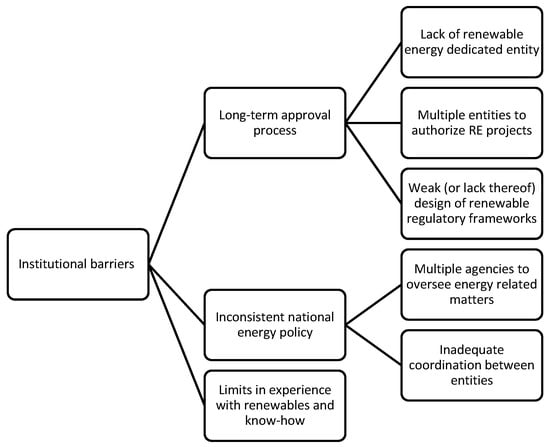
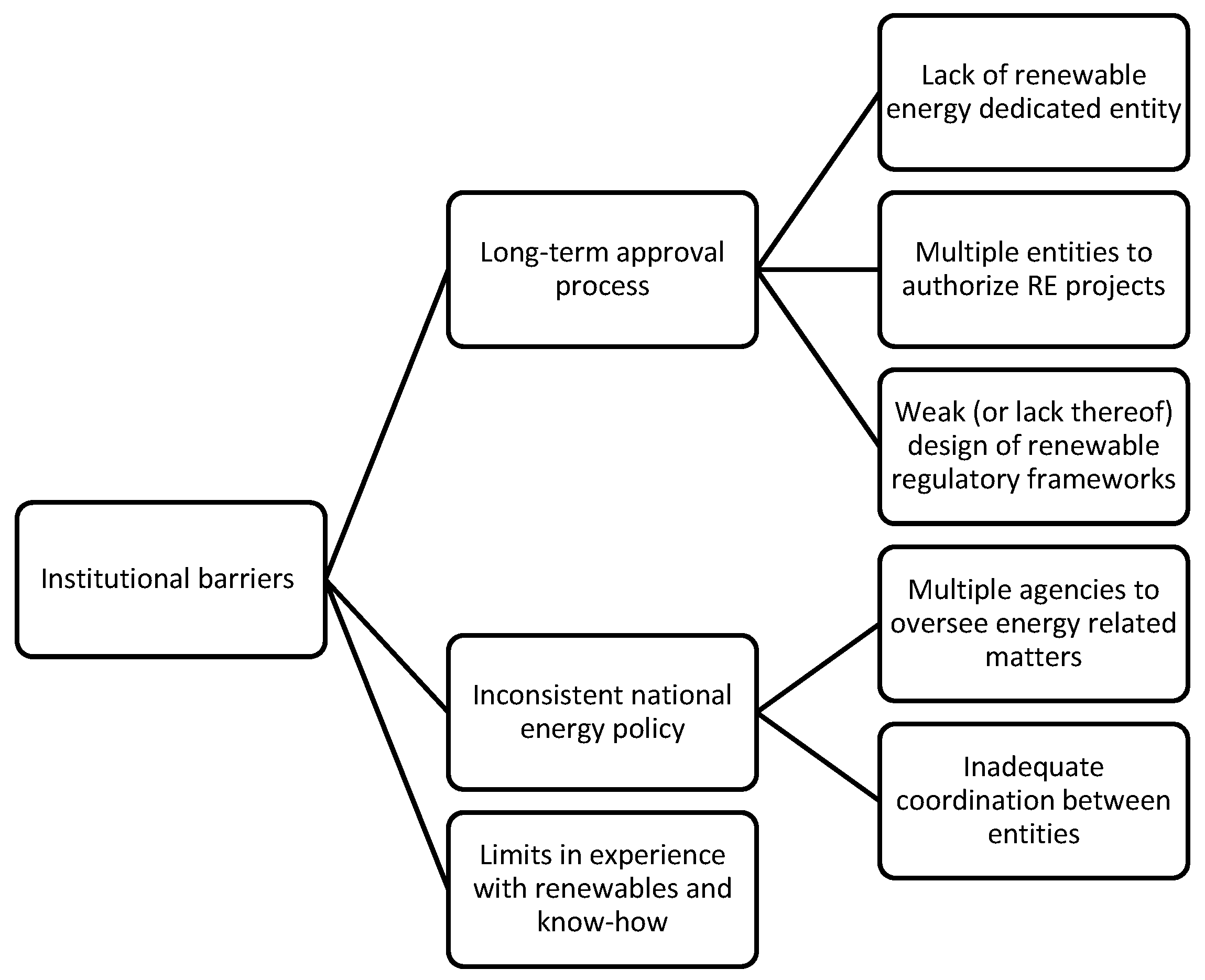
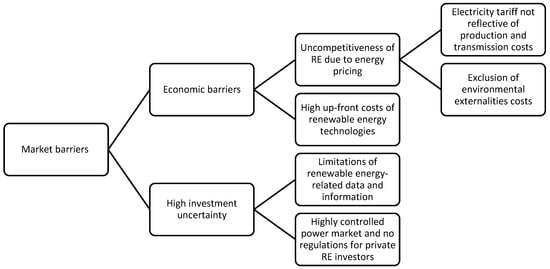
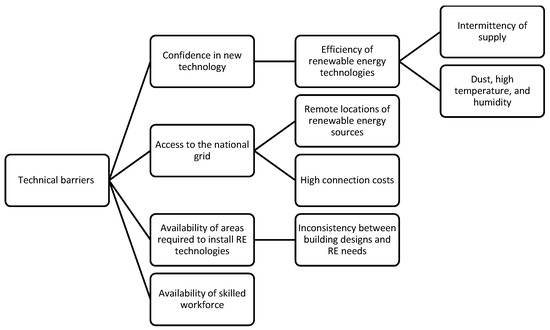
The GCC countries have shown progressive governmental support to renewable energy development and deployment over the last decade. Yet, the contribution of renewable energy in meeting the needs of energy provisions remains significantly small compared to the hydrocarbon resources, namely oil and gas, due to decades of abundance and experience with hydrocarbon resources. Whereas technical and economic feasibility issues have been identified as the main barriers to slowing the uptake of RE in the GCC, this paper uncovered that numerous additional factors have notably influenced such delays. These include institutional barriers, especially due to fragmented energy policy, the lack of or weakness of dedicated renewable energy entity, and a dedicated renewable energy regulatory framework. Unless receiving a proper governmental intervention, market barriers also exist to play a role in reducing the competitiveness of renewable energy technologies in the GCC because of high hydrocarbon subsidies, low electricity tariff structure, and highly controlled power market. Furthermore, while the support of renewable energy development in the GCC has received enormous attention and effort from local research entities, the implications of research outcomes do not span beyond the research arena, and the coordination gap between research, government, and the private sector remains wide. To overcome these challenges, we suggest:
5.1. Establish Dedicated Entity with Clear Mandates to Support Meeting Renewable Energy Targets
While all the Gulf Arab countries have announced ambitious goals with regard to renewable energy, some of these countries do not yet have a dedicated entity with clear powers and dedicated renewable energy regulatory frameworks to oversee the deployment of renewable energy sources and the achievement of the specified goals. Establishing a dedicated entity with clear terms of reference will reduce the institutional barriers mentioned in this paper, including facilitating the process of governance and obtaining the necessary permits and approvals for the development of renewable energy projects. It will also contribute to enhancing coordination of efforts for energy-related issues such as oil, gas, electricity, water desalination, reducing greenhouse gas emissions, and renewable energy among various energy entities.
5.2. Ensure Coordination between Different Energy Entities to Ensure Consistency and Avoid Policy Fragmentation
The collective action of all actors involved in renewable energy development—including public, private, financial, and academic—is essential to enabling a systematic transition towards renewable energy. The early recognition of the importance of each actor’s involvement in the decision-making process will minimize the risks associated with the uptake of renewable energy technologies and would enable the deployment of renewables on a large scale. Additionally, the involvement of different actors will help in avoiding the duplication of efforts and conflicts of interest, while ensuring effective coordination of efforts. It will also facilitate the sharing of knowledge, lessons, and experiences, as well as the flow of resources between actors.
5.3. Energy Subsidies
Review the pricing of hydrocarbons so that electricity prices reflect the cost of production. This will not only increase the competitiveness of renewable energy sources and promote efficient use of energy but will also reduce pressure on the budget of the Gulf states. However, attention should be paid to reviewing hydrocarbon prices and taking into account the potential effects of eliminating these subsidies on low-income consumers, especially in the residential sector. We find that the UAE, Bahrain, Saudi Arabia, and the Sultanate of Oman are the Gulf countries that have reformed their hydrocarbon subsidies among the GCC countries, bearing in mind the potential impact on low- and middle-income people.
5.4. Financial Incentives
Dedicated financial instruments are needed in order to incentivize investors to engage in renewable energy development, especially small private investors. Direct cash grants or soft loans can be a policy method of reducing the high upfront investment costs of renewables. Subsidies to support medium- to large-scale renewable energy asset investments can be an attractive mechanism for creating competitive environments for renewable energy projects and conventional energy supply technologies.
5.5. Support Distributional Renewables Alongside Large-Scale Projects
Rooftop PV module installations (solar panels) can be promising for the spread of small-scale renewable energy projects. Net metering—a billing mechanism that credits solar energy system owners for the electricity they generate—also has the potential to encourage consumers to measure their own electricity consumption and production from renewable sources. An additional point regarding enhancing the demand for renewables is the need to promote public awareness of the new RE technologies.
5.6. Support Investment in Research and Development and Work to Provide a Strong Infrastructure to Encourage Innovation at the National Level
The Gulf countries should focus on providing financial support for the development of renewable energy technology at the local level in order to reduce dependence on other countries to import renewable energy technology, especially that most of the imported renewable energy technologies do not work efficiently in the environment of the Gulf countries, due to several factors such as humidity, heat, and dust. Most importantly, the institutional structure needed to support innovation and stimulate cooperation between all stakeholders, including the academic, private, and government sectors, must be strengthened.
While secondary data and information are useful to inform the understanding of general and specific barriers that have impeded the deployment of renewable energy in the GCC, it is worth noting that this paper can benefit from an in-depth case study investigation to understand country-specific barriers and developments. Therefore, primary data collection through semi-structured interviews with stakeholders from academia, government, and the private sector would help to give an in-depth understanding of renewable energy development and barriers in each of the six GCC states.
Author Contributions
Conceptualization, A.A.-S.; investigation, A.A.-S.; resources, A.A.-S. and N.M.; data curation, A.A.-S.; writing—original draft preparation, A.A.-S.; writing—review and editing by all authors. All authors have read and agreed to the published version of the manuscript.
Funding
This research received no external funding.
Institutional Review Board Statement
Not applicable.
Informed Consent Statement
Not applicable.
Data Availability Statement
Not applicable.
Acknowledgments
The authors would like to thank colleagues for their time and effort to review initial drafts of this paper: Salaheddine Soummane (KAPSARC), Amro Elshurafa (KAPSARC), Mohamad Hejazi (KAPSARC), Fahad Alturki (KAPSARC), Omar Al-Shehabi (Gulf Centre for Development Studies), and Rawan Maki (London College of Fashion).
Conflicts of Interest
The authors declare no conflict of interest.
References
- Stocker, T.F.; Qin, D.; Plattner, G.-K.; Tignor, M.; Allen, S.K.; Boschung, J.A.; Nauels, Y.; Xia, V.B.; Midgley, P.M. (Eds.) IPCC, 2013: Climate Change 2013: The Physical Science Basis, Contribution of Working Group I to the Fifth Assessment Report of the Intergovernmental Panel on Climate Change; Cambridge University Press: Cambridge, UK; New York, NY, USA, 2013; p. 1535. [Google Scholar]
- Masson-Delmotte, V.; Zhai, P.; Pirani, A.; Connors, S.L.; Péan, C.; Berger, S.; Caud, N.; Chen, Y.; Goldfarb, L.; Gomis, M.I.; et al. (Eds.) IPCC, 2021: Climate Change 2021: The Physical Science Basis, Contribution of Working Group I to the Sixth Assessment Report of the Intergovernmental Panel on Climate Change; Cambridge University Press: Cambridge, UK, 2021; in press. [Google Scholar]
- Bp. Statistical Review of World Energy—Full Report—BP Statistical Review of World Energy; 69th ed.; 2020. Available online: https://www.bp.com/content/dam/bp/business-sites/en/global/corporate/pdfs/energy-economics/statistical-review/bp-stats-review-2020-full-report.pdf (accessed on 20 January 2022).
- World Resource Institute. Climate Watch (CAIT): Country Greenhouse Gas Emissions Data. 2020. Available online: https://www.wri.org/data/climate-watch-cait-country-greenhouse-gas-emissions-data (accessed on 1 February 2022).
- Jalilvand, D.R. Renewable Energy for the Middle East and North Africa Policies for a Successful Transition; Fredric Ebert Stiftung: Bonn, Germany, 2012. [Google Scholar]
- Alnaser, W.E.; Alnaser, N.W. Solar and wind energy potential in GCC countries and some related projects. J. Renew. Sustain. Energy 2009, 1, 022301. [Google Scholar] [CrossRef] [Scilit]
- IRENA. Renewable Energy Market Analysis: GCC 2019; International Renewable Energy Agency (IRENA): Abu Dhabi, United Arab Emirates, 2019. [Google Scholar]
- Bp. bp Statistical Review of World Energy 2021, 70th ed. Available online: https://www.bp.com/content/dam/bp/business-sites/en/global/corporate/pdfs/energy-economics/statistical-review/bp-stats-review-2021-full-report.pdf (accessed on 1 February 2022).
- IRENA. Renewable Capacity Statistics 2021; International Renewable Energy Agency (IRENA): Abu Dhabi, United Arab Emirates, 2021. [Google Scholar]
- Alnaser, W.; Alnaser, N. The status of renewable energy in the GCC countries. Renew. Sustain. Energy Rev. 2011, 15, 3074–3098. [Google Scholar] [CrossRef] [Scilit]
- Ferroukhi, R.; Ghazal-Aswad, N.; Androulaki, S.; Hawila, D.; Mezher, T. Renewable energy in the GCC: Status and challenges. Int. J. Energy Sect. Manag. 2013, 7, 84–112. [Google Scholar] [CrossRef] [Scilit]
- Elrahmani, A.; Hannun, J.; Eljack, F.; Kazi, M.-K. Status of renewable energy in the GCC region and future opportunities. Curr. Opin. Chem. Eng. 2020, 31, 100664. [Google Scholar] [CrossRef] [Scilit]
- El-Katiri, L. A Roadmap for Renewable Energy in the Middle East and North Africa; Oxford Institute for Energy Studies: Oxford, UK, 2014. [Google Scholar] [CrossRef] [Scilit]
- El-Katiri, L.; Husain, M. Prospects for Renewable Energy in GCC States; Oxford Institute for Energy Studies: Oxford, UK, 2014. [Google Scholar] [CrossRef] [Scilit]
- Munawwar, S.; Ghedira, H. A review of Renewable Energy and Solar Industry Growth in the GCC Region. Energy Procedia 2014, 57, 3191–3202. [Google Scholar] [CrossRef] [Scilit]
- Abdmouleh, Z.; Alammari, R.A.; Gastli, A. Recommendations on renewable energy policies for the GCC countries. Renew. Sustain. Energy Rev. 2015, 50, 1181–1191. [Google Scholar] [CrossRef] [Scilit]
- Mondal, A.H.; Hawila, D.; Kennedy, S.; Mezher, T. The GCC countries RE-readiness: Strengths and gaps for development of renewable energy technologies. Renew. Sustain. Energy Rev. 2016, 54, 1114–1128. [Google Scholar] [CrossRef] [Scilit]
- Salim, A.; Alsyouf, I. Development of renewable energy in the GCC region: Status and challenges. Int. J. Energy Sect. Manag. 2020, 14, 1049–1071. [Google Scholar] [CrossRef] [Scilit]
- Connelly, C.; Xydis, G. Wind energy in the Gulf Cooperation Council region: Progress, challenges and strategies for development. Rev. Econ. Polit. Sci. 2021, 6, 287–291. [Google Scholar] [CrossRef] [Scilit]
- Krupa, J.; Poudineh, R.; Harvey, L.D. Renewable electricity finance in the resource-rich countries of the Middle East and North Africa: A case study on the Gulf Cooperation Council. Energy 2018, 166, 1047–1062. [Google Scholar] [CrossRef] [Scilit]
- World Bank. Fuel Exports (% of Merchandise Exports). 2020. Available online: https://data.worldbank.org/indicator/TX.VAL.FUEL.ZS.UN (accessed on 8 December 2020).
- World Bank. Oil Rents (% of GDP). 2020. Available online: https://data.worldbank.org/indicator/NY.GDP.PETR.RT.ZS (accessed on 8 December 2020).
- IRENA. Global Renewables Outlook: Energy Transformation 2050; International Renewable Energy Agency: Abu Dhabi, United Arab Emirates, 2020. [Google Scholar]
- Garrett-Peltier, H. Green versus brown: Comparing the employment impacts of energy efficiency, renewable energy, and fossil fuels using an input-output model. Econ. Model. 2017, 61, 439–447. [Google Scholar] [CrossRef] [Scilit]
- Jacobson, M.Z.; Delucchi, M.A.; Cameron, M.A.; Coughlin, S.J.; Hay, C.A.; Manogaran, I.P.; Shu, Y.; von Krauland, A.-K. Impacts of Green New Deal Energy Plans on Grid Stability, Costs, Jobs, Health, and Climate in 143 Countries. One Earth 2019, 1, 449–463. [Google Scholar] [CrossRef] [Scilit]
- IQAir. World’s Most Polluted Countries 2019 (PM2.5). World Air Quality Index. 2019. Available online: https://www.iqair.com/world-most-polluted-countries (accessed on 27 December 2020).
- Omri, A.; Belaïd, F. Does renewable energy modulate the negative effect of environmental issues on the socio-economic welfare? J. Environ. Manag. 2020, 278, 111483. [Google Scholar] [CrossRef] [Scilit] [PubMed]
- Praveen, R.; Keloth, V.; Abo-Khalil, A.G.; Alghamdi, A.S.; Eltamaly, A.M.; Tlili, I. An insight to the energy policy of GCC countries to meet renewable energy targets of 2030. Energy Policy 2020, 147, 111864. [Google Scholar] [CrossRef] [Scilit]
- International Energy Agency. IEA Atlas of Energy. Energy Balance. Available online: http://energyatlas.iea.org/#!/tellmap/-1002896040/1 (accessed on 13 October 2019).
- El-Katiri, L. Energy Sustainability in the Gulf States—The Why and the How; Oxford Institute for Energy Studies: Oxford, UK, 2013. [Google Scholar]
- Kompas, T.; Pham, V.H.; Che, T.N. The Effects of Climate Change on GDP by Country and the Global Economic Gains from Complying with the Paris Climate Accord. Earth’s Future 2018, 6, 1153–1173. [Google Scholar] [CrossRef] [Scilit]
- IEA. Outlook for Producer Economies 2018: What do Changing Energy Dynamics Mean for Major Oil and Gas Exporters? International Energy Agency: Paris, France, 2018. [Google Scholar]
- Manley, D.; Cust, J.; Cecchinato, G. Stranded Nations? The Climate Policy Implications for Fossil Fuel-Rich Developing Countries; Working Paper 34; Oxford Centre for the Analysis of Resource Rich Economies, University of Oxford: Oxford, UK, 2017. [Google Scholar]
- Al-Sarihi, A. Prospects for Climate Change Integration in GCC Economic Diversification Strategies; LSE Middle East Centre Working Paper 20; Kuwait Programme; LSE Middle East Centre: London, UK, 2018. [Google Scholar]
- Luomi, M. Gulf States’ Climate Change Policies Amid a Global Pandemic; Issue paper No. 6; The Arab Gulf States Institute in Washington: Washington, DC, USA, 2020. [Google Scholar]
- Kingdom of Saudi Arabia. Updated First Nationally Determined Contribution. 2021 Submission to the UNFCCC. October 25, 2021. Available online: https://www4.unfccc.int/sites/ndcstaging/PublishedDocuments/Saudi%20Arabia%20First/KSA%20NDC%202021%20FINAL%20v24%20Submitted%20to%20UNFCCC.pdf. (accessed on 1 February 2022).
- Sultanate of Oman, Civil Aviation Authority. Second Nationally Determined Contribution; Date submitted to the UNFCCC: 29 July 2021; Sultanate of Oman: Muscat, Oman, 2021.
- Analyzing the impact of Bapco 5 MW Solar PV Grid-Connected Project on Bahrain’s Outlook for Energy-Mix Production. Int. J. Mod. Nonlinear Theory Appl. 2019, 8, 72–91. [CrossRef]
- KISR. Shagaya Concentrated Solar Power Project. Kuwait Institute for Scientific Research (KISR), Kuwait. 2020. Available online: https://www.kisr.edu.kw/en/gi/5/details/ (accessed on 20 December 2020).
- Al-Sarihi, A.; Cherni, J.A. Assessing strengths and weaknesses of renewable energy initiatives in Oman: An analysis with strategic niche management. Energy Transit. 2018, 2, 15–29. [Google Scholar] [CrossRef] [Scilit]
- Viswanathan, G. “Sahim” Scheme to Power Homes by Solar Energy, Times of Oman. Available online: http://timesofoman.com/article/109724/Oman/Solar-energy-initiative-’Sahim’-launched-in-Oman (accessed on 20 December 2020).
- Oxford Business Group. Qatar Gets Serious About Solar. 2017. Available online: https://oxfordbusinessgroup.com/news/qatar-gets-serious-about-solar (accessed on 20 December 2020).
- Thompson, M. Al Kharsaah: How Low Can Solar Tariff Bids go? TXF. 2020. Available online: https://www.txfnews.com/News/Article/7038/Al-Kharsaah-How-low-can-solar-tariff-bids-go (accessed on 20 December 2020).
- AlGhamdi, A. Saudi Arabia Energy Report 2020; King Abdullah Petroleum Studies and Research Center: Riyadh, Saudi Arabia, 2020. [Google Scholar]
- ACWA Power. Acwa Power Wins the First Ever Utility Scale Renewable Energy Project in Saudi Arabia. 2018. Available online: https://www.acwapower.com/news/acwa-power-wins-the-first-ever-utility-scale-renewable-energy-project-in-saudi-arabia/ (accessed on 20 December 2020).
- UAE Government portal. UAE Energy Strategy 2050. The United Arab Emirates. Available online: https://u.ae/en/about-the-uae/strategies-initiatives-and-awards/federal-governments-strategies-and-plans/uae-energy-strategy-2050 (accessed on 20 December 2020).
- Griffiths, S. Renewable energy policy trends and recommendations for GCC countries. Energy Transit. 2017, 1, 3. [Google Scholar] [CrossRef] [Scilit]
- Al-Sarihi, A. A Study of the Challenges and Opportunities to Adopting Renewable Energy in Oman. Ph.D. Thesis, Imperial College London: London, UK, 2018. [Google Scholar] [CrossRef]
- Al Hatmi, Y.; Tan, C.S.; Al Badi, A.; Charabi, Y. Assessment of the consciousness levels on renewable energy re-sources in the Sultanate of Oman. Renew. Sustain. Energy Rev. 2014, 40, 1081–1089. [Google Scholar] [CrossRef] [Scilit]
- Charabi, Y.; Gastli, A. Integration of temperature and dust effects in siting large PV power plant in hot arid area. Renew. Energy 2013, 57, 635–644. [Google Scholar] [CrossRef] [Scilit]
- Dustegor, D.; Sultana, N.; Felemban, N.; Al-Qahtani, D. Public acceptance of renewable energy and Smart-Grid in Saudi Arabia. In Proceedings of the 8th GCC Conference & Exhibition, Muscat, Oman, 1–4 February 2015; pp. 1–6. [Google Scholar] [CrossRef] [Scilit]
- Taleb, H.M.; Pitts, A.C. The potential to exploit use of building-integrated photovoltaics in countries of the Gulf Cooperation Council. Renew. Energy 2009, 34, 1092–1099. [Google Scholar] [CrossRef] [Scilit]
- UNESCO Institute for Statistics. How Much Does Your Country Spend in R&D? Available online: http://uis.unesco.org/apps/visualisations/research-and-development-spending/ (accessed on 14 June 2021).
- Al-Sarihi, A. What’s Keeping GCC States from Unlocking Their Innovation Potential? Middle East Institute: Singapore; National University of Singapore: Singapore, 2021; Available online: https://mei.nus.edu.sg/think_in/whats-keeping-gcc-states-from-unlocking-their-innovation-potential/ (accessed on 30 January 2022).

Publisher’s Note: MDPI stays neutral with regard to jurisdictional claims in published maps and institutional affiliations. |
© 2022 by the authors. Licensee MDPI, Basel, Switzerland. This article is an open access article distributed under the terms and conditions of the Creative Commons Attribution (CC BY) license (https://creativecommons.org/licenses/by/4.0/).