Article

Optimization Design of Packaging Insulation for Half-Bridge SiC MOSFET Power Module Based on Multi-Physics Simulation
1
Key Laboratory of Control of Power Transmission and Conversion (SJTU), Ministry of Education, Shanghai 200240, China
2
Department of Electrical Engineering, School of Electronic Information and Electrical Engineering, Shanghai Jiao Tong University, Shanghai 200240, China
*
Author to whom correspondence should be addressed.
Energies 2022, 15(13), 4884; https://doi.org/10.3390/en15134884
Submission received: 29 May 2022 / Revised: 23 June 2022 / Accepted: 25 June 2022 / Published: 3 July 2022

Abstract

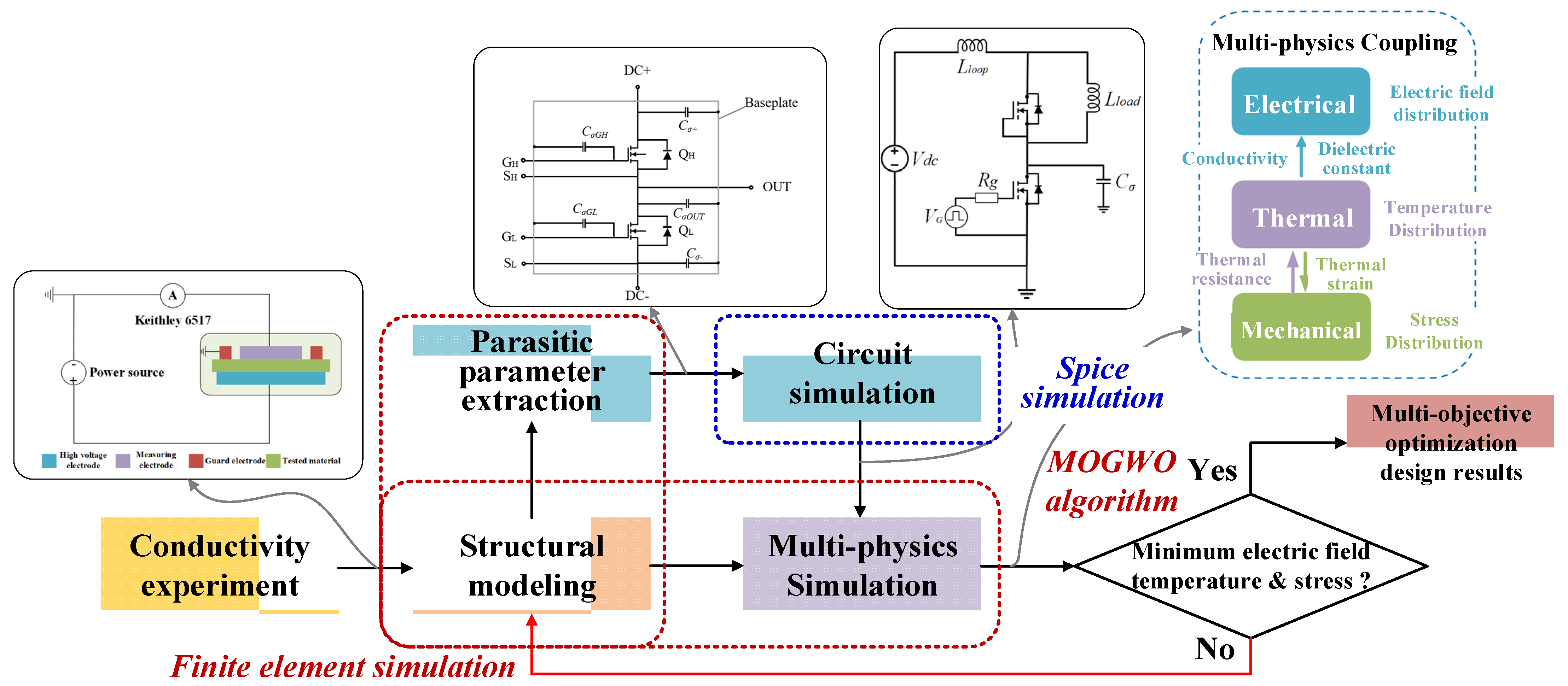
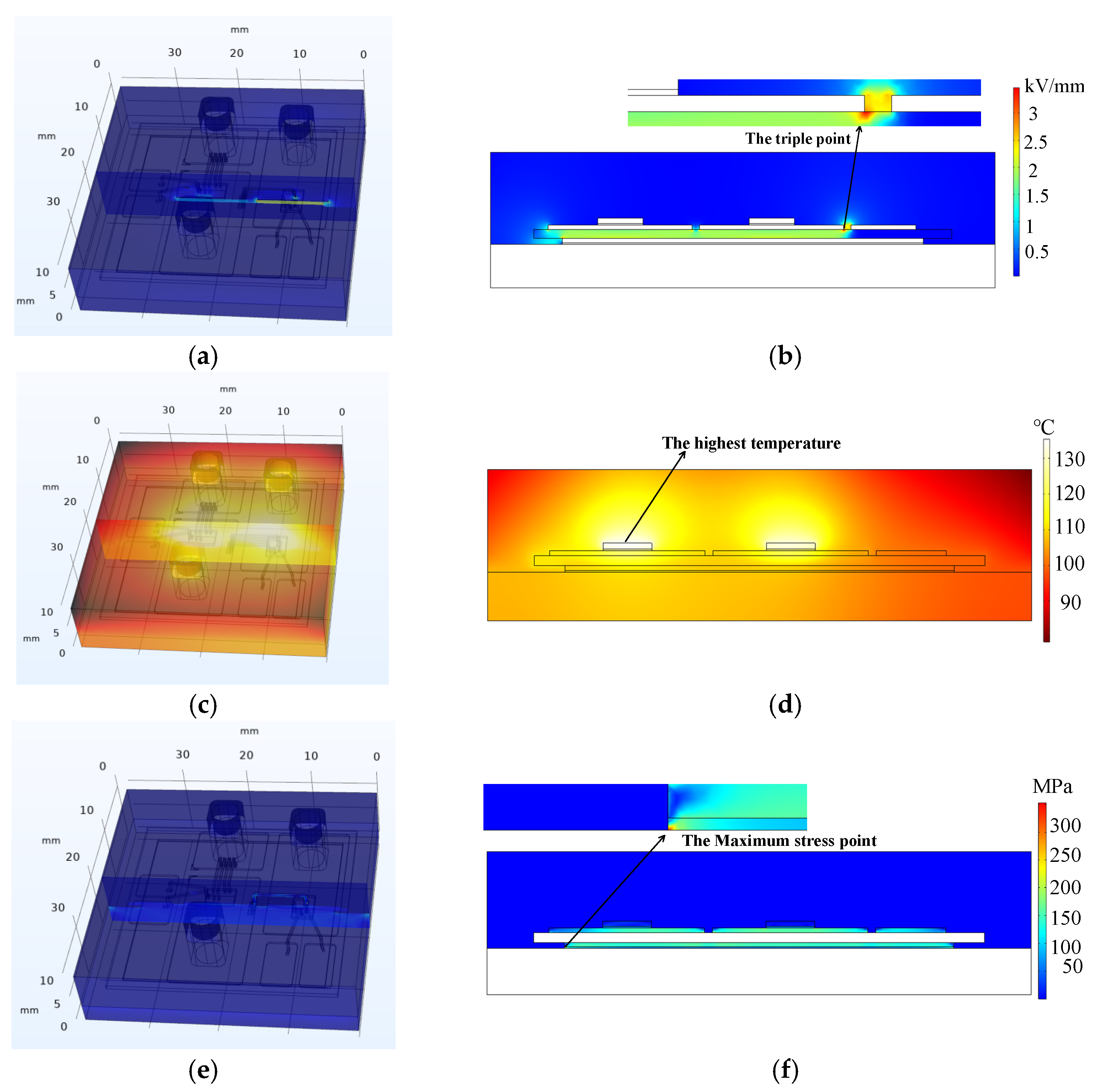
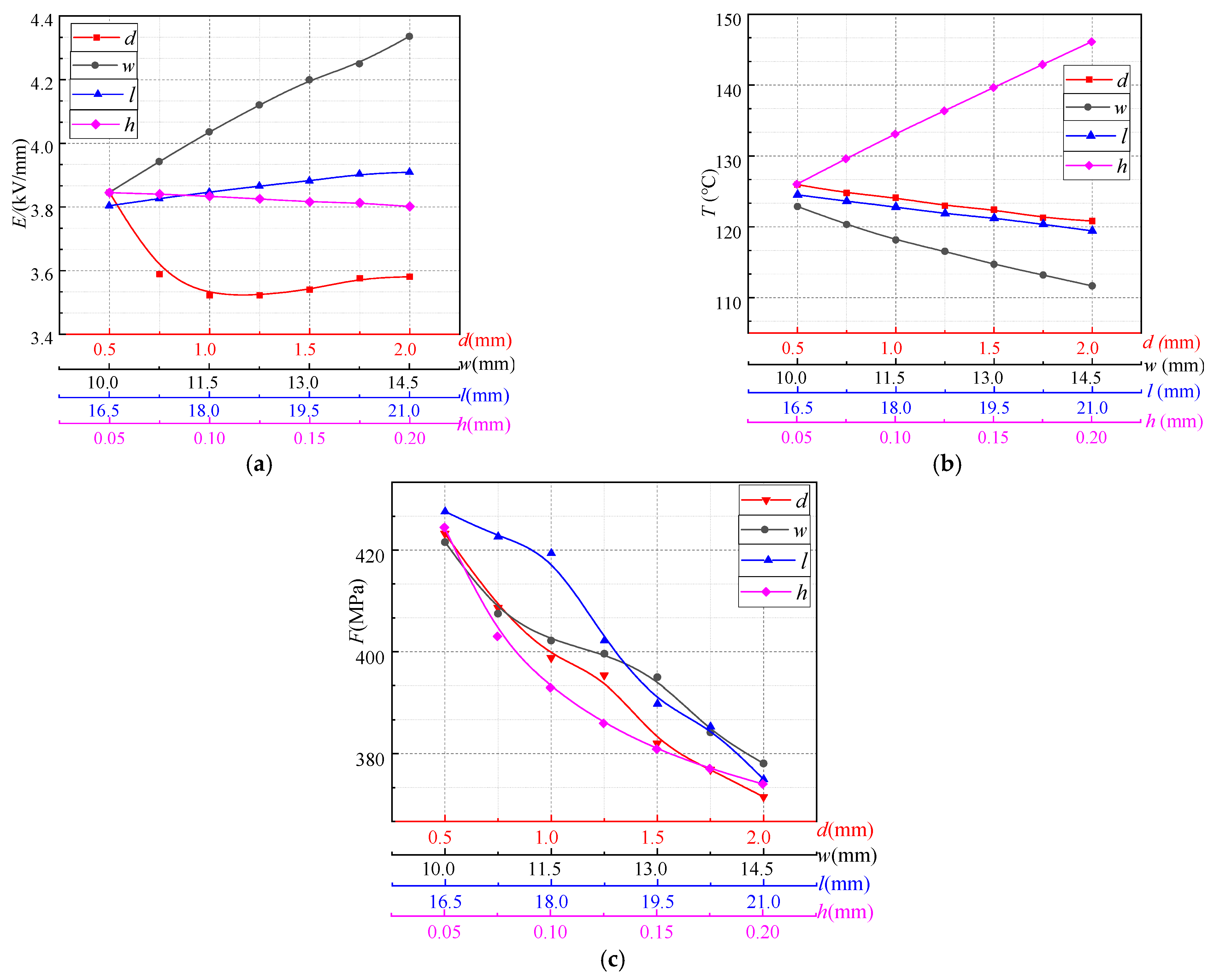
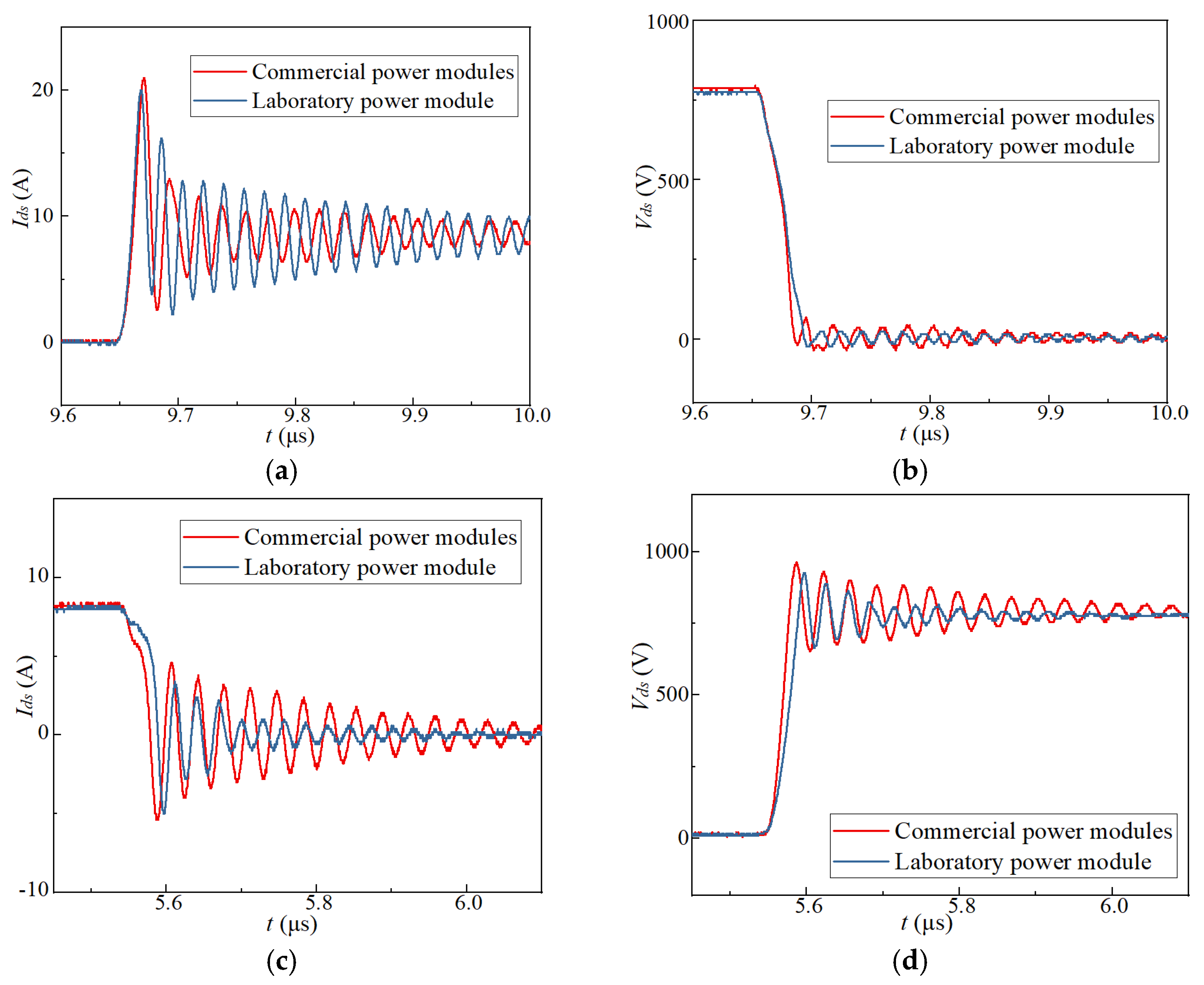
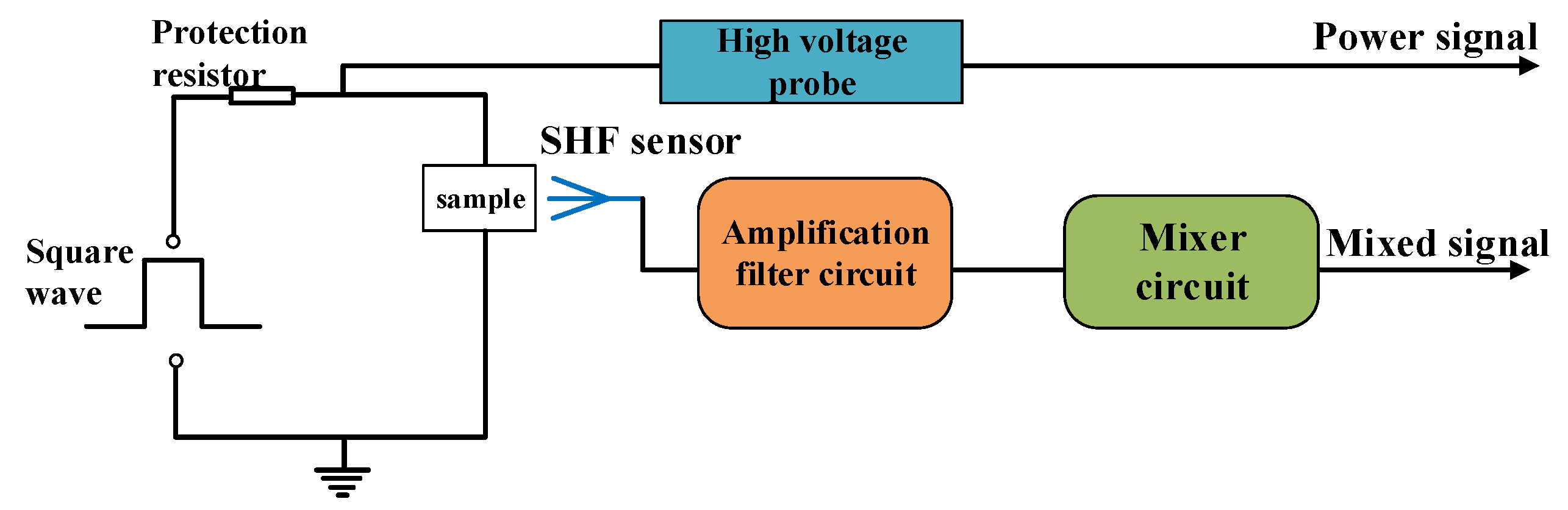
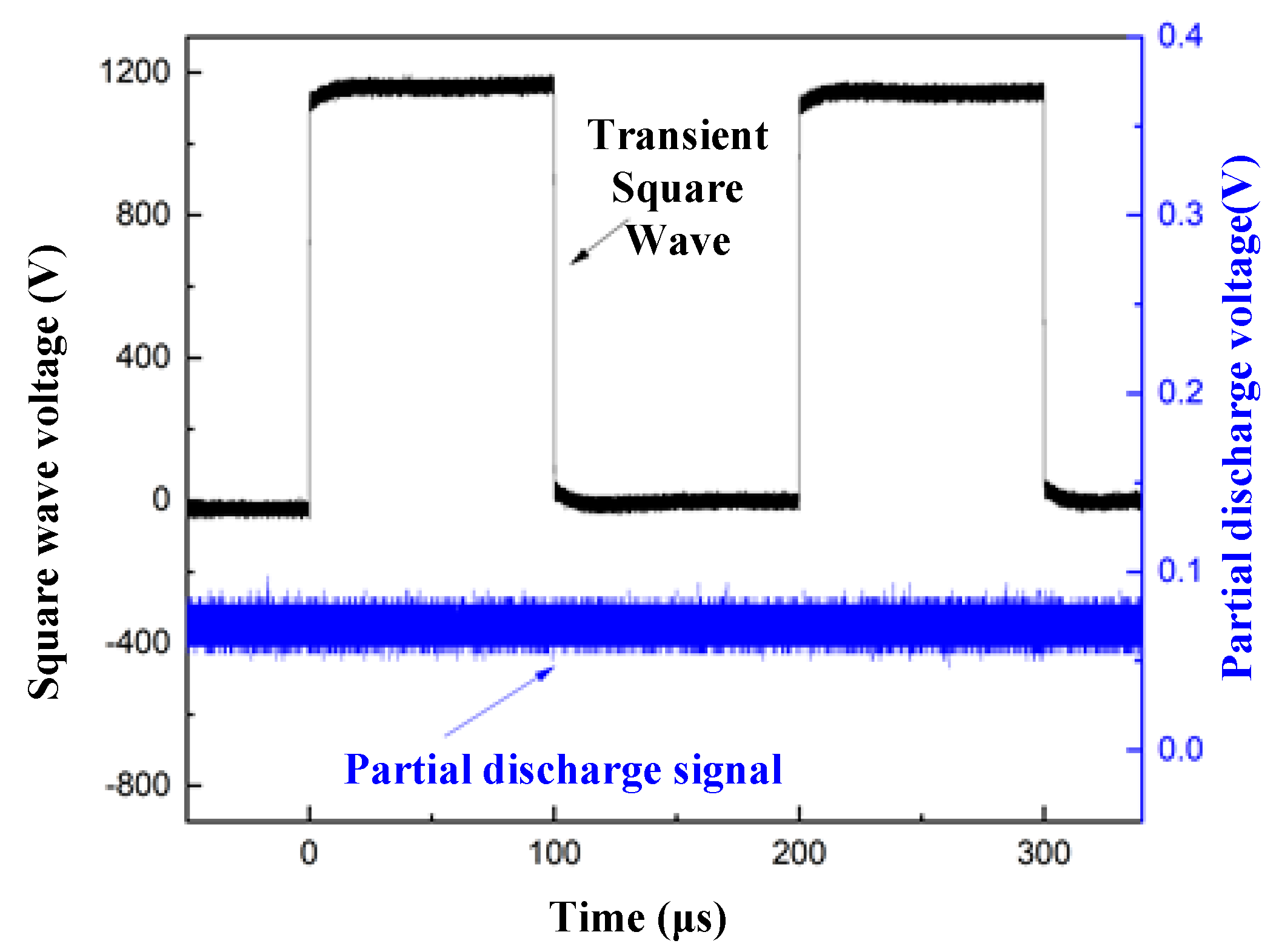
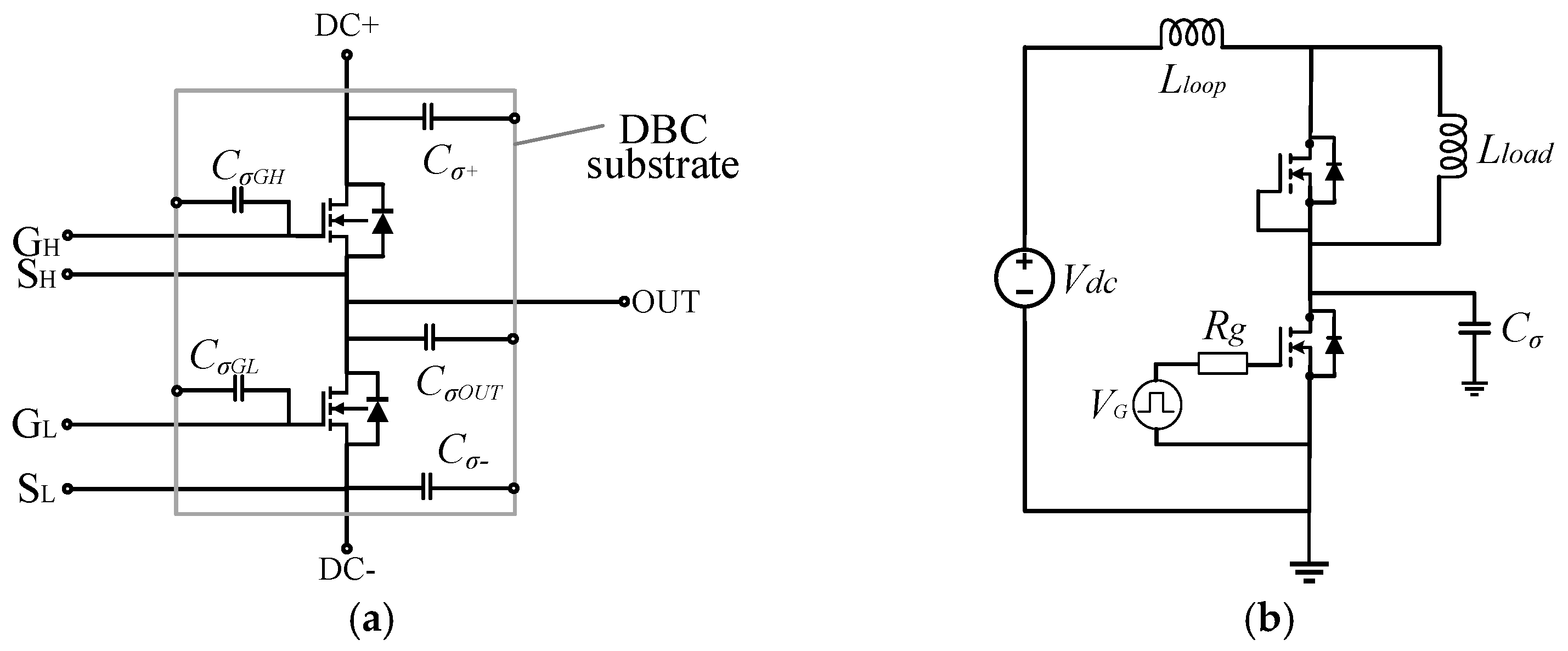
With the development of power modules for high voltage, high temperature, and high power density, their size is becoming smaller, and the packaging insulation experiences higher electrical, thermal, and mechanical stress. Packaging insulation needs to meet the requirement that internal electric field, temperature, and mechanical stress should be as low as possible. Focusing on the coupling principles and optimization design among electrical, thermal, and mechanical stresses in the power module packaging insulation, a multi-objective optimization design method based on Spice circuit, finite element field numerical calculation, and multi-objective gray wolf optimizer (MOGWO) is proposed. The packaging insulation optimal design of a 1.2 kV SiC MOSFET half-bridge power module is presented. First, the high field conductivity characteristics of the substrate ceramic and encapsulation silicone of the packaging insulation material were tested at different temperatures and external field strengths, which provided the key insulation parameters for the calculation of electric field distribution. Secondly, according to the mutual coupling principles among electric–thermal–mechanical stress, the influence of packaging structure parameters on the electric field, temperature, and mechanical stress distribution of packaging insulation was studied by finite element calculation and combined with Spice circuit analysis. Finally, the MOGWO algorithm was used to optimize the electric field, temperature, and mechanical stress in the packaging insulation. The optimal structural parameters of the power module were used to fabricate the corresponding SiC MOSFET module. The fabricated module is compared with a commercial module by the double-pulse experiment and partial discharge experiment to verify the feasibility of the proposed design method.
Keywords: power module; packaging insulation; finite element method; multi-physics; multi-objective optimization power module; packaging insulation; finite element method; multi-physics; multi-objective optimization