Review

A Review of Multi-Objective Optimization in Organic Rankine Cycle (ORC) System Design
Key Laboratory for Thermal Science and Power Engineering of MOE, Key Laboratory for CO2, Utilization and Reduction Technology, Tsinghua University, Beijing 100084, China
*
Author to whom correspondence should be addressed.
Energies 2021, 14(20), 6492; https://doi.org/10.3390/en14206492
Submission received: 29 August 2021 / Revised: 28 September 2021 / Accepted: 4 October 2021 / Published: 11 October 2021
(This article belongs to the Topic Sustainable Energy Technology)

Abstract

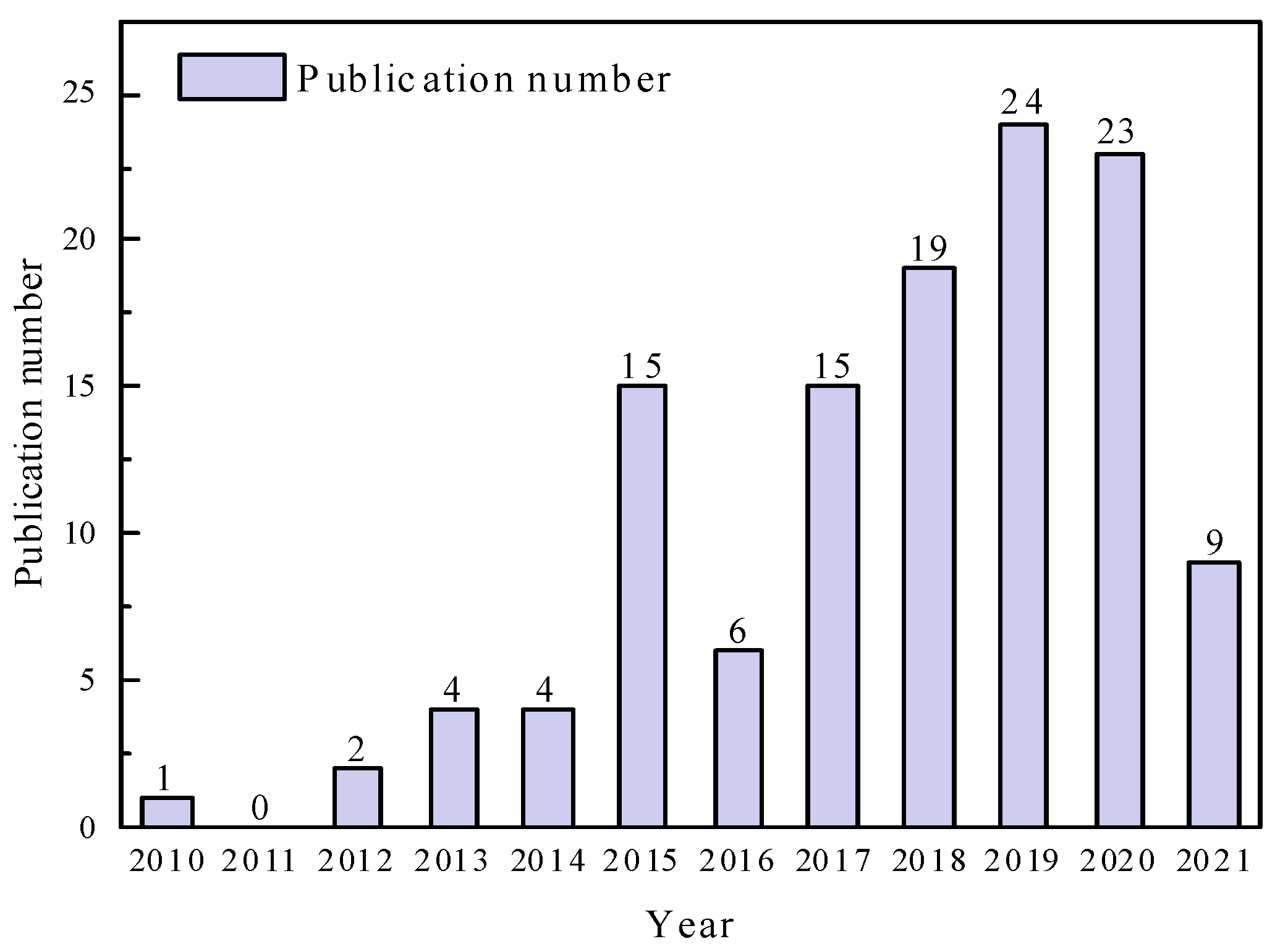
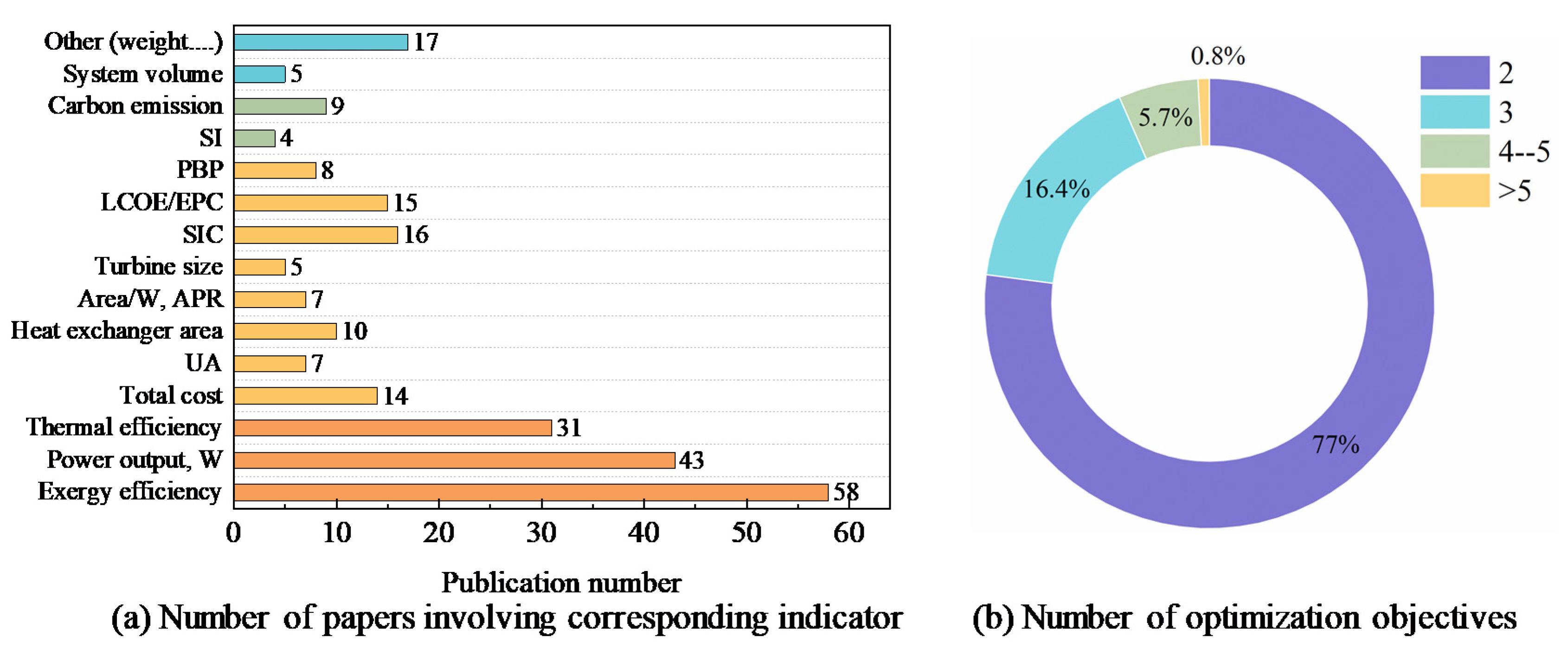
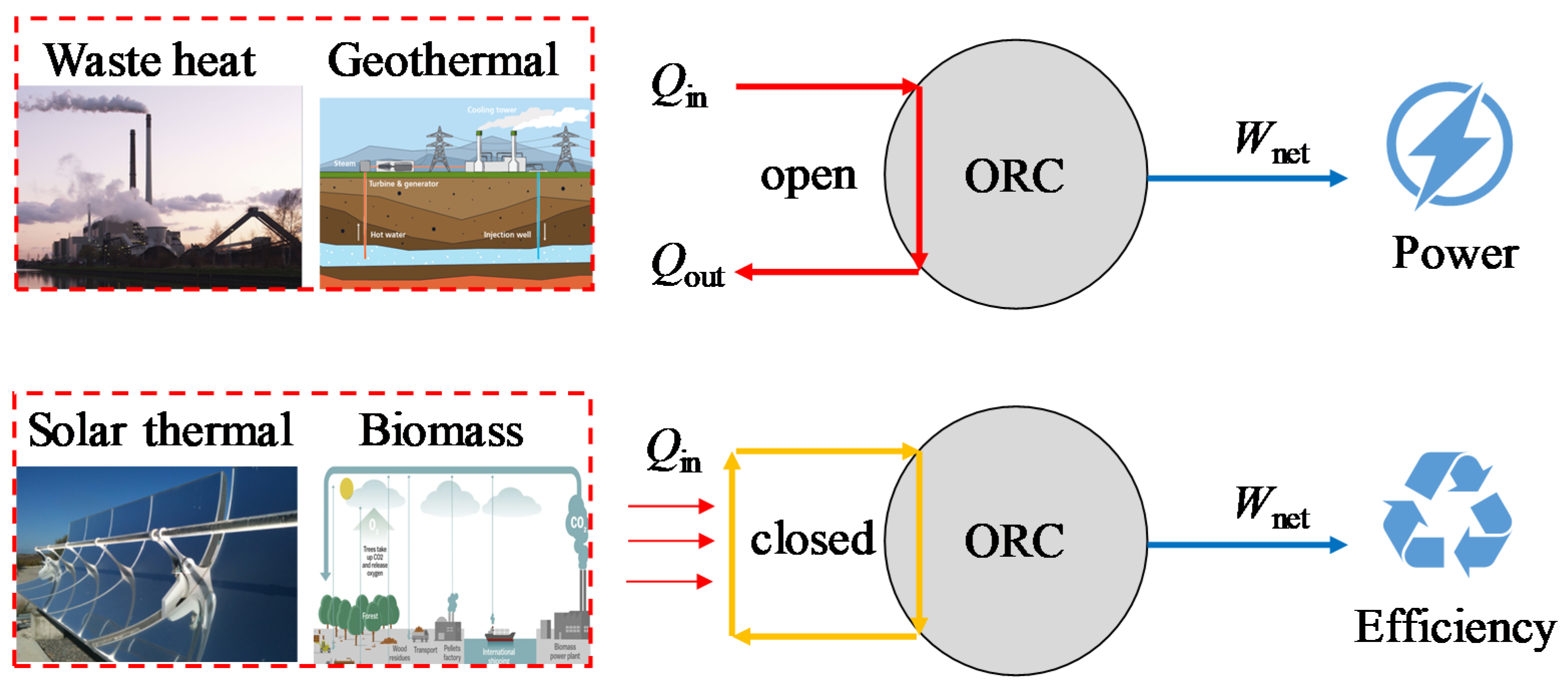
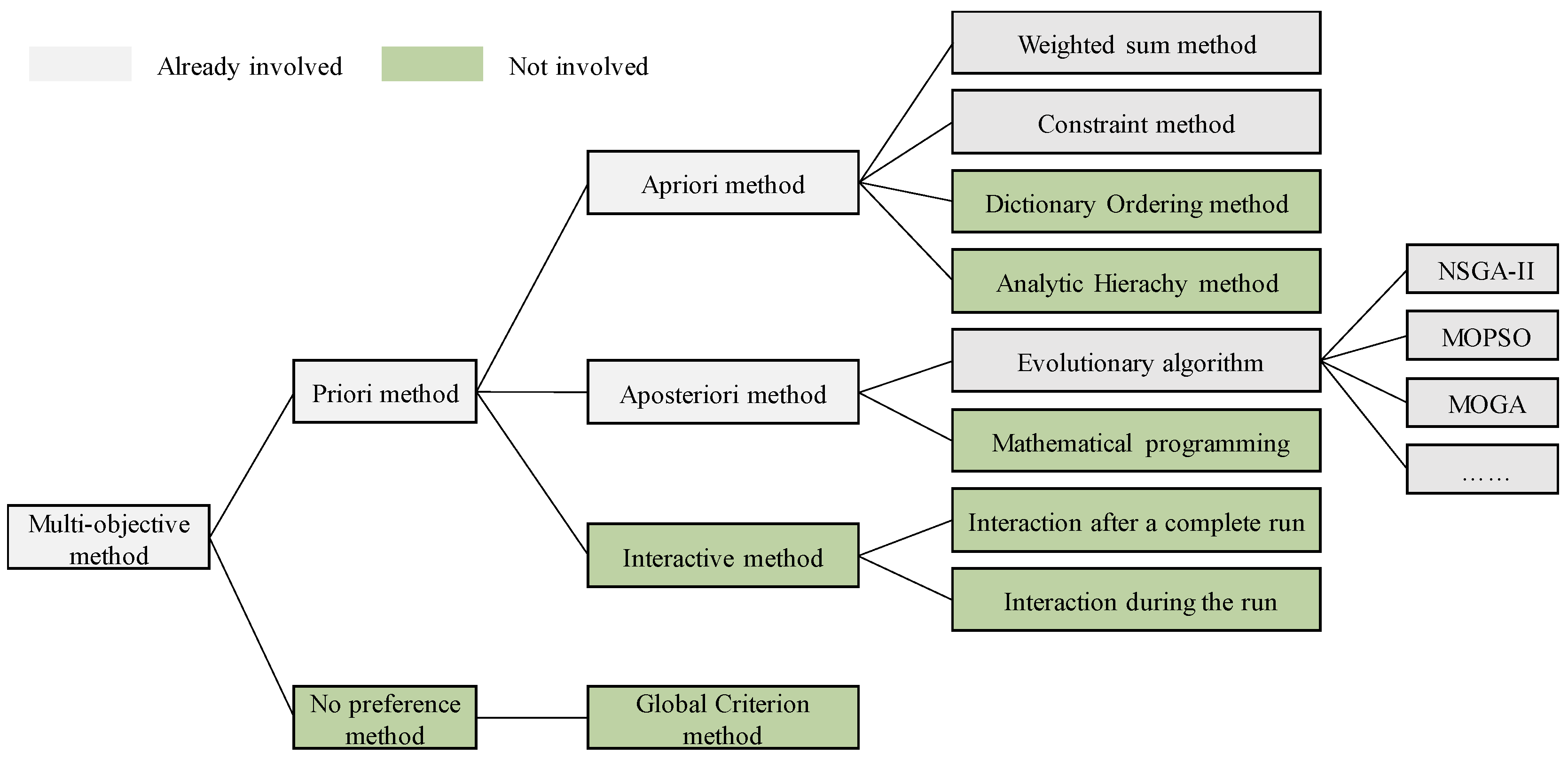
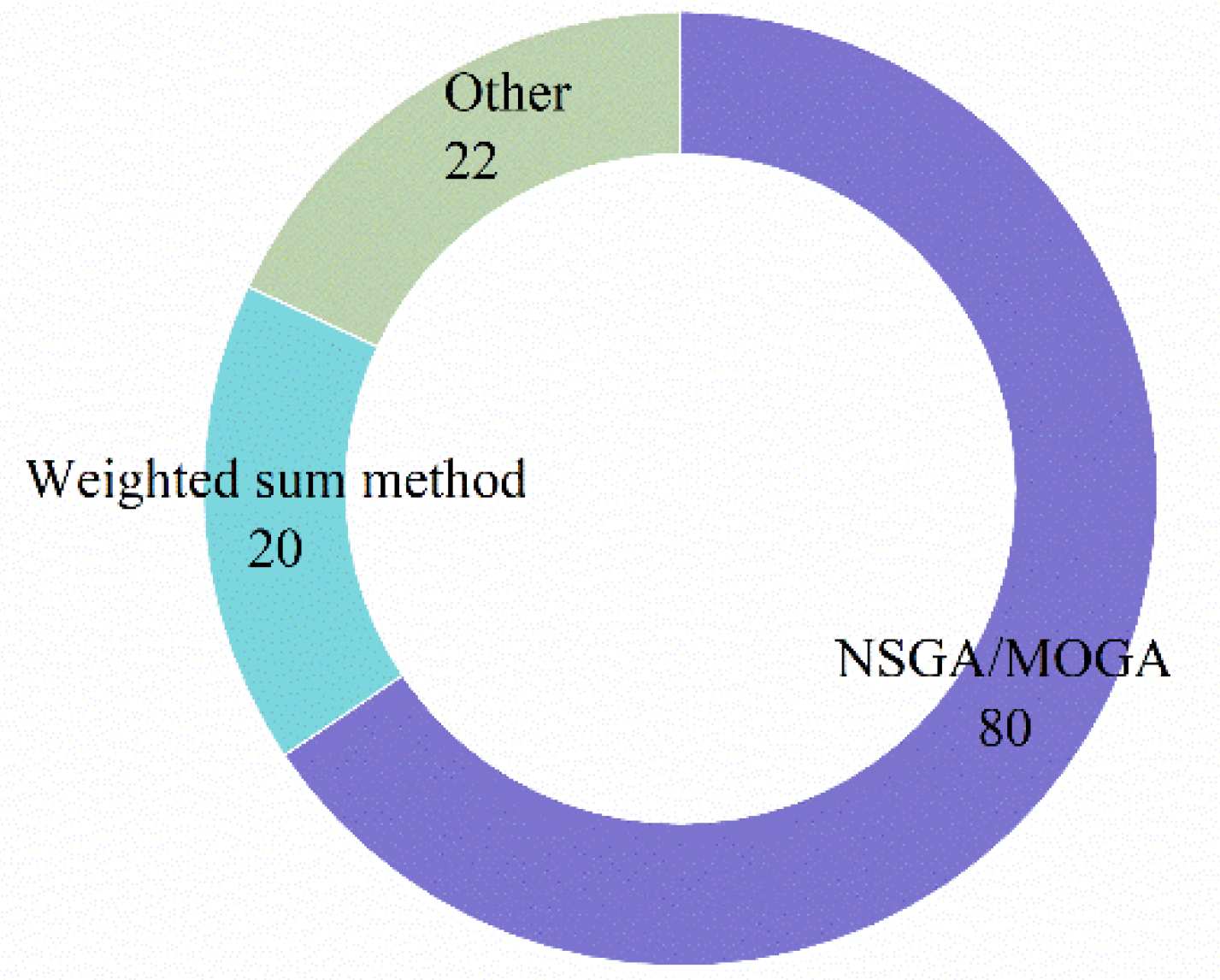
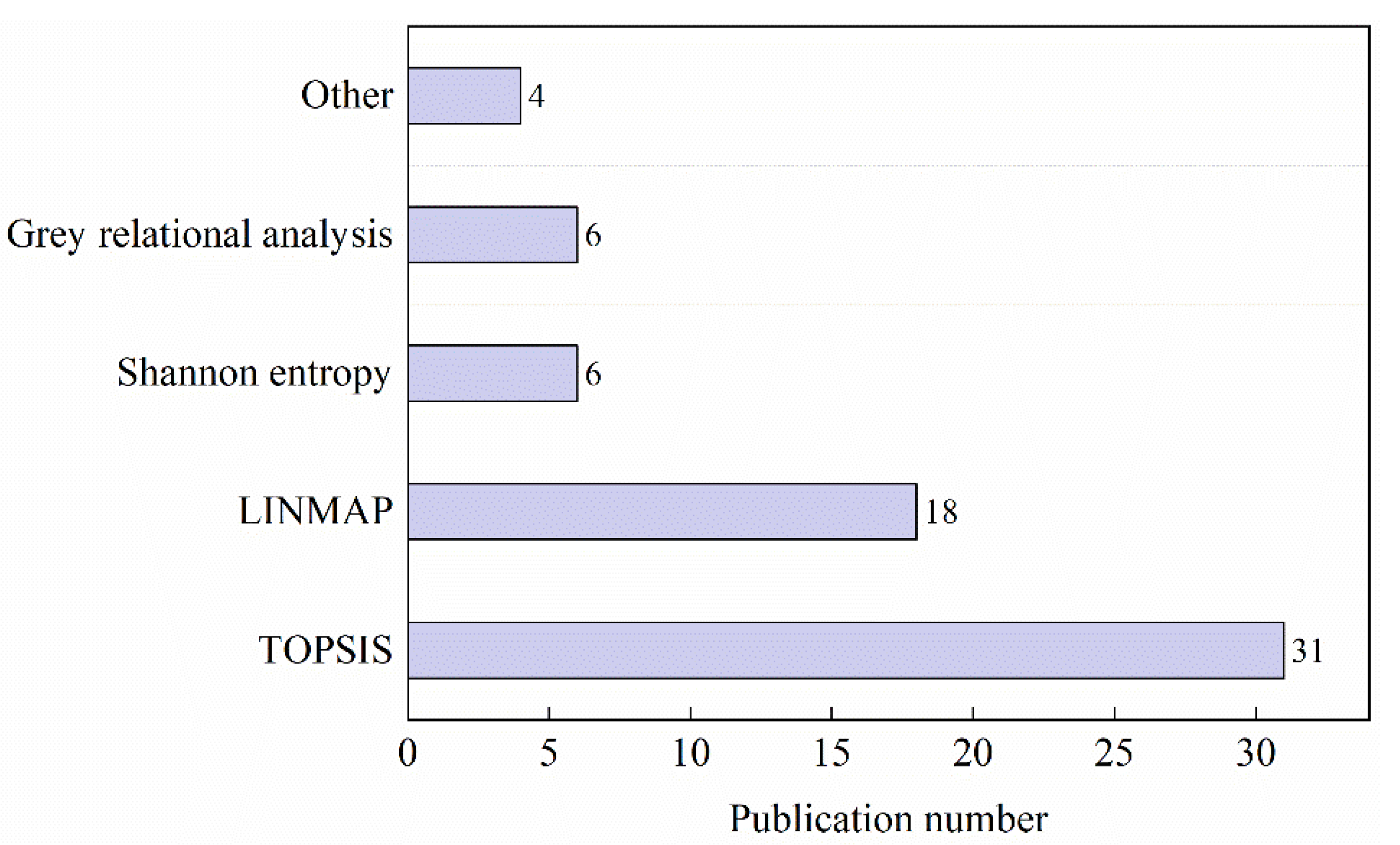
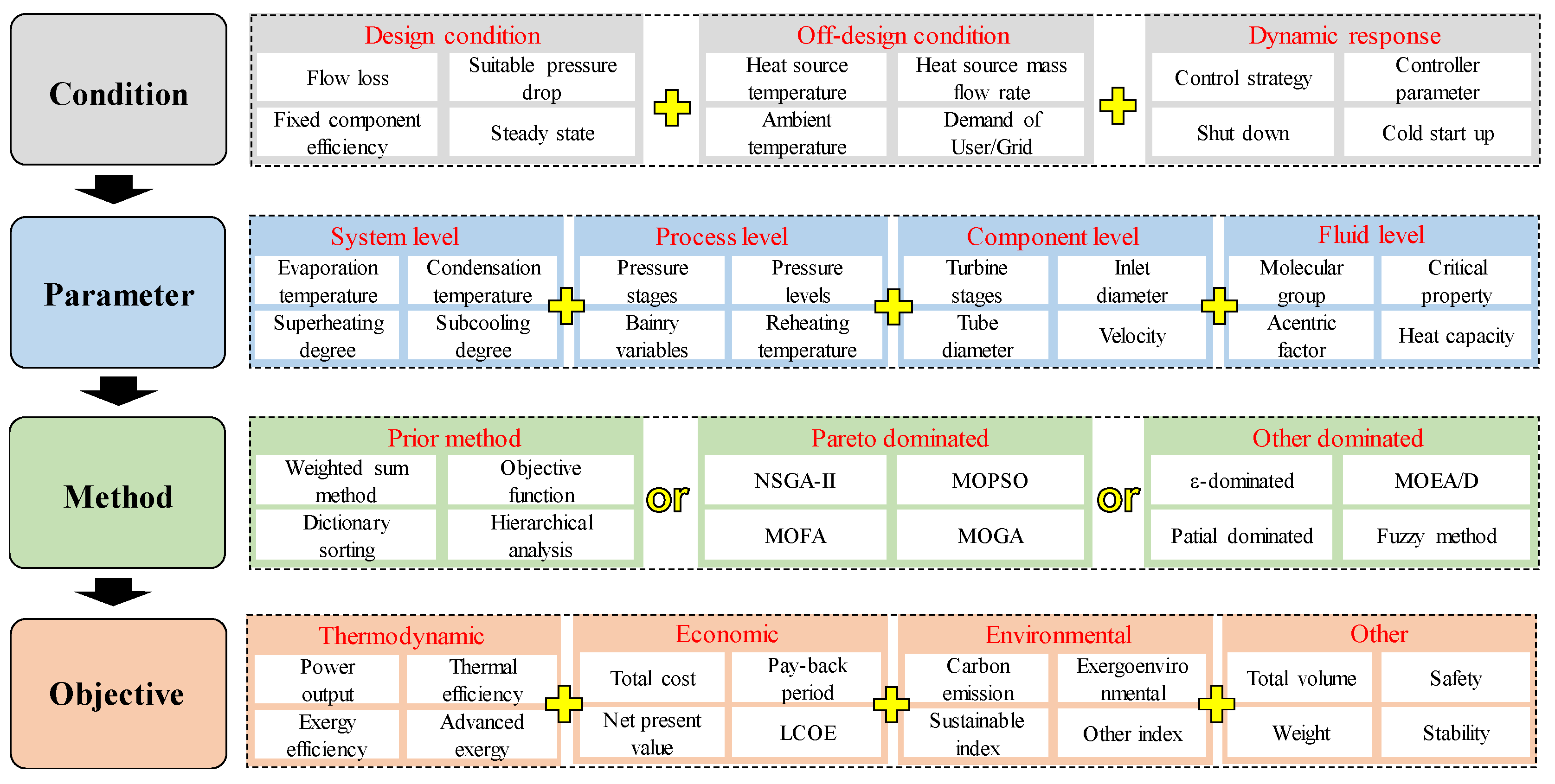
Organic Rankine cycle (ORC) is considered a promising heat-to-power technology to utilize waste heat and renewable energy, including solar, biomass and geothermal. However, since the thermodynamic, economic and environmental performance is usually conflict, the single objective design could no longer meet the requirements of the ORC system, putting forward urgent requirements for multi-objective optimization, which has attracted increasing attention with lots of papers published. However, due to these different decision variables, optimization objectives and approaches, existing research is significantly different from each other and is difficult to compare without a systematic summary. Therefore, this paper provides an overview of ORC multi-objective research from three perspectives: optimization objective, method and optimization parameters. Based on the classification of different objectives, this work summarizes the involved variables and provides a recommendation for selecting appropriate objectives in different scenarios. For the optimization method, this work compares different approaches and reveals their advantages and disadvantages. Finally, the decision variables are reviewed and classified into four levels. Then the integrated design approach considering “system-process-component-fluid” is proposed and recommended for further development.
Keywords: multi-objective optimization; organic Rankine cycle; system design; waste heat recovery; carbon emission; intelligent algorithm; superstructure; fluid design; off-design multi-objective optimization; organic Rankine cycle; system design; waste heat recovery; carbon emission; intelligent algorithm; superstructure; fluid design; off-design