Article

Study of Operation of the Thermoelectric Generators Dedicated to Wood-Fired Stoves

AGH University of Science and Technology, Faculty of Energy and Fuels, Department of Sustainable Energy Development, Mickiewicza Ave. 30, 30-059 Krakow, Poland
Energies 2021, 14(19), 6264; https://doi.org/10.3390/en14196264
Submission received: 2 September 2021 / Revised: 27 September 2021 / Accepted: 28 September 2021 / Published: 1 October 2021
(This article belongs to the Special Issue Sustainable Combustion Systems and Their Impact II)

Abstract

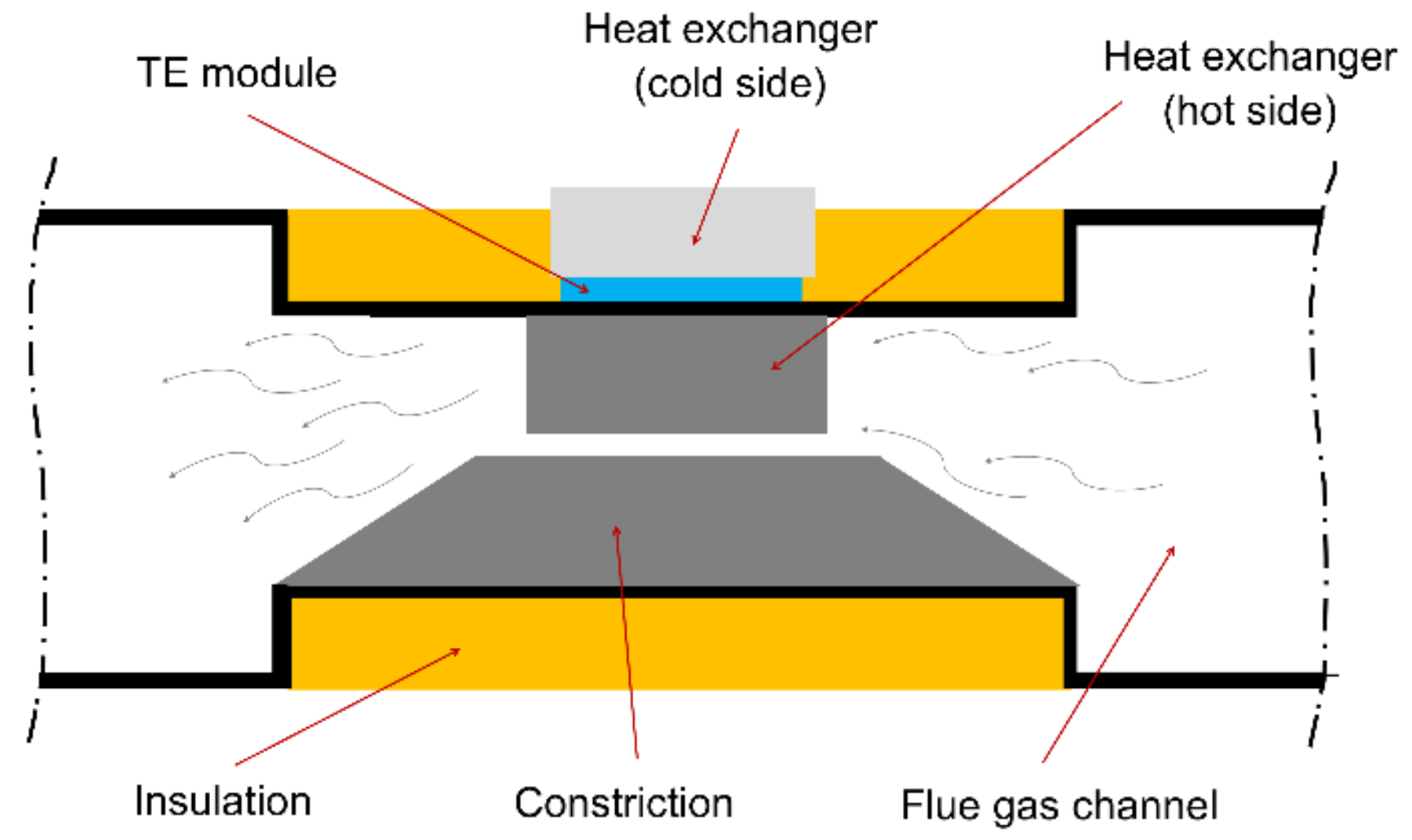
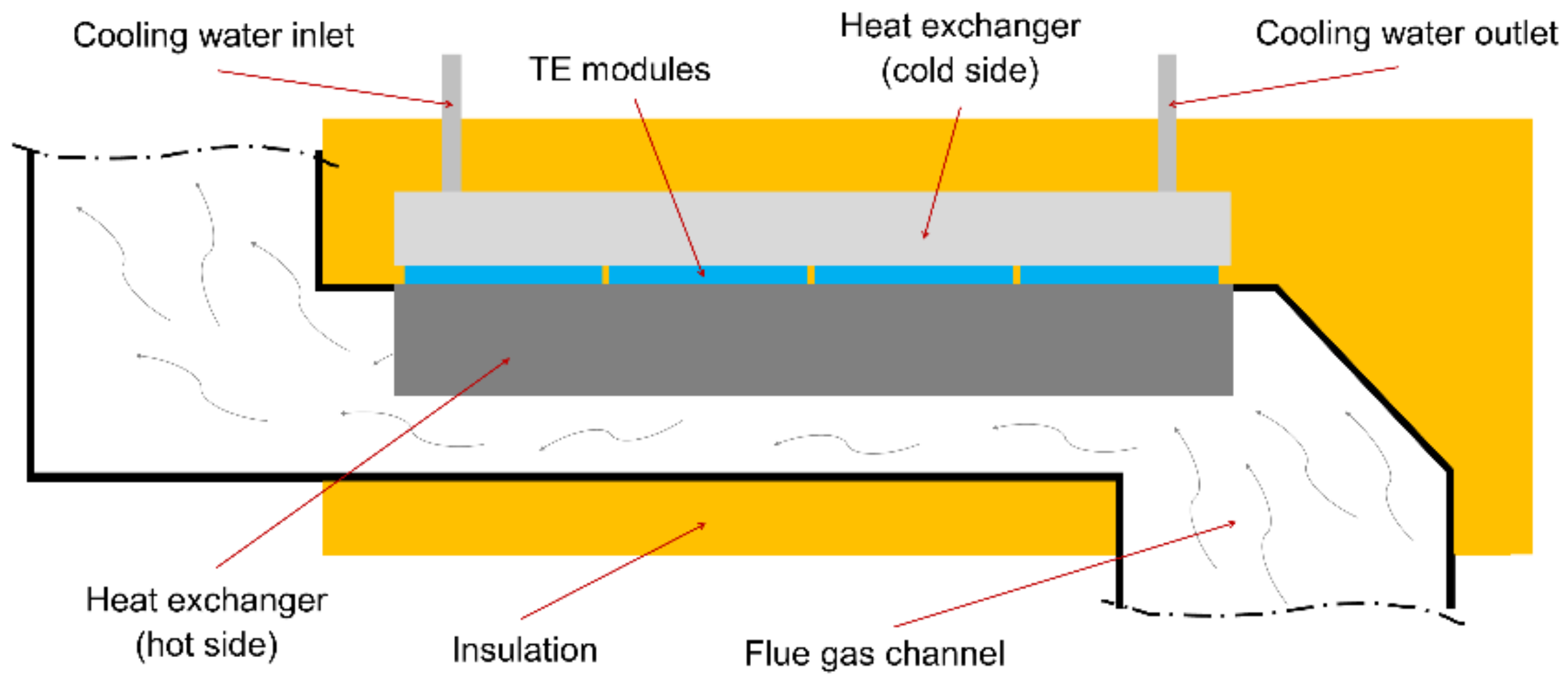
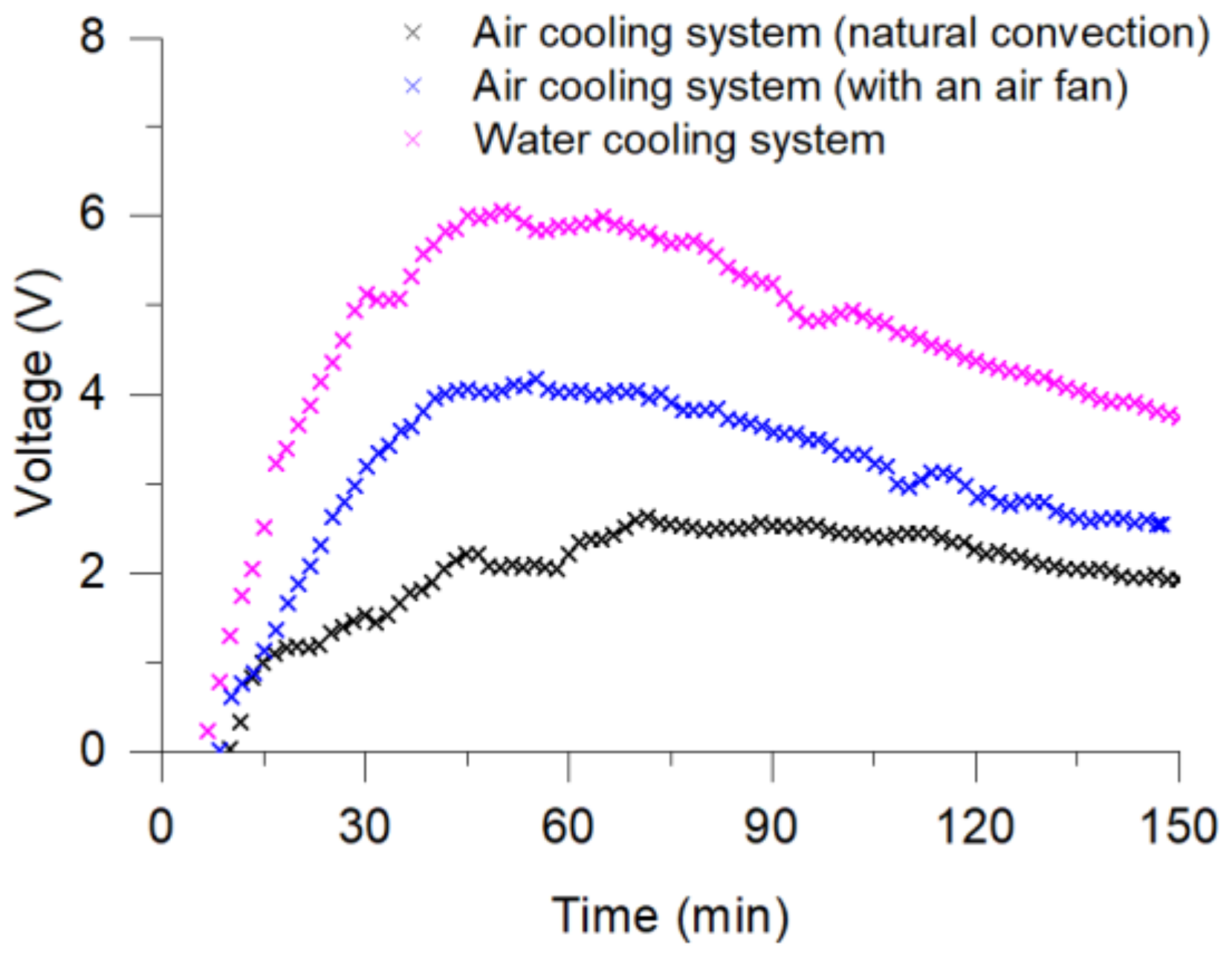
Thermoelectric generators are devices that harvest waste heat and convert it into useful power. They are considered as an additional power source in the domestic sector, but they can also be installed in off-grid objects. In addition, they are a promising solution for regions where there is a lack of electricity. Since biomass heating and cooking stoves are widely used, it is very appropriate to integrate thermoelectric generators with wood-fired stoves. This paper shows the experimental analysis of a micro-cogeneration system equipped with a wood-fired stove and two prototypical constructions of thermoelectric generators dedicated to mounting on the flue gas channel. The first version was equipped with one basic thermoelectric module and used to test various cooling methods, while the second construction integrated four basic thermoelectric modules and a water-cooling system. During the tests conducted, the electricity generated in the thermoelectric generators was measured by the electronic load, which allowed the simulation of various operating conditions. The results obtained confirm the possibility of using thermoelectric generators to generate power from waste heat resulting from the wood-fired stove. The maximum power obtained during the discussed combustion process was 15.4 W (if this value occurred during the entire main phase, the energy generated would be at a level of approximately 30 Wh), while the heat transferred to the water was ca. 750 Wh. Furthermore, two specially introduced factors (CPC and CPTC) allowed the comparison of developed generators, and the conclusion was drawn that both developed constructions were characterized by higher CPC values compared to available units in the market. By introducing thermoelectric modules characterized by higher performance, a higher amount of electricity generated may be provided, and sufficient levels of current and voltage may be achieved.
Keywords: micro-cogeneration; stove; thermoelectric generator; biomass combustion micro-cogeneration; stove; thermoelectric generator; biomass combustion