Article

Production of Fuel-Like Fractions by Fractional Distillation of Bio-Oil from Açaí (Euterpe oleracea Mart.) Seeds Pyrolysis

by
Douglas Alberto Rocha de Castro
1,
Haroldo Jorge da Silva Ribeiro
1,
Lauro Henrique Hamoy Guerreiro
2,
Lucas Pinto Bernar
1,
Sami Jonatan Bremer
3,
Marcelo Costa Santo
1,
Hélio da Silva Almeida
4,5,
Sergio Duvoisin, Jr.
6,
Luiz Eduardo Pizarro Borges
7 and
Nélio Teixeira Machado
1,4,*
1
Graduate Program of Natural Resources Engineering of Amazon, Rua Corrêa N° 1, Campus Profissional-UFPA, Belém 66075-110, Brazil
2
Graduate Program of Chemical Engineering, Rua Corrêa N° 1, Campus Profissional-UFPA, Belém 66075-110, Brazil
3
Hochschule für Technik und Wirtschaft Berlin, Wilhelminenhofstrasse 75A, 12459 Berlin, Germany
4
Faculty of Sanitary and Environmental Engineering, Rua Corrêa N° 1, Campus Profissional-UFPA, Belém 66075-900, Brazil
5
Graduate Program of Civil Engineering, Rua Corrêa N° 1, Campus Profissional-UFPA, Belém 66075-110, Brazil
6
Faculty of Chemical Engineering-UEA, Avenida Darcy Vargas N°. 1200, Manaus 69050-020, Brazil
7
Laboratory of Catalyst Preparation and Catalytic Cracking, Section of Chemical Engineering-IME, Praça General Tibúrcio No. 80, Rio de Janeiro 22290-270, Brazil
*
Author to whom correspondence should be addressed.
Energies 2021, 14(13), 3713; https://doi.org/10.3390/en14133713
Submission received: 8 February 2021 / Revised: 19 April 2021 / Accepted: 26 April 2021 / Published: 22 June 2021
(This article belongs to the Special Issue Advanced Technologies for Biomass)

Abstract

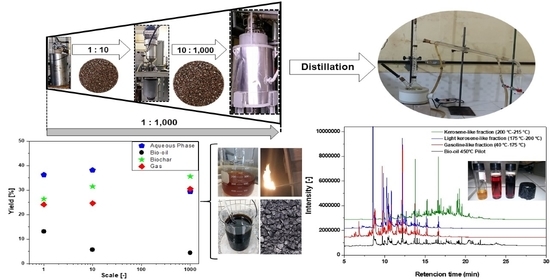
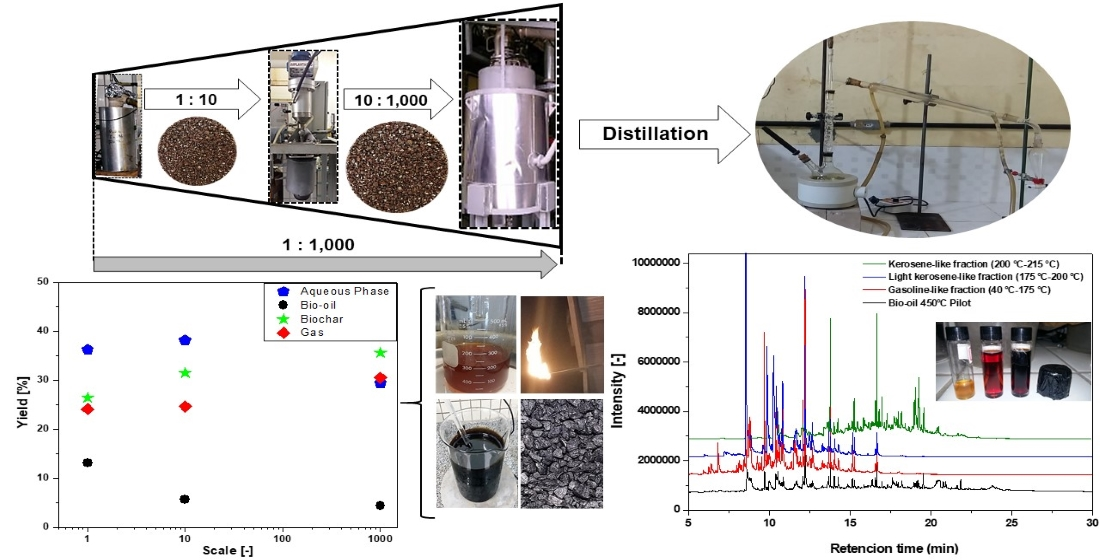
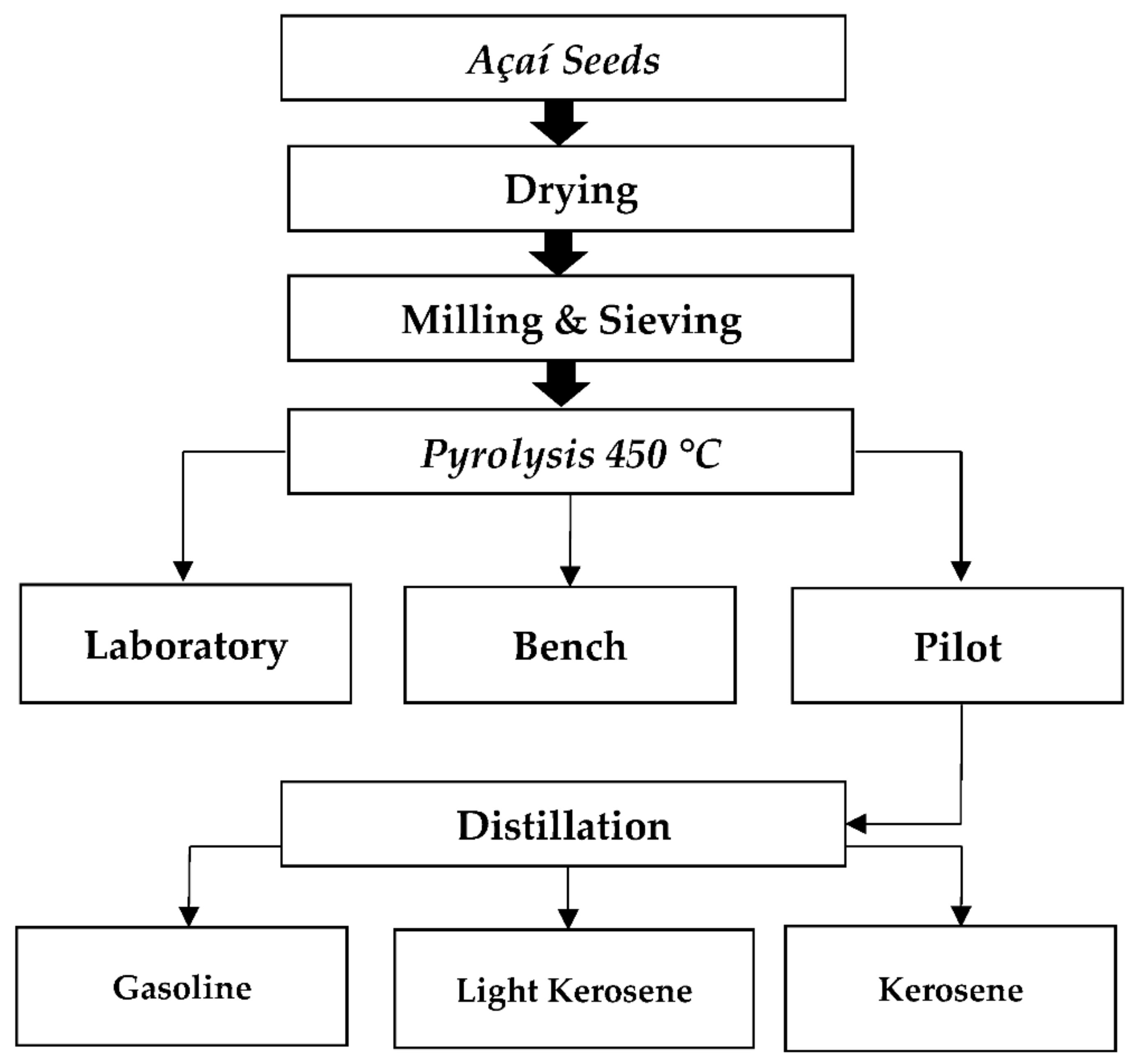
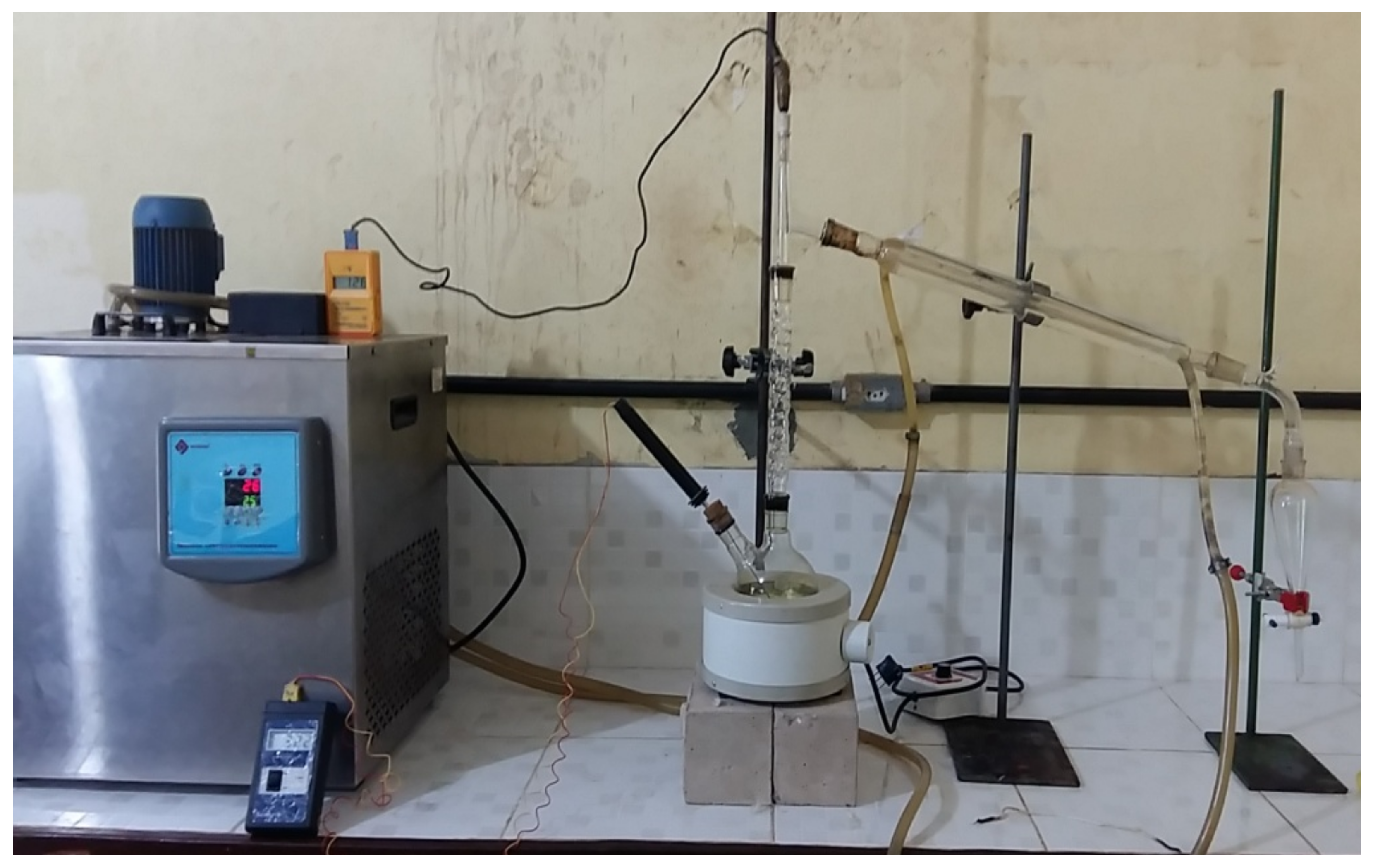
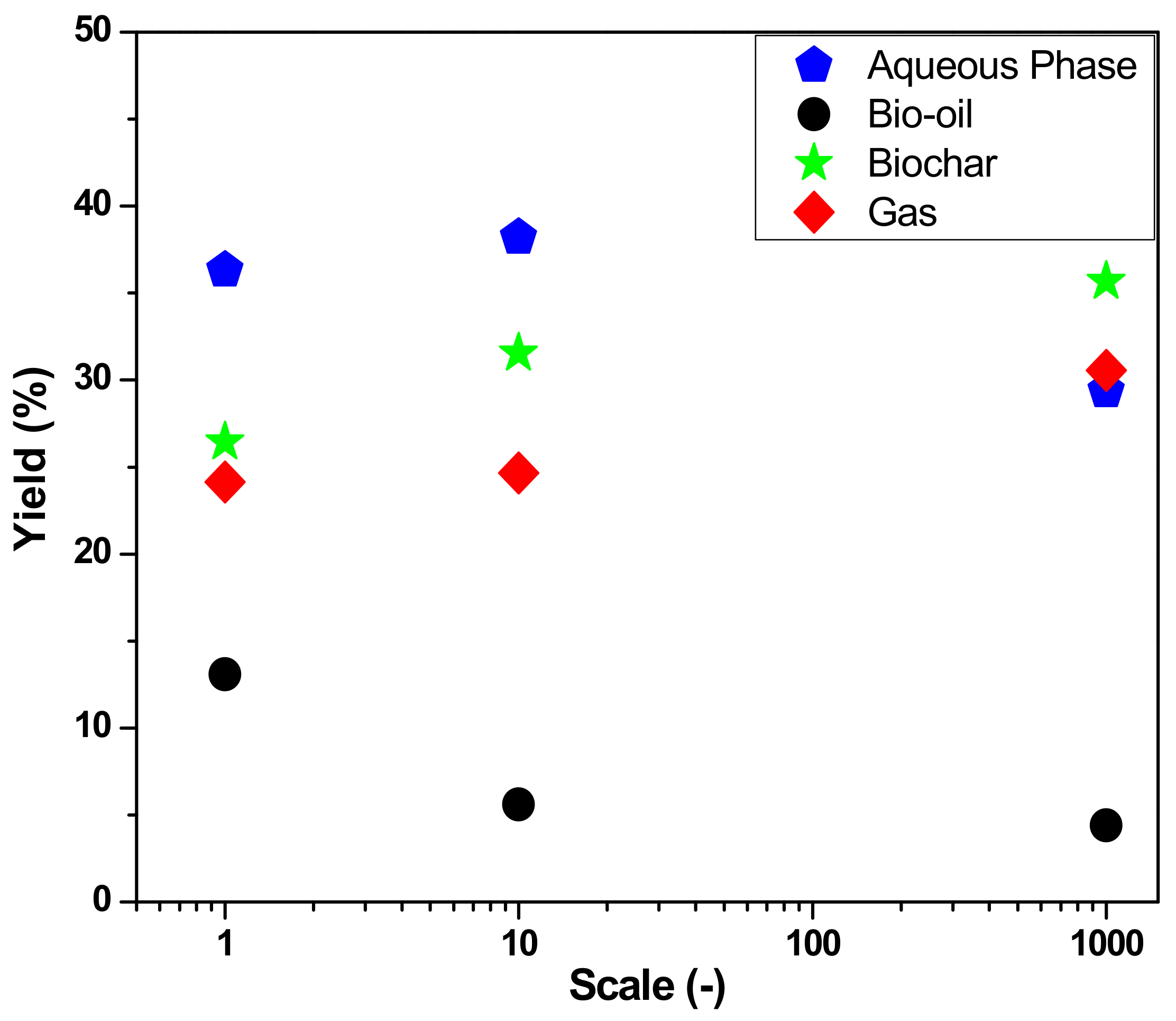
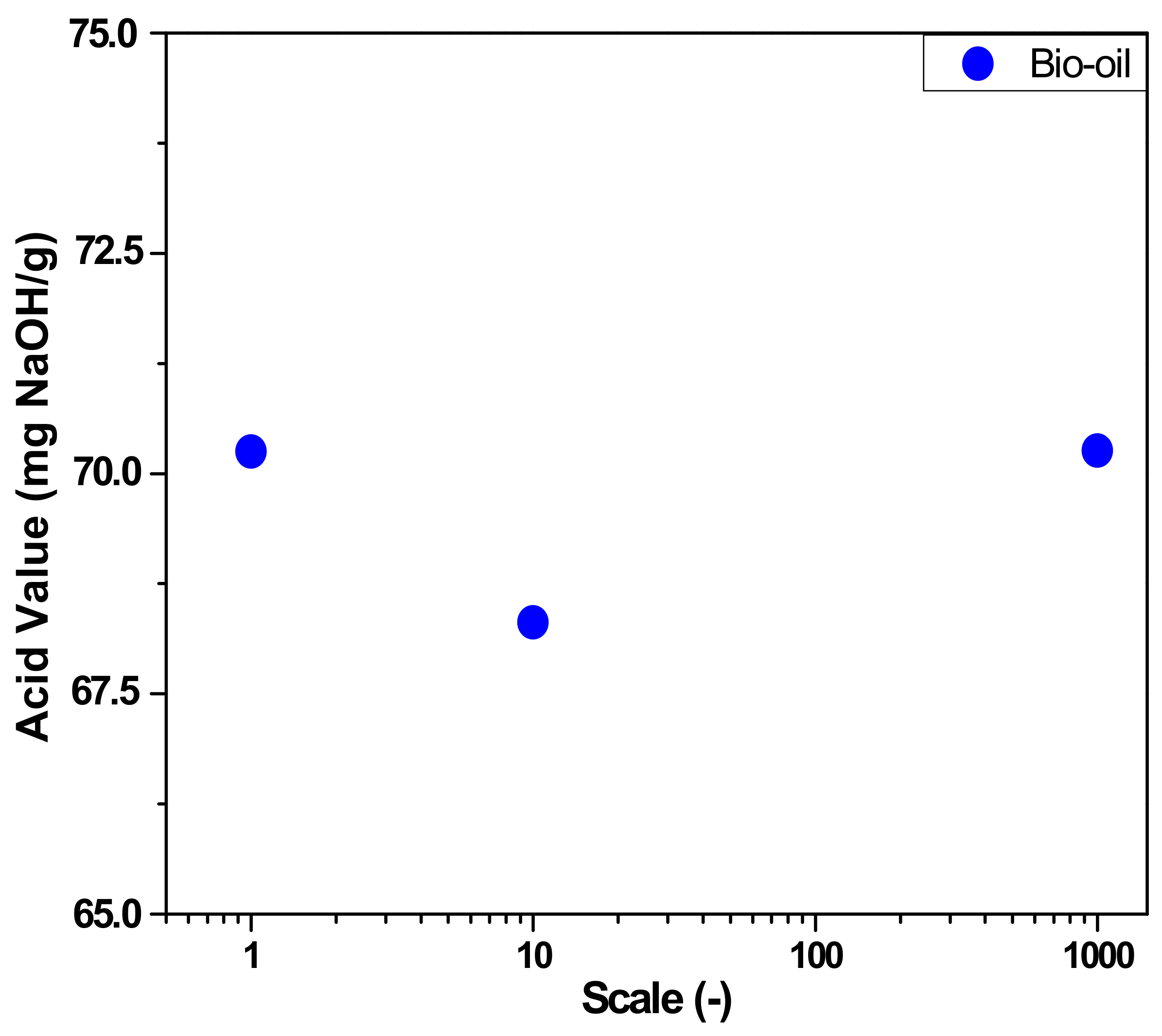
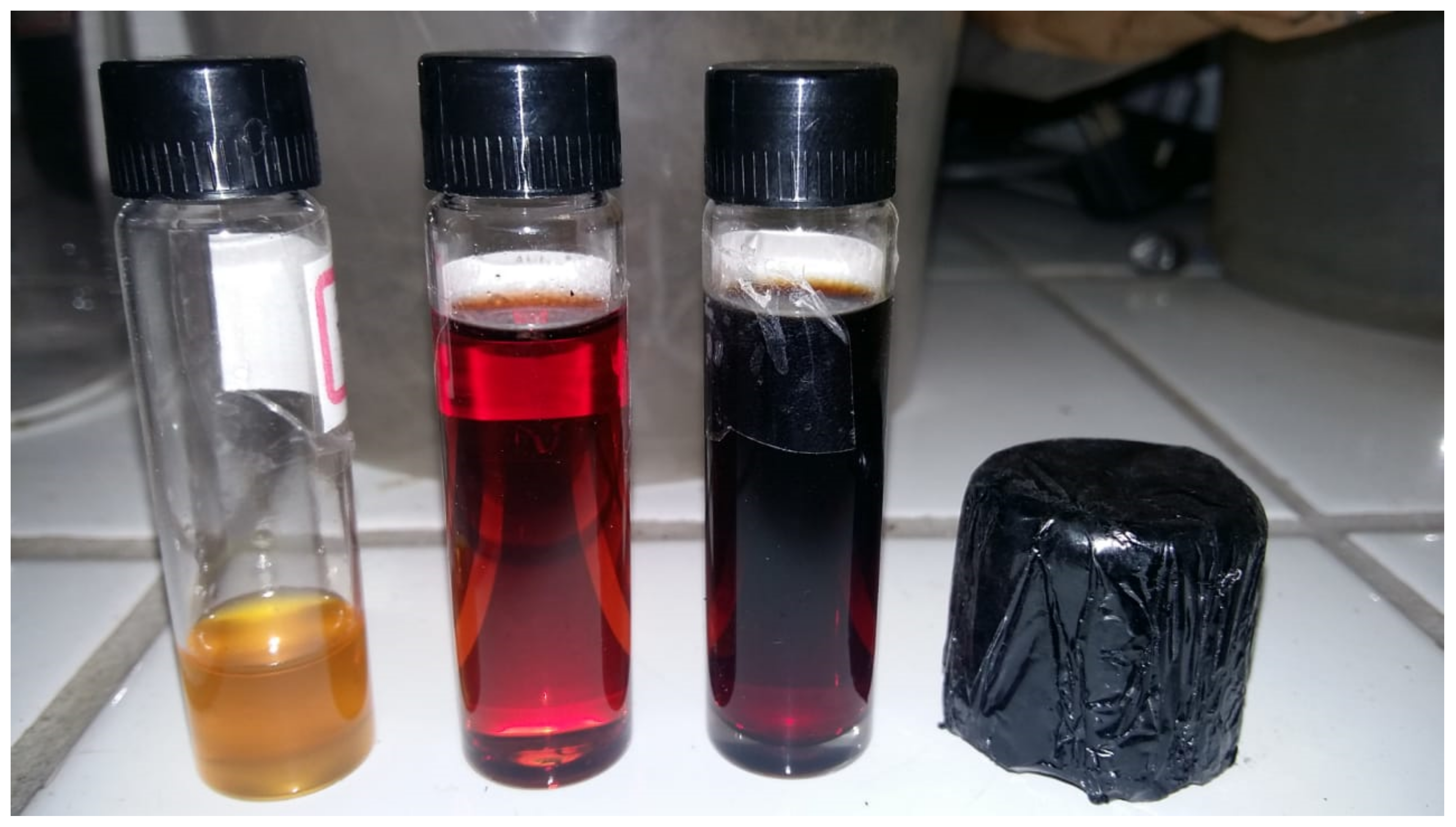
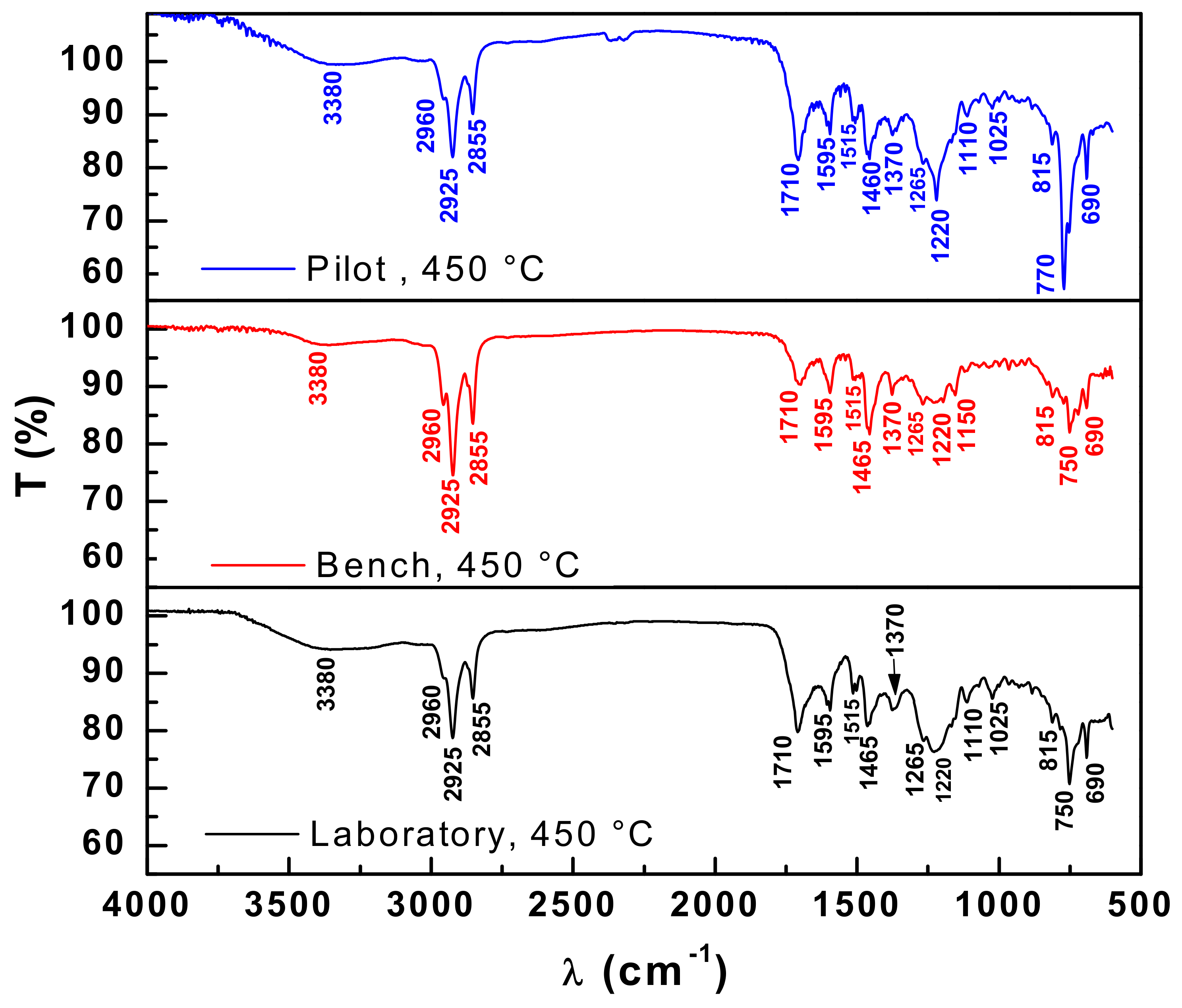
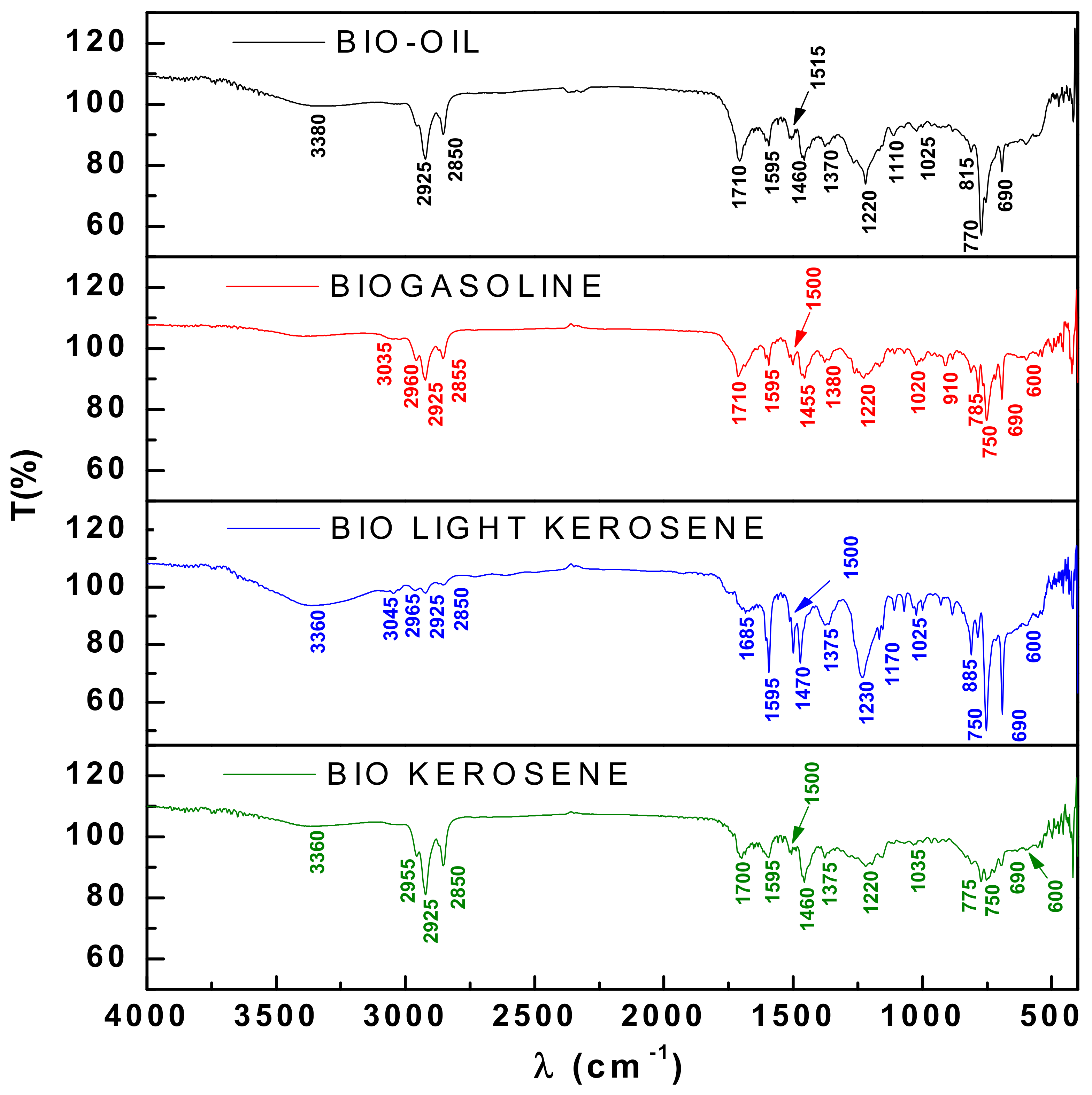
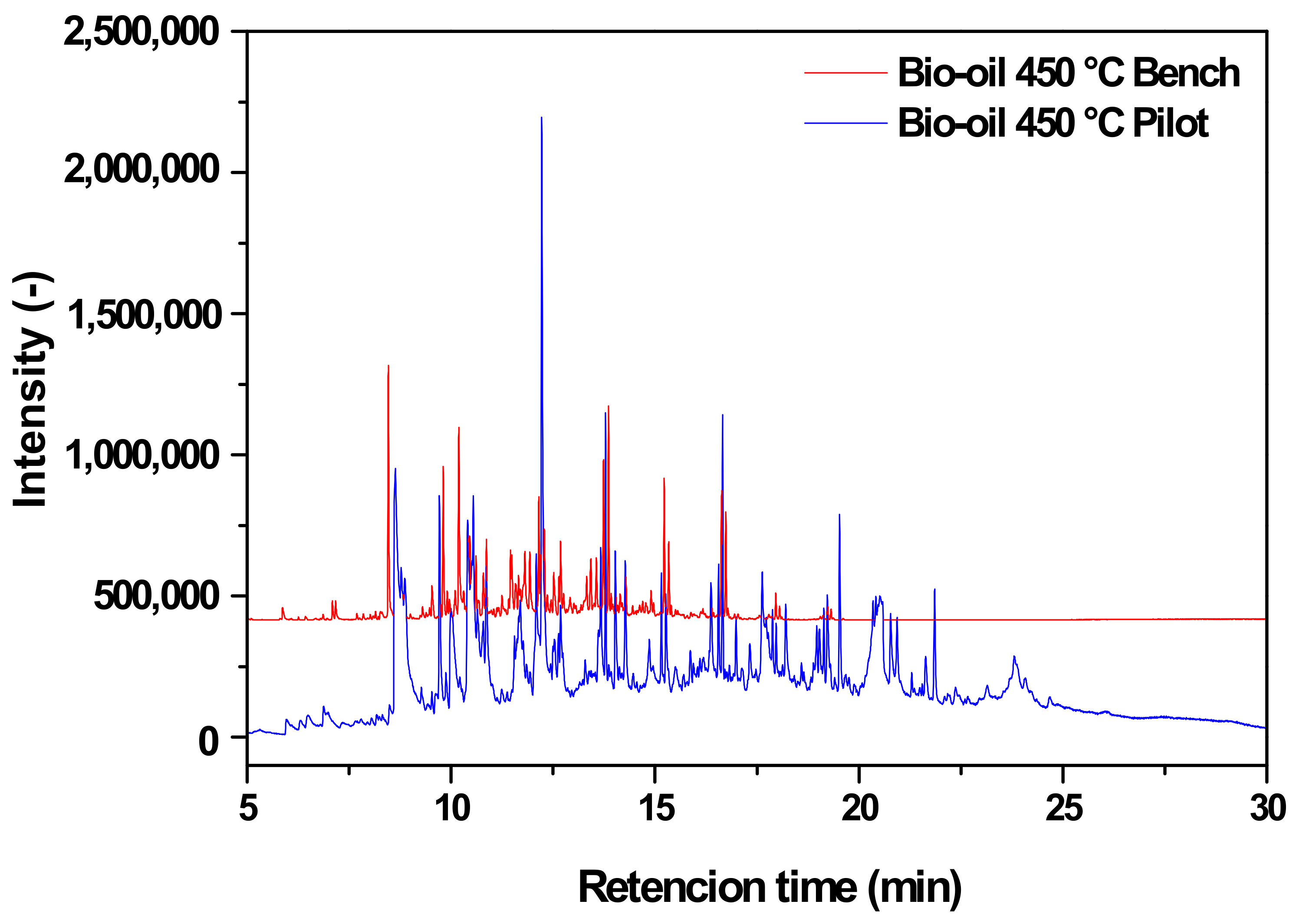
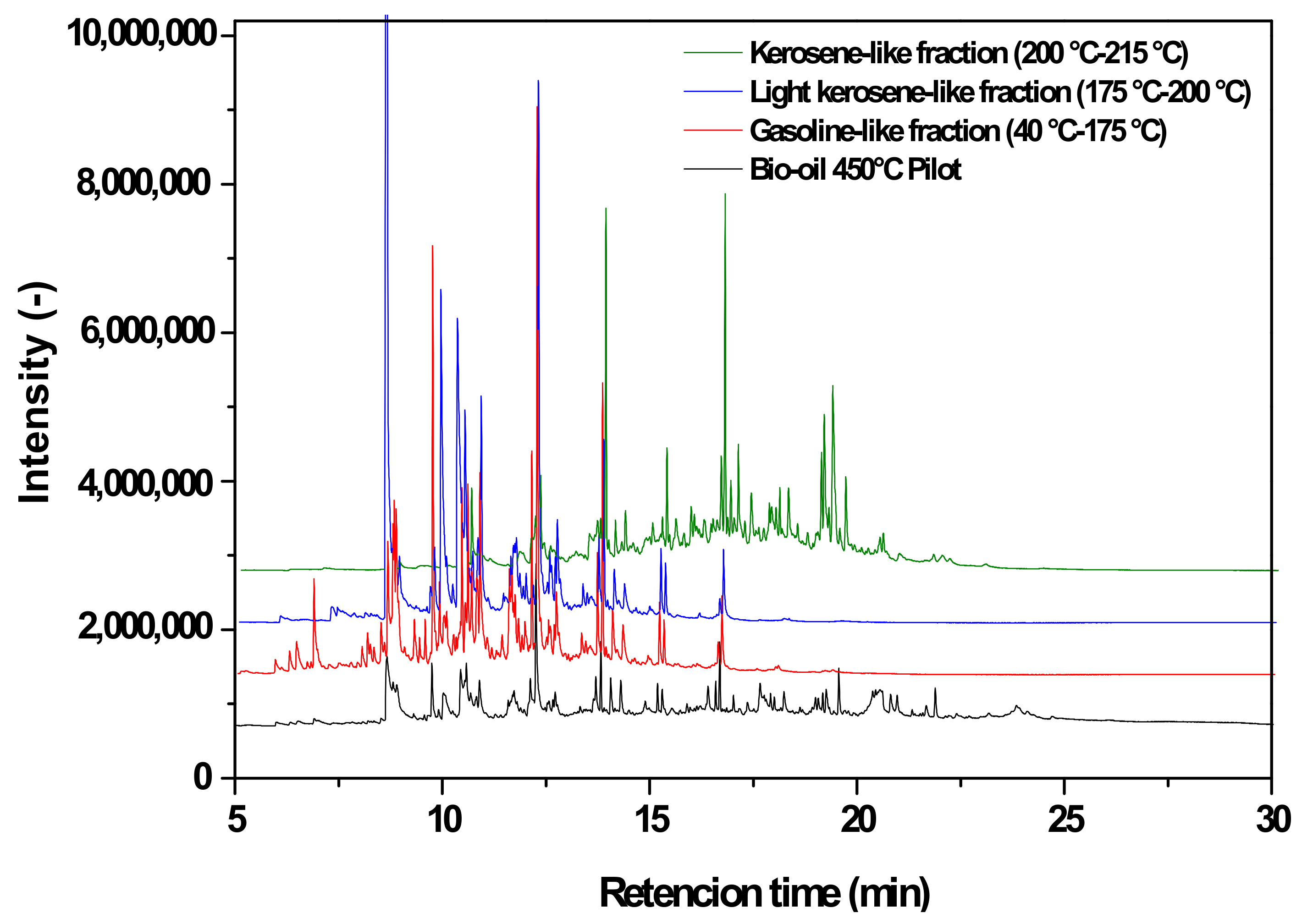
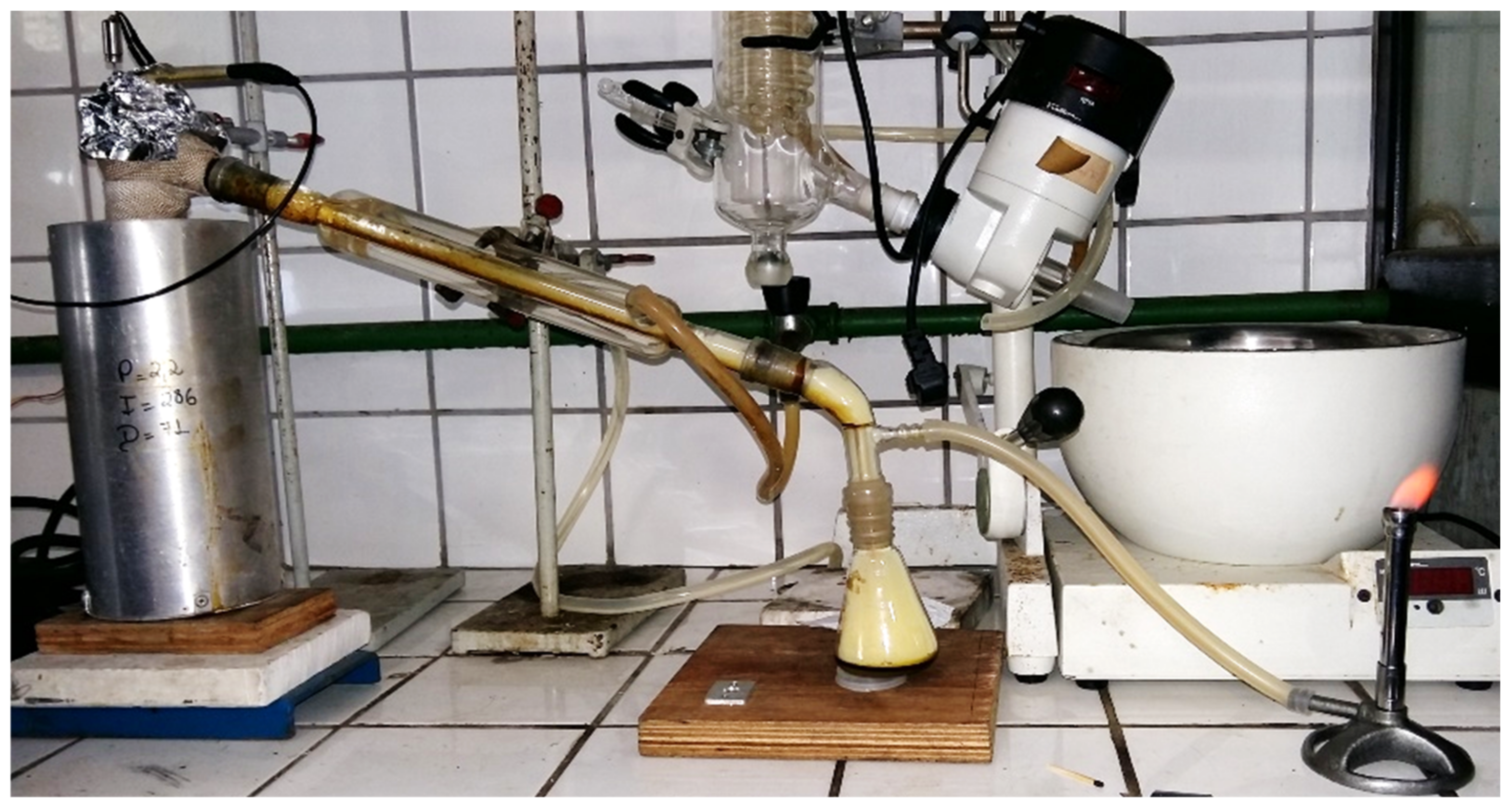
This work investigates the effect of production scales (laboratory, bench, and pilot) by pyrolysis of Açaí (Euterpe oleracea Mart.) seeds at 450 °C and 1.0 atmosphere, on the yields of reaction products and acid value of bio-oils. The experiments were carried out in batch mode using a laboratory scale reactor of 143 mL, a bench scale reactor of 1.5 L, and a pilot scale reactor of 143 L (≈1:10:1000). The bio-oil was obtained in pilot scale, fractionated by distillation to produce biofuel-like fractions. The distillation of bio-oil was carried out in a laboratory column. The physical-chemistry properties (density, kinematic viscosity, acid value, and refractive index) of bio-oils and distillation fractions were determined. The qualitative analysis was determined by FT-IR and the chemical composition by GC-MS. The pyrolysis showed bio-oil yields from 4.37 to 13.09 (wt.%), decreasing with reactor volume. The acid value of bio-oils varied from 68.31 to 70.26 mg KOH/g. The distillation of bio-oil produced gasoline, light kerosene, and kerosene-like fuel fractions, and the yields were 16.16, 19.56, and 41.89 (wt.%), respectively. The physical-chemistry properties of distillation fractions increase with temperature. The FT-IR analysis of bio-oils and distillation fractions identified the presence of functional groups characteristic of hydrocarbons (alkenes, alkanes, aromatics, and aromatics rings) and oxygenates (carboxylic acids, ketones, esters, ethers, alcohols, phenols). The GC-MS identified 48.24 (area.%) hydrocarbons and 51.76 (area.%) oxygenates in the bio-oil produced in bench scale and 21.52 (area.%) hydrocarbons and 78.48 (area.%) oxygenates in the bio-oil produced in pilot scale. The gasoline-like fraction was composed by 64.0 (area.%) hydrocarbons and 36.0 (area.%) oxygenates, light kerosene-like fraction by 66.67 (area.%) hydrocarbons and 33.33 (area.%) oxygenates, and kerosene-like fraction by 19.87 (area.%) hydrocarbons and 81.13 (area.%) oxygenates.
Keywords: Açaí; residual seeds; pyrolysis; bio-oil; distillation; gasoline; light kerosene; kerosene-like fuel Açaí; residual seeds; pyrolysis; bio-oil; distillation; gasoline; light kerosene; kerosene-like fuel
Graphical Abstract