Article

Boiling Heat Transfer Performance of Parallel Porous Microchannels


1
School of Energy and Power Engineering, Jiangsu University of Science and Technology, Zhenjiang 212001, China
2
School of Energy and Power Engineering, Jiangsu University, Zhenjiang 212001, China
*
Author to whom correspondence should be addressed.
Energies 2020, 13(11), 2970; https://doi.org/10.3390/en13112970
Submission received: 29 April 2020 / Revised: 21 May 2020 / Accepted: 25 May 2020 / Published: 10 June 2020
(This article belongs to the Collection Advances in Heat Transfer Enhancement)

Abstract

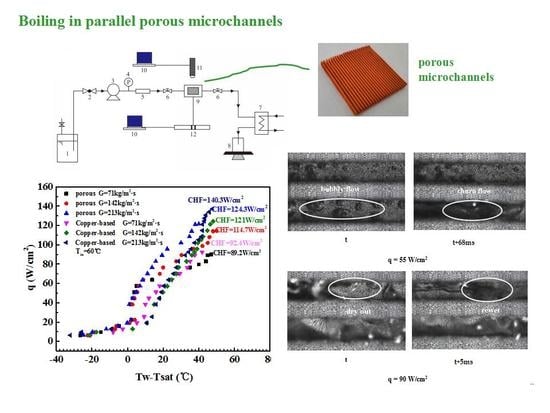
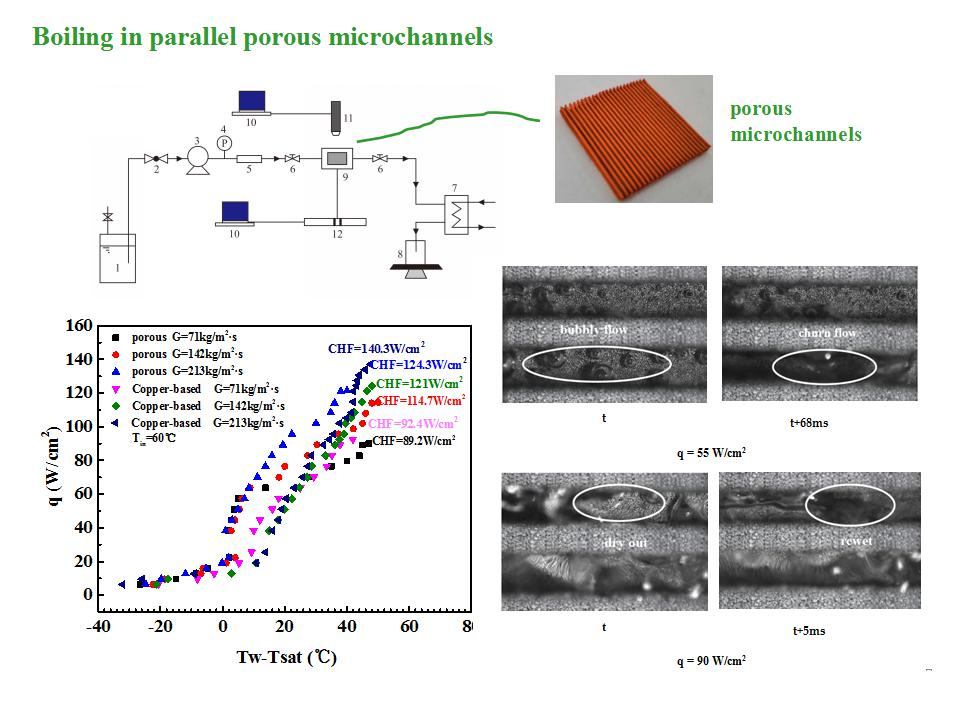
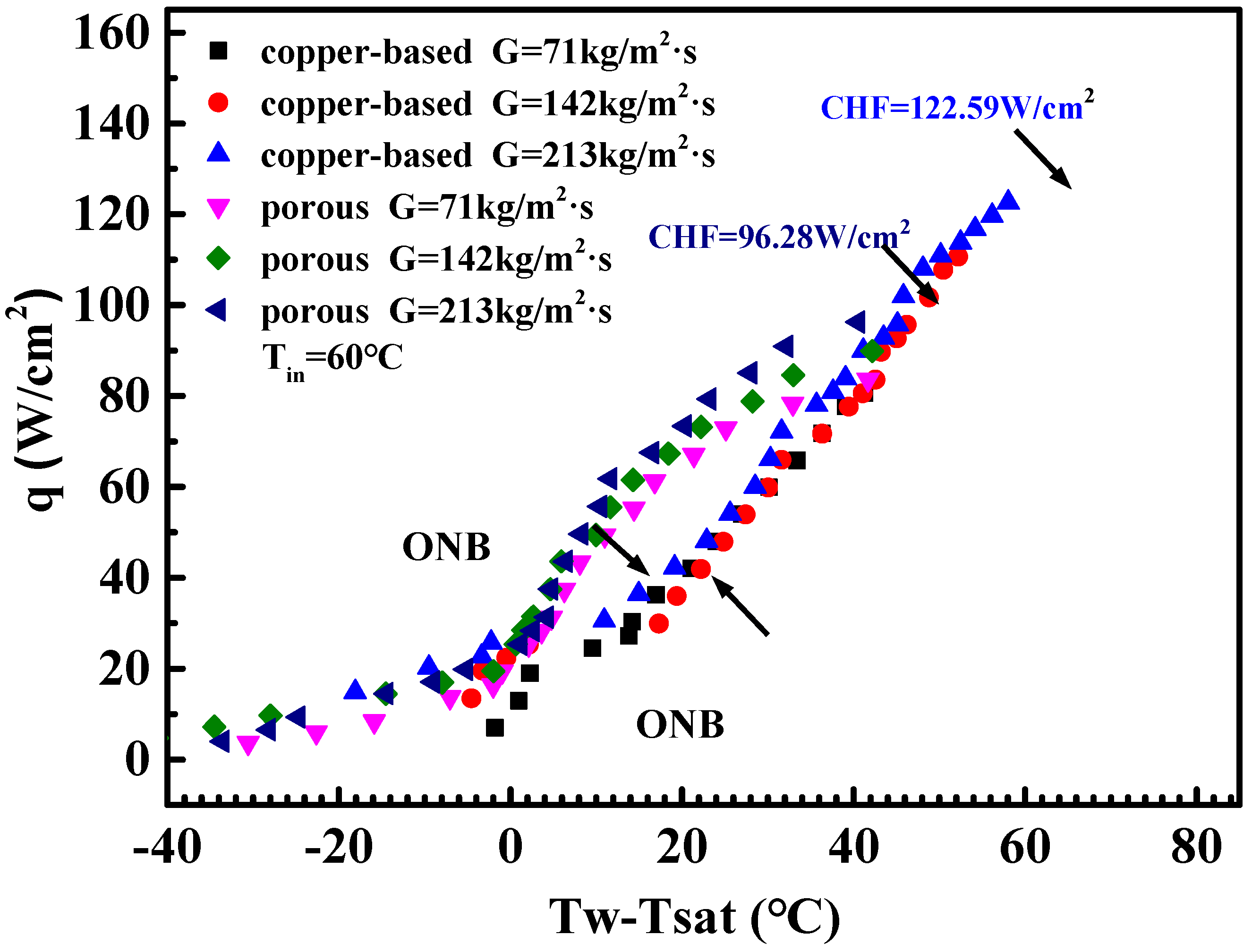
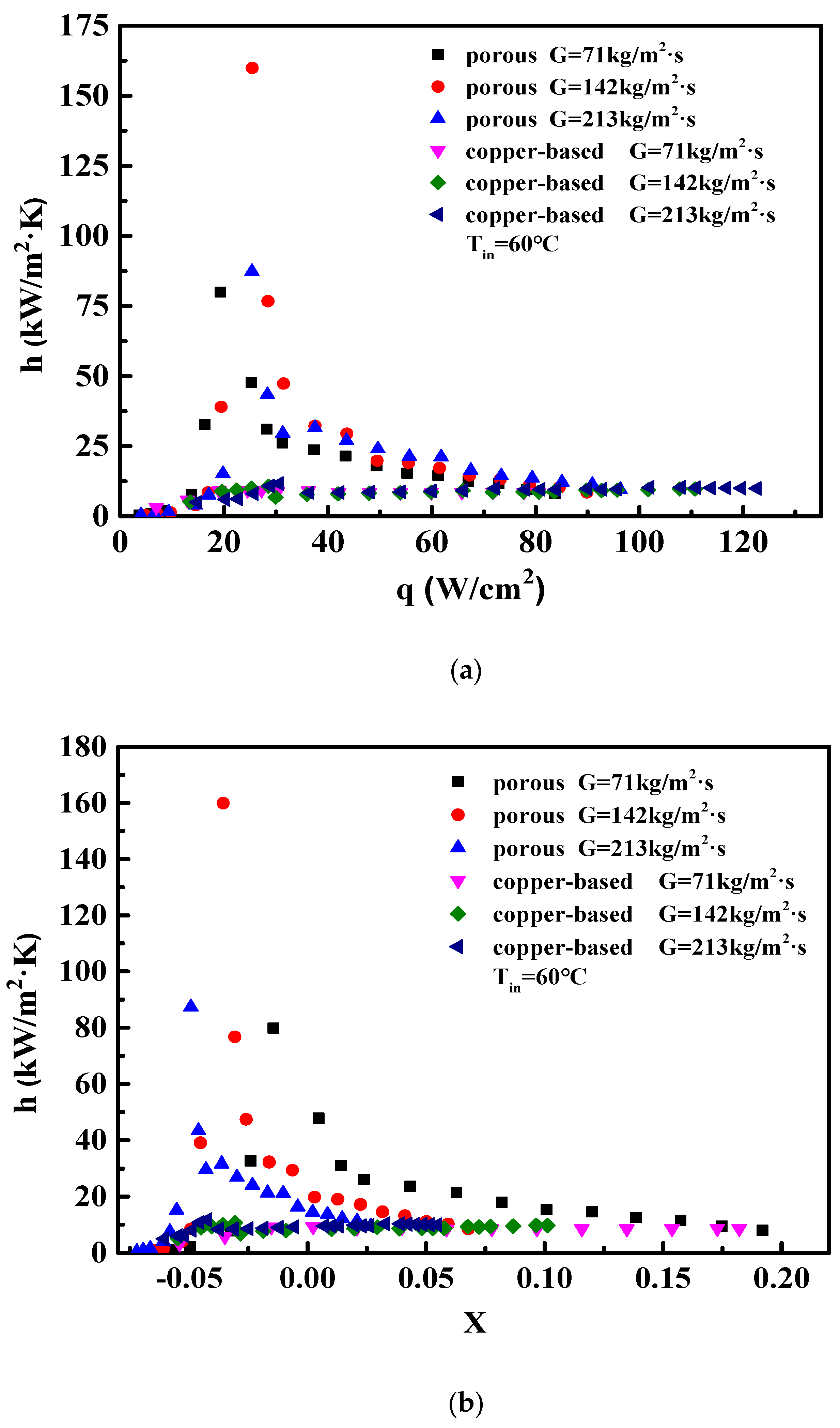
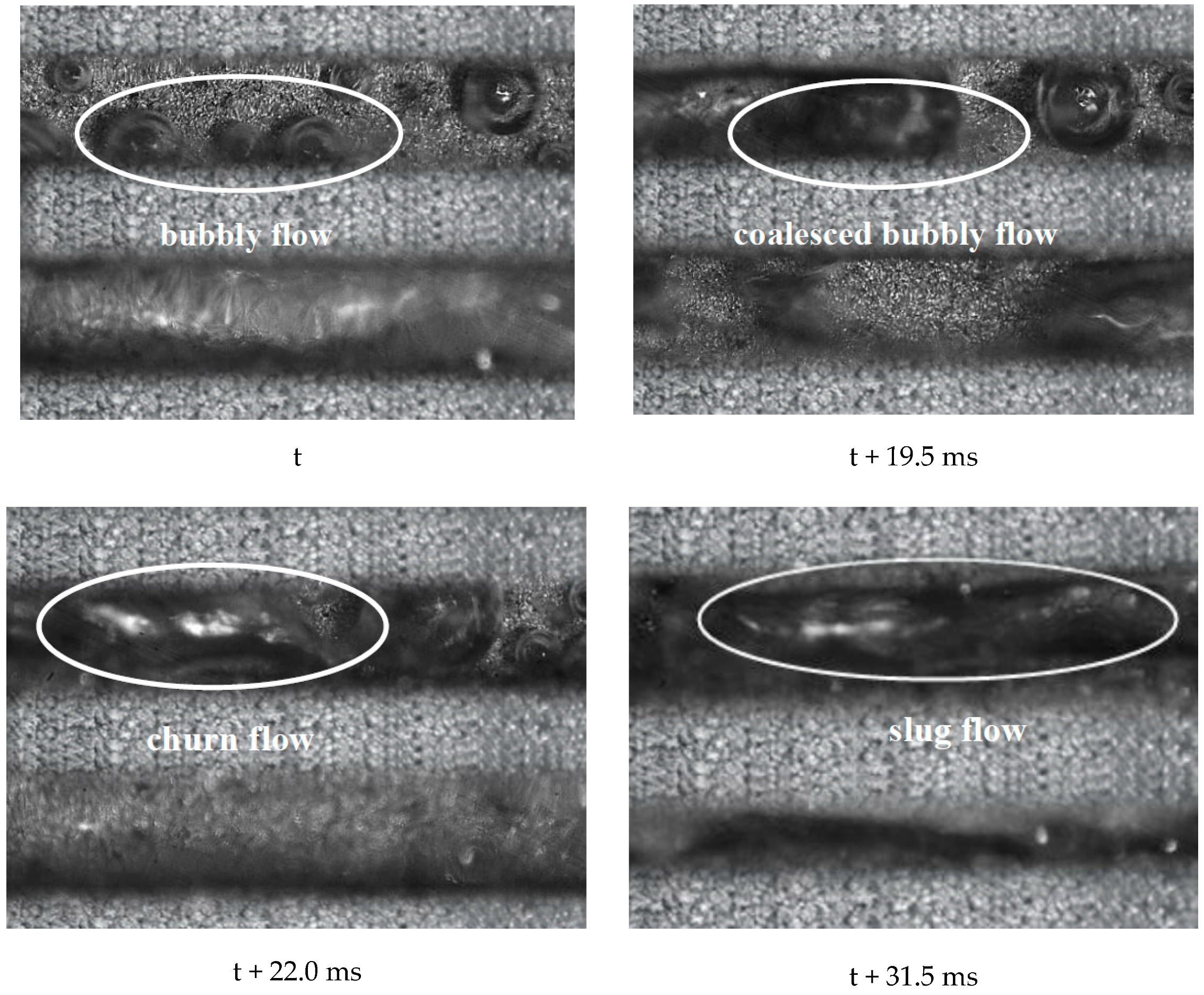
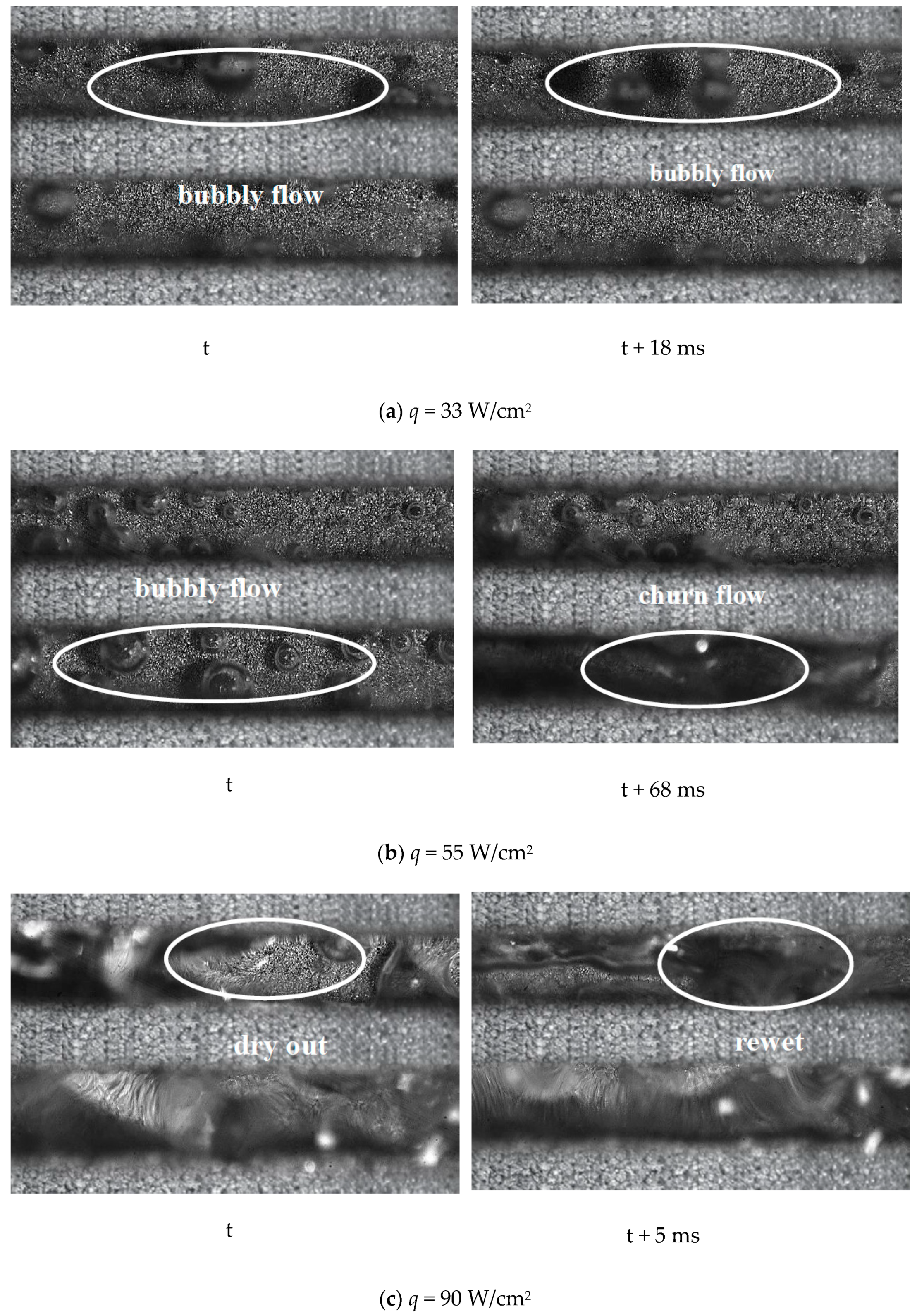
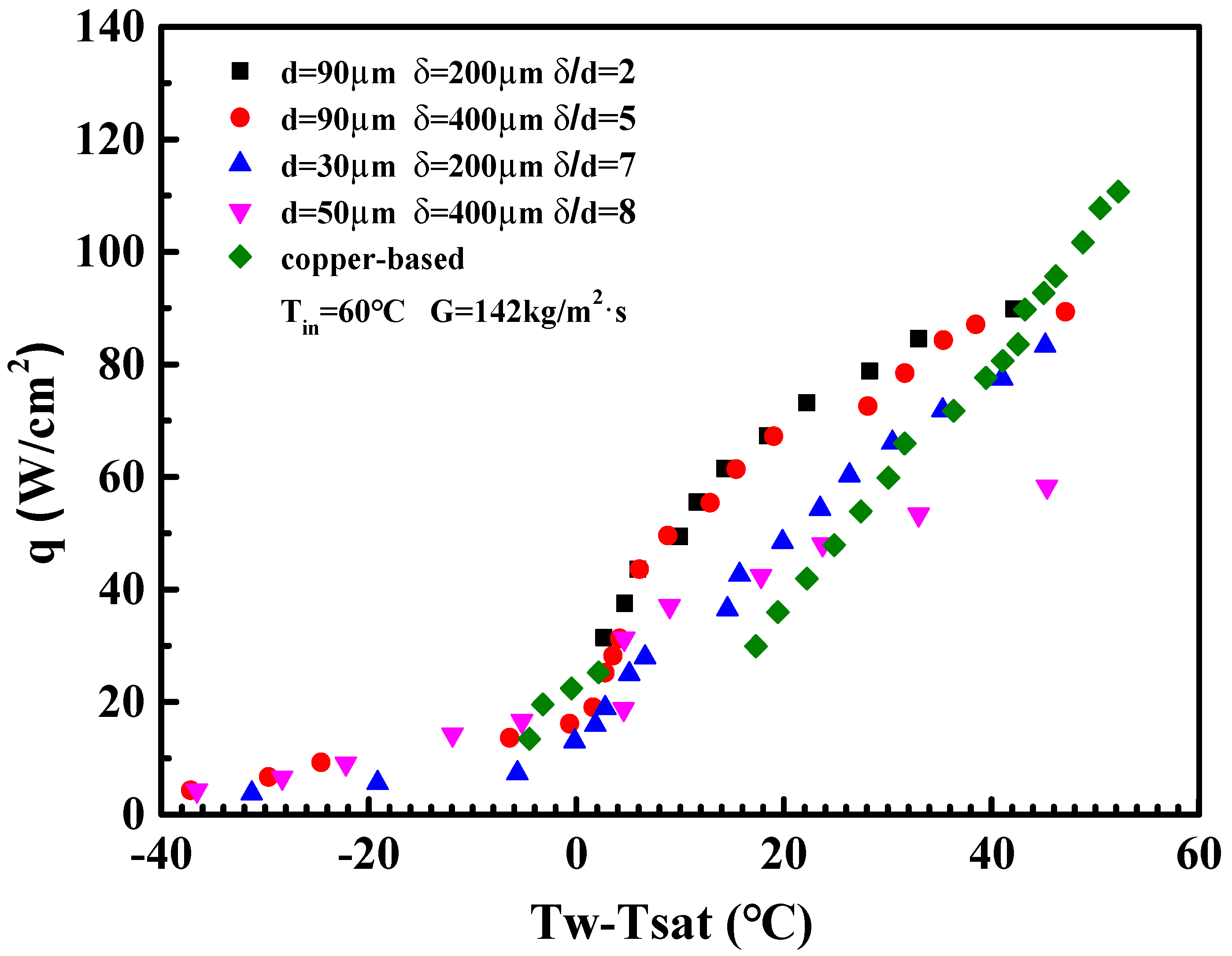
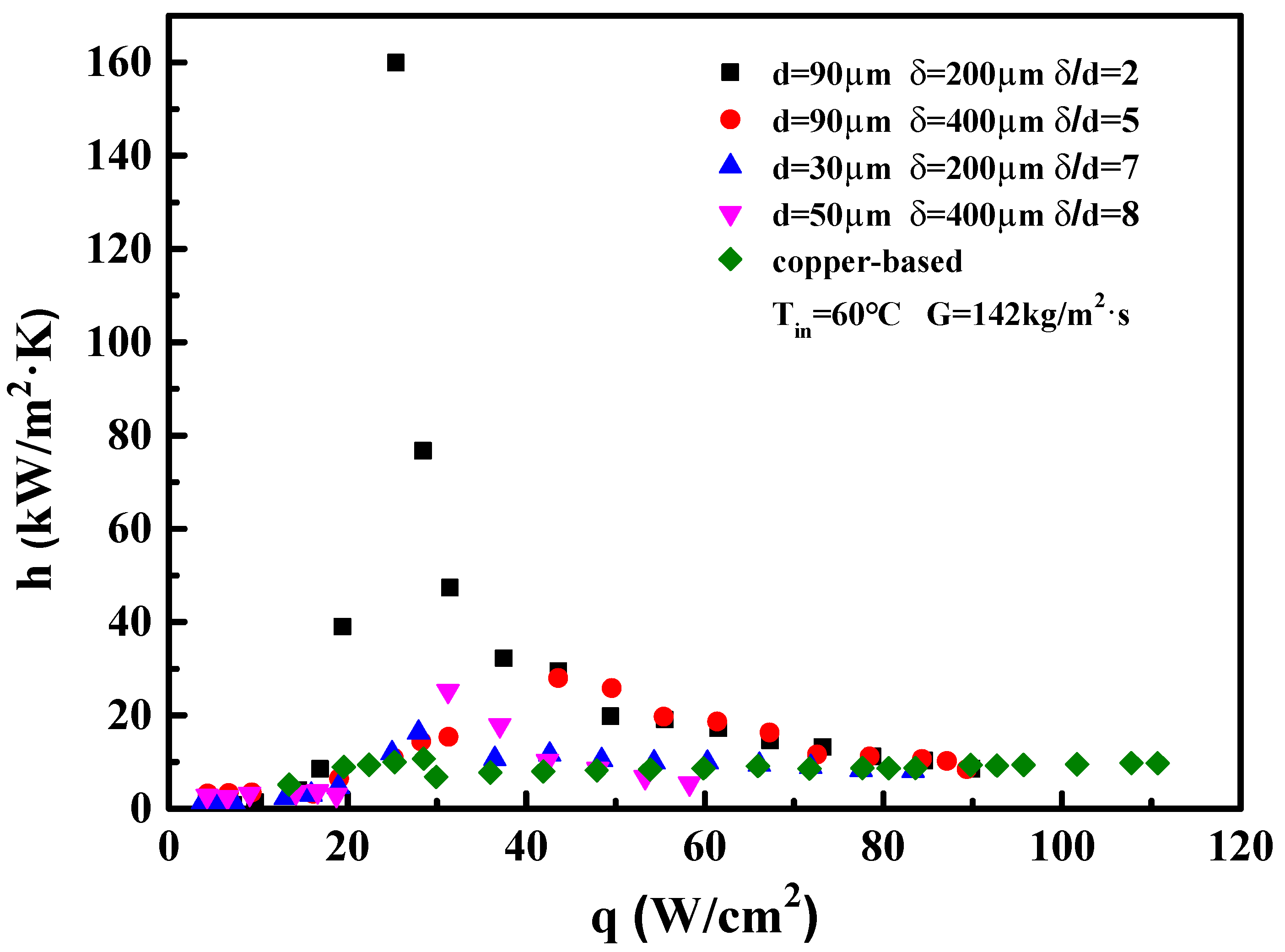
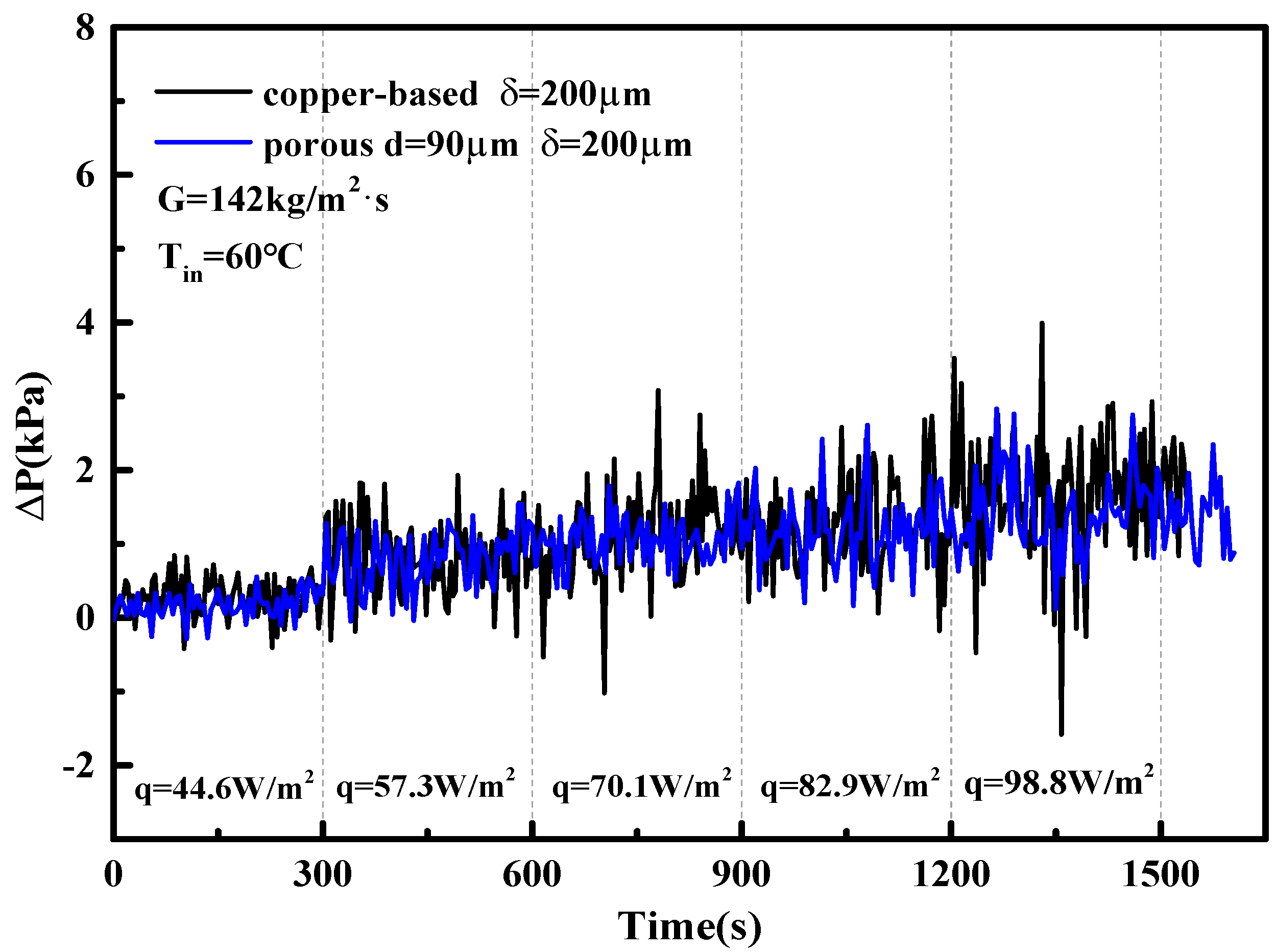
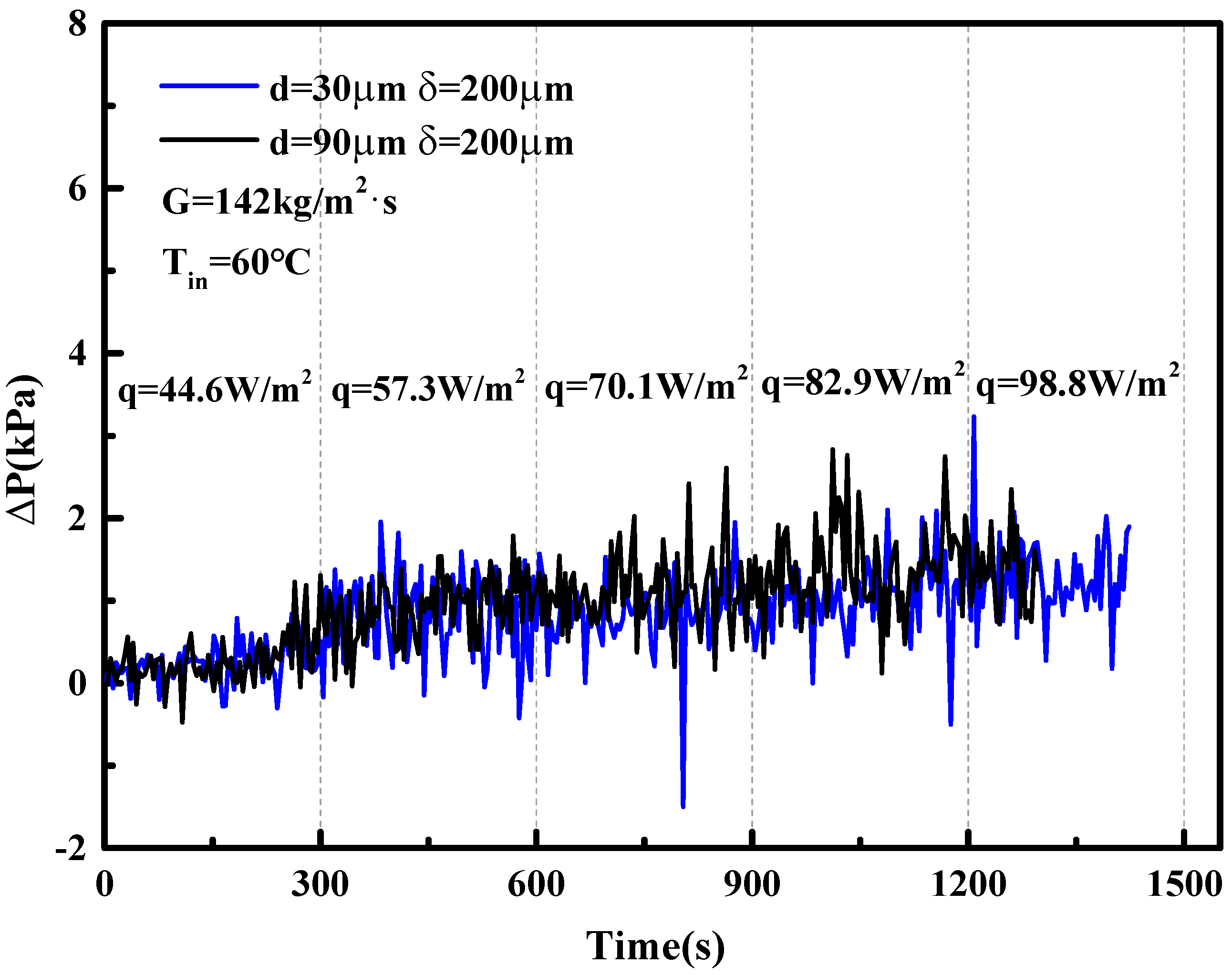
Flow boiling in microporous layers has attracted a great deal of attention in the enhanced heat transfer field due to its high heat dissipation potential. In this study, flow boiling experiments were performed on both porous microchannels and a copper-based microchannel, using water as the coolant. As the heat flux was less than 80 W/cm2, the porous microchannels presented significantly higher boiling heat transfer coefficients than the copper-based microchannel. This was closely associated with the promotion of the nucleation site density of the porous coating. With the further increase in heat flux, the heat transfer coefficients of the porous microchannels were close to those of the copper-based sample. The boiling process in the porous microchannel was found to be dominated by the nucleate boiling mechanism from low to moderate heat flux (<80 W/cm2).This switched to the convection boiling mode at high heat flux. The porous samples were able to mitigate flow instability greatly. A visual observation revealed that porous microchannels could suppress the flow fluctuation due to the establishment of a stable nucleate boiling process. Porous microchannels showed no advantage over the copper-based sample in the critical heat flux. The optimal thickness-to-particle-size ratio (δ/d) for the porous microchannel was confirmed to be between 2–5. In this range, the maximum enhanced effect on boiling heat transfer could be achieved.
Keywords: porous microchannel; flow boiling; heat transfer; pressure fluctuation; pressure drop porous microchannel; flow boiling; heat transfer; pressure fluctuation; pressure drop
Graphical Abstract