Article

Trends and Development of Sliding Mode Control Applications for Renewable Energy Systems


Department of Electrical and Electronic Engineering, The University of Hong Kong, Hong Kong, China
*
Author to whom correspondence should be addressed.
Energies 2019, 12(15), 2861; https://doi.org/10.3390/en12152861
Submission received: 25 June 2019 / Revised: 16 July 2019 / Accepted: 19 July 2019 / Published: 25 July 2019
(This article belongs to the Special Issue Sliding Mode Control of Power Converters in Renewable Energy Systems)

Abstract

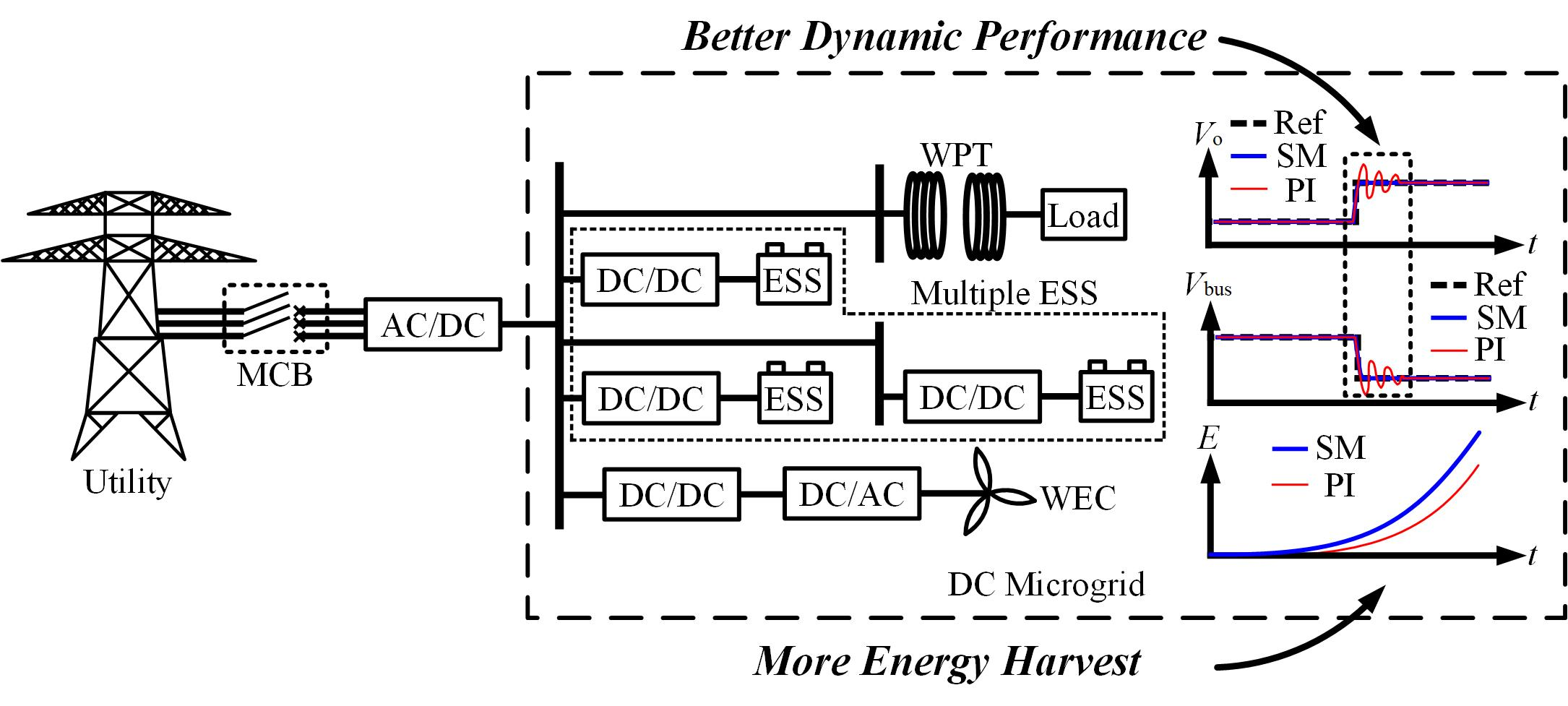
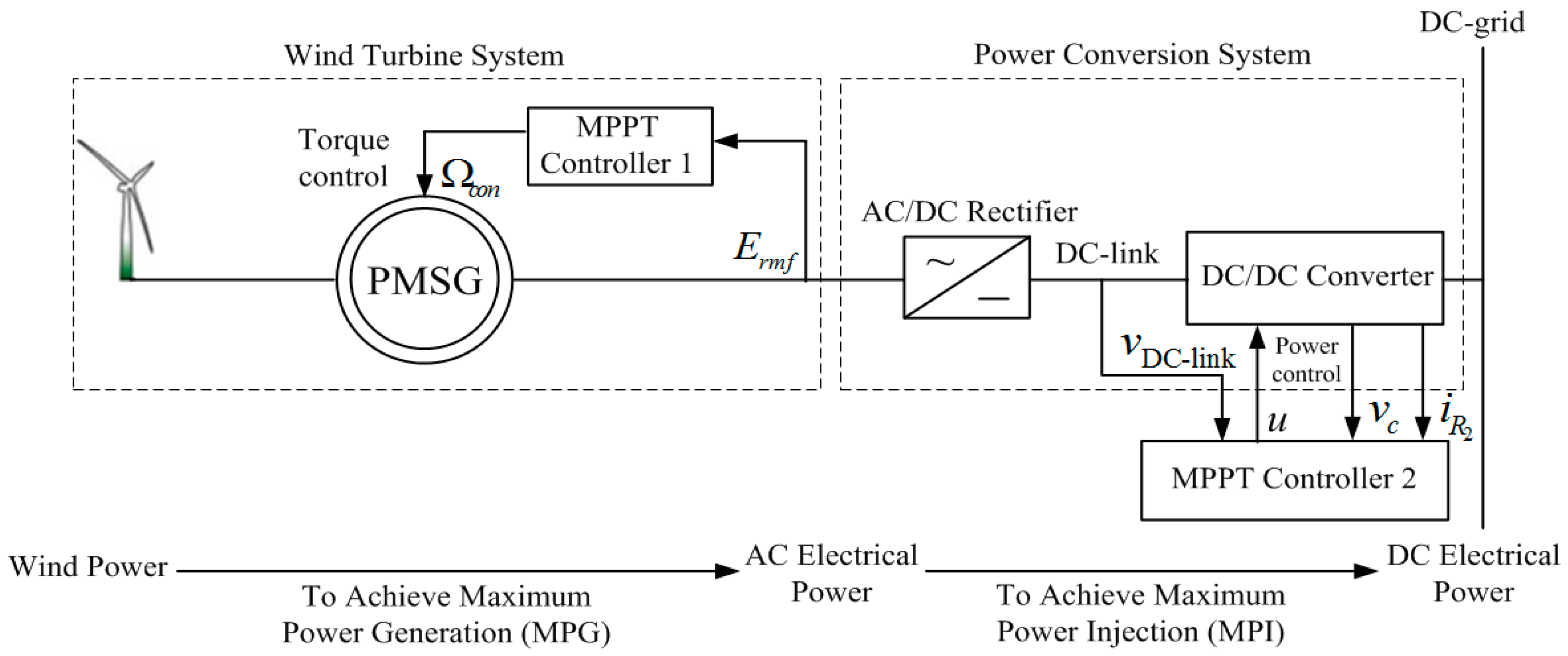
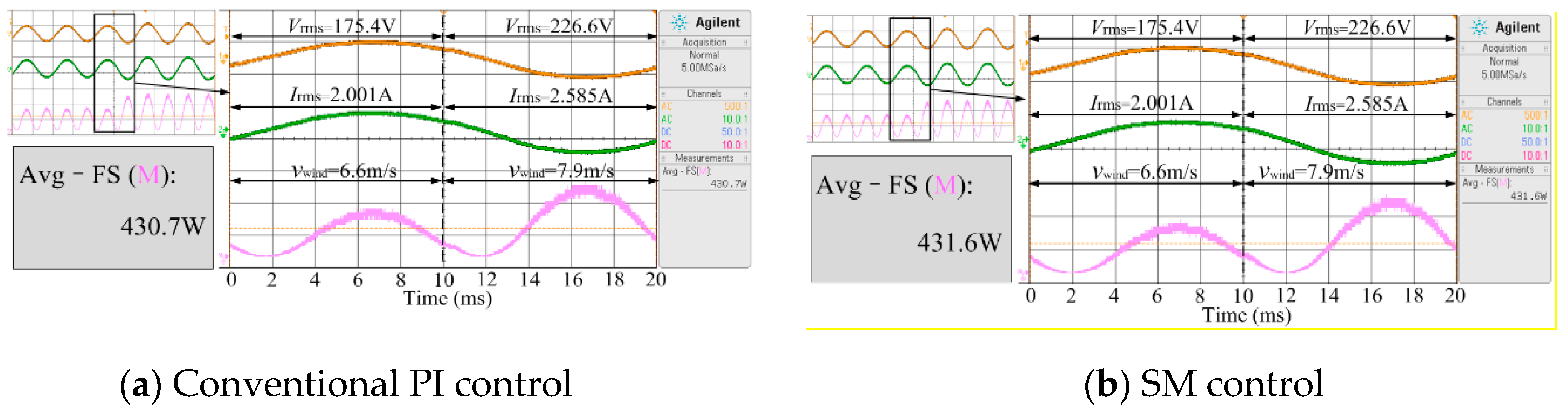
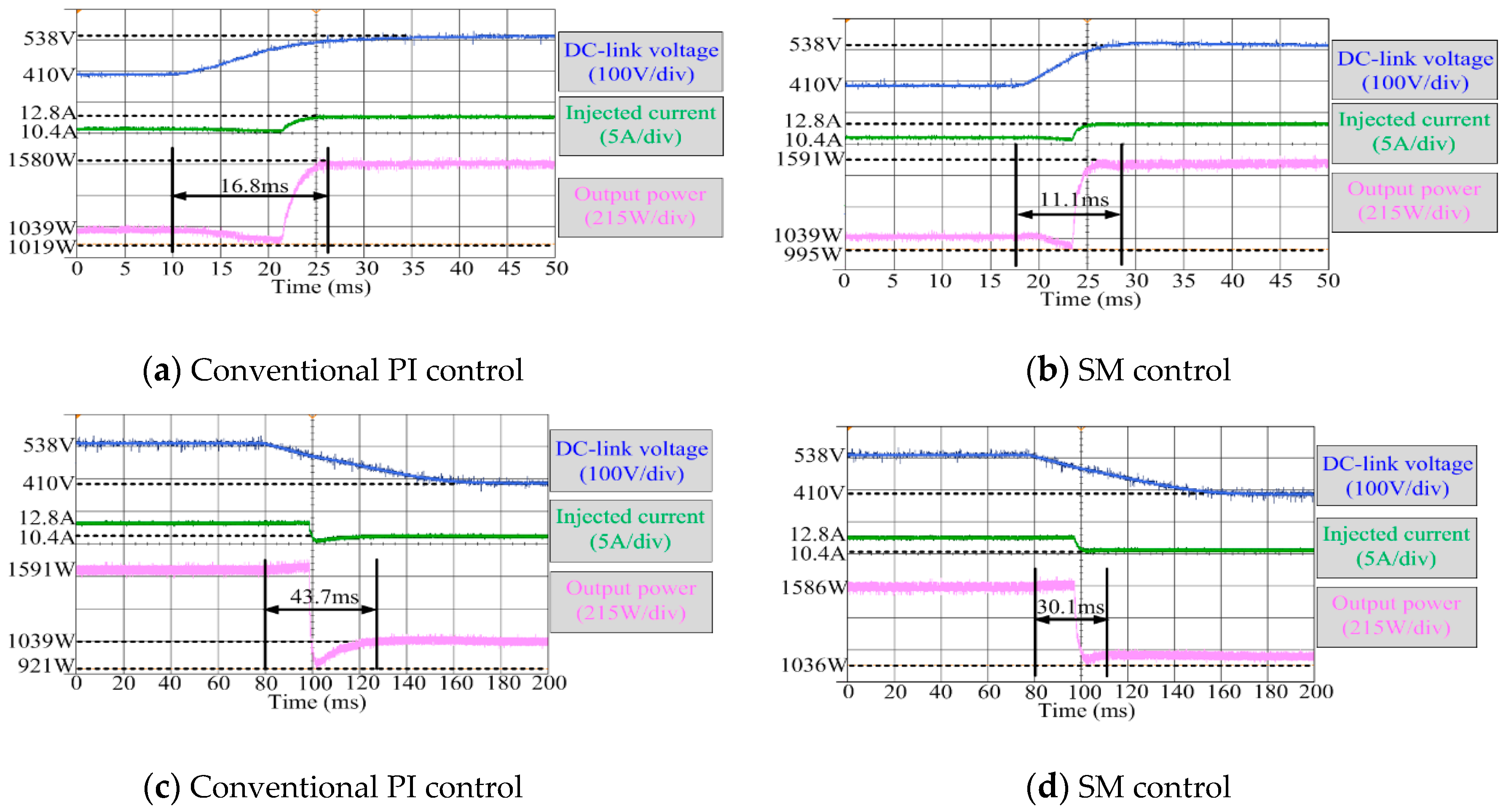
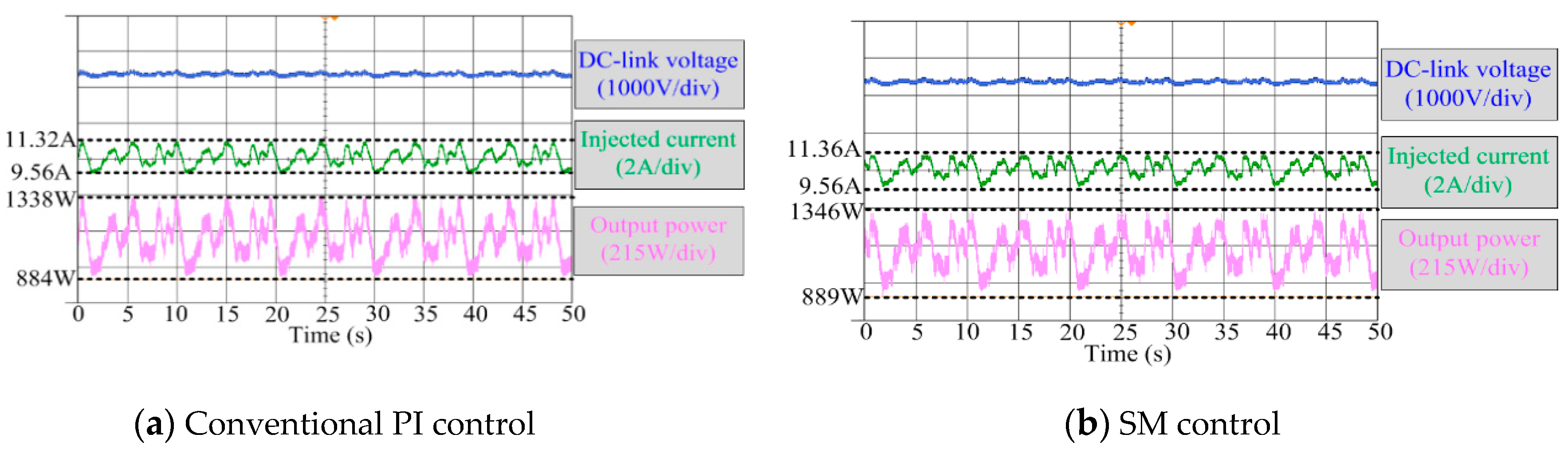
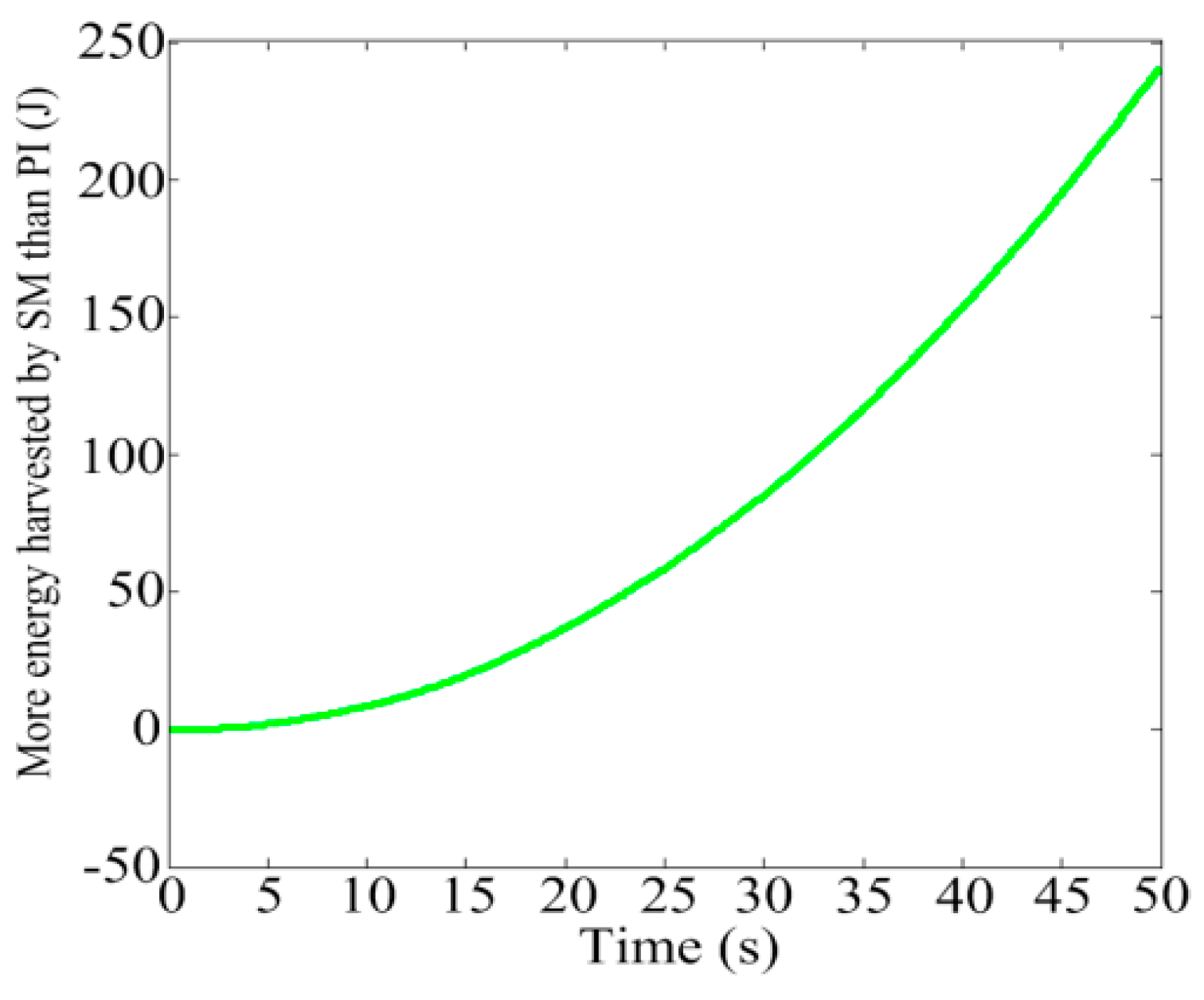
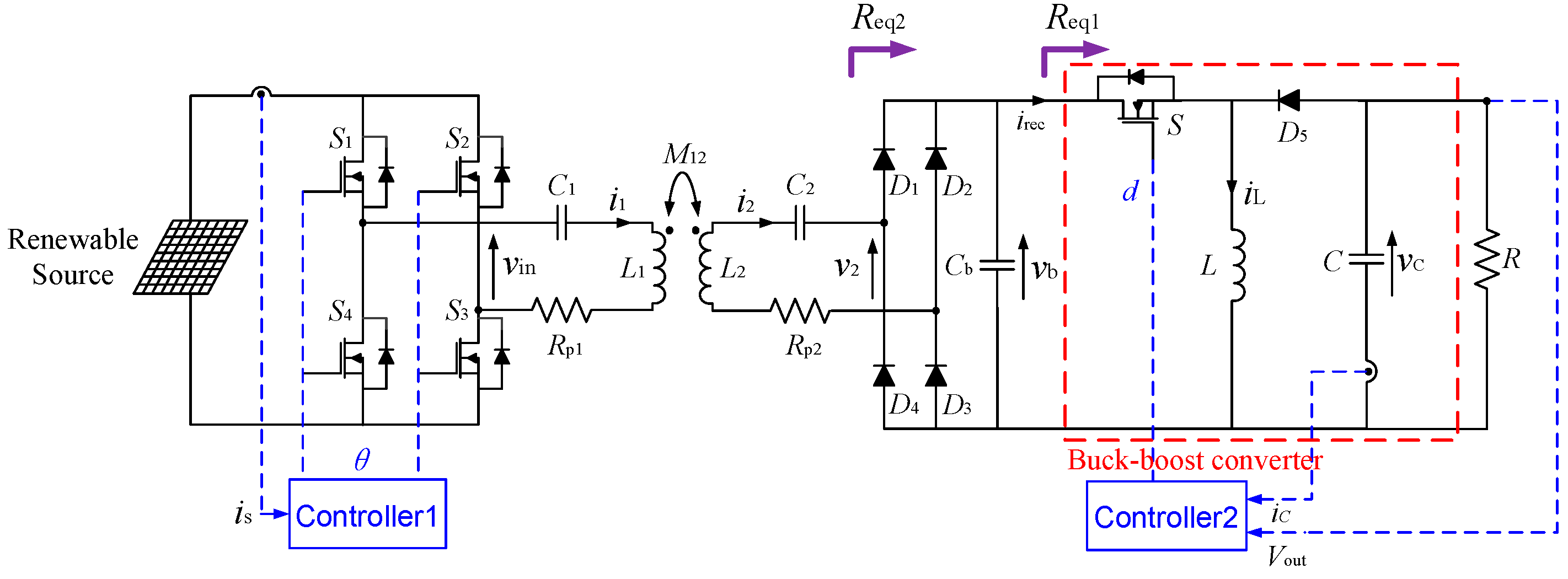
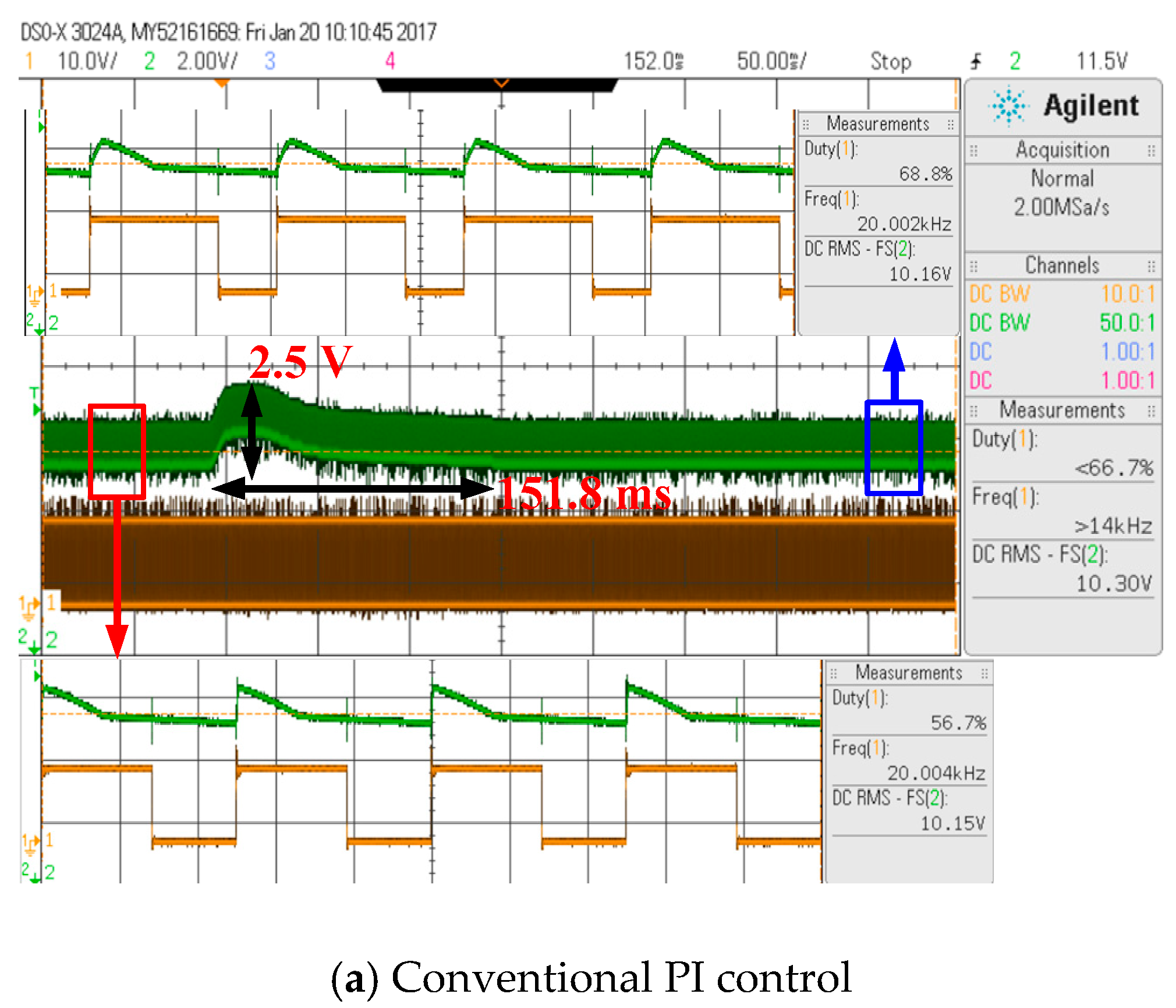
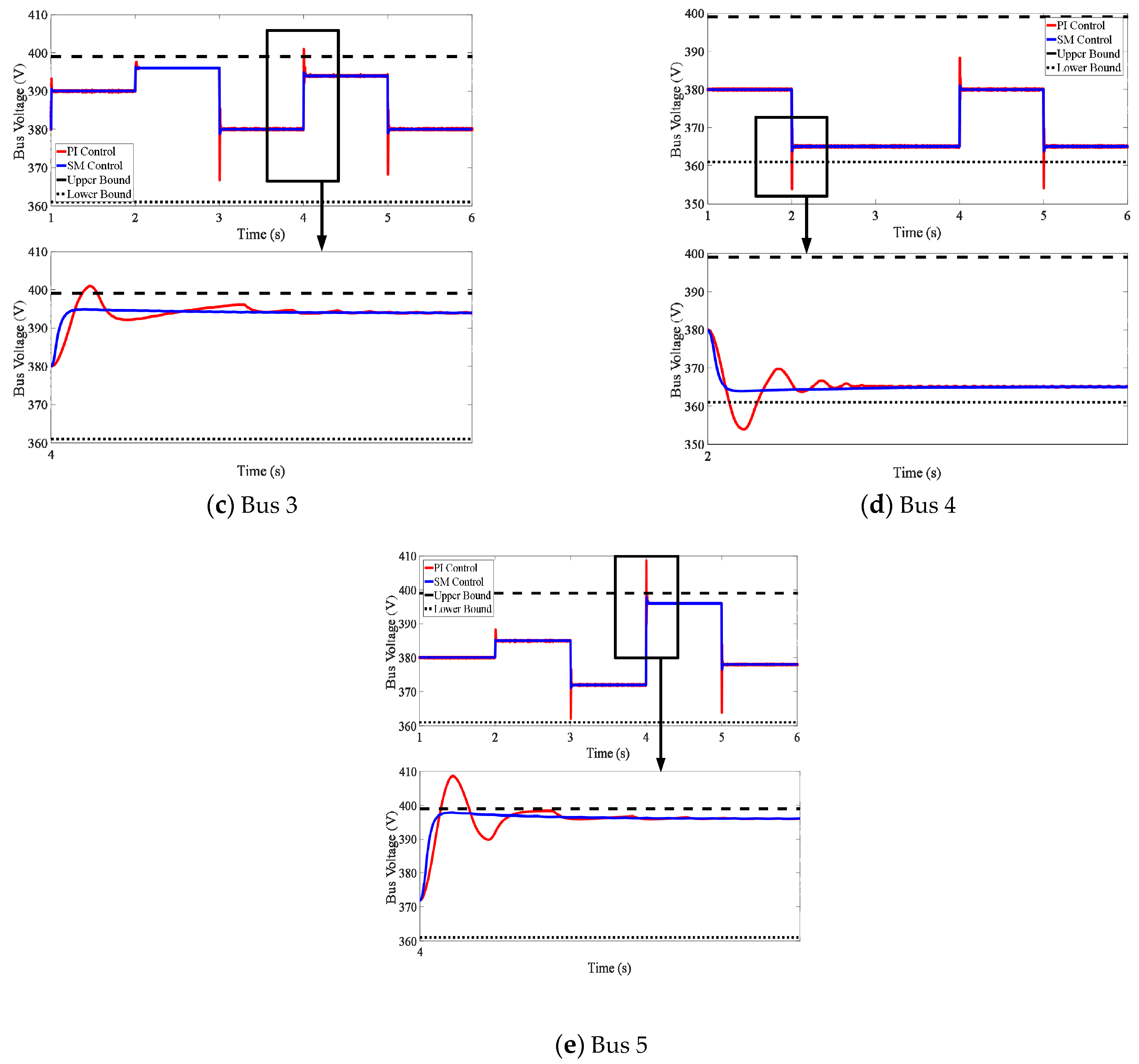
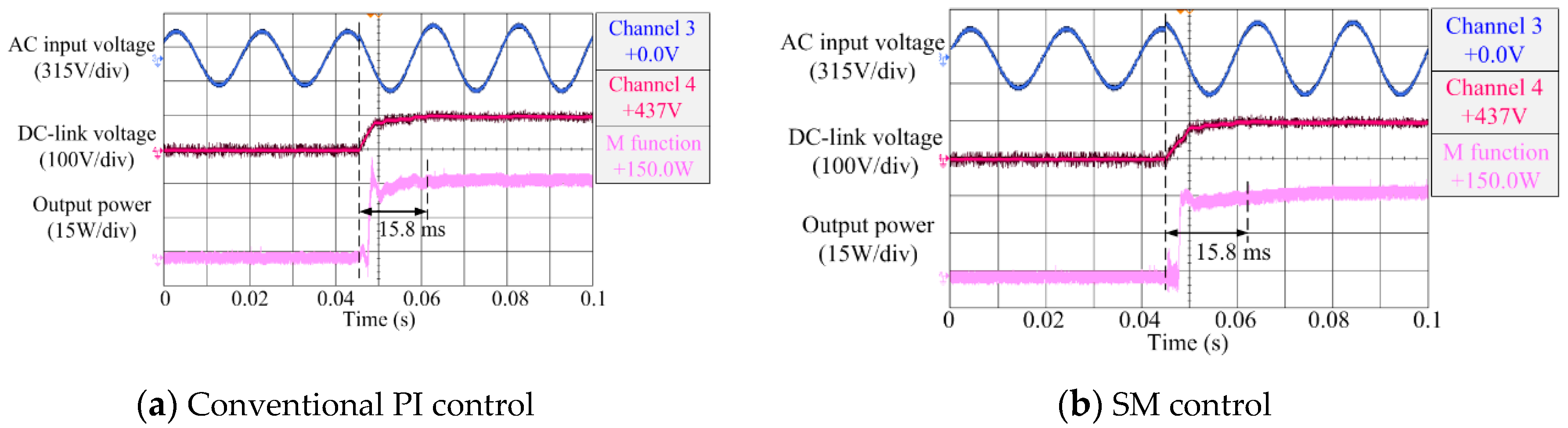
Based on the matured theoretical framework of sliding mode control for varied, nonlinear, and unpredictable systems, practical designs of sliding mode control have been developed to suit the purpose of controlling power converters under various operating conditions. These design guidelines are particularly valuable for emerging technologies with renewable energy sources. This paper presents a discussion on the recent development of sliding mode control applications for renewable energy systems, and further examines the current trends of achieving efficiency improvement of renewable energy systems and load protections against large overshoot/undershoot in transient states, by utilizing the fast-dynamic-tracking capability of the sliding mode control. Three comparative case studies between the sliding mode control and proportional-integral control involving, namely, a low-power wind energy conversion system, a series-series-compensated wireless power transfer system, and a multiple energy storage system in a direct current (DC) microgrid, are provided.
Keywords: sliding mode control; renewable energy systems; fast dynamic response; wind energy conversion system; series-series-compensated wireless power transfer system; energy harvesting sliding mode control; renewable energy systems; fast dynamic response; wind energy conversion system; series-series-compensated wireless power transfer system; energy harvesting
Graphical Abstract