Article

Stream Data Cleaning for Dynamic Line Rating Application


1
Center for Applied Intelligent Systems Research, Halmstad University, SE-30118 Halmstad, Sweden
2
Department of Electrical and Energy Engineering, University of Cantabria, 39005 Santander, Spain
*
Author to whom correspondence should be addressed.
Current address: Center for Applied Intelligent Systems Research, Halmstad University, P.O. Box 823, 30118 Halmstad, Sweden.
Energies 2018, 11(8), 2007; https://doi.org/10.3390/en11082007
Submission received: 16 July 2018 / Revised: 25 July 2018 / Accepted: 31 July 2018 / Published: 2 August 2018
(This article belongs to the Section F: Electrical Engineering)

Abstract

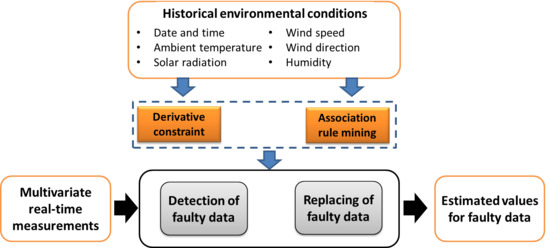
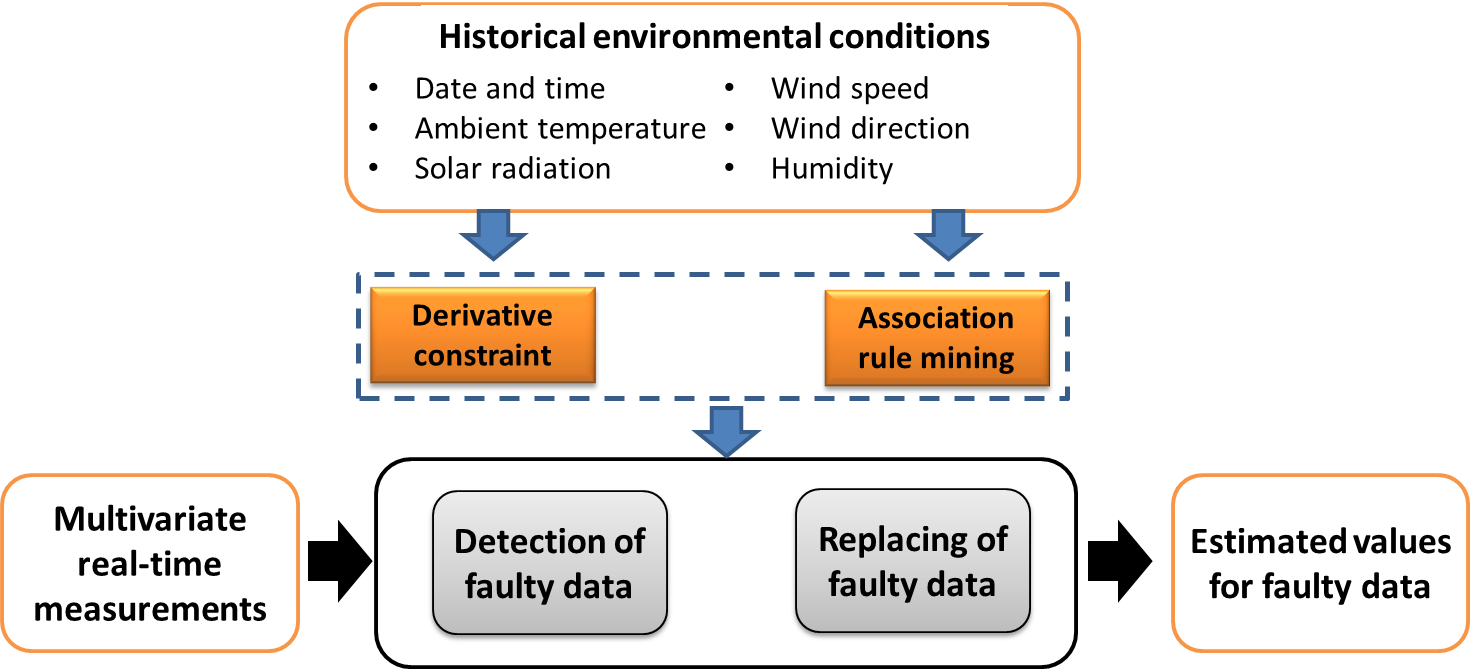
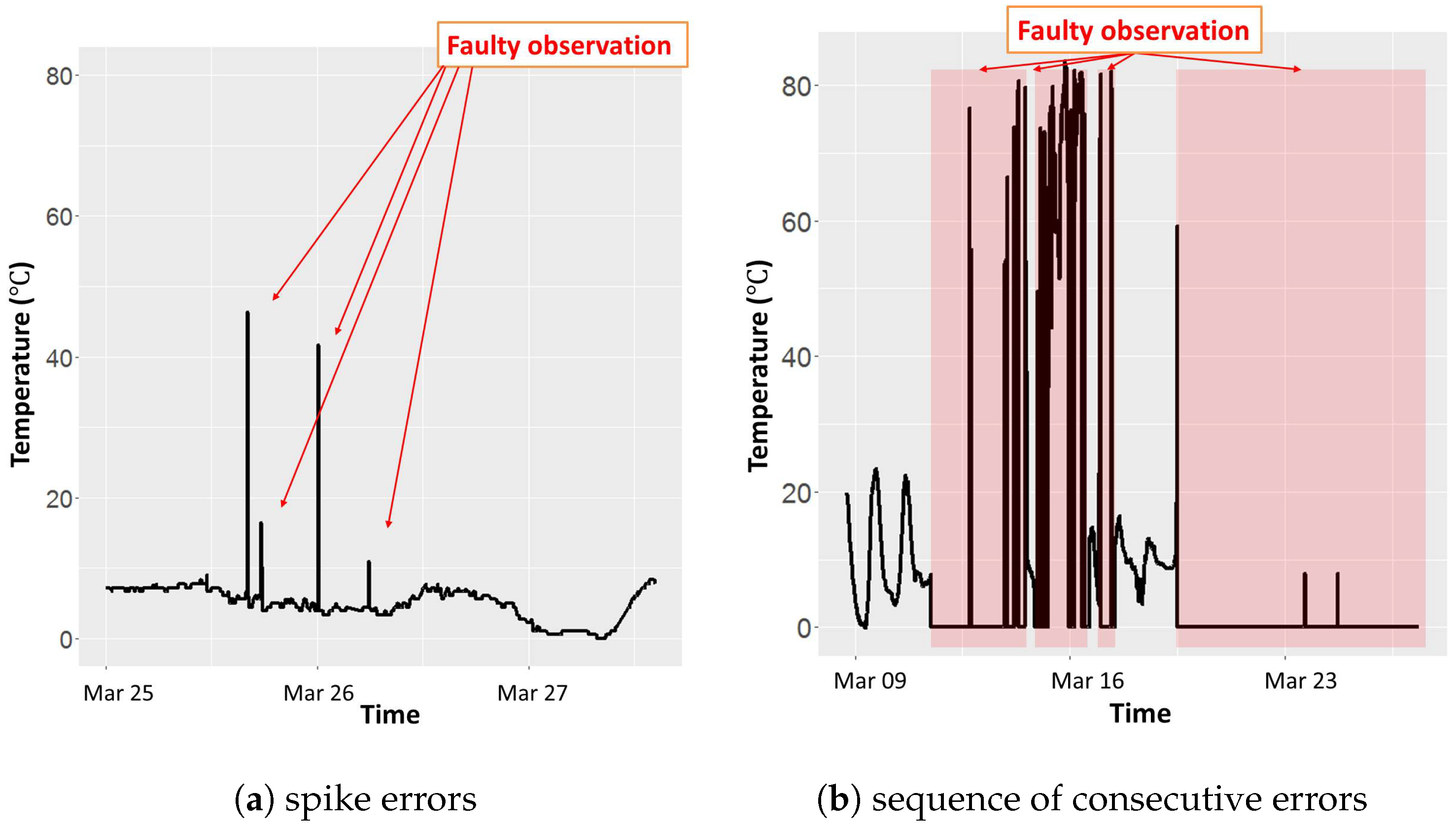
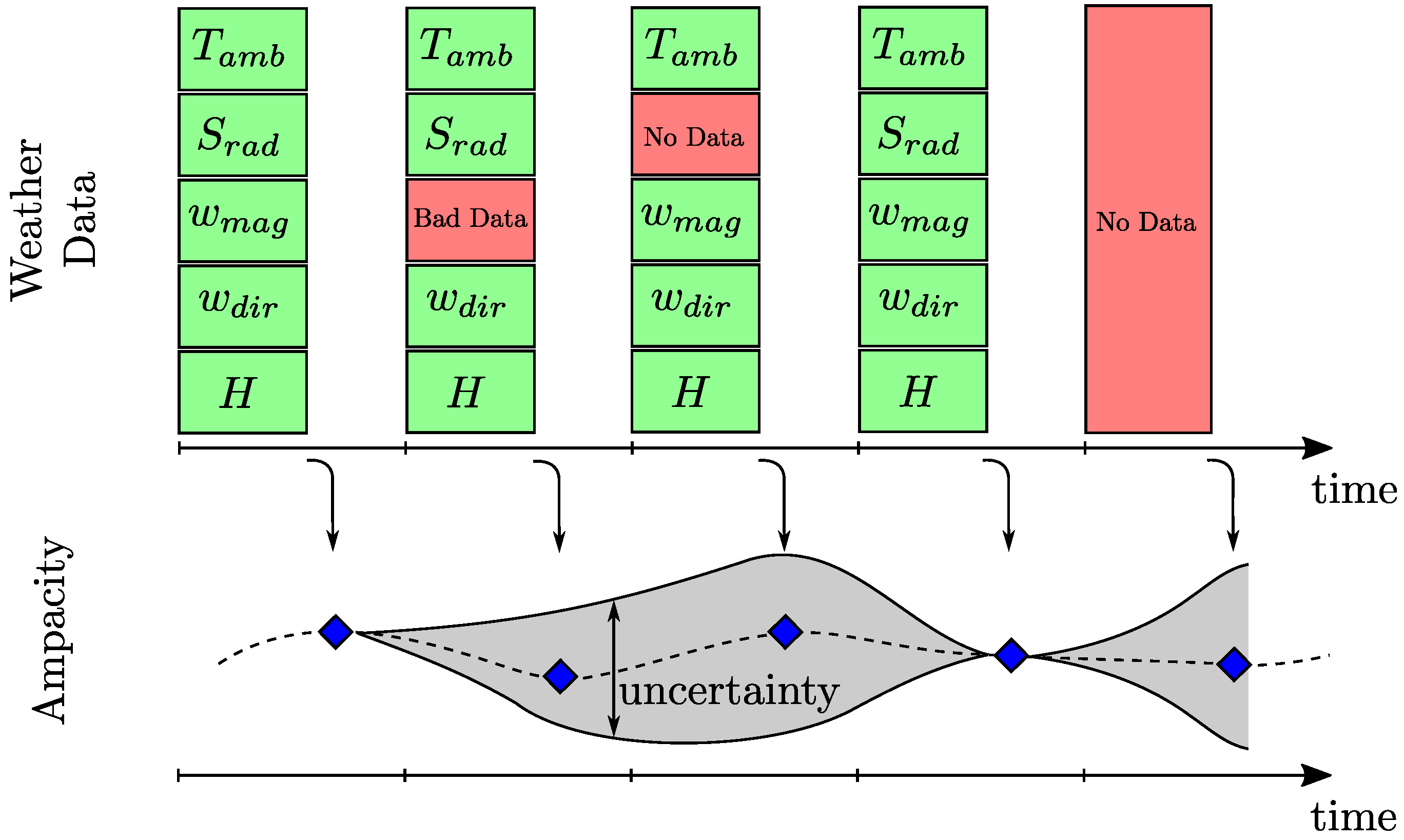
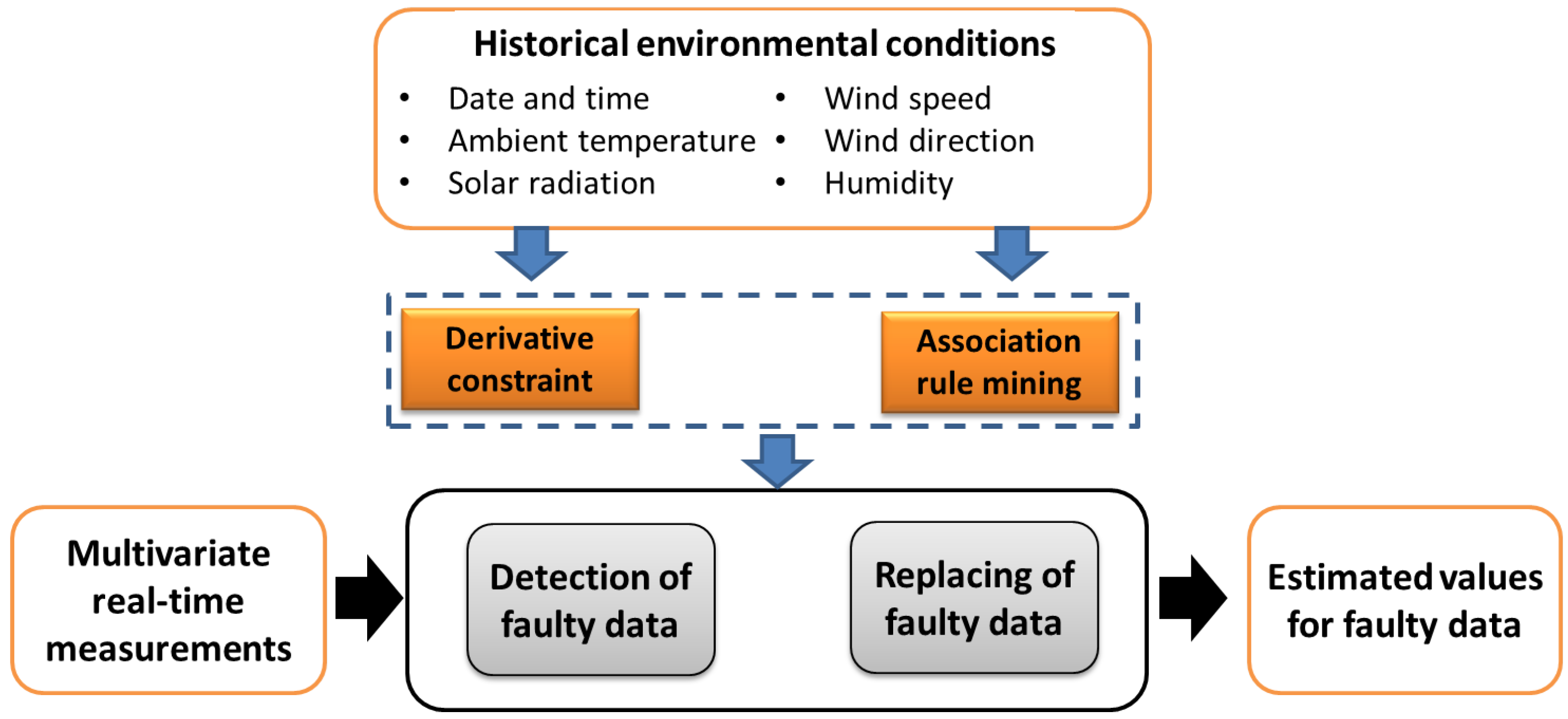
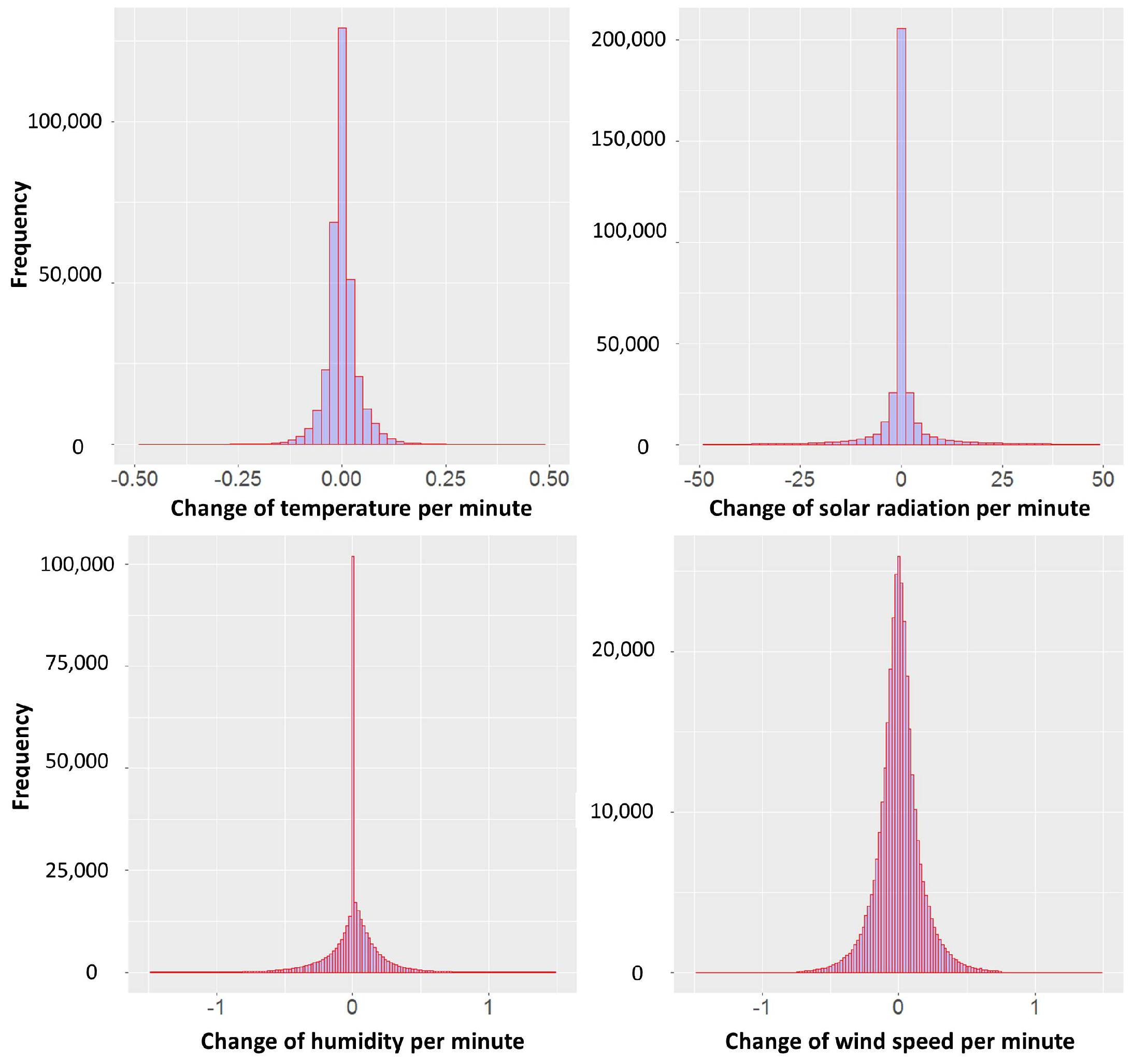
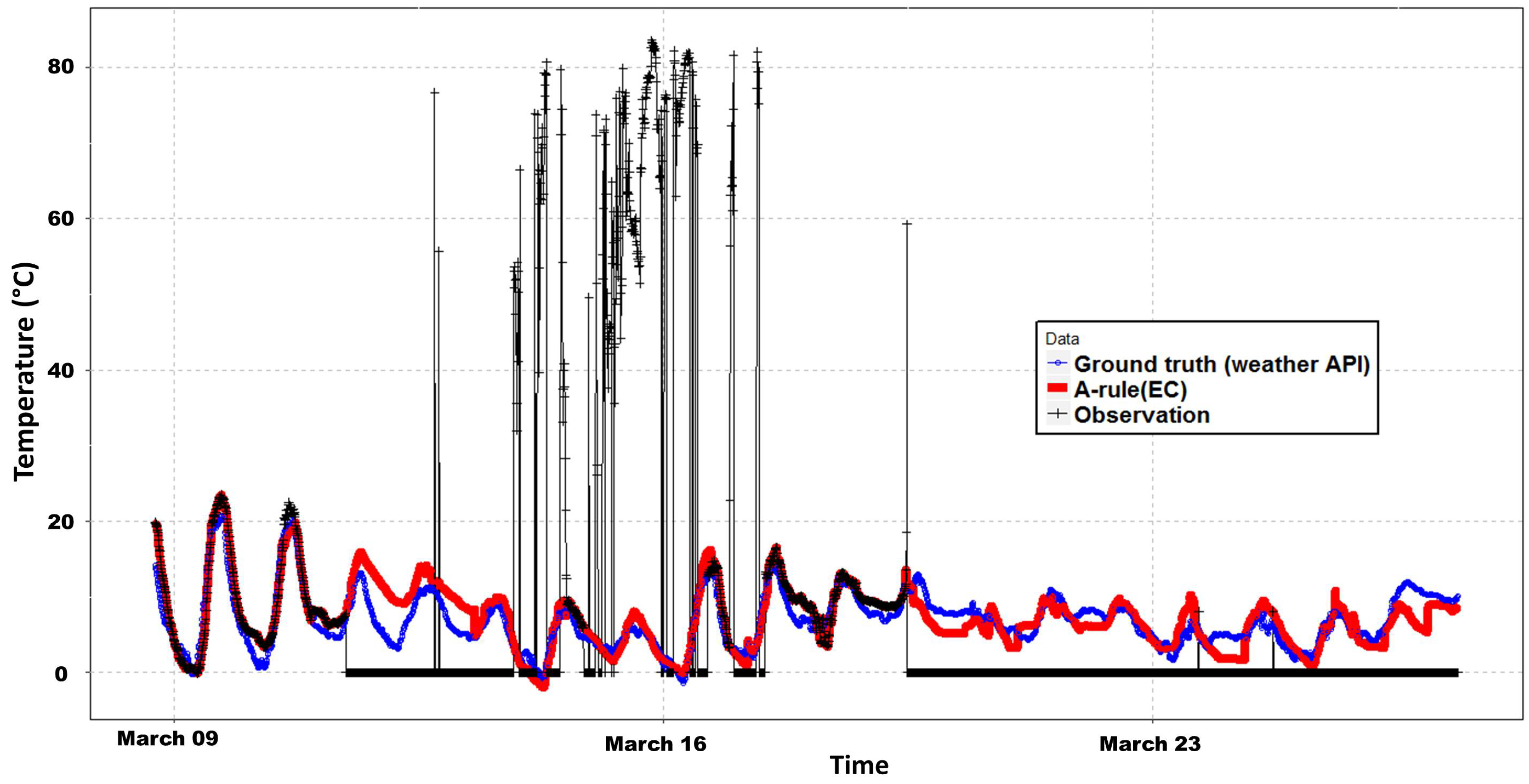
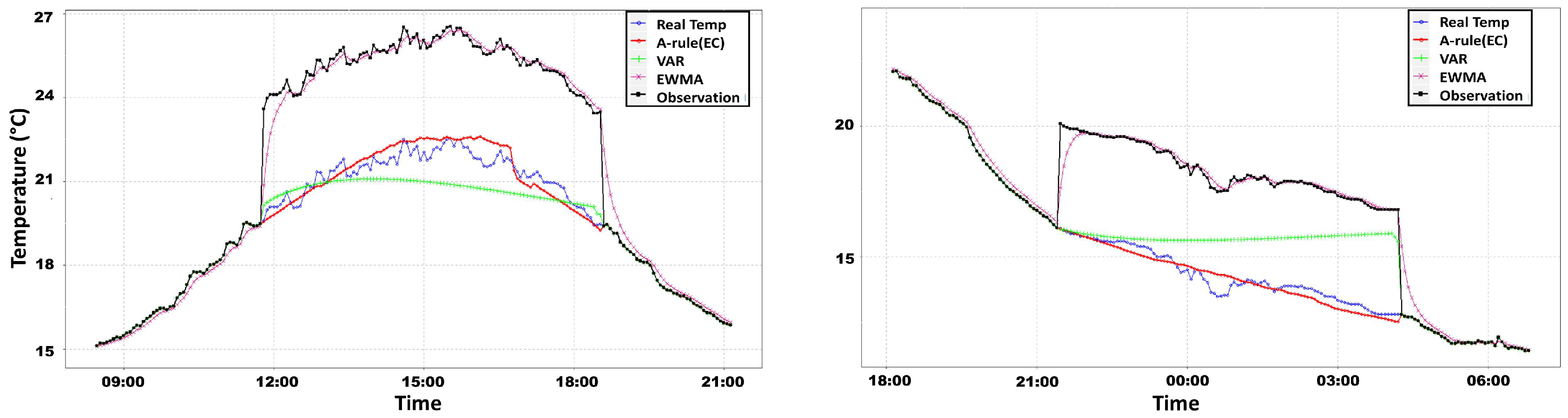
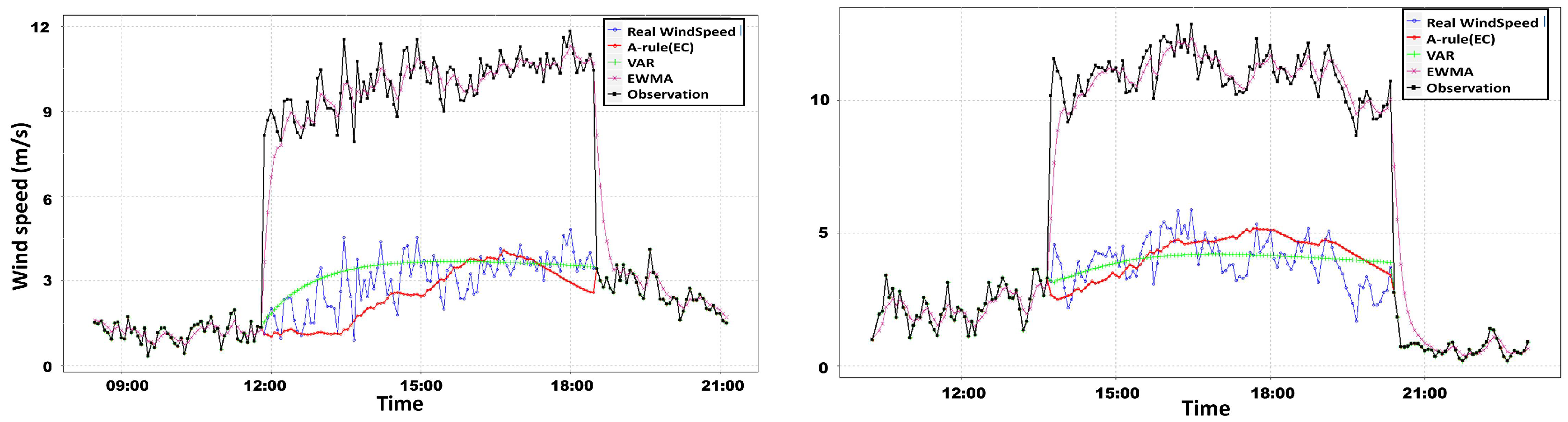
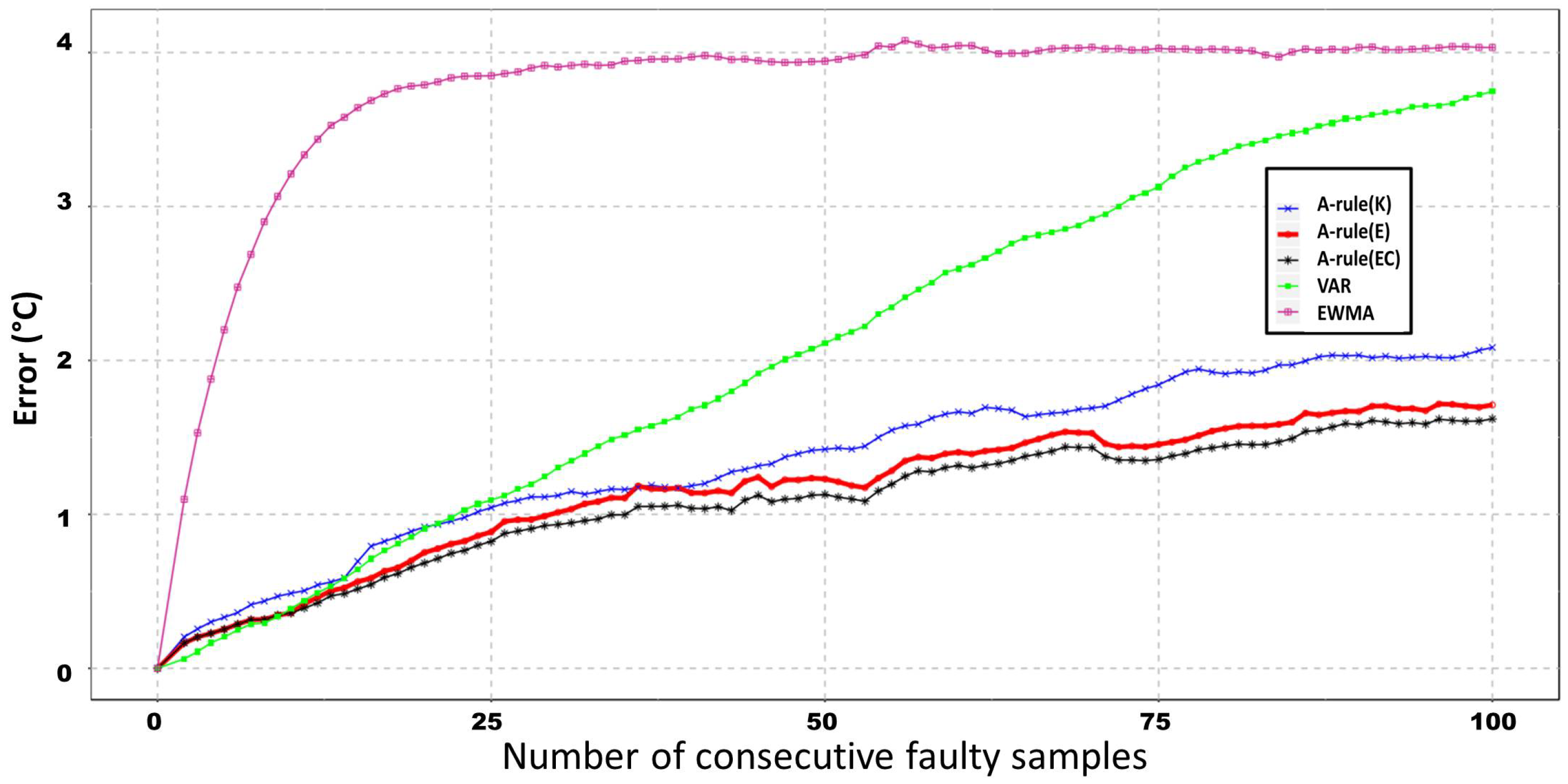
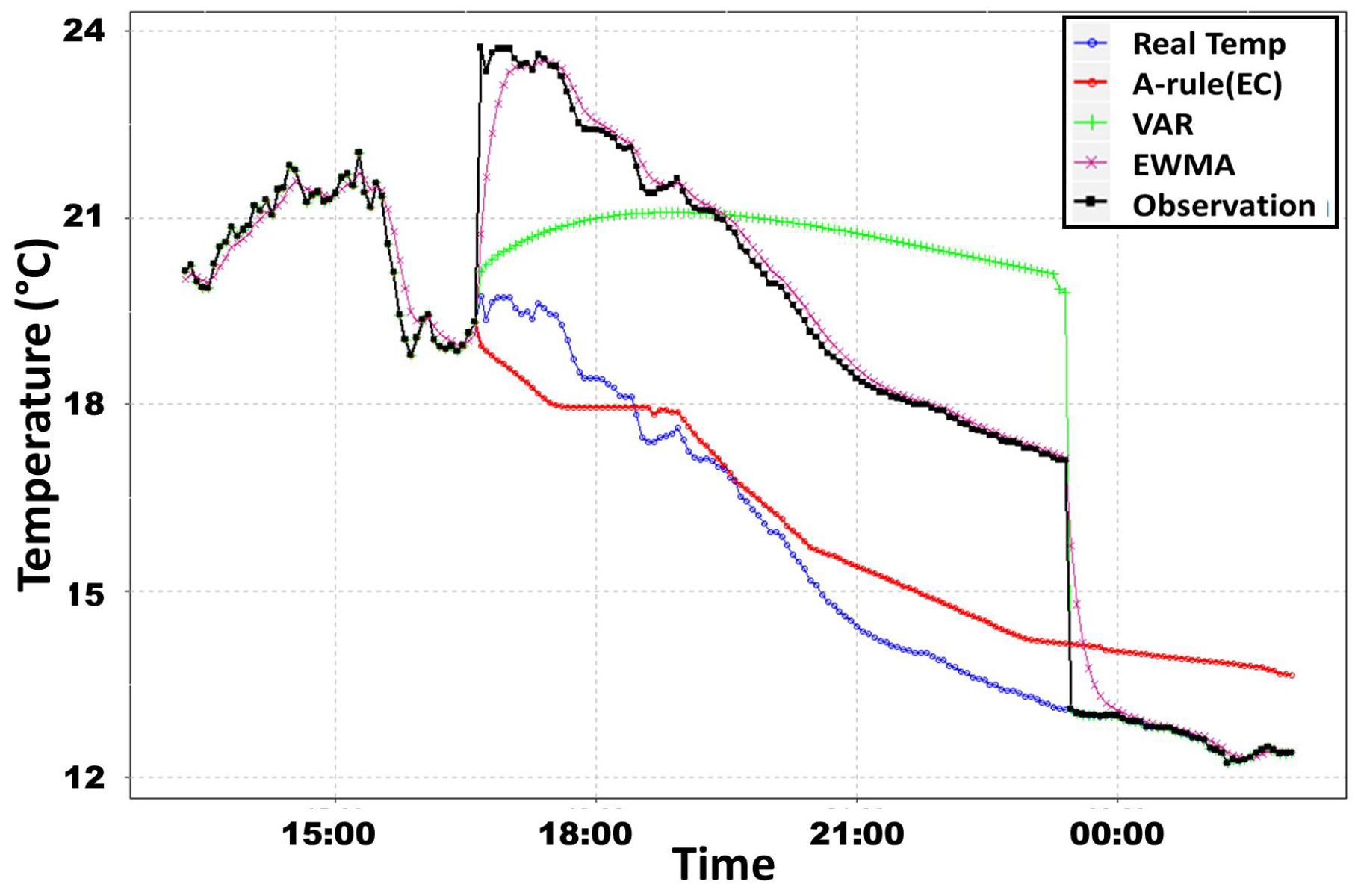
The maximum current that an overhead transmission line can continuously carry depends on external weather conditions, most commonly obtained from real-time streaming weather sensors. The accuracy of the sensor data is very important in order to avoid problems such as overheating. Furthermore, faulty sensor readings may cause operators to limit or even stop the energy production from renewable sources in radial networks. This paper presents a method for detecting and replacing sequences of consecutive faulty data originating from streaming weather sensors. The method is based on a combination of (a) a set of constraints obtained from derivatives in consecutive data, and (b) association rules that are automatically generated from historical data. In smart grids, a large amount of historical data from different weather stations are available but rarely used. In this work, we show that mining and analyzing this historical data provides valuable information that can be used for detecting and replacing faulty sensor readings. We compare the result of the proposed method against the exponentially weighted moving average and vector autoregression models. Experiments on data sets with real and synthetic errors demonstrate the good performance of the proposed method for monitoring weather sensors.
Keywords: smart grids; dynamic line rating; stream data cleaning; data mining smart grids; dynamic line rating; stream data cleaning; data mining
Graphical Abstract